Tag: Hong Kong

  • Hongkongers return to stores – but sales still well down over two years

    Hongkongers return to stores – but sales still well down over two years

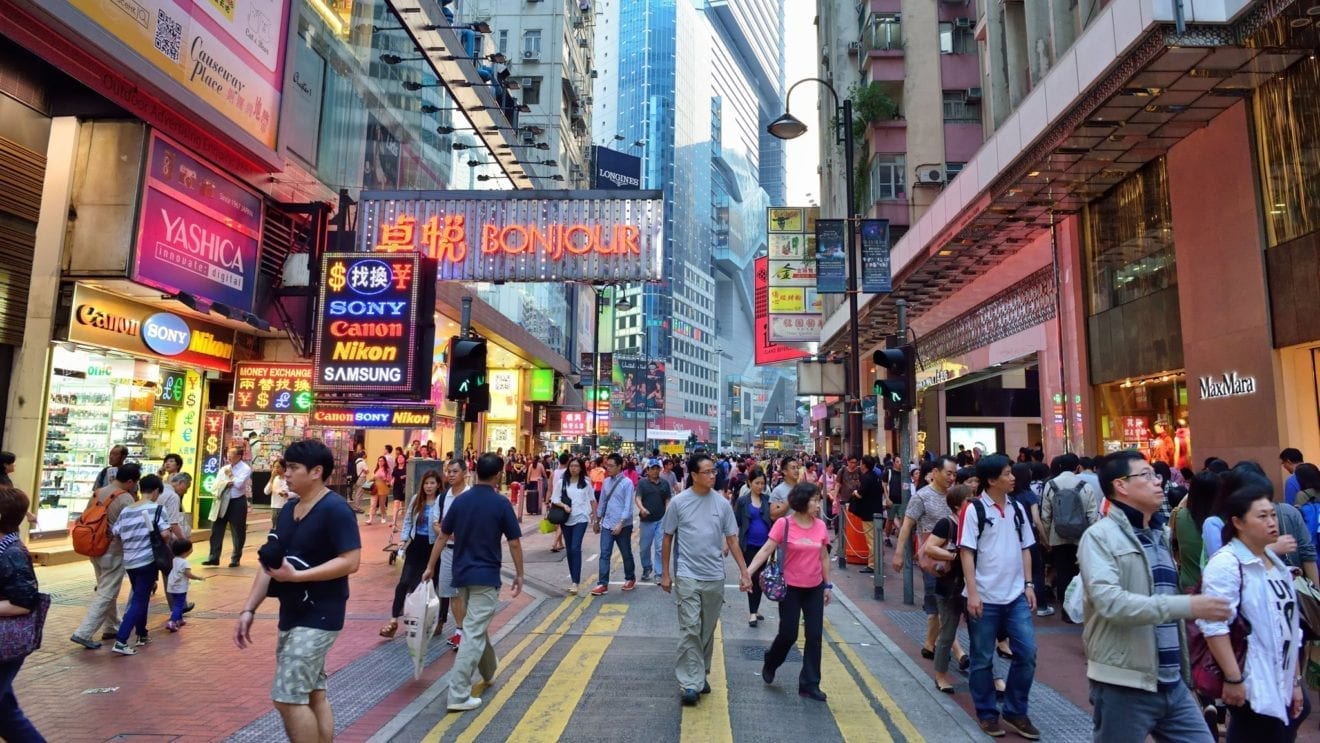
    The local consumer retail demand is projected to get worse in the new year, most especially those that are riding on the tourism sector, which is also expected to be sourer at the same time. In a survey by the Hong Kong Retail Management Association (HKRMA), 97% of the respondents have posted losses starting mid-2019. About 30% of this figure said that they will resort to laying off 10% of their staff, whilst 43% stated that they will have to close down in the next six months.

    The respondents of the survey involves 176 companies, which have more than 4,000 stores and 89,700 employees.

    However, a Bloomberg report stated that this equated to around 5,600 employees that are set to lose their jobs and the retail sector will not be saved by usual holiday rush. David Ji, describes this as the worst-case scenario for the sector.

    “Retailers who used to have stores concentrated in major shopping areas may consider dispersing their stores to the neighborhood areas. As people have avoided going to crowded areas, sales in community malls, neighborhood malls and suburban malls, which offer daily necessities to locals, were relatively more resilient and saw solid sales even amid Hong Kong’s social unrest,” Ji added.

    In a study by PwC in 2017, the total retail sales in Hong Kong was likely to relive its 2013 peak of $494.4b (US$63.3b) in 2020, whilst jewellery and watch sales may also return to a high of $118.3b recorded in the same year.

    Its healthy growth pace continued throughout 2018 and started off positively in 2019, according to a report by Cushman & Wakefield. It was well-supported by the new transportation links to mainland China as it fueled an increase in visitor arrivals to Hong Kong. Over the first two months of the year, mainland arrivals saw the largest growth in five years, growing by 19% YoY and by 21% YoY for same-day visitors.

    It went on through June and provided a boost to foot traffic and retail sales in some sectors such as cosmetics and non-discretionary retail.

    Then by July, Hong Kong’s retail market has struggled amidst the growing social unrest and resulting disruption to retailers’ businesses throughout the city. Mainland tourist arrivals plummeted as the unrest escalated and in October, the number of visitors from the Mainland dropped by 45.9% YoY, the steepest decline ever in a single month. Retail sales naturally followed, dropping by 24.3% YoY in the same month, after a drop of 18.2% YoY in September.

    The decline was led by jewelry and watches which recorded a fall in sales of 42.9% YoY, followed by medicines & cosmetics (down 33.5%). These two used to lead Hong Kong’s retail sector two years ago.

    It wasn’t just the social unrest that kept the retail market at bay. “The continuation of social unrest is obviously the key challenge followed but the further deterioration of the Chinese economy, which is key for HK’s growth,” said Alicia Garcia-Herrero, chief economist at Natixis.

    A note by DBS Group Research also noted that exports of travel services (down 32.2%) was dampened by a weaker Chinese yuan. Tourist’s hot picks such as clothing, jewelry, and cosmetics/medicines fell by 20%-40% and will be a big slap for retail sales where tourist spending accounts for 40% of the sector’s performance.

    In addition, the unemployment rate of consumption and tourism-related sectors (16.5% of labor force) already leapfrogged from 3.9% in June to 5.0% in October, lifting the headline 3 months moving the average jobless rate from its 20-year low of 2.8% to 3.1%.

    “Looking ahead, the retail sector will stay weak due to subdued local demand. Hopefully, the temporary rental adjustments for tenants could contain the risks of large-scale closure of businesses and laid-off,” DBS said in the report.

    Across the retail property scene, rents continue to go down which will endanger Hong Kong’s status as the most expensive retail street. Cushman & Wakefield stated that in Q4 2019, the decline in rentals across all submarkets has become even steeper, falling to its lowest level in more than five years.

    Landlords are struggling to retain their tenants, Lawrence Wan, senior director for advisory & transaction services– retail at CBRE Hong Kong added that local pharmacies and larger F&B outlets have abandoned leases over the past few months.

    “Landlords and high street shop owners are considering to provide short-term lease discounts to retain tenants, to alleviate the impact of the social unrest on retailers’ performance. Retailers are consolidating their operations and looking to upgrade their products and service offerings with enhanced customer experience to encourage spending,” Wan said.

    He also added that the rent levels will continue to drop in the short run. But in the long run, this might as well be the “new normal” that retailers have to adjust to. Such will be largely dependent on any government policies and measures that will help the market recover.

    “[W]e can expect a rental adjustment which will allow the retail market to  become more sustainable than what we had experienced in the past few years whereby rents were at very high levels. It will be difficult to predict the timeframe but retailers should get prepared and review their business strategies to cater to the “new normal,” Wan noted.

    Even though there are a number of retailers looking to leave Hong Kong, the region still saw some new openings during the events of the social unrest. Charles Chan, senior Asia retail analyst at IGD, cited the re-launch of beauty retailer Sephora, who have left the market ten years ago. It promised to bring 40 brands in their stores.

    “The re-launch of Sephora provides an indication of how Hong Kong’s retail landscape has shifted. Shoppers expect exciting digital store engagements and touch points rather than just a range of products presented to them. We have also seen Lush, for example, launch its first Asia Naked concept store in Hong Kong, whilst Don Don Donki opened its first store in Hong Kong in July earlier this year,” Chan shared.

    On the digital front, ecommerce platforms may not be as affected as they are still grabbing a larger market share, according to Ji. “In view of this, more physical retailers have already set up online sales channel to catch up the trend. On the other hand, some have leveraged the latest technology such as AR to enhance in-store shopping experience for customers,” Ji added.

    However, Chan still warned that brands and retailers need to be articularly careful on inadvertently choosing a political side in their marketing and messaging.

    A survey by YouGov showed which brands have been the most negatively affected in terms of consumer spending, where most cases are correlated to controversies around the protests. Chinese electronics firm Xiaomi’s brand metric score dropped 40.5 points to -4.1 from a score of 36.4 last August. Its decline started when it released a new smart TV carrying a slogan that is said to mimic chants in the gathering.

    “Despite the uncertain economic and political circumstances, we have seen businesses continue to innovate to stay relevant. The re-launch of Sephora provides an indication of how Hong Kong’s retail landscape has shifted. Shoppers expect exciting digital store engagements and touch points rather than just a range of products presented to them. We have also seen Lush, for example, launch its first Asia Naked concept store in Hong Kong, whilst Don Don Donki opened its first store in Hong Kong in July earlier this year.”
  • HSBC AM Names Asia Head of Credit Research

    HSBC AM Names Asia Head of Credit Research

    HSBC’s asset management arm appoints a new head of credit research in Asia amid an ongoing expansion across its product range and distribution capabilities in the region.

    HSBC Asset Management appoints Seok Poh Yeoh as head of credit research for Asia, according to a statement, effective immediately.

    In her Hong Kong-based role, Yeoh reports locally to head of Asian fixed income Elizabeth Allen as well as Paris-based global head of credit research Tina Radovic.

    Yeoh has 16 years of industry experience and was most recently a financial and corporate credit research analyst at Credit Suisse. She rejoins HSBC Asset Management after first joining in 2012 as a financial analyst.

    The latest hire follows announced ambitions by HSBC Asset Management to enhance its platform in mainland China, India, and Southeast Asia, most notably for the high net worth product range across alternatives, sustainability, and thematic equities.

    According to the bank, HSBC Asset Management has Asian fixed income assets under management totaling nearly $73 billion as of March 31 this year.

  • HSBC Rolls Out Institutional Family Office Services

    HSBC Rolls Out Institutional Family Office Services

    Single-family office clients across Asia will be able to tap on HSBC’s team of investment banking specialists and institutional execution services.

    HSBC said that combining the family office and wealth planning strengths of its private banking business with the expertise and reach of its global banking and markets business will allow it to better serve the growing needs and levels of sophistication of family offices.

    In an announcement on Thursday, the bank cited the growing number of ultra-high net worth families in Asia and the scale of wealth transfer happening in the region, where $1.9 trillion is expected to be passed on to the next generation.

    The bank’s family office relationships will be able to access a wider range of solutions and opportunities, including financing solutions and product capabilities, including institutional market access, prime services, and private deals, the announcement said.

    As wealthy individuals and businesses professionalize the management of their family wealth, we will deliver the full strength of advisory and structuring capabilities in our private banking and investment banking teams to meet our clients’ increasingly sophisticated investment and family needs, Siew Meng Tan, regional head of HSBC Private Banking, Asia-Pacific, said.

    HSBC said the move is aligned with its ambition to become the leading wealth bank in the region. The bank previously announced plans to invest over $3.5 billion in the next five years to accelerate the growth of its Wealth and Personal Banking (WPB) business in Asia.

  • OCBC Names Successor for for Hong Kong Chief

    OCBC Names Successor for for Hong Kong Chief

    OCBC appoints new chief for its Hong Kong unit, succeeding longstanding veteran Na Wu Beng. Ivy Au-yeung has been appointed chief executive of OCBC Wing Hang – the Singapore lender’s Hong Kong unit – according to a report, effective as of May 20, reporting to group CEO Helen Wong.

    Na will step down from the role and retire after more than two decades with the bank – he first joined in 1990 as the general manager of the Hong Kong branch – remaining as an advisor to the board until 2021-end.

    Au-yeung has 30 years of global banking experience and is currently OCBC Wing Hang’s deputy chief executive.

  • Huawei CFO Wins Extradition Hearing Delay

    Huawei CFO Wins Extradition Hearing Delay

    An agreement between Huawei and HSBC in Hong Kong has led Canadian courts to delay chief financial officer Meng Wanzhou’s extradition hearing.

    Huawei CFO Meng Wanzhou was handed a three-month delay for her U.S. extradition hearing, according to a court ruling, which was scheduled to conclude in May.

    Defense attorney Richard Peck had requested «a modest frame of time» to read newly obtained documents and potentially file them as evidence.

    Peck and the defense team were referring to a breakthrough agreement made between Meng, Huawei, and HSBC in Hong Kong courts earlier this month for «documents production».

    According to a statement from the bank, it agreed to «resolve the legal proceedings in Hong Kong regarding their request for documents».

    Defense lawyers claimed that the documents would prove that HSBC was not misled into business dealings with Iran, causing it to break U.S. sanctions.

  • Causeway Bay deposed as Asia’s most-expensive retail strip

    Causeway Bay deposed as Asia’s most-expensive retail strip

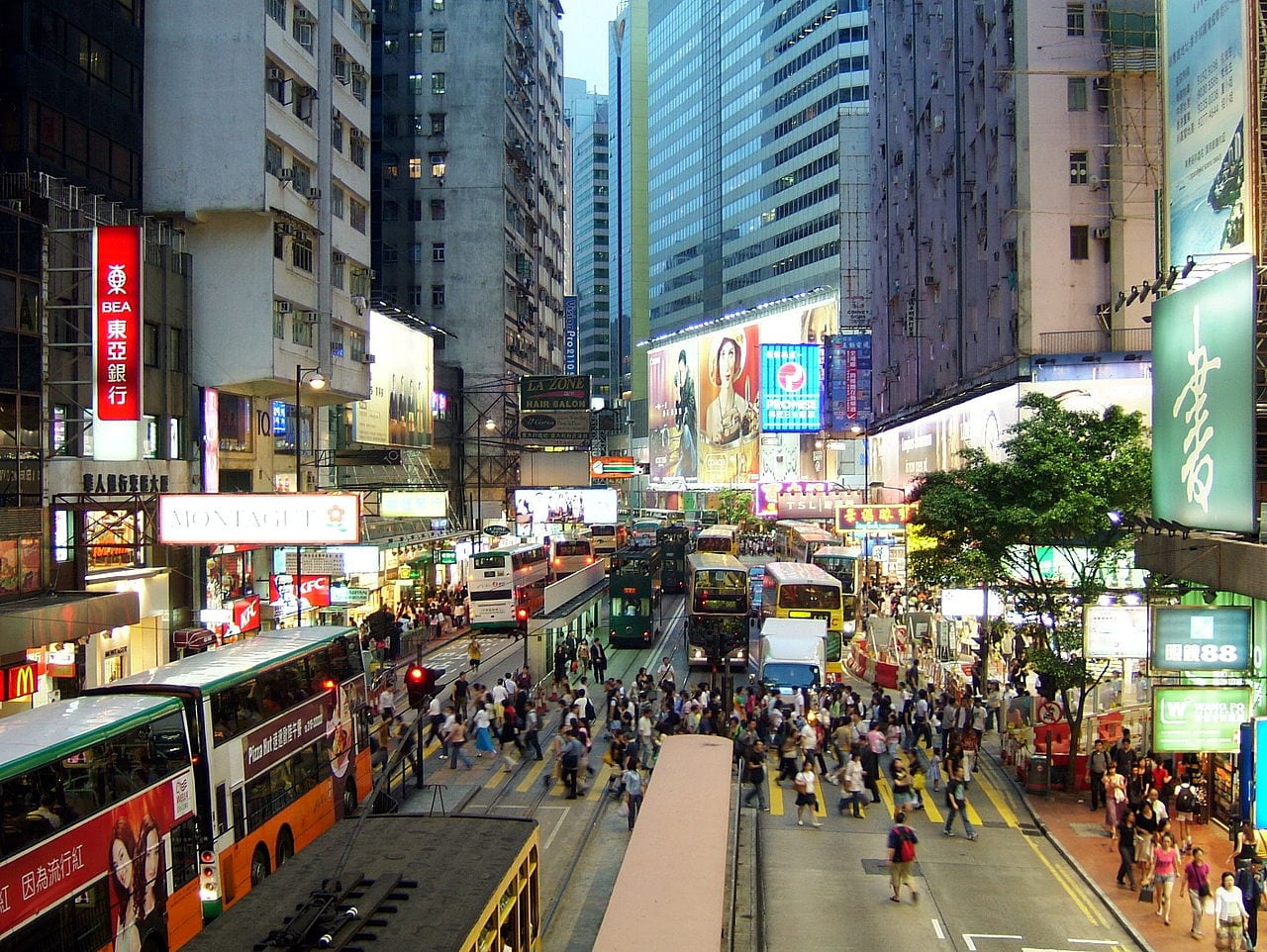
    Two-thirds of retail strips in Asia Pacific saw rental declines in 2020, with Causeway Bay in Hong Kong experiencing the steepest decline at 43%, according to Cushman & Wakefield’s latest Asia Pacific Main Streets Report. Causeway Bay had been #1 across the globe in retail rental value in the last 2 years. Yet, its position was taken over by Tsim Sha Tsui in 2020. Retail rental dropped by 42% and 35% year-on-year for Central and Tsim Sha Tsui respectively. On average, retail space rental value citywide has fell by 38% in Hong Kong over the course of 2020.

    “Ownership diversity is the key differentiator between Tsim Sha Tsui and Causeway Bay retail rental performance. Ownership of Canton Road in Tsim Sha Tsui, the main shopping area, is more centralized when compared with Russell Street of Causeway Bay. In times of crisis, centralized ownership allows for more flexible measures to retain tenants, thus maintaining a more stable trade mix with a cluster of renowned brands with optimal brand impact,” said Mr. Kevin Lam, Cushman & Wakefield’s Executive Director, Head of Retail Services, Hong Kong. “Looking ahead, with international travel made possible again towards the later part of 2021, together with a stable trade mix, we would expect retail rental performance to recover first in Tsim Sha Tsui district for the same reason,” Mr. Lam continued.

    However, the retail sector in Mainland China had the least disruption amongst all the markets in the region, with average rental declines of 5%. In contrast to the Beijing Central Business District (CBD) which had a 14% decrease in rental in 2020, the Luohu district in Shenzhen saw the largest rental growth of 5%.

    Mr. Keith Chan, Cushman & Wakefield’s Director, Head of Research, Hong Kong, commented, “Hong Kong remained in the top position regardless of the average retail rental drop of 38% in 2020. Tsim Sha Tsui still sits 31% above the second place, Ginza of Tokyo. This reflects the exceptionally high retail rentals in Hong Kong regardless of the pandemic outbreak and economic downturn.”

    “The key market drivers in operation due to COVID-19, namely international border closures, lockdowns and work-from-home practices have been universally felt across the region. As a result, we see little change in Asia Pacific rent cost rankings, at least for the top 10 cities, with Hong Kong, Tokyo, Sydney, Seoul and Osaka maintaining their dominance at the top of the list,” noted Dr. Dominic Brown, Head of Insight & Analysis, Asia Pacific at Cushman & Wakefield.

  • Adidas quits Hong Kong Central as retail stagnation continues

    Adidas quits Hong Kong Central as retail stagnation continues

    Adidas is exiting Hong Kong’s Central prime business district. The German sportswear giant signed a HK$4.34 million a month, or HK$52.1 million a year, lease for the 13,000 sq ft shop at 36 Queen’s Road in 2015. Removal staff were seen dismantling shelves and putting away stock on Wednesday.

    “After a thorough review we have decided to close the Adidas Brand Center on Queen’s Road,” the company said on Wednesday. “We continue to have a strong presence in Hong Kong, with more than 20 Adidas stores and multiple franchise stores.”

    Adidas is potentially following in the footsteps of Gap, Topshop, and Esprit, brands that have either shut shop in Central or exited Hong Kong altogether. International brands that rely heavily on mainland Chinese and other tourists for sales in Hong Kong have found themselves unable to sustain business operations after the city essentially closed its borders early last year to combat and contain its coronavirus outbreak. Visitor arrivals dropped by about 94 percent last year to 3.57 million. Retail sales too fell, by 24.3 percent to HK$326.5 billion.

    “It is not surprising to see major retailers closing down, especially their prime flagship shops,” said Hannah Jeong, head of the valuation and advisory services at Colliers International in Hong Kong. “Despite a 25 percent drop in overall retail shop rents, and some prime street shops facing up to a 50 percent reduction in rents, operations costs including rental expenses are still not yet sustainable, given the large cuts in revenue.”

    Rents on Russell Street in Hong Kong’s prime shopping district Causeway Bay stood at US$2,671 per square foot in 2018. By the second quarter of 2019, it was the world’s most expensive shopping avenue, with rents at US$2,745 per square foot a year on average, according to commercial real estate services firm Cushman & Wakefield. The city’s exorbitant rents coupled with plunging retail sales have made business operations unviable for many retailers.

    Adidas’s lease for the space expired last year and it opted for a short-term deal, which suggests “the brand might leave at any time”, said Thomas Chan, research analyst at property agency Midland IC&I. “According to market news, a local bank may lease the premises for over HK$2 million a month, down almost 54 percent compared with the last lease, if the deal is sealed,” he said.

    The city will see more reasonable shop operations, given the softening of the retail market, said Colliers’ Jeong. “Flagship shops will find it difficult to make a profit. Therefore, we will see more brands looking for smaller shops to maximize the dollar spend per square foot. This does not necessarily mean that retail brands are closing down, or withdrawing from the Hong Kong market. It is rather that shop requirements of retailers are changing.”

    Indeed, Adidas itself rented the shop at 36 Queen’s Road at a rate that was 22.5 percent cheaper than that paid by its previous tenant, US luxury brand Coach, according to the Land Registry.

    The number of foreign brands have expanded in Central of late. Casual clothes brand American Eagle has taken up a 7,000 sq ft space vacated by Gap in LHT Tower just a few steps away from the vacated Adidas shop. In October last year, mid-priced French sporting goods retailer Decathlon rented a 9,300 sq ft shop previously rented by luxury leather goods retailer MCM in Entertainment Building in Central.

    “It is quite common to see retailers come and go across different retail districts in Hong Kong, as they adjust their retail strategies. As retail rents have dropped significantly, by as much as 60 percent from their peak in the third quarter of 2014, international retailers are in fact looking for prime spaces to take advantage of the cheaper rents,” said Lawrence Wan, senior director, advisory and transaction services – retail, at CBRE.

  • Citi Elevates Senior Hong Kong Investment Banker

    Citi Elevates Senior Hong Kong Investment Banker

    Citi has expanded the role of its regional head of corporate finance with greater responsibilities for the Hong Kong investment banking business.

    Alex Schrantz has been named head of banking, capital markets and advisory (BCMA) for Hong Kong, according to a statement, effective immediately. Schrantz reports to APAC head of BCMA Jan Metzger alongside Hong Kong and Macau chief executive Angel Ng.

    Schrantz will retain his existing role as APAC head of corporate finance.

    Schrantz has nearly 30 years of global banking experience of which over two decades were based in Hong Kong. He first joined Citi in 2012 and has been responsible for overseeing capital amerces execution in Asia Pacific. Previously, he was also a member of the listing committee for the local stock exchange from 2006 to 2010.

  • StanChart Expands Hiring Efforts in Hong Kong

    StanChart Expands Hiring Efforts in Hong Kong

    Standard Chartered plans to hire about 400 staff in Hong Kong this year as part of the ongoing expansion of its retail baking and wealth management business.

    The Asia-focused lender’s hiring plans are part of its strategy to tap demand from affluent customers for wealth planning, according to a report citing Hong Kong head of consumer, private, and business banking Lay Choo Ong.

    In addition to hiring, Standard Chartered is also planning to invest $26 million over the next three years to revamp its branches in the city.

    The bank will look to add, relocate and close various branches with the aim of maintaining 70 in the city, according to a previous announcement by Hong Kong CEO Mary Huen.

    Although branch visits at Standard Chartered fell 25 percent during the pandemic, the bank believes that demand remains for customers seeking to discuss more complex financial needs.

    It is planning to open its second «Priority Private Center» in the city this year as well as three green branches for paperless services, likely in the third or fourth quarter, as part of a pilot project.

    According to Ong, assets under management in Hong Kong-registered double-digit growth in the first quarter while wealth management fund flows doubled the annual average in 2020.

  • Citi Boosts Hong Kong Wealth Headcount

    Citi Boosts Hong Kong Wealth Headcount

    Citi unveiled its hiring plans for its wealth management business in Hong Kong – one of the few remaining markets the bank will place its renewed focus on after announcing a series of planned exits.

    Citi will look to hire up to 500 people in its Hong Kong wealth unit, according to a statement.

    The hires will include 300 relationship managers in the next five years as part of plans to triple the number of clients and double assets under management (AUM) by 2025 in Hong Kong.

    With various Greater Bay Area initiatives, such as Wealth Management Connect on the horizon, the opportunities are strong for further client-led growth in Hong Kong wealth management,» said Hong Kong chief executive and consumer business manager Lawrence Lam.

    Hong Kong is one of the four wealth hubs where Citi will operate its consumer banking business after it announced planned exits to 13 markets in Asia and EMEA.

    The remaining hubs are London, UAE and Singapore where it also aims to triple its clients and double AUM by 2025.

    The latest Hong Kong hiring ambitions for the Hong Kong wealth unit follow previously announced plans to hire up to 1,700 people across businesses in the city.

  • HSBC Shifts Top Execs to Hong Kong

    HSBC Shifts Top Execs to Hong Kong

    HSBC will relocate some of its top executives from London to Hong Kong as the British lender places increasingly greater emphasis on the region.

    Global banking and markets co-head Greg Guyett, wealth and personal banking chief executive Nuno Matos, and global commercial banking chief executive Barry O’Byrne will relocate to Hong Kong in the second half of the year, according to an internal memo.

    They will also be joined later in the year by the bank’s head of asset management Nicolas Moreau.

    Though some other roles will also be shifted to join the top executives, there is no planned large-scale movement of jobs from London to Hong Kong.

    The relocated executives lead divisions that makeup nearly all of HSBC’s global revenue, signaling a stronger focus on Asia, which accounted for 59 percent of operating income in 2020.

    An important part of our global strategy is to base more of our leadership population in Asia, said HSBC CEO Noel Quinn in the note.

    The bank is undergoing restructuring to further focus its resources on growth opportunities in the region. Part of its plans includes redeployment of over $100 billion of capital to Asia, where it is particularly focused on investing in Hong Kong, China and Singapore.

  • Hong Kong chain AbouThai raided over labelling breaches

    Hong Kong chain AbouThai raided over labelling breaches

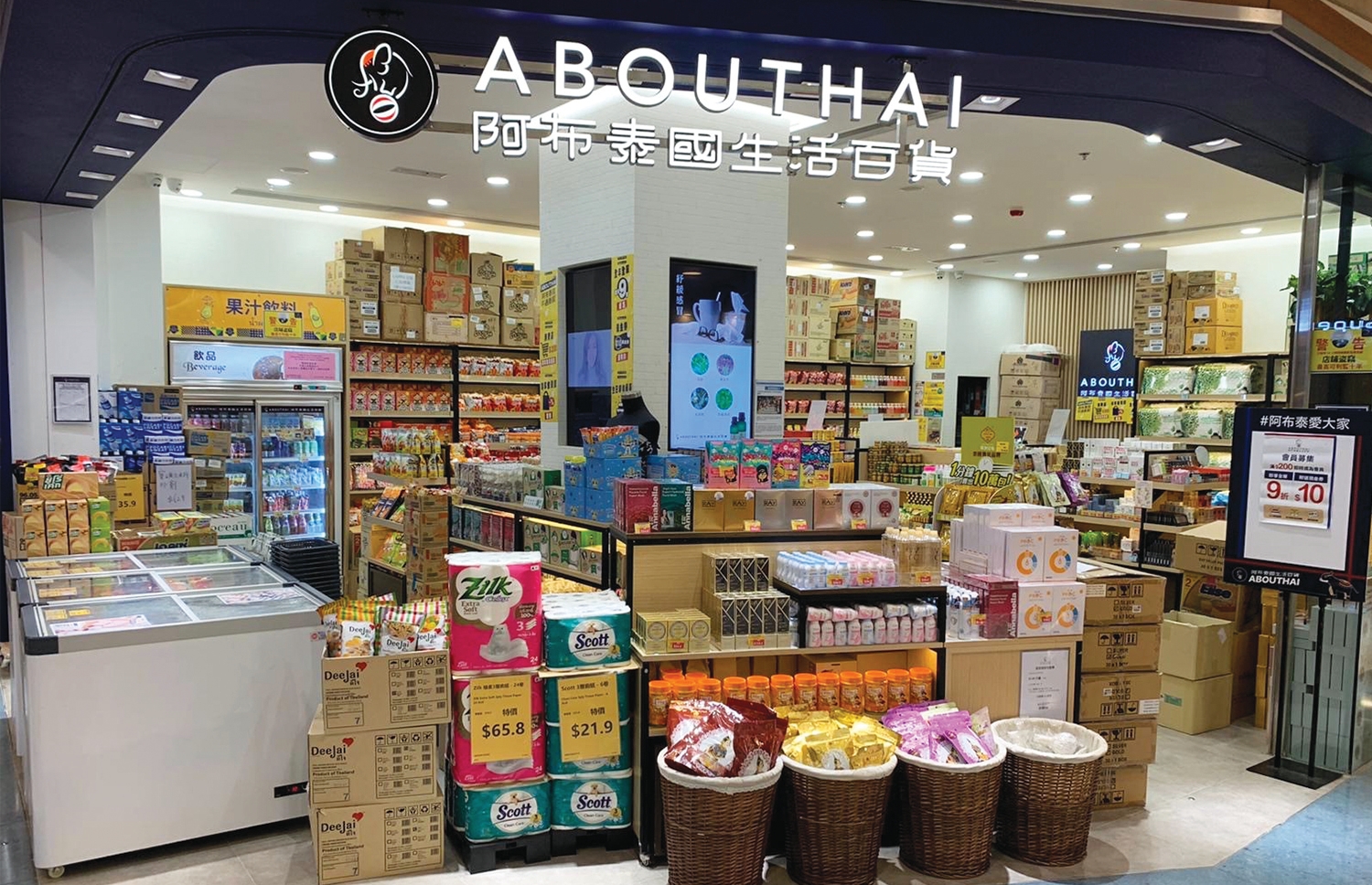
    Hong Kong authorities have seized nearly 9000 Thai cleaning products suspected to have wrong labeling from a shop founded by a pro-democracy activist facing charges under the city’s contentious national security law. Customs officers on Thursday raided 25 shops belonging to the chain, AbouThai, and arrested a 33-year-old male director of the group, the government said in a statement.

    The suspect had been released on bail and further arrests had not been ruled out, it added.

    “The product information marked on the packages of the products involved failed to bear Chinese and English bilingual warnings or cautions,” it said, adding the estimated market value of the 8805 products seized was about HK$400,000 (US$51,400).

    Under Hong Kong’s Consumer Goods Safety Ordinance, warnings or cautions on products must be in both English and Chinese and are required to be “legibly and conspicuously shown on the goods”.

    Customs chiefs said the raids were carried out in connection with missing safety warnings on cleaning products, with some only having warnings or cautions in Thai, while others bore warnings or cautions in Thai and English.

    The company’s founder, Mike Lam, is among 47 democrats charged under the city’s national security law on a charge of conspiracy to commit subversion and is currently on bail.

    Crowds queued outside branches of the shop across the city on Friday to show support for Lam, with some saying they believed the raid was politically motivated.

    “I find it unreasonable that the Customs targeted AbouThai. That’s why I come here to support. I am quite touched that many people come,” said Chris, who declined to give his full name due to the sensitivity of the national security law.

    The legislation punishes what Beijing broadly defines as secessionism, subversion, terrorism and collusion with foreign forces with up to life in jail.

    Local broadcaster RTHK quoted Vincent Chan, from the customs consumer protection bureau, as saying the department condemned any “false accusation” that the raid was an “act of repression”.

    Hong Kong anti-government protesters have queued outside businesses that openly support the democracy movement since anti-government protests flared in 2019.

    The former British colony returned to Chinese rule in 1997 with a promise of safeguards for its wide-ranging autonomy. Democracy activists say authorities are chipping away at those freedoms, accusations which officials in Beijing and Hong Kong reject.

  • Foodpanda to drive Covid-19 vaccination awareness campaign across Asia

    Foodpanda to drive Covid-19 vaccination awareness campaign across Asia

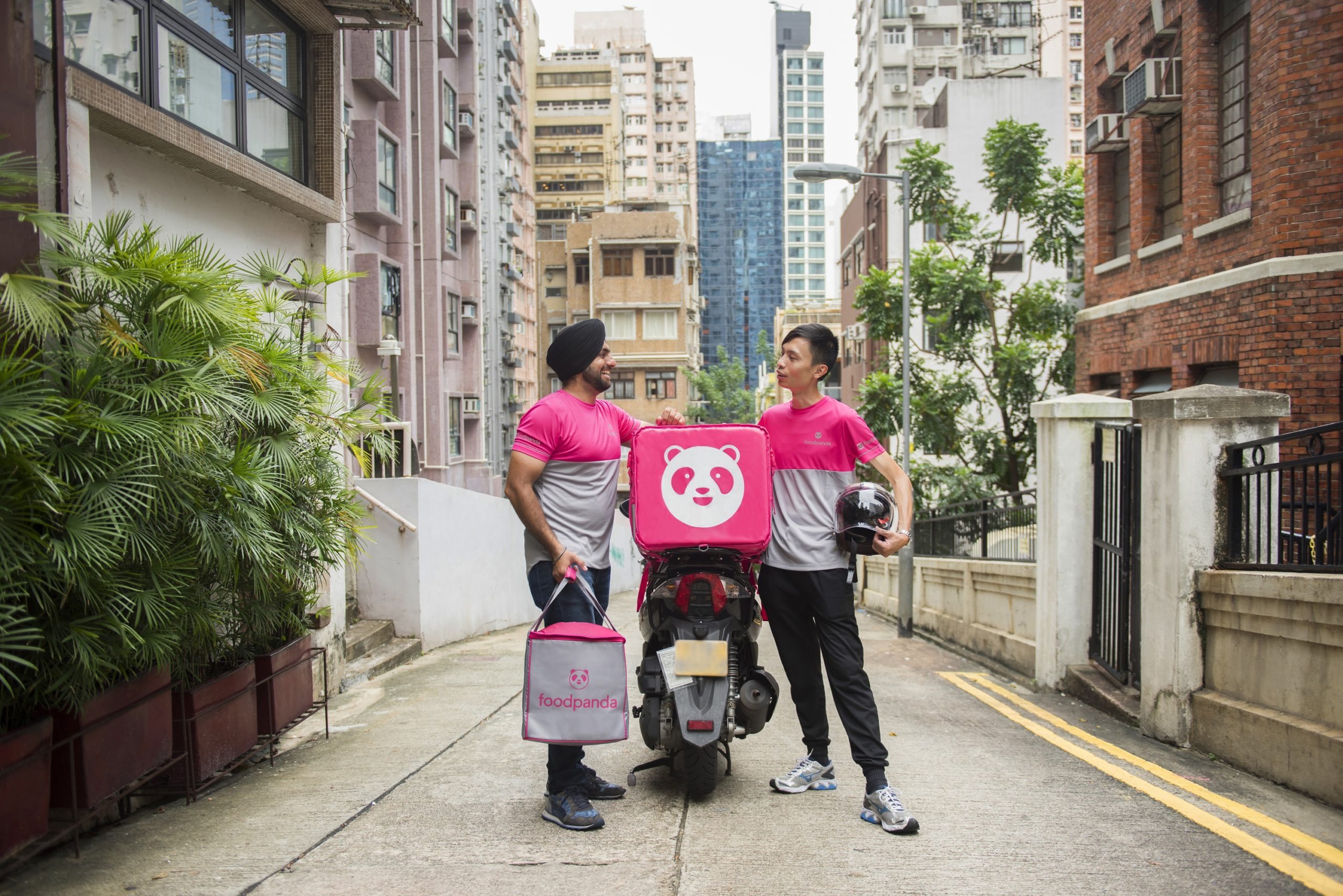
    Food and grocery delivery service Foodpanda has launched a Covid-19 vaccination awareness campaign across Asia in the lead-up to WHO’s World Immunisation Week. The campaign, which aims to reach more than 10 million people across Asia, will include a series of content across digital and social media channels, providing information and resources on local vaccination programs.

    It will be rolled out in phases across Singapore, Malaysia, Thailand, Hong Kong, Cambodia, Japan, Bangladesh, Pakistan, and the Philippines.

    “The region’s battle with Covid-19 is ongoing, and we have to stay vigilant on keeping our ecosystem safe,” said Jakob Angele, CEO of Foodpanda. “Leveraging existing channels with our network of riders, merchants, employees and customers, we can raise greater awareness around fighting misinformation and share information around local vaccination programs so that our entire delivery ecosystem can be informed and mobilized.”

    Besides its social media campaign, Foodpanda will also join hands with local authorities to support vaccination programs in Singapore, Cambodia, and the Philippines.

    “We will continuously explore ways to play a part in the fight against Covid-19.”

  • Flash Coffee to open 300 outlets after fresh funding round

    Flash Coffee to open 300 outlets after fresh funding round

    Tech-enabled coffee chain Flash Coffee has raised US$15 million in its Series A funding led by White Star Capital, aiming to launch 300 stores this year.

    The Series A round sets the total capital raised by Flash Coffee to US$20 million. Investors include Delivery Hero-backed DX Ventures, Global Founders Capital, and Conny & Co.

    The raised funds will be used for accelerating Flash Coffee’s expansion plan in Asia. According to David Brunier, CEO of Flash Coffee, the company will enter into seven new markets this year: Hong Kong, Taiwan, South Korea, Japan, Malaysia, the Philippines, and Vietnam.

    “Our dream is to have a Flash Coffee every 500 meters in all major Asian cities,” said Brunier.

    “We will also build a regional HQ in Singapore and expand our regional tech hub in Jakarta to 50 people to support our vision of fully leveraging technology to improve customer experience, proactively drive growth and significantly increase operational efficiency.”

    Launched in January last year, Flash Coffee business model focuses on grab-and-go physical storefronts that rely on technology, allowing significant cost savings. The company now operates 50 outlets across Singapore, Thailand, and Indonesia.

  • Louis Vuitton launches Objets Nomades in Hong Kong

    Louis Vuitton launches Objets Nomades in Hong Kong

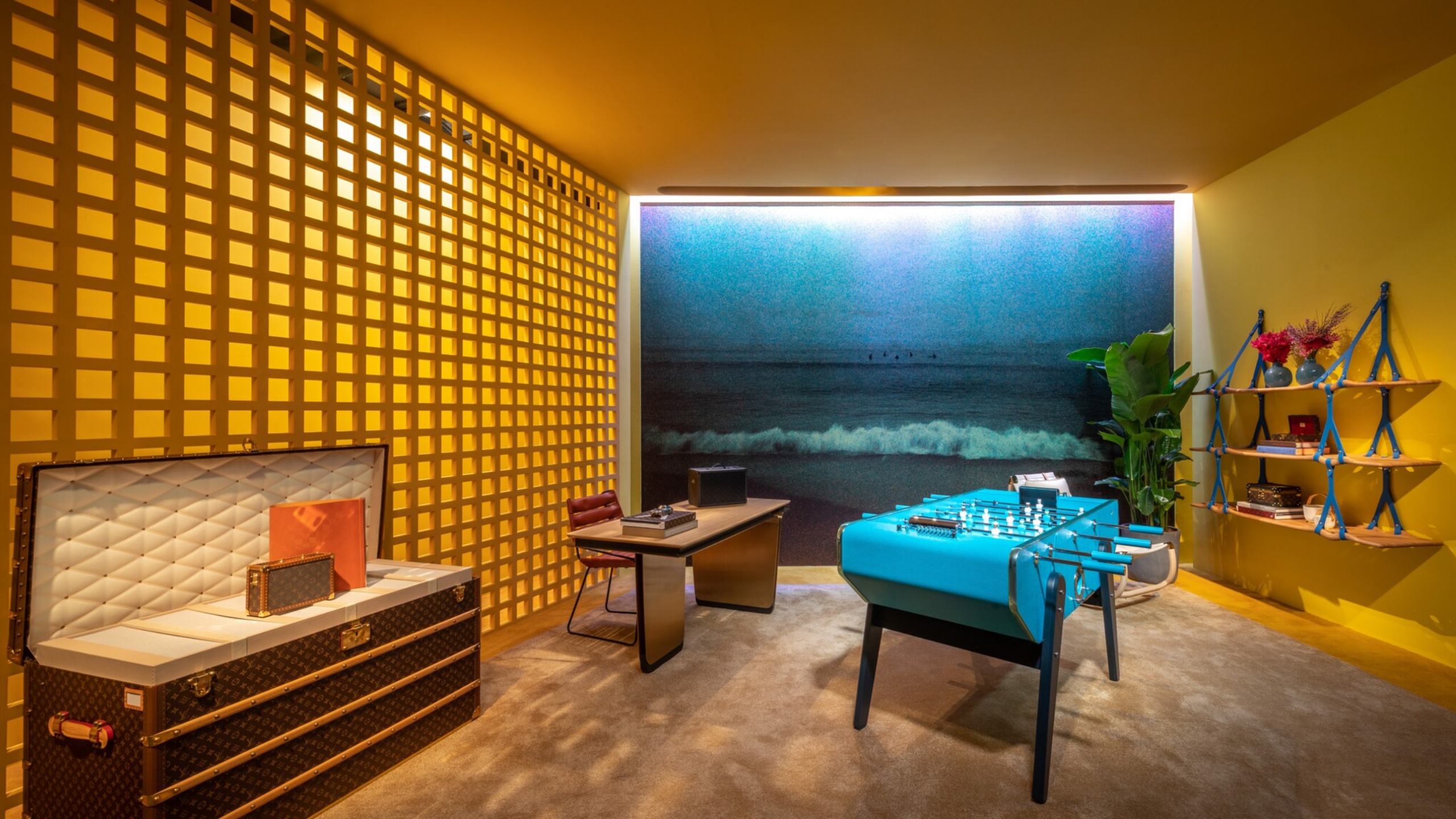
    Louis Vuitton has transformed Pedder Building into its own private salon, replete with their celebrated Objets Nomades collection. The occasion also marks the international launch of the brand’s latest Objet Nomade — Lanterns, intricately weaved lamps that are designed by design duo Zanellato/ Bortotto.

    The grand showcase is a labor of love by local scenographer and interior designer Nelson Chow. Set over two floors, the exhibition brought us into the world of Louis Vuitton, where existing iconic pieces are also displayed in a new light for visitors to see, touch and feel.

    Since 2012, the Louis Vuitton Objets Nomades collection has put the skills of international designers such as Atelier Oi, Atelier Biagetti, the Campana Brothers, Andre Fu, Raw Edges and Tokujin Yoshikoka to the test. Each designer must create objects of art that are rooted in Louis Vuitton’s vision of travel, embodying the brand’s design codes and savoir-faire. From hammocks to foldable stools and lounge chairs, to leather screens and sofas that can be transformed into smaller furniture pieces, the collection showcases the House’s attention to complex craftsmanship and creative innovation.

    Showing their support at the opening of the exhibition were stars such as Karena Lam, Grace Chan, Sham Yuet, Sham Yet and Stephanie Au. Other renowned guests also include Adrian Cheng, Andre Fu, Michelle Cheng, Yen Lo, Alan Lo, Esther Sham, Queenie Law and more.

    The Louis Vuitton Objets Nomades 2021 exhibition runs from now until April 8th, 2021 by private appointment.