Tag: Hong Kong

  • Hong Kong’s Tsui Wah launches second Singapore outlet

    Hong Kong’s Tsui Wah launches second Singapore outlet

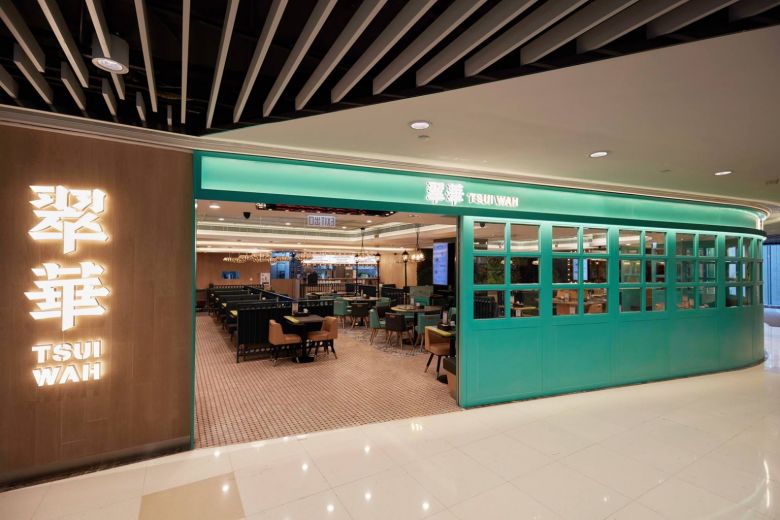
    F&B firm Jumbo Group has opened the second Singapore outlet of its Tsui Wah restaurant at The Heeren.

    The locations are the brand’s sole Tsui Wah venues outside of greater China, with the new 4800sqft Tsui Wah Orchard Road restaurant opening around 15 months after the first Singapore store at Clarke Quay. The second location has 192 seats across its alfresco and indoor dining areas.

    The new Tsui Wah Orchard Road venue has been established for strategic reasons given its easy accessibility on the island’s main shopping street.

  • BIS Plans Innovation Hub in Hong Kong

    BIS Plans Innovation Hub in Hong Kong

    The Bank of International Settlements has signed an operational agreement with the Hong Kong Monetary Authority to establish an innovation center in the special administrative region.

    The hub will identify and develop insights about technology affecting central banking; develop «public goods» in technology to improve the global financial system, and serve as a focal point for central banking innovation, according to a news release.

    The HKMA is a global leader in promoting innovation, and Hong Kong is home to a vibrant fintech ecosystem,» said BIS GM, Agustín Carstens. «The HKMA’s involvement will be a key driver of the Hub’s success.

    In addition to Hong Kong, hub centers will also be set up in Singapore and Basel, Switzerland in the initial phase.

  • Hong Kong Millennials Drive Digital Banking Delays

    Hong Kong Millennials Drive Digital Banking Delays

    While most new recipients of Hong Kong digital banking licenses were planning to begin operations by 2019-end, higher priorities are in play for the city’s millennials – the key demographic for the sector – causing lenders to delay their launches.

    Some players were believed to be launching brand and marketing campaigns as early as this month before formally launching their services. The Hong Kong Monetary Authority previously said that digital banking launches could be expected in the fourth quarter of 2019 at the earliest.

    This form of banking service is mainly aimed at the youth, millennials, and many of them are out on the street these days joining the protests, citing an unnamed source with direct knowledge. It will be difficult to launch a brand campaign around them and attract their interest when their priority is clearly not having another bank account. The source added that the digital banks will now instead launch in early 2020.

  • Hong Kong retailers may close as protests impact sales

    Hong Kong retailers may close as protests impact sales

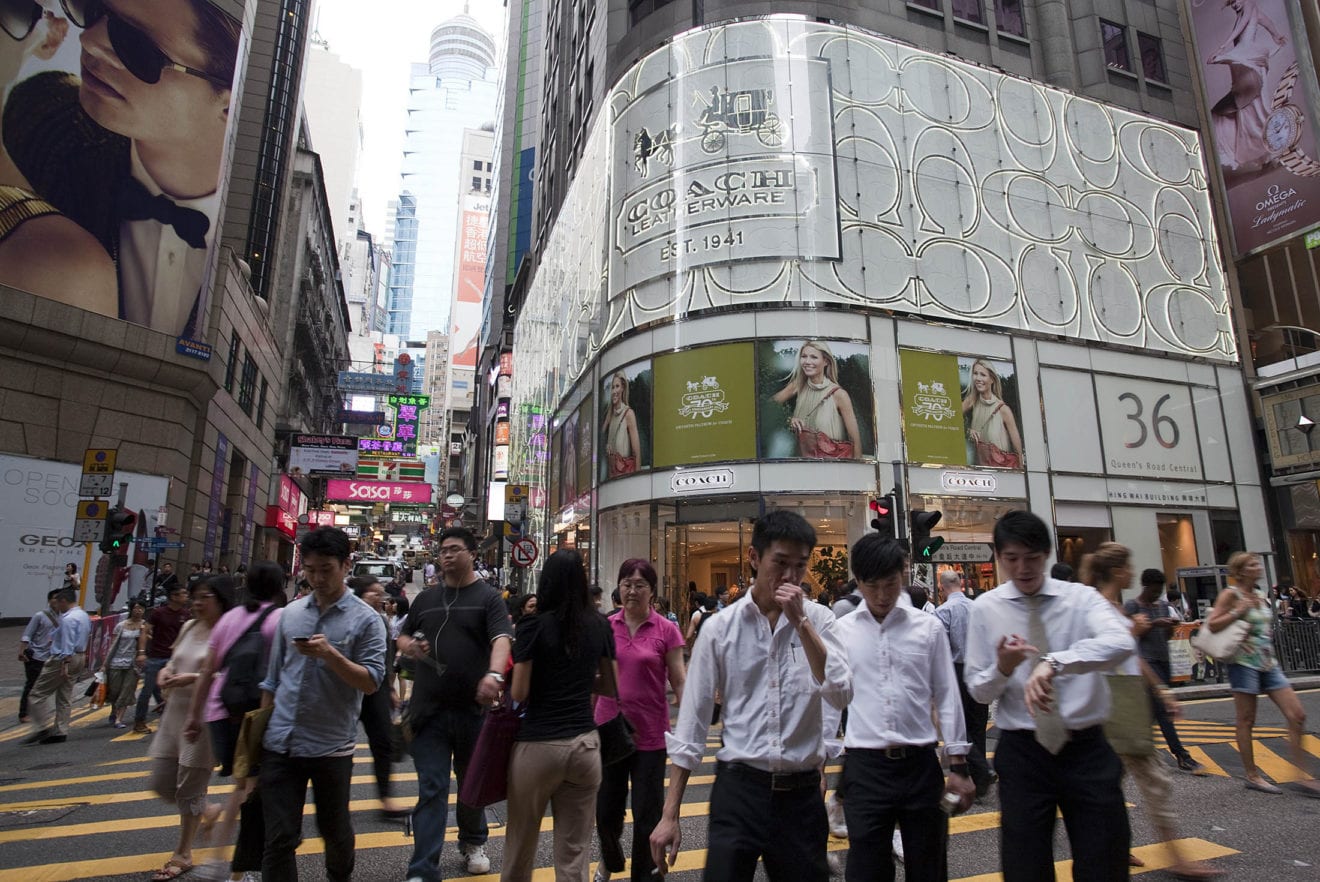
    “Dozens” of smaller Hong Kong retailers may be forced to close their doors as ongoing protests – now into their 15th week – impact trade.

    The Hong Kong Retail Management Association has repeatedly been warning of critical impact on the retail sector as store owners in areas frequently hosting protests have had to shutter their shops for safety reasons.

    Now, the South China Morning Post has reported that “several dozen small retailers are likely to shut shop as soon as the end of this month” because overseas shoppers have been deterred from entering Hong Kong by news of protest activity.

    Alexa Chow Yee-ping, MD of AMAC Human Resources, told the SCMP her clients were considering laying off staff to keep afloat.

    “It is just too hard to survive,” she told the paper, saying she feared “thousands of layoffs”.

    Annie Yau Tse, chairman of the HKRMA said last month that damage to retail business has directly impacted the frontline staff’s take-home income. “Some member companies reported that their staff’s income, which is paid on a commission basis, has also declined accordingly because of the tremendous sales drop caused by significant business disruptions,” she said in a message posted on the association’s website.

    “Furthermore, retail-related industries, such as the import and export trade, wholesale, transportation and storage sectors, will also suffer from the subdued retail market.”

    Tse was commenting after the release of June’s retail sales data for Hong Kong, which showed a 6.7 decline year on year. Since then July figures have shown an 11.4-per-cent drop. There is a widespread expectation that sales in August will be down even further, given 851,000 fewer passengers used Hong Kong International Airport and the number of mainlanders entering through land-based border crossings continues to decline while the protests roll on.

    The HKRMA has called on landlords to extend relief to embattled retailers given the circumstances.

    “As the recent incidents have made an immediate and profound impact on the retail industry, the Association has issued a letter to call for all landlords to collaborate at these critical moments by offering rental and management fee relief measures,” Tse wrote.

    “Facing such an unprecedented crisis, retailers are in critical need of the support from our stakeholders to sail through the challenges without going out of business or cutting headcount.”

  • Kyoto Ichinoden has opened a high-end Japanese restaurant in Hong Kong

    Kyoto Ichinoden has opened a high-end Japanese restaurant in Hong Kong

    The new venue, Tominokoji Yamagishi, is part of the 90-year-old firm’s expansion plan in the local dining industry. Located in the prime Ocean Centre in the heart of Tsim Sha Tsui, it provides 15 seats for booking and serves fine Kyoto cuisine.

    “Kyoto Ichinoden was founded in 1927,” noted Kyoto Ichinoden HK president Jumpei Tanaka. “Our first Kyoto Ichinoden restaurant in Hong Kong was opened in May this year and we have been successful. To sustain the growth momentum, we wanted to open an even more high-end Japanese restaurant in the city to promote high-quality Kyoto cuisine in Hong Kong. As we have a very close relationship with the founder and chef of Tominokoji Yamagishi, who actually was our head chef for more than 10 years, we decided to bring his brand to the city.

    “Hong Kong people have a strong passion for Japanese food and always look for high-quality food and dining experiences,” he added. “It gives us a good reason to bring a Michelin-starred restaurant brand here. The city is also very strong in terms of logistics and transportation, ensuring efficient supplies of high-quality ingredients for our restaurants.”

  • Hattendo bakery to franchise stores in Hong Kong

    Hattendo bakery to franchise stores in Hong Kong

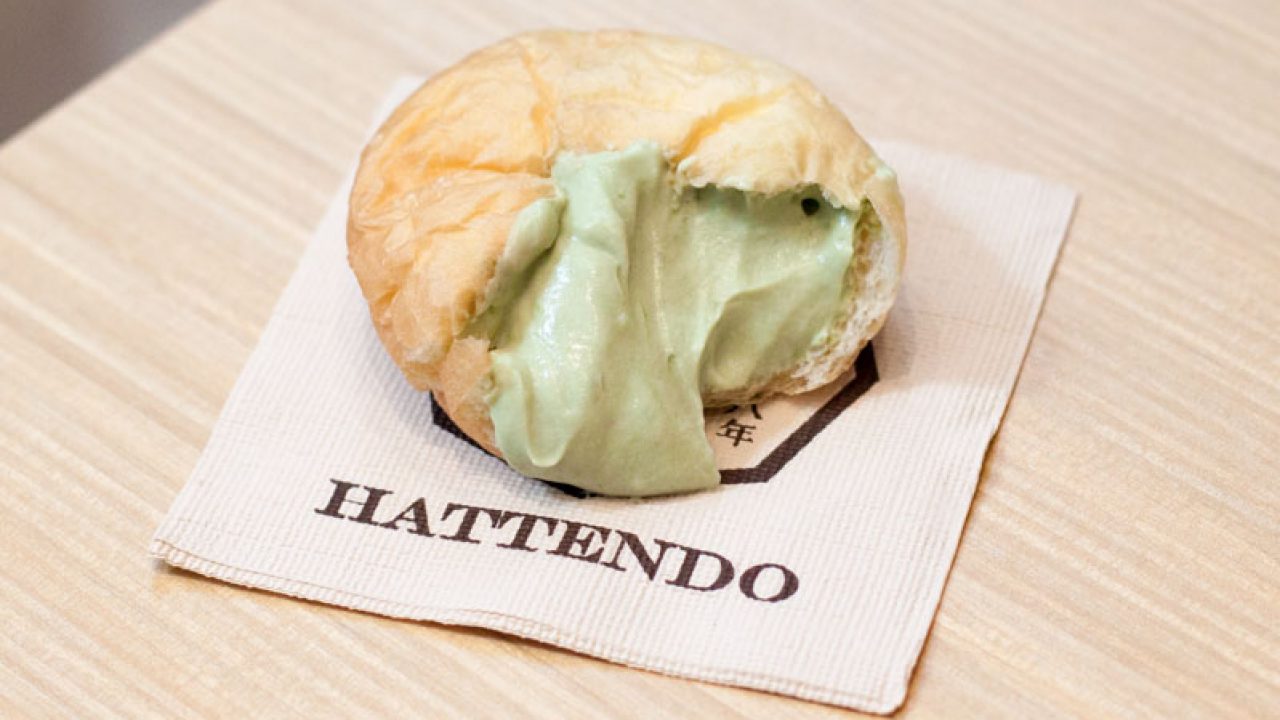
    Japanese baker Hattendo is planning to ramp up its store rollout in Asia, with particular focus on Greater China and Southeast Asia.

    The company – known for its cream-filled buns – already has stores in Hong Kong, Singapore, and Australia. Its next stop is Malaysia where it will launch next month after finding a local partner to produce its buns, selling through convenience stores.

    Hattendo is currently finalizing a joint venture with a Thai company to manufacture its products to supply stores locally. The plan there is to supply supermarkets and a network of its own-branded kiosk stores in shopping malls and other locations.

    In Hong Kong and Mainland China, Hattendo will expand its network by appointing franchisees, part of a plan to boost its network six-fold to 30 by the end of 2021.

    “In China’s Shenzhen and Hong Kong, there is strong interest from potential franchisees and we receive a lot of inquiries,” Daisuke Ishioka, the company’s representative director, told Nikkei.

    Last year, Hattendo’s group sales reached US$19.6 million. The company is planning to issue new shares by the end of this year to raise about $900,000 to fund the expansion.

    The company – known for its cream-filled buns – already has stores in Hong Kong, Singapore, and Australia. Its next stop is Malaysia where it will launch next month after finding a local partner to produce its buns, selling through convenience stores.

    Hattendo is currently finalizing a joint venture with a Thai company to manufacture its products to supply stores locally. The plan there is to supply supermarkets and a network of its own-branded kiosk stores in shopping malls and other locations.

    In Hong Kong and Mainland China, Hattendo will expand its network by appointing franchisees, part of a plan to boost its network six-fold to 30 by the end of 2021.

    “In China’s Shenzhen and Hong Kong, there is strong interest from potential franchisees and we receive a lot of inquiries,” Daisuke Ishioka, the company’s representative director, told Nikkei.

    Last year, Hattendo’s group sales reached US$19.6 million. The company is planning to issue new shares by the end of this year to raise about $900,000 to fund the expansion.

  • London superfood restaurant Avobar makes start in Hong Kong

    London superfood restaurant Avobar makes start in Hong Kong

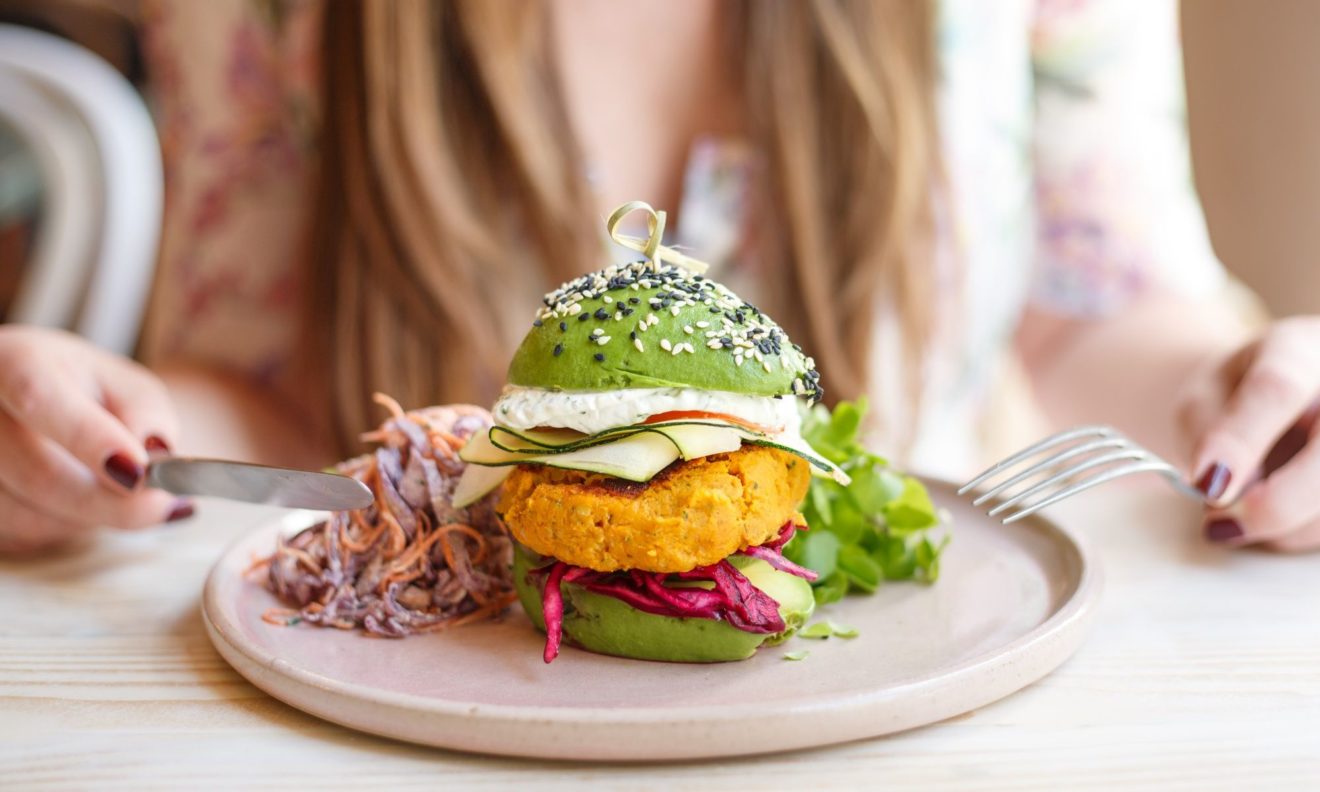
    London avocado-themed restaurant Avobar has opened its first overseas outpost in Hong Kong, one of a raft of new dining concepts at K11 Musea.

    Avobar considers itself a “superfood restaurant” offering a range of meals such as avocado salads, burgers and risotto during the day along with cocktails and desserts such as a chocolate avocado brownie.

    Besides food, Avobar sells a range of avocado-based lifestyle products, including avocado-inspired t-shirts and tote bags.

    Avobar champions the health benefits of avocados which it says contain about 20 vitamins, minerals and nutrients.

    “Avocados, which are at the heart and soul of the restaurant, are a symbol for positivity, health, uniqueness and fun,” the company explains in a statement.

    “Avobar’s offerings are perfect for contemporary health-conscious consumers who may also live a gluten-free or vegan-friendly lifestyle.”

    The avocadoes served at the new restaurant are ethically and sustainably sourced from growers all over the world.

    The dining space offers 60 seats in an industrial decorative setting. Designed with a relaxed feel, its own branding concept ‘botany meets urbanity’ shows through in a warm interior enhanced with eclectic furnishings. The main dining area features a bamboo-like wall, neutral wooden benches and stools and a bar countertop made with patterned concrete. Monochromatic geometric patterns on the floor complement coral-coloured leave decorations and industrial spotlights.

  • Hong Kong Launches Initiatives for Financial Hub Status

    Hong Kong Launches Initiatives for Financial Hub Status

    Hong Kong officials announced various plans to further promote the city’s status as a global financial center and corridor for Greater Bay Area opportunities.

    According to Hong Kong’s financial secretary Paul Chan Mo-po, measures would be introduced to encourage more private equity funds to set up and conduct fundraising for Shenzhen-based tech startups. The government will also seek to introduce measures that attract more family offices to establish in Hong Kong.

    Attracting private equity funds and family offices to come to Hong Kong will be the two future developments to allow the city’s financial sector to capture the opportunities arising from the development of the Greater Bay Area, Chan said, during a recent event, Connect Hall, hosted by 10 financial services industry bodies.

    Chan also highlighted Greater Bay Area opportunities including the expansion of «connect» programs which have thus far included stocks and bonds.

    The Greater Bay Area is going to provide more opportunities to Hong Kong,» Chan shared. «There will be more cross-border connect schemes in future. After the stock connect and bond connect, we continue to look at insurance connect and wealth management connect in future.

    Also present at the event was local chief executive Carrie Lam Cheng Yuet-ngor who underlined at the same event that there was «no reason to change the credit rating of Hong Kong.

    Even though Hong Kong faces overseas markets’ uncertainties and local social unrest over the past three months, the banking and financial markets work well and the exchange rate is stable,” she said. «The rule of law and free flow of capital and talent have not been affected by the recent incidents.

    Chan added to Cheng’s statements, noting that a lesson has been learned by the Hong Kong government. «The government has learned a lesson from the social events over the last two months,» he said. We will listen to different sectors to improve the economy and society.

  • Hong Kong Customs seizes counterfeit sport shoes

    Hong Kong Customs seizes counterfeit sport shoes

    Hong Kong Customs seized about 12 000 pairs of suspected counterfeit sports shoes on Monday, with an estimated market value of about $1 million.

    The fake goods were discovered in a shipping container at the Customs Cargo Examination Compound of the River Trade Terminal in Tuen Mun.

    However, the shoes were not destined for the local market. Through a routine risk-assessment program, Customs officers inspected a 40-foot-long container destined for the Dominican Republic that arrived in Hong Kong from Huangpu in Guangdong. Upon inspection, Customs officers seized the batch of suspected counterfeit sports shoes in the container.

    The counterfeit sports shoes were not clearly branded in the image released by Hong Kong Customs (above).  Investigations are continuing.

    Under the Trade Descriptions Ordinance, any person who imports or exports any goods to which a forged trademark is applied commits an offence. The maximum penalty upon conviction is a fine of $500,000 and imprisonment for five years.

  • Fenty Beauty Hong Kong launches at Harvey Nichols

    Fenty Beauty Hong Kong launches at Harvey Nichols

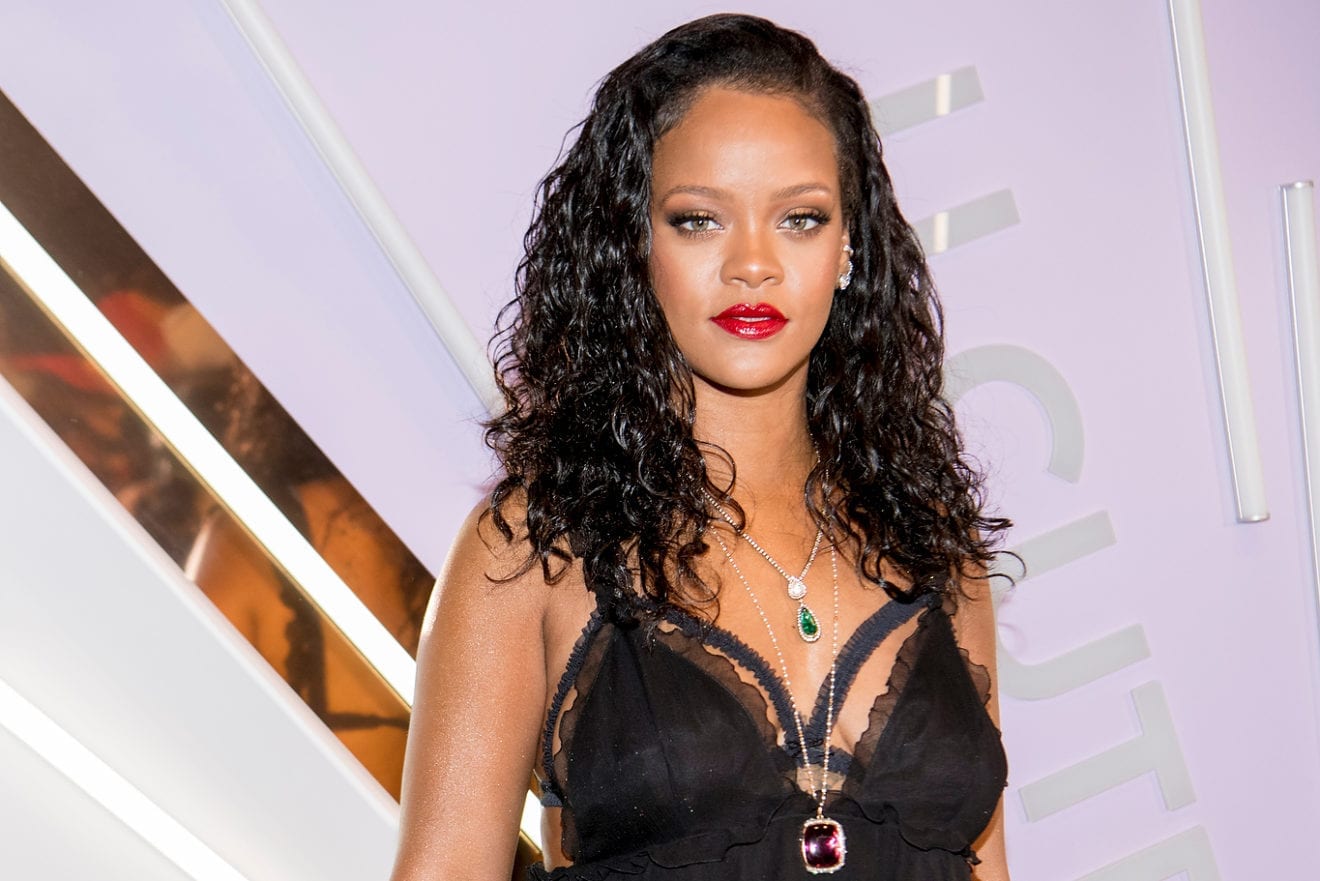
    Singer Rihanna’s Fenty Beauty brand has launched at Harvey Nichols in Hong Kong as its first department store partner in Asia.

    Following the success of its exclusive launch at Harvey Nichols in the UK, the brand went on sale at Harvey Nichols locations Hong Kong – as well as its regional online store – on September 3.

    The brand made its Hong Kong debut at T Galleria by DFS last week.

    Following Rihanna’s mandate of “inclusivity”, Fenty Beauty offers “Beauty for All” artistry-quality products that are consciously inclusive of differing values and beliefs.

    “I created Fenty Beauty because I wanted to make a beauty brand that is inclusive for people everywhere,” said Rihanna. “I want everyone to feel beautiful, recognized and empowered, no matter their ethnicity, culture, skin tone or style.”

  • Black Riot in Hong Kong reflects the art of curation

    Black Riot in Hong Kong reflects the art of curation

    A Mexican who made Hong Kong home has redefined bespoke with a gallery-like retail experience, Black Riot in Hong Kong.

    Eight years ago, Rene Suarez landed in the territory from Mexico City to take up an office job with a logistics company, the next step in a 20-year-long career. He was single, had no children and not one tattoo.

    “Now I have 12 tattoos and one wife and three babies,” he laughs. “Hong Kong has changed me for good.”

    On top of those accomplishments, he has now set up a bespoke retail store in an industrial building in North Point, selling high-end accessories and apparel for motorcycle enthusiasts, a business which is attracting growing custom from all over the world and has already spurned a spin-off space in Jakarta.

    Black Riot in Hong Kong is a store literally lie no other – save for in Indonesia, that is.

    The space is very much a ‘third place’ as Starbucks might call it – a place outside work and home where people with an interest in motorcycles or the culture can hang out, enjoy a drink with Rene, share tall stories and browse an array of products that even the most jaded shopper would covet something from. You don’t even have to own a motorcycle.

    “Some people like to collect this nice stuff like masks and designer stuff and they buy a few things just to put on display in their living room.”

    “Hong Kong is a small community,” Rene said over a locally-brewed Moonzen Thunder God Ale on a balmy April evening at his space, which feels much more like a gallery than a store.

    “So if you count the number of motorcycle riders it is very tiny. If you take out the delivery guys, then the racing bikes – because that’s another market altogether – then it gets even smaller. So we are in a very, very niche market.”

    He openly confesses he sometimes goes a few days without a customer – but compensates for that when a family wanders in unannounced and splurges HK$60,000 on apparel and souvenirs.

    In part, that is a function of his location: you have to know where the store is, on the 8th floor of Block B at Sea View Estate on Watson Road. His neighbors include a school-uniform shop, a wine shop, a marketing consultancy, and an architectural practice. This is not the sort of place you get walk-ins from a footpath.

    But it also very much reflects Black Riot in Hong Kong’s niche market. This is a destination for true enthusiasts, its presence largely known through word of mouth.

    “The kind of stuff we sell, it doesn’t mean we will sell more if we move to a ground-floor location. We might sell a few more t-shirts or socks, but that is not going to make up for the higher rent.”

    No-one, he says, walks in off the street and on a whim buys a US$1000 motorcycle helmet.

    But conversely, he doesn’t need a street frontage to market his wares.

    “I don’t have to sell stuff here. Every brand, my customers already know. It’s like if you have an ice-cream shop. You don’t have to stand outside yelling “Ice cream, ice cream!” People already know you have ice cream.”

    Word of mouth

    People visit Black Riot in Hong Kong because they have heard their friends talk about it, or they have seen it on Instagram.

    “We are very active on Instagram. We don’t do Facebook because it stopped being a good marketing tool a long time ago. Basically now it is just like a gossip [channel]. Instagram is a good marketing tool because there is no way they can skip the pictures. But mainly it is word of mouth.”

    Some 70 percent of Black Riot’s customers are tourists, largely driven by Instagram. And of them, about 85 percent are Filipinos. Others come from Canada, even Brazil.

    Indeed, it was Instagram that brought such strong custom from the Philippines.

    “When we first opened we had a Filipino actor visit. I did not recognize him, of course. After he bought something he said thank you, brother, and asked if it was OK if he posted about Black Riot on his Instagram page. I said, yes, please go ahead. Then I saw he had 5 million followers!”

    Since then he has hosted a steady stream of cashed-up Filipinos visiting the store and buying merchandise to take home.

    The evening before our visit Rene opened Black Riot at midnight for a Filipino customer who was unable to make it during daylight hours because he had been visiting Disneyland with his wife and children.

    ”I said, I don’t mind. I live five minutes from here. You just let me know 30 minutes before you want to come – 12, one, two – it’s fine for me. Come and enjoy. You don’t have to buy anything.

    “But, of course, when you open the door for somebody at midnight they feel they obliged,” he grins.

    In fact, most Black Riot visitors inevitably buy something. “It’s a very driven market. People walk in through the door and sometimes they don’t even say hi – they go straight to what they are looking for. And that means that 95 percent of the time when someone comes through the door they buy. They don’t come to window shop.”

    On another occasion, a family spent more than $50,000 in the store. So he booked an Uber Black to take them back to their hotel. He will personally deliver purchases to a customer’s hotel at the end of a working day – which often results in sharing a few drinks and enjoying the kind of kindred fellowship only devoted motorcycle enthusiasts can really understand.

    Born in Mexico

    The idea of creating Black Riot in Hong Kong was born in Mexico City, Rene’s hometown. Ten years ago, he went to buy a new helmet, discovering a small store where people could go and chill as well as shop. He started to meet fellow riders and got chatting to them, and before he knew it he was doing business with people there.

    “If you ride, everyone’s the same. Immediately you break the ice. It is very easy.

    “So I thought: I want to do this thing. I want to create this here in Hong Kong. It started as a hobby and then eventually I said: OK, now it’s good to do the job full time.”

    The name Black Riot – rejected as a registered business name by the Hong Kong government wary of its connotations – is not intended to convey violence. Black signifies luxury, much like Black Label whiskey or Cathay Pacific’s black-colored Diamond status card. Riot has nothing to do with rioting. “It is the spirit of the people, perhaps a tribute to the rock-and-roll era.”

    And so is summed up the essence of Black Riot: “It’s for those kinds of people who still like rock N roll but they like luxury too.”

    The owner of the Mexican store was happy to share contacts of suppliers. One of the first agencies he secured was for Ruby helmets from Paris, which he sells to customers all over the world. Included in the client list is the leader of a high-profile Asian nation to whom he hand-delivered a custom-designed helmet earlier this year, bearing the nation’s flag on the lid.

    “They only sell about 600 helmets a year, from US$1000 to $3000. So, when compared to Western helmets, which sell for like $300–400, this is luxury. These are the Hermes of helmets.”

    Other brands sold by Black Riot include Schott leather jackets – a 123-year-old brand made famous by Marlon Brando in the 1952 movie The Wild One. “You’re buying a piece of history. All the bad boys from then on wore those jackets.”

    While Veldt helmets provide a more space-age alternative to Ruby, there are Philippe V sunglasses, including a HK$25,000 limited-edition model; colorful Holy Freedom socks made in Italy, apparel from Ride & Sons and work boots from Red Wing – designed for oil riggers and construction workers but ideal for motorcyclists because of their blend of strength and style. Riding boots and shoes from a Japanese brand sell for more than US$1000.

    There are also occasionally motorcycles on display for sale as well. The iconic Indian brand does not have a showroom in Hong Kong, but would-be buyers can arrange a test drive through Black Riot. The model on display is the only one light enough for the building’s elevator to carry to the eighth floor, but Rene can show customers a full catalog. The other is a limited edition model from Zero Engineering of Japan, worth about US$50,000 second hand and one of only eight known to be in Hong Kong. It is owned by a friend of Rene’s who was in no great hurry to sell it. With its brown leather seat and trim, white bodywork and mechanicals of chrome and black, it is as much a work of art as a motorcycle and simply adds to the gallery style of the Black Riot store.

    And just as in a gallery, the range of products on display at Black Riot are curated, carefully chosen, “made with passion and joy,” says Rene.

    “When people come here, I can explain to them the story behind every brand and why we carry it. Because every brand has a vision. We buy from people who know what they do and you can see the result in their products. If it is just something made on a production line it loses all its detail.”

    Golden rule 

    His golden rule in ranging: “I have to like it myself. If not, I cannot recommend it.”

    Another rule is eschewing online sales.

    “I don’t do online sales. Until today, I can say I remember all of my customers after three years. There is one who comes from the Philippines every December. When he came the second time I asked him how his MBA was going.”

    That sort of memory and attention to detail cannot be naturally replicated online. Rene believes Black Riot is a very personal business by nature, not mass market.

    A few Hong Kong celebrities shop there, but when they visit, he doesn’t make a fuss of them.

    “In fact, it’s the opposite. You know for celebrities it feels nice when you go somewhere and people are not bothering you because you have that every single day of your life.”

    Exercising discretion, Rene doesn’t reveal the names of his more famous customers, but he says some of them feel comfortable relaxing and talking about bikes, including the three Rene owns: two Harley Davidsons and a BMW, all of them single-seater models.

    One customer he does talk about is from Indonesia, a guy who literally fell in love with the Black Riot store. He is the person who opened the satellite store in Jakarta, which Rene describes as “a dream shop” with coffee, a tattooist, a barber on site. But Jakarta rents allow such decadence: for the same rent he pays in a month in North Point – about US$10,000 – he could lease the same square footage in Jakarta for a whole year.

    Rene has people are begging him to open a store in the Philippines, where there is a strong bike culture, perhaps dating back to the American influence there – and there are many bike shops trained to copy the Black Riot model. Most of the brands Black Riot stocks are available in stores in Manila – but not all of them in one place.

    For now, he is keeping his options open.
  • Top young Hong Kong fashion designers revealed

    Top young Hong Kong fashion designers revealed

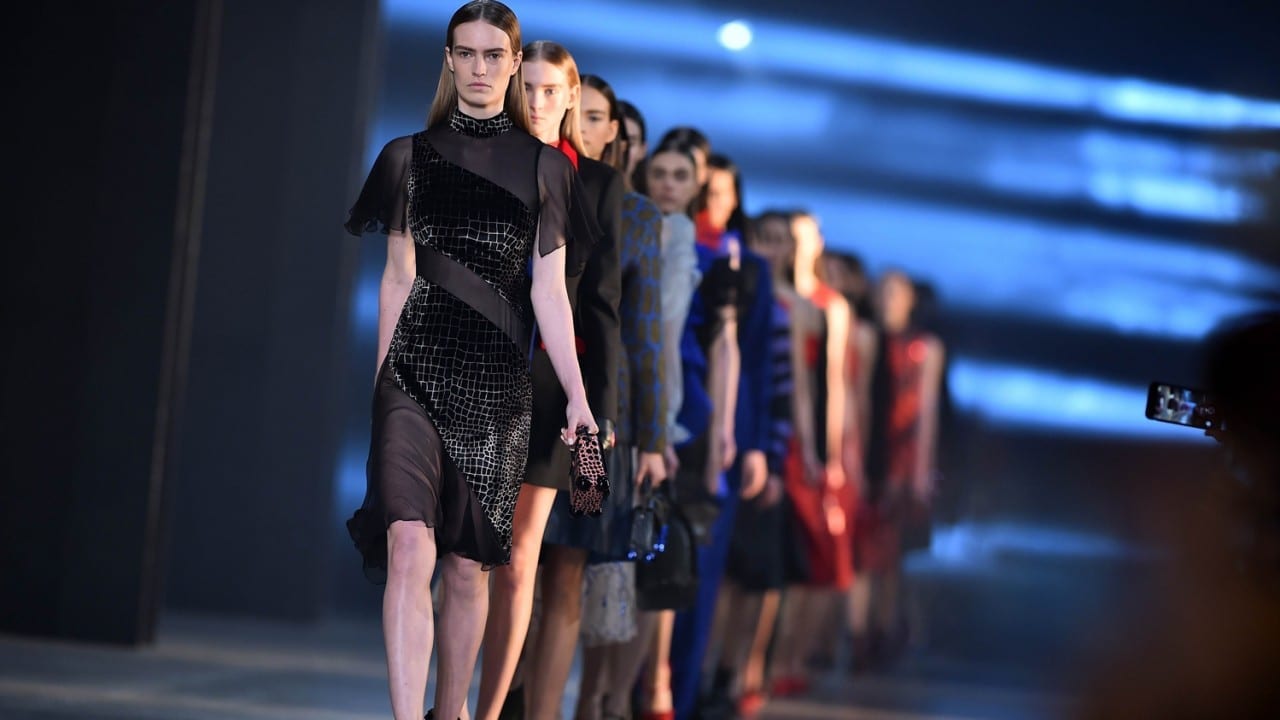
    This year’s top young Hong Kong fashion designers have been revealed, capping off the Centrestage festival.

    Three winners of the 2019 Hong Kong Young Fashion Designers’ Contest (YDC) were chosen from a final pool of 16.

    Champion Wilson Yip received a monetary reward together with a one-month internship working in the studio of Japanese fashion designer Mihara Yasuhiro, sponsored by Sun Hing Knitting Factory.

    Yip’s prizewinning “Forgetful Still” was a whimsical collection inspired by the aesthetic of absentmindedness. Yip also took the Best Footwear Design Award.

    Designer Louis Chow was named first runner-up for his collection “Already But Not Yet”, while the award for second runner-up and new talent was given to Enzo Chan for his “Since 1996”.

    The judges assessed the top young Hong Kong fashion designers’ works based on creativity, originality, market potential, craftsmanship, use of fabrics and overall aesthetics, and offered expert feedback to each of the participants. VIP Judge Mihara Yasuhiro had particular praise for the winning piece, saying that Champion Wilson Yip “managed to paint fashion over the backdrop of everyday life, using elements of daily wear and injecting them with novelty and creativity”.

    The YDC has been organized by the HKTDC for more than four decades with the objective of nurturing and promoting young fashion talent. In 2012, to further promote the international visibility of local Hong Kong designers, the HKTDC launched fashionally.com, an online platform that showcases the work of local labels and talents to link them with global industry insiders and opportunities.

  • Hong Kong protests blamed for less tourists

    Hong Kong protests blamed for less tourists

    Ongoing Hong Kong protests have been blamed for a 40-per-cent slump in inbound visitors to the territory in August.

    Given travelers account for about 50 percent of Hong Kong retail turnover, that figure does not bode well for official retail sales figures for the month, due to be released in early October. A predicted double-digit decline now seems inevitable, especially as the luxury sector is hardest hit by a drop in visitors.

    In a weekend blog post translated by Reuters, finance secretary Paul Chan said August’s year-on-year fall of 40 percent followed a more modest decline of 5 percent in July.

    He said hotel occupancy rates have dropped by as much as half and room rates are down as much as 70 percent as operators battle for a dwindling customer base.

    “The most worrying thing is that it does not seem that the road ahead is easily going to turn any better,” Chan said in his blog, as translated by Reuters.

    Despite chief executive Carrie Lam’s announcement that the much-despised extradition bill was being formally withdrawn (as opposed to suspended), protestors returned to the streets during the weekend. While the majority were peaceful, a small group of radicals smashed up MTR station facilities and lit fires in the heart of the luxury shopping precinct of Central, including one at a station entrance. Those images are playing across television screens and online worldwide, potentially discouraging visitors from traveling to Hong Kong.

    Chan said the Hong Kong protests have severely damaged the territory’s image as a safe international city.

  • Hong Kong Stock Exchange Website Hit By DoS Attacks

    Hong Kong Stock Exchange Website Hit By DoS Attacks

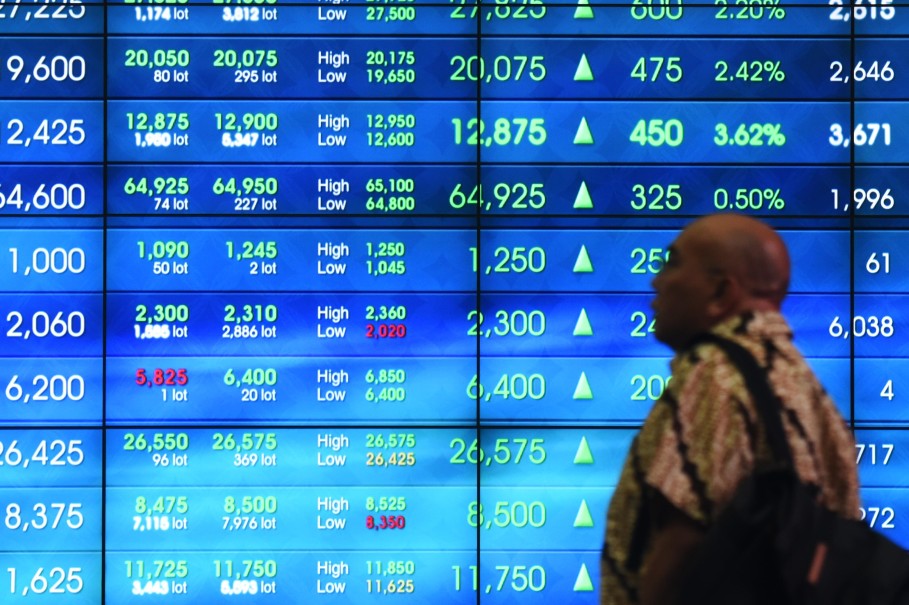
    The Hong Kong Exchanges and Clearing Limited faced a day of tech hiccups, including the latest denial-of-service attacks on its website.

    According to HKEX CEO, Charles Li Xiaojia, the bourse’s website was subject to distributed denial-of-service attacks (DDoS) – a cyberattack whereby overwhelming traffic is imposed to slow or restrict access from other browsers – and was subsequently unable to display exchange prices and other financial data.

    We will continue to invest more to safeguard and improve” the information and technical infrastructure at the exchange, Li said at a press conference. We hope the public has confidence in the robustness of our system.

    The cyberattack was not the only tech hiccup the HKEX faced just in that single day. Earlier yesterday afternoon, the HKEX had to halt derivatives trading due to a bug in the system before resuming today. According to an update from its website, the issues were caused by software issues in the vendor-supplied trading system.»

  • Zara in defense mode after IFC mall store closure

    Zara in defense mode after IFC mall store closure

    Fashion retailer Zara has reassured customers that its decision to close its IFC mall store in Hong Kong on Monday was not related to protests currently taking place in the city.

    The statement emerged after social media users in Mainland China speculated that the store closures were a show of support for the demonstrators and to allow staff to participate.

    “Zara has never made any comments or undertaken any actions related to a strike in Hong Kong,” read the firm’s statement on its Weibo account. “Zara does not back a strike and supports ‘one country, two systems’.”

    The controversy was sparked after an image of a sign posted on the IFC mall store’s shutters was circulated online, apparently going viral.

    Major businesses have come under close scrutiny for their actual or suspected support of the protestors, including Cathay Pacific, HSBC and PWC.

    The protests have been held in the city over the past three months, and have become seen as a challenge to Beijing’s sovereignty over the territory.

    Zara has declined to offer any explanation as to why the majority of its Hong Kong island stores were closed during the time in question.

    However, the store reopened yesterday with new interior design to coincide with the opening of the Sephora store in a space carved out of Zara’s previous footprint in the mall.