Tag: Hong Kong

  • Unrests In Hong Kong Hits Lucrative Life Insurance Sector

    Unrests In Hong Kong Hits Lucrative Life Insurance Sector

    Anti-government protests in Hong Kong have dealt a severe blow to one of the city’s most lucrative industries and favored channels for getting money out of mainland China.

    The sale of life insurance products to Chinese tourists has always been yielding good profits, up until protests rocked the city. The value of new life insurance policies taken out by mainland citizens in Hong Kong fell 18 percent to $1.2bn in the three months to September, according to the latest available data from the territory’s Insurance Authority.

    Sales have since fallen further as hostility in the territory towards mainland Chinese has grown and tourist arrivals have plunged, industry analysts warned. Fourth-quarter momentum will be even worse than the third quarter because protests accelerated in September, October and November. It will be a big challenge,» said Shengbo Tang, an analyst at Nomura.

    Hong Kong insurers have in recent years enjoyed a boom in business provided by mainland Chinese, who need to be physically present when a new premium is signed. Two of the biggest life insurers in the territory, AIA and Prudential, get up to 60 percent of their new business in Hong Kong from mainland Chinese customers, according to analysts.

    A lot of the life insurers have for a long time been reliant on the huge premiums from mainlanders. But they’re not coming to Hong Kong anymore, said a Hong Kong-based adviser to multinational insurance companies.

    In order to counter the slowdown, some life insurers have begun offering transportation services whereby prospective Chinese customers are picked up from the airport or land border with the mainland to parts of Hong Kong that have not yet been affected by the protests, people familiar with the industry said. The protests have also encouraged some insurers to bring forward plans to expand in the mainland.

    However, the opening up of financial markets has burnished China’s allure for insurers but gaining ground in the country could take a while, observers say. In the near term, growth will be slowing: mainland business won’t make up for the drop in Hong Kong, said Tang

  • Card Payments To Exceed One Billion In Hong Kong

    Card Payments To Exceed One Billion In Hong Kong

    Despite the dominance of cash, card payments volume in Hong Kong is expected to surpass one billion in 2020, says GlobalData.

    The convenience of electronic payments, robust payment infrastructure and the emergence of contactless payments are expected to drive the total number of card payments from 642.0 million in 2015 to 1 billion in 2020, according to GlobalData, a data and analytics company.

    Hong Kong’s high banked population, growing preference for contactless technology and, the growing e-commerce market will further support the use of payment cards over the next five years,” said Nikhil Reddy, Banking and Payments Analyst at GlobalData in a media statement on Monday.

    Hong Kong has a highly penetrated payment card market, with each individual holding more than three cards in 2019. The steady progress in the adoption and use of payment cards, plus the high penetration, are supported by the government and banks’ efforts to provide banking services even in remote areas.

    The expansion of banking infrastructure through the introduction of mobile banking branches, new physical bank branches and the establishment of virtual banks, were also factors.

    Hong Kong’s payment card market is mainly driven by credit and charge cards, which accounted for 67.9 percent of total card payment value in 2019, GlobalData’s Payment Cards Analytics reveals. The total card payment value in the country is forecast to increase from HK$43.3bn in 2019 to HK$59.6bn in 2023.

    The pricing benefits such as referral programs, installment facilities, cashback and discounts associated with credit and charge cards are some of the key reasons for their preference. In addition, these cards are increasingly preferred for online shopping and for transactions overseas.

  • Stelux sales slump as network slims down

    Stelux sales slump as network slims down

    Stelux Holdings, parent of the City Chain watch retail business, says its sales in the December quarter were down 32.6 percent, or by HK$198.98 million (US$25.6 million).

    The company closed about 15 percent of its stores, primarily in Hong Kong, as social unrest continued throughout the city, affecting sales to both locals and visitors.

    While the company did not break out figures for Hong Kong, it said revenue for Greater China was down by 46.1 percent in the quarter, to $110.3 million. Sales in Southeast Asian stores, which comprise about 40 percent of the business, slipped by 2 percent.

    Total group sales were $650.5 million, compared with $895.8 million in the same quarter a year earlier.

  • New partner signed to manage Esprit Kids range

    New partner signed to manage Esprit Kids range

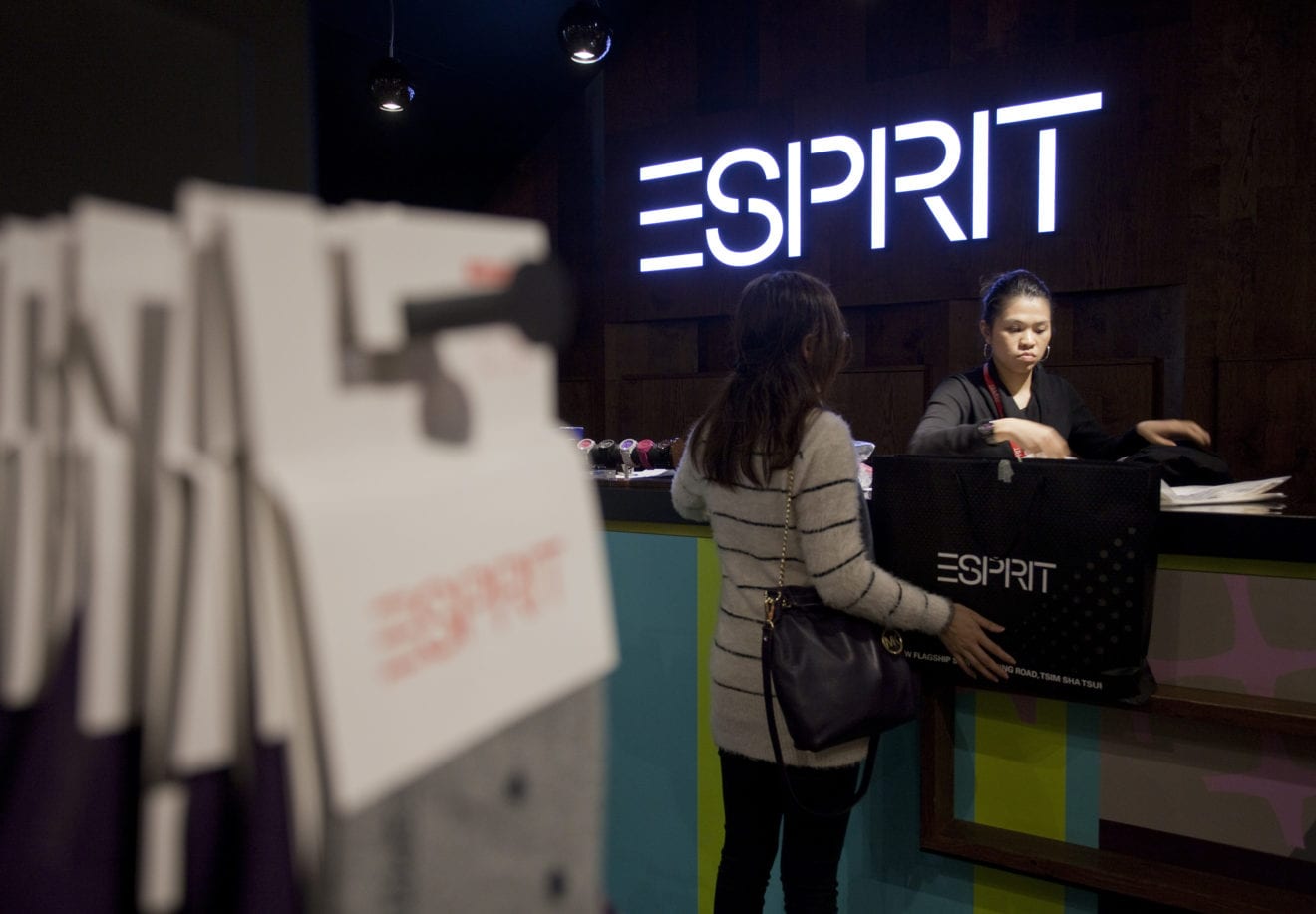
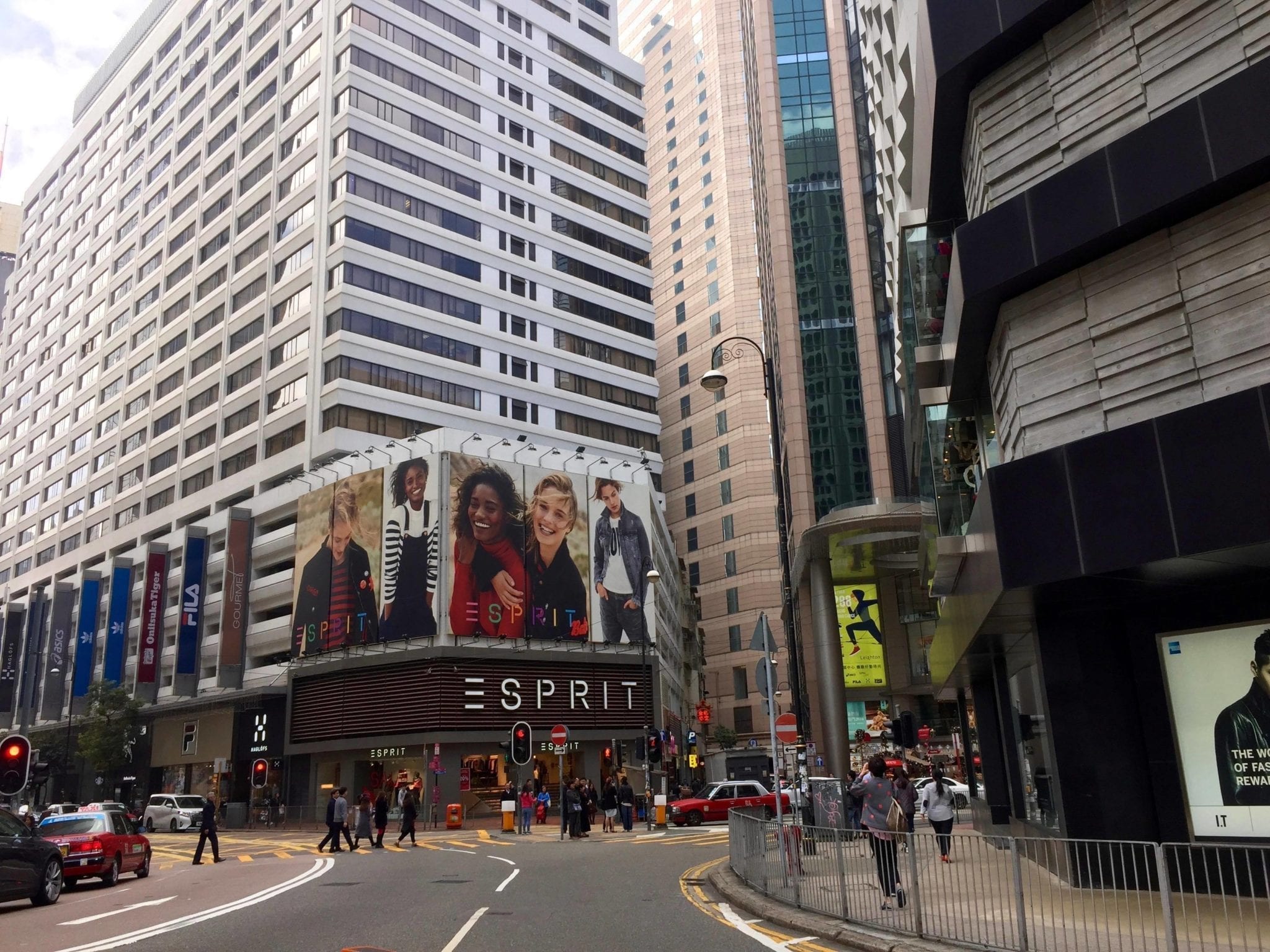
    Hong Kong-headquartered fashion brand Esprit has signed with Kids Fashion Group (KFG) to manage the firm’s design, production, and distribution of the Esprit Kids collection.

    The new contract follows the end of a five-year agreement with French childrenswear retailer Groupe Zannier, which has managed Esprit’s childrenswear brand since first signing in 2015.

    KFG’s first Esprit Kids collection under the new agreement is expected to be released to the market in around July this year. Customers will be able to purchase items from the collection at wholesalers, online and selected retail outlets.

    Kids Fashion Group has a significant distribution network throughout Europe and has a strong sales force in the German market.

    “Kids Fashion Group is a true children’s apparel expert with rich experience in designing and producing high-quality children’s apparel that transport great brand statements,” said Esprit in a statement.

  • Hong Kong restaurants bounce back in final quarter of 2019

    Hong Kong restaurants bounce back in final quarter of 2019

    Hong Kong restaurants appear to have shrugged off the worst of the impact from the city’s social unrest in the final quarter of last year,

    According to food-delivery service Deliveroo’s second Restaurant Confidence Index, a quarterly survey of restaurant partners that details F&B trends in Hong Kong, eateries in the territory are seeing increased revenue turnover and profits, even as they continue to face a challenging business environment.

    During the final financial quarter of last year, 37 percent of restaurants saw an increase in revenue turnover quarter on quarter, when more than 71 percent of restaurants faced decreasing or unchanged turnover rates.

    However, only 20 percent of restaurant partners surveyed in the latest index saw an increase in profits due to the fact that many restaurant partners surveyed saw an increase in operations, ingredient and labor costs. One in three reported rising order-out revenue.

    On average, restaurants rank their satisfaction in overall business performance at 6.6 out of 10 for the fourth quarter of last year, a one-point jump from the average rating of 5.6 the previous three months.

    Many restaurants experienced year-on-year revenue decreases during the Christmas and New Year period, with 55 percent experiencing a holiday-period revenue fall from the previous year. The decrease in revenue was much more significant for dining in as compared to ordering out, with 61 percent of restaurants witnessing a decrease in dining in revenue as compared to 41 percent who said the same of delivery.

    Consumers appear to have spent less during the festive season this year as just 17 percent of restaurants increased their total turnover, however, 16 percent of restaurants did note an increase in delivery revenue during the period.

    “Last year was unique for Hong Kong‘s F&B industry, with restaurants facing a number of challenges in terms of operating costs, customer turnover and overall business environment,” said Deliveroo Hong Kong GM Brian Lo. “Still, it’s a positive sign that restaurants are more satisfied with their business performance as compared to the previous quarter.”

  • Luk Fook upbeat despite plans to trim Hong Kong store network

    Luk Fook upbeat despite plans to trim Hong Kong store network

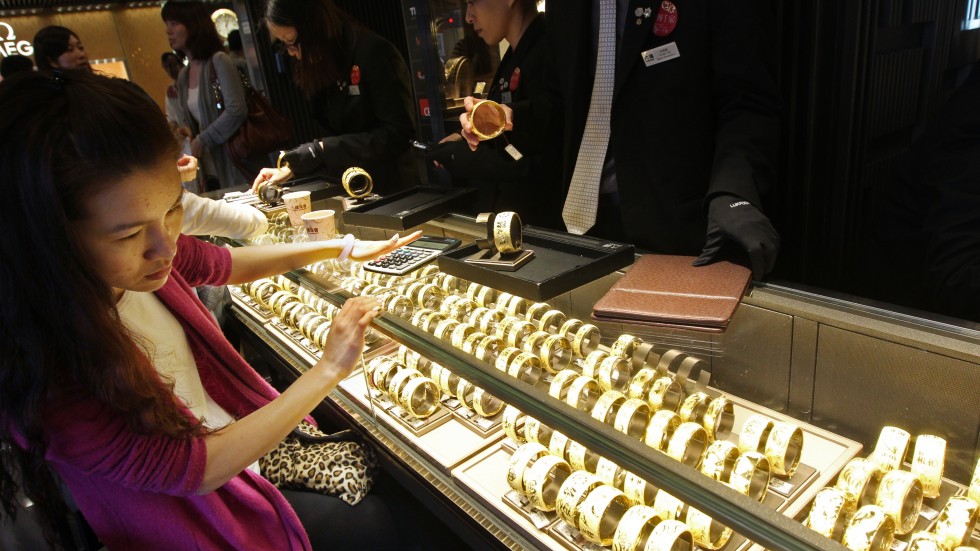
    Hong Kong-headquartered Luk Fook group has followed its archrival Chow Tai Fook in revealing plans to shutter stores in the territory’s tourist areas – but it sees growth opportunities in Macau.

    “The group will reduce the number of shops in areas which are considerably impacted by the social incidents in Hong Kong, and search for opportunities for opening new shops in Macau market,” chairman Wai Sheung Wong advised shareholders in a stock exchange filing.

    However, unlike Chow Tai Fook, which plans to close about 15 stores in Hong Kong when leases come up for renewal from this coming April, Luk Fook still expects to achieve a net gain of three stores this financial year in Hong Kong and Macau.

    “Rental renewal depends very much on whether profit is expected for the relevant shop under new rental,” said Wong. “A single-digit drop in the rental renewal is predicted for the current financial year and a double-digit drop for the next financial year.”

    The continuing impact of the strong gold price, US-China trade war and social incidents in

    Hong Kong on market sentiment saw same-store sales for the jeweler fall by 25 percent during the December quarter. Same-store sales of gold products fell by 20 percent and of gem-set jewelry by 32 percent.

    On a positive note, the overall decline eased when compared to the previous quarter. Sales in Hong Kong and on the mainland fell by a lower rate than in the September quarter, while the Macau market returned to growth since October. Sales in Hong Kong and Macau fell by 27 percent, which the group attributed to a high gold price and a “substantial decline” in the number of visitors to Hong Kong contributed by the recent ongoing social activities.

    In the first two weeks of January, the same-store sales decline gradually narrowed in Hong Kong and there was continued growth momentum in Macau.

    Luk Fook has responded to falling sales by reducing staff, however this has been achieved by natural turnover without the need for a redundancy scheme.

    As of December 31, the group had 1969 Lukfook shops, 45 Goldstyle shops, three Dear Q stores and three 3D-Gold shops operating on the mainland – 2020 in all.

    “Apart from actively seeking expansion opportunities in Macau, the group will also speed up expansion in Mainland, with the target of at least 300 net shop additions there for the 2020 financial year, most of which would be licensed shops at low-tier cities,” said Wong.

  • Pomelo appoints Anders Heikenfeldt as CRO

    Pomelo appoints Anders Heikenfeldt as CRO

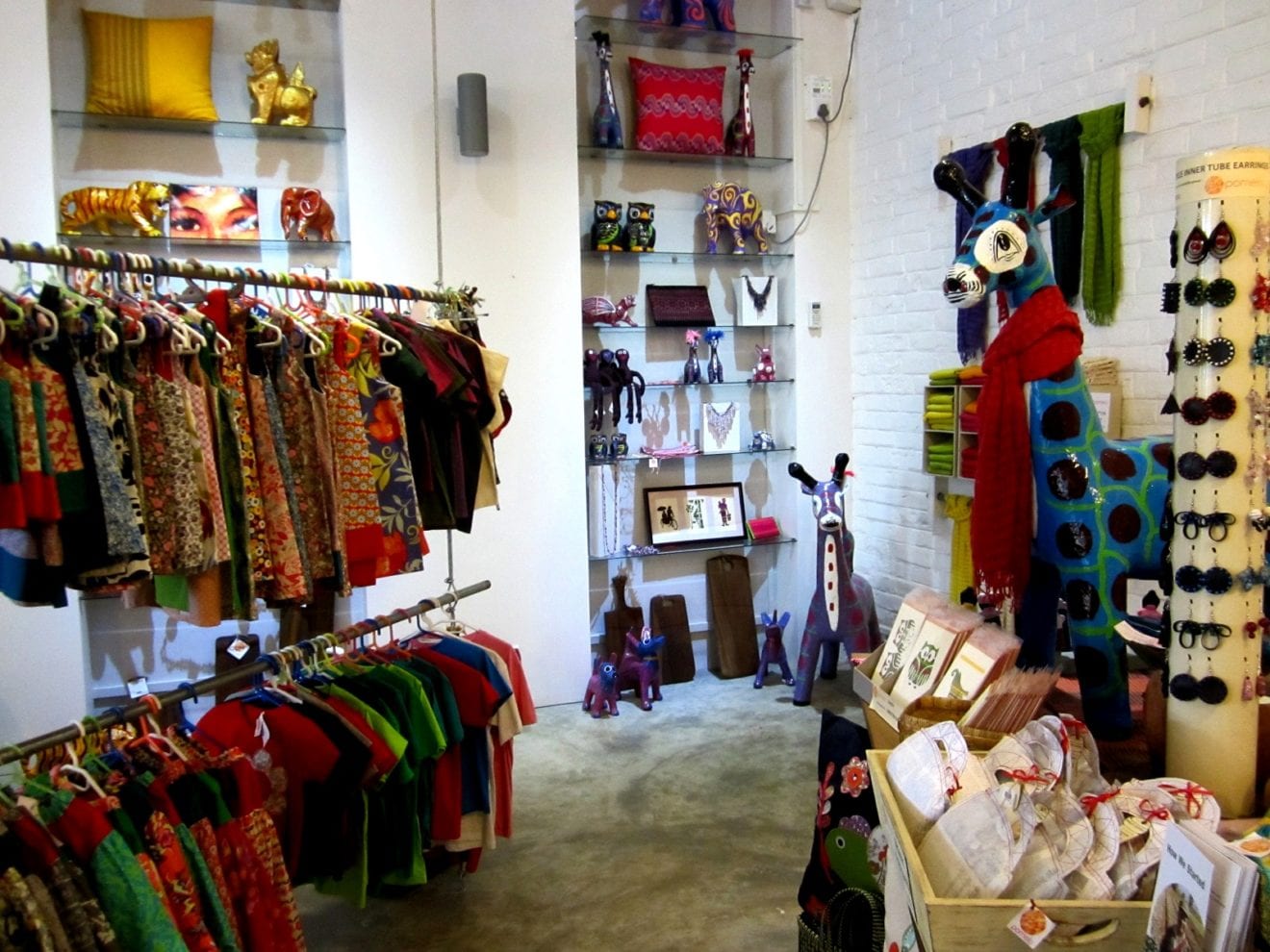
    Asian digital-fashion brand Pomelo has appointed Anders Heikenfeldt as Chief Retail Officer to lead the firm’s retail expansion plans across Southeast Asia.

    Formerly holding senior roles with lingerie chain 6ixty8ight in Hong Kong and with H&M, Heikenfeldt is now responsible for Pomelo’s retail division and is expected to further develop the brand’s omnichannel strategy, establishing seamless experiences across its retail network and online platform.

    Heikenfeldt has more than 10 years of experience in strategic development and refining strategies to enhance the retail experience across various fashion brands, and specializes in expansions into emerging markets.

    “Southeast Asia is an incredibly fast-growing, unique market with so much potential,” said  Anders Heikenfeldt. “I’m excited to be a part of this journey as we continue to expand Pomelo’s retail footprint across the region and provide customers with an innovative, omnichannel shopping experience.”

    Pomelo announced a $52 million Series C financing last September, in order to continue its expansion plans. The firm recently hired more than 200 new employees and is expanding in Thailand and Singapore, opening 10 new retail stores last year.

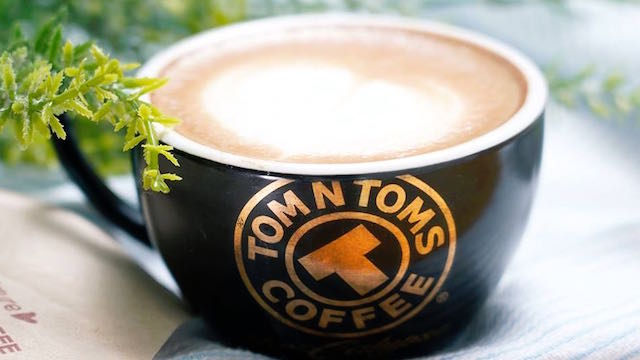
  • Tom n Toms Hong Kong closing all stores

    Tom n Toms Hong Kong closing all stores

    Tom n Toms Hong Kong has shuttered all five of its stores after the South Korean coffee chain’s local franchise went into liquidation.

    Following news of its Myanmar expansion plans, the popular South Korean cafe eventually could not withstand the pressures on Hong Kong’s depressed retail market.

    Tom n Toms Hong Kong launched in 2016 and had outlets at Tuen Muen Town Plaza, Tsim Tsa Tsui’s The One, Causeway Bay’s Time Square, Nam Cheong’s V Walk and Tsuen Wan’s Citywalk shopping malls. The Nam Cheong’s V Walk branch had opened only in August last year.

    The Tuen Muen branch was the first to close, a notice posted on its door announcing its liquidation.

    After taking into consideration a debt if HKD10 million (US$1.3 million) debt and its current financial situation, the Tom n Tom Hong Kong board admitted the business was inoperable. A search for buyers had proven fruitless, so all proceeds from the sale of assets will be distributed to creditors.

    The company will hold a creditors meeting at the end of this month. Most affected employees have been paid off and advised to approach the Labour Department to claim the remaining payments in lieu of notice and holidays.

  • No positive outlook likely for Hong Kong-based retailers

    No positive outlook likely for Hong Kong-based retailers

    Hong Kong-based retailers will continue to face tough times as domestic and international issues impact the economy according to a leading analyst.

    Anne Ling, an equity analyst at investment bank and financial-services company Jefferies Group,  says every 10 percent decline in retail sales impacts the earnings-before-tax (EBIT) of Hong Kong retail companies by between 7 percent and 55 percent. Retail sales in October and November fell by about 24 per cent and during the first 11 months of last year were down by 10.34 percent.

    “For international brands like Prada, Samsonite and L’Occitane, we estimate the impact at the sales level is not that material [because] Hong Kong [represents] less than 2 percent to 5 percent of sales. However, at the EBIT level (circa 3 percent to 7 percent) Hong Kong has a higher contribution.”

    Ling warns Hong Kong-based retailers are vulnerable to a risk of further market slowdown from a higher unemployment rate and weaker consumer confidence in the city.

    “In such times, the immediate lever to hand for brands and retailers is to increase cash flow by reducing inventory and staff and/or rental costs. However, over the medium term, we would expect most players to reset or readjust their Hong Kong store networks to avoid over-reliance on tourist spending.

    “We see a need for the Hong Kong and international brands and retailers listed in Hong Kong, which have heavily de-rated in recent years, to review their business strategies and seek out new business drivers, [so] that they remain relevant to investors.”

    Ling says she expects Sino-US tensions to continue while the mainland Chinese government focuses on stabilizing economic growth this year.

    Given that backdrop, Jeffries would favor recommending investment in Hong Kong-based retailers and manufacturers of low-ticket items like staple goods, food retailers and the fast-food segment, as they are more resilient.

  • Chow Tai Fook closing more Hong Kong stores

    Chow Tai Fook closing more Hong Kong stores

    Chow Tai Fook Jewellery Group has revealed plans to shut about one in five of its Hong Kong stores, the majority of them in prime tourist areas.

    The closures will take effect when leases come up for renewal throughout this year, starting from April according to an emailed statement cited by Bloomberg.

    The move follows announcements by Prada and Louis Vuitton they will not renew their leases on stores in Russell Street and Times Square, respectively. Sasa International has previously said it would close up to 30 stores in Hong Kong.

    The network retrenchments follow rapidly declining retail sales in Hong Kong since June last year, especially in the luxury sector, due to ongoing demonstrations and protests in the streets which have spooked foreign visitors, and declining visitor numbers from tier-1 cities in Mainland China. Jewelers have been hit by volatile gold prices as well, sparked by geopolitical tensions and the Sino-US trade war.

    Chow Tai Fook has not specified exactly how many stores it will close, referring to “in the mid-teens” when asked.

    The stores are primarily located in areas popular with tourists, including Tsim Sha Tsui, Mongkok and Causeway Bay.

    Chow Tai Fook believes a trimmer store network will reduce overheads and improve margins after it experienced three consecutive quarters of declining same-store sales. In the three months to December 31, same-store sales fell 35 percent in value in Hong Kong and Macau and by 47 percent in volume.

    However on the mainland, sales rose 17 percent during the quarter, driven by the rapid expansion of the brand’s store network there; it added a net 279 stores. Same-store sales on the mainland rose by 2 percent.

  • No respite likely for Hong Kong-based retailers

    No respite likely for Hong Kong-based retailers

    Hong Kong-based retailers will continue to face tough times as domestic and international issues impact the economy according to a leading analyst.

    Anne Ling, an equity analyst at the investment bank and financial-services company Jefferies Group,  says every 10 percent decline in retail sales impacts the earnings-before-tax (EBIT) of Hong Kong retail companies by between 7 percent and 55 percent. Retail sales in October and November fell by about 24 percent and during the first 11 months of last year were down by 10.34 percent.

    “For international brands like Prada, Samsonite and L’Occitane, we estimate the impact at the sales level is not that material [because] Hong Kong [represents] less than 2 percent to 5 percent of sales. However, at the EBIT level (circa 3 percent to 7 percent) Hong Kong has a higher contribution.”

    Ling warns Hong Kong-based retailers are vulnerable to a risk of the further market slowdown from a higher unemployment rate and weaker consumer confidence in the city.

    “In such times, the immediate lever to hand for brands and retailers is to increase cash flow by reducing inventory and staff and/or rental costs. However, over the medium term, we would expect most players to reset or readjust their Hong Kong store networks to avoid over-reliance on tourist spending.

    “We see a need for the Hong Kong and international brands and retailers listed in Hong Kong, which have heavily de-rated in recent years, to review their business strategies and seek out new business drivers, [so] that they remain relevant to investors.”

    Ling says she expects Sino-US tensions to continue while the mainland Chinese government focuses on stabilizing economic growth this year.

    Given that backdrop, Jeffries would favor recommending investment in Hong Kong-based retailers and manufacturers of low-ticket items like staple goods, food retailers and the fast-food segment, as they are more resilient.

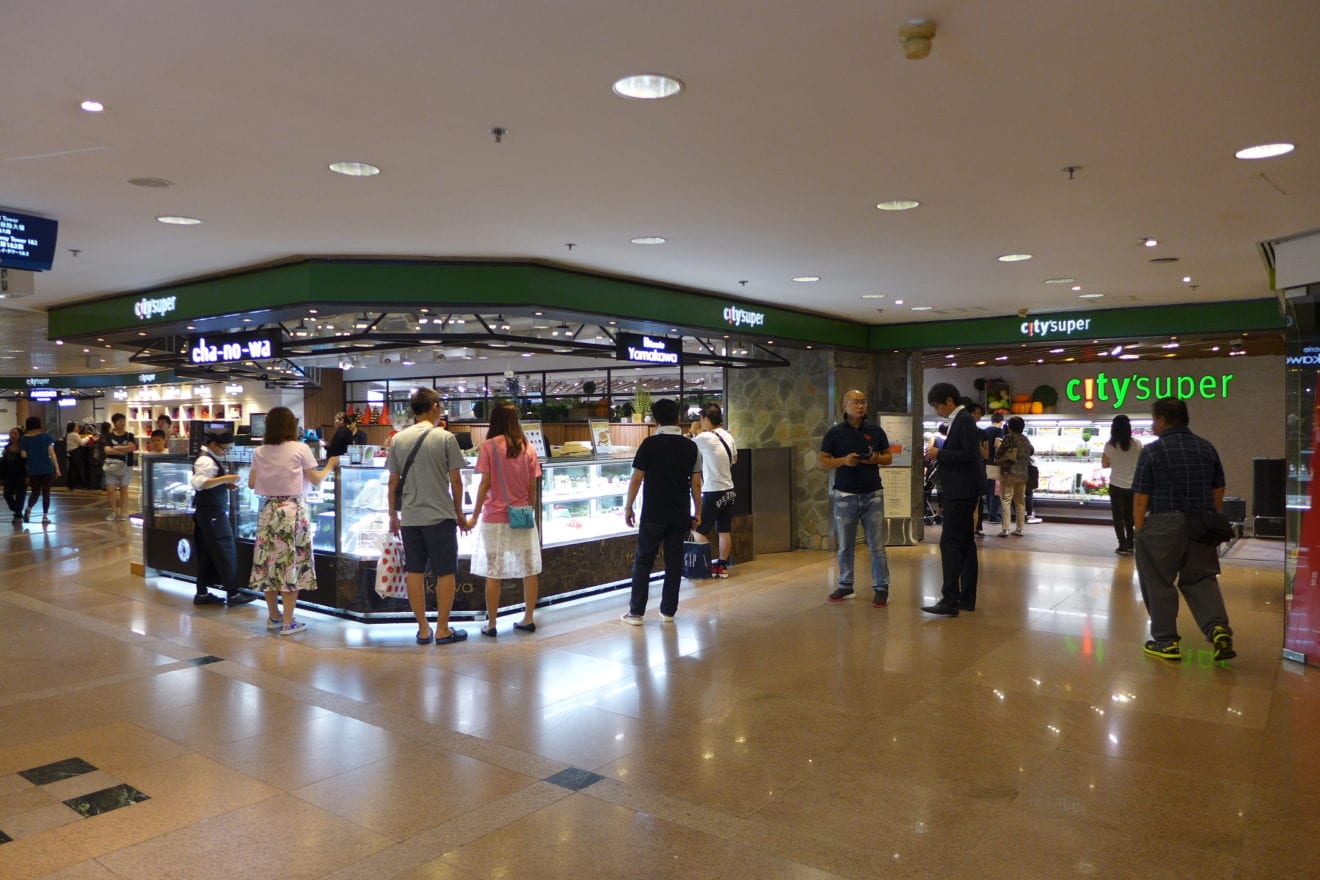
  • Hong Kong’s CitySuper evaluating sale options

    Hong Kong’s CitySuper evaluating sale options

    Hong Kong-based firm The Fenix Group may sell its majority shareholding in high-end supermarket operator Hong Kong’s CitySuper Group.

    According to Bloomberg, if potential buyers show interest in the stake, it may be worth between US$300 and $400 million.

    Any potential purchaser at this time will inherit a business in the midst of Hong Kong’s first depression in a decade, and with significant financial stimulus policies expected of the current administration. That said, the supermarket sector has been relatively unscathed by the decline in retail sales since protests began back in June.

    Fenix provided the original funding for the group and may yet decide to retain ownership of the business.

    Hong Kong’s CitySuper Group operates in Hong Kong, Shanghai and Taiwan across three brands, the most well-known its own name.

  • Hong Kong entrepreneur launches boutique wine concept Penticton at The Mills

    Hong Kong entrepreneur launches boutique wine concept Penticton at The Mills

    Bespoke wine seller Penticton is bringing little-known French vintages to Hong Kong.

    The business incorporates sulfite-free vintages and labels from female producers in its collection of curated bottles.

    “We are driven to discover the most intriguing expressions of what wine can be, and like to think that there is a story behind each bottle that we import,” said company head and Le Cordon Bleu-trained sommelier Olivia Lee in an interview with HKTDC’s online magazine Hong Kong Means Business.

    “By uncovering the secrets of lesser-known makers and female winemakers, we aim to shine a light on a new generation of innovative winemaking.”

    Penticton works with winemakers who “respect their role as custodians of nature” and focuses on Hong Kong as one of the world’s largest wine ports that remains heavily skewed towards more the well-known labels.

    The firm now attracts many customers to Tsuen Wan with special events such as tastings and plans to open further outlets in the New Territories area.

  • Asian Licensing Conference lifting off in Hong Kong

    Asian Licensing Conference lifting off in Hong Kong

    The Asian Licensing Conference at the Hong Kong Convention and Exhibition Centre is being held this week.

    The event, organised by the Hong Kong Trade Development Council (HKTDC), focuses on the latest market trends and opportunities in the region through the lens of some of the industry’s top licensees and project owners.

    The 18th edition of the HKTDC Hong Kong International Licensing Show and the ninth Asian Licensing Conference opened on Monday, discussing the latest market trends and sharing licensing success stories.

    “As an increasing number of businesses explore licensing as a way to move up the value chain, Hong Kong will have a key role to play in facilitating the growth of the industry,” said Margaret Fong, executive director at HKTDC.

    The first session, Asian Licensing Market Outlook, featured Lisa Reiner, Beanstalk MD in Europe & Asia Pacific, who offered three key points of advice for brand owners: be open to products that are relevant to local consumers; be active in protecting trademarks; and be willing to explore other routes to consumers, such as e-commerce and multiple distributor networks.

    During the event, VP of Asia Pacific and Middle East at National Geographic, Mark Coleman and Claire Gilchrist, VP in Asia Pacific of Hasbro Consumer Products discussed how brand stories can provoke consumer interest.

    At the second plenary session of the Asian Licensing Conference, several enterprises shared their licensing success stories, including Royal Selangor Marketing, a Malaysian company with a 135-year history that specialises in quality pewter.

    Robert Goodchild, head of licensing at Aardman Animations, said: “We work with many brands all over the world and it is all about bringing colour and character to campaigns. By bringing character to a campaign we can reach new audiences and build commercially successful partnerships.”

    Aardman collaborated with premium British lifestyle brand Joules last Christmas, which celebrated the 30th anniversary of both Joules and Aardman’s hugely popular Wallace & Gromit animation. Aardman also created a bespoke photoshoot with British retailer Harvey Nichols, and used its characters and humour to bring a lifestyle brand to life in a collaboration with British sofa brand DFS, emphasising the fact that both brands produce everything in the UK.

  • Hong Kong toy shop fined for deceptive conduct

    Hong Kong toy shop fined for deceptive conduct

    An unidentified Hong Kong toy-shop owner has been convicted of misleading omission commercial practice.

    The owner was convicted of engaging in commercial practices involving misleading omission according to the Trade Description Ordinance (TDO) and sentenced to 200 hours of community service by Kowloon City Magistrates’ Courts. The court also ordered him to compensate HK$11,210 (US$1440) to three victims.

    An investigation carried out after Hong Kong Customs received a complaint from the victims alleging that a toy shop owner had engaged in unfair trade practices, showed that the owner had failed to explain the risks of late delivery to its customers on a social-media platform page. The owner has sold eighteen types of toy models without regard to the risk of delay.

    Under the TDO, any trader who engages in a commercial practice that omits or hides material information or provides material information in a manner that is unclear, unintelligible, ambiguous or untimely, or fails to identify its commercial intent and as a result causes, or is likely to cause, an average consumer to make a transactional decision commits an offense. The maximum penalty upon conviction is a fine of $500,000 and imprisonment for five years.