Tag: Hong Kong

  • Black forecast for Hong Kong retail sales

    Black forecast for Hong Kong retail sales

    Hong Kong retail sales will shrink by 5 per cent this year according to projections by PWC.

    Citing uncertainty clouding consumer markets across Mainland China and Hong Kong, PWC also says macroeconomic uncertainty has prompted Chinese retailers to refocus on customer experience.

    “Hong Kong retail sales is estimated to fall by 5 per cent to approximately HK$460 billion this year, as the ongoing Sino-US trade dispute, equity market turbulence and volatility of Renminbi continue to cast a long shadow on consumers sentiment and actual spending”, says Michael Cheng, PWC’s Asia Pacific and Hong Kong/China consumer markets leader.

    PWC had earlier forecast a 3-per-cent decline in Hong Kong retail sales and says its downgrade reflects a weaker outlook for the second half of the year, due to a combination of factors including external headwinds, economic instability, as well as the projected decrease in tourist arrivals and spending.

    The projections are included in the consultancy’s report Back to the Core: Reinvigorate Experience-driven Retail at a Time of Uncertainty.

    Government data shows Hong Kong retail sales for the first four months of this year fell by 2 per cent, with electrical and luxury goods among the sectors suffering the biggest decline, against the backdrop of a weak Renminbi and waning consumer confidence. On the back of the completion of major infrastructures such as the Hong Kong–Zhuhai–Macau Bridge and the Guangzhou–Shenzhen–Hong Kong Express Rail Link, mainland tourist arrivals grew steadily in the last quarter of last year, reaching a record high in January, aided by the Chinese New Year holiday-shopping season. However, mainland tourist arrivals started to drop from the peak three months in a row since February.

    “Local retail sales and mainland tourist arrivals are expected to continue on a downward trend through the rest of this year, indicating a slowing consumer market in Hong Kong,” says Cheng.

    “Electrical and luxury goods are set to shrink further, while consumer goods like health-and-beauty products will hold well with a modest growth. The recent political and social unrest, temporary closure of the Peak Tram due to renovations, coupled with a lack of new tourist attractions might lower mainland tourists’ appetite to visit Hong Kong in the short term. Meanwhile, a weakening economy as well as uncertainty surrounding the trade dispute present risks to the outlook in the medium to longer run,” he says.

    Adapt or suffer

    Cheng says this year’s tough Hong Kong retail climate underlines the importance for retailers to adapt to changing consumer preferences and spending patterns in order to maintain competitiveness and profitability.

    “As shoppers nowadays have put a bigger focus on consumer experience, more and more retailers are moving to create a more engaging and experience-driven shopping journey with innovative and unconventional retail strategies such as ‘retailtainment’ and ‘coopetition’. Moreover, brands are increasingly tapping the power of emerging technologies like AR and VR to appeal to a new generation of tech-savvy shoppers who value personalised experience.”

    The report, which builds on the survey findings of PWC’s Global Consumer Insights Survey 2019, also points to an increasing emphasis on customer experience among retailers in China, who are refocusing on business fundamentals such as profitability and cost management in the light of growing economic headwinds.

    He says this year continues to be challenging for mainland Chinese retailers amid uncertain outcome of trade negotiations with the US and a slowdown in the economy. Mainland retail sales growth fell to a 15-year low at 9 per cent last year, signalling sluggish demand among Chinese consumers. As part of its wider efforts to transition towards a consumption-driven economy, the Chinese government has rolled out a range of stimulus policies including tax cuts, reduction in social insurance costs and incentives for high-tech consumption, with a view to building a more resilient domestic economy to mitigate external risks.

    “In the face of a slowing economy and consumer market, retailers are going back to basics by pursuing a more defensive strategy, characterised by profitability focus, consumer-centricity and operational excellence,” says Phil Lai, PWC China consulting partner. “The story of New Retail continues, as retailers strengthen digitisation along the retail value chain through smart supply chain management enabled by technology and big data, with a laser focus on experience.”

    Thanks to extensive mobile connectivity and established technology infrastructure, digital-savvy Chinese consumers tend to accept and embrace emerging technologies to a greater extent than their global counterparts. Sixty-eight per cent of Chinese consumers surveyed purchase products online at least once a week.

    Technology enablement consequently fuels the hunt for new experiences that integrate digital into the offline environment. Close to 40 per cent of Chinese respondents said their in-store experience would be enhanced by the use of technology including IoT scanners, tablet and mobile checkout, and self-service kiosks.

    As Chinese shoppers seek to redefine their experience with a frictionless purchase journey and a blend of both physical and digital interactions, retailers are thinking beyond the traditional return on investment (ROI) metrics to adopt a consumer-centred return on experience (ROX) strategy.

    “Specifically, retailers need to map out their consumers’ purchase journey, isolate key customer touch points and factors that drive experiential moments, and invest more in aspects which directly impact those interactions and yield measurable results,” said the report.

    Lai concludes: “From end-to-end digitisation to the rise of experience-based business models, the New Retail evolution in China has come a long way. To thrive in the world’s largest consumer market, we see retailers and brands becoming more digitally-agile and data-driven, using new technologies to fuse customer experience across the entire value chain, while monetising discrete moments and building communities with a purpose to ensure long term profitability and sustainability.”
  • Deliveroo Launches Virtual Restaurant Brands in Hong Kong, Boosting Restaurant Operator Income by 85%

    Deliveroo Launches Virtual Restaurant Brands in Hong Kong, Boosting Restaurant Operator Income by 85%

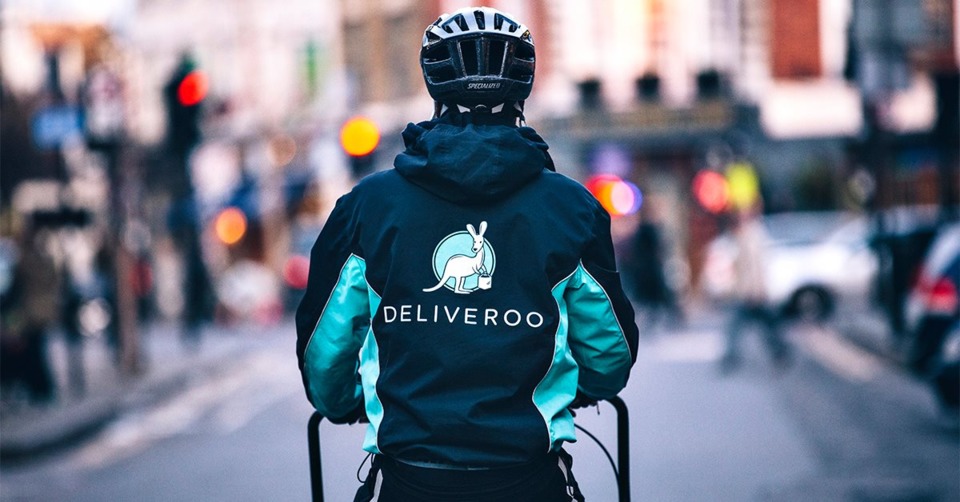
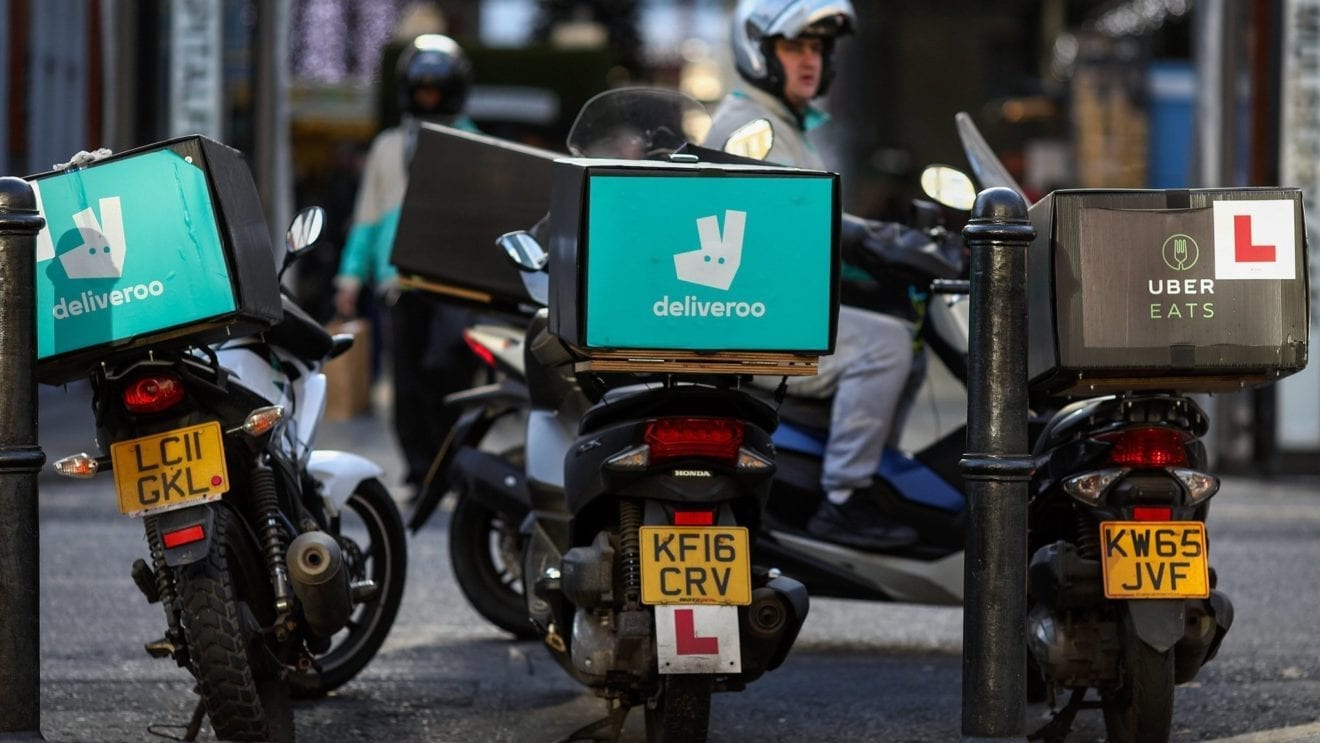
    Deliveroo, the food delivery service leader who has over 60% market share in Hong Kong, has today revealed how it is working with restaurants to create additional ‘virtual restaurants’, including in its state-of-the-art, delivery-only Editions kitchens. Deliveroo uses its expertise to help restaurants create, test and bring to market new brands that would be only possible due to the nature of online delivery.

    Creating virtual restaurants allows existing restaurants to increase revenue and customers by offering new or complementary cuisines from their current kitchen, but under new branding. Restaurants are able to therefore improve productivity and efficiency of existing kitchen staff and chefs and save on food costs and cut wastage, without increasing any of the fixed costs such as rent and other operating costs. For an industry that operates under challenging economic headwinds, virtual brands therefore provide a low cost, low risk way of increasing revenue and profit.

    Deliveroo currently has more than 100 virtual brands live across the platform in Hong Kong, and will have 200 by the end of the year. The most popular virtual brand cuisines in Hong Kong are first – Chinese; second – Hawaiian Poke; third – Chicken Wings. The most popular Chinese virtual brand is Soupday; the most popular Hawaiian Poke brand is Kai; the most popular Chicken Wing brand is Wingman. Since the inception of virtual brands, Deliveroo has seen web and app traffic from prospective customers to these brands jumped by 800% since January 2019. Furthermore, sales per store of virtual brands have also increased by 3-fold since the beginning of the year.

    Creating a successful virtual brand is no easy feat – Deliveroo works closely with their partners from start to finish.  It starts with big data, which is used to identify hotspots for growth, areas with high customer demand that are being underserviced with missing cuisine types, unsuitable price points, or a lack of restaurants in general. That data is then used to guide the creation of an optimal menu, from layout, to pricing recommendations, to featured items, all designed to help restaurants leverage existing ingredients and under-utilized kitchen space.  After a strong quality control process which involves tasting a lot of food and operational checks, Deliveroo also provides strong marketing support through online and offline channels, sponsored promos and discounts, and post-launch diagnostics of customer behavior towards the brand, not to mention partners getting access to Deliveroo’s global network, with opportunities to source cheaper packaging or food ingredients, learn new recipes, or even license foreign brands.

    There are 18 virtual brands at Editions sites in Hong Kong, with nine in Wan Chai and nine in Sai Ying Pun.

    A virtual brand appears as a separate restaurant on Deliveroo with a new identity driven by a new cuisine or menu offering. It means BBQ joints launching Mexican menus, Greek restaurants offering healthy protein bowls, or a favourite pizza joint delivering gourmet wraps.

    In markets around the world, restaurants on Deliveroo that launched virtual brands with the company have seen on average a 70% increase in revenues as a result of those brands. In Hong Kong this is higher at 85%.

    Commenting, Brian Lo, GM Deliveroo Hong Kong, said:

    “Virtual restaurants mean more great food for our customers. By creating new brands out of existing kitchens, restaurants can really boost their business and try new ideas without the need for expensive new premises. At Deliveroo we are using our knowledge, data and insight to help restaurants launch new brands in Deliveroo Editions and from their high street kitchens. We work with chefs every step of the way to make virtual restaurants a success from concept to delivery. The end result is great for restaurants and is helping to increase customer choice across Hong Kong.”

    Case study: Wingman

    Launching a new virtual concept and successfully opened its first brick & mortar restaurant in Central after proof of concept.

    What’s the background?

    Despite the growing trend for fried chicken, and wings in particular, no restaurants in Hong Kong specialised in them. Deliveroo shared the insights of this market potential with two entrepreneurs, Jack and Elliot who later became the founders of Wingman. The two parties decided to work together and build a virtual brand on Deliveroo platform.

    What were the solution and results?

    With the food trend and market data provided by Deliveroo, the founders created a range of wings infused with the most popular flavors. Once the flavours, brand and packaging were finalised, Wingman was launched just in time for the World Cup in July 2018, riding on the late night delivery offered by Deliveroo to kick this off a great start. Through July and August Deliveroo supported the brand with an OOH advertising campaign, and backed it up with a strong social media presence. Since its launch in July 2018, the brand has been growing in popularity via delivery business, acquiring new customers and expanding to new locations. Not only they have been acquiring 35% new customer growth month on month, but also opening its own restaurant door in Central in May 2019 – all happened within a year.

    To celebrate the opening, Wingman created an exclusive combo and partnered with Deliveroo in a flash marketing campaign to deliver hot wings by hot guys. In this campaign, the brand has acquired more than 100 new customers and generated 150% more traffic to their website. The revenue they gained in May has tripled than previous months, which creates a solid ground for its 1st restaurant in Central.

    “Here at Wingman, we owe a large portion of our success to Deliveroo! With their help, we were able to gain a foothold in the market that we would never have been able to achieve otherwise. By giving us a platform to sell, develop and refine our product, we were able to gain a market share without the large investment usually associated with opening an F&B outlet in Hong Kong. Working alongside the Deliveroo team, we were able to run a number of cross promotion campaigns, as well as providing us with a number of great data points we could utilise to improve our business model. This platform has allowed us to develop to the point that we have now opened our first sit-in restaurant, less than a year after delivering our first box of chicken wings! It really is a dream come true!” Jack Law and Elliot Nicholas, Founders of Wingman.

    Case Study: PizzaExpres

    Subject line: Introducing a new food type to an area and achieving new customer growth

    This was an opportunity to introduce a new dining concept and serve a creative menu at new targeted market segments.

    What’s the background?

    PizzaExpress always strives to bring delightful dining experiences to customers. In addition to the existing menu the brand provides, there is a demand gap in pasta and salad based on customer feedback and the data and analysis provided by Deliveroo. The kitchens also have the capacity to deliver more food during lunchtime and in the afternoon.

    What was the solution?

    Leveraging existing knowledge and manpower, PizzaExpress has launched The Pasta Project at Editions, a platform introducing new dining concept and serving a creative menu. Deliveroo consulted the brand with menu setting and operation by identifying relevant food trends using big data.The virtual brand has particularly focused on delivering great food to customers during lunchtime to capture new target segment and generate additional revenue.

    What were the results?

    The Pasta Project brand kicked off its first service zone in Wan Chai and received tremendous feedback from the consumers and has now expanded to five locations. This allows the brand to see the response from respective areas and the potential of the brand. With The Pasta Project, PizzaExpress has successfully tripled lunch turnover without having to invest in additional staffing, overhead cost and kitchen space. In addition, the brand has acquired new customers from The Pasta Project and is working to develop other virtual brands in the pipeline to delight diners with more variety and choices during different parts of the day and locations where Deliveroo’s data and analysis show cuisine and price gaps.

    Case study: Soupday

    Subject line:  Offering a wider variety of cuisine and geographic reach with virtual brands and Deliveroo

    What’s the background?

    Soupday was launched in June 2018 in Central. The innovative menu, food ingredients and the thematic shop design had gathered the likes of its neighbourhood in the Central area. Though, the founder felt that a personal touch is missing especially when ones are sick or tired as they wouldn’t want to leave their beds or sofas.

    What was the solution and results?

    Soupday partnered with Deliveroo to launch its first virtual brand, CongeeDay, on the platform. With the food trend information, data and the additional Wanchai Edition site provided by Deliveroo, Soupday was able to target the right customers from Sai Ying Pun to Causeway Bay and achieve 20% customer and revenue growth in only one month between April and May 2019, not to mention the great results by CongeeDay. Following the success of CongeeDay, the parties launched another virtual brand – Dim Chill in May 2019 after identifying the cuisine gap.

    Eric Fung, founder of Soupday said “All we want to do is to let our customers enjoy great food. This is why food quality is so important to us that we have to control it very closely. We preserve hotness and freshness of food by delivering via Deliveroo. We want customers to enjoy our quality food in the comfort of their own home or in their own environment. As we don’t have a kitchen or restaurant everywhere to deliver our food to customers, having a virtual brand on Deliveroo helps us be everywhere in Hong Kong to grow the business quickly without a massive investment upfront. The personal touch given by the Deliveroo team has been amazing and is the key ingredient to the success of our partnership.”

  • Sa Sa launched on HKTVmall

    Sa Sa launched on HKTVmall

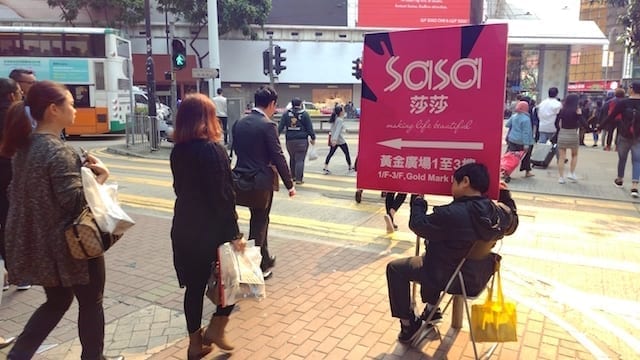
    SaSa has launched a flagship store on online shopping platform HKTVmall. The SaSa flagship offers more than 1200 SKUs, consisting of trendy skin care, make-up, fragrances and personal care products. The group intends to leverage the platform’s big data analytics to formulate more effective and precise sales and product strategies, as well as offer a series of in-store marketing promotions to customers.

    “As online shopping has become increasingly popular nowadays, customers embrace smart living and enjoy online shopping anytime at their fingertips,” said Sa Sa International chairman and CEO Dr Simon Kwok. “We expect that over 4000 SKUs will be offered on the platform in the short term, and we will continue to keep up with the latest trends in the consumer market trend, exploring collaboration opportunities with other third-party platforms while providing with the customers diversified trendy products, ultimately creating a more intimate shopping experience and giving new impetus to our business growth.”

    “SaSa brought a new retail model to the industry with cosmetic products being sold on open shelves as early as 40 years ago,” said HKTV chairman Ricky Wong. “HKTVmall is developing another new retailing model aiming to build a digital ecosystem encompassing business operations, trading, retailing, financial services and all aspects of daily lives, providing a ‘one-stop shop’ platform to the customers.”

    Last year, personal care and skin care products ranked third most-popular category, accounting for 17 percent of HKTVmall’s Gross Merchandise Value, and Wong believes the partnership with SaSa will introduce more international brands of beauty products, diversifying the selection of skincare and cosmetics products on HKTVmall.

    At present, the SaSa flagship complements SaSa’s physical stores and its own website, as well as its mobile app. SaSa has also been collaborating with third-party platforms in Mainland China in recent years, including Tmall, Kaola, Xiaohongshu, and JD.

    HKTVmall collaborates with more than 2800 retailers and suppliers, providing more than 270,000 products and service choices. Last year, 680,000 unique customers made purchases via HKTVmall.

  • Ramen Cubism Launches Exclusive ‘Instagrammable’ Twin-Bowl Shio Ramen

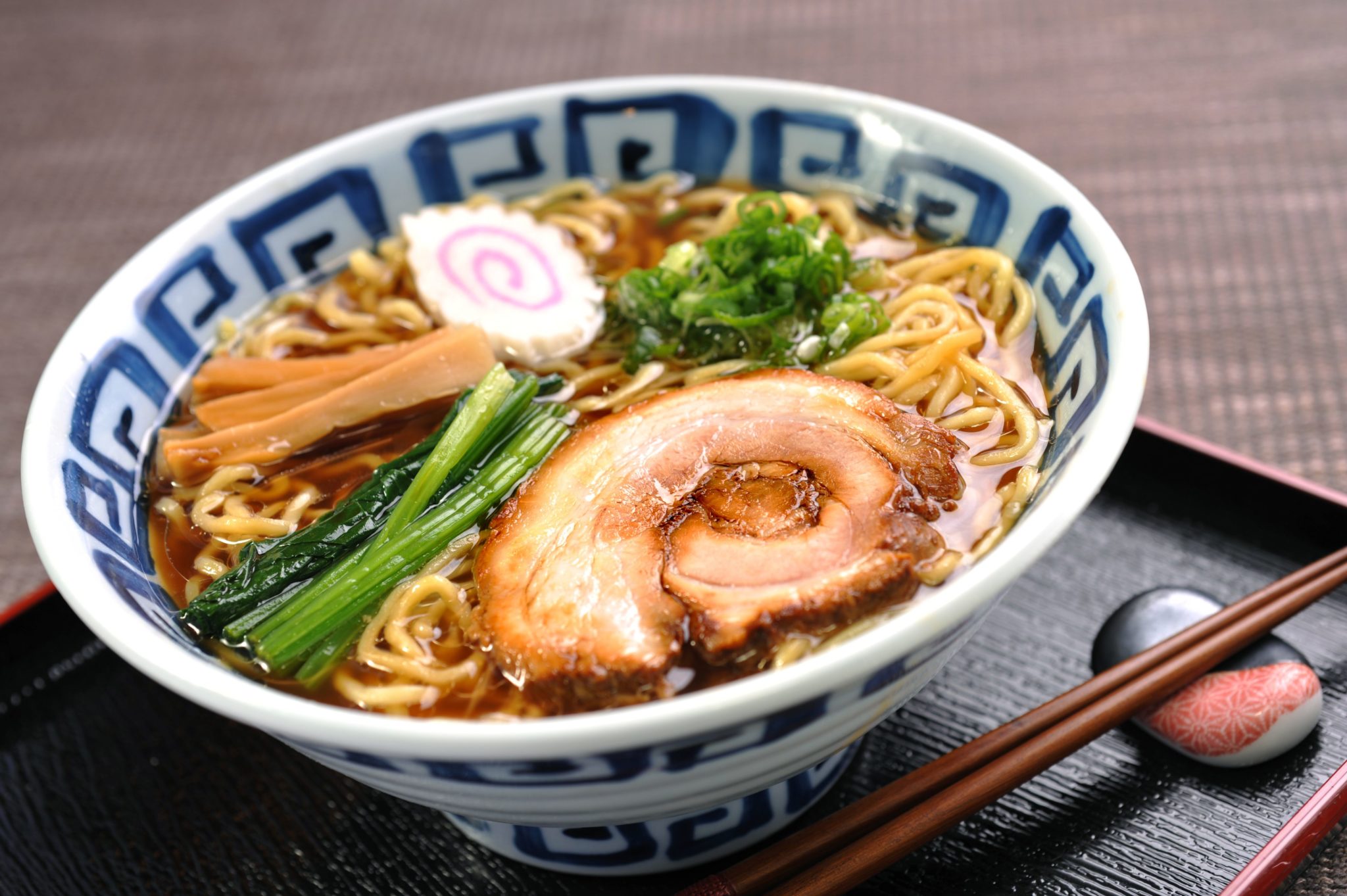
    Ramen Cubism Launches Exclusive ‘Instagrammable’ Twin-Bowl Shio Ramen

    In celebration of brand expansion of his trendsetting new ramen mecca RAMEN CUBISM in Central to his home town in Osaka, Japan’s ‘celebrity’ ramen champion Hayashi Takao is celebrating the phenomenal success story with a unique “twin-bowl” ramen concept in Hong Kong this July.

    Soon to launch at RAMEN CUBISM on 2 July, The Eden Shio ramen collection is inspired by the phrase ‘The Forbidden Salt’.

    In unique handcrafted ‘Figure of 8’ bowls, the master ramen is inviting fans to indulge in both hot and cold styles of a new specialty named The Eden Land (Hot) and The Eden Sea (Cold), currently a stellar dish sold at Chef Hayashi’s newly opened RAMEN PURISM in Osaka.

    The novelty concept is additionally ‘instagrammable’ because lucky diners also have the opportunity to buy another rarity – his new aromatic Majimori-Style Hayashi Cup Noodles with secret spices, which sold-out in Japan within a month of launching the first batch of 100,000.  300 cups were put aside for Hong Kong, and are now reserved exclusively with customer with single spending of HK$300 – for an extra HK$25, with a limit of just two.

    New snacks are also launch on the evening menu, featuring Hand-made Japanese Radish Pickle with Pomelo (HK$28), Sliced Pork Belly with Miso and Scallops (HK$38) and Hand-made Crispy Sweet Potato Ball (HK$38), serving daily from 5:30 pm.

    Having attracted a cult following since opening in Hong Kong in January, RAMEN CUBISM is meanwhile fast-tracking expansion – opening a second branch brand RAMEN PURISM in Chef Hayashi’s home town of Osaka, to be followed by a sister Hong Kong branch in Tsim Sha Tsui in September.

    “From the start, we envisioned Wellington Street as the flagship for an international brand, and the plan has already moved into top gear due to overwhelming popularity, with Macau and mainland China now on the radar,” said collaborating partner Eric Ting, CEO of Hong Kong’s Bird Kingdom Group, renowned for putting Lai Chi Kok’s D2 Place on the dining map.

    To launch the opening campaign for RAMEN CUBISM’s expansion to Tsim Sha Tsui, ‘teaser’ tasting of the brand’s specialties is being promoted at Bird Kingdom’s D2 Place Japanese restaurant UMAI for a month from today to 18 July.  Featured ramen include the signature Premium Cubism (HK$118) and Sea Soy Soup (HK$88).

    Merging vivid images of historic ramen masters and the two celebrity chefs with Japanese anime characters, the vibrant mural is inspired by parallels between the influential creativity of cubism art and minimalist simplicity of Japanese culture.

    The cosy interior of RAMEN CUBISM features a predominant wood finish, invoking the sense of natural, fresh, and authentic ingredients sourced from environmentally-friendly places.  The authentic ambience is amplified by Japanese pottery specially commissioned for the chefs’ signature noodles marrying traditional cooking technology and innovative ideas – bringing a one of a kind ramen ‘comfort food’ experience to Hong Kong.

    Eminently ‘instagrammable’ ramen creating the biggest buzz on social media are headlined by Premium Cubism – White Broth (HK$118 / Large), an extra-hearty larger option of a regular HK$88 version, especially renowned for Chef Hayashi’s signature slow-cooked pork belly and a half soft-boiled egg in a ‘secret recipe’ broth.

    RAMEN CUBISM is in the basement of Yuen Yick Building, No. 27-29 Wellington Street, Central, Hong Kong.

    Opens from Sunday to Thursday, 11:00 a.m. to 11:00 p.m. and Friday to Saturday, 11:00 a.m. to 12:00 midnight; payment are accepted by cash, Octopus, Alipay and WeChat Pay.

  • Hong Kong’s Mana! to open third location in August

    Hong Kong’s Mana! to open third location in August

    Fast-casual plant-based whole-foods retailer Mana! will open its third location in Hong Kong’s Starstreet Precinct this August.

    Mana! Starstreet will be a 1600sqft flagship store offering the brand’s signature flats, plant-based burgers, and other “fast slow food” served “fast, in an eco-friendly and responsible manner, packaged and ready to go”

    The company’s original Mana! Central branch on Wellington Street has become a popular destination, serving more than 500 customers daily – while its second branch in Sheung Wan is a popular weekend spot for brunch, books, and vegan coffee.

    “We’re ready to build upon our success as a brand and embark beyond Central and Sheung Wan to bring our food revolution to Admiralty, Wanchai, and beyond,” said Mana! founder Bobsy Gaia. “With Mana! Starstreet, we’re excited to join Swire Properties’ vision to transform the area into a wellness and sustainability destination.

    “I have personally waited for this moment for a very long time, since I pulled out of Life [Cafe] circa 2009. Mana! has always played a unique role in Hong Kong with its emphasis on solid vibes, holistic atmosphere and cultural community. Finally, with a larger space, we can bring these to the fore of what we offer and allow many more people to enjoy our Mana! vibes.”

    Theresa Leung, GM of Pacific Place, said: “We’re delighted to welcome Mana! to the Starstreet Precinct, a wonderful addition that will further enhance the area’s unique and diverse lifestyle offerings. Mana! is part of our commitment to offering healthy and fresh new experiences that emphasise wellbeing, and to building strong vibrant communities.”

    The new flagship store will be located on Queen’s Road East opposite Three Pacific Place at the Starstreet Precinct, a historical, vibrant and eclectic community hotspot in Wan Chai.

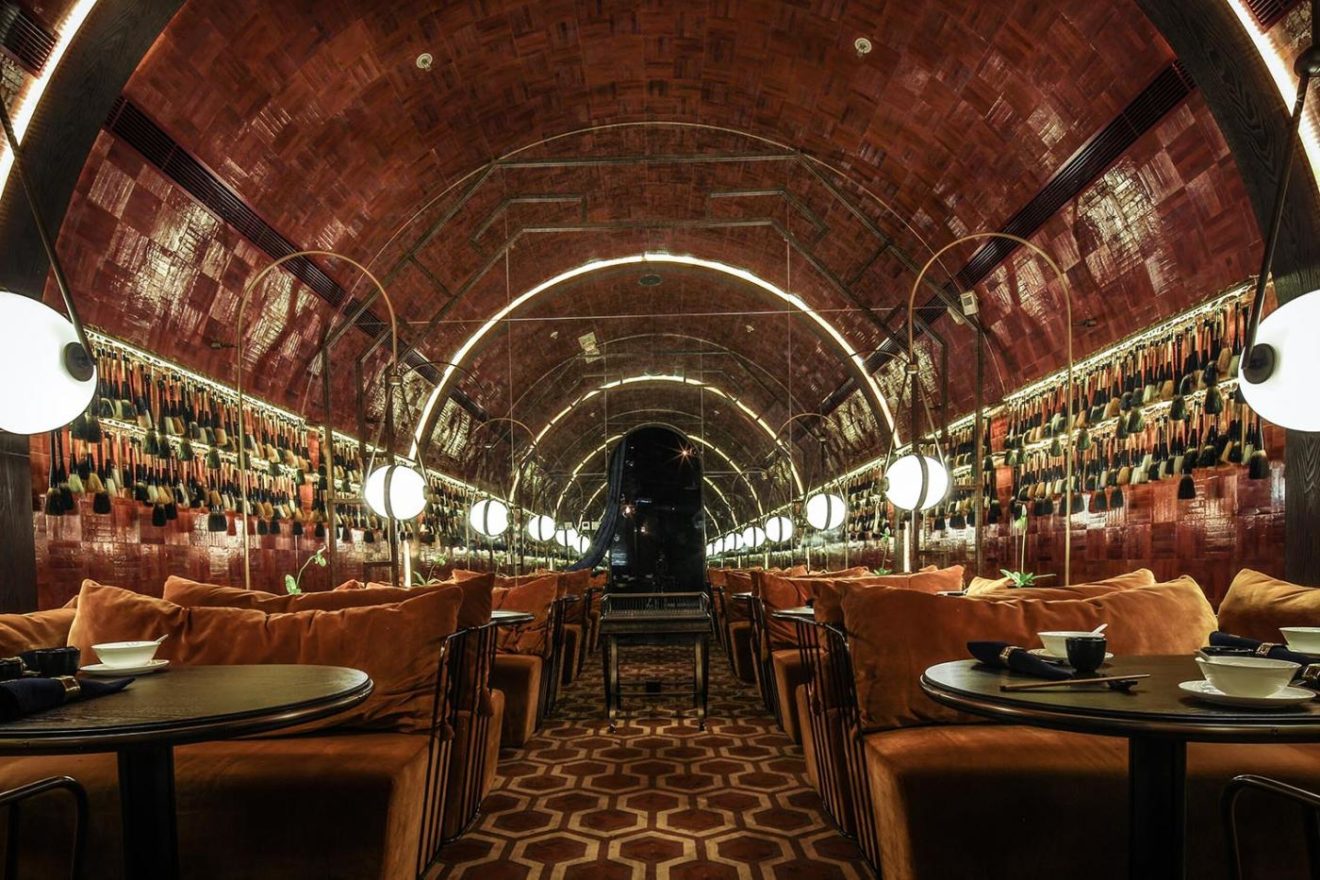
  • Hong Kong restaurant Mott 32 Opens in Singapore

    Hong Kong restaurant Mott 32 Opens in Singapore

    Hong Kong restaurant Mott 32 will open at Marina Bay Sands by the end of this year.

    Operated by MBS and Maximal Concepts, the 7000sqft space will occupy the space of Italian restaurant Nostra Cucina on level B1 at The Shoppes at Marina Bay Sands, which will close within the next two months.

    The space will be designed by Joyce Wang Studio, which is also behind the Hong Kong flagship.

    Set to offer lunch and dinner daily, the menu will feature signature Mott 32 items such as its apple wood-roasted Peking duck and deluxe dim sum, and some dishes with Singapore flavours.

    The restaurant will also have a bar serving Asian-style cocktails.

  • Cafe de Coral profits down during 50th anniversary year

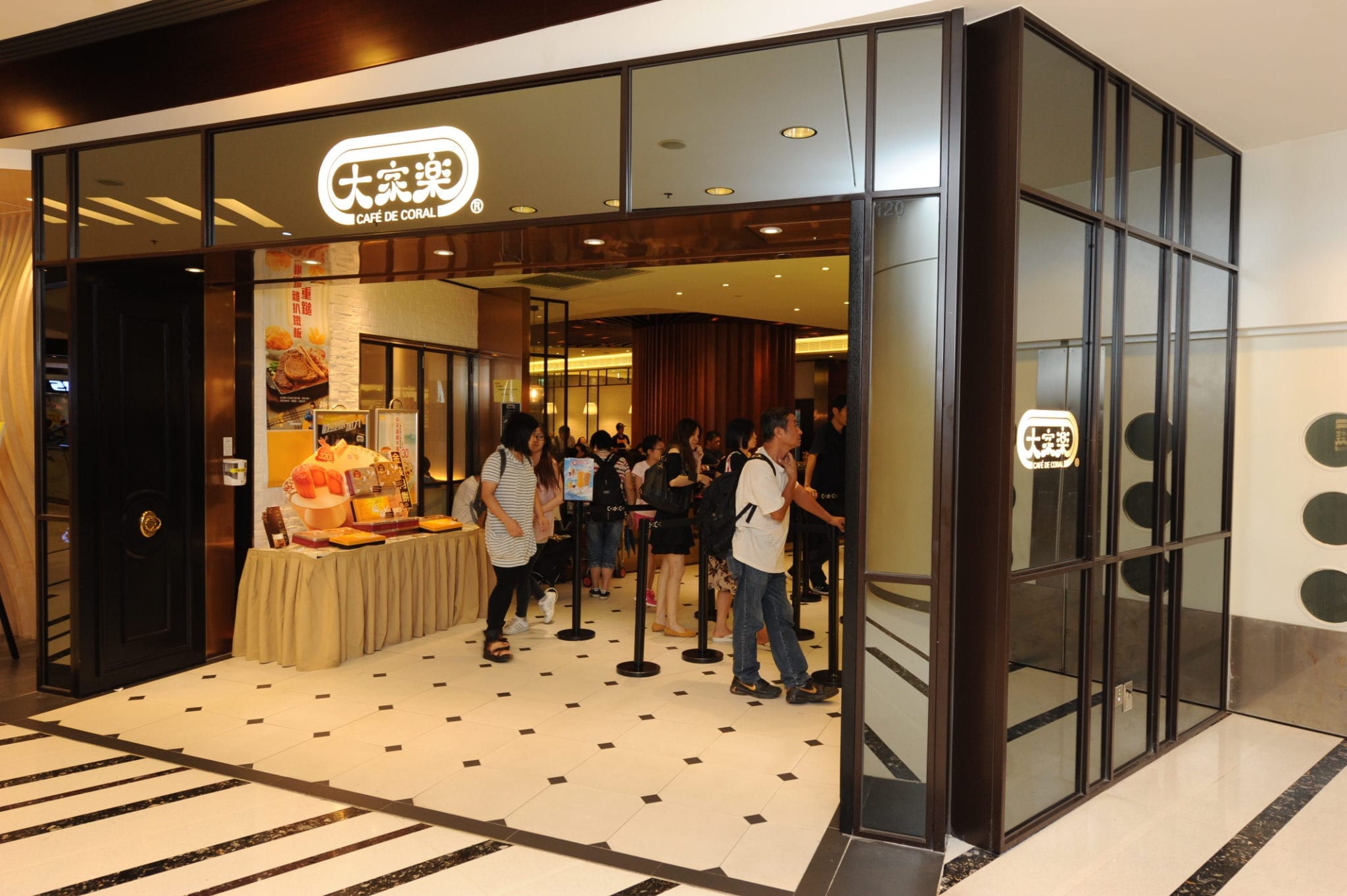
    Cafe de Coral profits down during 50th anniversary year

    A sharp focus on customer experience and behind-the-scenes efficiency has driven a solid rise in profits for Cafe de Coral in its 50th year of trading.

    Revenue for the Hong Kong-listed quick-service restaurant, catering and casual dining operator rose by a modest 0.8 per cent to HK$8.494 billion, however profit attributable to shareholders soared 28.9 per cent to $590.3 million, primarily due to improvements in operating efficiency and profit margins.

    “The results achieved during the year under review indicate clear improvement in performance and customer experience, as well as a positive trend in all areas of operations,” said chairman  Sunny Lo Hoi Kwong.

    “Our philosophy towards development is driven by a long-term view, and is inspired by a belief that development cannot be rushed, yet it cannot be slow. While a succession team and sustainable growth take time to nurture, it is important the business maintains forward momentum while adapting to the environment.”

    He said the China market – and in particular the Greater Bay Area – was a key driver of growth for the group during the past year.

    “Over the past 50 years, our business has organically grown outward from Hong Kong to include key neighbouring cities and regions, which cover largely the same footprint as the official Greater Bay Area region. In expanding from our home market, Cafe de Coral’s network in Mainland China has naturally focused on the Greater Bay Area – building on our knowledge of customers, markets, property and supply chain logistics. This has allowed us to grow at a comfortable pace, confident in our ability to maintain our high standards of quality, cleanliness and service throughout our network.”

    He said focusing on the future business environment, technology will continue to be a key differentiator of the business this year. “Whether automating mobile ordering, payment or take-out and delivery, e-channels now represent a significant portion of our business, which will only grow as time passes.”

    While sales in the QSR and institutional division decreased by 0.6 per cent to $6.26 billion, the businesses maintained their leadership positions in the Hong Kong market, and contributed 73.8 per cent of the group’s total sales. The division finished the year with 298 outlets – the same as at the same time a year earlier.

    “Although the Hong Kong market remains very competitive, sentiment is positive and the fast food segment continues to grow,” said Lo. “In order to maximise growth opportunities, the group is maintaining its focus on improving all parts of the customer journey. With the manpower investment program in previous years now largely complete, costs are stable and under control – and margins are improving as a result.”

    He said consumers remained price sensitive and continued to be attracted by price cuts and value promotions. Cafe de Coral fast-food recorded flat same-store sales growth during the year. A review of the store network saw one opened and six closed during the year, for a net 162 shops as at March 31.

    “With network consolidation now complete, the group expects to expand its network. Seven new outlets have been scheduled to open in the months ahead.”

    A new customer loyalty program launched in May last year has proven highly popular with customers, with a significant increase in membership.

    The group has strengthened Super Super Congee & Noodles’ brand positioning as Hong Kong’s No 1 leading neighbourhood chain, providing nostalgic traditional and authentic Chinese cuisine (congee, noodles and wok-fried dishes). It achieved 2 per cent same-store sales growth during the year.

    The casual dining business achieved revenue of $905.8 million during the year, an increase of 2.7 per cent year on year. Following rationalisation of the brand portfolio and branch network, the division operated 60 shops at the end of the year, eight fewer than a year earlier.

    The group’s Chinese cuisine brands, Shanghai Lao Lao and Mixian Sense, maintained sizeable networks and shop presence with 12 and 17 shops at year end, respectively. Shanghai Lao Lao, the company’s leading home-grown brand, was successful in its promotions during the year.

    Mixian Sense opened three more shops during the year, introduced QR code ordering to improve the customer experience and operational efficiency, and also launched a new VIP program to encourage customer response.

    Non-Chinese cuisine brands continued to rationalise their branch networks to improve performance. The Spaghetti House ended the year with seven shops and Oliver’s Super Sandwiches with 13, both chains two stores down year on year.

    Lo said Mainland China represents a major opportunity for the group’s business. “Continuing last year’s momentum, the Mainland China business delivered strong performance during the year, achieving 7 per cent growth in revenue to $1.152 billion and same-store sales growth of 2 per cent.”

    Building on management’s confidence in the market, the group doubled the number of store openings compared to the previous year, opening 16 shops to end with 107. Another 20 new stores are planned for this year.

  • HKCYIA signs MOU with Voyager to promote superyacht services in Hong Kong

    HKCYIA signs MOU with Voyager to promote superyacht services in Hong Kong

    The Hong Kong Cruise and Yacht Industry Association (HKCYIA) has signed a Memorandum of Understanding (MOU) with Voyager Risk Solutions Ltd to support its risk and insurance management services for superyachts, with full scale professional solutions that are expected to promote its upcoming initiatives in the development of the yacht and tourism industries in the Greater Bay Area.

    The move was made in view of the rapid development of the global yacht industry and the surging demand for superyacht management services in Hong Kong.

    The MOU signing ceremony, witnessed by the management of both organisations, was officiated by HKCYIA Executive Director, Kara Yeung, and Voyager’s Chief Executive Officer, Tommy Ho. The agreement will further strengthen the two organisation’s developments in the yacht industry, with increased co-operations and exchanges in tourism promotions in the Greater Bay Area.

    Speaking at the ceremony, Yeung said under the agreement Voyager will provide professional risk management and insurance consultation services to the HKCYIA in the opening and operation of its upcoming Superyacht Management Services Centre. Both parties will have regular meetings to seek further co-operations and communications that can enable services improvements and sustainable developments.

    Yeung said Hong Kong has a major role to play in its capacity as a “super connector” in the implementation of the Belt and Road Initiative and the strategy to build the 21st century maritime Silk Road, providing the necessary support in the development of the maritime industries. Its first in Asia Superyacht Management Services Centre will be a milestone development for the industry.

    The centre, a partnership project with the China Merchants Industry Holdings Co. Ltd, will provide world-class supporting services for superyachts of over 45-metres, including refit, repair and maintenance services.

    Yeung added that the centre will work with international yacht brands and top management companies to provide a wide range of professional services, including repair and maintenance, audit and survey, bunkering services, crew administration, logistics support, etc. Exclusive onshore tours with tailor-made itinerary in the Area will also be provided.

  • Alibaba Files Hong Kong Listing

    Alibaba Files Hong Kong Listing

    Chinese multinational conglomerate holding company Alibaba Group has filed confidentially for an initial public offering in Hong Kong, Bloomberg reported on Thursday, citing people familiar with the matter.

    Previously reported that the group was mulling a secondary listing to diversify funding sources amid escalating U.S.-China tensions over trade and tech, which has accelerated the drive for Chinese technology companies towards more self-reliance on domestic supply chains, technology, and funding.

    The firm had chosen China International Capital (CICC) and Credit Suisse to lead its Hong Kong share sale.

    Alibaba’s 2014 U.S. initial public offering was the world’s largest-ever stock market flotation, raising a record $25 billion. Hong Kong lost out on the listing because its rules back then did not allow for Alibaba’s corporate structure, which gives founding partners control over board appointments, as opposed to shareholders.

    However, Hong Kong Exchanges and Clearing changed its rules last year to allow «innovative companies» from China with listings elsewhere to do a secondary listing in Hong Kong, even if their voting rights structures did not comply with local standards.

  • Decathlon to Open largest Store in Hong Kong

    Decathlon to Open largest Store in Hong Kong

    French sports company Decathlon will open its third store in Hong Kong this Saturday, 15th June, in Tseung Kwan O as it continues its efforts to make sports accessible to the many in the city.

    The new Decathlon store in Sheung Tak Plaza, with 36,000 sq. ft (3,500sqm) in retail space and access to an outdoor sports playground of equivalent size, is the biggest sports retail store in the city. An array of family-friendly activities across the weekends this month is organised for visitors to enjoy as part of the opening celebrations.

    The Tseung Kwan O store will employ more than 80 full-time Sports Advisors and Leaders, and together with the Causeway Bay and Mongkok stores, Decathlon will see its workforce in Hong Kong increase to 270, from just 8 two years ago. Inspired by the concept of an urban neighbourhood, the new store design will feature 13,000 products from over 70 sports to be touched and tested as well as spaces to create unique social community moments for customers.

    Marc Zielinski, Decathlon Hong Kong Leader, said:

    “We are delighted to be opening our third store in Hong Kong this weekend, and we are proud that the Decathlon Tseung Kwan O store will become the city’s biggest sports retail space. We hope we can inspire more Hongkongers to exercise for a happy and healthy lifestyle. Decathlon aims to make sport accessible to all and we understand sports engagement can be a heavy financial burden to some. This is why we offer high quality products at competitive prices across 70 sports so everyone can have that choice. With the outdoor playground, visitors who are curious about any sport can seek the advice of our specialist Sports Leaders and fully test our products before they buy. We look forward to contributing to a healthier Hong Kong.”

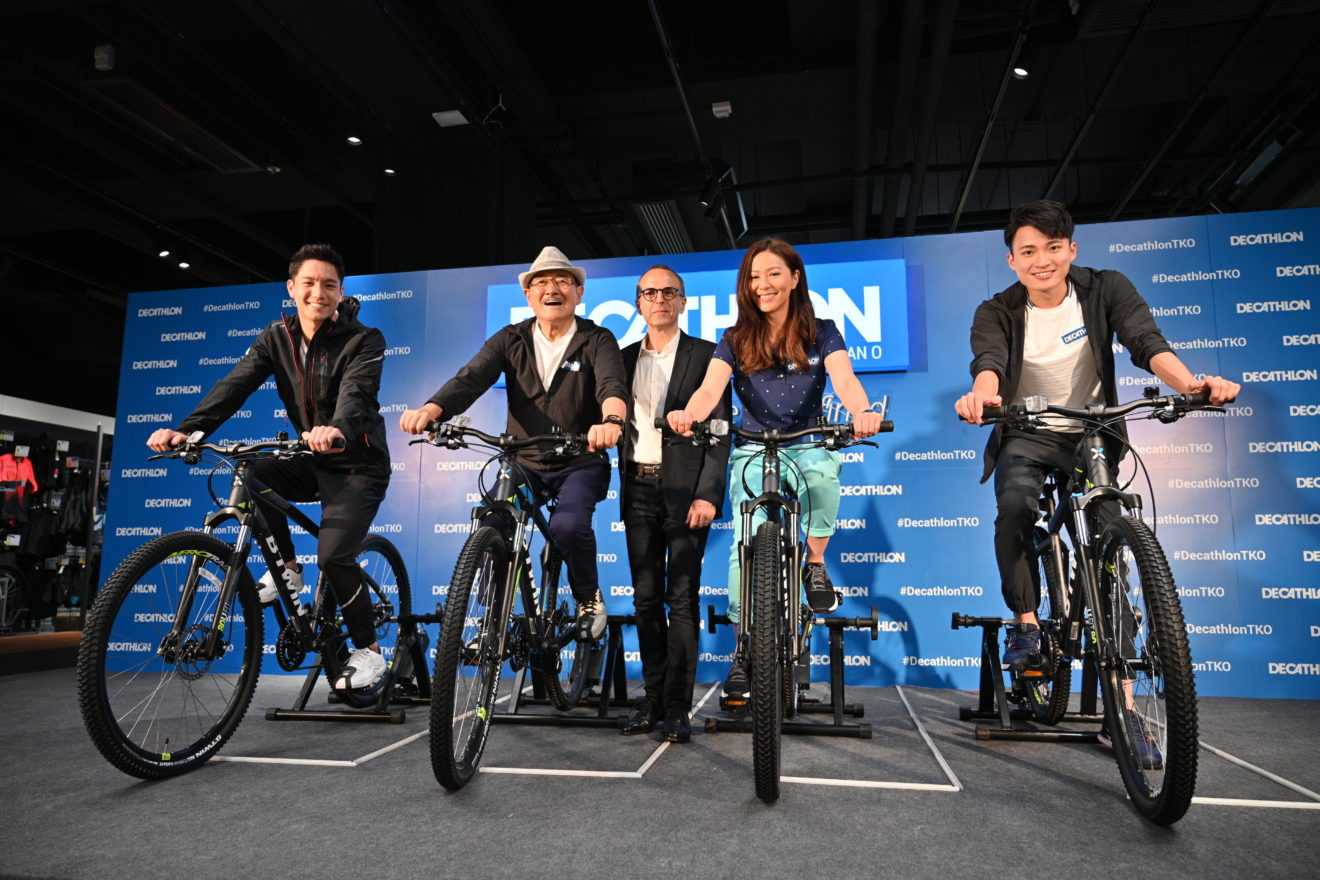
    Earlier today, a number of special guests including partners and local celebrities were treated to a preview of Decathlon’s retail experience highlighted by in-store digital innovations that allow customers to get a complete understanding of any product before the point of purchase.

    A key part of the unique customer journey is the online catalogue of Decathlon products featuring over 13,000 models that is available on the 50” LED screens placed at prominent areas of the store. This means that even if customers cannot find the exact product they desire on the shop floor, they can visit the online catalogue in-store to compare products and learn about all the possibilities conveniently and efficiently. What’s more, customers can checkout autonomously on Decathlon mobile app for a fast and seamless shopping experience. Customers in a hurry will even be able to choose to pick up their online purchase in store in one hour, through Click & Collect 1H service.

    Joyce Tang Lai-ming, one of the four cast members of popular TVB sitcom “Come Home Love: Lo and Behold” who supported a lighting ceremony riding a stationary bike to generate energy through pedal power, commented:

    “Hong Kong is a fast-paced, always on, city. It is hard to find time to even breathe, and exercise can sometimes fall off the radar for all of us. I am a regular hiker, but there are plenty more activities I am curious about that I have yet to try. With so much choice here at Decathlon and a huge space to try things out, I am eager to satisfy my curiosity and experience new sports.”

    Part of the 36,000 sq. ft outdoor sports playground will be transformed into a campsite replicating the famous hiking trails of Hong Kong, while at the same time showcasing Decathlon’s comprehensive range of Mountain products. Over the weekends of 15-16, 22-23, and 29-30 June, visitors are invited to enjoy 28 indoor and outdoor sports activities such as cycling, stand-up paddle, archery, pétanque, and yoga among others. All activities are completely free of charge and a limited edition backpack will be awarded to Decathlon members who join in.

    To further enhance the sports experience for customers, the Decathlon Tseung Kwan O store will host daily experience sharing sessions and sports classes with inspiring athletes from the community such as Edie Hu who swam around Hong Kong Island last year. These interactive sessions aim to encourage members of the public to discover new sports, and to try them with confidence, while cyclists can utilize the free bicycle workshop space to upgrade, or repair their bikes DIY style or with assistance from a Sport Leader.

    Situated by the main entrance of the store, the year-round Hong Kong Sport Heroes photography gallery acknowledges those in the community who are using sports to improve their lives and want to inspire others to follow their path. With a different theme each month, a watersports exhibition with over 30 breathtaking photos will greet visitors as the store opens at 10.30AM on Saturday 15th June.

    In addition, Appysport, whose main investor is Decathlon Hong Kong, has announced the launch of Hong Kong’s first all-in-one sports platform with a mission to make sports practice more accessible in the city. The Hong Kong based company founded in 2019 has started with offering tennis courts on demand that can be easily booked online and will soon expand to other sports and services.

    Appysport will eventually connect sports users, sports coaches, sports associations and sports facilities in order to make it easier for everyone in Hong Kong to practice sports. The ambition of the start up is to play a key role in increasing sports practice in Hong Kong by facilitating access to it.

  • Ducati Hong Kong opens Kowloon store

    Ducati Hong Kong opens Kowloon store

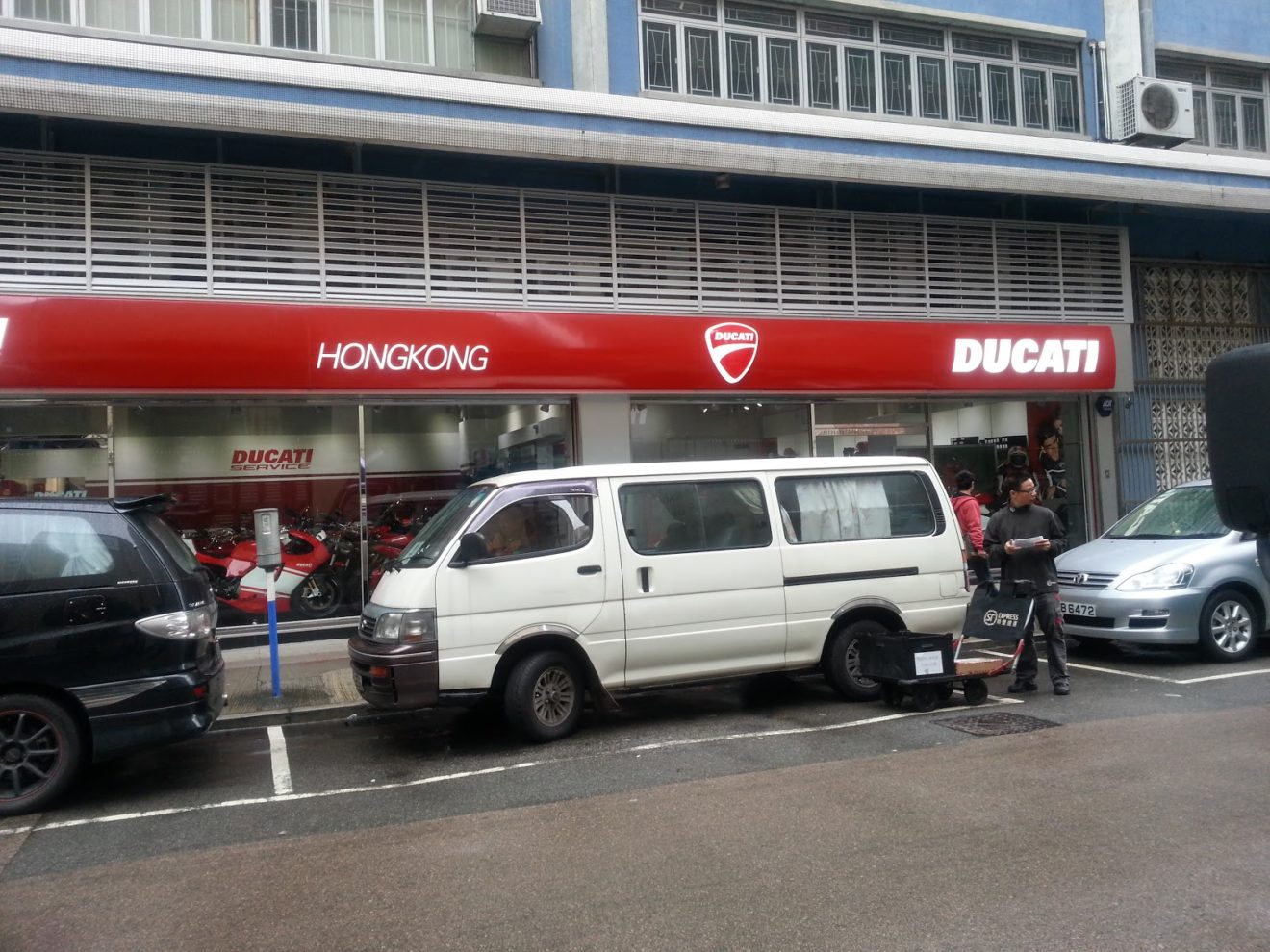
    Ducati Hong Kong has opened a new store in Kowloon.

    The store launch, focused solely on Borgo Panigale-built bikes, serves to expand Ducati’s presence in Hong Kong. The new showroom, opened by sole Ducati importer in the territory Ho Wun Cars, is designed to offer customers a full brand immersion experience.

    The entire Ducati range is represented in the venue, which includes a comprehensive section dedicated to apparel and accessories and a social area for the Ducati Owners Club Hong Kong.

    “Hong Kong is one of the most premium markets for Ducati in Asia,” said the brand’s marketing director for Asia Pacific Stefano Campaci. “The city itself is not only one of the world’s main economic hubs, making it an aspirational point of reference in terms of lifestyle, but it is also home to one of Ducati’s most sophisticated clientele in the world. Last year, for example, 50 per cent of Ducati motorcycles sold in Hong Kong were superbikes, many of which were sold to our numerous local collectors.

    “It is therefore fundamental for Ducati to be represented at the highest level, and this new showroom marks a step forward in this direction.”

  • Deliveroo Hong Kong launches loyalty program

    Deliveroo Hong Kong launches loyalty program

    Deliveroo Hong Kong believes a new loyalty program it has launched will drive retail-order growth by 75 per cent and increase order frequency by 85 per cent.

    Launched yesterday at the company’s Food Market in Sai Ying Pun, the program rewards customers who order food with an e-stamp for every HK$50 spent at Food Market. After they collect 10 stamps they can redeem a $100 coupon redeemable in store. Or they can save 20 stamps for a $150 in-store cash coupon; 30 stamps for $200. Members of the program can also enjoy birthday rewards of 10 per cent off any purchase during their birthday month.

    “Our aim is to reward customers with more opportunities to enjoy a delicious meal, support our restaurant partners via a new platform for sales, brand love and publicity; and to bolster Deliveroo’s bold expansion plans,” said Brian Lo, GM of Deliveroo Hong Kong.

    Food Market was launched last December, as the food-delivery service’s first direct-to-consumer location, letting customers walk in off the street and order their food for takeaway. Food Market also prepares food orders for delivery via the Deliveroo platform.

    Lo says the market has brought an additional 50 per cent in order volume and 26 per cent in new customer acquisition within the area during the past six months.

    It is currently home to five restaurant partners offering 15 dining concepts, including new virtual restaurant brands which are exclusively available via Deliveroo. Chinese restaurant Crystal Jade launched the delivery-only virtual brands Lao Er and Brother Kwok aimed at younger consumers. Other new brands launched through Food Market include The Pasta Project by Pizza Express, Shaka, Kai and Blazed by Pololi Group, and Leaves & Liberty and The Dogg Pound by Beef & Liberty.

    Deliveroo is now planning to expand Food Market, exploring new partnerships with student unions and looking at ways to further scale the concept’s success across the territory.

  • Hong Kong debut for Japanese hot-pot chain Bijin Nabe

    Hong Kong debut for Japanese hot-pot chain Bijin Nabe

    Japanese “farm-to-table” restaurant group AP Company is expanding in Hong Kong with the local debut of its Bijin Nabe hot-pot brand.

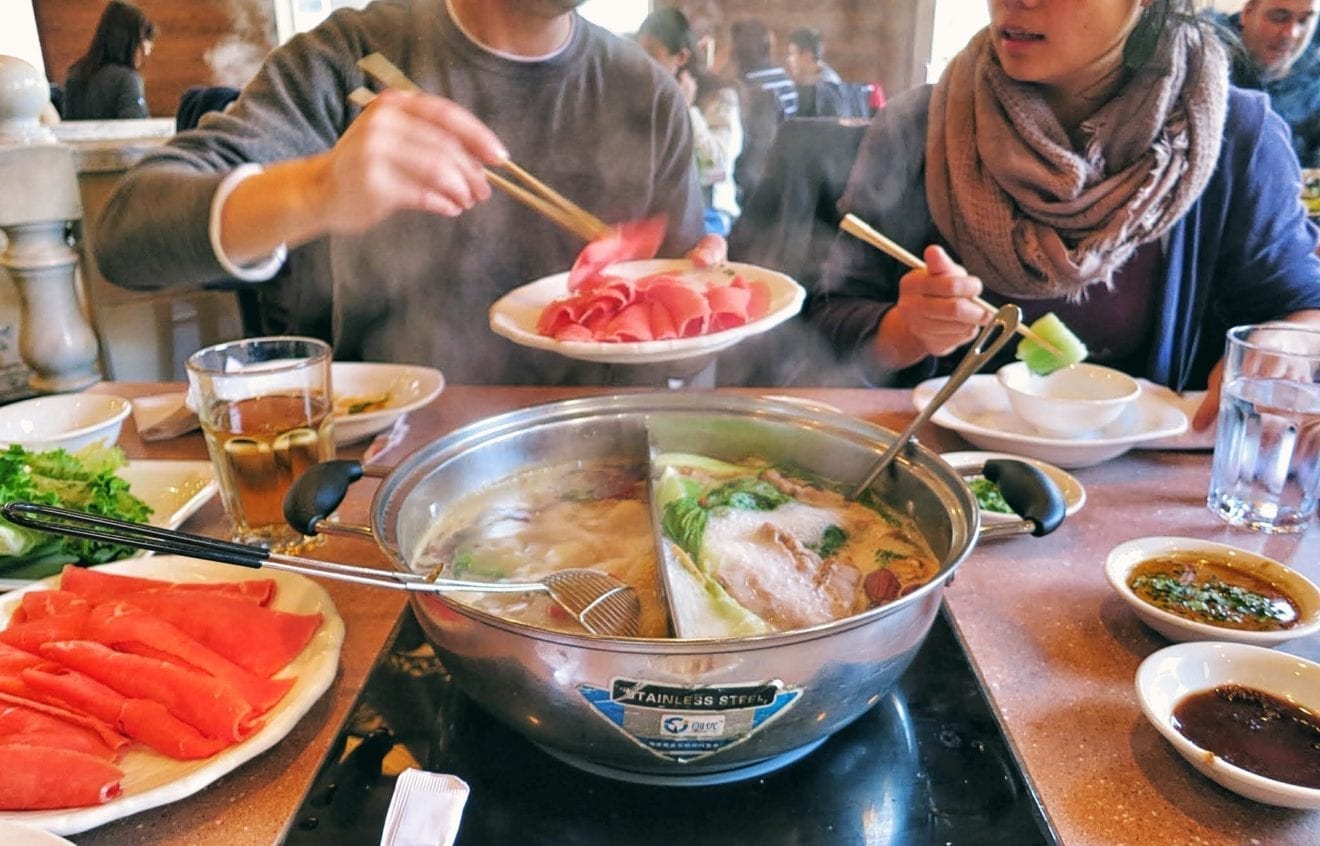
    Named after the group’s signature “collagen-rich chicken ‘beauty stock’”, Bijin Nabe’s 2800sqft venue is now open at APM Millennium City 5 in Kwun Tong. AP Company has expanded to 200 restaurants in Japan and Singapore based on the reputation of its ‘super supplement’ stock – boiled for eight hours from free-range chickens, free of steroids, hormones and antibiotics and raised at its own poultry farms in Japan.

    “Bijin Nabe is establishing a niche with ‘per person’ hotpots in a dining style usually designed for groups,” said Bijin Nabe MD Masashi Kamatani, “with the added appeal of fashionable and ‘instagrammable’ appetisers, desserts, alternative specialty dishes, mocktails, cocktails and home-made vegetable juices.”

    Bijin Nabe’s focus is on young millennial consumers via an emphasis on three key concepts – beauty, tasty and healthy.

    The group made its debut in Hong Kong in 2017 with its flagship upmarket izakaya-style restaurant brand Tsukada Nojo in Harbour City, followed by the opening of a Shatin branch last year.

  • VF Corporation to collaborate with Redress

    VF Corporation to collaborate with Redress

    Global apparel, footwear and accessories retailer VF Corporation is entering an exclusive collaboration with environmental charity Redress to deliver the Redress Design Award 2019 x VF Challenge in Hong Kong.

    The award is the world’s largest sustainable fashion design competition and works to educate emerging fashion designers around the world about sustainable design techniques to drive growth towards a circular fashion system.

    The collaboration is being supported by financial contributions from VF and charitable grants from the VF Foundation, a private philanthropic foundation funded by VF Corporation.

    “This collaboration presents a unique opportunity for VF to provide mentorship to the next generation of fashion leaders while also learning from them,” said VF executive VP & group president APAC region Kevin Bailey, “all with an emphasis on advancing a more sustainable business model for our industry.”

    VF’s collaboration with Redress will provide 10 shortlisted emerging designers the opportunity to learn from one of the world’s foremost leaders in apparel and footwear.

    Designers will present their competition collections on September 5th at the live Grand Final at Centrestage in Hong Kong.

  • Her in Causeway Bay mixed fashion and food

    Her in Causeway Bay mixed fashion and food

    Hong Kong stylist Hilary Tsui has opened a cafe connected to her fashion boutique designed to “transport guests to a new planet”.

    The store – Her in Causeway Bay – serves coffee, cookies and ice-blended coffees to browsing customers, marrying Tsui’s passion for fashion and gastronomy. It was designed by studio Clap, based in Valencia, Spain.

    According to design news site Dezeen, the retail space features stacked terracotta display plinths and celestial aluminium partitions help create “an other-worldly atmosphere”.

    “Tsui’s desire was to create a retail space dedicated to contemporary women that brings together her two passions in one place: fashion and gastronomy,” explained the studio’s design team.

    “So we imagined Her as a sinuous landscape, with impressive mountains and pure materials – all together as a new space that’s yet to be discovered, like planet Mars.”

    Clothing items are hung from wavy racks that are suspended from the ceiling. Jewellery is presented on pale circular tables supported by thin metal stems, intended to resemble “small white lotus leaves that grow from the mountains”.

    Terracotta tiles are stacked to form a series of blocky plinths that the studio likens to “reddish mountains”, where accessories can be displayed or visitors can sit and rest.

    See more images and further commentary about Her in Causeway Bay here on Dezeen.