Tag: Hong Kong

  • Retail rents in Causeway Bay are the world’s most expensive

    Retail rents in Causeway Bay are the world’s most expensive

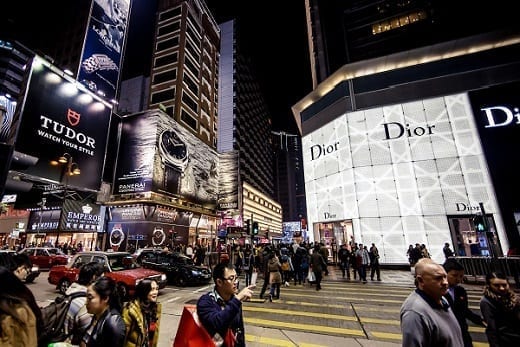
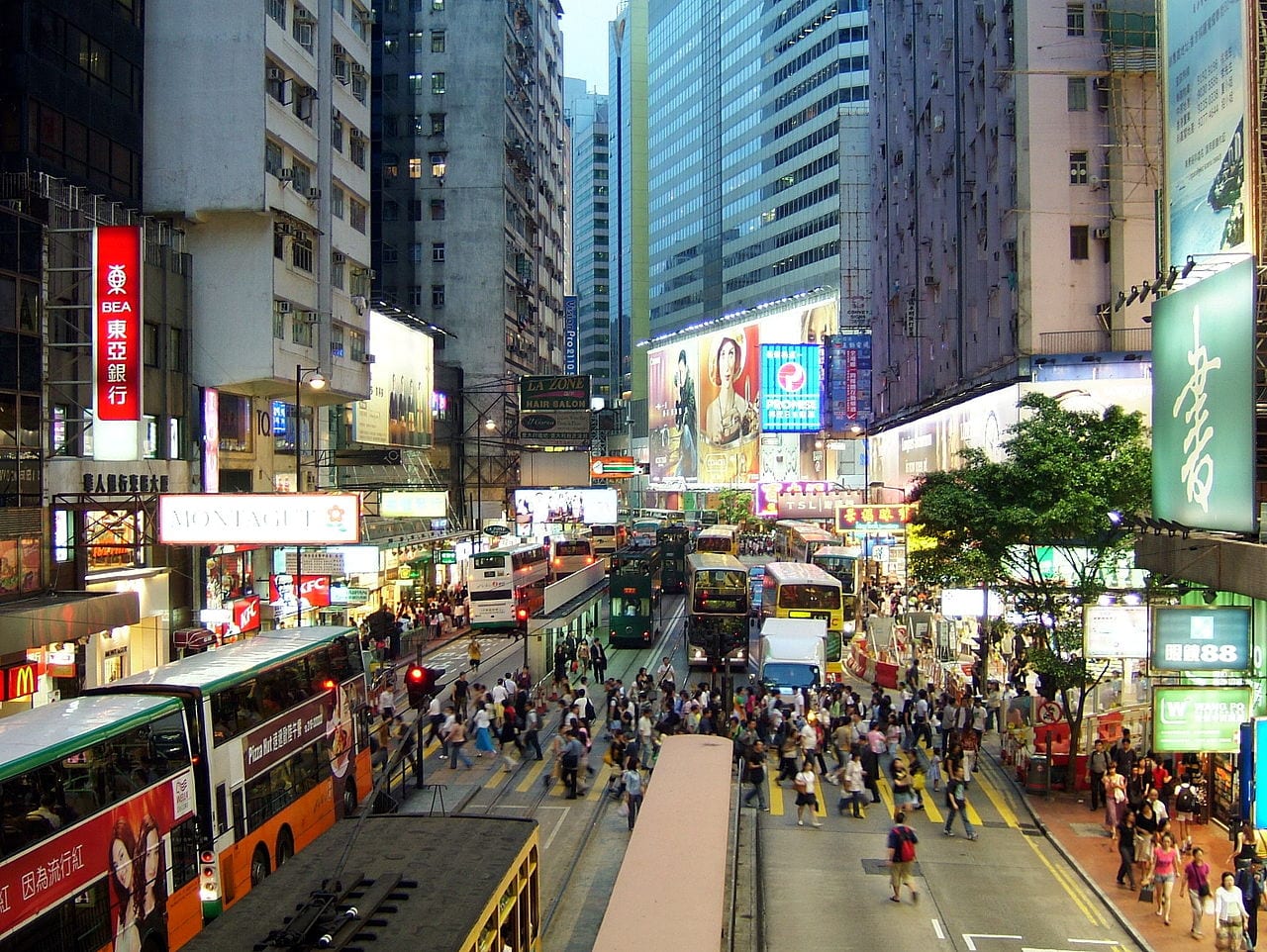
    Causeway Bay in Hong Kong is now home to the world’s most expensive retail space. According to the annual Cushman & Wakefield survey of high-street retail rents, Causeway Bay has overtaken New York’s Fifth Avenue for the top spot, with rents of US$2671 per sqft per year, or €24,606 per sqm per year.

    The calculations were completed during the second quarter of this year.

    What makes Causeway Bay’s performance on the list even more remarkable is that it was achieved as the retail rent market bottomed out after some three years of pressure from falling retail sales in the city. While that decline has turned around into positive growth over the past year, most property industry sources have said retail rents have not yet begun to climb again.

    Third place on the list of the world’s most expensive retail space – and the most expensive strip in Europe – is London’s New Bond Street.

    Of the Asia-Pacific locations, Japan’s Ginza takes sixth place this year, Sydney’s Pitt Street Mall seventh and Seoul’s Myeongdong district eighth. Those places are the same as last year. The only other change in the top 10 was Avenue des Champs Elysees in Paris overtaking Milan’s Via Montenapoleone into fourth place.

    The annual Main Streets Across The World report, celebrating its 30th anniversary, tracks 446 of the top retail streets around the globe and ranks the most expensive in 65 countries by prime rental value using Cushman & Wakefield’s proprietary data.


  • SEA gives struggle to Dairy Farm International

    SEA gives struggle to Dairy Farm International

    “Significant challenges” across the Southeast Asian supermarket business are continuing to test Hong Kong-listed multi-format retailer Dairy Farm International. In a management statement discussing the company’s third-quarter performance – which did not include any figures – Dairy Farm said its businesses produced “mixed results” with a strong performance in health and beauty and good results from home furnishings and restaurants divisions. However, the performance of the Hong Kong supermarkets business has softened.

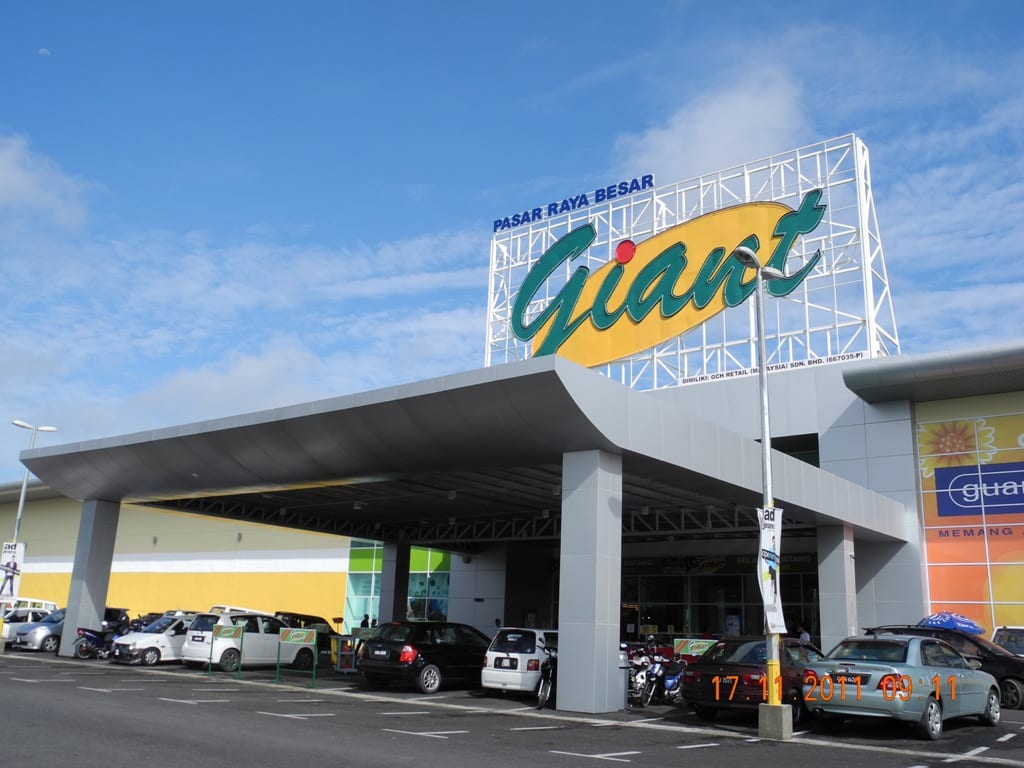
    The company said the Southeast Asian grocery store business – Cold Storage and Giant stores in Singapore and Malaysia – is expected to continue for the remainder of the year with the group’s full year results expected to be impacted by increasing costs from ongoing investment in technology, supply chain infrastructure, stores and people in order to improve the long-term performance of the business. Sales and profits fell in its supermarkets in both countries. Falling sales in Indonesia were mitigated by management action which resulted in reduced losses there.

    In North Asia, sales from the food businesses were slightly ahead of the same period last year, but profits were lower as a result of weakening margins and continued cost pressures, particularly from increased rents.

    However, the health and beauty businesses in Hong Kong and Macau (Guardian stores) delivered “strong sales and profit growth”.

    The Philippines food business showed good sales growth, benefitting from the opening of several new stores, but profit was slightly behind the prior year due to increased operating costs. There was continuing good sales and profit improvement in the group’s health and beauty businesses, notably in Malaysia and Indonesia.

    Ikea’s sales and profits were ahead of last year in Taiwan and Indonesia. In Hong Kong, sales were higher, supported by the new store which opened last year; however profits were lower as a result of higher operating costs.

    In Hong Kong, Maxim’s delivered another record-breaking mooncake sales performance during Mid-Autumn Festival, which was earlier than last year, and helped drive sales and profit higher during the period. Supermarket Yonghui reported strong sales growth in the quarter but profit was lower than the prior year due to investment in new formats and the additional costs of the new employee incentive scheme.

    Approval was received from the Philippines Competition Commission in August for the combination of Dairy Farm’s Food business in the Philippines with Robinsons Retail Holdings, with completion expected to take place within weeks.

    In early October Dairy Farm agreed to acquire the remaining 51 per cent interest in Rose Pharmacy in the Philippines, which is now subject to regulatory approvals.

    Dairy Farm, together with its associates and joint ventures, operate more than 7400 outlets, including supermarkets, hypermarkets, convenience stores, health and beauty stores, home furnishings stores and restaurants – employing more than 200,000 people. Total sales last year exceeded US$21 billion.

  • Hong Kong retail up in September despite massive growth slowdown

    Hong Kong retail up in September despite massive growth slowdown

    Retail sales in Hong Kong rose 1.4% year-on-year in September, signalling a considerable retail sales slowdown in the Asian economy, following a downwardly revised 7.9% increase in August. According to industry figures released on November 1, the September uptick is the smallest annual gain in Hong Kong retail sales since June 2017.

    The Census and Statistics Department (CENSTAD) attributed the slowdown to two factors, with the first being the temporary drag on inbound tourism from typhoon Mangkhut.

    Also, local consumer spending was reportedly hindered by negative sentiment, in light of the US-China trade conflicts and stock market corrections.

    Looking at the results closer by category, September food, alcoholic drinks and tobacco retail sales fell 0.8%, compared to an increase of 2.4% in August.

    Hong Kong fuel sales were down 2.9%, widening in terms of loss, compared to a 0.6% decline in the month prior.

    Hong Kong’s clothing and footwear retail sales figures fell a whopping 6.5%, compared to 3.4% in August, with growth stalling in September at department stores, up 1.1% compared to 11% in August.

    Likewise, jewellery, watches and clocks gained 5.3%, but proved to be a soft growth result, compared to the 22% lift last month.

    But not all categories in September underperformed.

    Retail sales at supermarkets swung to a 0.6% increase, compared to a decrease of 3.4%, while consumer durable goods gained 3.3% compared to 2.1% last month.

    Based on seasonally adjusted data, retail sales decreased by 3% in the third quarter, compared to the second quarter.

    Hong Kong retail sales have been on annual upward trajectory since 2005.

    For the last thirteen years, sales have gained on average 5.67%, with a high of 30.6% in February 2010.

    The lowest recorded result was an 18.5% downswing in February 2016.

  • Wagyumafia launches in Hong Kong

    Wagyumafia launches in Hong Kong

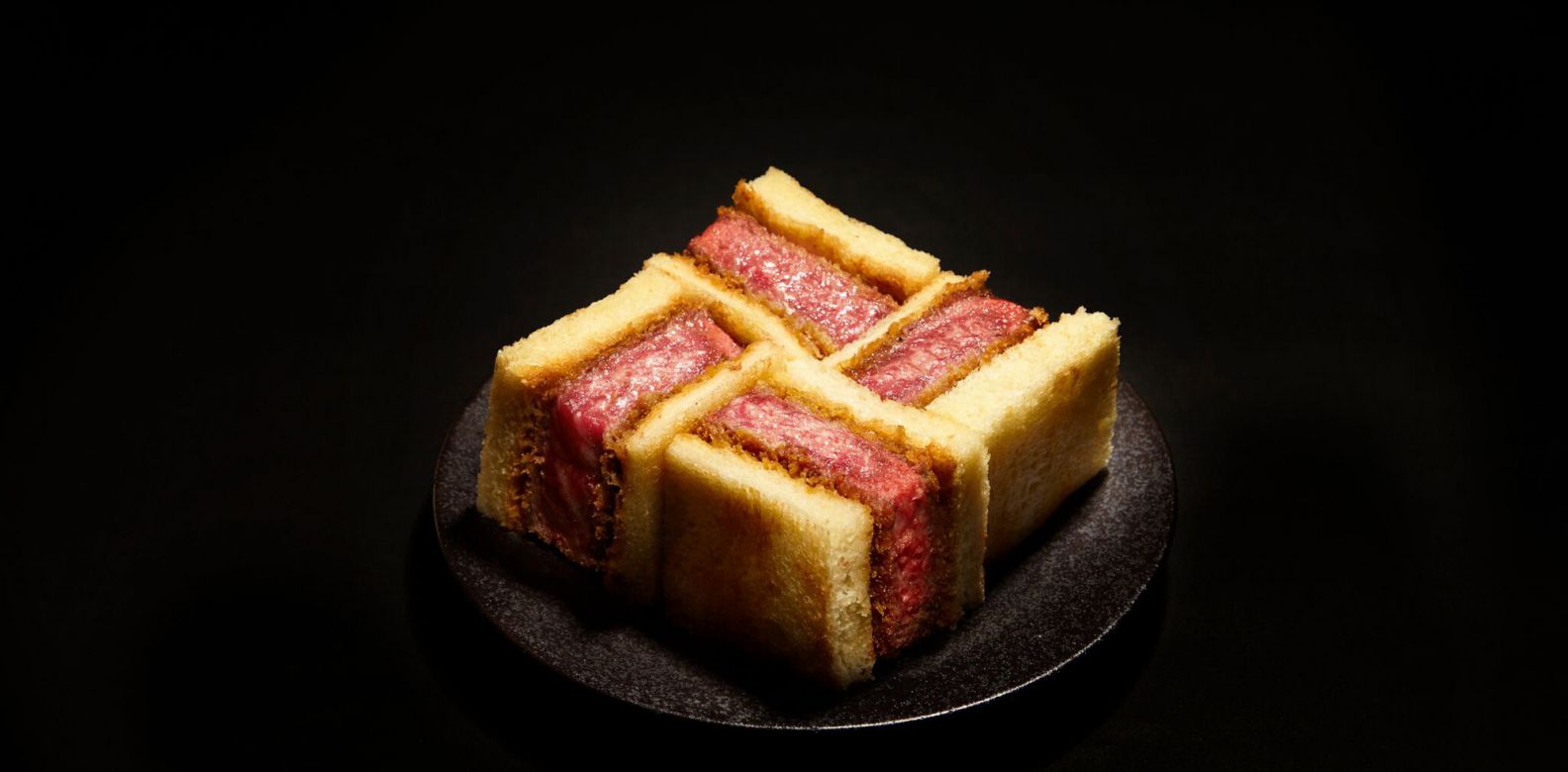
    Japanese restaurant chain Wagyumafia is set to open in Hong Kong’s Wan Chai. It will be the franchise’s first international location since launching two years ago. Wagyumafia is known for its premium beef and members-only business model. The brand has gone through an extended promotion under co-founder Hisato Hamada, who has hosted pop-up events for the franchise in top international locations – including Paris, London, Singapore and New York.

    The new Hong Kong location will be open for 18 members at a time, serving an omakase menu focused on choice Wagyu and Kobe beef yakiniku and shabu-shabu dishes.

    Hamada said “Wagyumafia seeks to buy only the top 1 per cent of Kobe beef. To ensure our premium quality standards are met, we source our products from the top 20 best farmers in Japan.”

    Reservations will be opened to non-members sometime after the first month of trading.

  • Baby Milo Launched Pets Collection Pop-Up Store

    Baby Milo Launched Pets Collection Pop-Up Store

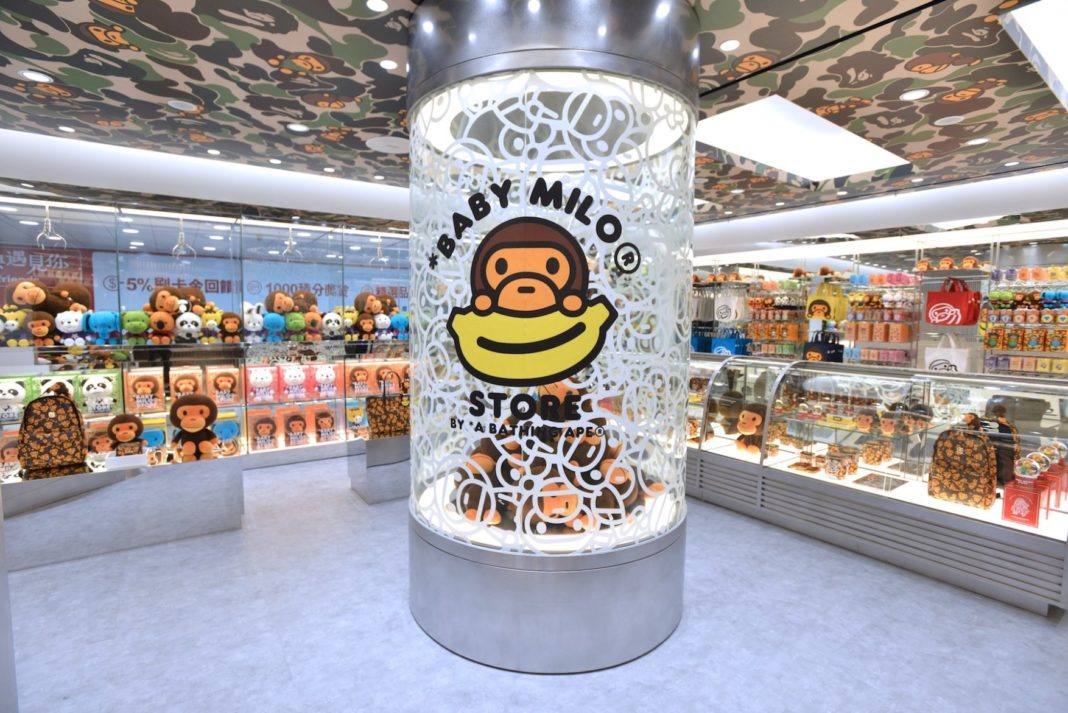
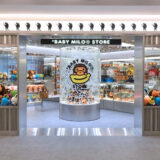
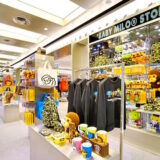
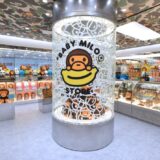
    Japanese apparel brand A Bathing Ape has opened a Baby Milo petwear pop-up in Hong Kong. The pop-up features a ball pool out front for canine friends to play in while attendant humans shop, as well as a quieter pet space out back. Also highlighted in-store is a Baby Milo dog tag engraving station and a flipbook photobooth.

    The pop-up is offering soft goods and toys for pets, including beds, chew toys, leashes, carry bags, and towels, among others.

    The pop-up will run until November 18 at 19 Old Bailey Street, Soho, from noon to 7pm.

    A Bathing Ape is owned by Hong Kong’s I.T Group.

  • Marie France Van Damme opens first store in the Middle East

    Marie France Van Damme opens first store in the Middle East

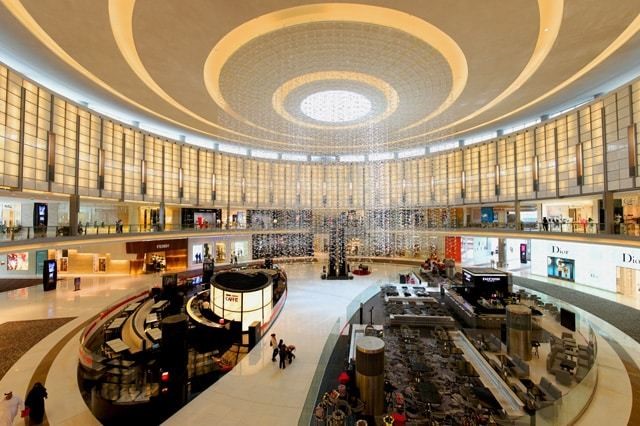
    Marie France Van Damme, the Hong Kong-based designer known for her globally influenced line of luxury resort, swim, and ready-to-wear, continues to expand her presence worldwide with the opening of the brand’s first store in the Middle East in November 2018 in Dubai, its thirteenth boutique worldwide. With boutiques in some of the world’s most iconic luxury travel and shopping capitals, Marie France Van Damme’s new store will be located in downtown Dubai in the exclusive Dubai Mall, the world’s largest luxury shopping destination.

    Situated within Fashion Avenue of The Dubai Mall (Financial Center Rd, Dubai, United Arab Emirates) a section that’s home to more than 200 luxury shops including Cartier, Chanel, and Valentino, the new 1000 square-foot boutique will offer Marie France Van Damme’s extensive luxury resort, Beach Bridal, and ready to wear lines and range of accessories, including evening dresses, resort wear, and caftans.

    As Marie France Van Damme only introduces limited productions of her collections each season, each store in itself is unique, with exclusive items at each location you won’t find anywhere else. With a focus on exclusive pieces inspired by the Dubai lifestyle, the new boutique will offer the best of both worlds: luxe day resort wear and chic evening wear.

    Made for Dubai and the elegant, modern Middle Eastern lifestyle, Marie France Van Damme’s striking collections are a return to the glamorous roots of resort wear with a muted palette of silver and gold, hand embroidery and opulent fabrics, from French lace to metallic-toned Italian weaves and featherweight Chinese silks. Signature pieces such as the Boubou caftan provide instant glamour. New this season is an exclusive “Black Gold Rose” jacquard collection of delicate evening dresses crafted in the softest crinkle silk chiffon; and short jackets, and skirts designed to be layered with long metallic blouses and worn from city to resort and from day to night, a perfect mix-and-match wardrobe.

    Collections are not distinguished by season, but relevance. Whether it’s evening wear or day dress; a silk caftan, city pajama or swimwear, Marie France Van Damme’s philosophy remains the same: “What you wear should always give you glamour. Glamour without the fuss and bother,” says Marie France Van Damme.

    We are excited to open our first boutique in the Middle East in The Dubai Mall,” says Marie France Van Damme. “I could not have imagined a better location to provide our clients with an exceptional atmosphere in one of the most beautiful shopping destinations in the world. We have many clients in Dubai including those who travel to here to shop. Like me, our customer travels around the world, and she needs to find things that will look beautiful day as well as night. Our collection was made for Dubai and the elegant, modern Middle Eastern lifestyle, from day to evening, poolside to dinner.”

    The new boutique will incorporate Marie France Van Damme’s signature aesthetic, which blends subtle Asian influences and elegant simplicity with marble floors, teak wood, bronze panels, and embossed crocodile leathers with textiles and finishes that can be found in the designer’s home as well as her flagships in Hong Kong and London.

    Marie France Van Damme will join The Dubai Mall’s 3.77 million square feet of leasable space and 1,300 retail outlets, including Galeries Lafayette, Cartier, Chanel, Valentino, Balenciaga, Gucci, Lanvin, Saint Laurent, and many more. The Dubai Mall, a luxury shopping destination that welcomes 80 million visitors each year, also has dining, entertainment, and leisure attractions including the Dubai Aquarium & Underwater Zoo, the Olympic-sized Dubai Ice Rink, and adjoining five-star hotels, including the Armani Hotel Dubai. In addition to Fashion Avenue, there is also The Souk, the open-air walkway The Village, and more.

    Marie France Van Damme has rapidly expanded since its inception in 2011 to include an impressive range of ready-to-wear, resort wear, swimwear, sunglasses, perfume, and candles. The designer just announced her twelfth boutique opening this October at the Wynn Las Vegas. She recently opened her eleventh boutique in Miami at Bal Harbour Shops and a store in Marrakech at La Mamounia in January 2018, a Los Angeles boutique in September 2017 at the Peninsula Beverly Hills, a boutique in Bangkok’s luxury shopping and entertainment complex Gaysorn Village in 2017, and her seventh store in December 2016 in Hong Kong’s prestigious Elements shopping mall, which is Marie France Van Damme’s second Hong Kong store. The company opened its very first store in Hong Kong’s acclaimed International Finance Centre (IFC) mall in September 2013. Five years later, Marie France Van Damme has twelve stores worldwide, proving that small curated stores are still very relevant. The company currently has 100 retail locations in some of the world’s most desirable shopping destinations.

  • La Chapelle Vietnam launch gets closer

    La Chapelle Vietnam launch gets closer

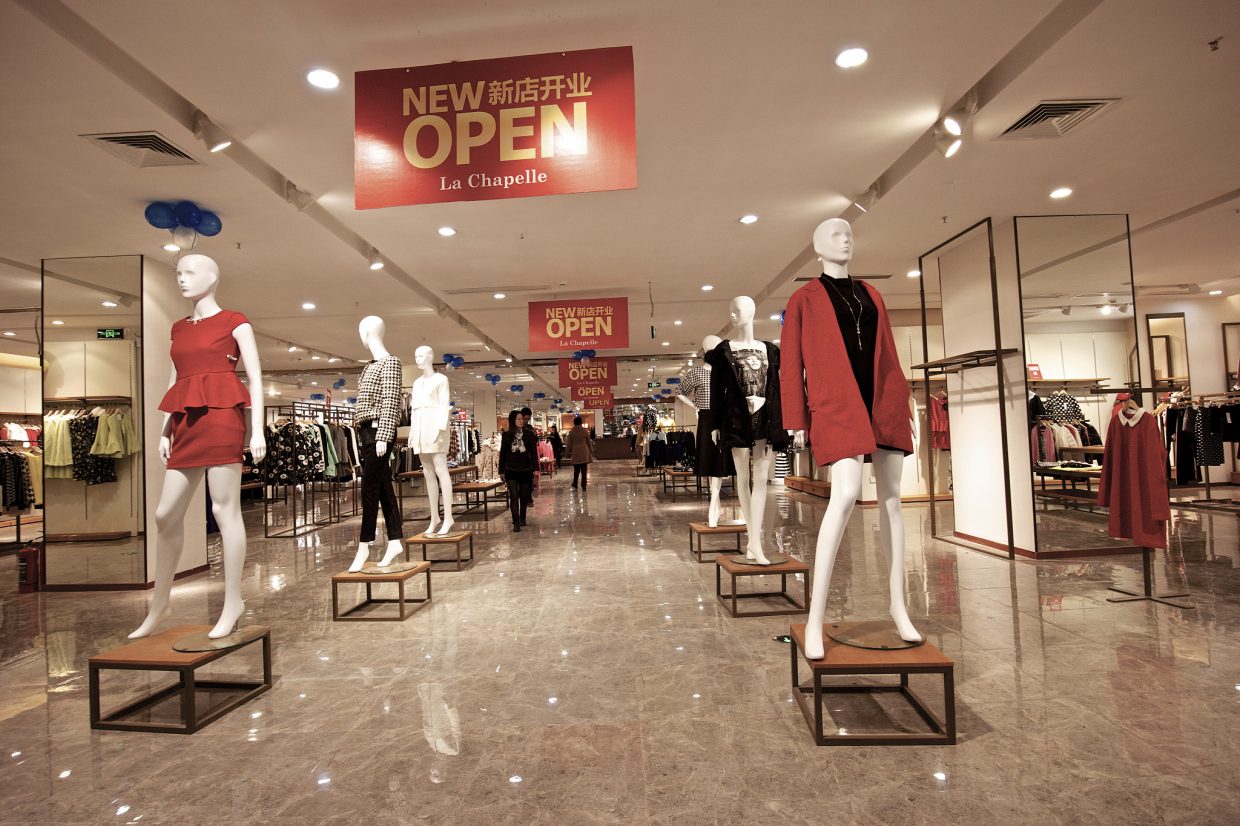
    Hong Kong-listed Chinese fashion retailer Shanghai La Chapelle is preparing to launch in Vietnam. A huge La Chapelle Vietnam standalone flagship store is under construction, next to Ho Chi Minh City’s VivoCity mall, facing to the front street of Nguyen Van Linh in District 7.

    While the opening date has not been revealed, branding has appeared on the store with the interior fitout almost complete and apparently only awaiting stock.

    The brand is using social media and online channels to recruit staff for the store and seek interest from potential nationwide distributors.

    La Chapelle Vietnam is operated by VV Mall Management Service, which owns the under-construction VV Mall in Danang. The 35,000sqm mall is set to open its doors in the second quarter of next year.

    Founded in 1998, La Chapelle has its own brands including menswear labels Jack Walk, Pote and Marc Ecko, childrenswear brand 8eM and womenswear labels La Chapelle, Puella and Candie’s.

    La Chapelle has struggled in the first nine months of this year, reporting a decline in sales of 0.5 per cent to US$889.94 million and a near 30-per-cent decline in profit to $34 million.

    Vietnam is the first country in the company’s Southeast Asian expansion plan.

  • HK’s Goxip secures funding for massive expansion plan

    HK’s Goxip secures funding for massive expansion plan

    Hong Kong fashion e-commerce business Goxip has secured US$1.4 million from financial services firm Convoy Global Holdings. The investment will fund Goxip’s planned expansion in Southeast Asia and allow the establishment of new payment services, including installment loans to online shoppers. The initiatives are expected to make the firm’s products more affordable to a broader audience in the region.

    Goxip has already set up in Malaysia and Thailand.

    Goxip raised $5 million early this year from Chinese imaging/video app developer Meitu and Nan Fung Group along with input from three individual investors. Meitu, which is also bringing its 456 million active users into play, also invested in this round of funding.

    Goxip’s CEO Juliette Gimenez said: “With Meitu’s help, we’ve been growing faster than expected, especially with our Thailand launch ahead of schedule. Bringing Convoy on board will allow us to keep our momentum while also adding an important fintech component to our play, especially as we enter emerging markets across Southeast Asia where spending power still lags behind Hong Kong and Singapore.”

  • FedEx QR Pay targets SMEs in five major Asian markets

    FedEx QR Pay targets SMEs in five major Asian markets

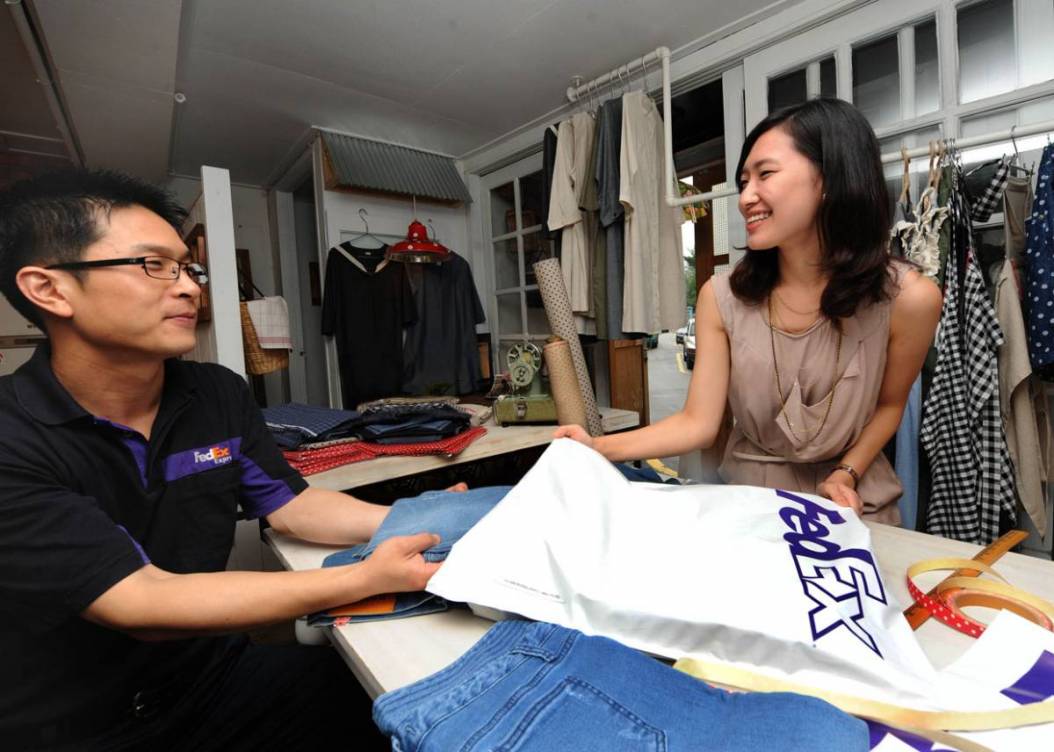
    Transport company FedEx has launched a QR-code based mobile payment system in Hong Kong, Malaysia, Philippines, Singapore, Thailand and Australia. The system, FedEx QR Pay (the QR stands for quick response), is targeted specifically at SMEs.

    Supplementing the firm’s existing online payment methods, FedEx QR Pay is a secure mobile payment option activated by QR codes embedded with unique payment links. QR Pay eliminates the need to have shopping carts, booking engines or checkouts, allowing customers to make payments with credit cards and e-wallet services.

    FedEx’s president for Asia Pacific Karen Reddington said: “FedEx is constantly looking for ways to innovate, pioneer new solutions and offerings to address customers’ evolving needs in the region … QR Pay provides greater flexibility and convenience for our customers, and ultimately a better experience when it comes to managing their logistics needs.”

    Asia Pacific leads the world in mobile payment with 53 per cent of connected consumers using their mobile devices to pay for goods or services at point of sale. Rising mobile penetration is a key driver, with the number of smartphone users across region now over a billion. Seeing the clear trend towards mobile payment adoption, SMEs are also harnessing new technologies to expand their business.

    According to a recent research commissioned by FedEx, 73 per cent of SMEs are already current users of mobile payments, with 69 per cent of these businesses likely to increase usage in the next 12 months. Thirty per cent of current non-users are likely to begin using mobile payments as well.

    FedEx QR Pay will soon be expanded to other markets in Asia Pacific.

  • Phase Eight opens store in MOKO Hong Kong

    Phase Eight opens store in MOKO Hong Kong

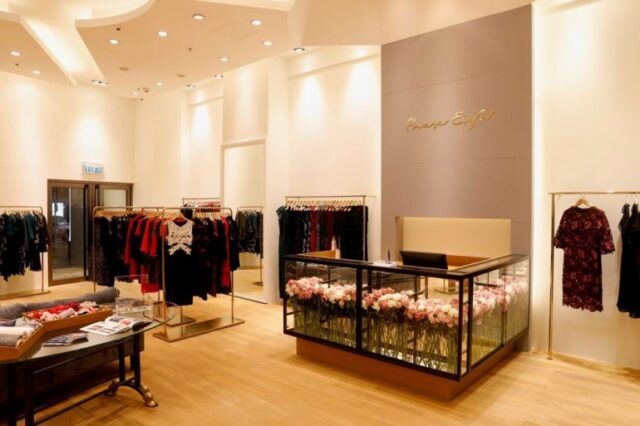
    Phase Eight, the British womenswear brand, in partnership with Rue Madame Fashion Group (RMFG), opens a new store on 21st October. It is in Hong Kong’s premium lifestyle hub, MOKO where the brand decided to establish its 8th store.

    To extend the core principle of Phase Eight, the store offers design-lead personal shopping experiences to customers with professional tips.

    A private yet cosy lounge allows customers to shop in relax and comfortable environment.

    Spread over 1533 square feet, the new store featured a brand new retail concept in MOKO, offering a modern and minimal aesthetic, to create an inviting and relaxing shopping space.

  • Tmall, Swire Properties launch New Retail initiative

    Tmall, Swire Properties launch New Retail initiative

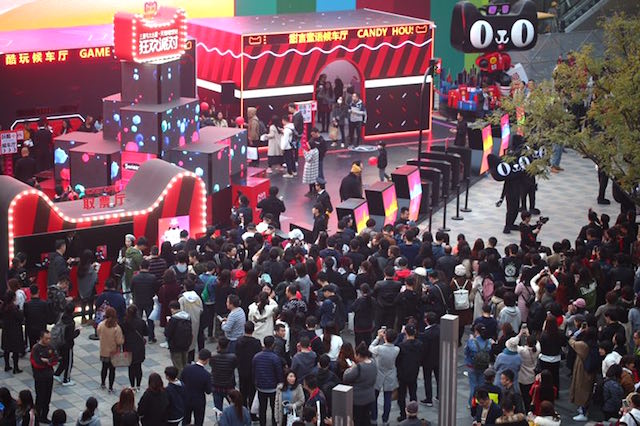
    Alibaba Group’s Tmall and Swire Properties are launching a New Retail initiative creating tailored retail experiences at Swire Properties’ five shopping malls in Mainland China. The partnership will bring benefits to customers in time for Alibaba’s 11.11 Global Shopping Festival on Sunday with Taikoo Li Sanlitun in Beijing the first brick-and-mortar shopping mall in Mainland China to experience this year’s 11.11 “red packet rain” this week.

    Swire Properties will introduce Tmall’s New Retail technologies at five of its developments: Taikoo Li Sanlitun and Indigo in Beijing; HKRI Taikoo Hui in Shanghai; Taikoo Hui in Guangzhou and Sino-Ocean Taikoo Li in Chengdu. The five New Retail initiatives include Tmall Smart Stores, a Tmall Pop-Up Store, Interactive Idol Engagement Photo Booths, Smart Nursery Rooms and a Smart Parking Service.

    Tmall Smart Stores: Shoppers will enjoy a seamless online and offline shopping experience from order to delivery (for participating physical stores). By signing up as members of selected brands, customers can instantly receive details on the latest promotions, and enjoy a return service by simply using their digital devices.

    Tmall Pop-Up Store: Tmall will open an interactive pop-up store featuring cutting-edge technology at Taikoo Li Sanlitun. This nine-day promotion during the Festival will offer shoppers in-depth and enhanced experiences.

    Interactive Idol Engagement Photo Booth: Fans will have a chance to ‘virtually interact with’ and snap a photo with their idol. This is the first-of-its-kind check-in hot spot in Mainland China.

    Smart Nursery Rooms: These offer mothers a relaxing and private space where they can nurse their babies at shopping malls. Vending machines will also offer essential nursing necessities.

    Smart Parking Service: By linking Alipay with their car license plates, drivers can pay parking fees with ease. This service will save drivers 80 per cent of the time usually spent on paying the parking charge and exiting the car park.

    “At Swire Properties, we are always looking for new ways to innovate and integrate the latest technologies into our business, so that we can bring unique experiences to our customers,” said Han Zhi, director, retail at Swire Properties. “Our collaboration with Tmall is a powerful example of digitisation. By harnessing rapidly developing online technologies and big data, our goal is to define the New Retail shopping experience.

    “This year marks the 10th anniversary of Taikoo Li Sanlitun and Alibaba’s 11.11 Global Shopping Festival, both of which have grown in leaps and bounds the past decade. We’re confident that our partnership, which also celebrates this milestone, will set a new benchmark in our respective industries and in the digital space.”

  • High Suning profit increase reported

    High Suning profit increase reported

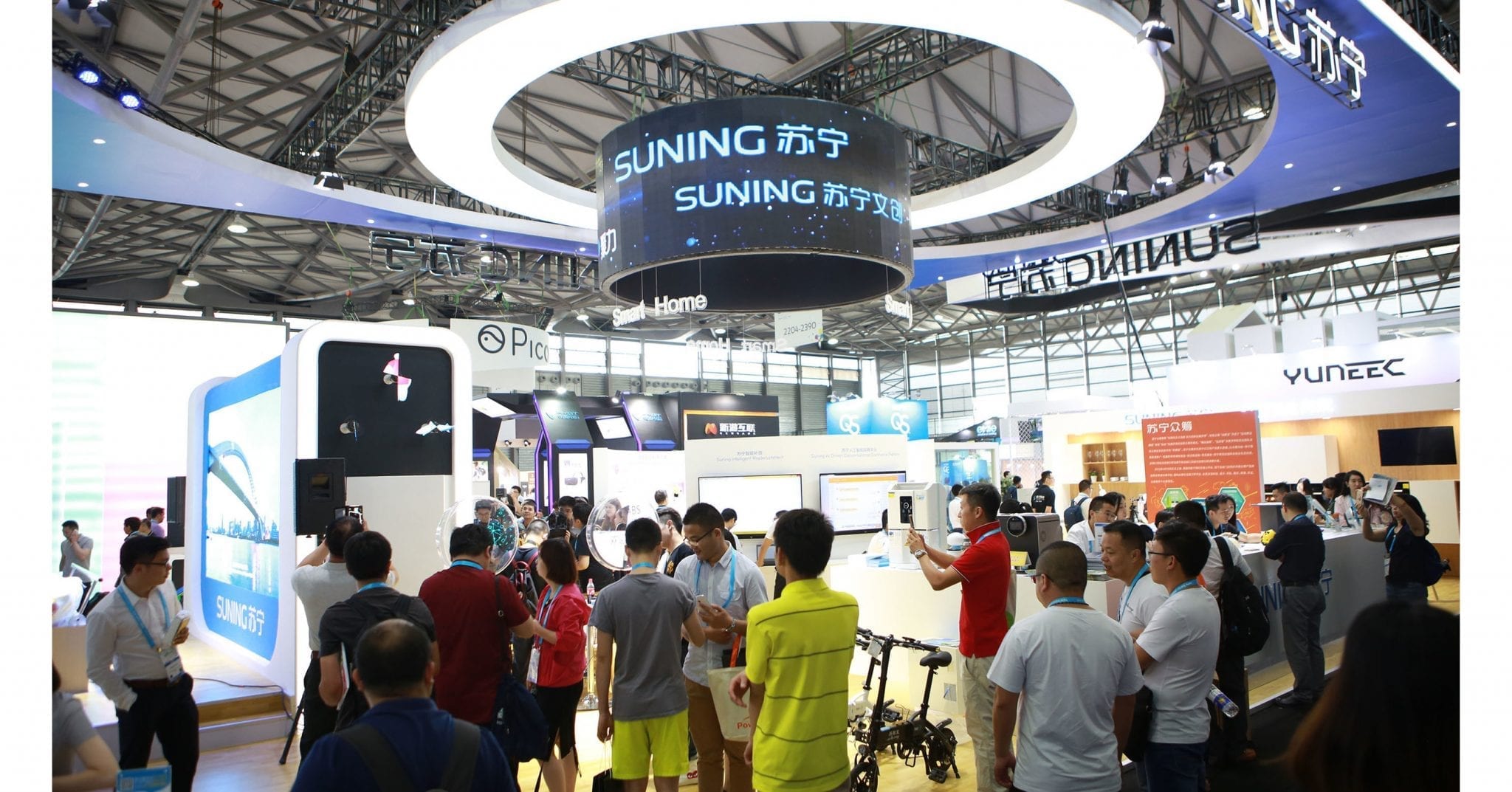
    Chinese O2O retailer Suning has posted RMB172.97 billion (US$24.79 billion) in operating revenue in its third quarter performance report. The result shows a 31.15 per cent year-on-year increase on the reported figure during the first three quarters this year. The company also generated a net profit of RMB6.127 billion ($878 million), an increase of 812.11 per cent over the same period last year.

    The company credits the result to the strength of Suning’s fast-growing online sales comparative to other e-commerce platforms.

    Suning currently has more than 382 million registered users. It operates 6292 direct-sale physical stores and 1453 Suning retail cloud franchise stores.

    Suning says it will provide free delivery in the days approaching the holiday the 11.11 Singles Day shopping spree and will not raise its delivery fees on the day.

  • Singles Day 2018 faces delivery challenges

    Singles Day 2018 faces delivery challenges

    Alibaba and its partner retailers will face a massive challenge ensuring flawless delivery of millions of parcels all over China and beyond given the expectations of further growth on Singles Day 2018 next week.

    “As the event grows, the logistics challenge becomes bigger and bigger,” observes retail analyst Pascal Martin, partner at OC&C Strategy Consultants.

    “During last year’s event 812 million parcels were delivered just on Tmall. Observers are betting that this year’s milestone might be more than 1 billion parcels.”

    And, says Martin, although brands don’t like to talk about it, there is also a huge challenge in taking care of large quantities of returned goods.

    “11.11 is a massive test bed for Alibaba’s backbone infrastructure: the network of partners that make it all possible, from payment to delivery to data management, as well as AI and cloud technologies that are put to work to ensure a successful event.”

    Alibaba’s Cainiao Smart Logistics Network says it has upgraded its technology to cope with the expected increased volumes from 11.11 this year. The company boasts more than 30 million sqm of warehousing worldwide and a logistics field force of more than 3 million people.

    Domestically, Cainiao has opened a new robotic warehouse, expanded its Internet of Things (IoT) systems and built out its platform’s last-mile reach. For cross-border deliveries, more than 1000 shipping containers and 51 charter planes are booked, ready to speed orders across the world.

    Cainiao VP Ben Wang says while nobody knows how many orders Singles Day 2018 will generate, the logistics company needs to keep upgrading systems, anticipating growth and seeking higher efficiency, because of customer expectations.

    “It was only five years ago that parcel orders surpassed 100 million for the first time. Back then it took nine days to deliver the first 100 million parcels,” said Wang. “Last year, it took less than three days (2.8 days) to deliver the same number of parcels. Consumers increasingly want faster, better delivery, so that’s what we’re doing. This year, we’re striving to achieve a new high, leveraging the beauty of scale and technology.”

    Delivery “within minutes”

    Cainiao’s preparations this year also reflect the changing demands of logistics in the New Retail era. For the first time, goods ordered during 11.11 will be delivered directly from stores to customers during the Festival – sometimes within minutes. Short-distance delivery services will be available in more than 280 cities.

    “Cainiao is the logistics backbone of Alibaba’s New Retail strategy,” Wang said. “We are providing an online and offline, cross-platform supply-chain solution to merchants and enabling them to cut inventory costs, while increasing operating efficiency, especially around 11.11 ­– the busiest season of the year. Ultimately, consumers will enjoy a brand-new shopping experience, as delivery service will always be on-demand.”

    Martin expects Singles Day 2018 to include more partners, not only online but also offline, leveraging Alibaba’s New Retail ecosystem. For example, Tmall 3000+ convenience stores, Hema and RT Mart supermarkets, Suning and Auchan, will be fully integrated into the event.

    The event will also be expanding beyond China through Lazada, the Southeast Asia online platform owned by Alibaba.

    “We expect to see participation of an increasing number of international brands that are taking advantage of the Tmall Global platform – number one by far among Chinese cross-border platforms – to get introduced to Chinese consumers without any direct presence in China for many of them.”

    And diversification will be another key factor in this year’s event, he says.

    “It’s not just about purchasing products, it’s also increasingly about purchasing a variety of services, from videos on Youku to mobile games on UC, theatre tickets on Taopiaopiao, music on Xiami music, travel on Feizhu, etc… All of this will not happen without challenges.”

    Yet another test, says Martin, is for Alibaba to expand the event beyond its group companies.

    “Right now, most of the non-Tmall companies participating in the 11.11 event are Alibaba Group companies. Getting non-group companies to embark on the 11.11 band wagon will be the next step to sustain continued growth of the event in future years.

    “Finally, to keep the event fresh and exciting, Alibaba will need to continue to surprise increasingly demanding Chinese consumers with entertainment and festivals to delight them around the event. 11.11 has become much more than a commercial fair, it is now a major annual milestone in China’s cultural calendar.”

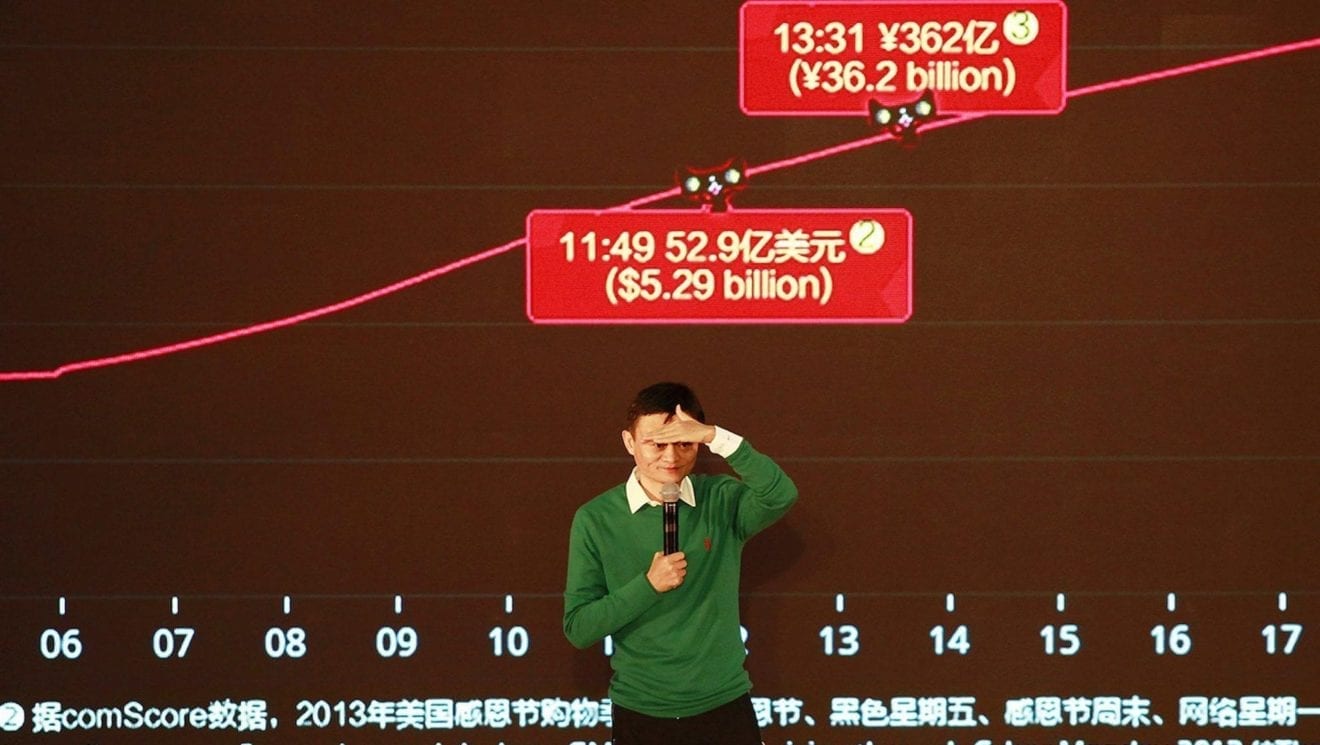
    Last year’s 11.11 event saw GMV reach 254 billion RMB (US$36.6 billion) including 168 billion RMB on Tmall alone. That turnover represented a 43.5 per cent increase over the 2016 GMV.

    Singles Day 2018 will mark the event’s 10th anniversary.
  • Brioni opened second store in HK

    Brioni opened second store in HK

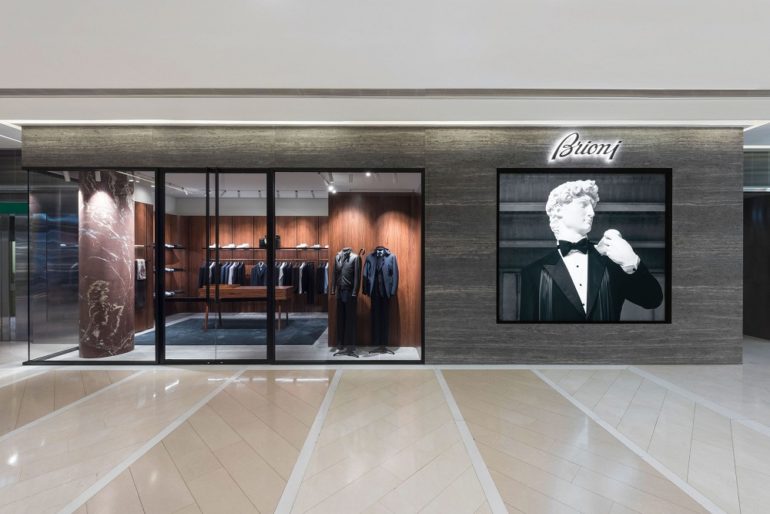
    The Italian brand announced the opening of its second store in Hong Kong. The store is located on level two of the IFC mall at the Central Waterfront. The store interior pays tribute to the brand’s city of origin, Rome, by using Travertine marble. A coloured Italian marble column decorates the store’s entrance and rosewood panels are a reference to a men’s private space.

    The store has dedicated areas for Brioni’s formalwear, leisurewear and accessories.

    To celebrate the opening, Brioni has opened a pop-up exhibition in the oval atrium at the mall. Featuring a 5.5m replica of Michelangelo’s David dressed in a tuxedo, the ‘Masterful Tailoring Meets a Masterpiece’ installation required almost 100 hours of work by a team of specialists led by the brand’s chief master tailor.

    Whilst the bespoke service is a cornerstone of the menswear company’s identity, it also sells ready-to-wear, leather goods, shoes, eyewear and fragrance.

    Brioni’s first store in Hong Kong is located at the Element shopping centre in Kowloon.

  • Ocean Park to open a luxury Marriott hotel in 2019

    Ocean Park to open a luxury Marriott hotel in 2019

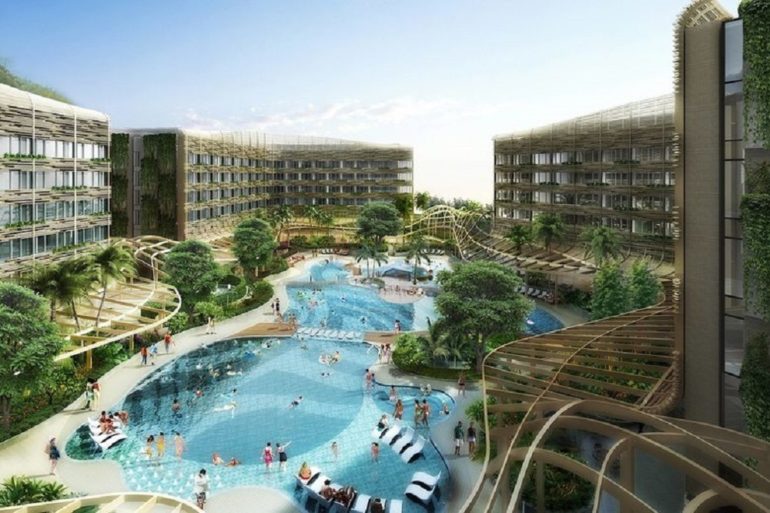
    Ocean Park will soon open its first ever hotel next year with an aim of further boosting the number of visitors. Developed by Lai Sun Group, the hotel has launched its soft opening early this week. According to Peter Lam, chairman of Lai Sun Group, the hotel will undergo further testing and trials in the next two to three months before its grand opening.

    Designed by Aedas, the Hong Kong Ocean Park Marriott Hotel comprises three towers – the Pier Wing, Club Wing and Marina Wing with 471 rooms.

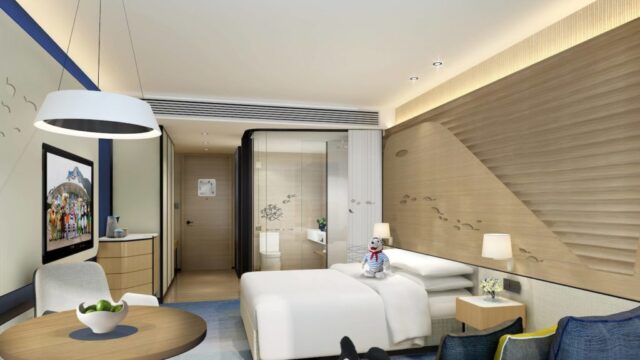
    Three types of Ocean Park-themed rooms (Whiskers Submarine, Bao Bao Paradise, Redd Forest) are featured at the Pier Wing and Marina Wing.

    The rooms are so far said to cost about HK$2,100 on average.

    Targeting families on leisure and business travellers, the hotel includes a pillar-free ballroom spanning 1,200 square metres – one of the largest hotel facilities for events and meetings, the executive M Club, a signature outdoor lagoon pool, four restaurants and bars, and Harnn Heritage Spa.

    “The new destination resort offers a unique getaway experience in Hong Kong and is a perfect example of what Marriott means by travelling brilliantly,” said Mike Fulkerson, vice president, brand and marketing Asia Pacific, Marriott International.

    “There’s adventure on the site of Ocean Park Hong Kong, one of Asia’s leading conservation theme parks, convenient access to Hong Kong’s lesser-explored green spaces and remarkable proximity to the city’s shopping and business districts, broadening our guests’ perspectives and experiences in this globally renowned city.”

    In line with Ocean Park Hong Kong’s core value of environmental protection, the hotel is designed with the initiatives of sustainable future and reducing its environmental footprint.

    The façade features energy-saving components to keep the building cool in summer, as well as rainwater collection and vertical planting systems.

    It will also launch its own green education programme for kids and guests.

    The hotel will also be rolling out “M Passport”, a pilot programme that aims to encourage young visitors to participate in various resort activities with educational and fun themes, such as seashell art, scavenger hunts and dinners.

    Completion of each activity is linked to rewards and treats that’s tracked using a specially designed passport.

    Customers will be able to book exclusive packages for Ocean Park, such as tailor-made educational programmes, breakfast with animal experience with seasonal offers and access to unique animal programmes at the park.

    Leo Kung, chairman of Ocean Park Hong Kong said that the integration of the first hotel into Ocean Park by Marriott International signified the park’s transformation into a resort destination and reinforced its position as a leading “edutainment” attraction in Hong Kong.

    “From planning the stay, savouring magnificent hospitality at the hotel to enjoying delightful entertainment and animal encounters at the park, guests can expect a seamless journey filled with the thrill of discovery. The resort will bring unique experiences for the community and our next generation of visitors,”Kung concluded