Tag: Hong Kong

  • Devialet is expanding in Asia

    Devialet is expanding in Asia

    Nowadays, new technologies and innovations enable consumers to improve their lifestyle. In the domain of audio, it allows music to be more accessible, while delivering a better quality of sound. It is through this vision that Devialet operates in the industry.

    Devialet is a French tech start up and innovator in breakthrough sound technology. The brand invented proprietary technologies to deliver the highest sound quality including ADH (Analog Digital Hybrid) Intelligence. This invention enables hybridization between the preciseness of analogue sound and the power of digital to produce a sound with the upmost clarity without any saturation or distortion. This innovation constitutes a major milestone in the history of the audio industry. Founded in 2007 by three French co-founders, Devialet quickly imposed itself in the audio market as a high-tech innovative brand. Indeed, its disruptive technology is combined with an iconic design to offer desirability and uniqueness.

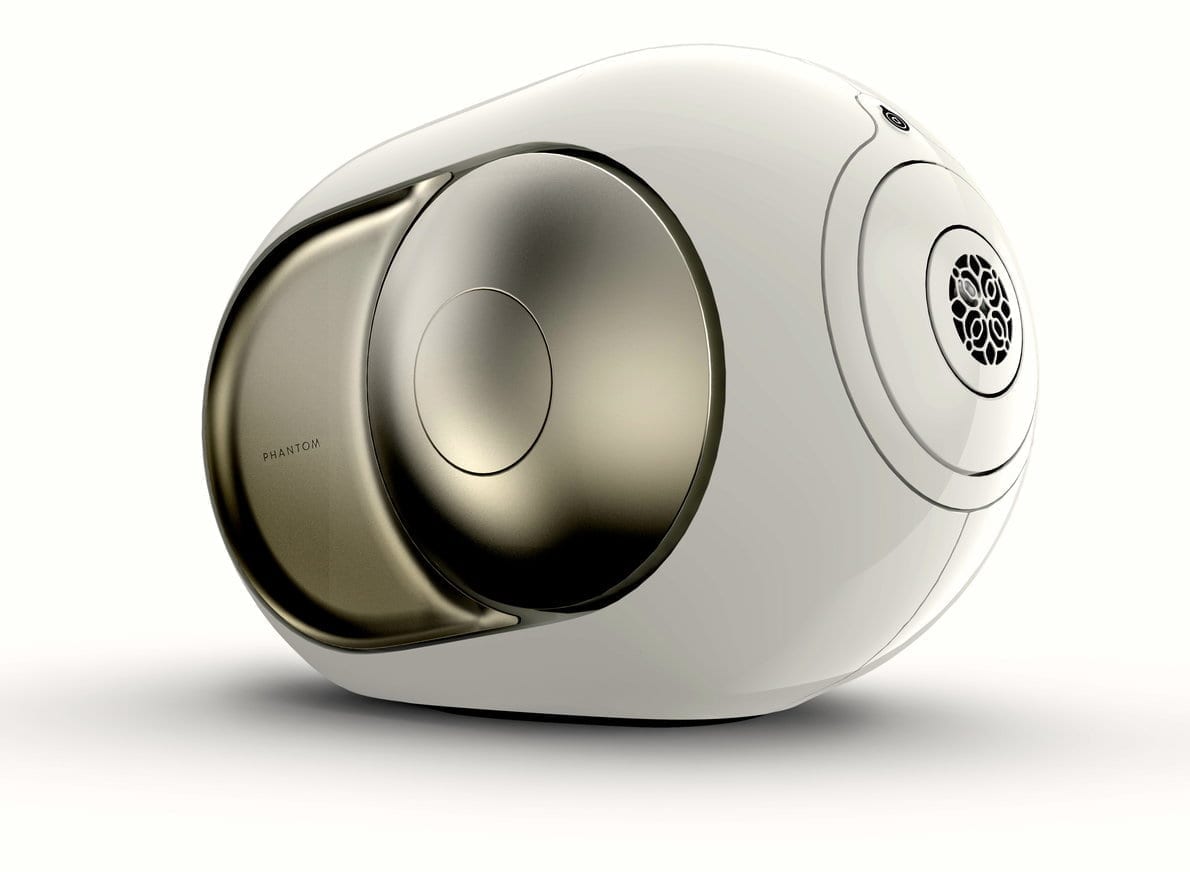
    Two lines are available on the market at the moment. The Expert Pro range, introduced in 2010, features the best performance amplifier systems for audiophiles regardless of the price and size. In parallel, the Phantom – a high performance wireless speaker featuring Devialet’s proprietary technology has been available since 2015. Phantom is the pinnacle of high-end audio devices, delivering a revolutionary acoustical experience that has zero distortion, saturation or background noise. The Phantom is available in three different specifications: Phantom (750W, 99dB), Silver Phantom (3000W, 105dB) and Gold Phantom (4500W, 108dB).

    As Julien Bergère, General Manager of Devialet Asia Pacific tells us, it is hard to identify a specific profile of consumer. He justifies his opinion by stating that “music is universal” and customers need to “experience the power of Devialet sound for themselves”. To Julien, it’s “always interesting to welcome a customer whose intention is to purchase a Bluetooth audio system retailing at 300USD for example, who then ends up purchasing our Phantom which starts at just over 2,000USD”. In order to create such opportunities, Devialet is working on further developing its brand awareness and securing high visibility and high traffic premium retail locations. In this way, the brand can deliver an intense audio experience that potential customers will remember.

    In addition to its strategic locations, Devialet also places great emphasis on its store design to enhance the customer’s experience. All of the boutiques have at least one sealed listening room where customers can enjoy sound demos from the Phantom range. This original retail concept allows the brand to share the Devialet difference with potential customers and in the case of the Harbour City store with two listening rooms – multiple clients can enjoy a private demo at the same time. According to Julien Bergère, this is the “key to discovering the power of Devialet sound”. This concept was first introduced in Hong Kong in 2016. An immersive room (a Devialet pop-up concept) was installed in Pacific Place for local customers to experience the Phantom.

    Moreover, this pop-up triggered the beginning of Devialet’s retail expansion in Asia. The first flagship store opened in January 2017 in Hong Kong’s IFC mall, followed by the opening of a second store in Harbour City on June 22nd 2017. A Devialet immersive room will also open in Festival Walk in July. Elsewhere in Asia, a Devialet immersive room launched in Taipei on 1st June and the brand will open two stores in Singapore in July to accelerate its expansion in the region.

    This consequent growth comes with the Devialet’s will to innovate and share their passion. Julien Bergère mentions the importance of partnerships to enhance the brand’s experience further. As he says, “we are looking for partnerships that speak to our hearts as musicians”. In March of this year, Devialet launched a partnership with the French leather-maker Berluti to create a limited edition leather Cocoon (the Phantom travel bag), which is available in Hong Kong with extremely limited quantities. In parallel, Devialet announced a 10-year partnership with the Paris Opera, which will start in September with a series of collaborations. This includes a Sound Discovery Area inside the Paris Opera, a co-branded product line and an Opera “hors le murs” outside the walls project, offering new way to listen to and experience opera through live-streaming. Again, this illustrates the constant desire to innovate and improve consumer’s lifestyles and elevate the listening experience.
  • Richemont sells Shanghai Tang

    Richemont sells Shanghai Tang

    Richemont has sold Hong Kong-based dressmaker Shanghai Tang, showing that a Chinese name still doesn’t have the same ring to luxury shoppers as a French or Italian one.

    Italian fashion entrepreneur Alessandro Bastagli and private equity fund Cassia Investments Ltd. bought the brand, one of the first Chinese fashion labels to seek a global presence, according to a statement Monday. It’s the first sale of a luxury unit by Geneva-based Richemont since 2007, and follows a pledge by Chairman Johann Rupert in November to fix or sell underperforming businesses.

    “The disposal of Shanghai Tang is a logical step,” Rene Weber, an analyst at Vontobel, said in a note. “The brand was neither material in terms of sales nor of profit.”

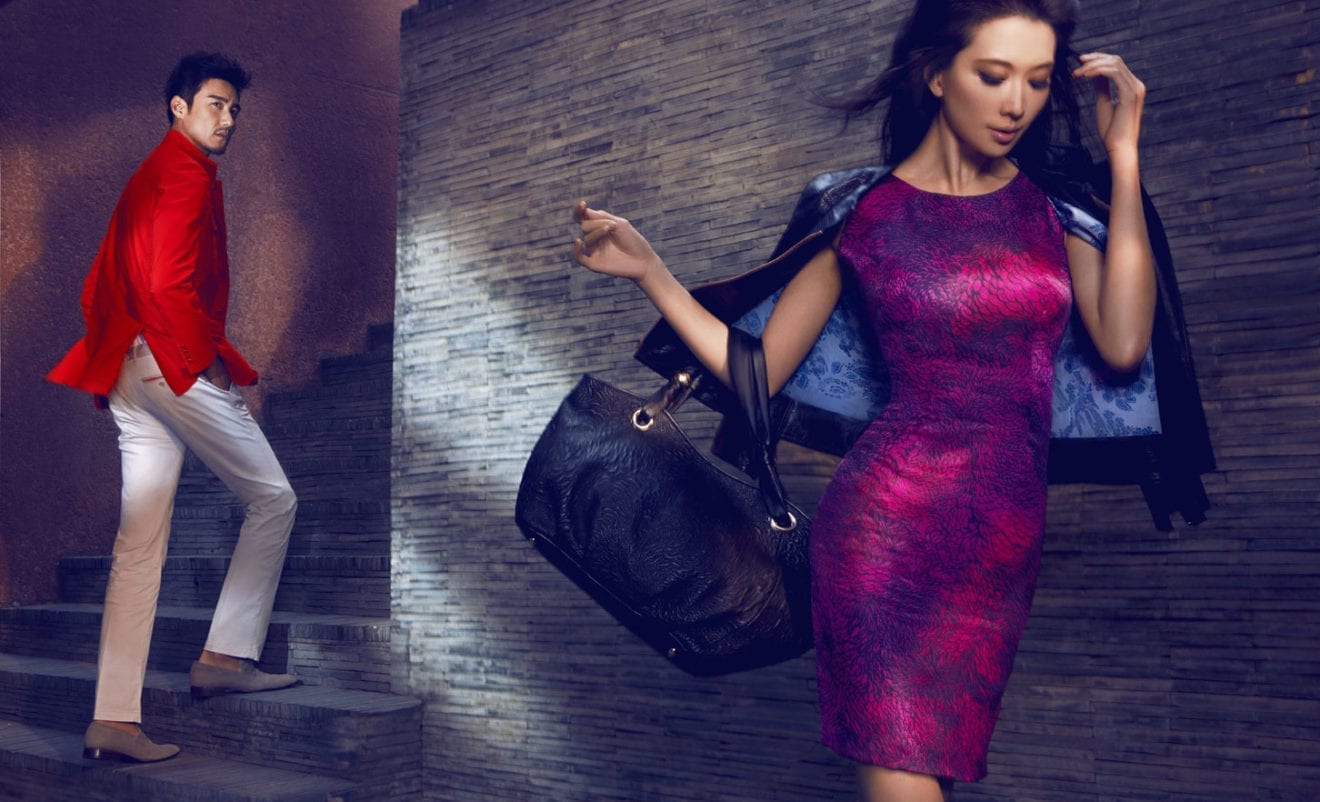
    Shanghai Tang attracted stars such as Nicole Kidman and Kate Moss with its 1920s-inspired dresses — some costing more than $2,000 — but struggled to gain a broader following in the west, while consumers in China have preferred western luxury brands. In a ranking by researcher Hurun of the top fashion brands for Chinese women, Shanghai Tang ranked 10th, behind nine European brands including Chanel, Dior and Gucci. It didn’t show up on the top 10 for men, which was led by Giorgio Armani.

    Richemont acquired a controlling stake in Shanghai Tang in 1998, a year after sovereignty over Hong Kong was transferred from the U.K. to China. It bought the rest in 2008. The luxury company is revamping its portfolio, having merged its Net-a-Porter online unit with Yoox SpA in 2015 after disposing of Italian penmaker Montegrappa in 2007. It now owns 18 brands, including Cartier, Montblanc and IWC.

    Richemont didn’t disclose the price for Shanghai Tang, one of four labels that Sanford C. Bernstein analyst Mario Ortelli said in 2013 he expected might be sold. The others were Dunhill, Chloe and Azzedine Alaia. Richemont said that year that it decided against any divestments, and has since reconsidered. Its shares were up 0.7 percent at 15:04 p.m. in Zurich.

    The company has restructured Dunhill and rejuvenated Chloe’s management with a new creative director. Other small Richemont brands include Purdey, a maker of luxury shotguns, and Lancel, a French pursemaker that the company considered selling in 2013.

    Sir David Tang, who now writes a column in the Financial Times, started Shanghai Tang as a bespoke tailor shop in 1994, combining Chinese and western design influences and expanding into accessories and housewares. While the brand attracted buzz about China’s growing cultural and design influence around the turn of the millennium, when its form-fitting qipao dresses were worn in Wong Kar-Wai’s film “In the Mood for Love,” its Mandarin collars never caught on in a big way in Europe or the U.S.

    The original Shanghai Tang location in Hong Kong closed in 2011 due to high rents, and the brand also shut a New York shop. The fashion maker has 32 stores currently. Rival Hermes International has provided competition with its Shang Xia brand since 2010.

    Cassia, which focuses its investments on consumer companies, is based in Hong Kong. Bastagli is the chairman of Italian fashion producer and distributor A. Moda SpA, and of Lineapiu Italia, a maker of luxury yarn. A.Moda’s clients have included Versace, according to its website.

  • Hong Kong female consumers spend over HK$4000 on skincare products

    Hong Kong female consumers spend over HK$4000 on skincare products

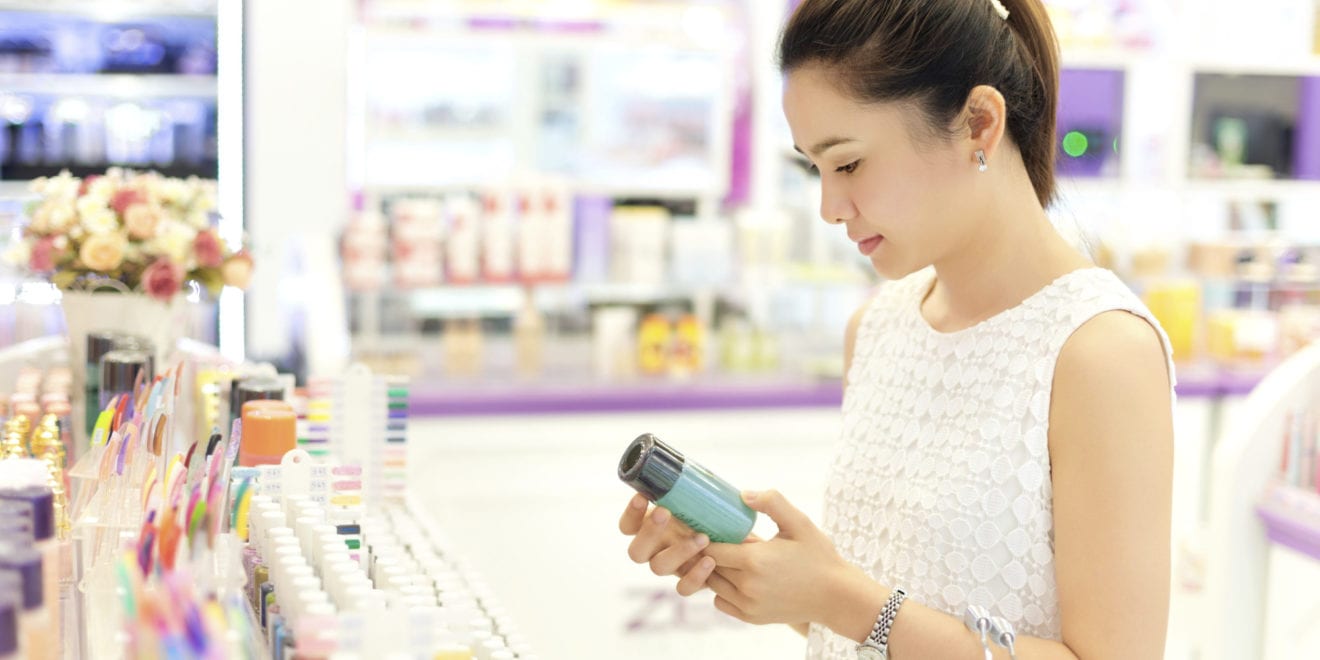
    “Beauty is bought by judgment of the eye” said Shakespeare, but every woman can use her beloved Cosmetic and Skin Care products to further enhance her look. With a plethora of trendy and fashionable female inhabitants, Hong Kong is a perfect base for international skincare and cosmetic brands. 96% of Hong Kong female consumers purchase skincare or cosmetic products, with the age group 35-44 spending over HK$5,000 in the past year. While Brand flagship stores still take up most of the sales, overseas purchase is also on the rise, according to Nielsen’s Cosmetic Consumer Panel.

    Frequent buyers are not necessarily the highest spenders
    As the survey reveals, 96% of Hong Kong female consumers have purchased skincare or cosmetic products with an average spending of HK$4,021 per year. Among which, penetration on skincare products (93%) is higher than that of cosmetic products (81%). Across all age groups, ladies aged 25-34 make the most trips to buy skincare or cosmetic products, averaging 11.0 trips per year, followed by those who aged 18-24 who make 10.7 trips per year. However, in terms of the amount spent on skincare and cosmetic products, female consumers aged 35-44 are the biggest spenders, approximating HK$5,000 in the past year, followed by those aged 25-34, who spent about HK$4,700in the past year. Results indicate that ladies aged 25-34 and 35-44 have the deepest wallets for skincare and cosmetic products.

    Overseas purchase on the Rise
    While brands always wonder if it is worthwhile to increase investment in operating their own shops given the high rent and operation cost in Hong Kong, the compelling results shows that, four in 10 dollars spent on skincare and cosmetic products are through brand shops. However, it is worth-noting that many female consumers are purchasing these products during travel overseas. This overseas purchasing accounts for more than 10% of their spending, so brands should watch out on price and assortment gap between Hong Kong and other countries. Brands struggling to grow their online business can look at shopping behaviors of specific age segments and target other groups in different methods. For example, while younger females (aged 18-24) are likely to use online more, more mature women (aged 45-55) prefer chain drug stores. Despite their preference on purchase channels, the top 18% of consumers account for approximately 40% of spending, indicating their high spending as compared to the rest of the buyers. Brands should target these highest spending groups.

    What are the highest spending categories?
    The most frequently purchased item is not necessarily the one where consumers dedicate most of their spending in. Among cosmetic product categories, lipstick is the most purchased item, yet perfume is the category where consumers spent the most. For skincare products, moisturizer is the most frequently purchased item while face mask is the highest spending category. Take functional serum for example: while it is not in the top five in terms of penetration, but due to high price and higher than average purchase frequency, it comes in as the second largest category in skin care products in terms of spending.

    Who should brands target?
    When comparing the total spending on cosmetic and skincare products, more than half the spending is on skincare products (57%). Among all age groups, ladies in the mid to mature age groups (35-44 & 45-55) spend more money on skincare products whereas younger groups (aged 18-34) generally spend more on cosmetics than skincare products. It is therefore critical for brands to identify and reach the right target customers to maximize brand growth.

    “While female consumers from all age groups use both cosmetic and skincare products, purchase frequency and total spending increases with age. We are seeing that consumers aged 35 to 44 are generally the biggest spenders. At the same time, different age groups vary in their preferences of purchase channel. So, it’s really important for brands to tailor their marketing strategies and sales channels to focus on the most relevant age groups,” said Michael Lee, Vice President, FMCG and Retail verticals, Nielsen Hong Kong.

  • Watson group planning new shops

    Watson group planning new shops

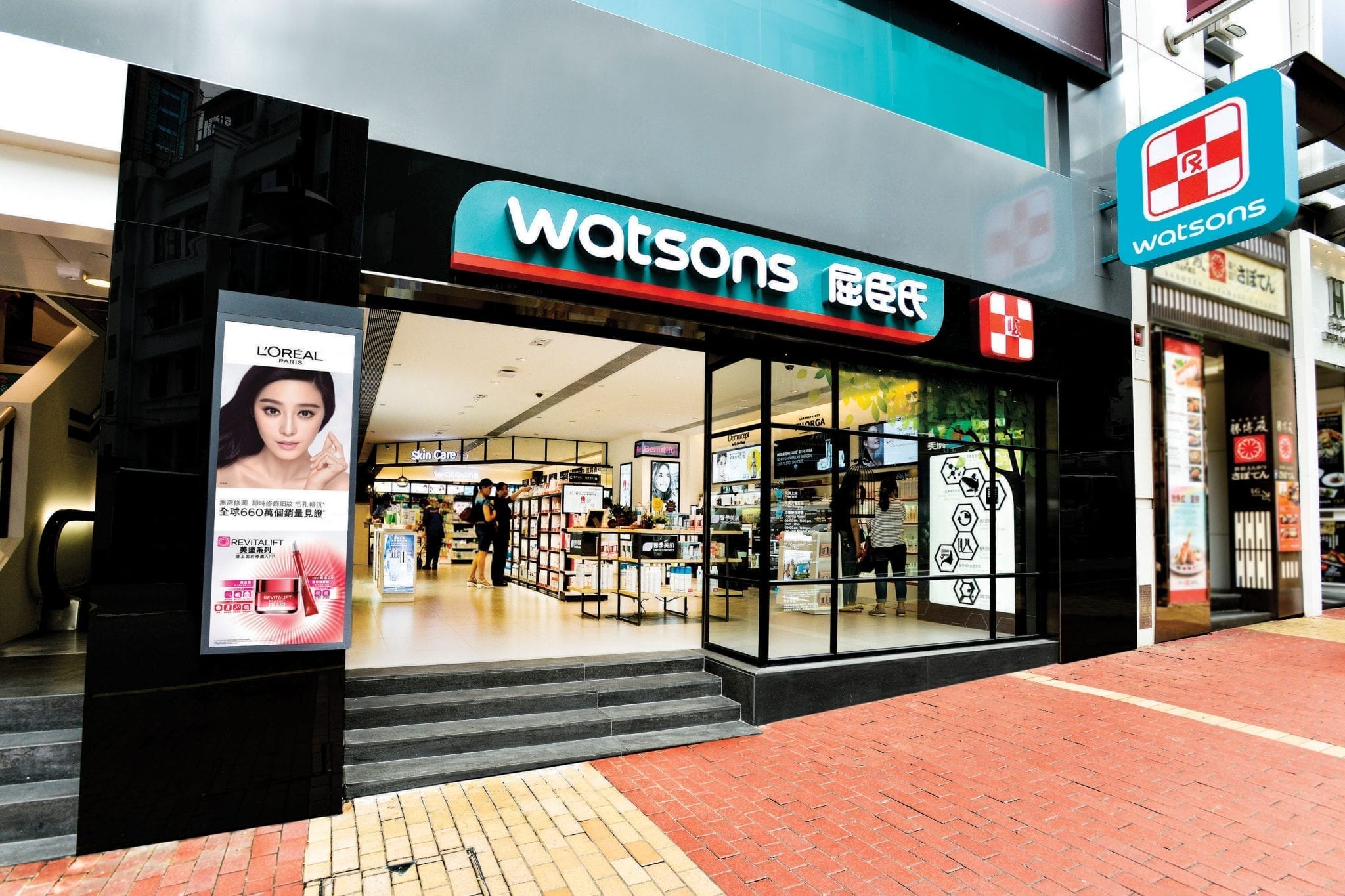
    The A.S. Watson Group plans to open 1,400 new outlets globally this year – 60 shops will be in Hong Kong – but it will not expand the electricity group Fortress, says chief operating officer Malina Ngai Man-lin.

    The group doesn’t have a plan for an initial public offering for the moment, Lai added.

    Watson plans to invest HK$500 million in the next three years to improve its technology platform as well as enhance big data analysis.

    Managing director Dominic Lai Kai-ming said MoneyBack, a member reward program under the Watson Group, has been rebranded with a new mobile app, which allows member to manage their accounts more conveniently.

    The scheme has rewarded points with a value equivalent to HK$800 million to their members since the establishment in 2007.

    Meanwhile, Hong Kong retail sales growth turned positive in May, up 1.8 percent year-on-year, said a Mastercard report.

    The increase in grocery sales and the health and beauty sector were the strongest. Groceries were up 2.3 percent and health 5 percent, driven mainly by domestic consumption.

    Jewelry sales fell 44 percent in May, which was below the 2013 level. “Discretionary sectors historically driven by tourist spending continue to be a drag, despite stabilization and some recovery in visitor arrivals in recent months,” the group said.

  • Winners Announced At The 10th Seatrade Maritime Awards Asia

    Winners Announced At The 10th Seatrade Maritime Awards Asia

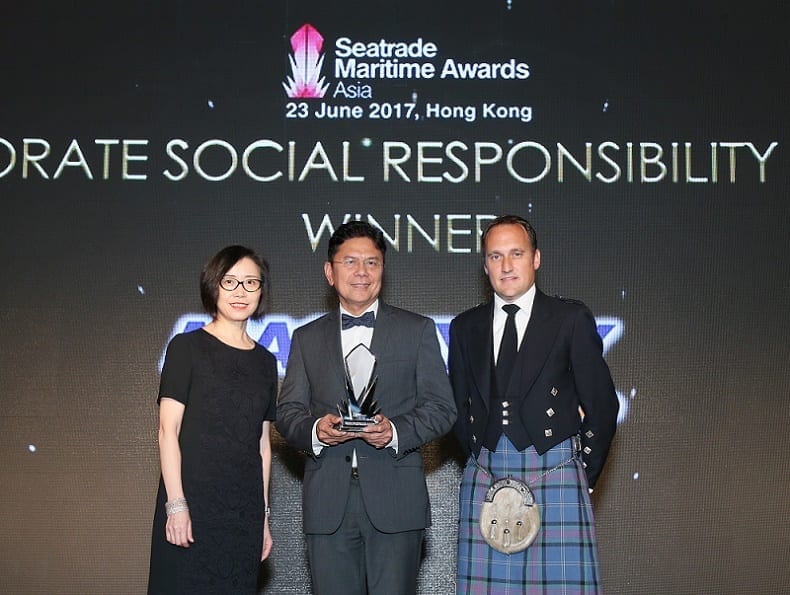
    Honouring and recognising outstanding companies and individuals in the maritime industry, winners of the 10th Seatrade Maritime Awards Asia were announced on 23 June 2017 at the InterContinental Hong Kong.

    With close to 400 top maritime executives in attendance, Seatrade Maritime Awards Asia, celebrating its 10th anniversary this year is widely acknowledged as one of the region’s most prestigious industry awards. Held annually to commemorate inspiring industry peers on their extraordinary efforts and contributions towards the maritime industry, a total of 15 awards were presented this year.

    Winners for the 12 competitive categories were chosen by an independent panel of senior industry figures whilst recipients for the other three special awards namely the Seatrade Young Person of the Year Award, the Seatrade Personality of the Year Award and the Seatrade Lifetime Achievement Award, were decided by the Seatrade Senior Editorial Board.

    Randy Chen, vice chairman, Wan Hai Lines, was awarded the Seatrade Personality of the Year and Edward Buttery, CEO, Taylor Maritime (HK) Ltd, was presented with the Seatrade Young Person of the Year. The last award of the night, Seatrade Lifetime Achievement of the Year was presented to His Excellency Ambassador Carlos C. Salinas, chairman, Philippine Transmarine Carriers, Inc. The award recognised the highly important role Ambassador Salinas has played in the development of the Philippines as the world’s leading supplier of seafarers to international shipping.

    The Technical Innovation and Deal of the Year Awards were the two most hotly contested categories. ICBC Financial Leasing Co. Ltd emerged as the winner for the Deal of the Year Award, having won the same for two running years in 2014 and 2015. Their significant groundbreaking deal outshone the rest of the finalists. The Technical Innovation award was presented to Mampaey Offshore Industries who has impressed the judges with its innovative auto docking solution that improved safety in this most difficult of maritime operations.

    “Success of the Seatrade Maritime Awards Asia over the past 10 years would not have been possible without the unwavering support from our participants, sponsors, judges and supporting partners, of which we are deeply grateful and humbled. Seatrade Maritime Awards Asia 2018 will return to Singapore to be held in conjunction with the Singapore Maritime Week 2018 and we look forward to seeing you there,” Chris Hayman, chairman, Seatrade commented.

  • AWS to open Hong Kong infrastructure region next year

    AWS to open Hong Kong infrastructure region next year

    Amazon Web Services (AWS) is planning to open an infrastructure region in Hong Kong in 2018, making the city the eighth AWS Region in Asia Pacific.

    AWS’ launch of the Hong Kong infrastructure region will allow Hong Kong customers to store their data locally, and to build flexible, scalable, secure, and highly available applications.

    It will also enable Hong Kong customers to enjoy fast, low-latency access to websites, mobile applications, games, SaaS applications, big data analysis, Internet of Things (IoT) applications, and more.

    At launch, the new AWS Region will comprise three Availability Zones, said Alex Yung (pictured), corporate vice president and managing director of AWS Greater China, at the first AWS Summit hosted in Hong Kong today.

    According to an AWS spokesperson, Availability Zones (aka AZs) are isolated locations and are what each Region is made up of. AWS has three locations in Hong Kong for its AZs.

    “AZs allow customers to build highly available applications. They are distinct locations that are engineered to be insulated from failures in other AZs and provide inexpensive, low latency network connectivity to other AZs in the same region,” said the AWS spokesperson.

    “AZs are made up of one, and sometimes more, datacenters. AZs are also designed in such a way that if one AZ were to fall off the face of the earth for some reason, the other AZs would continue to function normally. This means customers can build their applications across multiple AZs so they are designed to handle failure and continue to operate uninterrupted.”

    Including Hong Kong, there will be eight AWS Regions in the Asia Pacific: Singapore, Tokyo, Sydney, Beijing, Seoul, and Mumbai, and an additional Region in China (Ningxia) which is expected to launch in the coming months. Together, these Regions will provide AWS customers with a total of 19 Availability Zones, and allow them to architect highly fault tolerant applications. (Click here to view AWS’ global infrastructure.)

    In 2008, two years after AWS made its global launch, the cloud company opened a CloudFront Point of Presence (PoP) in Hong Kong to enable customers to serve content to end users with low latency. Since then, AWS has added two more PoPs in Hong Kong, the latest going live in 2016.

    In 2013, AWS opened an office in Hong Kong which is staffed by a wide range of functions including sales, support, technology evangelists, and marketing.

    Hong Kong has a dynamic and vibrant business environment and is making progress toward becoming a digital city. An AWS Region here will enable our customers — from start-ups to large enterprises, and from financial institutions to government organizations — to enjoy cost and agility advantages across their entire IT operations, in compliance with local data regulations,” Yung said.

    Nicholas Yang, secretary for Innovation and Technology, Hong Kong government, welcomed AWS’s plan to open an infrastructure region in Hong Kong in 2018,” AWS’s global infrastructure coming to Hong Kong reaffirms Hong Kong’s status as the prime location for setting up data center facilities in the region and also a recognition of Hong Kong’s edge and strengths as an Asia hub for doing business and a regional data hub.”

    “The new AWS Region in Hong Kong will further accelerate cloud computing adoption and cloud-based system development in Hong Kong, facilitating the digital transformation of businesses in this city. Hong Kong is well-positioned to become a premier global data hub in the region. We will continue to promote our competitive advantages and encourage prospective operators to establish a presence in Hong Kong,” Yang added.

  • Why Hong Kong’s handover could be an opportunity for luxury retail

    Why Hong Kong’s handover could be an opportunity for luxury retail

    On Saturday, Hong Kong kicks off a series of 320 events celebrating the anniversary of the region’s handover from British to Chinese governance of Hong Kong in 1997. With president Xi Jinping making his first official visit since taking office in 2013, over $80 million is being invested in the celebrations by the Chinese Government.

    Driving this investment is the promise of an influx of tourists from China’s Mainland, spelling an opportunity for luxury brands operating in the market. A potential economic boost sparked by the handover anniversary celebrations cannot come soon enough for Hong Kong. Luxury sales have been in steep decline, falling by as much 9 percent in 2016.

    Several international luxury brands, including Ralph Lauren, Prada and Tag Heuer shut stores in Hong Kong last year. Meanwhile, Burberry halved the size of its flagship in the city’s Pacific Place complex, while Gucci publicly demanded lower rents, threatening to close several stores.

    Recent accounts show that Hong Kong’s technology and property shares have risen, however, suggesting a renewed confidence in the market. Significant infrastructural developments are also underway. The Hong Kong International Airport is undergoing an $800 million expansion, adding a third runway, to bolster crucial tourist flow into the city — a move projected to boost Hong Kong’s economy by $235 billion by 2030. And the New World Development group has announced a $2.6 billion development, Victoria Dockside, which will span three million square-feet and aims to reinvigorate the Kowloon Waterfront.

    “We can see that Hong Kong is doing slightly better, but we can’t forget that, compared to its heyday in 2012 and 2013, it’s still very depressed,” warns Mario Ortelli, senior research analyst for luxury goods at Sanford C. Bernstein. “All the luxury companies are cautious about Hong Kong. Going forward, they are planning more store closures, not store openings.”

    Mainland Chinese Tourists

    Hong Kong’s struggle to maintain its position as one of the region’s most profitable luxury retail destinations is inextricably linked to tourism from Mainland China. Mainland Chinese tourists represented 76 percent of all visitors to the city in 2016, a significant drop of 6.7 percent from 2015. Mainland Chinese consumers are taking more overseas trips than ever before, and what they buy has evolved beyond Hong Kong’s retail offering.

    “For a younger crowd, they naturally relate more to contemporary fashion, and are more informed in making consumer choices,” says Anais Mak, who co-founded Hong Kong-based womenswear label Jourden in 2012, and counts luxury department store Lane Crawford among her stockists. “I also see more curiosity [among tourists] to discover many other aspects of the city apart from the sought-after luxury fashion products,” she adds.

    Competition from rival markets in the region continues to grow, despite Hong Kong’s key draws: prime geographical location and tax-free shopping. “Macau is currently more dynamic than Hong Kong because it’s cheaper,” explains Ortelli. “South Korea and Japan are also attractive alternative regional destinations, and there are many others that are growing, like Taiwan and Singapore.”

    Tourists have also been deterred by political tensions between the Chinese government and Hong Kong citizens, which hit boiling point in 2014. Meanwhile, the continued sabre-rattling by China and South Korea, surrounding the installation of an American missile defence system in the latter, has also impacted touristic flow.

    In Hong Kong, the attitude is positive. “The general cool down of domestic political tension as well as mixed sentiments between Hong Kong and Mainland China will account for an uptick [in tourist spending in Hong Kong],” says Mak. “Times have been tough in 2015 and 2016, but it seems people are experiencing a natural progression to regain confidence in the environment.”

    However, due to continuing store closures, it’s clear that international luxury brands continue to be far more cautious about Hong Kong’s potential for a turnaround. “There is potential for disruption,” insists Ortelli. “The celebrations are an opportunity for the luxury companies that could, perhaps, become another Occupy Hong Kong.”

  • Hong Kong’s millennials plan for retirement earlier than anybody else in Asia

    Hong Kong’s millennials plan for retirement earlier than anybody else in Asia

    Many see Hong Kong millennials as living from paycheck to paycheck and not committing to a long-term plan – but they actually lead their Asian peers in retirement planning, according to new research from BlackRock, the world’s biggest asset manager.

    Four out of five Hong Kong millennials (aged between 25 to 35) have already started preparing for retirement, the highest ratio across Asia-Pacific, with a majority of them betting their financial future on buying stocks, the study shows.

    The young Hongkongers’ high proclivity for retirement savings is against the backdrop of notoriously high living costs in the city and escalating global economic uncertainties, noted the report, which polled 28,000 investors across the world.

    “These findings are contrary to the common view that the city’s millennials would rather splurge on holidays and nice food than save for their long-term future,” said Julia Lee, BlackRock’s head of Hong Kong retail business.

    The study found that 81 per cent of Hongkongers aged between 25 to 35 said they had already begun retirement planning, compared with 69 per cent for their Asia-Pacific peers.

    They are also much more likely to take risks, with more than two thirds pouring money into equities in their investment portfolios, whereas only 42 per cent of their regional counterparts would do the same.

    Hong Kong runs a Mandatory Provident Fund (the MPF), a compulsory pension fund for residents with employees and employers required to contribute monthly.

    “The MPF scheme is good, while we also see local people’s need to achieve good returns from their personal financial investments,” Damien Mooney, BlackRock’s head of retail business for Asia-Pacific, said.

    Hongkongers have the world’s longest life expectancy, thanks to low smoking rates, with the average lifespan for women 87 years, and men 81 years, according to data released by Japan’s health and welfare ministry.

    The average retirement age is 58, meaning residents can be faced with over two decades relying on their savings, in what consistently ranks as one of the world’s most expensive cities to live.

    The BlackRock figures showed 86 per cent of Hong Kong investors, aged between 26-74, had managed to set money aside for retirement, and more are reducing their exposure to cash in the low interest rate environment. In spite of their high awareness, fewer than a half said they were confident in achieving their expected retirement income.

    The MPF delivered its best first-quarter results this year since 2013 with an average gain of 5.89 per cent, but it still lost out to pure stock market investment. For the same period, Hong Kong’s benchmark Hang Seng Index rose 10 per cent.

    That might help to explain why 49 per cent of Hong Kong investors polled by BlackRock said they preferred to buy dividend-bearing stocks, the most favourable asset class over real estate, government bonds and funds.

    When making investment decisions, the majority still rely on advice from online sources, including social media and websites of brokers and asset managers, instead of professional financial advisors that usually come with much higher charges.

  • Hong Kong retail sales extend growth to three months

    Hong Kong retail sales extend growth to three months

    Retail sales rebounded modestly for the third consecutive month in May, edging up 0.5% on the year to reach 35.9 billion Hong Kong dollars ($4.6 billion). That was slightly higher than the 0.2% sales increase in April, according to official data released on Thursday.

    Leading the gain was an improvement in the sales of luxury goods including jewelry and watches, which rose for the third straight month at 1.4%. This was followed by a 3.8% increase in department store sales, while sales of vehicles jumped 8% as demand surged ahead of more stringent pollution regulations imposed on diesel vehicles.

    Clothing sales swung back to negative territory and fell 0.4% from a year ago. Sales of electrical goods and consumer durables like cell phones remained in the doldrums, slumping 14% and 12% respectively.

    A government spokesperson said the figures indicated the “relative improvement in inbound tourism” and the “resilience of local consumption demand.” Boosted by long weekends including the three-day Labor Day Holiday and Dragon Boat Festival, the number of mainland tourists in Hong Kong grew 3.7% on the year in May, compared with a 1.8% increase in April.

    But industry players remain cautious on the outlook of nonessential items such as electrical goods, as mainland tourists tighten their purse strings. “Their travel pattern is no long the same — what they want is something more experiential than just shopping,” said Thomson Cheng Wai-hung, chairman of Hong Kong Retail Management Association. “The chance of a quick turnaround for this market is slim.”

    Some luxury retailers in Hong Kong are eyeing overseas expansion to make up for the sluggish business at home. Jeweler Luk Fook is working with local partners to open two shops in Cambodia this year, including a 30,000 sq. ft (2,787 sq, m) flagship store in Phnom Penh, in the hope of bringing the total number of retail outlets there to seven in five years.

    Luk Fook reported an 8.7% decline in revenue to HK$12.8 billion for the year ended in March, dragged lower by a near 20% slump in Hong Kong retail revenue. But same-store sales in the territory turned around in the last quarter of 2016 after falling 12 consecutive quarters.

    But Luk Fook has no plans to expand in Hong Kong despite signs of recovery. “Our expansion will focus on mainland China in the medium- to long-term. We are particularly bullish on the growth of the country’s middle-class population,” said Chief Financial Officer Kathy Chan. The group is planning another 50 shops on the mainland this year to add to its sales network of 1,500 spanning the U.S., Malaysia and South Korea.

  • Eres opens first Hong Kong store

    Eres opens first Hong Kong store

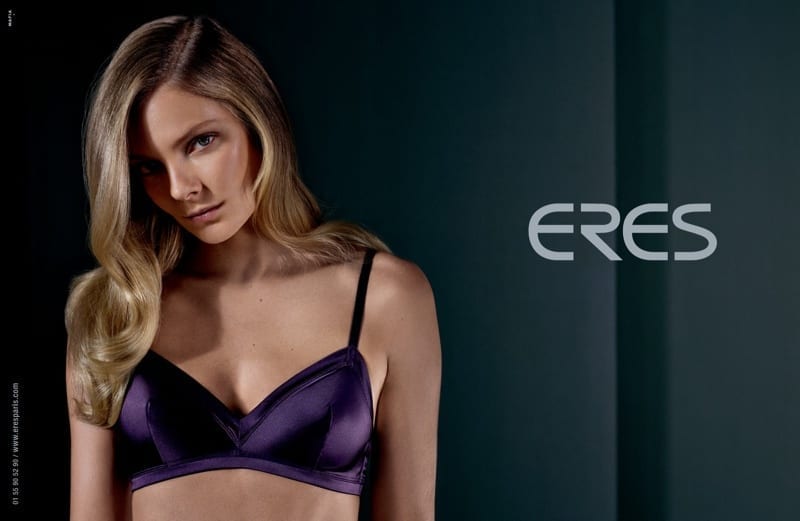
    High-end women’s swimwear and underwear brand Eres has opened in Hong Kong, the first official Eres store in Asia.

    Located in the Harbour City Shopping Mall in Tsim Sha Tsui, the French retailer has brought all its current swimsuits, bikinis and lingerie collections to the shopping hub city and will follow the aesthetic of other Eres boutiques across the globe.

    Part of the prestigious Chanel group since 1997, Eres was founded by Irene Leroux in 1968 as a swimwear label. In 1998, Chanel expanded the brand into lingerie and in 2011, the French brand started opening across the globe, opening stores in Las Vegas, Toronto, Antwerp, Kiev, Saint Bart’s and Sao Paulo.

    In 2013, it ventured into Amsterdam, Moscow, Athens and Connecticut, and opened its first German store in Hamburg in 2014.  In the same year it was scooped up by luxury e-tail giant Net-a-Porter.

    Before Hong Kong, the last Eres store was opened in Houston last year, with more U.S. openings in 2017. In Asia, Eres has a Singapore shop inside the Four Seasons Hotel on Orchard Boulevard and a concession in Japan inside the Isetan department store.

    The brand also recently created a capsule swim collection inspired by Ursula Andress, the Swiss actress who played the first Bond girl.

    Eres Hong Kong is located at 260A, Ocean Centre in Tsim Sha Tsui’s Harbour City complex.

  • Big growth for Asia Fruit Logistica

    Big growth for Asia Fruit Logistica

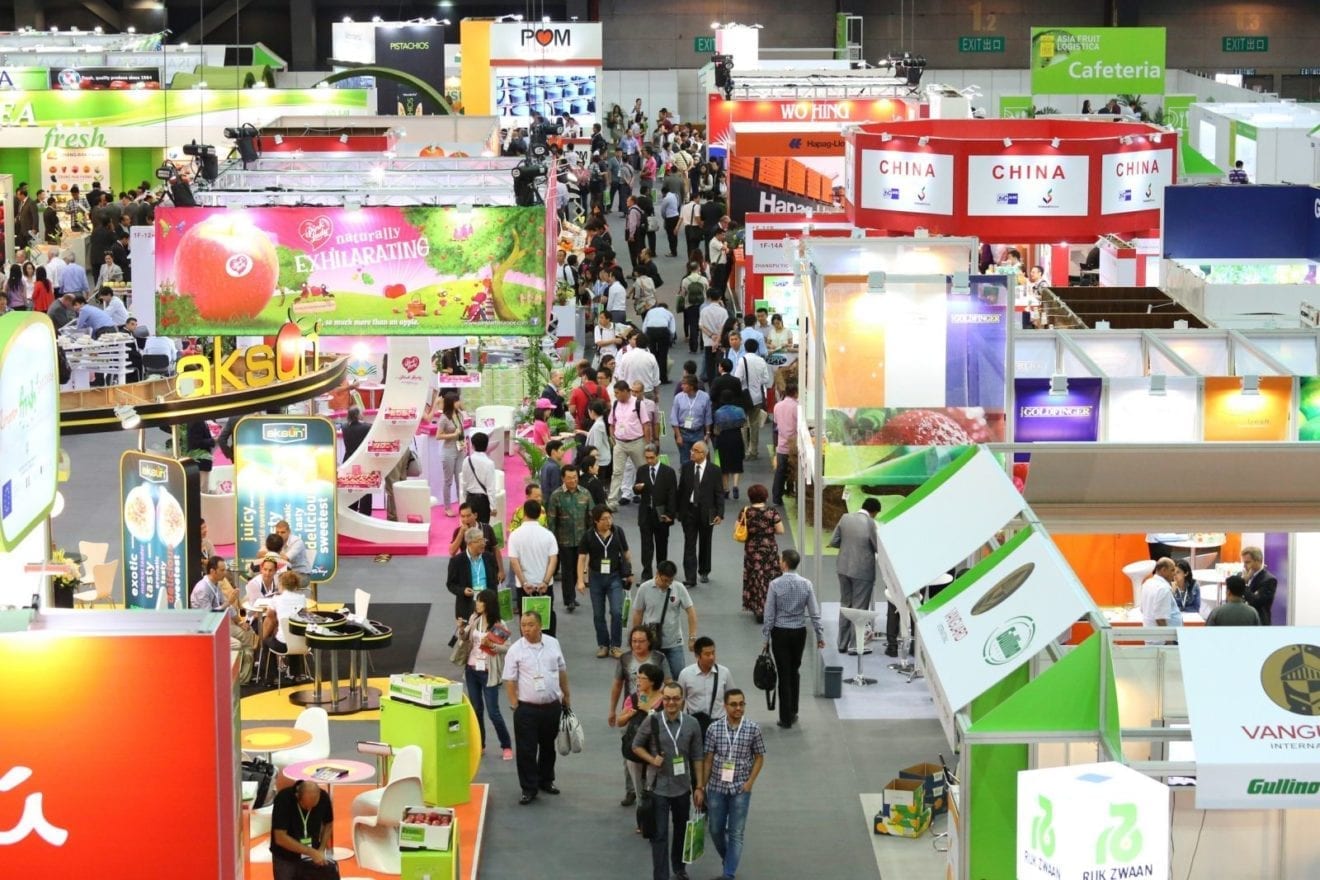
    Asia’s premier fresh fruit and vegetable trade show is set for another record-breaking year on 6-8 September 2017 in Hong Kong. With more than two months to go before Asia Fruit Logistica opens its doors at AsiaWorld-Expo, sales of exhibition space are up by 25% on last year’s total.

    Exhibitor participation from China – traditionally the largest single exhibiting nation atAsia Fruit Logistica – has increased sharply, with the Chinese pavilion expanding by 90% compared with last year’s event.

    Well over 11,000 top-level buyers and trade professionals from more than 70 countries are expected to attendAsia Fruit Logistica.

    Visitors can purchase their tickets online and make up to a 40% saving on their entrance fee compared with buying tickets on the door.

    Asia Fruit Logistica’s business week kicks off with the Asia Fruit Congress, Asia’s premier fresh produce conference event, which takes place the day before the exhibition on Tuesday 5 September.

    Asia Fruit Congress returns with a high-powered programme covering a range of hot topics. Fresh trends in Asia’s food retail market, delivering global brands to local consumers, and the changing global trade landscape are the headline themes on the agenda.

    On the show-floor at Asia Fruit Logistica, visitors can take part in two Hall Forums this year. Asia Business Forum offers daily workshops with practical ideas and solutions for better fresh produce marketing.

    Day one focuses on packaging, looking at its role in terms of both product preservation and merchandising.

    Day two is all about marketing, while day three looks at production and trade issues.

    Meanwhile, the second Hall Forum turns the spotlight on the worlds of hi-tech and logistics. Each morning, SMART HORTICULTURE ASIA, the forum for information management, standards and technology, will explore data management at different stages of the supply chain.

    Each afternoon, COOL LOGISTICS ASIA offers a new series of practical workshops on cold chain management. The wide-ranging programme looks at the future of container shipping, perishable logistics for beginners and exporting to Asia by air.

  • John Hardy opens second Hong Kong store

    John Hardy opens second Hong Kong store

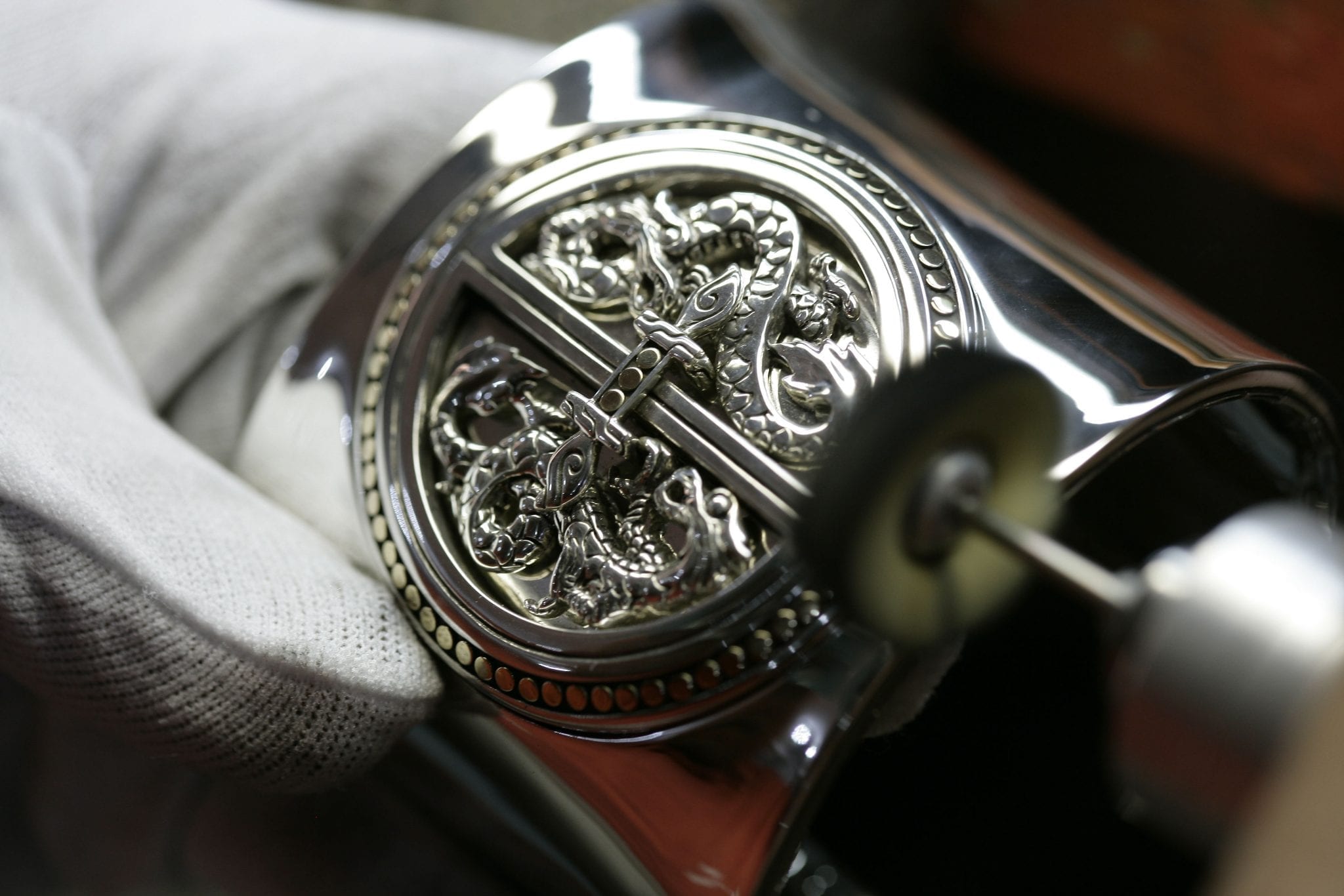
    Artisan jeweller John Hardy has opened a second Hong Kong store this month, setting up shop on China’s Pearl River Delta.

    Located at Gateway Arcade, the Harbour City shopping area on Hong Kong’s Kowloon, the new store covers 391-square feet and joins John Hardy’s debut store at Landmark (Central) on Hong Kong Island.

    The jeweller is also stocked in multi-brand retailer Lane Crawford, but sees the Gateway standalone store as a prime move due to it interconnected location.

    “The Gateway is one of the most popular destinations,” John Hardy chief executive officer Robert Hanson, told WWD. “It attracts locals, professionals, expats and visitors from mainland China. They’re drawn to the energy and the traffic of the mall. This is our only location on the Kowloon side.”

    Headquartered in Manhattan, New York, John Hardy jewellery is designed and produced at the brand’s Balinese workshop and studio, maintaining a connection with Asia.

    Which is why inside, the new store boasts boards displaying tools, raw stones, paint-brushes, pigments and photos of craftsmanship, displayed throughout dark coloured store. The jewellery is displayed in glass display cases set on pedestals.

    Interestingly, the Hong Kong store also implements John Hardy’s special front drawer system – something already established at the jeweller’s SoHo boutique, which allows sales associates to be alongside clients rather than behind a counter; a more informal model of selling that allows clients to explore products.

    John Hardy now has stores two stores in Hong Kong, and three in Bali, including one Duty Free location. It is eyeing distribution partnerships for China, Hanson told WWD.

    “The Southeast Asia area has always been vital to the brand,” he said. “We opened Gateway Harbour City to build more awareness with mainland Chinese.”

  • Smart Mobility Consortium holds C-V2X demo in Hong Kong

    Smart Mobility Consortium holds C-V2X demo in Hong Kong

    Hong Kong’s Smart Mobility Consortium has held the city’s first demonstration of the use of cellular vehicle to everything (C-V2X) technology for connected cars.

    The demonstration was conducted at Hong Kong Science Park as part of the Intelligent Transportation System (ITS) Asia-Pacific Forum 2017.

    It used operator HKT’s C-V2X trial network, using the 2.6-GHz band for vehicle-to-infrastructure communications and 5.9-GHz for vehicle-to-vehicle communications.

    A vehicle fitted with C-V2X technology demonstrated scenarios including the transmission of vehicle-to-vehicle do not pass, vulnerable road user, blind spot or lane change warnings, alerts sent in cases where vehicles need to make emergency stops and intersection collision warnings.

    The Smart Mobility Consortium was founded in March by HKT, Huawei, Qualcomm and the Hong Kong Applied Science and Technology Research Institute (ASTRI).

    “Three months ago, we shook hands and signed the MoU to establish the Smart Mobility Consortium. Today, we are working hand-in-hand to bring the first demonstration of C-V2X technology for pushing safe mobility in Hong Kong,” HKT group managing director Alex Arena said yesterday.

    “The demonstration shows how C-V2X alerts drivers to dangers under different use cases on the road and emergency traffic conditions, which will make the roads safer and Hong Kong a better city to live in. Being the mobile network technology leader in Hong Kong, HKT will continue to push and realize C-V2X technology & applications, in support of the Government’s Smart City vision and strategy.”

  • Flamingo Bloom Tea Salon Launches All-Natural Tea This July

    Flamingo Bloom Tea Salon Launches All-Natural Tea This July

    Healthy and hydrating, tea is deeply rooted in Hong Kong culture. Over the centuries, tea has played many roles in traditional wellness practices and beauty regimes — not to mention the city’s social fabric. But despite its wide consumption, there are few contemporary options available for urbanites on the go.

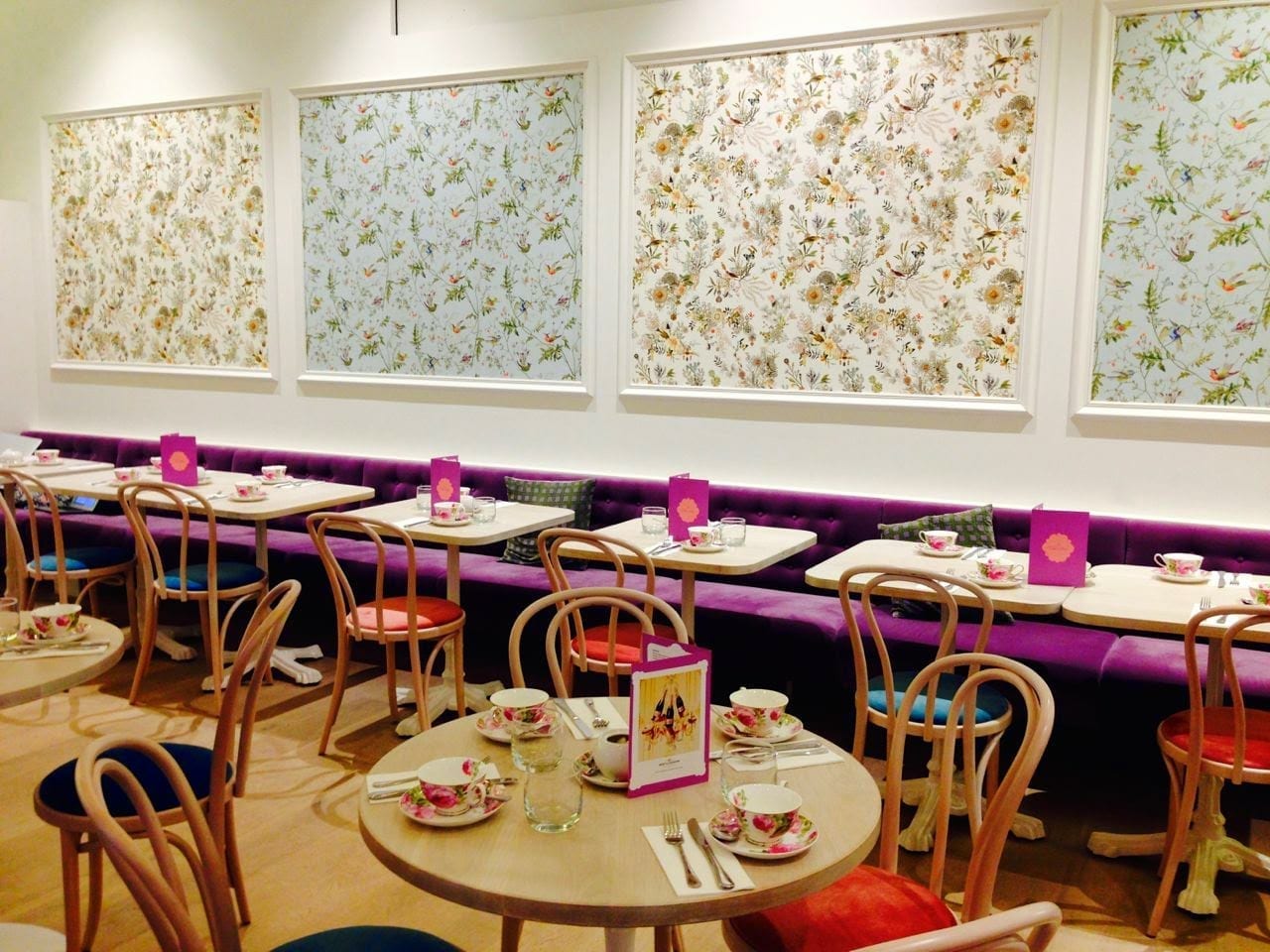
    That’s where Flamingo Bloom comes in. Just in time for the sweltering summer, Flamingo Bloom introduces its handcrafted floral teas on Stanley Street, where the chic tea salon will lure you in with its botanical decor and pops of colour. The commitment to quality continues into every Flamingo Bloom product, from Highland loose leaf teas, such as Honey Orchid Black, to fresh fruit and boba, cane sugar and double-purified water.

    Flamingo Bloom’s all-natural teas are made-to-order and contain no synthetic additives, ingredients or powders. Every tea has been carefully chosen from high altitude tea regions in China and Taiwan, where fewer pesticides are used in the cultivation process.

    “Despite the long tradition of tea drinking in Hong Kong, it can be struggle to find all-natural, high-quality and healthy takeout tea,” says founder Benjamin Ang, who is also behind award-winning restaurants Dragon Noodles Academy and Social Place. “As tea drinkers ourselves, Flamingo Bloom also values total transparency. To ensure every customer can see exactly what’s in their cup, Flamingo Bloom teas are crafted by talented tea-baristas at the open bar.”

    What’s on the menu? The experience begins by choosing one of four base teas: Jasmine Green Tips tea from Fujian; Highland Oolong from Taiwan; Chrysanthemum Pu’er from Yunnan; and Honey Orchid Black tea from Sichuan. A less mainstream tea, Honey Orchid Black is a soothing choice, featuring a nutty taste and delicious caramel aroma.

    Flamingo Bloom brews fresh batches of these base teas every four hours, using only whole tea leaves — never dust or powder — and double-purified water. Crafting these high-quality, loose-leaf teas is an art itself. The Jasmine Green tea, for example, is extremely delicate, requiring specific conditions to brew properly. If either the temperature or timing is off, even by a tad, then the resulting tea will taste bitter and lose its amazing aroma.

    After choosing a base, customers can enjoy their tea over ice, or dress it up with fresh fruit, boba, matcha, French rose, or a salted milk cap — a decadent crown of creamy milk and cheese that’s been whipped using a secret technique. Every cup is totally bespoke, even down to the amount of sugar cane content.

    In addition to custom choices, Flamingo Bloom offers a few signature combinations, including Intense Orange x Jasmine Tips Green; Boba Pearls x French Rose x Highland Oolong; Smashed Strawberries x Jasmine Tips Green; Fresh Fruits x Orchid Black Tea; Salted Milk Cap x Chrysanthemum Pu’er; and Boba Beetroot Milk. Every Flamingo Bloom tea finishes with a cocktail shake to create an airier, frothier and more fragrant brew.

  • MobiCash Announces Launch of MobiSpaza in South Africa

    MobiCash Announces Launch of MobiSpaza in South Africa

    MobiCash, a mobile financial services and technology company, today announced a spaza sector-focused mobile platform called MobiSpaza in South Africa. MobiSpaza is an inclusive business tool that builds bridges between spaza sector stakeholders, such as private corporations, state-owned entities, co-operatives, and not-for-profit organizations, and the township communities they serve. MobiSpaza promotes spaza entrepreneurship with turnkey integration across the value chain including suppliers, distributors, retailers, and customers.

    Patrick Gordon Ngabonziza, MobiCash Founder and Chairman said, “As a company at the forefront of financial inclusion initiatives all across Africa, MobiCash continuously seeks innovative ways to help meet our customers’ and partners’ needs. Each market presents unique challenges and opportunities and finding the best fit is what sets us apart. Through MobiSpaza, inclusive business is a layer added to financial inclusion and in the end people benefit as well as businesses.”

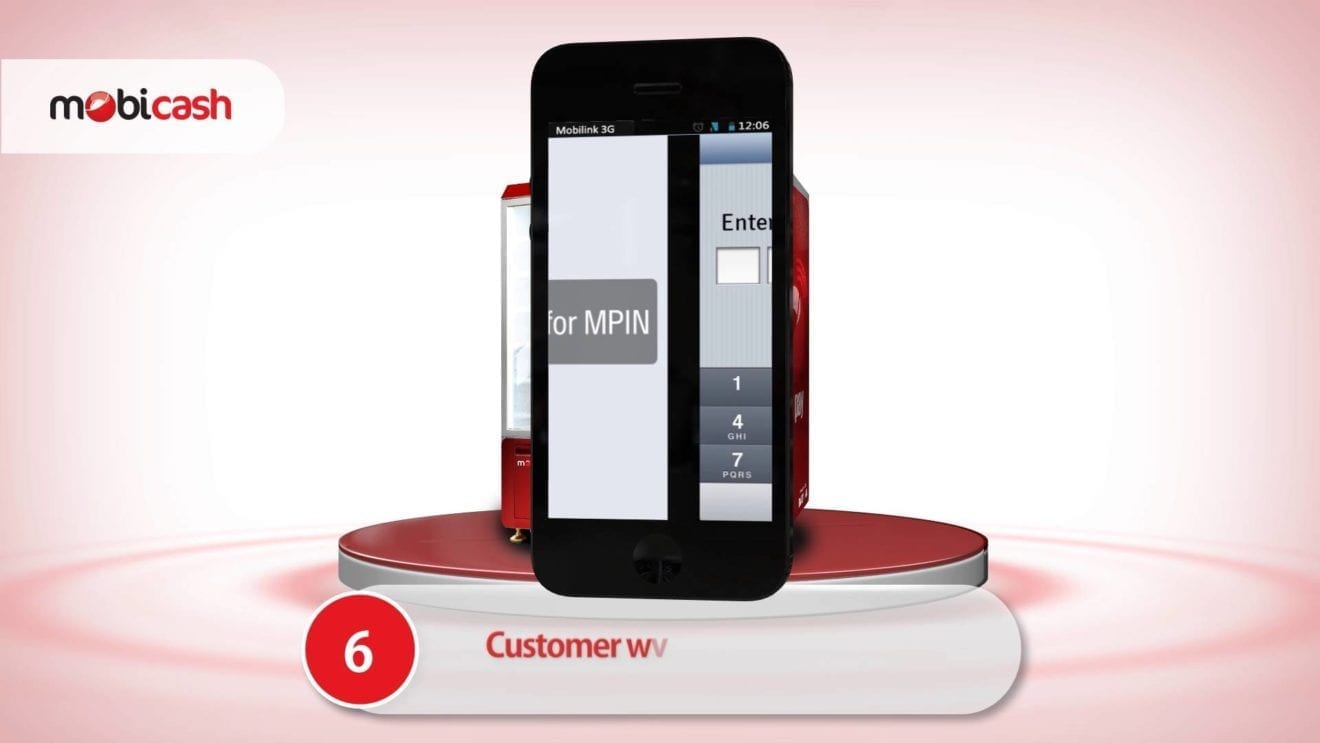
    MobiSpaza creates opportunities for businesses to successfully operate in the townships by providing a sector-focused solution for products and processes adaptation driven by mobile payments and spaza banking. The system includes convenient remote and proximity payment authentication mechanisms for physical goods and value-added services including remittances. For the spaza shops, there are also in-built features designed to maximize productivity and sustained earnings through collective stock procurement or buying power, social networking and market dominance.

    “We developed a B2C, or Brands to Customer, application as an added element of the MobiSpaza value offering. With MobiSpaza, brands can promote their products directly to the last mile whereby interested consumers can redeem coupons in real time at their nearest spaza shop,” said Donald Mudenge, COO of MobiCash South Africa. “The ultimate goal is to make goods and services more affordable and accessible in the townships while giving businesses reason to stay and grow.”

    Today some shoppers would forgo spaza shopping simply because there are no rebate systems and no points to be earned. This is mostly due to the lack of “sophisticated equipment” required to run such systems at spaza level. However, MobiSpaza is also set to introduce a new flair to township shopping by enabling spazas to begin offering points-based rebates and loyalty systems.

    MobiSpaza benefits South Africa township communities in areas such as human development and increased access to financial products and services. Businesses, on the other hand, now have better and improved access to these markets and forge mutually beneficial partnerships and collaborations to help serve the communities better.

    MobiCash, introduced to promote financial inclusion, is the technical platform behind spaza sector-orientated MobiSpaza.