Tag: Hong Kong

  • Tom Dixon opens first flagship store in Hong Kong

    Tom Dixon opens first flagship store in Hong Kong

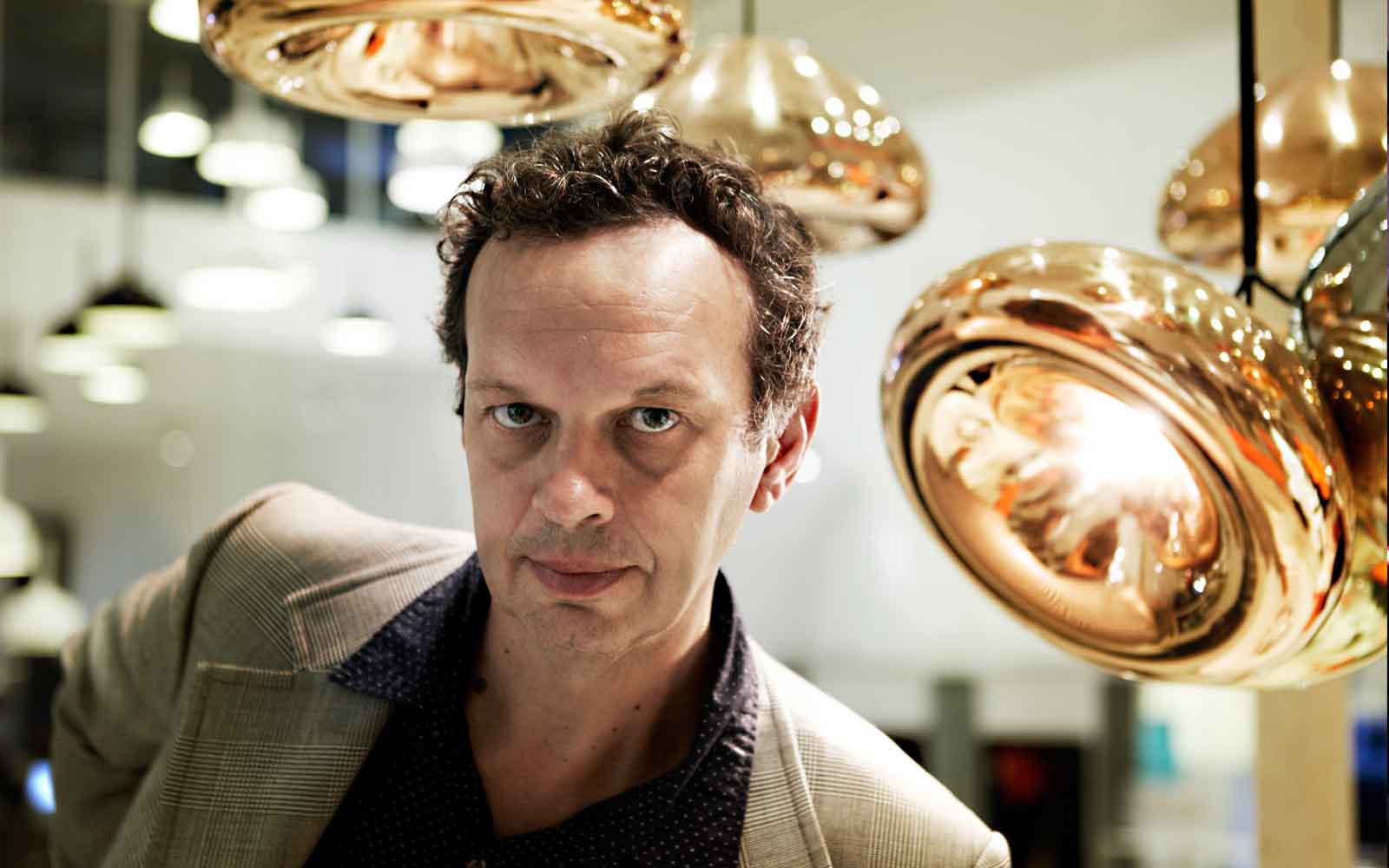
    British designer, Tom Dixon arrived in Hong Kong this week to officially open his first store in South East Asia. The duplex store takes a prime location on Hollywood Road, Central Hong Kong and comprises of Tom Dixon’s latest furniture, lighting and home accessories.

    Commenting on the new Hong Kong shop, Tom Dixon said: “With an acceleration of interest for our work in this region, 52 Hollywood Road emerges as the new epicentre of our latest expansion in Asia. The two-storey showroom showcases a curated collection of our core products where charred timber cladding and grey marble fixtures complement the concrete floor and walls, and serve as a fitting backdrop to our metallic tones of copper, brass and chrome.”

    The ground floor, on one of Hong Kong’s busiest retail stretches, offers a veritable Aladdin’s cave of home accessories. From bold table-top architecture to the scent of London itself, the copper cave houses a cabinet of Tom Dixon curiosities. Designed to engage and encourage interaction, shoppers are also invited to explore the versatility of the collections through a plug and play lighting track, and the designers tool box engineered to demonstrate finishes, colour and fabric options.

    Dexigner
    Dexigner

    The café, operated by Nodi, offers a selection of artisanal coffee, small snacks and the perfect place to slow down and soak in the latest ideas in furniture, accessories and lighting whether you are an architect or just a design enthusiast.

    Dexigner
    Dexigner

    Tom concluded: “As our second monobrand in the eastern hemisphere, 52 Hollywood Road represents the launch pad for many extraordinary adventures in Asia.”

    Yesterday evening, design enthusiasts and industry principles gathered to celebrate the grand opening of the new TOM DIXON Hong Kong store.

  • Hong Kong retail sales rise for second consecutive month

    Hong Kong retail sales rise for second consecutive month

    Hong Kong’s retail sales rebounded slightly in April for the second straight month following a two-year period of contraction, with an industry expert predicting that growth for the whole year could hit 1 per cent.

    The latest figures released by the Census and Statistics Department yesterday showed that total retail sales in April edged up 0.1 per cent year on year to HK$35.2 billion.

    That was drastically lower than the 3 per cent rise confirmed for March – which ended a 25-month slump dating back to February 2015.

    ooking at the figures for April, consumer durables recorded the biggest year-on-year decline of 12.8 per cent. The dip was fuelled by an 18 per cent plunge in sales of electronic goods and photographic equipment.

    Motor vehicle sales also fell in April, by 13.9 per cent, in stark contrast to a 16 per cent rise the previous month spurred by a last-minute buying spree for electric cars ahead of the cancellation of a tax waiver for the vehicles.

    Retail Management Association chairman Thomson Cheng Wai-hung said sales of jewellery and luxury watches would also remain sluggish.

    “We don’t see any trend pointing to [the sale of] these expensive items picking up at any time,” he said.

    Setting aside these negatives, Cheng said the April figures were quite positive, with most categories recording modest growth.

    The exception was supermarket sales, which dropped 0.6 per cent.

    “A lot of Hongkongers travelled overseas during the Easter and Ching Ming holidays … This affected livelihood-related sales,” Cheng said.

    Asked if the Labour Day holiday – known in mainland China as the “golden week” – would lead to better figures for May, Cheng said association members who responded to a survey on sales over that period were mostly disappointed.

    The likely visit of President Xi Jinping for the July 1 handover anniversary would also turn some mainland visitors away due to the inconvenience caused by tight security measures, he said.

    We cannot guarantee there will be growth this year, but we see the market starting to stabilise. Thomson Cheng, Retail Management Association chairman

    But for the whole year, the association forecast the value of sales would remain the same as last year, give or take 1 per cent.

    “We cannot guarantee there will be growth this year, but we see the market starting to stabilise,” Cheng said.

    If local demand, which accounts for 70 per cent of all sales, remains robust, a rebound of inbound visitors would translate into a positive sales outlook, he said.

    Statistics from the Tourism Board showed that visitor arrivals in April picked up 1.9 per cent year on year, and 3.2 per cent for the first four months of the year.

    The recent growth provided much-needed relief to the tourism industry, which last year weathered a 4.5 per cent drop in inbound visitors.

    A government spokesman said the near-term outlook depended on how fast the tourism sector recovered and local consumer sentiment amid likely US interest rate rises and external uncertainties.

  • Alipay Hong Kong Taxi Payments Could Be Its Killer App

    Alipay Hong Kong Taxi Payments Could Be Its Killer App

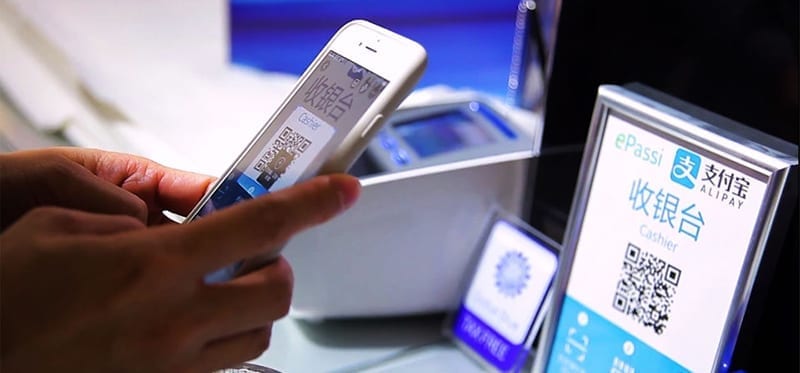
    It’s one country, two systems for Alipay as it focuses on retail payments in Hong Kong, a special administrative region of China, with a separate mobile app from the one it uses on the mainland.

    Alipay announced the launch of its Hong Kong version e-wallet Alipay HK, which is the first time for this Internet payment service provider to launch an overseas version app.

    Alipay started providing services in Hong Kong in 2007. In August 2016, they gained a third-party payment license issued by Hong Kong Monetary Authority and Alipay Hong Kong company is one of the first batch of payment license owners. Now Alipay HK has finally been launched after a few months of preparation.

    With the launch of Alipay HK, Hong Kong users will be able to use Alipay services by binding their credit cards of Hong Kong local banks or balance recharges, and they can use Hong Kong dollars to complete payment directly. Alipay HK provides three major services, including code-scanning payment, vendor offers, and stamp collection.

    Alipay HK will gradually launch more functions like mobile phone fee recharges; payment for water, electricity, and gas bills; online transfers; taxi payment; and insurance payments.

    The taxi payments are of special significance. Currently the Octopus payment card in Hong Kong is ubiquitous and can be used for both public transportation and retail payments. But Octopus cannot be used for paying of taxi trips. Octopus had a small, brief test of taxi payments a few years ago, but it failed to launch the service in Hong Kong. If Alipay could overcome the taxi payment obstacle, it could grab a new, underserved market.

    For global expansion, Alipay’s parent company Ant Financial has realized e-wallet cooperation with partners in India, Thailand, South Korea, Philippines, and Indonesia. With the launch of Alipay HK, Ant Financial’s services now reach six overseas countries and regions.

  • Rescue plan approved for Hong Kong’s i-Cable

    Rescue plan approved for Hong Kong’s i-Cable

    Minority shareholders in Hong Kong pay TV broadcaster i-Cable Communications have voted to approve a rescue plan that will inject fresh cash into the struggling operator following the withdrawal of support by its majority shareholder.

    Wharf Holdings announced in March that it will stop providing funding for the broadcaster following nine consecutive years of losses, and that it was considering winding down the company after failing to find a buyer for its 73.8% stake.

    But now consortium Forever Top has agreed to step in and be the new majority shareholder, injecting fresh funding into the company.

    i-Cable launched in 1993 as Hong Kong’s first pay TV operator. But the company’s subscriber base has been declining over the past five years, the report notes, and its net losses have been widening.

    Industry experts are urging the company to rebrand and modernize its operations, focusing on providing OTT video services over its website. The company is also being encouraged to expand its operations to outside of Hong Kong.

  • Florentia Village opens in Hong Kong

    Florentia Village opens in Hong Kong

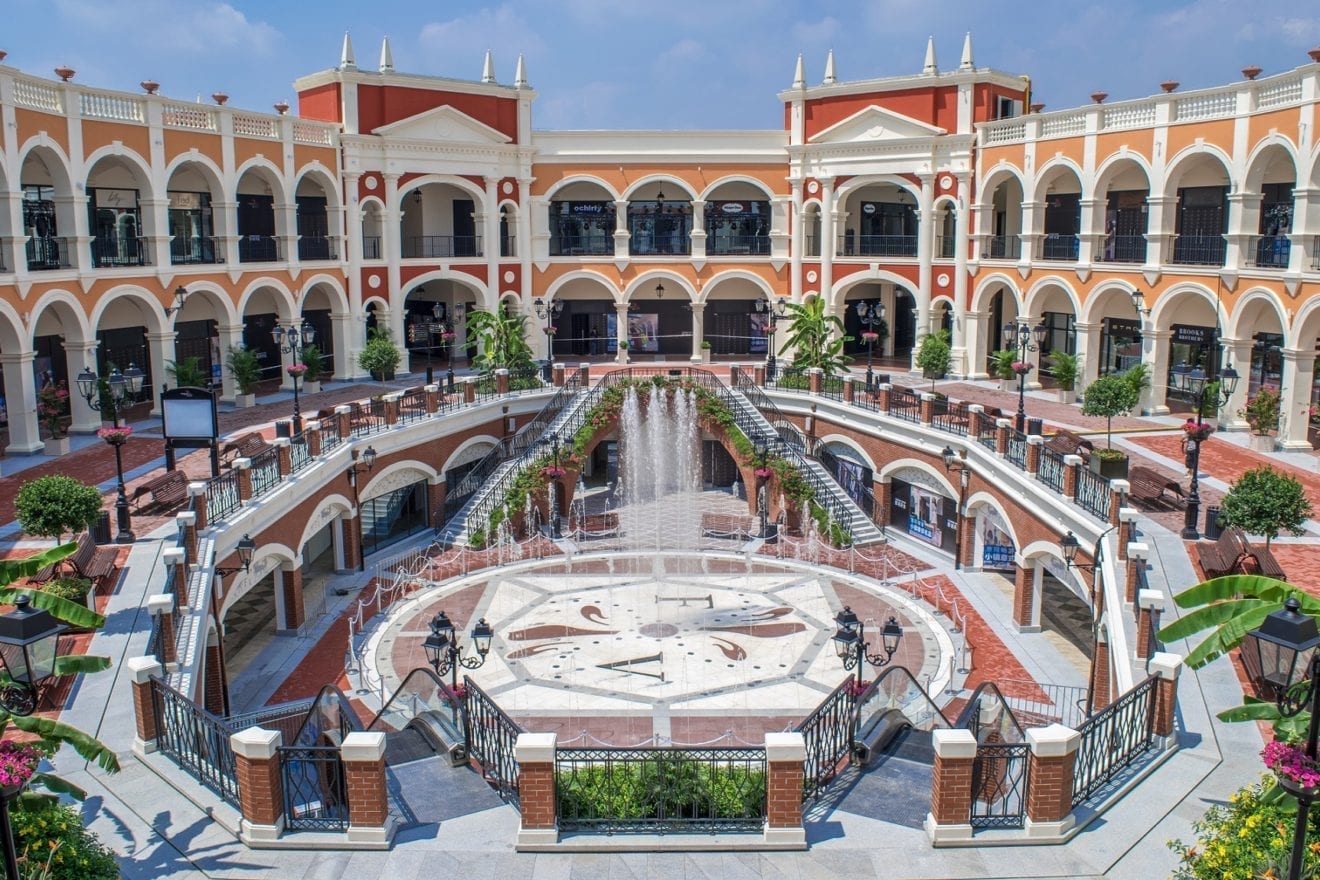
    Despite the decline of tourist arrivals into Hong Kong last year and challenges in the luxury retail sector, Italian-owned mall operator RDM has just opened its first Hong Kong outlet.

    Located in the KC100 complex near Kwai Hing MTR station, Florentia Village is hoping to attract 500,000 customers this year thanks to its proximity to the airport and mainland immigration checkpoints.

    The 60,000-sqft boutique-style mall comprises upscale luxury brands, such as Prada, Salvatore Ferragamo, Versace and Kenzo.

    Of its visitors, the mall is forecasting 50 per cent to be mainlanders, 25 per cent Hong Kongers and the remaining 25 per cent international travellers and expats.

    With three existing malls in China – Shanghai, Tianjin and Guangzhou – RDM is confident their brand name will travel.

    “Our brand is growing fast in China, so having the same type of operation in a different approach with a very strong mix of luxury brands, we are sure to attract customers from China visiting Hong Kong,” said Maurizio Lupi, managing director of RDM Asia.

    In China the mall is expecting double-digit turnover growth. Here in Hong Kong, perhaps the optimistic figures from December 2016, when mainland visitor numbers increased 6.1 per cent to 3.95 million, may bear out Lupi’s certainty.

  • Samsung Pay arrives in Hong Kong

    Samsung Pay arrives in Hong Kong

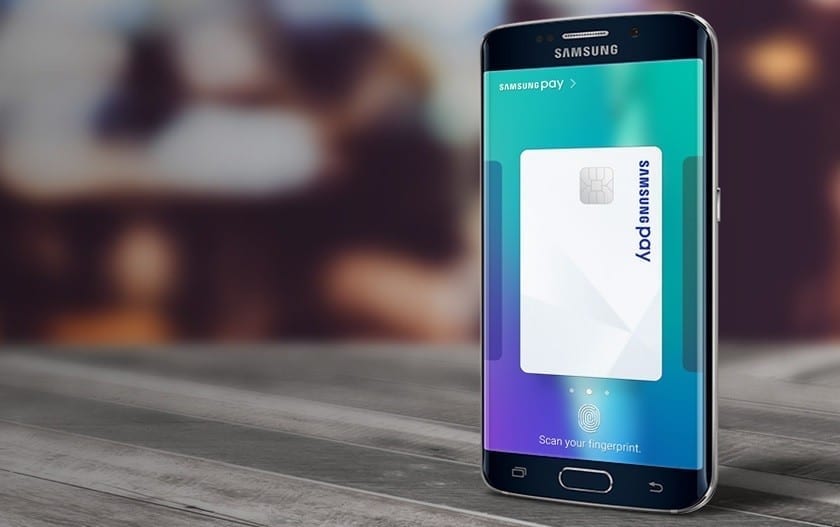
    Samsung Pay has finally landed in Hong Kong. The Korean technology giant launched an early access program in the Hong Kong market last month, but officially launched the mobile payment system to the general public last Thursday.

    Samsung Pay can be used almost anywhere a point-of-sale (POS) terminal is available and supports payments via both near field communication (NFC) and Samsung’s proprietary magnetic secure transmission (MST) technologies.

    According the maker of the Galaxy smartphone, MST sends a magnetic signal from the supported Samsung device to the payment terminal’s card reader (to emulate swiping a physical card), allowing Samsung Pay to work almost anywhere cards are accepted.

    “We are happy to have received overwhelming, positive responses from users of Samsung Pay’s Early Access Program,” said Yiyin Zhao, vice president and head of information technology and mobile communication business for Samsung Electronics Hong Kong.

    “We look forward to building a complete digital wallet solution in Hong Kong, which will allow users to not only pay conveniently, but also use membership cards and many more.”

    Several major banks in Hong Kong, including Citi and DBS, are set to offer incentives to encourage customers to pay for items using credit cards via Samsung smartphones, The incentives include discounted food, drink and toiletries, as well as free mobile phones.

    The perks come as the South Korean company enters the Hong Kong mobile e-pay market relatively late. Apply Pay launched its mobile payments service in July last year, while Google launched Android Pay in October. Several of the mainland’s technology giants, including Tencent Holdings and Alibaba Group Holding’s financial arm Ant Financial Services Group, have also launched WeChat Wallet and Alipay, respectively, in the city.

    Samsung Pay is available on Galaxy S8+, Galaxy S8, Galaxy S7 edge, Galaxy S7, Galaxy S6 edge+ and Galaxy Note5.

  • Jeweler Tse Sui Luen Suffers from Hong Kong Slowdown

    Jeweler Tse Sui Luen Suffers from Hong Kong Slowdown

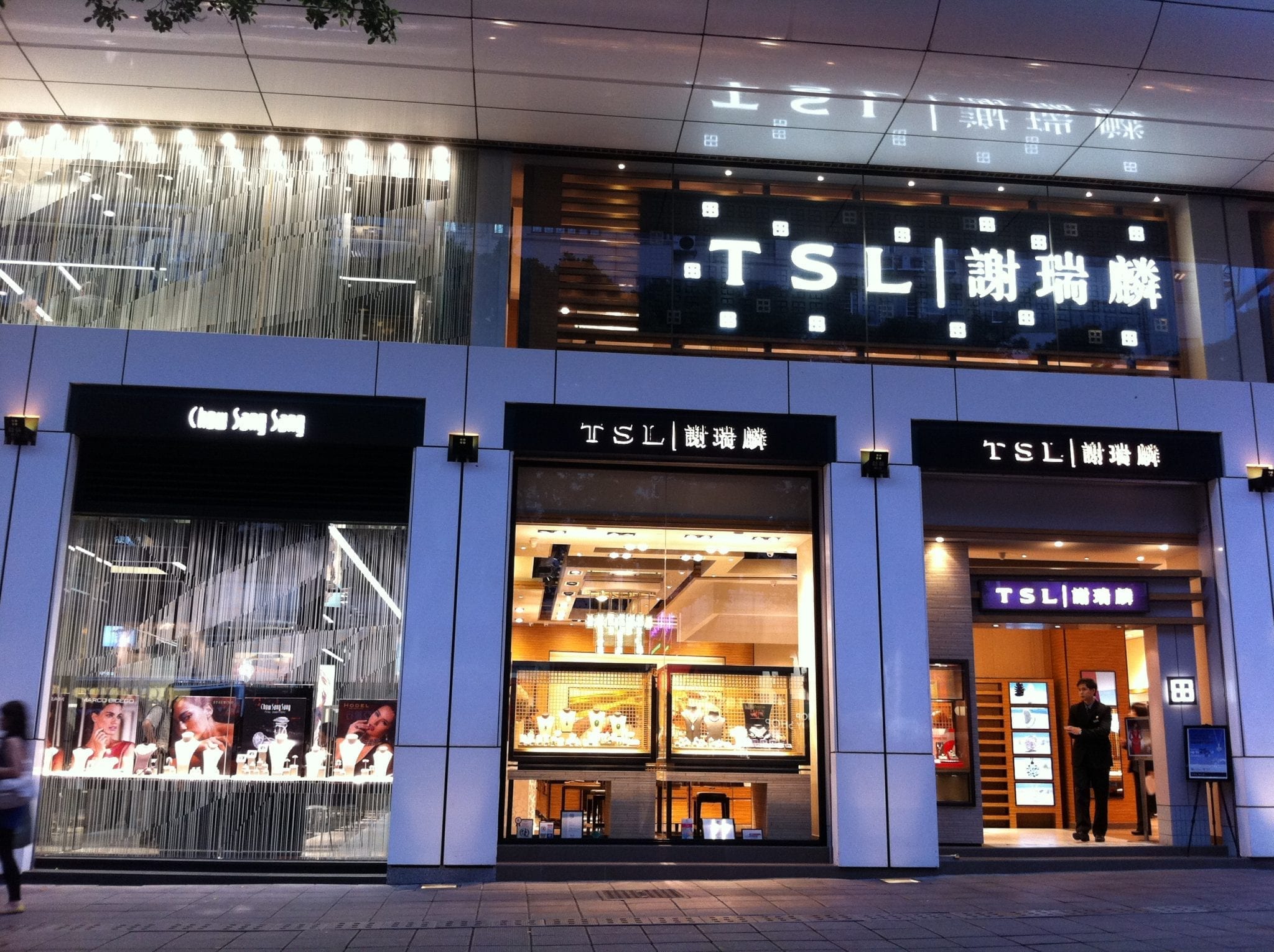
    Sales and profit at jewelry retailer Tse Sui Luen (TSL) weakened in the past fiscal year, as improved demand in mainland China failed to compensate for sustained sluggishness in Hong Kong.

    Revenue fell 3.6% to $438 million in the 12 months that ended February 28, the Hong Kong-based jeweler reported Tuesday. Profit dropped 2.6% to $3 million (HKD 23.2 million).

    “A continuing reduction in tourists visiting Hong Kong from mainland China, together with the ongoing instability of both the global and local economic and political environment, conspired to create unfavorable consumer sentiment for the group’s retail outlets during the year,” the company said.

    The devaluation of the Chinese yuan, as well as slower economic performance on the mainland — resulting from uncertainty about US trade policy — dented Chinese consumer confidence, the retailer explained. This in turn hampered the Hong Kong tourism industry, it added.

    Even so, sales in China jumped 15% to $265.5 million, partially offsetting a 23% slump in revenue from Hong Kong and Macau, which came to $167.1 million. The group had 28 self-operated stores in Hong Kong and three in Macau at the end of February, while its store network on the mainland consisted of 198 self-operated outlets and 132 franchised stores.

    Despite the stronger performance in mainland China, the company will take a “prudent” approach there, particularly given the lack of clarity over the US government’s policies, it added. The group plans to keep costs under close control and work to reduce the number of days it takes to replenish inventory.

  • Daimler acquires 15% stake in Hong Kong’s Lei Shing Hong to expand its dealer network

    Daimler acquires 15% stake in Hong Kong’s Lei Shing Hong to expand its dealer network

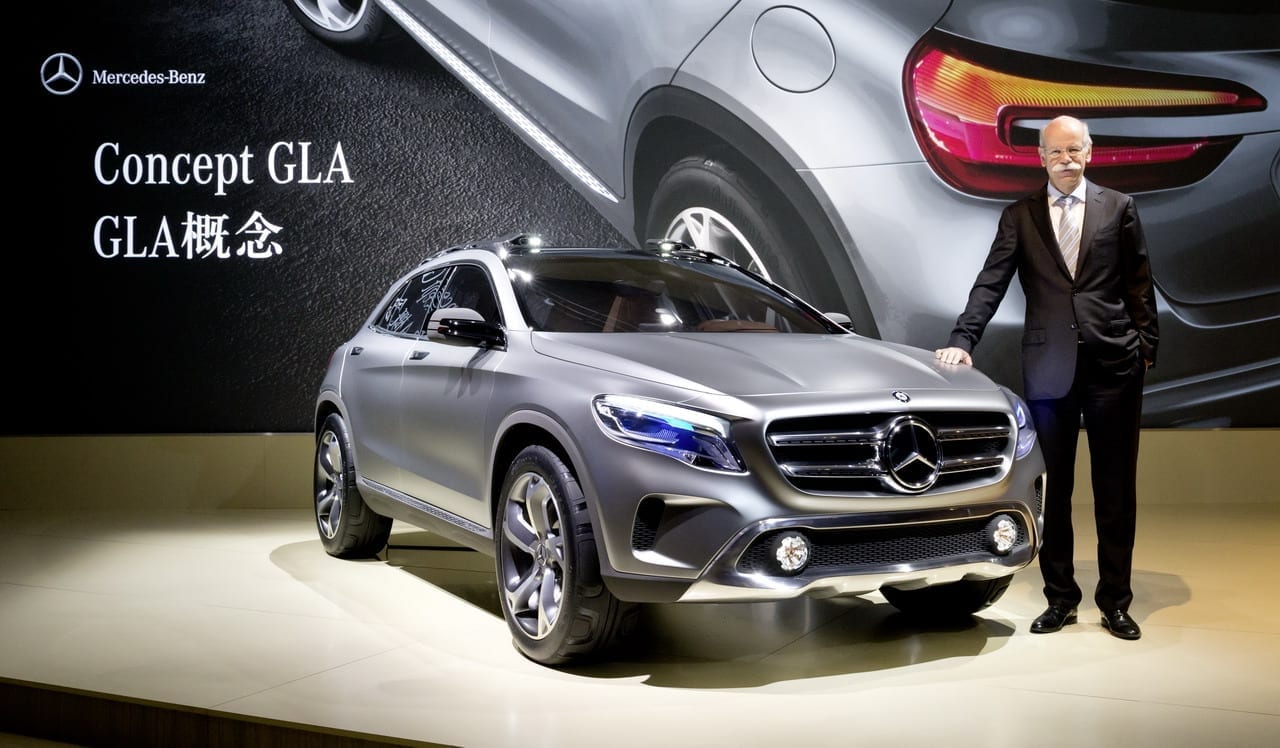
    German automaker Daimler has acquired 15% stake in Hong Kong based Lei Shing Hong (LSG) strengthing their longstanding cooperation with an investment by Daimler in LSH.

    The partnership is responsible for the Mercedes-Benz retail business of Lei Shing Hong Group. The transaction has been concluded after approval of the relevant antitrust authorities.

    ”With this transaction we affirm our long and successful cooperation with Lei Shing Hong. At the same time, we strengthen our Mercedes-Benz dealer network and meet the challenges in the coming years together with Lei Shing Hong,” said Bodo Uebber, Member of the Board of Management of Daimler AG responsible for Finance & Controlling and Daimler Financial Services.

    Lei Shing Hong Group is one of the world’s biggest dealer groups for Mercedes-Benz cars, Daimler said in a media release. The decade long partnership with Mercedes-Benz has eventually lead to about 200 sales and services centers with focus in Asia and Australia. Since 2015, LSH has expanded its international presence and now is also present in Europe with facilities in Germany and Great Britain.

    K S Gan, Group Managing Director of Lei Shing Hong: “Lei Shing Hong Group welcomes Daimler’s investment in LSH. We both share a common vision and passion. This investment by Daimler brings the existing relationship and cooperation to a new height. LSH, as an international group, will continue with its tradition of excelling in customer services and business management practices in its Mercedes-Benz business.”

    Daimler’s investment is a strategically important step for both parties, with the aim of bringing one of the world’s biggest dealer groups for Mercedes-Benz cars to a new era and to other markets.

    Till Conrad, who heads the sales department in the Overseas region at Mercedes-Benz so far, will assume the responsibility for the business as CEO at LSH from August 2017.

  • Transaction app Alipay launches first non-yuan version in Hong Kong

    Transaction app Alipay launches first non-yuan version in Hong Kong

    Chinese online and mobile payment platform Alipay on Wednesday launched in Hong Kong its first app to handle transactions not denominated in the yuan currency, moving closer to its ambition of widening currency payment options.

    Payments through AlipayHK, which handles mobile payments in Hong Kong dollars, will be accepted at more than 2,000 stores in the city from Thursday, said Ant Financial Services Group, an Alibaba Group affiliate that runs the platform. “Introducing local currency mobile payments to Hong Kong is an important step forward in Ant Financial’s mission to bring our services to more users in more markets,” said Douglas Feagin, the company’s president of global business.

    The effort will help the company, which competes against Tencent Holding’s WeChat Pay, to extend its reach in offline commerce beyond mainland China. Alipay now has more than 450 million active users and payments through it are accepted at more than 2 million brick-and-mortar merchants across China, the company says.

    Its standard app is already supported in more than 120,000 retail stores in 70 overseas markets via local partners, including the United States, but transactions are executed in yuan.

    As many as 8,000 retailers in Hong Kong already accept Alipay’s yuan-based app, and the new app will soon extend to them, said Alipay Hong Kong’s general manager, Venetia Lee.

  • Ralph & Russo Debuts Pop-Up Shop in Hong Kong Boutique

    Ralph & Russo Debuts Pop-Up Shop in Hong Kong Boutique

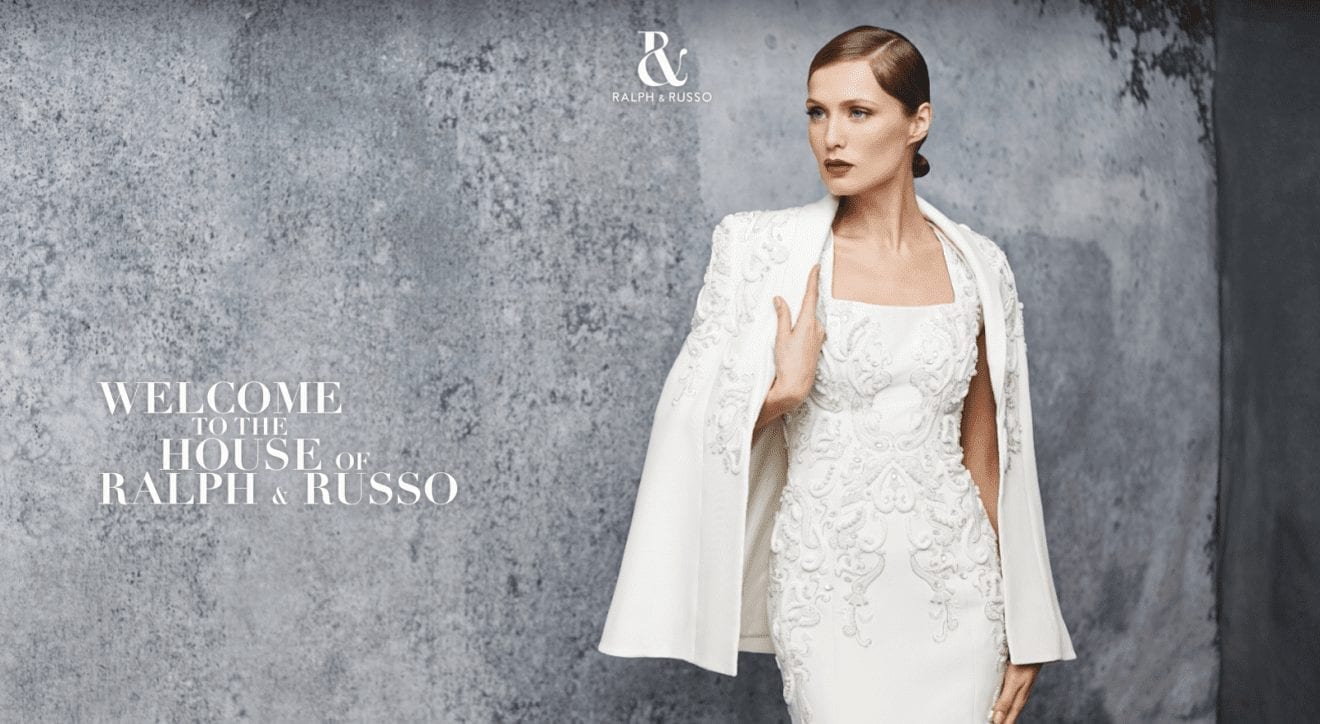
    The luxury British fashion label favored by Angelina Jolie, Gwyneth Paltrow and other celebrities is getting its own starring moment in Asia. This week, Ralph & Russo celebrated the debut of a pop-up shop in On Pedder’s New World Tower location in central Hong Kong.

    The space, situated on the mezzanine level of the luxury footwear and accessories boutique, features a curated selection of some of Ralph & Russo’s most decadent shoe designs, including the floral-print satin Eden boots (which retail for $1,650) and the Eden pumps with ornamental filigree.

    The Eden pumps range in price from $1,450 for a simple style with an embellished heel, up to $2,300 for a version with Swarovski crystals.

    Ralph & RussoRalph & Russo’s Eden ankle bootie with embellished heel, $1,650.
    Ralph & RussoRalph & Russo’s Eden pumps with ornamental filigree, $1,900.

    Like its collections, Ralph & Russo designed the pop-up space with sophisticated detailing, such as oversized mirrors and wooden paneling that turn the attention firmly to the product. And a raw wood tabletop in the center of the space offers a striking artistic juxtaposition and adds natural warmth to the tableau.

    Ralph & Russo On Pedder pop-upThe Ralph & Russo pop-up space in On Pedder in Hong Kong.

    The brand’s chairman and CEO, Michael Russo, who co-founded the label in 2007 with Tamara Ralph, said in a statement, “As soon as we visited On Pedder, we knew that there was perfect synergy between our collections and the values that the store represents — both are the epitome of luxury.”

    The pop-up space will be open from now until the end of July.

  • Hong Kong cellcos call for clear spectrum roadmap

    Hong Kong cellcos call for clear spectrum roadmap

    Hong Kong’s mobile operators are all calling on the government to develop a clear spectrum roadmap that covers the release and allocation of spectrum for 5G services.

    HKT has called on the government to perform an “urgent and radical overhaul” of its mobile spectrum policies and practices to prepare for the introduction of 5G mobile technology.

    The Office of the Communications Authority (OFCA) must improve its “archaic mobile spectrum principles and practices,” or the telecoms industry and Hong Kong as a whole will suffer irreparable damage, the operator has argued.

    In a response to the government’s public consultation on the re-assignment of 900-MHz and 1800-MHz mobile spectrum, widely used for mobile services, HKT said a new, forward looking plan for spectrum management is needed to meet the future needs of the industry and Hong Kong society.

    The operator called an earlier attempt by the government to attract new market entrants “an example of the complete failure of its policy.”

    While 21 ViaNet originally bid for 30 MHz of 2.3-GHz spectrum with the stated aim of launching mobile services, the company subsequently decided to use the spectrum for local fixed services, and then reduced its use of the valuable spectrum to only cover certain village houses. HKT said this wasted “valuable mainstream mobile spectrum which is in short supply in Hong Kong.”

    “Hong Kong is facing a severe spectrum deficit and is seriously lagging behind the other developed markets in policy making. The government’s current spectrum rollout plan has failed to set the stage for early adoption of 5G,” HKT group managing director Alex Arena said.

    “Along with the archaic principles and practices adopted by the CA for building access, spectrum charging, and spectrum management, this poses a clear and substantial threat to Hong Kong’s services based economy, consumer satisfaction, our role as a telecommunications hub, our ability to service as a gateway to Mainland China, and our ability to be a creative center.”

    HKT wants the government to provide a clear roadmap for the release of adequate spectrum to the industry, classify mobile operators as utility providers and facilitate their access to buildings and land for cell site installation and manage spectrum in a way that incentivizes investment by industry.

    In addition, HKT is calling for an overhaul of the current spectrum utilization fee (SUF), replacing the current system of charging on a per MHz basis to reflect the large bandwidth that will be required for 5G.

    The operator said in 2016, spectrum costs represented 12.2% of its operating costs, well above OFCA’s calculation of 3-4%.

    “As we move into the information economy, our telecommunications infrastructure is a vital national resource. There is no time to waste. The Government needs to resolve these matters now,” Arena said.

    “HKT, together with the rest of the industry, looks forward to engaging in active dialogue and discussion with the Government about the way forward.”

    In a separate submission, rival SmarTone also called for the development of a clear spectrum roadmap.

    The operator indicated that it supports the adoption of a hybrid approach combining administrative acquisition of spectrum with a market based approach to its release, one of the three options being proposed for the future management of spectrum assets.

    Meanwhile 3 Hong Kong’s submission has asserted that the regulator should be giving existing licensees of 900-MHz and 1800-MHz spectrum a right of first refusal while reallocating the frequency bands.

    The operator argued that taking spectrum away from mobile operators would hinder long-term investment and innovation and risk disrupting customer service continuity. An excessive SUF is the equivalent to a spectrum tax on mobile users and is against the public interest, the submission added.
  • Hong Kong retail market enters post-correction era

    Hong Kong retail market enters post-correction era

    Hong Kong’s retail sector is transitioning into a period of normality. After several years of correction, the retail market is showing genuine signs of stability and renewed tenant activity.

    The driver is, simply, cost. In the first half of 2017, rental costs of core shopping areas have finally come down to a level considered acceptable from a tenant perspective. Significantly, with this normalization, low-to-middle range retailers are now confident and less likely to succumb to outlandish rental costs and fierce competition with luxury jewelry stores for retail space. Higher up the value chain, landlords of shopping malls and street shops have become so nimble with their portfolio strategy that a more diversified market has brought in a new era of retail.

    The change is conspicuous. Major streets in Hong Kong are no longer dominated by jewelry shops, pharmacies or luxury brands.

    Outside forces are increasingly influencing this retail shift; Chinese tourists’ diminishing consumption have changed the consumer profile. And as a result, landlords have to cater to the needs of a more local clientele. To reflect the transition in the market, landlords are actively leasing to more trendy tenants such as affordable luxury brands, diversified fashion concepts, cosmetics stores and food & beverage establishments.

    The change is also occurring away from the street level. Most shopping malls have transformed or are about to transform their tenant mix by adding unique restaurants, niche fashion brands, international lifestyle stores or sports-related gadget shops. In addition to cinemas, landlords are signing boutique-style gyms as alternative tenant anchors. They are successfully attracting footfall, complemented with a sports brand added to the trade-mix.

    But retailers have still not fully regained their confidence and a meaningful recovery in Hong Kong will take time. Signs of a more measured rebound are more obvious with well-established brands who are still regrouping from their extensive expansion across Greater China. As such, newer brands are taking advantage of the situation and are actively acquiring.

    Innovative hybrid concepts, mingling entertainment with dining, have been imported from the overseas market into Hong Kong. As opposed to previous cycles, international operators of these new concepts have found space in revitalized industrial buildings. Some of these family-friendly restaurants, like Mr. Tree and Crazy Car Cafe in Lai Chi Kok, have become so sought-after that customers have to book one month in advance to secure a place for a child’s birthday party.

    Nonetheless, the current retail market is at its healthiest it has been in the last ten years. Hong Kong’s landlords are now adopting proactive and flexible strategies to attract tenants and foot traffic, paving the way for the long term development of the retail industry. Only time will tell.

  • Off-White opens second Hong Kong store, launches capsule line

    Off-White opens second Hong Kong store, launches capsule line

    Cult luxury streetwear brand Off-White continues its retail expansion in Asia with the opening of its second location in Hong Kong. Helmed by designer Virgil Abloh, the newest Hong Kong store opened last month, with the announcement of capsule collection – to be exclusively available at Off-White stores in Hong Kong – breaking news this week.

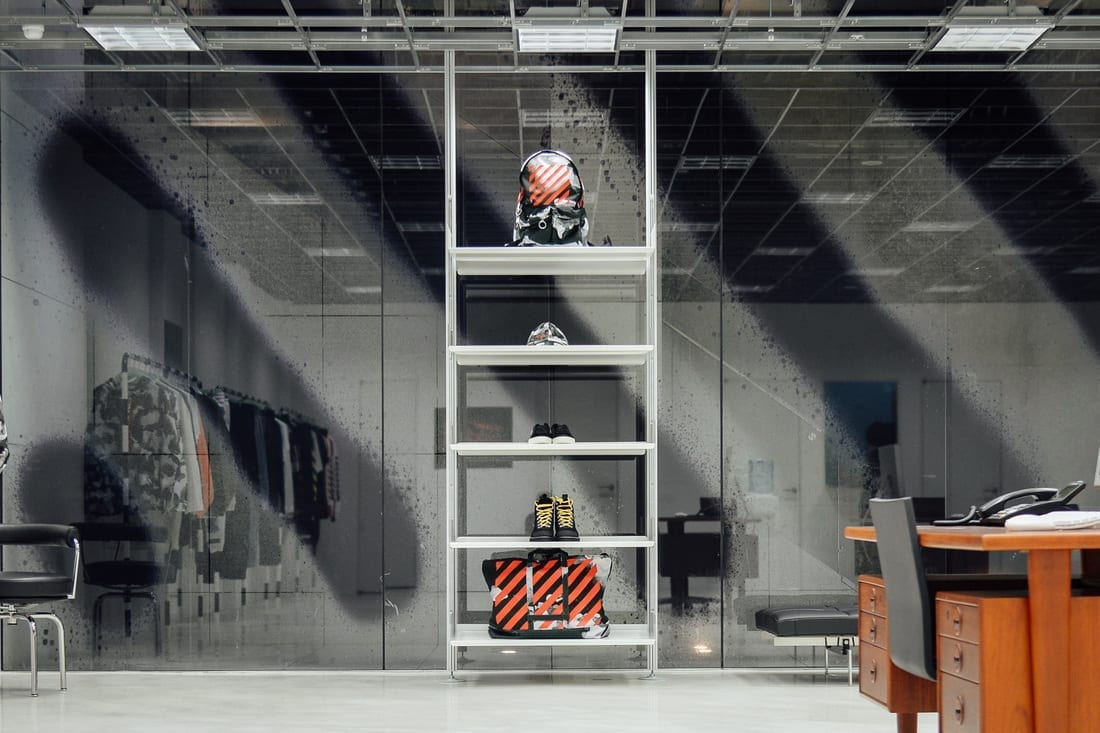
    The two-tiered, 746-square-foot space is designed by Virgil Abloh himself, and boasts an industrial finish with a concrete bottom floor and exposed interlocking metal rods that make up the ceiling. The factory setting is juxtaposed against gold countertops and fixtures, and a mint green curtain and matching carpet on the top floor.

    Marking the brand’s second Hong Kong location, Off-White has dropped a 10-piece capsule collection to coincide with the store debut.

    The Hong Kong collection features both men’s and women’s apparel and accessories, including t-shirts, sweatshirts, jeans, denim cut-off shorts, as well as socks, backpacks and a handbag; the latter features a strap with Off-White’s signature slant line pattern and an additional pink strap. The other collection pieces come stamped in a moniker ‘X’ arrow design and a 3D line pattern.

    Launching in 2013, under the helm of Virgil Abloh, Off-White has continued to expand its retail presence rapidly. With a specific focus on Asia, Off-White has two mainland China locations, including one in Shanghai’s I.T. department store and one in Beijing’s Galeries Lafayette.

    It currently operates ten stores around the world in Hong Kong, Beijing, Shanghai, Tokyo, Seoul, Singapore, London and Toronto. Off-White is planning a New York store this year.

  • Decathlon to open first Hong Kong stores in August

    Decathlon to open first Hong Kong stores in August

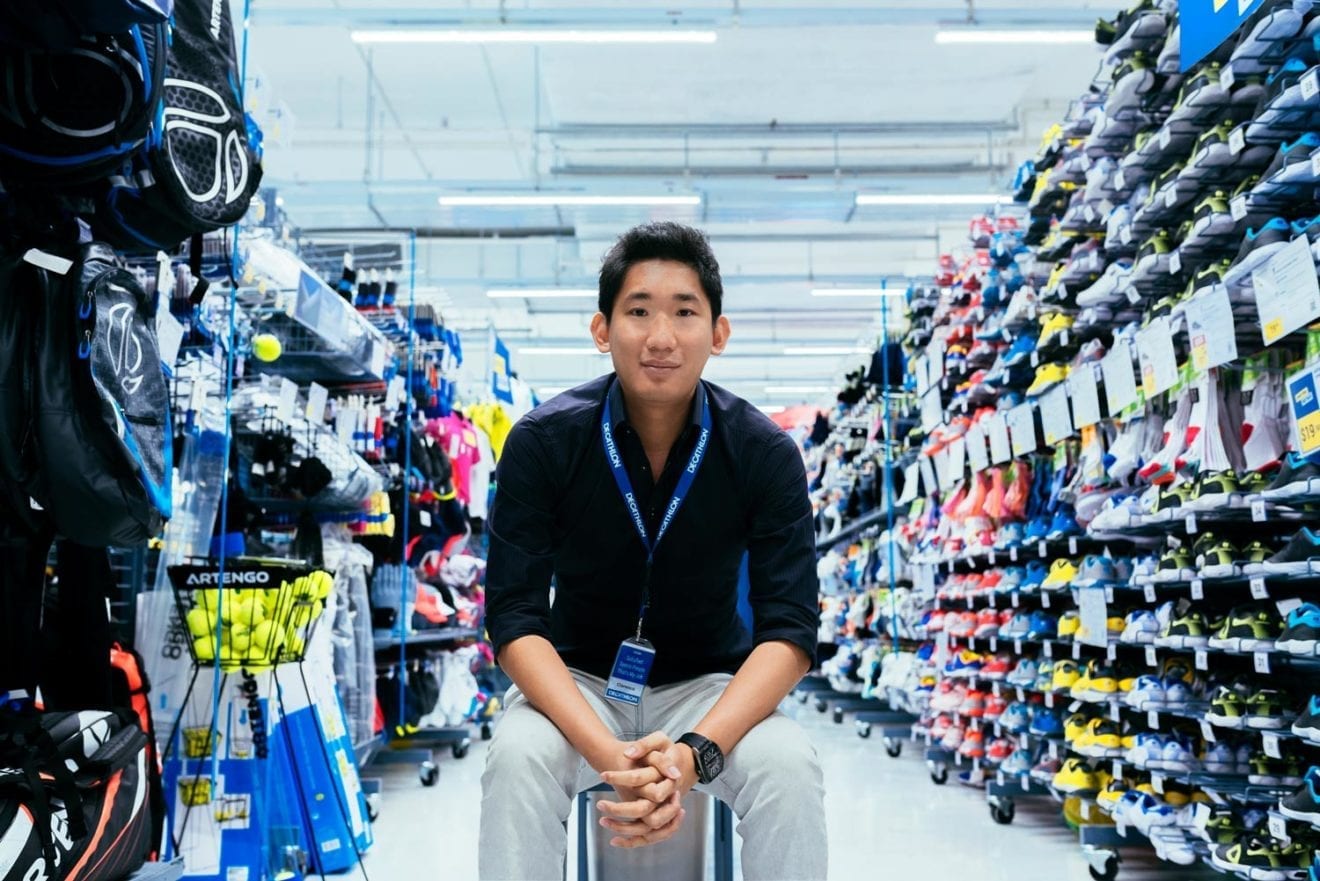
    Decathlon will open its first Hong Kong store this year, with plans for two locations – one in Mong Kok and the other in Causeway Bay.

    The French multibrand sports retailer will bow its first Hong Kong stores in Mong Kok Grand Plaza Basement and Causeway Bay Park Lane, according to a post on Decathlon Hong Kong’s Facebook account.

    While store specifics or dates have not been given, Decathlon Hong Kong said the openings would take place in August.

    “Finally, your new sports stores open in August,” said a post on Facebook.

    Decathlon first entered Hong Kong in 2015 with the launch of country-dedicated website and e-commerce platform.

    In February 2017, the French group reported a 12% lift in revenues during 2016 (+4.4% on a like-for-like basis), reaching 10 billion euros, excluding taxes.

    Earlier in the year, it launched sub-brands Itiwit — a paddle-board line, and Subea — an underwater sports brand, to bolster its current sporting goods offering

    A recent report published by corporate finance advisory firm Capitalmind pinned the global sporting goods market at $388 billion in 2015, up 5%. The report said Intersport, Decathlon and Foot Locker currently dominate the sporting goods distribution market worldwide.

  • Introducing BistroChat, Hong Kong-based restaurant booking app

    Introducing BistroChat, Hong Kong-based restaurant booking app

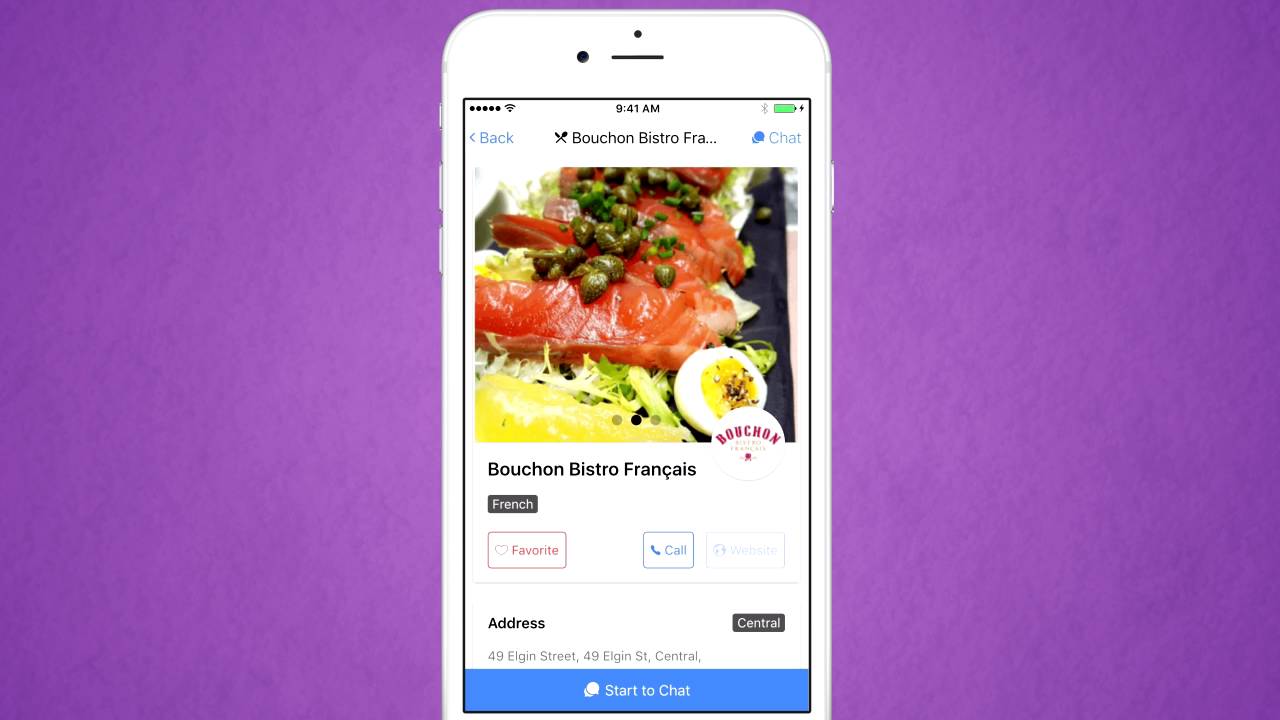
    An innovative restaurant booking app by chat recently penetrated the Hong Kong market. Alexandre Sonier, co-founder of the application BistroChat, defines it as being similar to “having WhatsApp, but with restaurant contacts instead”. Its features let its users chat directly with the staff to make restaurant bookings easy, hence making it unique in Asia Pacific.

    Today, BistroChat mainly seduces expatriates living in Hong Kong, and especially women. People aged from 25 to 40 years old with high standards of living generally use this app. According to Alexandre, settling in Hong Kong was a choice. In his vision of the industry, trends are different from a market to another. He justifies his point by saying that it is difficult to launch a new application in China, as everything is concentrated on QQ and WeChat platforms. In the same way, “the US is saturated, as the app offer is too wide”. This is in opposition with Asia Pacific, and especially Hong Kong, as BistroChat co-founder says “people buy more and more smartphones, while constantly looking for new apps. We think this it is the right time to launch a new app in this region”.

    This application is the work of three men who used to work in different startups across the world for a few years. As app developers, they managed to cover all the skills needed to launch their project, making it possible to build it in-house. Raised investments led to the creation of an MVP, allowing the company to grow within the industry.

    The particularity of BistroChat is that it is hassle-free. Today, two options are possible when it comes to booking a table in a restaurant: calling; or online reservation, which can take more time because of a longer process. By entering the market, BistroChat offers an instant connection between restaurants and its customers. Making a reservation via this app is done through chat, hence directly relating the client to the staff.

    Furthermore, competitors send an email to the restaurant in order to notify them of a new booking. Alexandre notes that this cannot work with last minute bookings, hence justifying that chat is more convenient. According to him, instant confirmation can be made, and name and phone number spellings are no problems anymore. Those features make the app more appropriate for special requests.

    It is thus with the objective of standing out from the broad app offer on the market that BistroChat maintains its efforts and innovation processes. As its co-founder states: “we don’t see an app as a one-time development but as a continuous process of improvement”. This leaves plans for building new features such as the AI, which would suggest and recommend to users new and trending restaurants, based on their preferences.