Tag: Hong Kong

  • Hong Kong International issues latest F&B tender in Terminal 1

    Hong Kong International issues latest F&B tender in Terminal 1

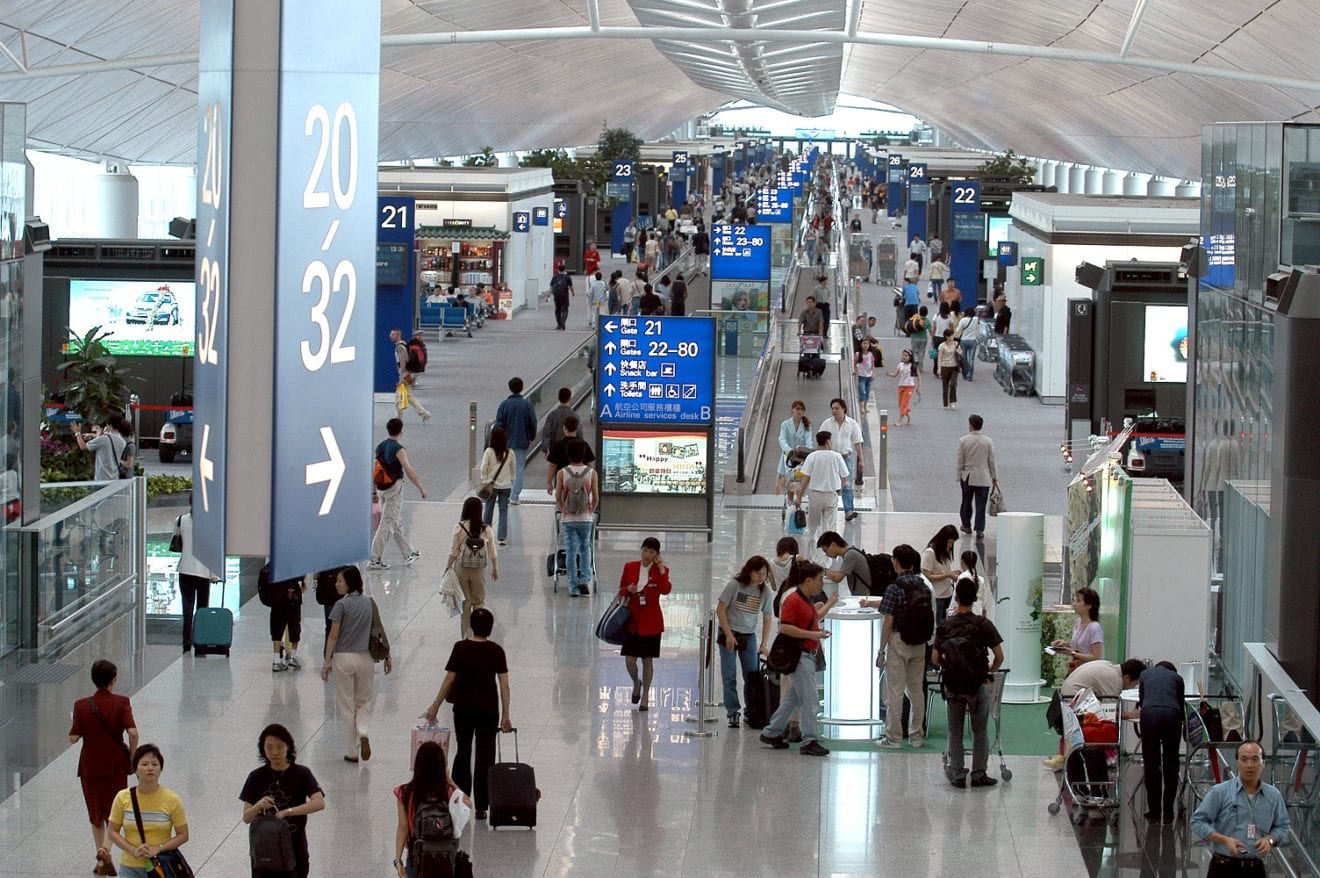
    Airport Authority Hong Kong has issued a tender for a bar and restaurant concession in Terminal 1 airside at Hong Kong International.

    The 258sq m outlet is located on Level 7 in the East Hall departures area.

    The airport company said the tender represents “a unique business opportunity for Bar & Restaurant operators in this prestigious aviation hub in Asia”.

    The closing date for offers is 6 July. The latest F&B tender represents “a unique business opportunity” says Airport Authority Hong Kong

    Other current bid opportunities at HKIA include, as reported, the airport’s confectionery retail licence, where the submission deadline for the eight-store contract is 4 July.

    Separately, Airport Authority Hong Kong has called for offers for a baby essentials & kidswear concession in the T1 West Hall. At stake is a 74sq m unit, with bids due by 8 June.

  • Sainsbury’s is in Hong Kong

    Sainsbury’s is in Hong Kong

    Hong Kong residents with a craving for good honest British eats, today is your lucky day – Sainsbury’s quality UK groceries have finally arrived in Hong Kong, at Market Place by Jasons.

    Over 200 Sainsbury’s top quality daily essentials and indulgent products are now exclusively available at Market Place by Jasons and other Dairy Farm stores in Hong Kong. From classically British biscuits, coffee and jams, to 100% fruit juices and frozen vegetables, to family-friendly snacks, cereal and lots more, shoppers will be able to enjoy a wide assortment of authentic British foodstuff. Every product is stringently quality-tested in the UK and free from genetically modified ingredients.

    “We’ve put our ear to the ground Hong Kong, and the consensus is clear – shoppers want more choices of good quality food and trustworthy groceries sourced from around the globe,” explains Michael Han, General Manager, Upscale Stores and E-Commerce, Market Place by Jasons Hong Kong. “By introducing Sainsbury’s to Hong Kong for the very first time, we are fulfilling the Market Place by Jasons promise to help shoppers’ discover new products that support a healthy, happy lifestyle.”

    Karen Whitworth, Director of New Business & International, Sainsbury’s, adds, “All our products are produced with integrity and quality, as they have been since Sainsbury’s was founded in 1869, and we’re delighted to offer our premium products to Hong Kong shoppers who want grocery items that are fantastic quality and great value. We’re proud to partner with Hong Kong’s vast and trustworthy network of Dairy Farm supermarkets, and we couldn’t be more thrilled to bring Sainsbury’s famously British foods to Hong Kong.”

    Chef Burney, founder of Invisible Kitchen is collaborating with Market Place by Jasons to create four mouthwatering (and surprisingly easy!) recipes featuring Sainsbury’s best-of-British ingredients alongside premium favourites from Market Place by Jasons.

    Inspired by the ingredient-driven, rustic style that defines modern British cuisine, each recipe was tailor-made in a cooking demonstration by Chef Burney and sampled by guests at the official Sainsbury’s launch on 12 May at Market Place by Jasons.

    Now, Market Place by Jasons is sharing the chef’s delectable recipes with everyone in Hong Kong. Read on to discover them for yourself!

    Shop Sainsbury’s now at Market Place by Jasons, ThreeSixty, Jasons Food & Living, and selected Wellcome supermarkets.

  • OCBC buys Australia bank’s retail, wealth business in Singapore, Hong Kong

    OCBC buys Australia bank’s retail, wealth business in Singapore, Hong Kong

    With Australian banks retreating from the retail business in Asia, OCBC has scooped up the retail and wealth business in Singapore and Hong Kong of Australia’s largest business bank, National Australia Bank (NAB), to bump up both its mortgage portfolio and customer base.

    Observers said the deal reflects the surging costs for foreign banks in competing against local players in the retail and wealth space in Asia.

    While there is undoubted growth in wealth in the region, non-domestic players would have to spend significantly to expand their product and services suite beyond a boutique presence.

    “In American football, there’s a phrase, ‘Go big or go home’. And based on a cost-benefit analysis, it was time to go home,” said one observer, pointing to NAB’s exit from the Asian wealth business.

    The negotiations for the profitable business unit took about three months, The Business Times understands. The acquisition, in effect, has Singapore’s second-largest bank buying up about US$1.7 billion of mainly residential mortgage loans, with more than half of the properties in the major Australian cities of Sydney, Melbourne and Brisbane, OCBC announced on Thursday. Notably, over 50 per cent of these mortgage loans are booked in Hong Kong.

    The purchase price will match the value of the loan-book at the time that the transaction closes, which is expected to be by the end of the year.

    To be clear, the purchase comes with a US$3.05 billion deposit portfolio comprising a mix of currencies that include the Australian, Hong Kong, Singapore and US dollar.

    OCBC will reach about 11,000 new customers, with more than 7,000 in Singapore and about 4,000 in Hong Kong. Most of the customers are Singapore and Hong Kong residents.

    With the mortgages increasing the bank’s overall mortgage portfolio by about 4 per cent, one analyst noted that the bump is “negligible”.

    “OCBC does get 11,000 customers out of it – though how sticky they are is another issue. (But) the low customer acquisition cost is probably the attraction for OCBC,” he said.

    OCBC said the acquired business will be earnings accretive to the bank within the first year of completion.

    The mortgage portfolio is made up of mainly home loans with an average loan-to-valuation ratio of below 60 per cent, as weighted according to the value of the loans. NAB also has a “strong track record with negligible delinquencies”, OCBC said.

    The business adds to the bank’s overseas property financing programme for real estate in Australian cities such as Sydney, Melbourne and Perth.

    “This deal makes financial and strategic sense to us,” said Ching Wei Hong, OCBC’s chief operating officer, noting that the mortgage loan book would have required “time and money” to grow via organic means.

    “The mortgage portfolio to be transferred to us is a high quality and well-supported one, (while) the customers are in the affluent segment that we have been building.”

    The deal also comes amid surging profit contribution of regional business for OCBC. The bank’s shares closed on Thursday at S$10.56, up 10 cents.

    The market is drawing comparisons between the NAB transaction and the one signed by DBS and ANZ in November, with ANZ selling most of its wealth and retail business in Asia for S$110 million to Singapore’s largest bank.

    That S$110 million represented about 0.5 per cent of the S$23 billion of assets under management from ANZ’s wealth business, mostly out of Singapore and Hong Kong.

    The ANZ sale to DBS also included loans and deposits, but was also in effect a self-funded loan book. At the point of announcement, DBS said it would take up about S$11 billion of loans once financed by ANZ, as well as S$17 billion in total deposits owed to former ANZ customers.

    It should also be noted that ANZ took a A$265 million (S$275 million) loss on the sale to DBS, reflecting write-offs taken for software, goodwill and fixed assets, as well as transaction costs. By contrast, NAB said the sale will not have a material financial impact on it. It is now focused on helping business customers in Australia and New Zealand access the Asian markets.

    In a media statement, Neil Parekh, NAB’s general manager for Asia (ex-Greater China) said: “We wanted a buyer that could meet our customers’ growing demand for a wide range of wealth management solutions in Asia. OCBC is uniquely qualified to do so.

    “We will work closely with OCBC during the transition to completion to ensure a smooth process for customers moving to a business with a comprehensive product offering and strong presence in Asia.”
  • BYOD security a key focus for Hong Kong CIO’s

    BYOD security a key focus for Hong Kong CIO’s

    One in three Hong Kong CIOs believe that a lack of employee knowledge and skills around data security is the most significant security risk their organization will face in the next five years, according to Robert Half Hong Kong.

    A survey commissioned by the specialist recruitment consultancy finds that Hong Kong CIOs are stepping up the fight against the security risks posed by the widespread adoption of bring-your-own-device (BYOD) practices.

    With nearly three in four (74%) local CIOs allowing employees to access corporate data on their personal devices, the security risks of BYOD have become a top priority.

    Nearly all (99%) CIOs are taking steps to protect their company from potential data breaches in light of the threat posed by BYOD, the research shows.

    In addition, 57% have deployed mobile device management technologies to enforce enhanced protection on employee mobile devices, 56% require workers to sign an acceptable use policy 51% are providing training to their staff on maintaining security with using their mobile devices and 45% are using authentication software.

    The growing focus on security is meanwhile generating an increased demand for IT security specialists with the niche skills needed to protect companies against data security risks.

    But 98% of Hong Kong CIOs report finding it challenging to source skilled technology professionals, with 23% stating that professionals with mobile security skills are in top demand.

    “With such a highly mobile and device driven workforce in Hong Kong, it is no surprise that companies see potential in boosting productivity and engagement by offering BYOD options,” Robert Half Hong Kong managing director Adam Johnston said.

    “However, these practices pose a significant cyber-security threat and demand that corporate networks and data are protected, that mobile device management strategies are put in place, and that security policies are developed.”

  • Hong Kong retail sales climb 3.1% in March

    Hong Kong retail sales climb 3.1% in March

    Hong Kong’s retail rut is no more. For the month of March, Hong Kong retail sales lifted 3.1%, the first gain in two years, as visitors from mainland China returned to the city’s shopping regions.

    The 3.1% uptick in Hong Kong was a measure of total revenues, while retail sales in volume terms gained 2.7%, rising for the first time since July 2015 according to figures released by the Hong Kong government’s Census and Statistics Department (C&SD) on Monday.

    “Retail sales resumed moderate year-on-year growth in March,” said the government in a statement.

    “This reflected partly the continued recovery of visitor arrivals and partly the robust local consumption demand.”

    Local tourism surged 10.4% in March compared to the same month last year, pushed on by the return of mainland Chinese arrivals. It was the most growth recorded since February 2015.

    March’s return to growth follows a dire start to 2017 for local retailers. Hong Kong retail sales dived 5.7% in February, after January sales contracted just 1%, said the C&SD.

    In recent months, Hong Kong tourism has been hurt by an influx of Chinese tourists to Macau, the only Chinese territory where gambling is legal. The region is fast becoming a shopping hotspot too, with major retailers opening stores close to casinos and restaurants.

    This includes US lingerie heavyweight Victoria’s Secret, who bowed its assortment retail store in Macau this month.

  • In-flight hackathon held between Hong Kong – London

    In-flight hackathon held between Hong Kong – London

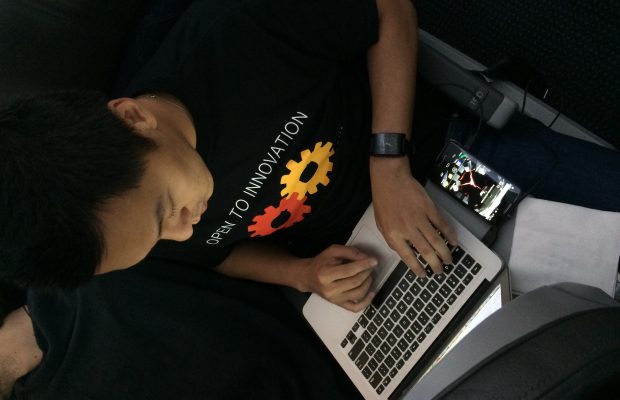
    Travel fare aggregator website Skyscanner has completed the world’s first in-flight hackathon on an 80-hour trip between Hong Kong and London.

    A total of 32 entrepreneurs, engineers and designers took place in the hackathon, which commenced on May 5 and involved the use of Skyskanner’s Flights API.

    The hackathon also gave participants access to Skyscanner’s Travel Insight product, which provides  routes and pricing data and insights from the website’s more than 50 million monthly users, and access to real life travel customers to test their assumptions while building an app.

    Skyscanner was founded in Scotland in 2001, and was acquired by China’s largest travel company Ctrip in November last year for $1.75 billion.

    The company said the novel hackathon was designed to allow developers to immerse themselves in the travel experience while building an app. Last year, the company also launched its Build with Skyscanner competition aimed at aspiring entrepreneurs.

    “We are delighted to be supporting Hack Horizon and the 32 finalists chosen for this innovative event,” Skyscanner commercial director Paul Whiteway said.

    “We are always keen to support great start-ups with our APIs, and are excited to see the results from the new products – particularly with the immersive and totally unique experience this hack provides for the developers involved.”

  • Ikea plans fourth Store In Hong Kong

    Ikea plans fourth Store In Hong Kong

    Dairy Farm International, parent company of Ikea’s business in Hong Kong, recently revealed that Ikea plans to open its fourth outlet in Hong Kong during the second half of 2017.

    This new Ikea store will be reportedly located in the Tsuen Wan area of northern Hong Kong.

    Dairy Farm International revealed the news about the new store opening in its annual performance report; however, the company did not mention the detailed address of the new site.

    Dairy Farm International is a multi-model retailer listed in Hong Kong. It owns the franchising rights of Ikea in Hong Kong, Indonesia, and Taiwan. Later this year, the company plans to open Ikea’s second store in Jakarta, capital of Indonesia.

  • Chow Tai Fook to open its first branded boutique in the US

    Chow Tai Fook to open its first branded boutique in the US

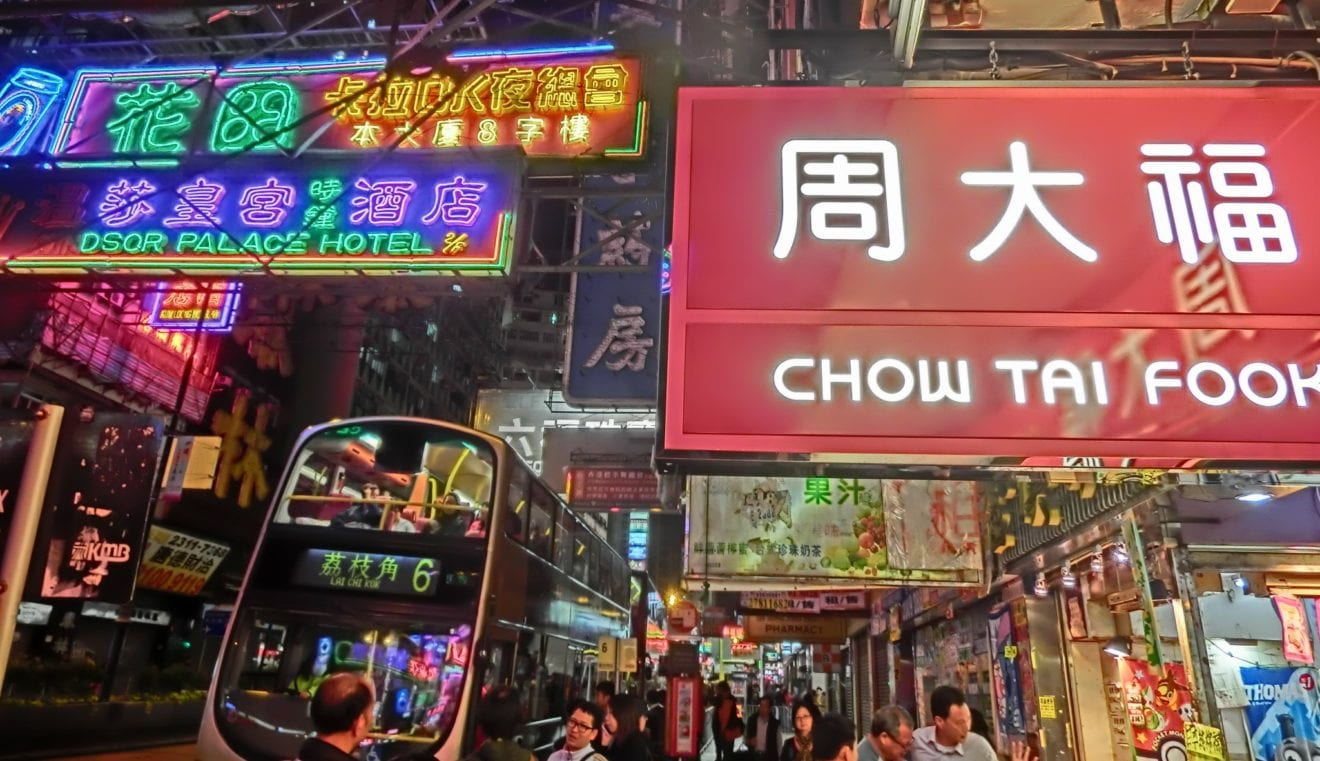
    With Hong Kong-listed jeweler Chow Tai Fook recently laying claim to the world’s most expensive cut diamond ever—sold at a Sotheby’s auction on April 4—the increasingly iconic Jewellery Group this week announced the further expansion of its global footprint, with the opening of its second American retail outlet, and the company’s first own-branded boutique in the United States.

    Chow Tai Fook, who last November opened its first stateside store in Macy’s NYC, revealed on Monday that the second store will be opening in the heart of Honolulu, Hawaii, situated at T Galleria by DFS. The LVMH-owned duty-free retailer rebranded its worldwide T Galleria stores back in 2013, with the hope of attracting China’s increasingly sophisticated millennial consumers—and chose its Hawaii location in which to announce the renaming of its non-airport Galleria locations. Four years on, and the duty-free mall will next month be the location for the opening of Chow Tai Fook’s 970-square-foot-store, looking to capture the attention of wealthy travelers visiting the surrounding luxury resorts and beaches.

    With Chinese tourists recently reported as the only group of travelers for whom Donald Trump’s presidency has made it more likely than ever for them to visit the United States, the current political climate encourages luxury outlets to increasingly target Chinese consumers from within America. The Chow Tai Fook Jewellery Group currently boasts an extensive network consisting of over 2,300 retail points globally, with more than 2,000 jewelry and luxury watch outlets in Greater China.

    According to company Managing Director, Kent Wong, Chow Tai Fook will be “looking to capture the vast growth potential of leisure spending in the Hawaii market” and take advantage of the Hawaiian capital of Honolulu as both a popular holiday location, and a frequent luxury honeymoon and wedding destination. Aiming to entice consumers from both home and abroad with the opening of their first ever own-branded boutique in the United States, the agreement signed with the world’s leading luxury travel retailer promises the support of T Galleria’s 50 years of experience in the Hawaiian market.

    The news, however, comes after reports earlier this year of Chow Tai Fook choosing to target younger consumers within China, opening outlets stocking jewelry at about a third of the price of that sold at the company’s flagship Chow Tai Fook-branded stores. With jewelry at these outlets sold at an average price of 2,000 RMB ($291), Chow Tai Fook seem to be turning their attention overseas to the more affluent Chinese traveler. The Chow Tai Fook boutique in Haiwaii will offer a range of luxury products including gem-set jewelry, fixed-price gold products and platinum and karat gold jewelry, alongside exclusive collections such as Oriental Blessings and Jardin Magique. The store will also stock exclusive wedding jewelry.

    After the announcement of the store this Monday, there won’t be long to wait before the Jewellery Group can begin to determine whether its changing marketing strategy will pay off—Chow Tai Fook’s Hawaiian boutique will open this May at T Galleria, Honolulu.

  • Hong Kong Investor Expresses Investment Commitment to Jokowi

    Hong Kong Investor Expresses Investment Commitment to Jokowi

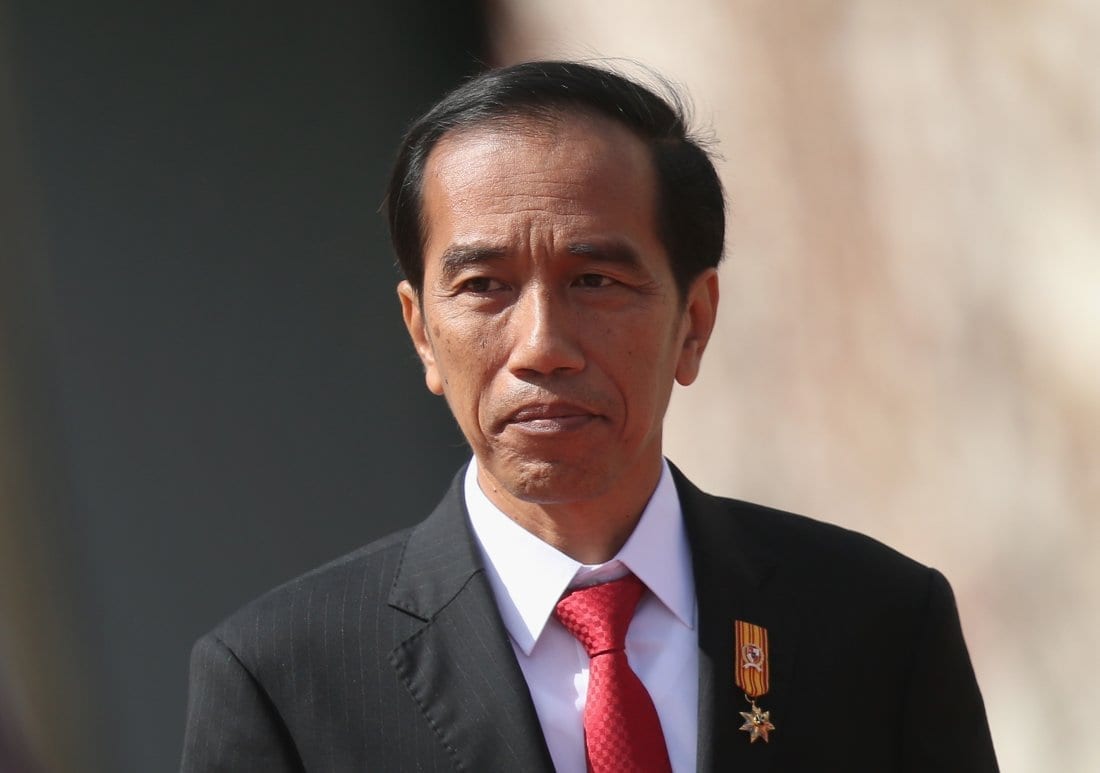
    During a meeting with President Joko Widodo or Jokowi at Conrad Hotel in Hong Kong, CK Hutchison Holdings Limited owner Li Ka-Shing expressed investment commitment in Indonesia.

    “CK Hutchison Holdings Limited is one of the largest companies listed in the Hong Kong Stock Exchange,” Foreign Minister Retno Marsudi said in a press release on Monday, May 1, 2017.

    CK Hutchison Holdings Limited is one of the largest container terminal operators in the world with a total investment of US$10 billion. Retno explained that the company views Indonesia as a country with a huge potential. Therefore, Li Ka-Shing expressed his commitment to increasing the company’s investment in Indonesia.

    “A commitment to increasing investment in Indonesia has been made,” Retno added.

    During the meeting, President Jokowi also elaborated a number Indonesian government plans to improve the economic growth.

    “Indonesia’s economic reform was one of the topics raised by President Jokowi,” Retno said. “President Jokowi also explained Indonesia’s infrastructure development plans.”

    In addition to Retno, attending the meeting were Trade Minister Enggartiasto Lukita, Cabinet Secretary Pramono Anung, and Investment Coordinating Board head Thomas Lembong.

  • Banks are closing branches all over the world, but why not in Hong Kong?

    Banks are closing branches all over the world, but why not in Hong Kong?

    Retail banking in Hong Kong seems resilient if you look at the number of outlets. Elsewhere in the world, bank branches have been closing; in Hong Kong, by and large, they have stayed open.

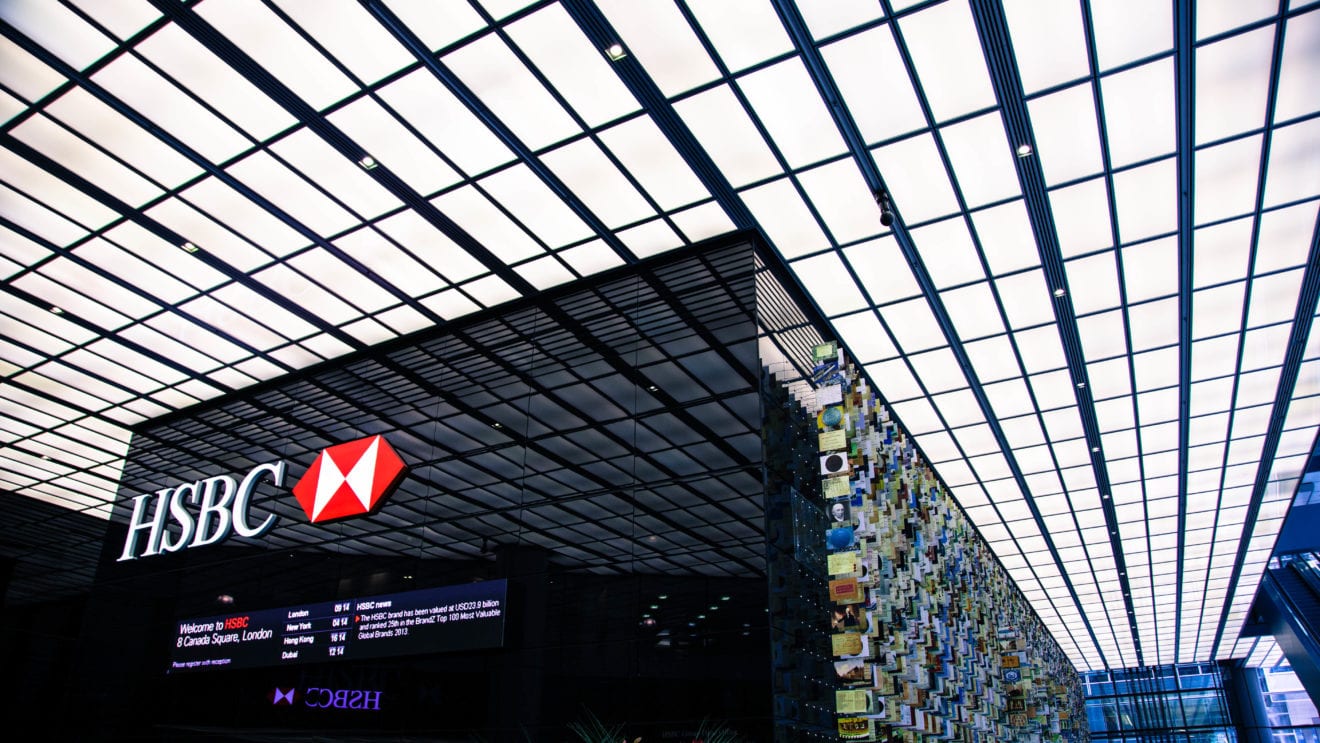
    HSBC will have halved its UK presence compared to 2011 by the end of this year, but a spokesman for the bank said in January that there was no programme of branch closures in Hong Kong

    Meanwhile, earlier this month, Citi announced that it would close 80 per cent of its branches in Korea, a move that has not been replicated in Hong Kong to anywhere near the same extent. In both cases the move towards digitisation was given as a reason.

    The slower take up of digital services by Hong Kong residents is at least part of the reason why there have not been similar closures in Hong Kong.

    “While we see that a growing number of basic transactions like payments are shifting to online and mobile channels, our customers continue to use branches for wealth management and mortgage services which need more personalised support,” said Greg Hingston, HSBC’s head of retail banking and wealth management Hong Kong.

    “Also there are still segments of the population that don’t use digital banking and … we continue to invest in outlets to serve these customers.” This has had positive consequences for employment in Hong Kong.

    “In the Netherlands, ING laid off 1,000 staff as they moved to more digital operations. Because there has not been the same take up of digital in Hong Kong, we have not seen any significant decline in branch headcount,” said Maggie Li, associate director of banking and financial services at Randstad Hong Kong.

    “In fact at the moment in Hong Kong digitisation means that banks are hiring more staff as they adjust to the changes.”

    However, there are reasons for branches remaining open in Hong Kong above the digital dimension.

    “In Hong Kong it is also important to note that the degree of customer account concentration per branch is very high and our network is very productive, unlike other markets where [it] is much lower,” said Hingston.

    Hong Kong’s sky high housing prices are a factor in this too.

    “Mortgages in Hong Kong are much larger than mortgages elsewhere, and if a bank were to close branches, losing a small fraction of this business would still be a significant sum,” said Keith Pogson, senior partner for financial services at EY.

    Branch closures have been seen in less profitable areas, and last year, BEA closed all 22 branches of its East Asia Securities outlets.

    Customer behaviour is also playing a role.

    “In Hong Kong when customers are choosing a bank, the convenience of its location – usually how close it is to their place of work rather than where they live – is an important aspect, and so that is another reason why branches are staying open,” said Pogson.

    Hong Kong’s banking regulator is also keen for banks to maintain a physical presence.

    “The HKMA attaches great importance to the accessibility of basic banking services to the general public, and has been encouraging the banking industry to put the spirit of financial inclusion into practice when developing their banking networks,” a HKMA spokeswoman said.

    The spokeswoman added that there were even plans afoot for more bank branches to open. “Three note-issuing banks and five retail banks plan to open about 10 branches and deploy one mobile branch in the next 12 months or so to provide basic banking services for the residents in remote areas and public housing estates,” she said.

    Branches are becoming more about selling additional services to clients, and not just offering transactions

    Keith Pogson, senior partner for financial services at EY

    Nonetheless, bank branches in Hong Kong are starting to change.

    “Branches are becoming more about selling additional services to clients, and not just offering transactions,” said Pogson.

    “This means that there has been some change in the people employed in branches, as banks look to raise branch staff’s capabilities to offer more.”

    There are also now indications that banks are starting to adapt their offerings, and a number are exploring wholly digital branches.

    Other adaptations may even involve some closures or “rationalisations”.

    “Going forward, Bank of China Hong Kong will continue to explore the feasibility of using innovative forms of banking service delivery channels and to rationalise its branch network to provide customers with banking convenience beyond conventional branch services,” said a spokeswoman for the bank.

    As Hong Kong consumers gradually become more willing to use technology, and technology provided by the banks improves, then the pace of such changes may accelerate.

  • Sa Sa International’s shares decline on profit warning

    Sa Sa International’s shares decline on profit warning

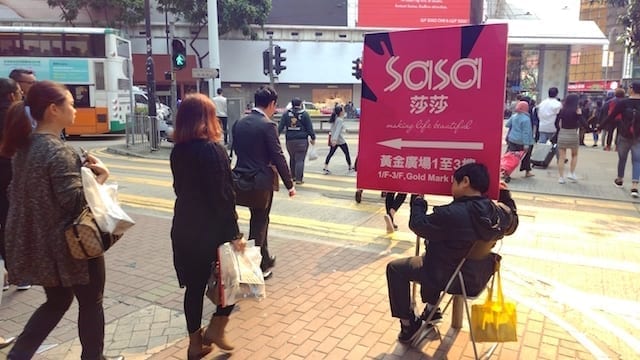
    Shares of Sa Sa International Holdings, Hong Kong’s largest cosmetics chain, declined almost 1% here on Wednesday morning after the company warned of a profit decline for the financial year ended in March.

    Although Sa Sa’s turnover during the three months through March was 2.02 billion Hong Kong dollars ($260 million), increasing 4.9% from the same period a year earlier, investors were discouraged by a separate filing that indicated net profit for the full financial year could fall anywhere from 10% to 20%.

    The group carries both its own brands and international cosmetics. It boasts over 280 stores across Asia. While sales in its major markets of Hong Kong and Macau recovered toward the end of 2016, online sales were below expectations.

    Simon Kwok Siu-ming, Sa Sa’s chairman and CEO, said in a statement that the group’s efforts to adjust its product lineups to better align with a market demanding trendy products has “caused a continued downward pressure on gross profit margin.”

    Hong Kong’s entire retail environment is facing headwinds due to fewer tourist arriving from mainland China. Retail sales in the territory last year dropped 8.1%.

    Some analysts see a recovery — at least one led by mainland tourists — as hard to come by.

    “Retail sales in Hong Kong are not going to have a strong boost from Chinese tourists like before,” said Andes S.C. Lau of Prudential Brokerage in Hong Kong.

    Still, further big drops are unlikely.

    Lau sees Sa Sa’s share price, which is hovering at a year-to-date low, as being “supported by investors buying on weakness.”

  • Samsung Pay early access program launches in Hong Kong

    Samsung Pay early access program launches in Hong Kong

    Samsung has launched an early access program for Samsung Pay in Hong Kong, in collaboration with local banks.

    Customers with American Express, Citibank, Dah Sing Bank and Standard Chartered Bank cards are able to register to participate in the early access program.

    The service is expected to launch more widely in the second quarter, adding support for other card issuers including Bank of China (Hong Kong).

    Samsung Pay is a mobile payment system that supports both NFC and Samsung’s own Magnetic Secure Transmission (MST) technologies.

    It uses three levels of security – biometric authentication, card tokenization and the Samsung Knox mobile security platform, as well as the ability for users to lock or wipe Samsung Pay remotely should their phone be lost or stolen.

    To date, Samsung pay has launched in 12 markets worldwide and is in early access in a further four. Over 240 million transactions have been processed by Samsung Pay in the past 18 months.

    Samsung has partnered with payment technology companies American Express, Mastercard and Visa for the mobile payment service.

    “As a global leader in information technology, Samsung has always aspired to create better and more fulfilling experiences for our users through meaningful innovations,” Samsung VP and head of IT and mobile communications Yiyin Zhao said.

    “We hope to offer our consumers a payment service that is truly safe, simple, and widely-accepted. We are also thankful for the support of Mastercard. Together, we are creating a more complete payment experience, further enhanced with promotions, to bring mobile payments capability to more users than ever before.”

    Mastercard division president for Hong Kong, Macau and Taiwan said a recent survey by the payment card company indicates that more than four in 10 Hong Kong consumers have made purchases via their mobile device in the past three months.

    “This partnership demonstrates Mastercard’s commitment to delivering innovative solutions for the rapidly evolving mobile payments space,” he said.

    Compatible Samsung Pay devices include the Galaxy S8+, Galaxy S8, Galaxy S7 edge, Galaxy S7, Galaxy S6 edge+ and Galaxy Note5, with more compatible devices due to launch soon.

  • Hongkongers at home with mobile shopping

    Hongkongers at home with mobile shopping

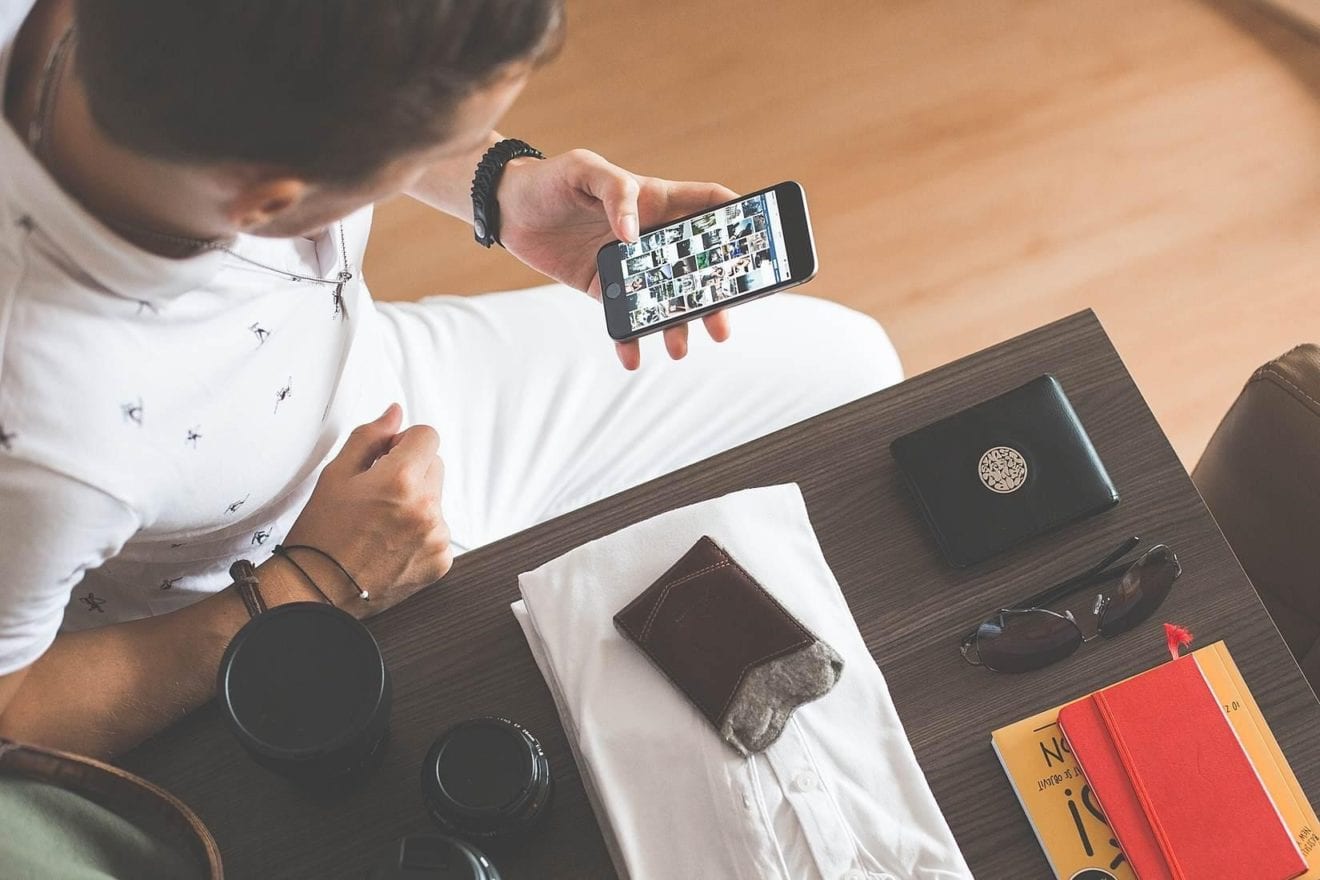
    Mobile shopping in Hong Kong and has now become a vital part of local consumers’ online purchasing habits, with more than two in every five of them having made purchases via their mobile device in the last three months, according to the latest Mastercard Online Shopping Survey.

    The survey was carried out across fourteen markets in Asia Pacific — Australia, China, Hong Kong, India, Indonesia, Japan, Malaysia, New Zealand, Philippines, Singapore,   South Korea, Taiwan, Thailand and Vietnam. A total of 8,738 consumers were polled online in November 2016.

    Results show that well over three quarters (80%) regarded security of payment facility as a key consideration when shopping online.

    The survey revealed that 44% percent of local consumers made a purchase through their mobile phones in the three months preceding the survey, up from 43% in 2015 and 38% in 2014, when the survey was first launched. An additional 14% did not make any purchases but intend to do so in the first half of 2017.

    Convenience (55%) continues to be the key driver for mobile shopping, followed by the growing prevalence of apps (42%) that make it easier to shop and the ability to shop on the go (26%).

    Regarding their mobile shopping habits, half of local consumers said they had downloaded a shopping app on a mobile device in the last six months. Clothing/accessories (34%) remain the key category purchased through mobile phones, followed by cinema tickets (26%).

    Purchase of airline tickets shot up to 21% in 2016, compared to 10% in 2015, while transactions on hotel accommodations (21%) and personal care/beauty-care products (120%) remained relatively stable.

    In terms of tools, group buying (29%) is increasingly used in Hong Kong, followed by digital wallets (17%) and financial investment apps/ in-social network marketplace apps (15% each).

    The majority of consumers in Hong Kong (88%) made at least one purchase online in the three months preceding the survey, representing a 4% increase from 84% in 2015. Four in five local consumers revealed plans to shop online in the first half of 2017.

  • Jokowi Strengthen Economic Ties with Hong Kong

    Jokowi Strengthen Economic Ties with Hong Kong

    President Joko Widodo, also known as Jokowi, has planned to strengthen bilateral cooperation between Indonesia and Hong Kong during a working visit to Hong Kong scheduled on April 30, 2017, after attending the ASEAN Summit in the Philippines on April 28 and 29, 2017.

    “We want to encourage Hong Kong business owners to invest in Indonesia, particularly in the field of infrastructure and creative industry,” Foreign Ministry spokesperson Arrmanatha Christiawan Nasir said during a press conference in Jakarta on Tuesday, April 25, 2017.

    As one of the largest economy in the region, Indonesia aims to strengthen economic ties with Hong Kong. Delegations of both countries will sign two memorandums of understanding on business collaborations and partnerships in the culture sector.

    Indonesia will also push an agenda to expedite negotiations related to the ASEAN-Hong Kong Free Trade Agreement, which is expected to increase the intensity of trades between ASEAN and Hong Kong.

    In 2016, the realization of Hong Kong’s investment in Indonesia reached USD 2.25 billion, significantly increasing from those realized in previous years that stood at around USD 691 million. The trade value between the two countries climbed to USD 3.9 billion in 2016 from USD 3.8 billion in 2015.

    President Jokowi will also discuss protections for Indonesian citizens in Hong Kong.

    “The President also pays attention to protections for our migrant workers. There are 172,000 Indonesian migrant workers in Hong Kong,” Armanatha revealed.

  • Luk Fook sales recover from three-year slide

    Luk Fook sales recover from three-year slide

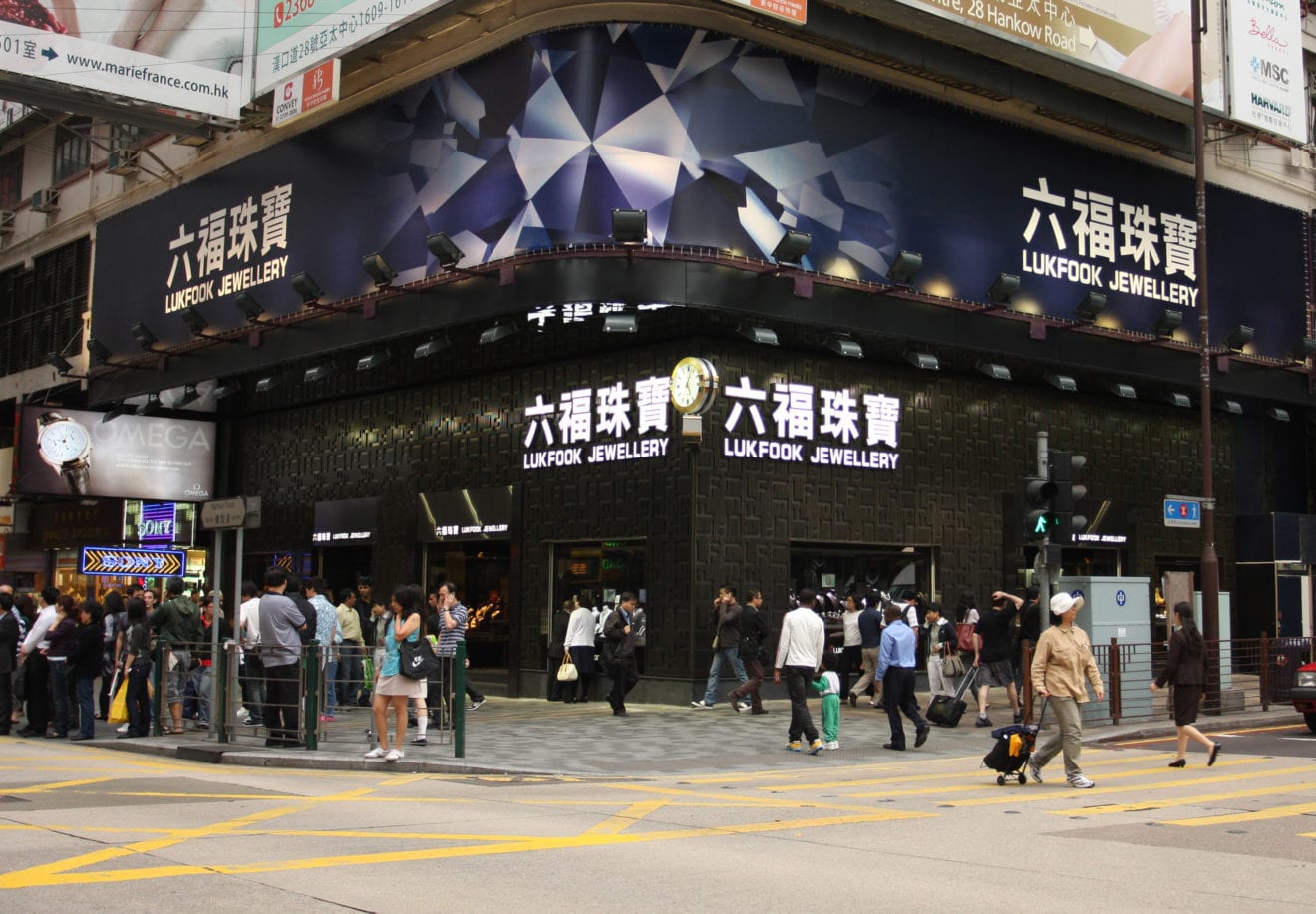
    After 12 consecutive quarters of decline, jeweller Luk Fook has recorded a 2 per cent turnaround for its fourth quarter, ended March 31.

    The retailer says that with a relatively low base and encouraging improvement in the Hong Kong/Macau market, same-store sales growth moved back into the black for its self-run outlets.

    In addition, Luk Fook sales of gold and gem-set jewellery products rose 16 per cent and 6 per cent respectively in Mainland China leading to double-digit growth for the first time this year, reaching 11 per cent.
    On the other hand, the same-store sales of gem-set jewellery products in Hong Kong and Macau also turned around from a decline of more than three years to achieve 12 per cent growth.

    During the quarter the group opened four self-run shops on the mainland and closed one licensed shop. At the end of March the group had 199 self-run shops in total – 133 in China, 47 in Hong Kong, 10 in Macau and nine in other countries. Together with 1296 licensed shops in China and one in Korea, there were a total of 1496 shops worldwide.