Retail News CRM

Tag: Hongkong

  • Hong Kong ‘losing its edge’ as China Mainlanders look elsewhere

    Hong Kong ‘losing its edge’ as China Mainlanders look elsewhere

    Growth in overnight Mainland visitors to Hong Kong has slumped to a fraction of last year’s figures.

    Total visitor numbers from China’s Mainland in May rose by five per cent year on year – but it’s the day trippers making the numbers, not the cashed up Chinese staying in Hong Kong hotels and splurging on luxury goods.

    The latest Visitor Arrivals Statistics for May released by Hong Kong Tourism Board show the number of overnight visitor arrivals grew a mere 1.1 per cent when compared to last year’s 6.7 per cent.

    Combined with the retail sales for May released earlier this week – which saw a 4.6 per cent seasonally adjusted increase in spending but a 15 per cent slump in luxury goods sales – the drag from the slowdown in tourist spending at retail level is notable.

    Hunter Williams, a partner with OC&C Strategy Consultants, Greater China, believes Hong Kong is losing its edge to attract tourist money in the future.

    Furthermore, he argues, more Chinese travellers are expected to flush all over the world yet the growth in “per pax” spending is likely to be slower.

    The number of outbound Chinese travellers topped 100 million for the first time last year – and that figure is predicted to double by 2020 at the current annual growth of 33 per cent.

    Williams says the problem for Hong Kong and Macau is that both SARs have lost their competitiveness.

    “Hong Kong and Macau are relative losers in the fight for the Chinese travel dollar. Both are seeing lower tourist arrival numbers and significantly lower “per pax” spending. Attempting to shift from exclusively targeting “high rollers” to competing for “middle class” tourists is likely to prove a painful transition,” he says.

    Group travel is still popular amongst Mainland Chinese and draws from “a seemingly bottomless reservoir of first-time travellers,” but the world is now welcoming greater numbers of independent Chinese travellers.

    “We believe there is no longer a “Chinese traveller” per se, but rather, four segments with distinct shopping behaviour.  OC&C Strategy Consultants defines these segments as first-time “travel tasters,” deal-savvy “savvy shoppers,” “white collars” and the high-spending “new elite.”

    Growth in “per pax” spending is likely to be slower, driven by several factors.

    “Firstly, overseas travel is increasingly democratised and open to middle class Chinese, rather than being the exclusive preserve of the elites. Secondly, reacting to exchange rate changes and cuts in import duties, many luxury brands have lowered domestic prices in China, lessening the incentive to shop abroad.

    “Thirdly, China’s anti-corruption campaign continues and “tigers and flies” alike are rightly wary of flaunting ill-gotten gains.”

    A “wealth effect,” says Williams, due to soaring stock market performance could offset some of these factors or a crash could exacerbate them – but the volatility of China’s equity markets makes such speculation problematic.

    Williams also warns retailers to make sure they appreciate how Chinese consumers almost live their lives on their smartphones.

    “From ordering a taxi (Didi Kuaidi); socialising with friends (WeChat); making discounted reservations for dinner (Dianping); shopping the latest fashions (Taobao and Tmall), and even paying for daily necessities at the local convenience store (Alipay), Chinese live on their phones.”

    He says retailers in destinations preferred by Mainland Chinese should expect greater numbers of Chinese travellers than ever this summer.

    “However, these travellers will spend less and will be more digitally demanding than ever. This can be a challenge for the overseas businesses targeting them, as the digital tools and platforms they are accustomed to using are generally China-only.

    “More and more international brands are active on Chinese social media sites like WeChat, but few have a full, 360-degree digital presence.”
  • New post at Luxasia Group for SingPost’s ex-boss

    New post at Luxasia Group for SingPost’s ex-boss

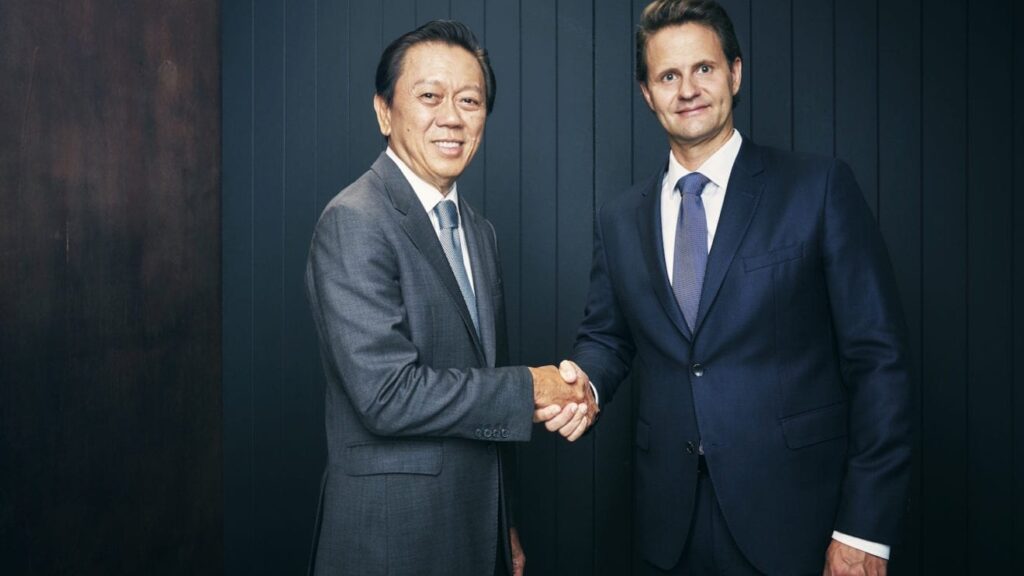
    Beauty retailer The Luxasia Group has appointed former SingPost CEO Dr Wolfgang Baier as group CEO, while founder/owner Patrick Chong has become chairman.

    “Luxasia is now at an important crossroads,” says Chong. “We intend to grow with our international partners and strengthen our core competencies to become the leading Asia consumer-centric omnichannel go-to-market partner of the beauty industry.”

    Patrick-Chong-Wolfgang-Baier

    He says Baier has proven leadership capabilities, vast knowledge and skills in areas such as CRM and omnichannel retail. “His track record in the logistics sector will also help strengthen Luxasia’s partnerships.”

    “Transformation is relevant in every sector and particularly for retail, where the digital and physical space is converging,” says Baier. “This makes developing an omni-channel ecosystem critical. We want to revolutionise how we serve consumers and brand partners in the beauty industry across Asia.”

    Chong says the search for a CEO took more than a year, as it was important Luxasia found the right leader.

    “Not only does Wolfgang understand our operations and share the same aspirations, in some ways he is even more ambitious for Luxasia with regard to developing new areas.”

    Established in 1986, The Luxasia Group has developed retail and distribution networks across Asia for some of the world’s biggest beauty companies. Based in Singapore, the privately held company has 11 offices and more than 2000 full-time employees in Singapore, China, Hong Kong, India, Indonesia, Malaysia, Myanmar, Taiwan, Thailand, the Philippines and Vietnam.

    It manages a portfolio of more than 120 international fragrance, cosmetics, skincare and
    professional salon brands including Beiersdorf, Burberry, Clarins, Estee Lauder, Ferragamo, Hermes, P&G and Shiseido.

  • H&M Hong Kong recognised as top employer

    H&M Hong Kong recognised as top employer

    Fashion retailer H&M Hong Kong has received Asia’s Best Employer Brand Award at a ceremony hosted by the Employer Branding Institute, World HRD Congress and Stars of the Industry Group.

    Presented at the Pan Pacific Singapore, the award recognises organisations in Asia for excellence in building their brand as an employer of choice.

    The jury for the seventh edition of the award – leaders, researchers and academicians – judged companies for their development initiatives, employee hiring, training and retention practices, and HR innovation.

    Vivian Chen, Marketing Director of H&M Greater China, accepted the award on behalf of H&M (Photo credit - ASIA BEST EMPLOYER BRAND AWARDS)

    “I am thankful that H&M’s effort to provide a fun, creative and dynamic workplace is being recognised,” says H&M greater China manager Magnus Olsson. “People are our success, and we are committed to being a good employer.”

    He says H&M’s corporate culture is based on a range of values: believing in people, being one team, constantly improving, being straightforward and open-minded, encouraging an entrepreneurial spirit, keeping it simple and being cost-conscious.

  • Chains top China restaurant rankings

    Chains top China restaurant rankings

    Chains outperform independent eateries in China restaurant rankings, new research shows.

    A survey by global consulting firm OC&C Strategy Consultants shows that Chinese consumers dine out on average two or three times a week, with Hai Di Lao, Pizza Hut and Little Sheep ranking as their favourite brands.

    Western brands ranking in the top 10 are: McDonald’s (7), TGI Friday’s (8) and KFC (9). Others on the list are South Beauty (4), Shanghai Min (5), Waipojia (6) and Tairyo (10).

    Food quality, wide choice and service quality shows as the three critical factors in restaurant choice, while serving speed, convenience and pricing are rated as less important Chinese consumers actively seek out new restaurants and are receptive to new formats and concepts such as theming, healthy lifestyle menus and organic produce, as well as innovative, fusion cuisine.

    According to the report, Serving up a Winner – Establishing a Winning Proposition in China’s Restaurant Landscape, China’s restaurant market is more vibrant than ever, with growth outstripping other major markets despite higher volatility.

    “While other retail segments struggle in the face of ‘the new normal’, restaurants are becoming more innovative and reaping the benefits of the growing middle class,” says OC&C greater China partner Jack Chuang. “The arrival and rapid expansion of international chains in the past few years has increased the competitiveness of the market.”

    He says getting diners through the door of a restaurant is still challenging. “Restaurant staff need to ensure that service is authentic and make creative, personalised decisions to delight guests.”

    Chuang says restaurants should also offer a wide menu range with local flavour.

    The study canvassed 2600 respondents in 21 cities across China, with consumer surveys and restaurant audits in February.

    Founded in 1987, OC&C provides corporate and business strategy, channel, marketing, organisational and change strategy, as well as transactional support services. It has more than 400 consultants in 14 offices globally, including China and India. The greater China practice has offices in Hong Kong and Shanghai.

  • 3 Hong Kong offers free 5GB data SIM cards

    3 Hong Kong offers free 5GB data SIM cards

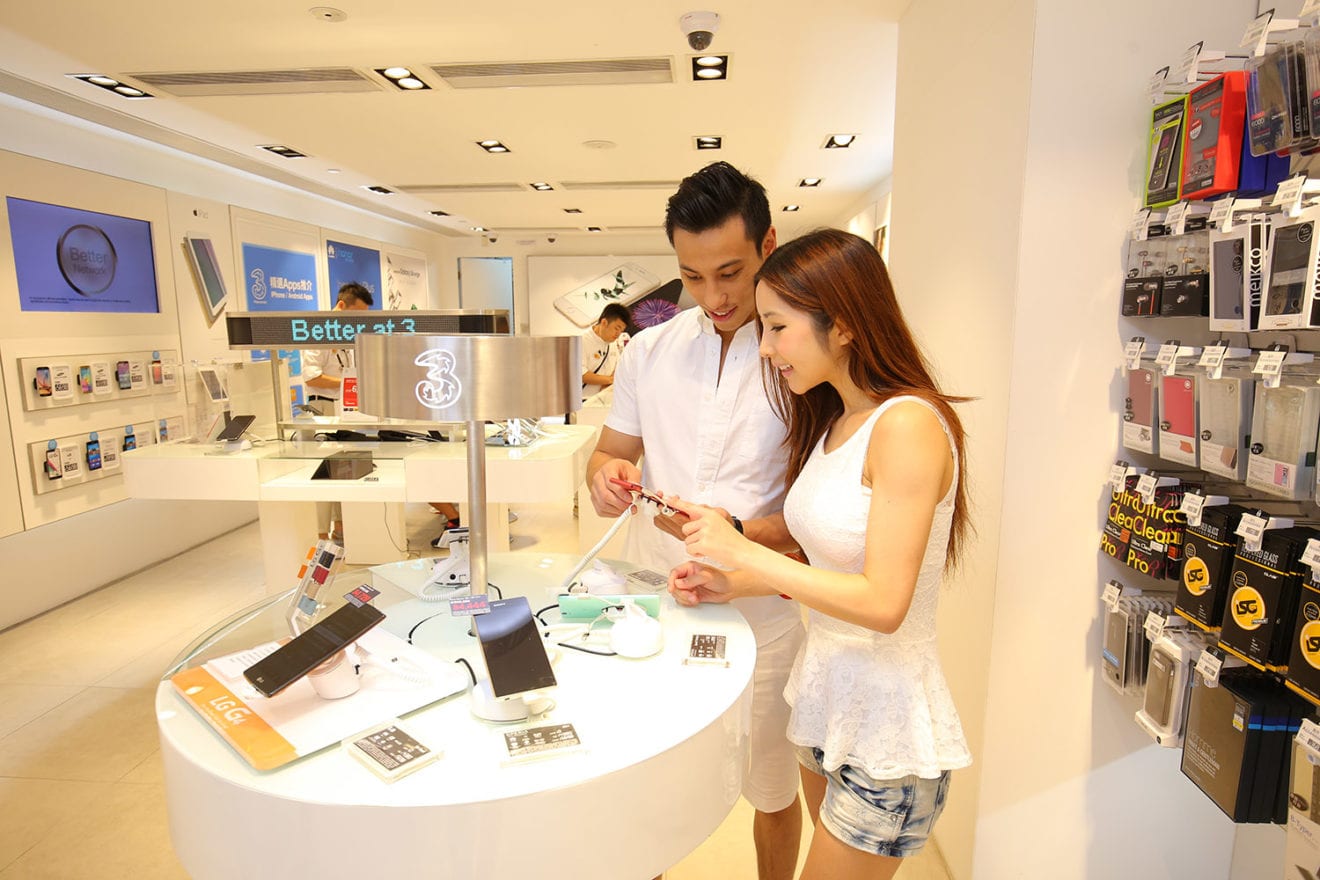
    3 Hong Kong will offer free “myTV Super” 5GB data SIM cards at 3Shops and other designated outlets starting mid-March.

    The card enables mobile users to watch Television Broadcasts (TVB) programs from 30 thematic TV channels for 30 days via the new “myTV Super” paid mobile app.

    3 Hong Kong’s ultra-fast 4G LTE network makes popular Hong Kong, Japanese and Korean dramas – along with classic Cantonese movies, animation, variety shows and children’s programmes – available to mobile users on the move. Offer available while stocks last.

    Customers must register online to activate an account, before inserting the data SIM card and downloading the “myTV Super” app.

    This will allow them to enjoy 5GB of free data usage to access TVB’s 30 thematic channels for 30 days. 3 Hong Kong customers can use the “myTV Super” app for 30 days free of charge without changing SIM card.

    “We provide an open and neutral platform for various OTT content providers via our high-speed, high-capacity content delivery network, along with world-class data center services,” HTHKH COO Jennifer Tan.

    “Handing out free data SIM cards is an unprecedented way for us to promote 3 Hong Kong’s advanced network alongside compelling content from TVB,” said Tan. “We aim to enable users to be the first to experience free TV programs and enjoy the best ‘videotainment’ while on the move through use of the ‘myTV SUPER’ app on mobile devices. We believe this represents a new trend in mobile entertainment.”

  • Currency, tourism hits Bossini profit

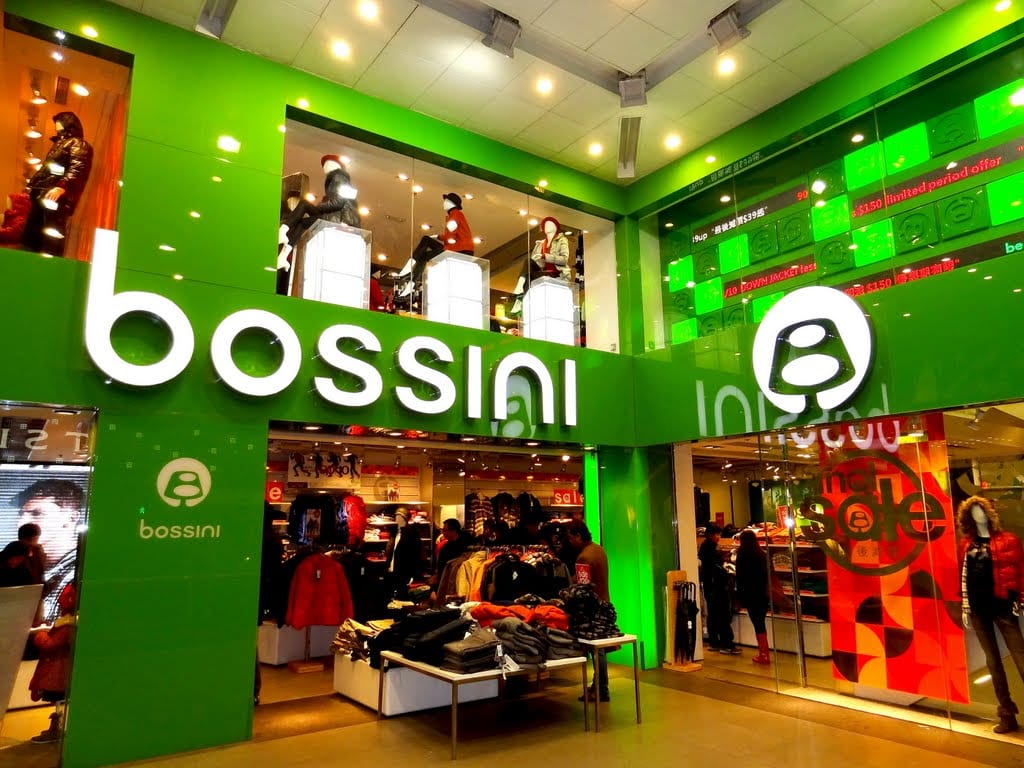
    Currency, tourism hits Bossini profit

    A strong Hong Kong dollar and fewer tourists to Hong Kong and Macau hit profits for Hong Kong-listed fashion group Bossini International Holdings for the six months to December 31.

    Revenue dipped 13 per cent to HK$1146 million (US$147 million) from $1319 million for the same period in 2014. The gross profit was $543 million ($665 million in 2014), with the Bossini profit attributable to owners sliding from $87 million to just $14 million.

    However, the group says its financial position is still healthy despite an unseasonably warm winter in several core markets and more fierce competition within the apparel retail industry.

    In Hong Kong and Macau, same-store sales declined by 14 per cent, opposed to a 5 per cent growth for the 2014 period. Same-store sales in mainland China dropped by 8 per cent (as against 2 per cent growth), while Taiwan and Singapore same-store sales declined 14 per cent (2014: 8 per cent growth) and 1 per cent (2014: flat) respectively. Overall, same-store sales for the group fell by 12 per cent, following 4 per cent growth for the same period in 2014.

    At reporting date, the group had outlets in 33 countries and regions – 267 (down 10 on June 30, 2015) directly managed stores and 678 (681) franchised stores, giving a total store count of 945 (938).

    Its export franchising business continued to expand with 15 new franchised stores, taking the total to 615 stores across 29 countries. The group also continued launching its licensing programs, a major strategy, including a Star Wars collection and a further collaboration with the Ocean Park Halloween Bash.

    CEO and executive director Edmund Mak says the group expects the demand for value-for-money apparel to grow as economies slow globally.

    “To cope with this, we intend to offer more items that are easy for mix-and-matching, as well as products with better functions under a more competitive pricing strategy over the coming years.

    “The group will also continue to implement further cost-control measures and focus on expanding operations further afield of Hong Kong and Macau to achieve a more balanced portfolio.

    “We will also continue to devote energy to expanding our apparel lines for kids, which has consistently been our competitive edge and would also perfectly complement the recently announced end to the one-child policy in mainland China. Furthermore, we will launch Bossini eyewear in mainland China through franchise arrangements.

    “Going forward, the Group will continue to create appealing, competitive and quality everyday wear that drives sustainable growth, profitability and customer satisfaction. With a firm focus on our “be happy” core brand value, we will continue to strengthen our competitive edge and endeavour to enhance the value that we offer to our shareholders.”

  • Retail suffers in HK Christmas season

    Retail suffers in HK Christmas season

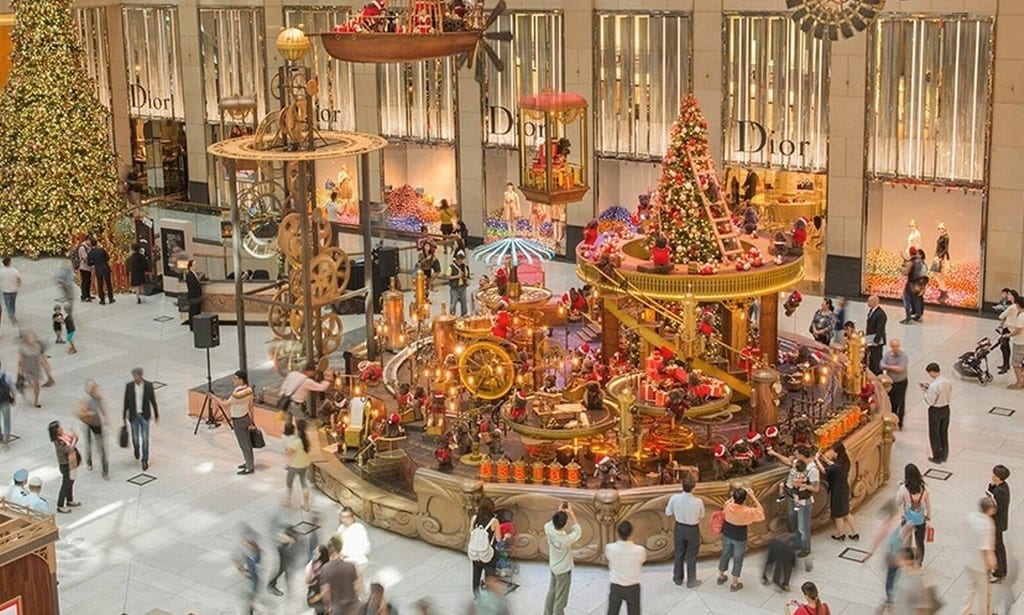
    Christmas is all around, but this holiday season, Hong Kong is expected to suffer as both locals and tourists are reining in their spending.

    Christmas is in the air!

    Usually, this time marks the peak of consumption but NOT this year.

    Retailers are expecting a grimmer picture.

    A study shows that Hong Kong shoppers are cutting their Christmas budget, with 64 percent saying they won’t spend more than HK$1,000 on Christmas shopping and 52 percent saying they won’t buy any Christmas gifts this year.

    The survey, conducted by Hong Kong Research Association, found Hong Kong citizens are rather cautious about this year’s Christmas consumption, as only 16 percent of 1,084 interviewees expect to spend more money than last year, while 23 percent said they would reduce spending.

    “Even Hong Kong residents prefer to buy overseas, consumer products are much cheaper in Japan and South Korea.”, Hong Hao, the chief strategist of Becom International said.

    Luxury stores are feeling the crunch as shoppers minimize their spending.

    “In this popular shopping district, you would usually see customers waiting in lines for purchases but not this year. Some shops have fewer customers, while others have closed their doors due to high rents. The traditional shopping season is also challenged by the declining tourist arrivals in last six months. ”

    The Travel Industry Council of Hong Kong says, the number of Chinese mainland tourist groups traveling to Hong Kong has dropped 20 percent so far this year.

    “The sharp decrease is partly because the anti-parallel trading protests earlier this year, and the death of a mainland tourist in HK in October, and also some anti-mainland China sentiment.”Jason Wong Chun Tat, the chairman of Travel Industry Council of HK said.

    In October, a Chinese mainland tourist died after he was allegedly beaten unconscious by four men while trying to mediate a dispute between a fellow visitor and the tour group leader.

    “That gives people the perception of HK doesn’t welcome tourists.”,Hao said.

    “We are calling for the diversification of Hong Kong’s tourism development.” Wong said.

    Wong said the travel industry council was trying to attract more overseas tourists by regulating market operations.

    Despite their efforts, it appears a gloomy picture for the retail and travel business industry is expected to continue.

  • Retail sales decline for eighth straight month in October

    Retail sales decline for eighth straight month in October

    Retail sales in Hong Kong dropped for the eighth consecutive month in October amid a decline in the number of mainland tourists.

    October sales fell 3 percent year on year to HK$37.2 billion, against an estimated decline of 5 percent, the Hong Kong Economic Journal reported.

    By volume, retailed sales edged up 1.2 percent, compared with a 3 percent drop in September.

    The improvement in the city’s retail sales volume was attributed to Apple’s launch of iPhone 6s and iPhone 6s Plus, which pushed up sales of consumer goods.

    However, sales of luxury goods such as jewelries, watches and accessories continued to slump.

    Thomson Cheng, chairman of the Hong Kong Retail Management Association, expects the weak trend in retail sales to persist for the remainder of the year as more Hong Kong people travel abroad during the festive season.


  • DFS partners with kid’s Make-A-Wish charity

    DFS partners with kid’s Make-A-Wish charity

    For the second year running, DFS Group is partnering with Make-A-Wish International (www.worldwish.org) this December in its #JoyToYourWorld charity campaign to help children fighting life-threatening medical conditions by granting their special wishes.

    Jay Frame, DFS Group’s Vice President Corporate Communications and CSR said: “We are thrilled to partner with Make-A-Wish International for the second year in a row and share the goodwill of our customers, employees and partners to help these children’s wishes come true.”

    The retailer says that crowdsourcing and social media combine in this charity campaign and DFS customers can help to grant wishes by following @DFSOfficial and liking posts tagged with #JoyToYourWorld. DFS says that for every #JoyToYourWorld post that receives 1,000 ‘likes’, it will donate to Make-A-Wish International to help grant up to nine wishes to children around the globe.

    Coinciding and honouring DFS’ 55th anniversary, an equal 55 celebrity ambassadors are supporting this year’s campaign, including past DFS campaign spokespeople Godfrey Gao, Ming Xi, Caroline de Maigret and Perry Liu.

    DFS says: “The mission of Make-A-Wish is to grant the wishes of children with life-threatening medical conditions to enrich the human experience with hope, strength and joy. Since its inception in 1980, Make-A-Wish has collectively granted the wishes of more than 350,000 children in nearly 50 countries. Each wish that comes true inspires these seriously ill children to persevere against their illnesses.”

    Make-A-Wish International President and CEO Jon Stettner said: “We are proud to renew our partnership with DFS and its ambassadors this holiday season to help grant even more wishes to deserving children facing serious illnesses. It’s through the support of partners like DFS and its customers around the globe that make these life-changing wishes possible.”

    Amongst those children DFS helped to grant wishes to last year around Asia was Evan, an eight-year-old from Hong Kong battling acute lymphoblastic leukaemia. He wanted to be an astronaut and lift off was duly granted when he attended NASA’s Space Camp in Alabama, US.

    Then there was Mostafa, a 17-year-old from Japan suffering from congenital biliary atresia and pancreatic cancer. He wanted to be a racing car driver and his wish came true when he sat in a Ferrari 138 driven by two-time Formula 1 champion Fernando Alonso.

    This year, DFS and Make-A-Wish International will grant wishes to children like Wang-yau, a nine-year-old boy from Hong Kong battling spinal muscular atrophy who wishes to travel abroad, or Joanna, a 10-year-old girl from Singapore in treatment for medullablastoma, who wishes to become a pastry chef.

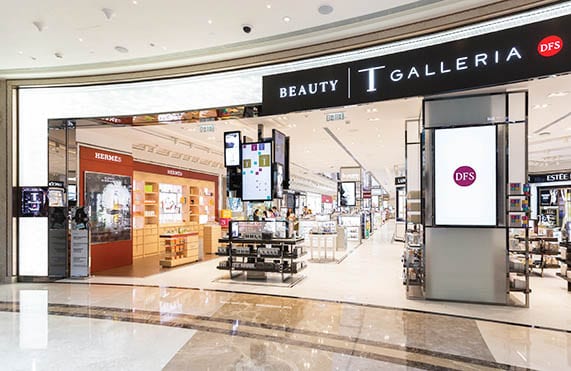
    As part of all this, DFS Group is generously encouraging customers to help out with donation boxes placed within its T Galleria by DFS stores worldwide. These will be available at its 11 T Galleria outlets in Hong Kong (3), Macau (4), Singapore, Auckland, Okinawa and Hawaii as well as its DFS Gallerias in Cairns and Sydney.

    In addition – and again celebrating DFS’ 55th anniversary – 55 celebrity ‘ambassadors and influencers’ have signed up this year to help support the #JoyToYourWorld Campaign. These include famous actors, models, make-up artists, photographers, a princess, an athlete, photographers, fashion bloggers, singers and many more.

  • Hong Kong flight takes food from paddock to plate in a day

    Hong Kong flight takes food from paddock to plate in a day

    A VEGETABLE grower is excited about the prospect of his product going from the ground to the dinner plates of Hong Kong within 24 hours. Geoffrey Story is among many from Toowoomba and the region who are preparing to tap into the lucrative Asian market.

    As the first international freight flight out of Wellcamp airport prepares for lift-off on Monday, companies say it will be a game-changer. In a trial run for freight transport out of the region, a Cathay Pacific Airways Boeing 747-800F will fly to Hong Kong packed full of Darling Downs produce. Story Fresh has farms at Cambooya, Grantham and Clifton and is looking to break into the export market. The company already exports on Cathay Pacific from Brisbane but said Wellcamp would be logistically more convenient.

    “We see the opportunity for this airport to do it better because we’re closer and we can get product there quicker.” He said Australia had a good reputation for high quality and standard of food. The plane will also carry 14 tonnes of high quality chilled Black Angus grain fed steak.

    Warwick beef producer Rangers Valley is another of the companies taking the opportunity to use the service. It will ship to Hong Kong on Monday with about half going to food service like high end restaurants and the rest being sold in retail stores. The company has been selling products in Hong Kong for about a decade and usually uses the Cathay service out of Brisbane.

    Andrew Moore is marketing manager from the company’s Warwick office and called the flight a great opportunity for producers. “Once all the infrastructure is in place at Wellcamp there will be transport advantages. “It’s great to be part of this first shipment to see how it works.”

    Over the past 12 months, the company has air freighted about 700 tonnes of high quality chilled Wagyu and Black Angus grain fed beef to customers across the globe. Mr Moore said the ultimate plan was to use Hong Kong as a hub to export beef products across Asia. The flight arrives at 2.30pm. A public viewing area will be established.

  • BlackBerry’s Priv Arrives in Hong Kong

    BlackBerry’s Priv Arrives in Hong Kong

     BlackBerry Ltd’s first Android-based smartphone, Priv, is coming to Hong Kong, according to a company release. Priv is expected to be formally available in retail stores in Hong Kong starting mid this month. In Hong Kong, Priv will be available at a price starting from HK$6,488. The device costs $700 in the U.S.

    BlackBerry Ltd’s Priv is set to officially launch in Hong Kong in the coming days. Powered by Alphabet Inc’s Android, BlackBerry presents Priv as a productivity tool that also doesn’t compromise on security or privacy. BlackBerry will sell Priv at HK$6,488 in Hong Kong as it targets to reclaim lost share of the smartphone market in Asia. The device is sold in the U.S. at $700 and is initially supported by AT&T Inc.

    Priv is a dramatic departure from BlackBerry’s hardware tradition. The smartphone not only runs a foreign operating system (Android), but also features dual keyboard whereby one is virtual and the other is a traditional physical keyboard. According to BlackBerry, the physical keyboard is perfect for fast and accurate typing, which is why power professionals would love the device.

    As a productivity tool, Priv gives users access to more than a million apps on Alphabet’s Google Play.

    Hardware built encryption

    Physical keyboard for productivity is only one of the key distinguishing features of Priv. BlackBerry has also improved security in the device by building encryption into the hardware. Most mobile security features are software-based. However, with heightened risks of hacking, building security into the device chips is expected to become popular. Speculations recently swirled that Alphabet was considering making custom chips for Android phones and it is believed the strategy is aimed at bringing device security to the chip level.

    In the case of Priv, BlackBerry has not only build encryption keys into the hardware, but also guarantees secure boot to ensure that nothing catches you unawares.

    Specs
    BlackBerry Ltd’s Priv spots 5.4-inch AMOLED display that renders resolution of 2560×1440 pixels. The device is powered by Qualcomm, Inc.’s Snapdragon 808 processor. Priv ships with 32GB of internal storage that is expandable up to 2TB through microSD card. The smartphone comes with 18MP camera at the back.

    The productivity nature of BlackBerry’s Priv is reinforced by a 3410 mAh battery capable of delivery 22.5 hours of usage.

  • New Yahoo Hong Kong-Taiwan cross-border eCommerce platform

    New Yahoo Hong Kong-Taiwan cross-border eCommerce platform

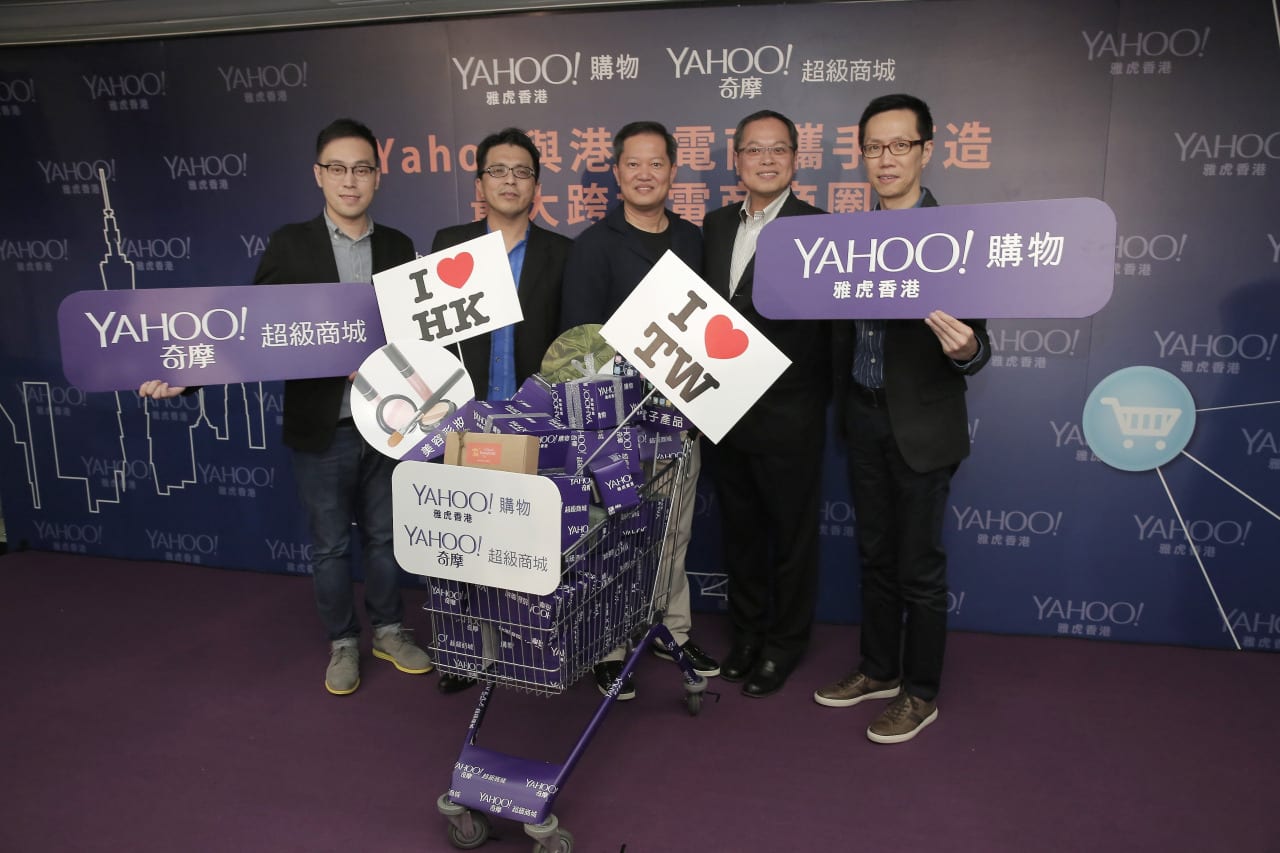
    Yahoo Hong Kong has launched its Yahoo Hong Kong-Taiwan cross-border eCommerce platform today.

    In the first stage, more than 100 Taiwanese brands accredited with the Made in Taiwan Smile Logo will enter the Hong Kong market – in categories ranging from food to fashion and to beauty and cosmetics.

    Stage two will see Yahoo adding Hong Kong products for sale into Taiwan.

    Yahoo says it wants to create the largest cross-border eCommerce network between the two markets.

    Jacky Wang, VP, eCommerce group, Yahoo Taiwan & Hong Kong said that with the launch of the new platform, geographical boundaries are eliminated.

    “We are delighted to bring Hong Kong consumers the best, original quality products of Taiwan through the 11.11 Online Shopping Festival. This allows e-merchants from both places to reach the huge online buying customer base, which is extremely beneficial to them in increasing sales and for online branding.

    “Yahoo Hong Kong’s B2B2C Flagship store will start operating this month, through which Hong Kong consumers can purchase a wide variety of Made In Taiwan products on the platform,” said Wang.

    “Soon, Taiwan consumers will also be able to purchase Hong Kong’s popular products, such as cookies and palmiers which are popular with Taiwanese.”

    All of the more than 100 Taiwanese e-merchants joining the Yahoo Hong Kong eCommerce platform are selling 100 per cent original, Made In Taiwan Smile logo-accredited quality brands.  These include Dr Morita facial masks, Taiwan’s famous pineapple cake brand SunnyHills and other brands, including meat jerky, tea leaves and noodles.

    The e-merchants crossing the border to Hong Kong with Yahoo will receive all-round cross-border one-stop merchant solutions from Yahoo Taiwan and Yahoo Hong Kong. These range from a special starter package to support for logistics, cash flow and store operations and management, offering detailed guidance to help their brand to take the initial step in cross-border eCommerce, and satisfying the expectations of the online shoppers in Hong Kong and Taiwan.

    SunnyHills has sold more than 10,000 boxes of cakes online into Hong Kong this year already.

    Damian Lee, GM, said Yahoo Hong Kong and Taiwan have the highest reach rates and Yahoo’s online shopping platform is the best one in Taiwan.

    “With the largest volume of traffic flow and the highest popularity, it offers us the best virtual support for our products and backing for our brand. It also provides one-stop logistics and cash flow solutions that lower our cross-border costs and management time, offering the best O2O eCommerce shopping experience to consumers in the most effective way.”

    What Hongkongers and Taiwanese want

    Francis Che, head of insights, strategy and research with Yahoo APAC shared the latest eCommerce promotion and analysis research.

    • Hong Kong has an online buying population of 2.9 million, representing 53 per cent of the total online population.
    • 74 per cent of Hongkongers have used overseas buying services, or overseas cargo or shipping services to buy products from all over the world.
    • Over 30 per cent of the online buying population hopes that online buying apps can proactively notify them of the offers and discounts of nearby stores and recommend some stores for purchases.
    • The older buying population (aged 40 plus) use mobile devices to browse online shopping sites is growing rapidly.
    • The most sought after items purchased online in both markets is the same: Apparel. For the full top 10 list, refer to the chart below:

    Yahoo

    Meanwhile, Yahoo Hong Kong will launch the 11.11 Online Shopping Festival offers on November 11, including the sale of an Oto Adelle One Massage Chair at just $999 (Value: $14,800), with the Oto Lite Footie (Value: $1680) bundled together as a gift.

  • Smart mirror checks your bust size in-store

    Smart mirror checks your bust size in-store

    The Hong Kong branch of Rigby and Peller is using a smart fitting room mirror to help customers work out their ideal bra size.

    For many women, especially young ones, being fitted for a bra is an embarrassing experience that they seek to avoid, often resolving to buying ill-fitted lingerie instead.

    Now, lingerie store Rigby and Peller is offering a high-tech alternative via a smart mirror, which scans the customer in the fitting room and calculates their ideal bra size.

    Rigby and Peller smart fitting room

    To begin, customers stand front of the changing room mirror and hold their arms out. Then, they rotate slowly, turning 360 degrees, while the inbuilt camera takes 140 body measurements.

    The technology then calculates the customer’s ideal bra size, giving them a unique shape ID.


  • World-first diamond exchange set for Singapore

    World-first diamond exchange set for Singapore

    The world’s first exchange for physical diamonds, is set to launch in Singapore in the fourth quarter, with a longer-term plan of creating a diamond futures market.

    Alain Vandenborre, the man behind the Singapore Diamond Investment Exchange (SDiX), thinks they can be bought and sold in a different way.

    He said he is surprised no one has tried to bring the trading of diamonds as a commodity into the 21st century on a global scale.

    To achieve that vision, some of the biggest diamond companies in the world have been secured as suppliers, including New York-based Leo Schachter, a leading manufacturer.

    “Up until now, the industry has been old-school. There’s wholesalers, there’s retailers, people in the middle, and there’s just no room for those people anymore. This way, we as manufacturers can go directly marketplace to sell our goods at the right price,” said CEO Alex Yarrow.

    According to SDiX, it expects to see turnover of at least US$250 million in its first full-year of trading, with operational bases set-up in Singapore, Hong Kong and India. And there are bolder plans for the future.

    “We’re going to start as the spot-market, but that’s not my strategy. The strategy is to move towards a futures licence,” said Mr Vandenborre.

    “The Exchange will be as soon as we’re regulated under the Futures Trading Act and will be launching a number of derivative products, which are highly needed. The diamond industry needs to hedge its position.”

    The new exchange might be what the marketplace needs.

    According to the widely-followed Rapaport Diamond index, the August price of a one-carat stone was 13 per cent lower than a year ago. Still, at the Hong Kong and Jewellery and Gem Fair, some traders remain upbeat despite economic wobbles in China.

    “When they slowdown, it’s going to cause a lot of pressure, so the volatility has increased considerably, I think it’s stabilising now as we speak so I believe players will come back in because the market has dropped quite a bit,” said Mayank Mehta, CEO of Rosy Blue.

    The trading of polished diamonds is quiet and expectations from dealers at the Hong Kong and Jewellery and Gem Fair was muted. Retail inventory levels remain high, particularly among 0.30-carat to 0.40-carat goods, as jewellers are not stocking up on inventory because of a retail slowdown in China.

  • ‘Weak’ Hong Kong and Macau hits Prada

    ‘Weak’ Hong Kong and Macau hits Prada

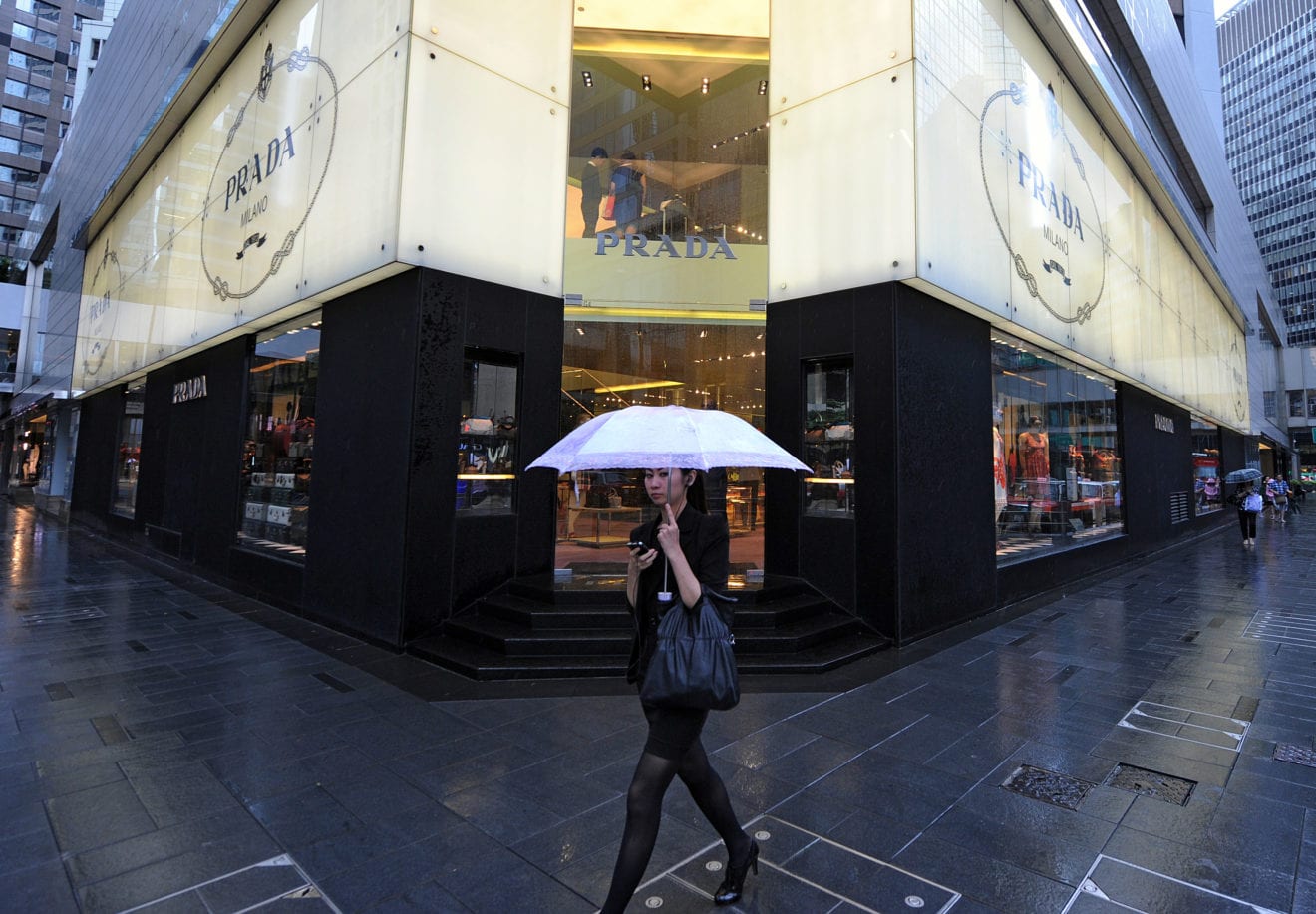
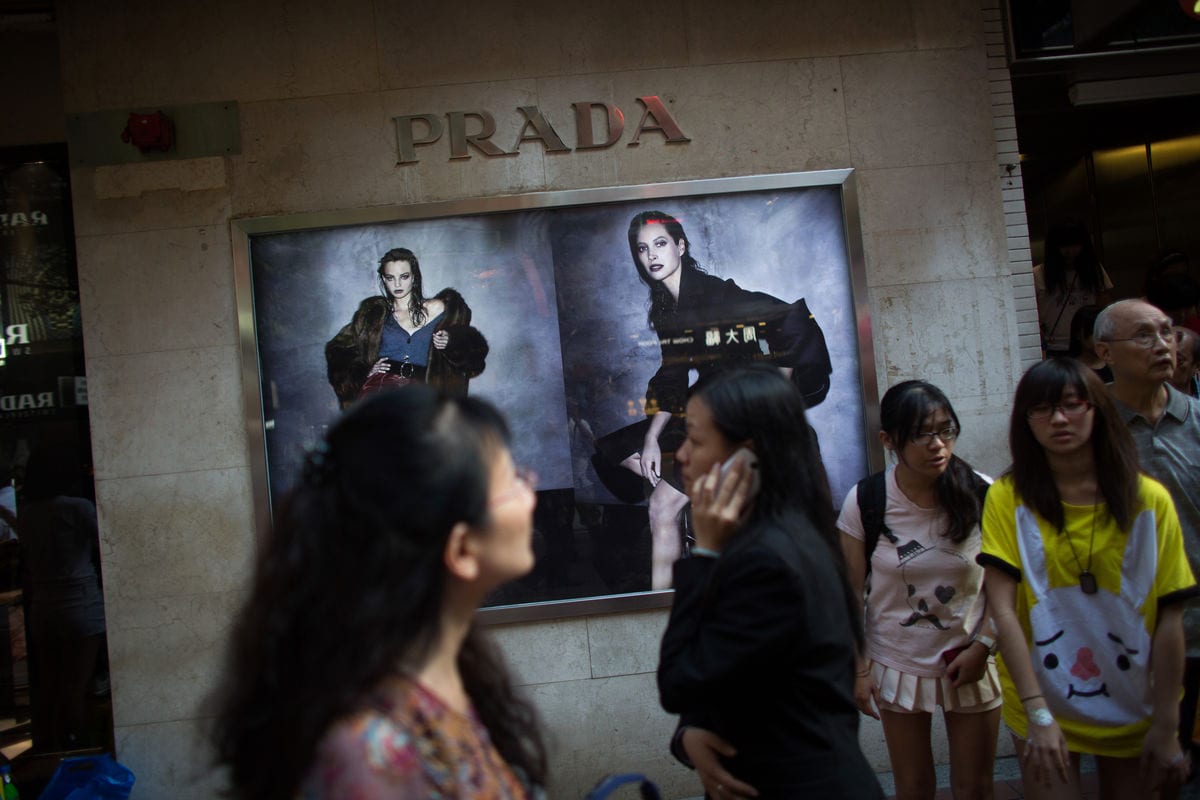
    Continuing volatility in the market and the exchange rate landscape in Hong Kong, Macau and the Asia Pacific region (excluding Japan) has been blamed for Prada’s overall net profit fall of -23% to €188.6m ($212.7m) in the first half of 2015.

    Despite the big challenges in the Asia Pacific region which is Prada’s biggest market, the Milan-based fashion company first half-year revenue growth of +4.2%, thanks to more positive market performances in Europe, The Americas, The Middle East and Japan.

    Consolidated net current exchange rates on the corresponding period in 2014.

    The luxurygoods company says the increase is entirely attributable to the retail channel, as a result of its selective strategy aimed at further enhancing the of its Directly Operated Stores.

    All other regions reported good growth, although the company adds that the Asia Pacific market (excluding Japan) showed the same negative trend as it did in the first quarter of the year, offset by a positive effect.

    Patrizio Bertelli, COO said: “The luxury goods market is undergoing a period of significant change which must be met with a far-reaching, long-term strategy.

    “Our commitment remains centered on creative dynamics and the spirit of innovation, so that we can constantly increase the levels of excellence of our products.

    “In operational terms, we will continue with our thorough review of business processes in order to make them more efficient.”

    While its wholesale business declined by 13%, sales of the group’s retail network grew by 7.6% at current to €1,552.4m ($1,750.7m). The company reported that its 605 Directly Operated Stores (DOS) also benefited from a general improvement in sales performance.

    The European market grew by +12.4% thanks to a steady flow of tourists, together with a recovery in consumption by domestic customers, while the Japanese market outshone the rest of Asia with a +11.7% constant result. Sales in the Americas and the Middle East also improved considerably (both plus +15%).

    In terms of retail channel by brand, Prada recorded a 5.4% rise in sales thanks entirely to the effect, but was badly impacted by the negative economic situation in the Asian market.

    Miu Miu grew with revenues up at both current (+18.7%) and constant (+6%), enjoying a sales boost in the second quarter. The Church’s shoe business also grew by +18.6% and Car Shoe’s result was in line with the same period last year.

    EBITDA for the first half of the year was €440.1m ($496.3m) or 24.1% of net revenues, while EBIT came in at €293.2m ($330.7m) or 16.1% of consolidated net revenues.

    As mentioned, was reported down -23% at €188.6m ($212.7m) or 10.3% of consolidated net revenues.