Retail News CRM

Tag: Hongkong

  • Hysan thrives in subdued market

    Hysan thrives in subdued market

    Hysan Development Co chairman Irene Yun Lien Lee says retail locations with proven shoppers’ traffic that have a bustling and unique surrounding atmosphere have become more sought after as retailers compete in an increasingly challenging market.

    That’s the core of the reason Hysan has thrived in the first half year while street-front shops have struggled and for lease signs have appeared in even the most popular shopping destinations, like Causeway Bay.

    “Hysan has always strived to work closely with and provide support as well as add value to our tenants, especially when shop owners are weathering market uncertainty,” said Lee in a half year report.

    “At Hysan’s portfolio in the first half of 2015, we hosted a number of high-profile customer engagement activities and experiences, including a successful dining programme in May in partnership with our food and beverage tenants and shoppers with HSBC credit cards. We also unveiled Leeisure rewards for shoppers, complemented by the inaugural Leeisure electronic and print magazines.”

    The company this week reported group turnover of HK$1.714 billion, up 7.4 per cent on the same period in 2014. And at the end of June, Hysan’s retail portfolio occupancy was 98 per cent, the office portfolio full, and residential portfolio at 95 per cent.

    Contrast that growth with the 2.1 per cent expansion of Hong Kong’s overall economy in the first quarter and the forecast for the year of between one and three per cent, and a drop in retail sales for the first half of 1.6 per cent.

    Lee said Hysan’s strategy in recent years has been to cluster its Lee Gardens portfolio of retail and office space in Causeway Bay.

    “Our iconic, well-recognised and quality Lee Gardens brand is powered by our ownership cluster. This area concentration magnifies our ability to extract synergies amongst our retail, food and beverage and office tenant mix. It also supports our active marketing and events programs to reinforce our brand, build our customer loyalty program, create a sense of community and ensure awareness as a must-visit destination,” said Lee.

    “This long-term vision has helped maintain a strong tenancy demand, an improved and broadened tenancy mix, active stakeholder engagement, and most of all, a well-regarded and sustainable brand.”

    To further emphasise the brand and highlight Lee Gardens’ heritage and distinct character, all buildings on the eastern half of Hysan’s property portfolio in Causeway Bay have been renamed under the Lee Gardens brand name from June 1.

    “We are proud of our long history and we understand our tenants also wish to be more closely associated with this brand,” said Lee.

    Hysan believes the retail market remains underpinned by “solid local support and demand”.

    “Furthermore, as retailers and landlords adapt to the changes in the shopping patterns, including that of the rising prominence of eCommerce, we are confident that the retail sector will be able to weather the market volatility,” Lee said.

    The group’s retail portfolio turnover grew 6.4 per cent to HK$950 million, including turnover rent of HK$50 million, (down $10 million).

    “Our results reflected positive rental reversions in rental renewals, reviews and new lettings across the portfolio, with an average rental increase of around 35 per cent. They also highlighted our strategy to increase the base rent while shifting the focus away from turnover rent. Around 80 per cent of retail leases expiring in 2015 have already been committed.

    The portfolio was 98 per cent occupied as at 30 June 2015, (down two percentage points from December 31st’s ‘no vacancy’ status).

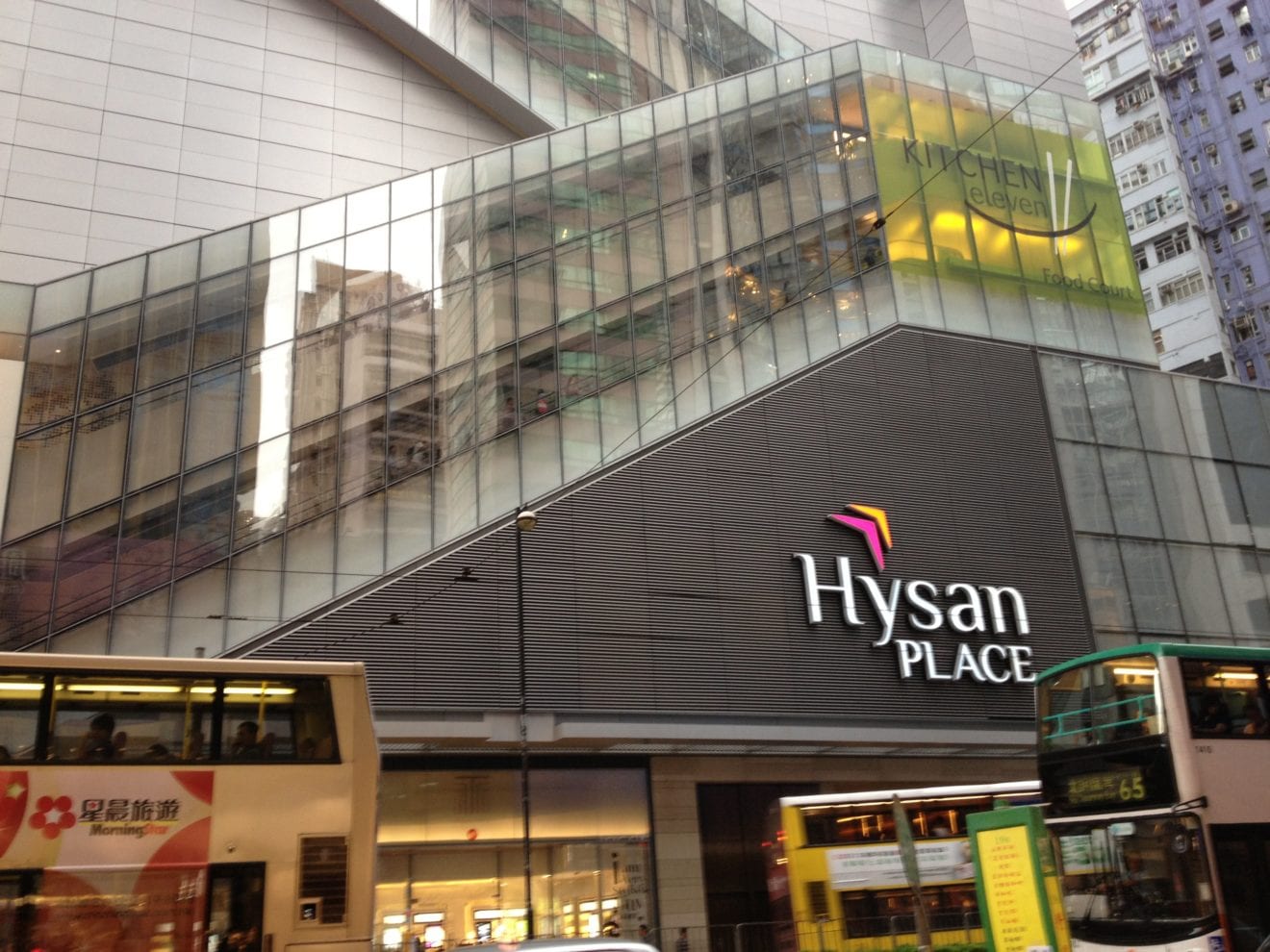
    Hysan Place, a hub for the younger, fashion-forward crowd, achieved around 80 per cent growth in estimated tenant sales. Hysan says this reflects its attractive retail offerings, including some popular digital products.

    “We have been further refining our tenant mix and focusing on more unisex sports and leisure offerings, which match Hong Kong’s growing demand for a healthier lifestyle. Lululemon, the trend-setting yoga apparel brand, for example, is opening its largest Hong Kong store on the first floor. Another popular sector is cosmetics, and DFS T-Galleria has revamped an entire floor to showcase its beauty offerings with a brand new experiential format and expanded product categories, including popular Korean brands.”

    The premium Lee Gardens hub experienced a drop in estimated tenant sales when compared to the first half of last year. The sales there were inevitably affected by the slowing down in tourist spending, but they were also partially attributable to the life cycle and distribution strategy of certain brands.

    Newcomers including Roger Vivier and Dolce and Gabbana Junior helped reinforce both our adult and children’s offerings, and reflected the ongoing demand for quality space by major brands at the Lee Gardens, the company said. The hub’s food and beverage outlets, from traditional Chinese to trendy Asian and Michelin-starred French cuisines, experienced double-digit percentage growth in sales.

    Lee Theatre hub, the urban fashion and lifestyle destination, achieved around 10 per cent growth in estimated tenant sales. The flagship stores at the lower levels of Lee Theatre Plaza, including Uniqlo, Muji and Aland, have proven popular with shopping families, and these shoppers also make good use of the food and beverage outlets on the upper floors of this Causeway Bay landmark.

    “Our curation of the Leighton Centre ground level as a “sports-themed street” has also been successful in creating a new home for sporty apparel and footwear, such as adidas Originals, Asics and Onitsuka Tiger.”
  • Burberry Beauty Box enters China

    Burberry Beauty Box enters China

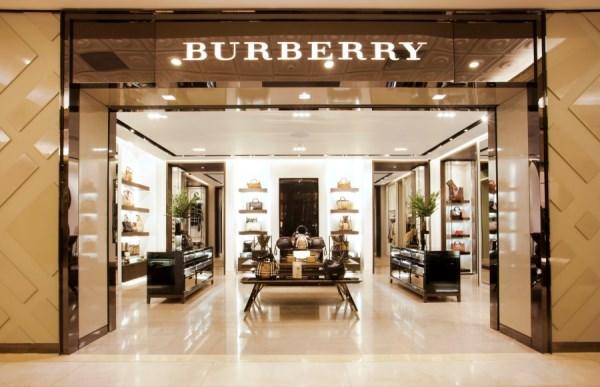
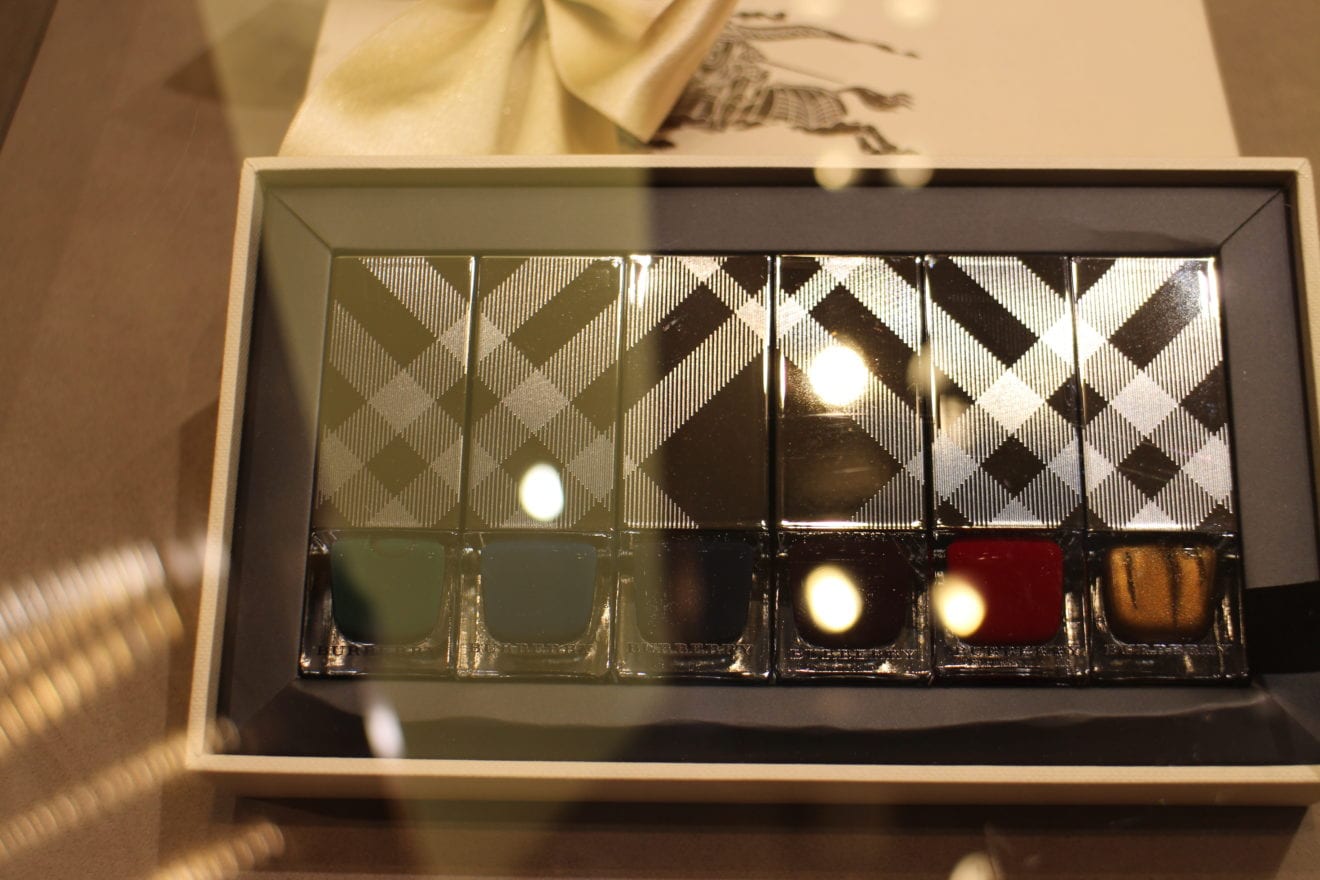
    British luxury apparel brand Burberry has opened two more Beauty Box stores in greater China.

    It follows the opening of Beauty Box’s first Asian store in Korea last December in Seoul’s Coex Mall.

    Burberry Beauty Box concepts are now trading in Hong Kong and Shanghai.

    In Hong Kong, the store has opened in Times Square at Causeway Bay. The store closely follows the Burberry Beauty Box flagship in London’s Covent Garden.

    The new Beauty Box concept focuses on make-up, including Burberry Eyes, Lips, Face and Nails lines, fragrances for men and women, including My Burberry, and assorted luxury accessories.

    It includes a digital Lip & Nail Bar, a 95 degree screen broadcasting Burberry catwalk shows, and the My Burberry Digital Experience that lets customers digitally interact with the brand.

    Customers can order in-store monogrammed labels for 90ml bottles of My Burberry Eau de Parfum and My Burberry Eau de Toilette to create an exclusive, customised gift.

  • Hong Kong retail sales fall for fourth month as tourism slows

    Hong Kong retail sales fall for fourth month as tourism slows

    Hong Kong retail sales fell for the fourth straight month in June as a drop in tourist arrivals continued to hit sales of big-ticket items such as jewellery and watches.

    Retail sale slipped 0.4 per cent from a year earlier in value terms to HK$37 billion ($4.8 billion) in June. That followed a revised 0.1 per cent decline in May, 2.1 per cent drop in April and 2.9 per cent slide in March. In volume terms, sales rose 4.4 per cent in June, against revised growth of 4.7 per cent in May.

    The city’s retailers have been hammered by slowing mainland tourist arrivals and high operating costs in rent and labour.

    “The near-term performance of retail sales is still subject to uncertainties, depending on inbound tourism growth and any spillover to consumption sentiment from the recent stock market volatility,” the government said in a statement.

    For the first six months, the value of retail sales fell 1.6 per cent from a year earlier, while volume was up 1.7 per cent.

    China’s slowing economy and volatile stock markets have hit retail spending and tourism.

    The Hong Kong Retail Management Association said the majority of its members forecast that the declining trend in retail sales will continue in the third quarter with no particularly favourable factors in sight.

    Visitor numbers to Hong Kong fell 2.9 per cent in June on the year, compared with year-earlier growth of 6.9 per cent, Hong Kong Tourism Board data showed. Mainland tourist numbers in June slid 1.8 per cent, against 7.8 per cent growth a year earlier.

    In June, sales of jewellery and watches fell 10.4 per cent by value, compared to a 14.9 per cent fall in May. Medicines and cosmetics declined 4.2 per cent, against 1.9 per cent fall in May.

    Last week, luxury retailer Emperor Watch warned of turning in a loss for the first half as foot traffic dropped due to a strong Hong Kong dollar and unfavourable tourism environment after protracted political unrest last year.

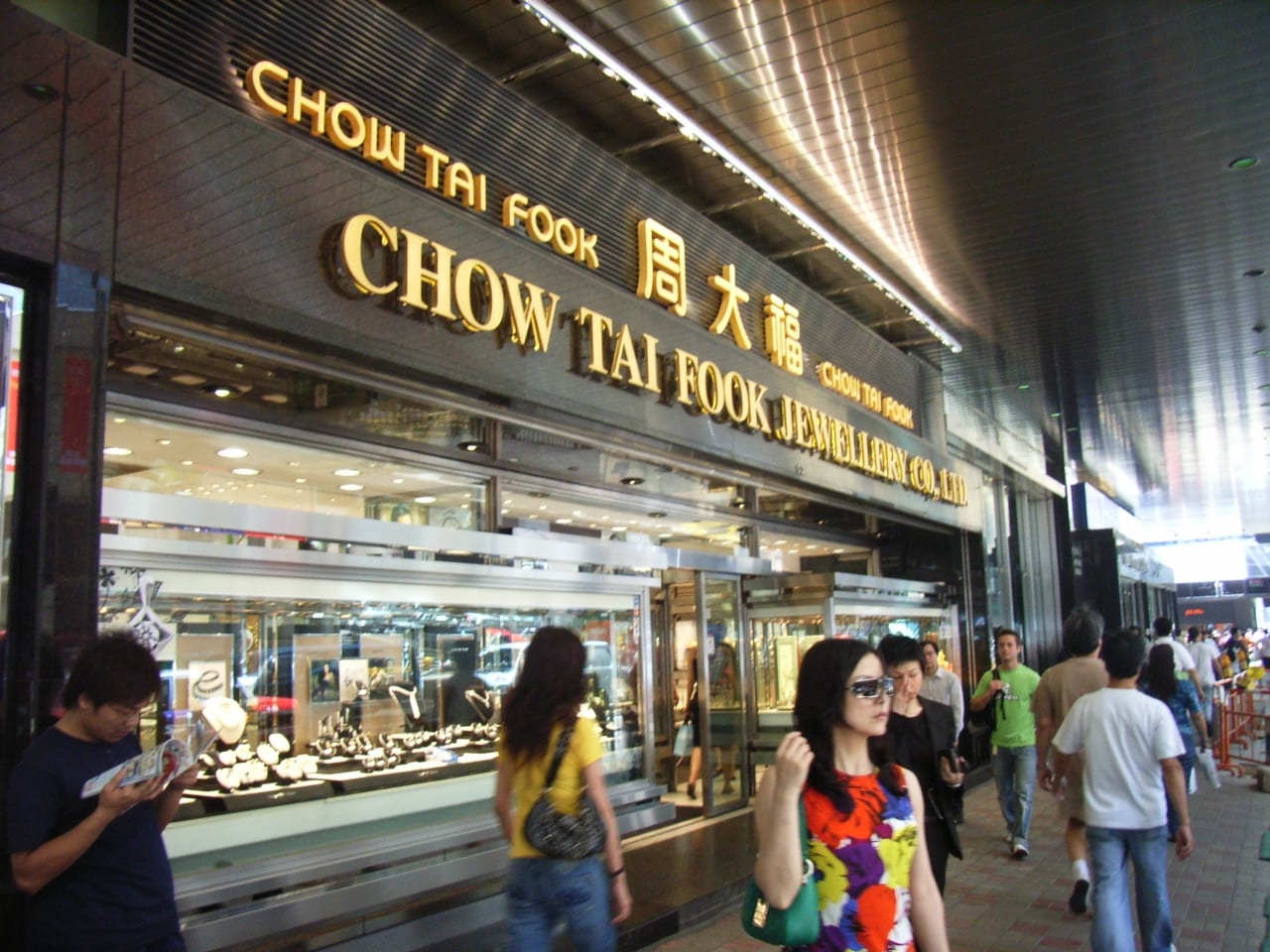
    The world’s biggest jewellery retailer Chow Tai Fook Jewellery saw its retail sales fall in the April-to-June quarter, while cosmetic chain Sa Sa saw a dip in its turnover for the quarter ended June. .

    Like rivals Burberry and Gucci’s parent Kering , the world’s No.1 luxury goods group LVMH said it was in talks with mall owners in Hong Kong to renegotiate prices amid falling sales.

  • Goxip mixes fashion, celebrities and shopping

    Goxip mixes fashion, celebrities and shopping

    Star-gazers – those who focus on the celebrities, that is – now have an app they can use to find fashion matching what their idols are wearing.

    A Hong Kong startup has launched an app called Goxip which uses social media, photo recognition technology and news feeds to connect fashion lovers with online retailers.

    So when 25 year old Tina in a downtown Hong Kong cafe sees Fan Bingbing wearing a stunning new dress on a red carpet stroll she can copy the image on Goxip, crop the photo and wait while the app digitally searches online stores around the world for something similar.

    The app’s creators – Juliette Gimenez and YC Lau – hope Goxip will become “the commerce layer, in between the world of [celebrity news] content and the retailers,” according to an interview.

    It’s aimed at ‘ordinary people’ who cannot afford to splurge $5000 on designer rags worn by a Hollywood superstar – but want something as similar as they can. Meanwhile, fast fashion apparel brands are constantly studying catwalks and red carpets to spot new trends and cuts they can incorporate into their next weekly or fortnightly release.

    Goxip helps the two parties meet – hopefully resulting in online sales for the retailer.

    Behind the app is a system constantly searching for new trends and celebrity revelations.

    “When you read the news, you can go straight to the article. Or you can shop. We have a snap and crop function. I like this dress, so I crop. I like this red dress for my cocktail party. I crop, take a photo, type the style and a list of clothing that matches your desire is listed,”.

    Gimenez, Goxip’s CEO, worked with group-buying startup uBuyiBuy.com in 2010 which was later acquired by Groupon. Lau, Goxip’s head of product, is an investor and adviser for Chinese language web forum HKGolden.com, which boasts 6 million daily page views.

    Goxip already has relationships with over 40 retailers (including Amazon, Shopbop, Zalora, Bloomingdales and TopShelf) and estimates it already has about 1 million clothing items in its database.

  • Hong Kong retailers feel the pain as China economic slump hits travelling, shopping

    Hong Kong retailers feel the pain as China economic slump hits travelling, shopping

    For Hong Kong, it’s been one thing after another.

    A series of anti-China and pro-democracy protests last year prompted stores to close and mainland tour groups to cancel bookings. Meanwhile, a slowing Chinese economy and President Xi Jinping’s anti-corruption and austerity campaigns have also made the Chinese more wary of buying pricey cognac and Gucci bags in the city.

    While still the biggest outbound destination for Chinese tour groups, Hong Kong is in danger of losing its lead. Mainland Chinese travellers to Hong Kong last year grew by the slowest pace since 2009, Bloomberg Intelligence data show.

    Suncorp notes that the declining AUD has brought in more short term arrivals to Australia, and Australian Bureau of Statistics data shows that it is the Chinese who are coming in increasing numbers with more than 1 million arriving in the 12 months through May, a 17 per cent increase year on year.

    The Aussie has declined almost 35 per cent against the US dollar in the past four years, increasing the purchasing power of tourists and encouraging Australians to holiday at home.

    “According to Tourism Australia, they spent $5.7 billion in 2014, and this is forecast to more than double to $13 billion,” says Suncorp. “China has now surpassed the US as the biggest spender on tourism last year. But Tourism Australia considers we need to do more to take advantage of this boom in tourism and that our attractions are outdated. While we had a massive investment in mining, there was an underinvestment in the not so appealing tourism industry. It is likely that further investment and polishing up our industry will take time, but it is an important step to achieving economic growth in the long-term for Australia, as key commodity prices unwind.”

    Back in Hong Kong, with fewer mainland Chinese staying overnight, average daily rates at Hong Kong’s hotels fell for a ninth straight month through June. The Pearl of the Orient also faces rising competition from regional rivals such as Thailand and South Korea, and mainland alternatives including Shenzhen and Shanghai.

    In addition, China slashed tariffs on products such as face creams and imported sneakers from June 1, reducing Hong Kong’s draw as a cheaper shopping destination.

    The effect on Hong Kong’s retailers has been immediate and painful. Retail sales fell in four of the five months through May, with jewellery, watches and other high-end gifts the worst hit.

    Burberry Group, whose stores in Hong Kong’s Causeway Bay and Tsim Sha Tsui shopping districts sell $HK18,500 ($US2400) handbags and $HK24,000 dresses, has said it may try and lower its rent bill to offset a worsening slump in Hong Kong, while Emperor Watch & Jewellery, which sells Cartier and Montblanc watches, said it may shut one or two of its Hong Kong stores when their leases end this year.

    And the news out of China doesn’t inspire much confidence. French distiller Remy Cointreau reported first-quarter sales that missed analyst estimates as Chinese wholesalers continued to hold back on cognac orders. Prada also reported first-quarter profit that trailed analyst estimates on slumping sales in China, while foreign carmakers including Audi have stepped up discounts to woo buyers.

    So there’s no relief in sight for Hong Kong. The tourism board forecasts overall visitor arrival growth to slow to 6.4 per cent in 2015 from 12 per cent last year, with mainland Chinese tourist arrivals expected to drop by half to 8 per cent. Hong Kong’s economy expanded 2.1 per cent in the first quarter from a year earlier, weaker than a revised 2.4 per cent expansion in October through December.

    “We’re just too exposed to China,” said Silvia Liu, a Hong-Kong based economist at UBS. “Structurally, until the tourism sector consolidates and Hong Kong finds new growth engines, I don’t see the way out yet.”

  • Retailers remain pessimistic about industry prospects

    Retailers remain pessimistic about industry prospects

    Hong Kong’s retailers remain pessimistic about their industry prospects, with a survey from the Hong Kong Productivity Council suggesting that the sector’s business confidence is at three-year low.

    The Standard Chartered Hong Kong SME Leading Business Index showed the retail industry sub-index sliding to 43.1 for the third quarter from 49.9 in the preceding three months, marking the weakest level in three years.

    Meanwhile, the overall gauge of the SME Business Index stood at 49.6, up 0.6 point from the previous months but remaining below the 50 mark that separates positive and negative outlooks, the Hong Kong Economic Journal reported.

    The sub-index that reflects interest in hiring dropped below 50 to reach 48.5 for the first time, according to the survey which was conducted by the Hong Kong Productivity Council in association with Standard Chartered Bank Hong Kong.

    Kelvin Lau, senior economist for Asia at Standard Chartered, said slower growth in the number of mainland tourists and structural change in their consumption behavior have brought prolonged adverse impact on the city’s retail environment.

    He noted a 1.3 percent fall in mainland visitors as of the end of May this year, the largest decline since August 2009.

    However, DBS Bank Hong Kong economist Lily Lo said the actual impact is not so bad because 70 percent of retail sales in the city come from local consumers.

    Lo expects Hong Kong’s economy to expand at 2.5 percent rate this year, with retail sales likely to recover.

  • Hong Kong airport executes summer promotions

    Hong Kong airport executes summer promotions

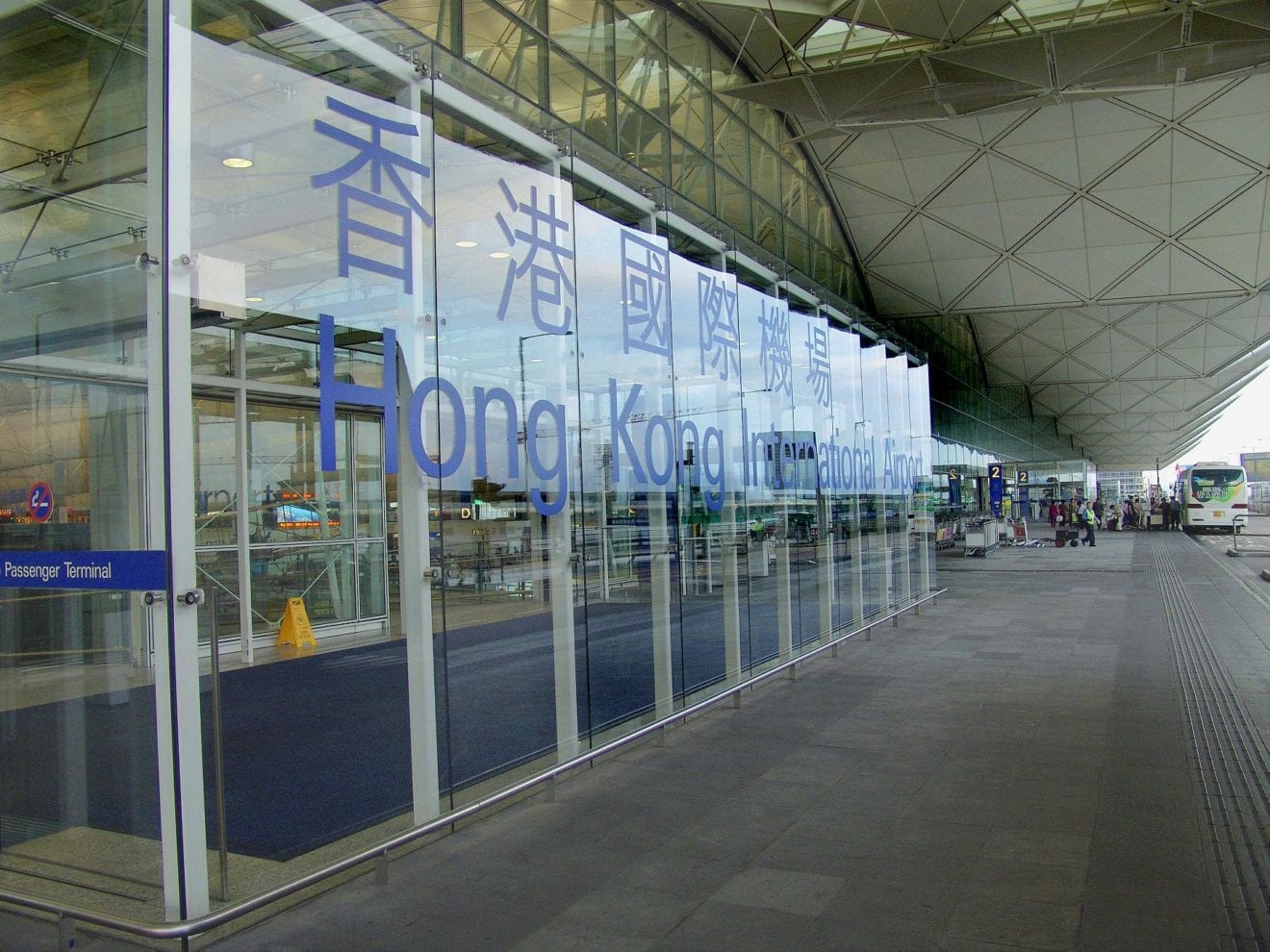
    Hong Kong International airport (HKIA) has welcomed the summer season with various promotions. These include special offers such as cash coupons with savings of up to HK$700 ($90) and complimentary local delivery service.

    From July 31 to August 11, travellers spending over HK$2,000, HK$5,000 and HK$10,000 by electronic payment can redeem HKIA cash coupons of HK$100, HK$200 and HK$600 respectively. Travellers using UnionPay cards to make purchases of over HK$5,000 and HK$10,000 can enjoy an extra HK$100 HKIA cash coupon.

    HKIA is also collaborating with retailers to provide travellers with exclusive shopping and dining offers and a selection of special complimentary gifts during the summer. Travellers spending with UnionPay cards can enjoy further offers. Details can be found by scanning QR codes on the promotional materials or by visiting https://www.hongkongairport.com/eng/shopping/special-offers.html.

    In addition, travellers spending over HK$1,000 in one single transaction at HKIA can enjoy complimentary local delivery service, while HKIA’s “Guaranteed Downtown Prices” mascot dresses up to welcome the summer and greet travellers. The mascot will make special appearances at terminal one and pose for instant photos with travellers and distribute  gifts. Travellers can also enjoy music performances while shopping in the Departures East Hall.

    HKIA has also teamed up with the Hong Kong Tourism Board as part of the Hong Kong Summer Fun campaign, providing travellers with two rounds of lucky draws. Travellers entering Hong Kong through HKIA can participate in the “Instant Mega Draw” until August 31. Before leaving Hong Kong, travellers can also enter the “Return to Hong Kong like a Millionaire” draw to win prizes, including a return-trip to Hong Kong.

  • China’s Multi-Level Marketing ban: a workaround?

    China’s Multi-Level Marketing ban: a workaround?

    Multi-Level Marketing (MLM), a type of Direct Selling System, is a marketing strategy where the company’s sales force is highly dependent on the salesmen they have hired in different tiers of selling.

    This is a marketing strategy in which the sales force is compensated not only for sales they generate, but also for the sales of the other salespeople that they recruit. This recruited sales force is referred to as the participant’s “down-line”, and can provide multiple levels of compensation.

    This type of organisational structure can be quite enticing as it has the opportunity to build up a big networking distribution without investing a considerable and consistent amount of money.

    The main features followed by Multi-Level Marketing organisations are:

    • Organisers, or operators, who take in new members calculate and pay salaries to a member on a different level according to the number of new members they have introduced either directly or indirectly, as well as the sales performance of the member.
    • Organisers request new members to hand in a sum of money as a precondition to joining.
    • The organisers, or the operators, encourage members to invite more people join, forming a multi-level relationship.
    • The salaries of members at a certain level are based on the sales of members at a lower level.

    The main factors that needed to be taken into account before setting up any networking and marketing plan for an enterprise are the size of the market, high quality products to sell and efficient internal training. The base concept of these activities is that the salesman’s gain is in proportion to the quantity and quality of the products that he, or she, is able to sell to potential clients.

    However, with the MLM Pyramidal Structure, the highest position always gets a percentage of the sales from those who are in the bottom positions. Some companies that wish to set up this type of structure want to incorporate a five or more level system.

    From our experience, a large number of foreign companies have expressed interest in entering into the Chinese market through this Multi-Level Marketing structure. However, they are going to be disappointed. In 2005, Chinese Government enacted a law called “Regulation of Direct Sales and Regulation on Prohibition of Chuanxiao” (where Chuanxiao stands for MLM). With this regulation China makes clear that while Direct Sales is permitted in the mainland, Multi-Level Marketing is not.

    Even if allowed, Direct Sales must follow several rules. The company is required to: have a business license, can only pay out one level of commission, the sellers have to follow an advanced training course offered by the company and by the end of the course they have to get a license and the direct sellers must wear a badge to prove their status.

    In addition, the personal seller’s commission it set at 30 per cent of the sales, including bonuses, commission, and other benefits. Because of the multi-level payment structure, the organisers and the members at top level obtain interest illegally and, according to the Chinese Government, disturb normal economic order, and affect social stability.

    On the contrary, in Taiwan and Hong Kong MLM is legal. It is common to see salesmen from these regions selling in the mainland using Taiwanese or Hong Kong addresses and banks to become sales reps in these jurisdictions while at all times living and working in China. The legality of this is questionable.

    Even after the application of “Regulation of Direct Sales and Regulation on Prohibition of Chuanxiao”, many companies are still operating under the MLM structure and this does not seem to be changing. Nu Skin Enterprise, for example, was under investigation for its illegal pyramid scheme. They were accused of relying more on signing up new salespeople than actually selling products to customers. Nonetheless they still play an important role in China’s marketplace.

    They are not the only company who is following this sales model, other such enterprises all act within the Chinese market with MLM structures.

  • Daphne shutters stores as sales slide

    Daphne shutters stores as sales slide

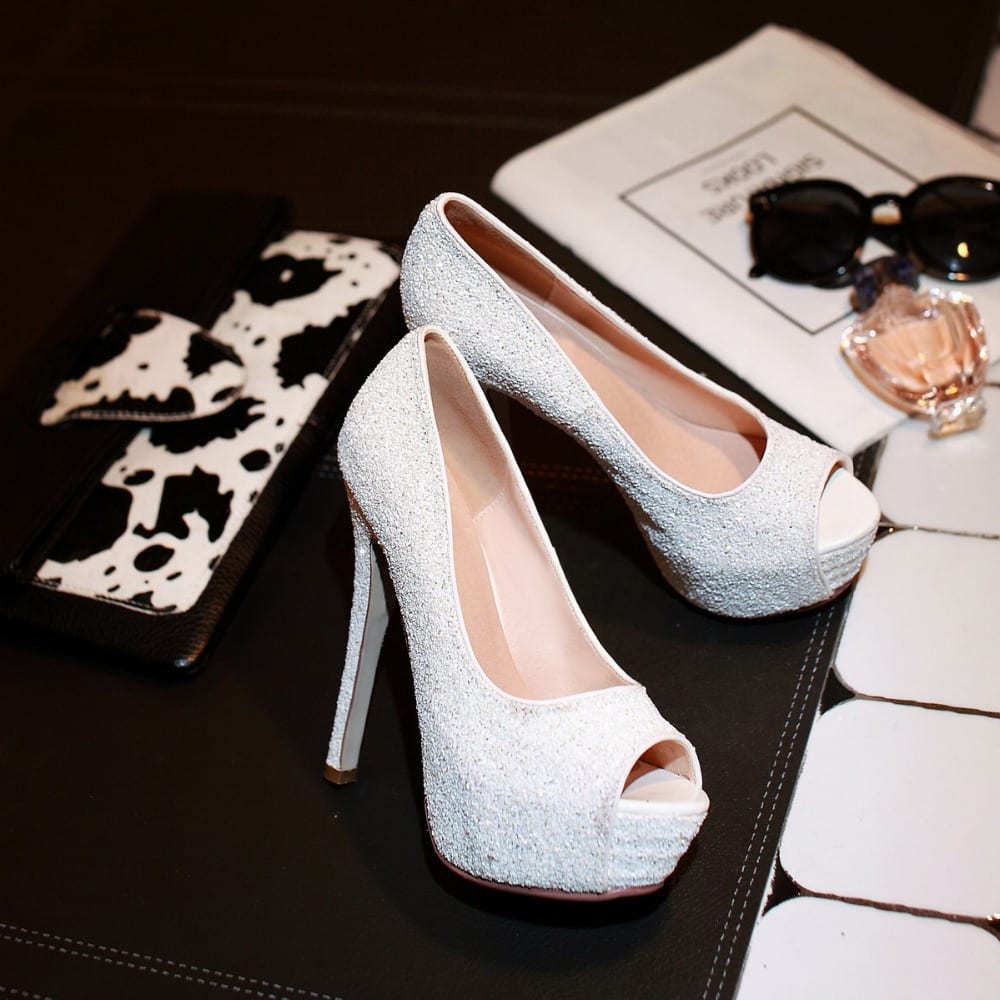
    Hong Kong-listed shoe retailer Daphne International Holdings has issued a profit warning as it shutters nearly 200 stores.

    Daphne operates the Daphne and Shoebox retail brands in Mainland China.

    The company has reported the year on year, same store sales fell 16.9 per cent in the first half of 2015, and by 17.7 per cent in the second quarter.

    In the first six months of the year, Daphne closed 181 stores – 117 directly-managed and 64 franchised stores, the majority in the second quarter. But it still has 6221 points of sale.

    “During the first half of the year, the consumer sentiment remained soft, yet the erratic weather with delayed spring and summer seasons further dampened the appetite for shopping. This led to intensified competition in the mass market segment for ladies’ shoes as some aggressive peers offered deep discounts much earlier,” the company said in its quarterly sales filing.

    “However, the group upheld its discounting policy until the adverse effect of the weather subsided.”

    Turnover of the Core Brands business recorded a decline of low-teens percentage year-on-year for the first half of the year, as a result of a negative same store sales growth performance and net store closures.

    “In an attempt of further market segmentation, the group refined Daphne product range into seven product series in this spring/summer season to broaden its appeal to customers and to increase its differentiation from the competitors.”

    Daphne International also added one of the top young actresses in Mainland China, Cecilia Lau, to its group of spokespersons (including the popular Korean actress, Jun Ji-Hyun, and pop singer and actor, Nicholas Tse) to endorse one of its core product lines – Cosmopolitan.

    “By increasing the association of the product lines with the spokespersons, it helped build a strong brand image, and improved the marketing efforts,” the company said.

    Gross profit margin expanded due to the improved sales mix during the first half of the year, however, the decrease in sales exerted significant pressure on operating margin and the inventory management.

    Shareholders were warned not to expect good news when the financial statements for the first half are released.

    “For the six months ended 30 June 2015, the group is expected to have a significant decline in profit. The decline in profit was mainly attributable to a decline in same-store sales, decreased sales and negative operating leverage which resulted from the high fixed-cost structure of the group’s retail operation.”

    The group will now focus on boosting sales, inventory management, expense control and accelerating its eCommerce growth and will step up its promotional activities for the remainder of the summer season.

    Daphne is also working on an expansion plan for its eCommerce business and will allocate more resources to fuel its growth and O2O initiatives, which will include deepening its collaboration with various eCommerce platforms.

    “While the performance for the first half is below expectations, the group endeavours to improve its performance for the second half of the year,” it said.

  • Hong Kong residential property prices reached record high in May

    Hong Kong residential property prices reached record high in May

    Residential property prices in Hong Kong reached a record high in May, increasing more than 20% compared with the same month last year.

    The growth in values continues despite the government’s series of property market cooling measures.

    The transaction volume of new homes reached over 8,700 for the first half of 2015, the data from the Rating and Valuation Department shows.

    According to an analysis by international real estate firm Knight Frank it is a result of strong housing demand, ample liquidity partly attributable to the previous rally in the Mainland and Hong Kong stock markets and the continual return of wealthy Mainland investors to the city’s residential sector.

    Amid positive market sentiment, property developers have been actively acquiring residential sites this year, in line with the government’s target to boost housing supply. In early July, a large residential site in So Kwun Wat in Tuen Mun, estimated to require an investment of up to HK$8 billion, was sold for HK$3.82202 billion, representing the second highest ever accommodation value in the area.

    During the third quarter of this year the Hong Kong government will release three residential sites for sale. It has indicated that additional land may be launched by the end of September, depending on the market situation and progress of preparatory work.

    ‘The annual private housing supply target of 19,000 flats is considered achievable this year. Despite the rising supply, we expect home prices to continue rising this year, as it will take time for the new sites to be developed into flats,’ the Knight Frank report concludes.

    Meanwhile in Greater China the Grade-A office market remained active in June, driven by continual expansion demand from Chinese financial institutions, most notably fund and asset management companies.

    Knight Frank believes that Grade-A office rents in Central will continue rising steadily in the second half of 2015.

    Last month, with rents in prime retail districts softening, mid-range retailers gained opportunities to enter high profile streets at lower rents. Retail sales are not expected to recover in the near term.

    Knight Frank says that prime retail rents will continue to come under downward pressure for the remainder of the year.

  • Hermes weathers storm

    Hermes weathers storm

    Luxury goods retailer Hermes says a slowdown in sales in Hong Kong has been more than offset by solid Japanese trade.

    Hermes International has reported a 22 per cent increase in second-quarter sales as growth in Japan took off, consumers finally opening their wallets on luxury goods after a long season of economic malaise.

    The Parisian company said sales rose to 1.17 billion euros (US$1.27 billion). When currency exchange effects are removed from the result, sales climbed 10 per cent, two percentage points faster than in the preceding first quarter.

    The company says wealthy Chinese are preferring to shop in Japan or Europe, rather than in Hong Kong as goods there are perceived to be cheaper, largely due to favourable currency exchange rates.

    Hermes has seven stores in Hong Kong.

  • Understanding is key to cracking Asia

    Understanding is key to cracking Asia

    It’s important for investors to be aware of the subtle differences between key Asian countries, according to a survey by BNY Mellon and analytics and advisory firm Oxford Metrica.

    The study looked at trends across Singapore, Taiwan, Hong Kong and South Korea, and noted that the differences between the markets also applies to distribution channels, and other factors that have an impact on the market.

    For example, Hong Kong retailers showed a preference for low-cost fund complexes that could meet all of their needs, while Taiwanese retailers appeared to be more inclined towards appointing specialist managers for each category.

    The report also highlighted the comparatively high costs faced by retail investors in South Korea, compared to institutional investors, and noted that in Singapore and Taiwan, more importance is placed on investment performance, while in Hong Kong, the security of a well-known brand takes prevalence.

    There were also differences in price sensitivity. While retail investors in Singapore, Hong Kong and South Korea that invest cross-border are sensitive to pricing by investment firms, this is not such a concern in Taiwan.

    South Korean institutional investors enjoy the lowest fund prices and, at the same time, regulatory developments in South Korea are geared towards attracting more international assets.

    Product range preferences also vary – a one-stop shopping solution is popular among retail investors in Hong Kong, and they tend to favour firms that can provide funds suitable throughout different market cycles. Hong Kong institutions, however, generally favour niche providers that can provide specialist expertise.

    Retail investors in Taiwan and South Korea were more inclined towards funds offered by specialist providers, and the retail market in Taiwan has even greater product diversity than Hong Kong.

    For retail and institutional investors in Singapore and Taiwan, and, to some extent, South Korea, the report suggested that a fund’s relative performance to the index as important. In Hong Kong, however, brand security tends to hold more weight.

    In Hong Kong, brand security appeared to hold greater weight than outperforming the benchmark in the long-term, however cumulative returns over one-year, three-year and five-year periods were shown to be a strong driver of sales for retail investors across all four markets.

    Singapore, Hong Kong, Taiwan and South Korea are all markets where the European UCITS structure is widely accepted, and so represent accessible entry-points for non-Asian investment managers looking to sell funds.

    Daron Pearce, global investment manager segment head for investment services at BNY Mellon, said: “Sales success in Asia’s major cross-border funds markets requires a deep understanding of the different factors that inform retail and institutional demand.”

    He added: “As one might expect, retail investors are generally more price sensitive than institutional investors. However the interplay between price, product range and performance is finely balanced across all markets analysed and, as such, close attention to the realities of individual markets is required by fund promoters.”

  • Optical 88 reports strong Hong Kong sales

    Optical 88 reports strong Hong Kong sales

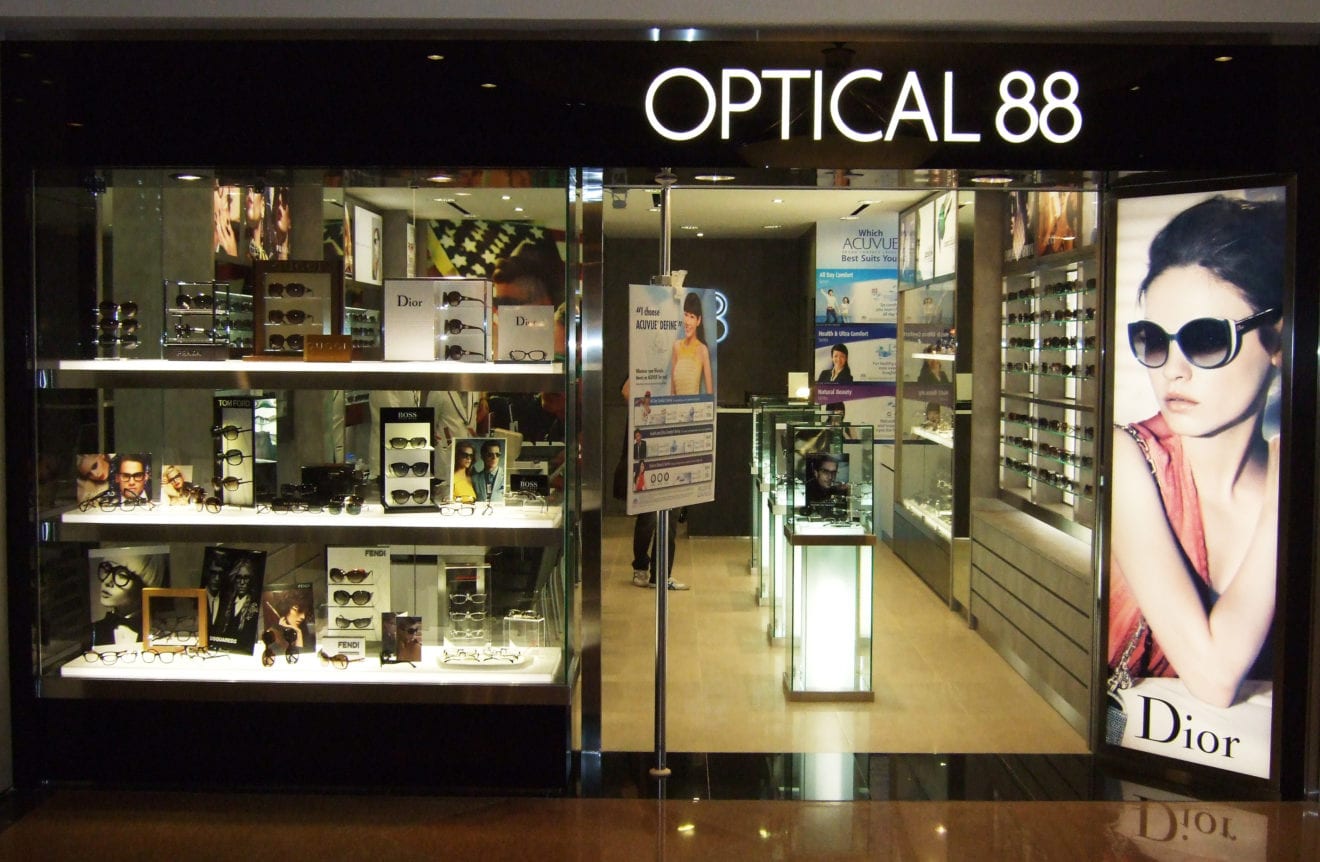
    Eyewear chain Optical 88 is narrowing its Mainland China losses as its sales improve.

    A subsidiary of Hong Kong-listed Stelux Holdings, Optical 88 has 227 stores in Hong Kong, Macau, Mainland China, Singapore, Malaysia and Thailand.

    Group sales rose just one per cent in the year to March 31, and its store network shrank by seven.

    Trading was mixed across the markets, with China and Malaysia standouts.

    China sales rose 4.7 per cent and the loss narrowed by 10 per cent to HK$27.5 million.

    “In line with our Greater China strategy, resources have been strengthened to accelerate shop opening in Southern and Southwestern China as we have relocated out from expensive cities, like Shanghai,” parent Stelux said in a stock exchange filing.

    “In addition, as we increasingly cater for the ageing demography and children, sales in progressive and functional lenses have improved whilst myopia control lenses have also been introduced.”

    In its home market of Hong Kong and Macau, the soft economy in Macau together with the accelerated slowdown in Hong Kong in the second half after a strong first six months, saw sales rise 3.9 per cent for the full year to $835.6 million.

    Profit rose 19.5 per cent to HK$95.4 million and gross margin improved to 64.2 per cent.

    “Though less affected by the decline in Mainland tourist spending, a cautious approach has nonetheless been adopted to review our store portfolio in key tourist locations.”

    Optical 88 recorded a loss for its Southeast Asian stores, but there were mixed results by market.

    Overall, Optical 88 lost $6.7 million in the three markets but on an exchange neutral basis, the loss was reduced to $1.4 million. Operating costs declined 2.2 per cent, with shop rentals falling 3.8 per cent.

    “In the second half of the year, a Hong Kong team was parachuted in to strengthen operational management and to improve operational efficiencies in all three regions. Initiatives were introduced to increase store productivity, improve gross margin and tighten procurement control. We will continue to see progressive improvements as a result of the above measures in the next year,” Stelux said.

    Singapore stores reported improved sales per shop as the brand focused on strengthening its customer base. Malaysian reported earnings of around $1.8 million, but excluding an

    exchange loss the profit would equate to $4.8 million.

    “In the medium term, we will be opening new stores to increase market coverage and to grow business scale.”

    The profit from Thai stores fell from $13.8 million to $8.6 million.

    “Given the poor economy and the unstable political situation, a cautious approach will be adopted towards shop leasing,” said Stalex.

    Optical 88’s total profit for the year rose 12.8 per cent to HK$61.2 million due to Hong Kong and Mainland China operations.

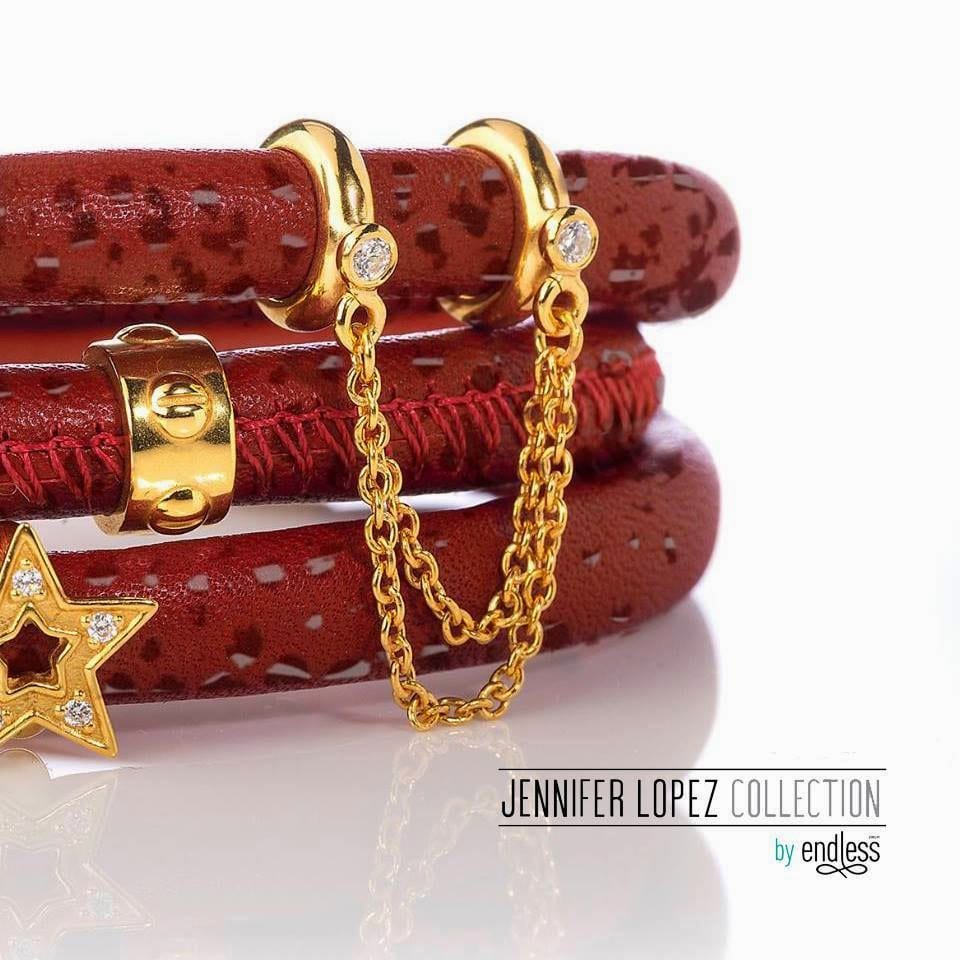
  • Denmark’s Infinite Jewellery make Asian debut

    Denmark’s Infinite Jewellery make Asian debut

    Denmark’s Countless Jewellery has made its Asian debut, opening its first retailer in Taiwan.

    The opening marks Infinite Jewellery’s fourth continent and 23rd worldwide market. Earlier in June it opened its first retailer in Estonia.

    Its merchandise at the moment are out there in additional than 3500 shops worldwide.

    A grand opening occasion within the Taipei retailer was attended by invited friends from China, Hong Kong, Malaysia and Singapore – maybe giving an perception into the model’s subsequent Asian goal markets.

    Countless Jewellery founder Jesper Nielsen stated the opening week buzz surrounding the brand new Taipei retailer proves its designs and model really have international attraction.

    “Each single day we’ve seen a line of consumers inside and out of doors the shop, and regardless that our native administration anticipated this, it’s been a extremely constructive expertise for myself and the European group.”

    Infinite Jewellery plans 15 shops in Taiwan in “prime places in main cities”.

    CEO of Nice China area, Michael Thomsen, stated that given Infinite Jewellery is totally new to the market, it’s going to take time to construct the model consciousness there.

    “By opening with the attendance of principally all media within the area – in addition to a number of the major celebrities – we now have already come a great distance. I anticipate we’ll attain US$5 million in gross sales within the first yr, which shall be an excellent begin for our Asian enterprise.”

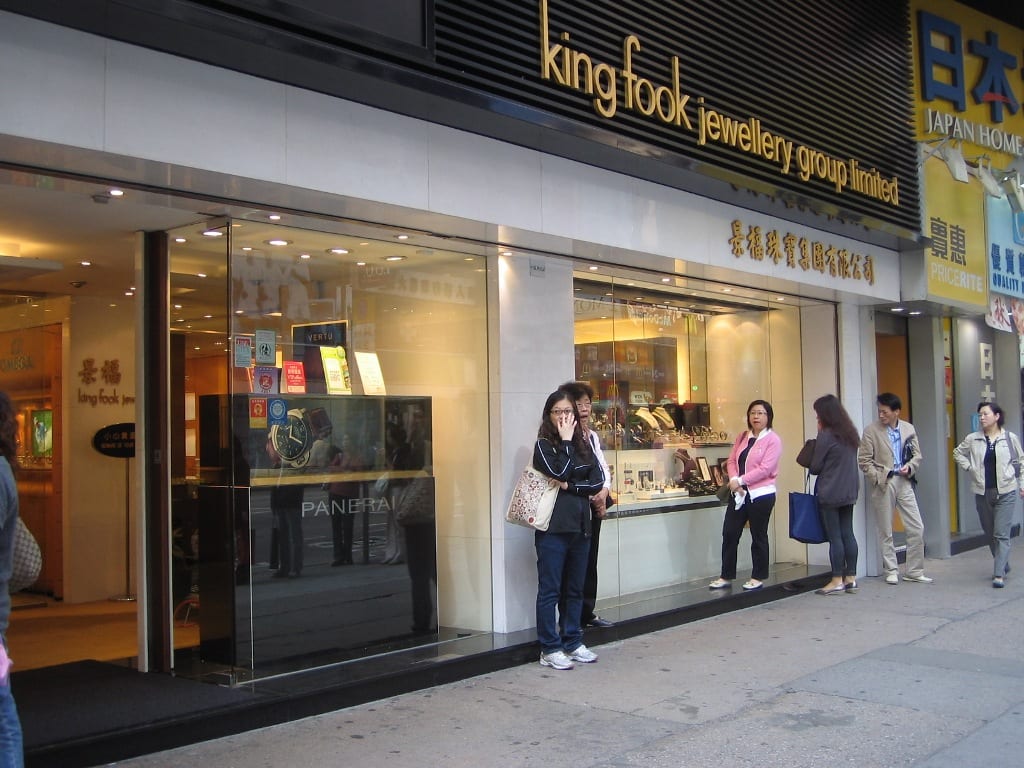
  • King Fook blames protesters for purple ink

    King Fook blames protesters for purple ink

    Luxurious jeweller King Fook says it misplaced $149.25 million within the yr to March 31, blaming the Occupy Central protest motion and the decline in cashed up Mainland buyers.

    The group’s turnover from its retail enterprise plunged 27.eight per cent to $817.6 million (from $1.13 billion the earlier yr) “following the overall decline of the Hong Kong luxurious items retail market”.

    As the corporate discounted inventory to extend gross sales, its gross revenue margin fell from 23.7 per cent to 20.9 per cent.

    It closed or downsized 5 underperforming shops to consolidate its flooring area.

    In its submitting, King Fook stated the spending of vacationers from Mainland China was adversely affected by the Chinese language Authorities’s anti extravagance marketing campaign, which in flip critically affected the posh items retail market.

    “Furthermore, native consumption sentiment was negatively impacted by the outbreak of the Occupy Central protests through the interval from September to December 2014.

    “The Hong Kong luxurious items retail market has not recovered because the outbreak of Occupy Central and has additional deteriorated by weakened consumption patterns and deceased spending of vacationers from Mainland China. The group expects the sluggish market circumstances will proceed and the problem to the posh items retail market is extreme.”

    It says it can “improve its competitiveness by cautiously reviewing and adjusting its retailer places, working prices and product combine in order to raised tackle the altering vacationers’ wants and the native market”.

    The corporate expects lease reductions within the yr forward reflecting the slowdown of the posh items retail market.

    It should additionally develop a web-based platform in order to not miss out on the development in the direction of on-line buying. It hopes a web-based presence will direct web customers to go to the group’s bodily shops.