Retail News CRM

Tag: Hongkong

  • Hong Kong retail has lost its edge

    Hong Kong has lost its edge as the go-to destination for international tourists seeking retail therapy.

    In a presentation to the 22nd CLSA Investors Forum, CLSA’s  head of consumer and gaming research Aaron Fischer, said luxury retail prices in Hong Kong are now higher than in other markets and if they stay that way “the retail market will suffer”.

    He cited an example of a Louis Vuitton handbag priced 20 per cent cheaper in Tokyo than in Hong Kong.

    Tourists – especially those from the Mainland – are now considering the price differential with Europe and other Asian destinations – and concluding there are more exciting tourist attractions, or new experiences, so deciding against Hong Kong.

    He said while there is no danger of the Hong Kong retail market “collapsing” – it would take threats to personal safety from terrorism or a pandemic to cause that – the sector needed to adjust.

    He said Hong Kong luxury brands were over-stored here. Brands like Louis Vuitton and Prada had about 10 stores in Hong Kong – and more in Macau – yet in cities like New York they had just two or three. If the profitability of these brands in Hong Kong was to be maximised, store networks would need to be cut by 20 or 30 per cent.

    “While sales declined, it does not mean these stores are loss-making. They might close one or two stores but they definitely won’t leave Hong Kong,” he added.

    The 22nd CLSA Investors’ Forum provides more than 1400 global fund managers and 230 leading listed corporations from 30 countries a platform for discussion and debate on market drivers including foreign policy and currency volatility; financial, political and structural reform; capital preservation, corporate governance and more.

  • Hong Kong banks launch hotline to fight back against torrent of phone scams

    Hong Kong banks launch hotline to fight back against torrent of phone scams

    All retail banks in Hong Kong have set up hotlines for customers to verify the identities of their employees in a bid to battle a flood of phone scam cases.

    Banking chiefs said yesterday the hotlines – some exclusively for the purpose of verifying employees’ information – would be available through the websites of the Hong Kong Monetary Authority and Hong Kong Association of Banks, with each of the 21 retail banks also putting hotline information on their websites.

    Phone scams have evolved and increased in recent months, with scammers posing as bank employees trying to sell products to government departments and even the central government’s liaison office. Hongkongers have handed over more than HK$182 million over the past couple of months in cases that most often involve fake mainland officials.

    However, the authority’s deputy chief executive, Arthur Yuen Kwok-hang, said so far banks had received only 200 calls regarding cold-callers.

    “The numbers are low – much lower than we anticipated. I think this is because there isn’t this awareness among the public yet,” said Yuen.

    Yesterday, the Mandatory Provident Fund Schemes Authority – which handles the retirement funds of Hongkongers – received an inquiry about a suspicious call from its hotline. The MPFA confirmed the hotline only took incoming calls and reiterated that “it never contacts people to sell MPF products or set up meetings”.

    HKAB chairman George Leung Siu-kay said banks would never ask for full personal information of clients over the phone or by email.

    “[A bank employee] will only ask for partial information – like the last three digits of a Hong Kong identity card number,” said Leung. “They will never ask for passwords.” He also warned against calling back phone numbers on the caller ID.

    Leung said there were no statistics on the number of scam cases banks had dealt with since July, but they would “keep watch for suspicious transactions, especially among vulnerable groups”.

  • K-beauty brand Hera uses DFS as testbed

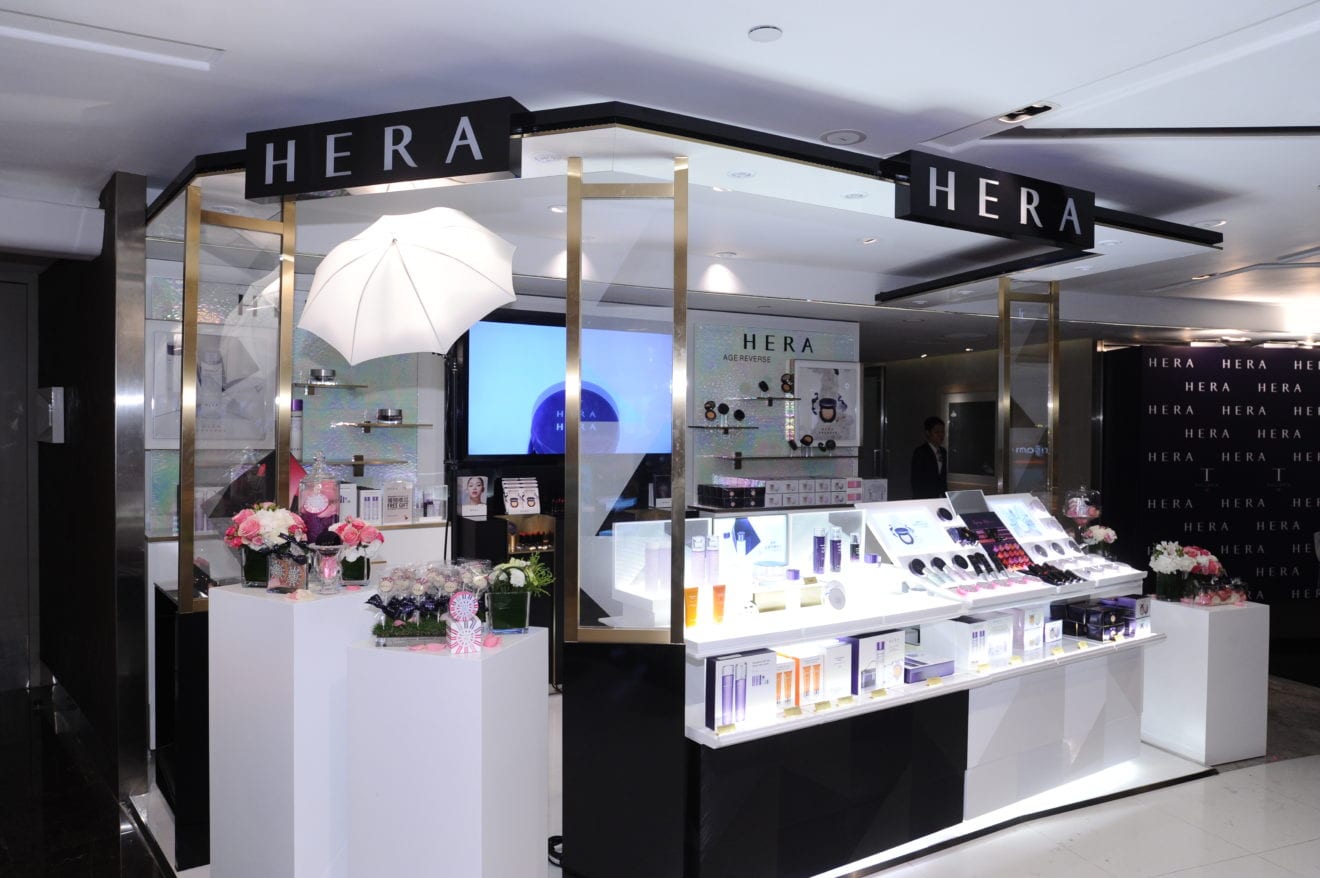
    K-beauty brand Hera uses DFS as testbed

    Luxury duty free and travel retailer, DFS Group, has opened pop-up stores in Hong Kong for the K-beauty brand Hera which the latter is using as a testbed for the global market.

    The T Galleria by DFS on Canton Road houses four pop-ups, with a launch in early August in the presence of Hong Kong actress Charmaine Sheh and Korean movie star Park Eun Hye. Hera’s head make-up artist, Jinsu Lee, was on hand to share beauty tips to achieve the signature K-beauty Seoulista look.

    BRIDGE TO ASIAN MARKETS

    Hong Kong is the largest cosmetics market in Asia and Hera’s first-ever pop-ups are expected to be a bridge to other Asian countries. The DFS units  bestselling fan-favourites, including the Olympia Le-Tan UV Mist Cushion, UV Mist Cushion and Age Reverse Cushion.

    Hera is known in Korea for cutting-edge technology and is popular with women looking to emulate increasingly popular K-beauty styles seen in K-pop music and K-drama TV shows.

    Jinsu Lee will offer Seoulista make-up demonstrations as well as touch-up services to customers with the stores are in place. All four pop-ups will offer a limited supply of product kits to customers with a minimum purchase.

  • Hong Kong’s unemployment rate rises slightly

    Hong Kong’s unemployment rate rises slightly

    Fall in the number of tourists and depreciation in RMB has led to a slight increase in Hong Kong’s unemployment figures.

    According to the latest labour force statistics released by Census and Statistics Department yesterday, the city-stat’s unemployment rate increased from 3.2% in April – June 2015 to 3.3% in May – July 2015.

    The underemployment rate remained, however, unchanged at 1.4% in the two periods.

    Commenting on the latest unemployment figures, the Secretary for Labour and Welfare, Matthew Cheung Kin Chung, said an unemployment rate of 3.3% is still at a low level but with a unsteady global financial market and decrease in number of tourist, the situation may get worse.

    The hospitality and retail industries were identified as sectors contributing to this latest rise in unemployment rate.

    The hospitality sector’s unemployment rate stood at 4.4% – a 1.4% year on increase, while the retail sector saw a 0.1 % increase in unemployment compared to  April – June 2015.

    Unemployment rate in the retail sector stood at 4.1%.

    Shedding light into the matter, managing director of AMAC Human Resources Consultants Limited Alexa Chow Yee Ping said the retail sector is currently on hiring freeze.

    “Resigned staff will not be replaced, it will be a quiet market until Christmas,” she said.

    The insurance industry was also found to have recorded a 0.4% increase in unemployment rate to 1.9% in July.

    Roy Cheung Wai Leung from the Hong Kong Insurance Practitioners General Union said high office rent has out insurance companies under a lot of pressure to cut manpower.

    “Take Kwun Tong for example, the rent of Grade-A offices in the area has increased from HK$11 per square feet five years ago to $25 now.  Many companies need to save cost and lay off agents with underwhelming sales performance,” he said.

    Economics academic professor Terence Chong  executive director, institute of global economics and finance  at The Chinese University of Hong Kong had a more positive view.

    He said the end of European debt crisis implies less fluctuation in the stock market.

    “The Hong Kong-Shenzhen stock through train which will take place soon will be a boost to the economy although I expect the employment market to remain weak in the forth quarter, the unemployment rate should go no higher than 3.5%,” he said.

  • Estee Lauder travel-retail revenue falls

    Estee Lauder travel-retail revenue falls

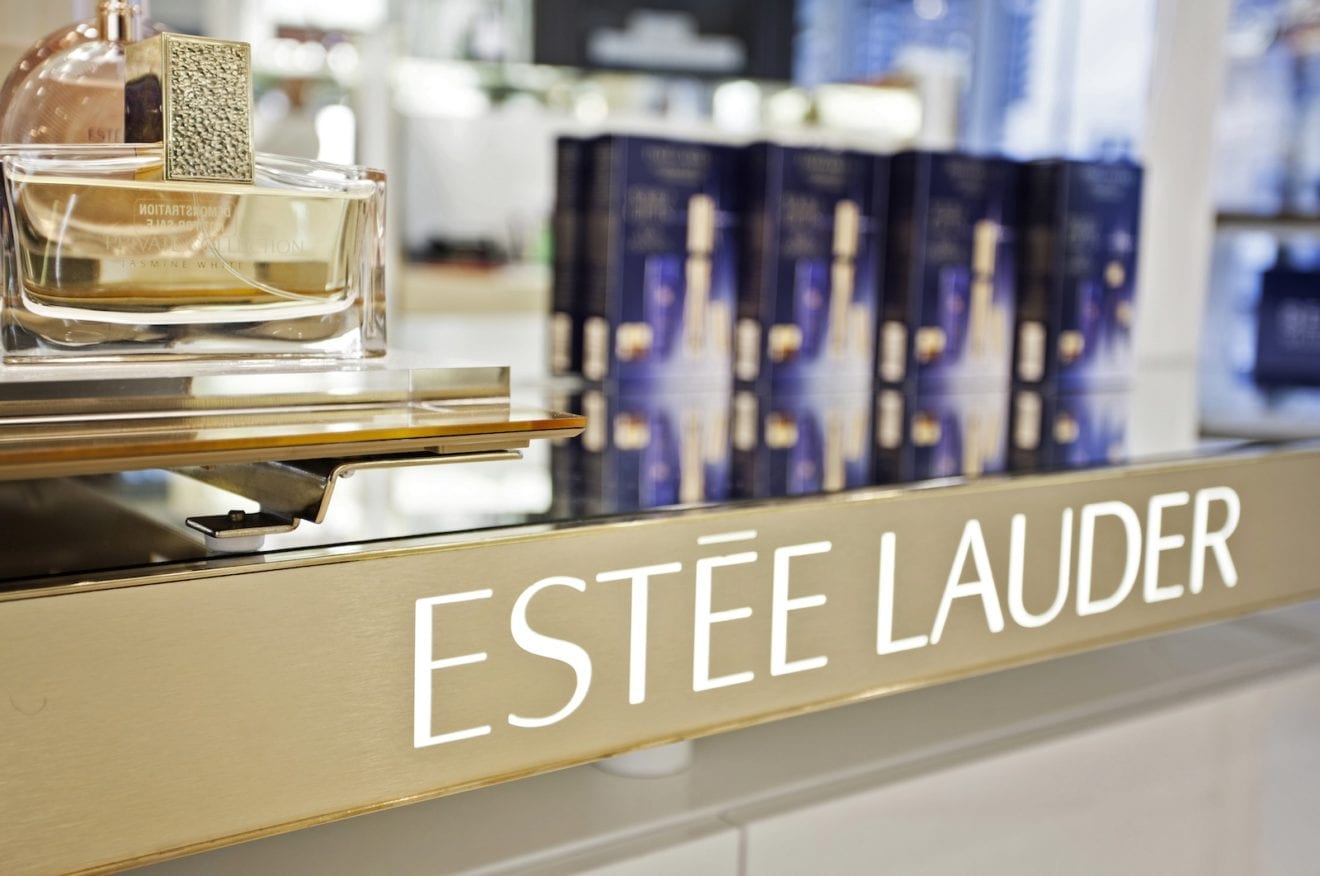
    Cosmetics-giant Estée Lauder Companies reported a decline in travel-retail sales in fiscal year 2015 (ended June 30, 2015), despite an increase in global airline traffic and expanded distribution in the channel.

    The company said that a stronger dollar and the outbreak of Middle East Respiratory Syndrome (MERS), which killed nearly 40 people in South Korea this year, contributed to decline, with travel-retail sales falling by 4% in the last quarter of fiscal year 2015.

    Over 55,000 tourists had cancelled trips to South Korea by the mid-June, according to the World Economic Forum.

    Slower retail growth in Hong Kong and China, as well as a decline in spending by Russian and Brazilian travellers are also expected to impact sales revenue into the 2016 fiscal year.

    The news came as the company also forecasted below-estimated earnings across the whole business for the coming fiscal year, and announced that net sales in the fiscal year ending in June went down to $10.78bn, a 1.7% decrease from $10.97bn the previous year. The company said it missed its 7% growth target because of accelerated sales orders in Latin America and the use of constant currencies to calculate international profits.

    For the three months ended June 30, 2015, the company reported net sales of $2.52bn, compared with $2.73bn the previous year. Skincare products were chiefly affected, with overall sales falling by 16% in Q4.

    However, expanded distribution, including in travel-retail, also helped lift some labels’ revenues. While sales for heritage-brands Estée Lauder and Clinique slumped, the conglomerate’s current global-marketing focus has been on growth for youthful or luxury brands like Smashbox and Tom Ford. Along with Aveda hair-care product, these brands’ expanding travel-retail channels were reported by Estée Lauder Co. to have resulted in year-on-year revenue growth that has helped offset some of this year’s losses.

    The company has said that by adjusting to factors like constant currencies and accelerated orders in the fiscal year 2014, strong underlying growth in the company becomes apparent.

    President and CEO Fabrizio Freda said in the company’s report for the fiscal year 2015 (Q4 and full year): “Together with our powerful brand portfolio and financial discipline we finished our fiscal year with a strong Q4, generating 7% constant currency sales growth, after adjusting for the accelerated sales orders we reported in fiscal 2014.

    He added “For the full year, our adjusted 6% local currency sales growth met our expectations, and we exceeded our earnings per share forecast …Our sales grew at a faster rate than global prestige beauty, due to the success of our multiple engines of growth. Standout performances generated double-digit sales gains in most of our makeup and luxury brands and the online, specialty-multi and freestanding store channels.

    “In fiscal 2016, we expect constant currency net sales growth of 6% to 8% and double-digit earnings per share growth, after adjusting for the accelerated sales orders.”

    Reuters reported on Monday that Estée Lauder Cos Inc shares fell by up to 5.3% to $82.8 per share yesterday, but the value rose to $84.48 today (still down from $90 reported at the beginning of this month). Estée Lauder is currently expanding its travel-retail offering, focusing on colourful, clean brands like Mac and Smashbox, as well as its successful London brand Jo Malone.

  • Aeon Hong Kong to invest in new stores

    Aeon Hong Kong to invest in new stores

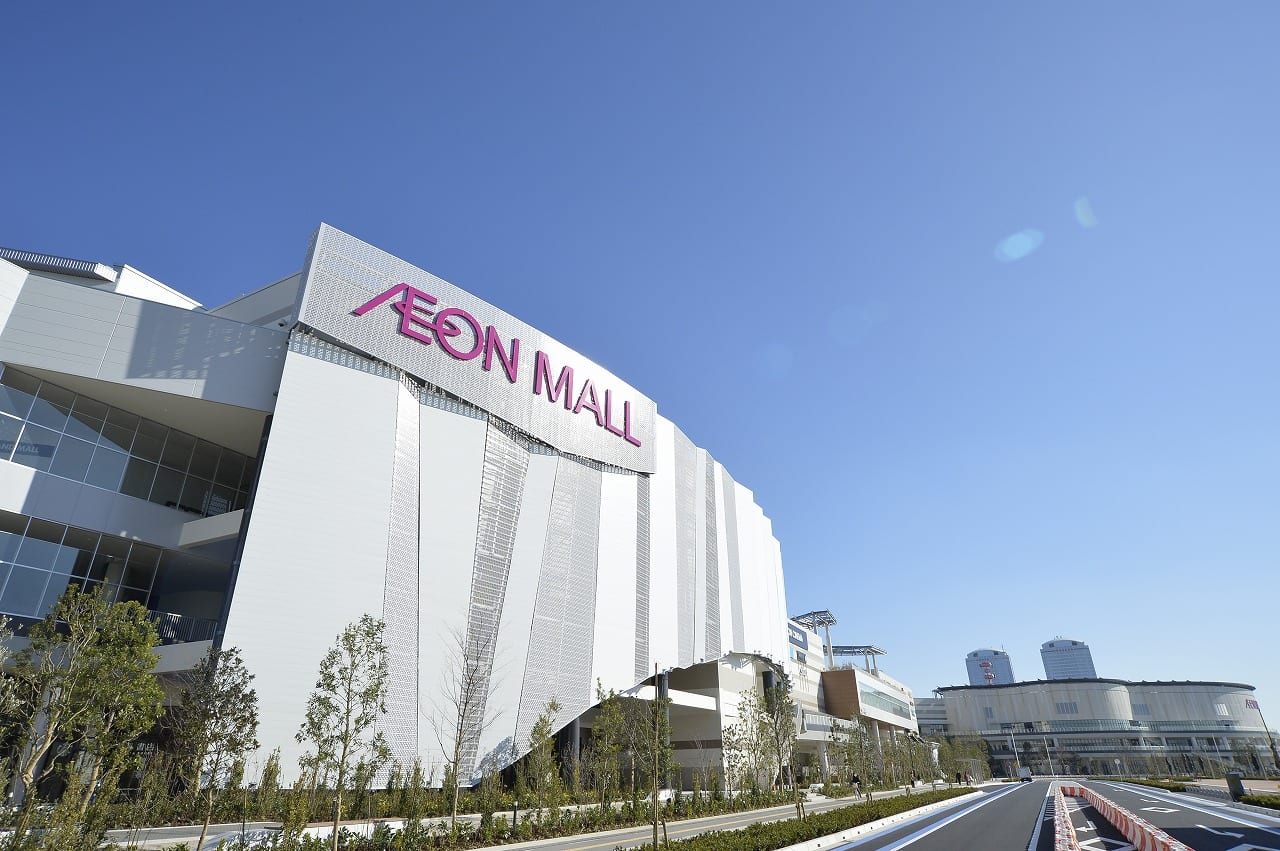
    Aeon Hong Kong is ramping up its store network expansion in the territory and the mainland.

    The Japanese retailer’s locally listed subsidiary has set aside HK$420 million to build new stores and refurbish existing ones, MD Christine Chan Pui Man said in announcing the company’s half year result. The cash – vastly more than the $51 million spent in the first half of this year – will be spent during the second half of 2015 and in 2016.

    Chan said despite a “stagnant” retail industry in both China and Hong Kong, the group improved its sales by 2.4 per cent to $4.499 billion in the six months to June 30, largely from stable growth in the mainland. Gross margin rose from 30.6 per cent to 31.1 per cent due to merchandise enhancement, boosting the core business profit by 20.8 per cent to $43.7 million.

    In the first half of this year Aeon Hong Kong opened four new stores – two in Tsuen Wan, one in Sai Ying Pun and another in Sham Shui Po, giving it a network of 46 on June 30.

    Revenue from the group’s Hong Kong operations was maintained at HK$1.87 billion, down marginally on a year ago, but profit fell from $44.7 million to $23.6 million.

    On the mainland, revenue rose by 6.8 per cent to $2.626 billion and the segment results achieved a turnaround with profit of $20.2 million compared with a loss of $8.4 million last year. Aeon now has 29 stores in south China, no more than at the end of last year.

    With a focus on now expanding the network, Aeon Hong Kong believes the mainland will become a major growth driver of the group.

    “In spite of the unstable macroeconomic environment and the volatile stock market, the PRC is still one of the economies with the largest potential for further business growth,” Chan said.

    In the second half of 2015, a new store will open in Zhongshan and in the first half of 2016, one will open in Panyu and two in Guangzhou and Shenzhen respectively in the second half.

  • AS Watson opens global flagship

    AS Watson opens global flagship

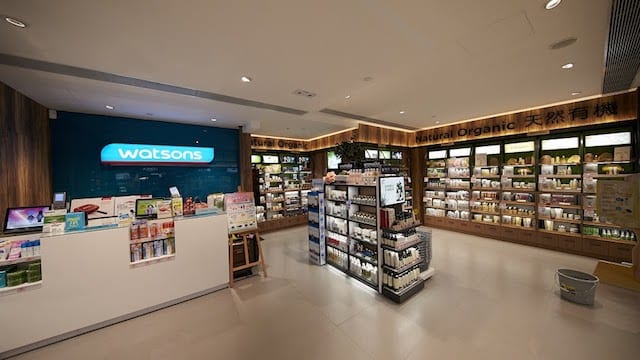
    AS Watson Group has opened its 12,000th store worldwide – in Hong Kong’s Causeway Bay.

    Perhaps fittingly, the store is a three-storey flagship, at 8000 sqft, the brand’s largest store in Hong Kong.

    Located on Yun Ping Rd, the new store features the latest Watsons store design concept internationally, a blend of “contemporary and elegant style”.

    “As an all-rounded health and beauty store, the flagship store provides customers with over 8300 unique products, including 840 healthcare and beauty brands of which 250 are Watsons exclusives,” the company said in a statement.

    The wide selection of products are categorised into different themes, such as organic skincare products, derma cosmetics, baby care area, men’s care area and health checks. Pharmaceutical and beauty consulting services, in-store nursery room and mobile charging stations are available to provide comprehensive customer services.

    At the store’s opening ceremony, Li Tzar Kuoi, Victor, the co-MD and deputy chairman of Watson’s parent CK Hutchison’s Group said Hong Kong has a special place in the company’s heart.

    “Last year, AS Watson Group opened and refitted 76 retail stores in Hong Kong; and for this year, the number is expected to amount to over 80. The capital investment involved would be approximately HK$620 million over these two years,” Li said.

    “We will continue to invest in the city. ”

    Founded back in 1941 as a small dispensary, the AS Watson Group was the 14th company to register in Hong Kong. Now it is the world’s largest international health and beauty retailer and one of the world’s fastest-growing retailers. Watson plans to open 1300 new stores around the world in 2015 – nearly three per day.

    Fortune Centre Watsons Hong Kong Flagship Store has the widest selection of natural & organic skin care products of nine international brands, including the Anumi, a well-known Australian brand with international organic certification, and American brand Burt’s Bees.

    Derma cosmetic products from 12 brands are on sale, including the French cosmetic brands Uriage and Filorga, which will have their exclusive counter, and Watsons’ exclusive brands such as Skin Advanced, CNP. Customers can also enjoy skin analysis and derma cosmetics consulting services.

    A wide range of cosmetic brands, including Clio, Luna and Peripera, etc, from Korea will be exclusively offered in this biggest cosmetic zone among all Watsons stores. Nail brands like Sally Hansen and Depend 7Day will also be available here. Customers can even enjoy makeup or manicure services.

    The Baby Zone offers a large variety of baby products, ranging from diapers, baby wipes, milk powders, etc, giving babies full care and protection. The Men’s Zone offers men’s grooming and health products selections of 14 brands, including Men’s Biore, L’Oréal Men Expert and Za Men, which is a Watson’s exclusive.

    As the Asia’s largest health and beauty retailer, Watsons aims to make customers ‘Look Good, Feel Great’. Nine professionals, including two pharmacists, one dispenser, three health and fitness advisors and three beauty consultants will station in-store to provide customers with professional health consulting and assessment services, such as the Ultrasound Bone Density test as well as measurements for blood pressure and BMI (Body Mass Index).

    The Flagship Store provides customer services such as free wireless internet access, mobile charging stations, baby nursing room, and washrooms.
  • Global Brands chases higher margins

    Global Brands chases higher margins

    Li & Fung spinoff Global Brands has reported stronger margins as it continues to shed non-performing brands in favour of higher end products.

    The group’s total margin continues to rise, growing as a percentage to turnover from 29.7 per cent to 31.7 per cent in the first half of the current financial year.

    Turnover of US$1.282 billion was down five per cent due to “the tail end of the discontinuation of underperforming businesses” and a weak euro. Excluding those factors, turnover actually grew by about six per cent.

    CEO Bruce Rockowitz said as the company marked its first year as a standalone, listed business it continued to build on a solid foundation “as the partner of choice for American power brands in the affordable luxury space”.

    “We have sharpened our organisational focus around our product categories, as we continue to improve our business mix towards higher margin areas while at the same time driving operational synergies across the organisation. Today, we have a strong portfolio of brands and an excellent platform to take them global through either licensing, ownership or brand management,” he said in a statement.

    Global Brands’ business is always stronger in the second half of the year due to back-to-school sales and a higher concentration of holidays during this period, and the fact that some of the brands, such as Frye and Spyder, together with product categories like winter accessories, are more skewed towards the fall and winter seasons.

    “We continue to invest in and strengthen our business,” said Dow Famulak, president and COO. “Within Licensed Brands, the characters and kids fashion areas continued to perform well. This strong performance comes as we leverage our unrivalled global platform and our position as one of the largest licensees of all major kids entertainment franchises.

    “On the Controlled Brands side, we have added Jones New York to further strengthen our women’s fashion and apparel brands portfolio. We also continue to grow our key Controlled Brands, such as Frye, Spyder and Juicy Couture and have bolstered our management teams across several brands.”

    Added Rockowitz added: “Consumer appetite for leading American affordable luxury brands remains strong, especially as consumers’ demand for these brands has been fuelled by the widespread access to the online arena that makes these brands more popular than ever globally. Looking ahead, we expect our leading businesses to continue to perform well and maintain the course of their growth trajectory. At the same time, we will continue to increase our geographic footprint and look for strategic opportunities to add to our existing platforms, through both licenses and acquisitions.”

  • Luk Fook opens Causeway Bay flagship

    Luk Fook opens Causeway Bay flagship

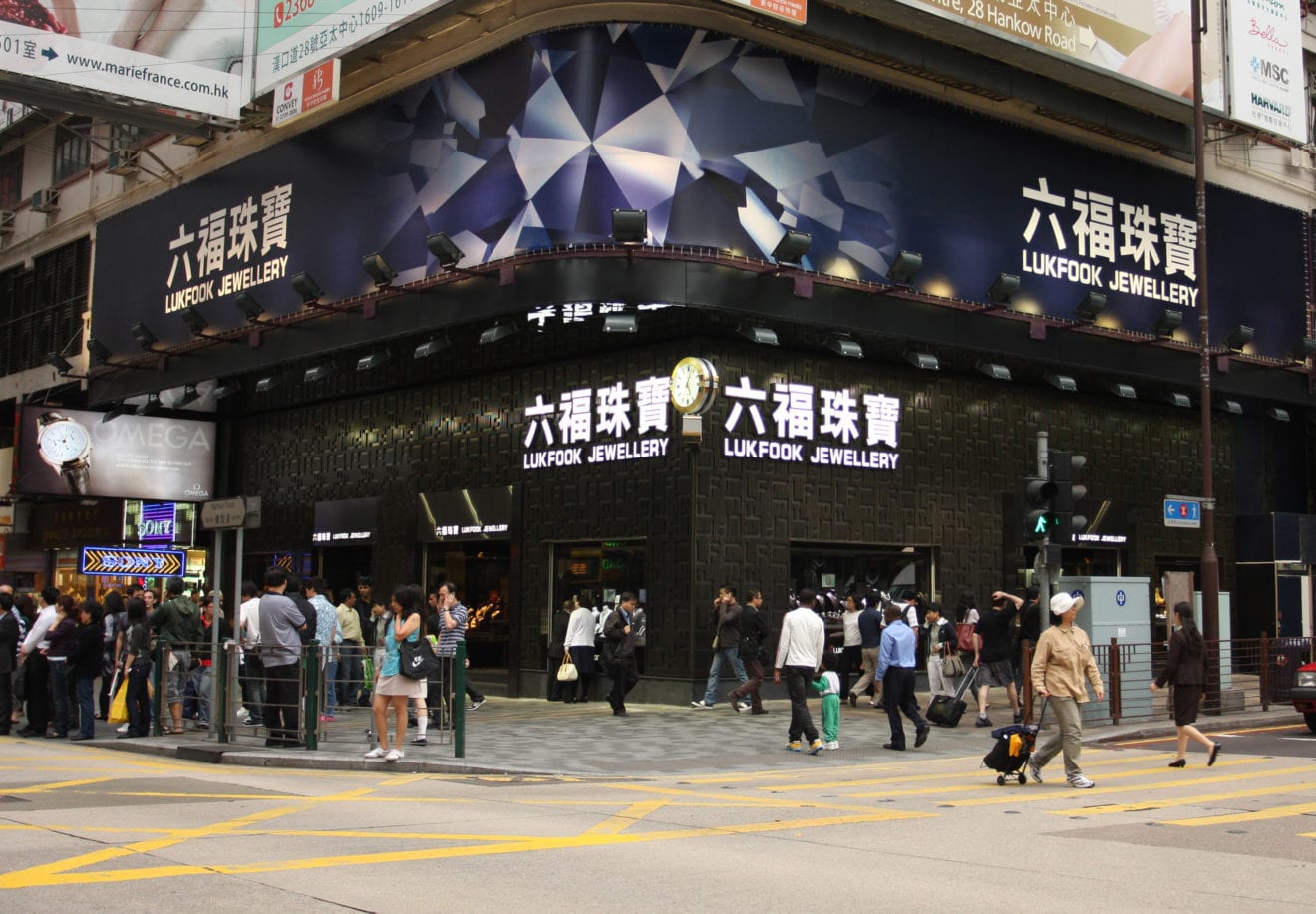
    Luk Fook Holdings has opened a three-storey Lukfook Jewellery flagship store in Causeway Bay.

    The group held a ribbon-cutting ceremony for the new store this week, inviting Japanese cartoon character Rilakkuma to join in the celebrations.

    Wong Wai Sheung, chairman and CEO of Luk Fook said the three storey shop is located in the central area of Causeway Bay, “a shopping hotspot with high pedestrian flow”.

    “We believe that the opening of new shop at a prominent location not only expands our sales network, but also brings convenience to the tourists and local customers for their leisure shopping in Hong Kong. As a globally renowned jewellery brand, the group will continue to optimise the retail network in Hong Kong and provide high-quality jewellery products and excellent services for customers.”
    Featuring prominent three storey tall mega billboard advertising, the store is decorated with luminous materials, such as mirrors and metal steel, with leather interspersed throughout the shop to create a more distinct three-dimensional and multi-layered effect and “a soft yet noble and elegant shopping environment”.

    The first floor of the shop features a ‘Western Wedding Zone’ in the warm, romantic pink tone to display a wide variety of wedding jewellery products. New couples and their families can select wedding jewellery in a comfortable and spacious environment. In addition, our professional sales team offers professional advice, and provides caring value-added services including providing shawl of Chinese-style dress to match with the selected gold jewellery, and free on-site engraving services, etc, for customers to enjoy a superior shopping experience.

    The store is located on the Ground, 1st and 2nd floors of 499 Hennessy Rd.

  • Hugo Boss shareholder says group will boost presence in China

    Hugo Boss shareholder says group will boost presence in China

    German fashion house Hugo Boss will expand its presence in China, key shareholder Gaetano Marzotto said in an interview in newspaper Welt am Sonntag.

    Despite slowing growth in the world’s second-largest economy, Marzotto told the paper that he saw the potential for higher sales in China.

    “Up until now China accounts for less than 10 percent of group sales, this could be ramped up,” Marzotto said in an advance extract of an interview to be published on Sunday.

    His family clan holds a 7.95 percent stake in Hugo Boss, making it the company’s biggest shareholder.

    The Chinese are the world’s biggest buyers of luxury goods and have been increasingly shopping abroad as big shifts in exchange rates make luxury items much cheaper for them in Europe than at home.

    Hugo Boss’s currency adjusted sales in the country increased 1 percent in the six months through June versus a decline of 2 percent in the prior year period.

    Finance chief Mark Langer said earlier this month he did not expect an improvement soon in China, which contributes about 8 percent of group sales.

    Hugo Boss recently took over 21 stores in China, previously operated by a partner, to strengthen its brand in the market.

    The group has been spending heavily on expanding its own store network, where sales are more profitable than through other retailers’ shops.

  • Hong Kong retail sector to suffer most from yuan devaluation

    Hong Kong retail sector to suffer most from yuan devaluation

    A weaker yuan means these tourists will now be spending in a more expensive Hong Kong dollar, denting the city’s retail sales even further.

    “Shopping in Hong Kong will get more expensive for mainlanders,” said Nicole Wong, regional head of property research at CLSA, “Landlords need to be more realistic [in setting their rents].”

    Wong said retail rents would in any case have to correct in view of the slump in Chinese spending and that the yuan devaluation would only steepen the fall.

    Big spenders from China had already been skipping Hong Kong and flying directly to Europe, taking advantage of a cheaper currency, she said. The euro has lost nearly 18 per cent in the past year.

    The yuan has lost more than 3 per cent against the US dollar since the People’s Bank of China shocked the markets by devaluing the currency by 1.85 per cent on Tuesday, the most in one day in more than 20 years.

    “Any meaningful depreciation of the yuan could further dampen Hong Kong retail sales as mainland visitors’ spending represented 38 per cent of Hong Kong’s total sales in 2014, compared to below 20 per cent prior to 2008,” wrote Bank of America Merrill Lynch analyst Raymond Ngai in a note to clients.

    The devaluation would be another direct headwind for Hong Kong retail landlords, he said, citing the widespread market expectation of a 10 per cent depreciation of the yuan against the US dollar in the next 12 months.

    Shares in Causeway Bay’s largest retail landlord Hysan Development have fallen for three straight days since Tuesday. In all, it lost 1.7 per cent to close at HK$33 on Thursday. Hang Lung Development, which owns Fashion Walk in Causeway Bay, lost nearly 3 per cent to close at HK$19.80.

    Sogo department store operator Lifestyle International Holdings fell nearly 1 per cent on Thursday. Only Wharf (Holdings), which owns the city’s largest shopping mall Harbour City, but is diversified into areas other than retail, bucked the trend to edge up nearly 0.5 per cent on Thursday after falling 3.7 per cent the previous day.

    Jefferies downgraded Hysan to “hold” from “buy” for its concentration in retail operations.

    Even before the devaluation, global brands have been pushing landlords to cut rents as mainland footfalls have been dwindling amid an economic slowdown as well as the anti-corruption drive on the mainland that has crimped luxury spending. Swiss watchmaker TAG Heuer last week said it was closing a store in Causeway Bay’s prestigious Russell Street.

    Tom Gaffney, head of retail at property consultancy JLL, said some retail outlets in Central and Causeway Bay had asked for rent reductions of up to a fifth.

    But the yuan depreciation is likely to have a mild impact on Hong Kong’s physical property market.

    Sammy Po, chief executive of Midland Realty’s residential department said mainlanders accounted for 20 to 30 per cent of new luxury homes sales in 2011.

    “Today, mainland buyers have dropped to about 4 per cent due to stamp-duty curbs for non-locals,” he said.

    This article appeared in the South China Morning Post print edition as Devalued yuan to hit retail sector

  • Hong Kong fund sales slide by 50%

    Hong Kong fund sales slide by 50%

    The Hong Kong fund industry saw net sales drop by almost a half in the first six months of 2015, new figures reveal.

    The Hong Kong Investment Funds Association (HKIFA) published data on Wednesday which cited a sharp fall in funds to $3.71bn (£2.38bn, €3.34bn).

    Bruno Lee, the chairman of HKIFA, blamed the decrease in sales on global market uncertainty, particularly around China mainland’s A-Share market, the Greek debt crisis, and the potential US interest rate rise. He said volatility in the global currency market was also to blame.

    “Retail investors should review their investment position regularly to ensure their investment strategy is aligned with their long-term personal financial objective and seek for professional investment advice if needed,” Lee said.

    Though net sales fell dramatically, gross sales saw a rise of 14% to $47bn in the first half of 2015, after hovering at $7bn in the first quarter, soaring up by more than $10bn in April, and then dropping back to $7bn towards the end of the second quarter.

    HKIFA said China-related and European equity funds were the key sectors which contributed to the surge in gross sales in the second quarter of this year.

    “The moderate growth in gross retail fund sales and higher equity fund sales percentage indicate a higher risk appetite amongst retail investors,” said Lee.

    HKIFA members are comprised of 82 fund management companies.  It also has 43 associate members, including lawyers, accountants, trustees and other professionals that are involved in the creation and administration of funds.

  • HK retailers arrested for $1.68 million in unpaid wages

    HK retailers arrested for $1.68 million in unpaid wages

     The founders of Hong Kong retail chain DSC, Mr Hui Ming-shun and his wife Lin Wai-yin, have been arrested after the closure of all 14 of its stores on 3 August. They are said to owe approximately $1.68 million in unpaid wages to their staff.

    The couple were arrested on 10 August after they returned to Hong Kong from Macau. They had briefly fled there after the sudden closure of their company, a move which left almost 900 staff jobless. Police apprehended the pair on their return, arresting them from conspiracy to defraud. Approximately 350 employees have filed complaints with the Labour Department.

    In addition to its staff, DSC has also angered landlords and suppliers with the Consumer Council receiving more than 500 complaints. It is claimed that DSC owes more than $1.68 million in unpaid rent and undelivered goods.

    Before 3 August, suspicions were raised when DSC held a summer sale with discounts of up to 50%. Allegedly, the firm only accepted cash payments in-store during the week prior and still encouraged customers to place orders in the days leading up to the closure.

    The company informed its employees of the move by attaching printed notices to the front doors of each of its branches. Claiming the need to dismiss its staff because of financial difficulty, the notices told employees to seek assistance from the Labour Department.

    Tired of the delay, employees took this advice and marched in protest to the Central Government Offices on Tuesday demanding the expedited payment of their unpaid wages. The secretary for Labour and Welfare, Matthew Cheung Kin-chung, expressed his desire for DSC’s founder to declare himself insolvent before that could happen.

    “This morning we contacted the lawyer of Mr Hui to demand him to sign a declaration of insolvency and to determine as soon as possible the amount of money he owed to his employees,” Cheung said. “Once we receive Mr Hui’s declaration, the Labour Department will help the employees to apply for legal aid to petition to wind up the company.”

    In a statement to the Labour Department, Hui’s lawyer stated that his client would not be meeting his staff to discuss the outstanding wages.

    Employees have now asked the Labour Department to draw from the Protection of Wages on Insolvency Fund. This can be a maximum of $48,389 per person with the department first having to determine how much each worker is owed.

    Both founders of DSC remain in police custody. A Labour Tribunal has been planned for 21 August.

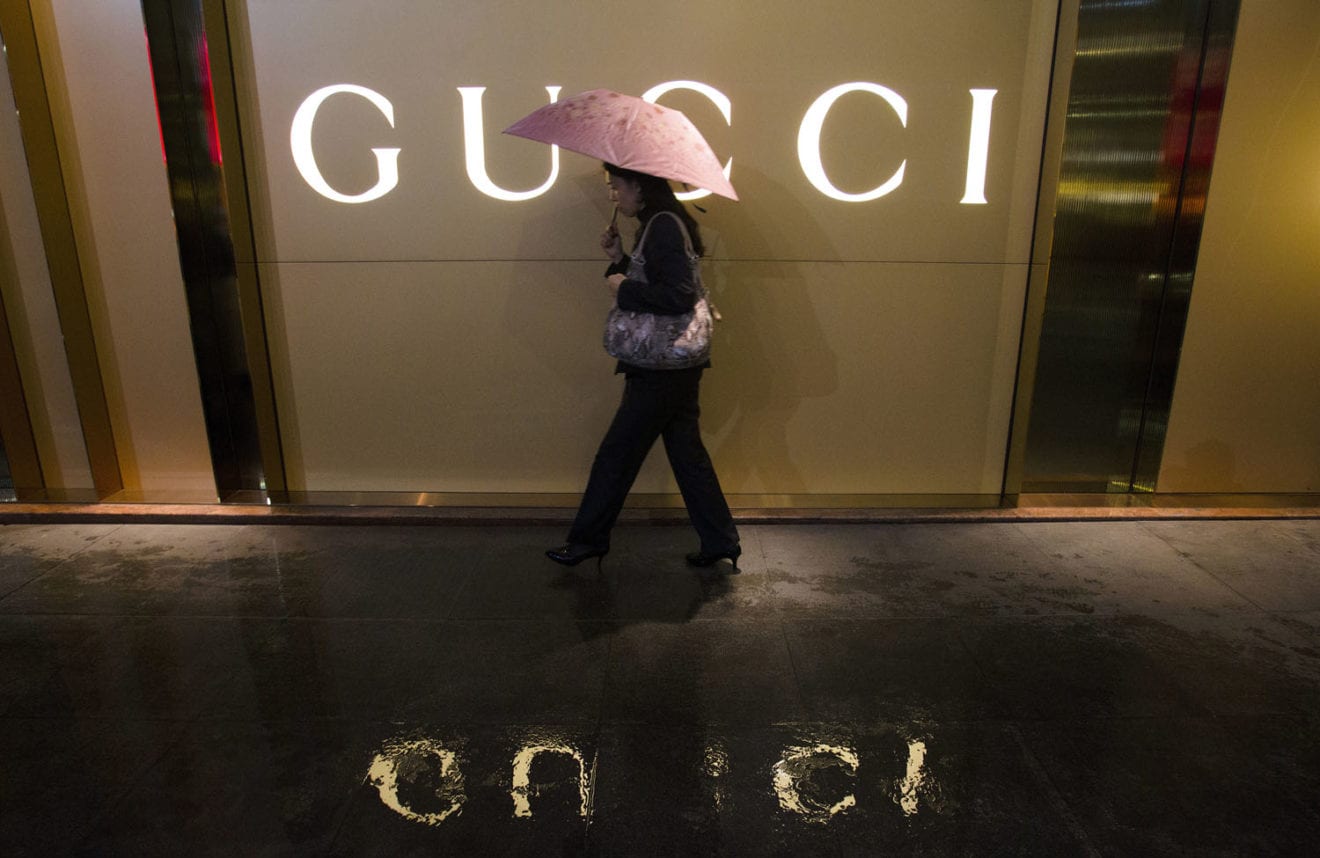
  • Gucci tangles with Hong Kong landlords

    Gucci tangles with Hong Kong landlords

    Retailers such as Burberry Group Plc, Kering SA and Chow Tai Fook Jewellery Group Ltd. are pushing landlords to lower rents on existing properties as luxury brands scale back on declining traffic.

    Commercial rents have dropped the most this year since 2009 amid plummeting sales.

    Hong Kong’s Russell Street in Causeway Bay used to boast the world’s highest retail rents, but it relinquished the top post to New York’s Fifth Avenue last year, Bloomberg News reported.

    TAG Heuer closed its Russell Street store last week, citing high rents and declining traffic.

    Kering, owner of the Gucci brand, has also warned that it may close some of its shops in Hong Kong if rents don’t come down.

    “Many landlords have not necessarily understood that the markets have changed,” Kering chief financial officer Jean-Marc Duplaix was quoted as saying.

    China’s economic slowdown and President Xi Jinping’s austerity and anti-corruption campaigns are among the reasons for the declining number of mainland shoppers in the city.

    Demand has also plunged because the weaker yen and euro have prompted Chinese tourists to favor Japan and France over the city, the news agency said, citing Helen Mak, senior director of research at Colliers International.

    “Unavoidably rents will trend down,” said Marcos Chan, head of research for Hong Kong, Macau and Taiwan at CBRE Group Inc. “We don’t see any reason why retail will quickly see a rebound any time soon.”

    Sales of jewelry, watches and other high-priced gifts fell 15.9 percent in the year ending June, according to data from the Hong Kong Retail Management Association.

    In a July research report, Jones Lange LaSalle Inc. said high-street rents will drop 15 percent to 20 percent this year, which is far worse than the 5 percent drop it predicted at the end of last year.

    Street-level landlords in Central on Hong Kong Island, and across the harbor in Kowloon neighborhoods that cater to mainland shoppers, are also feeling the pressure.

    Average rents fell 15 percent in Tsim Sha Tsui in the first half, Colliers said.


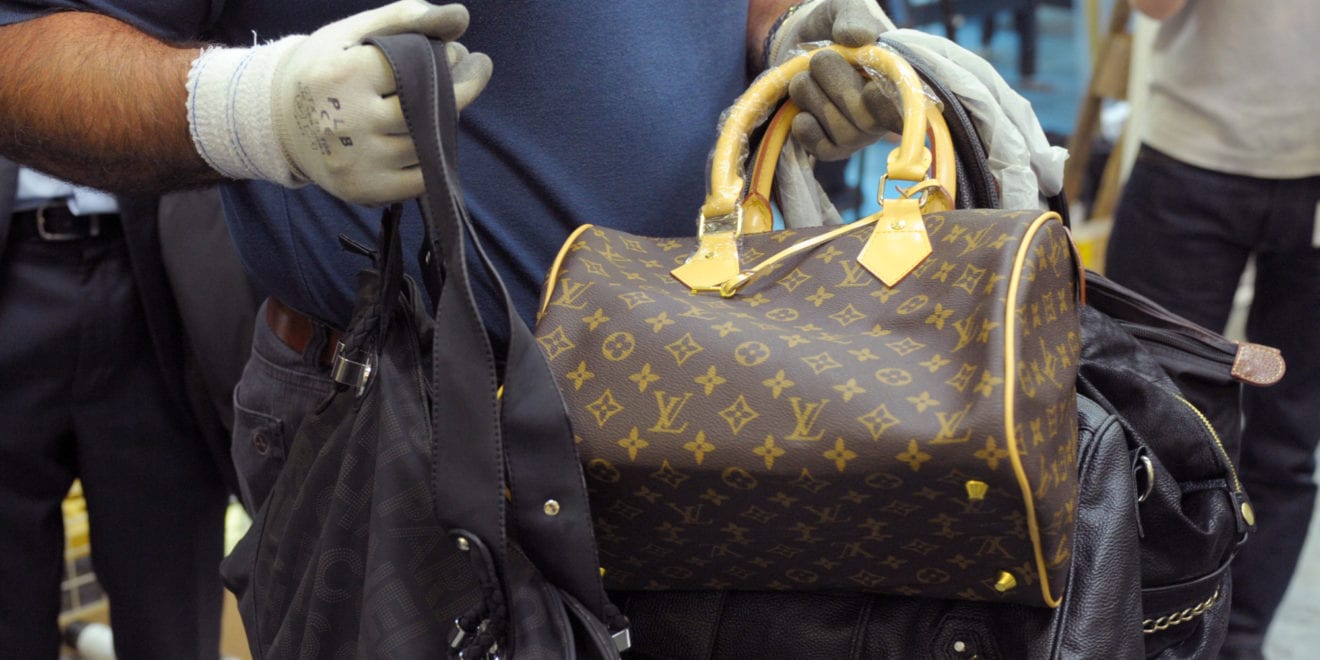
  • Hong Kong police seize 30,000 fake bags

    Hong Kong police seize 30,000 fake bags

    Hong Kong police and customs officers have made the biggest seizure of counterfeit bags and accessories in a decade.

    The authorities say they netted 30,000 bags in a two day operation on July 28 and 29, details of which have only just been revealed.

    Customs and police say they successfully smashed a syndicate suspected of selling counterfeit goods by operating two upstairs showrooms and a storehouse in Tsim Sha Tsui and Tsuen Wan.

    The operation involved a record seizure in terms of quantity among similar cases in the past decade. The more than 30,000 suspected counterfeit products have an estimated street value of about $3 million, including leather goods, watches, apparel products, footwear, sunglasses and perfume, were seized.

    The syndicate was suspected of establishing a sales network with a membership scheme.

    A man thought to be the mastermind of the syndicate and two women, aged between 32 and 37, were arrested and released on bail pending further investigation.

    The Divisional Commander (Intellectual Property Transnational Investigation) of the Intellectual Property Investigation Bureau of Customs, Cheuk Tak-wai, and the Police assistant divisional commander (operations) of Tsim Sha Tsui Division, Ho Siu-tung, said at a press conference that Customs and the Police would continue to combat counterfeit activities with stringent joint enforcement actions. Customs also appealed to members of the public to shop at retail stores with a good reputation or at official brand stores.

    Under the Trade Descriptions Ordinance, any person who sells or possesses for sale any goods with any forged trademark commits an offence. Upon conviction, offenders are liable to a maximum fine of $500,000 and imprisonment of five years.