Tag: hospitality

  • L Catterton Buys $30 Million Minority Stake in Nandhana Foods

    L Catterton Buys $30 Million Minority Stake in Nandhana Foods

    L Catterton has acquired a minority stake in South Indian restaurant chain Nandhana Foods for $30 million this week.

    The cash injection gives the global consumer private equity firm a direct foothold in India’s regional casual dining market. Regional food service businesses across southern India have historically relied on internal cash flows and promoter capital to fund new locations. That pattern is breaking down as institutional investors seek scalable dining concepts with proven local demand.

    Capital deployment in regional dining

    Consumer appetites in tier-1 and tier-2 Indian metros continue to shift toward organized dining formats. Nandhana Foods built its brand identity around regional South Indian cuisine, catering to everyday lunch traffic and family dining. Securing $30 million in equity funding provides the balance sheet capacity required to expand kitchen footprints, secure premium retail real estate, and build out centralized supply chains.

    Institutional backing allows regional operators to compete directly with national multi-brand conglomerates. When well-funded private equity sponsors enter single-concept restaurant groups, the immediate focus turns to margin protection and real estate acquisition. Prime retail frontage across major South Indian commercial corridors commands rising rents, making external capital essential for multi-city expansion.

    Private equity playbook in Indian food service

    L Catterton has targeted consumer-facing food and lifestyle brands across Asia-Pacific to capture rising household discretionary spending. The firm looks for high-repeat transaction models with defensible regional loyalty. Fast-casual and specialized regional dining concepts offer clear unit economics, predictable inventory cycles, and steady cash generation compared to untested Western formats.

    Competition among private capital allocators in India has tightened around profitable consumer businesses. Global funds that previously backed digital consumer platforms are now directing capital into cash-generating physical retail and restaurant chains. Food service operators that control their supply relationships and maintain consistent kitchen standards represent defensive bets against broader market volatility.

    Operating risks and scaling discipline

    Scaling a regional dining chain beyond its home base presents operational friction. Standardizing recipes, managing bulk procurement of specialty ingredients, and maintaining identical service quality across dozens of outlets tests management teams. Expanding too fast across state borders often dilutes the brand equity that made the original footprint successful.

    Labor retention and kitchen staff training create additional cost pressures. As restaurant networks grow, operators must invest in central commissary hubs to keep unit costs manageable. Centralized production cuts kitchen square-footage requirements at retail outlets, lowering rental expenses while stabilizing gross margins.

    Valuation discipline and the road to liquidity

    Private equity investors enter minority positions with clear timetables for liquidity. For Nandhana Foods, bringing in a global investor sets an institutional governance framework and prepares the operating company for larger equity rounds or a public listing once network scale is achieved.

    The benchmark for this investment sits in how effectively the chain uses the $30 million check to open new doors without compressing unit-level operating margins. Industry attention now shifts to the company’s real estate pipeline across key southern metro hubs and the rollout speed of its next batch of restaurant locations.
  • Wuhan Launches Autumn Consumption Season with 279 Events

    Wuhan Launches Autumn Consumption Season with 279 Events

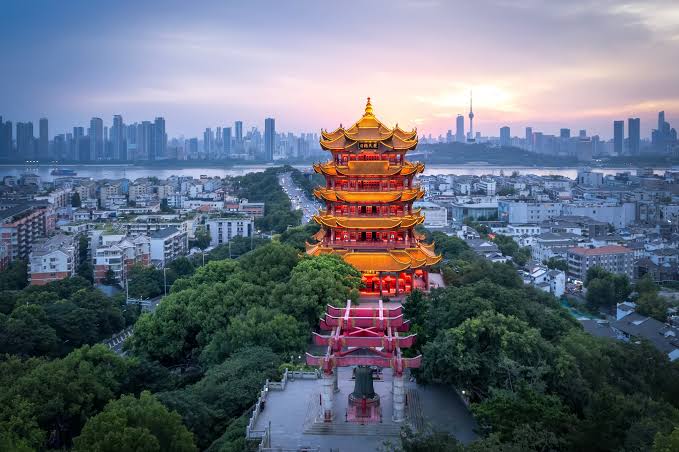
    Wuhan has launched its autumn consumption season with a schedule of 279 cultural and tourism events designed to lift citywide retail spending.

    The municipal campaign targets shopper footfall across commercial districts, entertainment venues and scenic attractions across the central Chinese metropolis.

    Focus on seasonal consumer demand

    Municipal authorities structured the program around cultural shows, public exhibitions and travel promotions. City planners organized the calendar to capture holiday travel and weekend spending throughout the autumn months.

    Commercial districts across Wuhan are coordinating extended operating hours and venue promotions alongside the public events. Department store operators and dining hubs are synchronizing private sales promotions with the city’s scheduled activities.

    Municipal spending initiatives

    Central Chinese cities have relied on structured event calendars to anchor local retail activity. Wuhan’s 279 scheduled activities span theatrical performances, open-air festivals and community tourism circuits.

    For mall operators and retail landlords, coordinated municipal programming provides steady foot traffic without requiring independent marketing outlays. The concentration of events directs visitor flows directly toward major retail nodes and transit interchanges.

    Commercial footfall and operator response

    Hospitality groups and transport providers across Hubei province face the operational challenge of converting short-term event visitors into retail spending. Department stores in core shopping areas depend on out-of-town visitors during regional tourism pushes.

    Suppliers and local brands frequently increase inventory runs around these civic shopping seasons. The primary operational risk sits with retailers that overstock seasonal merchandise if domestic spending fails to meet municipal projections.

    Tracking seasonal retail targets

    Wuhan carried out similar consumption drives during previous seasonal cycles to support domestic commerce and tourism receipts. Municipal bureaus track passenger entries, hotel bookings and point-of-sale volume during each promotional wave.

    City commercial bureaus will evaluate retail turnover figures and visitor tallies as the autumn event schedule runs through the final quarter of the year.

  • Sydney Commits 20 Million Dollars to Make 150 On-Street Dining Spaces Permanent

    Sydney Commits 20 Million Dollars to Make 150 On-Street Dining Spaces Permanent

    The City of Sydney will convert 150 temporary on-street dining sites into permanent footpath extensions. The work falls under a 20 million Australian dollar capital program running across the next eight years.

    Crews will replace temporary concrete barriers with paved street infrastructure across major hospitality strips. This secures outdoor trading space for more than 1,000 food and beverage operators.

    Five-year permits and streamlined rules

    Under revised guidelines taking effect on October 1, operators can secure five-year approvals for footpath extensions instead of relying on rolling temporary permits. The council has eliminated duplicate application filings. It also removed separate council requirements for outdoor food service, customer toilets and heating equipment.

    Venues gain the option to trade on both sides of a footpath where width permits. They can also expand seating in front of neighbouring commercial properties with consent, and install fixed planter boxes. Council compliance officers will focus on communication and business guidance until February 1. Punitive enforcement remains reserved for direct public safety hazards.

    Footpath upgrades across three key precincts

    Civil construction starts early next year along Darlinghurst Road, Erskineville Road and Stanley Street. These physical works will embed permanent dining terraces into planned streetscapes. Permanent kerb realignments and accessible pavements will replace the modular barriers installed during emergency trading periods.

    Both community and business have expressed strong support for our recent proposals which will make outdoor dining easier and boost the vibrancy of neighbourhoods and high streets. These latest changes will further enhance outdoor dining experiences while making the city more accessible for those passing through our streets.

    Operational shifts for venue operators

    The policy shift turns emergency kerbside space into bankable floor area for inner-city restaurateurs and bar owners. Fixed multi-year approvals allow operators to invest in higher-quality outdoor fitouts and equipment. Seating capacity cannot be revoked on short notice.

    For commercial landlords, permanent outdoor seating increases trading capacity without requiring building alterations or higher internal floor space ratios. Venue managers face the main day-to-day challenge. They must maintain clear accessibility corridors along active pedestrian footpaths while managing higher table turns outside.

    Building on pandemic-era street dining

    Sydney introduced free outdoor dining permits in 2020 to help food venues survive indoor density caps during pandemic disruptions. Since that initial rollout, the city has approved more than 2,600 applications. This created roughly 16,000 square metres of outdoor trading area across high streets and suburban commercial villages.

    More than 150 submissions from local residents, business owners and industry associations during public consultations earlier this year helped shape the final regulatory framework. Progressive construction across the first batch of permanent street locations begins early next year following formal council sign-off.

  • Singapore Unveils 20-Year Plan to Double Sentosa Visitors

    Singapore Unveils 20-Year Plan to Double Sentosa Visitors

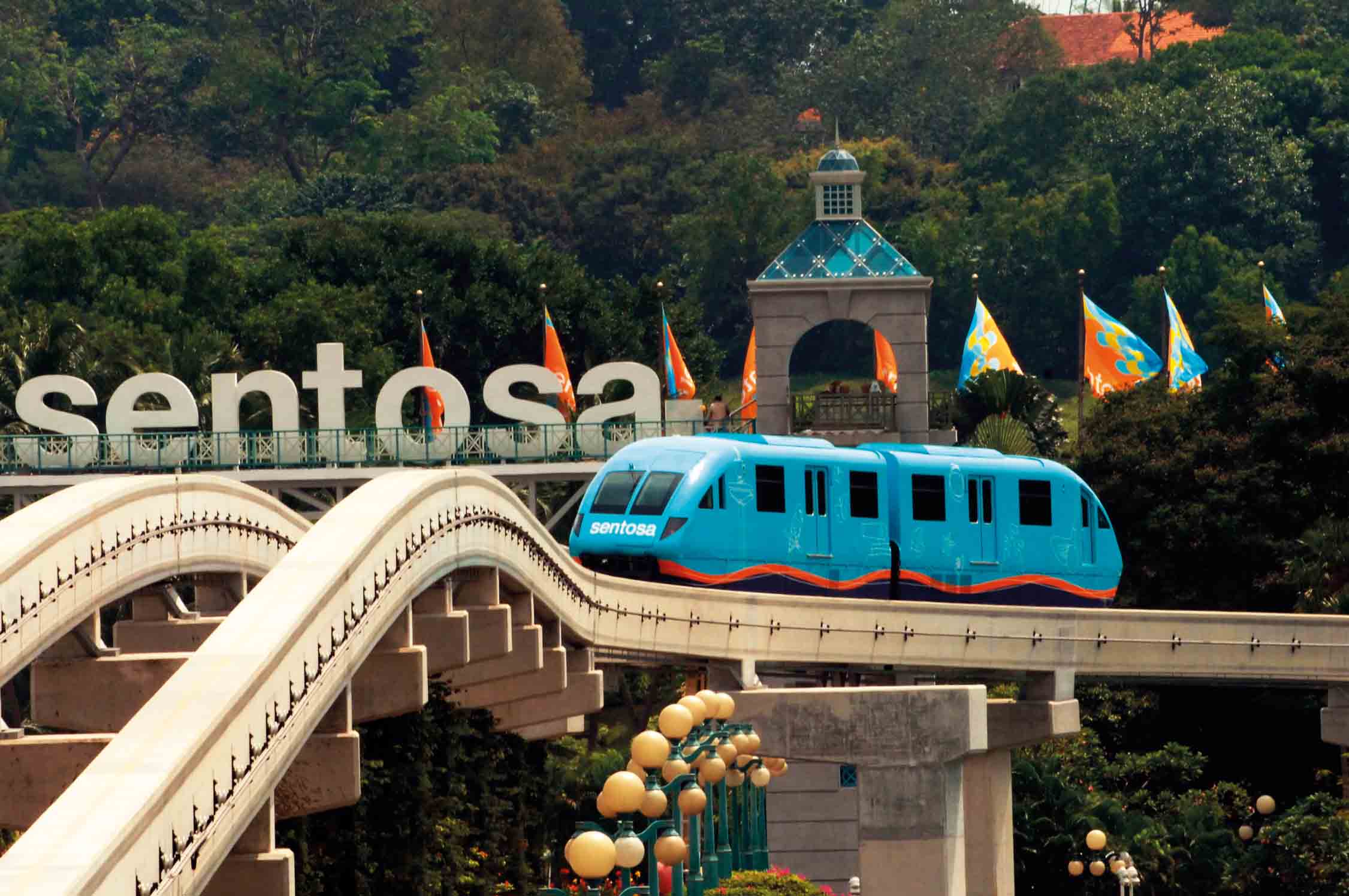
    Singapore unveiled plans in September 2026 to double visitor numbers to Sentosa under a 20-year expansion plan aimed at broadening the resort island’s leisure offerings. The project will add new entertainment attractions across the southern leisure hub over the next two decades.

    Sentosa Development Corp., the government agency overseeing the island, will execute the overhaul in stages rather than a single building cycle. Sentosa Development Corp. Chief Executive Thien Kwee Eng said the expansion project will be “implemented progressively over the next two decades.”

    Phased expansion across Sentosa

    The island currently houses Universal Studios Singapore, a casino, and public beach fronts. Government planners want larger regional draws to capture higher outbound spending from travelers across Southeast Asia and East Asia.

    Phasing the work across 20 years protects existing tenant revenues. Spreading construction over two decades prevents long operational shutdowns for existing hotel operators, retailers, and food vendors currently trading on the island.

    Shifting regional tourism demand

    Competition for leisure spending across Southeast Asia is intensifying as regional hubs upgrade integrated resorts and theme parks. Operators in Singapore face higher operating costs, pushing attractions to draw longer-stay visitors who spend more per trip on retail, dining, and hospitality.

    Retailers and food operators on Sentosa rely on steady weekday tourist traffic to balance weekend domestic volume. Expanding the attraction footprint provides landlords with fresh square footage for experiential concepts and food precincts that appeal to repeat visitors.

    Execution and development timeline

    Sentosa has undergone several rounds of redevelopment since opening its integrated resort precinct more than a decade ago. Each phase added commercial floor area while redirecting foot traffic between transport nodes and beach attractions.

    The next milestone involves rolling out individual attraction tenders and site packages as Sentosa Development Corp. Schedules ground works across the designated development zones.

  • Italian Trade Agency Targets Australia in 18-Month Retail and Foodservice Push

    Italian Trade Agency Targets Australia in 18-Month Retail and Foodservice Push

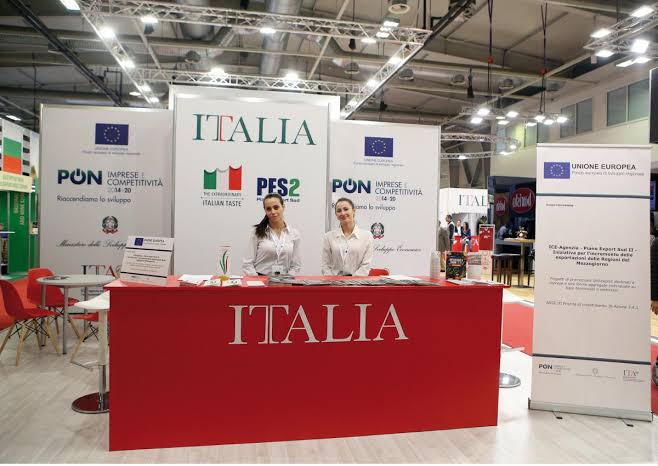
    The Italian Trade Agency is running an 18-month commercial push across Australian grocery and foodservice channels to widen distribution beyond core staples.

    Sydney-based Trade Commissioner Alessandro Lamura, who began his role on August 31, leads the effort targeting hotel catering, institutional dining and major supermarket shelves with specialty bakery goods, sauces, confectionery and frozen foods.

    Targeting Professional Kitchens and Supermarket Shelves

    Italian exporters have long relied on steady demand for pasta, extra virgin olive oil, wine, cheese and cured meats. The agency now wants to place preserved goods, specialty ingredients and ready-to-use food solutions into mainstream supermarkets and independent delicatessens.

    Foodservice sits at the center of the push. Lamura wants Italian ingredients in commercial restaurant groups, hotel kitchens and institutional catering operations, moving past traditional Italian dining rooms. As an institutional matchmaker, the agency gathers market intelligence and connects Italian producers directly to Australian importers, distributors and retail buyers.

    Shifting from Re-Export Hubs to Final-Destination Retail

    Lamura took charge of the Sydney office on August 31. He previously served as deputy trade commissioner across the United Arab Emirates, Pakistan and Oman. Unlike Middle Eastern trade hubs built on logistics zones and re-export volumes, Australia is a high-value domestic market with strict biosecurity protocols and long distributor vetting cycles.

    Australia offers reliable margins for European suppliers eyeing Asia-Pacific. Still, it demands local compliance and shelf consistency. European producers frequently struggle with national biosecurity rules and high transport costs across the continent. Direct work with domestic distributors aims to cut inventory delays and secure permanent shelf space against domestic and regional Asian food brands.

    Strengthening Commercial Presence After Melbourne Trade Event

    This campaign follows the Italian National Pavilion at Fine Food Australia 2026 in Melbourne, which included an August visit by Italian Trade Agency president Matteo Zoppas. Zoppas directed the Sydney office to secure deeper ties with Australian grocery chains and digital marketplaces while expanding attendance at regional industry exhibitions.

    Preparations are underway for Italy’s pavilion at next year’s trade exhibition. The agency will add a live demonstration kitchen and product workshops for commercial buyers.

  • Trunk Hotel Expands Outside Tokyo with 107-Room Sapporo Tower

    Trunk Hotel Expands Outside Tokyo with 107-Room Sapporo Tower

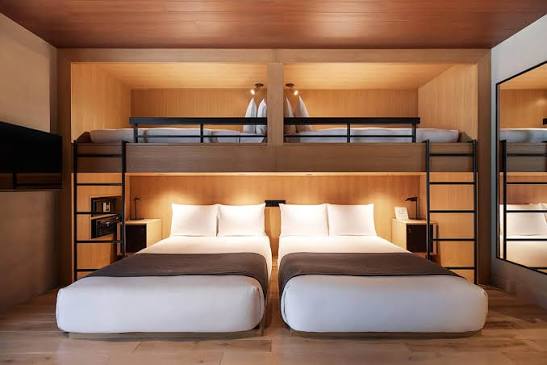
    Tokyo boutique operator TRUNK (HOTEL) will open an 18-story, 107-room property in Sapporo on September 17, 2027. The project takes the brand outside the Japanese capital for the first time.

    Located in the central Odori district, the development is the brand’s fourth property and its largest footprint to date. Tokyo architecture practice GENERAL DESIGN CO., LTD. Designed the building alongside TRUNK Atelier, the operator’s in-house unit. They deployed a concept labeled Midcentury Folklore across 18 suites and 89 standard guest rooms.

    Waterways and Michelin Dining

    Inside the tower, an entire floor houses TRUNK(BATH HOUSE), configured around an urban spa concept. Guests enter through a reception lounge and bar before reaching a 40-meter central waterway. This channel feeds 10 communal bathing spaces, each fitted with dedicated water temperatures, audio setups and lighting profiles. Separate male and female zones each feature saunas, cold plunge pools and open-air decks.

    Dining operations center on a partnership with Michelin-recognized Sushi Saito. The outpost is the restaurant’s first kitchen in Sapporo, featuring a chef counter format that pairs Tokyo preparation methods with Hokkaido seafood. A second all-day dining venue sits on the lounge and bar floor. That room will feature live music performances, an outdoor terrace and heated transparent domes for the winter season.

    Banqueting and Private Event Spaces

    Event facilities occupy two dedicated floors. A private studio level houses a cinema, a karaoke suite and modular rooms for small corporate functions. On the 10th and 11th floors, three distinct banquet halls operate under the names HINATA, MIYABI and KODACHI. Upper levels also incorporate a standalone dessert room, a private sushi bar, an outdoor pizza terrace and a six-meter-tall ceremonial chapel facing park greenery.

    Japanese boutique operators have historically clustered in central Tokyo neighbourhoods like Shibuya and Cat Street to capture dense international footfall. Moving into regional capitals shifts the commercial calculation. Operators must balance domestic corporate travel against peak winter ski flows, using larger food and beverage operations to sustain occupancy when seasonal tourism dips.

    Rival international chains and Hokkaido landlords are expanding across Sapporo and nearby resort nodes like Niseko. TRUNK’s entry accelerates competition for high-spend domestic travellers. The main execution risk sits in building out large-format hospitality real estate with complex amenity footprints in a secondary market. Construction costs and seasonal labour constraints in Hokkaido remain structurally tighter than in Tokyo.

    Portfolio Track Record

    TRUNK built its track record in Tokyo, establishing brand equity through boutique design, high-density public lounges and curated tenant partnerships. Scaling beyond the capital tests whether that neighbourhood-driven model translates to an 18-story greenfield tower.

    Crews continue work in the Odori commercial core ahead of the scheduled opening date on September 17, 2027.

  • Oriental Kopi Named Coffee Partner at Palm Garden Hotel Putrajaya

    Oriental Kopi Named Coffee Partner at Palm Garden Hotel Putrajaya

    Palm Garden Hotel Putrajaya partnered with Malaysian café chain Oriental Kopi on September 11, 2026. The brand now supplies the daily afternoon coffee service at the hotel’s Courtyard lounge.

    Guests get Oriental Kopi’s brew alongside local teatime snacks. The service runs daily between 3:30pm and 5:30pm.

    Daily Courtyard Service Details

    The hotel runs the programme under the name Kopi Dulu, drawing on the Malay word’s double meaning for first and the past. Executives from the hotel, property owner IOI Properties Group, and Oriental Kopi launched the offering together on site.

    Attendees included Palm Garden Hotel Putrajaya general manager Marshall Chai and IOI Properties Group property investment chief operating officer Chris Chong. Hospitality assistant general manager Tan Lee Fong and Oriental Kopi chief executive officer Dato’ Calvin Chan also took part.

    Local Brand Tie-Ups In Hospitality

    Hotel operators across Southeast Asia increasingly swap generic food programmes for branded domestic concepts. The strategy pulls foot traffic into underused lobby spaces. Teaming up with recognisable local F&B names also gives property owners a ready-made audience without the overhead of developing in-house menus.

    For domestic chains like Oriental Kopi, hospitality tie-ups secure brand placement in higher-spending leisure and corporate settings. But operational risks exist. External retail partners must match hotel service standards across every daily shift.

    Retail Expansion Footprint

    This tie-up follows other distribution deals by Oriental Kopi across Malaysia, including an August campaign with FamilyMart Malaysia featuring packaged kopitiam food items. Palm Garden Hotel previously ran seasonal activations at the venue, including a dedicated durian lounge in July.

    Oriental Kopi is expanding its retail footprint and corporate distribution channels across Peninsular Malaysia. Next, the chain plans further menu integrations across commercial properties in the Klang Valley.

  • Natura Bissé Targets 102 Million Euros in Hotel Revenue by 2030

    Natura Bissé Targets 102 Million Euros in Hotel Revenue by 2030

    Natura Bissé plans to double revenue from its hotel and spa division to €102 million by 2030. The growth strategy relies on expanded commercial supply deals with international luxury operators.

    That target represents a sharp increase from the €47 million generated across the channel in 2025. The Spanish skincare brand confirmed the projection in Barcelona alongside the renewal of its sponsorship as official spa partner of The World’s 50 Best Hotels.

    Expanding Across Asian Luxury Portfolios

    Current partnerships put the brand in more than 400 properties across nearly 60 countries. Operating partners include Mandarin Oriental, Rosewood, The Ritz-Carlton, Four Seasons, Waldorf Astoria, St. Regis and Grand Hyatt. These accounts give the label direct distribution across premier gateway properties in Tokyo, Hong Kong, Singapore and Bangkok.

    Hoteliers and spa directors across Asia-Pacific now treat branded wellness as a primary revenue driver rather than a secondary amenity. Integrating high-ticket spa treatments with room amenities drives recurring retail conversion when guests buy full-sized formulations after treatment sessions.

    Amenity Supply and Treatment Networks

    Distribution runs through three channels: professional back-bar products for spa therapists, retail counters inside resort wellness centers, and in-room amenities developed with guest-amenity specialist La Bottega. Portions of the amenity proceeds support the Ricardo Fisas Natura Bissé Foundation.

    Rivalry for luxury hotel space across Asia remains fierce. European heritage brands face persistent competition from regional clean-beauty startups and Japanese clinical labels. Master vendor agreements with Asian-headquartered operators like Mandarin Oriental and Rosewood lock in volume. That wholesale stability shields European brands from cyclical swings on department store beauty floors.

    Sponsorship Terms and Commercial Rollout

    Natura Bissé renewed its exclusive category position with The World’s 50 Best Hotels for a second consecutive year. The company will use the 2026 gathering in Paris to show new treatment protocols to hotel executives.

    “Today, hospitality is one of the driving forces behind the new definition of luxury, where wellness has evolved from an added amenity into an essential part of the guest experience,” said Verónica Fisas, chief executive of Natura Bissé.

    Heading into the final quarter of 2026, the five-time World’s Best Spa Brand winner relies on operator deployment schedules to hit its interim 2028 milestone toward the €102 million target.

  • China Gains 221 Million Formula 1 Fans as Brand Backing Lags

    China Gains 221 Million Formula 1 Fans as Brand Backing Lags

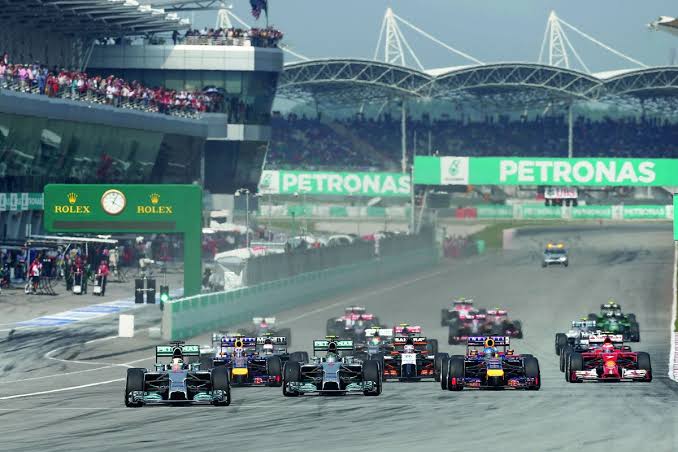
    China counted an audience of 221 million Formula 1 fans in March 2026, yet commercial brand activations across the domestic market remain largely muted despite a sold-out Shanghai Grand Prix.

    Ticket allocations for the Shanghai race cleared out immediately as a younger demographic increasingly directs discretionary spending toward live sports and experiential hospitality over traditional product purchases.

    Premium hospitality meets young consumers

    The core of luxury engagement at Formula 1 centres on the Paddock Club, an exclusive hospitality tier positioned directly above team garages that provides pit lane access and curated dining. Premium lifestyle houses use these paddock suites as private commercial salons, bringing VIP clients into high-touch environments that combine networking with entertainment.

    Global luxury conglomerate LVMH established the modern benchmark for motorsport marketing by securing a 10-year, billion-dollar worldwide sponsorship deal covering multiple brands across its portfolio. That agreement placed watches, champagne, and fashion labels directly into the race weekend ecosystem across international circuits.

    Hesitation among domestic consumer labels

    Chinese domestic labels have hesitated to commit major marketing budgets to motorsport, leaving trackside activations dominated by traditional global sponsors. Local consumer brands often prioritize short-term e-commerce livestreaming conversions over multi-year experiential sports rights that require extensive hospitality infrastructure.

    This reluctance creates an opening for European luxury groups and regional lifestyle retailers to capture high-net-worth race attendees without facing heavy counter-bidding from local players. The risk for brands sitting out the circuit is losing direct access to young, affluent consumers who view live racing as a primary cultural identifier.

    The shift toward live entertainment spend

    The current race sellouts follow years of steady motorsport audience building in mainland China, accelerated by digital streaming access and international team promotion. Younger urban consumers who cut back on conventional luxury goods are still allocating capital to ticketed trackside events and associated travel.

    Commercial focus now turns to whether local consumer electronics makers and domestic apparel groups step into paddock hospitality tiers before the next regional race calendar locks in multi-year partner rosters.

  • Over 90 per Cent of Luxury Consumers Seek Experiences Beyond Products

    Over 90 per Cent of Luxury Consumers Seek Experiences Beyond Products

    More than 90 per cent of luxury consumers now seek brand experiences outside the product itself, including hospitality, travel, dining, and wellness, according to a 2026 report by MG2 Advisory.

    Craftsmanship remains the primary purchasing driver for 62 per cent of buyers, yet luxury houses such as Hermès, Gucci, and Kith are increasingly evaluated on the ongoing relationships and environments they build around their goods.

    More than three-fourths of respondents associate luxury with rarity and exclusivity, while nearly half expressed interest in private, members-only spaces and repair services that preserve product value.

    Hospitality reshapes flagship formats

    Houses are reacting by building operational ecosystems that extend past apparel and leather goods. Kith opened its members-only Ivy concept to integrate sport, dining, and retail, while Gucci expanded its culinary presence through Gucci Osteria da Massimo Bottura. In London, Hermès opened its sixth Hermès Maison concept store, replicating mixed hospitality and retail formats already operating in Tokyo, Seoul, Shanghai, Paris, and New York.

    For prime landlords across Asia-Pacific, this shift changes leasing economics entirely. Retailers no longer evaluate store footprints solely on sales density per square metre. Instead, top-tier brands require larger floorplates to accommodate private client salons, cafes, and preservation workshops, forcing mall operators in Hong Kong, Singapore, and Tokyo to reallocate prime ground-floor space from transactional sales to experiential services.

    The operational risk sits squarely in execution. Running fine dining, bespoke tailoring, and hospitality requires different supply chains and labour models than selling boxed leather goods. When service levels in brand-run restaurants or repair centres slip, the reputational damage flows directly back to the core fashion label.

    After-care moves to the balance sheet

    Post-purchase services have evolved from back-office cost centres into client retention mechanisms. Hermès and Louis Vuitton have reinforced dedicated repair units to extend product lifespans, while Coach runs its circular (Re)Loved restoration and resale division across major retail markets.

    Physical flagships in major regional capitals will increasingly reflect this split between exhibition and maintenance. The next metric to watch is whether luxury groups maintain capital expenditure for multi-floor experiential maisons as store construction costs and prime commercial rents across Asia climb through late 2026.

  • DB Breweries Rolls Out Draught Zero-Alcohol Beer to 300 Venues

    DB Breweries Rolls Out Draught Zero-Alcohol Beer to 300 Venues

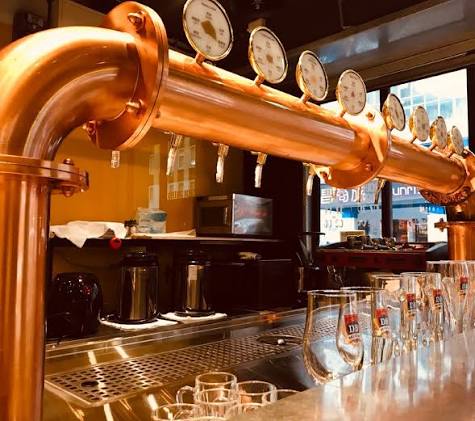
    DB Breweries will install draught dispense systems for zero-alcohol beer across roughly 300 New Zealand hospitality venues ahead of the summer trading season.

    The nationwide deployment follows April pilot trials at two Auckland venues, the Empire Tavern and Moretons.

    Expanding Draught Dispense Beyond Packaged Formats

    Breweries across the Asia-Pacific region historically limited non-alcoholic lines to packaged bottles and cans. Keg stability and line hygiene constraints drove that approach. By introducing dedicated tap systems at scale, the brewer gives on-premise operators a direct draught alternative that mirrors standard beer service.

    DB Breweries managing director Peter Hart said the technology gives consumers choosing zero-alcohol beer an experience comparable to drinking conventional draught.

    Commercial Stakes for On-Premise Operators

    For bar and pub operators, draught zero-alcohol options command higher margins than single-serve bottles. They also keep non-drinking patrons in venue rounds longer. The model shifts zero-alcohol beer from a refrigerated afterthought into active tap lineups.

    Keg throughput and line maintenance remain the chief operational challenges. Non-alcoholic beer lacks the natural alcohol preservatives that protect against bacterial spoilage. Venues taking the hardware must maintain strict cleaning cycles to protect product quality across high-turnover summer taps.

    Scaling Up from Auckland Trials

    Operational feedback from the April trials at Empire Tavern and Moretons guided the rollout. Those tests measured equipment performance and pour rates, establishing dispense protocols before DB Breweries committed capital to a 300-site expansion.

    Technicians will install hardware across the 300 targeted venues over coming months, with all taps scheduled to pour before peak summer patronage begins.

  • ClubMed Lifestyle Targets 85 Global Resorts by 2030 Ahead of Hong Kong IPO

    ClubMed Lifestyle Targets 85 Global Resorts by 2030 Ahead of Hong Kong IPO

    ClubMed Lifestyle Group plans to expand its global resort network to roughly 85 properties by 2030. The expansion relies on an asset-light model across key international leisure markets.

    Today, the Fosun International subsidiary operates 69 resorts across more than 40 countries and regions. It serves over 1.5 million guests each year.

    Asset-light pipeline spans Asia and Europe

    Since late 2025, the group has secured new resort agreements in China, Indonesia, Canada, Morocco, Brazil, the US Virgin Islands and Italy. Target markets include the European Alps, Mediterranean and North African coastlines, Northeast and Southeast Asia, and the Americas. Early development work is also underway in the Middle East.

    Management relies on management contracts, integrated vacation destinations and cultural-tourism complexes rather than direct real estate ownership. In July, Club Med signed a memorandum of understanding with Microsoft at its Paris headquarters. The partnership applies cloud-native systems and artificial intelligence tools to resort operations and guest services. Microsoft France chief executive Corinne De Bilbao and ClubMed Lifestyle Group co-president Xu Bingbin led the signing.

    Valuation shifts and operator competition

    Resort operators across the Asia-Pacific region are shifting capital expenditure off their balance sheets. The strategy helps defend margins against volatile travel cycles. Rival luxury and leisure operators in Southeast Asia use similar management contracts to scale up without taking construction debt onto their books.

    Brand consistency and service standards remain the central risk across third-party real estate as networks grow. Meanwhile, developers in regional resort hubs face high financing costs. Operational efficiency and direct booking technology will determine whether newly signed properties stay profitable.

    Fosun prepares Hong Kong public float

    This push follows a corporate restructuring by parent company Fosun International. On August 28, the World Travel & Tourism Council admitted ClubMed Lifestyle Group as a global member. The business filed a formal listing application with the Hong Kong Stock Exchange on August 29 to spin off the vacation unit into an independently traded entity.

    Fosun reported total revenue of RMB86.96 billion and a net profit of RMB1.72 billion for the first half of 2026. The upcoming Hong Kong listing will determine how much capital the business secures to add the final 16 resorts needed for its 2030 goal.

  • Capella Hotel Group Opens Capella Kyoto in Japan

    Capella Hotel Group Opens Capella Kyoto in Japan

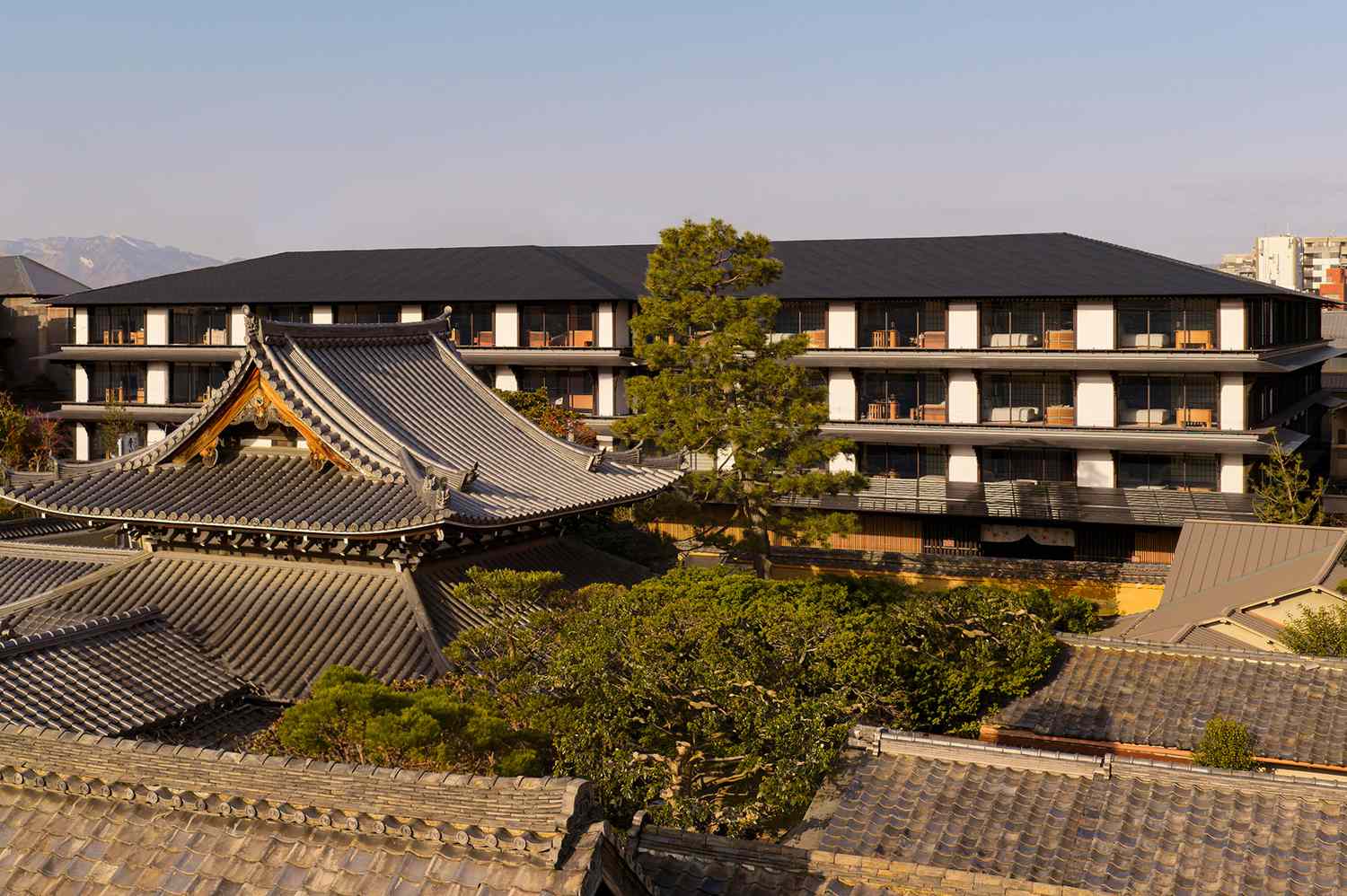
    Capella Hotel Group has launched Capella Kyoto in Japan this week, entering the country’s prime cultural tourism market with 1 ultra-luxury hospitality development.

    The opening brings the Singapore-based hospitality operator into direct competition with established luxury properties in Kyoto’s heritage districts.

    Expanding Luxury Footprint in Japan

    International luxury operators continue to target Kyoto because of sustained foreign tourist spending and strict zoning constraints that limit new inventory in historic neighbourhoods. High barriers to entry make boutique developments in prime central locations especially valuable for global operators seeking premium room rates.

    Capella’s entry into the Japanese market follows the brand’s regional expansion across major destination markets in Southeast Asia and Greater China. By establishing a presence in Kyoto, the group adds an anchor location in Japan to capture high-net-worth leisure demand travelling across the Asia-Pacific circuit.

    Operator Competition in Historic Hubs

    Competition among five-star hotel brands in Kyoto has intensified as international flags establish properties near key heritage assets. Rival luxury operators have similarly focused on smaller room counts and tailored guest experiences to maintain elevated average daily rates rather than relying on high guest volume.

    For hotel owners and asset managers, Kyoto presents elevated development costs alongside complex municipal preservation guidelines. The operators that succeed in this environment depend on high-spending overseas guests who stay longer and spend more on on-site dining and wellness offerings.

    Next Steps for Regional Portfolios

    The brand’s performance in Kyoto will test customer intake against existing luxury properties across western Japan. RetailNews Asia will track the operator’s room yield metrics and subsequent project rollouts across the domestic market.

  • Informa Opens Restaurant, Bar & Café 2026 with 400 Brands in Hong Kong

    Informa Opens Restaurant, Bar & Café 2026 with 400 Brands in Hong Kong

    Informa Markets opened the 2026 edition of Restaurant, Bar & Café Hong Kong on September 1. More than 400 commercial brands across 11 countries and regions are taking part. The trade exhibition runs for three days at the Hong Kong Convention and Exhibition Centre. Organisers expect to draw over 9,000 commercial buyers, operators and hospitality suppliers.

    Eight commercial sectors are represented, spanning food and beverage, coffee, hospitality equipment, natural products and front-of-house technology. Informa co-located the show with the Retail Asia Conference and Expo. That pairing links traditional foodservice procurement directly to retail automation, point-of-sale software and artificial intelligence systems.

    Equipment Debuts and Dedicated Sourcing Zones

    Exhibitors are using the floor to debut equipment and raw ingredients in Asian commercial channels. Hardware displays include the FSWAAI automated packing and labelling scale, as well as robotic dispensing units from Tao Bin Smart Beverage Machine (HK) Limited. Food suppliers brought premium lines such as Marble King Full Blood Wagyu and Kochi Prefecture chicken from Japan. These items target upscale restaurant buyers looking for differentiated menus.

    Dedicated sourcing zones divide the floor to speed up buyer meetings. The Japan Sake & Spirits Pavilion groups regional distillers and brewers. Nearby, the Eco-Innovation Hub concentrates on biodegradable packaging and certified organic food products. The Specialty Coffee Corner features live demonstrations at a dedicated Brew Bar, connecting green coffee importers with independent café chains.

    Retail Technology and Automation Take the Floor

    Hong Kong restaurant operators face heavy margin pressure from high rents and kitchen staffing shortages. Automation is no longer optional. Dining chains must automate basic prep work, weighing, inventory control and beverage delivery to protect their margins. Suppliers displaying self-service beverage dispensers and automated packaging systems are pitching directly to quick-service operators seeking to trim back-of-house headcount.

    Landlords and food hall operators face equal pressure to refresh tenancies with destination dining concepts. Store layouts increasingly require digital ordering kiosks, automated inventory integration and rapid takeaway counters. The commercial risk falls hardest on small operators. Many face steep capital costs when adopting proprietary smart kitchen tech that takes years to deliver a return.

    Demographic Shifts Drive Sourcing Priorities

    Consumer demographic shifts across East Asia shape this year’s conference programme. Organised with KPMG, the Retail Asia Conference focuses on artificial intelligence adoption and younger consumer engagement. On the final day, the IFSA Food Safety Symposium addresses nutrition and texture formulations tailored specifically to an ageing population.

    Local trade shows are working to rebuild international exhibitor numbers following years of travel disruptions and tighter regional budgets. Earlier editions saw smaller regional turnouts. Drawing 11 exhibiting jurisdictions sets a benchmark for the city’s cross-border hospitality trade recovery.

    Events wrap up on September 3 with the Hong Kong Coffee Challenge finals, the Pairing Sensations Awards and the release of final verified trade buyer attendance figures.

  • Okada Manila and Dior Lead Philippine Customer Service Rankings

    Okada Manila and Dior Lead Philippine Customer Service Rankings

    Okada Manila topped a Philippine customer service study across 78 categories with a score of 96.87, leading a field led by luxury hospitality and global retail brands.

    Grand Hyatt Manila followed in second place at 95.57, while French fashion house Dior ranked third overall at 95.12. The benchmark, compiled by data portal Statista and the Philippine Daily Inquirer, evaluated both physical and digital operations using more than 90,000 customer reviews collected between February and April 2025.

    How the scores were calculated

    Researchers weighted the final scores equally between a respondent’s likelihood to recommend a brand and five direct performance metrics. Those five criteria, each carrying a 10 percent weighting, covered accessibility, customer focus, quality of communication, professional competence and range of services.

    Participants evaluated companies they had transacted with, visited or researched over the previous three years. The survey spanned five broad sectors: brick-and-mortar stores, online retailers, digital services, hospitality and general consumer services.

    Top performers across retail and hospitality

    Homegrown luxury furniture maker Philux placed fourth with a score of 94.88 in the home goods retail division. Shangri-La Hotels took fifth at 94.81, followed by serviced apartment operator Ascott at 94.41.

    Consumer technology and fast-moving retail also secured spots in the upper tier. LG Electronics Philippines led online home goods with 94.33, while bakery chain Red Ribbon scored 93.5 in the restaurant and leisure bracket. Japanese apparel giant Uniqlo took the final two spots in the top ten, scoring 93.38 for its physical stores and 93.30 for its Philippine e-commerce operation.

    The strong showing of physical flagships alongside digital channels mirrors a broader shift across Southeast Asian retail, where omnichannel consistency dictates customer loyalty. Premium hospitality operators and luxury apparel labels continue to command the highest marks because their operating models justify higher floor staffing and dedicated post-purchase support.

    Statista and local partners plan to track category shifts through the next evaluation cycle, where rising store automation and digital checkouts face direct consumer assessment.