Tag: housing

  • Hong Kong Housing Market Shows Signs of Recovery as Developers Boost Prices Amid Geopolitical Uncertainties

    Hong Kong Housing Market Shows Signs of Recovery as Developers Boost Prices Amid Geopolitical Uncertainties

    Hong Kong real estate developers are elevating their prices for newly built homes, following a pattern of successful sales. This trend is occurring amidst growing economic and political instability, as well as uncertainty revolving around interest rates.

    Increased Prices and Demand

    Henderson Land Development, on Monday, added an extra 39 units to its Chester project located in Hung Hom. Out of the 39, 25 units were sold, indicating a steady demand. A property agent reported that these units had an average reduced price of HKD22,198 (US$2,831) per square foot. This is a 4.6% increase in comparison to the price of the 123 units that were sold at the project’s initial launch last month.

    According to Derek Chan Hoi-chiu, head of research at real estate agency Ricacorp Properties, the steady demand has led developers to cautiously raise prices in new sales launches rather than revert to deep discounting. He described this as a typical recovery-phase strategy: assessing price elasticity while ensuring the momentum continues to build.

    Continued Developments

    Elsewhere, the developers of the La Mirabelle I project in Tseung Kwan O are planning to release 254 additional units on Tuesday. The discounted prices for these flats range from HKD5.93 million to HKD8.99 million, marking a 1% increase from the previous batch released a week ago. The earlier release of 254 units was completely sold out within hours.

    Uncertain Market Conditions

    Such moves by developers indicate an attempt to test the market demand despite the current uncertainties. The Hong Kong Monetary Authority has cautioned borrowers about the unpredictable outlook for interest rates after the U.S. Federal Reserve maintained its benchmark rate at between 3.5% and 3.75% last month.

    The recent disruptions in the oil supply due to geopolitical tensions have led to a significant increase in crude oil prices. This has raised concerns that a stricter monetary policy could follow in the world’s largest economy. Any rise in interest rates could potentially reduce both transaction volumes and residential property prices.

    Despite these uncertainties, the market seems to be signaling positivity. Official data from March shows that Hong Kong’s home sales value increased by 42.2% year-on-year to HKD55.2 billion. The number of residential property sale and purchase agreements registered last month also rose by 17.7% to 6,316 according to Land Registry figures.

    Questions & Answers

    What has been the trend in Hong Kong’s real estate market?
    Hong Kong’s real estate market has seen increased prices for new homes due to steady demand, despite political and economic uncertainties.

    What strategy are developers using in the current recovery phase?
    Developers are cautiously increasing prices for new sale launches, as opposed to resorting to deep discounts, to test price elasticity without slowing down the momentum.

    How have recent geopolitical events affected the real estate market?
    The uncertainties stemming from geopolitical events and fluctuating oil prices have led to apprehensions about stricter monetary policies, which could potentially affect transaction volumes and residential property prices. However, Hong Kong’s home sales have shown a positive trend, indicating a resilient market despite these uncertainties.
  • Hanoi Apartment Flippers Struggle as Market Cools Amidst Surge in Affordable Housing Options

    Hanoi Apartment Flippers Struggle as Market Cools Amidst Surge in Affordable Housing Options

    In Hanoi, real estate speculators find themselves in difficulty as they attempt to sell apartments, even after dropping prices. The abundance of new, more affordable options coming into the market has caused homebuyers to hold off on purchases.

    Ngoc Huyen, from Hanoi’s Long Bien District, listed her apartment for VND6.2 billion (US$236,000) two weeks ago. Despite reducing her asking price substantially, she has yet to receive any inquiries. Huyen has already paid VND1.4 billion towards her bank mortgage and is currently trying to sell the apartment for VND1.1 billion. However, brokers have warned her that attracting buyers is currently a challenging task.

    Trung Hieu from Dong Anh Commune is facing a similar situation. Despite reducing the price of his VND10.2 billion apartment by VND300 million, he has been unable to find a buyer for over a month.

    The Current Market Landscape

    The market has cooled down significantly following a period of skyrocketing prices, making ‘flipping’ apartments more difficult for speculators. Duc Dung, a broker who specializes in apartments in eastern Hanoi, reveals that the number of sellers reaching out to him has increased by 30-40% from the third quarter. This starkly contrasts with the situation three months ago when most of his calls were from customers looking to buy.

    Vo Huynh Tuan Kiet, director of residential markets at a property consultancy in Vietnam, notes that this year, demand for apartments has been driven primarily by speculators, rather than end-users. Asking prices of more than VND100 million per square meter are considered too steep for buyers with actual residential needs.

    Nguyen Van Dinh, chairman of the Vietnam Association of Realtors, estimates that 70-80% of transactions are from investment and speculation. However, the recent cessation of low-interest mortgage packages by banks has made speculators more hesitant to apply for new loans, thereby reducing demand.

    The Impact of Increased Supply

    An anticipated increase in supply is also dampening the market. In this quarter alone, 11,000 new apartments are expected to enter the Hanoi market. This brings the total launches for the year to more than 32,300 units, surpassing the previous year’s number. Many of these new units are priced more reasonably at around VND50-60 million per square meter.

    Dinh notes that the discrepancy between housing prices and income is discouraging many potential buyers, particularly younger ones. Instead, they are choosing to rent apartments in the city or buy units in suburban areas, where prices are more affordable.

    Questions & Answers

    Why are speculators in Hanoi struggling to sell their apartments?
    Speculators are struggling to sell due to an increase in property supply and a cooling market, coupled with homebuyers waiting for more affordable options.

    What has been the primary driver of apartment demand this year?
    Apartment demand this year has largely been driven by speculators rather than end-users, contributing to the current market conditions.

    How is the anticipated increase in supply impacting the real estate market in Hanoi?
    The expected rise in supply is causing a dampening effect on the market. With more affordable options on the horizon, potential buyers are holding off on purchases, leading to a decrease in demand.

  • Hong Kong Housing Market Set for 5% Uplift in 2026: Mainland Demand and Interest Rate Cuts Lead the Charge

    Hong Kong Housing Market Set for 5% Uplift in 2026: Mainland Demand and Interest Rate Cuts Lead the Charge

    Analysts predict a 5% rise in Hong Kong residential property prices in 2026, spurred by demand from buyers from mainland China, potential interest rate cuts, and a decrease in unsold new apartments. Joseph Tsang Hon-ping, the chairman of JLL in Hong Kong, expresses cautious optimism for housing prices in 2026, believing they’ve reached their lowest point.

    Market Recovery Predictions

    According to Tsang, there’s an expectation of a 5% rise in capital values, while the value of luxury residences is anticipated to remain generally unchanged. However, luxury rents could experience an increase of up to 5%. This pattern could provide a significant lift to a market that has been in decline since the latter part of 2021.

    Cushman & Wakefield also suggests that recent adjustments in taxes and a bounce-back in the Hong Kong stock market could contribute to the stabilization of the city’s residential property sector. Additionally, these elements could help to normalize elevated inventory levels held by developers by the end of the upcoming year.

    Current Market Conditions

    Government data reveals a significant drop of 28.4% in lived-in home prices in March, compared to their peak in September 2021. However, home sales have shown promising growth, with an increase of more than 20% year on year as reported in November. This surge in sales has resulted in a decrease in unsold inventory.

    By the end of the year, the projection is for the unsold stock to be equivalent to over 51 months of supply. This aligns with the average level between the years 2015 and 2021. JLL also anticipates private housing supply to normalize by the end of 2026, requiring nearly 45 months to absorb current stock.

    Mainland Buyers and Luxury Housing

    For new property launches, about 30% of buyers hail from mainland China. This figure rises to over 60% for projects in specific areas like Kai Tak and Kowloon Station. In the luxury housing market, which includes units priced at or above HKD100 million (US$12.85 million), mainland Chinese buyers account for more than 90% of purchases.

    Some luxury properties, such as a duplex apartment at The Legacy, have achieved exceptionally high selling prices. This apartment reportedly set a new city record, selling for HKD880 million.

    Market Recovery Signs

    There have been signs of improvement in Hong Kong’s residential property market sentiment in recent months, following a roughly 30% price drop from their 2021 peak. Interest rate cuts have aided in stabilizing financing conditions, marking the start of a recovery.

    Cushman predicts the number of mainland buyers in Hong Kong to continue rising, as rental prices have reached historic highs. However, Edgar Lai, a senior director at Cushman, believes the share of mainland buyers will not surpass that of local buyers due to capital controls making it challenging to transfer large sums of capital into Hong Kong.

    Questions & Answers

    What is the predicted increase in Hong Kong home prices in 2026?
    Analysts anticipate a 5% rise in residential property prices in Hong Kong in 2026.

    What factors are expected to drive this growth?
    The projected growth is expected to come from demand from mainland Chinese buyers, anticipated interest rate cuts, and a reduction in unsold new apartments.

    What is the current state of Hong Kong’s residential property market?
    Hong Kong’s residential property market has begun to show signs of recovery following a 30% drop in prices from their peak in 2021. The market is showing the first signs of stabilization, supported by interest rate cuts.

  • Bangkok Tops List as World’s Most Expensive City for Renters, Reveals DWS Housing Affordability Review 2025

    Bangkok Tops List as World’s Most Expensive City for Renters, Reveals DWS Housing Affordability Review 2025

    Bangkok, Thailand’s capital city, has distinguished itself as the least affordable city in the world for renters, as per the Housing Affordability Review 2025. The report, compiled by Germany’s DWS, indicates that the average middle-class family in Bangkok spends nearly 79% of their disposable income on renting a two-bedroom apartment.

    The Root of High Rental Rates

    The city’s inflated rental prices are primarily due to a scarcity of condominiums. The second quarter saw condo availability drop to a 16-year low, a situation exacerbated by climbing construction costs and high-interest rates.

    Global Ranking of Affordability

    Following Bangkok, Mumbai and Mexico City were ranked second and third as the least affordable cities, with renters spending 66% of their disposable income on rent. Hong Kong came in fourth at just over 60%, and Johannesburg, South Africa, was in fifth place at approximately 58%. These cities are part of a group of 24 global cities with the most challenging rental markets. Other Asian cities on this list include Manila, Beijing, Hanoi, and Singapore.

    The study analyzed the rent to median disposable income ratio in 80 cities. A lower ratio signifies more affordable rent, with the worldwide average ratio standing at 38%.

    Cities with More Affordability

    On the other end of the spectrum, Salt Lake City was deemed the most affordable city, with a ratio of 20%. Leipzig and Austin followed closely, both featuring a ratio of 23%.

    Cities that ranked lower in affordability experienced a more significant decrease in affordability ratios compared to those ranking higher. Additionally, these cities saw their remaining spending power increase at a slower rate compared to cities demonstrating more economic resilience.

    Disposable Income After Rent

    The report also calculated the disposable income households have left after paying their monthly rent. Singapore topped the list globally with approximately $8,000 of leftover income, which is twice the global average. San Francisco followed with $7,650, and Abu Dhabi was third with $7,000.

    According to the report, wealthier cities typically benefit from high-income levels and balanced housing costs, which allows residents to retain robust purchasing power even after paying rent.

    Questions & Answers

    What factors contribute to Bangkok’s high rental rates?
    A lack of available condos, heightened construction costs, and high-interest rates are all factors that contribute to Bangkok’s high rental rates.

    Which city has the most affordable rental market?
    Salt Lake City is considered the most affordable city for renters, with a rent to disposable income ratio of 20%.

    Which cities have the highest disposable income after rent payments?
    Singapore, San Francisco, and Abu Dhabi lead the world in terms of disposable income after rent, with Singapore households having an average of $8,000 left over.

  • Overnight Race for Affordable Housing: Hanoi Residents Brave the Cold for a Shot at Social Accommodation”

    Overnight Race for Affordable Housing: Hanoi Residents Brave the Cold for a Shot at Social Accommodation”

    In a show of high demand for affordable housing in Hanoi, individuals queued overnight during the past weekend to submit their applications for the social housing project, Calyx Residence. With the limited quantity of 466 apartments available in the development, applicants arrived well before the submission start time at 8:30 am on Sunday, in hopes of securing their chance at purchasing a home.

    Braving the Cold for a Chance at a New Home

    Applicants prepared for a long wait, bringing along food and water to endure the overnight queue in Hanoi’s chilly weather that dipped to 18-19 degrees Celsius. Among those was Tuan, a freelance worker, who arrived as early as 11 pm on Saturday to secure his place in line. Reflecting on the experience, he noted that just a few minutes could have been the difference between his application being accepted or rejected, making the overnight wait a necessary hardship.

    By 6 am on Sunday, the queue had significantly grown. Bich, a resident of Phuc Thinh Commune, arrived at 7 am with her husband, only to find a considerably long line already formed. Despite the high demand that exceeded morning application numbers, those unable to submit their applications were allowed to register and apply the next day.

    Providing Comfort in the Wait

    The Ministry of National Defense’s 319 Corporation, the project developer, acknowledged the situation and provided amenities such as tarps for shelter, drinking water, and dry rations for the people waiting in line.

    The Calyx Residence project, which started construction late last year, is set on a 1.5-hectare plot. It will consist of four nine-story buildings and is projected to be completed by the end of 2026. The majority of the apartments, 419 units, will be sold directly, while 47 others will be subject to rent-to-own agreements. The prices range from VND824 million to VND1.5 billion, translating to approximately VND20.6 million per square meter, significantly less than Hanoi’s average apartment price of VND85.6 million per square meter.

    Rising Demand Meets Limited Supply

    Given the project’s prime location near Co Loa Road, a main artery in Dong Anh, and the rising prices of social housing, it is expected that the competition for securing an apartment in this development will be fierce.

    Despite the launch of several social housing projects in Hanoi, the market remains dominated by commercial developments. This has led to an increase in prices for social housing units, which have risen from VND20 million to VND25-29 million per square meter over the past three years.

    As part of a national plan to build at least one million social housing units, Hanoi is expected to contribute 56,200 units by 2030. The city has set a target to complete 4,670 units this year alone.

    Questions & Answers

    How many apartments are being built in the Calyx Residence project?
    There are 466 apartments being built in the Calyx Residence project.

    What measures were taken to accommodate the people waiting in line to submit their housing applications?
    The project developer, the Ministry of National Defense’s 319 Corporation, provided amenities such as tarps for shelter, drinking water, and dry rations for the people waiting in line.

    Who gets priority for purchasing the housing units?
    Priority is given to those who do not own a house, people in low-income groups, and employees of defense and security agencies.

  • Tokyo’s Mid-Sized Apartments Experience Unprecedented Rental Growth in Q3

    Tokyo’s Mid-Sized Apartments Experience Unprecedented Rental Growth in Q3

    In the heart of Tokyo, the rental landscape tells a distinct story. A recent report from Savills reveals that the city is dominated by compact living spaces, with apartments typically ranging from 30 to 45 square meters—ideal for the single urban professional. Almost 70% of rental listings in the 23W area feature units that fall into this compact category, signifying a clear preference for smaller residences among tenants.

    A Unique Market Segment

    Unlike cities like New York or London, where apartment sharing has become commonplace, Tokyo’s rental market boasts a large, stable demand for small- to mid-sized units. This trend is particularly noteworthy, as it highlights a cultural difference in living preferences. As the Savills report indicates, “there is a large, stable market for small- to mid-sized units,” catering to a population that seeks both comfort and convenience.

    Rising Rents Reflect Demand

    Average rental prices across various apartment sizes have seen steady growth in the C5W region throughout the third quarter of 2025. The medium-sized units, measuring 30 to 45 square meters, experienced the most substantial increase at 2.4% quarter-on-quarter. Larger apartments, sized between 45 and 60 square meters, followed closely with a 1.2% rise, while the smallest units, spanning 15 to 30 square meters, saw a modest uptick of 0.9%. This upward trend is viewed as a necessary adjustment, addressing the limited availability of these mid-sized apartments that strike an optimal balance between space and affordability.

    Demand Dynamics in Larger Units

    Even with an increasing supply of larger units in 2024, the Ministry of Land, Industry, Transport and Tourism (MLIT) notes that these properties continue to command a premium. The demand remains robust, driven by well-paid professionals who prefer to live close to their workplaces. With flexible work arrangements becoming more common, many residents are now opting for larger spaces that double as home offices—a trend that not only reflects lifestyle changes but also adds a creative twist to the rental market.

    Toward a Balanced Future

    Overall, the rental market in Tokyo appears set for continued growth across all apartment size bands. Following a slight correction in the previous quarter, rents are now on the rise, backed by a steady influx of foreign residents that promises to sustain the momentum. As the city evolves, so do the choices available to its inhabitants—whether it’s a cozy nook for one or a larger space designed for living and working, Tokyo’s rental market is a reflection of its dynamic and diverse citizenry.

    Questions & Answers

    What size apartments dominate the Tokyo rental market?
    Apartments between 30 to 45 square meters make up the majority of Tokyo’s rental listings, accounting for approximately 70% of the 23W area market.

    How have rents changed in the recent quarter?
    Average rents have increased across all size bands, with the 30-45 sq m range seeing a 2.4% rise quarter-on-quarter, highlighting strong demand for these compact living spaces.

    What factors contribute to the demand for larger rental units?
    The demand for larger units is largely driven by well-paid professionals desiring home office space in response to the growing trend of flexible work arrangements, which has reshaped the way many approach urban living.

  • Jakarta Set to Welcome Four New Serviced Apartments by 2027: A Boost for Urban Living!

    Jakarta Set to Welcome Four New Serviced Apartments by 2027: A Boost for Urban Living!

    Jakarta’s serviced apartment market is on the cusp of transformation, driven by the recent inauguration of the Swissôtel Living Jakarta Mega Kuningan by Accor, which has unveiled 240 new units. As reported by Colliers, this addition propels the total supply of serviced apartments in the city to about 7,000 units as of the second quarter of 2025.

    Future Growth and New Projects

    Looking ahead, the landscape is set to expand further with four new projects anticipated to be completed by 2027. Two developments by Ascott are slated for rollout in the latter half of 2025, while additional offerings from Ascott and Fraser are currently under construction and expected to come online by 2027. Together, these initiatives promise to introduce approximately 730 fresh units into the competitive market.

    Occupancy Trends and Market Dynamics

    However, the current occupancy rate paints a less rosy picture. As of Q2 2025, occupancy has dipped to 55.6%, a decline attributed largely to the effects of a prolonged Eid holiday and school breaks, which disrupted the traditional leasing cycle typically seen from February to April. While the holidays may have sparked a brief surge in short-term stays, many tenants opted to hold off on long-term leasing decisions, waiting for the return to normal post-holiday routines. Looking forward, experts anticipate a rebound in leasing activity as the second half of 2025 approaches.

    Shifts in Tenant Preferences

    The introduction of new apartment projects is expected to invigorate the market, offering prospective tenants a range of modern and diverse leasing options. Notably, preferences are shifting among tenants, with a growing interest in pet-friendly accommodations emerging as a prominent trend, particularly among young professionals and long-term residents. This evolution in consumer demand is prompting operators to rethink and enhance their offerings, ensuring they align with the shifting expectations of the market.

    Questions & Answers

    What recent development has influenced Jakarta’s serviced apartment market?
    The opening of the Swissôtel Living Jakarta Mega Kuningan by Accor has added 240 new units, raising the total supply to approximately 7,000 units as of Q2 2025.

    How is the occupancy rate in Jakarta’s serviced apartment sector trending?
    As of Q2 2025, the occupancy rate stands at 55.6%, reflecting a downward trend primarily due to the extended Eid holiday and school breaks.

    What key tenant preference is shaping the future of Jakarta’s rental landscape?
    There is a noticeable increase in demand for pet-friendly accommodations, particularly among young professionals and long-term residents, prompting property operators to adjust their offerings accordingly.

  • PM Calls for Housing Market Cooldown as Apartment Prices Surge Past $3,700 per Square Meter

    PM Calls for Housing Market Cooldown as Apartment Prices Surge Past $3,700 per Square Meter

    Prime Minister Pham Minh Chinh is demanding clarity from government agencies on the soaring price of housing, which has now reached a staggering level that few can afford.

    In a recent government meeting, Chinh highlighted the overwhelming dominance of high-end properties in major urban centers, stressing the urgent need for accountability in the housing market

    He questioned whether “the real estate market is being manipulated,” emphasizing the necessity to combat practices such as “hoarding and price gouging.” Chinh’s concerns resonate deeply: with apartment prices soaring to between VND70 million and VND100 million (approximately US$2,650-3,790) per square meter, many people are left grappling with the harsh reality of unaffordable housing.

    The Prime Minister underscored the critical need for increasing supply to ensure a more balanced housing market, particularly by bolstering the availability of social housing targeted at low- and middle-income families. He characterized this initiative as a pivotal policy that “must be carried out,” pointing out that the pursuit of economic growth should not come at the cost of social equity and stability.

    “Developing the low-income housing segment could stimulate growth across other sectors of the economy,” he asserted. The Prime Minister further articulated that boosting housing supply would also indirectly facilitate the nation’s economic aspirations, projecting a growth rate of 8.3-8.5% for this year along with double-digit growth in the subsequent years.

    The urgency of these measures is reflected in the current market data. Deputy Minister of Construction Nguyen Van Sinh revealed that the average apartment price in Hanoi has reached VND80 million per square meter, marking a 5.6% increase this year. Prices for townhouses and villas are even higher, ranging from VND100 million to VND200 million. Meanwhile, in Ho Chi Minh City, apartment prices average VND89 million, with townhouse values soaring to between VND230 million and VND300 million.

    As the Prime Minister calls for action, one can’t help but wonder: will the Vietnamese housing market soon resemble a high-stakes game of Monopoly, where only the privileged few hold the keys to the best properties?

    Questions & Answers

    What specific measures is the Vietnamese government considering to address housing affordability?
    Prime Minister Pham Minh Chinh emphasizes the need to increase supply, particularly focusing on developing social housing for low- and middle-income families, to tackle the crisis of rising housing prices.

    What are the current average apartment prices in major Vietnamese cities?
    As of now, the average apartment price in Hanoi stands at VND80 million per square meter, while in Ho Chi Minh City, it is about VND89 million per square meter.

    How does Prime Minister Chinh link housing policy to economic growth?
    He points out that expanding the low-income housing segment can stimulate growth across other sectors, contributing to an economic growth projection of 8.3-8.5% this year and beyond.

  • South Korea Takes Action: New Restrictions on Foreign Homebuyers Aim to Stabilize Soaring Property Prices

    South Korea Takes Action: New Restrictions on Foreign Homebuyers Aim to Stabilize Soaring Property Prices

    In a bid to temper the escalating housing market, the South Korean government has stepped in, targeting particularly the vibrant skyline of Seoul and surrounding regions. The surge in property purchases by foreign buyers, especially from mainland China and Hong Kong, is significantly inflating the prices of middle and high-end homes, according to a report from the South China Morning Post.

    Data reveals a staggering rise in acquisitions: as of May, 96,955 properties have shifted hands to buyers from these territories, marking a dramatic 78.5% increase since 2020. These transactions encompass residential units, commercial spaces, and land, highlighting a trend that has not gone unnoticed by local officials.

    “We anticipate the ban will contribute to market cooling, price stabilisation, and improved access for local buyers, to some extent, as domestic buyers face strict mortgage caps, whereas foreign buyers often circumvent these through overseas financing,” commented JoAnn Hong, senior director for research and consultancy at Savills Korea.

    This new wave of restrictions, implemented recently, represents the government’s latest effort to tackle rampant speculation in the housing sector, an issue that has become politically charged for President Lee Jae-myung, who promised to alleviate living costs upon assuming office in June.

    Prior to this regulatory shift by the Ministry of Land, Infrastructure and Transport, South Korea had emerged as the ninth most sought-after destination for Chinese property investors, as reported by real estate broker Juwai IQI.

    Data indicates that foreign buyers constituted approximately 20% of residential transactions in the middle and upscale segments, particularly in and around the Seoul metropolitan area, which encompasses Incheon and Gyeonggi province. Notably, there has been a significant uptick in foreign investments in high-end properties since 2022, according to Savills’ findings.

    By the end of last year, foreigners owned just over 100,000 homes in South Korea, with Chinese nationals accounting for more than 56% of this figure. In Seoul, the influence is even more striking, with about 70% of foreign buyers hailing from China.

    This influx of Chinese investors has been a notable driver in the prime districts, frequently purchasing properties with cash or via offshore financing, thereby intensifying pressure on the upper end of the real estate market.

    The newly instituted rules stipulate that foreign buyers must now comply with a residency requirement, mandating that they reside in any property purchased. Specifically, the land ministry’s policy dictates that foreigners obtain prior approval and, once granted, must move into their new home within four months and remain there for at least two years.

    Despite these changes, skepticism lingers among experts regarding the potential effectiveness of the policy in striking a blow against soaring housing prices. Christine Li, head of research for Asia-Pacific at Knight Frank, expressed reservations, noting that foreign investment alone has had minimal impact on overall real estate prices in South Korea, particularly in Seoul.

    “The extraordinary price growth seen over the past five years was overwhelmingly driven by domestic factors,” Li said. “Foreign transactions are too small in scale to meaningfully influence overall pricing trends, though their activity can feel more visible in a handful of high-end districts.”

    Li added that demand will likely remain robust in Seoul despite the constraints, with supply shortages keeping upward pressure on prices. In a striking twist, Seoul has topped global rankings for prime residential price growth among 46 cities, boasting a staggering 25.2% annual increase, as highlighted in a recent Knight Frank study. This suggests that the city’s property prices are set to continue their upward trajectory in the foreseeable future.

    Questions & Answers

    What measures is the South Korean government taking to regulate foreign property purchases?
    The South Korean government has implemented new restrictions that require foreign buyers to obtain prior approval before purchasing property. Additionally, they must live in the property for at least two years after moving in within four months of purchase.

    How significant is the impact of foreign buyers on the South Korean housing market?
    While foreign buyers account for about 20% of residential transactions in upscale segments, experts suggest that the overall impact on housing prices is minimal, as domestic factors are the primary drivers of price fluctuations.

    What recent trends have been observed in Seoul’s real estate market?
    Seoul has witnessed a dramatic increase in property prices, with a 25.2% annual growth rate making it the top city globally for prime residential price increases, largely fueled by domestic demand and ongoing supply shortages.

  • Hanoi Landlords Raise Housing Rents Amid Rising Inflation Pressures

    Hanoi Landlords Raise Housing Rents Amid Rising Inflation Pressures

    In the bustling Khuong Dinh Ward of Hanoi, Thuy Ngan recently faced a tough decision: stay put or move. Her landlord had decided to raise the rent on her 20-square-meter apartment from VND3.8 million (US$144) to VND4.2 million, a 10% increase starting this September. “With inflation soaring, all prices are on the rise. Rent cannot remain untouched,” the landlord explained, echoing a sentiment felt by many in Vietnam’s rental market.

    For Ngan, the struggles of rising living costs meant her total monthly expenses, including utilities, surged to nearly VND5 million, consuming a hefty third of her income. After weighing her options, she opted for a new apartment five kilometers away, where the rent was 10% lower, albeit with a longer commute.

    A Shocked Tenant in Cau Giay

    Quang Huy and his wife found themselves in a similar predicament in Cau Giay Ward. With their lease set to expire, they were blindsided when their rent shot up by 15% to VND9 million for a two-bedroom unit. “The landlord said the property had been freshly painted and renovated, which justified the hike,” Huy noted. The couple was bluntly informed that with students flocking to the area, any disagreement over rent would be met with indifference. After two weeks of searching for more affordable housing, they now contemplate a move to an older unit further from their current home.

    Rising Rents Across the Board

    Nguyen Tuan Anh, who operates a rental company managing 50 units in Hanoi, reveals that many landlords are raising rents by 10% to 15%. Inflation, increasing property prices, and bumps in furnishing costs are common justifications. According to the General Statistics Office, the consumer price index surged by 3.24% year-on-year last month, with household electricity prices climbing 10.8% and water costs up 3.9%.

    Meanwhile, data from property portal Batdongsan indicates that rental demand in Hanoi rose by 11% in July alone. Since March, rents have been on a steady ascent, up 10% overall, with smaller units seeing hikes of up to 15%. Pham Duc Toan, CEO of property developer EZ Property, acknowledged that urban migration is contributing to robust rental demand in cities like Hanoi and Ho Chi Minh City, with 22% of respondents in a recent index citing better job opportunities as their reason for relocating.

    Struggling to Keep Up

    As rents continue to climb, landlords and investors are anticipating even higher returns, driven by the rise in property prices and general inflation. Toan emphasized, “When living costs and prices of goods and services increase, landlords are inclined to raise rents as well.” The September arrival of a new school year typically spurs a 20% to 30% increase in rental demand, coinciding with lease expirations, said Nguyen Chi Thanh, vice chairman of the Vietnam Association of Realtors.

    However, as economic strains persist and salaries stagnate, many residents are forced to compromise. They are increasingly opting for smaller, less central, and more affordable living spaces to make ends meet. A survey conducted by VnExpress reveals that nearly 14% of respondents plan to leave Hanoi and return to their hometowns due to soaring housing costs.

    Seeking Solutions

    Experts suggest that enhancing social housing options could alleviate some of the rental pressures. Toan recommends increasing the supply of social housing through interest rate and tax incentives, alongside improved access to land for developers. After all, in a city where the rent is always too darn high, every little bit helps.

    Questions & Answers

    What factors are driving the increase in rental prices in Hanoi?
    Factors contributing to rising rents include inflation, increased property costs, and a high demand for rental units, especially during the school season.

    Why are some tenants opting to move to less central locations?
    Many tenants are compelled to move further from the city center to find more affordable housing options in response to climbing rents and overall living costs.

    What solutions do experts propose to tackle rising rents in Vietnam?
    Experts advocate for the expansion of social housing availability, which could ease the pressure on the rental market, supplemented by tax incentives and improved land access for developers.

  • Bangkok’s Real Estate Market Poised For Resilience Amid Economic Uncertainty

    Bangkok’s Real Estate Market Poised For Resilience Amid Economic Uncertainty

    According to a recent JLL report, six new projects are poised to make their debut in the Bangkok market by 2025, boasting an impressive average presales rate of 70%. However, most developers are adopting a conservative stance, prioritizing inventory clearance and delaying new project launches until market confidence sees a rebound.

    Market Dynamics: Rentals on the Rise

    “In the near term, rental rates are expected to surge due to high loan rejection rates, with renters increasingly leaning toward the security and flexibility that rentals provide,” the report elaborated. Despite the optimistic rental outlook, capital values are projected to rise more slowly, held back by cautious investor sentiment. Market yields are anticipated to stabilize at 5.2% through 2025, indicating a steady, albeit slow, growth trajectory.

    Quarterly Recovery in Luxury Condos

    Bangkok’s luxury condominium sector is witnessing a slight recovery, with the second quarter showing signs of resurgence, spurred by interest rate cuts and relaxed loan-to-value (LTV) measures. This bounce-back has allowed the market to return to pre-pandemic levels, although challenges remain from the economic downturn and reciprocal tariffs imposed by the US.

    Prime Apartments: A Hot Market

    Prime apartments are maintaining strong traction, with half of the total inventory achieving full occupancy during the last quarter. Vacancy rates have now fallen for two consecutive quarters, decreasing by 51 basis points to 4.2%, largely driven by corporate relocations.

    Economic Uncertainty and Its Effects

    Despite the emergence of positive trends, the luxury condominium inventory has remained steady at 72,500 units, with no new completions noted for the second quarter. Economic uncertainties have led buyers to postpone their decisions, prompting developers to be particularly prudent regarding future launches.

    Expansion of Prime Apartment Stock

    The prime apartment sector saw its stock grow to 4,700 units in Q2 2025, thanks to the addition of 39 Luxury Suites. This bolstered the Central East submarket’s status as the go-to location for prime living spaces in Bangkok.

    The Rental Market’s Continuing Surge

    Capital values have ticked up by 1.5% quarter-on-quarter, reflecting a moderate growth tempered by broader economic challenges. With demand soaring from both domestic and international renters, gross rents have risen to THB 757 per square meter per month, marking the thirteenth consecutive quarter of growth at an impressive 4.0%. This strong performance in the rental market has nudged market yields up to 5.2%, showing that sometimes economic upheaval can lead to surprising opportunities.

    Questions & Answers

    What is the average presales rate for new projects in Bangkok?
    The average presales rate for the expected six new projects by 2025 is 70%.

    How has the luxury condominium market in Bangkok performed recently?
    The luxury condominium market saw slight recovery in Q2, thanks to interest rate cuts and relaxed loan-to-value measures, bouncing back to pre-pandemic levels.

    What trends are emerging in the rental market?
    The rental market has experienced strong demand with gross rents growing for the thirteenth consecutive quarter, increasing by 4.0% to THB 757 per square meter per month.

  • Singapore Surpasses Hong Kong and London as the Globe’s Most Expensive City for the Affluent

    Singapore Surpasses Hong Kong and London as the Globe’s Most Expensive City for the Affluent

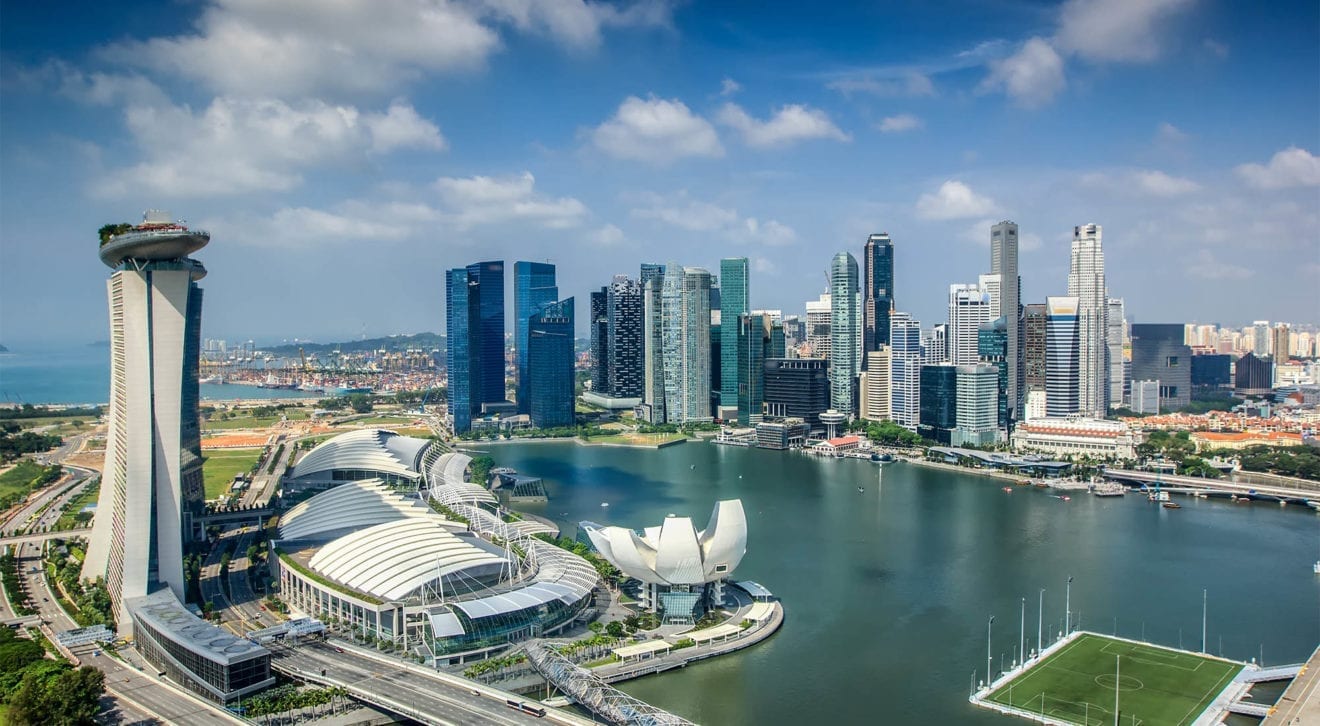
    Singapore is making waves in the luxury market, clinching the top spot for the highest prices in cars and women’s handbags, along with strong performances in women’s shoes and property costs, according to the Global Wealth and Lifestyle Report 2025 released by Swiss bank Julius Baer last Thursday. The city-state ranked second for women’s shoes and third for residential property and healthcare costs.

    The report highlighted significant price hikes in business-class airfares, which soared by 17% year-on-year. Additionally, the costs of bicycles and private school fees rose by 15.6% and 12.1%, respectively, as reported by the South China Morning Post. Despite these increases, Singapore remains an attractive destination for global businesses and high-net-worth individuals (HNWIs), defined as those with bankable household assets of at least US$1 million.

    “Given the unpredictable nature of the world today, Singapore is valued for its stability, security, and connectivity to Asia and beyond,” the report noted, showcasing why the city continues to draw interest from affluent expatriates and investors alike.

    To compile its rankings, Julius Baer examined a selection of 20 luxury goods and services across 25 cities globally, with an eye on the discretionary spending habits of HNWIs. These items include the likes of cars, watches, and handbags, along with essential services such as healthcare and private education, according to Bloomberg.

    A survey conducted among HNWIs between February and March 2025 further enriched the findings, shedding light on their spending habits and lifestyle preferences.

    Following Singapore, London secured the second position, while Hong Kong slipped to third, trading places from last year’s report. Hong Kong reported the highest legal fees among those considered, while London emerged as the priciest city for LASIK eye surgery, private schooling, and MBA programs.

    On a global scale, the luxury living index experienced a 2% decline over the last year in U.S. dollar terms, marking a shift from a 4% increase in 2024 and a 6% spike in 2023. This notable downturn can be attributed to a waning demand for luxury goods as consumers pivot their spending from material possessions to experiential pursuits, the report explained. In a world where the unexpected can make or break your financial plans, it seems luxury shoppers are deciding that a trip to Bali might be more worthwhile than that diamond-encrusted watch after all.

    In the Asia-Pacific region, HNWIs encountered more pronounced hikes in lifestyle expenses compared to their global counterparts. The region set the pace for price increases in women’s luxury apparel, upscale hotels, and gourmet dining options, as reported by the Business Times. Business-class airfares and luxury watches saw some of the steepest rises, increasing by 12.6% and 9% respectively.

    Questions & Answers

    What factors contribute to Singapore’s ranking in luxury prices?
    Singapore tops the list for the prices of cars and handbags, while also performing well in residential property and healthcare costs, driven by its appeal to high-net-worth individuals looking for stability and security.

    How do luxury living costs in Singapore compare to trends globally?
    While luxury living costs globally dipped by 2% over the past year, Singapore experienced significant price increases, indicating a divergence in consumer behavior and market dynamics in the region.

    What insights were gained from the survey of high-net-worth individuals?
    The survey provided valuable insights into HNWIs’ shifting spending habits, revealing a trend toward prioritizing experiences over material luxury items as personal financial circumstances evolve.

  • Singapore Emerges as Asia’s Most Accessible Housing Market, New Report Reveals

    Singapore Emerges as Asia’s Most Accessible Housing Market, New Report Reveals

    Last year, the median price of apartments in Singapore stood at a formidable 4.3 times the median annual household income, according to the recently published 2025 Asia Pacific Home Attainability Index from the Urban Land Institute (ULI), a distinguished global non-profit research and education organization. This statistic paints a vivid picture of the ongoing housing challenges faced by residents in urban areas across Asia.

    The report emphasizes that throughout the years of the Home Attainability Index, Housing Development Board (HDB) apartments have emerged as the most feasible pathway to homeownership in major Asian cities. This study evaluated 51 market segments across 41 cities in the Asia-Pacific region, defining “attainable” housing as those with a price-to-income ratio below five.

    While urban housing costs continue to escalate across the region, resale prices for HDB flats in Singapore have remained within reach for median-income earners, a stark contrast to the skyrocketing costs in other major cities such as Hong Kong, Tokyo, and Sydney.

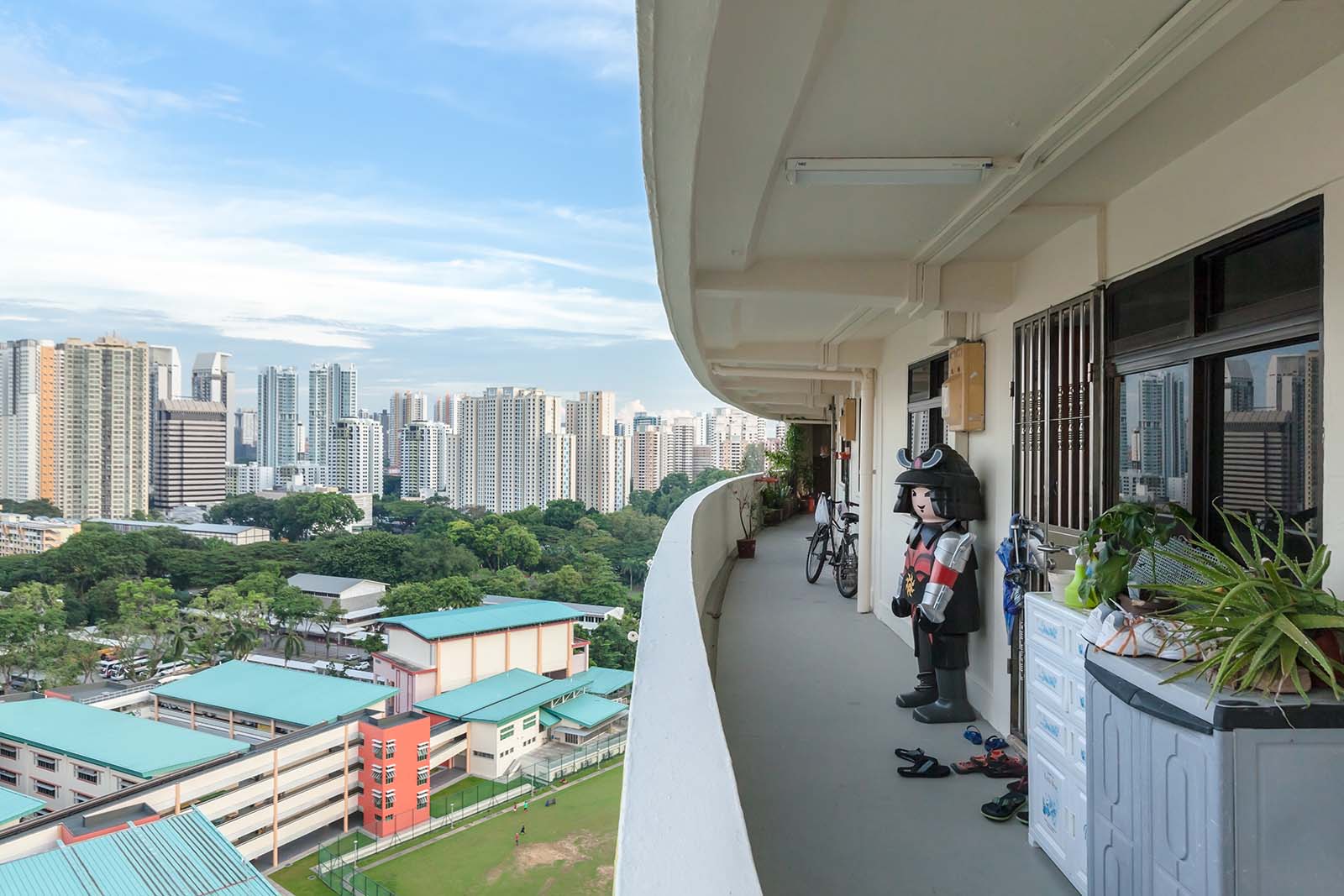
    With a median price of US$439,348 (or $4,609 per square meter), HDB apartments are relatively accessible, especially when considering Singapore’s median annual household income of $101,666—the highest among the cities analyzed. Notably, about 80% of Singapore’s residents live in HDB units, reflecting their pivotal role in the city-state’s housing landscape.

    Apart from Singapore, only Kuala Lumpur in Malaysia and Melbourne in Australia reported segments with a price-to-income ratio of five or lower in 2024. Notably, Perth, Australia, led the pack with the lowest price-to-income ratio at 4.1, revealing intriguing variations in housing affordability across the region.

    In stark contrast, private homes in Singapore top the charts in terms of average price per property, with costs soaring to $1.7 million and a price-to-income ratio of 16.9. However, if one dives deep into price-per-square-meter costs, Hong Kong claims the crown for the most expensive city for private homes, averaging a staggering $16,915 per square meter and sporting a price-to-income ratio of 23.4. It seems that luxury can really add up—who knew living in Hong Kong could cost as much as a small yacht?

    Questions & Answers

    How does Singapore’s housing market compare to other major cities in the Asia-Pacific region?
    Singapore’s housing market, particularly HDB apartments, is more attainable for median-income earners compared to cities like Hong Kong, Tokyo, and Sydney, where housing prices have soared beyond reach.

    What percentage of Singapore’s population lives in HDB units?
    About 80% of Singapore’s population resides in HDB units, highlighting their significance in the city’s housing framework.

    Which city has the highest per-square-meter cost for private homes in the region?
    Hong Kong ranks as the most expensive city for private homes by average cost per square meter, reaching an astonishing $16,915, with a price-to-income ratio of 23.4.

  • Singapore’s Private Home Price Growth Cools in Q2: What It Means for Buyers and Sellers

    Singapore’s Private Home Price Growth Cools in Q2: What It Means for Buyers and Sellers

    In a gradual shift, private home prices in Singapore edged up by a modest 0.5% during the second quarter of 2025, marking a slowdown from the more robust 0.8% growth seen in the previous quarter. According to the Urban Redevelopment Authority (URA) and the Housing and Development Board (HDB), this slower pace reflects a more sustainable trend in the housing market.

    Market Dynamics: Weaker Sales and Cooling Measures

    A recent report by PropNex highlights the impact of weaker sales and a limited number of new launches on private residential property prices, while also noting that the robust supply of new flats and various cooling measures have put pressure on the prices of HDB resale flats. Notably, in Q2 2025, a flat in Queenstown achieved a record-high resale price, contributing to a new quarterly peak for properties sold at over $1 million.

    Landed Homes Lead the Charge

    The growth in home prices was predominantly fueled by the landed private homes segment, where prices increased by 0.7% quarter-over-quarter. Despite this rise, transactions in this segment saw a significant dip of about 17.5%, with only 410 units sold during Q2. Interestingly, the average unit price per land area jumped by 1.2%, thanks largely to the semi-detached and terrace house markets—but who would have thought a slice of land could fetch such a premium?

    Non-Landed Homes and Regional Performance

    For non-landed private homes, prices rose by 0.5% quarter-over-quarter, showing a clear deceleration from the 1.0% growth in the first quarter. The Rest of Central Region (RCR) witnessed its first price decline in six quarters, with a notable drop of 1.1%. Meanwhile, the Core Central Region (CCR) and Outside Central Region (OCR) defied the trend, seeing respective price increases of 2.3% and 0.9% in the same period.

    New Launches: A Mixed Bag

    New launches during this quarter were predominantly centered in the RCR, with projects such as One Marina Gardens and Bloomsbury Residences hitting the market. One Marina Gardens stood out, selling 462 units at an average price of approximately $2,951 per square foot, while Bloomsbury Residences moved 151 units at about $2,477 per square foot.

    On Track for Growth

    PropNex estimates that developers sold at least 1,153 new units (excluding executive condos) in Q2 2025, bringing the total for the first half of the year to an impressive 4,528 units—a significant increase from the 1,889 transactions in the same period last year. As we look to the upcoming quarter, the expectation is clear: new private home sales are likely to gain momentum with a robust assortment of launches on the horizon. Meanwhile, the resale market reflects a strong activity level, with 2,949 transactions recorded in Q2, slightly surpassing the 1H 2024 figures.

    Questions & Answers

    What is the current trend in Singapore’s property market?
    Private home prices are experiencing a modest increase of 0.5% in Q2 2025, indicating a shift towards more sustainable growth.

    How have recent cooling measures affected resale flat prices?
    The introduction of cooling measures and an ample supply of new flats have exerted downward pressure on HDB resale flat prices.

    What impact did new launches have on private home sales this quarter?
    New launches significantly boosted private home sales, with developers recording 1,153 new units sold in Q2 2025, highlighting a compelling demand in the market.

  • Kuala Lumpur’s Prime Residential Market Set for Exciting Growth Ahead

    Kuala Lumpur’s Prime Residential Market Set for Exciting Growth Ahead

    Two projects were completed and another two were launched in Q1.

    Prime Residential Sector on the Rise

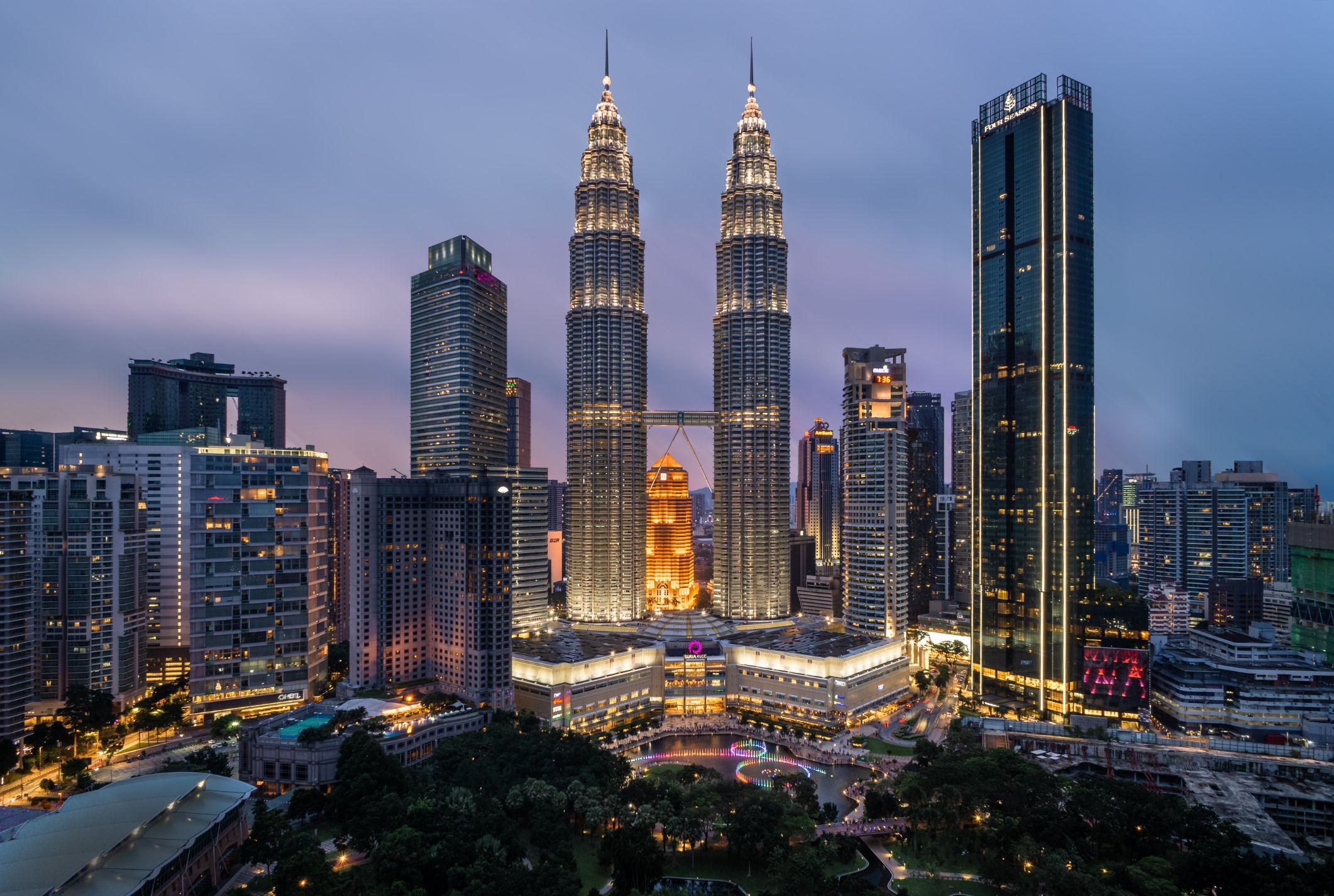
    Kuala Lumpur’s prime residential sector is gearing up for significant expansion, buoyed by a post-pandemic recovery, supportive government initiatives aimed at bolstering homeownership, and innovative financing options like green home programmes. These factors are not just catching the eye of locals—they’re also enticing foreign investors eager to tap into a market poised for growth.

    A recent report by JLL underscores this promising outlook. “Ongoing infrastructure developments are expected to enhance the appeal of suburban areas and transit-oriented developments, while the city’s affordability compared to other Asian markets should continue to drive investment, despite global economic challenges,” the report revealed. It paints a picture of a landscape ripe with opportunity.

    Dynamic Growth Despite Market Concerns

    As Kuala Lumpur shakes off the remnants of the pandemic, its prime residential sector is seeing a remarkable resurgence, characterized by rising sales and property values. However, experts urge a tempered enthusiasm, noting that concerns about potential market overheating necessitate cautious optimism for the medium term.

    Newly launched and ongoing projects are witnessing robust interest, with take-up rates fluctuating between 30% to 50%. Soft-launch schemes have also experienced promising booking levels, highlighting a healthy appetite in the market that just might surprise those who thought buyers had soured on the idea of investing.

    New Developments Take Center Stage

    This quarter saw the completion of two substantial residential developments, Allevia and Sunway Belfield, which together contributed 1,624 units to the market. Simultaneously, two new projects, CloutHaus Residence and Hanaz Suites, have been introduced, adding 955 units to the mix. The infusion of these developments speaks volumes about the resilience and sustained interest in Kuala Lumpur’s real estate.

    Favorable Conditions for Investors

    The attractiveness of the prime residential market continues to hold firm, with stable rates and competitive pricing serving as a magnet for investors even amid global economic uncertainties. Bank Negara Malaysia has kept the Overnight Policy Rate steady at 3.00% since May 2023, fostering a conducive atmosphere for borrowing. This policy has made mortgages more accessible and affordable, further stimulating demand for property investment.

    Despite pervasive global inflationary pressures, Kuala Lumpur’s prime residential market remains appealing, characterized by property prices that are among the most affordable in Asia. This affordability continues to attract both local and foreign investors looking to navigate the choppy waters of today’s economic landscape.

    Questions & Answers

    What factors are driving growth in Kuala Lumpur’s residential sector?
    Post-pandemic recovery, government initiatives supporting homeownership, and innovative financing options, such as green home programmes, are key motivators behind the growth.

    How have the recent projects performed in the market?
    Newly launched and ongoing projects boast solid take-up rates ranging from 30% to 50%, indicating a healthy appetite among buyers.

    What makes Kuala Lumpur’s prime residential market appealing to investors?
    Stable pricing and competitive rates, in conjunction with accessibility to affordable mortgages thanks to a maintained Overnight Policy Rate, make Kuala Lumpur an attractive proposition for investors in comparison to other Asian markets.