Retail News CRM

Tag: housing

  • New high-end apartment supply up 120 pct

    New high-end apartment supply up 120 pct

    In the first six months, 7,040 new high-end housing units were launched in HCMC, up 123 percent year-on-year, accounting for 59 percent of new supply.

    Mid-range supply rose 295 percent to 4,908 units, accounting for 49 percent of new supply, while no new affordable unit was launched, according to a report by the Ho Chi Minh City Department of Construction.

    This shows an imbalance in the HCMC real estate market where developers focus on the high-profit, high-end and luxury market while ignoring the affordable segment, boasting strong demand.

    The HCMC Real Estate Association (HoREA) predicts the imbalance would cause negative consequences in housing security.

    HCMC plans to increase its residential area per capita to 21.04 square meters by the end of the year, up nearly 2 percent from now. To do this, it needs an additional eight million square meters.

  • Bright prospects seen for Vietnam property market

    Bright prospects seen for Vietnam property market

    Economic stability, positive investor sentiment, strong demand, and a diverse range of products are keeping the property market robust. The assumption that Covid-19 would cause the market to slump has proven baseless, and market research aftermarket research shows property prices increasing across the board.

    Vietnam’s bright economic prospects and strategies adopted by many major property developers also contribute to the market’s strength.

    According to the World Economic Outlook Report, a survey by the International Monetary Fund (IMF), in 2020 Vietnam’s economy grew at 2.4 percent, one of the four highest rates in the world. Its effective anti-epidemic strategy and economic growth are expected to be highlights this year too. Fitch Ratings forecast Vietnam’s GDP to grow at 7.5 percent even of there is a new outbreak.

    “Vietnam has well-controlled the pandemic, so we think the economy will recover when domestic demand bounces back,” Sagarika Chandra, head of Vietnam analysis at Fitch Ratings, said.

    Nguyen Xuan Thanh, a Fulbright University lecturer and member of the prime minister’s Economic Advisory Group, said the positive investor sentiment despite the Covid-19 crisis is driven by the stable economy and sound financial system.

    The belief that everyone would surely get vaccinated this year further strengthens investor sentiment, he said.

    “Stocks and real estate are still good investments.”

    The market has seen a geographic shift from areas such as HCMC. If in the past the most important southern market was Saigon, it is now its satellites such as Binh Duong, Dong Nai and Long An provinces and others with tourism potential such as Binh Thuan, Ba Ria – Vung Tau and Khanh Hoa.

    Bui Nguyen Huyen Trang, senior director for Vietnam at JLL, stressed the importance of property developers in construction and urban planning.

    “They must carefully study urban planning to create sustainable value for their large-scale projects.”

    During Covid-19 times, businesses with strong foundation, offering a wide range of products towards demand for home ownership would have more opportunities to succeed.

    The eastern part of Ho Chi Minh City is forecast to be a property hotspot, when Thu Duc City has been officially established, pushing housing prices in this area to record levels.

    With rapidly improving infrastructure that boosts regional connectivity, satellite towns and tourist cities in Binh Duong, Dong Nai, Ba Ria – Vung Tau, and Binh Thuan are of immense interest to investors.

    Terence Alford, director of capital markets and investment services at Colliers Vietnam, said developers tend to search for alternative locations to HCMC to increase value.

    They also focus on creating living spaces to not only increase choices for customers but also contribute to improving the quality of life, setting new trends and offering new life experiences.

    Novaland, a property developer, has recently released its financial report. In 2020 the company achieved profit after tax of VND3.91 trillion, 7 percent higher than it targeted and up 15.3 percent from 2019.

    Total consolidated revenues from sales of units and projects and services were VND8.6 trillion. As of December 31, 2020, Novaland’s total assets were worth VND144.54 trillion, an increase of 60.6 percent from a year earlier.

    In 2020 Novaland disbursements were allocated for M&A activities and project development. The company continues to raise funding from reputed financial institutions at home and abroad despite Covid-19, showing the trust in which it is held by partners.

    Novaland introduced new products in the last few months of 2020. Despite pandemic impacts, resort real estate projects such as the NovaWorld Phan Thiet and NovaWorld Ho Tram still drew great attraction.

    Experts do not foresee the property market crashing this year despite an increase in price levels, but instead expect it to remain strong due to strong demand, economic growth and stability and businesses’ clever strategies.

    In a recent report titled ‘Ready for a new cycle from 2021,’ VNDirect Securities Company said Vietnam’s property market has a seven-year cycle.

    In 2021 it is getting ready to enter a cycle of high growth amid positive factors such as amendments to the 2020 Construction Law and 2020 Investment Law and a forecast of solid economic growth this year.

    “The development of infrastructure and lower mortgage interest rates will have a direct impact on the real estate market. The upward trend in prices will continue due to the growing demand for housing,” VNDirect added.

  • Covid-19 shadows as Hanoi real estate market recovers

    Covid-19 shadows as Hanoi real estate market recovers

    Most real estate classes in Hanoi showed recovery signs in Q4 2020, but Covid-19 uncertainties continue to loom over the market this year.

    The retail category saw total supply in the last quarter increasing 1 percent year-on-year to 1.6 million square meters with the launch of the 36,000-square-meter Vincom Mega Mall Ocean Park in the eastern part of the capital, according to a report released Tuesday by real estate consultancy Savills.

    However, average rents fell 3 percent year-on-year, while occupancy dropped 2 percent, showing that Covid-19 impacts remain on the market.

    “Footfall is slowly recovering but yet to return to pre-pandemic levels with impulse and extravagant spending limited to increase savings,” the report said.

    The office category saw supply rising 6 percent year-on-year and average rent up 3 percent with growth in demand from companies in services, information and communications technology and e-commerce.

    By next year, around 208,000 square meters from 15 projects will enter the office market. But as the Covid-19 pandemic has prompted companies to downsize and reduce operating costs, the downward trend in office space demand is set to continue, the report said.

    The apartment category saw sales rising 27 percent from the third quarter to 6,700 units, but the figure was 37 percent lower year-on-year.

    “Local demand remains steady, particularly for affordable units. Developers have started focusing on the suburbs and surrounding provinces,” the report said.

    Savills forecasts that average asking prices, which have increased 4 percent per annum over the last five years, is set to continue rising thanks to infrastructure upgrades, including two metro sections and ring roads.

    This year, around 25,000 units are set to enter the market, most of them Grade B. Fifty-seven percent of the new supply will be in the districts of South Tu Liem and North Tu Liem.

    The hotel category, which suffered the biggest Covid-19 damage as international arrivals plunged, saw occupancy recovering by 12 percentage points quarter-on-quarter to 33 percent, against 75 percent in the last quarter of 2019.

    Do Thu Hang, senior director of advisory services at Savills Hanoi, said many hotels downtown have been successful in attracting more domestic customers as the number of foreign tourists dropped.

    As Hanoi expects to receive 11-15 million domestic tourists this year, compared to 8 million last year, it is likely that hotels will continue to focus on the domestic segment as the resumption of regular international routes is uncertain, she added.

  • Hanoi suburbs see fast rise in housing prices

    Hanoi suburbs see fast rise in housing prices

    Housing prices are rising faster in Hanoi’s outer districts than in areas closer to downtown, thanks to improved connectivity.

    Average prices in districts like Gia Lam and Nam Tu Liem rose 1.3 percent in the last quarter to $1,473 per square meter, and at 0.7 percent in central districts, according to a recent report by real estate consultancy Jones Lang LaSalle (JLL).

    Prices at a newly launched apartment project in Gia Lam District bordering the provinces of Bac Ninh and Hung Yen climbed to a new high of $1,900 per square meter in the last quarter, it said.

    The improved transport infrastructure and the trend of developing large urban areas in suburban areas explain the increase, it added.

    Another real estate consultancy, Savills, said in November that apartment prices were rising in Hanoi’s suburbs as developers offered a number of features to make up for the distance from the city center.

    Gia Lam and Nam Tu Liem accounted for 38 percent and 37 percent of new apartment supply in the last quarter, with prices higher than those closer to downtown, it said.

    Apartment supply has been increasing in outer areas since 2016, it added.

  • Most citizens cannot afford ‘affordable housing’

    Most citizens cannot afford ‘affordable housing’

    Affordable housing in Hanoi and HCMC is out of reach for most citizens, mainly because of dwindling supply and rising prices. When he moved to Hanoi 13 years ago, Tran Thanh Ha nursed a common enough dream that he would one day own an apartment in the capital city.

    Today, he realizes this is next to impossible. The 33-year old graphic designer with a monthly income of around VND25 million ($1,080) has been able to save about VND700 million since his early twenties but is still 50 percent away from the cheapest apartment in his favorite project, which is in the eastern district of Long Bien.

    “With one child and another on the way, it is unlikely that my wife and I will be able to acquire the apartment for at least another 10 years. By that time the price will have surged to another absurd level.”

    Ha is one of many people in Vietnam’s major cities who are seeing their dream of homeownership slip away as prices increase every year and the supply of affordable housing has almost disappeared from the market. Affordable apartments are those that are priced under VND20 million per square meter, according to the Ministry of Construction.

    A recent report of the ministry says the demand for houses and apartments in the mid and high range only accounts for 20-30 percent, while the remaining 70-80 percent is for affordable housing.

    The ministry report says residential property prices are “bloated, volatile and out of reach of most people” due to the lack of funding for social housing programs. It also says there is no channel for mobilizing long-term investment for these programs.

    Data from real estate consultancy Savills shows that Hanoi apartment prices rose 10 percent year-on-year to $1,500 per square meter in the third quarter as new apartment supply fell to a five-year low.

    Do Thu Hang, director of advisory services at real estate consultancy firm Savills Hanoi, said that the capital city is witnessing high residential pricing that far exceeds the income of most people, especially the young.

    Data from the Ho Chi Minh City Real Estate Association (HoREA) shows that with a mid-priced apartment in Ho Chi Minh City costing around VND2.5 billion, it would take a family that can save VND100 million a year over two decades to acquire the unit.

    Le Hoang Chau, chairman of the association, said that a sharp decline in supply in the 2018-2020 period has made it more challenging for low-income people to afford a house.

    Other industry insiders say that most small apartments of 45-50 square meters are being sold for VND1.5-1.7 billion, 50-70 percent higher than five years ago.

    This means that an apartment under VND1 billion has now become a thing of the past.

    Nguyen Van Dinh, deputy chairman of VNREA, said that in the last two years, very few new apartment projects have been approved in Ho Chi Minh City, this has meant that the affordable segment barely exists in the market despite large demand.

    Obstacles in acquiring permits have been the main roadblock for real estate developers. From 106 housing projects approved in 2016, the figure fell to 16 last year and 12 in the first six months of this year, according to HoREA.

    There is a lack of transparency in the approval of projects that has left hundreds of projects struggling to acquire permits, it added.
    It also said that only 21.81 percent of new supply between 2016 and H1 2020 was in the affordable segment.

    At an October 30 meeting, Deputy Construction Minister Le Quang Hung said his ministry was working on policies to ensure that the majority of the nation’s workforce, in the middle-income group, have the opportunity to buy an apartment.
    The ministry has already proposed several measures to boost the supply of affordable apartments in Hanoi and HCMC. These include a 50 percent discount on land fees and preferential interest rates of 7-8 percent per annum for social housing projects.

    While apartments are currently required to have a minimum area of 45 square meters, the ministry is considering scrapping this requirement so smaller, cheaper apartments can be built.

    The HoREA, meanwhile, has proposed that the government provides credit support to first-time homebuyers as well as incentive tax policies for the development of affordable housing.

    As authorities try to find solutions to the housing problem, Ha and his wife are looking for another rented apartment in Hanoi to welcome a new baby, the only residential option for them in the increasingly crowded city.

    “Without an inheritance from parents, homeownership in Vietnam is near impossible for people like me.”

  • What Makes An Amazing Neighborhood

    What Makes An Amazing Neighborhood

    When choosing a place for your new home, one of the major features to consider is the neighborhood. You’re not only just buying or renting an apartment but your lifestyle will be affected one way or another based on the surrounding environment.

    A perfect neighborhood doesn’t exist but it can be well suited to your various needs and desires. However, there are some common components to good neighborhoods that can be interpreted universally to all home movers.

    Matching Your Lifestyle

    Consider your current lifestyle. Many people with similar needs tend to gravitate to the same areas. While a suburban neighborhood in a gated community might seem like a dream to some of us, it may not be a good fit for a young single professional that is looking to champion his career. Similarly, small families may not be suitable for a small apartment in a downtown neighborhood due to the noise and excitement.

    Perhaps instead of matching your current lifestyle, you can think of the lifestyle you would like to try out or experience, or even settle down with. For example, if you’re getting married and you are getting a job in the suburban neighborhood, you might want to consider your schedule. You will probably want to spend less time having to travel to work so that you can get enough rest and start a family. In that case, it might be a good idea to choose to stay in the suburbs. If you’re in the LGBT community, you’ll want to live in a neighborhood that’s LGBT-friendly. In that case, you may want to find Fort Lauderdale, Florida Gay Realtors to help you select a neighborhood you want to live in. Surround yourself with the people you want to learn from, and have the courage to pursue that chapter in your life.

    Having Pride in Living in The neighborhood

    When you and your soon-to-be neighbors are proud of your living residences and physical surroundings, the chances for some of you to connect and create small communities are high. This can be a good sign of a good neighborhood environment as its residents are concerned about the betterment of the area.

    Safety First

    Safety will always be one of the top priorities as we want to have peace of mind in our daily activities. A neighborhood with low crime rates can provide you a form of tranquility and assurance that you and your family members can get home safe every day. While not every neighborhood may be crime-free, it will always be a good idea to check out neighborhoods with decreasing crime rates as it is a telltale sign of transitional or improving ones.

    To find out how safe your neighborhood is, do some quick research online to see what kind of crime takes place in the area and how often it happens to see if it is a neighborhood suitable for you.

    Education

    For those with children, you will need to factor in the schools in the vicinity. Good schools often make good neighborhoods. They are essential for your children to grow and mature in, add significant value to the neighborhood and push the property prices up. 

    Available Outdoor Facilities

    Having access to an exciting outdoor adventure can sweeten your experience living in your neighborhood, especially when it’s just a short walk away. Some common outdoor activities include jogging, sailing, or cycling that can help you stay healthy. Meanwhile, there are some neighborhoods that provide access to tennis or badminton courts, swimming pools, and golf courses to spice up your weekly exercise routine.

    Culture

    One of the less popular features of a good neighborhood is its culture. There’s something about a town with a history that makes it more attractive. They often have very stable longtime residents and provide support to the community, which helps keep crime rates at bay. The tree-lined streets can also provide a more established and charming feel to your daily walk home.

    Healthcare

    We’ve all experienced a terrible experience waiting in line to see a doctor. But this feeling of anguish could be made worse if there are no available hospitals or clinics in the vicinity. Try to look for neighborhoods that are close to some form of healthcare services especially when you have seniors or young children living with you.

    Family-friendly

    For those with children, it will be a good idea to find a neighborhood with lots of families. This can help make your lives a little happier as there are opportunities for your children to socialize and make lifelong friends with their neighbors. On the other hand, you will be able to have an easier time with carpooling groups and a bunch of children’s programs to provide you some time off from your kids.

    Access to Public Transportation

    Not all of us have the luxury of owning a car or a vehicle, which makes public transportation exceptionally important in this case. A commuting millennial or a retiree who prefers keeping his or her car at home might be pleased to know that there are other alternatives to traveling.

    Eat, Drink, Play!

    If you’re always finding things to do out of your home, it will be a good idea to find out if there are some restaurants nearby for a quick date option or some shopping outlets to spend your weekends at. Sometimes, it might be a bore to cook dinner every day and a change in environment will be nice.

    You should also see what facilities are near your apartments such as shopping malls, movie theatres, bars, and nightlife. This can spice up your life and a huge priority for someone that loves to enjoy a night out. It will also be pleasing to know that you will be able to get home quickly and safely from the near proximity.

    Conclusion

    Whether you’re a young adult moving out of your home or a large family, it’s always a good idea to think of your circumstances and needs before choosing which neighborhood to move into. There’s no such thing as a bad neighborhood but certain features will definitely make it or break it for you based on your needs.


  • Real estate in Saigon the most sought after in Vietnam

    Real estate in Saigon the most sought after in Vietnam

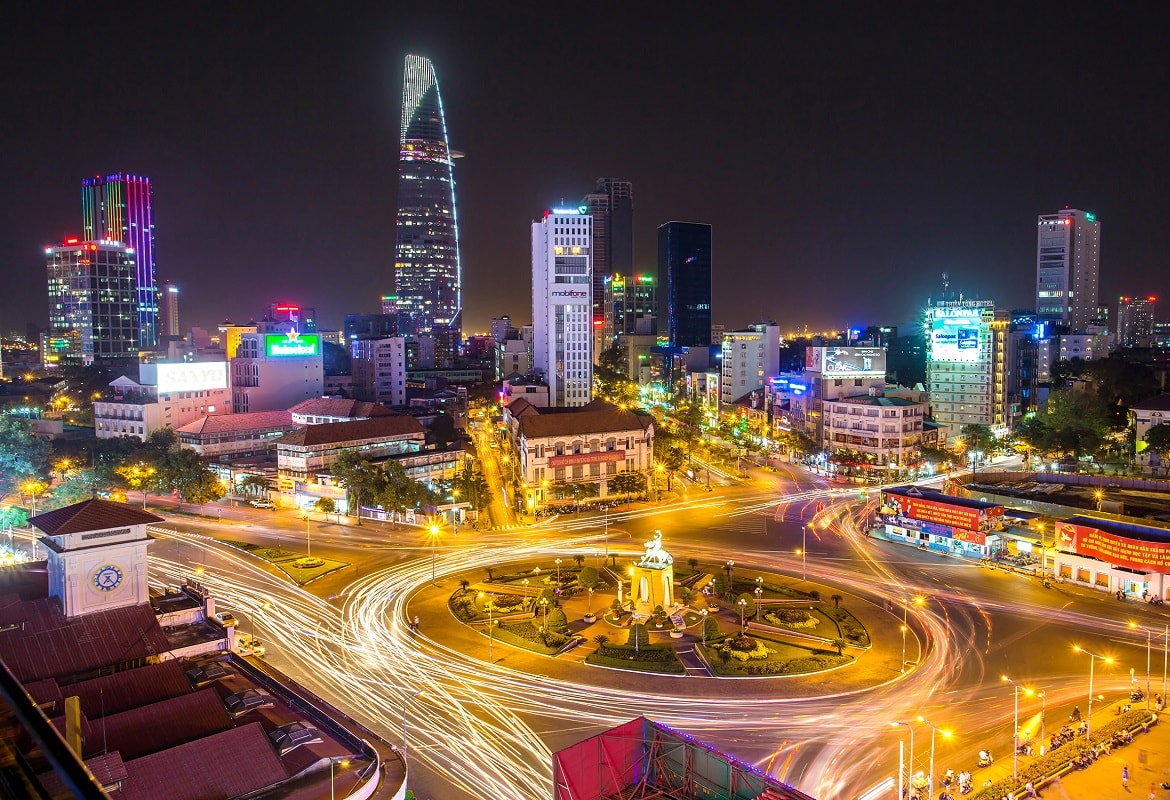
    Saigon leads Vietnam in real estate interest, drawing 300 million internet searches in the last 12 months. According to a report recently issued by Batdongsan.com.vn, one of the biggest property portals in Vietnam, Hanoi is the second most searched city when users look up real estate at 170 million searches.

    The two cities are followed by central Da Nang City, southern Bien Hoa Town, northern Hai Phong City, central Nha Trang Town, and Vung Tau Town and Can Tho City in the south in terms of popularity.

    Overall, the leading position of Saigon real estate is predicted to continue to remain the same because its housing market is still seeing a lot of actions.

    Consumer data collected from Internet queries also showed the level of interest given to real estate in each specific area.

    Saigon attracted the highest level of interest, at 41.8 percent of recorded consumers, the largest in Vietnam, while Hanoi had 29.7 percent. Central Khanh Hoa Province, Da Nang, and southern provinces of Dong Nai and Binh Duong recorded modest numbers, fluctuating between 3 to 4.5 percent. Interest is measured by saved searches, favorites and number of queries.

    The report also reveals that budget and midrange apartments in Saigon and Hanoi, which are priced between VND20-30 million ($860.47 – $1,290) per square meter, with an area of around 60-70 square meters are the type of high-rise apartments that attracts the most attention from Internet users.

    Meanwhile, in regards to content posted on the website of this organisation, foundation land (land serving as the foundation for housing projects to be built on) tops the board in the number of posts published, at 1.2 million posts.

    The land is also the most indulgent hunting with nearly 120 million searches, showing the habit of clinging to land, ownership of real estate in the territory of the Vietnamese, said the report.

    In addition, separate houses attached to land are also highly sought after, at nearly 120 million searchers. This shows the Vietnamese consumers’ preference to own land, or possess properties attached to land, according to the report.

  • Investors dominate sales of Vietnam’s high-end homes

    Investors dominate sales of Vietnam’s high-end homes

    Investors buy a high percentage of high-end residence purchases in Vietnam, while occupiers take most of the low-end ones. A recent report by real estate market research firm Savills Vietnam, Vietnam Residential Spotlight, says over 70 percent of grade A (high-end) residence buyers in Hanoi are investors. The ratio in Ho Chi Minh City is just as high at 65 percent, says the report, which used data for the 2013-2017 period.

    For the grade B (middle-end) segment in Hanoi, investors accounted for 40 percent of sales, occupiers, 55 percent, and the remaining 5 percent, speculators. The corresponding ratio in HCMC is 45 percent, 50 percent and 5 percent.

    The data indicates that high-end and middle-end residences have become main interests of investors in recent years. They evince almost no interest in grade C (low-end) residences where occupiers make up 85-90 percent of transactions.

    There has been a continuous downwards momentum in residential apartment supply between January and October this year, the Ho Chi Minh City Real Estate Association (HoREA) said in a recent report.

    During this period, total housing supply in the Ho Chi Minh City market fell 39.2 percent. The biggest decrease in supply was in the low-priced apartment segment, which was down 68 percent, while that of high-end apartments fell 9.6 percent and mid-range went down 37.5 percent.

    The association warned that the structure of real estate supply showed a serious disequilibrium in the market, with low priced apartments taking up only 19.3 percent of total supply while luxury apartments took up a third.

    This showed a mismatch between demand and supply, posing a risk to sustainable development and social welfare, it said.

    However, Savills forecasts that low-end residences will dominate HCMC’s supply in 2020 at 61 percent, while in Hanoi, the middle-end segment will lead the market, taking over half of the supply. At this time, Hanoi will have a higher high-end supply at 15 percent, compared to HCMC at 8 percent.

  • Lazada Malaysia to sell houses soon

    Lazada Malaysia to sell houses soon

    Southeast Asian e-commerce platform Lazada will begin selling houses in time for its planned 12.12 shopping festival. The move, in partnership with Malaysian property developer Mah Sing Group, constitutes part of Lazada’s plans to grow the variety of items on its platform.

    Lazada Malaysia CEO Christophe Lejeune said it plans to increase the number of Malaysian sellers from the platform’s current 50,000 to hundreds more, as well as provide support for 8 million Southeast Asian SMEs by 2030.

    Lazada operates in Thailand, Indonesia, Vietnam, Singapore and the Philippines, beyond the Malaysian market.

  • BTN to launch micro housing loan by end of February

    BTN to launch micro housing loan by end of February

    State-run mortgage lender Bank Tabungan Negara (BTN) is expected to launch micro housing loan for lower income group by the end of Feb, its president director said.

    “We will launch it around end of this Feb. It is a special loan for lower income group who do not have regular income,” Maryono said at the Vice Presidential office here on Monday.

    According to Maryono, the lower income group includes those with regular income and those without. The first group enjoys the governments housing finance liquidity (FLPP) and interest rate subsidy.

    The group without regular earnings would be supported with micro housing loan to afford a house.

    The bank would impose interest rate as low as 7-9 percent, he said.

    Currently, some 6.3 million workers are categorized into lower income group, which include those who do not have regular earnings.

    Public Works and Housing Minister Basoeki Hadimuljono said that housing provision for lower income group is targeted to reach 700 thousand houses in 2017, up from 516 thousand in 2016.

    Basoeki added that the houses would be built at state properties, and access to the locations would also be improved to cut the transportation costs.

    The minister added that micro housing loan would be given to workers with monthly earnings from Rp1.2 million to Rp2.6 million.

  • Housing credit interest rate predicted to decline in 2017

    Housing credit interest rate predicted to decline in 2017

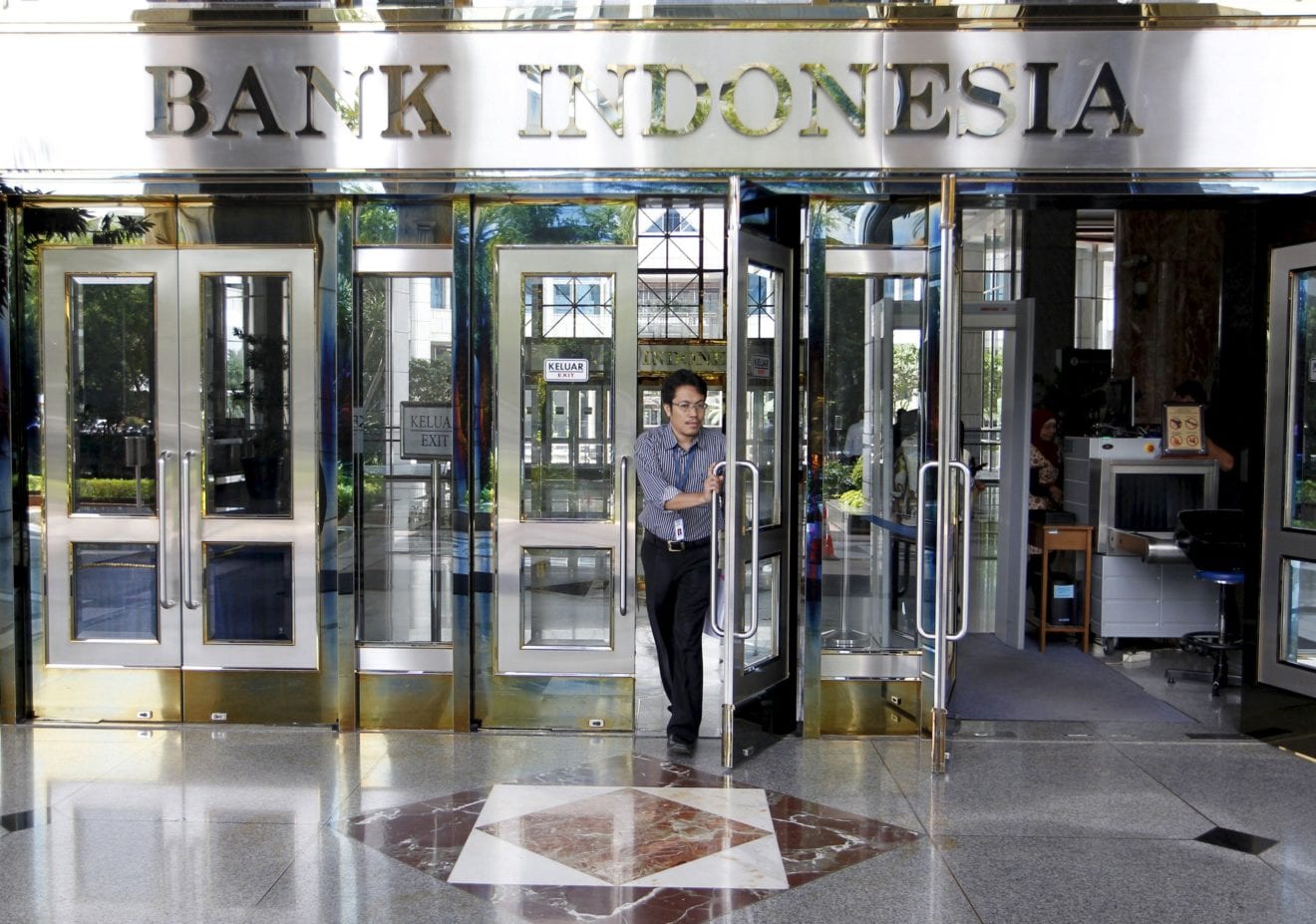
    Bank Indonesia predicted that the interest rate of consumer credits including housing credits(KPR) would decline in 2017 as a result of the relaxation of its monetary policy.

    Director of Macro prudential Policy of the Central Bank Dwityapoetra S. Besar, said here on Wednesday relaxation already began in the central bank monetary policy in 2016 though not very significant.

    Currently the KPR interest rates average 10.3 percent per year, he said.

    “If the interest rate on KPR at 10.3 percent , the average lending rate would be 11 percent. That shows the transmission,” he said.

    However, a cutback in KPR interest rate would depend much on the ability of each bank to keep the cost of fund down, he said.

    The central bank has issued a stimulus in monetary policy in a bid to push down bank lending rate with a 150 basis point cut in its benchmark interest rate (BI 7-Day Reverse Repo Rate) to 4.75 percent.

    Meanwhile, the Financial Service Authority (OJK) cut the Minimum Reserve Requirement by 150 basis point to 6.5 percent in December, 2015 to help bank in improving their liquidity.

    Dwitya , however, said banks have yet to face many hurdles in cutting the lending rate . One of the hurdles is potential increase in inflation as a result of the increase in the electricity tariff for 900 VA subscribers.

    “Yes, we have to see that it will depend also on the macro economic condition,” he said.

  • Starbucks in Cambodia: From Coffee Beans to Housing Dreams?

    Starbucks in Cambodia: From Coffee Beans to Housing Dreams?

    There’s nothing particularly new with coffee places opening in Phnom Penh. There is a different brand of coffee shop at just about every corner.

    But the recent launching of the Starbucks Reserve brand in Phnom Penh seems to mean something significantly more for both the international F&B franchise sector, and local urbanite Phnom Penh citizens.

    Been There, Done That

    With 45 years of experience in the coffee industry, Starbucks has managed to open around 22,519 stores worldwide (as of June 28, 2015). The brand has become one of the world’s most recognized, through intensive advertising campaigns and aggressive product placement.

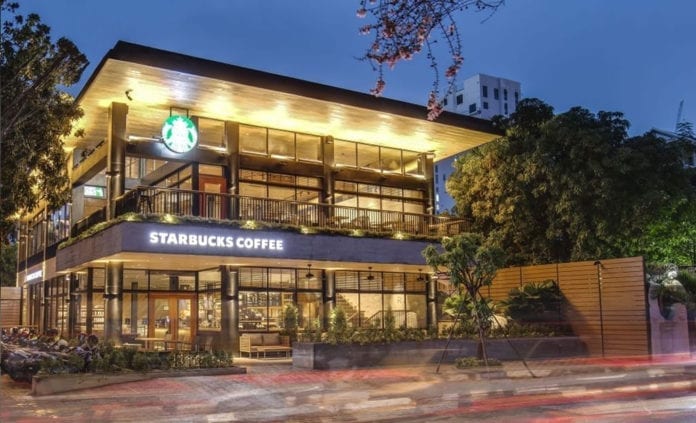
    Fast-forward to October of 2016, another branch just opened to serve the Cambodian public in Phnom Penh’s BKK1 district. It was launched under the high-end “Reserve” brand of the company.

    If the market can prove profitable for Starbucks, other international F&B and consumer goods franchises may look to enter the Cambodian market place as well

    The new branch features two floors and 650 square meters filled with local craftsmanship, including a mural centerpiece depicting the Cambodian Folklore of Sovann Maccha.

    Starbucks Cambodia has partnered up with a local NGO – Cambodian Children’s Fund – as part of its long-term community investment. They said, “We take a thoughtful, disciplined approach to growth in Cambodia that is locally relevant and in line with our company’s values. Our growth story is not just about expanding our store count in the market.”

    Something Brewing:

    Yet Starbucks’ opening of another high-end coffee place doesn’t only signal a positive outlook for the F&B industry…

    It also transcends into real estate. A few months back, the World Bank declared Cambodia a lower-middle income country – where Cambodians currently have an average yearly income of between $1,026 and $4,035.

    So, locals are now able to afford items that have a higher price tag, according to the Bank.

    With this rise in consumers’ expendable incomes, Starbucks isn’t worried about the huge difference in price of their coffee compared to local ones. The local coffee costs about $0.74 (and sometimes as cheap as $0.25), while a small latte from Starbucks is $2.95.

    If a cup of coffee is any indication of rising incomes, then sectors like real estate might follow a similar trend. Investors may be getting closer to a market in which the local population can afford resale units and higher rental rates. The current lack of a secondary market, resale and rental, for new development units is proving one of the biggest risks of the Cambodian market for pure investors.

    Furthermore, if the market can prove profitable for Starbucks, other international F&B and consumer goods franchises may look to enter the Cambodian market place as well – spurred by this signal of consumer confidence and affluence.

    So while Starbucks opening in BKK1 has been warmly welcomed by local cafe enthusiasts keen to try an international flavor, its significance for investors may have longer lasting influence.

  • BI Urged to Stimulate Housing Market

    BI Urged to Stimulate Housing Market

    Indonesia Property Watch (IPW) CEO Ali Tranghanda asked Bank Indonesia to issue a more progressive regulation on Loan to Value (LTV) in order to tackle issues with a slowdown in the national housing market recovery.

    “For the middle-lower segment, particularly houses with loan liquidity facility (FLPP), the LTV can be fully provided so that the down payment is set to 0 percent,” Ali said in a press release on Friday, May 6, 2016.

    For the middle segment, Ali suggested that the LTV should be set to 90 percent, so that the down payment would stand at 10 percent. Meanwhile, Ali said that BI should strictly govern the LTV for upper segments, “because the upper segment is a subject to massive speculations, although it has impacts on the housing market,” Ali added.

    According to Ali, policies that can hamper the cash flow of middle-lower segments includes the requirement for developers to market homes that are under construction.

    “BI is expected to stimulate the housing market movement,” Ali added.

    Ali explained that the relaxed policy could be implemented until the housing market fully recovered. Given with the current market condition, Ali said that BI should not burden the housing sector with strict regulations.

    The national housing market has so far not shown signs of recovery. After a growth in sales figure in the fourth quarter 2015, the trend did not continue in the first quarter of this year. The IPW reported that the housing market in the first quarter plummeted by 23.1 percent compared to the previous quarter, or was down by 54.09 percent compared to the first quarter of last year.

    Data from the IPW revealed that almost all regions experienced a decline in sales, and the middle segment remained the largest market share at 52.19 percent. Meanwhile, the upper and lower segments accounted for 28.27 percent and 19.54 percent of the housing market share, respectively. Earlier in the fourth quarter 2015, the upper segment dominated the market share.

  • Indonesian Housing market showing positive signs in 2016

    Indonesian Housing market showing positive signs in 2016

    The increase in housing sales in several regions of Indonesia is a positive sign of growth in the countrys property sector, according to Indonesia Property Watch (IPW).

    “Research conducted by the IPW on the housing sector in the fourth quarter of 2015 revealed a 16.6 percent growth compared to that in the previous quarter,” Ali Tranghanda, the executive director of IPW, stated here on Wednesday.

    He admitted that the growth in sales could not yet be taken for granted as a consistent upward trend in sales, but at least it is a positive signal for the housing market.

    This is because the growth rate in annual sales is still 10.87 percent lower than that in the previous year, he reminded.

    However, based on its research, the IPW found that the sales of houses in the potential areas in Bekasi, a Jakarta buffer town in West Java, had increased significantly by 72.01 percent in the fourth quarter compared to that in the previous quarter.

    The sales in other areas of Jakartas satellite towns, such as Bogor, recorded a growth increase of 15.44 percent but dropped by 8.52 percent in Tangerang, which is another Jakarta buffer city in Banten.

    “The satellite towns of Bekasi, Bogor, and Depok in West Java are expected to contribute positively to the increase in housing sales in Jakartas areas and Tangerang,” noted Ali.

    He reminded that the ongoing construction of public mass transportation projects such as the Mass Rapit Transit (MRT) and the Light Rail Transit (LRT) would increase the added value of houses in the areas.

    It was forecast that 2016 would be the year of rising optimism in the property sector in Indonesia, but property businesses should also continue to maintain high vigil, international property consultant Jones LaSalle (JLL) had announced earlier.

    “The interest of our investors and residential clients remains high, and we look at 2016 with consistent optimism and vigilance,” Country Head of JLL Indonesia Todd Lauchlan remarked.

    Todd noted that 2015 could be viewed as a year full of challenges for the property sector in Indonesia as the economy grew below the predicted target, among other factors.

    Moreover, he pointed out that the other factor was the fluctuations in the rupiah and other currencies, which weakened significantly against the US dollar. The drop in the prices of commodities had triggered concerns in Jakarta.

    “This year, however, there will be an increasing market demand for offices and residences, while the production sector is also expected to remain stable,” he added.