Retail News CRM

Tag: Huawei

  • Huawei launches 4K ultra HD video offering

    Huawei launches 4K ultra HD video offering

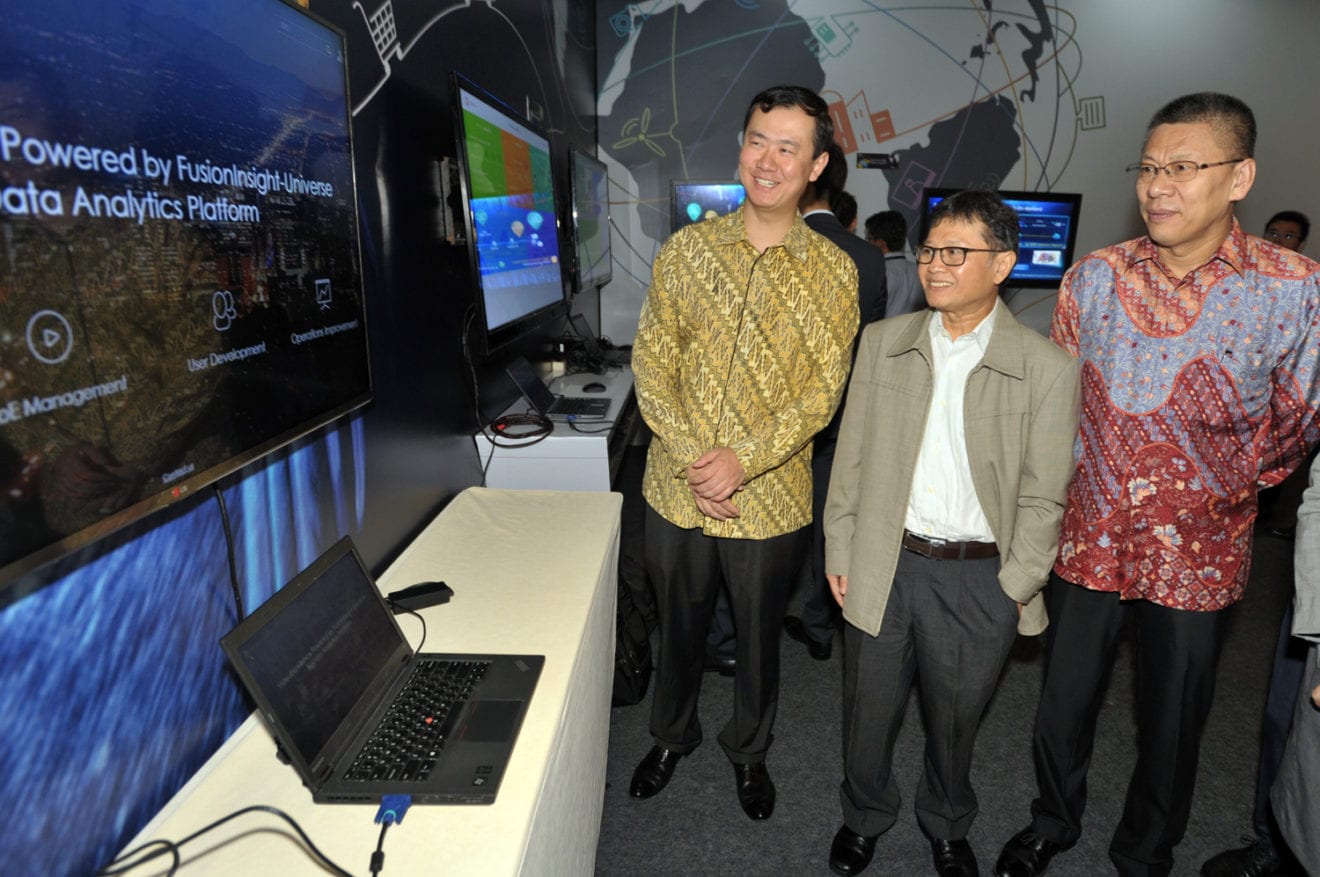
    Huawei has launched a new 4K ultra HD streaming video offering during its Big Video Summit in Indonesia.

    The vendor recently successfully trialed the technology in collaboration with Telkom Indonesia.

    Huawei’s 4K technology combines fiber broadband and 4K ultra HD video services to help operators develop innovative new broadband and video services.

    At the summit, held in Jakarta last week, more than 250 industry executives from governments, mobile operators, service and content providers and consulting companies met to discuss the future of Big Video in APAC.

    During a keynote presentation, Telkom VP ISG Pramasaleh Hario Utomo laid out the operator’s video-centric network strategy.

    Grey Juice Lab VP of business development for APAC Chairil Anwar also pointed out that the 4K industry chain is maturing, and predicted that 2016 will be the inflection point for 4K ultra high definition video.

    The event was inaugurated by Huawei Indonesia CEO Sheng Kai, Huawei South Pacidic CMO Lim Chee Siong, Indonesian Ministry of Communication and Information Technology acting director general of ICT resources Basuki Yusuf Iskanda and PRC economic and commercial counselor for Indonesia Wang Liping.

  • Huawei’s 2015 profit grows 33% to $5.7b

    Huawei’s 2015 profit grows 33% to $5.7b

    Huawei has reported a 33% growth in net profit for 2015 on the back of strong performance across the vendor’s carrier, enterprise and consumer business groups.

    The company’s net profit reached 36.9 billion yuan ($5.69 billion), with revenue increasing 37% to 395 billion yuan.

    Revenue from Huawei’s carrier business group jumped 21% to 232.3 billion yuan, with 4G network rollout revenue accounting for a large portion of the annual growth.

    Enterprise revenues meanwhile reached 27.6 billion yuan, up 44% year-on-year, while consumer revenue surged 73% to 129.1 billion yuan.

    “In part, Huawei owes its long-term growth to the sheer size of the ICT market, which is the driving force of digital economies around the world. However, our growth is also a direct result of strategic focus and heavy investment in our core businesses,” Huawei rotating CEO Guo Ping said.

    Huawei invested 59.6 billion yuan – or 15% of its annual revenue – in 2015 alone, he said. The company’s total R&D investment over the past decade exceeds 240 billion yuan.

    “Over the next three to five years, we will concentrate on enhancing connectivity, enabling the development of vertical industries, and redefining network capabilities, working closely with our customers and partners to maximize industry development opportunities,” Ping said.

  • Huawei moves further into mobile payments

    Huawei moves further into mobile payments

    Apple and Samsung recognize that revenue from the sale of mobile devices, alone, cannot keep shareholders happy.

    With the vendors venturing into what is arguably one of the most exciting spaces in the financial services space – payments – it begs the questions of who will follow suit and whether the market can afford multiple payment providers.

    Not to be left behind, Chinese mobile phone device manufacturer, Huawei, is accelerating its payments ambition in 2016 with two significant announcements in the first quarter of 2016.

    The first is an agreement with Bank of China to jointly co-develop what the two organizations are claiming to be the next mobile based payment system under the Huawei Pay label. This was followed by a separate announcement with China UnionPay, the country’s state-run bank-card processor.

    This is not Huawei’s first foray into payment. Unofficially, Huawei Pay debuted in China with the launch of the company’s latest flagship smartphone – the Mate S in December 2015 following a test run of the payment service in September 2015. Using NFC technology, placing the Mate S in close proximity to a China UnionPay POS terminal with Quick Pass function will launch the Huawei Pay service.

    Users can complete the transaction via fingerprint authentication. The partnership with UnionPay holds the promise of extending Huawei Pay across China to a broader spectrum of Huawei handset users – mostly smartphones equipped with fingerprint sensors and an NFC chip simply by downloading the Huawei Pay app.

    China UnionPay, which holds a monopoly on bank-card payments in the country, also works with Apple Pay, which was launched in China last month.

    Local market research firm iResearch estimate that third party mobile payment transactions reached 2.42 trillion yuan in the third quarter of 2015, a 64% jump from Q2 2015. The China Internet Network Information Center estimated mobile payments to have risen to 357 million, up 60% from the previous year.

    The Chinese mobile payment market is expected to get very crowded rapidly with other mobile device manufacturers, including Xiaomi, ZTE and Lenovo, rumored to be developing their own mobile payment service. Xiaomi is doing so following its acquisition of a local payment company – Jiefu Ruitong in early 2016.

    According to iResearch China’s mobile payment is dominated by Alipay (70%) and WeChat Wallet (19%). To compete in this market Huawei plans to secure the assistance of more banks as part of its smartphone launch strategy. Without releasing details the company said it is designing more payment scenarios for its smartphone users.

  • Huawei Ascend G7 Plus is now Available in Thailand for 12000 Baht

    Huawei Ascend G7 Plus is now Available in Thailand for 12000 Baht

    The Huawei G7 Plus is now on sale in Thailand with the retail price of 12,000 Baht.(Photo : YouTube)

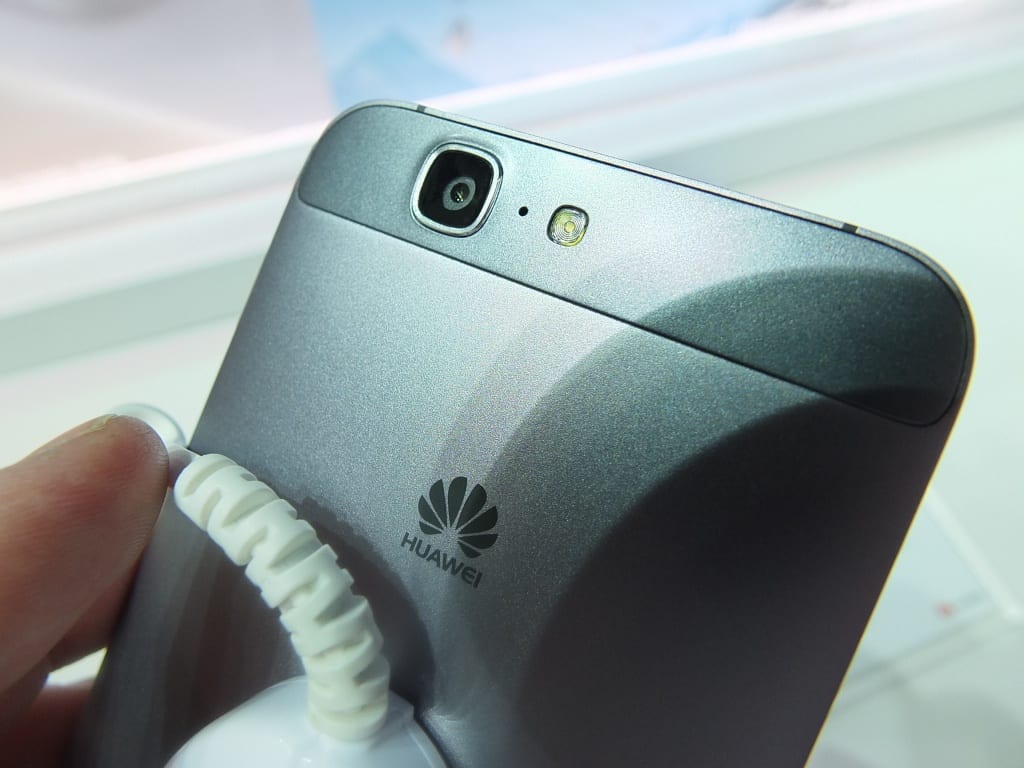
    Chinese smarpthone maker Huawei has announced that their latest device called the Ascend G7 smartphone is now available in Thailand for 12,000 Baht. The Huawei Ascend G7 Plus smartphone is the follow up to Ascend G7.

    This device is one the Chinese tech giant’s latest offering in the ever increasing competitive mid-range smartphone market.

    In terms of the specification of the device, the G7 Plus smartphone features an improved 5.5 inch display screen and processor compared to its older predecessor. The handheld device has a new full HD IPS screen making the display more vibrant and crisp. The handset is powered by an octa-core qualcomm 615 snapdragon processor paired with 3GB of RAM.

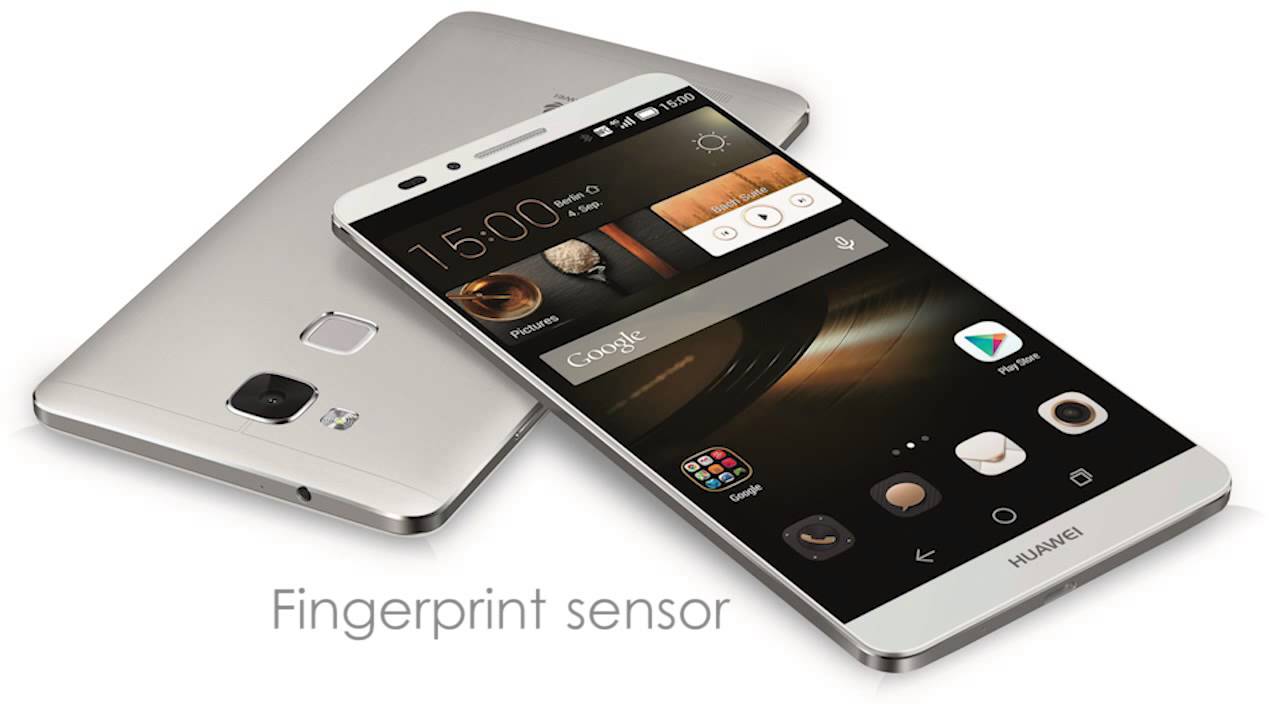
    The Huawei Ascend G7 Plus comes with a built-in 32GB internal storage, which can be further expanded up to 128GB via a microSD card. When it comes to the camera, the device is equipped with 13-megapixe rear shooter with fingerprint sensor and 5-megapixel front snapper camera for much selfies and video calling.

    The smartphone is powered by a 3000mAH capacity battery and runs on Huawei’s own flavour of Android 5.1 operating system. Other feature the device has to offer includes LTE connectivity, Wi-Fi, Bluetooth, and GPS. In addition, the Huawei Ascend G7 Plus smartphone is also equipped with dual SIM card slot.

    The Huawei Ascend G7 Plus smartphone is recommended for anyone who is looking for a mid-range Android handset. The overall main highlight of the device is its design, the body structure of the handset is slim and looks great. Another thing is the fact that it is fueled with a powerful 3000mAH battery and Huawei’s lighting fast fingerprint scanner.

  • Wearable technology goes beyond watches

    Wearable technology goes beyond watches

    There is more to wearable technology than wrist devices, with more than 25 exhibitors out to prove this at a consumer technology expo coming up in Shanghai.

    They will be showcasing the latest in wearable innovation at CES Asia, which returns to Shanghai from May 11 to 13.

    Owned and produced by the Consumer Technology Association (CTA) and co-produced by Intex Shanghai, the event is being hosted at the Shanghai New International Expo Centre (SNIEC).

    CTA research expects wearable sales in the emerging Asia-Pacific region to increase by 56 per cent this year.

    “Wearables are one of the fastest-growing areas of technology. They not only count our steps, they also track our mood, sleeping habits and even our pets,” says CES senior vice-president Karen Chupka.

    “The possibilities in this product category are endless.”

    Key companies exhibiting wearables at CES Asia include Garmin, Monster and Ximmerse, plus there is a wearables pavilion organised by the China Electronic Chamber of Commerce.

    New this year will be a CTA-hosted session entitled Innovative Wearables, at the Kerry Hotel on May 12. The panel will discuss innovations coming to market, as well as user interface and design.

    So far, 250 companies representing 20 countries across 15 product categories have signed up to exhibit at CES Asia, including 360, BMW, Hisense and Huawei.

    Formerly the Consumer Electronics Association, CTA is the trade association representing the $287 billion US consumer technology industry. It covers more than 2200 companies, 80 per cent of which are small businesses and startups.

  • Huawei Japan experience store planned

    Huawei Japan experience store planned

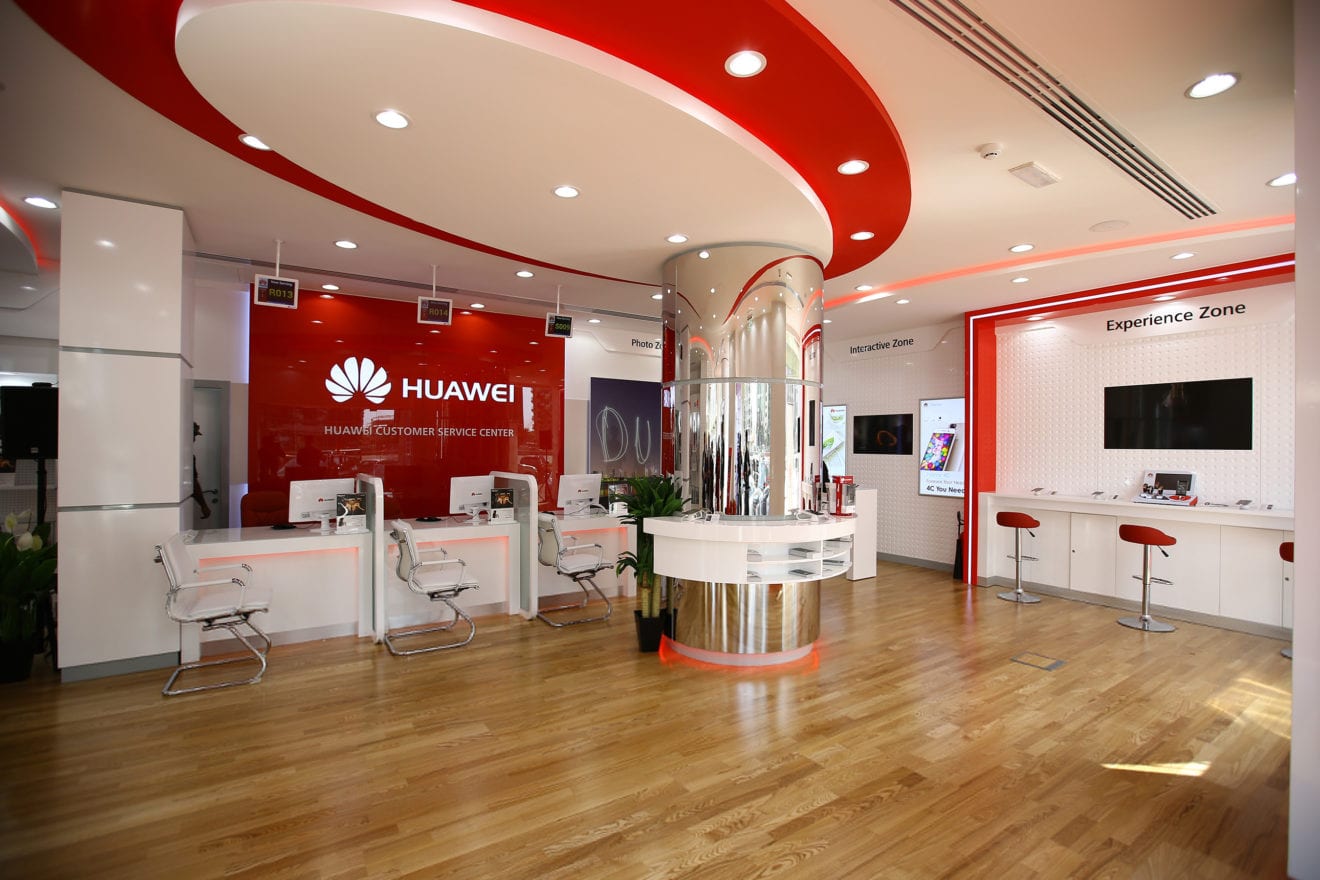
    Huawei Japan is to open its first smartphone experience store in Tokyo – but customers will not be able to buy a handset there.

    The Chinese phone manufacturer says it intends to use the outlet to provide services to users, improve brand influence and break the misunderstanding that low-price smartphones are not easy to use.

    While the store is scheduled to open in Tokyo before June, the company has yet to confirm the location.

    Meanwhile, Huawei plans to increase the number of its global smartphone stores from 23,000 to 40,000 – a 70 per cent jump. It is hoping to improve its sales performance in the smartphone sector, where growth has already started to slow.

    Huawei was ranked third by global smartphone shipments last year, trailing Samsung and Apple, and is aiming for second place.

  • Apple China bracing for fall

    Apple China bracing for fall

    Even as it announces record revenues and net profit, Apple says it has sold fewer iPhones in the first quarter and is bracing for a fall in sales in its critical Chinese market.

    “It’s becoming more apparent that there are some signs of economic softness,” says CFO Luca Maestri. “We are starting to see something that we have not seen before.”

    He admits the tech giant is working in a “very difficult macroeconomic environment” and projects a further slide in iPhone sales for the second quarter, reports the International Business Times. Apple’s projected revenues indicate the company’s sales are about to fall for the first time in 13 years.

    Apple’s sales stumble was masked by the record corporate quarterly profit. Conlumino analyst Neil Saunders takes a close look at the latest Apple report in our international section.

    Apple sold 74.8 million iPhones in the first quarter, ending December 26, which is the first full quarter of sales of the iPhone 6S and 6S Plus. The 0.4 per cent growth in shipments was the lowest since the product’s launch in 2007.

    Maestri says that although Apple China revenue rose by 14 per cent in the quarter, the company is starting to see a shift in the economy, particularly in Hong Kong.

    Apple had record figures in the first quarter for both net profit ($18.36 billion, up from $18.02 billion) and revenue (up 1.7 per cent to $75.87 billion). Greater China accounted for 24.2 per cent of the total revenue, more than all of Europe combined.

    An indication of Apple’s popularity in China can perhaps be gauged by the dwindling number of fake Apple stores in the southern city of Shenzhen, some of which have been taken over by unauthorised outlets for local phone brands.

    In a street of gadget stores, copycat Apple outlets were not uncommon, complete with the latest iPhone models and accessories and uniformed staff. Only four months there were more than 30, but about a third of these have gone, reports Reuters. Instead of iPhones, some of these shops are now selling Huawei, Meizu, Oppo and Xiaomi phones.

    In fact, the iPhone has become a “street cellphone” – a Chinese term that means a widely available and popular product that lacks novelty value.

    “Using an iPhone is hardly something you can show off to people now,” a Shenzhen retailer told Reuters.

    In the US, iPhones are still popular, and 60 per cent of people who had an iPhone before the launch of the iPhone 6 have yet to upgrade, says the company.

    Meanwhile, the Indian market stands out as a rare bright spot for Apple with a growing demand for iPhones, reports The Indian Express.

    Sales of the company’s flagship smartphone climbed 76 per cent in India from the year-ago quarter, according to Luca Maestri.

    Apple CEO Tim Cook has suggested more growth lies ahead with median age in India being 27 years.

    “I see the demographics there also being incredibly great for a consumer brand,” he says. “We have been putting increasingly more energy in India.”

    India cannot immediately offset Apple’s woes in China, says analyst Neil Shah of Counterpoint Technology Market Research. Apple averaged about 450,000 smartphone shipments a quarter in India last year, compared with more than 15 million a quarter in China.

    Also, nearly 70 per cent of smartphones sell for less than $150, leaving  a slim market for Apple’s high-end phones. Its smartphone market share stands at less than 2 per cent, says Shah.

  • Latest products from China are better than ever

    Latest products from China are better than ever

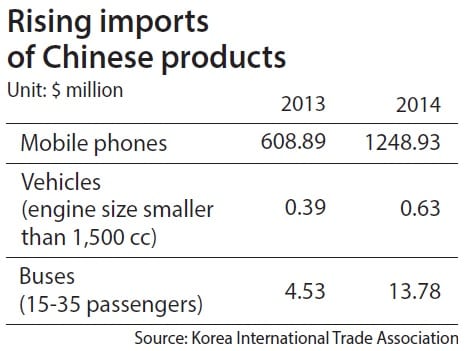
    Chung Chang-mook recently bought a Tunland pickup truck, made by Chinese automaker Foton. At 33 million won ($27,951), the Tunland is more expensive than local competitor Ssangyong’s Korando, which runs between 21 million won and 28 million won. But Chung liked the fact that Tunland can hold up to 9,000 kilograms (19,841 pounds), which is more than double the capacity of the Korando.

    Tunland entered the local market in October and has already received over 200 preorders, according to an auto industry insider. “We set the sales target at 3,000 in 2016,” said a spokesman for Daewoong Auto, which manages Tunland’s sales in Korea.

    The pickup is just one example of the way in which companies from China, which are making higher-quality consumer goods than ever before, are poised to succeed in Korea.

    Perhaps the most widely recognized case is electronics maker Xiaomi. Once dubbed the “mistake of China” for its ambition to change the negative perception of Chinese goods by offering top-tier products at rock-bottom prices, Xiaomi now has Korean retailers clambering to become official distributors of its popular smartphones when it sends representatives to Seoul next month. Currently, Xiaomi products are imported to Korea independently by small and medium-sized trading companies.

    “Whoever wins an official deal with Xiaomi will be able to make a huge profit,” a retail industry insider said. “We are just waiting for them to contact and choose us.”

    “Chinese manufacturers are spending more money on research and development and getting rid of pre-existing notions about the low quality of goods from the mainland,” said Cho Cheol, a director at the Korea Institute for Industrial Economics and Trade’s auto department. “A growing number of local consumers now thinks Chinese products are worth what they have paid for them.”

    Xiaomi is adding TVs to that list, with a local importing company recently receiving certification from the National Radio Research Agency to sell Xiaomi’s 40-inch model.

    Xiaomi’s TV is currently 50 percent cheaper than similar models by local manufacturers including Samsung and LG – and that’s worrying to some.

    “It’s significant because Xiaomi has expanded its market from accessory items to actual home appliances,” an employee of a local TV manufacturing company said. “We are discussing how to compete with its mid to low-priced products.”

    Other Chinese companies are making similarly expansionary moves. Most recently, Huawei began distributing its Y6 smartphone on the local market through LG U+ on Tuesday. The Y6 allows its customers to make free phone calls when connected to Wi-Fi, boasts a 360-degree panorama camera and includes face-recognition technology – all for 154,000 won, making it the cheapest smartphone in the local market.

    “More and more consumers are appreciating Huawei products’ low prices, and that’s why we’re doing business with the company,” a spokesman for LG U+ said. “This smartphone is actually free of charge when you take into account government subsidies.”

    Syma’s drones, Novelview’s Bluetooth speakers and UNIC’s micro-projectors are also very popular in Korea, and many Koreans have dubbed them “mistakes of China” as well.

    Chinese auto brands are growing in popularity, too. China’s Sunlong Bus entered the market in 2013 and sold 100 buses that year. Since then, it has sold about 550 in Korea. Other automakers are preparing to enter the Korean market as well.

    But this is just the beginning. The Chinese government have announced new initiatives to boost the economy, such as “China Manufacturing 2025” in May. The plans lay the groundwork for the nation to further develop as a global manufacturing superpower.

    But it’s not just advances in production that are worrying Korean companies – it’s also the narrowing of the technological gap in the IT industries of the two countries. Korean manufacturers had a 2.4-year lead over Chinese companies in 2012, but that has been narrowed to 1.8 years as of last year, according to the Korea Institute of S&T Evaluation and Planning. In the energy industry, the gap is only a year, and China now leads in the aerospace industry.

    “The government needs to ease regulations in order for industries to increase the amount they spend on R&D,” said Han Jae-jin, a researcher at Hyundai Research Institute. “Manufacturing companies also have to reform themselves [to compete].”
     

  • Huawei Mate 8 goes on sale; sold out in China on first day

    Huawei Mate 8 goes on sale; sold out in China on first day

    The Huawei Mate 8 finally went on sale in China on Dec. 9 after its unveil on Nov. 26 and seems to have sold out at many Chinese retailers on its very first day. The flagship phone will be unveiled to the international market at the Consumer Electronics Show (CES) at Las Vegas, Nevada in January 2016.

    The Huawei Mate 8 carries a 6-inch LCD display and is available in RAM configurations of 3 GB and 4 GB. In China, the 3 GB/32 GB model of the Mate 8 costs CNY 2,999 (AU$644 or US$470) while the 4 GB/64 GB model comes in at CNY 3,699 (AU$795 or US$580).

    There is also a 4 GB variant with 128 GB internal storage capacity. This model costs CNY 4,399 (AU$ 946 or US$690). And finally, the premium and exclusive champagne edition comes with hefty price tag of CNY 6,888 (AU$ 1,473 or US$1,075), reports GSM Arena.

    The smartphone is available at over 2000 retail outlets across China. Users can also visit Huawei’s official online store, Vmall Mall, JD.com, Suning Tesco, Gome and Amazon, among other online retailers. International availability and pricing details are expected to be announced at CES 2016.

    Huawei is believed to be manufacturing one million units of the Huawei Mate 8 per month, according to earlier reports. The company is hopeful its latest flagship will surpass the previous records set by Mate 7, which sold seven million units in one year.

    The all-metal Huawei Mate 8 sports the latest Kirin 950 octa-core processor with a Mali T880 GPU; a 4000 mAh battery and a 16 MP rear camera with LED flash. The device runs on the latest Android 6.0 Marshmallow OS.

  • Philippines Welcomes Chinese Smartphone Huawei Expansion

    Philippines Welcomes Chinese Smartphone Huawei Expansion

    Chinese telecommunications equipment maker is extending its reach to Southeast Asia’s retails sector.

    Huawei has launched its first experience store at the SM Mall in Manila. This new experience store represents another major step of the overseas market expansion of Huawei and the company continues to develop and grow its brand influence.

    With an area of 110 square meters, the Huawei experience store adopts a full-white minimalist design representing the “Huawei and I” idea, which aims to establish a better interaction between Huawei and its end users. In this store, users can experience Huawei’s Android watch and Google’s Nexus 6P smartphone made by Huawei.

    Charles Wu, head of the Philippines region of Huawei, said at the store opening ceremony that they launched new technologies to help users improve their quality of life. Their existing devices are widely used by users every day. Huawei provides end-to-end solutions and they introduce new products to the market with their technologies.

    Jojo Vega, Huawei’s consumer business manager, said that consumers in the Philippines show great interest in Huawei’s products. The company is now more confident and believes its stronger platform can attract more consumers and promote more interactions.

    Huawei now has 40 branded retail stores and 32 simple sales outlets in the Philippines. The company plans to increase the number of its branded stores to 60 in the country by the end of 2015.

  • Apple iPhone 6s Sales in China Below Expectations, Says Boutique Researcher J.L. Warren

    Apple iPhone 6s Sales in China Below Expectations, Says Boutique Researcher J.L. Warren

    Junheng Li with boutique research shop J.L. Warren Capital this morning opines that Apple‘s (AAPL) rollout of its iPhone 6s is failing to meet expectations, citing as the main reason a failure of the Chinese market to deliver.
    “According to information and/or data readily available from AAPL suppliers, we consider that the iPhone 6s initial launch in the 12 markets globally, is not meeting market expectations,” writes Li.

    Oddly enough, although Apple announced on September 28th that its first-weekend sales of the 6s beat last year’s 10 million for the iPhone 6, selling more than 13 million units, Li argues the result was underwhelming.

    “During the first week (including weekend) or 3 days post launch, we estimate ~13million units were sold. This number is lower than original expectations, largely due to an overestimated demand from mainland China.”

    Li cites some China market data from something called Gray Market Marker, which apparently collects the price of iPhones trading on the black market:

    AAPL launched the iPhone 6s simultaneously in Hong Kong and mainland China which cannibalized sales in HK. According to the largest grey market make [sic] a consumer electronics trading platform, the current spot prices for many models even on the launch data (9/30/2015) were below the official retail prices, unprecedented in the iPhone launch history. In total, we estimate that ~2.5-3 million of units of the 6s were sold in the mainland and ~1.5 units sold in HK. In comparison with previous years iPhone launches, when the mainland was not included in the initial launch, only 30% of the 6s purchases were from mainland, vs. 50% in previous years.

    (One point not addressed by Li is whether the premium can be expected to be lower, or even absent, precisely because the iPhone 6 was only available on the black market last year, having been left out of rhr first round of retail sales.)

    Li offers one explanation for why she thinks sales to China are below plan: “Since ZTE and Huawei already launched smart phones with 3D force touch, the new screen is not novel to Chinese consumers.”

    Li also offers some other tidbits, such as that the iPhone that comes in rose gold finish was the best seller, making 45% of sales.

    As for the outlook, she opines,

    We believe that China is the biggest moving piece for AAPL’s global sales in 2015, given it is about 20+% of the company’s global market and the demand for the iPhone is growing at ~20% according to our research. We currently project 200 million units of sell-in for iPhone 6/6+ and iPhone 6s/6s+ combined in 2015, which is 10million sell-through units lower than, the current street consensus.

    Apple shares today are down 81 cents, or 0.7%, at $110.50.

  • Future fashion: Clothes which think

    Future fashion: Clothes which think

    Clothes which change shape; change temperature – and even colour. Welcome to future fashion.

    To celebrate the launch of its new smartwatch, Huawei Consumer Business Group has teamed up with ‘fashion futurologist’ and professor of fashion and technology, Dr Sabine Seymour, to reveal how the integration of technology will transform our wardrobe in the coming decades.

    According Seymour, the transformation in garments will start with our underwear, which will have in-built sensors to track personal data, such as heart rate and body temperature.

    The changes won’t end there, with personalisation in every aspect of our wardrobes. In years to come, we will be able to change the pattern, colour and even the shape and style of our garments.

    “The next development for wearables is going to see technology integrated seamlessly into clothing,” Seymour predicts.

    Her vision of the future of fashion with technology aligns perfectly with Huawei’s point of view on wearables: The Huawei watch embodies this vision, combining classic design with smart technology.

    In the future, we may find there is much more space in our wardrobes, as garments will be able to alter in form, extending and contracting in length, and changing shape and design as required. Therefore, there may only be a need for one dress or shirt and the wearer will be able to download the latest designs.

    Getting hot on public transport or carrying a spare sweater in case of colder weather could also become a thing of the past, as garments will be able to adjust to your body temperature.

    With the rise of 3D printing techniques and on-demand manufacturing, we will see the introduction of the digital cobbler, who can create shoes that fit your feet perfectly, and for the rest of your life.

    Garments will become gesture and touch-sensitive, just like phones, tablets or gaming systems are today, but with a sense of style and a true design aesthetic, explains Seymour.

    Fashion_embracing_technology__-_all_features

    “By connecting your garments to other elements of your life, we will see a move from networked devices to networked people and networked spaces. In future, it will be possible for smart garments to connect to your car, which will adjust your seat according to personal preferences.”

    A major barrier to the networked self is the current limitation of battery life. Using alternative energy sources, such as capturing the kinetic energy of a person as they walk, we will be able to create a new form of sustainable fashion.

  • Mood darkens for trade in China

    Mood darkens for trade in China

    The business sentiment of Korean companies in China has worsened in the second quarter – particularly in the automotive and electronics sectors – mainly due to the slowdown in overall consumption in the Chinese market on the heels of a wobbling stock market.

    It was the second straight quarter that the business sentiment index remained below the 100 mark.

    According to a report by the Korea Institute for Industrial Economics and Trade (KIET) on Monday, the companies’ business survey index in the second quarter was 71, lower than 77 in the first quarter this year.

    The index reflects business sentiment, considering different business environments like quarterly profit performance, sales, costs and business regulations. As the index ranges from 0 up to 200, a number smaller than 100 means more survey participants expressed negative answers, while the index larger than 100 means more positive answers.

    The slump in business sentiment was the largest in automotive and electronic devices, two industries in which Chinese rivals are quickly catching up on Korean technologies and in which consumer demands change quickly.The survey was taken for a month from June 15, by the Korea Chamber of Commerce & Industry’s Beijing office and a Korean business association in China, on some 226 Korean companies operating in China. They were doing business in seven different sectors, ranging from electronics and automotive to chemical, textile and retail.

    Korean auto companies in China gave 45 points in the second quarter, a lot lower than the 94 points in the first quarter, during which the Chinese auto taste has quickly moved to favor sports utility vehicles (SUVs) that are more affordable than Korean autos.

    Korean electronics companies gave 54 points in the second quarter, also much more negative than the first quarter’s 88 points, after Samsung smartphones lost market share to Xiaomi and Huawei.

    Only Korean chemical and retail industries expressed positive assessments regarding their businesses in the second quarter, each giving 103 points and 100 points, respectively.

    Survey participants said the slowdown of demand in the Chinese domestic market was the main reason for their business hardships in the second quarter, followed by competition with Chinese rivals and elevated labor cost, which raised overall production costs.

    In the first quarter, a steep increase in labor costs was the main reason Korean companies found it hard to do business in China, reflecting the slowdown in the growth of the domestic economy.

    However, the Korea International Trade Association (KITA) rolled out a positive outlook on Monday that the Chinese economy will maintain its growth rate at the 7 percent range in the latter half of the year and Chinese investment is on its way to recovery thanks to state-led infrastructure building projects, which bring up both imports from other companies as well as local real estate transactions.

    The outlook said Korea’s export to China and local production of Korean companies will stay contracted until the third-quarter due to the unstable Chinese stock market and contracted consumption sentiment.

    The Chinese economy is forecast to rebound to last year’s level by the fourth quarter at the latest, the KITA outlook forecast, as the central government there is pushing policies to boost cash liquidity and the real estate market.

    “The sagging domestic economy made Chinese consumers lean towards frugal consumption, which helps local Chinese companies with advanced product quality gulping up market share against foreign products,” said Lee Bong-geol, a senior researcher at the Institute for International Trade at KITA

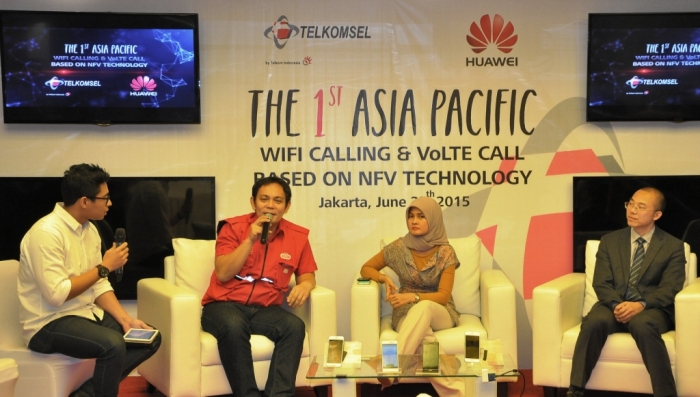
  • Huawei, Telkomsel trial Wi-Fi calling and VoLTE based on NFV

    Huawei, Telkomsel trial Wi-Fi calling and VoLTE based on NFV

    Huawei Technologies said Telkomsel, a telecom operator in Indonesia, has demonstrated its 4G convergent communication service trial for Wi-Fi calling and VoLTE (Voice over LTE) based on NFV technology (Network Function Virtualization) in Jakarta.

    Wi-Fi calling and VoLTE will enable Indonesia’s 280 million mobile users to experiences HD voice and HD video within the shortest connecting time. When a subscriber switches between 4G and Wi-Fi environment, the call will not be interrupted.

    “This Wi-Fi Calling and VoLTE trial is part of our efforts to provide better service quality, and will also create an exciting new experience for customers in using our services,” said Ivan Permana, vice president, Technology & System, Telkomsel.
    Telkomsel in pact with Huawei
    Telkomsel, the #1 telecom operator, has more than 141 million subscribers Indonesia. Telkomsel has built more than 95,000 BTSs. Telkomsel’s broadband now reaches 300 cities. Telkomsel operates a 24-hour call center and more than 400 service centers GraPARI across Indonesia.

    Image: Tommy G Tanjung, engineer of Technology Strategy, Telkomsel, Ivan Cahya Permana, VP of Technology and System, Adita Irawati, VP of Corporate Communications, and Zhang Qin, head of Core Network Marketing, Huawei

  • Huawei hails SE Asia success

    Huawei hails SE Asia success

    Smartphone maker Huawei says its determination to concentrate on Southeast Asia is already bearing fruit.

    With the profitable Southeast Asia regional launch of the Huawei P8 and wearable units in Bangkok Thailand in late Might, Huawei is retaining the momentum going by introducing the P8, P8Max, P8Lite, Talkband B2 and AP007 energy financial institution to Myanmar, Laos, and Cambodia, Hong Kong, Taiwan and different Southeast Asia nations and areas.

    The corporate says it set a brand new gross sales document in Myanmar when it launched the P8 handset there on June 6.

    After two weeks of pre-orders of Huawei’s newest flagship merchandise, the primary batch of P8s turned obtainable in 28 outlets throughout Myanmar – all of them bought out by 10am.

    “The regional gross sales supervisor from one among telephone store famous that the P8 has set a brand new gross sales document and has turn into the best-selling handset of their store’s historical past and that they have been amazed by the variety of preorders,” stated Richard Yu, CEO of Huawei Shopper BG.

    says Southeast Asia is now one of many key markets for Huawei, and the corporate is optimistic concerning the potential within the area.

    “Southeast Asia is likely one of the most promising and high-potential financial entities on the earth, each now and sooner or later. It’s considered a strategic market and an engine driving the quick progress of Huawei’s Shopper Enterprise,” Yu stated.

    “In 2014, Huawei noticed over 10 million complete shipments on this area. With the launch of the P8, P8Max and P8Lite this yr, we anticipate complete shipments to succeed in eight million models, a 167 per cent improve.”

    The corporate has seen substantial progress in regional shipments within the area. Thomas Liu, president of Huawei Shopper Enterprise Group Southeast Asia, stated within the first quarter of 2015, smartphone shipments in Southeast Asia rose 120 per cent over final yr.