Tag: hugo boss

  • Hugo Boss Men Vietnam introduces new concept

    Hugo Boss Men Vietnam introduces new concept

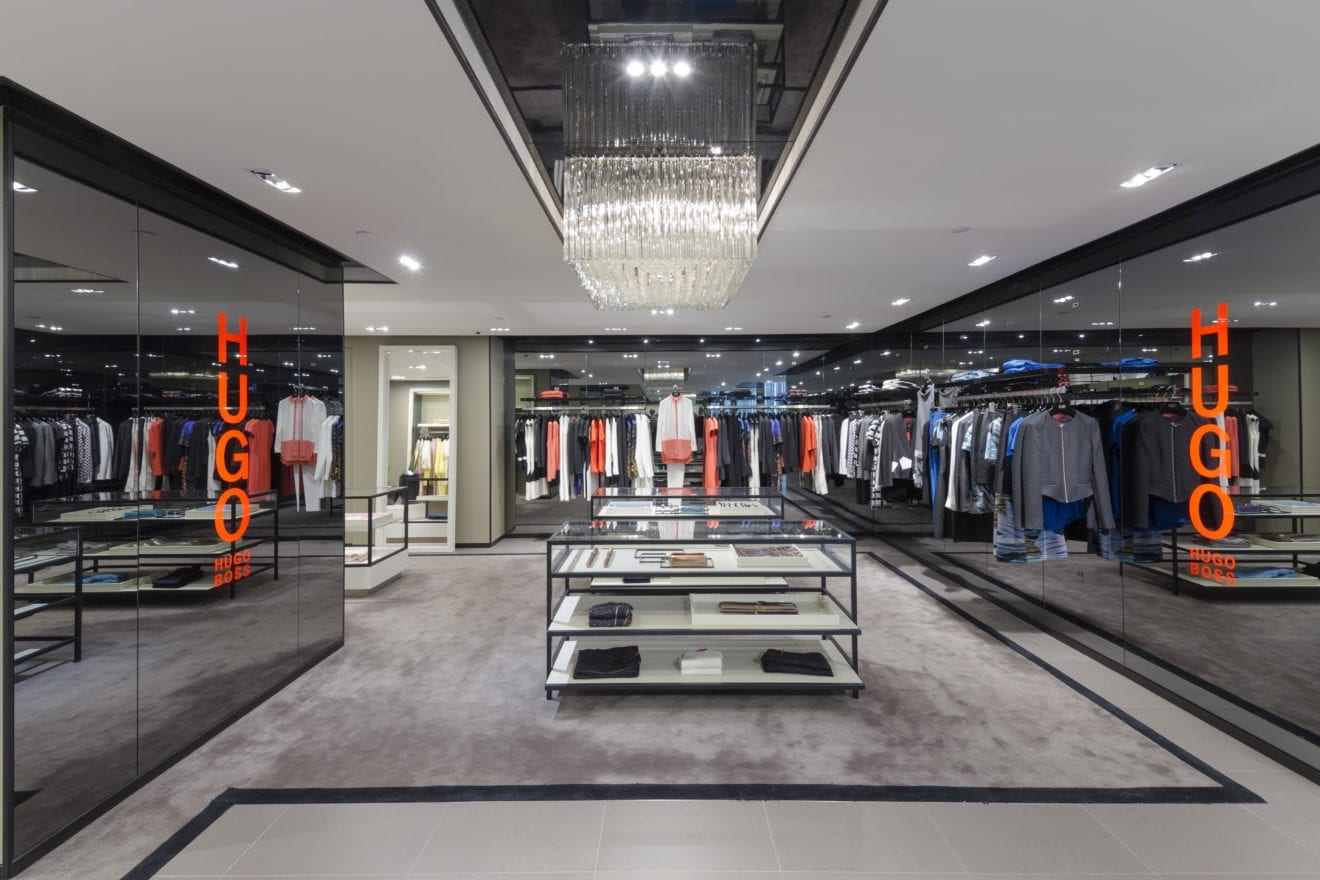
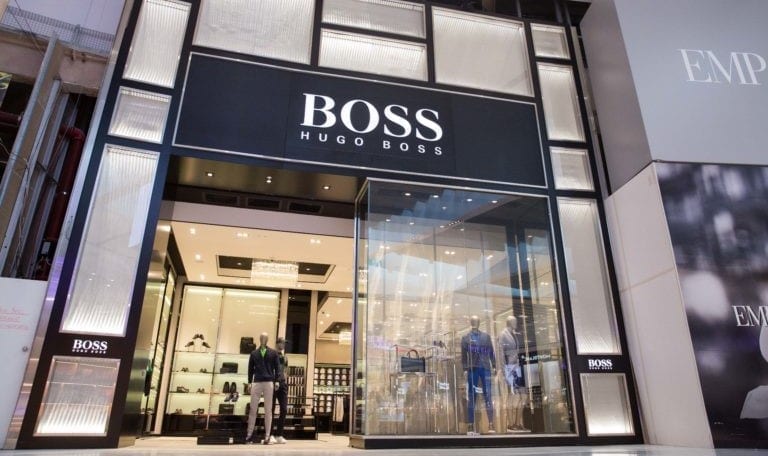
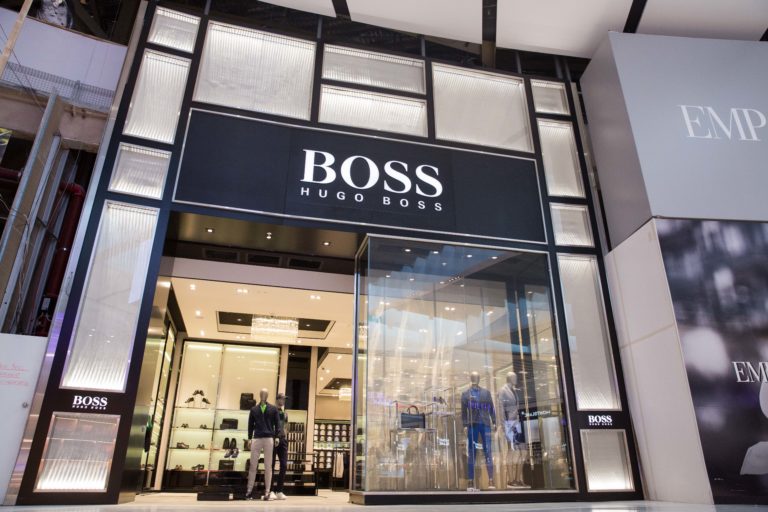
    Hugo Boss Vietnam has opened its first standalone store for men – Hugo – at Vincom Ba Trieu, Hanoi.

    Located at the front of the Vincom shopping centre, the 100sqm store displays basic items from the brand’s business and casual collections, along with Hugo’s Spring-Summer 2018 range.

    According to insider, Vietnam is the first market to get this new concept, with Singapore to follow in September.

  • Hugo Boss Debuts Pineapple-Leather Vegan Sneakers

    Hugo Boss Debuts Pineapple-Leather Vegan Sneakers

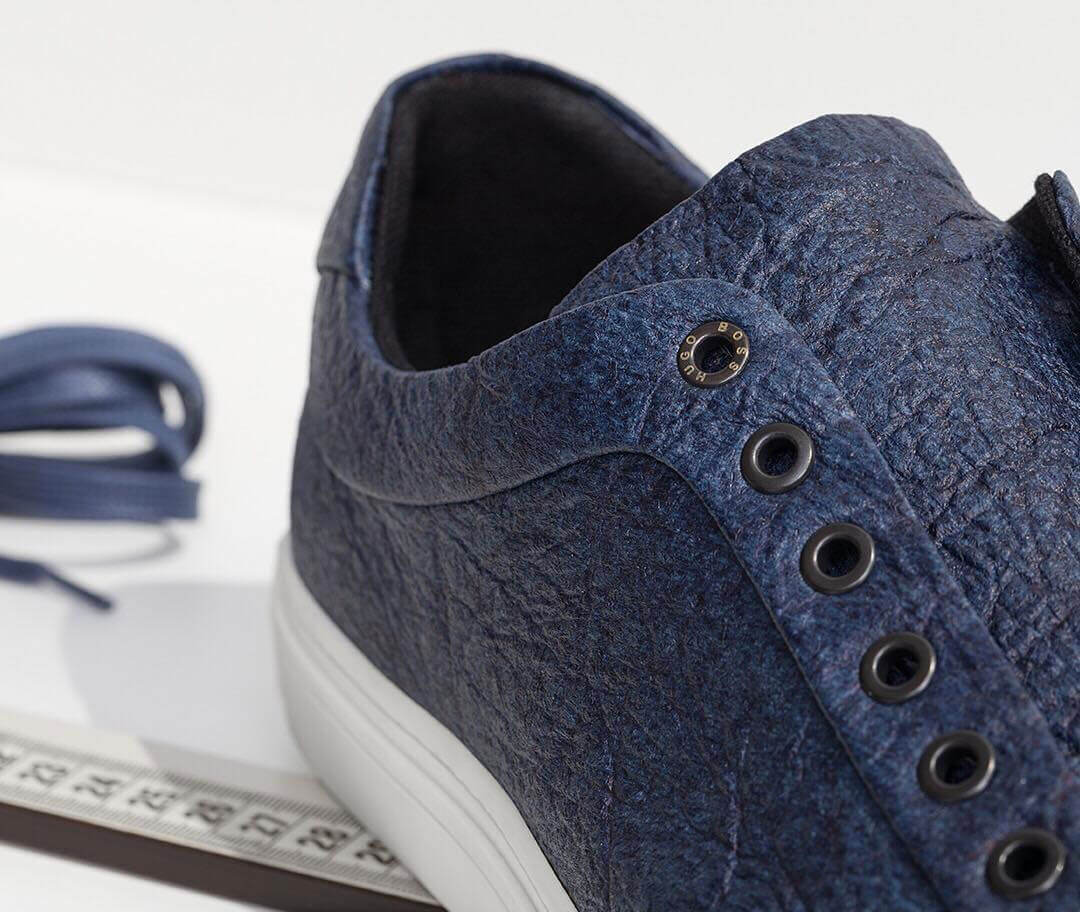
    Fashion label Hugo Boss is about to launch its first line of vegan footwear – sneakers for men crafted from pineapple leaf fibre.

    The pineapple sneakers have been created in response to rapidly growing consumer demand for more sustainable and cruelty-free fashion.

    Piñatex is an innovative, sustainable and 100 per cent cruelty-free material that substitutes for leather. The leaves are sourced from the Philippines following the pineapple harvest. Designed by Dr Carmen Hijosa over the course of seven years, it is an ideal material for footwear, accessories, clothing, indoor furniture or even automobile upholstery.

    The Hugo Boss pineapple sneakers feature soles crafted from recycled TPU (thermoplastic polyurethane), a 50/50 cotton and linen lining, and organic cotton shoelaces. Even the four different coloured dyes are plant-based.

    While many emerging and sustainable designers have their own Piñatex collections (shoes, watches and handbags), Hugo Boss is one of the first mass-market retailers to use the new innovative leather alternative.

    Available in London and online, the Boss pineapple sneakers are priced at US$295.

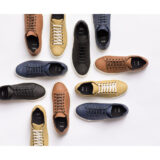
    More pictures of the vegan shoes can be viewed below :


  • Alibaba backs virtual showroom startup Ordre

    Alibaba backs virtual showroom startup Ordre

    Alibaba Group has bought a minority stake in Ordre, a European online luxury wholesale platform.

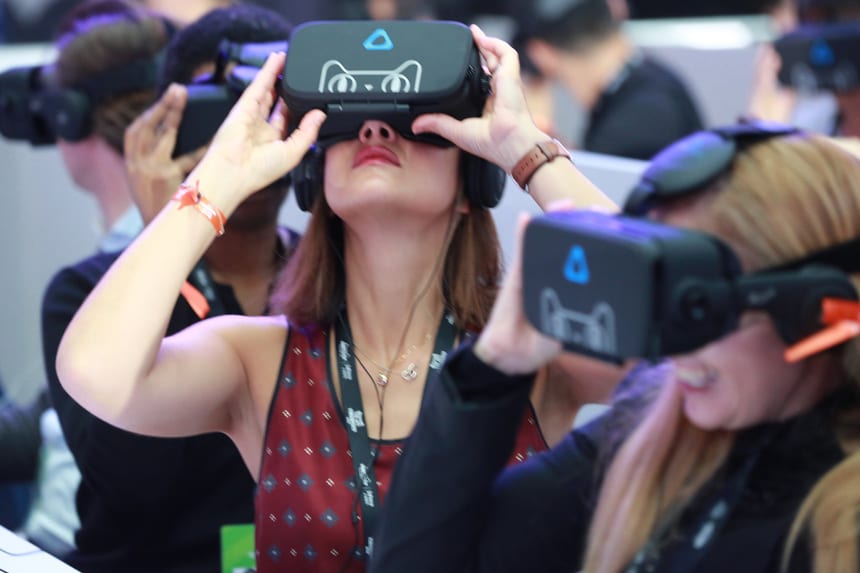
    Ordre, launched in 2015, allows fashion designers to show off their collections via 360-degree photography and virtual reality to interested wholesale buyers. The technologies make it more convenient for buyers, who aren’t always able to travel due to time and distance constraints, to build inventory each season. The reduced travel translates into lower carbon emissions at a time when sustainability is increasingly important to the industry, said Ordre.

    Dianne Von Furstenberg, Vivienne Westwood and Jason Wu are among the world’s leading designers who have established digital showrooms on Ordre. They also work with fashion brands such as Joseph.

    For Alibaba, the investment is a further push into the luxury sector, which is among its top strategic priorities, given the rising spending power and increasingly sophisticated tastes of Chinese consumers. The Hangzhou, China-based company plans to leverage Ordre’s technologies for consumers, however, delivering a more-enhanced shopping experience on platforms such as B2C marketplace Tmall.

    “Matching Ordre’s technology with Alibaba’s unique data insights and capabilities – of which our recently launched Luxury Pavillion is a great illustration—we can provide our consumers with a personalised and differentiated experience, helping brands develop a deeper engagement with them,” said Jessica Liu, president of Tmall Fashion and Luxury.

    The Luxury Pavillion, which lives within Tmall, was launched last August to deliver to China’s high-end consumers the same kind of brand exclusivity and tailored shopping experience online that they would expect at a brick-and-mortar store. About 50 brands, including l, offer products ranging from apparel and cosmetics to watches and luxury cars.

    The pavillion is driven by Alibaba’s New Retail technologies, which blend online and offline commerce to deliver a better buying experience for consumers. Simon Lock, founder and CEO of Ordre, said the company’s digital assets, including 360-degree images, 360 video and VR fashion shows and designer interviews, are in line with this strategy and could serve Tmall shoppers and brands.

    “Our 360-view allows consumers to understand every aspect and every view of a garment,” he said. “When you’re purchasing online, as much detail as can be provided is going to make your purchasing decision much more confident,” which can help drive down the product return rates.

    The companies are currently discussing a number of potential initiatives that would expand on these technologies. One of which would create new direct-to-consumer channels for Ordre’s partner brands by leveraging content to communicate their brand story and provide more information about products. For example, Ordre’s VR technology was able to recreate Stella McCartney’s Coachella-inspired 2018 fall show and the theatrical experience of Thom Browne’s latest showcase in Paris, so that buyers could watch fashion shows from the front row.

    Other potential collaborations include “fit avatars,” which allow buyers to see collections on models in 360-view and technology that allows buyers to remotely feel fabrics on a touch pad.

    Lock said he was also interested in Alibaba’s “See Now, Buy Now” technology, as well as the company’s artificial intelligence and cloud-computing capabilities.

    “We can work together to create the ultimate global fashion cloud,” he said.
  • Hugo Boss performing well

    Hugo Boss performing well

    German fashion house Hugo Boss has posted better-than-expected sales growth helped by a pick up in sales in China and North and Latin America.

    The business posted a five per cent increase in sales for the first quarter to €650 million (AUD$1.03bn), in currency adjusted terms, boosted by strong growth in China and the Americas. Operating profit has increased slightly at €99 million (AUD$158m) compared to the previous corresponding period, confirming its 2018 outlook.

    Investments in product quality, the digital transformation of the business model and the strong euro have curbed the profit increase.

    Mark Langer, Hugo Boss CEO, said that thanks to the its performance in the first quarter of 2018, they are feeling more confident that the business will achieve its sales and earnings targets for the full year.

    “The strong increase in the group’s own retail business shows that our new collections are being well received by customers,” Langer said. “Our investments in the quality of our products and the desirability of our brands are therefore paying off.”

    Langer said the substantial progress achieved in their online business is also encouraging.

    “This positive performance strengthens our confidence that we will achieve our sales and earnings targets for the full year.”

    Hugo Boss has been making efforts to take the brand more upmarket and expand in womenswear and refocused on premium men’s clothing.

  • Delhi Duty Free relaunches refitted Hugo Boss store

    Delhi Duty Free relaunches refitted Hugo Boss store

    Delhi Duty Free Services (DDFS) has recently relaunched its Hugo Boss store at Delhi International Airport the first of many fashion outlets in the pipeline.

    This luxury brand offering includes the Boss Black and Boss Green collections for men. The store has been designed in line with DDFS’s vision to offer an “exclusive travel retail concept store”.

    Key design elements of the store emanate the brand essence of Hugo Boss, featuring a black façade and merchandise display areas to facilitate ease of shopper navigation.

    DDFS CEO Luke Gorringe said: “Hugo Boss was one of our most successful fashion stores before the refit commenced, so our objective was to minimise trading disruption.

    “In response to this, we fast-tracked the refurbishment project to ensure we reopened in advance of the summer period.”

  • Jason Wu to leave Hugo Boss

    Jason Wu to leave Hugo Boss

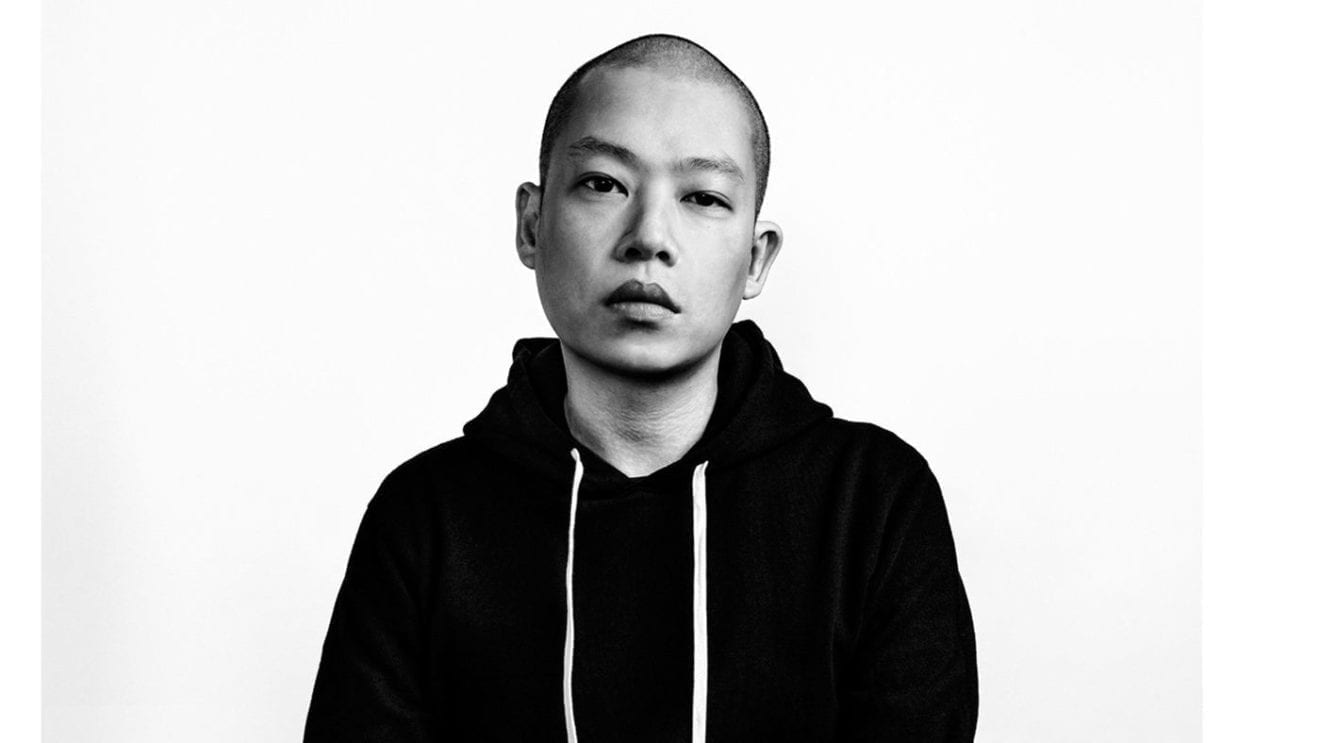
    Jason Wu is stepping down from his role as artistic director of Boss women’s. His Autumn/Winter 2018 show, presented during New York Fashion Week, is the designer’s final collection for the German fashion house.

    “The five years at Hugo Boss have been a very exciting time for me. I am especially grateful to the entire Boss womenswear team. Now the time has come for me to concentrate fully on my own label,” Wu said in a statement.

    “I would like to thank Jason for his incredible creative input and inspiration. I feel certain that he will approach all his future projects with the same compelling passion and zest that he brought to Hugo Boss,” added chief brand officer Ingo Wilts.

    Wu, an editorial favourite, as well as a go-to for celebrities and former First Lady, Michelle Obama, gained fans with his namesake line’s merging of classic American sportswear with sophisticated society dressing. In September 2014, Wu sold a majority stake to investment firm InterLuxe.

    Since joining Hugo Boss as artistic director in June 2013 — when he assumed responsibility for all product and image-related components of the brand’s women’s line — Wu has been credited for injecting a new, approachable, ease to the women’s line of the storied house, while remaining in tune with the brand’s roots in German austerity.

    Wu’s departure follows 18 months of strategic changes at Hugo Boss, which has struggled with unclear positioning between premium and luxury. In November, 2016 — six months into Mark Langer’s appointment as chief executive — the German fashion house shifted its priorities away from its womenswear business. The brand announced its plans to eliminate two brands (Boss Orange and Boss Green) within its portfolio, while narrowing its focus to casualwear and business clothes. Meanwhile, it slowed expansion of its store network and put more resources towards its online operations.

    The refocusing on men’s is slowly paying off, despite a trend of men moving away from formal wear. In its most recent fourth-quarter earnings, posted last month, Hugo Boss reported a 5 percent increase in currency-adjusted sales to €735 million ($902 million) compared to the year prior.

    This increase was driven by a rebound in direct-to-consumer sales (online sales were up by 42 percent), as well as a recovery in the US. Hugo Boss will report its full-year results on 8 March 2018.

  • Hugo Boss China brand’s growth set the sales higher

    Hugo Boss China brand’s growth set the sales higher

    An upward trend for Hugo Boss China contributed to positive final-quarter sales growth for the German luxury fashion house.

    Online growth was particularly strong, preliminary figures show.

    Currency-adjusted group sales were up 5 per cent for the quarter, with comparative store sales up 7 per cent year on year, while online sales growth soared by 42 per cent.

    For the fiscal year, currency-adjusted sales rose 3 per cent.

    CEO Mark Langer says the company achieved its goals for the year, with the final quarter being “particularly pleasing”.

    “With the launch of the spring/summer collection, the realignment of Boss and Hugo is now fully visible for the first time,” he says. “Our online business is on track, too, and will make a sustainable contribution toward the growth of the company.”

    Based on preliminary figures, final-quarter group sales reached €735 million (US$901.5 million), attributed mainly to strong sales development in the group’s own retail outlets.

    Sales for the full year reached €2.7 billion in the full year, corresponding to 1 per cent growth in the reporting currency, but 3 per cent adjusted for currency effects.

    Subject to year-end closing procedures, the group expects EBITDA will be largely the same as in the previous year, €493 million. The increase in sales was balanced by investments in repositioning the Boss and Hugo brands, the digital transformation of the business model and negative currency effects.

    Final results will be published in early March.

  • Topshop Hong Kong saves money in rent

    Topshop Hong Kong saves money in rent

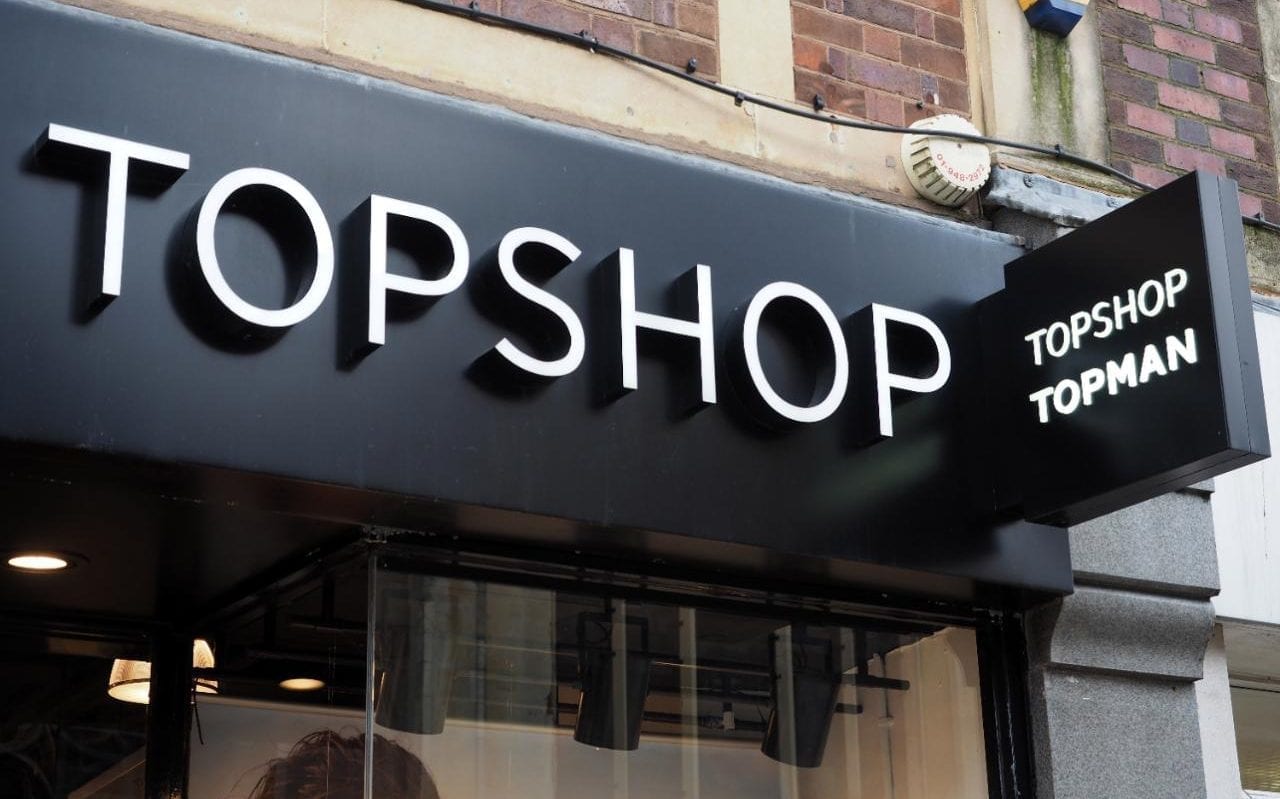
    Renewing the lease for its Queen’s Road shop in Central, fashion brand Topshop Hong Kong has halved the rent.

    It now has a rate of HK$1.5 million (US$192,000) a month for its 12,000sqft (1100sqm) store on one of Hong Kong’s busiest shopping streets, reports Asia real-estate intelligence group Mingtiandi.

    The new deal gives the UK-based retailer of youth-oriented apparel and accessories another three years in the podium of the Asia Standard Tower for around $125 a square foot per month. Topshop had balked at the $3 million it had been paying for the space since signing its previous lease in 2013, the Hong Kong Economic Times reports.

    The cut-rate deal is the latest sign of an adjustment in Hong Kong’s retail real-estate scene as landlords scramble to deal with fashion brands and luxury retailers scaling back their footprints in the face of declining sales and recalibrated expectations, says Mingtiandi.

    It represents a return to leasing rates seen before a surge of demand from fashion brands prompted a rents rise several years ago. Topshop moved into its Queen’s Road space in 2013 after agreeing to double the amount former tenant Chinese Arts and Crafts had been paying for the street corner.

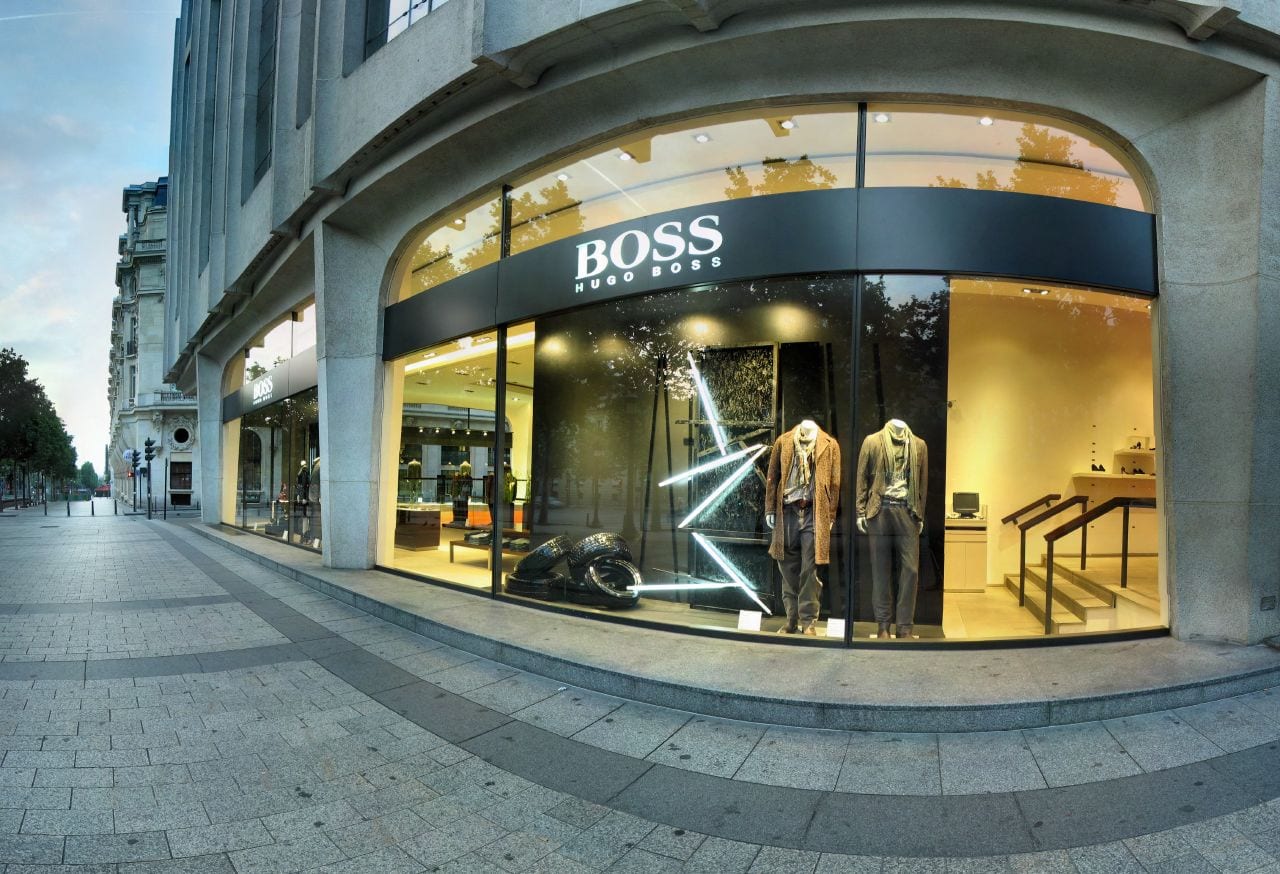
    Swatch last month took over two underground shops in the Central Building on Pedder Street for about $350 a square foot per month, after Hugo Boss moved out midway through its lease. Signing its lease in 2014, Hugo Boss had been paying more than double the rate that Swatch negotiated.

    At the end of its lease, jewellery retailer Chow Tai Fook walked away from the underground shop for which it had been paying $3 million a month in Nathan Road, Mongkok. The landlord has been looking for a tenant to take over the space at $1.5 million a month, says Mingtiandi.

    In Causeway Bay, Prince Jewellery and Watch is reported to have renewed its lease of a six-storey, 7300sqft shop on Russell Street for $1.8 million a month, about 38 per cent less than it had been paying since 2013.

  • Hugo Boss sales improve on its brand divergence

    Hugo Boss sales improve on its brand divergence

    Hugo Boss has achieved solid sales growth thanks to its policy of focusing on its own retail store network.

    Retail same-store Hugo Boss sales rose 5 per cent in the third quarter, to September 30, and currency-adjusted sales were up 3 per cent.

    “We are well on track to achieving our goals for 2017 or even exceeding some of them,” said Mark Langer, Hugo Boss CEO. “In particular, the performance of our own retail business is highly satisfying. We are making good progress in repositioning Boss and Hugo.”

    In its own retail business, the momentum of comp-store sales growth accelerated.

    “This performance was again underpinned by Great Britain, China and, for the first time in two years, by the own-retail business in the US,” said Langer.

    “The group’s own online business also grew in the quarter. On the other hand, sales in the wholesale channel declined slightly as expected. Operating profit fell slightly short of the prior year’s figure due to intensive marketing activities for the Boss and Hugo brands, spending on the digital transformation of the business model as well as negative currency effects.”

    The group now expects Asia-Pacific and Europe to drive “low single-digit percentage rate” sales growth for the remainder of this year.

    From the end of the year, first parts of the Spring/Summer 2018 collection, which reflects the focus on splitting Boss and Hugo for the first time, will be available in stores.

    “The repositioning of the two brands has been accompanied by numerous online and offline events and campaigns over the past few months. Formula 1 world champion Lewis Hamilton and Hollywood actor James Marsden presented their personal favorites from the Boss Menswear collection in the global “Own Your Journey” social media campaign. Consumer response to the advertised styles has been extremely positive.”

    In July, Boss Womenswear unveiled its “Gallery Collection” in a presentation at the Berlin Fashion Week. Future capsule collections of both brands will be used to generate heightened attention.

  • Hugo Boss China proves best dressed

    Hugo Boss China proves best dressed

    With second-quarter sales rising by 14 per cent, Hugo Boss China has shined for German luxury fashion house.

    With double-digit sales growth on a like-for-like basis, the Chinese mainland continued to perform significantly better than Hong Kong and Macau, says the company. Sales were also up in Japan.

    In Asia, sales grew by 12 per cent in local currencies to ¥90 million (US$800,000).

    It was Asia/Pacific’s growth that mainly contributed to overall Hugo Boss sales increasing by 3 per cent for the quarter on a comparative store and currency-adjusted basis.

    Sales in freestanding stores and shops-in-shops were 2 and 7 per cent respectively above the previous year’s figures on a currency-adjusted basis. Outlet sales rose by 10 per cent, while online business increased by 9 per cent.

    Despite higher marketing expenses and spending on digital transformation, operating profit was steady.

    At its Investor Day at its head office in Metzingen yesterday, the company announced the implementation of its two-brand strategy, Boss and Hugo. Previously independently managed, the Boss Orange and Boss Green lines have been integrated into the Boss core brand, with the first parts of the new collections going into stores from the end of this year.

    Hugo Boss says it is widening its commercially important entry-level price ranges, continuing to expand its omnichannel services and systematically investing in sales staff training and development. It will also start a step-by-step roll-out of new store concepts for Boss and Hugo.

    In the first half of the year, the group’s store numbers fell by four to 438. As at June 30, five of the 20 store closures agreed upon last year had been completed.

    Its store network in Asia/Pacific was reduced by one. There were five new openings in Korea and Singapore plus six closures in various markets.

    “Our strategic realignment is beginning to take effect with business in the second quarter encouraging,” says CEO Mark Langer, who noted “considerable headway” in its online business. “We are facing the future with confidence.”

  • Hugo Boss opens Brisbane flagship boutique on Edward Street

    Hugo Boss opens Brisbane flagship boutique on Edward Street

    International fashion retailer, Hugo Boss, has opened a luxury Brisbane flagship boutique on Edward Street, in MacArthur Central’s luxury fashion precinct.

    The new boutique will feature the edited range of luxury Boss Menswear collections, including ready-to-wear, shoes and accessories as well as athleisure wear and a high performance sportswear offering, in addition to Hugo Boss timepieces and fragrances.

    According to the retailer, the store’s interior showcases a refined concept that has been adopted by select stores in major global cities, catering to the fashion savvy male.

    “Precision Group is proud to welcome Hugo Boss to MacArthur Central where it will sit alongside some of the best International and national retailers fronting Edward St, where Brisbane City Council have invested $11.8M into a beautification project of the precinct,” said Colleen Middlemass, Centre and State Asset manager.

    In the upcoming months, the Edward Street frontage project will see the addition of sub-tropical, mature trees and improved lighting as well as enhanced boulevard pavements. The MacArthur Central’s Queen Street frontage will also receive a major upgrade, with the National Australia Bank opening its flagship Brisbane retail branch and occupying eight floors in the office tower above.

  • Hugo Boss opens menswear store at Singapore Changi

    Hugo Boss opens menswear store at Singapore Changi

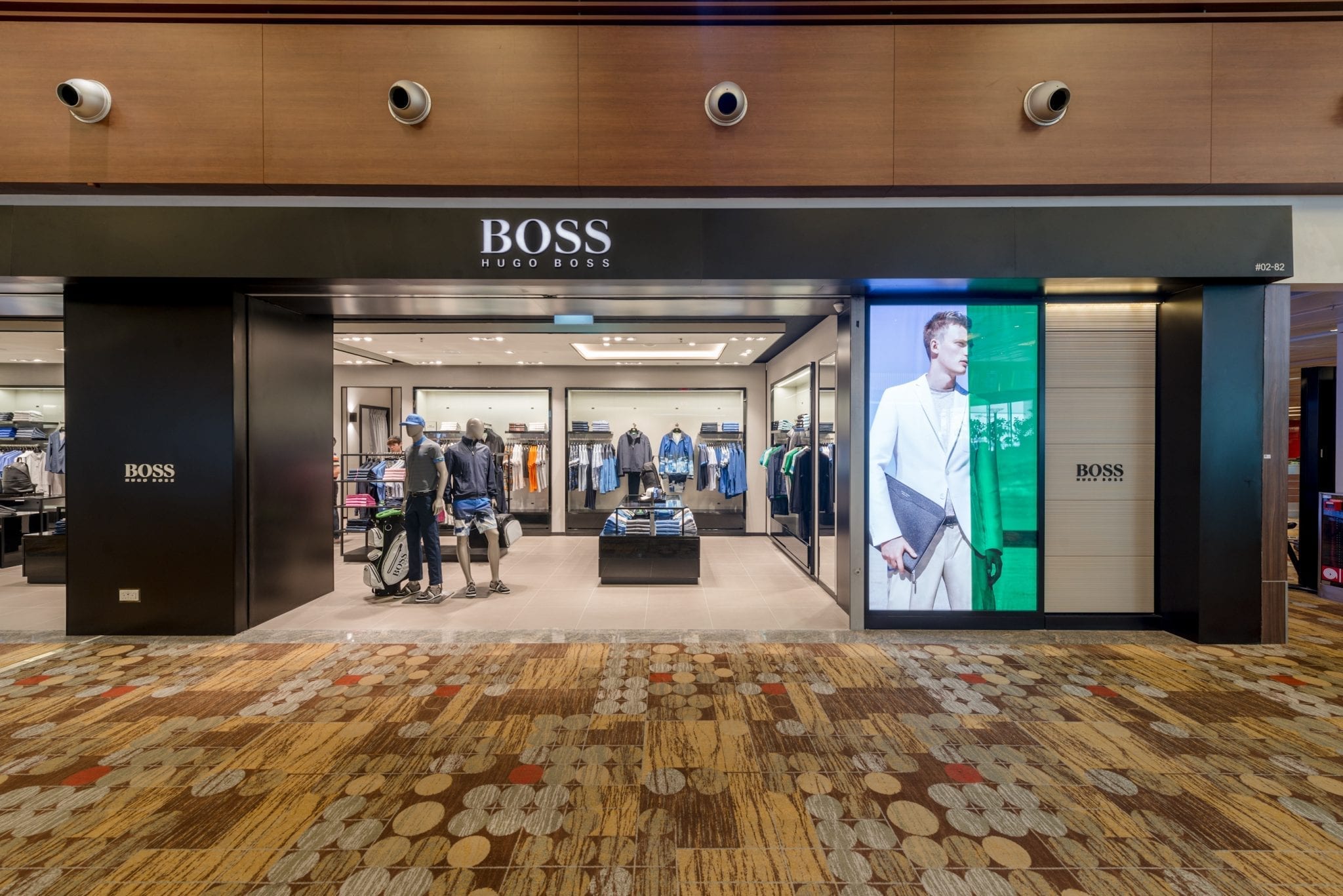
    Hugo Boss has opened a 95sq m store at Singapore Changi Airport Terminal 1.

    The Boss Menswear Store features a new interior concept featuring “clean, angular aesthetics” that has already been adopted by select stores in other cities.

    Hugo Boss considers the travel retail channel to be a dynamic part of the fashion business, and has opened its latest store at Changi Airport.

    The design is said to embrace harmony between lines, shapes and colours, and showcases the brand’s collections.

    “Throughout the store layout, matte and textile surfaces contrast with high-gloss and mirrored materials,” noted Hugo Boss. “The overall outcome is a refined space with a classic, yet airy, modern feel.”

    The store offers Boss Clothing, Boss Sportswear, Boss Green, and men’s shoes & accessories.

  • Hugo Boss China focus online

    Hugo Boss China focus online

    German fashion house Hugo Boss says that improving its online business will be a priority this year as it shores up its recovery in China after slashing prices there.

    Since taking over as Hugo Boss chief last May, former finance chief Mark Langer has been cutting costs by renegotiating rents, shutting stores, trimming brands and shifting marketing spending back to menswear. This reverses the course of previous CEO Claus-Dietrich Lahrs, who invested heavily in promoting its womenswear. He quit in February last year after sales slumped in China and the US.

    Hugo Boss says it saved more than €100 million (US$106.8 million) in costs and investment last year and will continue to keep a strict control on expenses this year.

    Langer has also slashed prices in China to bring them closer to European and US levels, helping sales there rise by almost 20 per cent on a like-for-like basis in the fourth quarter.

    Hugo Boss says it expects currency-adjusted sales to be stable this year after a 4 per cent fall to €2.69 billion last year, with online sales down 9 per cent to €76 million, less than 3 per cent of the total.

    “Online and retail stores must be more closely linked together,” says Hugo Boss sales chief Bernd Hake.

    The company plans to roll out services like “click and collect” to stores across Europe by the end of this year.

    E-commerce sales at Hugo Boss were disrupted by a move last year to fulfil orders in Europe itself, instead of via a partner, and the relaunch of its website.

    It also plans more digital marketing, forecasting it will spend 70 per cent of its budget online and only 30 per cent on print this year, compared to a 50-50 split two years ago.

    Hugo Boss says digital communication has been an important driver of its recovery in China, with a jump in followers on social-media sites WeChat and Weibo last year.

  • Hugo Boss Asia sales rebound

    Hugo Boss Asia sales rebound

    Rebounding Hugo Boss Asia sales have prompted the German fashion retailer to revise its profit outlook.

    The company’s stock price soared as much as 10 per cent after management said improved sales in Asia and Britain mean its profit decline will be less than previously predicted in the current financial year.

    Hugo Boss Asia like-for-like sales soared 20 per cent in the latest quarter, after currency adjustments.

    Asia accounts for about 20 per cent of Hugo Boss’ global sales and after currency adjustment, regional revenues rose 5 per cent in the fourth quarter – a significant turnaround from the 3 per cent decline of the previous quarter. The increase was aided by adjusting pricing more into line with those of the US and Europe.

    It is now forecasting an operating profit for 2016 which is better than the previously predicted  decline of between 17 and 23 per cent. Final results will be revealed on March 9.

    Rival fashion retailers Gucci and Louis Vuitton have also recently  reported improving sales in Mainland China as consumers open their wallets again, encouraged by government policies aimed at boosting local consumption rather than shopping abroad.

    CEO Mark Langer said in a statement that fourth-quarter results underline the company is on the right track.

    Total sales fell 3 per cent to 725 million euros (US$769 million), down 1 per cent on a currency adjusted basis, but a far better result than the third-quarter’s fall of 6 per cent. The damage was done in the US where sales fell 14 per cent on a currency-adjusted basis, partly due to the brand’s decision to stop selling in discount and outlet stores.

    Sales in Europe rose 2 per cent.

  • Hugo Boss cuts prices in 12-month turnaround plan

    Hugo Boss cuts prices in 12-month turnaround plan

    German fashion house Hugo Boss says it will not return to growth until 2018 as it launches a turnaround that includes eliminating brands, slowing down store expansion and selling more online.

    CEO Mark Langer says 2017 will be a transition year as it reorganises its struggling wholesale unit that sells to US department stores. Already the company has cut €65 million (US$68.86 million) in costs.

    With Hugo Boss shares losing more than a third of their value in the past year, Langer’s recovery plan involves making more affordable clothing, in a move away from a declining luxury market. It will produce clothes only under the Hugo and Boss brands, narrowing its focus to casualwear and business attire. The Boss Orange and Boss Green labels will be folded into the Boss brand, and Hugo’s entry-level prices will be about 30 per cent lower than the Boss.

    Womenswear, which accounts for about 11 per cent of revenue, will become a lower priority with Boss withdrawing from New York’s fashion shows next year. There will also be more focus on casual clothes and shoes.

    Price tags will be adjusted internationally to close gaps caused by currency fluctuations, with prices in Asia coming down by about 15 per cent while European prices rise slightly.

    Langer predicts that wholesale revenue via department stores in the US will decline by at least 10 per cent next year, with that business hit lately by high-level discounting to lure shoppers.