Tag: ict

  • Malaysia-Singapore-Indonesia cable commissioned

    Malaysia-Singapore-Indonesia cable commissioned

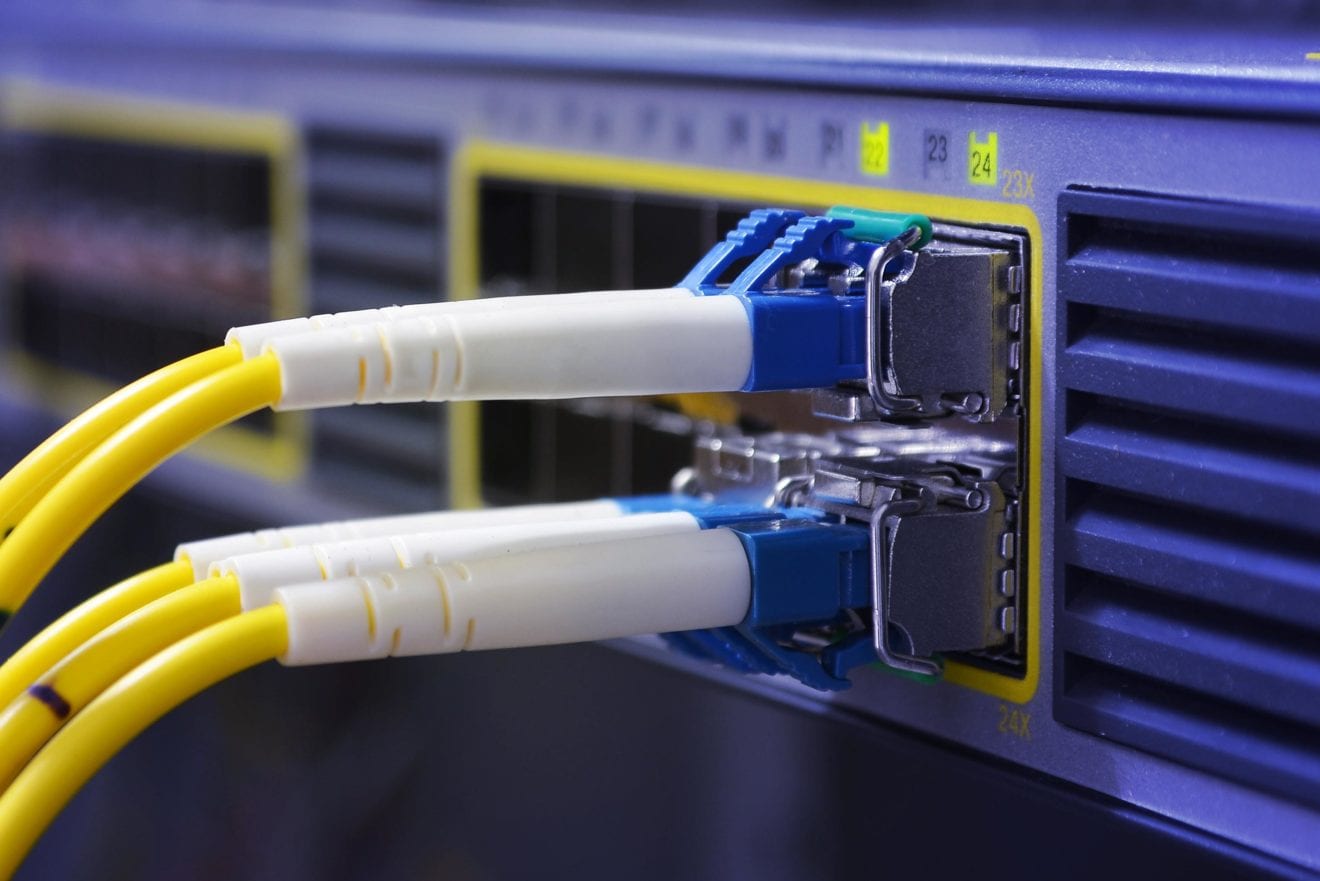
    A new subsea cable company has contracted Huawei Marine Networks to deploy a 250km cable system connecting Malaysia, Singapore and Indonesia.

    Super Sea Cable Networks (SEAX) has commissioned construction of its SEAX-1 cable, which will connect Mersing on the eastern seaboard of Peninsular Malaysia with Singapore’s Changi and Indonesia’s Batam.

    Construction of the 24-fiber-pair system is expected to be complete by the end of next year. SEAX’s market focus will be wholesale operators in emerging markets, including Tier 1, Tier 2 and Tier 3 carriers who want to own but not operate cable systems.

    SEAX’s five-year plan is to target, Thailand, the Philippines, Cambodia, Vietnam and Myanmar in addition to Malaysia and Indonesia.

    The company has a facilities-based operator license in Singapore, an affiliate company in Indonesia and is partnered with telecoms infrastructure provider SACOFA in Malaysia.

    “SEAX-1 passes through one of the busiest region in the Asia Pacific region, where bandwidth demands are increasing exponentially,” SEAX CEO Joseph Lim said.

    “We believe this new submarine cable system will relieve bandwidth pressures on existing infrastructure and continue to provide this region with high-speed, reliable connectivity that will fast-track its growth.”

    Indonesia’s PT Telkom last week contracted NEC to build a subsea cable system connecting six large Indonesian islands with Singapore.

  • Huawei, Intel chiefs talk the future of ICT

    Huawei, Intel chiefs talk the future of ICT

    In today’s digitally intelligent world, the age of enterprises shoring up their singular competitive advantages is over. With industries converging and consumer requirements constantly evolving, today’s businesses need to be more open, flexible, and build on their “ecological advantages” as well.

    This was the key message delivered by Huawei CEO Guo Ping during his keynote speech at Huawei Connect 2016.

    “Today we are in the cloud era, and while we do not yet know what things will be like in the future, one thing is sure—every modern industry system will become interconnected and complicated,” Guo said.

    “As data, IoT, mobility and cloud entities develop, businesses that are not even connected with one another will have more interactions. Hence, advantages will not only come from within the organization as has traditionally been the case, but also by the effective use of its external resources.”

    Guo predicted that in the many complicated scenarios that industries such as transportation, healthcare, and education will face, companies in these sectors will eventually develop and evolve toward an open ecosystem.

    The same can be said for the ICT industry, whereby in the cloud era the sector has already transformed from a single vertical industry and into an enabler of digital transformation. A report from the World Economic Forum revealed that in 10 years, the opportunities brought upon by the digital transformation of industries will reach $100 trillion, with the world seeing the rise of even more new applications.

    “Vertical integration of the value chain is a thing of the past,” stated Guo. As the ICT industry cultivates a new ecosystem, the Huawei CEO believes it will have three key features—open, dynamic, and symbiotic—wherein enterprises, big or small, “can take part in this interdependent, symbiotic, and regenerative community of common interests, as long as it has its own unique value and makes its own unique contribution.”

    As for Huawei’s role in this cloud-driven ecosystem, Guo stressed his company’s primary principle is to prioritize “creating a bigger pie (market) over fighting for a larger piece of a shaky pie.”

    “It’s the path we must take to build our future ecological advantages,” stated the CEO. “Our responsibility as an industry leader is to leverage our core competency, and use insights gleaned from our customers as basis of development to increase the size of the market. We don’t emphasize on whether the resources will be owned by us, but instead we emphasize on would be what can we leverage and effectively connect with external resources to bring the future together.”

  • VMware launches cross-cloud architecture

    VMware launches cross-cloud architecture

    VMware launched its Cross-Cloud Architecture at VMworld 2016, along with a partnership with IBM Cloud and plans to extend to Google, Microsoft Azure and Amazon Web Services.

    The architecture is designed to let network operators manage, provide uniform policies for and secure applications running across public, private and hybrid clouds.

    Cross-Cloud Architecture is available in two main parts:

    • The VMware Cloud Foundation is designed to allow network operators to launch private clouds and extend them to the public cloud. It is an integration that VMware says will combine some of its existing compute, storage and networking virtualization offerings, helping organizations run and manage existing on-premises applications on both private and public clouds.
    • Cross Cloud Services, announced as a technology preview, runs applications across multiple public clouds, including IBM, AWS, Microsoft Azure and Google, as well as VMware’s vCloud Air hybrid cloud architecture and the vCloud Air Network of 4,000 service providers.

    The new Cross-Cloud strategy sees the company focusing more on selling products that work with existing leaders, rather than trying to establish itself as an alternative to AWS, Google or Azure. It will also provide an essential orchestration layer that helps network operators coordinate cloud applications

    As more companies run applications on rented infrastructure over the internet rather than their own data centers, providing the link to the different technologies customers use is a growing opportunity for VMware and something that it can also provide to partners like IBM.

    Earlier this year, IBM and VMware set out to tackle one of the industry’s most pressing challenges: extending existing VMware workloads from on-premises environments to the cloud without incurring the cost and risk associated with retooling operations, re-architecting applications and re-designing security policies.

    During a presentation, Guido Appenzeller, chief technology strategy officer of networking and security at VMware and Robert LeBlanc, senior vice president, IBM Cloud said that Cloud Foundation will “automatically provision pre-configured” software-defined data centers on IBM Cloud “in hours versus weeks or months.”

  • 350 gigabit networks have been launched worldwide

    350 gigabit networks have been launched worldwide

    There have now been at least 350 gigabit-speed network deployments globally across wireline and wireless technologies, according to Viavi Solutions.

    The network testing company’s new Gigabit Monitor database shows that there have to date been a further 164 deployments announced or under construction.

    But Asia is behind the curve in terms of deployments – while North America has the largest share with 61%, and Europe is second with 24%, APAC, MEA and South America together only make up the remaining 15%.

    Fiber is the most dominant gigabit technology, accounting for 85% of launched networks. Nearly all of the remainder, and 11% of the total, are based on HFC, while the final 3% are based on LTE-A.

    Meanwhile 37 operators have announced plans to deploy 5G once the technology becomes available, with five planning a pre-standard debut as early as next year.

    “The gigabit revolution is in full swing and faster speeds can’t come soon enough to feed an insatiable appetite for bandwidth,” Viavi CTO Sameh Yamany said.

    “There are more than 20 billion connected devices and that number is continually increasing. For the consumer, there are obvious benefits. For society as a whole, research also shows that widely available broadband can be a driver for growth and jobs. And with a 100-fold increase in speed, service providers will need to ensure that their ecosystems are ready for the massive network evolution required to deliver the customer experience they envision.”

  • Singapore government to spend $2b on ICT this fiscal

    Singapore government to spend $2b on ICT this fiscal

    Singapore’s soon-to-be-formed Government Technology Agency (GovTech) will continue to partner the ICT industry and invest in technologies such as data analytics, ICT infrastructure, and platform-as-a-service to develop citizen-centric services.

    GovTech, which will be established at the end of this year, will replace the Infocomm Development Agency of Singapore (IDA) and aim to lead technological transformation in government.

    The agency is expected to continue to partner the industry to co-create such digital solutions and will be calling for a projected S$2.82 billion ($2.04 billion) of ICT tenders across fiscal year 2016.

    These ICT tenders will comprise mainly infrastructure and ICT security bulk contracts due to some multi-year contracts ending in FY16, as well as contracts relating to agency-specific systems. Last year, SMEs accounted for more than half of the total contracted value of ICT tenders.

    One key focus for government procurement this year will be to enhance ICT infrastructure to better support the data and digital services needs of a Digital Government in a Smart Nation.

    For example, increased data center virtualization will allow the government to modernize its hosting of ICT applications and ensure faster time to production for new digital services.

    Wi-Fi will be extended to more areas within government schools to support smart learning. The government will also continue to invest in its cybersecurity efforts, with a bulk tender for IT security services to be called in this fiscal year.

    “We want to empower Singapore with possibilities through technology. To do that, investment in infrastructure is necessary so that innovative citizen-centric services can be built and enhanced on a strong foundation,” IDA managing director Jacqueline Poh said.

    “There will be opportunities abound for the government and industry to collaborate and build a smart nation together.”

  • Globe urges govt to establish Department of ICT

    Globe urges govt to establish Department of ICT

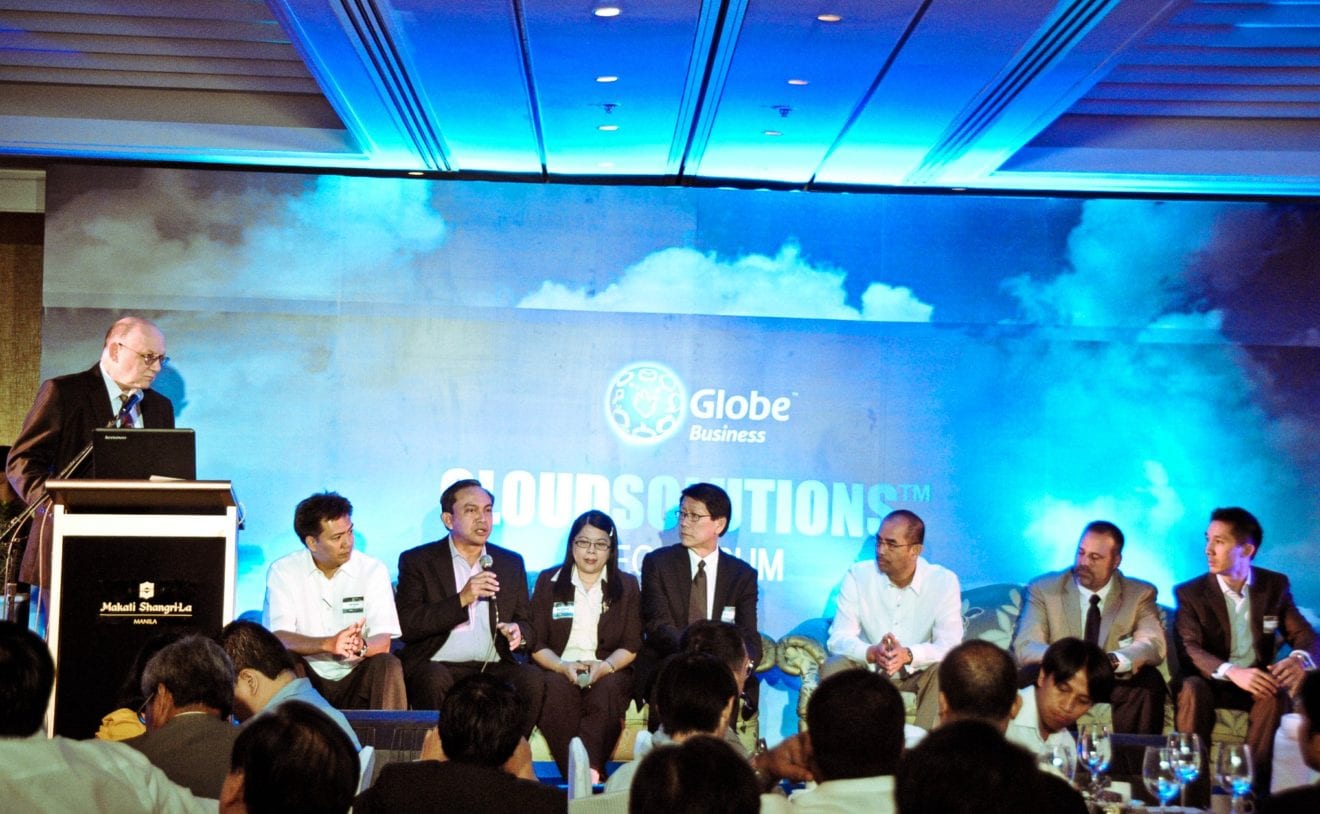
    The Philippines’ Globe Telecom is encouraging the government to establish a new Department of ICT to help improve the state of local internet services and the nation’s digital readiness.

    Globe general counsel Froilan Castelo urged outgoing president Benigno Aquino to sign the bill that would create the new department before he leaves office next month.

    “The Philippines is in urgent need of an agency that will drive the country’s ICT development and help steer the country to realize its full potential as a digital economy where homes, businesses and individuals have access to fast and reliable data connectivity,” Castelo said.

    “We are hopeful that enhancing ICT development in the country by creating the DICT would enable more business organizations to work more efficiently, maximize productivity and contribute to sustaining the country’s economic growth.”

    Castelo said a policy framework for ICT development is sorely needed to help develop the nation’s internet infrastructure.

    Globe, for example, has faced regulatory hurdles inhibiting it from building more cell sites as part of its latest nationwide infrastructure program.

    The proposed bill would abolish the Information and Communications Technology Office, National Computer Center, National Computer Institute, Telecommunications Office, National Telecommunications Training Institute and all communications units of the current Department of Transportation and Communications.

    The functions of these departments would instead be taken up by the new DICT, which would also take responsibility for telecom regulator NTC, the National Privacy Commission and the Cybercrime Investigation and Coordination Center.

  • Countries must improve ICT sectors

    Countries must improve ICT sectors

    Countries must continue to invest and pursue reforms in information and communication technology (ICT) to serve the nearly 60 percent of the world’s population who remain excluded from the digital economy, a new World Bank report said.

    In its “World Development Report 2016: Digital Dividends” report, the Washington-based lender noted that the internet, mobile phones and other digital technologies were spreading rapidly.

    “Digital technologies are transforming the worlds of business, work, and government,” said Jim Yong Kim, president of the World Bank Group.

    The anticipated digital dividends of higher growth, more jobs, and better public services, however, have fallen short of expectations, the World Bank said.

    To deliver fully on the development promise, it said countries must pursue “analog complements” to digital investments.

    This means regulations must be strengthened to ensure competition among business, adapting workers’ skills to the demands of the new economy, and fostering accountable institutions.

    Digital development strategies need to be much broader than ICT strategies, it added.
    To reap the greatest benefits, countries must create the right environment for technology, with regulations that facilitate competition and market entry, skills that enable workers to leverage the digital economy and institutions that are accountable to people.

    It noted that in the Philippines, business process outsourcing has few entry barriers and that firms use digital technology intensively, which is not the case for the retail sector.

    “The Philippine retail sector has substantial restrictions to domestic and foreign entry and is dominated by a few incumbent firms, while few firms use ICTs,” the World Bank said.

    Foreign retailers that aim to establish a commercial presence need to pass prequalification procedures, meet minimum capital requirements, deal with limitations to foreign equity participation, and have the majority of their boards comprised by Filipinos, it stressed.
    “Only about 20 percent of retail firms (with at least five employees) sell online in the Philippines,” it added.

    In contrast, the Philippine outsourcing sector is characterized by high entry rates and few regulatory barriers to competition.

    “It is intensive in ICT-related services such as software development, animation, contact centers and transcription. These ICT-specific services experienced high productivity growth in recent years and provided about 1.2 million jobs in 2015,” it said.

    Investing in basic infrastructure, reducing the cost of doing business, lower trade barriers, facilitating the entry of start-ups, strengthening competition authorities and facilitating competition across digital platforms were some of the measures suggested in the World Development Report.

    Digital technologies can transform economies, societies and public institutions, but changes are neither assured nor automatic, the report stressed.

    “Countries that are investing in both digital technology and its analog complements will reap significant dividends, while others are likely to fall behind. Technology without a strong foundation risks creating divergent economic fortunes, higher inequality and an intrusive state,” the World Bank said.

  • Scandal-hit Toshiba cuts 6800 jobs, sells Indonesia plant, sees annual loss of $4.5 billion

    Scandal-hit Toshiba cuts 6800 jobs, sells Indonesia plant, sees annual loss of $4.5 billion

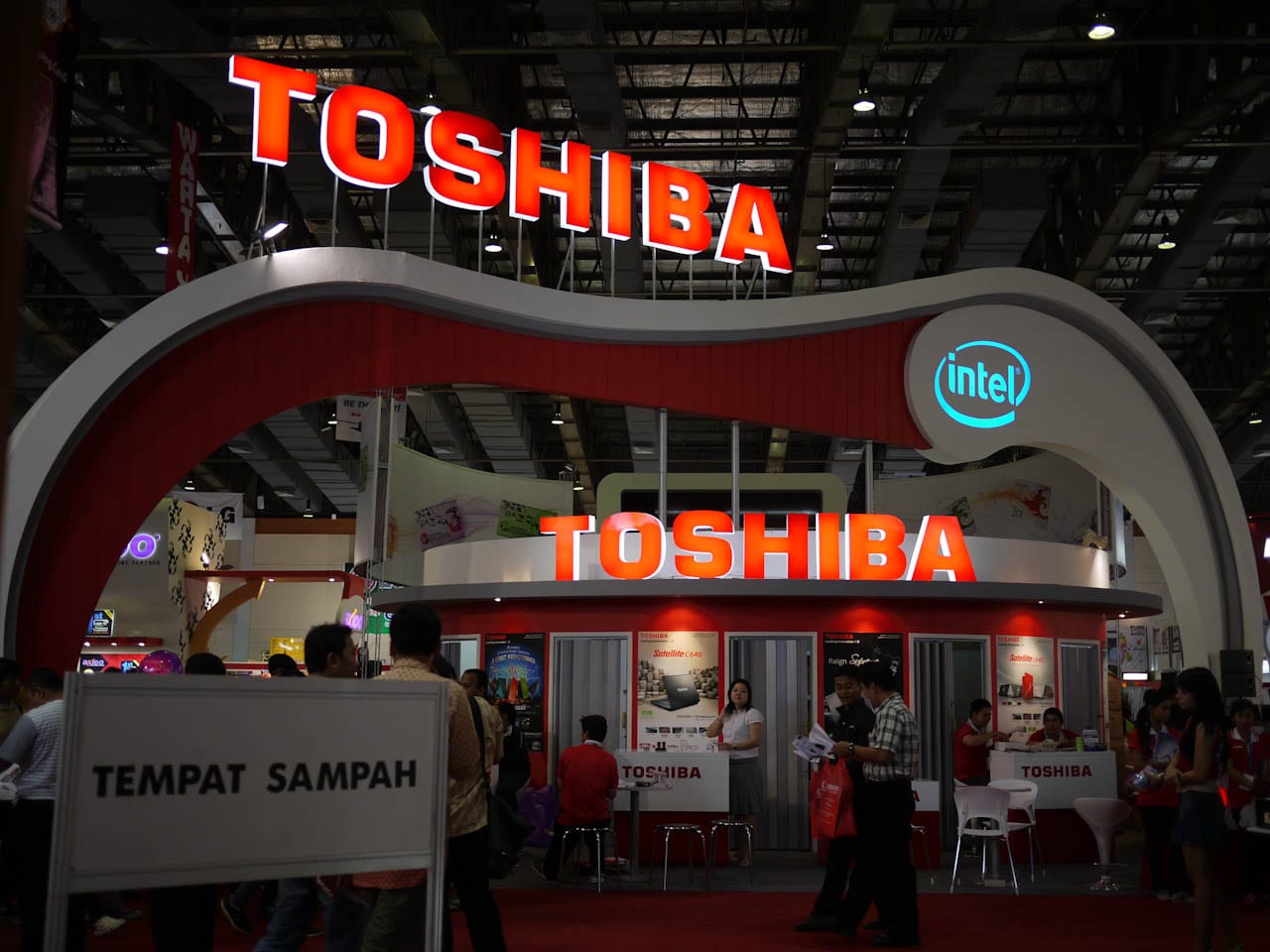
    Scandal-plagued Japanese manufacturer Toshiba Corp. is cutting 6,800 jobs after projecting a net loss of 550 billion yen ($4.5 billion) for the fiscal year through March 2016.Toshiba said Monday it will slash the jobs in its personal computer, video product and consumer electronic businesses.

    The job cuts equal about 3 per cent of Toshiba’s overall employees. It is also selling its TV plant in Indonesia.Toshiba, which also makes nuclear power plants, has repeatedly apologized after acknowledging it had systematically doctored its books over several years to inflate profits by 152 billion yen ($1.3 billion).Officials have said that mangers set unrealistic earnings targets, under the banner of creating a big “challenge,” and subordinates faked results.

    The scandal at one of the nation’s top brands highlights how Japan is still struggling to improve corporate governance, despite efforts to beef up independent oversight of companies.Toshiba said the job cuts in Japan will be by early retirement, but a significant number of overseas jobs will also be involved and steps will vary by each nation. It did not immediately have a detailed regional breakdown.Earlier this year, Toshiba said it is selling facilities for making computer chips related to image sensors to Sony Corp.Toshiba is also in trouble because it operates and is decommissioning, with Hitachi and other companies, the Fukushima Dai-ichi nuclear power plant, which went into meltdowns after the March 2011 tsunami.

    Toshiba said it had not yet fully calculated the impact of the nuclear disaster on its books.The latest earnings projection means Toshiba is sinking into its second straight year of red ink, after racking up a nearly 38 billion yen ($312 million) loss for the fiscal year that ended in March.Japanese media reports said the loss forecast for this fiscal year would be a record for Toshiba, surpassing the massive losses during the Lehman financial crisis.

  • Indonesia ICT sector assessment

    Indonesia ICT sector assessment

    Information and communications technology (ICT) connectivity in Indonesia as a growing economy faces huge challenges in preparing for the future.

    The world’s largest archipelago consisting of more than 17,500 islands with a population of nearly 250 million requires substantial investments in domestic ICT infrastructure and international connectivity to meet the strong growing demand from the private and public sectors.

    New technologies require an ICT infrastructure with sufficient capacity. Reliable interconnection with other ASEAN member countries to remain competitive in the interconnected world is another aspect of why ICT should be considered a priority sector.

    In October 2014 the Indonesian government unveiled a Rp 278 trillion broadband connectivity plan in order to boost economic growth. The plan defines broadband development in Indonesia and sets the strategy and major milestones for the coming five years.

    The main purposes of broadband development are to encourage economic growth and increase the competitiveness of the nation, to support the improvement of human development and to safeguard the sovereignty of the nation.

    The Networked Readiness Index (NRI) 2015, published by the World Economic Forum, includes 143 countries and measures the propensity for the countries to exploit the opportunities offered by information and communications technology.

    The NRI considers several indicators, such as the political and regulatory environment, the business and innovation environment, infrastructure and digital content, affordability, skills, individual usage, business usage, government usage, economic impacts and social impact.

    In the last assessment in 2014, in which 146 countries were covered, Indonesia dropped 15 places to 79th, while Singapore claimed first, Australia 16th, Malaysia 32nd, China 62nd, Thailand 67th, the Philippines 76th, Vietnam 85th, Lao PDR 97th, Cambodia, Timor-Leste 134th and Myanmar 139th.

    To attract local and foreign investments a more business friendly environment is required in Indonesia. The business society in particular is demanding a fight against corruption, the cutting of red tape, infrastructure development and the improvement of the tax system. The same applies, of course, for the Indonesian ICT sector.

    To meet the requirements and keep pace with international developments, including connectivity to other ASEAN member countries, the broadband connectivity plan, which describes the path to the right direction, should be implemented in the given timeframe. Further considerations, recommendations and implications related to ICT development in Indonesia are pointed out in the following:

    As addressed in the broadband connectivity plan, educational and training skills, including English language skills, should be enhanced by connecting schools to the Internet and implementing e-Education and e-Learning programs. Competence centers consisting of experts from academia and the private sector should be established to boost research and development (R&D) in Indonesia.

    World Bank data shows that Indonesia spent the equivalent of 0.07 percent of its gross domestic product (GDP) on R&D in 2010. Meanwhile, Malaysia spent 0.63 percent, Singapore 2.2 percent and Thailand 0.25 percent in the same period.

    For a modern technology infrastructure, state-of-the-art data centers for public use (e.g. national and international telecommunications operators and companies) are required in major cities and business centers, taking into consideration environmental risks (e.g. earthquakes, floods, landslides and volcanos), redundancy aspects (backups and disaster recovery), security (access, surveillance and stable power) and professional operations.

    Cross-sector infrastructure sharing reduces costs. Ducts, towers, masts, power grids, facilities, etc. can be shared between the telecommunications, the energy and the transportation sectors.

    For public-private partnership (PPP) opportunities identify and classify infrastructure development and new public service provisions that will improve ICT usage and convergence in Indonesia (e.g. increased Internet penetration, improved mobile services, improved opportunities for convergence, content development, etc.).

    Beside manufacturing of ICT products, promoting niche markets or new technologies and trends like mobile applications, IT outsourcing, hosting services, enterprise private clouds, 4G/5G, Internet of Things (IoT), Machine to Machine (M2M) communications, Green ICT, Call Centers, etc. shall be considered.

    International development and trends in the ICT sector should be observed to ensure harmonization of policies and regulations including cross-sector regulation.

    For international connectivity, Indonesia is depending on international submarine cables, most of them currently routed via Singaporean and Malaysian waters. New submarine cables with diverse routes are planned for the coming years. For example, the Southeast Asia-US submarine cable will connect Manado in Indonesia as the new eastern Indonesian gateway and Davao in the southern Philippines via Guam to the United States’ west coast.

    When completed in 2017 at an approximate cost of US$250 million, the approximately 15,000-kilometer cable system will provide an additional 20 terabits per second (tbps) capacity, connecting Indonesia and the Philippines to the US with state-of-the-art 100G technology.

    Redundancy and diverse routing of submarine cables is important to protect connectivity against terrorist attacks, sabotage and cable cuts by natural disasters such as seaquakes or by anchors.

    The announcement of the Indonesian government for the formation of the National Cyber Agency (NCA) is a step in the right direction. With regard to cyber-attacks, Indonesia is ranked as one of the world’s top three targets. The NCA should develop and implement strategies for the defense against rising cyber-attacks to protect Internet users, the government, financial services institutions and other businesses, including sensitive sectors like the transportation and the energy sectors.

    Strengthening the awareness of the public about privacy and cybercrime committed through e-mail scams, SMS or social media should be another focus area of the NCA.

    On behalf of consumers, the government of Indonesia shall ensure that the service quality of telecommunications operators improves and minimum international accepted quality of service (QoS) standards shall be enforced and regular monitored for all segments (fixed, mobile, Internet and broadcasting services). With currently more than 280 million SIM cards issued to users, mobile is the main access to the Internet.

    “Last mile” and campus/in-house cabling are very often bottlenecks for high speed landline data connections. Even if the fiber optic backbones of the telecommunications operators allow high speed data, cable connections between the exchanges of the operators and campuses or buildings (“the last mile”) of the consumers are often old and faulty copper cables that do not allow high speed data transfer. The telecommunications cabling on campuses and in buildings (“in-house cabling”) is mostly the sole responsibility of the landlords.

    With its young population, Indonesia has a market potential of about 250 million consumers. Taking the right measures, considering the actual international development and best practice experiences in the global ICT sector, Indonesia has a realistic chance to strengthen its national ICT sector in the coming years and so play an equal role in the very competitive Asian and global markets.