Retail News CRM

Tag: ict

  • Luxshare Skyrockets, Raking in $3bn from Hong Kong Listing for AI and Auto Tech Expansion

    Luxshare Skyrockets, Raking in $3bn from Hong Kong Listing for AI and Auto Tech Expansion

    Luxshare Precision Industry, headquartered in China, announced on Tuesday that its Hong Kong listing has been priced at the upper limit of its target range, resulting in the raising of approximately HK$24.27 billion (US$3.09 billion).

    The Apple supplier, listed in Shenzhen, revealed the offer price was set at HK$63.28 per H-share, resulting in the sale of 383.5 million shares.

    Luxshare plans to use the proceeds from the listing to enhance its manufacturing capacity within the automotive and consumer electronics sectors. The raised capital will also be used to fund artificial intelligence-powered factory upgrades, facilitate potential acquisitions, repay existing debt, and bolster the firm’s working capital.

    A significant part of the raised funds will be dedicated to the expansion of Luxshare’s automotive electronics business. This is indicative of the firm’s strategic move beyond consumer electronics and into the rapidly expanding field of intelligent vehicle supply chain.

    Luxshare revealed that it anticipates announcing the level of investor demand for its international offering, as well as the allocation results, on July 8. The company’s shares are expected to commence trading on the Hong Kong Stock Exchange at 9:00am local time on July 9.

    Luxshare was founded by Chinese billionaire Wang Laichun and is counted among Apple’s largest suppliers. The firm is responsible for the manufacturing of a range of electronic devices, comprising routers, wireless charging modules, and video conferencing equipment.

    Questions & Answers

    What does Luxshare Precision Industry plan to do with the proceeds from its Hong Kong listing?
    Luxshare plans to use the raised capital to expand its manufacturing capacity, fund factory upgrades, pursue acquisitions, repay debt, and support working capital.

    How is the company expanding its business?
    Luxshare is looking to move beyond the sphere of consumer electronics and delve deeper into the rapidly growing intelligent vehicle supply chain.

    When does Luxshare plan to begin trading its shares?
    Trading of Luxshare’s shares is expected to begin on the Hong Kong Stock Exchange at 9:00am local time on July 9.

  • Philippines Telecom and Pay-TV Eye $9.7B Revenue Boom by 2029, Fuelled by Mobile Data and Broadband Growth

    Philippines Telecom and Pay-TV Eye $9.7B Revenue Boom by 2029, Fuelled by Mobile Data and Broadband Growth

    The Philippines’ telecommunications and pay-TV service sectors are set to experience a surge in revenue, increasing from USD 8 billion in 2024 to an estimated USD 9.7 billion by 2029, representing a compound annual growth rate (CAGR) of 3.8%. The expected growth can be attributed to the expanding mobile data and fixed broadband service sectors.

    Mobile Voice Service Revenue Facing a Decline

    Despite the overall projected growth in the telecom industry, mobile voice services are anticipated to experience a decline in revenue. This is a result of a consistent drop in the average revenue per user (ARPU) levels of mobile voice services. Consumers are increasingly turning towards internet or application-based communication platforms, and operators are providing complimentary voice minutes in their service plans.

    Promising Growth in Mobile Data Service Sector

    The mobile data service sector, however, is expected to witness substantial growth, with an anticipated CAGR of 7.1% over the forecast period. This growth is driven by an increase in mobile internet subscriptions, especially the upswing in 5G subscriptions, which will significantly enhance mobile data ARPU levels.

    The adoption of 5G services is expected to escalate rapidly in the coming years, with 5G projected to become the dominant mobile technology generation by subscriber base in 2029. This growth surge in 5G adoption can be credited to the ongoing 5G network expansion initiatives by operators across the country.

    Fixed Communication Services Sector

    In the fixed communication services sector, revenue from fixed voice services is likely to reduce due to a decrease in circuit-switched subscriptions and a decline in fixed voice ARPU levels. However, the fixed broadband service revenue is projected to grow at a CAGR of 4.7% from 2024 to 2029. This growth can be linked to the rising adoption of higher ARPU fiber-to-the-home (FTTH) broadband services.

    The increased adoption of FTTH broadband services in the Philippines is a response to the growing demand for high-speed broadband services and the ongoing expansion of fiber network coverage by operators.

    Projected Growth in Pay-TV Services Revenue

    The revenue from pay-TV services in the country is also predicted to increase over the forecast period, backed by robust growth in IPTV subscriptions and a steady rise in DTH subscriptions.

    Leading Telecom Market Players

    In the mobile services sector, Globe Telecom and PLDT are expected to retain their market leader positions by subscription share throughout the forecast period. This is due to their concentrated efforts on mobile network expansion and modernization. PLDT will continue leading in the fixed broadband sector, largely driven by its extensive fiber network coverage and increasing FTTH subscriber base.

    Questions & Answers

    What is contributing to the growth in the Philippine telecommunications industry?
    The growth in the industry is primarily due to the expanding mobile data and fixed broadband service sectors.

    Why is the mobile voice services revenue expected to decline?
    The projected decline is a result of a consistent drop in mobile voice service ARPU levels as consumers increasingly prefer internet or application-based communication platforms.

    Which telecom operators are expected to remain market leaders in the Philippines?
    In the mobile services sector, Globe Telecom and PLDT are expected to maintain their market leader positions due to their focused efforts on mobile network expansion and modernization.

  • SK Telecom and SK AX Join Forces with AWS: Aiming for Rapid Expansion in Korea’s AI Cloud Market

    SK Telecom and SK AX Join Forces with AWS: Aiming for Rapid Expansion in Korea’s AI Cloud Market

    SK Telecom (SKT) and SK AX have entered into a Strategic Collaboration Agreement (SCA) with Amazon Web Services (AWS) to stimulate a significant expansion in Korea’s AI cloud sector. This partnership will bolster the rapid development of AI infrastructure, cloud migration, and industry-specific service innovation.

    Strategic Agreement to Boost AI Cloud Services

    SKT plans to merge its telecommunications and AI technologies with SK AX’s specialized AI development skills and AWS’s international cloud infrastructure. The intention is to offer unique AI cloud services that facilitate the swift uptake of sophisticated AI tasks within the Korean market.

    A recent development saw AWS investing a staggering USD 8.3 billion in India’s cloud expansion. Now, SKT and SK AX will collectively work on developing personalized AI solutions for critical industries such as finance, gaming, the public sector, manufacturing, and startups. Their aim will be to ensure smooth transitions from preliminary AI projects to extensive operational environments, with a focus on delivering tangible business results.

    At the heart of the agreement is the development of a hybrid AI cloud model. SKT will amalgamate AWS’s international infrastructure with its own AI compute resources, including GPUs, to cater to industries with stringent data protection needs. This strategy will allow sensitive data to stay on-site while scaling workloads via AWS, guaranteeing a compliant, secure, and reliable AI service delivery.

    Building AI Cloud Hub & Enhancing Security

    The collaboration will also trigger the K-AI Alliance to construct an AI Cloud Hub that integrates infrastructure, services, and business channels. The endeavor will aim to generate industry-specific innovation models and expand AI adoption across Korea.

    In addition, SKT is planning to create cloud AI security standards and launch a new assessment framework rooted in its AI Governance Portal. This will enable customers to concentrate on developing AI services in a safe and effective manner. SK AX will develop an industrial AI cloud stack that mirrors unique data structures, regulatory needs, and operational models across diverse sectors, ensuring its practical applicability.

    Introduction of AI FinOps Solution

    The trio will introduce an AI FinOps solution that examines AWS usage patterns, optimizes cost structures, and enhances the total cost of ownership through constant monitoring and ongoing efficiency improvements. This solution is expected to aid businesses in streamlining their spending as AI workloads expand.

    In the coming five years, SKT and SK AX intend to offer stable access to AWS cloud infrastructure and AI services. At the same time, they plan to refine their cloud management skills to strengthen their position as managed service providers.

    Questions & Answers

    What is the focus of the Strategic Collaboration Agreement (SCA) between SK Telecom (SKT), SK AX, and Amazon Web Services (AWS)?
    The SCA focuses on driving large-scale expansion into Korea’s AI cloud market through AI infrastructure development, cloud migration, and service innovation.

    What is the role of the K-AI Alliance in this collaboration?
    The partnership will activate the K-AI Alliance to build an AI Cloud Hub, aiming to unify infrastructure, services, and business channels, fostering industry-specific innovation and broadening AI adoption in Korea.

    What is the proposed AI FinOps solution?
    The AI FinOps solution will analyze AWS usage patterns, optimize cost structures, and improve the total cost of ownership through real-time monitoring and continuous efficiency enhancements, aiding businesses in managing spending as AI workloads scale.

  • Singtel Celebrates 14% Profit Leap: A Triumph of Regional Growth and Strategic Investments

    Singtel Celebrates 14% Profit Leap: A Triumph of Regional Growth and Strategic Investments

    The Singtel Group has reported a 14% increase in underlying net profit, reaching SGD 1.35 billion in the first half of the year. This growth has been mainly driven by regional associates Airtel and AIS, as well as operating companies NCS and Optus.

    Profit Increase Despite Economic Challenges

    Neglecting the impact of foreign currency fluctuations and contributions from Intouch, which concluded after its merger with Gulf, the underlying net profit would have increased by 22%. The net profit rose to SGD 3.40 billion, largely as a result of a net exceptional gain of SGD 2.05 billion from the partial sale of a stake in Airtel in May and the Intouch-Gulf merger.

    Operating revenue declined by 1.2% to SGD 6.91 billion, which was affected by the strong Singapore dollar. However, in constant currency terms, the Group’s operating revenue, EBITDA, and operating company EBIT would have increased by 1.9%, 4.9%, and 14%, respectively.

    CEO Insights

    Yuen Kuan Moon, Singtel Group CEO, stated that the group’s H1 results reflect the positive momentum across their diversified portfolio of businesses across the region. They have continued to drive growth in connectivity, digital services, and digital infrastructure and also unlocked value from their asset recycling efforts as they executed their Singtel28 plan.

    Despite the challenging macroeconomic outlook, and uncertainty surrounding the Optus business, Yuen believes their business and geographical diversity is providing stability to the Group’s performance. He expects their growth engines to change the business’s complexion in the mid term as they continue to scale.

    Plan Execution and Active Capital Management

    Since launching the Singtel28 plan, the Group’s active capital management has generated SGD 5.6 billion in proceeds, including SGD 1.5 billion from the recent divestment of a 0.8% stake in Airtel. The Group has achieved more than half of its new SGD 9 billion mid-term asset recycling target, which will be used to fund growth opportunities and provide returns to shareholders.

    The Group’s balance sheet remains strong, with a cash balance of SGD 3.4 billion as of September 2025, helping reduce net debt to SGD 8.7 billion and improve gearing ratios.

    Regional Associates’ Contributions

    The profit contributions from regional associates post-tax increased by 12% to SGD 0.92 billion. Excluding Intouch and considering constant currency terms, these contributions would have risen by 25%.

    Airtel Group saw solid earnings growth in both India and Africa due to effective execution and higher mobile tariffs, while AIS reported stronger profits due to revenue growth and effective cost management. However, Telkomsel’s performance was impacted by weaker mobile performance, a capital gain from the sale and leaseback of indoor infrastructure in the previous period, and higher interest expenses. Globe’s earnings also declined due to weak consumer spending.

    Questions & Answers

    What is the overall financial status of Singtel Group?
    Singtel Group has reported a 14% increase in underlying net profit, reaching SGD 1.35 billion in the first half of the year.

    What were the main contributors to Singtel Group’s growth?
    The growth was mainly driven by regional associates Airtel and AIS, as well as operating companies NCS and Optus.

    What does the Group’s CEO, Yuen Kuan Moon, attribute the positive results to?
    Yuen attributes the positive results to the group’s diversified portfolio of businesses across the region and active capital management as part of the Singtel28 plan. The plan has generated SGD 5.6 billion in proceeds, contributing to the reduction of net debt and improvement of gearing ratios.

  • Japan’s Telecom Titans: Pioneering Global Connectivity with Next-Gen Technologies

    Japan’s Telecom Titans: Pioneering Global Connectivity with Next-Gen Technologies

    As the international telecommunications sector experiences significant changes, companies from Japan are harnessing the power of emerging technologies, their established brands, and strategic partnerships to establish a foothold in the Asia Pacific and various emerging global markets. The Japanese approach is a blend of innovative thinking, collaboration, and long-term strategic planning, all aimed at enhancing regional connectivity.

    Japan’s Telecom Landscape

    In Japan, over 150% of the population owns a mobile phone. However, as the population ages and decreases in size, telecom operators are finding fewer opportunities to attract new subscribers within the country. As a result, they are looking beyond the Asia Pacific for growth opportunities. In terms of global positioning, Japan’s leading telecom companies hold strong. The NTT Group is ranked fifth worldwide with a brand value of $37.1 billion USD, SoftBank sits at 11th with $13.9 billion USD, and au by KDDI is 14th with $10.9 billion USD. These rankings illustrate the robustness of Japan’s telecom sector and highlight the need for these companies to penetrate new markets to maintain their growth. While domestic innovation will persist, international projects, consultations, and partnerships will drive Japan’s global initiatives.

    Leading the Charge in 6G and Intelligent Network Development

    Japan is at the forefront of the development of next-generation wireless technology, making it a primary focus for exports. Leading companies such as NTT DOCOMO, SoftBank, and KDDI are spearheading the profitable development of 6G technology. In December 2024, NTT DOCOMO announced a new 6G initiative following approval from the 3GPP Madrid meeting. Supported by 56 global companies, the project aims to standardize 6G technology, align with UN objectives, and accelerate AI-powered connectivity.

    In July 2025, SoftBank and Nokia conducted Japan’s first 7 GHz 6G outdoor trial, testing centimeter-wave frequencies in Tokyo. The project aims to compare 6G and 5G urban coverage, thereby providing key insights before the ITU-R WRC-27 discussions. Additionally, KDDI Research and Samsung signed a MoU to further AI-driven innovations for 6G. The partnership’s goal is to enhance D-MIMO systems, boost speeds, and broaden coverage using AI. The companies share a vision of a user-centric, AI-integrated 6G network.

    Technology as a Tool for Regional Leadership

    In 2024, Japan demonstrated its leadership in advanced communications with a significant Beyond 5G/6G research project, spearheaded by top firms and selected by the National Institute of Information and Communications Technology (NICT). This project aims to create seamless user connections across cloud data centers, improve fault tolerance, and advance all-photonics networks in rural areas, thereby bolstering Japan’s global standing in next-gen ICT.

    In the same vein, SoftBank unveiled a new AI system for wireless signals in 2025 based on the Transformer model. This AI system, part of the Artificial Intelligence Radio Access Network (AI-RAN) project, boosted 5G speeds by 30% in live tests, thus enhancing Japan’s role in developing AI-powered telecom and next-generation networks.

    Japan’s New Role in the Telecom Ecosystem

    Japan’s leading telecom companies are transitioning from being local market leaders to regional connectivity influencers. By exporting technology, expertise, and ethical standards, they are shaping Asia’s digital landscape. Japan’s influence, powered by 6G innovation, rural networking, and global collaborations, extends beyond its borders, fostering the development of smart, interconnected societies.

    The success of these regional strategies hinges on balancing ambition with caution, and innovation with teamwork. Japan’s telecom industry has set its sights on larger goals, aiming to connect Asia and beyond by focusing on quality, trust, and ongoing innovation.

    Questions & Answers

    What is the current state of Japan’s telecom industry?
    Japan’s telecom industry is robust and globally recognized, with leading telecom companies like NTT Group, SoftBank, and au by KDDI holding strong positions worldwide. However, due to Japan’s aging and declining population, these companies are looking for growth opportunities beyond the Asia Pacific.

    How are Japanese telecom companies advancing 6G technology?
    Japanese telecom companies such as NTT DOCOMO, SoftBank, and KDDI are spearheading the development of 6G technology. They are undertaking numerous initiatives, from standardizing 6G technology to conducting outdoor trials to comparing 6G and 5G urban coverage. They are also focusing on using AI to improve network systems, speed up connectivity, and broaden coverage.

    What is the future outlook for Japan’s telecom industry?
    Japan’s telecom industry is set to evolve from a domestic leader to a regional influencer, shaping Asia’s digital landscape and extending its impact beyond its borders. The industry is also aiming to connect Asia and the rest of the world by focusing on quality, trust, and ongoing innovation. The balance of ambition with caution and innovation with teamwork will be key to the success of these strategies.

  • Mumbai Emerges as India’s Thriving Data Centre Hub: A New Era in Digital Infrastructure

    Mumbai Emerges as India’s Thriving Data Centre Hub: A New Era in Digital Infrastructure

    Mumbai is positioning itself as the data centre powerhouse of India, commanding an impressive 40% of the country’s overall capacity and 44% of its active IT infrastructure, according to a recent report by Knight Frank. The city experienced a notable surge in capacity during the first half of the year, increasing by 14.3% and surpassing the crucial 4 gigawatt (GW) mark. Currently, it boasts 591 megawatts (MW) of operational capacity, with an additional 185 MW under construction and a staggering 3.2 GW in the pipeline.

    This remarkable growth is largely fueled by the rapid adoption of cloud technology, stringent data localization mandates, and the burgeoning local sectors of fintech and banking, financial services, and insurance. In fact, Mumbai’s tight vacancy rate of 5.4% starkly contrasts with India’s overall colocation vacancy rate of 12.3%. Impressively, two-thirds of the city’s current construction projects are already pre-leased, indicating a robust demand in the market.

    However, amidst this frenzy of development, Mumbai faces a critical shortfall in capacity for hyperscale deployments. Currently, only three sites are operational that can support such extensive needs, with just one facility offering more than 10 MW of available capacity. This situation creates a short-term shortage for large-scale requirements, leaving enterprises in a scramble for solutions.

    Knight Frank notes that this fragmented supply landscape is opening doors for well-capitalized global players and joint ventures to step in and provide high-capacity facilities, challenging local dominance in the sector. In an industry where the demand for data infrastructure seems to accelerate daily, the race is on for companies to capitalize on Mumbai’s emerging status as a data-driven hub.

    Questions & Answers

    How much of India’s data centre capacity is located in Mumbai?
    Mumbai accounts for 40% of India’s total data centre capacity and 44% of the country’s active IT capacity.

    What factors are driving the growth of data centres in Mumbai?
    The growth is primarily driven by rapid cloud adoption, increasing data localization requirements, and the expansion of local fintech and banking sectors.

    Is there an immediate supply issue for hyperscale data centre deployments in Mumbai?
    Yes, there is a short-term supply tightness, with only three live sites currently equipped to handle hyperscale deployments and just one site offering over 10 MW of capacity.

  • Cyber Insurance Market Surges 7% to Reach $15 Billion by 2024: What’s Driving This Growth?

    Cyber Insurance Market Surges 7% to Reach $15 Billion by 2024: What’s Driving This Growth?

    The global cyber insurance market is displaying a mixed bag of results in 2024, achieving a 7% growth to nearly $15 billion in premiums. However, this upward trajectory comes with a caveat: the momentum has decelerated for a second consecutive year, according to a recent analysis by Moody’s Ratings.

    Regional Disparities in Growth

    Interestingly, while growth thrives in regions outside the United States, the American sector is seeing a decline, with premiums dropping 1.5% to $7.1 billion, following a slight dip of 0.7% in 2023. Despite these challenges, the sector has maintained its profitability, demonstrating combined ratios of 79% for primary cyber coverage and 84% for excess coverage.

    Ransomware: The Persistent Threat

    Ransomware attacks continue to dominate the claims landscape, although the total ransom payments slipped by 35% last year to a still-staggering $814 million. Such a significant drop raises eyebrows: are cybercriminals still plotting, or is the market growing more resilient?

    Competitive Landscape Pushes Rates Down

    The rising competition within the sector has led to a reduction in prices. Marsh’s data reveals that U.S. cyber insurance rates fell by 7% during the first half of 2025, while the UK experienced a sharp decline of nearly 19%. In response to this dynamic environment, some insurers are pivoting their strategies, transitioning from quota share to excess-of-loss reinsurance, and exploring innovative options such as catastrophe bonds and industry loss warranties to mitigate systemic risks.

    The Future: Potential Beckons

    Moody’s highlights that while penetration among large corporations remains strong, only about 10% of small and medium-sized enterprises (SMEs) are investing in cyber coverage. This suggests a vast pool of untapped potential that could contribute to future growth. Indeed, Allianz’s 2025 Risk Barometer ranks cyber incidents as the top global risk for the fourth year running, signaling that the appetite for cyber insurance could increase as awareness grows.

    Questions & Answers

    Which regions are driving growth in the cyber insurance market?
    Growth is particularly strong in non-US regions, while the US is experiencing a downturn in premium volumes.

    What is contributing to the decrease in ransom payments?
    The total ransom payments fell by 35% last year to $814 million, indicating a possible shift in the strategies employed by cybercriminals or improvements in defenses.

    What does the future hold for the cyber insurance sector?
    Long-term growth prospects remain robust, especially with only 10% of SMEs currently covered, suggesting significant room for expansion as cyber threats continue to evolve.

  • NEC Boosts Japan’s Cyber Defense with Cutting-Edge Innovations at Locked Shields 2025

    NEC Boosts Japan’s Cyber Defense with Cutting-Edge Innovations at Locked Shields 2025

    NEC Corporation has made a significant leap in enhancing its cybersecurity expertise by taking part in Locked Shields 2025, a premier international cyber defense exercise organized by the NATO Cooperative Cyber Defense Center of Excellence (CCDCOE).

    A Global Cyber Defense Showcase

    From May 6 to 9, this annual exercise brought together approximately 40 countries, including NATO allies, to gauge their readiness against intricate, real-time cyberattacks. Seventeen multinational teams participated, with Japan and Australia joining forces in a joint delegation. Notably, the Japanese team was a melting pot of talent, including representatives from the Ministry of Defense, various government agencies, private companies, and other significant organizations.

    An Interactive Defensive Landscape

    In its pivotal role, NEC spearheaded the design and construction of the exercise environment for the Japanese team, equipping them with essential network and analytical infrastructure. The scenarios simulated tested technical resilience and strategic decision-making, tackling legal, technical, and operational responses to a myriad of sophisticated cyber incidents. Think of it as a chess game where every move could deter a cyber adversary.

    Investing in Future Security

    NEC is not just playing catch-up; it is actively fueling its growth by merging advanced cybersecurity technologies with hands-on training experience that bolsters Japan’s economic security and safeguards crucial infrastructure. As a testament to this commitment, the company plans to launch a Cyber Intelligence & Operation Center in Japan in October 2025. This center will offer vital services to the Japanese government, critical infrastructure providers, and Japanese companies navigating the international landscape.

    Paving the Way for Digital Security

    Looking ahead, NEC is poised to play a crucial role in fostering a secure digital society. By bolstering cyber defense capabilities and supporting economic security through sophisticated cybersecurity services, the company is not merely reacting to threats but actively shaping a safer future for the digital economy.

    Questions & Answers

    What was the purpose of NEC’s participation in Locked Shields 2025?
    NEC’s involvement aimed to enhance its cybersecurity capabilities and support Japan’s economic security by engaging in one of the world’s largest international cyber defense exercises.

    Who were part of the Japanese delegation at the exercise?
    The Japanese contingent included representatives from the Ministry of Defense, various government agencies, private enterprises, and other organizations, showcasing a collaborative effort in cybersecurity.

    What future plans does NEC have to strengthen cyber security?
    NEC plans to establish a Cyber Intelligence & Operation Center in Japan by October 2025, aiming to provide essential cybersecurity services to the government and critical infrastructure stakeholders.

  • ITE and TP-Link Partnership Equips Students with Enterprise Tech Skills to Take On In-Demand ICT Roles

    ITE and TP-Link Partnership Equips Students with Enterprise Tech Skills to Take On In-Demand ICT Roles

    ITE and TP-Link Partnership Equips Students with Enterprise Tech Skills to Take On In-Demand ICT Roles

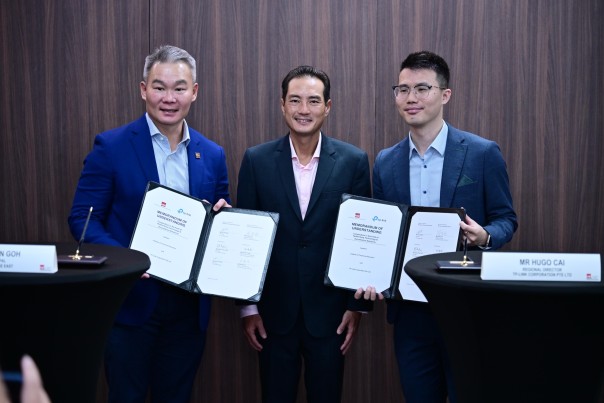
    Pictured above: SMS Tan Kiat How with Mr Hugo Cai, Regional Director of TP-Link (right), and Mr Alvin Goh, Principal of ITE College East (left), after officiating the MOU Signing Ceremony between ITE and TP-Link.

     The Institute of Technical Education (ITE) and TP-Link Corporation Pte Ltd (TP-Link) have signed a Memorandum of Understanding (MOU) to strengthen hands-on training and job readiness in networking and surveillance technologies. Both parties will co-develop curriculum and Continuing Education & Training (CET) courses that align with evolvig industry needs. The three new CET courses that will help equip students and adult learners with industry-recognised skills and certifications are as follows:

    1. Omada Certified Network Administrator (OCNA) – Wireless Network Administrator: This course trains students to manage cloud-based enterprise networks.
    2. Omada Certified Network Administrator (OCNA) – Network Administrator – Routing & Switching: This course develops skills in routing and switching.
    3. VIGI Certified Security Administrator (VCSA) – Surveillance System Integrator: This course covers smart surveillance infrastructure, security operations, and intelligent monitoring. 

    The 3-year partnership is expected to benefit about 600 students from Higher Nitec in Electronics Engineering and Higher Nitec in Security System Integration annually, providing them with industry-recognised qualifications and practical experience with enterprise-grade systems. Beyond the classroom, TP-Link will offer internships, placements, and structured industry learning journeys, creating potential pathways to permanent roles. The signing took place at ITE College East and was witnessed by Mr Tan Kiat How, Senior Minister of State for Digital Development and Information.

    The collaboration will also include the sponsorship of equipment, staff attachments, joint projects, and student competitions. As part of their coursework, students will learn to troubleshoot networking issues and configure surveillance systems using TP-Link’s technologies, ensuring they can translate classroom learning into real-world solutions.

    Singapore’s ICT and security sectors are seeing a growing demand for skilled professionals, particularly in operational roles that require hands-on technical expertise. This collaboration helps bridge those gaps by giving students real-world exposure to the tools and systems used in actual deployment environments, particularly in the rapidly growing areas of enterprise networking and CCTV surveillance. These sectors are currently facing a shortage of trained technicians, making the partnership especially timely in equipping students with practical, job-ready skills that go beyond textbook theory.

    “There is a growing need for professionals who can design, deploy, and manage secure, scalable systems. Singapore is a strategic hub for talent development in the region, and we are proud to partner ITE in preparing students for these roles,” said Mr Hugo Cai, Regional Director, TP-Link Corporation Pte Ltd. “By bringing industry expertise into the classroom and aligning training with real-world demands, we’re not only supporting local education but also investing in the future of Southeast Asia’s digital workforce.”

    Ms Low Khah Gek, CEO of ITE, said, “We are pleased to partner TP-Link to strengthen our students’ training in networking technologies and solutions. By integrating industry-leading expertise and resources into our curriculum, we can better equip our students and CET learners with industry-relevant skills, enable them to acquire industry-recognised certifications, and give them a strong head start to embark on careers in this industry.”

    Through this partnership, both ITE and TP-Link aim to nurture a new generation of ICT and security professionals who are not only technically skilled but also workforce-ready.


  • Tech Giants Ramp Up Data Center Growth Across Southeast Asia

    Tech Giants Ramp Up Data Center Growth Across Southeast Asia

    Southeast Asia’s data center industry is on the cusp of a significant transformation, with projections indicating the market value will surge from USD 13.71 billion in 2024 to USD 30.47 billion by 2030, reflecting a robust 14.24% compound annual growth rate (CAGR). This impressive growth is powered by substantial investments from hyperscalers, an escalating demand for artificial intelligence (AI) workloads, and a strong shift toward sustainable infrastructure. Among the rising stars of this digital landscape, Malaysia, Indonesia, Thailand, and Vietnam are emerging as pivotal hubs, while Singapore continues to anchor the region.

    Malaysia: Southeast Asia’s Investment Powerhouse

    Malaysia is quickly becoming Southeast Asia’s primary destination for data center investments. The combination of competitive land and energy prices, along with its geographical proximity to Singapore, makes it an attractive location for hyperscalers and global data operators alike.

    In Johor, 42 data center projects with a total investment of MYR 164.45 billion have received approval as of Q2 2025. These ambitious developments are expected to create thousands of jobs, representing over 78% of the nation’s operational IT capacity. By 2030, Johor aims to account for 6% of Malaysia’s total data center capacity.

    Indonesia and Thailand Ignite Hyperscale Growth

    Indonesia is cementing its status as a crucial destination for hyperscale operations, currently home to over 14 cloud zones hosted by major providers like AWS, Google Cloud, Microsoft Azure, Alibaba Cloud, and Tencent Cloud. With a vibrant digital landscape and rapid e-commerce growth, demand for local computing resources is soaring. Although most developments are concentrated in Greater Jakarta, enhancements in energy infrastructure and connectivity are paving the way for new centers across Java and beyond.

    Thailand is also solidifying its position in the data center race, thanks to a prime location, a robust power grid, and favorable government policies. The government’s tax incentives, streamlined permitting processes, and renewable energy initiatives are attracting leading hyperscalers. Companies like NTT DATA, Amazon Web Services (AWS), and Equinix are expanding their presence in Bangkok, highlighting Thailand’s role both as a domestic hub and a gateway to the region.

    Vietnam’s Rapid Adaptation to AI Demands

    Though its data center capacity may be smaller, Vietnam is rapidly scaling up to meet the burgeoning needs of AI workloads. Key players like Viettel IDC are investing in high-efficiency facilities in both Hanoi and Ho Chi Minh City. The acceleration of cloud and AI adoption is particularly strong in sectors like manufacturing and finance, fueled by government programs aimed at fostering technology-driven investment. With a thriving digital economy and supportive policies, Vietnam is increasingly recognized as a rising star within the regional data center ecosystem.

    Harnessing Regional Synergies and Subsea Connections

    Despite facing land and power limitations, Singapore remains a central figure in the regional data center narrative. Its well-established connectivity ecosystem, bolstered by numerous subsea cable landings, offers unmatched interconnection capabilities. Neighboring hubs such as Johor, Batam, and Bangkok are reaping the benefits of this interconnectedness, providing more cost-effective and sustainable expansion alternatives while still leveraging Singapore’s global network reach.

    This clustering effect is creating a complementary ecosystem, where Singapore stands out as the interconnection hub, while surrounding markets absorb hyperscale capacity at scale. Experts believe this model is crucial for maintaining Southeast Asia’s long-term competitiveness.

    Sustainability Takes Center Stage

    In Southeast Asia, sustainability is transforming from a buzzword into a decisive factor in investment strategies. Malaysia is attracting hyperscalers by leveraging its abundant solar and hydropower resources for renewable energy sourcing. Thailand has introduced its Utility Green Tariff (UGT) to foster green power procurement as part of its commitment to achieving carbon neutrality by 2050.

    Tech giants are making bold commitments as well. Google and Microsoft have entered into long-term power purchase agreements to ensure their operations run on renewable energy. Microsoft’s 200-MWp solar PPA in Singapore indicates a strong appetite for substantial clean energy arrangements. Meanwhile, Equinix is exploring alternative energy solutions in the Philippines, amid rising tariffs, and Malaysian authorities are evaluating premium pricing for data centers that rely on conventional energy sources, highlighting how sustainability is reshaping the economic landscape.

    Advancements in Cooling and Efficiency

    To combat the rising power consumption associated with data centers, operators are pouring investments into innovative cooling solutions. Digital Realty has unveiled liquid-cooled servers at its SIN11 facility in Singapore, achieving energy savings of up to 29%. Keppel Data Centres’ IKDC 1 in Jakarta incorporates water-based cooling technology with N+1 redundancy, striking a balance between energy efficiency and operational reliability.

    Modular and high-density facility designs are now gaining traction, particularly as they cater to AI workloads that require substantial compute and power density. These developments signal a broader industry transition toward efficiency-driven competitiveness.

    Capital Investments Reshape the Future

    Hyperscale capital investments are thriving, with Microsoft committing USD 1.7 billion in Indonesia while expanding its footprint in Thailand. Google is directing over USD 1 billion toward Thailand, also eyeing Vietnam’s hyperscale potential. Meanwhile, NTT DATA plans to launch a USD 90-million facility in Bangkok by late 2025, and Equinix is ramping up its regional expansion through acquisitions in the Philippines.

    Private equity funds are increasingly becoming engaged, reflecting growing confidence in the long-term value of these investments. As demand for digital services rises, Southeast Asia is emerging as a safe haven for infrastructure investors seeking growth and resilience.

    Looking Ahead: Southeast Asia’s Growing Significance

    The region’s data center ecosystem is experiencing a fusion of factors including digital transformation, AI integration, government support, and a strong commitment to sustainable growth. Southeast Asia is positioning itself as a model for harmonizing rapid digital expansion with environmentally friendly practices—an approach that could redefine its role in the global data economy.

    During a recent interview, Raymond Policarpio, Vice President and Head of Strategy Management and Business Investments at Globe Business, emphasized the ongoing priority of investing in data centers to bolster this expanding digital ecosystem. From a Thai governance viewpoint, Narit Therdsteerasukdi, Secretary General of the Board of Investments, noted the critical need for digital infrastructure, including data centers, to align with both foreign investor demands and local business needs to maintain competitiveness in today’s digital economy.

    As the future unfolds, regional synergies—particularly between Singapore and its neighbors—will be vital in sustaining competitiveness.

    Questions & Answers

    What are the projected growth figures for Southeast Asia’s data center industry?
    The market value of Southeast Asia’s data center industry is expected to soar from USD 13.71 billion in 2024 to USD 30.47 billion by 2030, representing a compound annual growth rate (CAGR) of 14.24%.

    How is Malaysia positioning itself in the data center arena?
    Malaysia has emerged as a leading destination for data center investments, especially in Johor, which has seen 42 approved projects worth MYR 164.45 billion, expected to create thousands of jobs.

    What role do sustainability initiatives play in the region’s data center investments?
    Sustainability has become a key differentiator, with countries like Malaysia leveraging renewable energy sources and Thailand introducing green tariffs to attract investments and achieve carbon-neutral goals by 2050.

  • Etix Boosts Bangkok Campus to 28MW with New Data Center Expansion!

    Etix Boosts Bangkok Campus to 28MW with New Data Center Expansion!

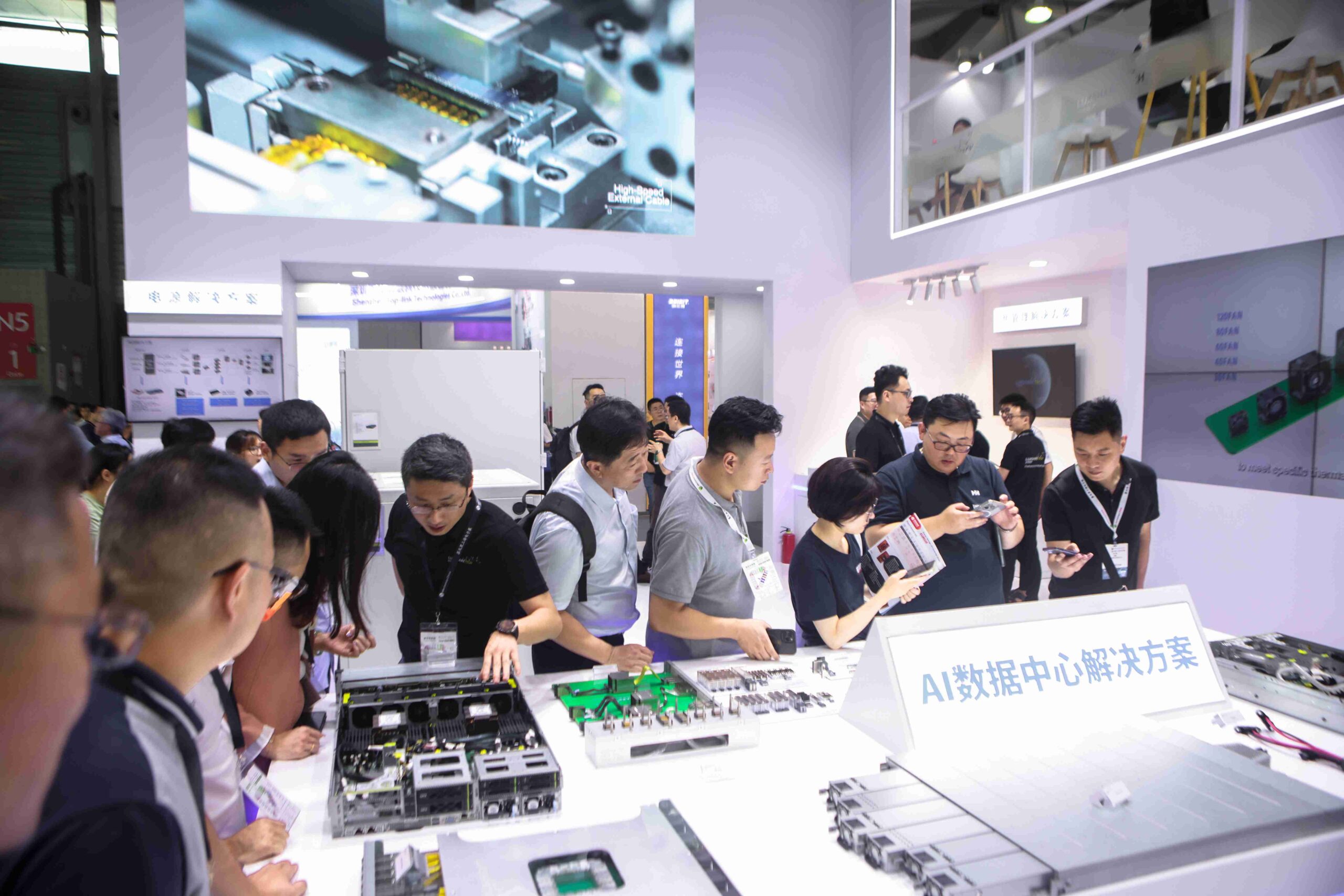
    In a significant development for the Asian tech landscape, France-based data center operator Etix Everywhere has inaugurated its latest facility, BKK#2, in Bangkok, Thailand. This new addition boasts a robust capacity of 23 megawatts (MW), positioning it as a vital player in the region’s growing demand for data infrastructure.

    A Strategic Expansion in Bangkok

    Situated adjacent to the existing Etix BKK#1, which operates at 5MW, the new 16,000 square meter facility ramps up the combined power of the company’s Bangkok campus to a striking 28MW. This expansion is particularly crucial as the region increasingly embraces AI technologies, with the campus designed to accommodate up to 150kW per rack. In an exciting twist, the BKK#2 facility offers a trifecta of cooling options: air, liquid, and immersion, ensuring that it meets the diverse needs of modern computing.

    Meeting the Demand for Modern IT Solutions

    “The development of Etix BKK#1 has multiplied our capacity sixfold in just three years,” expressed Pierre Patris, Etix Everywhere’s CEO for Asia. “With 2 MW of capacity immediately available and the timely launch of BKK#2, we are in a powerful position to meet our customers’ needs.” Patris emphasized the strategic advantage of both facilities being neighbors, allowing customers to seamlessly leverage the same telecom ecosystem and expand within the same operational area, as if they were utilizing a single building.

    Commitment to Sustainability

    Beyond its ambitious technical capabilities, the Etix Bangkok campus is setting benchmarks for sustainability in data center operations. Targeting a Power Usage Effectiveness (PUE) of below 1.4, the facility incorporates on-site renewable energy sources and Battery Energy Storage Systems (BESS), ensuring that it not only meets current needs but is prepared for the future. Furthermore, the use of green concrete and steel reflects a commitment to significantly reducing embodied carbon, making it a beacon of eco-conscious design in the industry.

    Questions & Answers

    What is the significance of BKK#2’s launch in Bangkok?
    The launch represents a strategic expansion for Etix Everywhere, significantly boosting their capacity to meet rising demands for data infrastructure, particularly in AI applications.

    How do the facilities BKK#1 and BKK#2 benefit customers?
    Having both facilities in close proximity allows customers to enjoy a shared telecom ecosystem, facilitating growth and operational efficiency as if they were in one building.

    What sustainability measures are incorporated in the campus design?
    The Etix Bangkok campus aims for a PUE below 1.4 and integrates renewable energy sources, Battery Energy Storage Systems, and eco-friendly materials, underscoring its commitment to sustainability.

  • Ooredoo Qatar Chief Strategy Officer Shortlisted for Award Alongside Just 24 Leading Female Executives

    Ooredoo Qatar Chief Strategy Officer Shortlisted for Award Alongside Just 24 Leading Female Executives

    Munera Al-Dosari, Chief Strategy Officer (CSO) of Ooredoo Qatar, today joins an exclusive group of women shortlisted for the prestigious WeQual EMEA 2020 Awards.

    The Ooredoo CSO is one of just 24 world-class female executives nominated for the shortlist in the WeQual EMEA awards, which recognise and celebrate potential C-suite leaders. The nomination is based on the WeQual organisers finding successful senior women who are one level below C-suite. Each of the 24 finalists was assessed against seven criteria: Leadership, Cognitive Ability, Integrity, Drive & Resilience, Equality, Knowledge of the Business and Personal Development.

    Sabah Rabiah Al-Kuwari – Director PR at Ooredoo – said: “Congratulations to my colleague and CSO Munera Al-Dosari on being named as a finalist for WeQual EMEA 2020. This is a tremendous achievement and we welcome the way her existing industry recognition and reputation is beginning to reach a global audience.”

    Munera Al-Dosari – Ooredoo Qatar CSO – said: “I am proud to be shortlisted for one of these awards, among the first to target women at this level. As well as connecting me to like-minded female executives, it builds awareness of both Ooredoo and of this group of talented people from across the business world.”

    The WeQual Awards were founded by CEO Katie Litchfield in order to augment representation of women in leadership roles within the world’s biggest businesses, in response to her perception of a lack of diversity and equality in such roles and organisations.

    Al-Dosari joins a senior group of 24 executives who will become members of the WeQual Club, alongside an existing cohort of 72 senior FTSE and Fortune 500 female executives. A quarter of the winners of previous UK and US WeQual Awards have since been promoted to the executive committees of FTSE and Fortune 500 companies.

    After the assessment of all candidates, eight executive interviewers will hold 30-minuteinterviews with the three finalists in their category before each choosing a category winner.

    The winners will be announced in December 2020.

  • Thailand forced to cancel 1800-MHz auction

    Thailand forced to cancel 1800-MHz auction

    Thai regulator NBTC has been forced to cancel a planned 1800-MHz spectrum auction after none of the market’s three operators registered to participate.

    Although True Move, Dtac and AIS all picked up the auction documents, none had filed them by the Saturday deadline.

    True Move had already expressed plans to sit out of the auction, but Dtac and AIS only revealed their intentions on Friday.

    In a statement, AIS said the company “considered the auction terms are not appropriate nor in the best interest of the company at this stage.”

    Operators have complained about the high reserve prices – NBTC had set a reserve of 37.45 billion baht ($1.15 billion) per 1800-MHz license.

    The decision by all three operators to sit out of the auction has led to suspicions of collusion, and the NBTC had been planning to ask the government to revoke the remedy measures designed to mitigate the impact of Dtac’s imminent concession expiry in response.

    But the regulator now plans to reschedule the auction before the concession expires to allow Dtac to prevent having its 2G network cut off.

    The regulator is expected to reduce the high reserve price to make the auction a more attractive prospect.

  • Viettel Begins Construction of Vietnam’s Largest Data Center

    Viettel Begins Construction of Vietnam’s Largest Data Center

    Viettel has started building a new data center campus in Ho Chi Minh City, Vietnam. This will be Viettel’s largest data center yet, boasting a capacity of 140 MW and around 10,000 racks. The facility will cover approximately 40,000 sqm (430,555 sq. ft.) on a 4-hectare site. The data center is expected to be operational by 2026 and fully completed by 2030.

    It will be situated in Tan Phu Trung Industrial Park, Cu Chi district, which is 25 km from Ho Chi Minh City and 15 km from Tan Son Nhat International Airport. Huyen Nguyen, Deputy Director of Viettel’s International Business Center, mentioned that the data center aims to achieve a power usage effectiveness (PUE) of less than 1.4 and comply with Uptime Tier III standards. Viettel currently runs 15 data centers in Vietnam with a total capacity of 87 MW.

    The company plans to build 24 data centers by 2030, with a combined capacity of 560 MW. Viettel’s IDC data center unit offers colocation and cloud services from five data centers across Hanoi (x2), Da Nang (x1), and Ho Chi Minh City (x2), totaling 25,000 sqm (269,100 sq. ft).

    Notably, Vietnam recently lifted restrictions on the foreign ownership of data centers, removing the 49% cap.

  • StarHub Earns Cisco Certifications, Boosts Tech Leadership

    StarHub Earns Cisco Certifications, Boosts Tech Leadership

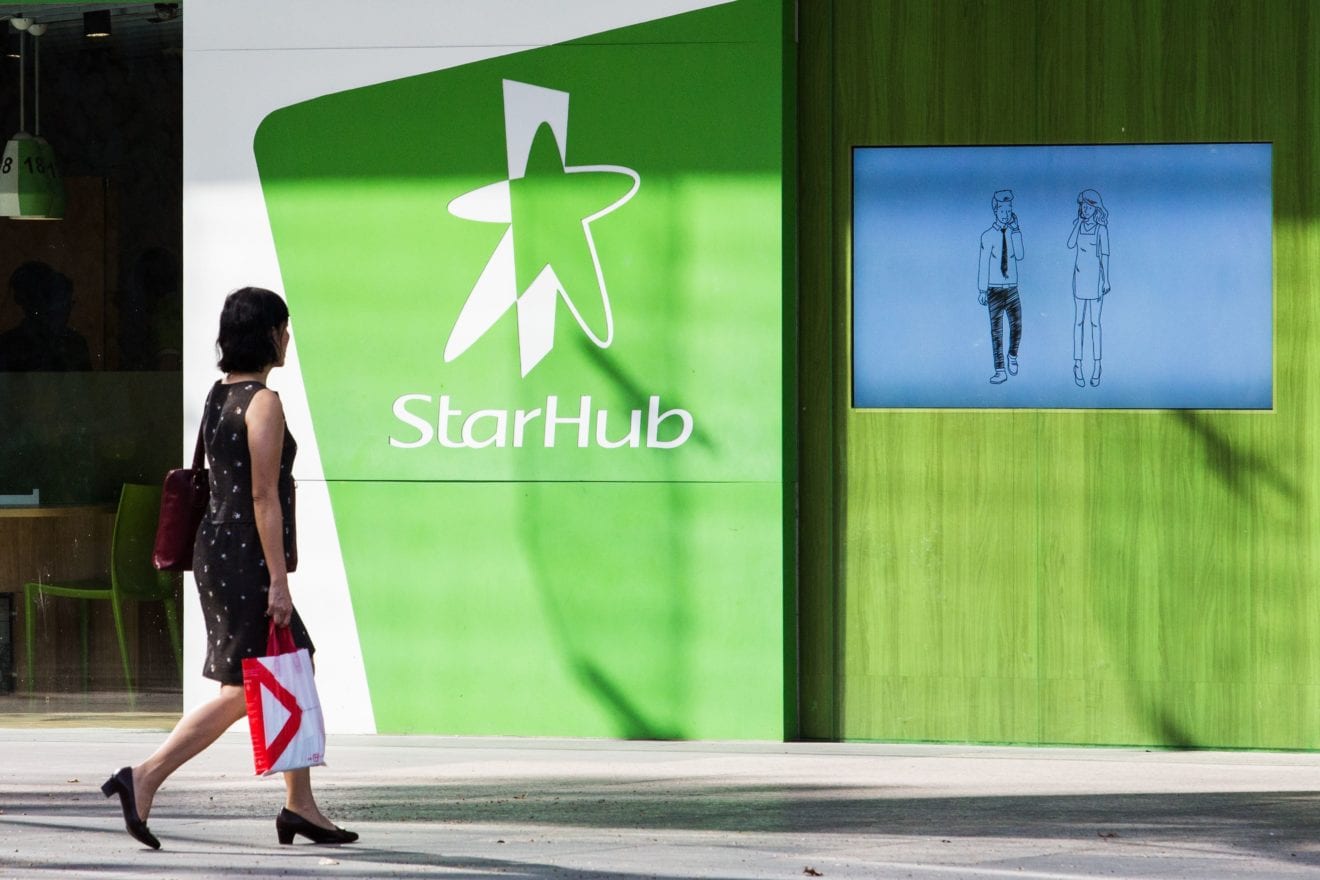
    These accomplishments showcase StarHub’s ability to provide secure, scalable IT and customer engagement solutions with extensive expertise and a strong service delivery record. With Cisco‘s enhanced technologies, StarHub is better prepared to assist businesses in modernizing their operations and improving customer connections.

    Tan Kit Yong, Head of Enterprise Business Group at StarHub, stated, “This recognition goes beyond technical excellence; it confirms our dedication to enabling significant transformation for our customers. As technology becomes increasingly crucial for business success, we are committed to delivering intelligent, future-ready solutions that help our customers operate more efficiently, work smarter, and lead confidently.”

    The Cisco Premier Provider Certification is given to partners who consistently offer high-quality managed services with proven technical skills. Additionally, the Cisco Powered Webex Contact Center Specialization acknowledges StarHub’s ability to provide advanced, artificial intelligence (AI)-powered contact center solutions on a large scale.

    Jamie Romanin, Director of Webex Customer Experience at Cisco Systems, Asia Pacific, Japan, and China, expressed, “At Cisco, partnership is central to our operations. We are thrilled to collaborate with StarHub as a valued Premier Provider Partner and congratulate them on achieving the Cisco Powered Services Webex Contact Center Specialization. This accomplishment demonstrates their deep understanding of our contact center solutions and their proven ability to effectively deliver managed solutions. Together, we will empower more businesses to utilize Webex Contact Center and Webex AI Agent to transform customer engagement and achieve meaningful business results.”

    For businesses, this means quicker solution implementation, streamlined support processes, and consistent service quality, all supported by StarHub’s team of certified experts and Cisco lifecycle services. As customer and IT requirements evolve, StarHub remains committed to keeping technology simple, reliable, and designed to deliver tangible results.