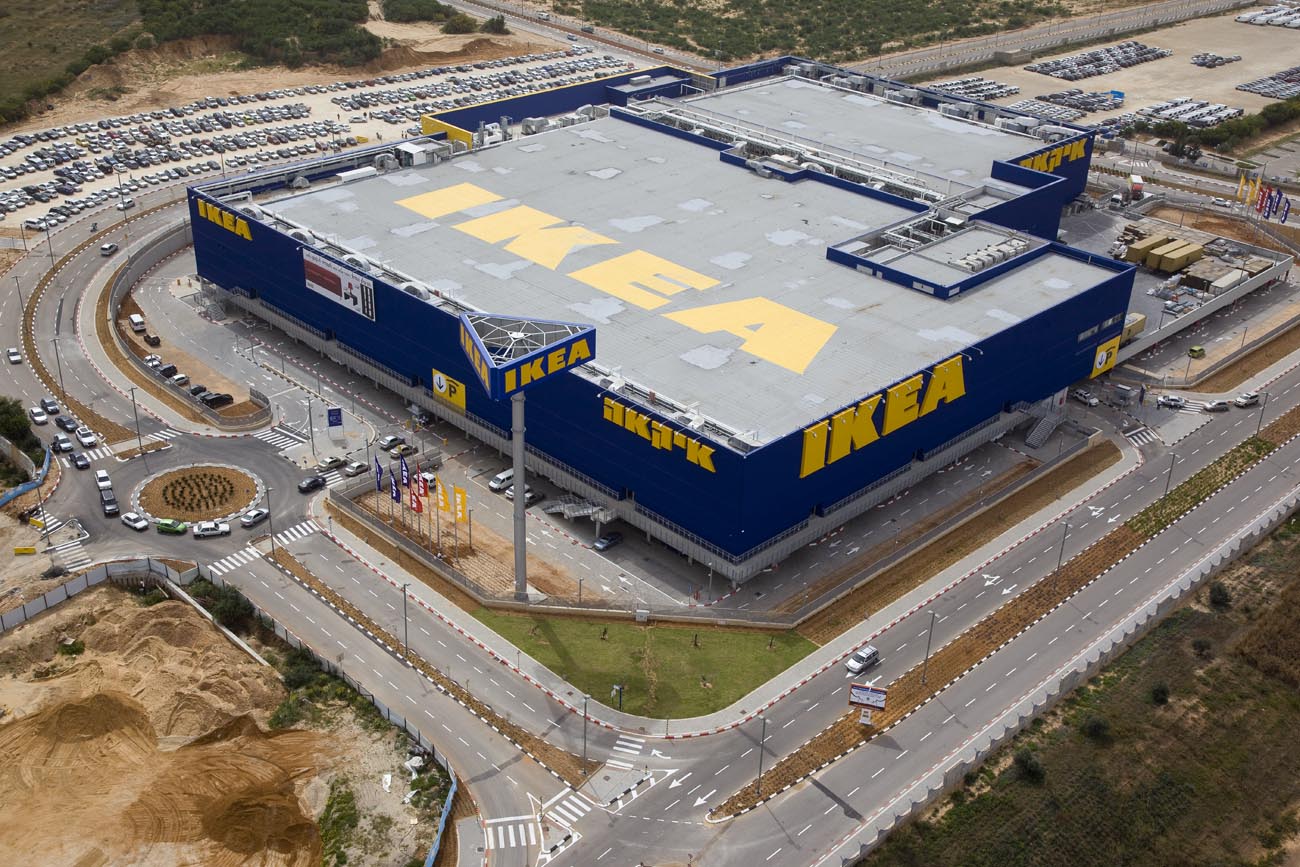
Tag: ikea

  • IKEA to furnish Temasek Polytechnic students with retail lessons

    IKEA to furnish Temasek Polytechnic students with retail lessons

    Furniture giant IKEA will turn into a giant classroom for some Temasek Polytechnic students, after IKEA Singapore launched a three-year partnership with the school on Monday.

    A joint press release by IKEA and TP said this long-term partnership is a first for Singapore’s retail industry and puts IKEA in line with the Government’s SkillsFuture programme. As part of the collaboration, IKEA will provide input across three years of TP’s Retail Management Diploma course.

    IKEA’s Learning and Development team will give classroom lectures, as well as an in-store lesson for second-year students. There will also be a real-time business challenge project for third-year students. This year, the project involves spending four months working on a campaign for the new IKEA METOD Kitchens. IKEA will offer internships that will provide students with a mentor and 12-weeks of hands-on experience in four key departments – Sales, Communications & Interior Design, Customer Relations and Logistics.
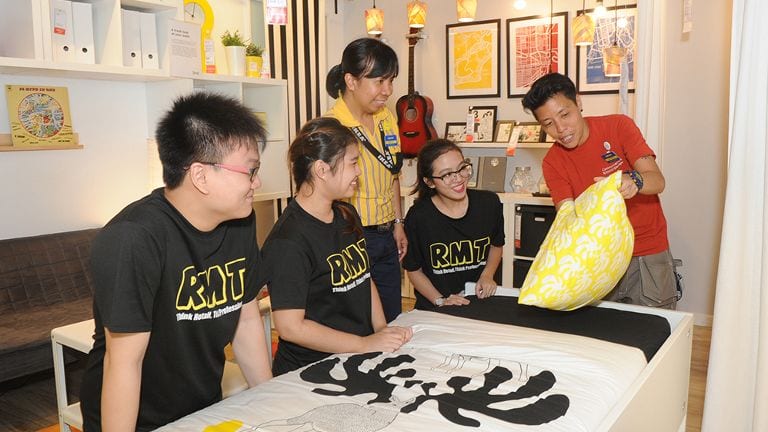
    The partnership will see an IKEA Innovation Award presented to a graduating student with the best grades. IKEA and TP named Ms Cheong Say En, who has a Grade Point Average of 3.99, as this year’s winner of the inaugural award. She takes home IKEA furnishings worth S$1,500 and complimentary space planning consultation.

    “TP is glad to collaborate with IKEA Singapore to enhance the level of professional retail training for our students,” said Mr Daniel Yeow director of the School of Business at TP.

    “The IKEA store will be transformed into an ‘external classroom’ where our students will understudy and be mentored by IKEA co-workers. Together, TP and IKEA will create a learning platform for the students to hone their industry-relevant skills as well as to acquire first-hand experience in retailing,” he added.

    Ms Jing Li, Deputy Store Manager at IKEA Tampines said: “This partnership will elevate Singapore’s retail industry by building much needed skills and giving students an inside look at one of the world’s most successful retail operations.”

    “At the same time, we hope this programme will help us to cultivate the next generation of leaders –  exposing young people to long-term career possibilities in everything from sales and customer service to supply logistics and goods flow management,” she added.
  • Ikea Korea in pricing highlight

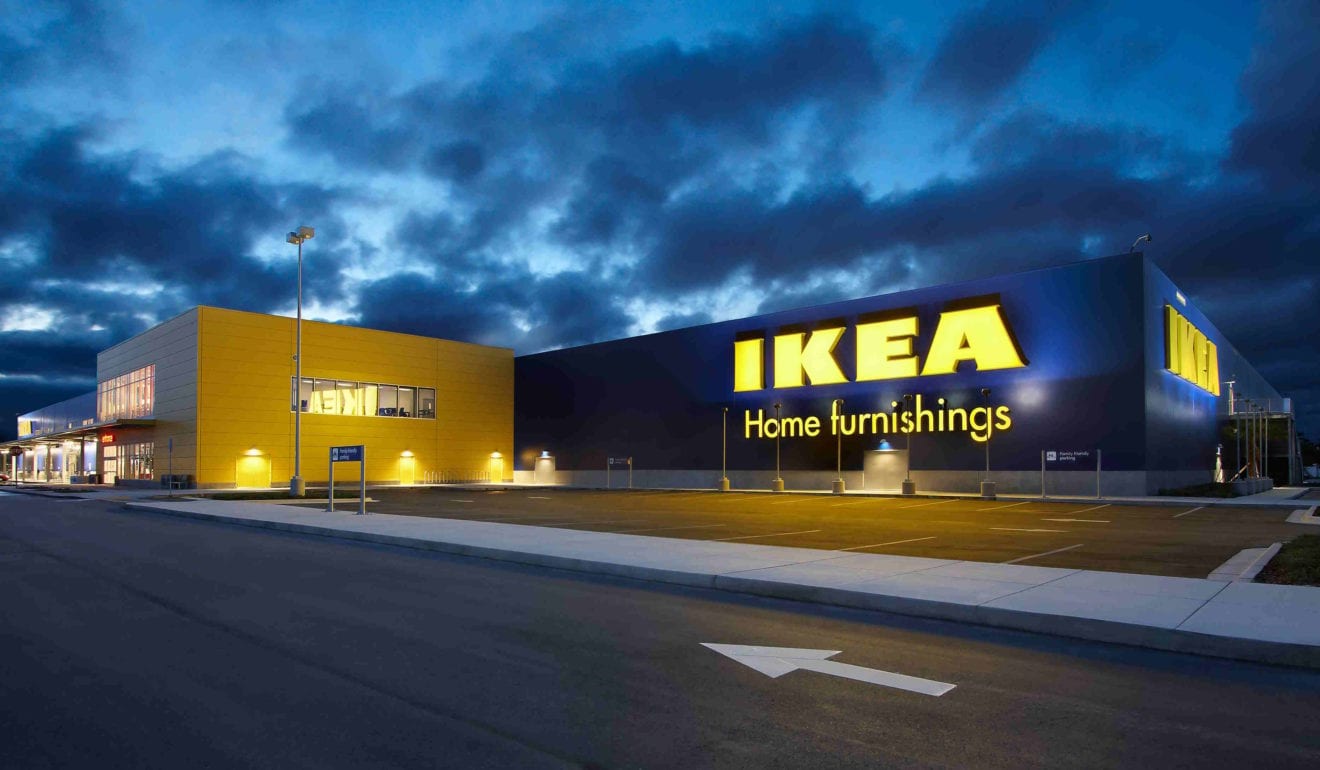
    Ikea Korea in pricing highlight

    The costs of couches and wardrobes bought by Ikea Korea, the native unit of Swedish furnishings big, are 15-20 per cent larger than these in different nations, a ballot exhibits.

    The survey by native shopper advocacy group Shopper Analysis confirmed that the worth of 126 merchandise bought within the nation averaged 522,717 gained (US$471.80), which is 15-20 per cent larger in contrast with the fee in Germany, Japan and the US.

    The typical worth was the bottom in Japan at 437,578 gained, adopted by Germany with 453,737 gained and the US with 455,344 gained. They have been calculated utilizing the overseas trade charges on June 15 and solely embrace merchandise which are bought in all 4 markets.

    Costs of some 100 particular person merchandise bought in South Korea have been costlier that these within the three different nations, the report confirmed.

    A Shopper Analysis official stated that merchandise with worth tags larger than 100,000 gained have been usually bought at a better value than in different nations, whereas low-end gadgets have been cheaper in South Korea.

    Ikea Korea refuted the survey outcomes, saying that it considers a mixture of elements, together with overseas change, inventory and tariff charges, in setting costs in every nation.

    The Swedish furnishings model has been embroiled in numerous shopper grievance instances since its native debut in December. A lot of the complaints have been concerning the worth gaps in contrast with different markets, whereas a map product labeling the East Sea because the Sea of Japan additionally sparked backlash in February this yr amid fraying ties between Seoul and Tokyo.

  • Shinsegae opens big mall

    Shinsegae opens big mall

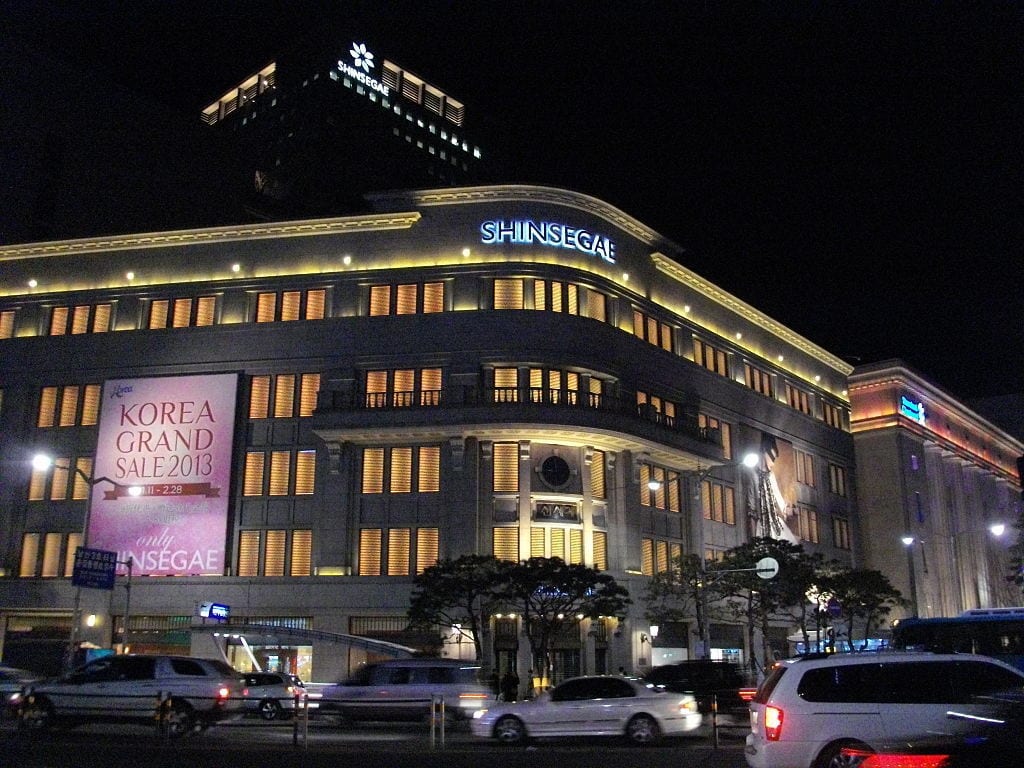
    Korea’s Shinsegae Group is about to open an enormous purchasing centre northwest of Seoul which it hopes will take the battle to Ikea for homewares buying.

    Shinsegae, one of many nation’s largest division retailer operators, will open E-Mart City on June 18, on a website adjoining to the Kintex conference centre in Ilsan, within the Gyeonggi province.

    The corporate is banking on Seoul residents heading out to the centre for a day’s buying, eating and leisure – a serious drawcard being carparking, which shoppers should queue for in downtown locations.

    E-Mart City, stated to be the dimensions of about 10 soccer fields, will inventory furnishings, house home equipment, homewares, groceries and meals. It can function an E-Mart grocery store and a wholesale warehouse.

    Shinsegae believes three branded retail areas will create some extent of distinction from its rivals: an upmarket foodcourt referred to as Peacock Kitchen that includes 14 meals manufacturers and seating for 300 individuals; residence furnishing retailer The Life providing some 5000 merchandise; and multi-brand equipment retailer Electro Mart.

    “We’ve got put all our assets into the mall as a way to set a brand new development in retail enterprise,” stated Shinsegae vice chairman Chung Yong-jin in a press release.

    “The E-Mart City is a cluster of trend-setting shops and good eating places. Individuals will be capable of have a high-quality one-stop purchasing expertise within the city.”

    Ilan is about to be a battlefield for main retailers, with Ikea planning to open its second Korea retailer there in 2017, and Shinsegae’s rivals Lotte, Tesco Residence Plus, Lotte Massive Market, Costco and Hyundai Division Retailer all inside a brief drive.

  • Ikea to open 2 stores every 5 years in Indonesia

    Ikea to open 2 stores every 5 years in Indonesia

    Ika plans to build two stores every five years until 2025 after opening its first Indonesian store in Alam Sutera, Tangerang, in October 2014.

    Ikea, the world’s biggest furniture seller, will produce more in Indonesia as it has set its sights on boosting its export value tenfold to US$1 billion in the long-run, a company executive says.

    The Swedish multinational company, which had sales of ¤30.1 billion last year in its 361 stores worldwide, was looking to produce mattresses and flat-pack furniture in Indonesia next year, as well as textiles and batik-pattern products by 2017, said Tony Mampuk, Ikea Indonesia’s country government relation manager.

    “The flat-pack furniture will depend on the results of our supplier gathering. If they are interested, it will be very easy to build flat-pack furniture,” he told The Jakarta Post in a visit on Tuesday. “Flat furniture includes particle board and ceramic products such as plates.”

    President Joko “Jokowi” Widodo, intrigued by the fact that Indonesia’s furniture exports only amount to a third of Vietnam’s, has called on furniture exporters to meet a target of $5 billion in exports by 2019, more than double the $2 billion last year.

    All Ikea’s soft toys worldwide are produced in Indonesia as Ikea Indonesia is “all about children”, Tony said.

    “We have tried sourcing soft toys from other countries — China, Vietnam, Thailand — but we never found producers that are as good as here,” he added.

    Ikea in 2014 exported 706 products from Indonesia, or almost 10 percent of the overall 8,500 product range sold worldwide, ranging from soft toys, rattan products and textiles, to ceramics and rugs. That represented a 20 percent growth from the same period in 2013, according to Tony.

    It has 11 suppliers spread across Java and will soon start teaming up with small and medium sized enterprises many involved with the Association of Indonesian Craft Development (Apikri) in Yogyakarta.

    Ikea Indonesia, whose franchise is held by publicly listed retailer PT Hero Supermarket, plans to open two more stores every five years until 2025, Tony revealed, as it sought to cater to the nation’s rapidly emerging middle class with an increasing purchasing power.

    Southeast Asia’s largest economy has grown between 4 to 6 percent per year over the past decade, helping to elevate nearly a third of its more than 250 million citizens into the middle-class or affluent consumer status. This is projected to further double by 2020, meaning that each year, between 8 and 9 million people will enter the middle-income bracket, according to a study by the Boston Consulting Group.

    The rise in the country’s middle class has attracted a number of global retailers to invest in Indonesia, including South Korea’s conglomerate Lotte Group and Japan’s largest retailer AEON Co.

    “Today in Southeast Asia, Indonesia holds the most charm for the retail sector,” said Tony, who is also head of the retail working group at the European Business Chambers of Commerce (Eurocham) in Indonesia.

    About 1.75 million visitors have been to the 35,000-square meter Ikea Alam Sutera, Tangerang, store — some 25 kilometers from Jakarta’s city center — since it opened in October last year, some 8,000 visitors per day. Globally, Ikea store visits reached 821 million last year.

    Ikea Indonesia is tapping into the middle-income consumer market in Greater Jakarta, which is home to a 28-million population and a $1.1 billion market in 2013, a figure that is projected to double to almost $2.2 billion by 2019, company statistics show.

    “But all [our expansion plans] will depend on the regulatory environment and government support,” Tony emphasized.

    He noted several hindrances to expansion in Indonesia, which include infrastructure bottlenecks — with shipping containers being stuck in port for up to three months, creating high logistics costs and uncertainties for the company’s finances — as well as multi-layered taxes that make some of its products more expensive here than elsewhere.

  • Ikea Singapore in row over bigot’s drama

    Ikea Singapore in row over bigot’s drama

    Ikea Singapore has found itself at the centre of a social media protest over supporting a drama run by a local religious extremist.

    Ikea is giving members of its loyalty program discounted rates for a show called Vision, which features a homophobic religious zealot renowned for his anti-gay views.

    But Ikea says it stands by its decision to sponsor the show, a move which is outraging Singapore’s gay community who have taken to social media to express their disgust.

    In a statement to the Straits Times newspaper Ikea management said they had undertaken “a thorough review” of the decision to support the show and would stick with its original decision.  “We have spoken directly with the organisers, reviewed the content and confirmed that the Vision show offers high family entertainment value and, on that basis, we are continuing our promotional collaboration.”

    Vision is a magic show performed by pastor Lawrence Khong of Faith Community Baptist Church along with his daughter Priscilla. It will be held at the Esplanade in July.

    Last year Khong organised an anti-gay protest, urging Singaporeans to “wear white” in protest against the holding of the Pink Dot LGBT picnic.

    Khong is a self-appointed pastor of the church he founded and claims to have a congregation of 9000. He is on record saying he makes movies and performs shows in order to spread his evangelical Christian beliefs and to “reclaim the media for God’s Kingdom”.

    Khong considers homosexuals have “a shorter lifespan, more sexually transmitted infections and more health problems than the general population” and he actively fought against the decriminalisation of homosexuality in Singapore, describing it as “a looming threat to this basic (nation) building block by homosexual activists”.

    Lawrence Khong Facebook image

    • Lawrence Khong’s Facebook profile image.

    Ikea appears unconcerned about supporting Khong’s ministry. In its statement the retailer said it respects the diversity and equality of all people in the community

    “We also respect that all individuals have a right to their opinions and personal choices, including the freedom to choose their preferred entertainment,” it said.

    Ikea Singapore’s Facebook page is full of comments about the issue, with an overwhelming percentage in support of the company’s stand. However closer analysis reveals a distinct similarity amongst the supportive posts, the church undoubtedly having rallied its congregation to show support online.

    “Thank you Ikea for making the right move and supporting family!” was one of many similar supportive comments.

    However contrary views were typified by Zulkarnain Sadali: “So disappointing. Do you even see it’s not about entertainment? Out of all the companies in Singapore, this move was never expected of you. I wonder what Sweden HQ thinks of this.”

    Robert Vrolijk observed: “The very vocal Christian minority has again used their organised high volume attack to pressure their opinion. Everyone knows Vision is not just family entertainment. There is no such thing as family entertainment when led by a pastor. And Ikea by supporting this event you support his views. People have a right to choose but you don’t have to promote hate speech hidden as freedom of speech.”

    Perhaps the most ironic post was from Steven Cheong who wrote, apparently unaware of the irony: “Ikea – it is good that you didn’t bow to militant activists!”

  • IKEA in shopping mall push

    IKEA in shopping mall push

    IKEA, the world’s biggest furniture retailer, plans to spend up to EUR3 billion (USD3.2 billion) on new shopping centres over the next 5-7 years, aiming to cash in on the popularity of its stores by collecting rent from retailers keen to set up nearby.

    The Swedish company formed IKEA Centres last year to group its existing out-of-town shopping malls and retail parks, and further develop a real estate business out of its core retail chain that sells cheap, mainly self-assembly furniture.

    The division’s boss, John Tegner, told Reuters that shopping centres helped the group by attracting more customers to its stores, which lie at the heart of the centres, while providing revenues from tenants and assets that have grown in value.

  • Ikea Korea boosts furniture sector

    Ikea Korea boosts furniture sector

    Before the opening of the first Ikea store in Korea last year, Korean furniture companies were worried about the threat posed by the Swedish behemoth.

    Many industry observers said the impact of Ikea in Korea would be felt across the industry.

    Without a doubt, Ikea has been big hit in Korea over its first 100 days trading According to Ikea Korea, it welcomed 2.2 million customers as of March 18, and local shoppers had signed up for 300,000 “Ikea Family” memberships. Visitors praised the reasonable price tags and practical designs, and most said that they planned to revisit the store.

    However, 100 days after Ikea Korea’s debut, the real winners are Korea’s major furniture makers, who are laughing all the way to the bank thanks to the “Ikea effect”, which has helped them attract more customers.

    Sales at Hanssem, the largest furniture maker in Korea, reached 1.32 trillion won last year, a 31.5 per cent increase over the previous year. Similarly, Hyundai Livart’s revenue increased 15.92 per cent to 643 billion won last year.

    Ironically, their shops near Ikea’s Gwangmyeong store saw increases in customer visits in January and February this year. During this period, the revenue of Livart’s Gwangmyeong branch increased 27 per cent, while Hanssem’s Gwangmyeong store saw a 10 per cent increase in sales over the same period of the previous year.

    An official at Hanssem said: “The sales increase at the store was thanks to Ikea. Seventy per cent of customers visiting our Gwangmyeong branch came from Ikea. Those who could not find what they wanted at Ikea visited our store looking for alternatives. It’s the ‘Ikea attraction.’”

    To cope with the Swedish giant’s low-prices and do-it-yourself marketing power, local furniture makers armed themselves with “high quality and service” as their core competitiveness. Hanssem tried to reduce its production costs through automation and standardisation of parts. In addition, it opened its sixth flagship store, and focused on improving its customer service.

    Livart, Korea’s second largest furniture company, implemented an aggressive marketing strategy aimed at younger generation buyers looking for mid- and low-priced products. It strengthened its online sales channel, broadening its offerings to include kitchen and office furniture.

    At the center of their efforts to increase revenue against the threat of Ikea are free delivery and assembly services.

    Ikea visitors calculate the price of the products, delivery charge and unseen cost of DIY together. For example, Ikea’s Brimnes triple dresser (78cm x 95cm) costs 99,000 won, but a similar sized Hanssem triple dresser (80cm x 73cm) sells for 109,000 won. One can save 10,000 won when buying the Ikea product. However, Ikea customers also need to pay 29,900 won for delivery and 40,000 won for assembly, if they require those services.

    Choi Yang-ha, CEO and vice chairman of Hanssem, said: “Ikea is famous for its reasonable pricing and wide variety of products. However, if customers use its delivery and assembly services, its price competitiveness falls behind Korean competitors. We have our own strategy, offering free delivery and assembly services, and providing products through various distribution channels.”

    However, smaller furniture makers have been left in the cold, as they do not produce products of interest to typical Ikea visitors. As a result, small furniture shop owners have seen their revenue fall 71.8 per cent since Ikea’s Gwangmyeong store opened.

    To support small sized furniture manufacturers, Gyeonggi Province plans to invest a total of 87.5 billion won to raise its competitiveness and to revitalize the furniture industry in the province.

  • Ikea Malaysia confirms new store

    Ikea Malaysia confirms new store

    Ikea Malaysia is finally to open its second store – nearly 20 years after the Swedish brand debuted in the country.

    The new store will be 20 per cent larger than the existing outlet in Mutiara Damansara and is scheduled to open by December.

    Ikea Malaysia opened its first store at 1 Utama Shopping Mall in 1996. After seven years it moved to its own standalone location at nearby Damansara which, when it opened, was the largest Ikea in Asia.

    “We are excited to confirm that the Ikea store in Cheras, Kuala Lumpur, is set to open by the end of 2015, located at Jalan Cochran,” said Mike King, retail director

    of Ikea Malaysia, Singapore and Thailand.

    “The opening of Ikea Cheras is part of our overall expansion plan across southeast Asia in order to make Swedish home furnishings that are affordable, well-designed, functional and good quality available to everyone.”

    King said construction has already begun and the company is starting to focus on the interior fittings and operational setup of the store.

    Ikea in Malaysia, Thailand and Singapore is operated by Ikano Pte Ltd.

  • IKEA to invest USD95.7m in 3 stores in India’s Maharashtra

    IKEA to invest USD95.7m in 3 stores in India’s Maharashtra

    The Bharatiya Janata Party (BJP)-led government in the Indian state of Maharashtra on Friday signed a memorandum of understanding (MoU) with the Swedish furniture retailing giant, IKEA, to set up two to three stores. Maharashtra is one of four states, including Telangana, Karnataka and Delhi-National Capital Region (NCR), identified by IKEA to open its stores. One store will need more than eight acres (350,000 square feet). The company is on the lookout for locations in these states.

    State Industries Minister Subash Desai told the Business Standard: ”Each store IKEA proposes to start in Maharashtra entails an investment of INR600 crore (INR6 billion, USD95.7 million). Each store will generate jobs for more than 1,000 people. Maharashtra is one of few states in India supportive of foreign direct investment in single-brand retailing.”

  • Ikea drives Hero Indonesia outlook

    Ikea drives Hero Indonesia outlook

    Hero Indonesia, the supermarket and healthcare retailer, is looking to Ikea to boost its fortunes after a disappointing 2014.

    The retailer, 81.9 per cent owned by Hong Hong based Dairy Farm International, has reported a 14 per cent increase in net revenue and nine per cent increase in gross profit. But weak like-for-like sales in the core supermarkets division delivered an “underlying operating loss” of 12 billion IDR (US$925,181) and an “underlying profit” of IDR20 billion ($1.542 million).

    “Challenging conditions are expected to continue in the food business in 2015, although action is being taken to address weaknesses and improve profitability,” President director Stephane Deutsch said in a statement.

    “Nevertheless, the successful opening of the first Ikea store (in October at Alam Sutera) and the continuing profitable development of Guardian provides reason to remain cautiously optimistic about the trading outlook for the year ahead.”

    He said, despite the challenges in the food sector, Hero Indonesia’s health and beauty business experienced good growth with 22 additional stores opening, and early trading results from Ikea were “very encouraging”.

    Group overheads were higher, with electricity increases and a rise in the minimum wage negatively impacting on the business, together with a large store network.

    Deutsch said like-for-like sales in the food business were weak, particularly in the Giant Ekspres operations, and new stores did not perform as well as expected.

    “In the food operations, there is an increased focus on fresh produce and market share continues to improve. Action is also being taken to improve the supply chain with additional distribution centres enabling increased centralisation, rather than having suppliers delivering direct to the stores,” he said.

    The Giant Ekstra hypermarket operation delivered above market like-for-like sales growth which enabled it to absorb the increase in operating costs and maintain its profitability. Giant Ekspres, the supermarket banner, faced a challenging year. Disappointing like-for-like sales, higher utilities costs and minimum wages led to a material deterioration of the profitability of its operations. The upscale format, Hero Supermarket, continues to focus on improving its offer across the fresh, imported and exclusive ranges to provide a more distinctive choice and grow customer appeal.

    “Starmart’s increased focus on Ready-to-Eat has had a positive impact on sales in the stores where this offering has been introduced. A store portfolio optimisation program was launched to address loss making stores, with the closure of 30 stores to improve the overall profitability of the banner. A detailed review of this business is currently being undertaken.”

    Hero’s Guardian store expansion program is progressing well alongside the rollout of a fresh brand look, said Stephane.

    “A dedicated distribution centre was opened to support its supply chain. In addition, a strategic partnership is under trial with a local pharmacy operator, Melawai Pharmacy, in Jakarta to combine their local pharmacy strengths with the broader health and beauty offering of Guardian.”

    Meanwhile, the new Ikea store attracted more than 75,000 customers per month since opening. “The contribution from IKEA to PT Hero’s full-year result was affected by the limited trading period and pre-opening expenses, but this business is expected to contribute positively in 2015.”

    The company is continuing to invest in the supply chain infrastructure, including distribution centres and IT systems, to provide the support necessary to deliver a superior customer offer and to provide a compelling shopping experience for customers.

    Hero opened 22 net new stores in 2014, including four Giant Ekstras, seven Hero Supermarkets and Giant Ekspres, 33 Guardians and the Ikea. This was offset by a net reduction of 23 Starmart outlets. As at December 31, the company operated 704 stores: 55 Giant Ekstras, 165 Hero Supermarkets and Giant Ekspreses, 349 Guardians, one Ikea and 134 Starmart convenience stores.

  • Ikea reveals wireless charging furniture

    Ikea reveals wireless charging furniture

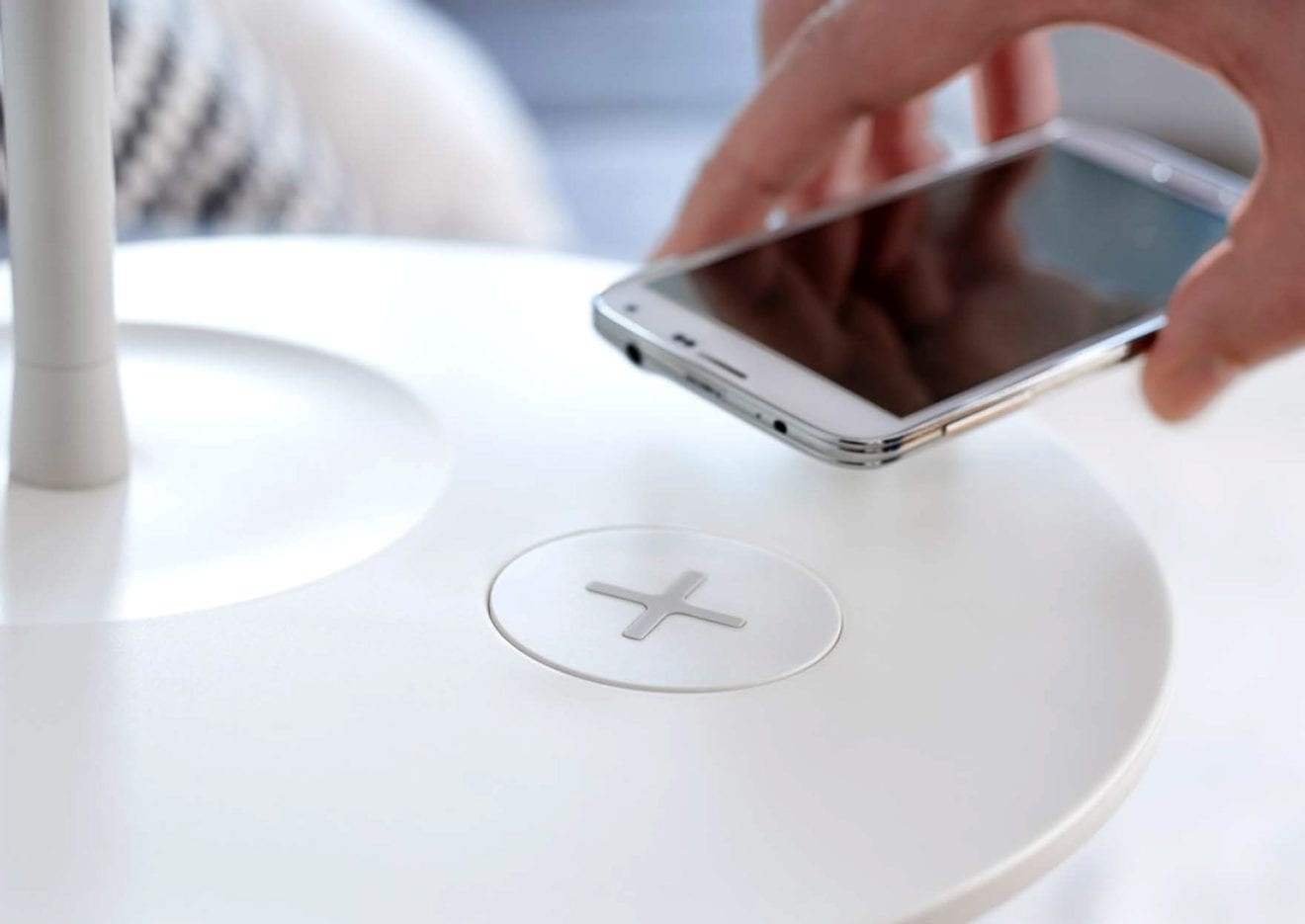
    Ikea is to launch a range of furniture which will allow consumers to charge phones and other devices wirelessly.

    The Swedish retailer says wireless charging furniture will be available in Europe and North America this April, followed by a global rollout.

    Bedside tables, lamps and desks will be fitted with Qi technology that eliminates cables and makes it easier to stay connected with always-charged mobile devices.

    The announcement girds support for Qi – the leading global wireless charging standard from the Wireless Power Consortium, a group of companies developing wireless charging technology which includes Belkin, Haier, HTC, LG, Microsoft, Motorola, Nokia, Panasonic, Samsung, Sony and ZTE.

    “Ikea is delivering on its vision of making life at home better with this innovative, stylish and useful new collection that show consumers the beauty and simplicity of wireless charging,” said Menno Treffers, WPC chairman.

    “We applaud Ikea for its insight and unique passion for making wireless charging affordable and simple for consumers.”

    Qi is the most widely deployed wireless power standard, available in 3000 hotels, restaurants, airports and public locations worldwide. There are now more than 80 Qi-enabled smartphones, 15 models of Qi-enabled cars and countless Qi mobile accessories in the market.

    “Our belief is that mobile phones are vital parts to people’s lives at home and their desire to stay connected, and Qi addresses an unmet need to keep devices powered,” said Bjorn Block, range manager for lighting and wireless charging at Ikea.

    “As a member of WPC, we value the access to the leading and most advanced global standard for wireless charging.”

    Established in 2008, the Wireless Power Consortium is an open, collaborative standards development group of more than 200 company members – large and small competitors and ecosystem partners, from all parts of the industry and all parts of the globe – collaborate for a single purpose: to design and evolve the world’s most useful, safe and efficient standard for wireless power. This global standard is called Qi, and it has become the world’s leading method for transferring electrical power without wires. Qi is designed into 80+ mobile devices, 15 models of cars, has more than 700 registered products that are enjoyed by more than 50 million users worldwide.

  • IKEA to set up more manufacturing facilities in India

    IKEA to set up more manufacturing facilities in India

    Swedish furniture retailer IKEA will set up more manufacturing facilities in India and has plans to increase production in the country, its top official has said.

    In a meeting with the Department of Industrial Policy & Promotion (DIPP) Secretary, Amitabh Kant, on Wednesday, IKEA India CEO Juvenico Maetzu shared the company’s plans for India.

    While IKEA is yet to open its stores in India, it has already announced its plan of investing INR12,500 crore (INR125 billion, USD2b) in the country and set up 25 stores over the next ten years.

  • Ikea working to polish its reputation in Indonesia

    Ikea working to polish its reputation in Indonesia

    Indonesia and the European Union have been doing business for decades. Over the years, Indonesia has been exporting many products to EU countries, and vice versa. According to Harvey Rouse, head of economic and trade section for the European Union’s mission to Indonesia, the EU encourages European companies that invest in Indonesia to respect local values and cultures, as well as improve the welfare of the people around them through corporate social responsibility programs.

    “By addressing these social responsibilities, companies are actually building long term relationship and trust with employees, customers and citizens,” Rouse said.

    One of the European companies in Indonesia that has a solid commitment to local CSR programs is Ikea. Since its launch in Alam Sutera, Tangerang, last October, Ikea’s first store in Indonesia has been a favourite shopping destination.