Tag: import

  • Australia new vehicle sales edge higher in March

    Australia new vehicle sales edge higher in March

    Australian new vehicle sales bounced modestly in March as the timing of the Easter holidays resulted in more selling days compared to the same month last year.

    The Australian Federal Chamber of Automotive Industries’ VFACTS report out on Thursday showed 105,410 new vehicles were sold in March, up 0.9 percent on the same month last year.

    March this year had two more selling day than in 2016.

    For three months to March, sales were running 0.8 percent behind the same period last year.

    Sales of SUVs continued their domination with a rise of 7.9 percent on March last year, giving them 39.4 percent of the entire market. Sales of passenger vehicles dropped 10.7 percent, extending their long decline.

    Sales of light commercial vehicles jumped 11.3 percent, while sales in the heavy vehicle market rose 11.0 percent.

    Toyota Motor Corp retained first place on the sales ladder with 18.6 percent of the market. Mazda Motor Corp had another strong month taking 9.9 percent.

    Hyundai Motor took third spot with 8.3 percent, ahead of Mitsubishi on 7.3 percent. The Holden unit of General Motors took 6.8 percent and Ford held 6.5 percent.

  • Vietnam, India work to adjust back-to-back bans on commodity imports

    Vietnam, India work to adjust back-to-back bans on commodity imports

    Vietnam has requested the Indian government to abolish a ban on the import of its six commodities, including coffee and pepper, the Vietnamese government said in a Friday statement.

    India may have agreed with the request and will remove restrictions against the Vietnamese goods in question, the Saigon Times quoted a Vietnamese pepper industry official Saturday as saying, a development could not immediately verify independently.

    India imposed the ban against six commodities from Vietnam, which also included cinnamon, bamboo, cassia and dragon fruit, effective from March 7 after Vietnam’s agriculture ministry had ruled to suspend the import of India’s five agricultural commodities for 60 days starting March 1, citing the infection of peanut beetle.

    Vietnam’s Industry and Trade Ministry, in an official letter, told India to uphold international practice -= referring to the ban, the government statement said, adding that it had Thursday asked the Vietnam embassy in India to deliver the letter.

    The letter also urged India to “soon abolish the suspension of the import”, the government statement said.

    India has agreed to remove the suspension against several items, the Saigon Times quoted Nguyen Mai Oanh, deputy chairwoman of the Vietnam Pepper Association, as saying late Friday.

    “India will abolish the suspension order on the import of agro-products from Vietnam”, after Vietnam’s agriculture ministry officials met Thursday with the Indian embassy in Hanoi, she was quoted as saying.

    In return, Vietnam will adjust its decision on the suspension of five commodities from India and resume their import, Oanh said in the report.

    India’s ban has delayed several shipments of Vietnamese coffee and pushed down pepper prices on Vietnam’s domestic markets in recent days, traders and industry officials say. Vietnam is the world’s largest exporter of robusta coffee and black pepper.

    The country’s coffee export volume on March 1-15 fell 10 percent from the same period last year to 81,000 tons, based on Vietnam Customs’ data released Friday.

    Traders in Vietnam said if the situation is prolonged, Indian roasters would have had to buy their raw material from African nations.

    While domestic pepper prices have eased, due in part also to the ongoing harvest, Vietnam has shipped 13,600 tons of the spice in the first half of March to various destinations, up 31 percent from a year ago, based on customs data.

    Last year India, the third-biggest buyer of Vietnamese pepper after the United States and the United Arab Emirates, imported 11,100 tons of the spice, up 37 percent from 2015, the customs data showed.

  • China upset at high Vietnam tariffs on steel imports

    China upset at high Vietnam tariffs on steel imports

    The Ministry said effective March 22, 2017, it will impose a 21.3% border tax for a period of one year followed by a 19.3% and 17.3% tax for years two and three to take effect on March 22, 2018 and March 22, 2019, respectively.

    The Decision to levy the border tax signed by the Prime Minister comes after a lengthy investigation by the Ministry that started on December 25, 2016, after complaints were lodged by Vietnamese domestic sector steelmakers.

    For years, Chinese steel products, along with other manufactured products in overcapacity segments of the economy have been at the centre of trade disputes between Vietnam and China, said the Ministry.

    It noted that on many occasions Vietnam private sector companies have lodged complaints that Chinese steelmakers were dumping products at prices below fair value, hurting the segment.

    Chinese steelmakers have voiced discontent at the high tariffs and insist their prices are fair and that they have violated no trade laws. The problems, they say, are rooted in sluggish demand, the weak global economy and poor quality product.

    The investigation showed that for ingots and long steel products, the import volume into Vietnam increased from 387,448 tons in 2012 to 665,679 tons in 2013 and 1,282,090 tons in 2015, over half of which originated in China.

    The Decision applies to steel ingots and long steel products imported from all countries with a de minimis exclusion for those from countries for which the import volumes are inconsequential.

  • Vietnam requests Australia roll back ban on shrimp imports

    Vietnam requests Australia roll back ban on shrimp imports

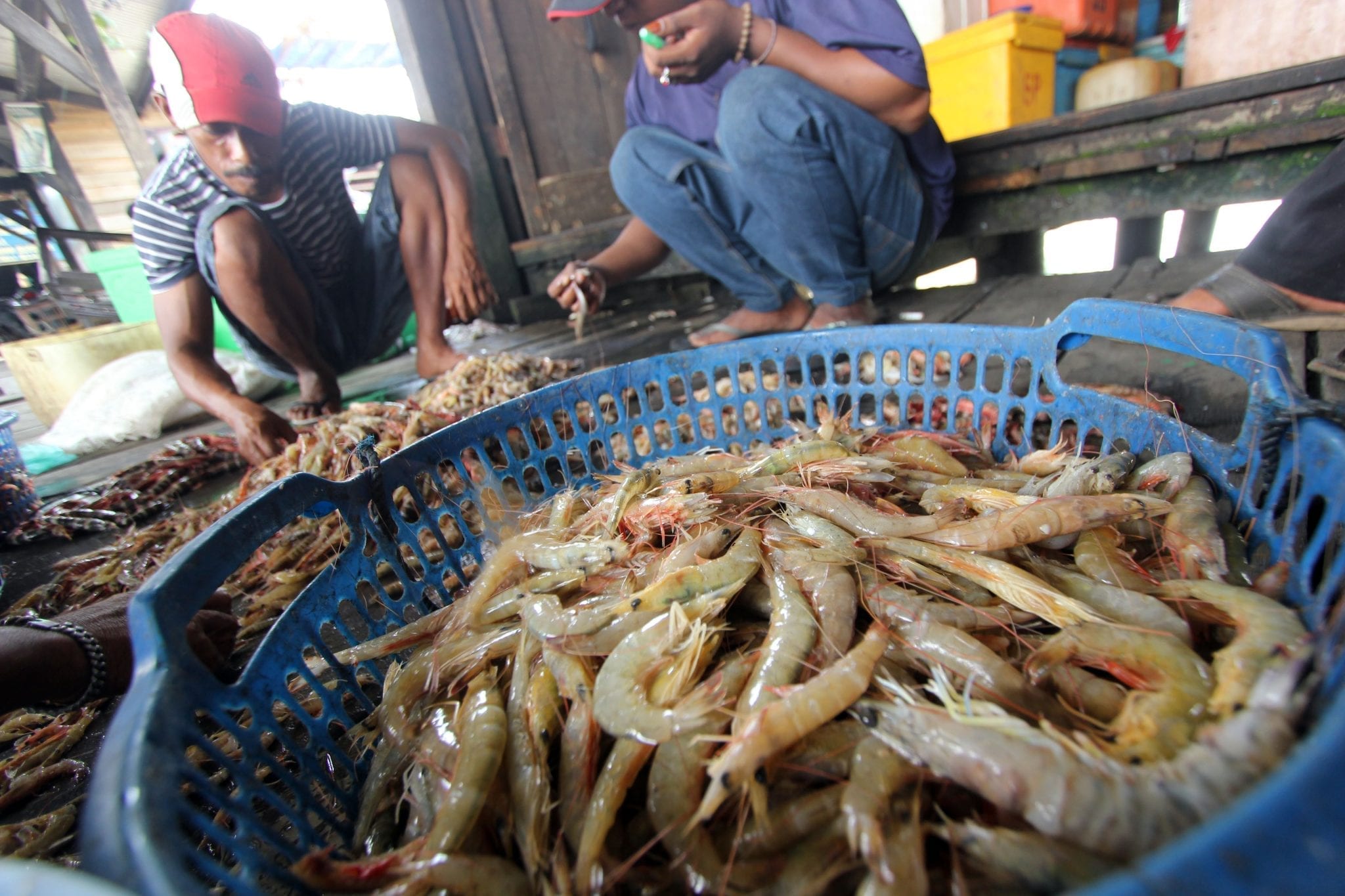
    The Vietnam government contends the ban by the Australian Department of Agriculture on raw imports is ‘causing serious damage’ to the country’s shrimp farmers and exporters, and has requested it be reversed.

    Australian Agriculture Minister Barnaby Joyce announced a six-month suspension on the import of raw shrimp this past January, following an outbreak of white spot disease in the northeast state of Queensland.

    Vietnam Deputy Minister of Industry and Trade, Tran Quoc Khanh, has now asserted the ban has damaged the country’s shrimp farming industry that on average exports roughly US$55 million worth of raw product to Australia annually.

    Deputy Minister Tran recently told Australian ABC news that the ban is not in line with common practices and the spirit of nurturing and enhancing the existing good trade relationship between the two countries.

    The Deputy Minister pointed out that the temporary ban on uncooked shrimp was issued with no advance warning for Vietnamese shrimp exporters to take needed actions to avoid large economic losses.

    In addition, Deputy Minister Tran noted there is no hard evidence as to the cause of the breakout of white spot disease in Queensland and maintained that it is premature to blame Vietnamese exports.

    Ban could contradict WTO rules

    Absent evidence of a causal relationship between Vietnamese shrimp exports and the breakout of the disease, Mr Tran suggested the ban may be in contravention of certain World Trade Organization agreements.

    Australian ABC news reports that the Seafood Importers Association of Australia has taken a position that favours lifting the ban, saying it damages the international trade reputation of Australia.

    Biosecurity failures

    The Australian Department of Agriculture defended the move, saying it was necessary for biosecurity protection of the farm raised fish and seafood industry.

    A spokesperson insisted the ban complied with the provisions of WTO agreements that allow a member to temporarily suspend imports in certain circumstances.

    The spokesperson also argued the decision to suspend shrimp imports would not be in place any longer than necessary to ensure the protection of the domestic aquaculture industry.

    Deputy Minister Tran noted he respected the sovereignty of Australia and the biosecurity concerns, but nonetheless asked the Australian Department of Agriculture to reconsider the propriety of the ban.

    Vietnamese uncooked shrimp products have been exported to many countries around the globe, said the Deputy Minister, without any reports of white spot disease or other biosecurity concerns having arisen.

  • Vietnam halts poultry imports from avian flu hit US states

    Vietnam halts poultry imports from avian flu hit US states

    The Vietnamese Ministry of Agriculture and Rural Development (MARD) issued a decision to halt the imports from March 10, saying that these two US states were facing a strain of low pathogenic H5N2 and the high-pathogenicity H7 avian influenza virus.

    MARD has instructed the Veterinary Department to tighten control over the poultry batches imported before March 10 from these states but have not yet been heat treated to eliminate the aviation flu.

    Earlier, the US Department of Agriculture said on Sunday that a farm in southern Tennessee that is a supplier to Tyson Foods had been infected with avian flu. Up to 73,500 birds were killed by the disease, while the remainder has since been suffocated with foam to prevent its spread.

    The outbreak raised concerns among chicken companies because the infected farm is located near the biggest-producing states for chicken meat, including Georgia and Alabama.

    US trading partners, including South Korea and Japan, earlier restricted shipments of US poultry because of the infection in Tennessee.

  • Vietnam spends $5 million daily on chemical imports

    Vietnam spends $5 million daily on chemical imports

    A GDC report showed that in 2016 alone, Vietnam imported $1.8 billion worth of chemicals, including $1.02 billion worth of products to make other compounds. This means that Vietnam spent VND112 billion daily to import chemicals.

    The imports were mostly from China, while imports from countries with developed chemical industries such as India, the US, Canada, Israel, Japan and South Korea were modest.

    According to Ngo Tri Long, there are three reasons for Vietnam to import chemicals from China. First, Vietnam has high demand for chemicals, but it still cannot produce chemicals domestically. Second, Vietnamese enterprises prefer importing chemicals from China to other countries because Chinese products are cheaper. Third, Vietnam, like other countries neighboring China, want to import chemicals across the border gates instead of through official channels in order to avoid tax.

    Le Cao Doan from the Central Economics Institute has also expressed concern about imports from China, especially in the context of Vietnam’s high trade deficit and the risks of relying on Chinese imports.

    The high imports from China are problems to many countries including Vietnam, which imports low-quality and dirty products.

    “If Vietnam continues importing chemicals from China, it will become the place containing low-quality products and relying on Chinese imports,” he said.

    Doan said that Vietnam is facing two big problems.

    If continuing to rely on China, the Vietnam economy would lag behind, because the  economy would be based on industrial production, similar to what China once experienced in the past. In addition, Vietnam would see the damage to the environment and the platform for development.

    What does Vinachem do?

    Vinachem, or the Vietnam Chemicals Group, is known as the largest domestic chemicals producer which regulates big fertilizer and chemical factories in Vietnam.

    However, the big factories put under Vinachem’s management are incurring huge losses of trillions of dong.

    Meanwhile, Vu Dinh Duy, a member of Vinachem’s board of directors, has left Vietnam for medical services and has been unreachable for many months.

    In the latest news, Vinachem has set up a steering committee to solve existing problems at fertilizer plants which are incurring big losses.

    Besides the chemicals companies in which the state holds the controlling stakes, Vietnam also has many privately run companies in the field.

    However, an analyst said domestic chemical output remains modest and Vietnam still has to rely on imports.

  • Vietnam’s car imports soar in January as tariffs fall

    Vietnam’s car imports soar in January as tariffs fall

    Tariffs on car imports from ASEAN countries will be fully removed by 2018. A growing middle-class population, rising disposable incomes and falling tariffs on cars imported from neighboring countries in Southeast Asia appear to be driving Vietnam’s car market.

    The country’s car imports in the first half of January soared 50 percent from the same period last year to about 5,000 units worth $116 million, customs data shows.

    This surge in imports is mainly due to a switch from motorbikes to cars. Around 75 percent of imported cars were classed as midsize sedans and the number of vehicles with nine seats and below nearly tripled from a year ago to more than 3,000 units.

    Vietnam still relies heavily on imported automobiles to meet domestic demand despite a slight year-on-year decline in 2016 to 113,567 cars after it imported a record-breaking number of 125,534 units in 2015, according to customs statistics, equivalent to a 77 percent jump from 2014.

    Since the Vietnamese government has targeted car manufacturing as a “spearhead industry”- one of the economy’s driving forces – car import taxes have remained high to shield domestic automobile producers from foreign rivals.

    However, following the ASEAN Trade in Goods Agreement, Vietnam will cut tariffs incrementally over the next few years on imported cars from ASEAN countries. With the tariff scheduled to be fully removed by 2018, import turnover from ASEAN neighbors is expected to increase exponentially.

    The tariff on cars from Thailand and Indonesia has been cut to 30 percent from 40 percent, effective at the start of this year, according to tax authorities. As a result, many imported cars will be 7 percent cheaper than previously.

    New cars imported from Thailand dominate the market, with Mazda, Toyota and Ford among the most popular.

    Sales of used cars are slowing, said the association of automobile manufacturers.

    The number of imported new cars from ASEAN countries is on the rise due mainly to relaxed tax policies, including lower import tariffs, value added tax and special consumption tax, which will benefit import companies and authorized dealers, said a car dealer in Hanoi.

  • Indonesia to import 1.5 million tons of sugar in first half

    Indonesia to import 1.5 million tons of sugar in first half

    The government has decided to allow imports of 1.5 million tons of raw sugar to meet domestic demand in the first half of the year.

    Trade Minister Enggartiasto Lukita said 11 companies had been appointed to import the commodity, adding that it was not yet known when the sugar would arrive in Indonesia.

    He said his ministry would change the distribution of sugar to prevent oversupplies in the market.

    Enggar said one of the requirements for firms to import raw sugar was to demonstrate a commitment to develop sugarcane plantations.

    The regulation to develop sugarcane had existed for a long time, and the government would monitor the commitment of each company, he added.

    “The government will always remind the companies to show their commitment. If they fail to meet their commitment, we will not allow them to import raw sugar,” said the minister.

  • US to help Korea’s egg shortage crisis

    US to help Korea’s egg shortage crisis

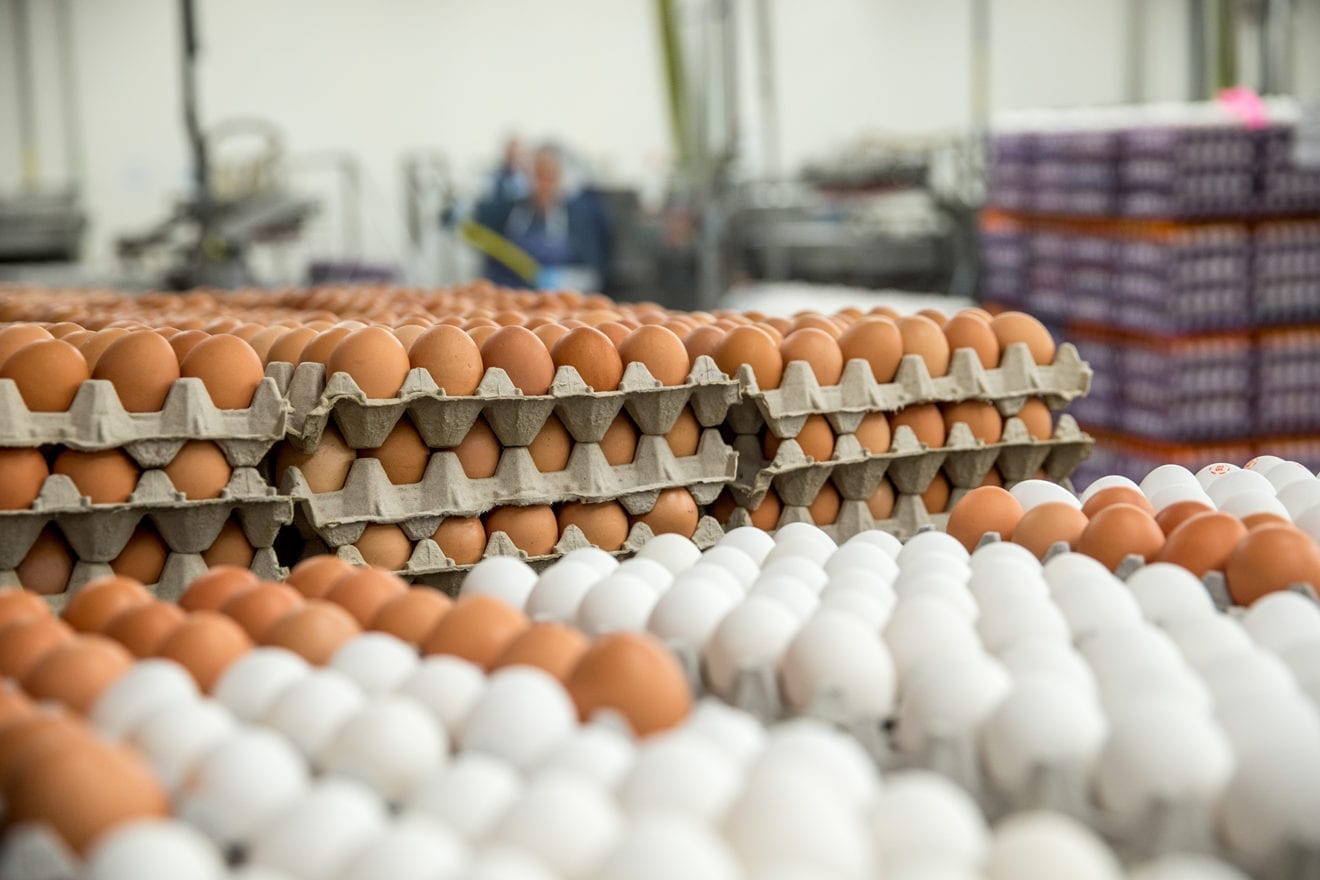
    The U.S. Department of Agriculture said Friday it is discussing with Korea ways for American egg producers to tap into the Korean market that is suffering from an egg shortage as a result of a massive outbreak of avian influenza.

    Amid the rising egg prices due to the outbreak of bird flu that was detected in November, the department spokesperson said that the U.S. and Korea are “engaged in technical discussions to provide access for U.S. egg producers to the Korean liquid egg market.

    “Imports from the U.S. could help limit escalating production costs for processed food manufacturers in Korea and shield consumers from soaring egg prices,” the official added.

    He did not mention when the U.S. will start exporting eggs to Korea.

    Starting Saturday, the Korean discount store chain Homeplus raised the retail price of 30 eggs by 9.6 percent to 7,990 won ($6.67) at its 142 stores. Homeplus has increased its egg prices five times in a month and retail prices have jumped 31.4 percent over the month.

    The latest price hike by Homeplus came a day after its rival Emart increased the price of 30 eggs by 8.6 percent to 7,580 won.

    Officials of the companies expect egg prices to go up again ahead of the Lunar New Year holiday later this month.

    The American spokesperson also said that the U.S. Department of Agriculture is working with the Korean government and U.S. industry associations to facilitate and expedite registration of additional U.S. suppliers of table eggs to the Korean market.

    “In the U.S., many government agencies cooperate to ensure the safety of U.S. egg products including the Agricultural Marketing Service, the Animal and Plant Health Inspection Service, the Food Safety and Inspection Service, and the Food and Drug Administration,” the official said.

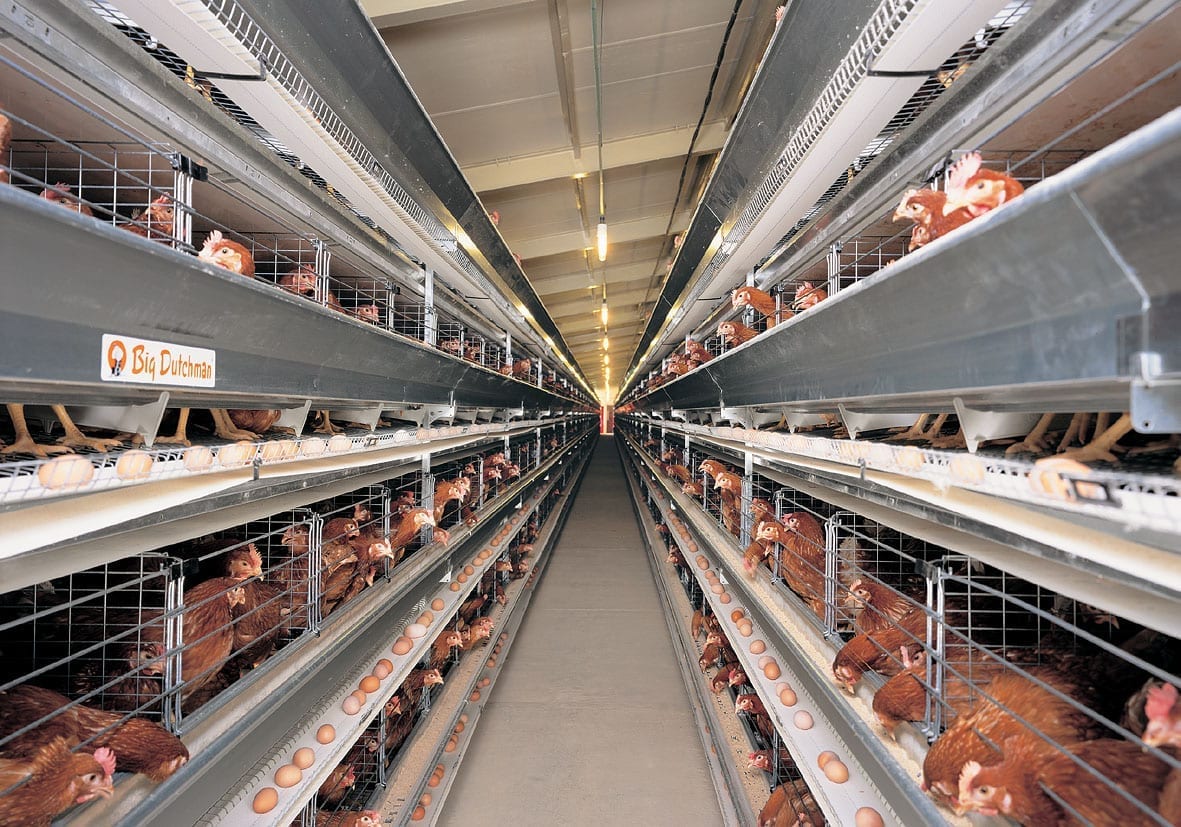
    Since the bird flu outbreak, Korea’s quarantine officers have culled more than 30 million birds, including 25.8 million chickens, which has resulted in the reduction of the country’s daily egg output by about 30 percent.

    To encourage imports, the Korean government decided earlier this week to remove import tariffs on egg products until Jun. 30. Currently, Korea imposes tariffs of 8 to 30 percent on imported egg products.

  • Korea lifts import duties on eggs

    Korea lifts import duties on eggs

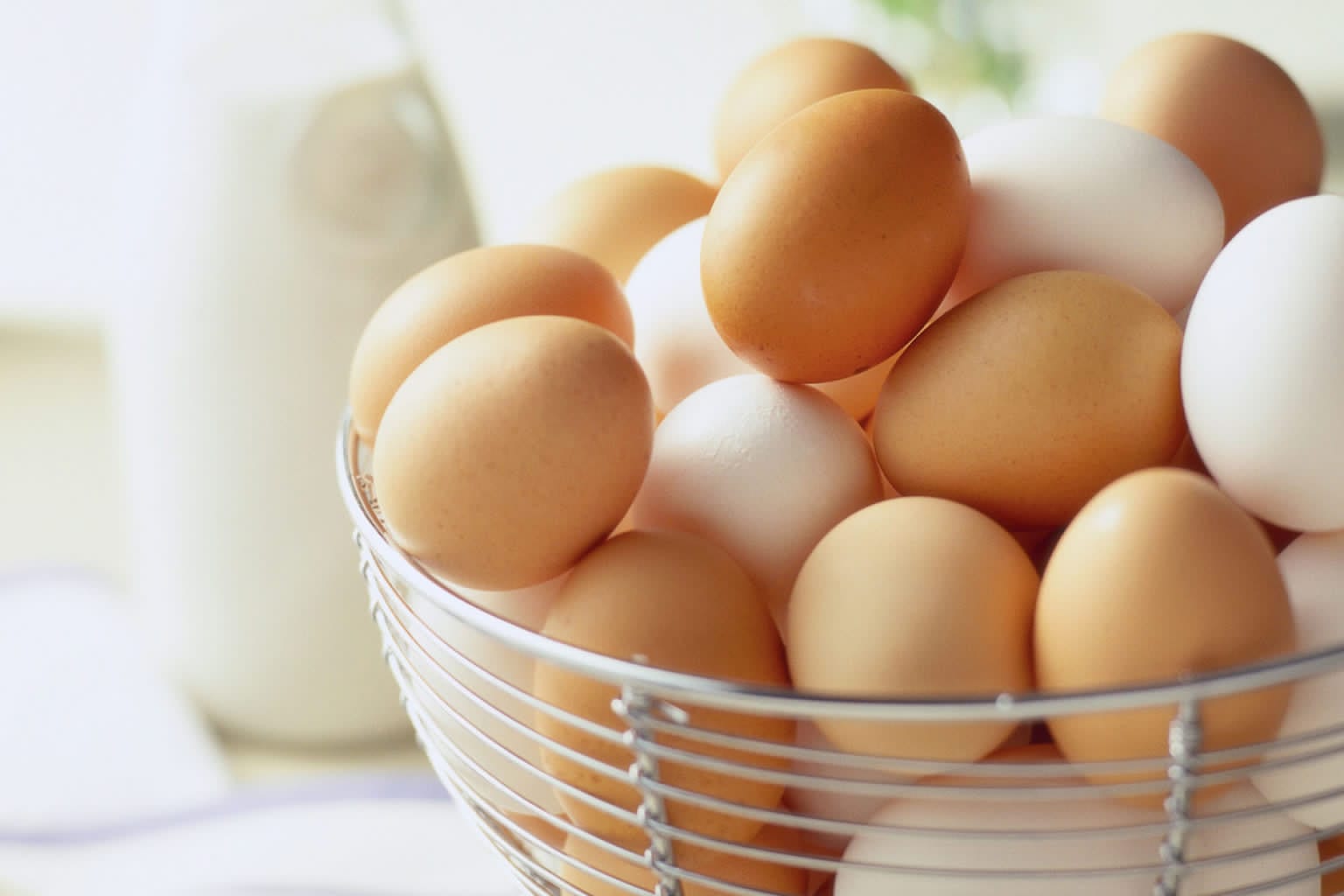
    The government will waive duties on imports of eight types of egg-related products, including fresh and powdered eggs, as the shortage in Korea is deepening after a widespread outbreak of avian influenza, which has led to the culling of nearly 30 million birds.

    The Korean government doesn’t import fresh eggs, but said Tuesday it would do so to alleviate the shortage. This is the first time in 18 years, which was when the country imported a small volume of fresh eggs from Thailand, that the Korean government imported fresh eggs from abroad, an official at the Ministry of Agriculture, Food and Rural Affairs said.

    “The data showed that we had very few occasions of importing fresh eggs from abroad in the past and even though they were imported, they were not for the public to buy at stores, but rather they were for other reasons such as medical research purposes,” said an official at the Ministry of Strategy and Finance. “This will be the first time for the government to allow importing large volume of fresh eggs.”

    The duty exemption will last until June. 30, the Finance Ministry said Tuesday. Currently, the import tariff on egg products ranges from 8 percent to 30 percent, but it will be suspended for six months.

    “The government has decided to remove tariffs on eggs to deal with soaring prices and shortage of them in the country due to AI,” said Kim Young-noh, a director at the Finance Ministry.

    The Finance Ministry said it will expedite inspections to have fresh eggs arrive as early as possible, or before the Lunar New Year holiday, when demand for eggs and poultry products tends to be higher.

    A total of 98,000 tons of egg-related products can be imported without tariffs, and among them 35,000 tons, or about 700 million, will be fresh eggs. The 700 million eggs can meet Koreans’ daily consumption for about 20 days.

    About 30.3 million birds have been slaughtered as of Tuesday, 50 days after the virus started to spread in the country. By type, layer chickens were affected the most. Nearly 22.45 million birds that were killed were layer chickens, which is about 32.1 percent of the layer chickens raised in the country.

    “About 30 percent of layer chickens are killed due to AI and the supply and demand problem will last at least six months from now [since the number of chickens for laying purposes needs to grow], said an official at the Agriculture Ministry.

    The average retail price for a tray of 30 eggs jumped 47.2 percent from 5,604 won ($4.66) a month ago to 8,251 won as of Tuesday due to the outbreak of the AI, according to data compiled by the Korea Agro-Fisheries & Food Trade Corporation (aT).

    The highest price reported to aT for a tray of 30 eggs was 9,700 won, which is 39 percent higher than the highest prices last month, which was when the shortage began after the country was hit by the virus on Nov. 16.

    Meanwhile, the government also has decided to distribute 7,200 tons of reserve fishery products to stabilize the heated market ahead of the Lunar New Year.

    The Ministry of Oceans and Fisheries said it will distribute its fishery products until Jan. 26 and local retailers, including traditional markets, will sell such goods 10 to 30 percent cheaper than retail prices.

  • Toyota recalls 66,830 imported Lexus cars in China

    Toyota recalls 66,830 imported Lexus cars in China

    The Chinese unit of Toyota Motor Corp will recall 66,830 imported Lexus brand vehicles in the country over potential safety issues, China’s quality watchdog said on Friday.

    Some Lexus models, made between June 2014 and December 2016, have problems with their braking software, China’s General Administration of Quality Supervision, Inspection and Quarantine said on its website.

    In October, Toyota issued a recall for about 5.8 million cars in Japan, Europe and China over potentially faulty airbag inflators made by Takata Corp. In June

    The notice urged consumers to immediately contact dealers for inspection and said current stock vehicles will be sold in the absence of defects.

  • Nutmeg higher in demand in Europe

    Nutmeg higher in demand in Europe

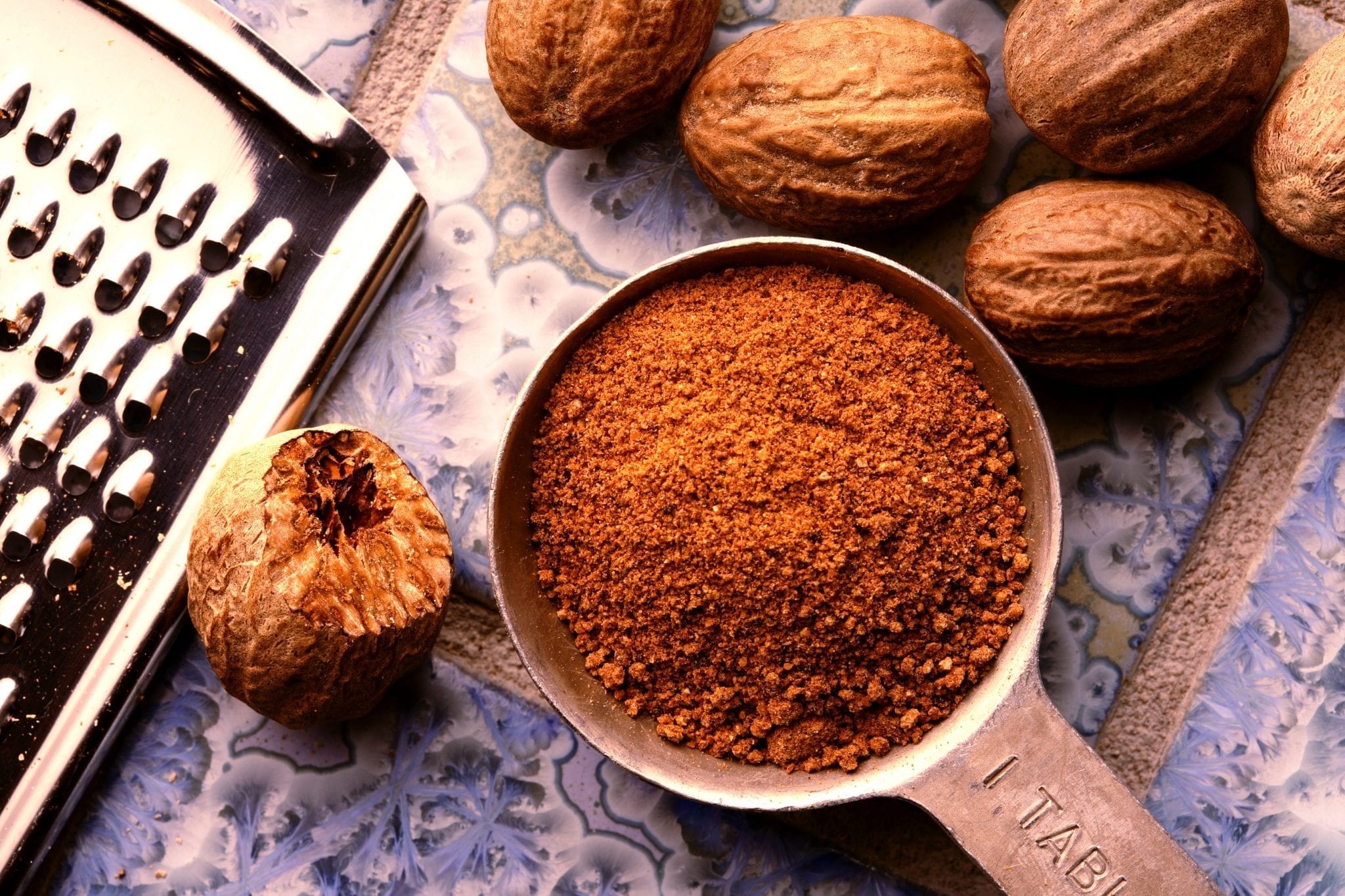
    Exports of nutmeg from Indonesia to Italy has increased toward the end of the year, a North Sulawesi official said.

    “Orders have come more regularly from Italy for North Sulawesi nutmeg. Demand is growing toward the end of the year,” head of the provincial industry and trade office Jenny Karouw said here on Tuesday.

    Jenny said in the third week of November 2016 nutmeg exports to Italy totaled 15 tons worth US$112,500.

    She said nutmeg from the district of Sitaro Islands is high in demand in Europe especially in Italy for its high quality.

    “The quality of nutmeg from the district of Sitaro Islands has been internationally recognized. The exporters, therefore, should maintain the reputation,” she said.

    Buyers from Europe would look for other suppliers once they found the quality is not up yo their expectation, she added.

    Nutmeg from North Sulawesi has been exported to Europe and the United States, where quality is the priority.

  • Cash Crunch Chokes off India Palm Oil Imports From Indonesia & Malaysia

    Cash Crunch Chokes off India Palm Oil Imports From Indonesia & Malaysia

    India’s palm oil imports are expected to slip next month by up to a fifth, including from the top two producers Indonesia and Malaysia, as New Delhi’s removal of high-value rupee notes from circulation disrupts distribution systems and curbs demand.

    Traders in Malaysia, India’s largest palm oil supplier taking up half of its imports last year, say the absence of the large bills has already impacted sales. Indian buyers are delaying shipments and cancelling vessel space bookings, and the traders expect them to hold back further in the month ahead.

    In India – top importer of vegetable oils – traders are forecasting up to a 20 percent drop in crude and refined palm oil imports for December from the previous month, with edible oil refiners reducing purchases as the cash crunch weakens retail demand.

    Having fewer high-value notes in circulation is also hampering distribution because village shops typically pay local wholesale dealers in cash.

    “Bulk buyers are not ready to lift stocks. Most of November shipments we cannot cancel or postpone as tankers have already left Indonesian and Malaysian ports. So we are postponing shipments in December to January,” said a senior official with an Indian oil refiner who declined to be named.

    Cargo surveyor data shows Malaysian palm oil shipments to India for the first half of November have already dropped by 81 percent to 85 percent versus the corresponding period last month.

    “Inquiries have fizzled out since last week,” said a Kuala Lumpur-based trader, who reported an over 50 percent decline in sales volumes. “It’s not going to be easy now for the market to sustain high price levels.”

    Benchmark palm oil prices have been volatile in recent trading sessions, hitting a four-year high a week ago and then posting its biggest intraday drop in more than four months in the next session.

    Palm oil looks set to fall more than 3 percent this week, down about 0.2 percent on Friday around 2,870 ringgit per tonne.

    Purchases from top consumers India and China typically fall-off at year-end because palm oil solidifies during the Northern Hemisphere winter, but this year the numbers are being hit hard.

    India’s total palm oil imports stood at 739,159 metric tons, according to traders, and are expected to fall to 650,000 metric tons in November and by another 20 percent from there in December.

    Total palm oil imports in December 2015 were 790,368 metric tons, according to the Solvent Extractors Association of India (SEA).

    No cash in a cash market

    Exact numbers aren’t available from largest producer Indonesia, but analysts there also expect lower shipments to India because of the cash shortage, while Indian buyers said they have cut vegetable oil imports from all suppliers, even for soyoil from Brazil and Argentina in December.

    Last week, Indian Prime Minister Narendra Modi declared 500 rupee and 1,000 rupee bills no longer legal tender to crack down on corruption and bring unaccounted wealth back into the economy, leaving millions with insufficient cash.

    “Retail sales are going down as many people don’t have cash to buy essential commodities. Refiners are not able to dispose their stocks, so they are likely to cut imports in the short-term,” said B.V. Mehta, executive director of SEA.

    Still, while India cannot do without imports due to limited local supplies, it is not clear how long the slowdown will last.

    Jitendra Kadam, a grocery shop owner from India’s western state of Maharashtra, said consumers have cut down purchases of everything from sugar to edible oils.

    “Until they get notes of smaller denominations, demand will remain weak,” he said.

    Said a Malaysian trader: “Everything is at a standstill. There is not enough cash around, so people are not going to trade much. They are going to wait and see.”
  • Trump Victory Effect Only Temporary Visible in Asia

    Trump Victory Effect Only Temporary Visible in Asia

    Coordinating Economic Minister Darmin Nasution believes that the impact of the US presidential election on Indonesia’s economy is only temporary. Darmin said that the government would anticipate changes in the market after Republican presidential candidate Donald Trump won the election.

    “We shouldn’t be worried about the election. There will be an impact on the economy, but it’s only for a short term,” Darmin said at his office on Wednesday.

    The election results announced today showed that Donald Trump gained 288 votes, exceeding the minimum winning threshold of 270 votes. His rival from the Democratic Party Hillary Clinton obtain 215 votes.

    Industry Minister Airlangga Hartarto echoed Darmin’s comment saying that the US presidential election would not have direct impact on the national industry. Instead, Airlangga suggested that the US presidential election would have a significant impact on the capital market.

    However, Airlangga warned that the election results could affect the Fed rate revision in December. In addition, Airlangga said that he would revisit the plan to join the Trans Pacific Partnership.

    During his campaign, Trump revealed his plan to cancel all trading agreements that could cause losses to the US. Trump also criticized the TPP as a danger for the US. Trump further called for cancellation of the North America Free Trade, since it would have negative impacts on job opportunities in the country.

  • Government issues permit to import 123,800 feedlot cows

    Government issues permit to import 123,800 feedlot cows

    Indonesias Trade Ministry has issued a license to import 123,800 feedlot cows in the third semester of this year after feedlot businesses committed to import 20 percent heifers of the total cattle imports.

    “For the third semester of 2016, the import agreement letter (SPI) has been issued for 32 importer companies to import 123,800 heads of cows,” Director General of Internal Trade of the Trade Ministry, Oke Nurwan, told a press conference here on Friday.

    The director general said the permits should have been issued in September but the government issued these in October only after feedlot importers made a commitment to import 20 percent heifers when they import cows. The government has made it obligatory upon importers to also include heifers while importing feedlot cattle.

    According to Oke, a license for importing cows is given to importers for shipment until the end of December 2016.A limited cabinet meeting held previously had agreed to allow import of 150 thousand heads of cattle in the third semester.

    Indonesia needed to import one million heads of cows this year to meet the domestic need for beef. The Ministry of Agriculture and the Ministry of Trade, therefore, require importers to include heifers while importing feedlot cattle.

    “We hope that some 20 percent of the 700 thousand imported feedlot cattle are heifers,” Agriculture Minister Amran Sulaiman had pointed out in Yogyakarta on October 6.

    To expedite cattle production, the Ministry of Agriculture and the Ministry of Trade have made it obligatory for importers to include mother cows in their feedlot cattle imports.