Tag: import

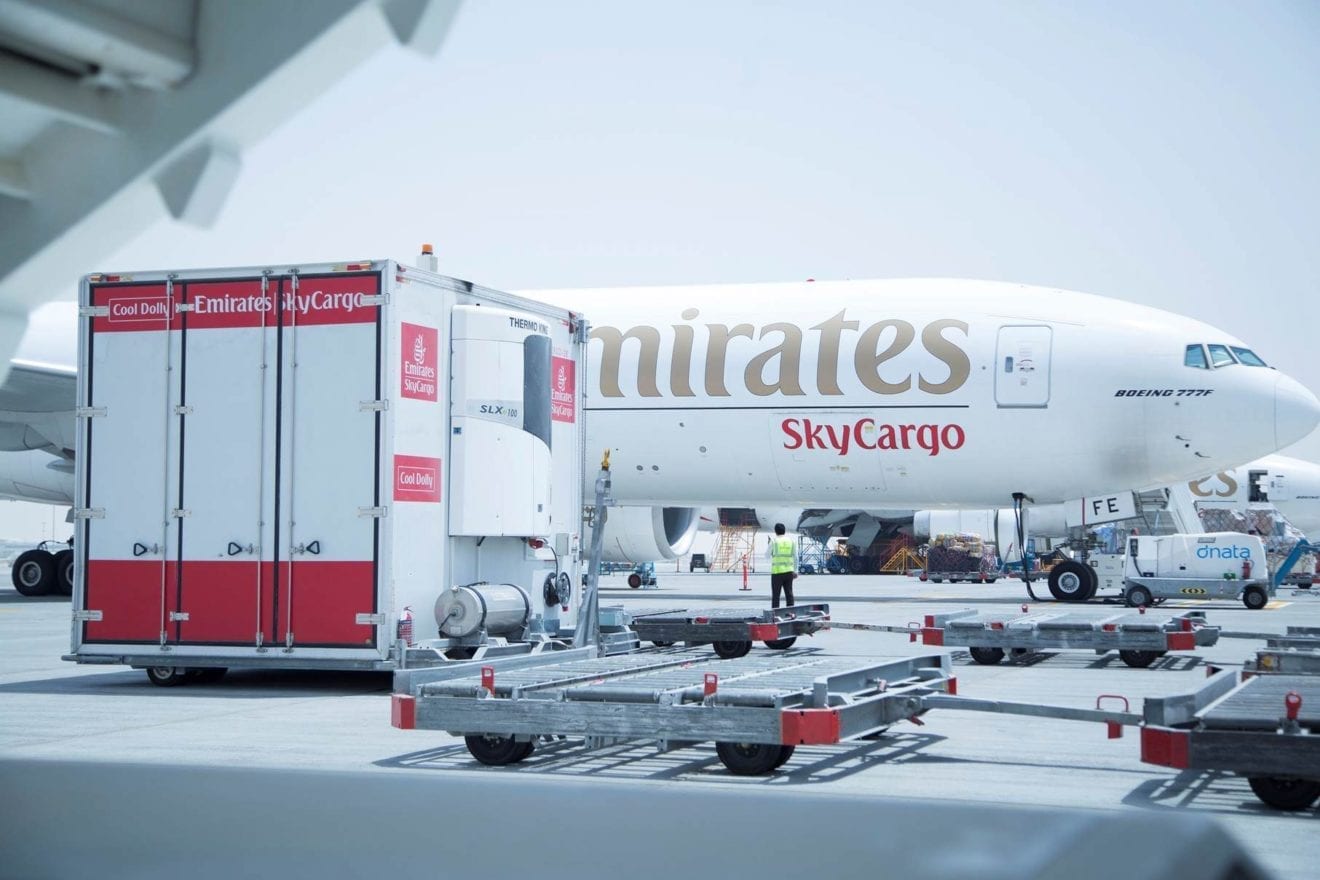
  • Vietnam exempts import tax for Emirates Airline

    Vietnam exempts import tax for Emirates Airline

    Deputy Prime Minister Vuong Dinh Hue has agreed with the Ministry of Finance’s proposal to exempt tax on imported goods of Emirates Airline.

    Hue assigned the Ministry of Finance to implement the proposal and has instructed the customs forces to supervise and closely control the import and use of duty-free goods of the airline to ensure that they are used for right purposes and in line with the law.

    Under the direction of the Deputy PM, the import and use of duty-free goods by Emirates must be for the right purposes as described in Article 6 of the Agreement on Air Transport, signed between the Governments of Vietnam and the United Arab Emirates.

    It is the fifth airline to receive exemption from import tax. Previously, the Deputy PM had agree to exempt the tax for imported goods of Hong Kong Dragon, Cathay Pacific Airways, Federal Express Corporation and Japan Airlines.

  • Infested Chinese Garlic Imports Kick Up a Stink in Indonesia

    Infested Chinese Garlic Imports Kick Up a Stink in Indonesia

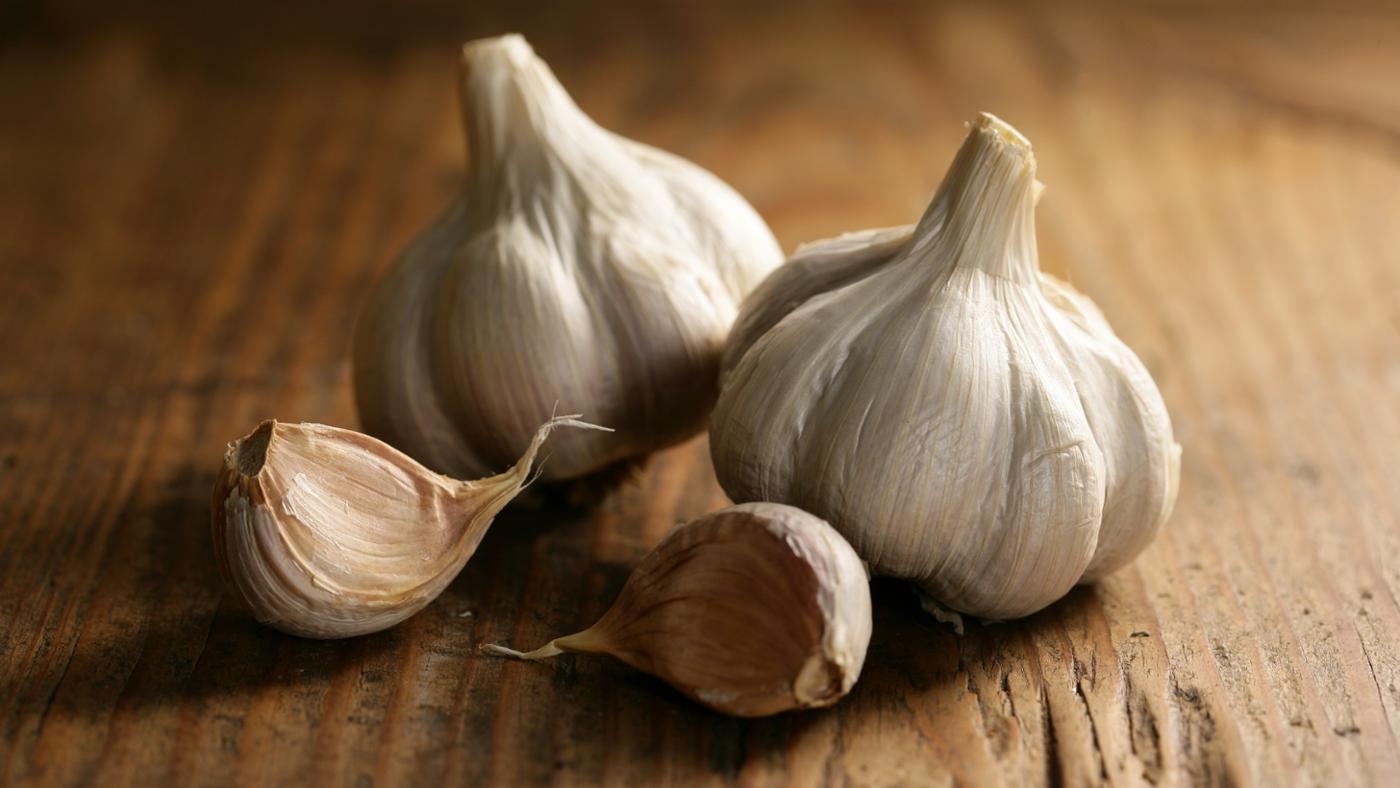
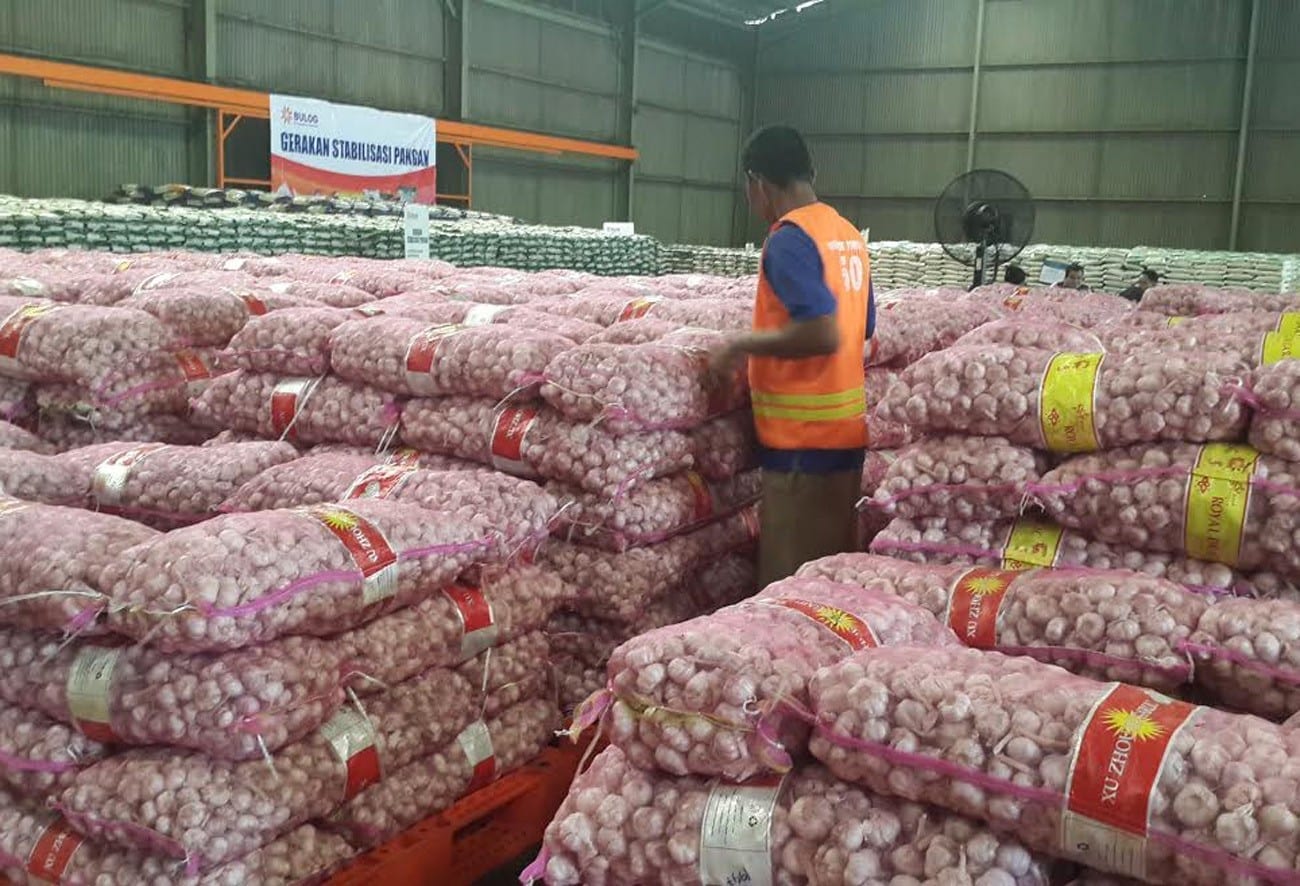
    Indonesia has impounded more than 200 tons of garlic imported from China, warning that a microscopic worm infestation found in the shipment could put at risk plans by the Southeast Asian country to boost its own garlic crop.

    Since coming to power in 2014, Indonesian President Joko “Jokowi” Widodo has pursued self-sufficiency policies to protect farmers, but efforts to rely on domestic supplies of everything from beef to rice have at times caused shortages and price spikes.

    Chinese food imports have previously proved sensitive in Indonesia. In 2016, Beijing’s embassy in Jakarta expressed alarm at media reports accusing China of using a “biological weapon” against Indonesia, after four Chinese nationals were arrested for planting imported chilli seeds contaminated with a bacteria.

    The 232 metric tons of garlic were imported from China in mid-February and after arriving at Jakarta’s port were shipped to the island of Sumatra, the Ministry of Agriculture said.

    This could be “very damaging to our garlic farming when we are trying to achieve self-sufficiency,” the ministry said in a statement on March 12.

    Despite being certified as free of pests in China, samples of the shipment contained ditylenchus dipsaci, a microscopic worm that infects onions and garlic, the ministry said.

    The nematology department at the University of Nebraska-Lincoln describes the worm as “one of the most devastating plant parasitic nematodes.”

    When quarantine officials reported the discovery to the importer, the garlic had already been sent to North Sumatra, the agriculture ministry said.

    The controversy even stirred a heated debate in parliament this week when a member of Jokowi’s ruling party called for a police investigation.

    Soetrisno, the chief executive officer of Tunas Sumber Rejeki, the company that imported the garlic, could not immediately be reached for comment.

    The Chinese embassy in Jakarta declined to comment.

    The garlic is currently being stored at a warehouse in Belawan Port, Sumatra, that has been sealed by police and the quarantine agency.

    Banun Harpini, the head of quarantine at the agriculture ministry, said on Wednesday the importer would be blacklisted. It was not immediately clear what other penalties would be levied.

    Indonesia plans to be self sufficient in garlic in 2019 by increasing the growing area for the crop by more than 70,000 hectares, but this may be an ambitious target since last year the country imported 434,000 tons of garlic, more than ten times the amount grown domestically.

    This year, the agriculture ministry expects 392,000 tons will be imported, mostly from China and India.

  • Vietnam plastics export turnover to increase by 15%

    Vietnam plastics export turnover to increase by 15%

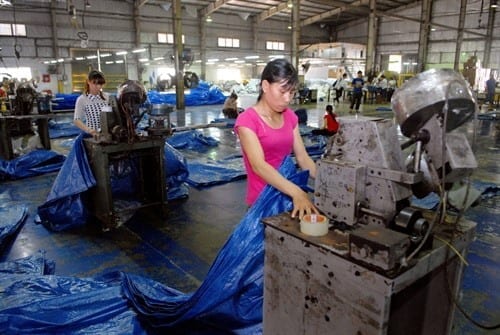
    Exports of plastics are expected to grow by 12–15 per cent this year, according to the Việt Nam Plastics Association (VPA).

    Hồ Đức Lam, chairman of the association, said the country’s key export markets this year would be Japan and the US, which has high demand.

    Other markets such as China, Laos, Cambodia and Myanmar are expected to become new export markets for plastics in the future.

    Plastic bags made in Việt Nam are still subject to anti-dumping taxes in the US market, but the US imposition of anti-dumping duties has had almost no impact on exports of the sector, according to Lam.

    Every year, the average US import turnover is more than US$50 billion for plastics and plastic products, accounting for 9.1 per cent of the world’s total import of plastics, according to VPA.

    The largest plastic export market is Japan, with an average growth rate of 20–25 per cent per year. Việt Nam now ranks sixth in the top 10 countries exporting plastics to Japan, which is one of the most difficult markets with many strict regulations on the quality of goods. Vietnamese plastic exporters have been urged to improve quality, design and trade promotions to enter this market.

    Lam recommended that Vietnamese plastic producers prepare long-term strategies and invest in market research to increase their penetration into the Japanese market.

    In addition, the EU’s demand for plastic products imported from Việt Nam is high, especially plastic pipes.

    Việt Nam’s plastic products are not subject to anti-dumping duties in the EU markets like other Asian countries (the average tax rate is from 8-30 per cent). Thus, Vietnamese producers are also urged to seek new export markets.

    Despite the high export prospects and strong development in recent years, the plastics industry is still known only as part of the plastic processing industry.

    More than 80 per cent of raw materials are still imported from other countries.

    Each year, the plastic industry needs an average of four million tonnes of raw materials, but only manages to produce about 900,000 tonnes, with the rest imported.

    Experts have said that a shortage of raw materials will reduce the competitiveness of exporters.

    Because of regulations on the origin of goods, it is difficult to take advantage of tax incentives in free trade agreements.

    Exporters also need to focus on environmentally-friendly and safe products for sustainable growth.

    Việt Nam’s plastics industry earned $3 billion last year, posting a 17.3 per cent increase over 2016, according to VPA.


  • Many Korean goods to receive Vietnam tax exemption

    Many Korean goods to receive Vietnam tax exemption

    Many goods imported from the Republic of Korea (RoK) into Việt Nam will be exempted from import taxes in 2018, due to the Việt Nam-Korea Free Trade Agreement (VKFTA).

    The Government recently issued Decree No149/2017/NĐ-CP, which regulates a new special preferential import tariff, as agreed upon in the VKFTA, and to be put in place between 2018 and 2022.

    Under the decree, import taxes imposed on 704 types of products imported from the RoK to Việt Nam, will be eliminated in 2018. The groups of commodities that will enjoy tax exemptions this year are mainly in seafood, wheat flour, confectionery, diesel fuel, jet fuel, paint, laundry detergent, plastic, iron and steel products, power machinery and equipment, and electronic products.

    In 2018, an additional 653 products imported from the RoK will also have their tax rates lowered from last year.

    The preferential tax rates will be applied to commodities directly transported from the RoK to Việt Nam. The goods must also meet origin regulations, as stated in the agreement, and exporters must provide certificates of origin in a form stipulated by the Vietnamese Ministry of Industry and Trade.

    This year, Việt Nam has set several new preferential import tariffs to implement bilateral and multilateral FTAs with partner countries and territories, such as mainland China, Hong Kong, Japan and RoK.

    Under the Việt Nam-Japan Economic Partnership Agreement (VJEPA) and the ASEAN-Japan Comprehensive Economic Partnership Agreement (AJCEP) for 2016-19, nearly 4,000 import tariff lines for many groups of commodities imported from Japan will be also eliminated this year.


  • Exports to Asia boost Schiphol Cargo to a record 1.75 million tonnes in 2017

    Exports to Asia boost Schiphol Cargo to a record 1.75 million tonnes in 2017

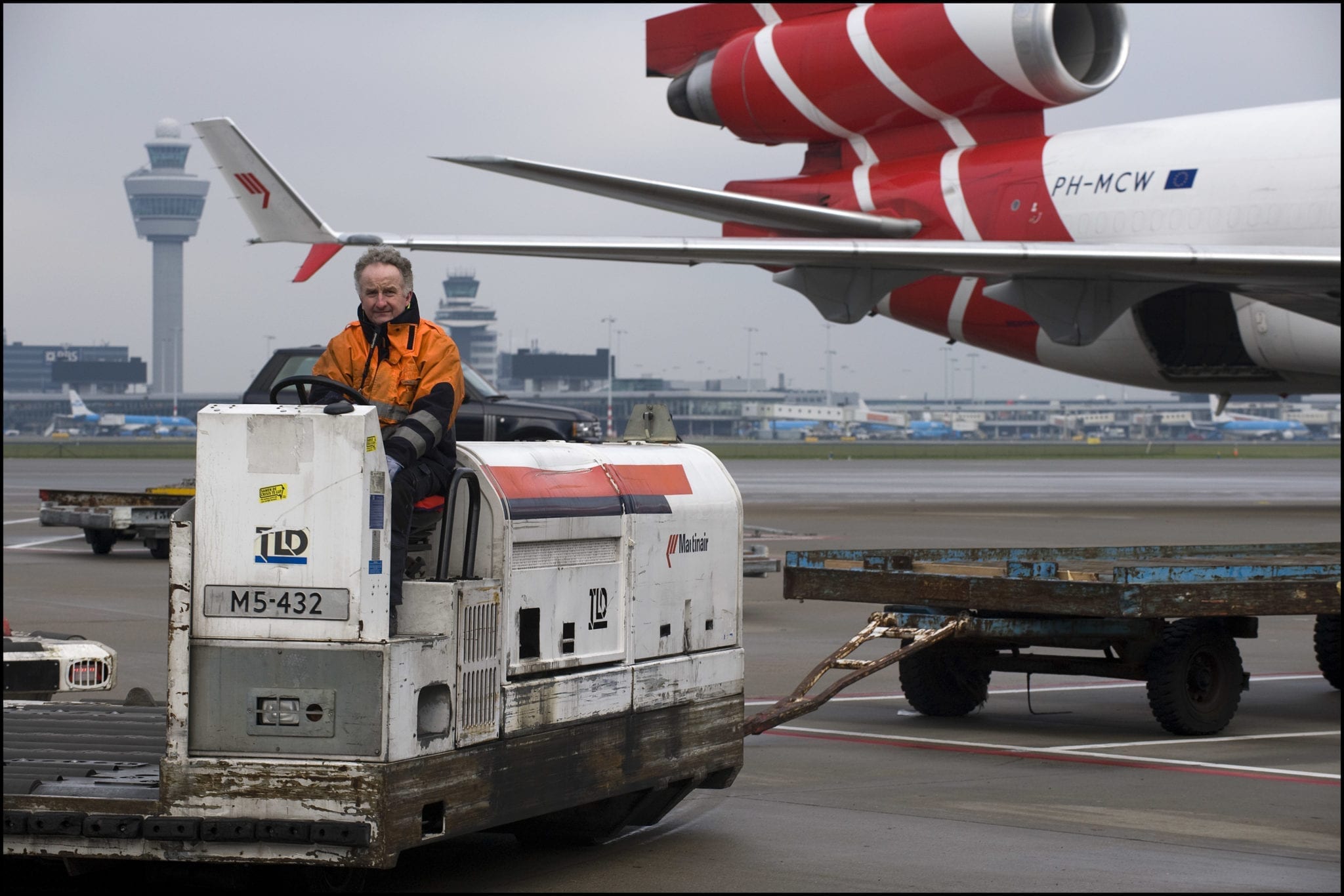
    Schiphol Cargo reported an increase of 5.4 per cent on yearly tonnage in 2017 with strong demand in the Far East for European goods boosting total figures to 1,752,498 tonnes.

    Europe’s third largest air cargo hub experienced an uptick in cargo throughput of 7.4 per cent year-on-year between January and October 2017, with total figures for January to December 2017 reaching 1.75 million tonnes.

    Imports to Schiphol from the Far East in 2017 increased by 3.1 per cent to 299,386 tonnes, with exports to the region growing by 8.8 per cent year-on-year to 316,097 tonnes.

    Asia remains Schiphol’s largest market, with Shanghai, China, the busiest destination.

    European exports grew 19.1 per cent to 123,950 tonnes in 2017, with imports up 18.2 per cent to 124,992 tonnes.

    “We have continued to build on initiatives in 2016 and 2017 with the aim of enhancing the experience of our pharmaceutical, e-commerce, and perishables customers, and our continued commitment to quality is having positive results,” said Jonas van Stekelenburg, Head of Cargo, Amsterdam Airport Schiphol.

    “The upswing in e-commerce shipments, both inbound and outbound, was a large contributor to the cargo volumes for this market.

    “A number of flights transit Europe en-route to Asia, and we can attribute a proportion of the growth in our European figures to the developing Asian market.”

    Flights to Asia transiting European destinations including Baku, Azerbaijan, and Moscow, Russia, continue to contribute to an increase in outbound figures to the Far East.

    Latin America inbound cargo was up by 21.5 per cent in 2017 to 123,524 tonnes due to a number of additional full freighter flights on the route. Outbound cargo grew by 1.8 per cent to 76,498 tonnes.

    Import volumes from Africa decreased by 6.6 per cent to 109,751 tonnes due to temporary aeronautical restrictions that have been in place since June 2017.

    Imposed by the Kenyan Authorities, the restrictions mean that fewer direct freighter flights are coming from Nairobi, Kenya.

    Exports to Africa were down 5.4 per cent on 2016 to 51,743 tonnes.

    Imports from the Middle East increased by 3.4 per cent to 97,789 tonnes in 2017, with export tonnage increasing by 2.1 per cent year-on-year to 122,617 tonnes.

    Imports from North America were down by 5.6 per cent to 141,714 tonnes year-on-year reflecting changes in regional strategy by some airline partners, whilst North America export volumes were up by 4.4 per cent to 164,509 tonnes.

    A total of 496,748 Air Traffic Movements flew in 2017, an increase of 3.7 per cent on 2016.

    A maximum number of 500,000 ATM until 2020 has been agreed between Schiphol Group, the local community, airlines, and the Dutch Government.

    “This is no reason to hold back on our quality initiatives; we need to stay alert, prepare for what is coming, and seek the necessary innovations,” said van Stekelenburg.

    This year (2018) began on a positive note at Schiphol, with an increase in load factors as well as a slight growth in ATMs as a consequence of unused slots.

    “It is very positive that in this current 2017 / 2018 winter season, all requested, full freighter slots were granted, and many freighters were able to continue their business at Schiphol with ad-hoc slots,” van Stekelenburg continued.

    “It is Schiphol’s objective to aim for sustainable growth at the airport after 2020 and airfreight is an important part of that.”

    “On the belly side we expect AMS to grow in 2018 both in terms of volume and capacity.

    “The outlook for 2018 – as, globally, we see even more air traffic growth – is a challenging one.

    “The slot scarcity has been a challenge for us as a cargo community, and in some cases, cargo stakeholders were under-represented in the various sections of the airport community.

    “In 2018 we will act on this, together with all freighter airlines, handlers, and other logistic service providers.

    “Trust, increased cooperation, and improved agreements between all stakeholders are essential in this respect,” concluded van Stekelenburg.

    “Close collaboration with our Cargo Community remains vital and is a strong focus for 2018. Together we will continue to pursue our ambitions of better digital information exchange, and further quality improvements in the supply chain, particularly for pharma, e-commerce, and perishables.”

    Schiphol Cargo’s Smart Cargo Mainport programme initiatives such as the Holland Flower Alliance, Pharma Gateway Amsterdam, and European Green Fast Lanes are working towards this goal by focusing on improved information sharing, and optimal landside logistics.

    Innovations such as the compliance checker, developed in partnership with Cargonaut, are examples of how collaboration within the Schiphol Cargo Community is shaping its journey towards becoming Europe’s smartest cargo hub.
  • Vietnam-China trade likely to reach $100 billion

    Vietnam-China trade likely to reach $100 billion

    Bilateral trade between Việt Nam and China will touch a record high of US$100 billion this year, after reaching $93.69 billion last year, experts predict.

    Last year’s two-way trade was $21.79 billion higher than in 2016 and accounted for 22 per cent of Việt Nam’s total import-export value, according to statistics from the General Department of Customs.

    Vietnamese exports to China experienced a significant yearly increase of 61.5 per cent to over $35.46 billion. That helped to reduce Việt Nam’s trade deficit with China to $22.76 billion last year from $28 billion in 2016.

    Telephones, a major item of export, recorded the highest turnover of $7.15 billion, up $6.35 billion compared to that of the previous year, according to the latest data.

    Last year also saw 13 staple products with export earnings of more than $1 billion, up by six staples against the previous year. The new items include seafood, with nearly $1.1 billion in export earnings, rice ($1.02 billion), rubber ($1.44 billion) and footwear ($1.14 billion).

    The Ministry of Industry and Trade says bilateral trade ties between the two countries have been growing in the past few years.

    China is one of Việt Nam’s largest trade partners and is also a key export market, the ministry said.

    Besides trade, China is currently one of the 10 biggest foreign investors in Việt Nam, with a total registered investment capital of more than $12.1 billion.

    During a visit to China last May, President Trần Đại Quang urged Vietnamese and Chinese firms to continue initiating innovative ideas to create a new momentum for bilateral economic partnership.

    He suggested Chinese companies invest in infrastructure, logistics and electronics and support industries while protecting the environment and engaging in social activities in Việt Nam.

    President Quang asked the two sides to facilitate access to each other’s markets.


  • Indonesia Posts Trade Surplus in October, Third Month in a Row

    Indonesia Posts Trade Surplus in October, Third Month in a Row

    Indonesia posted a trade surplus for a third straight month in October, the Central Statistics Agency said on Wednesday (15/11), as improved demand for commodities underpinned exports from Southeast Asia’s biggest economy.

    The trade surplus in October was $0.9 billion, the agency said. The surplus was supported by larger commodities shipments such as coal and metal, as well as manufactured goods.

    Demand from China continued to support Indonesian exports, the agency said.

    The surplus, however, shrunk from September’s surplus of $1.76 billion. Analysts polled by Reuters had expected a $1.63 billion surplus for the month.

    Exports rose 18.39 percent in October on an annual basis, compared with a 16.59 percent increase forecast in the poll.

    October exports were worth $15.09 billion.

    Meanwhile, imports jumped by 23.33 percent to $14.19 billion, picking up pace from a 13.13 percent rise in the previous month and compared to a forecast of 16 percent growth.

    The rise in imports was due to purchases of raw materials for industrial use.

  • GAC China to provide upstream logistics services for car imports

    GAC China to provide upstream logistics services for car imports

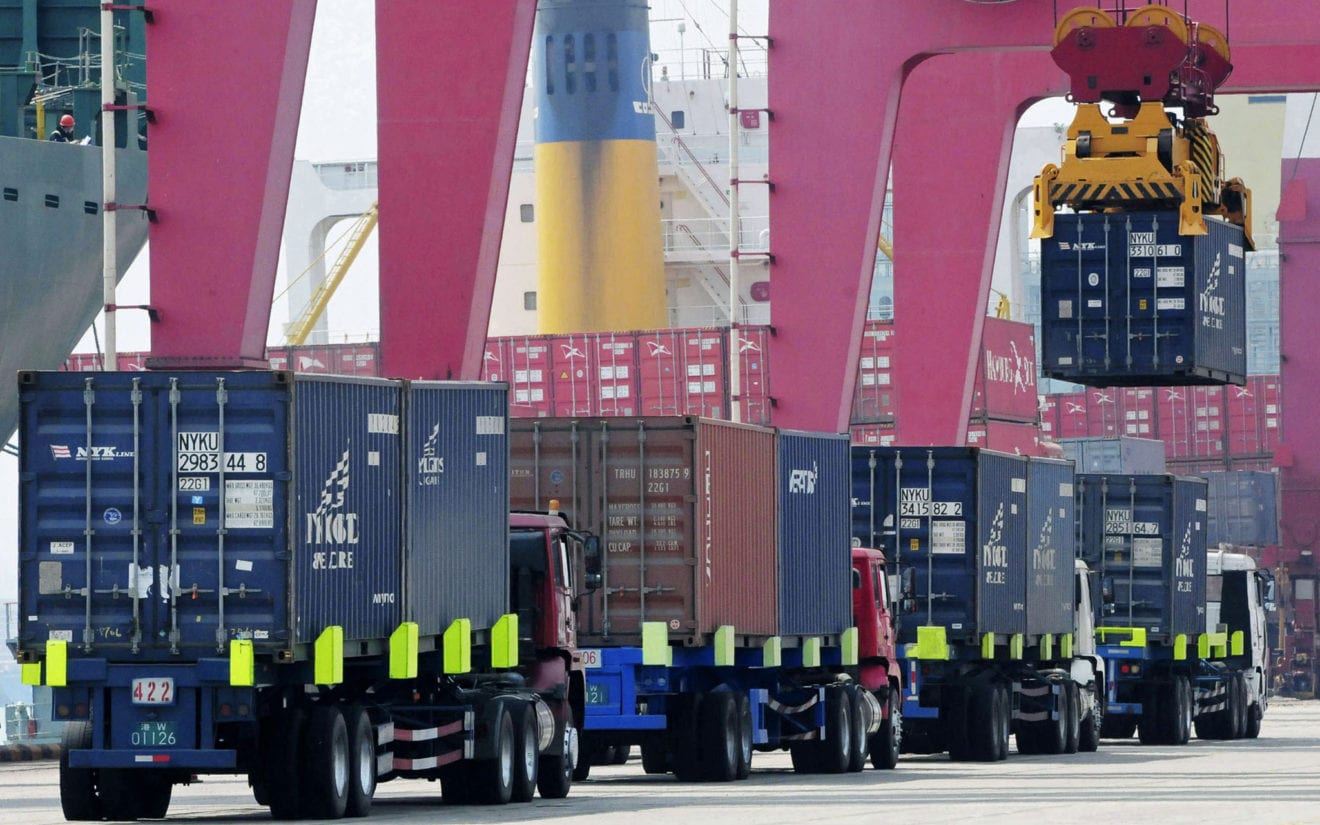
    Parallel car importer Shandong High Speed Qingdao West Coastport has appointed GAC China its upstream logistics provider. Under the one-year contract, it will handle the receiving and checking, container loading and freight services of an estimated 3,000-4,000 cars exported from Hamburg and Rotterdam to Qingdao and Hong Kong every year.

    Simon Xu, managing director of GAC China, is optimistic about the growth of that market and the opportunities that it will generate: “China was ranked as the world’s number one automotive market for the eighth year last year, with a double-digit total sales growth. We are also seeing a rising trend for the direct import of European cars into the country.

    “Our partnership with Shandong High Speed marks the beginning of a new chapter for GAC China, that will allow us to leapfrog into a new territory in the contract logistics market for fully assembled automobiles.”

    GAC China’s contract logistics team led by manager Tyrone Liu will work closely with GAC’s partners in Hamburg and counterparts at GAC Rotterdam to ensure the safe and prompt delivery of the vehicles.

    Chengguang Du, general manager of Shangdong High Speed Qingdao West Coastport says: “When looking for a logistics partner with global resources and extensive experience to handle the shipment of our high value automobiles, GAC came to our mind. We know GAC as a well-known brand in the logistics industry, but it was only when we flew to Hamburg and saw the facility and operations with our own eyes that we were fully convinced.”

    GAC China has already handled the first shipment under the contract – two Range Rover HSEs from Germany to Qingdao, China.

  • Vegetable and fruit exports face tough competition from imports

    Vegetable and fruit exports face tough competition from imports

    With turnover of $375 million in May, fruit and vegetables were among the biggest export items for Vietnam, while imports of the same equalled $183 million.  The high export turnover of $375 million represented a sharp increase of 75 percent in comparison with the same period last year.

    The increase of $161 million in vegetable and fruit export turnover made up 26 percent of the total exports increase of 13 key farm produce and agriculture material items.  Analysts said the target of $3 billion in vegetable and fruit export turnover this year is within reach.

    However, Vietnam, which takes pride as a big vegetable and fruit exporter, also had to import $183 million worth of products in May, a sharp rise of 79 percent compared with the same period last year, raising the import turnover to nearly half a billion of dollars in the first five months of the year.

    Nguyen Dinh Bich, a trade expert, pointed out big problems in the market structure. The exports to the Chinese market have been increasing rapidly from less than 30 percent in 2014 to 65 percent in 2015.  The growth rate exceeded 70 percent in 2016, while it reached 75.5 percent in the first five months of 2017. In 2014, Vietnam exported $435 million worth of products to China, but exported $1.054 billion to other markets.

    The trend reversed in 2015: while exports to China increased sharply by $760 million in turnover to $1.195 billion, exports to other markets decreased by $410 million to $644 million. The same situation was seen in 2016 and the first five months of 2017.

    “Do Vietnam’s fruit flow to China’s Guangxi province to be sorted and labeled as ‘made in China’ for re-export to the world market?” Bich asked, emphasizing that Guangxi is China’s ‘fruit granary’ with output of 359 kilos per head per annum,1.8 times higher than the average level of the country.

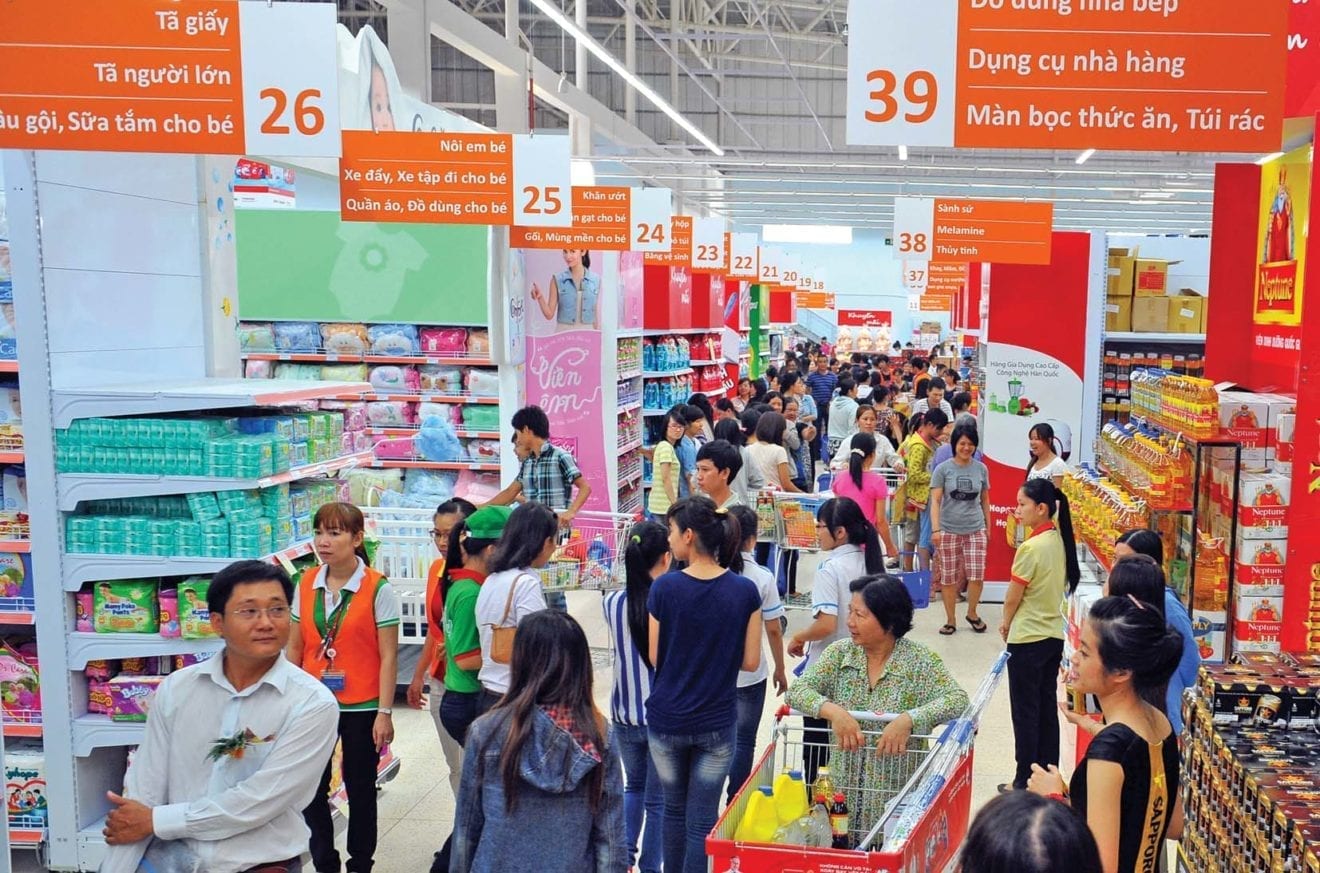
    Imported fruits are displayed in advantageous positions at supermarkets for the upper and middle class, and sold at high prices.

    Thai exporters enjoy big benefits from the Vietnamese market. In May 2015, Vietnam imported $13 million worth of fruit from Thailand, which accounted for one-third of total fruit import turnover.

    Meanwhile, the figure soared to $38 million in May 2016 and to $129 million in May 2017.

  • Vietnam to continue fuel import

    Vietnam to continue fuel import

    According to a report issued June 26  by Binh Son Refining and Petrochemical Company (BSR), the operator of the US$3-billion Dung Quat Oil Refinery in Quang Ngai Province, the country is projected to consume 6.5 million tons of gasoline and 8.5 million tons of DO from 2018 to 2022.

    Meanwhile, Dung Quat and another oil refinery, Nghi Son, can supply nearly six million tons of petrol and seven million tons of DO from 2018, representing 92% and 82% of domestic demand respectively.

    The shortfall would be offset by fuel imports from Singapore, Malaysia, Thailand, South Korea and China.

    Nghi Son Oil Refinery in Thanh Hoa Province will be put into operation next year with an annual processing capacity of 10 million tons of crude oil. It is expected to supply 8.8 million tons of fuels, including about 2.3 million tons of petrol and 3.7 million tons of DO, meeting 40% of local needs.

    Condensate processing plants such as PVOIL Phu My, Saigon Petro, Nam Viet Oil and Dong Phuong have a combined annual capacity of 690,000 tons of gasoline.

    Since its debut seven years ago, Dung Quat has sold over 47 million tons of fuels with total revenue amounting to more than US$36 billion and profit reaching over VND13 trillion (US$0.57 billion) by the end of the first quarter of 2017.

    BSR has paid over US$7 billion in taxes to the State.

  • Chinese exports, imports beat forecasts but analysts wary

    Chinese exports, imports beat forecasts but analysts wary

    Exports rose 8.7 percent on-year to $191 billion while imports jumped 14.8 percent to $150.2 billion. China on Thursday posted a forecast-busting surge in exports and imports in May, signaling improvement in the world’s number two economy, but there were warnings Beijing would struggle to maintain its momentum.

    The readings will come as a relief after a series of weak readings suggesting a recent pick-up could be fizzling, while there are also lingering concerns about U.S. President Donald Trump’s protectionist rhetoric.

    Exports rose 8.7 percent on-year to $191 billion while imports jumped 14.8 percent to $150.2 billion.

    The data were far better than the 7.2 percent rise in exports and 8.3 percent increase in imports predicted by analysts in a survey by Bloomberg News. The trade surplus rose to $40.8 billion, up $2 billion from April.

    The news comes as the global economy also shows signs of strength.

    However, Julian Evans-Pritchard, China economist at Capital Economics, said the government’s efforts to rein in the country’s ballooning debt could weigh on future trade data.

    “Looking ahead, the current strength of imports is unlikely to be sustained if, as we expect, slower credit growth feeds through into weaker economic activity in the coming quarters,” he warned.

    “Exports growth is also likely to edge down further ahead but should fare better than imports given the relatively upbeat outlook for China’s main trading partners,” he said.

    China had been showing signs of life in early in the year, fuelling hopes the world’s top trader in goods and a key driver of global growth was stirring after a years-long growth slowdown.

    Too early for optimism

    However, other figures have pointed to slowing growth in the Chinese economy as it deals with weaker demand and excess industrial capacity left over from a debt-fuelled infrastructure boom.

    Imports and exports picked up at a weaker rate in April from March, while a private survey of factory activity indicated the manufacturing sector contracted in May for the first time in almost a year, hinting at deteriorating conditions for producers.

    Industrial output, retail sales and fixed-asset investment also hit the brakes, data showed last month.

    “It’s still too early to be optimistic on China’s imports. The outlook for fixed asset investment and infrastructure construction will be key,” said Betty Wang at ANZ Research in a note.

    “While May’s better-than-expected trade data may provide a boost to market sentiment amid tighter financial regulation, it’s premature to draw any solid conclusion.”

    Authorities have been trying to clean up the country’s toxic brew of unregulated and risky lending that for years has fuelled the economy’s spectacular growth, though some analysts doubt its willingness to quit its debt addiction.

    Worries about rising debt levels led agency Moody’s to last month slash China’s credit rating for the first time in almost three decades.

    China’s economy expanded last year at its weakest rate in more than a quarter of a century and Beijing has indicated it expects growth to slow further this year.

    Weak growth is a major concern for stability-obsessed policymakers and it complicates their efforts to retool the economy into one driven by consumer demand rather than state investment and exports.

    The transformation has been rough at times and China is hoping that its much-vaunted Belt and Road infrastructure project will provide a new source of growth.

  • Indonesia aims for zero imports of garlic in 2018

    Indonesia aims for zero imports of garlic in 2018

    The government is looking to achieve its goal of zero garlic imports in 2018, following an expansion of garlic farms across the country.

    “We aim to see 100,000 hectares of garlic farms next year. If 1 hectare [ha] can produce 5 tons of garlic, we won’t need to import anymore,” Agriculture Ministry spokesperson Agung Hendriadi told over the phone on Tuesday.

    Annual garlic consumption for household and industrial needs reached 500,000 tons in 2015, but only 20,000 tons of it was planted domestically. The remaining 480,000 tons were imported from China and India, ministry data shows.

    Last year, the government expanded garlic farms, which jacked up the national production of garlic to almost 200,000 tons.

    Indonesia in the 1990s supplied most of its garlic to the domestic market, but gradually the farmers were discouraged from planting it due to a continuous decline in prices. Now, there are only 2,000 ha of garlic plantations, a massive decrease from the 28,000 ha of plantations in the 1990s.

    Agung also said that the Trade Ministry had set maximum price of Rp 38,000 per kilogram for garlic and would maintain the price to encourage farmers to cultivate garlic.

  • Korea emerges as top Asian importer of Benz, BMW

    Korea emerges as top Asian importer of Benz, BMW

    Korea has become Asia’s largest importer of Mercedes-Benz and BMW vehicles this year, as the two German carmakers sold more vehicles in Korea than Japan for the first time ever.

    Chinese motorists buy more Mercedes-Benz and BMW vehicles than Koreans do. But both firms roll out and sell their models through joint ventures with local Chinese firms. Hence, Korea is the populous continent’s de facto leader in terms of Mercedes-Benz and BMW vehicle imports.

    The Korea Automobile Importers and Distributors Association (KAIDA) said that Mercedes-Benz sold 24,877 cars in the first fourth months of this year, while BMW sold 18,115, up 48 percent and 32.4 percent from a year earlier, respectively.

    The luxury carmakers sold 21,365 and 15,818 cars respectively in Japan during the January-April period, up just 0.7 percent and 2.2 percent from the previous year.

    Based on its larger population and higher income, Japan has remained the largest Asian importer of the two luxury brands. Japan’s population is more than double that of Korea and its GDP per capita is 20 percent higher than that of Korea.

    But Korea dethroned Japan this year because of a months-long sales ban on Audi-Volkswagen vehicles here. The carmaker stopped selling its vehicles in Korea after the emissions scandal last summer but it did not face such troubles in Japan.

    During the sales suspension, Mercedes-Benz and BMW increased their sales in Korea’s import car market.

    The two combined to sell 57 percent of the import cars in Korea over the four months, up from 41 percent last year. In Japan, however, the figure only edged up from 38 percent to 40 percent.

    Analysts expect Mercedes-Benz and BMW will dominate the market for a while. The KAIDA also said BMW sold more cars than Mercedes-Benz in April.

    Mercedes-Benz maintained its top position until this March but fell to second place due to a short supply of its popular new E-class model. Lexus came in third in the number of sales, followed by Toyota and Honda.

  • Vegetables exports bring in $8.2 million per day

    Vegetables exports bring in $8.2 million per day

    Export turnover for vegetables has reached $857 million this year up to April 15, an increase of 30 per cent year-on-year and bringing in $8.2 million to Vietnam each day. Vegetables are therefore Vietnam’s third-highest agricultural and aquatic export, after seafood and coffee.

    Growth in vegetable exports is faster than for aquatic products (7.8 per cent) and coffee (21 per cent), with the gap in export turnover narrowing.

    Vietnamese fruit and vegetables can now be found in many countries and regions such as the US, Japan, Australia, South Korea, and EU countries like Germany and the Netherlands.

    The largest market, however, is China. According to the latest figures from the General Department of Vietnam Customs, exports of fruit and vegetables to Vietnam’s northern neighbor reached $512 million, accounting for 73 per cent of total export value.

    Mr. Nguyen Huu Dat from the Executive Committee of the Vietnam Vegetables and Fruit Association (VINAFRUIT) said this is a positive result for Vietnam’s vegetable exports and is supported by a number of factors.

    The first is the results of the Vietnamese Government’s trade promotion and market expansion efforts, with fruit and vegetables beginning to gain a foothold in fastidious markets like the US, Japan, South Korea, and the EU.

    “Although the value of export turnover to these markets is not large, meeting their high requirements increases the prestige of Vietnam’s fruit and vegetables,” Mr. Dat said.

    He added that high demand among international customers is a good opportunity for Vietnam’s exports in the time to come.

    He emphasized the role of scientists, the business community, and producers and farmers in efforts to diversify products and product quality and promote Vietnam’s brand.

    Total vegetable turnover stood at $2.45 billion in 2016, up 33.6 compared to 2015.

  • Vietnam’s car imports jump 34 pct y/y in Q1 on tax cuts

    Vietnam’s car imports jump 34 pct y/y in Q1 on tax cuts

    Vietnam’s car imports have risen a staggering 34.4 percent from a year ago to 26,500 units, with more than half of them coming from low-tariff markets in Southeast Asia, customs figures show.

    The car import value in the first quarter edged up just 1 percent from the same period last year to $488 million, data from the General Customs Department showed.

    Cars from Southeast Asian countries totaled 14,460 units, accounting for 55 percent of the quarterly import volume and which jumped 67.6 percent from a year ago, the data show. The import from Indonesia increased five-fold.

    The strong purchase was fueled by large tariff cuts from major markets like Indonesia and Thailand, citing several importers. The import tariffs on cars from ASEAN countries have been cut to 30 percent as of January 2017, from 40 percent last year, before being fully removed in 2018.

    The tax cuts have helped reduce the retail price in Vietnam by 6-7 percent, the businesses said.