Tag: Indonesia

  • Garuda Indonesia to open direct flight on Shanghai-Denpasar route

    Garuda Indonesia to open direct flight on Shanghai-Denpasar route

    Indonesian flag carrier Garuda Indonesia is planning to start a direct flight between Shanghai, China, and Denpasar, Bali, on January 13.

    “The non-stop flight between Shanghai and Denpasar will operate twice e a week using an Airbus-330 aircraft,” Vice President of Garuda Indonesia for China Region I, I Wayan Subagja, in Beijing, on Tuesday.

    As Bali is the favorite destination for Chinese tourists visiting Indonesia, hence Garuda will continue to increase the number of direct flights to Bali through regular and unscheduled flights.

    Garuda Indonesia also provides regular flights on the Beijing-Jakarta route that operate thrice a week and seven weekly flights each on the Shanghai-Jakarta and Guangzhou-Jakarta routes.

    Since January 2013, the national flag carrier has been operating four non-stop weekly flights on the Beijing-Denpasar route and has also added a new flight on the Guangzhou-Denpasar route at the end of 2015.

    Moreover, Garuda facilitates unscheduled flights for people from eleven Chinese cities who plan on visiting Bali for the Chinese New Year and summer holidays.

    “They still have huge interest to visit Bali due to which Garuda has tried to provide ease and comfort to tourists who want to visit Bali. We also promote other destinations in Indonesia,” Subagja emphasized.

    The opening of flights between several cities in Tiongkok and Bali is expected to support an increase in the number of Chinese tourists to Indonesia, which is targeted to reach ten million people in the next five years since 2015.

  • After Indonesia, dating app Spotted eyes Malaysia and Thailand

    After Indonesia, dating app Spotted eyes Malaysia and Thailand

    The German dating app Spotted is out to woo Southeast Asian users. Dating apps have become relatively widespread in Indonesia, with Germany’s Spotted merely the latest aiming to carve out a piece of the pie.

    Having entered Indonesia in October 2015, Spotted is now eyeing Malaysia and Thailand as its next two Southeast Asian markets, its optimistic outlook fuelled by its US$14.5-million (RM62.6 million) Series A round in August 2015.

    That investment round, which involved Media Ventures, Wolfman Holdings, and a Deutsche Balaton affiliate based in Heidelberg, Germany, brought Spotted’s total funding to US$15.3 million to date.

    “Once we get the funds from our investors, we want to expand to Asia and other parts of the world,” its business development head Andre Sierek told via email.

    “However, at this moment our focus is first on Southeast Asia, especially Indonesia, as well as Malaysia and Thailand in 2016,” he added.

    After its founding in 2013, Spotted initially targeted German-speaking countries such as Austria, Switzerland and North Africa, describing its product not so much as a dating app but a “social discovery” app.

    The hyper-local app helps users meet again with others they have met before. For instance, if you met someone in a café and are interested in them, Spotted will help you meet up with them again.

    According to Sierek, Spotted currently has one million users across the world, with its app being downloaded 10,000 times daily.

    To increase its user base, it realised it could not depend on just the European market – which explains its Southeast Asian foray, and Indonesia being established as its launchpad.

    Sierek said Spotted’s internal research found that people in Southeast Asia were enthusiastic users of social and dating apps.

    Two months after launching in Indonesia, the app had been downloaded by 15,000 users.

    “Our users in Indonesia really like our app, and they mostly like our ‘anonymous love notes’ feature,” said Sierek.

    Content localisation

    Moving from a German-only market to the diverse Southeast Asian region has not been easy, Sierek admitted. It had to tweak its content to cater to the local market and local language.

    “Our main challenge would be building the local user base, as well addressing the different needs of each market in the region,” he said.

    Although it has not established an office in Indonesia yet, Spotted has formed a partnership with a local company, mainly to localise its content and conduct online promotions.

    “We will use the same approach for the Malaysian and Thai markets — that is, cooperating with local companies,” said Sierek.

    He said the company does intend to open an office in Southeast Asia, as well as one in San Francisco, sometime this year, although he did not elaborate on which Southeast Asian country would house this office.

    Not a ‘booty call’ app

    Spotted was founded by Nik Myftari, Nicolas Amann, Christian Kapp, Alexander Pelz, and Tung Nguyen, who met as students at the University of Heidelberg in Germany.

    Its goal is “revolutionise” the way people connect to others, by giving them a second chance to form a relationship.

    “Spotted is not a dating app that brings random people together,” said Sierek.

    “The concept is more like a time machine – it brings together people who have actually met before, but did not have the time or opportunity then to follow up on a relationship.

    “Our approach is unique, and focuses on establishing serious relationships and finding true love,” he declared.

    The app’s main function, called “Deja-Vu,” allows the user to “see” people who once crossed his or path – say, at a restaurant or while travelling. The user can use the “Wink” function to hail that other person, and if that person is interested, he or she can send a “Wink” back in response.

    From there, they can go on to private online chatting or messaging.

    Users can also send anonymous love letters or notes if they are looking for potential partners – but only with people they have met before and not random partners, Sierek emphasised.

    Users must turn on the location-based feature on their smartphones so that Spotted can accurately record the location and date where users might have met their potential partners.

    “The more users, the more opportunities to record people who have crossed our paths,” he added.


  • Singapore’s Migme snaps up Shopdeca Indonesia

    Singapore’s Migme snaps up Shopdeca Indonesia

    Singapore digital media company Migme is to buy Shopdeca Indonesia.

    Shopdeca sells a curated range of lifestyle products online through two websites: shopdeca.com andsportdeca.com.

    The move buys Migme a gateway into the neighbouring Indonesia market – as well as boosting the Migme executive team and Shopdeca.com founder Andreas Thamrin will joing Migme as global head of eCommerce once the deal is settled during the first half of 2016.

    Migme CEO Steven Goh said the acquisition would give the company valuable local Indonesia market expertise.

    “We look forward to the acquisition being a positive contributor to group results in 2016.”

    In January this year Migme bought Sold.sg after listing on the ASX last year. It owns the chat app LoveByte and a share in MatchMe.

  • Kulon Progo Airport construction to kick off in May

    Kulon Progo Airport construction to kick off in May

    The construction of an international airport in Kulon Progo district, Yogyakarta province, will kick off in May 2016, Vice President M. Jusuf Kalla has hinted.

    “God willing, it will be built starting May. Hopefully, land clearance and design will be completed in May so it can be completed in 2019 or 2020,” he said after holding a closed-door meeting at Congot Radar in Kulon Progo, Saturday.

    All serious problems related to the planned construction of the airport have been resolved so that the project can be started soon, he said.

    “There are no longer any land problems. The Yogyakarta governor has ordered (his staff) to resolve them. Furthermore, state airport operator Angkasa Pura I is also ready,” he said.

    The funds needed to construct the airport will come from Angkasa Pura Is budget and the company will cooperate with foreign parties to build and manage the airport, he said.

    The project will also include the construction of roads and railway tracks. In the initial phase of the project, an estimated three thousand workers will be employed, he said.

    After holding a closed-door meeting for nearly one and a half hours, the Vice President and his entourage observed the planned location for the construction of the airport from the third floor of the Congot radar.

  • Kuta tourist area needs reform and management

    Kuta tourist area needs reform and management

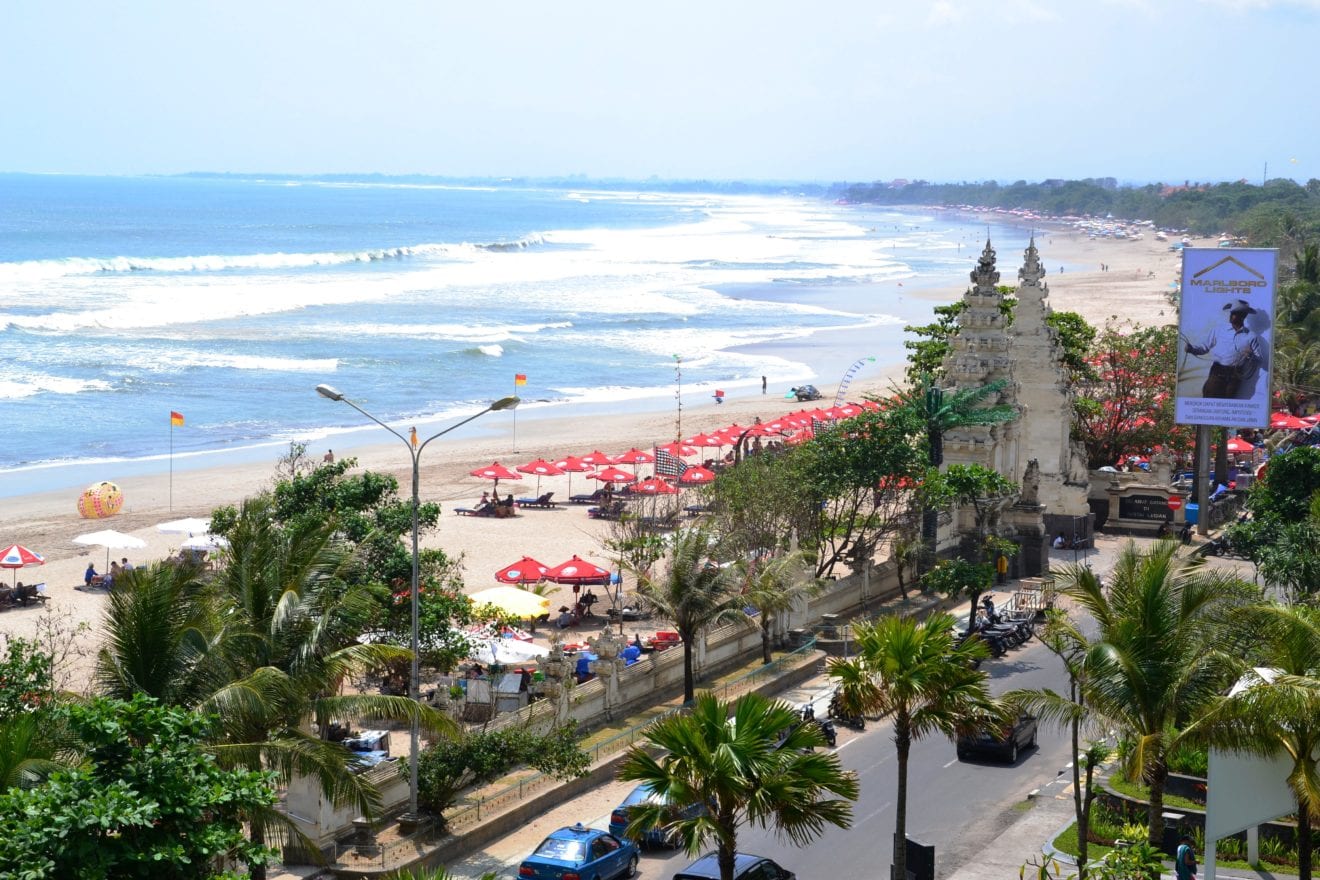
    The tourist region of Kuta, in the Indonesian island resort of Bali, in 2016 needs reform and management in various supporting sectors such as traffic management and environmental hygiene, according to tourism practitioner Nyoman Sarjana.

    “The Kuta tourist area will face a great challenge in the future because from year to year the traffic there continues to get crowded. Therefore, the government and stakeholders in the tourism sector should all move to improve tourism in Bali, particularly in Kuta,” Nyoman remarked here Friday.

    If the iconic tourism of Bali is not properly managed, it is feared that the tourists will be bored of coming to Kuta and find another destination instead, he noted.

    a”It is because other areas in Indonesia are also managing their tourist attractions to attract more tourists,” Nyoman said, and added that foreign tourists who come to Bali feel comfortable and safe, and therefore this factor should be the priority while developing tourism.

    “Indeed, Bali is famous for art and culture since the ancient times. However, if it is not accompanied by comfort and security, domestic and foreign tourists will look for the other tourist attractions outside Bali,” he went on.

    In addition, the government and stakeholders should pay attention to hygiene, because the presence of garbage is in the spotlight in the world of tourism, he noted.

    “We have to find the solution to overcome the garbage problem in Bali, and all parties must be concerned about the environment,” he said.

    Furthermore, all parties should make every effort to keep the island resort of Bali clean and green, he added.

  • Garuda Indonesia Expects 10% Passenger Growth

    Garuda Indonesia Expects 10% Passenger Growth

    President Director of national carrier PT Garuda Indonesia Arif Wibowo predicted that passenger growth of the airline would reach 8-10 percent in 2016.

    “The growth is supported by the booming tourism industry in Indonesia,” Arif said in Jakarta on Sunday (3/1).

    For the record, in 2015, PT. Garuda Indonesia reported a positive passenger growth, that is 25 million passengers or a 3 million increase from that in 2014.

    In the meantime, its subsidiary, Citilink, also posted a quite significant growth, that is 11 million passengers or a 2 million increase from that in the previous year.

    Therefore, to anticipate the increase in the number of passengers, Arif said that the airline would purchase 23 new aircrafts, which purchased with leasing mechanism.

    Furthermore, Arif also hoped that in May 2016, Garuda Indonesia could use Terminal 3 of the Soekarno-Hatta International airport that is now under renovation.

    “We hope that with the new terminal, our services could improve,” he concluded.

  • Strong growth recorded by Bank NTT in assets

    Strong growth recorded by Bank NTT in assets

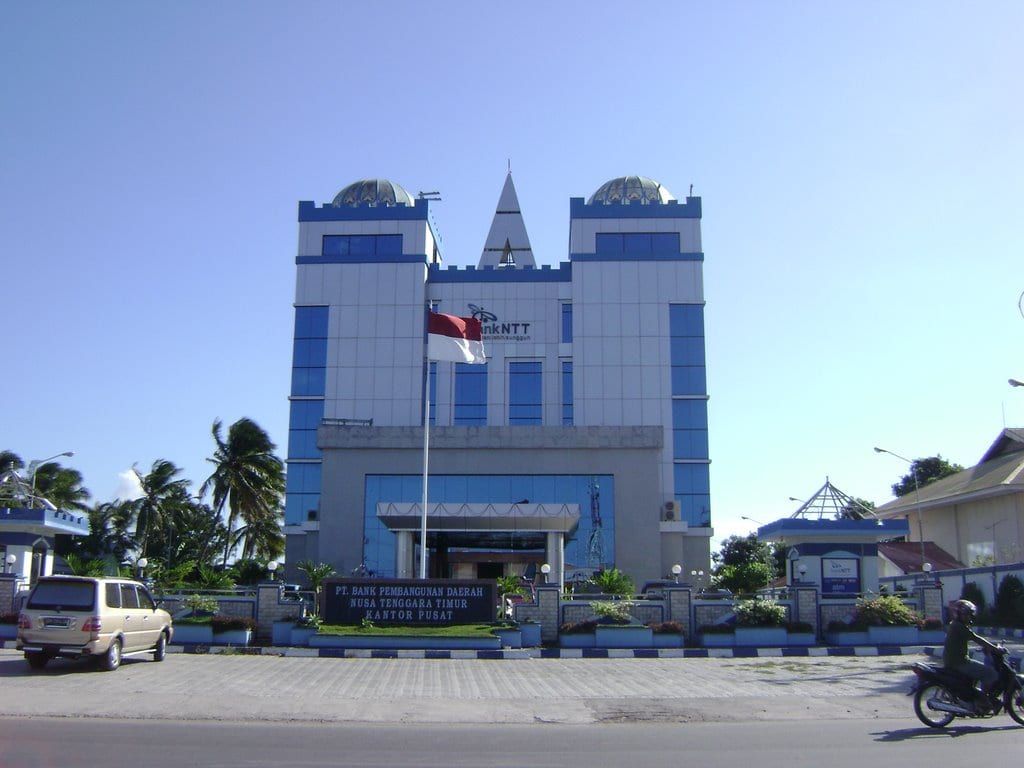
    Regional lender, PT Bank NTT, in East Nusa Tenggara, recorded a strong growth of 44.03 percent year-on-year in assets to Rp11.9 trillion in 2015.

    “The bank has recorded a steady growth until the close of 2015,” Daniel Tagu Dedo, the president director of the lender, which is owned by the regional administration, said.

    Daniel said the bank also recorded good growth of 20.29 percent in drawing third party funds to Rp7.54 trillion by the end of 2015 from Rp6.27 trillion a year earlier, and a 20.29 percent growth in in credit expansion.

    The banks outstanding credit was recorded at Rp6.61 trillion by the end of 2015, up from Rp5.5 trillion a year earlier.

    Its profit grew 34.01 percent to Rp380 billion from Rp244 billion and its core capital totaled Rp1.23 trillion including paid up capital at Rp973 billion.

    The capital put the bank in the category of Buku II, allowing it to offer internet banking service or selling other products such as insurance product.

    The bank has received citations in recognition of its good performance in 2015 from various organization and agencies including banking agency.

    “The bank would not boast about the citations, but the recognition would serve to spur the management to work the harder,” he said.

    In 2015, BNK NTT won Infobank Award with the notation of excellent for 15 consecutive years for category of banks with assets of around Rp10 trillion, and Annual Report Award (ARA) 2014 for category of listed state companies, as the third best.

    The awards were received in Jakarta in September 2015.

    The award ceremony was organized by the Financial Service Authority (OJK), the Indonesian Stock Exchange,Bank Indonesia, The ministry for state enterprises, the National Committee for Governance Policy, the Association of Indonesian Accountants and the Taxation Directorate General.

    In the same year, the bank also received the award of Anugerah Perbankan Indonesia (APBI) IV 2015 in a ceremony held by the Economic Review Magazine and Institute of National Banking (Perbanas) for the category of bank with core capital of Rp1 trillion up to Rp5 trillion.

    The award was presented on November 5, 2015.

    Another award, Lintas Artha Award, was received by the bank later that month.

  • Lampung exports of instant coffee growing

    Lampung exports of instant coffee growing

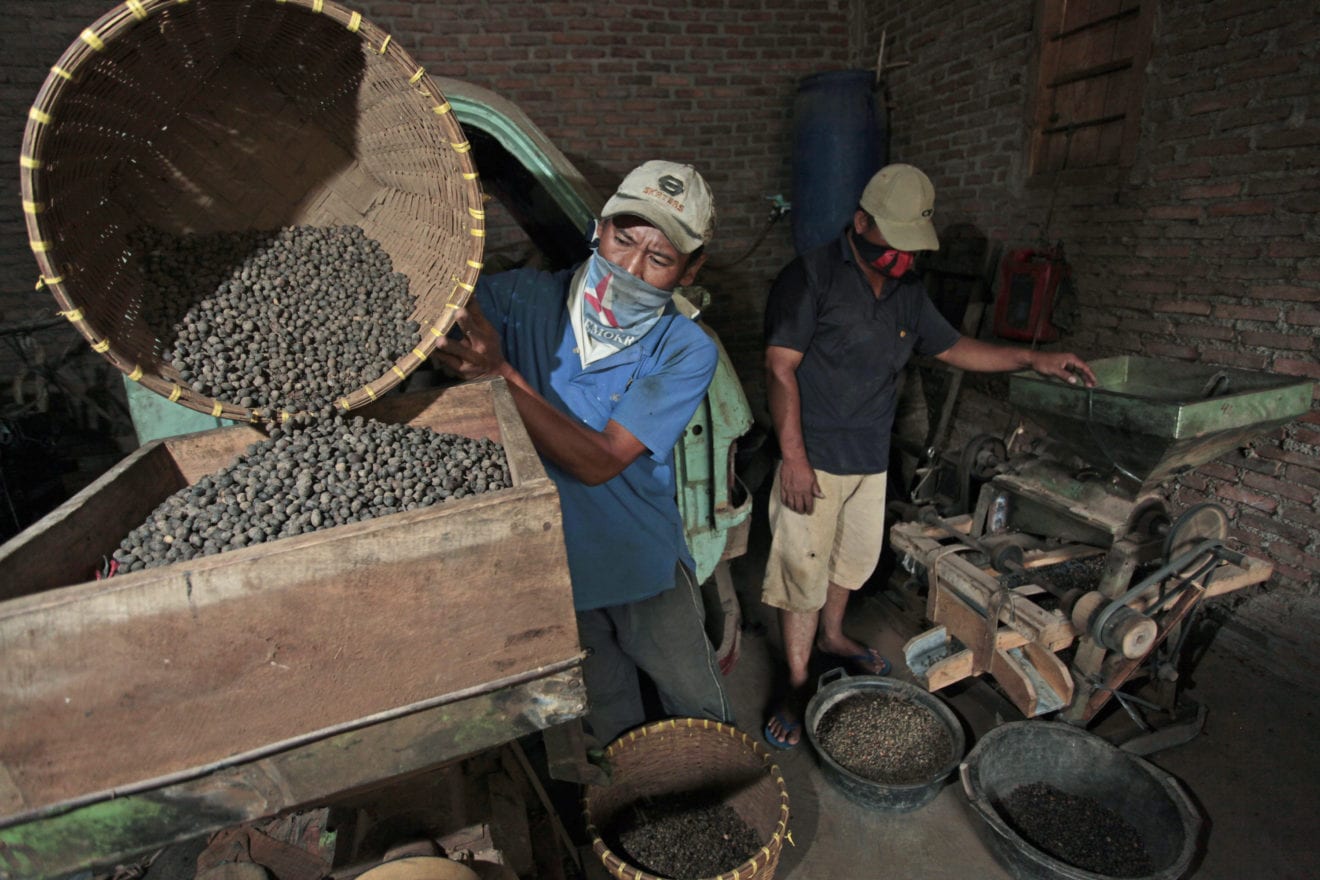
    Lampung has recorded growing exports of instant coffee reaching 63.2 tons in November, 2015.

    “Exports of instant coffee has continued from month to month,” head of the provincial trade office Ferynia said here on Saturday without saying exports in the previous months.

    Lampung is a big producer of robusta coffee.

    Instant coffee from Lampung has been exported to various countries such as Vietnam, which is the worlds largest producer of robusta coffee, and Singapore.

    Exports, however, are small in comparison with domestic consumption.

    The export prospects are still encouraging, Ferynia said, adding, Lampung is aggressive in launching export promotion in a number of other countries by holding exhibitions.

    He said Lampung has managed to maintain strong foothold for its instant coffee in export markets.

    “Demand is still high and the price is good for Lampung product of instant coffee in international markets,” he said.

    The production center for instant coffee in Lampung is Bandarlampung, which has a production capacity of around 8,000 tons of the commodity per year.

    “Sales of instant coffee in the country average 50 to 100 tons per months,” Ferynia said.

    Lampung has 163,837 hectares of coffee plantations with production averaging 140,000 tons of coffee beans per year.

    Indonesia is the fourth largest coffee producer in the world and the second largest in robusta coffee production.

  • Study reveals Asian dining spending trends

    Study reveals Asian dining spending trends

    One in three millennials in Asia are eating at fine dining restaurants at least once a month – more often than those aged over 30.

    The surprise finding is one of a list of revelations uncovered by a MasterCard survey of Asian dining trends away from home. It featured consumers in 17 Asia Pacific markets: Australia, Bangladesh, China, Hong Kong, India, Indonesia, Japan, Malaysia, Myanmar, New Zealand, Philippines, Singapore, South Korea, Sri Lanka, Taiwan, Thailand and Vietnam.

    The most frequent fine-diners in Asia Pacific are millennials (18-29 year olds) from China – on average they visit more expensive establishments two or three times a month. This is higher than the average for millennials across the region and higher than any other age group.

    When choosing where to eat, consumers in Asia Pacific still prefer to rely on word of mouth and recommendations from friends and family (50 per cent). This was applicable for all consumers, regardless of age group, with even millennials trusting word of mouth recommendations (52 per cent) more than online reviews (38 per cent).

    This is despite the fact that more than a third of millennials (36 per cent) post comments and reviews of their dining experiences online. This is especially true of Chinese (61 per cent) and Thai (52 per cent) millennials, where more than half of the young people polled regularly post reviews after a meal.

    Beyond millennials, people in Thailand (39 per cent) and China (30 per cent) are also the most likely to spend more on dining over the next six months with around one in three indicating they plan to eat at more expensive establishments.

    But while consumers may be enjoying fine dining, they are still cost conscious. Sixty-four per cent of consumers in Asia Pacific regularly check for discounts or dining deals from coupon websites, mobile applications or credit card promotions. Sixty-eight per cent of millennials regularly look out for deals before choosing a place to eat.

    Eric Schneider, regional head, Asia Pacific, with MasterCard Advisors, said Asia has always had a strong dining out culture and so it is not surprising that affluent millennials in the region are ‘foodies,’ with many sharing their dining experiences on social media and posting reviews online.

    “While the survey has shown that people are increasingly moving from the hawker centres and into restaurants, young people are still cost conscious, taking a practical and savvy approach by looking for discounts and deals. Young people also still rely on word of mouth recommendations, despite many posting online reviews of dining spots. As Asia’s economies continue to grow, and with technology and social media revolutionizing the dining experience, people will increasingly demand top quality experiences when dining out,” he said.

    Other findings from the survey included:

    • Overall, consumers in Asia Pacific are not looking to make any significant changes to their dining out plans with 61 per cent of all consumers indicating they will look to eat out at the same frequency in the next six months. Twenty per cent plan to eat out more and 19 per cent plan to eat out less in the next six months.
    • The most popular dining option for consumers in Asia Pacific are mid-range restaurants and cafes, followed by fast food outlets and then hawker centres and food courts.
    • Consumers in the Philippines (44 per cent) are looking to tighten their belts with close to one in two planning to eat at less expensive venues in the next six months. Forty-nine per cent also plan to eat out less regularly.
    • A significant proportion of older consumers are going online to check for dining discounts whether on coupon websites/applications or credit card promotions. More than one-third of consumers aged 55 years old and above (36 per cent) indicated they regularly do so before deciding on a dining option.
    • Consumers in China (58 per cent), Taiwan (44 per cent) and Thailand (44 per cent) are the most likely to book dining deals on coupon sites or coupon applications; while consumers in Bangladesh (1 per cent) and Indonesia (11 per cent) were least likely to do so.
    • Diners in Thailand (60 per cent) and China (57 per cent) are most likely to post comments or reviews on social networking sites like Facebook and Twitter with about one in two respondents in these markets reporting that they regularly post comments online following their dining experience.

    The results are based on interviews with 8698 individuals aged 18 to 64 years-old.

  • Indonesia’s E-commerce Industry to Double Its Earnings Next Year

    Indonesia’s E-commerce Industry to Double Its Earnings Next Year

    Indonesia’s e-commerce industry is projected to rake in Rp 20 trillion ($1.46 million) next year, double this year’s estimate of Rp 8 trillion to Rp 10 trillion as Internet and smartphone penetration in Southeast Asia’s largest economy continue to rise, according to an industry group.

    Daniel Tumiwa, chief of the Indonesian E-commerce Association (idEA), noted that the country’s ever-expanding pool of middle-class consumers has provided a significant boost to its e-commerce sector, estimating that the number of online shoppers could reach 10 million next year. The continued rise of smartphone usages across the country will also bolster growth, he added.

    “The e-commerce industry is already becoming one of the pillars of Indonesia’s economy,” said Daniel, who’s also chief executive of marketplace platform OLX.com.

    Indonesia is forecast to see some 34 million smartphones shipped into the country by the end of this year, up 21 percent from an initial 2015 forecast of 28 million units, according to information technology research firm International Data Corporation (IDC).

    MatahariMall.com CEO Hadi Wenas separately added that online retail has great potential in Indonesia, forecasting the industry to contribute up to 5 percent of the economy by 2020 from the current 0.7 percent.

    “Since it was first introduced in Indonesia, the industry has continued to grow and it will grow bigger going ahead,” he added.

  • 2015 Indonesia’s blossoming fashion scene

    2015 Indonesia’s blossoming fashion scene

    The year 2015 has been special for Indonesia’s fashion scene — thanks to the rising popularity of local brands.

    Throughout the year, new fashion labels have been popping up, while fashion events have continued to be a paradise for fashion enthusiasts looking for trendy fashion products.

    Fashion observer Diaz Parzada said that this year the country had seen a phenomenal wave of ready-to-wear fashion, which became the main focus of many designers and brands.

    Ready-to-wear has been thriving for the past two years due to its ability to reach a wider audience, and of course, to generate profit.

    “This is a breakthrough as designers are not just people who make clothes but also professional business players that have many doors through which to distribute their works,” said Diaz, who is also the advisor for designer mentoring program Indonesia Fashion Forward and the business development director at the British Council.

    Veteran designers like Biyan Wanaatmadja and Sebastian Gunawan were the first to tap into the ready-to-wear industry, and many young designers are now following their lead.

    Young couturier Tex Saverio, who is known for his high fashion pieces, is one example.

    He launched his second ready-to-wear line, TXID, earlier this year after receiving good responses to his first ready-to-wear line, Tex Saverio Jakarta, and his collaboration with a couple of foreign online ready-to-wear brands.

    “Through ready-to-wear, I want to promote Indonesian fashion to the world. In addition to that, I want to educate the Indonesian market, to teach them that a fashion house should not have only one line,” Tex said.

    Many celebrities and fashion lovers also set up their own fashion ventures this year, offering fashion products at more competitive prices through various online platforms or fashion bazaars.

    However, that online phenomenon has also made the executive director of the Indonesian Fashion Designers Association (IPMI), Tri Handoko, concerned about a paucity of strong design characteristics differing from one brand to another.

    “Most of those new brands offer similar designs; their lookbooks are even similar with no distinct identity visible in their collections,” he said.

    “On one hand, that movement shows support for local fashion, but on the other hand, the creativity level is stagnant to some extent.”

    From left : Obin (JP/Don), Norma Hauri (Courtesy of Jakarta Fashion Week), Major Minor with Eko Nugroho (JP/Don)

    Diaz also voiced the same concern, saying that some designers had shared with him that their designs had been copied by many online fashion sellers.

    “Like it or not, designers have to accept it. But moving forward, they must explore more creative ideas for their new designs while creating powerful campaign strategies to build strong fashion brands,” he said.

    Another highlight of the year came from Muslim fashion, better known nowadays as modest wear.

    Earlier this year international retailers Uniqlo, from Japan, and Sweden’s H&M, launched a campaign to promote modest wear, moves that have been greatly welcomed by Indonesia’s hijab communities.

    Modest wear designer Norma Moi said that 2015 had been a good year for her business and she had recorded a steady increase in demand.

    “My profit increase has been in line with the increase in my resources — around 40 to 50 percent,” Norma said.

    The thriving business of modest wear in Indonesia has prompted the government to aim to make the country the center of Islamic fashion by 2020.

    It is not an ambitious goal, so long as designers continued to innovate.

    “We have to keep innovating and always be creative, making our designs interesting and unique, if we want to be the center of Muslim fashion,” she said.

    But to really realize the plan, the government must also participate by providing designers with proper production supplies, such as materials.

    Norma said many designers, including her, still used imported fabrics due to the quality and availability.

    “There are local textile producers that also make fine fabric, but most of them only want to sell to big retailers that buy in bulk. We don’t have the capacity to make our own fabric yet, so we have no choice but to import,” she said.

    “The producers and the government should understand that there’s also us in this fashion business, not only big retailers.”

    Though modest wear recorded a strong performance this year, other designers saw lower sales from the middle of the year forward.

    Tri said that his business was declining as it entered the second semester, blaming the slowing economy as a key factor.

    Another designer, Sapto Djojokartiko, echoed him, saying that he also saw slower sales in his mid-priced pieces.

    “I’m not sure about the cause, but I have prepared some strategies to improve the whole business next year,” he said.

    As 2015 moved toward the end, Indonesia’s fashion scene was shocked by the resignation of seven senior members of Association of Indonesian Fashion Designers and Entrepreneurs (APPMI), including the chairman who is also the president director of Indonesia Fashion Week (IFW), Ali Charisma, Deden Siswanto and Lenny Agustin.

    Different visions to those of the association is reportedly behind their resignations. As a consequence, those who replace the steering committee of IFW have their work cut out for them to ensure the continuation of IFW early next year.

    “The resignation of APPMI leading members should be a cause for reflection for our fashion scene; what form of fashion association fits the situation today? Or is it still important to have such an association? Regarding whether it will impact our fashion scene or not, we have to wait and see,” Diaz said.

    In 2016, Indonesian fashion products are predicted to remain favorites for fashion enthusiasts who have developed more pride in wearing local designs.

    Indonesian designers will continue to wow the international fashion audience next year as some will participate in prestigious fashion events, such as London and Paris Fashion Weeks.

  • Indonesia’s Tourism Growth Exceeds Target

    Indonesia’s Tourism Growth Exceeds Target

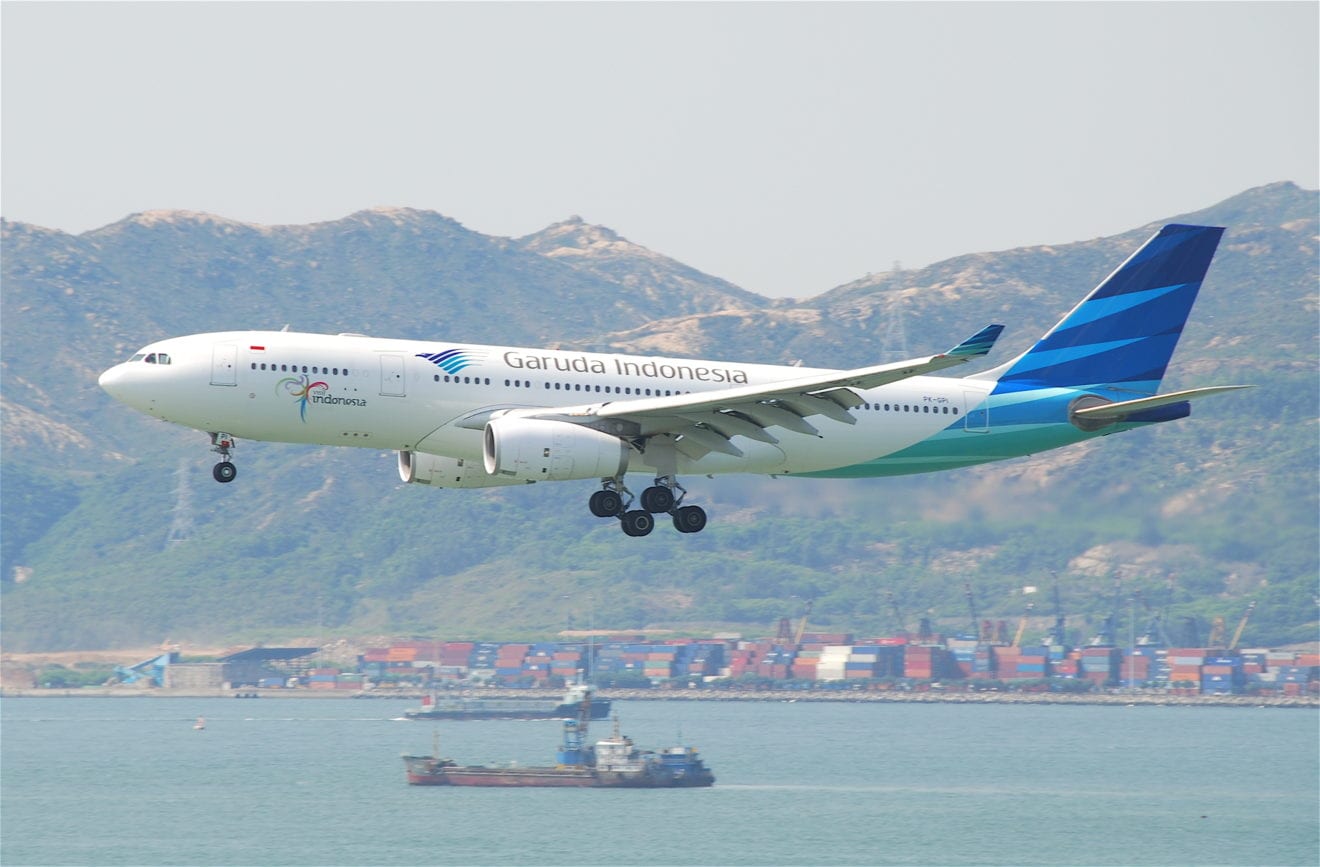
    Tourism Minister Arief Yahya said that the tourism sector had contributed 4.23 percent to Indonesia’s gross domestic product (GDP). The number exceeds the four percent target set by the government. As for labor absorption, the sector managed to absorb 12.16 million laborers from the intial target of 11.3 million.

    “Overall, policies in the tourism development in 2015 were on track and we could achieve our targets,” said Arief Yahya on Wednesday, December 30, 2015.

    Arief estimated that Indonesia’s tourism growth by the end of 2015 could reach 5.81 percent, which is higher compared to other ASEAN countries, such as Malaysia, which experienced negative growth of 9.43 percent from January to June 2015.

    Singapore and Vietnam also suffered negative growth from January to October 2015 with 0.09 percent and 1.27 percent, respectively. Thailand, on the other hand, experienced 22.34 percent growth from January to November 2015.

    “From our major tourist destinations compared with those in neighboring countries, we can see that Indonesia has a large tourism potential, but it hasn’t been fully harnessed,” said Arief.

  • Indonesia’s Muslim women hail female-only motorbike taxis

    Indonesia’s Muslim women hail female-only motorbike taxis

    Female motorbike taxi drivers in headscarves zig-zag through heavy traffic in the Indonesian capital Jakarta, the latest two-wheeled transport service for women making a dent in the male-dominated world of ride-hailing apps in the Muslim nation.

    A flurry of new motorbike taxi options have in the past year appeared in the metropolis of 10 million, led by popular service Go-Jek, giving Indonesia’s growing middle class a greater choice of transport to get through some of the world’s worst traffic jams.

    The services — many inspired by ride-sharing app Uber and accessible on smartphones — are a challenge to traditional motorbike taxis in Indonesia, known as “ojeks”, which are ubiquitous but have drawn criticism with their dishevelled, dangerous drivers and unpredictable pricing.

    Several services with women drivers entered the market in 2015 after years of growing piety in Indonesia, which has the world’s biggest Muslim population, and amid heightened safety concerns following reports of attacks on women by male motorbike taxi drivers.

    Popularly known by its nickname “Ojesy”, it is the service that aims most clearly at devout female passengers, requiring its drivers to be Muslim women wearing headscarves and loose-fitting clothes.

    Ojesy drivers can currently only be hailed by a phone call or through mobile messaging service WhatsApp, but the service is also developing an app that was being tested out this month.

    The service, which began in Indonesia’s second-biggest city Surabaya in March before expanding across the main island of Java, only accepts female passengers or children.

    Calls have been growing for heightened security after reports of women being stalked and harassed by male motorbike taxi drivers, while the rape of a young woman in India by an Uber driver last year also added to safety concerns about ride-hailing services.

  • Matahari Putra Smart Club concept debuts

    Matahari Putra Smart Club concept debuts

    Matahari Putra Prima, a multi-format modern retailer in Indonesia, has inaugurated its newest retail channel: a wholesale chain called Smart Club.

    The first store has opened at, Tangerang, Banten, with a gross selling area of  8800 sqm. It is designed to serve business customers, including hospitality enterprises (hotel, restaurant and catering), traders, manufacturers, institutions, offices and business professionals.

    “Smart Club has the concept of One Stop Buying, where all customers’ needs can be met in one place for greater efficiency,” explains Matahari.

    “All the products are available under one roof ranging from fresh products, packaged foods and beverage, electronic products, all household’s needs, to office stationery.”

    At the opening of the Smart Club outlet, MPPA also inaugurated the Foodmart Express (FMX) network under the company’s wholesale division, which is a minimarket concept. In the future FMX will be available through the franchise system and company’s internal expansion.

    Matahari Putra Smart Club


    The Foodmart Express (FMX) concept focuses on a wide selection of ready-to-eat products. With the store size of between 80 – 150 sqm , FMX is targeting the middle consumer segment to provide top-quality products locally.

    In the near future FMX will open three more outlets in Tangerang.

    Director of Smart Club operations, Emi Nuel, said the banner is expected to become the best choice of a modern wholesale center in Indonesia, with sustainable growth, to become a leader in B2B business and has a large market share in the hospitality sector.

    “From 2016 going forward, we will launch Smart Club centers in several key locations. In addition, we are also positive that FMX concept will be well received by consumers and could have a great step of expansion through franchise system or the company’s internal expansion” he concluded.

  • Guinness goes alcohol-free in Indonesia

    Guinness goes alcohol-free in Indonesia

    Diageo is still selling its regular brew in large supermarkets and restaurants where sales have not been curbed, but has invested around $1m thus far to launch Guinness Zero and is planning a new facility to produce the drink locally.

    “We already had plans to enter the zero-alcohol beer market,” said Graeme Harlow, managing director of Diageo. “After the ban came in, essentially it made it even more important.”

    UK-based Diageo has around 15 per cent of the Indonesian beer market, which until last year was the world’s fifth-biggest market for Guinness with annual sales of around 400,000 hectolitres.

    Since the ban, sales of Guinness and Diageo’s other alcoholic beverages have fallen 40 per cent year-on-year, said Mr Harlow, as the number of outlets across the archipelago carrying the beer has shrunk from around 70,000 to just 40,000.

    The company blamed the new Indonesia restrictions as it reported a 28 per cent decline in net sales in Southeast Asia for the year that ended in June, even as Asia Pacific sales rose 64 per cent year on year to £2.2bn.

    Guinness Zero, marketed with the tagline, “bold taste, zero alcohol”, is aimed at much the same consumers as the regular Guinness brew — for instance, men looking for a “masculine” drink while avoiding alcohol in a society where drinking is often taboo, said Mr Harlow.

    Diageo has introduced alcohol-free drinks under other names elsewhere, as Kaliber in the UK and Malta in Nigeria, but its aim in Indonesia is to keep the Guinness label prominent in popular minimarkets.

    “We wanted it to be Guinness-branded and we wanted the product to be distinctively Guinness,” Mr Harlow said. He said there are no plans to roll out Guinness Zero beyond Indonesia.

    Diageo’s shift brings it into line with Indonesia’s other major beer producer, Multi Bintang — majority-owned by Dutch brewer Heineken — which already sells two popular alcohol-free drinks.

    The UK group is aiming to capture 10 per cent of Indonesia’s 150,000 hectolitre non-alcoholic beer market within two years, from around 7 per cent now, said Mr Harlow.

    The most immediate hurdle for the world’s largest distiller is the high production cost of the zero-alcohol alternative, which sells for half the price of a can of regular Guinness at Rp9,000 ($0.65).

    Diageo is importing Guinness Zero from Ireland, paying around 10 per cent in duties as well as expensive transportation costs, until it has its new production facility on the island of Bali up and running in a few months.

    But it also faces a hard sell countering Multi Bintang’s Bintang Zero, which with its light and lemony flavour is the country’s favoured zero-alcohol beer.

    Local consumers like Abi Dwi Natadipura, 20, say the distinctive bitter Guinness flavour of hops, malt and barley remain an acquired taste for Indonesians.

    “I have seen Guinness Zero in cans but I’ve never tried it,” he said, while shopping at the Circle K minimart in central Jakarta. “I guess the taste would be more or less the same as regular Guinness — and I’m not interested.”