Tag: Indonesia

  • Indonesia’s Largest Solar Power Plant Ready for Operation

    Indonesia’s Largest Solar Power Plant Ready for Operation

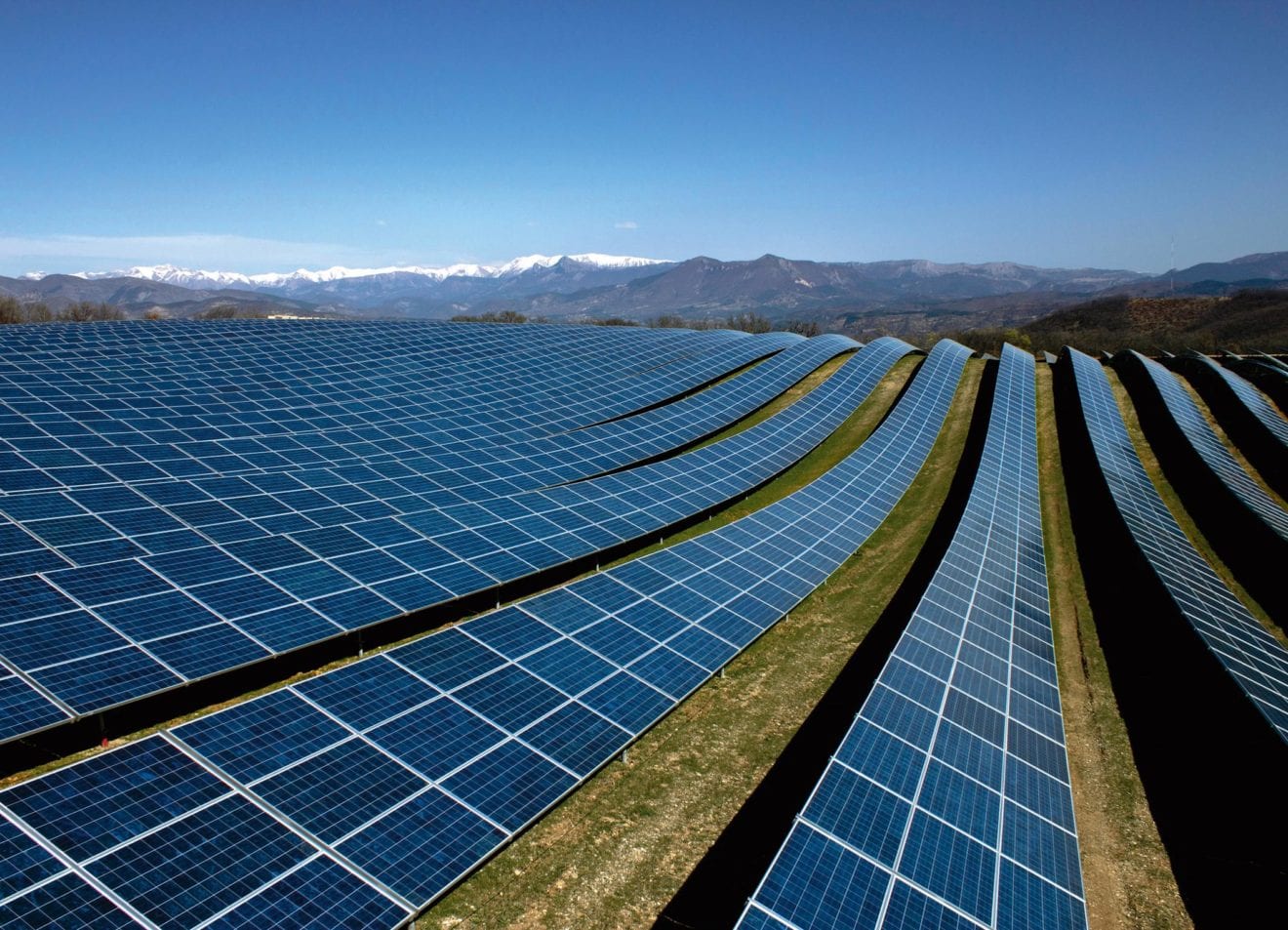
    Indonesia’s largest solar power plant built by PT Len Industri in Kupang, East Nusa Tenggara, is ready for operation as soon as it is inaugurated by President Joko “Jokowi” Widodo.

    Len Industri President Director Abraham Mose said electrical power from the solar power plant with Independent Power Producer (IPP) concept will reach five megawatts. “We will conduct test for power supply of five megawatts this December,” Abraham said.

    Abraham said that his company could finish the power plant’s construction right on time, even earlier than the deadline stated in the contract with the State Electricity Company (PLN) in East Nusa Tenggara.

    Abraham said that Len Industri’s investment value for the solar power plant reaches up to Rp125 billion.

  • VP Kalla reviews preparation to build hotels in Mandalika

    VP Kalla reviews preparation to build hotels in Mandalika

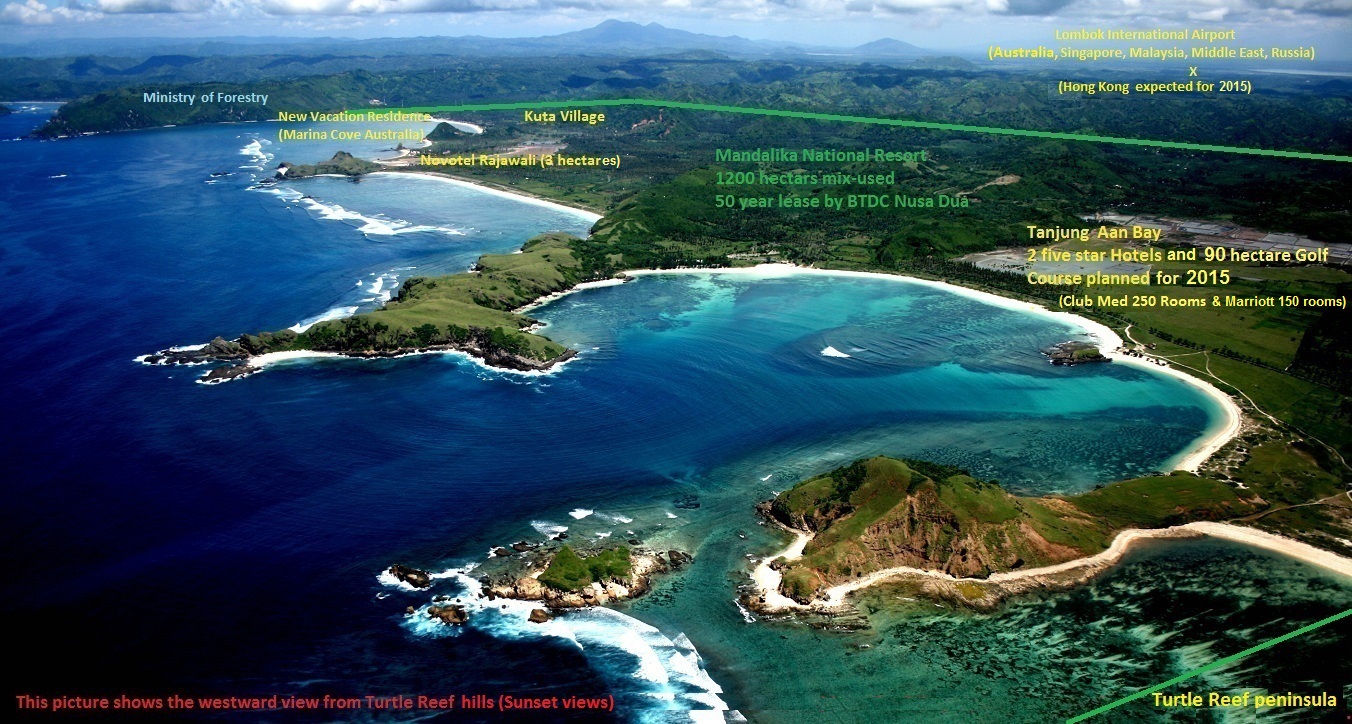
    Vice President M. Jusuf Kalla had the opportunity to review the preparations for the construction of four five-star hotels at Mandalika Special Economic Zones in Central Lombok, West Nusa Tenggara, Saturday.

    The Vice President reviewed the area together with Peoples Consultative Assembly (MPR) Chairman Zulkifli Hasan and Tourism Minister Arif Yahya.

    Arriving on the scene, the Vice President and the group immediately got the exposure of a number of investors who will build the four five-star hotels at the Mandalika Special Economic Zone (SEZ) in Central Lombok.

    Four hotels to begin construction in 2016, are Pullman Hotel of the investment fund PT Indonesia Tourism Development Corporation (ITDC), which is a state-owned enterprise (SOEs) in the field of tourism.

    Other hotels are Intercontinental Hotel, Club Med Hotel and Lees Hotel, and the construction of the entire capacity of the 850-room hotels was targeted to be completed within a period of two and a half years.

    “Everything has been completed, and there no reason not to accelerate the construction of these four hotels,” the vice president noted.

    After hearing the exposure of investors, the vice president then listened to the explanation of President Director of PT ITDC, Abdulbar M. Mansoer, related to the development of Mandalika SEZ within the next 10 years.

    In addition to building hotels, ITDC will also build the basic infrastructure needed by the hotels to support their operation, such as the need for clean water that will utilize seawater through the refining process.

    This work is done by establishing a partnership with EBD Bauer, one of the American companies engaged in the purification of seawater into fresh water.

    Other infrastructure that is in the process of being set up is a solar power plant (SPP) and gas power plants for hotels in Mandalika SEZ, which will not use electrical energy from the State Electricity Company (PLN).

    ITDC is also getting constructed the Tourism College (STP), which will create the human resources needed by the hotels.

    “Thus, some 20 star-rated hotels will be built in the Mandalika Special Economic Zone within 20 years. For the first stage, we will build four five-star hotels, and we have prepared the basic infrastructure,” said Abdulbar.

  • SME recognition awards to expand to Indonesia in 2016

    SME recognition awards to expand to Indonesia in 2016

    Kossan Rubber Industries Bhd group managing director and chief executive officer Datuk Lim Kuang Sia (second from right) receiving the Platinum Entrepreneur 2015 Award from Ahmad Husni. Kang (left) and working committee chairman Chey Onn Wah (right).

    THE SME Recognition Award will be “going Asean” next year, by first tapping Indonesia and later, eight other countries in the region.

    SME Association of Malaysia national president Michael Kang announced this during the SME Recognition Award 2015 Presentation and Gala Dinner held last Friday at the Sunway Pyramid Convention Centre.

    The award, in its 14th year, honours Malaysia’s top SMEs for their excellence.

    There were 101 award recipients from 17 categories such as SME Achievers Award, SME Green Excellence Award, SME Export Excellence Award, SME Women Entrepreneur Award and SME Service Excellence Award.

    The Platinum Entrepreneur 2015 Award was awarded to Kossan Rubber Industries Bhd group managing director and chief executive officer Datuk Lim Kuang Sia.

    Besides showcasing the achievements of Malaysia’s top SMEs, this award provides a premium platform to benchmark the service standards and quality of SMEs as well as enhance their intellectual properties and brand image in the global marketplace.

    The award theme this year was “Shaping up to the New Economic Landscape”.

    Kang said it represented a critical call for Malaysian SMEs to re-invent, harpen their skills, and brace themselves to match the global competition associated with a borderless business environment.

    “In terms of productivity, Malaysia ranks low with a ratio of 4:1 and 7:1 compared with Singapore and the US respectively.

    “This means that one Singaporean can do the job of four Malaysians, and one American can do the job of seven Malaysian,” said Kang.

    “As the National President of the SME Association of Malaysia, I wish to share my perspective on issues affecting SMEs in the country,” he added.

    If we continued to be contented instead of improving ourselves, Kang projected that at least 30% of SMEs would disappear when the Trans-Pacific Partnership Agreement (TPPA) comes into full force, two years after signing, because with companies from the TPPA country partners offering products and services of better quality here, SMEs would die off if they are not ready to advance.

    Second Finance Minister Datuk Seri Ahmad Husni Hanadzlah was the guest of honour for the event.

    In his speech, he saidSMEs were one of the drivers of our economic growth, contributing 335 to our Gross Domestic Product.

    “We expect it to reach 41percent by 2020. On the part of the government, we will provide endless support in order for SMEs to achieve your aim.”

    Kang also said the association has signed a Memorandum of Understanding with Next Generation Movement to promote growth of young entrepreneurs with effect from Jan 1, 2016.

    “The MOU intends to help young entrepreneurs penetrate the ASEAN market of 630 million population through business matching, investment cooperation, and the exchange of information with regard to trade, supply chain, innovation and technology,” he said.

    He added the association looked forward to work hand-in-hand with the Next Generation Movement to enhance the capabilities of young entrepreneurs by leveraging on these regional opportunities.

  • Several German companies interested to invest in automotive component industry

    Several German companies interested to invest in automotive component industry

    Several German companies have expressed interest to invest in automotive component manufacturing industry using aluminum as its raw materials, state enterprises minister Rini Soemarno said.

    “One of the companies is Rheinmetall Land System. We will discuss it further with them when I visit Germany later,” she said when asked for her confirmation about the news here on Sunday.

    She said Rheinmetall Land is currently building cooperation with PT Pindad to produce defense and security equipment.

    PT Pindad is cooperating with Rheinmetall Land System in overhauling, upgrading, servicing, maintenance and modification of a number of military combat vehicles.

    The cooperation covers several products such as MBT Leopard 2 RI, Leopard 2 A4, AIFV Marder aA3 RI, Gunnery/Driving Simulator and others.

    “But the big business that the company carries out also includes car components and many of them are exported across the world,” she said.

    She said she would follow up Rheinmetalls plan to invest in Indonesia especially in aluminum car components.

    “If they do decide to invest supply chain from upstream to downstream will be done by Indonesia,” she added.

  • Balinese farmers insure 4,000 hectares of rice fields

    Balinese farmers insure 4,000 hectares of rice fields

    As many as 4,000 hectares of rice fields belonging to Balinese farmers are included in the rice farming insurance program for the planting period of October 2015-March 2016, an official has said.

    “Our previous target this year is 11 thousand hectares of rice fields, but only 4,000 hectares can be insured due to limited time,” Head of Bali Provincial Agriculture and Foodstuffs affairs office Ida Bagus Wisnuardhana said here on Sunday.

    Thus, if the crop failure occurs due to floods or pest attacks after the rice fields have been insured, the farmer can get the claim of Rp6 million per hectare, he stated.

    In addition, the farmers should not pay the entire premium because 80 percent of it is subsidized through the state budget. The amount of the premium per hectare is Rp 180 thousand, but 80 percent (Rp144 thousand per hectare) is covered through the state budget.

    “Thus, the farmer concerned only has to pay Rp36 thousand per hectare in every planting season,” Wisnuardhana pointed out.

  • Online Sellers Tout Successful ‘Harbolnas’ Campaign

    Online Sellers Tout Successful ‘Harbolnas’ Campaign

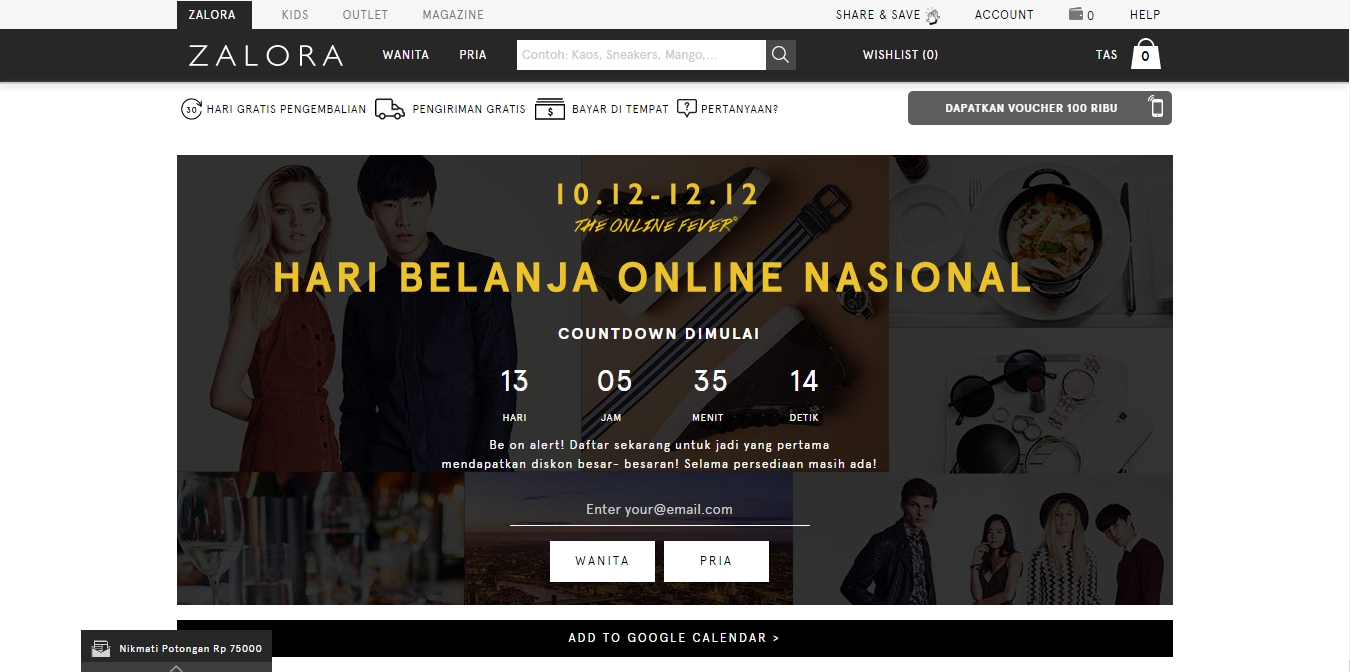
    Anthony Fung, managing director of online fashion retailer Zalora Indonesia said in a statement on Monday that the company saw sales surge thirty-fold during the three-day shopping event, but did not give a figure.

    “Everything is going so well that we decided to extend this campaign one more day, until December 13, so that we can give consumers more opportunities to get their favorite fashion brands at Zalora,” Anthony added.

    MatahariMall.com, the e-commerce arm of the Lippo Group, with which the Jakarta Globe is affiliated, claimed that sales went up 10 times the daily average during Harbolnas, with electronic goods and smartphones leading sales, according to chief executive Hadi Wenas.

    Fair game

    The hefty discounts promised, including up to 99 percent from MatahariMall, have prompted concern from consumers and industry lobby groups.

    The Association of E-commerce in Indonesia, or idEA, issued a statement over the weekend urging Harbolnas participants to divulge the actual value of sales derived from the event. This is in order to “assert the potential of Indonesia’s e-commerce market from local and international perspectives,” citing similar practices by online retailers in the United States and China.

    “There is concern over the hype in huge discounts offered during Harbolnas,” said Tulus Abadi, chairman of the Indonesian Consumer Protection Foundation (YLKI), as quoted by Merdeka.com.

    He urged consumers to be cautious about wild-sounding deals online, noting that consumer protection was still largely unregulated by the government.

    Lazada Indonesia was among the companies under scrutiny for manipulating prices, after a customer spotted a seller on the online marketplace listing infant diapers at a pre-Harbolnas price of Rp 130 million ($9,210), before a discount of nearly 100 percent dropped the price to Rp 93,482.

    Lazada said in a subsequent statement that it was not the company’s policy to deceive customers and that the seller in question had been banned from the marketplace.

    Similarly, MatahariMall listed a PlayStation 4 game console at an initial Rp 10.8 million before discounting it to Rp 4.599 million. Other sellers list the price of the same item outside the Harbolnas at Rp 4.7 million.

    Faced with the rapid growth in online retail in Indonesia, the government is in the process of laying the groundwork for regulating the e-commerce industry, from foreign ownership and taxes to consumer protection and business models. A regulatory road map devised by the Communications and Information Technology Ministry is expected before the end of the year.

    At the same time, idEA said it was also currently devising an ethical code of conduct when offering promotions and discounts, which it aims to unveil in the first half of next year in a bid to boost consumer trust and satisfaction when shopping online.

  • Indonesia retail Japanese convenience stores think small to survive

    Indonesia retail Japanese convenience stores think small to survive

    Japanese convenience store operators are shrinking the size of their outlets in Indonesia amid growing competition from local rivals. But the strategy of pursuing profitability over scale runs the risk of downsizing the companies out of the market.

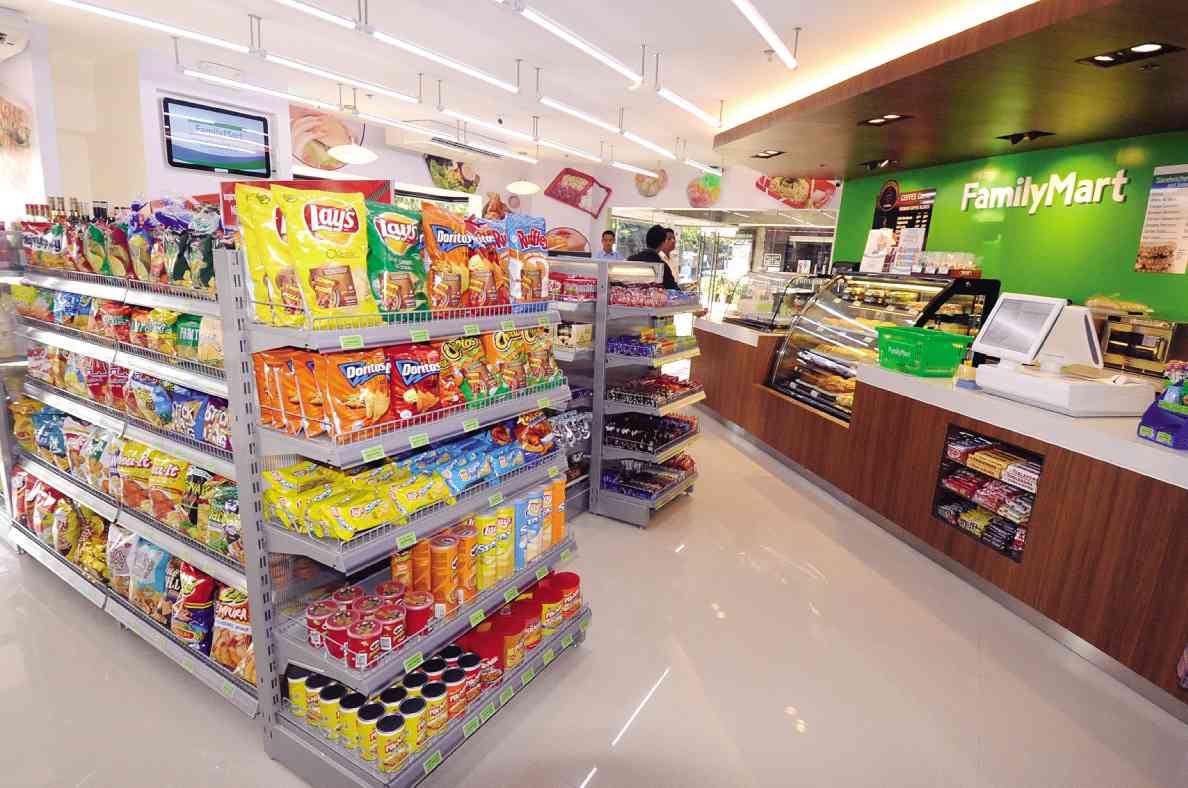
    In Jakarta, the two leading local operators — Indomaret and Alfamart — have over 10,000 outlets each. Japanese rivals are finding it difficult to stay competitive with their traditional focus on larger shops, which often include cafes. To fight back, Lawson and Seven-Eleven Japan plan to increase the number of smaller stores in office and commercial buildings.

    During lunchtime in an office building in Jakarta, people form long lines to buy bento box lunches, bread products and other items at a Lawson outlet. A karaage, or deep-fried chicken, bento sells for 45,000 rupiah ($3.20). “It’s my turn to pick up lunch today,” said a female office worker as she carried a shopping bag full of food from the store.

    The outlet, which opened in August, is Lawson’s first small store in an office building. It is less than half the size of a typical Lawson shop in Indonesia and has only one row of shelves. Midi Utama Indonesia, the local retailer that runs the stores, has been considering such new locations as shopping malls and train stations, one official said.

    Lawson entered Indonesia in 2011 after granting Midi a license to operate its stores. The Japanese company was ambitious, with plans to open 10,000 outlets in the first 10 years. But in mid-2013, after having opened just 80 shops in the country, sluggish profits forced it to withdraw from Bali. Lawson cut the number from 60 to 50 in 2014. Today, there are only some 40 Lawsons in Indonesia.

    In the meantime, Indomaret and Alfamart have been steadily increasing their store networks. They have adopted some of the techniques brought in by Japanese rivals, such as in-store cooking and in-store cafes. Duskin, a Japanese housekeeping equipment company, chose Indomaret over Japanese players as its local partner to run Mister Donut when it entered the market this year.

    Following the money  

    With their limited number of stores, Japanese operators are finding it hard to continue offering the level of product and service quality associated with Japan while still turning a profit. As a result, they are betting on small outlets in commercial buildings to drive earnings. In explaining the shift, a FamilyMart official cited “the high income level of customers and the easy-to-predict demand structure.”

    FamilyMart plans to start opening stores in office buildings and upscale condominiums in 2016. Its existing 25 outlets are in stand-alone buildings or buildings shared with Japan’s Yoshinoya chain of gyudon beef bowl restaurants.

    Seven-Eleven Japan, the largest Japanese convenience store operator in Indonesia, is considering opening more small stores in train stations, commercial buildings and other busy locations, according to Modern Internasional, the operator of 7-Eleven stores there.

    Ministop, which has six Indonesian outlets, the fewest among Japanese companies, plans to cut costs by operating smaller stores and revamping its product lineup. For example, the matcha green tea-flavored soft ice cream it is promoting is selling three times as well as the chocolate flavor, the company said.

    According to Alfamart, Indonesia’s convenience store market grew about 13% by sales in the first nine months of this year. Though that is down from 19% in the same period last year, the growth is still significant compared with midsize retailers such as supermarkets, which saw 3.6% growth.

    Japanese players are not alone in their “go small” approach. Local operators are also increasing the number of smaller outlets in train stations and other facilities amid a shortage of space to build stand-alone stores, and also because of the difficulty in obtaining approval from authorities in the metropolitan area.

    With local rivals not only adding more stores to their already-large networks but also adopting strategies similar to those used by their foreign counterparts, the pressure on Japanese operators to find new ways to remain competitive will likely increase.
  • Indonesian eCommerce boom

    Indonesian eCommerce boom

    Indonesians are embracing online shopping at an astonishing rate.

    The Indonesian eCommerce Association expects the total online market to treble between 2014 and 2016, worth Rp 283 trillion (US$24 billion) in 2016.

    According to Bank Central Asia, Indonesia’s largest private lender, an Indonesian eCommerce boom will see spending rise an estimated 127 per cent this calendar year. And next year, growth will be as high as a further 80 per cent.

    The head of BCA’s consumer card division, Santoso, says the bank recorded Rp 4.5

    trillion (US$326.3 million) in eCommerce transactions in the first nine months of the year and he is confident it will reach Rp 5 trillion by the end of the year. Shoppers are using both credit and debit cards online.

    Despite such figures, the Indonesian eCommerce market remains in relative infancy. Online shopping still accounts for just 0.5 per cent of sales. Consumers are wary of supplying card details online and a mere six per cent of Indonesians actually possess a credit card. Unreliable logistics infrastructure is a further barrier to growth, although this week’s agreement between Zalora and Pos Indonesia to have nearly 3000 of its post offices double as delivery and return points are a step towards addressing that issue.

    Driving the current growth is the small percentage of Indonesia’s affluent consumers – especially those living in second tier cities who lack physical access to branded retail stores or range of products.

    Next week, BCA will hold a three day long e-Shopping Carnival featuring 16 online merchants. It currently works with 420 eCommerce businesses and plans to add a further 150 to those ranks next year, including hotels, travel businesses and electronics vendors.

    Meanwhile, Indonesia’s National Online Shopping Day (Harbolnas) will take place on December 12 with 140 eCommerce sites offering discounts of up to 90 per cent for one day. The online retail event is likened in magnitude to the Jakarta Great Sale.

  • Kushikatsu Daruma plans Asian expansion

    Kushikatsu Daruma plans Asian expansion

    An iconic Japanese restaurant chain Kushikatsu Daruma has opened its first outlet outside its home market – and announced plans to enter three more Asian countries.

    Kushikatsu Daruma opened its first restaurant in 1929 at the foot of Tsutenkaku, the famous landmark tower in Shin-Sekai, Osaka. Since then it has expanded to 13 restaurants in Japan and this month it opened its first overseas – in the Taipei of Zhongshan in Taiwan.

    The restaurant was opened by G7 International, the overseas investment arm of G-7 Holdingsfollowing a licence agreement struck last June with Daruma International, a subsidiary of Ichimonkai, parent of Kushikatsu Daruma.

    G7 has the rights to develop the brand overseas and says it is already in talks with Ichimonkai to open restaurants in Vietnam, Malaysia and Indonesia.

    Kushikatsu Daruma Zhongshan Chang’an Store, which opened on Tuesday, has a floor space of about 150 sqm and seats 60 people. It trades from 11.30am to 10pm daily.

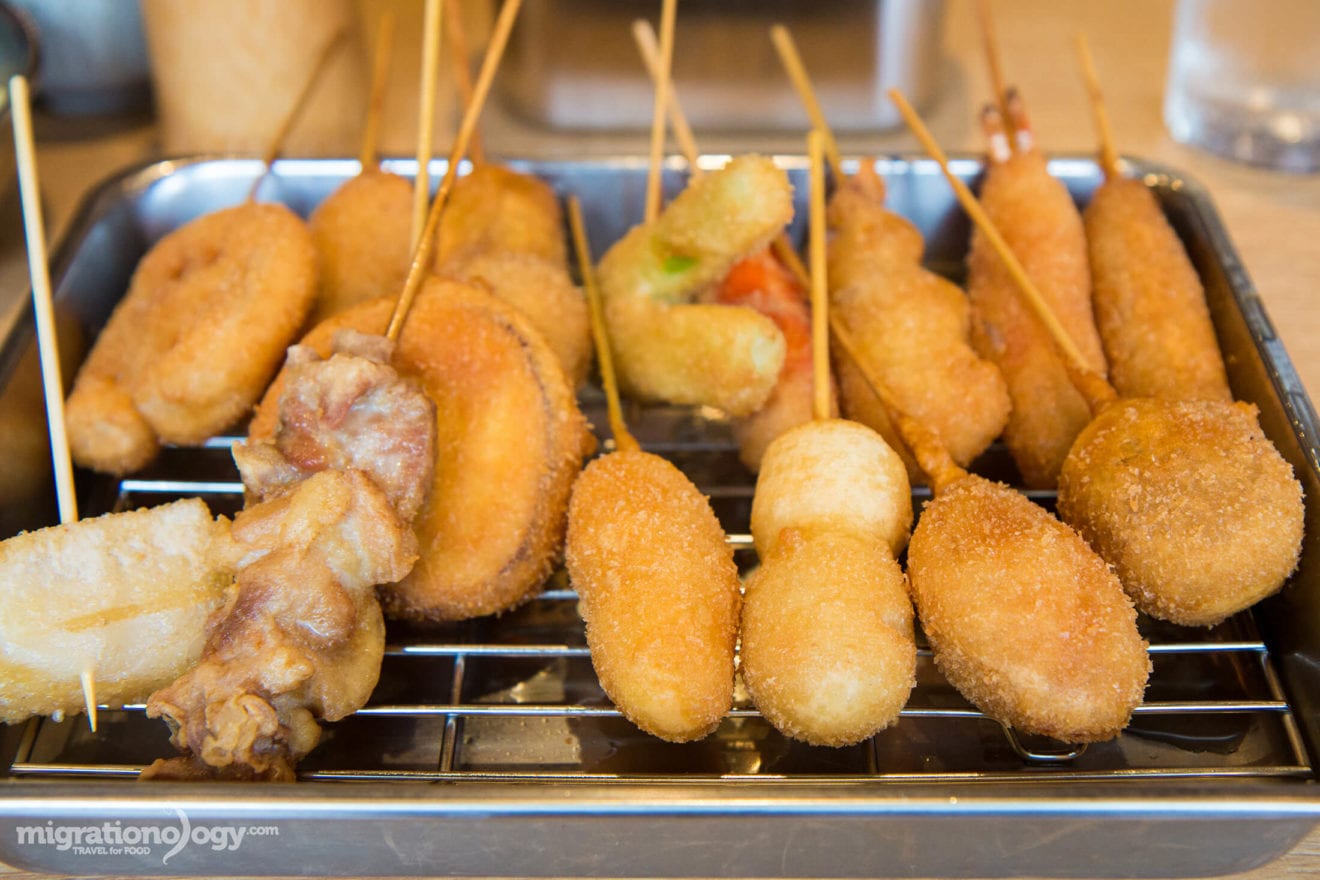
    Back in Japan, Kushikatsu Daruma has since become known in the Kansai area for good taste and affordable prices, with customers queuing at opening time every day. It specialises in cooking kushikatsu – skewered and grilled cutlets of meat, fish, vegetables and other ingredients.

    The G-7 Group is a mega franchisee operating Autobacs, Business Supermarket and other franchise stores with about 250 stores in Japan and seven stores abroad.

    “Taking advantage of the G7 Group’s accumulated management know-how and Kushikatsu Daruma priding itself on good taste in general… G7 International will proceed to open more restaurants in Southeast Asia,” the company said in a statement.

  • mCommerce boom raises cybersecurity risk

    mCommerce boom raises cybersecurity risk

    Asia’s mComerce boom is creating a growing target for online fraud and cybersecurity risks, according to fraud consultancy Fico Group.

    Criminals who used to focus on ATM skimming are turning their attention online in an effort to compromise credit and debit card data. These attacks can be far more lucrative, with more details stolen and a lower chance of getting caught, warns Fico.

    “The demographics suggest that this this will soon become a very big data problem.  In the next 15 years, Asia is expected to add another 1 billion internet users, which comes on top of the 700 million it has today, making it the world’s largest market for online consumers.”

    With fraud challenges growing, the issues and technologies needed to address them will be discussed this week in Bali, Indonesia, where Fico will hold its regional Fraud Forum with bank executives from across Asia Pacific.

    The last year alone has seen an average 22 per cent increase in shopping on mobile phones across 13 Asia-Pacific markets, according to a 2015 study from Visa. Indonesia, China and Taiwan reported the highest rates of growth for 2015 at 36 per cent, 34 per cent and 28 per cent respectively.

    With these card-not-present (CNP) transactions, the retailer never sees the customer or their physical card, and the cardholder doesn’t enter their PIN. At last year’s Fico Asia Pacific Fraud Forum in Singapore, 94 per cent of attendees said that cases of online or CNP fraud had increased at their organisation.

    Spotting and finding anomalies in this pool of data requires sophisticated self-learning and adaptive technologies so banks can catch fraud vectors as quickly as criminals exploit them. Fico is currently testing the geolocation abilities of mobile devices and integrating them with the Fico Falcon Platform, which protects 2.5 billion payment cards worldwide. By validating whether a consumer’s phone is in the same place where their card is being used, the system can reduce false positives while focusing on the most likely incidents of fraud. Banks can also send SMS messages to the consumer’s mobile to validate a transaction in real time.

    Maintaining trust in shopping from mobile devices will also require a new approach to cybersecurity. Data breaches at poorly protected retailers can threaten ecommerce sales. Predictive analytics is needed, rather than signature-based solutions, so that so-called “zero day” attacks can be identified and controlled.

    Raed Taji, head of global fraud consulting for Fico in Asia Pacific, said: “We are seeing rapid changes in customer behavior which then open up opportunities for fraud. In Australia, for example, cash withdrawals from ATMs have fallen 20 per cent in three years, thanks to

    tap-and-go card and mobile payment technologies. The focus on online fraud is growing very rapidly, so we must stay nimble to reduce losses.”

    Dan McConaghy, president for Fico in Asia Pacific, added: “Digital disruption to financial services may present fraud challenges, but it also presents opportunities for us to stop criminals. If consumer payments shift toward a new form of payment, fraudsters will seek out the most vulnerable element – which increasingly means a mobile device.

    “By investing in an analytics-based solution, lenders can add a powerful tool to their arsenal to stay ahead of new criminal fraud patterns.”

  • Indonesia to Import 1m Tons of Pakistan Rice in New Deal

    Indonesia to Import 1m Tons of Pakistan Rice in New Deal

    Indonesia to Import 1m Tons of Pakistan Rice in New Deal. Pakistan is the world 11th largest rice producer with annual production of 6.9 million tons milled rice.

    Indonesia will import 1 million metric tons of milled rice over the next four years from Pakistan, in a move to shield the country’s food security against volatile weather patterns.

    The two governments, represented by Indonesia’s Trade Minister Thomas Trikasih Lembong and Pakistan’s Ambassador to Indonesia Mohammad Aqil Nadeem, signed a memorandum of understanding on Tuesday.

    The deal, with an estimated worth of $400 million in imports between 2016 and 2019, will be executed by Indonesia’s procurement agency, Bulog, and Pakistan’s Trading Corporation of Pakistan.

    Indonesia currently has similar MoU with Cambodia, Myanmar, Thailand and Vietnam, though only some of the deals have been realized.

    Pakistan is the world 11th largest rice producer with annual production of 6.9 million tons of milled rice.

    The country saw trade with Indonesia rise 27 percent to $2.2 billion last year following a Preferential Trade Agreement in 2013.

    Indonesia enjoyed $1.8 billion surplus in the trade, thanks to its palm oil exports.

  • Indonesia to Unveil First Local-made Plane after N250

    Indonesia to Unveil First Local-made Plane after N250

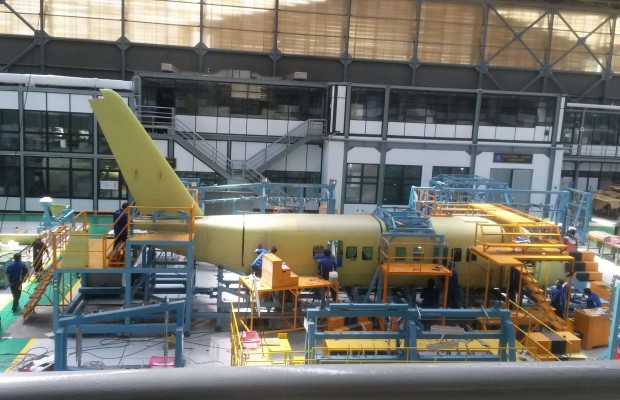
    PT Dirgantara Indonesia, (Persero) or PT DI, today will roll-out the N219, the first plane Indonesia has made again after the N250, which was made in 1995.  The N219 is the result of a collaboration between Dirgantara Indonesia and the National Aeronautics Space Agency (Lapan).

    The roll-out—a term for unveiling an airplane for the first time—was supposed to be done in August, but the plane was only ready by November. The roll-out marks that the N219 prototype is ready to be introduced to the public,

    Initially, President Joko Widodo was supposed to attend the unveiling ceremony. But Widodo had canceled his trip to Bandung, where he was supposed to open the 2015 Anti Corruption Festival and the N219 roll-out ceremony.

    Dirgantara Indonesia president director Budi Santoso said that the N219 could mark the beginning of the revival of Indonesia’a aerospace industry.

    “We hope it will help create synergy between industrial sectors and absorb skillful labor,” he said today, December 10.

  • Indonesia Promotes Tourism in Macau

    Indonesia Promotes Tourism in Macau

    Rizki Handayani Mustafa, deputy of Southeast Asian Development at the Tourism Ministry said that Indonesia would promote its tourism industry to Macau in a bid to increase the number of foreign tourists visiting Indonesia.

    “For the first time Indonesia will consider Macau to be a potential tourism market for Indonesia, Rizki told Antara on Thursday, December 10.

    Rizi added that the government would introduce Indonesia with its tourism potentials. Macau travel agent head Xiao Hong said that not many people in Macau knew about Indonesia and how to get there. Therefore, Xiao Hong suggested that Indonesia must conduct more campaigns in Macau.

    “The people in Macau have high expenses, so Macau is very potential as Indonesia’s tourism market. Moreover, many Chinese tourists who visited Macau can continue their trip to Indonesia,” Hong added.

    Bobby A. Rusyandi, general manager of Garuda Indonesia Branch Office of Hong Kong, Macau and Taiwan, said that his airline would work with Ferry operator connecting Macau and Hong Kong to facilitate tourists who want to Visit Indonesia.

    “So, people from Macau who will visit Indonesia with Garuda Indonesia can use a Ferry from Macau to Hongkong, and take Garuda Indonesia from Hong Kong to Jakarta or Hong Kong to Denpasar,” Bobby explained.

    Data from the Tourism Ministry revealed that the number of Macau tourists visiting Indonesia in 2014 stood at 1,622 people.

  • Penshoppe parent plans 125 new stores

    Penshoppe parent plans 125 new stores

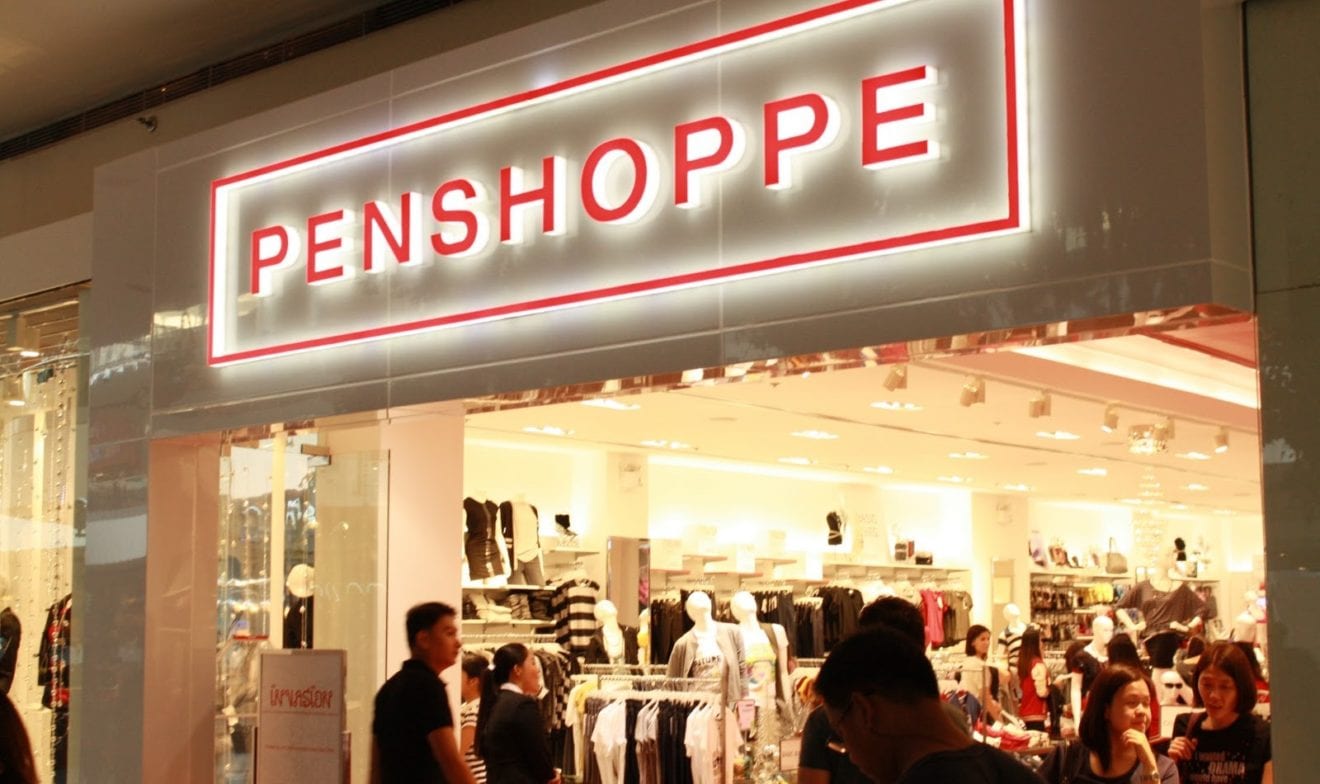
    Philippines fashion retailer Golden ABC says it plans to open 125 new stores in the Philippines and across Asia in 2016.

    According to CEO Bernie Liu, 100 stores will open in the company’s home market and a further 25 will open in other Asian countries, including Indonesia.

    Liu is undeterred by the rapidly rising ranks of foreign fast fashion clothing brands entering and expanding in the Philippines.

    “We have been competing with these international brands for years now in other parts of Asia. Our goal is to bring a Filipino brand into the international arena,” Liu said during the opening of three new stores at the SM Seaside City mall in Cebu.

    Golden ABC’s flagship brand – and the one most likely to be opened in Asian markets – is Penshoppe. The new Penshoppe store at SM Seaside City is the brand’s largest shop yet, with a footprint of 850 sqm, more than twice the size of a normal store.

    Golden ABC also operates the ForMe and Oxygen brands, both of which have also opened stores in SM Seaside City. The retailer has 700 stores across Asia and the Middle East. Its largest Asian markets outside the Philippines are Indonesia and Cambodia – and in Vietnam where the company recently opened a store inside the new VivoCity mall in District 7.

    “We are very encouraged by the response in Vietnam,” Liu said in an interview.

    Penshoppe has 26 stores in Indonesia, with three more under construction.

    Golden ABC also owns the Memo, Regatta and Tyler retail brands, and the direct-selling business Red Logo.

  • Indonesia to Have 151,000 Millionaires by 2020

    Indonesia to Have 151,000 Millionaires by 2020

    Research institute Credit Suisse released its 2015 Global Wealth Report, in which it projects that Indonesia would have 151,000 millionaires by 2020. This projected number is an increase of 54 percent from today’s 98,000 people.

    The increase, the report says, will happen simultaneously with the increase of Indonesians’ average wealth by more than three times in US dollars and five times in rupiah.

    Credit Suisse categorized millionaires as people with a net worth of over US$1 million. If we use the rupiah, these people would be considered billionaires as a million UD dollar is roughly worth Rp14 billion.

    For this year, Credit Suisse said that there are 987 Indonesian individuals with net worth exceeding US$50 million (Rp. 700 trillion), an 8.9 percent increase from last year. This places Indonesia at the 19th spot of the world’s top 20 countries with the most number of wealthy individuals.

    Credit Suisse claimed that the number of Indonesia’s dollar millionaires has increased by five times since the year 2000, which reflects rising inequality, seeing how the country’s rich and middle class is only 4.4 percent of the 250-million population.

    Meanwhile, Forbes placed Budi and Michael Hartono as Indonesia’s richest individuals. The Djarum Group bosses have a combined asset worth of US$15.4 billion or around Rp212.8 trillion. Coming at number two is Susilo Wonowidjojo—also a tobacco tycoon; owner of PT Gudang Garam Tbk—with US$5.5 billion (Rp. 76 trillion). The third spot is currently secured by Salim Group owner Anthoni Salim with a net worth of US$5.4 billion (Rp74.6 trillion).