Tag: Indonesia

  • Auto market flooded with imports from Thailand, Indonesia

    Auto market flooded with imports from Thailand, Indonesia

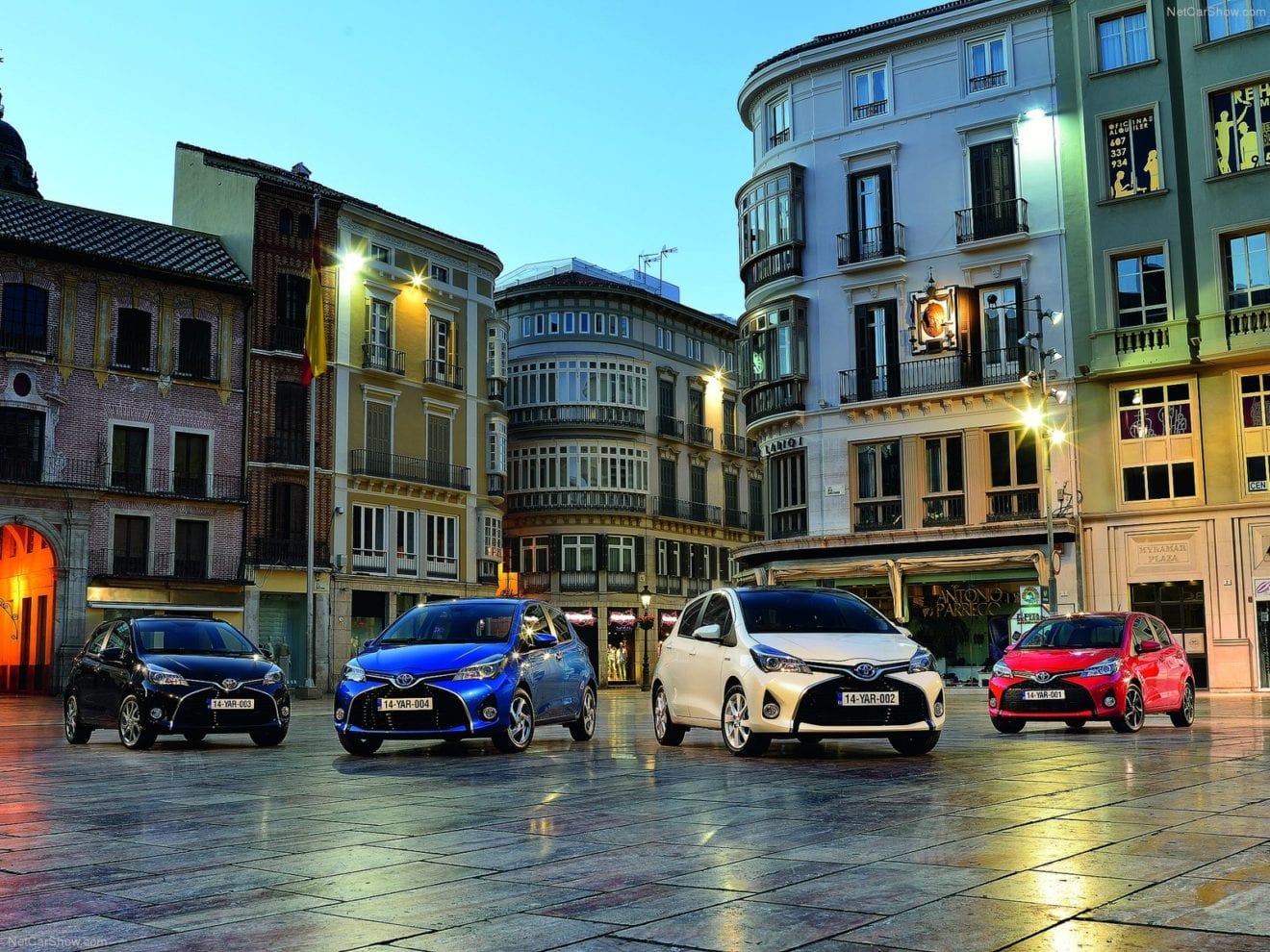
    A report of the General Statistics Office (GSO) showed a high car import growth rate in the last year. Vietnam imported $6 billion worth of cars in 2015, an increase of 59 percent in comparison with 2014.

    These include 125,000 CBU cars (complete built unit) worth $3 billion, an increase of 77 percent in quantity and 88 percent in value in comparison with the year before.

    Of the imports, transport vehicles were worth $1.2 billion, less-than-9-seater cars $507 million and large-size cars $34 million.

    Analysts noted that of the 10 largest markets from which Vietnam imports cars, including China, Japan, South Korea, Germany, the UK, France and India, imports from Thailand and Indonesia have seen sharp increase in the last months of the year.

    According to the General Department of Customs (GDC), in the first 11 months of 2015, Vietnam imported 23,516 CBU cars from Thailand, worth $406.1 million. The figures were much higher than 14,416 cars and $243 million in the same period of the year before.Both of them are ASEAN members.

    The car imports from Indonesia were lower than from Thailand, but have also seen a high growth rate. In 2014, Vietnam imported 1,686 cars from the market with the value of $16.9 million. Meanwhile, in 2015, the figure rose to 3.277 and $32.6 million.

    Analysts pointed out that Vietnam also imports vehicles in a large quantity from China, but the imports from the market are mostly trucks and specialized vehicles, while the imports from Thailand and Indonesia are mostly those with less than nine seaters.

    Vietnam not only imports CBU cars from Thailand and Indonesia, but car components as well, $542 million and $105 million, respectively, in 2015, which were even higher than the CBU import turnover.

    Analysts commented that large imports from two ASEAN countries are predictable, especially since the car price decreased by 40-42 percent recently.

    They believe that the imports from ASEAN would dominate the domestic market thanks to their more reasonable prices, compared with imports from developed countries and domestically made products.

    According to the Strategy Research Institute, the car price in Vietnam is much higher than Indonesia because taxes and fees make up 40-50 percent of the cars’ value.

    Toyota Camry in Vietnam, for example, is priced at $50,000, while it is just $40,000 in Indonesia. Similarly, the price of Honda CR-V is $45,000 in Vietnam and $29,000 in Indonesia.

    The Ministry of Finance estimated that from 2019 when the import tariff and luxury tax are cut, cars with cylinder capacity of less than 1,000 cm3 would see prices drop by 42 percent.

    Car owners complain about regulations on equipping their cars with fire extinguisher

    • Renault eyes Vietnam expansion
    • Vietnam buys many Chinese goods, from onions to cars
  • Baewan Airport Ready to be Operated

    Baewan Airport Ready to be Operated

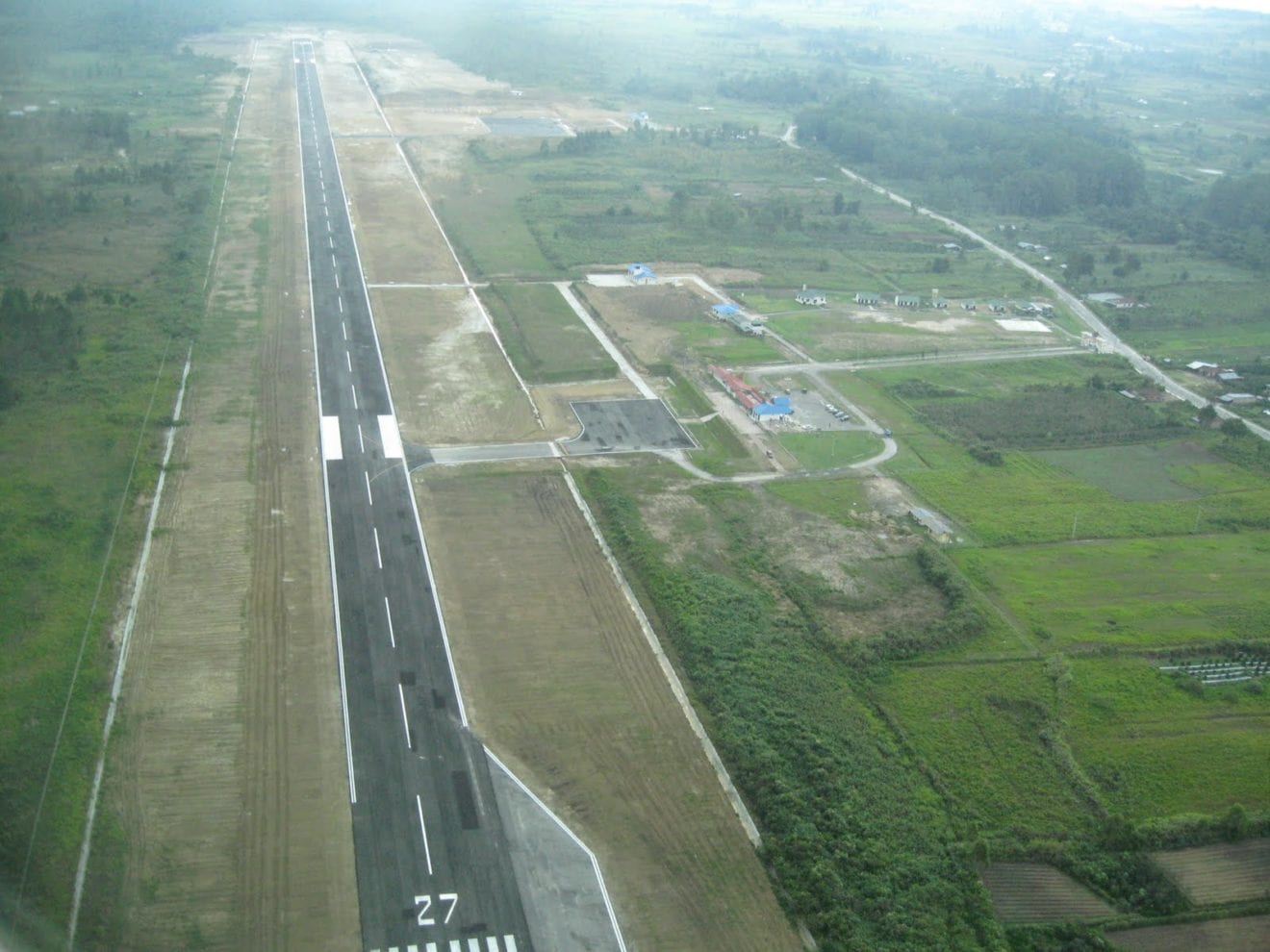
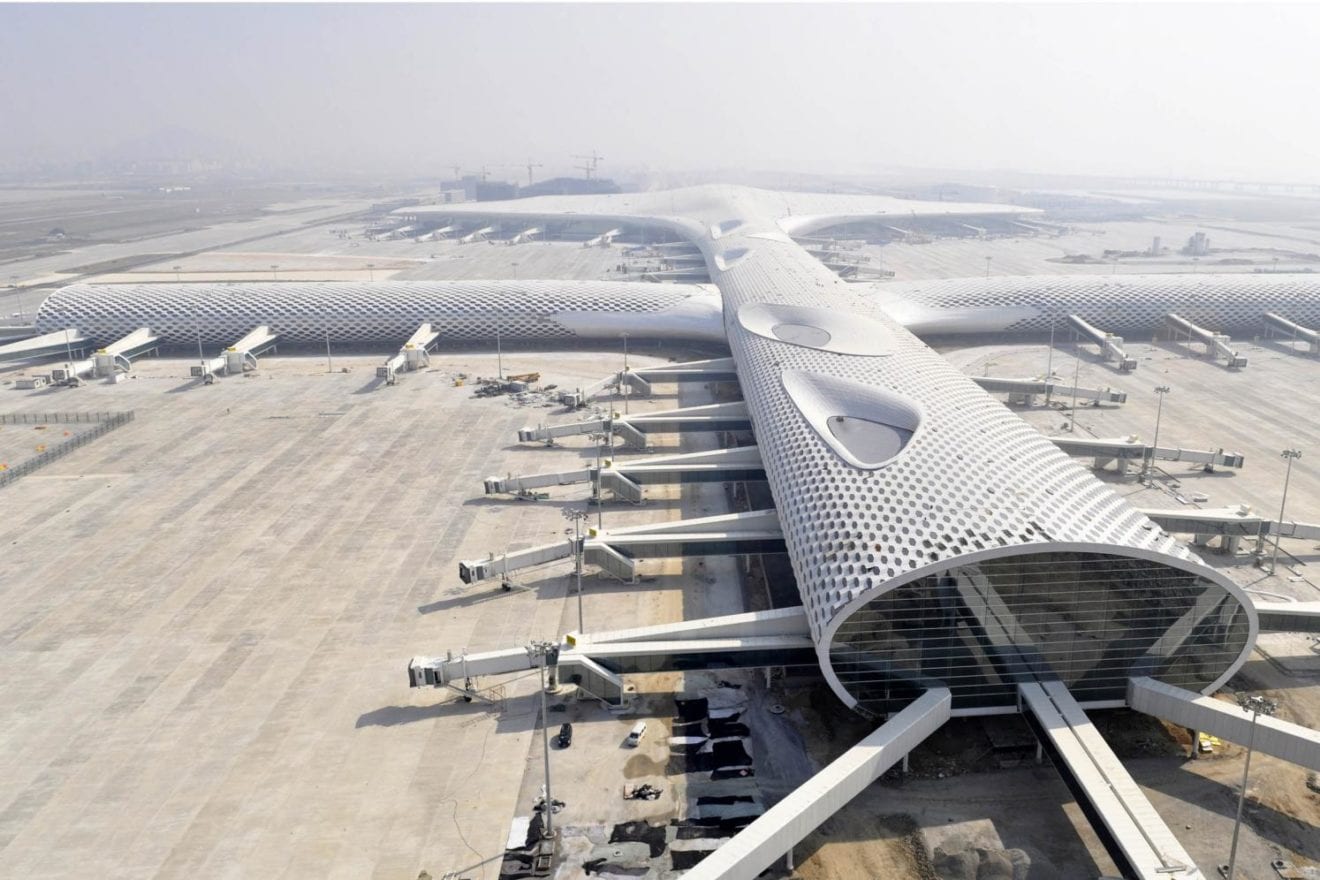
    Harun Thohir airport in Bawean, East Java province, is ready to be operated in early 2016. The construction of the airport began in 2008.

    “The airport is ready and now we’re waiting for the readiness of Transportation Minister Ignasius Jonan to come to Bawean (to inaugurate the airport),” said Head of East Java Transportation Agency Wahid Wahyudi on Saturday (23/1).

    According to Wahid, the airport is 100 percent ready to be used.

    The airport is expected to be used by DHC 6 Twin Otter Series 3000 planes owned by airline PT Airfast Indonesia and the plane has the capacity of 18 passengers.

    Meanwhile, Surabaya-Bawean route flight will receive transportation subsidy. However, Wahyudi admitted that the discussion of the subsidized price of ticket has not been settled but it is estimated that the price would be around Rp350,000.

  • Astino to market agro-house products in Vietnam and Indonesia

    Astino to market agro-house products in Vietnam and Indonesia

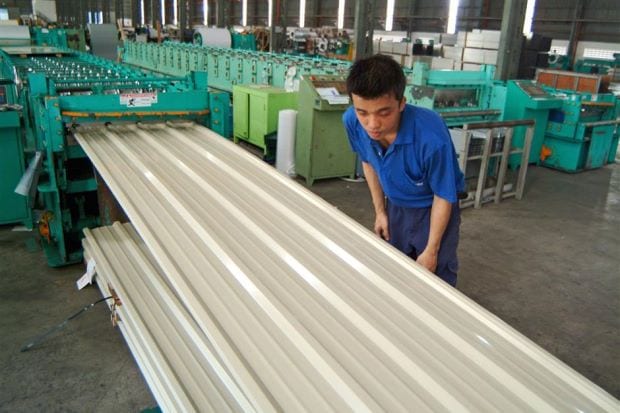
    Building material and roofing product manufacturer Astino Bhd plans to tap new markets overseas in two years selling its agro-house and green-house structure products. Group chief executive officer Ng Back Teng said the group was now selling the products only in Malaysia. “We want to strengthen our presence in the country first before going overseas,” he said after the company’s AGM on Friday.

    “We have in mind the markets in Vietnam and Indonesia.” At present, the products contribute less than 10% to the group’s revenue. “In the future, the contribution is expected to increase significantly,” he said. For the second financial quarter, the group’s business continued to be weak, due primarily to the slowdown in the construction sector, according to Ng. “The first quarter ended Oct 31, 2015 saw the group registering an 8%-9% drop in revenue. We expect the business for the second quarter to remain flat,” he said. Ng said the group had also reduced the import of steel-based materials due to the weakened ringgit.

    The group has seven facilities in the country, with three in Penang, two in Bukit Beruntung (Selangor), one in Pahang, and another in Malacca. “There are no plans for expansion this year,” he said. Ng said the group would focus on improving operational efficiencies and explore the possibility of producing new metal building material products to penetrate into new local and overseas markets. He added that the second facility in Bukit Beruntung started operations in late 2015. “The new plant should help the group to strengthen its foothold in the central and southern regions,” he said. Astino shares shed 2.5 sen to close at 66.5 sen on Friday.

  • Singapore-Based Courts Retail Opens Second Megastore in Indonesia

    Singapore-Based Courts Retail Opens Second Megastore in Indonesia

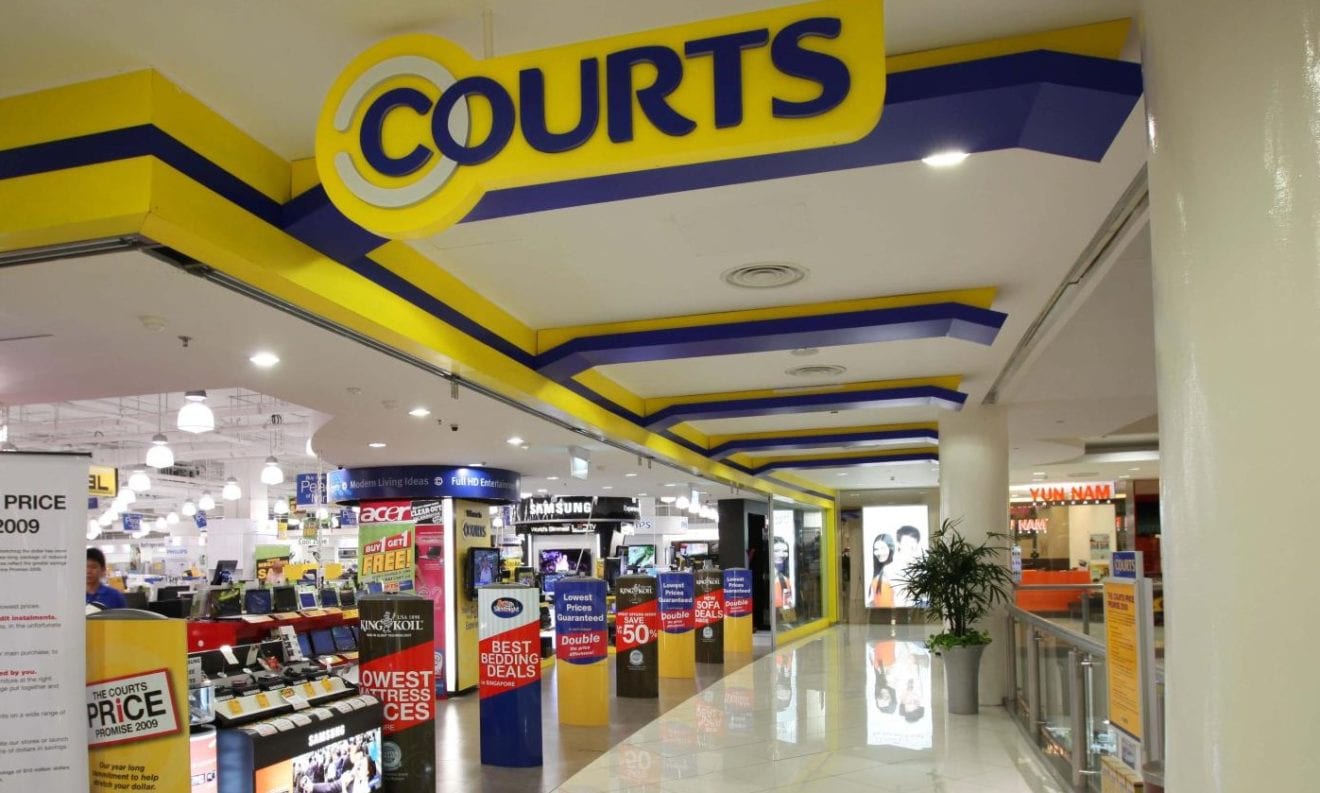
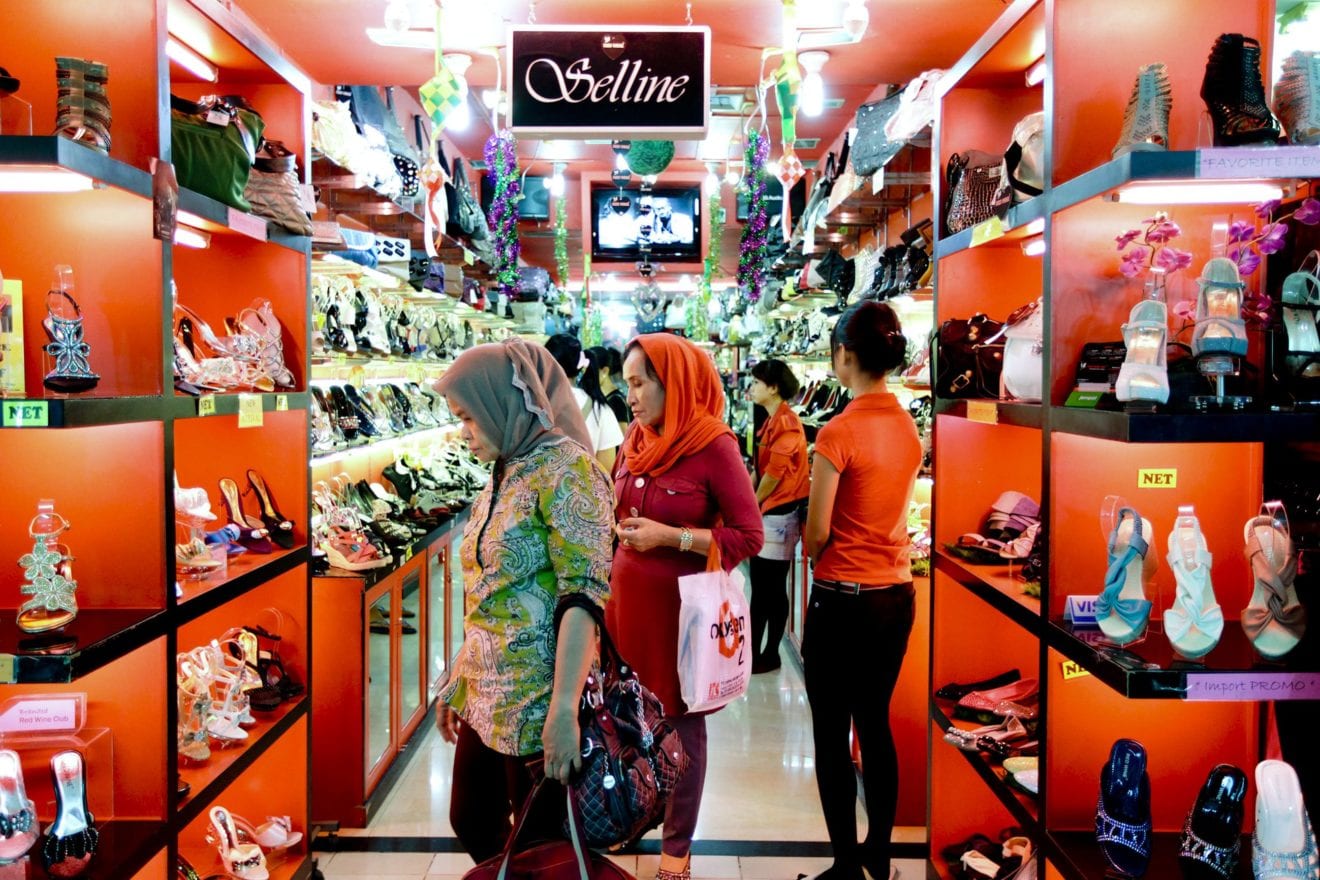
    “Indonesia is currently the driver of Courts’ growth. Since we first entered Indonesia in 2014, we now operate two megastores and three regular outlets. We aim to open twelve more outlets by 2018. This is our commitment in catering to the demands of Indonesians,” Roy Santoso, Courts Retial Indonesia country chief executive officer, said in a statement over the weekend.

    Courts opened its first big-box store in Indonesia last year in the Kota Harapan Indah township of Bekasi, on the eastern outskirts of the capital, before expanding with smaller stores in Bogor, West Java. Its Singapore-based headquarters currently operates 80 stores with over 1.6 million square meters of retail space in Southeast Asia.

    As of November last year, sales from Indonesia contributed to 1.7 percent of Courts Asia’s sales of S$186.1 million ($130.17 million), up 4.2 percent year-on-year, according to a listing on the Singapore Exchange.

    Retailers, both local and foreign-owned, have long touted Indonesia as an attractive market, thanks to its expanding middle class and young consumers.

    The country’s retail industry is projected to grow between 11 percent and 12 percent this year, after a modest 8 percent growth last year, as purchasing power across the country is expected to rebound alongside improving economic growth, according to Indonesia’s Retailers Association chairman Roy Mendey.

    “There was some cooling down in [purchasing power] last year because of slowing growth but we started to see an upward trend in sales during the fourth quarter,” he said recently.

  • First Internet Retailing Expo in Asia Took Place in Jakarta

    First Internet Retailing Expo in Asia Took Place in Jakarta

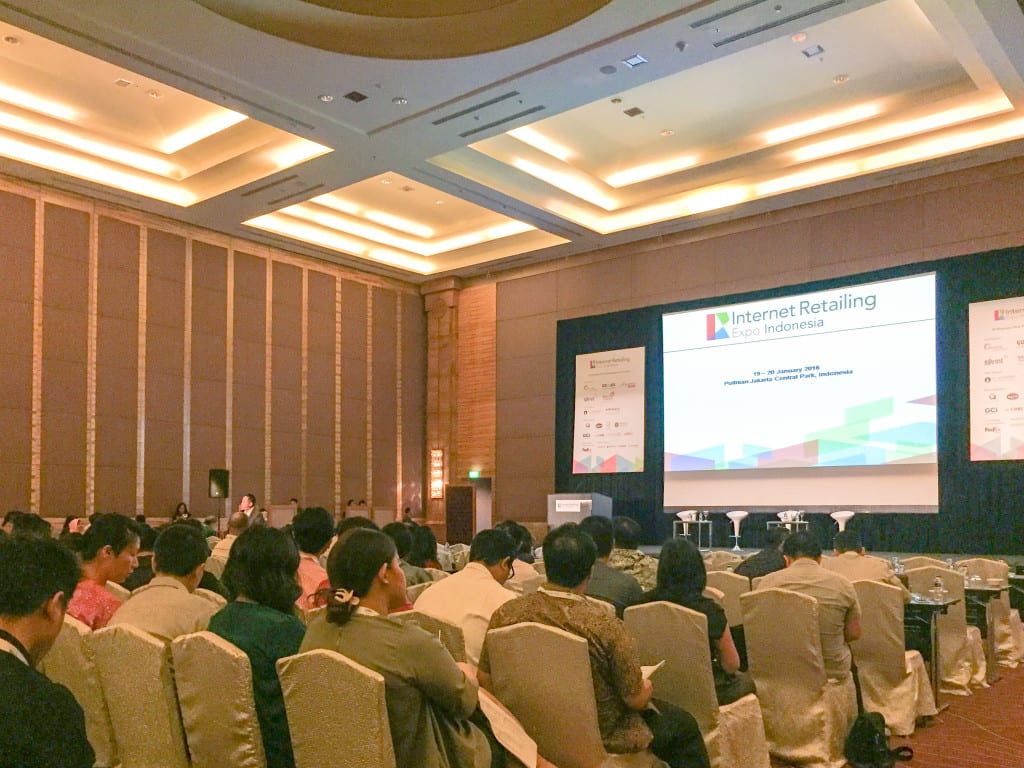
    On 19-20 January 2016, Internet Retailing Expo successfully launched its first edition in Jakarta. Indonesia was chosen to host the event due to the potential of country’s consumer market and an online market that is ready to take-off.

    The two-day conference happened in Pullman Hotel at Central Park, Jakarta, with focuses on both learning and the evaluation of technologies, products and services to help retailers looking to establish and grow their online retails strategies.

    IRX Indonesia 2016 was a roaring success with more than 700 industry professionals and 500 retailers attending the event. It aims to be the meeting place for the multichannel industry where retailers meet key suppliers and together will learn through best practice implementation case studies from a mature market.

    “That’s the power of mobile. Purchasing becomes easy for customers,” said Khrishnan during his interview session for IRX 2016.Throughout the event, 40 expert speakers shared their views on online retail business in Indonesia; many also touched upon the importance of having omni-channel retailing strategy. They include notable names such as Nadiem Makarim (CEO and Founder of GO-JEK Indonesia), Hadi Wenas (CEO, MatahariMall.com) and Krishnan Menon (CEO and Founder of Fabelio).

    The online retail business in Indonesia is definitely still in its developing stage and there are many challenges ahead, such as: lack of relevant talents, concentration of internet users in Jabodetabek, and inadequate infrastructure. However, it holds a tremendous potential as mobile is becoming a key role for any business who wants to be big in the country.

    Global Indonesian Voices is a proud media partner of IRX 2016.

  • Online sellers turn Southeast Asia retail industry upside down

    Online sellers turn Southeast Asia retail industry upside down

    Here’s how bad it is in Southeast Asia’s retail industry for sellers. 

    They are paying more to borrow money to keep their business going than consumers do to keep buying from them.

    Courts Asia Ltd., which offers shoppers zero percent long-term credit on higher-end products, has seen its Singapore dollar bond yields rise 28 basis points to 4.34 percent in the past six months and is trying to refinance the note ahead of its May repayment, Bloomberg reports.

    The yield on US currency bonds of Parkson Retail Group Ltd., part of a Malaysian retailer which operates across Southeast Asia, has soared 320 basis points to 10.21 percent.

    Sagging global growth and rising household debt is knocking consumer demand across Southeast Asia, with Indonesian phone seller PT Trikomsel Oke in November becoming the first company to default on Singapore dollar bonds since 2009.

    Retailers that borrowed to finance growth are also losing ground to online market places like Alibaba Group Holding Ltd.

    The median debt load of the region’s retailers rose to 1.75 times operating profit in latest filings compared with 1.3 at the end of fiscal 2014.

    “I have been very careful about some local currency corporate bonds,” said Singapore-based Desmond Soon, co-head of investment management for Asia at Western Asset Management Co., which had US$446 billion under management at Sept. 30 and held Courts Asia bonds as of Nov. 30.

    “Bricks and mortar retailers do have an issue,” Soon said.

    Retail store sales in Singapore dropped for a third month in November, falling 2 percent from a year earlier, Department of Statistics data show.

    Meanwhile, online transactions in the region are growing.

    Singapore Post Ltd.’s domestic e-commerce orders in Southeast Asia and Australia rose 384 percent in the 12 months through November, according to a company presentation.

    Courts Asia, which sells goods from electronics to home furniture in Singapore, Malaysia and Indonesia, began meeting investors last week ahead of its scheduled S$125 million (US$87.1 million) repayment of notes in May. It’s looking to raise funds to help refinance and repay the bond, Courts’s Singapore-based spokeswoman Tammy Teo said.


  • Starbucks Indonesia reopens stores after attack

    Starbucks Indonesia reopens stores after attack

    Starbucks Indonesia has reopened stores today after yesterday’s terror attack on one cafe in downtown Jakarta.

    In a statement, Starbucks head office in Seattle said it was “deeply saddened by the senseless act” that took place in Jakarta.

    “Our hearts are with the people of Indonesia. Amidst the attack in Jakarta, initial reports are that an explosion took place close to our store in the Skyline building. One customer sustained injuries; our partners (employees) are all confirmed to be safe.”

    The company said it would be business as usual today (Friday) as it works closely with local authorities and looks to them to provide further updates on what transpired as they learn more details.

    “While this store will remain closed, based on the stabilisation of the situation being conveyed by local authorities, we will open all other stores in Jakarta and across Indonesia.”

    The Starbucks cafe was one of three targets by Isis-linked terrorists in Indonesia’s capital city on Thursday. Two people lost their lives in the attacks, along with five suspected terrorists who either blew themselves up or were shot by police.

  • French Manufacturer to Release Smartphone in Indonesia

    French Manufacturer to Release Smartphone in Indonesia

    French smartphone vendor, Wiko Mobile, will release its latest product in Indonesia this Friday. The product dubbed Pulp Fab is expected to enliven smartphone sales competition at the beginning of the year.

    Chief Sales Officer Wiko Mobile Indonesia Sung Khiun said the product has various advanced features.  “To enjoy its various applications through a 2GB RAM,” he said in Solo on Tuesday, Jan. 19.

    Pulp Fab features an octa-core processor, allowing maximum performance when running game apps and high resolution HD films.  Its believe to be able to optimize multitasking performance when switching from one app to another.

    One of the advantages of Pulp Fab is the Floating Video Player feature.  Through this feature, users can enjoy watching video while doing other activities simultaneously.  In other words, users can minimize the video display when displaying other apps on the smartphone screen.

    Pulp Fab will come with a 13MP rear camera and 5MP front camera.  Its camera resolution will be able to satisfy users in capturing important moments.  “Including selfie lovers,” said Sung Khiun.

    For game lovers, Wiko has added a USB On The Go (OTG) feature for on the handset, which is compatible with a mouse.

    Pulp Fab sport a 5.5-inch HD display with 1280×720 pixels.  Its design is a combination of premium metallic frame effect and soft leather on the back.

    Unfortunately, Sung Khiun is still reluctant to leak its price which is scheduled to make its roll out in Bandung.  “It will definitely be under Rp2 million,” he said.  With the relatively cheap price, Wiko hopes  to expand its market segment, starting from entrepreneurs, office workers, and teenagers.

  • Indonesia retail sales growth rebounds

    Indonesia retail sales growth rebounds

    Indonesia retail sales rose 10.2 per cent year on year in November, according to data from Bank Indonesia.

    The rise followed a lesser 8.7 per cent growth in October, a figure revised downwards by 0.1 per cent this week.

    But the bank predicts weaker growth in December – as little as 6.7 per cent – with retailers pessimistic despite expectations of increasing sales of recreational goods, cultural items and parts and accessories.

    Bank Indonesia surveys 700 retailers in 10 cities to compile the monthly trend data.

    Food, beverages and tobacco were the major drivers of November’s growth.

    The bank said the survey expected price pressures will cool off over the  next three months.

  • Fashion Business will Grow in 2016, Association Says

    Fashion Business will Grow in 2016, Association Says

    Dwi Iskandar, chairman of Bali Indonesian Fashion Chamber (IFC), said that the fashion business in Indonesia is expected to grow by 20 to 30 percent in 2016.

    “We believed that [2016] is better than last year. We also hope our members will use Balinese fabrics, such as the endek, tenun and songket so that the fabric can be recognized outside Bali,” said Dwi on Monday, January 18, 2016.

    Dwi believed that Indonesian fashion products, especially from Bali, has the ability to compete with products fron other Southeast Asian countries. Dwi added that Indonesian fashion products has its own local cultural richness.

    “Last year, we promote flashy colors. For this year, we will still be colorful, but with a more natural touch with monochrome colors,” Dwi said.

    Dwi added that textile export from Bali will continue to attract customers. “Our products are mostly exported to Europe and Asia. Compared with other Southeast Asian countries, they can’t compete with Indonesia because business players in Indonesia focues on quality rather that quantity,” said Dwi.

  • Kertajati airport project to cost Rp3.7 trillion

    Kertajati airport project to cost Rp3.7 trillion

    The Kertajati airport project in West Java will cost around Rp3.7 trillion, to be paid by the central governmernt West Java Governor Ahmad Heryawan said.

    The central government through the transport ministry will finance the construction of the international airport in the regency of Majalengka, the governor said here on Monday.

    President Joko Widodo announced the decision on the project financing during his visit to Majalengka on Sunday.

    The governor said construction of the runway and the monitoring tower will cost around Rp1.6 trillion and the terminal and other facilities will cost around Rp2.1 trillion.

    The West Java administration is to pay only for the 1,800 hectare land clearing, the governor said, adding land clearing has been 1,000 hectares completed.

  • CIMB: No more job cuts in Malaysia, Indonesia this year

    CIMB: No more job cuts in Malaysia, Indonesia this year

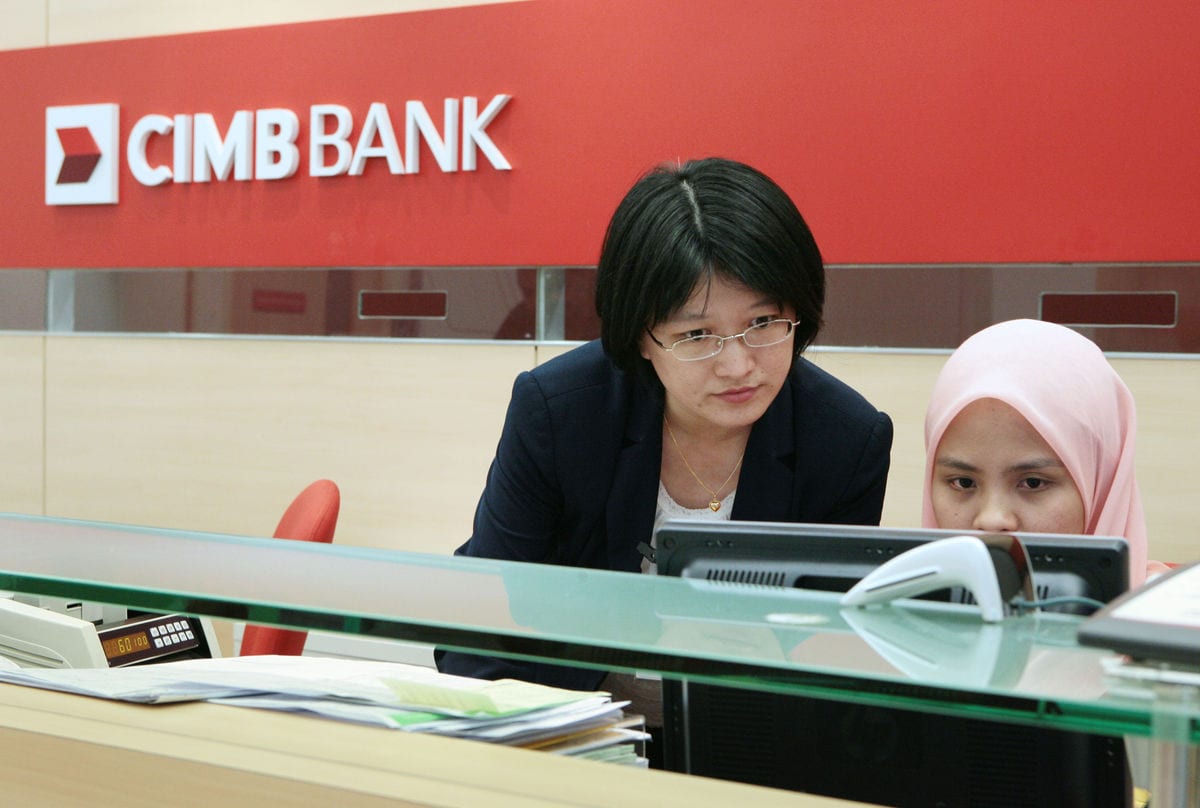
    CIMB Group will not undertake any more job cuts in Malaysia and Indonesia in 2016 after last year’s mutual separation scheme exercise.

    CIMB Group chief executive Tengku Zafrul Aziz said the bank was now focused on improving productivity and meeting its business agenda.

    “We have done the mutual separation scheme and we are not planning to do it any more here or in Indonesia,” he told reporters after presenting prizes to winners of the CIMB Asean Stock Challenge 2015 in Kuala Lumpur today.

    On Friday, CIMB cut 32 jobs in its Hong Kong investment banking and equities business due to worsening capital market conditions.

    Zafrul said for the first six months of 2016, the bank expected the outlook to be challenging based on the current economic environment.

    “But having said that, I think the bank has started to appreciate because if we look at the capital and equity ratio of all banks in Malaysia, we more than meet the requirement by the central bank.

    “We are also looking at a compatible growth economic growth of between 4.5 and 4.8 percent for the banking industry this year,” he added.

  • Foreign Investors Eyeing Indonesia’s Movie Theater Industry

    Foreign Investors Eyeing Indonesia’s Movie Theater Industry

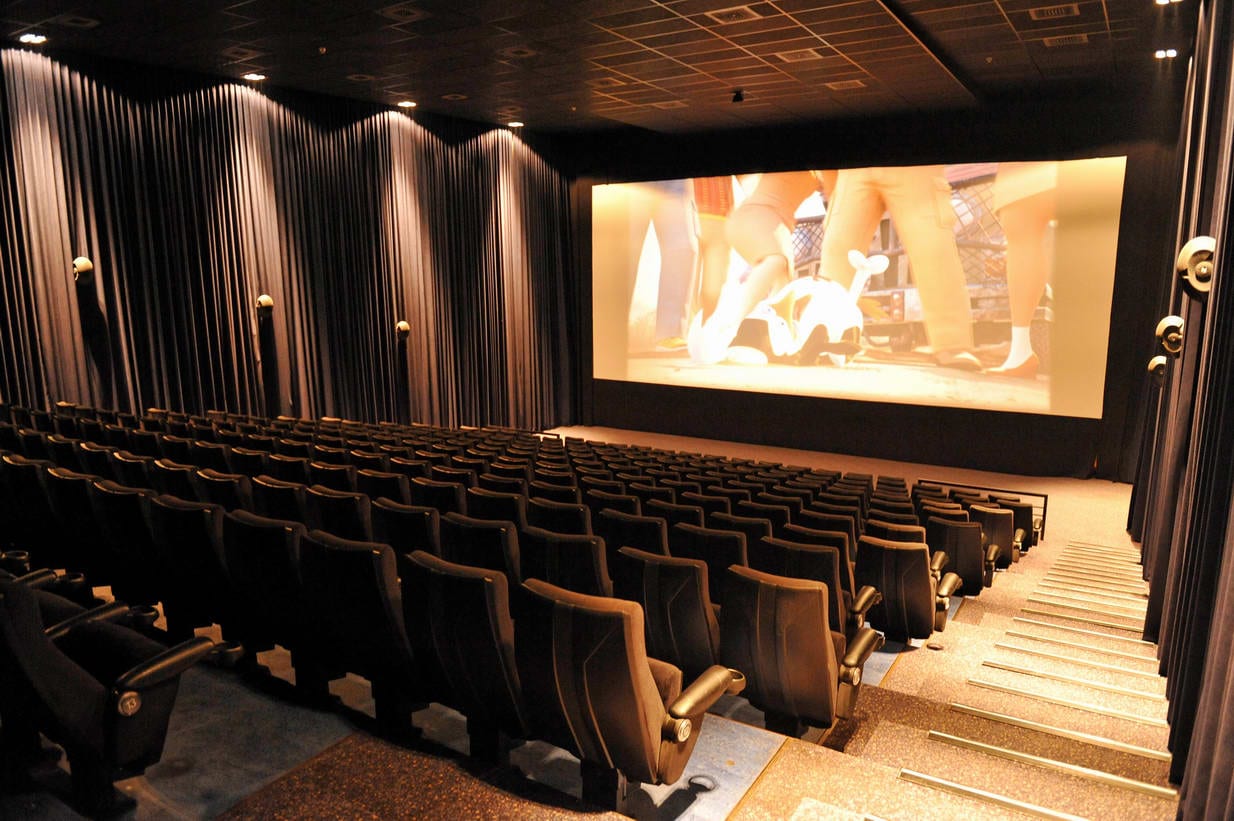
    Foreign investors have had their eyes on Indonesia’s movie theater business for quite some time now. According to the information collected, there are investors from South Korea, Germany, Britain, and India that have made approaches; expressing their desire to invest in the industry.

    One of said foreign investor is Lotte Group. In 2012, the group made aggressive approaches to the government, with plans to open up to 100 cinemas in Indonesia.

    In mid last year, Deutsche Bank and Rothschild Group expressed their interest to provide US$ 100 million for the expansion of Cinemaxx, a cinema network owned by the Lippo Group. Using that fund, Cinemaxx aimed to open 2,000 theaters over the next ten years.

    Endah W. Sulistianti, the deputy for Regional Inter-Agency Relations and Creative Economy Agency, confirmed that foreign investors are attracted to Indonesia’s movie theater business. However, the law prohibits the industry from being entered by foreign investors.

    “Right now the government is discussing over the possibility of allowing foreign investment in the cinema business,” she said last week.

    Hilmar Farid, Director General of Culture, said that the government actually has no problem with foreign involvement in the industry—provided that it poses no harm to national interests. He said it is important to make sure that if foreign investment is allowed, Indonesian cinemas will not only play foreign films.

    “There needs to be clear regulations and the sharing scheme must be clear as well,” Hilmar said during his interview.

  • Tourism has recovered 100 pct after Jakarta bombing

    Tourism has recovered 100 pct after Jakarta bombing

    Tourism Minister Arief Yahya said the Indonesian tourism had returned to normal and recovered 100 percent after the terror acts and bomb explosions in Thamrin Boulevard in Central Jakarta last Thursday.

    He said that Jakarta, particularly area around Thamrin Boulevard, has returned to normal after it was rocked by the January 14, 2016 suicide bombing and shootouts between police and terrorists.

    The normal condition is like what many people in the social media have described that Jakarta has returned to normal life as usual days.

    “Many people even thronged the bomb explosion site of the police station to take their profile pictures,” the minister said.

    During the car-free day on Sundays in the Thamrin Boulevard residents usually use the HI Traffic Circle, National Monument Square and Senayan as points of gathering.

    But this time (Sunday Jan.17), they changed their points of gathering. The police station at the intersection where the suicide bombing occurred on Thursday became their favorite point of assembling.

    According to the minister the Jakarta residents are clearly not afraid. They have no doubts to have their picture with the bombing site as the background. They could later change their profile pictures on the social media, he said.

    “So, the security condition has really returned to normal. Residents can act personally to report the facts and real condition in the Internet through their twitter accounts, facebook, instagram, path, pinterest and others,” the tourism minister said.

    On Thursday (Jan 14), two terrorists launched suicide attacks on a police station in Thamrin Boulevard near the Sarinah Department Store, which was followed by a shootout between three other terrorists and the police at the Starbucks Coffee shop adjacent to the Sarinah Department store.

    Within hours, the police were able to thwart the attackers, shooting to death three of them while two others died in the suicidal bombing. The incident also left three civilians dead (one died at a hospital three days later) and 32 injured, including police personnel.

    Jakarta Metropolitan Police Command Chief Inspector General Tito Karnavian has confirmed that the terrorists who orchestrated the attack in Jakarta on Thursday were linked to the ISIS terror group.

    “Our team is now on the lookout for members of this terror network who are linked to the ISIS group in Raqqa,” he stated during a press conference held at the presidential office following a meeting led by the president on the issue on Thursday evening.

    He said the ISIS group had changed its strategy. They earlier operated only in Syria and Iraq, but after their leader, Abubakar Baghdadi, ordered them to spread their activities outside Iraq and Syria, they had begun setting up ISIS terror modules across the world, he explained.

    “The terror cells can be found in France, Europe, North Africa, Turkey as well as Southeast Asia, including Indonesia, Malaysia, the Philippines, Thailand, and other countries,” he pointed out.

    In Southeast Asia, there is a figure keen to set up a “Khatibah Nusantara,” and he wants to be the leader of the ISIS group in the region.

    “Of late, a rivalry for leadership has developed. In the Philippines, they have set up a terror module in South Philippines, and now, multiple people are competing for leadership. In this connection, one of the ISIS figures launched these attacks. Meanwhile, we have identified the group, and we are still tracking them down,” Tito affirmed

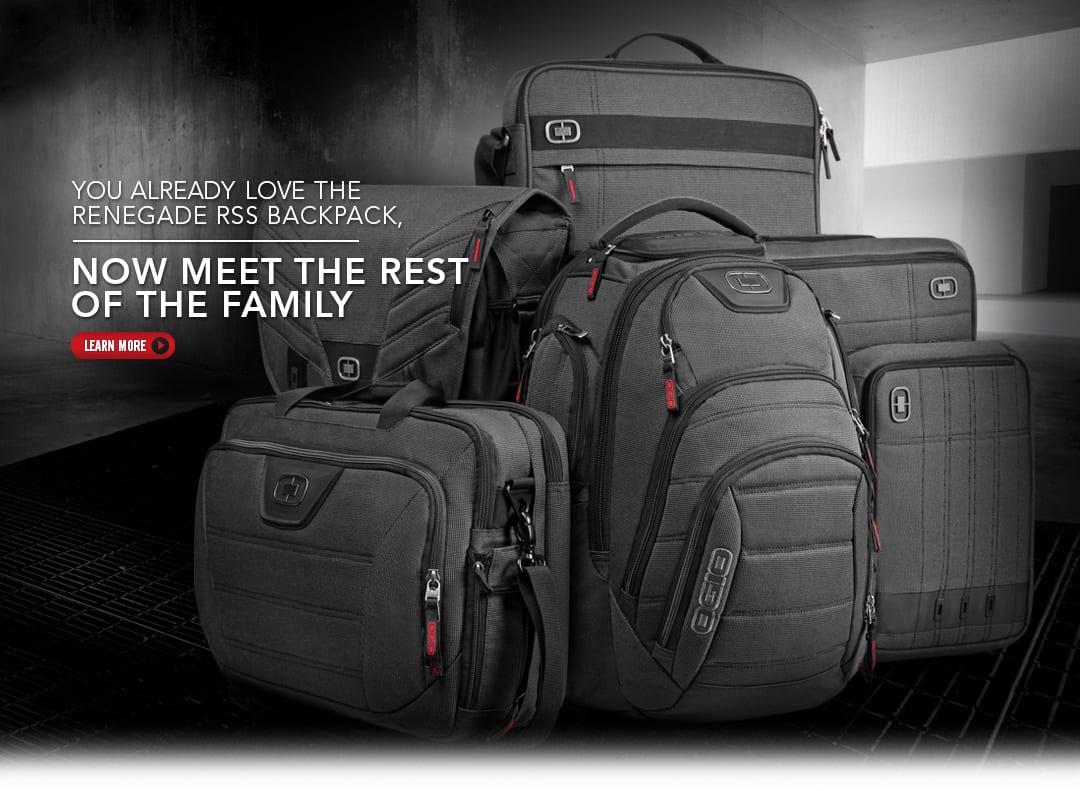
  • OGIO Announces First Retail Store Opening in Indonesia

    OGIO Announces First Retail Store Opening in Indonesia

    Following the highly successful introductions of their first 3 flagship store locations in Beijing, Shanghai and Seoul, South Korea, OGIO International announces the opening of its first retail store in Jakarta, Indonesia. The Jakarta location officially opened to the public on December 1st. The location, in the heart of Jakarta’s bustling Gambir Sub-District, is designed to house all of OGIO’s product collections.

    Investorideas.com Newswire

    “We are excited that our brand retail platform continues to be a major driver of growth for our international distributors and for our brand,” said OGIO CEO Tony Palma. “We feel that these flagship stores allow for a great introduction of OGIO to local customers around the world.”

    “The Jakarta location is our way of introducing our customers to the OGIO brand in Indonesia,” said Setiawan Sodhi, CEO at distribution partner PT Raja. “We feel that OGIO’s brand identity can really connect with the end consumer in Indonesia. Our customers will love OGIO’s adrenaline-driven styling in all of the various product collections.”

    Investorideas.com Newswire

    OGIO anticipates a second new flagship location in Indonesia, in the tourist mecca of Bali, slated for opening in 2016. With retail concepts successfully executed in China, Korea, Japan, Italy and Indonesia, OGIO continues to grow its international lifestyle business by double digits.

    “The success of our retail locations in other countries, both flagship stores and shop-in-shop concepts, has really caught the attention of many of our International distribution partners”, said OGIO’s GVP of International Mark Talarico. “The retail store concept is proving itself to be a fantastic marketing, sales, and most importantly, brand awareness driver for our distributors.”