Retail News CRM

Tag: Indonesia

  • Indonesia through the eyes of local startups

    Indonesia through the eyes of local startups

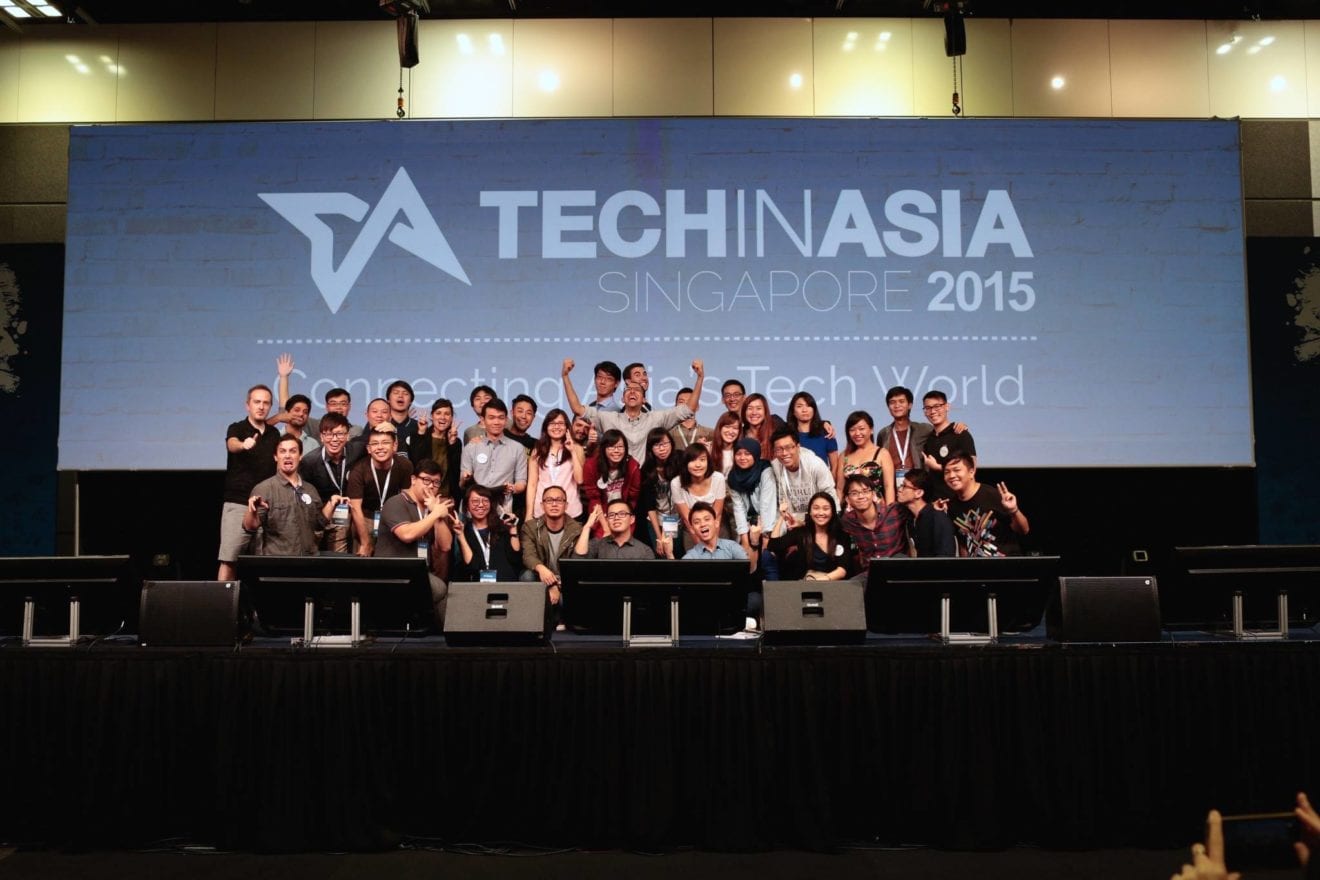
    11 and 12 November were two days of highly intensive activity at the Tech in Asia Jakarta 2015 held at Balai Kartini. From my sources at TIA, it was a whopping 4123 attendees, the largest turnout for a TIA event.

    The sheer crowd was a testament to Indonesia’s importance as a major South-East Asian consumer market. 142 of 184 startups hail from the host nation Indonesia at the Bootstrap Alley, the startup exhibition area.

    I have read many news sources about the Indonesian market, spoken to many people involved in Indonesian businesses, but my access to the local startup community has been limited, until now.

    tech in asia jakarta 2015 bootstrap alley featured image

    Intrigued to know Indonesia through the eyes of local startups, I told my investment team to spread out and take different alleys and speak to as many Indonesian startups as possible to learn more about the scene.

    At the end of the trip, we compared our notes and came up with some interesting observations. Due to the sensitivities of information being shared here, all names have been removed.

    New tech, same old way of business

    You would have expected a cultural shift of Indonesians adopting mobile technology as a new way of doing business, but the business scene is still dominated by very powerful and connected people who dictate the speed and direction of the technological adoption.

    “These powerful people have many companies under the guise of proxies and the company ownership structure is complex. Information is very scarce on who is the ultimate owner. Many of these companies own approved permits for various projects, which are awarded to them from their connections to the government. You have to work with these companies in order to gain access to a larger slice of the market,” says a startup founder working on an ecommerce platform selling a restricted good.

    For my business, I need to do four things to get it moving. Funding my operations is one. Next is to get access to a company which owns a permit to import these restricted goods. In this industry, there are only eight such companies holding permits. I have access to two.”

    “Supplies and funding,” I thought to myself. What else can there be? “Next, I have to be on very good terms with the police, to ensure they won’t cause trouble for me. There is no bribing, just ensure we are in communication and having good relations. Next is the mafia, to ensure they also won’t cause trouble for me,” he explains. What a balancing act he has to do. He didn’t mention about whether he needs to pay off the mafia though.

    He explains that Indonesia is a place where you have to identify first the right people in power and to connect with them to gain access to a certain market. He claims his market is niche, but I feel that he is hiding the real huge potential of the market. By having two of eight suppliers working with him, he is effectively addressing an estimated 25% market share of this vertical, assuming equal market share per supplier.

    Complimentary, not disruptive

    Another founder, who reads many articles on US entrepreneurs, says the US founders tend to claim their business model is disruptive and changes the way people work and live.

    “But here in Indonesia, remember that the economy is run by many powerful people. If you mention the word disruptive technologies, these people will regard you as a threat and go all out to block you. Rather, always say you are here to compliment their existing businesses and help them earn more money. Never go head-on with the incumbents. You might just get yourself ‘disrupted’,” he gives a shiver for dramatization.

    Mobile ecommerce is a huge size available for all

    Despite the dominant ecommerce players in Indonesia, the sheer market size makes it available to all, even the small-time businesses. An Indonesian investor who invests in hyper-local startups mentions:

    “Take Jakarta for example, there are many hyper-local ecommerce startups serving neighbourhoods. With the population density so high in the cities, many small-time startups are able to tap into these places and build their customer base and grow from there. It is not a nationwide expansion like the large players, but you can earn a decent living serving a small area. And don’t bother to build an ecommerce website. Everyone is on a smartphone. Going mobile is the easiest to start.”

    But for B2B businesses, it seems that web is still the way to go. I spoke with another startup that is an Alibaba me-too, focusing on very specific categories like fashion clothing. They connect wholesalers to distributors in Indonesia via their website.

    Despite being only in the market for a few months, they have already transacted a good number of B2B deals online. But given that the founder’s family is already in the trade, it might be their own existing orders going online that is creating the traction.

    Split-founder personalities

    Given space constraints, only 90 or so startups could exhibit on the first day, and the remainder presented on the second day. But it was an irony that the founders on day one came back on day two as founders of another startup!

    It is apparent in the Indonesian culture not to dabble in one startup but rather to try as many. “The opportunities are just so many that it would be stupid not to have multiple businesses,” quips a founder.

    He himself has four startups, working with various partners across the three cities of Jakarta, Bandung and Surabaya. “We have friends everywhere who have good connections for different businesses. We have our own connections and thus connecting all the dots from various cities to build a business together makes sense.”

    When I asked him how he manages his time, he smiles and says, “I wear different hats, just sometimes, I have to put on all hats. It is fun!”

    Ending thoughts

    As I took off from Soekarno-Hatta airport, I have been left with an impression that Indonesia’s tech startups are still basic in nature and not cutting edge. Founders have shared that the consumer market is still very much in its infancy stages and focused on bread and butter issues.

    However, there is no need for disruptive technologies yet as enabling technologies like transportation, ecommerce and communications need to be established first. Having strong existing cultural business norms of working with the bourgeoisie shows that running a big business requires a long-term plan.

    Further adding to the complication is the government’s many 87 regulations that prevent effective foreign investments and the creation of startups. But for those who are willing to slog it out, Indonesia’s huge population size is one attraction with its might and potential that entrepreneurs cannot ignore.

  • American bistro TR Fire Grill coming to Indonesia and Malaysia

    American bistro TR Fire Grill coming to Indonesia and Malaysia

    TR Fire Grill, a chef-inspired American bistro, is making its way to Malaysia and Indonesia with its artisanal culinary experiences, its first venture out of the United States.

    Its franchisee for Malaysia and Indonesia, Grand Companions Sdn Bhd’s CEO, George Ang said the company planned to invest about RM2.2 million in each of the TR Fire Grill outlets.

    “By June or July 2016, we will have the first restaurant in Kuala Lumpur and it will be followed another two in Jakarta, Indonesia,” he told Bernama in a recent interview.

    He said for both Malaysia and Indonesia, TR Fire Grill would have pork-free menu.

    TR Fire Grill was launched in March 2015 by Romacorp, which owns another American casual dining chain restaurant brand, Tony Roma’s. Grand Companions is also the franchise partner of Romacorp for Tony Roma restaurants in Malaysia.

    On the expansion for Tony Roma’s restaurants in Malaysia, Ang said the company currently operates nine Tony Roma restaurants in Malaysia and planned to add four more with investments of RM2 million each.

    “One new outlet will be opened in Vivacity Megamall in Sarawak and an additional three outlets in Peninsular Malaysia in the next two to three years,” he added.

    Grand Companions, he said was able sustain the volume of patrons for its Tony Roma’s restaurants in Malaysia and expected to lock in sales of RM250 million by end-2015.

    Meanwhile, Romacorp president and CEO, Stephen K. Judge, said Malaysia was one of the key markets for the US-based group.

    He said the group is currently developing new brands to continuously cater to the fast-moving food and beverages market.

  • Dairy Farm struggles in SE Asia

    Dairy Farm struggles in SE Asia

    Dairy Farm International Holdings says softer sales growth and steep cost increases led to weakened margins in the third quarter.

    In an interim management statement, which does not include financial data, the Hong Kong-based pan-Asian retailer says the group faced more difficult economic conditions, and focused on building market share and investing for the long-term health of its businesses.

    Tighter margins and unfavourable exchange rate movements continued to affect the group’s US dollar reported results and led to lower underlying earnings for the period.

    “The group expects similar trading conditions to prevail for the remainder of the year.”

    Dairy Farm says profitability of its Singapore food business – where it owns the 7-Eleven franchise and Cold Storage supermarket chain – fell, principally due to weak performances from newly opened supermarkets and the impact on 7-Eleven of government restrictions on alcohol sales.

    In Malaysia, the introduction of GST and softer consumer confidence dampened spending at itsGiantstores.

    “In Indonesia, despite good sales momentum in July and August, higher labour costs and price investments to attract customers have reduced margins,” the company said.

    The Health and Beauty Division – led by the Guardian and Mannings brands – continued to perform well in Hong Kong, despite the slowdown in Mainland Chinese tourist arrivals, and has seen improvements in profitability in Singapore. The overall results were, however, held back by poorer performances in Malaysia and Indonesia.

    Both the Home Furnishings and Restaurants Divisions have increased sales and profits. Ikea performed well in both Hong Kong and Taiwan, and the new Ikea store in Indonesia continues to trade ahead of expectations.

    Restaurant group Maxim’s, which operates Starbucks amongst other brands,  maintained its consistent performance.

    The group is to invest a further US$210 million in Yonghui Superstores in early 2016 so as to maintain its 19.99 per cent stake following a placement by Yonghui of a 10 per cent shareholding to internet retailer, JD.com. The investment by JD.com will provide Yonghui with additional opportunities for expansion into eCommerce.

    “With respect to recent investments, there have been positive contributions from [supermarket chain] San Miu in Macau and from Yonghui in China, despite the challenging trading environment. Meanwhile, progress continues on the integration and repositioning of the Rose Pharmacy business in the Philippines,” the company said.

    “Notwithstanding the challenging conditions, Dairy Farm was able to maintain its cashflow from operating activities through better working capital management.

    Dairy Farm operates over 6400 outlets – including supermarkets, hypermarkets, convenience stores, health and beauty stores, home furnishings stores, cafes and restaurants – employing over 170,000 people, and had total annual sales in 2014 exceeding US$13 billion.

  • 8th Holiday Inn Express in Indonesia Opens in Central Jakarta

    8th Holiday Inn Express in Indonesia Opens in Central Jakarta

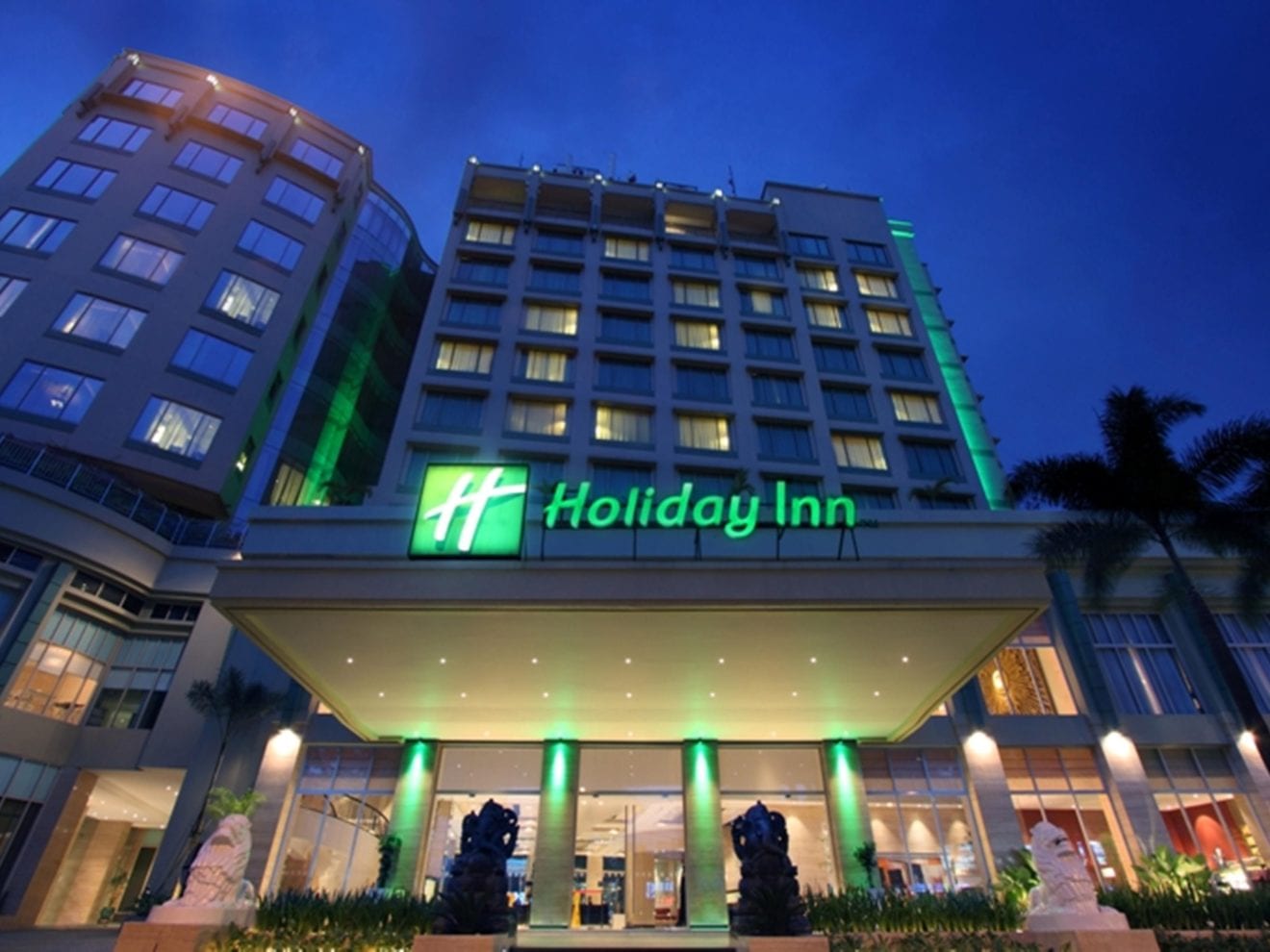
    InterContinental Hotels Group is celebrating the opening of Holiday Inn Express Jakarta Wahid Hasyim in the heart of the capital, making it the 8th Holiday Inn Express in Indonesia. The 160-room hotel’s city-centre location is within minutes of the city’s colourful markets and major shopping malls, the Central Business District (CBD) and other attractions.

    Leisure travellers will find themselves within walking distance of Jakarta’s shopping paradise featuring Grand Indonesia, the largest shopping mall in the country, along with Plaza Indonesia and Pasar Pagi Tanah Abang, the largest clothing wholesale market in Southeast Asia, to fulfil all their shopping needs while exploring the best of the city.

    Centrally located along the bustling Jalan K.H. Wahid Hasyim, the hotel is walking distance from the city’s main business district at Jalan M.H Thamrin and a short drive from other major commercial areas such as Jalan Jendral Sudirman and the vibrant Kuningan neighbourhood in Jakarta’s Golden Triangle. In addition to hassle-free access to major offices, banks, embassies and government buildings, the hotel offers free high-speed Wi-Fi access and in-room ergonomic work spaces, making it a smart choice for business travellers who want to optimise their time in Jakarta.

    Leanne Harwood, Vice President, Operations, South East Asia, IHG, said: “Holiday Inn Express is one of the fastest growing hotel brands in the world. In Indonesia, we have opened an average of one every three months since the brand debuted in the country two years ago. With more than 20 million travellers expected in Indonesia over the coming years, we are confident that Holiday Inn Express will cater to the needs of on-the-go travellers looking for a comfortable and affordable place to rest and relax after a long day out and about, whether for business or leisure.”

    When at the hotel, guests can look forward to a refreshing stay with a choice of queen or twin guest rooms, an efficient check-in and convenient amenities including:

    – Free and fast in-room Wi-Fi
    for guests to stay connected throughout their stay.

    – Comfortable and high quality bedding with a choice of firm or soft pillows for a restful sleep.
    – Free Express Start™ Breakfast with a Grab & Go option for a productive day ahead.

    – Revitalising power showers with a three-function massage showerhead and quality towels to stay refreshed.
    – A 24-hour fitness room for travellers to keep active and energised away from home.

    – Self-service business centre, internet and laundry stations

    Holiday Inn Express Wahid Hasyim is the 4th Holiday Inn Express hotel in Jakarta, joining Holiday Inn Express Jakarta International Expo, Holiday Inn Express Jakarta Thamrin and Holiday Inn Express Jakarta Pluit Citygate. There are four more Holiday Inn Express properties across Bali, Semarang and Surabaya with seven more due to open in Indonesia over the next three to five years. Globally, there are close to 2,400 Holiday Inn Express hotels with more than 540 in the pipeline.

  • Siam Makro eyes Myanmar, Vietnam, Indonesia

    Siam Makro eyes Myanmar, Vietnam, Indonesia

    Thai retailer Siam Makro says it is keen to enter Myanmar, one of three key Southeast Asian markets it considers a priority.

    Siam Makro, which operates the Makro-branded cash-and-carry stores, has confirmed to the Bangkok Post newspaper that it has completed a feasibility study on the fast-deregulating Myanmar market.

    CEO Suchada Ithijarukul said the company had met with the Thai ambassador in Yangon to explore procedures for entering the country.

    “We have conducted a feasibility study on Makro’s market opportunities in many Asean countries, with Myanmar, Vietnam and Indonesia being the priority destinations,” she said.

    “Siam Makro is studying Myanmar consumer behaviour and foreign investment laws. If the regulations are clear, it is ready to open its first store immediately.”

    Siam Makro is part of the powerful Thai conglomerate Charoen Pokphan Group.

  • Government to privatize Merpati airline company

    Government to privatize Merpati airline company

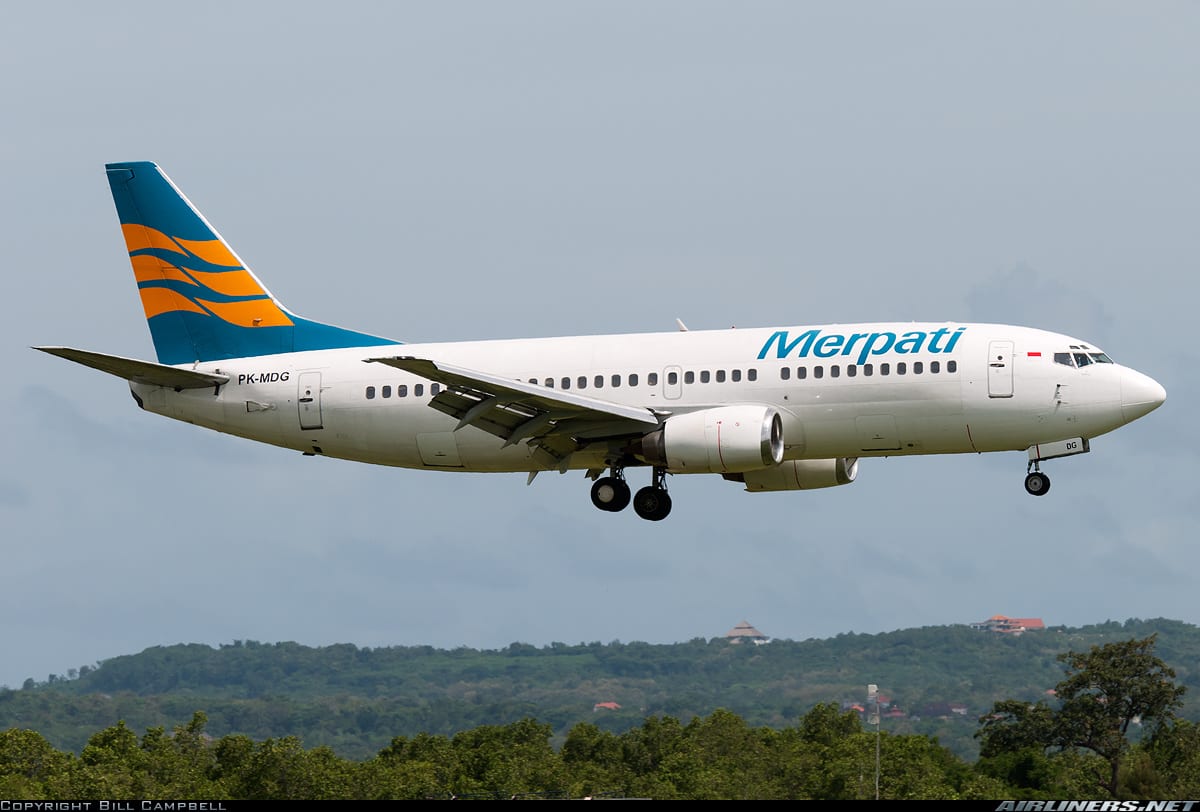
    The Indonesian government will privatize PT Merpati Nusantara Airlines by inviting investors to resolve the disputes in the company, deputy state enterprises minister Aloysius K.Ro said here on Tuesday.

    “By undertaking this privatization effort, one hopes Merpati is revived again and finds it possible to settle the fate of its employees,” he said at his office.

    He said the investors being invited could come from within the country or abroad and it is hoped that they will be ready in the first quarter of 2016 to resolve the issue, adding, “The investors (who we are looking at) are new players who have never participated in the privatization process (earlier).”

    “Investors who will come will be those ready to run it. They see the brand name Merpati. We are the majority share holder. It is alright. The important thing is to revive Merpati,” he said.

    Initially, Merpati will receive Rp500 billion in capital from the Asset Management Company (PPA) for right sizing, including settling the normative rights of its employees, an issue pending for long now.

    “We must negotiate. What is important is that the unpaid salaries are settled. As for the issue of severance pay, it will be discussed with the prospective investor,” he said.

    In line with the plan, all Merpati employees will be laid off and Merpati will appear as a totally new company with new employees.

    “All employees will be laid off and thus Merpati will be like a new born baby. They, however, will have the right to seek re-employment if the company is already in good health,” he said.(*)

  • Jeweller Malabar to expand in Asia, Gulf

    Jeweller Malabar to expand in Asia, Gulf

    Indian retailer Malabar Gold and Diamonds says it will open 22 new stores in India, the Gulf and ‘the Far East’ over the next six months.

    New showrooms will be opened in Hong Kong and Indonesia as part of the plan, but there are no details as yet on timing or exact location.

    To help stock the expanded store network – 155 after the openings – a new gold processing unit will be opened in Dubai and a diamond processing facility in Mumbai.

    “The new showrooms will be opened in major cities across India, the Gulf region and the Far East in next six months,” Malabar group chairman M P Ahammed said in a statement.

    The rollout is a further step towards Malabar’s goal of reaching 300 stores by 2020.

    “In response to the government’s ‘Make in India’ initiative, we are setting up new processing units at Kinfra industrial park in Kerala and at other industrial parks in Andhra Pradesh, Gujarat and West Bengal,” Ahammed said.

    “We are also building an advanced gold manufacturing unit on a five-acre land in Dubai with the support of the UAE government.

    “As more Indians are buying diamond jewellery due to changing lifestyle, higher disposable incomes and for being trendy, the diamond processing unit will be in Mumbai, which is a major centre for diamonds business,” Ahammad said.

    The group’s retail network is already spread across nine countries, including Bahrain, Kuwait, Oman, Malaysia and Singapore.

  • Courts Retail to open second  megastore by year-end

    Courts Retail to open second megastore by year-end

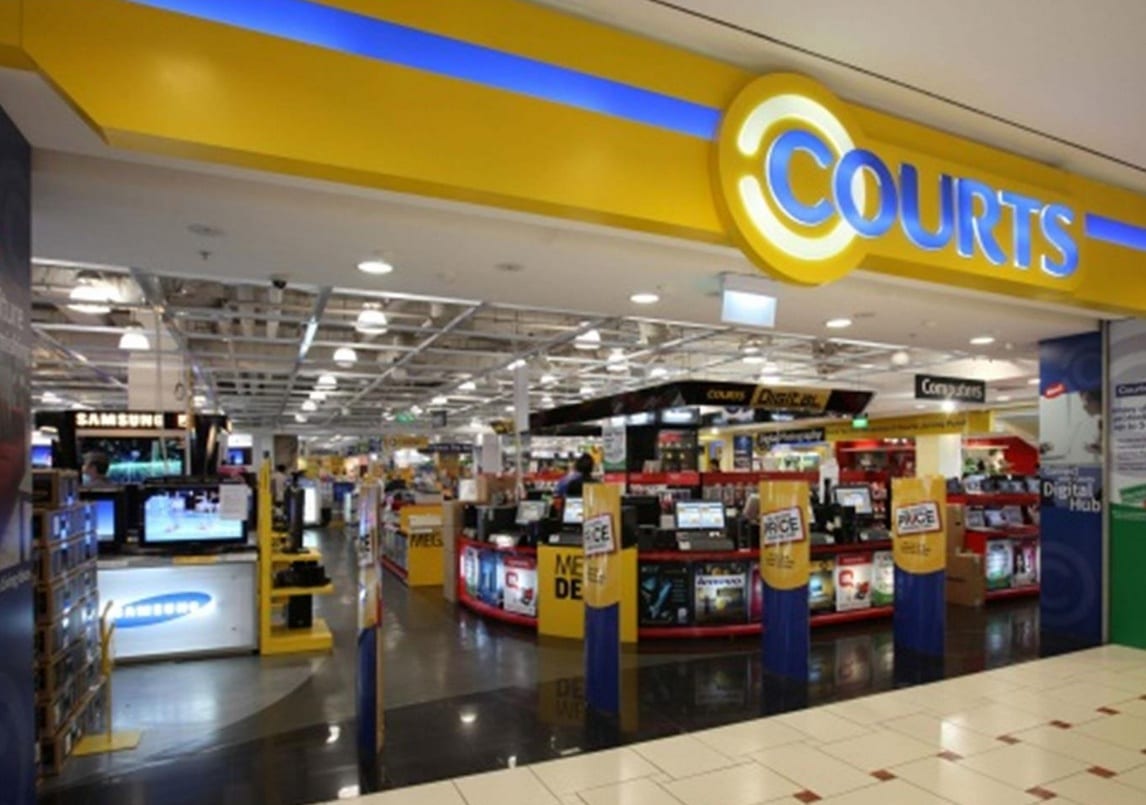
    PT Courts Retail Indonesia, a subsidiary of Singaporean retailer Courts Asia Ltd., will open a new megastore in Bumi Serpong Damai (BSD) City, South Tangerang, Banten, in December as part of the company’s Indonesian expansion.

    Courts Retail Indonesia CEO Roy Santoso said the 24,000-square-meter megastore was currently under construction on a 2.2-hectare plot of land in BSD, a growing township in the southwest of Jakarta with direct toll road access to South and West Jakarta.

    He said the construction of the retailer’s second megastore was 80 percent complete. The store would sell at least 12,000 items from 200 local and international brands. All the electronics and home appliances were local products, while the furniture would comprise 70 percent local and 30 percent imported brands, mostly from Malaysia and China, Roy added.

    “The store spaces will be grouped into four segments: ‘Play’ for electronics, ‘Live’ for home appliances and accessories, ‘Sleep’ for beds and ‘Relax’ for furniture,” he said in a press briefing last week.

    Currently the company has three operating stores: one megastore in Kota Harapan Indah, Bekasi, West Java, and two smaller ones in Bekasi and Bogor, both West Java. It only began active operations in Indonesia in 2014.

    Roy said that Courts Retail would open a maximum of seven stores in total within two years and 10 to 12 stores by 2019 in Greater Jakarta.

    “In these kind of economic conditions, we have to have a sustainable development plan. To reach breakeven, we plan to open two to three smaller-sized stores within two years,” Roy said.

    “Our initial plan had been to have one megastore in each western and eastern part of Greater Jakarta. The eastern part is Bekasi and the western part is BSD. We can still have vast area to build a megastore in BSD,” Roy said.

    “Courts also targets various classes of income groups. In our stores we segment our products into good, better and best so that people can choose. And BSD is easily accessible for people with different income who live in Bintaro and Pondok Indah in South Jakarta and Karawaci in Tangerang, other satellite cities with high numbers of population,” Roy added.

    The company has invested between US$3 million and $5 million for each megastore and $500,000 to $1 million for each smaller store of 2,000 sqm. In total, it has invested around $8 million so far, Roy said.

    The megastore to be launched in BSD will absorb some 300 employees, alongside overall management personnel placed there, too, as the company plans to move its headquarters from South Jakarta to the new outlet by December.

    Amid present competitors in the area, such as Kawan Lama Group’s Ace Hardware and Informa that serve similar product segments, Courts remains optimistic as it offers different product models and promotions.

    Courts Retail promotion strategy includes a flexible credit scheme and cooperation with major credit card issuers, including exclusively with BRI.

    “Other new things offered by Courts include a free delivery service, made-to-order furniture, installation, repair and cleansing services. Our e-shopping website will be ready by the end of this month,” Roy said.

  • XL Axiata targets Bandung, Jakarta for next 4G 1800MHz launch

    XL Axiata targets Bandung, Jakarta for next 4G 1800MHz launch

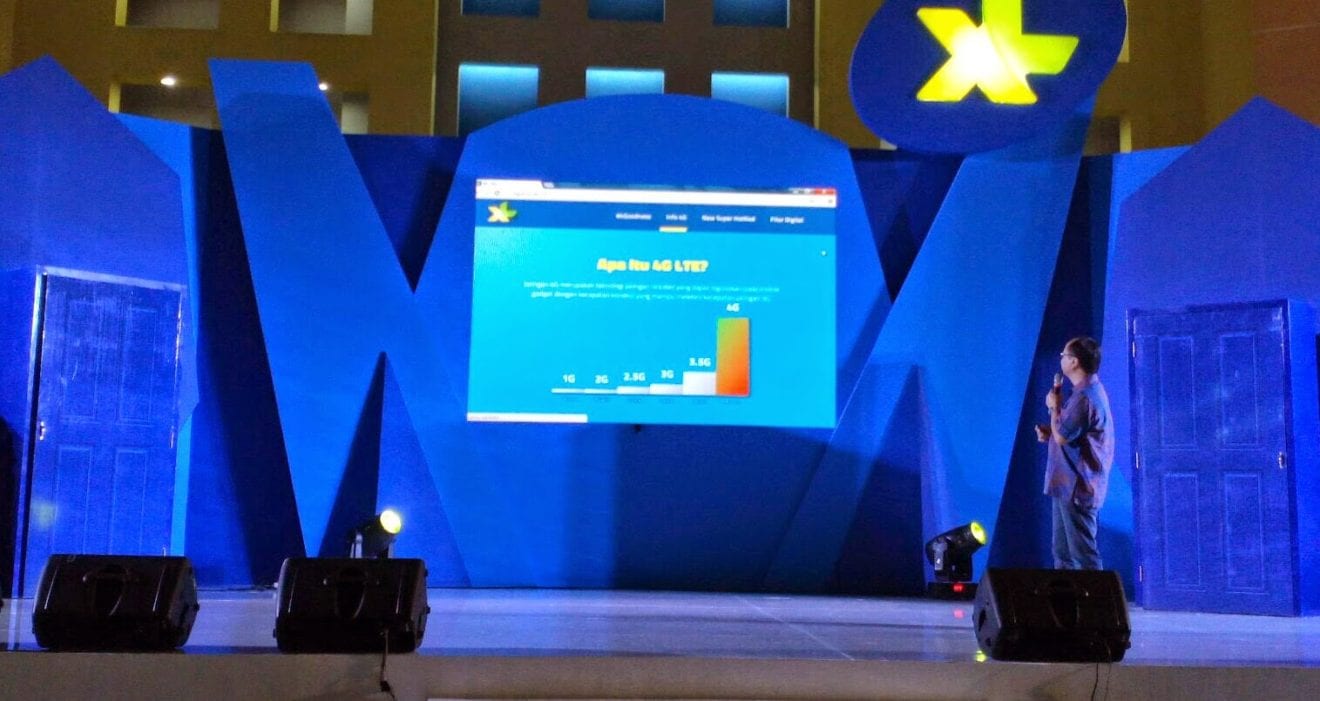
    The Indonesian mobile operator XL Axiata has revealed that the ongoing phased rollout of 1800MHz 4G LTEservices will target a commercial launch in Bandung, West Java by the end of the month, followed soon after by Jakarta in November, after the company concludes its nationwide spectrum refarming programme. Dian Siswarini, President Director and CEO of XL Axiata, notes that the process has already reached Central Java and will be completed next month to comply with the ministry’s 23 November deadline. ‘There have been minimal obstacles in the refarming process. That’s why we are confident to say that we are able to have 4G LTE services operating in Bandung by the end of October, and in Jakarta by November,’ she said.

    XL introduced its first 1800MHz 4G service in Lombok, West Nusa Tenggara in July 2015, followed soon after by Denpasar (Bali) and Surabaya (East Java). It currently has around 1.2 million 4G users to its 900MHz service, although Dian concedes that some customers have complained that LTE-900 is proving to be little faster than XL’s W-CDMA-based 3G network. Last month XL Axiata, which is 66.5%-owned by Axiata Group of Malaysia through Axiata Investments (Indonesia), selected Ericsson to act as its turnkey supplier for 4G LTE design and implementation in Jakarta and Central Java, as well as for 2G and 3G upgrades to meet an explosion in demand for data traffic. Under a three-year contract, the Swedish vendor will supply all necessary hardware, software and services to deliver 4G services for XL Axiata’s subscribers. The pair say the deployment will improve both network capacity and data transmission speeds.

    In another development regarding the government’s recent plan to tighten procedures on the purchase of mobileSIM cards, The Jakarta Post quotes Dian as saying that XL Axiata had prepared for the regulation in terms of its data systems and forging standard operating procedures (SOPs) with retail outlets to make them aware of the regulation. The telecoms ministry and the telecommunications regulatory authority (BRTI) issued a regulation in September, requiring customers to show an ID upon the purchase of pre-paid SIM cards starting 15 December.

  • Five Manchester City online stores launched in Asia

    Five Manchester City online stores launched in Asia

    English Premier League club Manchester City has partnered with EZ Shopnet to launch five online stores serving Asian fans.

    Manchester City online stores will be launched for customers in China, Hong Kong, Japan, Korea andSoutheast Asia.

    As the club’s new online retail partner for Asia Pacific, Hong Kong-based EZ Shopnet will help to meet fast growing demand across Asia Pacific for official Club merchandise. Each of the five stores operates in local languages and currencies, with local customer support enabling the club to get official merchandise to its fans quickly and cost effectively.

    Manchester City is following the lead of rivals Manchester United and Chelsea in cashing in on the growing fan base for EPL across broader Asia. It recently opened a regional management office in Singapore.

    Omar Berrada, group commercial director for City Football Marketing, which brokers Manchester City’s commercial partnerships and manages all of its retail and licensing, said that through EZ Shopnet, the club can get even closer to its growing fan base across Asia Pacific and deliver them a better and quicker service.

    “We have seen an enormous growth in our followers in the region and we are extremely happy that they will have easier access to official City kits and our wide range of merchandise than ever before.”

  • Japanese Comics Digital Bookstore “MangaMon” Launched in Indonesia

    Japanese Comics Digital Bookstore “MangaMon” Launched in Indonesia

    eBOOK Initiative Japan Co., Ltd., who operates ebook-selling website, “eBookJapan,” which boasts the largest line-ups of the digital comics in Japan, has launched the Japanese comics digital bookstore, “MangaMon” on November 1st.

    “MangaMon” url: https://www.mangamon.id/

    “MangaMon” proudly introduces the properly-licensed Japanese comics in digital form (i.e. “ebook”) that are translated into Bahasa-Indonesia in collaboration with Kompas Gramedia group publishers: Elex Media Komputindo and m&c!.

    At the same time, “MangaMon” focuses on Japanese entertainment portal site by providing the cutting-edge news from Japan and by offering various events. The three main features of MangaMon are as follows:

    Japanese comics digital bookstore translated into Bahasa-Indonesia

    [Line-up]
    MangaMon has a vision to offer all of the major Japanese comics. The line-up includes “Angel Heart” which is a very hot topic now in Japan after being made into TV drama. We will soon increase the line-ups published by various major publishers in Japan.

    [Payment method]
    Users can pay by credit card, mobile carrier charge, and internet banking online, as well as through offline such as ATM and convenience stores, which are available on 100,000+ places.

    [Reading]
    Comics bought on MangaMon can be read in smartphones, tablets, and PCs. Apps (free of charge!), which are made available for Android, iOS and Windows, will make users read offline after downloading the ebooks. Furthermore, users don’t have to use the apps should they use browser and connect to internet.
    (Supports Android from ver. 4.0.0 and from iOS 6)

    Various alliances with all players related to entertainments

    “MangaMon” is committed to foster Japanese entertainment portal function in Indonesia by making alliance with all player related to entertainment field.

    “MangaMon” is launched in Indonesia by collaborating with Kompas Gramedia group publishers of Elex Media Komputindo and m&c!. It also features Japanese pop culture news by forming alliance with Jurnal Otaku INDONESIA and KAORI Nusantara.

    MangaMon shall further endeavor to form various alliances with Mass media such as TV, radio and magazines, Publishers, Game providers, Talent agencies, and chain of café, as well as Event organizers, Manga circles in universities, Famous cosplayers, and Influential bloggers in Indonesia.

    “MangaMon” has started to form alliances in Japan too with companies who introduce Japanese pop culture abroad such as; Tokyo Otaku Mode Inc. who runs “Tokyo Otaku Mode”, ALL BLUE inc. who runs “Tokyo Girls’ Update”, IID, Inc. who runs “Anime!Anime!”. We plan to run cooperative campaigns and contents provisions.

    A lot of delightful events and campaigns

    • Variety of contests aimed at offering the chance for creation
    “MangaMon” plans to host many kinds of contests; Comic contests, Cosplay contests, Character illustration contests, etc. to provide chances of creative activities for new talents. The judges in the first comic contest are editors from Elex Media Komputindo, m&c! and publishers in Japan.

    • Luxurious prizes for accumulated rewards points
    “MangaMon” offers a rewards points system which you can exchange to goods and vouchers. Users can earn points through four types of opportunities; buying ebooks, tapping the “likes” for books and reviews, answering the questionnaire, getting “likes” pressed for your reviews. For every point stage, we will offer more than 20 kinds of prizes, including a lottery for a 7 days tour to Japan.

    Enjoy the new service of “MangaMon,” which shall boost the entertainment market in Indonesia.

    Social Networks
    Facebook: https://www.facebook.com/mangamon.id
    Twitter: https://twitter.com/mangamon_id
    Instagram: https://instagram.com/MangaMon_id/

  • Indonesian fashion site Paraplou closes

    Indonesian fashion site Paraplou closes

    Indonesia’s fashion eCommerce site Paraplou has shut down. The firm has posted a farewell message on its homepage, citing reasons of market immaturity, uncertain financial conditions, and a difficult funding environment as the primary reasons for its closure.

    Paraplou was headed by Bede Moore and Susie Sugden, two former Rocket Internet managing directors who worked at Lazada Indonesia in 2011 and 2012 before starting Paraplou Group, an eCommerce services provider for premium fashion brands in Indonesia. Many of the companies Paraplou Group served were foreign brands looking to enter the Indonesian market.

    Paraplou Group’s eCommerce services page is still live. However, most of its clients like Lee Cooper Indonesia, Jack Nicklaus Indonesia and G2000 Indonesia display messages on their own sites indicating they are temporarily closed. While it’s unclear whether Paraplou Group’s eCommerce services arm is also now defunct, these messages may very well indicate the entire group has closed its doors in Jakarta.

    Originally, Paraplou Group offered services under the name Vela Asia. The startup raised a US$1.5 million series A funding round from Singapore-based VC firm Majuven last February. Majuven is run by several prominent business figures in Southeast Asia, including SingPost chairman Ho Kee Lim and former SingTel CEO Lee Hsien Yang.

    At the time of funding, Vela was a two-year-old company, and claimed to have captured an “appealing section of Indonesia’s online fashion market”. The following April, after the inception of Vela Asia’s own eCommerce site Paraplou, Moore and Sugden rebranded Vela Asia as Paraplou Group. The switch, they said, was an effort to keep all of their eCommerce activities under the same company umbrella.

    “We will continue coverage on this story if more details come to light. Further, we’d like to tip our hats to Moore and Sugden for helping propel Indonesia’s fashion ecommerce awareness.”


  • Indonesia ICT sector assessment

    Indonesia ICT sector assessment

    Information and communications technology (ICT) connectivity in Indonesia as a growing economy faces huge challenges in preparing for the future.

    The world’s largest archipelago consisting of more than 17,500 islands with a population of nearly 250 million requires substantial investments in domestic ICT infrastructure and international connectivity to meet the strong growing demand from the private and public sectors.

    New technologies require an ICT infrastructure with sufficient capacity. Reliable interconnection with other ASEAN member countries to remain competitive in the interconnected world is another aspect of why ICT should be considered a priority sector.

    In October 2014 the Indonesian government unveiled a Rp 278 trillion broadband connectivity plan in order to boost economic growth. The plan defines broadband development in Indonesia and sets the strategy and major milestones for the coming five years.

    The main purposes of broadband development are to encourage economic growth and increase the competitiveness of the nation, to support the improvement of human development and to safeguard the sovereignty of the nation.

    The Networked Readiness Index (NRI) 2015, published by the World Economic Forum, includes 143 countries and measures the propensity for the countries to exploit the opportunities offered by information and communications technology.

    The NRI considers several indicators, such as the political and regulatory environment, the business and innovation environment, infrastructure and digital content, affordability, skills, individual usage, business usage, government usage, economic impacts and social impact.

    In the last assessment in 2014, in which 146 countries were covered, Indonesia dropped 15 places to 79th, while Singapore claimed first, Australia 16th, Malaysia 32nd, China 62nd, Thailand 67th, the Philippines 76th, Vietnam 85th, Lao PDR 97th, Cambodia, Timor-Leste 134th and Myanmar 139th.

    To attract local and foreign investments a more business friendly environment is required in Indonesia. The business society in particular is demanding a fight against corruption, the cutting of red tape, infrastructure development and the improvement of the tax system. The same applies, of course, for the Indonesian ICT sector.

    To meet the requirements and keep pace with international developments, including connectivity to other ASEAN member countries, the broadband connectivity plan, which describes the path to the right direction, should be implemented in the given timeframe. Further considerations, recommendations and implications related to ICT development in Indonesia are pointed out in the following:

    As addressed in the broadband connectivity plan, educational and training skills, including English language skills, should be enhanced by connecting schools to the Internet and implementing e-Education and e-Learning programs. Competence centers consisting of experts from academia and the private sector should be established to boost research and development (R&D) in Indonesia.

    World Bank data shows that Indonesia spent the equivalent of 0.07 percent of its gross domestic product (GDP) on R&D in 2010. Meanwhile, Malaysia spent 0.63 percent, Singapore 2.2 percent and Thailand 0.25 percent in the same period.

    For a modern technology infrastructure, state-of-the-art data centers for public use (e.g. national and international telecommunications operators and companies) are required in major cities and business centers, taking into consideration environmental risks (e.g. earthquakes, floods, landslides and volcanos), redundancy aspects (backups and disaster recovery), security (access, surveillance and stable power) and professional operations.

    Cross-sector infrastructure sharing reduces costs. Ducts, towers, masts, power grids, facilities, etc. can be shared between the telecommunications, the energy and the transportation sectors.

    For public-private partnership (PPP) opportunities identify and classify infrastructure development and new public service provisions that will improve ICT usage and convergence in Indonesia (e.g. increased Internet penetration, improved mobile services, improved opportunities for convergence, content development, etc.).

    Beside manufacturing of ICT products, promoting niche markets or new technologies and trends like mobile applications, IT outsourcing, hosting services, enterprise private clouds, 4G/5G, Internet of Things (IoT), Machine to Machine (M2M) communications, Green ICT, Call Centers, etc. shall be considered.

    International development and trends in the ICT sector should be observed to ensure harmonization of policies and regulations including cross-sector regulation.

    For international connectivity, Indonesia is depending on international submarine cables, most of them currently routed via Singaporean and Malaysian waters. New submarine cables with diverse routes are planned for the coming years. For example, the Southeast Asia-US submarine cable will connect Manado in Indonesia as the new eastern Indonesian gateway and Davao in the southern Philippines via Guam to the United States’ west coast.

    When completed in 2017 at an approximate cost of US$250 million, the approximately 15,000-kilometer cable system will provide an additional 20 terabits per second (tbps) capacity, connecting Indonesia and the Philippines to the US with state-of-the-art 100G technology.

    Redundancy and diverse routing of submarine cables is important to protect connectivity against terrorist attacks, sabotage and cable cuts by natural disasters such as seaquakes or by anchors.

    The announcement of the Indonesian government for the formation of the National Cyber Agency (NCA) is a step in the right direction. With regard to cyber-attacks, Indonesia is ranked as one of the world’s top three targets. The NCA should develop and implement strategies for the defense against rising cyber-attacks to protect Internet users, the government, financial services institutions and other businesses, including sensitive sectors like the transportation and the energy sectors.

    Strengthening the awareness of the public about privacy and cybercrime committed through e-mail scams, SMS or social media should be another focus area of the NCA.

    On behalf of consumers, the government of Indonesia shall ensure that the service quality of telecommunications operators improves and minimum international accepted quality of service (QoS) standards shall be enforced and regular monitored for all segments (fixed, mobile, Internet and broadcasting services). With currently more than 280 million SIM cards issued to users, mobile is the main access to the Internet.

    “Last mile” and campus/in-house cabling are very often bottlenecks for high speed landline data connections. Even if the fiber optic backbones of the telecommunications operators allow high speed data, cable connections between the exchanges of the operators and campuses or buildings (“the last mile”) of the consumers are often old and faulty copper cables that do not allow high speed data transfer. The telecommunications cabling on campuses and in buildings (“in-house cabling”) is mostly the sole responsibility of the landlords.

    With its young population, Indonesia has a market potential of about 250 million consumers. Taking the right measures, considering the actual international development and best practice experiences in the global ICT sector, Indonesia has a realistic chance to strengthen its national ICT sector in the coming years and so play an equal role in the very competitive Asian and global markets.

  • Tupperware finds favour in China

    Tupperware finds favour in China

    Not long ago, Tupperware seemed to be a brand with a limited future.

    Tupperware’s background is selling products at relatively high prices through direct selling, or the party plan concept, rather than retail stores, a system dating back to the 1970s. In recent times it has come under pressure from mass-produced containers, usually manufactured in Asia, and marketed in retail stores at low price points.

    Neil Saunders, CEO of Conlumino, analysing the company’s last quarter financial results, says with another sequential improvement in its sales number, “Tupperware continues to show signs of progress”.

    Away from the established western markets – namely in North America and Europe –  emerging regions continue to be the mainstay of growth with sales up by 11 per cent on a local currency basis.

    “Within this group China (up 18 per cent), Indonesia (up 12 per cent), Middle East and North Africa (up 97 per cent), and South Africa (up 52 per cent) all posted strong performances.

    “Across most of these geographies, Tupperware continues to benefit from the growing number of middle class consumers and increased interest in home products.

    “That said, across most emerging markets sales are dominated by relatively simple food preservation products which are sold via catalogues,” observes Saunders.

    “Tupperware has identified this as an opportunity for growth. One of its ongoing initiatives is to increase the support and training of representatives in these regions so that more sales are made via parties and demonstrations – both of which are proven to result in the sale of higher priced products and in higher average order values. This, in our view, should help these regions to continue delivering even as they become more mature.”

    Tupperware’s total sales actually fell 11 per cent in the latest quarter. However that was purely the effect of exchange rate losses, with sales up seven per cent when measured in local currencies – up from four per cent a quarter earlier.

    Saunders says Tupperware’s development of Experience Centres are a positive move. These centres, which launched in Canada earlier this year and are now being introduced to the US, are physical locations in which the Tupperware sales force can be trained and where consumers can visit for demonstrations of products in a professional environment.

    “The aim behind the centers is both to increase brand exposure and to ensure a strong local presence in key markets in an era when many transactions are becoming remote and disintermediated. Initial results are encouraging.”

    Saunders says it is to Tupperware’s credit that it has recognised, that the way consumers buy and behave is changing.

    “However, rather than shifting its entire business model – which would mean the risk of moving away from relationship based selling – Tupperware is updating existing practices and procedures. This, in our view, is a sensible strategy.”

  • Japan interested in auto component factory in Indonesia

    Japan interested in auto component factory in Indonesia

    A company in Japans Okayama Prefecture is interested in the automotive component business in Indonesia, Okaya Prefecture Governor Ryuta Ibaragi said.

    During his visit to the Indonesian Capital Investment Coordinating Board (BKPM) here on Friday, Governor Ibaragi said the automotive component company, which has supplied components for Mitsubishi cars, was interested in developing an auto component factory in Indonesia.

    “There are 422 companies from Okoyama Prefecture that have made investments outside Japan. In Indonesia, we have a number of large companies which made investments,” he said, in a written statement made available in Jakarta on Saturday.

    Meanwhile, Okayama Prefecture’s governor said there is considerable interest among Japanese businessmen to conduct business in Indonesia. However, there are a number of concerns about the investment climate in Indonesia from investors from the Prefecture Okoyama, he said, including the problem of the country’s unpredictable wage system.

    Ibaragi said that during his visit in Indonesia he found Indonesians to be quite open to Japanese companies.

    “Regarding the MRT project, we thank the Indonesian government for its trust in a Japanese company. Of course, we will not ignore it and will maintain that trust,” he said.

    BKPM Chief Franky Sibarani said Japanese companies were given priorities regarding assistance from investment facilities.

    Japanese investment is the main component of the economic growth driver in Indonesia, he said.

    “We are ready to assist investment from Japan. The Marketing Office for the Japan area and the BKPM representative office in Tokyo could be used by investors and companies in Okoyama to plan business activities in Indonesia,” he said.

    He noted that his office was planning to conduct an investment promotion in Yokoyama early next year to win over interest by Japanese investors.

    “One of the major investors is Sumitomo. We will invite a number of companies which have made investments in Indonesia to share their successful experiences with their colleagues in Japan,” Sibarani said.

    In the first half of this year, Japan was ranked third in foreign investments, amounting to US$1.6 billion after Malaysia (US$2.6 billion) and Singapore (US$2.3 billion).

    Coming next were South Korea (US$0.8 billion) and the United States (US$0.6 billion).