Retail News CRM

Tag: Indonesia

  • Rice prices ease in Vietnam; Thai grain stable

    Rice prices ease in Vietnam; Thai grain stable

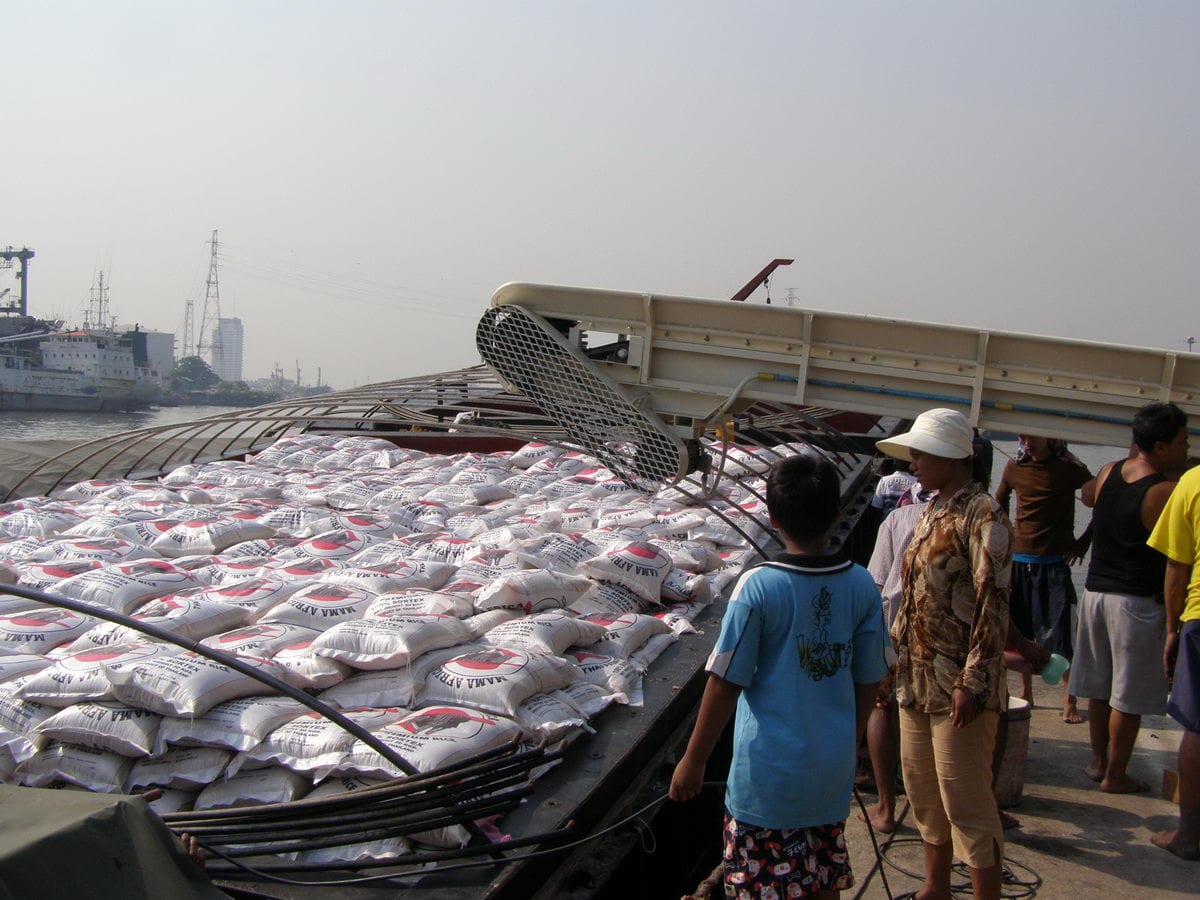
    “The price hike has stopped as nobody wants to buy at high prices,” a trader in Ho Chi Minh City said, noting that Thai rice was cheaper. Rice prices in Vietnam, the world’s third-largest exporter after India and Thailand, surged earlier this month on limited supply and news of demand from Indonesia and the Philippines.

    While loading of a combined 67,900 tonnes on five vessels for Indonesia is underway at Saigon Port, Indonesia has not confirmed the purchase. On Tuesday Indonesia’s state food procurement agency Bulog said the country would decide within two weeks whether to ship in rice from Vietnam and other Asian countries. Vietnam’s rice exports in the first 10 months of this year would fall 4.6 percent from a year earlier to an estimated 5.32 million tonnes, the Agriculture Ministry said on Monday. China, the top buyer of Vietnamese rice, has bought 1.39 million tonnes of the grain between January and September, up 37.5 percent from a year earlier, based on China’s customs data. Overall, China’s rice imports jumped 26.7 percent in the same period to 2.31 million tonnes.

    In Thailand, the 5-percent broken grain has been held stable at $360-$365 a tonne, FOB basis, while the Thai government plans to sell 2 million tonnes of rotten rice from huge stockpiles for industrial use in November. Thai traders said the market, which has been quiet due to the absence of Chinese and African buyers, could see prices rising if Thailand secures a deal with Indonesia as part of the latter country’s demand for 1.5 million tonnes.

  • Mercedes-Benz Shakes Off ‘Dad’s Car’ Image in Indonesia

    Mercedes-Benz Shakes Off ‘Dad’s Car’ Image in Indonesia

    German automaker Mercedes-Benz is focusing on young Indonesians as part of its strategy to boost sales in the country, shaking off the “dad’s car” image along the way.

    “We’re opening up new segments that are characterized by younger buyers, people who may not have considered Mercedes-Benz previously,” Roelof Lamberts, Mercedes-Benz Indonesia’s sales and marketing director, said on Thursday.

    The company has rolled out six new models so far this year including the latest B-Class and CLA-class, catering to young entrepreneurs’ demand for more sporty and compact premium cars.

    “We are shifting generations,” said Ananta Wisesa, a Mercedes-Benz spokesman, “So, [Mercedes-Benz] will lose its dad’s car image.”

    Cars introduced this year, including the A-Class and GLA-Class, are sold for less than Rp 1 billion ($71,000), and “have seen very positive demand,” said Lamberts. The introduction of these models has helped the company buck the trend of a shrinking auto market in Indonesia amid slowing economic expansion.

    The German company sold 1,800 cars during the first seven months this year, a 20 percent increase from the 1,500 cars it sold in the same period last year.

    In contrast, total car sales in Indonesia shrunk 21 percent to 581,106 units during the period, according to the Indonesian Automotive Manufacturers Association, or Gaikindo.

    Mercedes-Benz now controls 49 percent of the premium car market, up from 38 percent in the same period last year.

    “Our strategy basically is in line with the overall Mercedes-Benz strategy, and that is to become number one in the premium segment,” Lamberts said. “In Indonesia, we’re number one. Our objective is to defend that position.”

  • Soo Kee Group plans to sell diamonds online

    Soo Kee Group plans to sell diamonds online

    Singapore listed jeweller Soo Kee Group is planning to become the first bricks and mortar store in the city to start selling gold and diamonds online.

    Soo Kee operates a network of more than 60 retail stores under the brands Soo Kee Jewellery, SK Jewellery and Love & Co in Singapore and Malaysia.

    In an interview published in the Straits Times newspaper, CEO Daniel Lim said his company has already launched the first of three planned online stores, choosing its namesake brand for the online debut. He said the site was designed to improve service to local customers by showcasing its entire range online before they visit a physical store.

    “Some of our customers live in Indonesia, Malaysia and Myanmar, and with this eCommerce platform, we can better target and attract them,” he told the newspaper.

    Sites for the other two retail brands will follow later.

    Lim acknowledged that while consumers are happily embracing online shopping in most categories, when it comes to jewellery there is a reticence to buy online due to security and the importance of trust and personal experience in selecting purchases.

    The company is strategically positioning its websites as complementary to the physical retail store experience.

    Earlier this year, Soo Kee Group executed an IPO, raising $31.6 million. Those funds are being used to expand the business via new store openings, development of eCommerce and developing new products.

  • Indonesia’s foodtech firm Qraved gobbles up an $8M series B

    Indonesia’s foodtech firm Qraved gobbles up an $8M series B

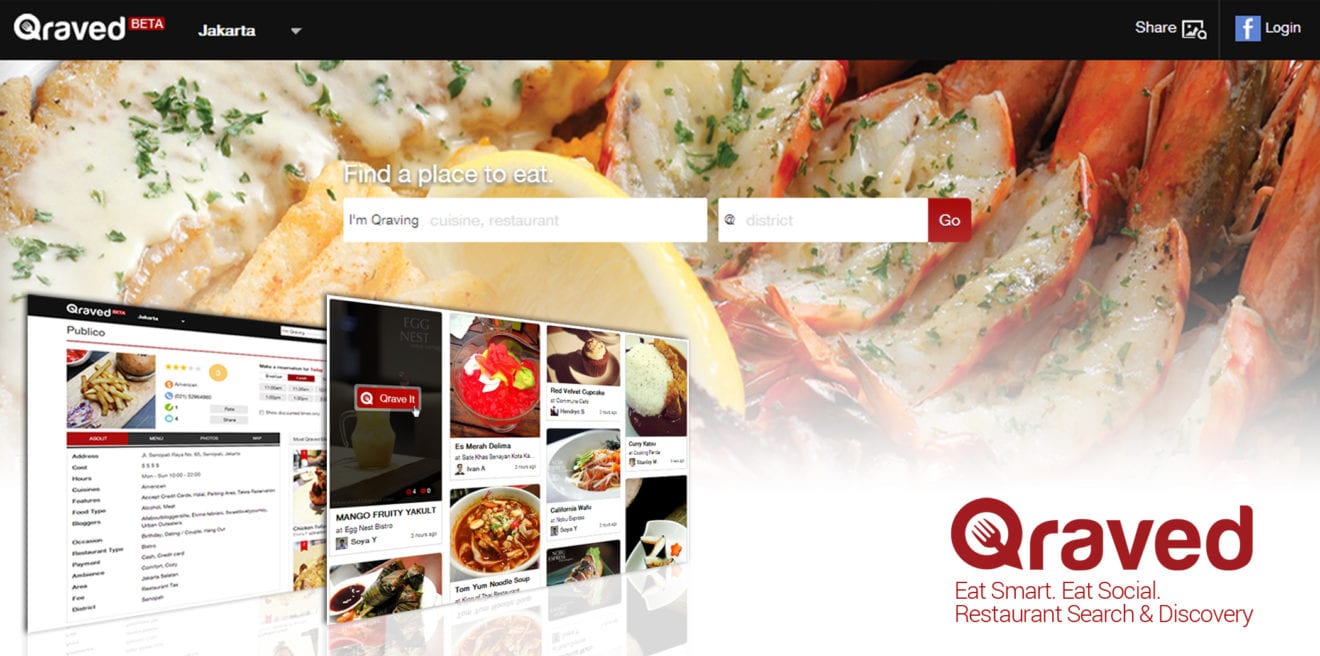
    Jakarta-based foodtech startup Qraved announced earlier today that it has closed a US$8 million series B round of funding co-led by US-based Richmond Global Ventures and Gobi Partners from Shanghai. New investor GWC participated in the round, as did existing backers Convergence Ventures, 500 Startups, Toivo Annus, and M&Y Partners.

    Qraved’s funding round comes conveniently during the Indonesian government’s trip to Silicon Valley, and as such, Indonesia’s tech minister Rudiantara will witness Qraved sign the investment documents at 500 Startups’ Mountain View office later today. In Jakarta, Qraved competes with names like Zomato, Makanluar, and Indotable.

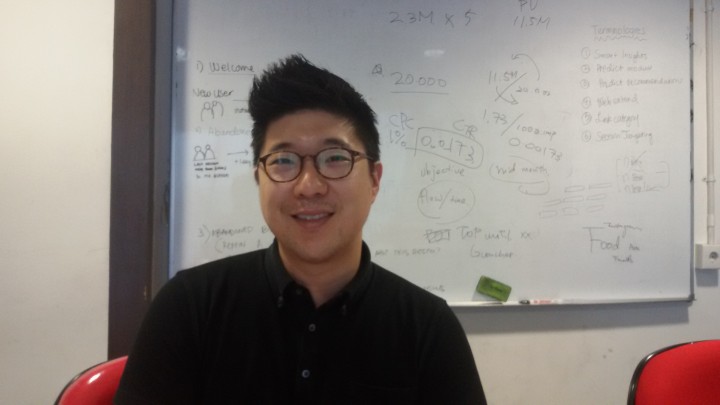
    Qraved co-founder and CEO Steven Kim tells, “In the past 18 months there has been a significant amount of news in the foodtech space, with players mentioning their expansion plans [into] Indonesia. Yet they have not been successful […] with this round, Qraved will be focusing on Indonesia, making it the largest commitment for Indonesia in the space even compared to global or regional players. It will only get more difficult for new entrants due to the uniqueness of the market.”

    Qraved’s series B round comes just weeks after local foodtech startup Abraresto went bust and couldn’t pay its employees, calling into question the future of food-driven startups in Jakarta. While Qraved has long been hailed as Indonesia’s “number one food discovery service” in the archipelago, it hasn’t been smooth sailing the entire time. In the beginning, the startup focused solely on table reservations. It later became evident to the team, however, that Qraved would need to offer more if it hoped to thrive.

    Steven Kim

    Go ahead. It’s only food porn.

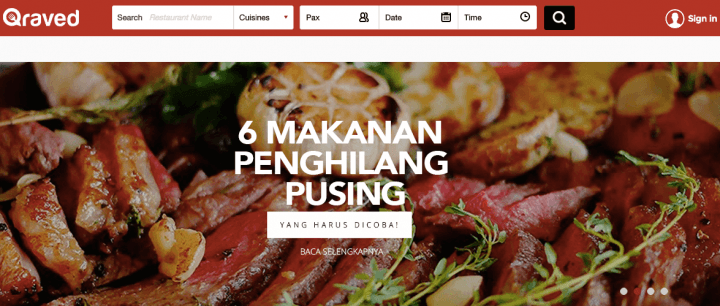
    Last June, Steven the startup was unpacking its business model to no longer focus purely on table reservations. Instead of exclusively targeting users that wanted to make restaurant bookings, Qraved would also recreate itself as more of an online community for foodies, with its own app and a regularly-updated food blog called Qraved Journal.

    The move seemed to work out in terms of traffic, as Qraved was able to clock more than 1.8 million verified monthly visits on desktop and mobile in September. Today, Steven says Qraved has more than 1 million monthly active users, which he notes are not the same as visits. The site still offers table bookings; however, subscriptions and app downloads are now also likely tools for measuring Qraved’s user activity.

    Qraved-journal-3

    Qraved offers a restaurant directory, which covers more than 25,000 venues in Jakarta and Bali. The app combines venue search and discovery features, user generated reviews, ratings, and photos, as well as discount offers at participating restaurants.

    Euromonitor says Indonesians spend over US$30 billion at food venues annually. In recent years, dining out and delivery services have represented the fastest growing verticals in the food and beverage categories. Restaurants have benefited from a dining boom as Indonesia’s young and increasingly affluent consumer class looks for new venues in which to socialize and enjoy life. The Qraved app aims to help restaurants attract customers and build awareness in the community.

    qraved-1

    Emerging market food smarts

    “Food related behavior is highly variable even within an individual,” says Steven. “The importance is frequent dependency on the platform. We cover all parts of the cycle from discovery and inspiration to finding information and eventually making a reservation, getting discounts or potentially making a transaction.”

    David Frazee, managing partner at Richmond Global Ventures says, “Steven impressed us with his passion and grit to build a full-stack, foodtech business for Indonesia and beyond.” Thomas Tsao, managing partner at Gobi Partners adds, “Through its leading food discovery service, Qraved has found a new way to address the timeless question of ‘What’s for dinner?’”

    qraved-journal

    Qraved is Richmond’s first investment in Southeast Asia. Steven says he is confident the firm can bring more to the table than just writing a check as Richmond has also invested Restorando, one of the largest restaurant reservation sites in Latin America.

    The fresh capital will go toward building out Qraved’s mobile and web apps with new features, expanding the firm in Indonesia, and of course, a marketing ramp-up. Steven believes this is just the beginning for Qraved. He says, “With this round, users in Indonesia, whether it be dine-in our dine-out, will be able to fully find what they want on Qraved.”

  • The Melting Pot eyes Asia

    The Melting Pot eyes Asia

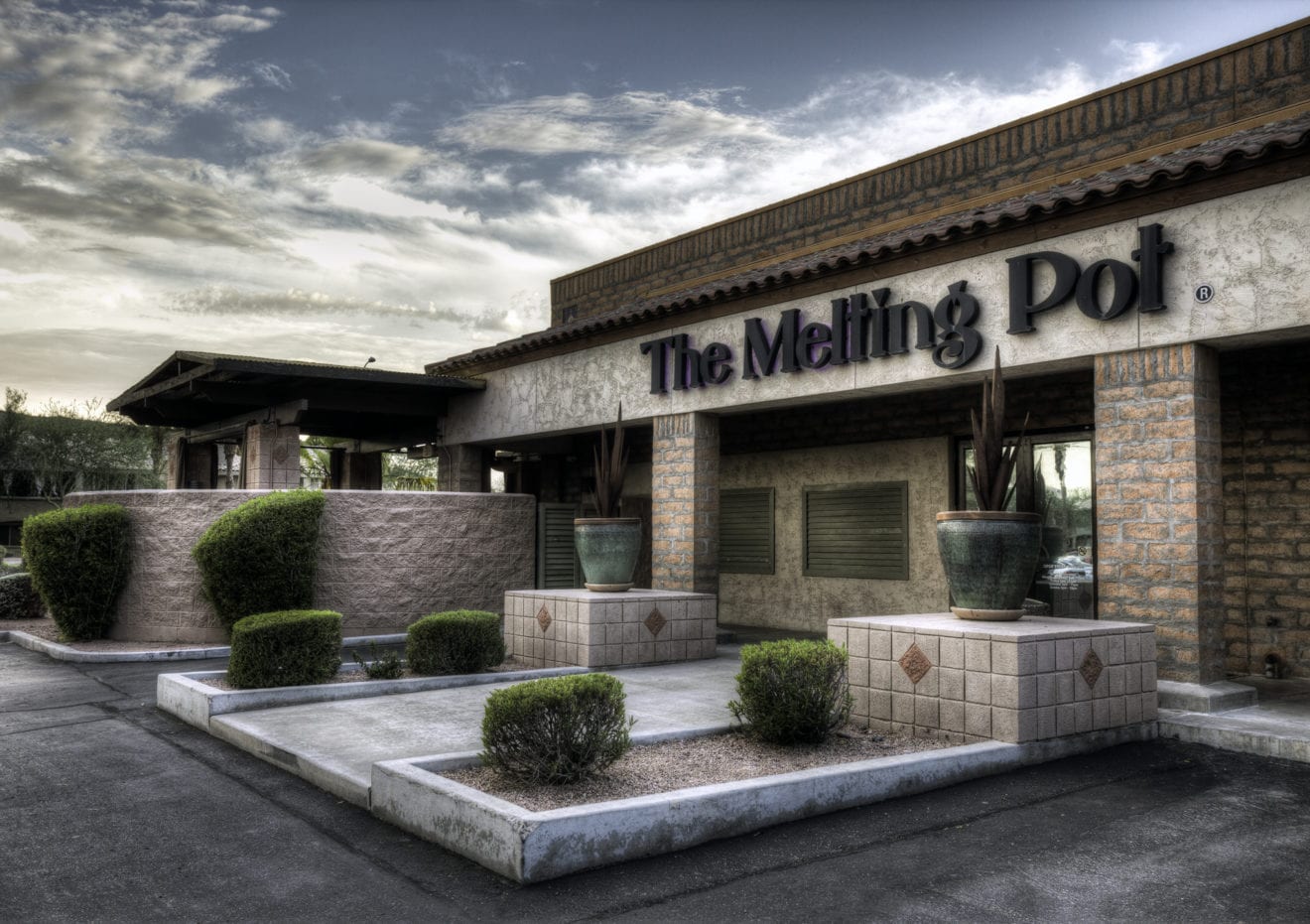
    The world’s largest fondue restaurant chain is looking to expand throughout Asia after early success in Indonesia.

    Franchisees are now actively being sought for The Melting Pot in Hong Kong, Macau, China, Japan, South Korea and India.

    The Tampa, Florida-based restaurateur plans to enter China by opening at least five restaurants in Hong Kong and Kowloon as well as in Macao and numerous cities in Mainland China, including Guangzhou, Shanghai, Beijing and Shenzhen.

    Markets outside Asia, including Brazil, Canada and Mexico, are also in planning.

    The Melting Pot operates more than 125 restaurants across 35 US states, Canada, Mexico, Southeast Asia, and the United Arab Emirates, and has more than 15 locations in development internationally.

    The concept is known for its assortment of flavorful fondue cooking styles and unique entrees served with signature dipping sauces. The menu features a variety of a la carte selections, highlighting customisable options that invite guests to enjoy one, two, three or more courses as they select any combination of individually-priced cheese fondues, salads, entrees and chocolate fondues.

    “The Melting Pot is a proven 40-year American franchise concept that is unlike any other,” said Dan Stone, chief business and people development officer for Front Burner Brands, the chain’s parent.

    “Featuring four distinct courses, guests dip menu items into heated fondue pots at the centre of each table. The concept provides a very social and interactive dining experience that has proven to translate well to multiple countries,” said Stone.

    “We provide our franchisees the necessary training and support to ensure success, as well as expert resources to assist with identifying the best sites for our restaurants. We are ready to do business in Hong Kong and are seeking qualified candidates to build a strong brand presence throughout Hong Kong and the People’s Republic of China over the next few years.”

    The concept will be exhibiting at the Franchising & Licensing Asia 2015 from October 29 to 31 at the Marina Bay Sands in Singapore.

    Earlier this year, The Melting Pot opened its first restaurant in Jakarta, Indonesia and most recently its first Middle Eastern location in Dubai.

    Franchisee candidates or groups should have access to a minimum of US$3 million in capital and at least one partner must be fluent in English. Depending on the real estate site selected, franchisees of The Melting Pot in the US can expect the total investment for one restaurant to be approximately $959,000 to $1.436 million. The initial franchise fee ranges from $45,000 to $60,000 per unit depending on the number of units committed and there is a one-time training fee of $50,000.

  • Indonesia Wants More Tourists from Malaysia, Singapore

    Indonesia Wants More Tourists from Malaysia, Singapore

    For 2019, Indonesia wants to have 3.7 million Singaporeans to visit. From Malaysia, the government is targeting to 3.2 million travelers.

    Wonderful Indonesia on Thursday, October 29, quoted Tourism Ministry’s deputy of International tourism marketing that the ministry will hold a number of promotional campaigns in Singapore and Malaysia in November 2015.

    The events include the ‘Wonderful Indonesia’ campaign at the Singapore West Gate Shopping Mall from November 1-8, the Sales Mission MICE (November 18), the Halal Fair International 2015 (December 3-6), The Special Destination Sales Mission in Malaysia (November 24), Consumer Selling campaign in Melaka (November 27-29 November), and many more.

    Right now, Indonesia is on promoting its tourism in Singapore through the Indonesia Food Festival 2015 held from October 20 to November 14 November. At least 30 Indonesian dishes are being promoted to the international community, particularly to Singaporeans.

  • Axiata’s Indonesia unit plans RM1.4bil sukuk programme

    Axiata’s Indonesia unit plans RM1.4bil sukuk programme

    Axiata Group Bhd’s Indonesian unit, PT XL Axiata Tbk, plans to establish a five trillion rupiah (RM1.4bil) sukuk programme to optimise its balance sheet and improve its capital efficiency.

    In a filing with Bursa Malaysia, Axiata said the sukuk programme would be established under a two-year shelf registration programme.

    The first tranche or Shelf Sukuk Ijarah I XL Axiata Tranche I Year 2015 will see the issuance of up to 1.5 trillion rupiah based on the syariah principle of Ijarah, with the payment of Ujrah to be made quarterly in arrears.

    The Tranche I sukuk will have four series, with Series A having a maturity of 370 calendar days, Series B (three years), Series C (five years) and Series D (seven years).

    The net proceeds from Tranche I sukuk are to be utilised for working capital purposes to support PT XL Axiata’s business activity in terms of 2G radio frequency fee payment to the Government for the period of December 2015 to  December 2016.

    The Tranche I sukuk has been assigned a rating of AAA(idn) by PT Fitch Ratings Indonesia.

    A major cellular provider in Indonesia, PT XL Axiata is 66.43% owned by Axiata through Axiata Investments (Indonesia) Sdn Bhd, and currently serves 62.9 million subscribers.

  • Fastacash to launch payments via social network in Myanmar

    Fastacash to launch payments via social network in Myanmar

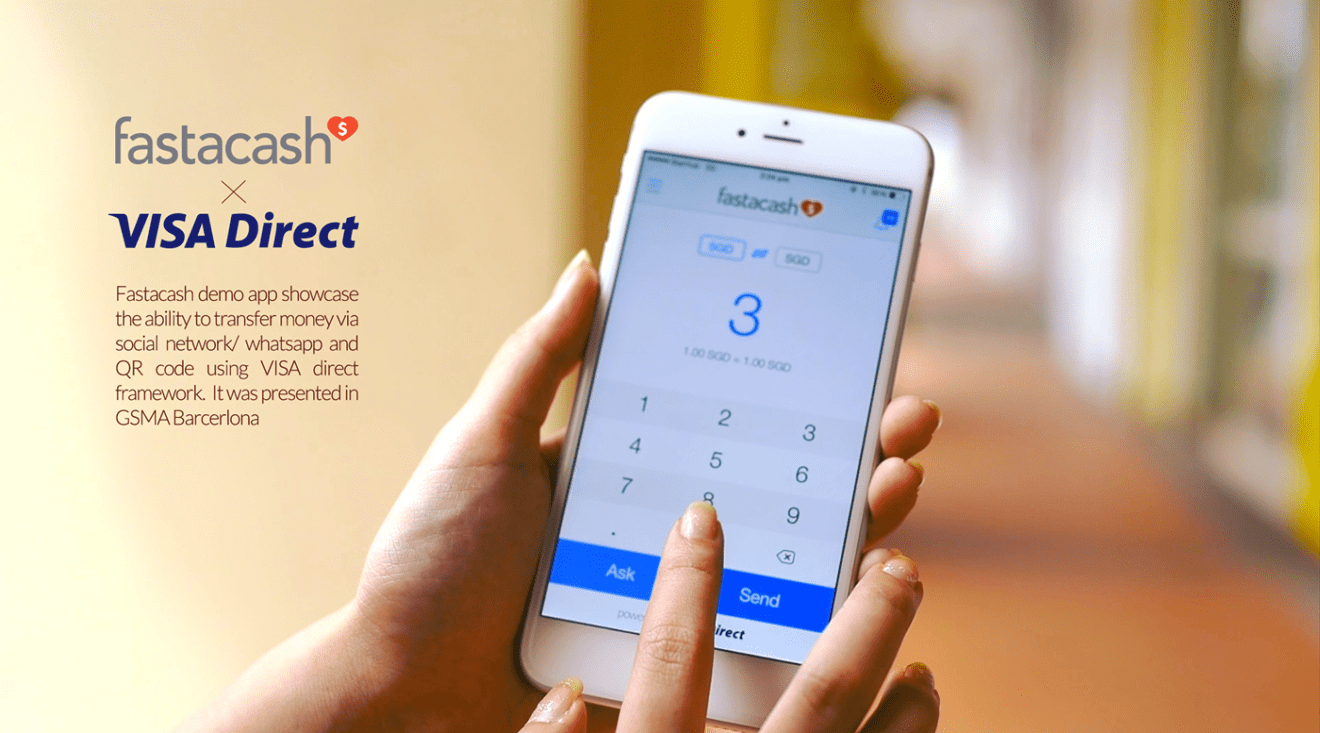
    Fastacash, a global platform enabling payments across social networks, has made a strategic investment in Myanmar focused company, MyPAY.

    MyPAY, which is developing a mobile payment system, also has a strategic partnership with MySQUAR,  a social network in Myanmar with approximately 1.5 million user accounts.

    Along with the investment, fastacash will also provide the technology platform to MyPAY to enable payments through the social network. fastacash will also support MyPAY’s go-to-market activities, including market insights and global partnership management.

    Through the fastacash platform, anyone using MyPAY will be able to transfer money, and airtime to their social connections, and make payments at retail points. MyPAY is expected to leverage MySQUAR’s user base of approximately 1.5 million user accounts.

    “In MyPAY we have found a strong local partner. Together we will make social payments a reality – for the very first time – in one of the last large untapped markets. Building a presence in Myanmar is aligned with our strategy to be a global leader in social payments, given Myanmar’s prominence as a large domestic market and receive market for global remittances,” said Vince Tallent, Chairman and CEO of fastacash.

    We see tremendous opportunity for both peer-to-peer and person-to-merchant payments in Myanmar. Together with fastacash, MyPAY is going to introduce a mobile money app, compliant with Myanmar law, to make payments easier for consumers and merchants in Myanmar. With fastacash’s technology, we are able to leverage social networks such as MySQUAR. Together, we are empowering a connected market where ninety percent of people are unbanked and underserved by traditional financial institutions,” said Nicolas Nguyen, CEO of MyPAY.

    Myanmar is one of Asia’s fastest emerging economies, with its gross domestic product (GDP) rising 8.5 percent in FY2014 (IMF), and forecast to rise 7.7 percent in FY2015. McKinsey estimates the country’s economy will quadruple from US$45 billion in 2014 to US$200 billion by 2030. Economic growth in the country is expected to be tied to demographic trends and mobile and social penetration.

    The country’s young population, with 47% under the age of 24, are expected to drive the consumption of mobile and social networks.

    Myanmar’s mobile penetration is estimated to rise from 10.5% in 2014 to 57% in 2016, boosted by the entry of foreign telecom companies. Mobile is expected to present a huge opportunity for Myanmar; by 2016 nearly 15 million people will be able to access the internet, mainly via their mobile devices. As only 4.8% of citizens have a bank account, a large opportunity exists for mobile money services.

    fastacash has live services in India, Indonesia, Russia, Singapore and Vietnam. Through partnerships with banks, money transfer operators, mobile network operators and social networks, it builds social payment capabilities within their services and mobile applications. Its partners include financial institutions such as DBS Bank (Singapore), Axis Bank (India), Oxigen Wallet (India), Techcombank (Vietnam), Doku (Indonesia), MOBI.Dengi (Russia), as well as VISA Europe.

  • 5 unique challenges all ecommerce firms face in Indonesia

    5 unique challenges all ecommerce firms face in Indonesia

    People talk a lot about Indonesia’s burgeoning ecommerce market, and how Jakarta may very well be on the cusp of an online retail revolution. Over the past 12 months, we’ve seen more activity in the sector than ever before, with new firms emerging and big-league investment coming in simultaneously.

    Naturally, these are all positive signs that point toward a maturing market in the region; hopefully one that can push Indonesian ecommerce into the mainstream conversation in Asia. It would be great to see online shopping reach five percent or more of the nation’s overall retail sector, but for now we can only speculate on the future.

    indonesia-streets-1

    Like any market, Indonesia has its own set of challenges, caveats, and peccadillos that all ecommerce founders are forced to cope with. In the past, we’ve cited the archipelago’s hellish logistics landscape, weak payments infrastructure, and a fragmented market as some of those limitations. However, there is a second layer of challenges that all estores will face in the gauntlet that is Indonesia.

    This is a set of generally accepted idiosyncrasies that newbie e-tailers — and especially foreigner founders — will run into on a daily basis in Jakarta, so take notes. In no particular order, here are five cultural challenges all ecommerce firms, new or seasoned, will face in Indonesia.

    Price-sensitive shoppers

    Indonesia-ecommerce

    It’s true, Indonesia has one of the most attractive emerging middle-classes in the world. By 2030, an estimated 90 million people will have joined the consuming class. That said, Indonesians are, to put it mildly, true suckers for sales and discounts. Locals have a strong proclivity toward finding the best prices at all costs.

    This is no secret to anyone who lives in Jakarta, as it’s extremely common to see hundreds (sometimes thousands) of locals waiting in line at the mall just for a 50 percent off sale to happen at Bershka or the Samsung store. Nevermind the time, energy, and fuel spent to get to the store across town or the fact that folks may not have felt compelled to buy anything in the first place, had there not been a sale.

    Boston Consulting Group says Indonesian shoppers actively seek out promotions and hunt for deals. At the lower half of the income pyramid, this is a function of family dynamics. Men typically give their wives a monthly budget for the family. The more money these women can save on groceries, the more they have to splurge on small indulgences for themselves. However, the bargain-hunting drive spans the wealth spectrum — more than 60 percent of the overall population says they enjoy searching for discounts and promotions, and more than 70 percent of the country’s affluent population says they enjoy doing so.

    This might seem like more of a blessing than a curse at first glance, as demand can be easily created so long as merchants temporarily lower their prices. But in the end, competition often becomes a race to the bottom and profit margins suffer if you don’t plan your discounts as if you were going into brain surgery. Anyone thinking about opening an estore in Indonesia needs to firmly understand the lowest price they can offer while still being able to turn a profit. If it’s not in the same ballpark as the nation’s big competitors, both online and offline, new web firms will need to rethink their strategies.

    Risk aversion

    New ecommerce names in Indonesia, even ones as big as JD for example, are going to have to work twice as hard as their more established counterparts when it comes to acquiring and retaining users. According to a recent McKinsey study, Indonesian consumers have some specific shopping behaviors. They are risk-averse and brand-loyal. 63 percent of Indonesian consumers only buy products from brands they already know. This positions them as late adopters because they need to be encouraged by friends and family before they choose to adopt new products.

    Bank Mandiri cites this challenge as a short-term hurdle in the grand scheme of things, however, as purchasing behavior will likely change when Indonesia’s internet infrastructure improves, and more people come online for the first time. However, for smaller ecommerce sites without a bankroll and several years of runway, they’ll need to find new and creative ways to get local shoppers to trust their brand, and do so fast.

    Deep-pocketed competitors

    Lazada-indonesia-home

    Rocket Internet’s Lazada Indonesia, Lippo Group’s MatahariMall, SoftBank and Sequoia-backed marketplace Tokopedia, and now JD.id — the Indonesian arm of the Chinese ecommerce giant — are all firms with copious spending power. All are up and running in Indonesia, and those who are intimate with Indonesia’s ecommerce landscape understand how unwise it is to challenge these guys head-on.

    Lazada Indonesia is perhaps the biggest force to be reckoned with, as overall spending on Lazada Group’s Southeast Asia portals jumped from US$89 million in 2013 to US$350 million in 2014. Indonesia’s shoppers made up over 30 percent of that, says CEO Max Bittner. To date, the firm has pulled in US$686 million in funding on public record. Tokopedia grabbed US$100 million last year, and MatahariMall also claims to be earning hundreds of millions. JD is a publicly traded company that’s raised around US$2.6 billion to date.

    If you want your fledgling ecommerce venture to work out, you’re going to need to find multiple ways to differentiate yourself from these firms or face certain death. Homework and competitive analysis is a must.

    An increasingly frothy market

    There are many figures that paint a positive picture of Indonesia’s ecommerce scene. The most referenced one is a 250 million population with a recent annual GDP increase between 5 and 6 percent, primarily driven by people buying things. In reality, Indonesia’s ecommerce market is still in its infancy, yet an increased level of attention and hype is drawing entrepreneurs who think the market and investment scene are already primed.

    Zalora Indonesia was able to succeed in its early days because of Rocket Internet’s vast resources and a long period of trial and error. Today, seemingly strong competitors like Paraplou Group are closing their doors in Jakarta, citing reasons of market immaturity, uncertain financial conditions, and a hard time getting funded as the primary reasons for closure.

    With firms like MatahariMall making bombastic funding claims and many early-stage VCs adopting the spray-and-pray investment method (without disclosing round sizes), all the news coming from Indonesia makes the archipelago seem like a perfect lilly pad for incoming ecommerce companies.

    Lyall Taylor, associate director at global financial services firm Macquarie Group in Jakarta believes there is a lot of hype about future ecommerce growth in Indonesia. He recently broke down typical causes of market hype for Tech in Asia.

    “Usually what happens is that rapid growth in an industry […] results in profits to early investors,” said Taylor. “These profits get increased media attention and eventually attract more and more people to enter the fray, driving prices higher still […] investors are extrapolating growth well into the future and assuming a high likelihood of success for many tech ventures, even when high levels of future growth and profitability may not be assured.”

    A preference toward brick-and-mortar

    Plaza_indonesia

    Shopping is undisputedly a religion in the archipelago. When friends get together on a Friday night, the question is not “Should we go to the mall?” Instead, it’s “Which mall should we go to?” Local business portal Indonesia-Investments says it’s astonishing how many new malls have opened during the last decade or are currently being developed in Jakarta. Most new malls are part of large real estate projects that also include apartment complexes, office towers, hotels, and sometimes even hospitals.

    The mall is usually the epicenter of everything on a Jakarta superblock, connecting all other buildings. For Indonesians, from the middle-class up to the elite, these malls are places to hang out, relax, and eat because the environment is enjoyable: pleasant temperatures, no pollution, and clean spaces. Most Jakarta malls contain one or more floors with several restaurants, which are inevitably popular among young adults. Malls are also common places to have business meetings. Live music is a regular occurrence.

    Jakarta alone has nearly 200 shopping malls and counting, despite the government trying to curb mall growth in recent years.

    The reason this is important for incoming foreign ecommerce founders, or anyone considering starting an estore in Indonesia for that matter, is that ecommerce is not going to replace brick-and-mortar shopping in the archipelago anytime soon. In fact, startups will need to work much harder to provide incentives for shoppers to transact online rather than simply taking the elevator downstairs and buying offline.

  • Michelin to Open Rubber Plant in Indonesia

    Michelin to Open Rubber Plant in Indonesia

    Michelin will work with Barito Pacific and invest up to US$400 million (Rp5.1 trillion). The plant’s construction is scheduled to start in 2016, with the goal to have it begin operations by 2019.

    Both Michelin and Barito Pacific had also expressed their desire to develop rubber plantations in Jambi and West Kalimantan.

    Michelin plans to establish a joint venture with Barito Pacific’s subsidiary, PT Chandra Asri Petrochemical Tbk.

    Michelin’s plan is expected to help increase the absorption rate of rubber by Indonesian industries.

    Right now, about 20 percent of the national rubber production is consumed by the tire industry; far below Malaysia, China and India’s; each absorbing more than 40 percent of their production.

  • Google Parent to Launch Internet-Beaming Balloons in Indonesia

    Google Parent to Launch Internet-Beaming Balloons in Indonesia

    Google parent Alphabet Inc. signed a deal to work with three Indonesian telecommunications firms to test its Internet-beaming balloons across the country, part of an effort to get more of the world online to broaden the audience for Google’s services.

    “It’s going to take a number of companies and governments and organizations coming together to provide communications to everyone, but we are super-excited to play a role,” Sergey Brin, co-founder of the Mountain View, California-based company, said Wednesday.

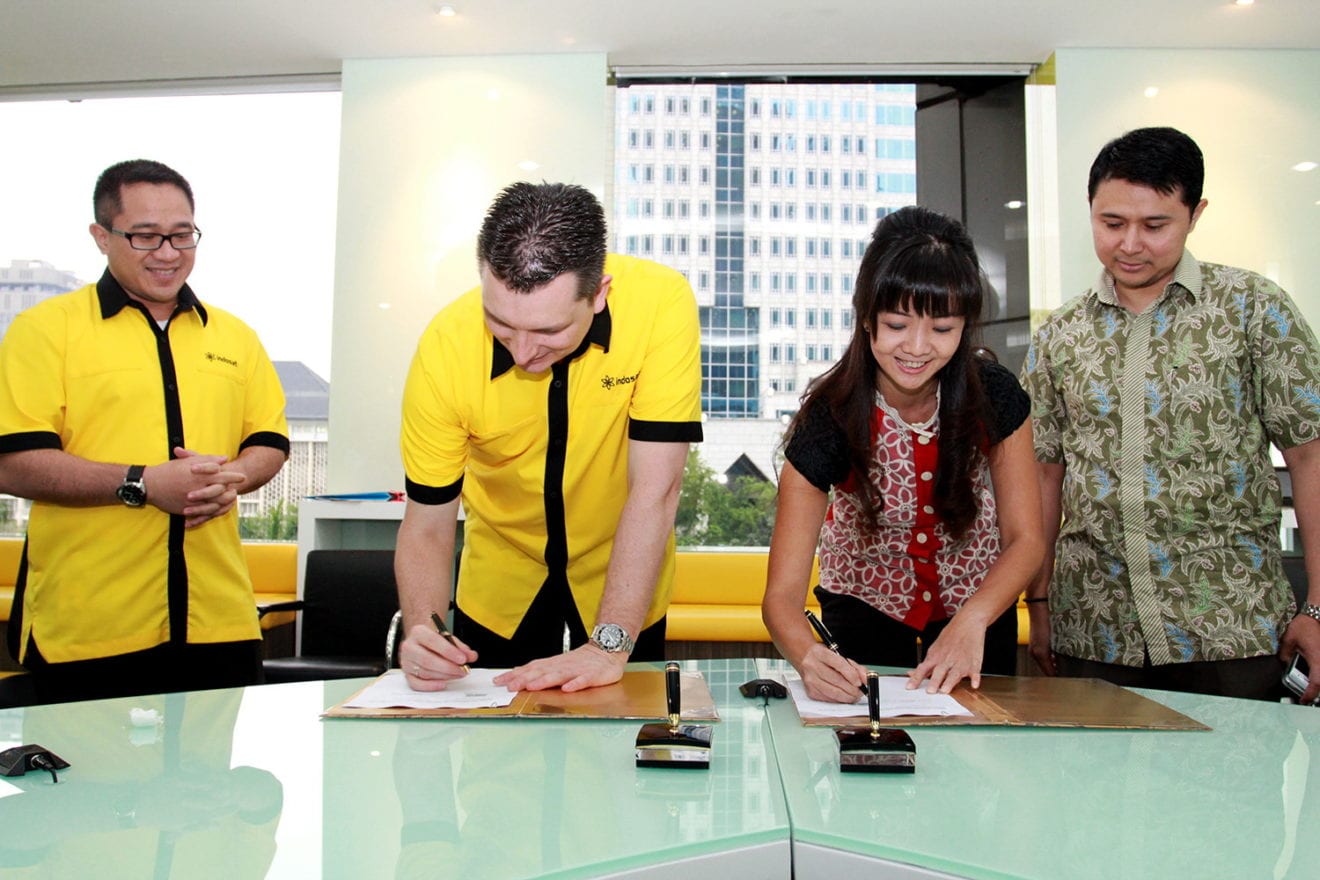
    Alphabet’s X unit, formerly called Google X, is working with Indonesian telecommunication companies PT Indosat, PT Telekomunikasi Selular, and PT XL Axiata on the project, said Mike Cassidy, who leads the initiative known as Project Loon. They will spend the next year using hundreds of balloons to perform tests of the technology, such as communication between balloons and ground-to-balloon and synchronizing the movements of balloon swarms, he said.

    “This testing is going to be very revealing to us in terms of how close we are to launch,” Cassidy said. “If all these tests go well it should be soon after that that we’re ready for a commercial launch.”

    Test Market

    Indonesia is a good test market for Project Loon as it is the fourth-most populous country in the world and is composed of numerous islands that are difficult to link to the Internet via traditional cables, Cassidy said. He also noted there are more than 150 million Indonesians today who lack Internet access.

    Alphabet will work with the Indonesian companies to come up with a business model that works with the country’s law, he said. The balloons will use wireless spectrum already secured by the firms for their communications, he said.

    Indonesia’s President, Joko Widodo, was scheduled to visit Google Wednesday as part of a U.S. tour, but had to cancel his trip because of haze in his country caused by forest fires.

    Sky Towers

    Alphabet has been working on Project Loon for several years and began testing the technology in earnest in 2013. It has flown tests of the helium-filled balloons, each about 40 feet tall and shaped like an upside-down raindrop, in such countries as Australia, Chile and Brazil, and worked with local telecommunications firms to integrate the balloons with the Internet.

    “In effect, Loon is building cell towers for the telcos,” Cassidy said. “But the towers we’re building are 20,000 meters in the sky.”

    It should be easier for Project Loon to develop its technology and products faster under the new Alphabet corporate structure, Brin suggested.

    “I think having very clear missions for each piece where they don’t feel entangled in a complex way has been working really well for us,” Brin said. “You shouldn’t be worried about, whatever, what operating systems those phones are on, what other business relationships Google has with this telco or that other telco — just go forth and do your jobs.”

    Alphabet also is creating large, solar-powered, unmanned aerial vehicles — drones — for Internet access, putting it into a technological race with advertising rival Facebook Inc. The social network is seeking to expand its global user base by using drones and satellites to give people in rural regions or other unconnected areas access to the Internet.

    None of this is cheap. Google’s capital spending is likely to rise next year, Chief Financial officer Ruth Porat said on an earnings call last week.

    “We do see accelerated investment given the nature of the businesses that we’re building up here,” she said.

  • Asian retailers called into haze campaign

    Asian retailers called into haze campaign

    As the toxic haze caused by Indonesian forest fires continues to enshroud Singapore and parts of Indonesia and Malaysia, the campaign to boycott brands linked to the fires is widening across Southeast Asia.

    Last week, the Singapore Environment Council (SEC) and Consumers Association of Singapore (Case)reached out to more than 3000 companies to get their commitment and declaration that they procure their wood, paper and/or pulp materials from sustainable sources. These include book stores, supermarkets, other retailers and manufacturers of paper and tissue products.

    Today, Consumers International (CI) has stepped in to ramp up the campaign, encouraging retailers and consumers in Indonesia, Malaysia, Singapore and Thailand to boycott brands and suppliers who have not committed to sourcing from companies who reject supplies from irresponsible forest burning.

    Singapore’s largest supermarket operator, NTUC FairPrice has already recalled stock supplied by Asia Pulp & Paper products due to the paper giant’s role in contributing to the toxic haze.

    Today, CI called on all consumers to stop buying products produced by companies involved in the purchase or sourcing of wood, paper and/or pulp products that cause the haze.

    “The global body is concerned that unlike Singapore, companies in Indonesia, Malaysia and Thailand are not declaring their source of procurement of sustainable wood, paper and/or pulp.

    “Every year people in Indonesia, Singapore and Malaysia are suffering under a thick haze of smog which is caused by the burning of forests for production of pulp, paper and palm oil primarily on the island of Sumatra, in western Indonesia and Borneo. The haze is leaving millions of people at risk of respiratory and other disorders. In addition countries in the region are also suffering economic losses and environmental damage including acid rain formation and other effects.”

    CI says that with a lack of information about which companies’ activities are contributing to the haze, consumers should buy products that carry internationally recognised green labels such as Forest Stewardship Certification (FSC) or other independently verified labels that support sustainable production that does not cause harm to the wellbeing of consumers.

    “CI believes that consumers should send a strong signal to the errant companies through their purchasing power and refuse to support companies which are contributing to this environmental disaster by their irresponsible practices.”

    CI has also requested all governments in the region to take a tough stance against companies responsible for haze.

    CI  is the world federation of consumer groups that, working together with its members, serves as the only independent and authoritative global voice for consumers. It has more than 240 member organisations in 120 countries.

  • Trade Expo Indonesia (TEI) 2015 Opens with 118 Countries Ready to Make Transactions

    Trade Expo Indonesia (TEI) 2015 Opens with 118 Countries Ready to Make Transactions

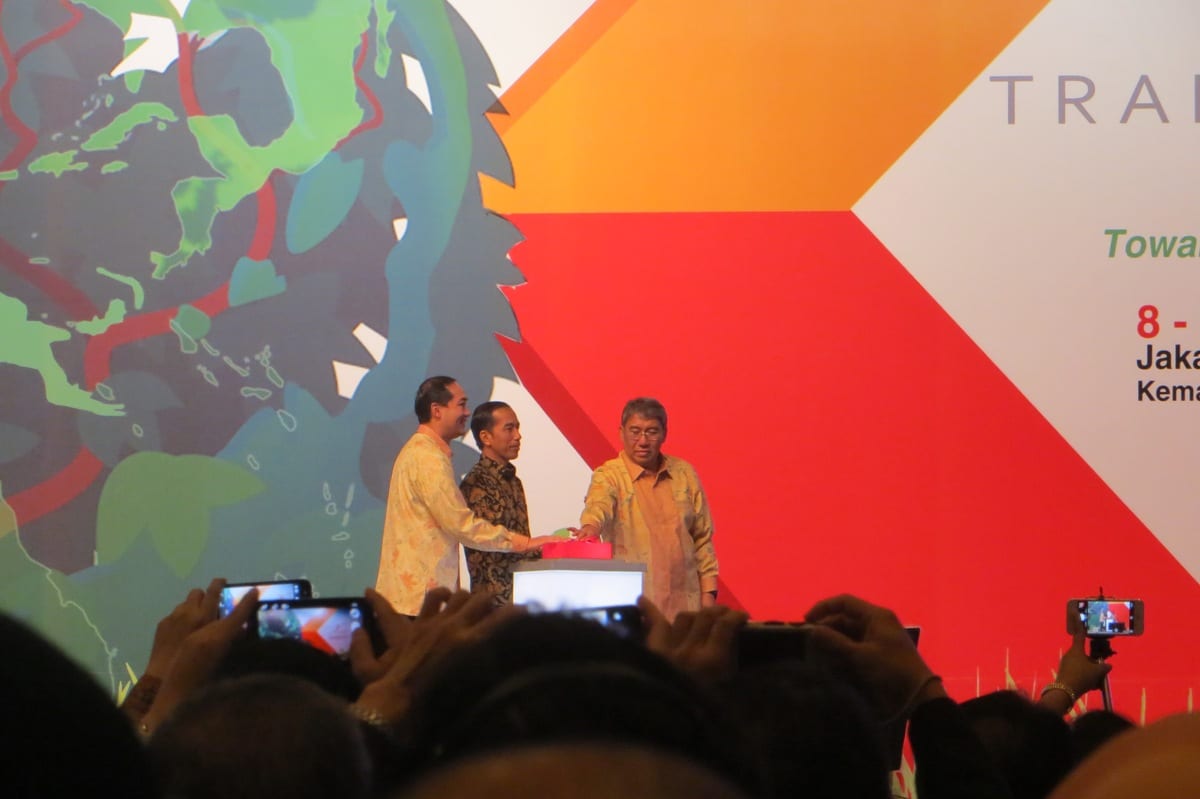
    Indonesia is once again holding its largest international scale trade promotions exhibition, the Trade Expo Indonesia (TEI) 2015. The 30th TEI event will be attended by more than 14 thousand buyers from 118 countries. TEI this year will be carrying the theme “Sourcing at Remarkable Indonesia” and is being held at the Jakarta International Expo (JIExpo) from the 21-25 October, showcasing export oriented products and services.

    The Indonesian Minister of Trade, Thomas Trikasih Lembong, said that TEI was an important instrument for promoting Indonesian exports. “TEI is one of the tools to increase market access and export target market diversification, particularly to nontraditional and emerging markets. The same as last year, TEI this year will focus on Business to Business transactions (B2B),” said Trade Minister Tom at the opening of TEI on Wednesday.

    In order to make TEI become an effective promotional event, the Ministry of Trade is focused on ways to bring in buyers from all over the world. This was done by way of cooperation with the Ministry of Foreign Affairs; through Indonesian representative offices abroad such as Indonesian Embassies, Trade Attaches, Indonesian Trade Promotion Centers (ITPCs); and also through cooperation with the Chambers of Commerce and Industry of friendly countries to spread information abroad about the holding of TEI.

    “Efforts to diversify markets has continuously been carried out by the Ministry of Trade and it seems that now the buyers delegation list comprises mostly of countries from nontraditional markets, including Nigeria, India, Saudi Arabia, Bangladesh, and Malaysia,” said Tom.

    TEI this year will occupy a 50.000 m2 of exhibition space, larger than last year, which only occupied 40,000 m2 with occupancy reaching 99% of the target. The products that will be showcased include manufactured products (automotive products, footwear, textile products, household appliances, building materials, housewares, consumer goods, paper products, health equipment, rubber products, etc.), professional services, furniture, home decorations, processed food, fishery products, agriculture products, and other creative products.

    The “Pride of Indonesia” Pavilion has also returned with local products that are the pride of Indonesia and has been accepted in the global market. There will also be an ASEAN Pavilion set up with an information stand by ASEAN representative countries as well as an ASEAN Economic Community Center (AEC Center) to welcome the implementation of the ASEAN Economic Community (AEC), which will go into effect in December 2015.

    Events at TEI 2015 

    On the first day of TEI 2015, several trade contracts worth more than USD 8 million were already recorded. The signing of trade contracts were conducted between seven Indonesian exporters with five buyers, namely PT. Cipta Panel Buana with Kohnan Shoji Co., Ltd. from Japan, PT. Anggana Catur Prima with JANS Enterprises from the United States, PT. Perkebunan Nusantara VIII with Kong Wooi Fong Tea Merchant Sdn. Bhd from Malaysia, Sinar Sosro with Eastern Cross Trading Pty. Ltd. from Australia, and PT. Inti Bintang Mas Perkasa with Canejava Pty Ltd from Australia.

    TEI 2015 also continuously strives to inform about the latest in developments and regulations of the international export market by holding various activities such as the Trade, Tourism, and Investment (TTI) Seminar to inform exporters, buyers, and investors about taking advantage of international trade and investment opportunities. Regional Discussions will also be held to inform about potential products and foreign market access as well as discuss issues related to international trade.

    Besides that, there will also be a Business Counseling, which is a consultation event facilitated by the Trade Attache and the Head of the Indonesian Trade Promotion Center (ITPC) in order to provide information access and information on penetrating foreign markets for exporters. There will also be a Business Matching to introduce buyers to suitable Indonesian exporters that matches the products the buyers are looking for.

    Moreover, TEI 2015 have also awarded the Primaniyarta Award to 30 Indonesian exporters for various categories, namely 7 companies in the Domestic Capital Investment High-performance Exporter Category, 7 companies in the Foreign Capital Investment High-performance Exporter Category, 6 companies in the Global Brand developers Category, 7 companies in the Superior Potential Exporters Category, and 3 companies in the Exporters of New Market Pioneers Category.

    Afterwards, the presentation of the Primaduta Award to 60 loyal buyers that have been importing Indonesian products. This is a form of appreciation presented by the Government to those who have contributed to increasing Indonesian exports. “We hope that TEI this year will be able to result in even more trade cooperation between Indonesian exporters with buyers so that it could directly contribute to the growth of the national export performance,” said Trade Minister Tom.

  • Indonesia’s Trikomsel says it will likely default on Singapore-issued bonds

    Indonesia’s Trikomsel says it will likely default on Singapore-issued bonds

    Indonesian mobile phone retailer PT Trikomsel Oke Tbk warned on Monday that it will likely default on its S$215 million (US$155 million) bonds, in what would be the first in the Singapore bond market since the global financial crisis.

    The announcement by Trikomsel, which is 19.9 per cent-owned by Japan’s SoftBank Group Corp, could decrease investor appetite for debt issued by Indonesian companies.

    Some Indonesian firms already are under pressure due to the rupiah’s depreciation, sagging domestic economic growth and concern about outflows whenever United States interest rates are hiked. “It will highlight the risks that a number of other Indonesian businesses face and should put pressure on the bonds and equities of other companies with high foreign exchange debt,” said Vaninder Singh, an economist at RBS.

    Indonesia’s sovereign credit default swaps (CDS) underperformed their regional peers on Monday, reflecting some of these concerns. Its five-year contract rose by one basis point versus a general decline in other Asian sovereign CDS.

    Jakarta-based Trikomselhad issued a S$115 million bond due 2016 bearing a 5.25 per cent coupon rate, and a S$100 million bond due 2017 paying 7.875 per cent.

    In a filing to Singapore’s stock exchange on Monday, Trikomsel said that more than 80 per cent of its total debt of around US$460 million, which includes the two Singapore dollar bonds, will fall due in the next two years. “With the depleting and volatile cash flow, the company anticipates that it is unlikely to be in a position to service interest and repay debts as they fall due,” Trikomsel said, adding that it will come up with restructuring proposals in the next 2-3 weeks.

    Trikomsel said its mobile phone sales have been hit by a reduction of the number of its retail shops and increased competition in the market, while the weak rupiah has dampened the purchasing power of consumers.

    Cash flow from operations was negative 53.5 billion rupiah (US$3.9 million) for the six months ended June, Trikomsel said.

    The rupiah has fallen more than 9 per cent against the dollar this year, making it the second-worst performing Asian emerging market currency after Malaysia’s ringgit. markets.

  • Everything you need to know about Indonesian telecoms and ecommerce

    Everything you need to know about Indonesian telecoms and ecommerce

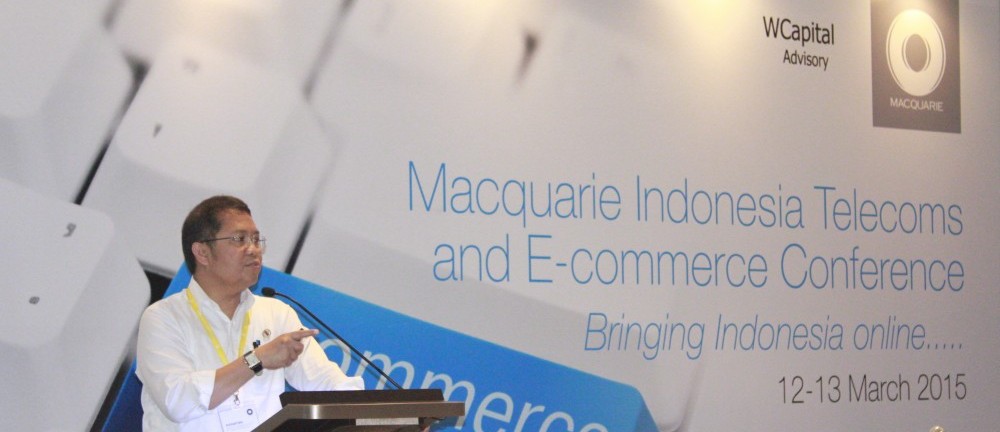
    Macquarie Indonesia, the local branch of the global investment banking and financial services giant, held an invite-only conference for high-profile professionals in the telecoms and ecommerce spaces. No other press were allowed inside the venue at the Ritz Carlton, and the list of speakers included some interesting names, including Indonesia’s tech minister Rudiantara, CEOs from the top three telcos, and a slew of investors, VCs, and startup founders, among others.

    The speakers shared the industry’s latest data and insights about the future of the telco business in Indonesia, as well as the most up-to-date information about the archipelago’s internet users and online shoppers. Based on their findings, here are some insights to keep in mind going forward (Hat tip to Macquarie for providing a post-conference overview).

    A digital explosion is on the horizon in Indonesia

    Mobile data traffic has been growing at around 100 percent year-on-year in recent years, according to the telcos, and looks set to continue in the medium term as we reach an inflection point in the quantity of online content.

    This is helped by rising smartphone adoption in Indonesia, young demographics, and a growing middle income populace. Indonesia’s affinity for social media (it is number four in terms of Facebook usage) is well-acknowledged. However, what is less well-known is the development boom for localized content that helps accelerate web traffic in Indonesia.

    line-vietnam-telcos

    The government looks to give more support

    The Indonesian government claims to be highly supportive in developing the ecommerce industry. It plans to announce an “ecommerce roadmap” this year, which will involve input from nine government ministries. From a telecoms perspective, the government highlights the importance of “industry efficiency,” which in part means allowing mergers and acquisitions to run more smoothly in Indonesia. This, in turn, should improve the sustainability of Indonesia’s ecommerce industry and promote further investment.

    In addition, the tech minister wants to raise US$1 billion for local tech startups to be controlled by a non-state-owned or privately-owned venture capital firm. “I’ve approached the top 20 conglomerates in Indonesia about this issue,” explains minister Rudiantara. “We must have a roadmap for this three to six months from now and the conglomerates would be the ones to choose the VC.”

    The tech minister corrects the media

    Regarding recent media coverage about an imminent rule for locally made 4G smartphones, the minister claims he never said that 40 percent of the 4G mobile handset components will need to be produced locally. According to him, the government has not yet mandated a fixed percentage for the regulation, although Rudiantara says he has been in talks with several local mobile manufacturers regarding their production capacities. He says:

    The decree will go into effect later this year. We welcome input from all stakeholders at this time. Importing these products contributes to our trade deficit. This is a macroeconomic issue that I must address.

    Rudiantara

    The digital ecosystem is still in its early days, but that’s changing quickly

    A clear theme to emerge from the conference was the number of bottlenecks preventing Indonesian ecommerce from rapid acceleration. The key challenges currently include online payments (with credit card penetration still around three percent), weak logistics and infrastructure, shallow human capital, and regulatory uncertainty.

    According to Macquarie, telecom operators and banks are leading the charge in growing the ecosystem by allocating resources. However, the firm asserts that the demand for ecommerce will outpace supply over the next 12 months in Indonesia.

    Eruption of online traffic

    Data now accounts for 25 percent of revenues for the local telecom industry. With online traffic accelerating as demand expands beyond social media and into online retailing, we can see an upside to data-led revenues, especially if operators can execute on content strategies centered around mobile advertising, ecommerce, and mobile money.

    XL Axiata and Indosat appear more advanced in their digital sevices strategy, while Telkomsel will continue to benefit from its competitors’ early findings.

    Indonesia is definitely seeing an ecommerce surge

    Online retail has seen exponential growth the last 12 months with Lazada Indonesia, Tokopedia, BukaLapak, and Zalora currently leading the way in the archipelago.

    Lippo Group’s recent US$500 million investment in MatahariMall potentially places the firm in an advantageous position in the medium-term to capture market share in online retailing. It’s supported largely by Lippo’s strong nationwide footprint and competitive advantage stemming from a sophisticated local supply chain.