Retail News CRM

Tag: Indonesia

  • 10 things startups should know before entering Indonesia

    10 things startups should know before entering Indonesia

    Entrepreneurs grinding it out in Jakarta are unlikely to tell you Indonesia is an easy market to win. On the surface, the world’s largest archipelago is attractive to foreign founders. And why not? Indonesia has a lot of problems to be solved, with greenfield opportunities that tend to encompass several links on a given value chain. This wide open nature of the market alone makes it a conducive environment for building full-stack ventures. On top of that, the population is big. So the saying goes, if you can win Indonesia, you may not need to expand regionally.

    Tech firms can grow fast in Indonesia, with a young population embracing the web faster than ever before. Fun fact: each year, Indonesia pops out more babies than the entire population of Singapore. Singaporean startups salivate when thinking about an Indonesian market entrance as it’s undeniably the largest and most important market in Southeast Asia – the final frontier in terms of regional defensibility, some say.

    Indonesia is the next hotspot for investor activity after China, the US, and India. This is due to an economy that’s consumption-driven and a tech market that’s still relatively immature. There are a lot of reasons to take your startup to Indonesia. But alas, Indonesia is as elusive as it is attractive; a mirage for some. While there are many reasons to come here, there’s really only one reason to stay: the opportunity to challenge yourself.

    Local investors and founders are likely to agree – if you can crack Jakarta, you can crack any market. In reality, it’s only for those with true grit.

    In no particular order, here are ten things foreign founders should chew on before stocking up on batik shirts and parachuting into Indonesia.

    Tough geography

    Indonesia is made up of more than 17,000 islands. This means things like logistics and internet penetration rates are major hurdles for any web business.

    Things are changing, however, and startups are quick to adapt. With Indonesia’s three major telcos getting more aggressive with 4G coverage and many locals coming online for the first time on mobile devices, consumers have a healthy thirst to get plugged in – no matter how far they are from the capital or Java island.

    But the situation is still far from perfect. Getting Indonesians online in rural areas is just the first step toward converting them into paying customers. Looking specifically at the ecommerce space, operating in a nation that’s divided by water is a challenge in and of itself when considering timely and reliable delivery.

    Juicy demographics

    Indonesia has a population of more than 250 million. Over 50 percent of people are under the age of 30, making them statistically ripe in terms of understanding and adopting new tech. Additionally, Indonesia’s economy is pillared by people buying stuff. An emerging middle-class has been the focus of many ecommerce firms, both foreign and domestic. Current hot verticals include automotive, real estate, fashion, lifestyle, financial, and on-demand services.

    However, capitalizing on Indonesia’s favorable demographics is easier said than done. Currently, online shopping still accounts for less than 1 percent of the nation’s retail sector. This is small compared to China, where ecommerce makes up roughly 10 percent of all retail transactions (PDF link). Additionally, Indonesia’s demographics are also divided by religion, culture, and socioeconomic standings, which inevitably lead to the need for a variety of different marketing tactics for the same product.

    Weak payments infrastructure

    The majority of the Indonesia’s population has not entered the banking system. Further, less than 5 percent own credit cards. Developed markets, like the US for example, have efficient payments infrastructures that rest on the backbone of the Europay, MasterCard, and Visa (EMV) technology and network.

    Indonesia, on the other hand, is primarily a cash-based economy. Electronic payments solutions are forced to cope with the nation’s unbanked and underbanked. This drives startups to explore creative avenues that involve things like ewallets, alternative payment gateways, and mobile phone credit.

    Fun fact: While broadband usage is at less than 30 percent of the population and the underbanked population is more than 70 percent, mobile penetration is somewhere near 130 percent. This means everyone in Indonesia has a cellphone, sometimes two or three. The phenomenon presents opportunities for savvy founders who want to think creatively in the payments game.

    Two banks run the show

    Bank Mandiri and Bank Central Asia (BCA) are the two major financial institutions in Indonesia. These two banks have only made online payments possible since 2012. If you plan on starting up and getting paid in Indonesia, you will eventually bump into these guys.

    Mandiri and BCA affect everything from the top down. Effectively, the pair acts as a duopoly on Indonesia’s formal finance landscape. This creates bottlenecks and inefficiencies as both corporations are gunning to make superior solutions for the same problems. However, any startup that can cope with this ― or create more elegant solutions for payments and financial inclusion ― will find itself in a strong position in Jakarta.

    Bureaucracy you wouldn’t wish on your worst enemy

    It takes one to two days to set up a business in Singapore. In Indonesia, it takes an average of 47 ― and that’s assuming you’ve done the paperwork right. The World Bank and the International Finance Corporation ranks Indonesia in 155th place in the world for ease of starting up a business, citing complex and drawn out processes involved in starting up as the main headaches.

    Businesses must get cleared with the state treasury, the Ministry of Law and Human Rights, and the Ministry of Manpower, as well as complete several other registrations.

    Traditionally, there are enormous tax payments to be made each year. Companies spend around 259 hours of company time each year dealing with taxes. Corporate income tax of 25 percent takes 75 hours to process, and social security contributions and VAT add another 184 hours to the total.

    Depending on your particular business, there is likely a unique set of rules you must follow. Additionally, laws in Indonesia are always changing.

    What language do you speak?

    There are more than 726 languages spoken across Indonesia today. Most of these are regional dialects of the overarching official language, Bahasa Indonesia, though they vary immensely and often incorporate completely different vocabulary. In theory, all startups really need to do is make their product in the universal Indonesian language and it’s all good, right? Wrong.

    In order to truly localize a product, companies need to be able to reach Indonesian consumers in their everyday lives. In practice, deals will sometimes only close when representatives and customers can get on the same page with a dialect. A conversation between a consumer from Aceh and a business in Jakarta is very different than a conversation between two Jakartans. As a foreigner who hasn’t even mastered Bahasa Indonesia, you’ll be put at an even greater disadvantage. Wise founders will find sharp local partners to help them out.

    Social media is a way of life

    Social media is a force that can’t be circumvented in Indonesia. It’s a must. Twitter and Facebook to one degree or another affect everything from entertainment and business to politics and news. The archipelago is one of the top five global users of social media, and political candidates are aware that failing to engage voters via social media could mean a lower tally at the ballot box.

    Indonesia has 72 million active social media accounts, 62 million of which are on mobile. The most popular ones in Indonesia are Facebook, Twitter, and Google Plus. Although Indonesia has become the main market for Path, data suggests that Instagram and Pinterest are more popular.

    Indonesians love their malls

    Southeast Asian countries, and Indonesia in particular, have a true affinity for shopping malls. This is perhaps just an inexplicable idiosyncrasy of the region. Jakarta alone has more than 173 malls, which is something nearly unheard of in markets like the US or UK.

    Unlike western cultures, however, Indonesians don’t typically stroll down the sidewalk and pop into a boutique store to try on one-of-a-kind fashion items. Instead, they flock en masse to giant malls where everything is in one secure, air-conditioned location. If tech startups can find ways to make their online products applicable to offline shopping malls in Indonesia, they might have a fighting chance at regional defensibility.

    Regulation is wild

    If you’re planning to incorporate your business in Indonesia, you’ll need to be aware of the legal limitations imposed on foreign-owned companies. Indonesia’s Negative Investment List specifies sectors of the economy in which foreign ownership is limited or even prohibited completely. These limits range anywhere from zero percent to 95 percent ownership allowance. Some of the sectors include advertising and pharmaceuticals. But more relevant to us in the tech space is ecommerce.

    In recent years, the minimum capital requirement to set up a foreign investment limited liability company (also known as PT Penamanan Modal Asing, abbreviated as PT PMA) was INR 10 billion (roughly US$1 million). The amount needs to be part of a company’s official investment plan with a quarter of it paid up front into the company’s Indonesian bank account.

    Most early-stage startups won’t have that kind of cash. Many entrepreneurs looking to target the Indonesian market prefer to incorporate their business in Singapore, where it’s so much quicker, the fees are next to nothing, and the political climate is stable. However, companies that need to be licensed in Indonesia would do well to do their homework extensively before buying a plane ticket.

    The taxi is your office

    If you’re a tech entrepreneur and you plan to move to Jakarta, it might be worth your while to invest in a plug-and-play wifi modem. The reason is that Jakarta has the worst traffic conditions in the world and you may end up stuck in a taxi or an Uber for several hours trying to get across town for your next meeting.

    Instead of stressing out about time you’re wasting, it’s often more practical to just pull out your laptop in the car and catch up on emails on the go. Indonesia’s traffic conditions may also be another factor that plays into the nation’s rapid smartphone and social media adoption.

  • Sydney hosts Indonesia AirAsia X

    Sydney hosts Indonesia AirAsia X

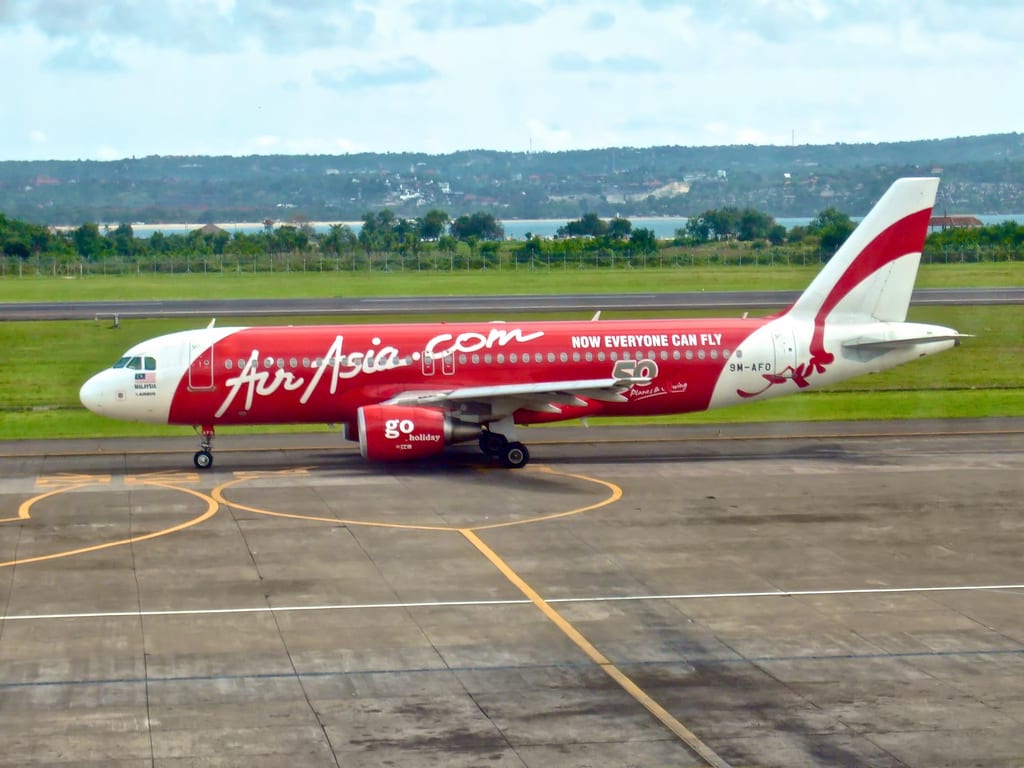
    “We’re pleased to welcome Indonesia AirAsia X to Sydney, providing more choice for Sydneysiders travelling to Bali, as well as greater connectivity to Indonesian and Asian destinations from the airline’s Bali hub,” Sydney Airport managing director and chief executive officer Kerrie Mather said.

    “We’re thrilled that Sydney Airport is now the world’s leading low-cost long-haul airport, with five international low-cost long-haul carriers.”

    Bali is Australia’s largest outbound leisure market. Around 416,000 Australians travelled from Sydney to Indonesia in the 12 months to July 2015, an increase of eight per cent on the prior corresponding period.

    “More than 555,000 passengers travelled between Sydney and Indonesia in the past year, and this new service will significantly increase capacity to one of Sydney’s favourite travel destinations in time for the summer holidays,” Ms Mather said.

    Indonesia AirAsia X CEO Dendy Kurniawan, who touched down in Sydney on the inaugural flight, operated by an A330-300 aircraft, said that Australia is an important market to Indonesia AirAsia X and the airline is committed to further strengthening its presence in Australia.

    “We are delighted to serve direct flights between Bali and Sydney, providing Sydneysiders the opportunity to explore Bali and beyond at affordable fares. From Bali, our guests can fly onwards to many exotic destinations within Indonesia such as Jakarta, Bandung, Surabaya and Yogykarta,” Mr Kurniawan said.

    Indonesia AirAsia X is the fourth airline servicing the Sydney-Bali route

  • Jakarta Fashion Week: a quick guide

    Jakarta Fashion Week: a quick guide

    Jakarta Fashion Week, the main fashion week in Indonesia will open on October 24 at Senayan City, Jakarta.

    The Fashion Week will bring together hundreds of Indonesian designers, and their compatriots from countries including Japan, Thailand, and South Korea, to celebrate local creativity and showcase their best work before an international audience, both at the event and on television.

    Now in its eighth year, Jakarta Fashion Week is supported by high-end Jakarta shopping centre Senayan City.

    Svida Alisjahbana, CEO of Femina Group and chairman of Jakarta Fashion Week 2016, says support from Senayan City is meaningful to Jakarta Fashion Week given the mall’s reputation as a premium shopping destination with high-end boutiques from Italy and France, as well as various other fashion brands from around the world.

    “With the convening of JFW 2016 in Senayan City, Jakarta Fashion Week will have a value comparable to the fashion brands stationed there, and this is something that is very encouraging. It is time to introduce Indonesian fashion labels to the public so that they can understand and love the creativity apparent in our local products that is no less great than those in the products of international brands.”

    Along with the celebration of Senayan City 9 Infinite Years, Senayan City will present an exclusive collaboration entitled Capsule Collection F/W 2015 which will feature designers Danjyo Hiyoji, KLE, and Hunting Fields, with creations made specifically for JFW 2016. The Capsule Collection F/W 2015 and TIKprive X Stella Rissa fashion show will present at the Fashion Tent in JFW 2016 on October 29.

    Senayan City will also present fashion shows featuring the latest collections from tenant brands, such as Bebe, Promod, and Debenhams.

  • Matahari speeds up G7 rollout

    Matahari speeds up G7 rollout

    PT Matahari Putra Prima has relaunched its Hypermart G7 concept at Metro Indah Mall Bandung in West Java.

    Another Hypermart store within the same province reopened on September 26, at Depok Town Square as the multi-format Indonesian retailer speeds up its hypermarket modernisation program.

    The Hypermart G7 generation features a new type of gondola shelving with wider hallways to provide better navigation for customers, as well as a larger fresh foods area. Fashion and Beauty centres were upgraded and expanded and there is more emphasis on bakery, ready to eat meals, fresh food, bulk food and home & living.

    Director of public relations and communications, Danny Kojongian. said the openings not only represent stronger Hypermart’s presence within the regions, but also Matahari’s commitment to delivering its outstanding G7 Hypermarts to Indonesian consumers despite the current challenging macro-economic condition.

    “We are proud and honoured with our participation to strengthen the nation’s economy through Hypermart expansion, reinventing Foodmart supermarkets and starting to cater to the B2B segment throughout the regions,” he said.

    “MPPA is poised further to become the No. 1 Multi-Format FMCG Modern Retailer in Indonesia.

    Hypermart MIM Bandung is the seventh outlet to be renovated to the new G7 format. Two new ones have also been opened.

  • Asian startups got more than $10 billion in April-June quarter

    Asian venture capital-backed companies enjoyed 45% year-on-year growth in capital received during the second quarter of 2015, bringing in more than $10 billion in investments, according to a recent report by KPMG, an audit, tax and advisory company.

    The report notes that venture capital growth is driven by corporations on the hunt for companies with creative innovations. The buyers hope to integrate these innovations with their own businesses. Their activities are expected to continue as it is “cheaper for companies to invest in technologies rather than develop [them] internally,” the report says.

    Eight of every 10 deals in the quarter were made by Asian Internet and mobile companies, according to KPMG.

    Singapore was the top country for Southeast Asia’s venture capital activities, followed by Indonesia and Malaysia. In the second quarter, the republic had deals worth $160.7 million, while Indonesia had deals worth $3.5 million and Malaysia made $2.4 million worth of deals. For 2014, the amount of venture funds attracted by Singapore was around $1.07 billion.

    Terence Lee, managing editor of TechinAsia, an online news organization, said, “Singapore’s business-friendly environment and sound infrastructure is key.” He added that the Singapore government’s initiative to expand its Technology Incubation Scheme in 2012 “most likely led to the spike in investments in Singapore startups.”

    The government program helps to fund incubators that in turn seed startups. Under it, the government co-invests up to 500,000 Singapore dollars (around $350,000) in Singapore-based startups. An incubator can buy out the government’s stake in a startup within three years by repaying the initial capital plus interest.

    Investors have been investing in e-commerce-related companies, which are soaring in popularity in Asia. The online retail market in Singapore, Malaysia, Indonesia and three other Southeast Asian countries is worth around $7 billion. Globally, venture capital-backed companies raised $88.3 billion in 2014.

  • Startupbootcamp FinTech partners CIMB to expand regional reach

    Startupbootcamp FinTech partners CIMB to expand regional reach

    Financial services technology accelerator Startupbootcamp FinTech and Malaysia’s CIMB Group have announced a partnership that would give startups in the programme access to the region’s markets.

    In a statement announcing that applications for next year’s accelerator programme are now open, CIMB said the partnership would increase support in offering the 2016 startups additional expertise, exposure channels, and access into the high potential markets in Asean, particularly Thailand and Indonesia.

    “Both countries have high smartphone penetration and high numbers of unbanked, with Indonesia, for example, being home to 6% of the world’s unbanked, which makes these markets well-timed for FinTech innovation,” the banking group said.

    The Startupbootcamp FinTech Singapore 2016 accelerator programme will provide funding, mentorship, office space and access to a network of industry partners, investors and venture capital firms for 10 selected Singapore-based FinTech startups. Each successful team will also receive 15,000 euros (RM70,469) living expenses and office space for at least three months at accelerator hub, BASH, in Singapore’s startup cluster, One-North.

    Launched late last year, the Fintech programme has to date accelerated 11 teams, who graduated from the accelerator on July 29, having received mentorship and practical guidance from over 200 entrepreneurs, investors, industry participants and partners as well as access to international markets.

    Commenting on the partnership, CIMB Group CEO Tengku Datuk Zafrul Aziz said that as a leading Asean universal banking group, CIMB is strategically placed to assist businesses including startups, in the region to realise their potential.

    “We are certainly excited to partner Startupbootcamp FinTech to not only advance financial innovation in the region, but also create in-roads for these FinTech businesses in growing markets such as Thailand and Indonesia.

    Furthermore, as CIMB continues to spur our own innovation space, this partnership also opens up further avenues for collaboration and cross-pollination of ideas with these startups to grow FinTech in Asia. I am confident that CIMB would be able to adopt some of the innovative solutions that are brought to fruition through our investment into this partnership,” said Tengku Zafrul.

    CIMB, a firm advocate of banking technology, counts products and services such as CIMB Clicks, Plug N’ Pay, Rekening Ponsel and Speedsend under its belt.

    Startupbootcamp FinTech co-founder Markus Gnirck, meanwhile, said that the partnership with CIMB was a huge value-add for our startups, offering them great accessibility to the region’s growing markets.

    Along with the opening of applications, plans for a new FastTrack tour, which will take place in 14 different cities across the Asia Pacific region were also unveiled.

    The FastTrack tour will provide startups with the opportunity to pitch before an audience of financial industry experts and angel investors and receive one-on-one advice on their business model and go-to-market strategy.

  • 40% of Indian food retailers to grow by 10% or more this year

    40% of Indian food retailers to grow by 10% or more this year

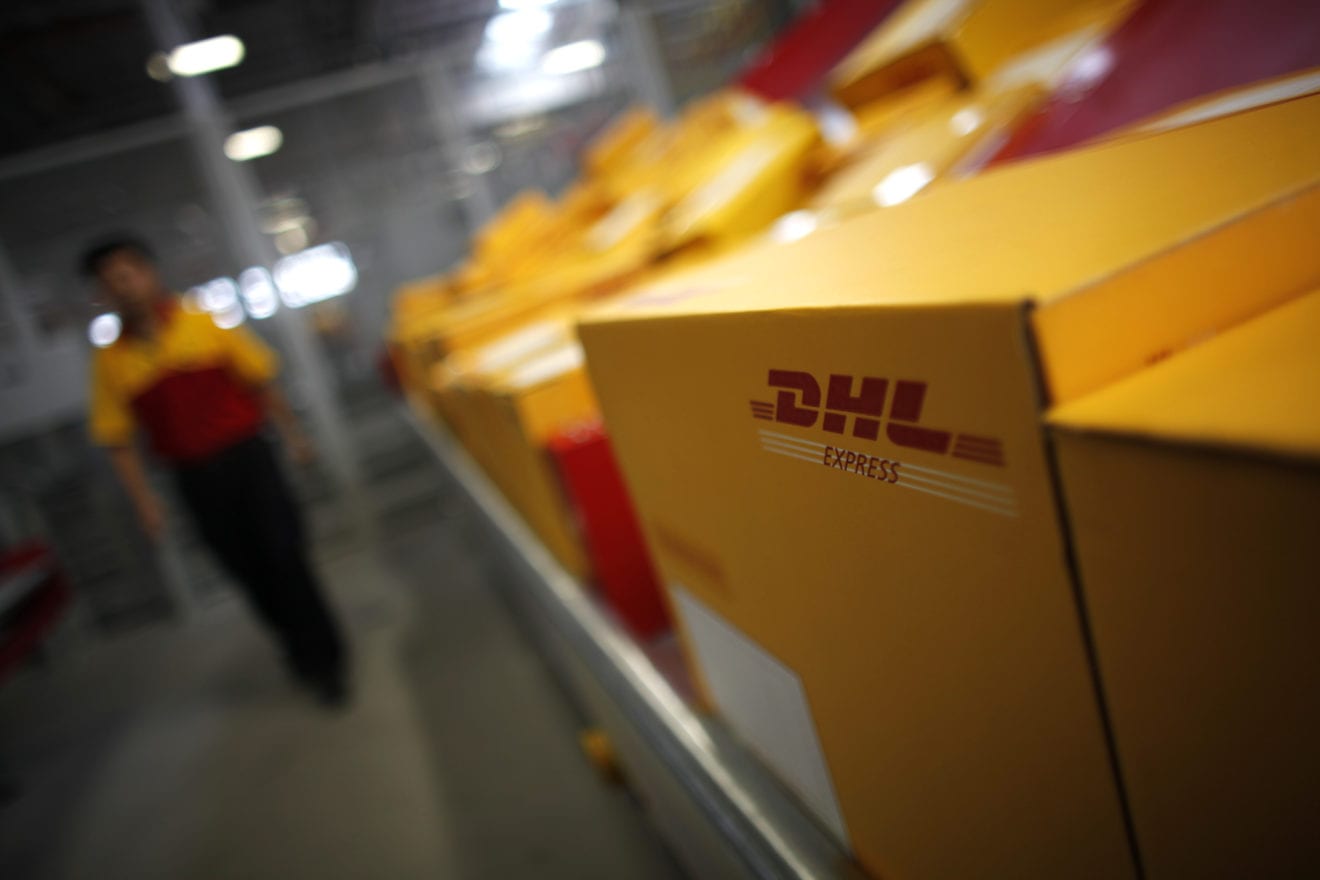
    Almost four in 10 Indian food retailers are expected to grow by 10 per cent or more this year, according to research commissioned by DHL Supply Chain, the global market leader for contract logistics solutions.

    Based on interviews with more than 300 industry decision-makers in India, Indonesia, Thailand and Vietnam, the study titled, Hungry for Growth: Logistics Trends in Asia’s High-Growth Food Retail Markets, found that more than one in four food retailers in some of Asia’s fastest-growing economies expect to grow by 10 per cent or more this year, as a result of expanding populations and rising income levels.

    However, the report also found that while 86 per cent of Indian food retailers understand their supply chain costs, six in 10 are struggling to maintain adequate levels of shipment accuracy in fulfilling growing demand – potentially impacting their ability to keep shelves stocked and orders filled as demand and competitive factors grow increasingly complex.

    “Rapid increases in purchasing power, coupled with surges in demand driven by population growth, will yield obvious expansionary benefits to food retailers,” said Dean Eichorn, Vice-President – Retail, DHL Supply Chain Asia Pacific. “However, any food retailer’s success is ultimately dependent on the agility of their supply chains when faced with demand volatility, seasonal fluctuations, and other complex market factors. Asia’s food retail industry looks set to undergo significant growth in the next year, and only with greater understanding and control of their logistics processes will companies be able to take advantage of new opportunities.”


  • Garuda Indonesia expands maintenance facility

    Garuda Indonesia expands maintenance facility

    Garuda Indonesia opened its biggest aircraft maintenance facility at Soekarno-Hatta International Airport on Monday, which will support the state-owned airline’s fleet as well as regional carriers tapping into Indonesia’s growing aviation market.

    The maintenance facility is the fourth for group subsidiary, Garuda Maintenance Facility (GMF) AeroAsia. With an area of about 67,000 sq. meters, it will nearly double GMF’s current capacity. The facility can store 16 narrow body aircraft, although due to limited personnel and technical capabilities, it can only handle 12 aircraft at the moment. GMF will invest a total of about 500 billion rupiah ($35 million) until it reaches full capacity in 2018.

    The facility’s main purpose is to serve Garuda’s growing number of aircraft. The airline plans to add 21 aircraft this year to reach a total of 190. At the Paris Air Show in June, it inked a deal to purchase 60 aircraft from Boeing and 30 from Airbus, together worth nearly $20 billion at catalogue prices.

    GMF posted revenue of $264 million in 2014, a 15% increase from the previous year. About 70% of its revenue comes from servicing Garuda aircraft, including those of budget carrier spin-off Citilink.

    GMF’s President and Chief Executive Officer Richard Budihadianto said it also aims to increase revenue from foreign carriers. The company has plans to build a maintenance facility in Bintang Island, which is close to Singapore. Airlines in Asian countries such as Singapore and Australia can save time by stopping in Bintang instead of at Soekarno-Hatta. “We want at least 40-45% of revenue coming from third party carriers,” Budihadianto said.

  • Rice prices up in Vietnam, Thailand on Indonesian demand

    Rice prices up in Vietnam, Thailand on Indonesian demand

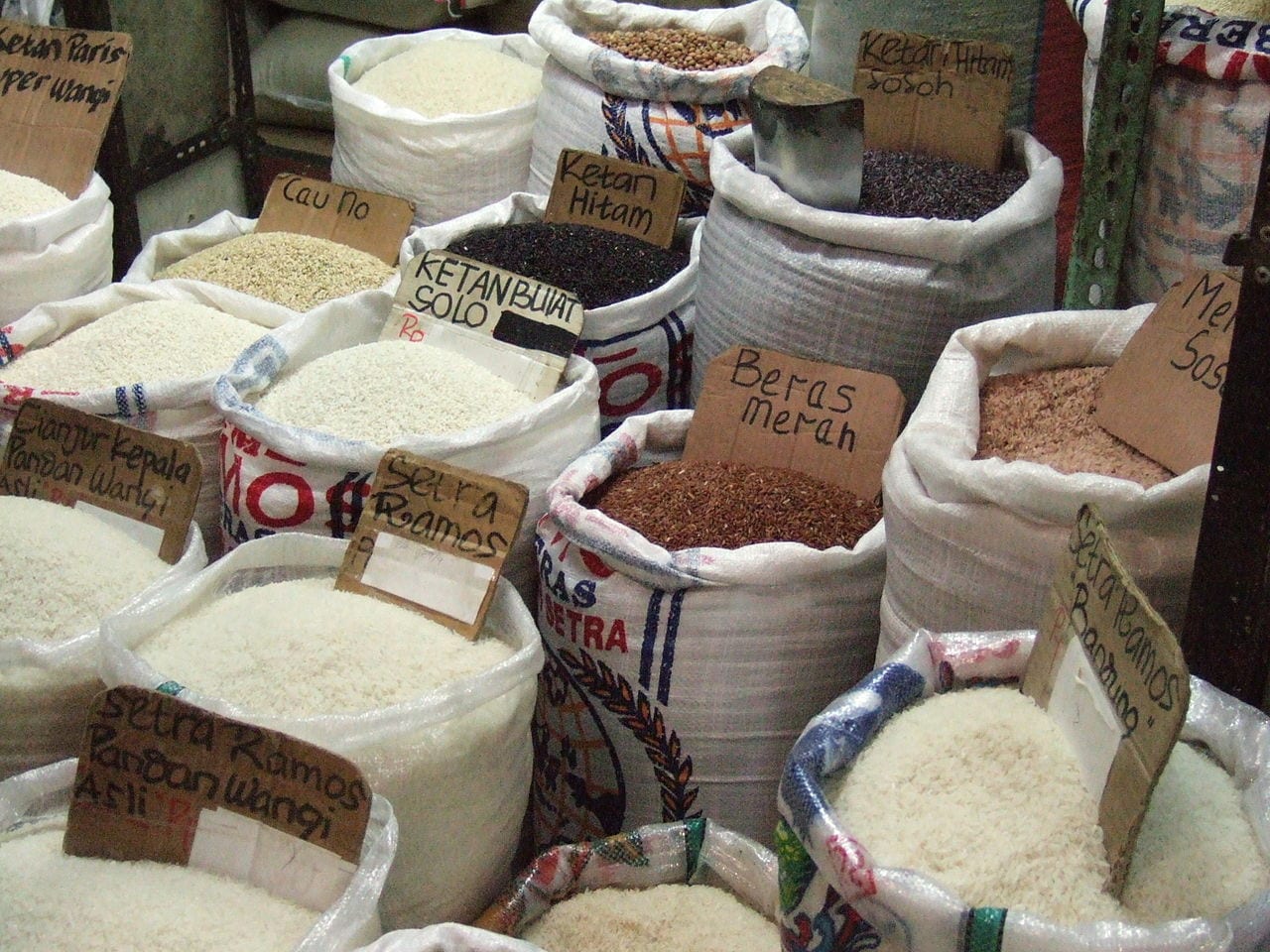
    On Wednesday, Vietnam’s 5-percent broken rice advanced about 3 percent to $350-$355 a tonne, free-on-board (FOB) Saigon Port, from $340-$345 a week ago, and 15-percent broken rice stood at $345 a tonne, or about $10 above last week. At $355, the price is the highest since July 22, Reuters data show.

    The 25-percent broken variety narrowed to $330-$335 a tonne, FOB basis, from a range of $325-$340 a tonne a week ago. “As prices rise, some buyers have turned to Thailand,” a trader in Ho Chi Minh City said. Pakistani rice has also become very competitive, with the 5-percent broken grain standing at $310 a tonne, FOB basis, said a dealer at a regional trading firm.

    “Given the price rise, African buyers are not in the market while (Vietnamese) sellers don’t want to sell now,” he said. Traders said they expected more purchases, including from Vietnam’s biggest rice buyer China, given the price rise. Rice imports in 2015 by China, the world’s largest producer of the grain, could rise 6.7 percent from 2014 to 3.2 million tonnes, the UN Food and Agriculture Organization has said.

    China has bought 1.5 million tonnes of Vietnamese rice in January-August, or a third of Vietnam’s total shipments in the period, based on Hanoi’s agriculture ministry data. China has set the rice import quota for 2016 at 5.32 million tonnes. In Thailand, prices edged up in anticipation of a contract with Indonesia, traders said.

    “We already increased our prices last week to anticipate it,” a Thai trader said. “If it ends up not happening, prices will absolutely weaken.” Thai 5-percent broken grain rose to $360 a tonne, FOB Bangkok, from $350-$357 on Tuesday, but is still below the $350-$362 level a week ago. Prices have recovered from an eight-year low hit last month. Indonesia said late last month it planned to import up to 1.5 million tonnes of rice from Thailand and Vietnam in October to avert a price spike.

  • Asia luxury goods market still growing

    The Asia luxury goods market is still growing rapidly despite negative press about Hong Kong, Macau and deteriorating China spending.

    Luxury goods retail sales in Asia-Pacific are expected to reach US$134.9 billion by 2019, growing at a CAGR of seven per cent during 2014-2019, according to the report Luxury Goods Retailing Market in Asia-Pacific, 2014-2019 Market and Category Expenditure and Forecasts, Trends, and Competitive Landscape.

    Japan will remain the largest Asia Pacific luxury goods market amid a slowdown in China and India’s luxury goods market is the fastest growing in Asia-Pacific, driven by rising disposable income, growing fascination towards luxury brands, and the desire of high earners to differentiate themselves from others.

    The report says jewellery, watches and accessories is the largest and fastest growing category in the region, driven by higher spending on jewellery and watches by Chinese, Japanese, and Korean consumers.

    The Hong Kong luxury goods market is struggling due to political unrest and reduced Chinese spending. A luxury tax exemption is expected to boost luxury goods consumption in Indonesia.

    Social messaging apps is a trending marketing channel for luxury brands, as the digital channel is influencing the purchasing decisions and pattern of consumers.

  • Asia mCommerce shopping soars

    Asia mCommerce shopping soars

    Asia Pacific consumers are increasingly likely to make their online purchases and bill payments through mobile devices (mobile phone or tablet), rather than via desktops, according to Visa’s 2015 Regional eCommerce Monitor Survey.

    The survey, which polled 11,760 respondents from 13 markets in Asia Pacific, found respondents reported an average 22 per cent increase from 2014 in Asia mCommerce shopping.

    Respondents from Indonesia (36 per cent), Mainland China (34 per cent) and Taiwan (28 per cent) reported the greatest growth in mCommerce during the year.

    The rising popularity of mCommerce among Asia Pacific consumers is narrowing the gap with traditional eCommerce channels such as laptops or desktop computers across the region. In Thailand, consumers are as likely to purchase using their mobile devices as through desktops, while the mCommerce-eCommerce gap in markets such as Mainland China (eight per cent), Korea (nine per cent) and Indonesia (nine per cent) is decreasing.

    Visa’s regional director for eCommerce, Conor Lynch said the results show that making purchases on the go through mobile devices is becoming the norm in Asia Pacific.

    “As consumers get more comfortable using their smart devices to research, browse and purchase, mCommerce should soon overtake traditional eCommerce habits, strengthening this channel of engagement between consumers and retailers.”

    The survey also found travel, bill payments and movies were the top spending categories for eCommerce in general across Asia.

    For mCommerce, the top three categories are also fashion, bills and movies at 27 per cent each.

    “Across Asia Pacific, we are seeing that ticket-size, as well as the nature of the purchase, impacts how consumers purchase goods and services online. Consumers in this part of the world, are already comfortable purchasing smaller ticket-sized, everyday items by clicking the purchase button on an app or checkout button on a mobile device,” Lynch said.

    Another continuing trend revealed by the survey is the tendency for consumers to engage in cross-border online shopping. In particular, consumers from Singapore (77 per cent), Australia and Hong Kong (75 per cent) and New Zealand (74 per cent), are the most likely to make online purchases from retailers abroad, well above the regional average of 55 per cent. On the other hand, consumers from Japan (81 per cent), Taiwan (61 per cent) and Vietnam (57 per cent) are more likely to shop at domestic online stores.

    When shopping online with an overseas retailer, price (68 per cent), access to products (60 per cent), paying and delivery processes (40 per cent) and reputation of products (29 per cent) are key motivations for Asia Pacific consumers.

    The Visa eCommerce Monitor Survey 2015 was conducted by ORC International Singapore with 11,760 consumers, aged 15 to 55 years and across 13 countries and markets – Australia, Mainland China, Hong Kong, India, Indonesia, Japan, Malaysia, New Zealand, Singapore, South Korea, Taiwan, Thailand and Vietnam in May and June 2015.

  • CRMNEXT Launches Indonesian Digital Operations in Alliance with Dimension Data

    CRMNEXT Launches Indonesian Digital Operations in Alliance with Dimension Data

    CRMNEXT, Global Leader in commutable cloud, Digital-Customer Relationship Management (CRM) solutions, today announced, launch of its full-fledged Indonesian operations in alliance with Dimension Data, a leader in cloud architecture solutions. The 2-day (7th & 8th October) launch event kicked-off today at Hotel Sultan in Jakarta, Indonesia.

    Indonesia is the fastest growing economy in south-east Asia. In order to cope with a growing economy amidst a wave of global Digital disruption, businesses such as Banking, Financial Services & Insurance in particular, need smarter tools to manage and nurture their customers.

    Elaborating on the inaugural event, Sushil Tyagi, Director – Global Sales for CRMNEXT, said “We are truly excited with the launch, as Indonesia not only has an impressive economic growth, but is also coupled with well-functioning financial systems. It’s imperative that technology solutions would advance organization’s efficiency and overall progress.  CRMNEXT is the world’s only true auto-upgrade, scalable and agile CRM Solution for the digital age. Dimension Data brings the right synergies to deliver cloud CRM solution on private or public cloud. Together, we would be able to offer the right solutions to the Indonesian customer to implement a true cloud solution for today’s digital Age.”

    Delivering a seamless delightful customer experience that propels companies to accelerate growth is the need of the hour. Acknowledging this need, CRMNEXT’s partnership with Dimension Data will provide Digital-CRM solutions that are custom made and designed for Indonesian business.

    Manish Pratap, General Manager, IT as a Service, Dimension Data Asia Pacific said, “In the digital economy, organizations need to innovate faster than ever before. They must think big, start small and scale fast. We at Dimension Data are committed to making industry leading solutions available to enterprises on our Managed Cloud Platform™. It is our pleasure to partner with CRMNext, a leader in the Digital CRM market, to jointly deliver their solution on cloud.”

    Speaking on the occasion, said Hitesh K. Arora, Director of Strategy and Customer Advocacy for CRMNEXT, “Businesses can start small, do a thorough pilot and then scale up as per need on a reliable true-cloud infrastructure. We’ve proven this for Asia’s largest enterprises including the largest Digital-Native Bank. This kind of convenience driven by agile, cost-effective technology has repeatedly given significant savings on running costs and is primarily offered only by CRMNext. Hence, we believe we’re here to stay and serve the Indonesian business community.”

    Insurance Companies, Banks & Financial Services Enterprises of Indonesia would especially be impacted by this new partnership that offers smarter tools to manage and nurture their expanding customer-base.

  • Jakarta Fashion Week 2016 to Open on 24 October

    Jakarta Fashion Week 2016 to Open on 24 October

    Jakarta Fashion Week 2016, the main fashion week in Indonesia and the largest in Southeast Asia, will open on October 24 at Senayan City, Jakarta. The Fashion Week will be a landmark for Indonesian fashion, in which hundreds of Indonesian and foreign designers, including designers from Japan, Thailand, and South Korea, will celebrate and showcase their best work, with full international coverage.

    In its eighth year, Jakarta Fashion Week is receiving full support from Senayan City, a complex dedicated to high-end shopping in Jakarta. Svida Alisjahbana, CEO of Femina Group & Chairman of Jakarta Fashion Week 2016, expressed gratitude to Senayan City for their support of JFW 2016, “Support from Senayan City is very meaningful to Jakarta Fashion Week as Senayan City is a premium shopping destination that represents high-end boutiques from Italy and France, as well as various other fashion brands from around the world.

    “With the convening of JFW 2016 in Senayan City, Jakarta Fashion Week will have a value comparable to the fashion brands stationed there, and this is something that is very encouraging. It is time to introduce Indonesian fashion labels to the public so that they can understand and love the creativity apparent in our local products that is no less great than those in the products of international brands.”

    Veri Y. Setiady, CEO of Senayan City stated, “For the third time, Senayan City warmly welcomes the presence of Jakarta Fashion Week as a barometer, and a means of welcoming new fashion trends in our homeland. Along with the celebration of Senayan City 9 Infinite Years, Senayan City will present an exclusive collaboration entitled Capsule Collection F/W 2015 which will feature designers DanjyoHiyoji, KLE, and Hunting Fields, with creations made specifically for JFW 2016. The Capsule Collection F/W 2015 and TIKprive X Stella Rissafashion show will present at the Fashion Tent in JFW 2016 on October 29.”

    More than ready to welcome fashion lovers’ enthusiasm for JFW 2016, Senayan City will also present fashion shows featuring the latest collections from tenant brands, such as Bebe, Promod, and Debenhams.

    Supporting the fashion industry in Indonesia, Jakarta Fashion Week is also sponsored by the National Craft Council / Dewan Kerajinan Daerah (Dekranasda) DKI Jakarta. “The collaboration between Jakarta Fashion Week and Dekranasda DKI Jakarta is a journey we’ve been taking for years. Together with Jakarta Fashion Week, Dekranasda aims to hone the creativity of members who have the talent and desire to move forward and expand worldwide,” said Svida.

    As an organization involved in developing handicraft products, Dekranasda Jakarta seeks to encourage quality crafts, which have become an icon of the capital. Jakarta itself is a metropolitan city that has become a melting pot of various cultures, and its dynamic city life works as a source of inspiration which is translated into a variety of creative products. Yet the translation into creative products, particularly crafts, has not been explored to the fullest.

    Dekranasda attempts to present a variety of innovations in product development for Jakarta’s artisans by improving the quality, design, packaging and branding of crafts, facilitating access to finance for entrepreneurial initiatives, and organizing various promotional events such as exhibitions, curations, and competitions.

    Recognizing the need for cooperation with various parties who have similar values in craft development, and especially in fashion, Dekranasda is delighted to collaborate with Jakarta Fashion Week. From June until the end of 2015 in collaboration with JFW, Dekranasda and the Wanita Wirausaha Femina program are providing a series of training programs aimed at improving the competence of artisans in production and business management. In addition, JFW supports Dekranasda in curating products that will be presented at JFW 2016, with an eye to international markets. Dekranasda also participates in the Indonesia Fashion Forward program, featuring creative fashion products that represent the city.

  • Garuda Indonesia to Launch Promotion on Friday

    Garuda Indonesia to Launch Promotion on Friday

    Garuda Indonesia will launch a three-day online sale on Friday.

    Between 9 and 11 October 2015, discounted airfares to 37 Indonesian destination will be available for travel between 13 October 2015 and 31 May 2016.

    The 7-month validity period offers the perfect opportunity to book and save on fares for short getaways to popular Indonesian hotspots such as Bali. Flights to the scenic island will be on sale from Sin$130 for a one-way flight and Sin$230 for a return, while seats to Surabaya will be available from Sin$110 for a single ticket and Sin$210 for a return.

    Travellers will be able to fly to Indonesia’s capital city Jakarta one-way from Sin$110, with return flights priced at Sin$185.

    Travellers can also take advantage of the online seat sale to discover other interesting Indonesian destinations such as Lombok, Jogjakarta, Makassar and beyond from Sin$180 one-way onwards via Jakarta or Bali.

  • Where Muslim tourists shop

    Where Muslim tourists shop

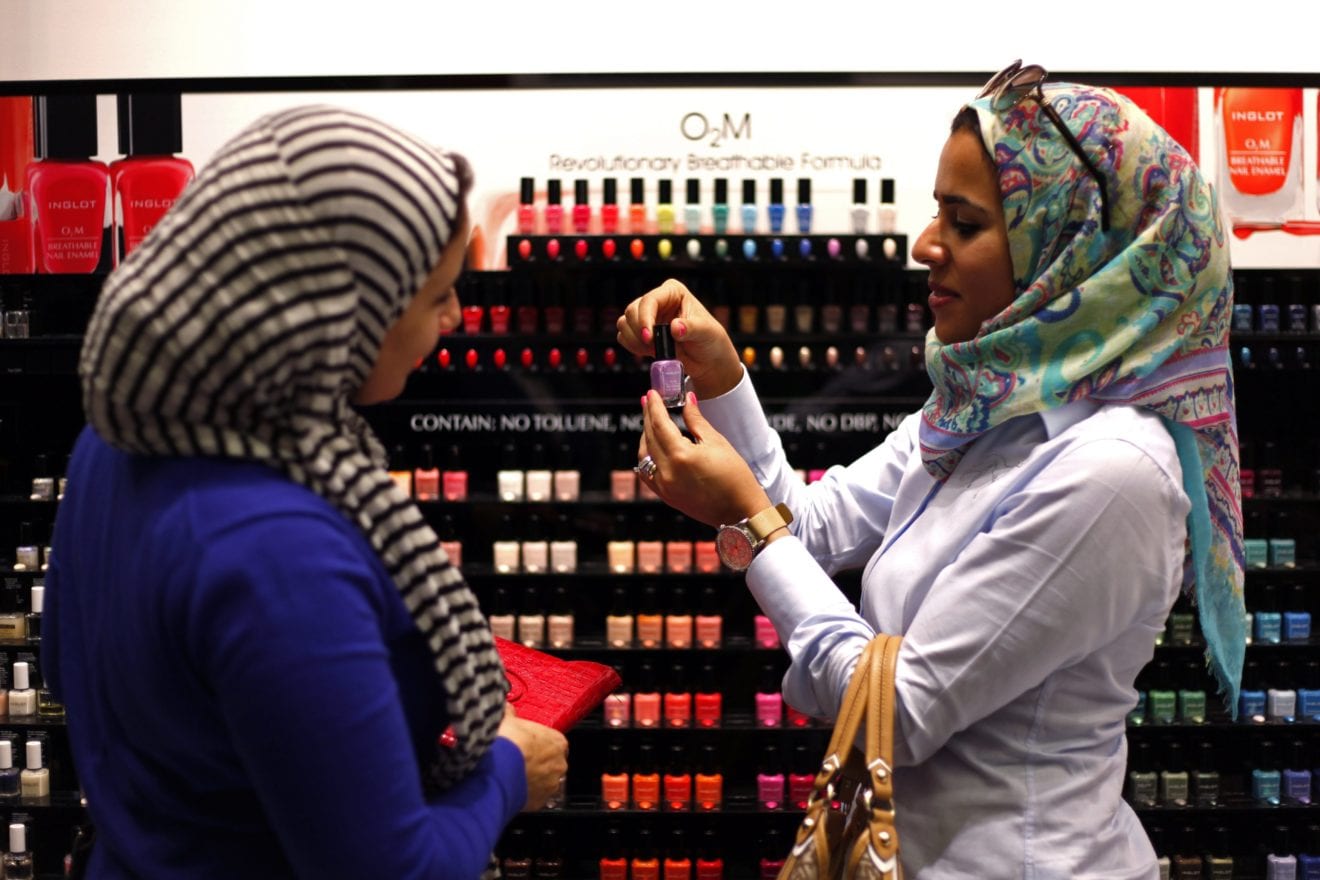
    Muslim tourists spent $62 billion shopping and dining last year – and Asia got a huge share.

    Malaysia and Singapore were the second and third most popular shopping destinations for Muslim tourists last year, lagging behind only Dubai, according to the MasterCard-CrescentRating Muslim Shopping Travel Index 2015 just released.

    Fourteen cities from Asia Pacific made it onto the overall list of 40 destinations.

    The research shows shopping expenditure by Muslims in 2014 amounted to $36 billion, while dining expenditure amounted to $26 billion

    The MTSI 2015 looks at in-depth data covering Muslim travel shopping from 40 international cities creating an overall index, based on a number of criteria. It is the first time detailed insights have been provided on the consumer spending behaviour of Muslim travellers.

    The MTSI 2015 is the latest research collaboration between MasterCard and CrescentRating on this sector following the launch of the Global Muslim Travel Index (GMTI) 2015 earlier this year.

    “The MasterCard-CrescentRating Muslim Travel Shopping Index is a fascinating insight into the shopping habits of Muslim consumers and will prove to be an invaluable tool to the entire sector,” said Fazal Bahardeen, CEO of CrescentRating & HalalTrip.

    “The research looks at two of the most important expenditure components of Muslim travellers which are shopping and dining. The index reveals how important Asia Pacific is to the sector and the vital contribution they are making.”

    The 40 international cities covered in the MTSI 2015 were scored against a comprehensive set of metrics which included suitability as a shopping destination, Muslim friendly services and facilities and ease of travel. Each criterion was then weighted to make up the overall index score.

    Dubai topped the ranking for overall Muslim Travel Shopping with a score of 79.5 followed by Kuala Lumpur with a score of 73.3.  Singapore scored 71.6 on the Index making it the number one ranked city from the non-OIC countries and third in the overall list.

    Bali also made into the top 10 scoring 58.2 closely followed by Penang with 56.9. In total, Asia Pacific contributed 14 cities to the overall top 40 list.

    A significant highlight of the MTSI 2015 was the high number of non-OIC countries featuring in the top 40 list.

    Singapore, secured a rank among the top five overall destinations for Muslim traveller shopping.  This further revealed the potential for non-OIC destinations, with 25 on the list, to attract Muslim travellers by proactively catering to this segment.

    Earlier this year, the GMTI 2015 showed that in 2014, the Muslim travel segment was worth $145 billion with 108 million Muslim travellers representing 10 per cent of the entire travel economy.

    This is forecasted to grow to 150 million visitors by 2020 and 11 per cent of the market segment with a market value projected to grow to $200 billion.

    MTSI 2015 will be updated on an annual basis and will feature more cities in future releases.

    “The MTSI 2015 provides a deeper look at two key components of the traveler consumer experience – shopping and dining. We see this as an important resource not only for us to better understand this significant and fast-growing traveller segment, but also a source of data that will inform and support the efforts of our partners in the travel industry,” said Matthew Driver, group executive, global products and solutions, Asia Pacific, MasterCard.

    Shopping chart