Tag: Indonesia

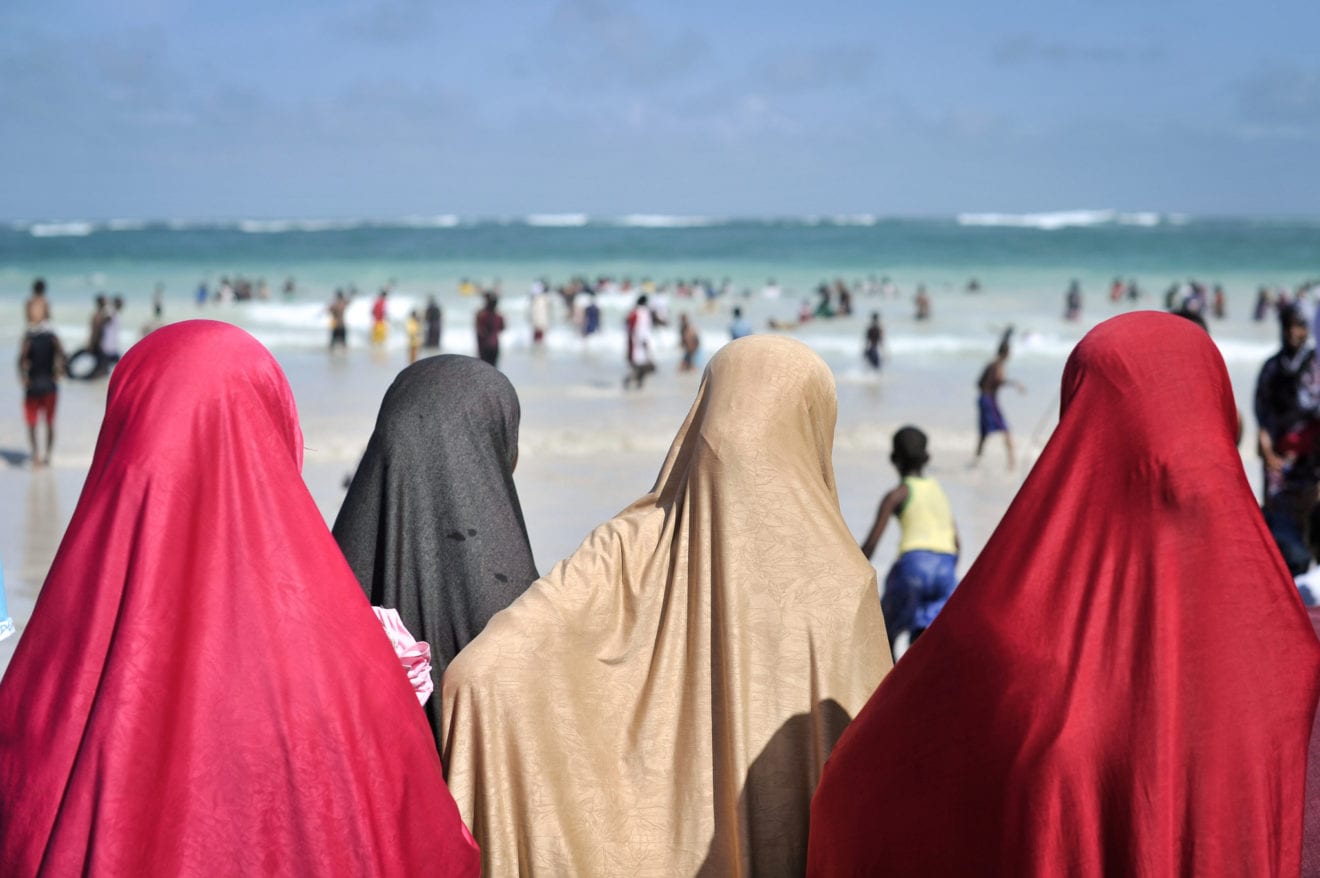
  • Bali governor opposes shariah tourism idea

    Bali governor opposes shariah tourism idea

    Bali Governor Made Mangku Pastika expressed disagreement to the idea of developing Shariah tourism on the island, citing fears that it could create potential problems.

    “I did not agree with it. It will only create problems. Just leave it as it is for now. It has all been going well so far,” he stated after attending a plenary meeting of the regional legislative assembly here on Tuesday.

    He pointed out that tourism in Bali has flourished so far.

    “Let us not think of strange ideas. It will only create problems. The people have lived peacefully under current conditions so far,” he emphasized.

    Chairman of the Shariah Economic Community (MES) Muliaman D. Hadad stated recently after inducting the MES Bali chapter that Bali is the right destination for developing Shariah tourism.

    “Bali is fit (for Shariah tourism). So, why not (develop it here). Seven million domestic tourists come to Bali in addition to three million foreign tourists. So, perhaps, there are businessmen here who wish to introduce it in cooperation with the regional government,” he affirmed.

    He said that Islam-based tourism has not only been developed in Arab countries but has also been promoted in Asian countries, such as Singapore, Malaysia, and Thailand.

    He pointed out that Thailand had recently won the title of the worlds best Islamic health service tourist destination at an event held in Dubai, United Arab Emirates.

    “This is indeed a business opportunity that needs to be tapped. In several cities, Islamic hotels and health service centers have already mushroomed. We have no other intention than to tap the business opportunity. We are talking about religion but also to boost the economy,” he remarked.

    Hadad, who is also chairman of the countrys Financial Service Authority (OJK), said the Shariah economy adopts approaches based on the concept of common welfare, so that it could be used by anyone, regardless of their religious background.

  • Indonesia Invests in KFX Project

    Indonesia Invests in KFX Project

    Korea Aerospace Industries (KAI) signed a provisional contract with Indonesia for the country’s investment in the Korean Fighter Experimental (KF-X) project.

    According to the contract, Indonesia is to bear 20% of the system development cost associated with the KF-X project, which totals 8.67 trillion won, while obtaining a prototype and technical data in return for its participation in aircraft design and component production. The cost is to be shared by KAI and the Indonesian government and KAI and PTDI, Indonesia’ state-run defense company, are to be involved in work sharing.

    KAI is planning to start the development of the system within this year in contract with the Defense Acquisition Program Administration of Korea. At present, Indonesia is working on a similar program under the project name of IFX and is planning to import at least 50 fighter jets from Korea. A total of 18 trillion won is scheduled to be invested in the KF-X project and KAI is looking to sell more than 1,000 fighter jets through the project.

    In the meantime, KAI announced on November 22 that it is working on an autopilot system required for the fighter jets’ low-altitude infiltration and terrain crash prevention based on automatic topographical recognition. It added that it designed a flight control law so that the fighter jets can maintain a level flight under any circumstances.

    According to the KF-X project plan, air-to-air fighter jets are slated to be produced between 2025 and 2028 and air-to-sea and air-to-ground ones are added from 2028. The autopilot system is to be tested from the same year, too.

  • CSA Indonesia Releases Their First Profile Video

    CSA Indonesia Releases Their First Profile Video

    Today, Customer Solutions Association Indonesia (CSA Indonesia) release their first profile video on their own YouTube channel. The profile video contains a brief insight to the large professional network.

    CSA Indonesia is a not for profit organization dedicated for the improvement of service and business performance, and it’s programs covers multi industries. The main programs are Education, Recognition, Certification and Professional Networking.

    Watch the video for CSA Indonesia here:

  • Uber Introduces Helicopter Service in Indonesia

    Uber Introduces Helicopter Service in Indonesia

    California-based ride-sharing app Uber, in collaboration with local aviation service PremiAir, is introducing helicopter service in Indonesia on Friday, offering a new way to travel amid Jakarta’s heavy congestion.

    The service, which called UberCHOPPER, is the first helicopter charter service in Indonesia that is accessible for anyone through car-hailing app Uber application.

    “PremiAir is excited for UberCHOPPER, a collaboration between PremiAir and Uber apps. We introduce an alternative transportation, catering our market needs on flexibility and comforts travel between or within the city,” Tony D. Hadi, PremiAir managing director, said in a statement.

    UberCHOPPER has previously been available in New York, Austin, Cannes and Hong Kong.

    “Uber is all about bringing amazing experiences to people on-demand using the power of new technology – whether it’ a safe, reliable ride around Jakarta, opportunities to pitch ideas to venture capitalists or an aerial tour of the city,” Karun Arya, Uber spokesperson, said.

    UberCHOPPER is free of charge for today. The app users can order the service through the app then wait for Uber’s premium car to pick them up to helicopter pick-up points in Jakarta–which available in Grand Indonesia in Central Jakarta or Halim Perdanakusuma Airport in East Jakarta.

    “With UberChopper we aim to give a number of lucky riders the ability to experience a unique helicopter ride, touring Jakarta skies and witness the breathtaking views of the city at the push of a button.”

    Uber also invited some people, who considered influential, to try out Uber Chopper service. Artist such as Tarra Budiman, RAN, Kunto Aji, Rene Suhartono, Ernanda Son, Olivia Blue and fashion blogger Rachel Theresia were among the first to try the premium service. Especially for the influencers, Uber provides flight from Halim Airport to Grand Indonesia.

  • Garuda, Lion Air to Add Bali-China Routes Next Year

    Garuda, Lion Air to Add Bali-China Routes Next Year

    Flagship airline Garuda Indonesia and Lion Mentari Airlines are adding direct flights to more Chinese cities from Bali next year in a move that would boost tourism for both countries.

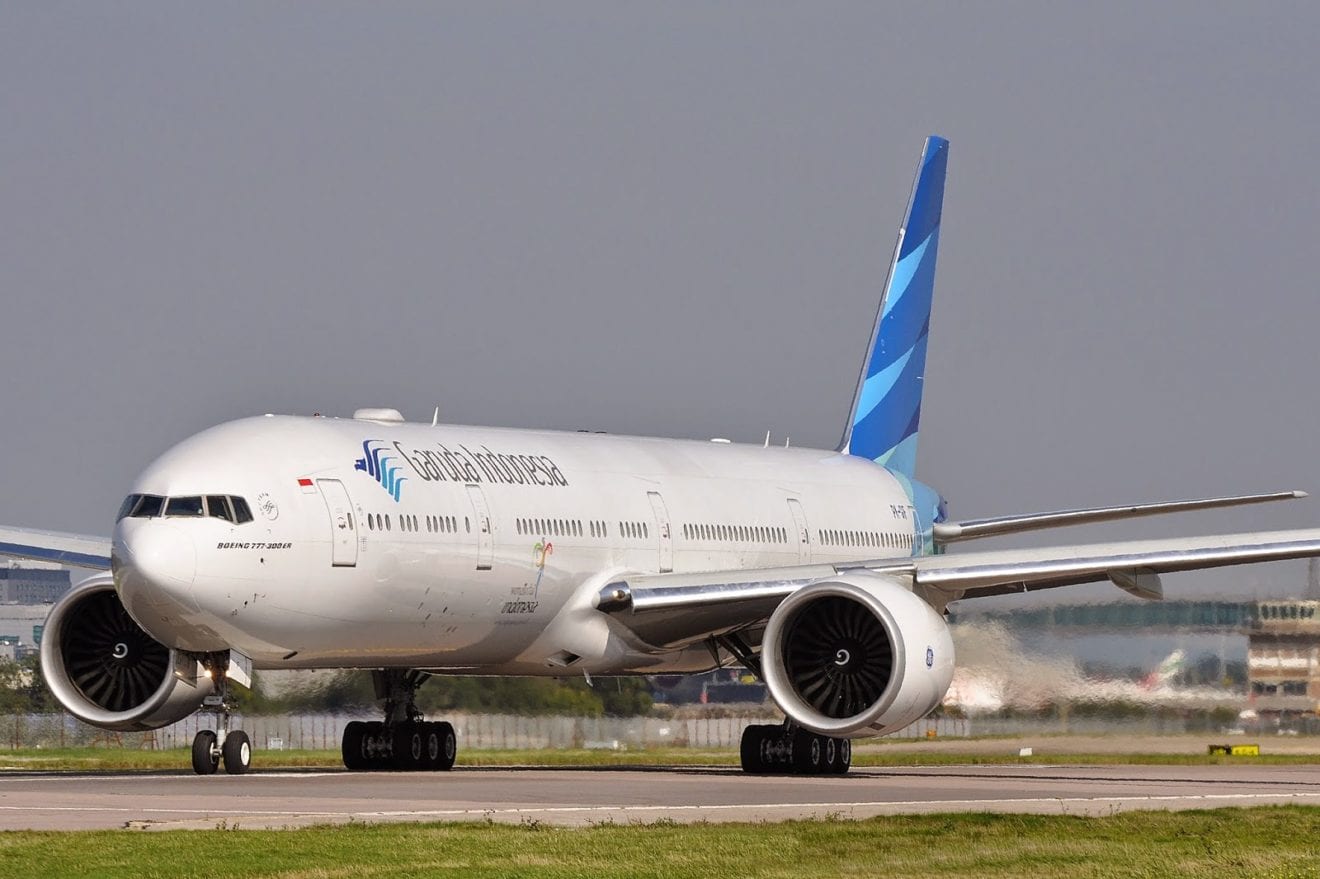
    Garuda will launch the Guangzou-Denpasar and Shanghai-Denpasar routes in January, the company’s president director Arief Wibowo said in recent interview.

    “We will deploy our wide-body Airbus A330-300, which previously served hajj pilgrims,” Arief said, adding that the aforementioned flights will be available three times a week.

    Garuda now serves passengers traveling from Jakarta to Beijing, Shanghai and Guangzou.

    Lion is currently applying for a license from China authorities to fly into eight of its cities, including Shanghai, Guangzhou, and Nanning.

    “We are optimistic because the number of tourists coming from China is growing and the demand [for flights to Bali] is quite big,” said Lion Air director Edward Sirait.

    The number of Chinese tourists visiting the archipelago almost tripled to 926,000 last year, from 337,000 in 2008.

  • Blogmint to expand in Indonesia

    Blogmint to expand in Indonesia

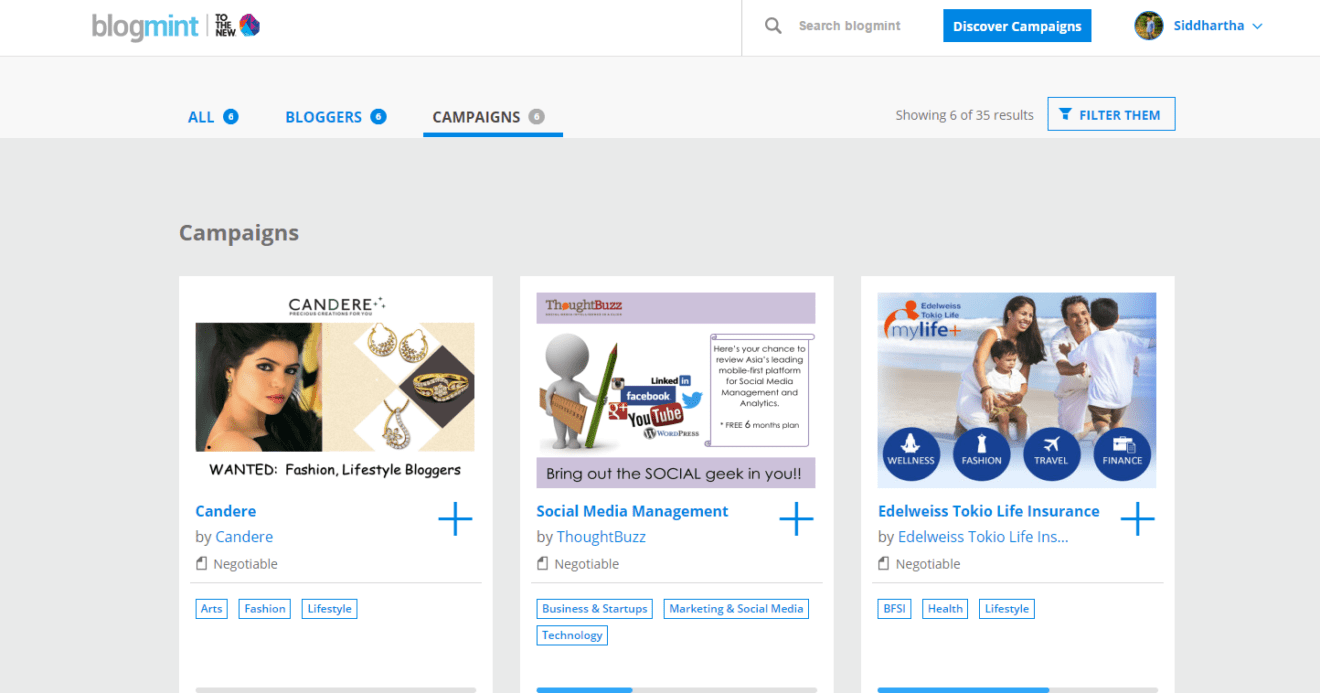
    Blogmint, a product-based influencer marketing platform, on Thursday announced its expansion into Indonesia. Part of The New Ventures, Blogmint helps brands connect and collaborate with 20,000 social media influencers, including bloggers, vloggers, Twitterati and Instagramers.

    According to a recent report from McKinsey, marketing-inspired word of mouth generates more than twice the sales of paid advertising, and these customers have a 37 per cent higher retention rate, says Blogmint. According to the company, social media influencers are a source of inspiration for thousands of loyal followers and are seen as authentic and trustworthy, so brands, both big and small, are increasingly engaging social influencers as part of their marketing mix to connect with social and mobile-first consumers.

    “Influencer Marketing is the next big thing in digital marketing, and Indonesia, like other Asian markets, is untapped. This, along with the fact that Indonesia has a vibrant influencer community, we have huge expectations from this market” said Irfan Khan, CEO of Blogmint.

    “Blogmint aims to have on board more than 20,000 influencers in Indonesia during the next 9-12 months. In the longer run, we see ourselves as the market leader in the influencer marketing segment in APAC, helping brands and agencies collaborate with influencers across the region in a few clicks”, he added.

  • Courts Asia expansion drives huge profit rise

    Courts Asia expansion drives huge profit rise

    Courts Asia’s strategy of spreading its interests into neighbouring countries is paying off already.

    The company has today announced a 253 per cent quarterly increase in profit to S$6 million and a 77.8 per cent rise to S$12.1 million for the first half year. Gross profit for the second quarter rose 12.4 per cent thanks to a focus on higher gross profit margin and higher sales.

    While Courts Asia’s second quarter last year was exceptionally challenging, the high growth from a low base should not cast a shadow over an exceptional retail strategy, especially given the almost stagnant nature of the Singapore retail market this year, Courts Asia’s main market, where sales actually slipped 2.6 per cent.

    Revenue in neighbouring Malaysia, its second biggest market accounting for 35 per cent of total sales, rose 13 per cent in Singaporean currency and 27 per cent in Malaysian Ringgit, mainly due to bulk sales for digital products. That in itself is an achievement as consumer spending in Malaysia tanked after the introduction of GST on April 1.

    “Malaysia has continued to post a good showing with active marketing of our refreshed Courts branding and credit campaign nationwide,” said group CEO Dr Terry O’Connor. “Likewise, we will focus on improving store productivity and cost-saving initiatives as we move forward.”

    In Indonesia, where the company is just getting started, sales rose 5.8 per cent with two new stores opening. A fourth new store is due to be trading by Christmas.

    “In Indonesia, we are progressing well and sales from our three stores, namely the Megastore in Bekasi and two smaller stores in Mega Bekasi Hypermall and Bogor, have kicked-in. Our second Megastore, located in BSD City, Southwest of Jakarta, begins operations by December this year. This new store also represents our fourth store in the country, and we expect economies of scale and operational efficiency coming into the next financial year,” said O’Connor.

    In Singapore, Courts is pinning its growth strategy on introducing new retail formats. The first JYSK Danish lifestyle store opened in Bukit Timah in September and US hardware brand ACE Hardware will follow by year’s end. O’Connor says exclusive partnerships with the two brands align with the company’s strategy of offering a comprehensive suite of solutions for the home.

    “We will be expanding both JYSK and Ace Hardware stores islandwide within the next five years.

    “Beyond cost-saving initiatives, we are focused on optimising the productivity and yield of each of our stores. In Singapore, we continue to rejuvenate our retail concepts to meet changing consumer trends and drive healthier margins.

    “Singapore’s retail environment remains subdued, but we expect a continued stream of demand for household appliances and furniture given the expected increase in supply of HDB flats in 2016. This is in line with recent policy changes such as the higher income ceiling and more Central Provident Fund (CPF) grants that have widened the pool of eligible buyers.”

    In both Malaysia and Indonesia, Courts Asia is targeting the burgeoning middle classes.

    “The recently announced Budget 2016 in Malaysia is slated to boost growth and home ownership with the planned construction of 351,000 housing units. We anticipate that this will drive further demand for affordable furniture and household appliances over the medium term.

    “In Indonesia, we plan to leverage on the country’s growing middle class and its strong standing as one of the region’s fastest growing nations by opening a total of six new stores in Indonesia over the next 12 months,” he concluded.

  • Rip Curl Expands Their Reach Through Indonesia

    Rip Curl Expands Their Reach Through Indonesia

    The brand has just opened their newest store in the heart of the Sanur community

    Rip Curl has just announced the opening of their new Sunrise store in the heart of Sanur, a beach and surfing community in Indonesia. The freshly renovated redesigned 377 square foot store will stock 100 boards, apparel, accessories, watches, and more. Natural light enfaces the store through the 6-meter tall, all glass entrance, reinforcing the strong relationship with the outdoors that the brand holds. The store’s interior walls have been removed,a dan small lounger area near the dressing rooms provides a laid,-back, welcoming feel that Rip Curl hopes will keep customers coming back for more.

    “With this new, fresh and clean store design we were able to get the maximum capacity from the layout giving us the ability to fully showcase the brand and its products” – Dita Gempur, Head of Design and Projects at Rip Curl South East Asia

    ripcurlRip Curl’s goal with the Sanur location is not just to provide a surf supply store, but also a surfing experience, right when you walk in the door. The location is open now.

  • Fashion chain M)phosis shutters stores

    Fashion chain M)phosis shutters stores

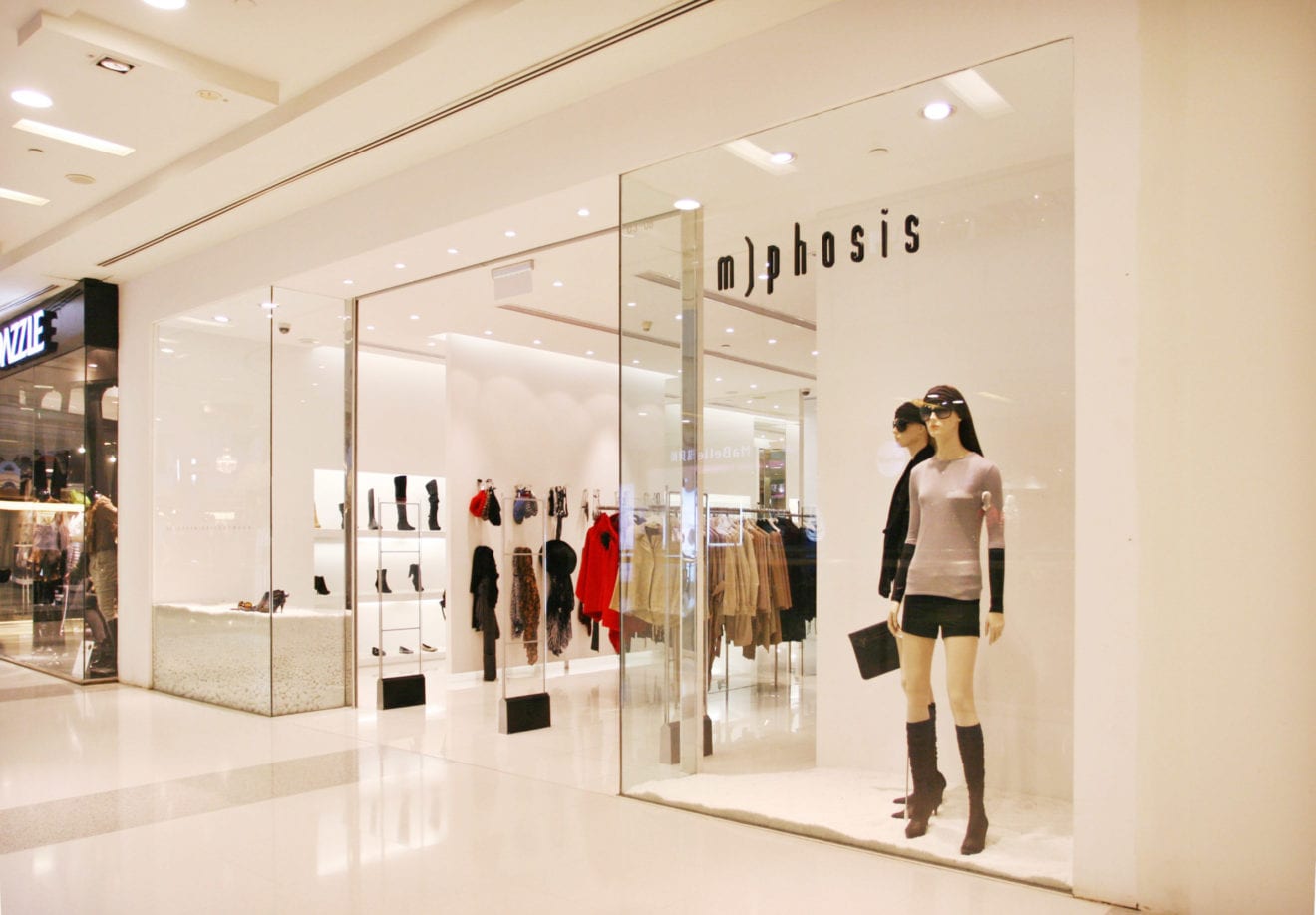
    Singapore-founded fashion retailer M)phosis is reportedly closing all its Southeast Asian stores due to financial challenges.

    The Straits Times has reported the chain is in the process of closing remaining stores in Vietnam, Malaysia, the Philippines and Indonesia – more than 10 in all. Its last Singapore store, in VivoCity, ceased trading at the end of August. Only its China stores will continue to operate.

    The company has not updated its Facebook page since August, but some disappointed fans of the brand have posted messages on the page, ranging from sadness at the retailer’s apparent demise to anger over being left with vouchers which can no longer be redeemed or cashed in.

    Director Hensley Teh confirmed to the Straits Times the brand remains in the China marketplace.

    “We were having a severe cash flow situation. We were not able to continue, despite wanting to. We did everything we could. We thank our customers, who have supported us all these years.”

    M)phosis made its debut in 1994, targeting women aged 18 to 35. At one stage it operated in Australia, Hong Kong, Dubai and Japan and had a network of 30 stores, but it has since retrenched from those markets.

  • Indonesia through the eyes of local startups

    Indonesia through the eyes of local startups

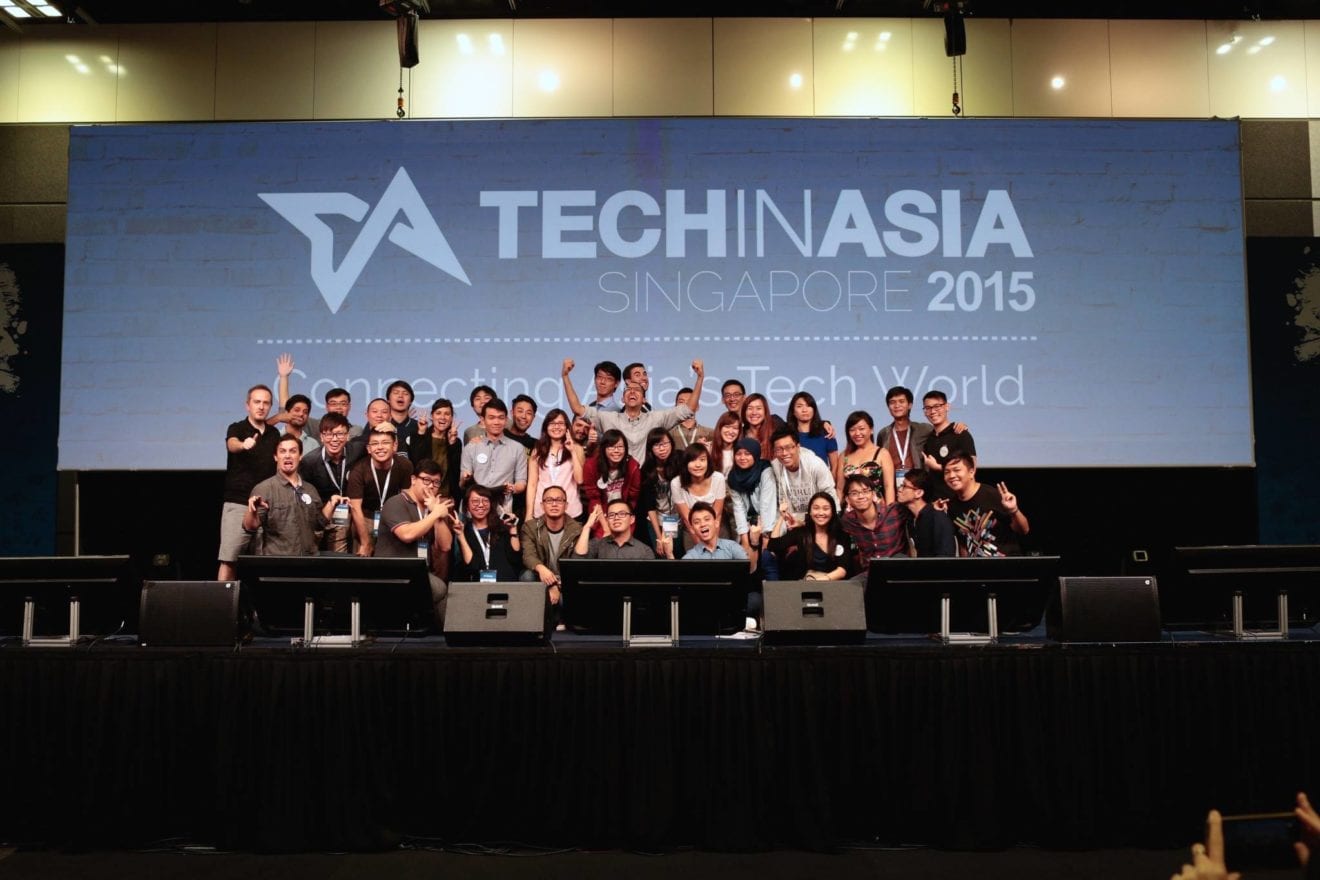
    11 and 12 November were two days of highly intensive activity at the Tech in Asia Jakarta 2015 held at Balai Kartini. From my sources at TIA, it was a whopping 4123 attendees, the largest turnout for a TIA event.

    The sheer crowd was a testament to Indonesia’s importance as a major South-East Asian consumer market. 142 of 184 startups hail from the host nation Indonesia at the Bootstrap Alley, the startup exhibition area.

    I have read many news sources about the Indonesian market, spoken to many people involved in Indonesian businesses, but my access to the local startup community has been limited, until now.

    tech in asia jakarta 2015 bootstrap alley featured image

    Intrigued to know Indonesia through the eyes of local startups, I told my investment team to spread out and take different alleys and speak to as many Indonesian startups as possible to learn more about the scene.

    At the end of the trip, we compared our notes and came up with some interesting observations. Due to the sensitivities of information being shared here, all names have been removed.

    New tech, same old way of business

    You would have expected a cultural shift of Indonesians adopting mobile technology as a new way of doing business, but the business scene is still dominated by very powerful and connected people who dictate the speed and direction of the technological adoption.

    “These powerful people have many companies under the guise of proxies and the company ownership structure is complex. Information is very scarce on who is the ultimate owner. Many of these companies own approved permits for various projects, which are awarded to them from their connections to the government. You have to work with these companies in order to gain access to a larger slice of the market,” says a startup founder working on an ecommerce platform selling a restricted good.

    For my business, I need to do four things to get it moving. Funding my operations is one. Next is to get access to a company which owns a permit to import these restricted goods. In this industry, there are only eight such companies holding permits. I have access to two.”

    “Supplies and funding,” I thought to myself. What else can there be? “Next, I have to be on very good terms with the police, to ensure they won’t cause trouble for me. There is no bribing, just ensure we are in communication and having good relations. Next is the mafia, to ensure they also won’t cause trouble for me,” he explains. What a balancing act he has to do. He didn’t mention about whether he needs to pay off the mafia though.

    He explains that Indonesia is a place where you have to identify first the right people in power and to connect with them to gain access to a certain market. He claims his market is niche, but I feel that he is hiding the real huge potential of the market. By having two of eight suppliers working with him, he is effectively addressing an estimated 25% market share of this vertical, assuming equal market share per supplier.

    Complimentary, not disruptive

    Another founder, who reads many articles on US entrepreneurs, says the US founders tend to claim their business model is disruptive and changes the way people work and live.

    “But here in Indonesia, remember that the economy is run by many powerful people. If you mention the word disruptive technologies, these people will regard you as a threat and go all out to block you. Rather, always say you are here to compliment their existing businesses and help them earn more money. Never go head-on with the incumbents. You might just get yourself ‘disrupted’,” he gives a shiver for dramatization.

    Mobile ecommerce is a huge size available for all

    Despite the dominant ecommerce players in Indonesia, the sheer market size makes it available to all, even the small-time businesses. An Indonesian investor who invests in hyper-local startups mentions:

    “Take Jakarta for example, there are many hyper-local ecommerce startups serving neighbourhoods. With the population density so high in the cities, many small-time startups are able to tap into these places and build their customer base and grow from there. It is not a nationwide expansion like the large players, but you can earn a decent living serving a small area. And don’t bother to build an ecommerce website. Everyone is on a smartphone. Going mobile is the easiest to start.”

    But for B2B businesses, it seems that web is still the way to go. I spoke with another startup that is an Alibaba me-too, focusing on very specific categories like fashion clothing. They connect wholesalers to distributors in Indonesia via their website.

    Despite being only in the market for a few months, they have already transacted a good number of B2B deals online. But given that the founder’s family is already in the trade, it might be their own existing orders going online that is creating the traction.

    Split-founder personalities

    Given space constraints, only 90 or so startups could exhibit on the first day, and the remainder presented on the second day. But it was an irony that the founders on day one came back on day two as founders of another startup!

    It is apparent in the Indonesian culture not to dabble in one startup but rather to try as many. “The opportunities are just so many that it would be stupid not to have multiple businesses,” quips a founder.

    He himself has four startups, working with various partners across the three cities of Jakarta, Bandung and Surabaya. “We have friends everywhere who have good connections for different businesses. We have our own connections and thus connecting all the dots from various cities to build a business together makes sense.”

    When I asked him how he manages his time, he smiles and says, “I wear different hats, just sometimes, I have to put on all hats. It is fun!”

    Ending thoughts

    As I took off from Soekarno-Hatta airport, I have been left with an impression that Indonesia’s tech startups are still basic in nature and not cutting edge. Founders have shared that the consumer market is still very much in its infancy stages and focused on bread and butter issues.

    However, there is no need for disruptive technologies yet as enabling technologies like transportation, ecommerce and communications need to be established first. Having strong existing cultural business norms of working with the bourgeoisie shows that running a big business requires a long-term plan.

    Further adding to the complication is the government’s many 87 regulations that prevent effective foreign investments and the creation of startups. But for those who are willing to slog it out, Indonesia’s huge population size is one attraction with its might and potential that entrepreneurs cannot ignore.
  • American bistro TR Fire Grill coming to Indonesia and Malaysia

    American bistro TR Fire Grill coming to Indonesia and Malaysia

    TR Fire Grill, a chef-inspired American bistro, is making its way to Malaysia and Indonesia with its artisanal culinary experiences, its first venture out of the United States.

    Its franchisee for Malaysia and Indonesia, Grand Companions Sdn Bhd’s CEO, George Ang said the company planned to invest about RM2.2 million in each of the TR Fire Grill outlets.

    “By June or July 2016, we will have the first restaurant in Kuala Lumpur and it will be followed another two in Jakarta, Indonesia,” he told Bernama in a recent interview.

    He said for both Malaysia and Indonesia, TR Fire Grill would have pork-free menu.

    TR Fire Grill was launched in March 2015 by Romacorp, which owns another American casual dining chain restaurant brand, Tony Roma’s. Grand Companions is also the franchise partner of Romacorp for Tony Roma restaurants in Malaysia.

    On the expansion for Tony Roma’s restaurants in Malaysia, Ang said the company currently operates nine Tony Roma restaurants in Malaysia and planned to add four more with investments of RM2 million each.

    “One new outlet will be opened in Vivacity Megamall in Sarawak and an additional three outlets in Peninsular Malaysia in the next two to three years,” he added.

    Grand Companions, he said was able sustain the volume of patrons for its Tony Roma’s restaurants in Malaysia and expected to lock in sales of RM250 million by end-2015.

    Meanwhile, Romacorp president and CEO, Stephen K. Judge, said Malaysia was one of the key markets for the US-based group.

    He said the group is currently developing new brands to continuously cater to the fast-moving food and beverages market.

  • Dairy Farm struggles in SE Asia

    Dairy Farm struggles in SE Asia

    Dairy Farm International Holdings says softer sales growth and steep cost increases led to weakened margins in the third quarter.

    In an interim management statement, which does not include financial data, the Hong Kong-based pan-Asian retailer says the group faced more difficult economic conditions, and focused on building market share and investing for the long-term health of its businesses.

    Tighter margins and unfavourable exchange rate movements continued to affect the group’s US dollar reported results and led to lower underlying earnings for the period.

    “The group expects similar trading conditions to prevail for the remainder of the year.”

    Dairy Farm says profitability of its Singapore food business – where it owns the 7-Eleven franchise and Cold Storage supermarket chain – fell, principally due to weak performances from newly opened supermarkets and the impact on 7-Eleven of government restrictions on alcohol sales.

    In Malaysia, the introduction of GST and softer consumer confidence dampened spending at itsGiantstores.

    “In Indonesia, despite good sales momentum in July and August, higher labour costs and price investments to attract customers have reduced margins,” the company said.

    The Health and Beauty Division – led by the Guardian and Mannings brands – continued to perform well in Hong Kong, despite the slowdown in Mainland Chinese tourist arrivals, and has seen improvements in profitability in Singapore. The overall results were, however, held back by poorer performances in Malaysia and Indonesia.

    Both the Home Furnishings and Restaurants Divisions have increased sales and profits. Ikea performed well in both Hong Kong and Taiwan, and the new Ikea store in Indonesia continues to trade ahead of expectations.

    Restaurant group Maxim’s, which operates Starbucks amongst other brands,  maintained its consistent performance.

    The group is to invest a further US$210 million in Yonghui Superstores in early 2016 so as to maintain its 19.99 per cent stake following a placement by Yonghui of a 10 per cent shareholding to internet retailer, JD.com. The investment by JD.com will provide Yonghui with additional opportunities for expansion into eCommerce.

    “With respect to recent investments, there have been positive contributions from [supermarket chain] San Miu in Macau and from Yonghui in China, despite the challenging trading environment. Meanwhile, progress continues on the integration and repositioning of the Rose Pharmacy business in the Philippines,” the company said.

    “Notwithstanding the challenging conditions, Dairy Farm was able to maintain its cashflow from operating activities through better working capital management.

    Dairy Farm operates over 6400 outlets – including supermarkets, hypermarkets, convenience stores, health and beauty stores, home furnishings stores, cafes and restaurants – employing over 170,000 people, and had total annual sales in 2014 exceeding US$13 billion.

  • 8th Holiday Inn Express in Indonesia Opens in Central Jakarta

    8th Holiday Inn Express in Indonesia Opens in Central Jakarta

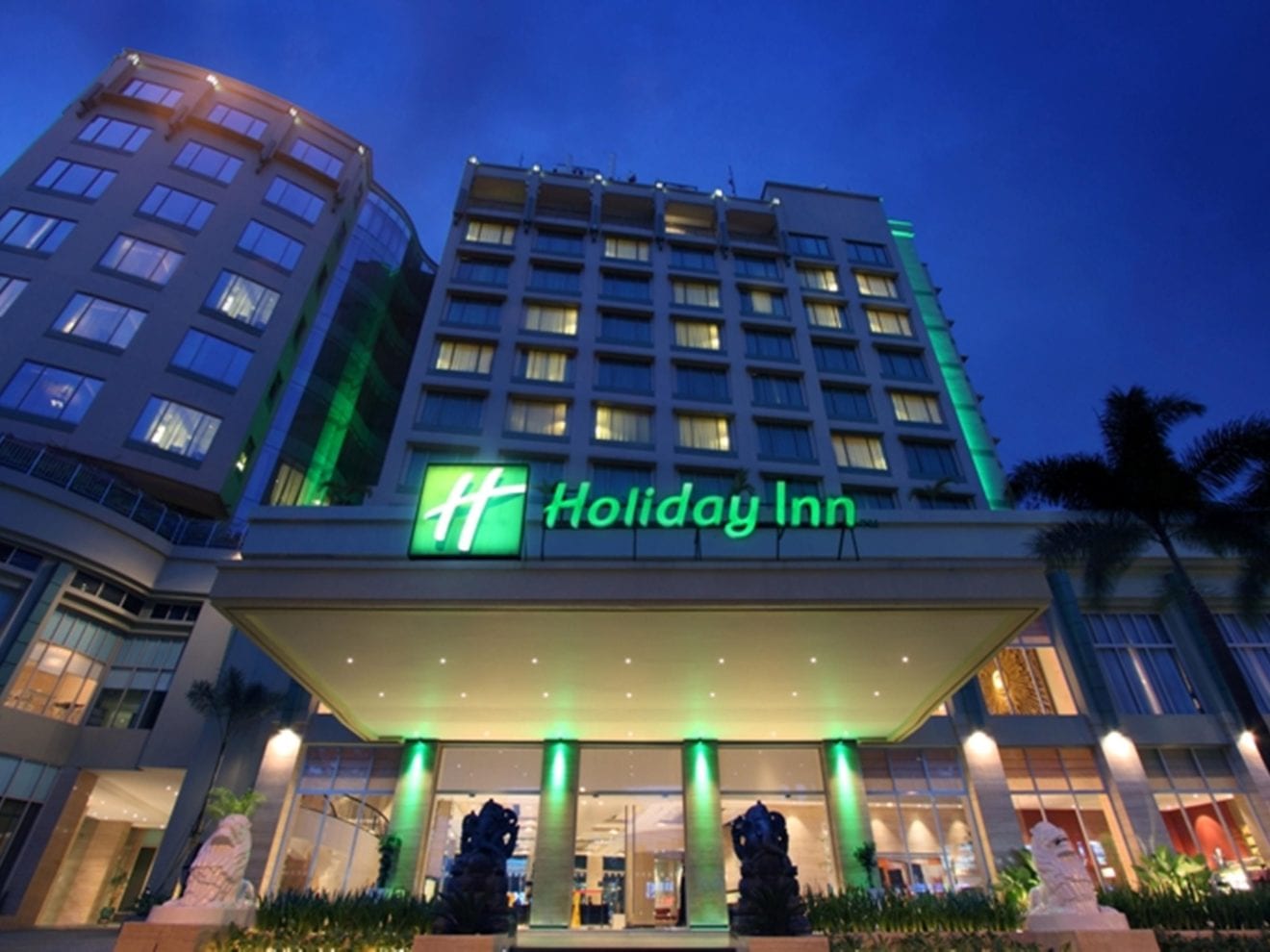
    InterContinental Hotels Group is celebrating the opening of Holiday Inn Express Jakarta Wahid Hasyim in the heart of the capital, making it the 8th Holiday Inn Express in Indonesia. The 160-room hotel’s city-centre location is within minutes of the city’s colourful markets and major shopping malls, the Central Business District (CBD) and other attractions.

    Leisure travellers will find themselves within walking distance of Jakarta’s shopping paradise featuring Grand Indonesia, the largest shopping mall in the country, along with Plaza Indonesia and Pasar Pagi Tanah Abang, the largest clothing wholesale market in Southeast Asia, to fulfil all their shopping needs while exploring the best of the city.

    Centrally located along the bustling Jalan K.H. Wahid Hasyim, the hotel is walking distance from the city’s main business district at Jalan M.H Thamrin and a short drive from other major commercial areas such as Jalan Jendral Sudirman and the vibrant Kuningan neighbourhood in Jakarta’s Golden Triangle. In addition to hassle-free access to major offices, banks, embassies and government buildings, the hotel offers free high-speed Wi-Fi access and in-room ergonomic work spaces, making it a smart choice for business travellers who want to optimise their time in Jakarta.

    Leanne Harwood, Vice President, Operations, South East Asia, IHG, said: “Holiday Inn Express is one of the fastest growing hotel brands in the world. In Indonesia, we have opened an average of one every three months since the brand debuted in the country two years ago. With more than 20 million travellers expected in Indonesia over the coming years, we are confident that Holiday Inn Express will cater to the needs of on-the-go travellers looking for a comfortable and affordable place to rest and relax after a long day out and about, whether for business or leisure.”

    When at the hotel, guests can look forward to a refreshing stay with a choice of queen or twin guest rooms, an efficient check-in and convenient amenities including:

    – Free and fast in-room Wi-Fi
    for guests to stay connected throughout their stay.

    – Comfortable and high quality bedding with a choice of firm or soft pillows for a restful sleep.
    – Free Express Start™ Breakfast with a Grab & Go option for a productive day ahead.

    – Revitalising power showers with a three-function massage showerhead and quality towels to stay refreshed.
    – A 24-hour fitness room for travellers to keep active and energised away from home.

    – Self-service business centre, internet and laundry stations

    Holiday Inn Express Wahid Hasyim is the 4th Holiday Inn Express hotel in Jakarta, joining Holiday Inn Express Jakarta International Expo, Holiday Inn Express Jakarta Thamrin and Holiday Inn Express Jakarta Pluit Citygate. There are four more Holiday Inn Express properties across Bali, Semarang and Surabaya with seven more due to open in Indonesia over the next three to five years. Globally, there are close to 2,400 Holiday Inn Express hotels with more than 540 in the pipeline.

  • Siam Makro eyes Myanmar, Vietnam, Indonesia

    Siam Makro eyes Myanmar, Vietnam, Indonesia

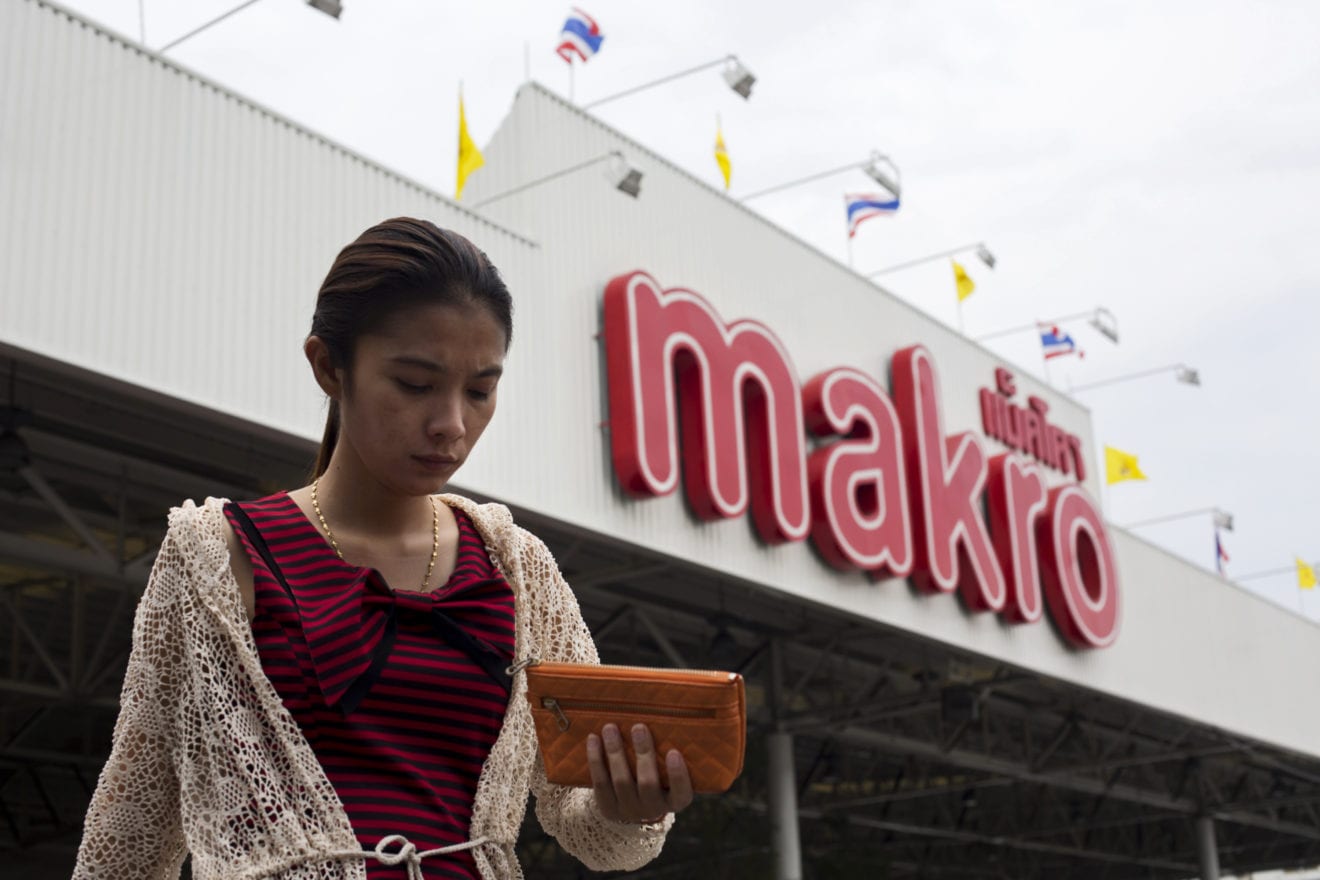
    Thai retailer Siam Makro says it is keen to enter Myanmar, one of three key Southeast Asian markets it considers a priority.

    Siam Makro, which operates the Makro-branded cash-and-carry stores, has confirmed to the Bangkok Post newspaper that it has completed a feasibility study on the fast-deregulating Myanmar market.

    CEO Suchada Ithijarukul said the company had met with the Thai ambassador in Yangon to explore procedures for entering the country.

    “We have conducted a feasibility study on Makro’s market opportunities in many Asean countries, with Myanmar, Vietnam and Indonesia being the priority destinations,” she said.

    “Siam Makro is studying Myanmar consumer behaviour and foreign investment laws. If the regulations are clear, it is ready to open its first store immediately.”

    Siam Makro is part of the powerful Thai conglomerate Charoen Pokphan Group.

  • Government to privatize Merpati airline company

    Government to privatize Merpati airline company

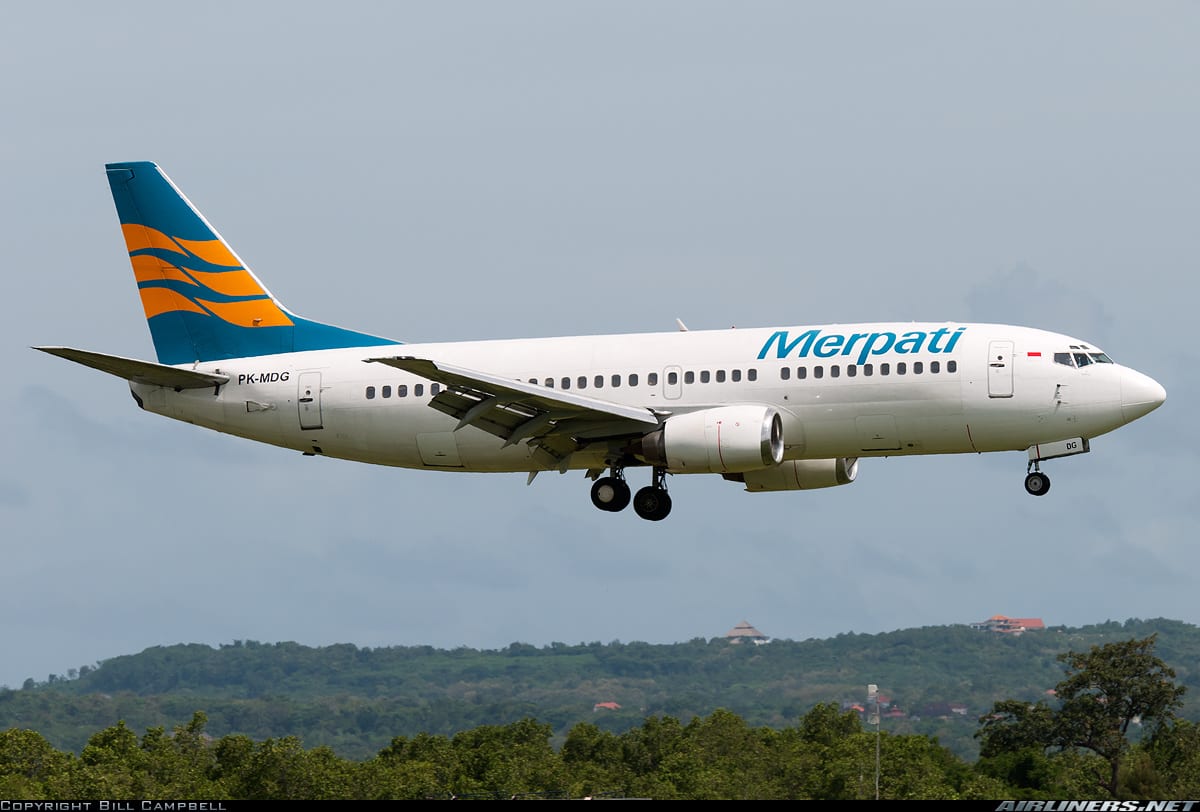
    The Indonesian government will privatize PT Merpati Nusantara Airlines by inviting investors to resolve the disputes in the company, deputy state enterprises minister Aloysius K.Ro said here on Tuesday.

    “By undertaking this privatization effort, one hopes Merpati is revived again and finds it possible to settle the fate of its employees,” he said at his office.

    He said the investors being invited could come from within the country or abroad and it is hoped that they will be ready in the first quarter of 2016 to resolve the issue, adding, “The investors (who we are looking at) are new players who have never participated in the privatization process (earlier).”

    “Investors who will come will be those ready to run it. They see the brand name Merpati. We are the majority share holder. It is alright. The important thing is to revive Merpati,” he said.

    Initially, Merpati will receive Rp500 billion in capital from the Asset Management Company (PPA) for right sizing, including settling the normative rights of its employees, an issue pending for long now.

    “We must negotiate. What is important is that the unpaid salaries are settled. As for the issue of severance pay, it will be discussed with the prospective investor,” he said.

    In line with the plan, all Merpati employees will be laid off and Merpati will appear as a totally new company with new employees.

    “All employees will be laid off and thus Merpati will be like a new born baby. They, however, will have the right to seek re-employment if the company is already in good health,” he said.(*)