Retail News CRM

Tag: Indonesia

  • “In Style – Hong Kong” Promotion Opens in Jakarta

    “In Style – Hong Kong” Promotion Opens in Jakarta

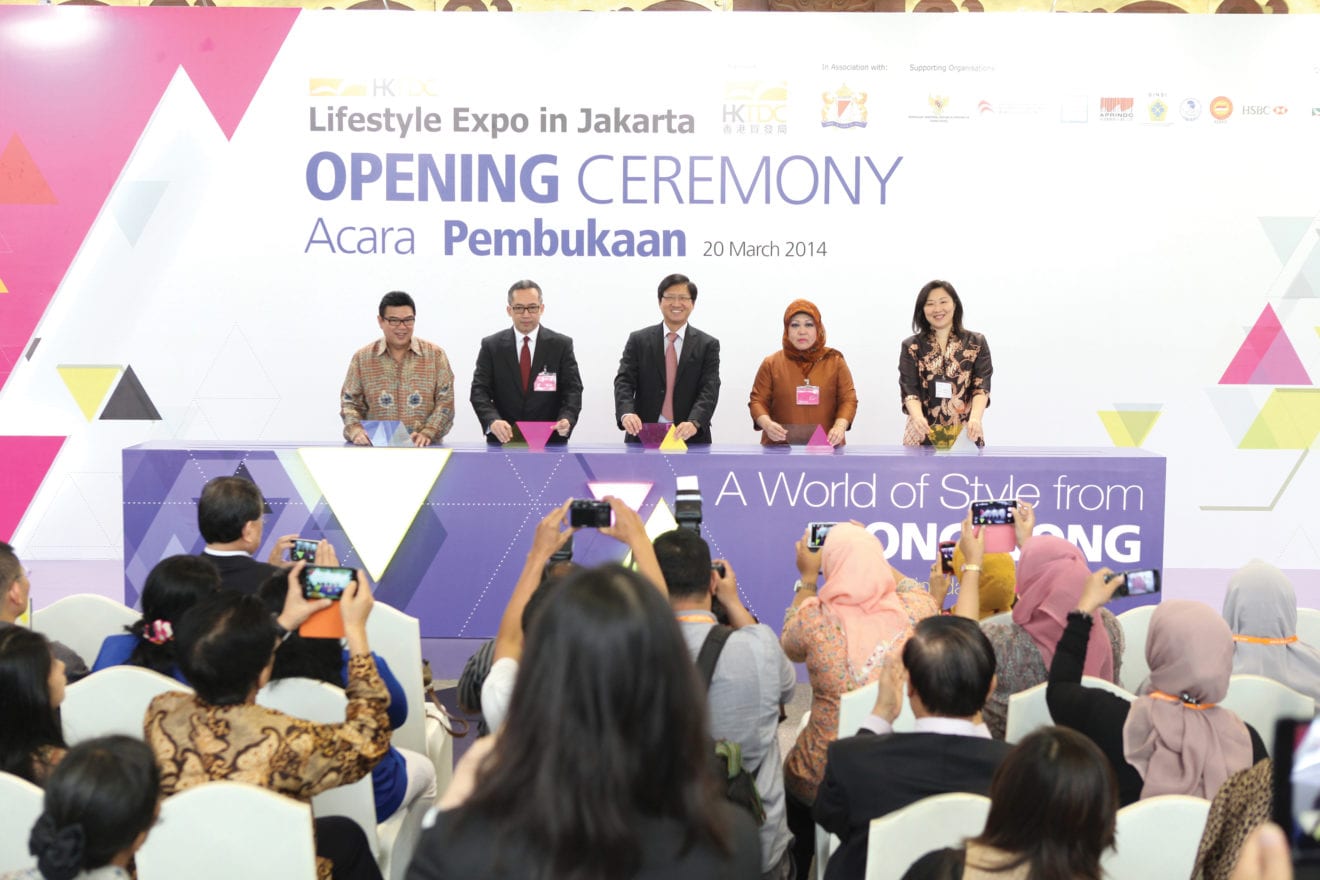
    The mega “In Style – Hong Kong” campaign kicked off in Jakarta today with the launch of a citywide promotion at the Grand Indonesia Shopping Town mall, showcasing a range of Hong Kong fashion, food and lifestyle attractions until 20 September.

    Organised by the Hong Kong Trade Development Council (HKTDC), “In Style – Hong Kong” also includes a Hong Kong branded product expo (17-19 September) for trade buyers and a services symposium (17 September) featuring business insights, networking, business matching and consultation services. An invitation-only gala dinner will be held on 17 September for 500 members of the business community.

    The multilayered promotion aims to enhance the already strong trade links between Hong Kong and Indonesia. Hong Kong is consistently rated as the world’s freest economy by the United States-based Heritage Foundation while Indonesia is the world’s fourth-most populous nation. In 2014, bilateral trade between Hong Kong and Indonesia reached US$5.16 billion.

    “In Style – Hong Kong” is an expansion of the successful Lifestyle Expos held by the HKTDC in Jakarta over the past three years, whereby Hong Kong’s innovative and quality products were featured to Indonesian buyers. This year’s event will highlight ways Indonesian companies can partner with Hong Kong to capitalise on the new business opportunities in Asia, especially China. It also showcases Hong Kong’s unique, vibrant lifestyle trends to local consumers through the citywide promotion.

    Citywide promotion – connecting with Indonesian consumers

    The centerpiece of the citywide promotion is a Hong Kong galleria at the Skybridge in Grand Indonesia Shopping Town (14-20 September), spotlighting Hong Kong fashion, food and lifestyle products. Some of these offerings were showcased at two product parades during today’s on-site press conference.

    A unique combination of Indonesian batik and Hong Kong design will also be on display at the Skybridge from 18-20 September. Under the title of “Batik Crossover”, and sponsored by leading Indonesian textile and garment company Sritex, this innovative programme features six batik fashion collections by renowned Hong Kong designers; Lulu Cheung, Walter Kong and Jessica Lau, Walter Ma, Aries Sin, Harrison Wong and Cecilia Yau.

    The citywide promotion also includes retail and gourmet specials at venues across Jakarta. A “Hong Kong Gourmet” campaign, with a webpage featuring more than 10 Hong Kong-style restaurants in Jakarta, has been launched on OpenRice Indonesia’s portal. The “OpenSnap Photo Competition” (www.opensnap.com/hktdc) is also being organised to encourage patrons to dine at participating restaurants.

    Indonesian-operated bistro chain Hong Kong Cafe is offering a three-course gourmet menu created by Hong Kong celebrity chef Walter Kei for “In Style – Hong Kong”. Dim sum specialist Tim Ho Wan is offering complimentary desserts while traditional Hong Kong-style milk tea is also available at the Chatime Indonesia takeaway beverage chain. The tea is brewed using blended tea leaves from Hong Kong beverage company Kampery.

    Meanwhile, a “Hong Kong Lifestyle Products” promotion is underway in Jakarta, with Hong Kong fashion brands such as G2000, Giordano and Staccato offering discounts and other consumer incentives.

    Main events to open 17 September

    The Chief Executive of the Hong Kong Special Administrative Region (HKSAR), Mr C Y Leung and Vice President of the Republic of Indonesia Mr H M Jusuf Kalla are expected to be guests of honour at the Opening Ceremony of the “In Style – Hong Kong” expo and symposium on 17 September.

    The expo is expected to attract about 10,000 trade buyers, importers, distributors, retailers, brand agents, franchisees, department stores and specialist vendors. It will be held at the Jakarta Convention Center from 17 to 19 September, presenting myriad opportunities for buyers to source the hottest styles and trends from Hong Kong.

    More than 190 participating companies will feature Hong Kong lifestyle products in four major themed zones as well as a display of award-winning pieces. The four themed zones are; fashion and fashion accessories (including Bossini, Cocomojo and Mastermind), jewellery and watches (including Chow Tai Fook, TSL Jewellery, Memorigin, Cosi Moda, Saga, Edwin and Charles Hubert), gifts and houseware (including Lexington, PO: Selected, Biba Toys, Kid Galaxy and Kinox), and consumer electronics (including Goodway, Gold Peak and SAS Lighting). Meanwhile, the Hong Kong Design Award Display Zone, titled “Fame – In Style” will showcase a range of award-winning products to highlight Hong Kong’s creative and design capabilities, while buyers can place low-volume orders of five to 1,000 pieces at the hktdc.com Small Orders display.

    Symposium provides global business insights

    The day-long symposium will be held at the Jakarta Convention Center for an expected 1,000 participants, mainly Indonesian businesspeople. It will feature a main symposium and five thematic sessions highlighting ways Hong Kong services, including financial services, legal and arbitration, design and branding services, digital marketing and ICT services, can help Indonesian companies expand their business in Asia, and especially the Chinese mainland.

    Distinguished speakers at the symposium include the Secretary for Justice of the HKSAR, Mr Rimsky Yuen SC; Armando Tolomelli, CEO, Prada Asia Pacific; Y K Pang, Director, Jardine Matheson Holdings Ltd; Royce Yuen, Founder & CEO, New Brand New Ltd; Kent Wong, Managing Director, Chow Tai Fook Jewellery Group Ltd; Peter Lo, Chief Country Officer, Deutsche Bank AG Hong Kong; Tommy Li, Creative Director, Tommy Li Design Workshop Ltd; Peter Mack, Executive Director, Marketing, Landor Hong Kong; and Jason Chiu, CEO, Cherrypicks.

    The symposium will also feature a mini-exhibition where 18 Hong Kong services providers and trade organisations will provide on-site business consultations. The CreateSmart Initiative*, administered by Create Hong Kong of the HKSAR Government, sponsors the participation of some of these exhibitors from various creative sectors in the symposium and their market visit in Jakarta on 18 September.
  • Logistics firm 21Express to tap Indonesia’s e-commerce boom for higher growth

    Logistics firm 21Express to tap Indonesia’s e-commerce boom for higher growth

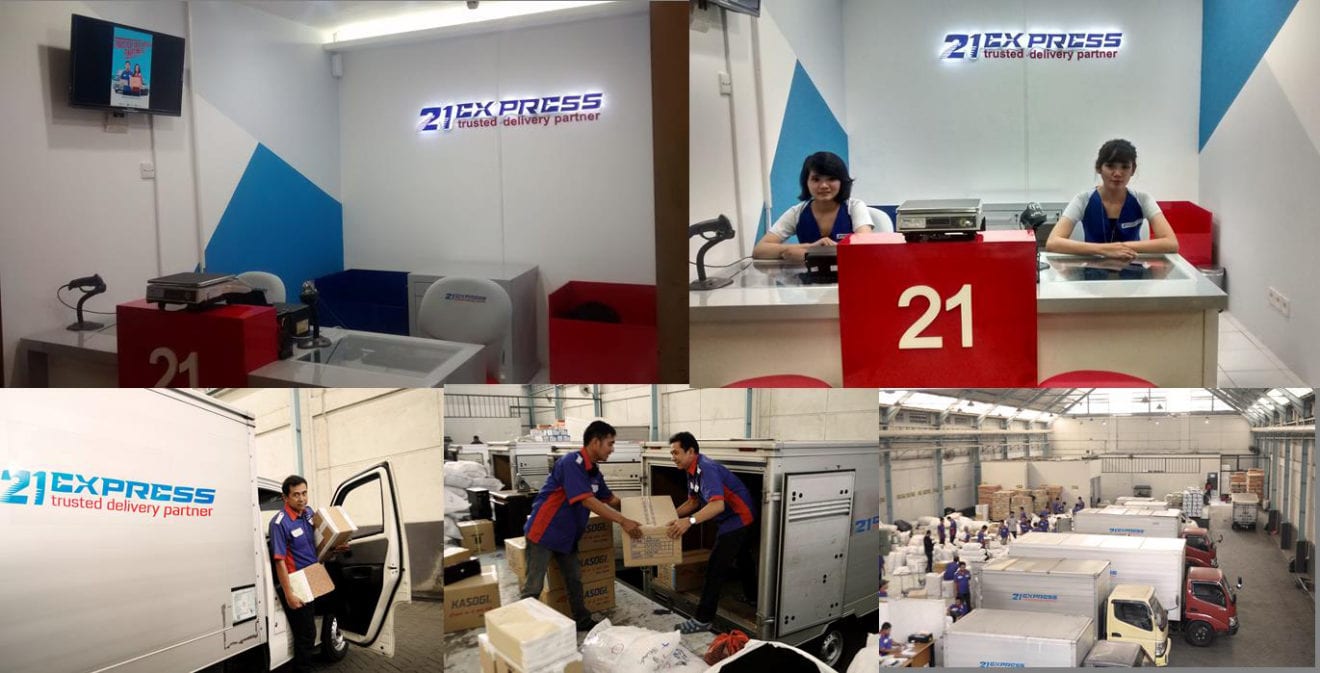
    Founder and CEO 21Express Tjia Anastasia told reporters on Wednesday that the company’s plan to enter the retail courier business is driven by the high demand from retail sector for domestic and international shipments.

    “We have seen a fast growth in e-commerce since about 2010.This growth has really impacted the logistics business as companies have to send packages to Indonesia regularly,” Fany Wyadi, managing director of 21Express, said.

    As online shopping becomes increasingly popular in smaller cities, the Jakarta-based company expects to see shipments growth double or even treble in the next year from the current 130,000 packages each month, said Fany. 21Express’ clientele is dominated by corporates who account for 70 per cent of the business while it has already signed up three of the country’s top e-commerce players as clients, Fany said, declining to divulge further.

    According to independent research body IDC, e-commerce market in Indonesia grew by 42 per cent from 2012 to 2015.

    The high growth is encouraging e-commerce businesses to find reliable partners so that the delivery of goods and documents can be done in time. For example, one of the leading retail optical networks of the country Optik Melawai, has partnered with 21Express to send stock glasses and sales tools to hundreds of outlets in Indonesia. Tjia explains that its first partner is serving the retail customers of a communication equipment distributor firm to distribute its high value products.

    “We are the pioneer company behind the successful sales and distribution of mobile phones in Indonesia and one of the companies that is believed to transmit the tools and medical material to the corners of Indonesia,” Fany said.

    Backed by more than 200 units in its fleet, the company currently has 30 official outlets in Indonesia with an additional 50 partners that franchise the service. The company said, it was in the process of adding 200 new outlets by the end of the year.

  • Indonesia’s eFishery raises undisclosed pre-Series A funding

    Indonesia’s eFishery raises undisclosed pre-Series A funding

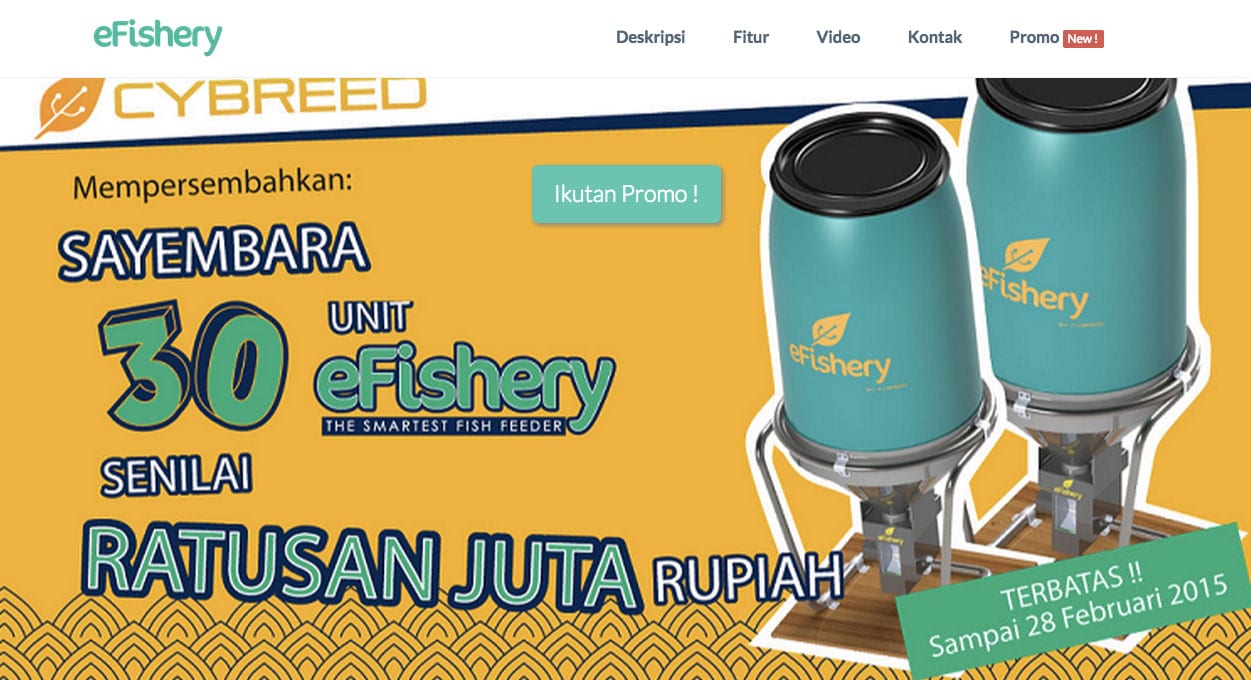
    INDONESIA’S eFishery, a smart fish feeder manufacturer, said it has secured pre-Series A funding from Dutch aquaculture investment fund Aqua-spark and Indonesian venture capital (VC) firm Ideosource.

    eFishery did not disclose the investment amount, but said the funds would be used to scale its distribution network nationwide, and also to ramp up manpower.

    “eFishery is a perfect example of a company that is solving real problems in a lucrative market,” said Andrias Ekoyuono, vice president of business development at Ideosource.

    According to the Food and Agriculture Organisation, more than 96% of fish farming activities worldwide is concentrated in Asia. In Indonesia alone, the overall market size for aquaculture is US$5.4 billion.

    As an Internet of Things (IoT) startup for fish and shrimp farming, the Indonesian firm said it is tackling one of the largest challenges in commercial aquaculture: Feeding operations.

    Fish feeding traditionally makes up between 50% and 80% of fish farming overhead costs, eFishery said in a statement.

    Overfeeding negatively impacts the environment in many ways, as a great deal of fish food ultimately goes to waste. It also harms the health of a farmer’s stock. Underfeeding means fish may not survive.

    The result of unmeasured and inexact fish feeding methods on a commercial scale inevitably means economic losses for farmers, the company said.

    eFishery offers a transformative, affordable, tech-based solution to solve the problem, in the form of an automatic smart feeder that uses sensors to measure fish appetite and appropriate feed amounts.

    Designed for both small and large-scale farmers, the system can sense appetites, automatically distribute feed, and give real-time reports of consumption on the farmer’s smartphone, the company claimed.

    “The problem we are solving is the inefficiency of feeding in the fish farming business,” said eFishery cofounder and chief executive officer Gibran Chuzaefah Amsi El Farizy.

    “I saw the problem when I was a fish farmer myself. Fish feeding is done inefficiently by labourers, and farmers don’t have any technology to control the feeding yet.

    “We built this product to make the fish and shrimp farming business more efficient, convenient, and accountable,” he added.

    eFishery said it makes makes money from selling smart feeders to farmers and distributors. It also charges a monthly subscription fee for the software used to monitor and analyse fish feeding activities in real-time via tablet or smartphone.

    On average, its smart feeding system reduces the amount of feed used by 21%, the company claimed.

    eFishery said it has sold hundreds of units in the past two years, and currently has over 17,000 fish and shrimp farms in its pipeline, which include orders from Thailand, Singapore, India, China, Brazil, and countries in Africa.

    “We are very excited to solve the global challenge of fish feeding with eFishery,” said Aqua-spark partner Amy Novogratz.

    “Indonesia has about 3.3 million fishponds and 2.7 million fish farms. When brought to scale, it could have a massive impact across a global industry plagued by this challenge.

    “It has the potential to set a new standard for aquaculture and make the industry more transparent, data-driven, and accountable – all factors that will make businesses in this sector more investment-friendly,” she added.

    eFishery said it will use the newly acquired capital for three purposes: To engage distributors, find local partners, and expand its market share aggressively in Indonesia.

    It is also developing a software-side platform, and will create a better dashboard for customers, as well as add more features and fish compatibility for its device.

  • MatahariMall Sets Its Sights High in Booming E-Commerce Scene

    MatahariMall Sets Its Sights High in Booming E-Commerce Scene

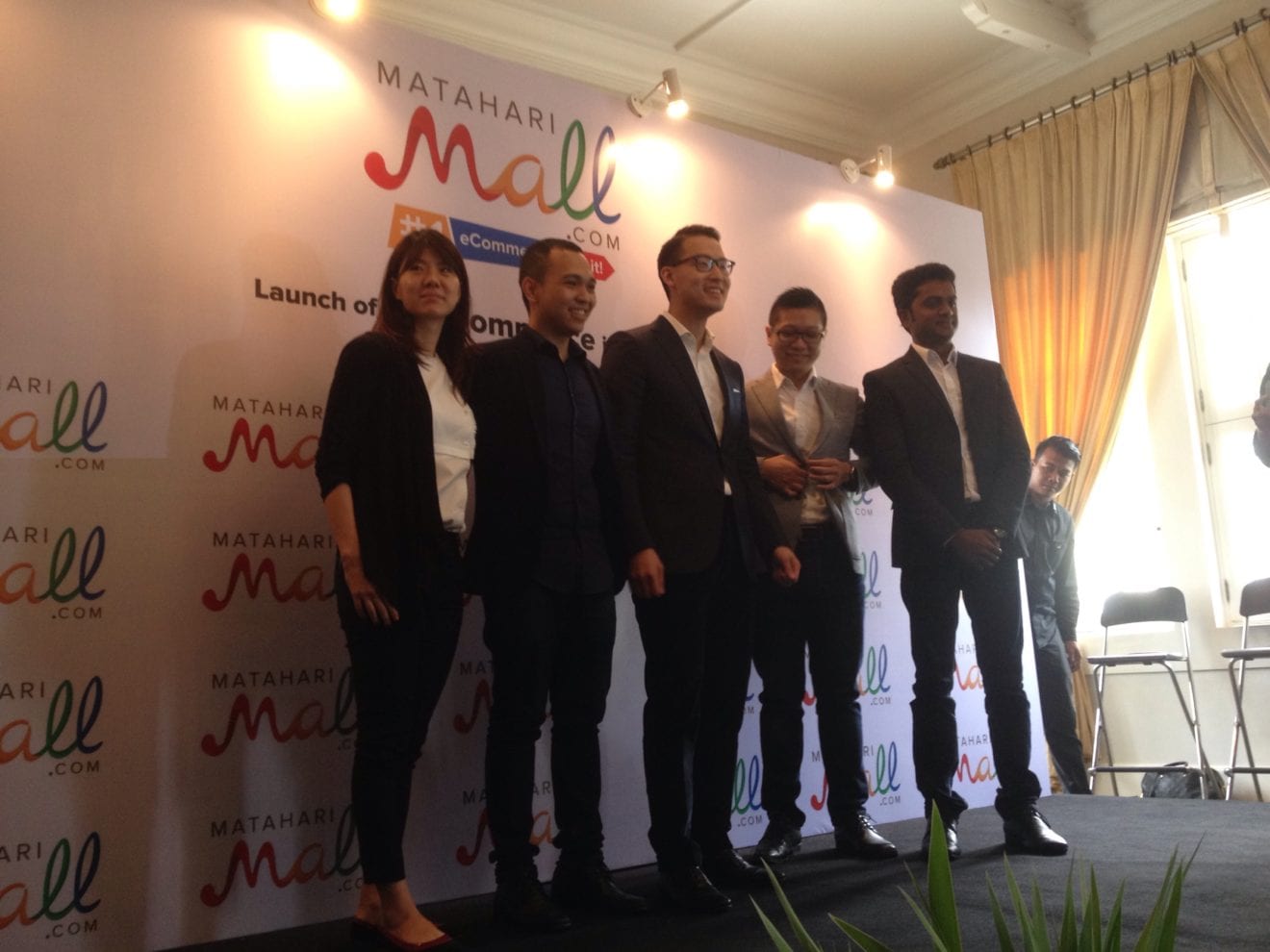
    Since its soft-launch earlier this year, MatahariMall has garnered nearly 200,000 customers with 200,000 different products in its inventory offered by some 1,200 vendors, according to Hadi.

    It has also set up a 10,000-square-meter warehouse located near Halim Perdanakusuma airport in East Jakarta.

    Backed by Lippo, one of the nation’s biggest retail groups, MatahariMall offers an online-to-offline service that would allow customers to order their goods online and collect them at a nearby Matahari department store or Hypermart supermarket.

    Both Matahari and Hypermart are affiliated with the Lippo Group, as is the Jakarta Globe.

    The service will later also be expanded across Lippo’s network, to outlets such as the Books & Beyond bookstore chain, Hadi said.

    “We are very proud of the team,” said the Lippo Group’s John Riady. “The growth numbers are very strong and the team is very focused. Lippo and our other investors are fully committed to doing anything we can to support MatahariMall as it pioneers e-commerce in Indonesia.”

    Undeterred by the current economic slowdown, Emirsyah Satar, the MatahariMall chairman, said the site aimed to capture a 20 percent share of Indonesia’s online retail market over the next five years, banking on the country’s expanding middle-class population.

    “We can see that Indonesia’s e-commerce still lags behind our neighbor countries,” he said. “In fact, we see the economic slowdown as a momentum to boost online retail, because most people are now looking for more affordable products.”

    Lippo’s much-publicized venture has lured in a series of seasoned executives from Indonesia’s tech industry, including Hadi from Zalora, another popular e-commerce site; Emirsyah from Garuda Indonesia; and ex-Google Indonesia head Rudy Ramawy as vice chairman.

    Adrian Suherman, previously the CEO of aCommerce, a Thai e-commerce logistics provider, also recently joined the MatahariMall team as a commissioner.

    The Lippo Group in April appointed Credit Suisse and Bank of America Merrill-Lynch to lead its $200 million first-round financing, with Britain’s Rothschild as financial advisers.

  • AirAsia’s Indonesian affiliate plans debt-to-equity conversion

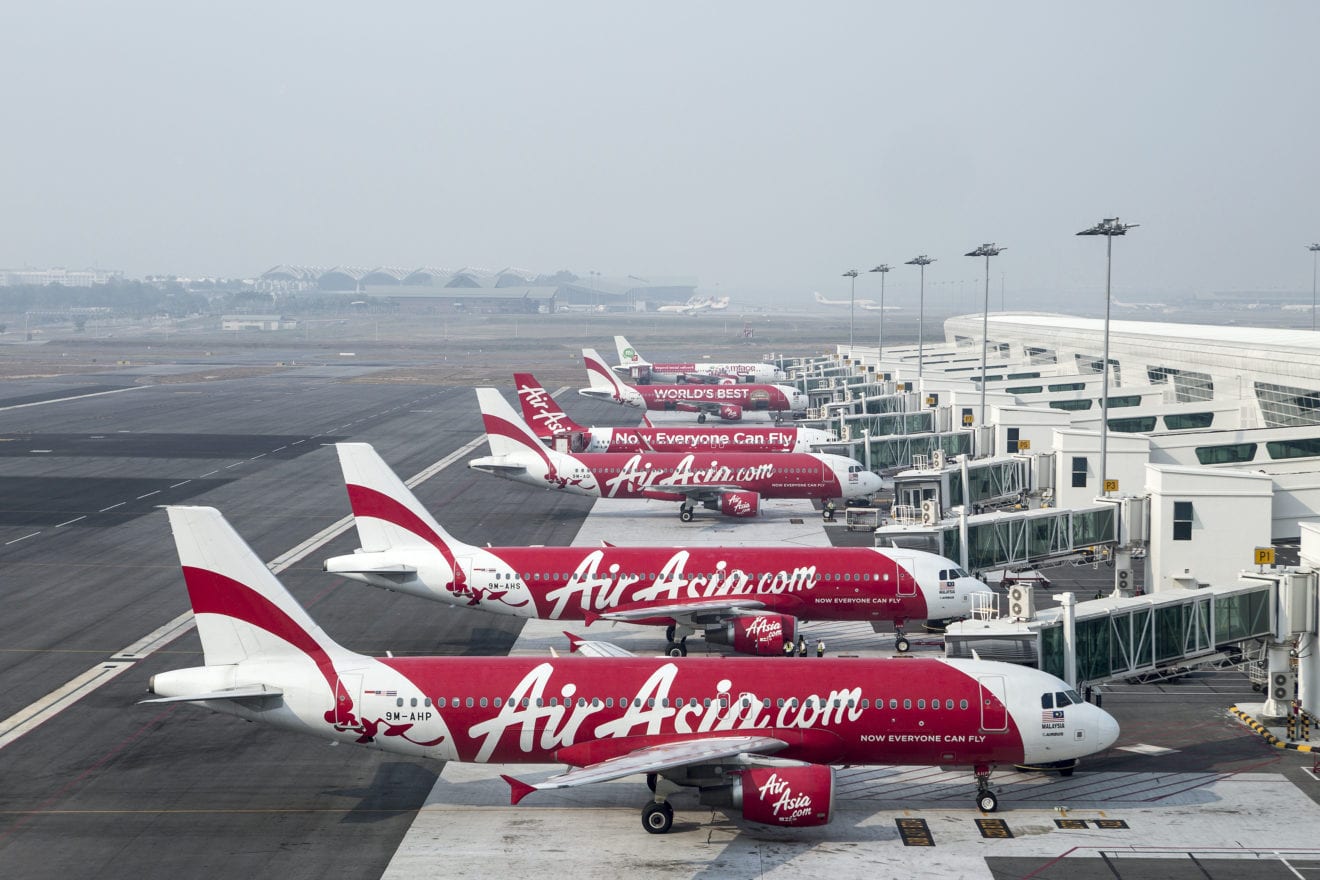
    The Indonesian affiliate of Malaysian budget carrier AirAsia Bhd is planning to convert debt into shares to meet a new government rule on equity.

    The debt will be converted into preference shares which carry no voting rights, Sunu Widyatmoko, President Director of PT Indonesia AirAsia, told Reuters in a text message.

    He declined to disclose the amount to be converted as it is pending approval from the Indonesia investment coordinating board.

    Indonesia AirAsia is among several airlines that have until Sept. 30 to meet Indonesia’s “positive equity” rule after the country’s transport ministry extended the deadline from July 31.

    The ministry previously said 13 airlines had “negative equity” – meaning assets used to secure loans were worth less than the outstanding balance of the loans. It said those airlines risked suspension if they did not turn equity positive.

    AirAsia shares jumped as much as 5.4 percent in early trade, outperforming the benchmark index which was down 0.6 percent.- Reuters

  • Erajaya announces joint ventures in Singapore and Malaysia

    Erajaya announces joint ventures in Singapore and Malaysia

    Indonesia-based distributor and retailer Erajaya Group has announced joint ventures in both Singapore and Malaysia. Erajaya has formed a joint venture with Alphabright to set up Era International Network in Singapore. The company has also teamed up with Malaysian citizen Li Chau Ging to form Era International Network in Malaysia. The moves form part of Erajaya’s plan to expand its distribution and retail footprint in both countries.

    Alphabright, which was established a year ago, is the sole distributor of ZTE mobile phones in Singapore. Erajaya will hold a 70% stake in Era International Network in Singapore, with Alphabright controlling the remaining 30%.

    Erajaya will hold a 95% stake in Era International Network in Malaysia, with Li Chau Ging controlling the remaining 5%. The new venture in Malaysia builds on Erajaya’s purchase of a 60% stake in CG Computers in 2014 – a business that included Apple reseller Switch. Li Chau Ging is an existing business partner for Erajaya in Malaysia due to the company’s prior investment in CG Computers.

  • Indonesia’s Alfamart to expand retail footprint in the Philippines

    Indonesia’s Alfamart to expand retail footprint in the Philippines

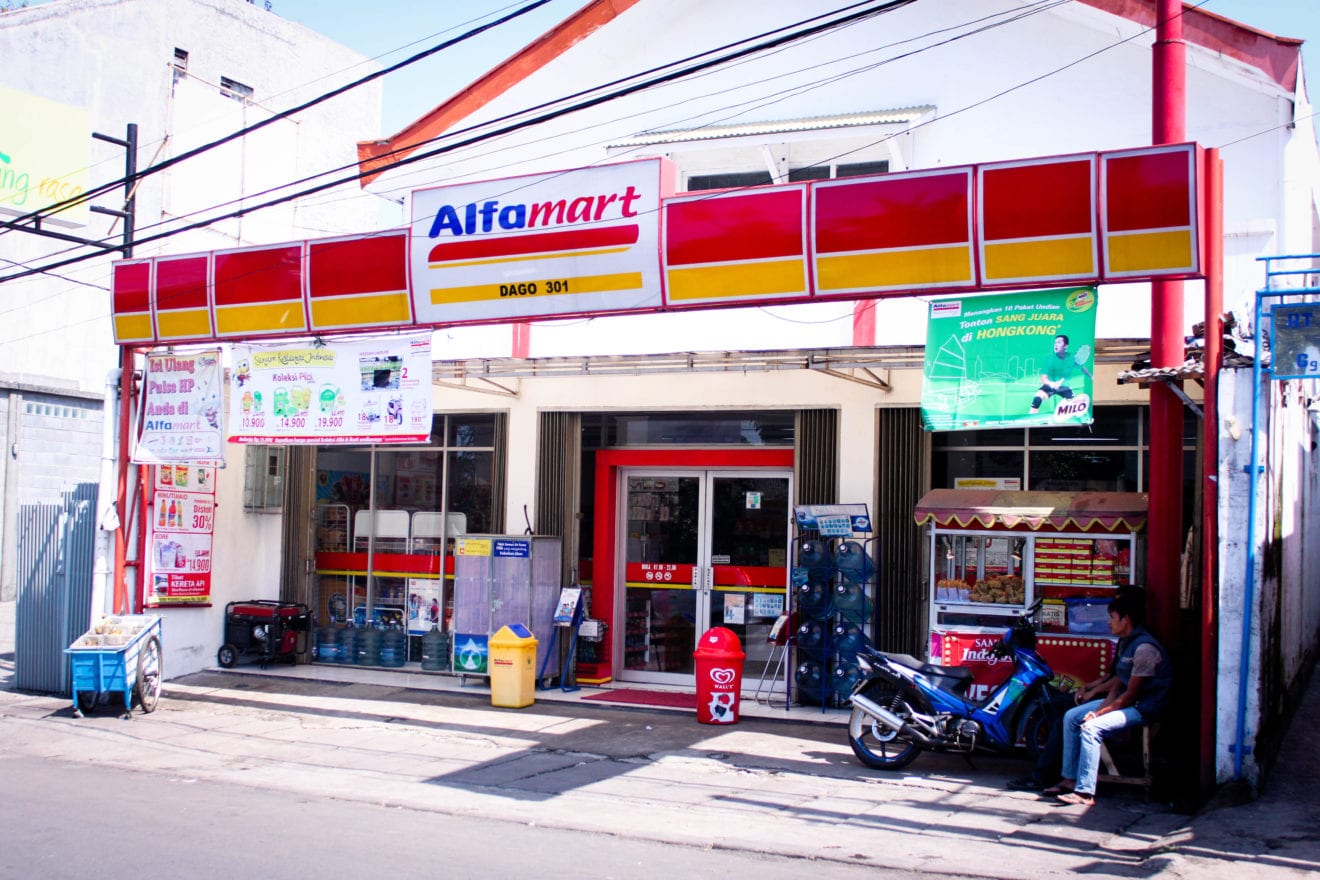
    PT Sumber Alfaria Trijaya Tbk (Alfamart), an Indonesia based convenience store chain operator, is planning to expand its footprint in the Philippines to about 160 stores by the end of this year. The move is expected to help strengthen the company’s presence in the south east Asian region and help boost income from exports.

    As of August, the company has 60 Alfamart outlets in the Philippines.

    According to Hans Prawira, president director of Alfamart, the company is targeting to operate over than 100 outlets in the Philippines, through its unit, Alfamart Retail Asia. “The project will be funded by loans from Philippine banks,” he added in an official statement.

    Alfamart and Philippine-based SM Retail Supermarket, a subsidiary of SM Group has set a joint venture company (JVC) to operate the retail outlets. Alfamart holds a 35 per cent stake in the JV and SM Retail Supermarket holds 65 per cent.

    Indonesia’s heavily regulated retail market – particularly relating to the aspects of franchising and foreign investment  – may have driven Alfamart to look for growth overseas.

    Indonesian franchise regulation requires 40 per cent of all stores to be company-owned and the remaining shares owned by franchisee holder, while 80 of product offerings have to be locally sourced for two years.

    The smaller format of mini-marts will provide SM with the flexibility to foray into urban area. At the same time, it will be able to rely on Alfamart’s know-how and experience of operating the stores under comparable market conditions in Indonesia.

    In Indonesia, the company plans to open 1,200 new outlets by the end of this year. “More than 50 per cent will be opened outside Java. We already have a distribution channel in Pontianak, Banjarmasin, Manado, and the latest one, in February, in Batam,” Hans said.

    As of March 31, the company had 10,068 Alfamart outlets, of which 2,958 are managed under a franchise scheme, while the rest are owned by the company.

    The company also operates 809 Alfamidi and 48 Lawson convenient stores with larger size than Alfamart.

    With over 10,000 stores in the portfolio, Alfamart controls about 50 per cent of Indonesia’s convenience store market through multiple brands – Alfamart, Alfamidi, and Lawson.

  • AirAsia on track with turnaround plans

    AirAsia on track with turnaround plans

    AirAsia group is on track with its turnaround plans and fund raising exercise for both Indonesia and Philippines units, according to Public Invest Research.

    It said on Friday yield is expected to improve towards the end of the year and the low-cost carrier is positive on 2H performance due to seasonally stronger quarters and capacity reduction by Malaysia Airlines.

    “We reiterate our Outperform recommendation and price-to-earnings based target price of RM1.88, pegged to 10 times FY16F EPS (20%-discount).

    “Our target price implies 98.1% potential upside from current level,” it said.

    At current share price, AirAsia is trading at 2016F price-to-book value of 0.46 times and at a compelling PE ratio of 4.0 times, which is at its lowest four-year historical PER.

    “We believe in AirAsia’s future performance based on positive fare trend, strong growth in ancillary income, lower fuel prices and strong brand name within Southeast Asian market,” said the research house.

    To recap, Public Invest Research met the investor relations team of AirAsia for updates on its operation and outlook in 2HFY15.

    Indonesia AirAsia (IAA) is considering the option of issuing non-voting reedemable and convertible preference shares (RCPS) to deal with its negative equity position with the conversion of part of its receivables.

    “Nevertheless, the discussions with the existing shareholders is still ongoing, and expected to complete by end of this month.

    “Meanwhile, its initial plan to issue new convertible bond of US$150mil is on track and expected to complete by end of FY15,” it said.

    Public Invest Research also  said  Philippines AirAsia’s (PAA) board on July has approved for a new equity injection of 5bil pesos (US$110mil) and also agreed on the plans on issuing new convertible bonds, which the term sheets is currently being drafted.

    Indonesia will be removing at least four to five aircraft from Jakarta, Bandung, Denpasar and Medan starting August to improve its aircraft utilisation.

    To deal with Indonesia’s floor price ruling, IAA targeted to shift c.65% of its capacity to international routes, which have a higher margin than domestic routes.

    It will also terminate its unprofitable routes such as Jakarta-Medan and Denpasar Bali-Solo, to minimise its losses.

    Philippines will be selling two of its older aircraft in Zest and in discussion for an early return of at least two older lease aircraft to third party lessors by the end-2015.

    To further improve its profitability, PAA is expected to reduce its capacity primarily from Cebu hub and redeploy it to China routes, which have a higher yield market.

  • AirAsia Indonesia to be title sponsor of Bali Beach Run 2015

    AirAsia Indonesia to be title sponsor of Bali Beach Run 2015

    AirAsia Indonesia today proudly announced that it will once again be the title sponsor of Bali Beach Run, Indonesia’s largest beach run event.

    This year’s Bali Beach Run will see running enthusiasts from all over the world coming together and hitting the stunning beach of Kuta on September 6, 2015.

    Bali Beach Run is Indonesia’s first run of its kind, first introduced in November 2013 by PT. Trijaya Dewata. Bali Beach Run 2013 was as successful as ever with more than 1.500 runners taking part, and has since become a highly-anticipated event among local and international runners alike.

    Andy Adrian Febryanto, Commercial Director AirAsia Indonesia commented, “We are thrilled to once again become the title sponsor of Bali Beach Run. AirAsia is a brand that is synonymous with passion, energy and excitement, and we are excited to have our name emblazoned on an event which reflects all of these positive vibes.”

    “This year’s event is expected to attract more than 1.800 runners, including international runners from Asia and Australia. AirAsia’s wide connectivity across the region will allow international runners to fly into Bali at affordable fares, and to enjoy one of the world’s fun run-races,” Andy added.

    To cater to different types of runners, Bali Beach Run 2015 offers different categories, from 2.5 K, 5 K to 10 K. Children are also welcome to join this year’s race.

    Bali Beach Run 2015 registration is now open at www.balibeachrun.com. You can also register at AirAsia Bali Beach Run 2015 booth located at Kuta Beachwalk Mall, 1st floor, from June 6 to August 16, 2015. The registration fees are IDR 150,000,- for 2.5 K, IDR 200.000,- for 5 K, and IDR 250.000,- for 10 K. All participants will receive an exclusive race pack which consists of a jersey, race number and medallion.

    In order to accommodate runners from Jakarta, Bandung, Yogyakarta, Solo dan Surabaya, AirAsia offers special fares to Bali from as low as IDR 387,000,-* one way. These special offers are now up for grabs on www.airasia.com, sales office, call center at 0804 1 333 333 starting today until June 14, 2015.

    For ultimate travel comfort, AirAsia Indonesia offers Tune INSURE to protect guests against inconveniences while travelling. Starting from IDR 20.000,- only, AirAsia INSURE offers benefits such as personal accident benefits, loss or damages to baggage, and flight delays. Tune INSURE offers two hours on-time guarantee, whereby guests will be compensated up toIDR 800.000,-** for every flight delay of more than 2 hours from the departure time.

  • Vietnam leads SE Asian smartphone rush

    Vietnam leads SE Asian smartphone rush

    Vietnam is the fastest growing smartphone market in South East Asia, where sales topped $8bn in the first half of the year according to new figures.

    Data from market researcher GfK indicated that, overall, some 39.8m smartphones were sold in the region, up from 36.6m in the corresponding period of 2104.

    Sales volumes in Vietnam rose 27% in the first half of 2015 compared to the same period a year earlier to reach to total of 6m, making it the third largest smartphone market in the region, Inside Retail Asia reported.

    Thailand was the second-fastest growing market, up 13% to a total of 6.6m, a figure which also put in second place in terms of market size. The Philippines was the third fastest-growing market, up 10%.

    Indonesia, however, remains the largest market in terms of volume, with 14.9m units shifted in six months.

    Sales growth was sluggish in the mature markets of Singapore and in Malaysia, where consumers have cut back on their spending since the introduction of a general sales tax.

    GfK has also started tracking the mobile handset market in Myanmar and reported that 3m units had been sold in the first half, with most of these being smartphones (89%).

    “The availability of a wide range of lower price options nowadays have made it possible and much more affordable for price-sensitive consumers in these developing markets to switch over and own their first smartphone,” said Gerard Tan, GfK account director for technology.

    He pointed out that in the first half of 2013 just 15% of smartphones sold in the region had cost under $100, a proportion that has now climbed to 35%.

    Indonesia, he added, was the country with the most number of entry level smartphone brands and consumers in the region.

    This transformation is being almost entirely driven by Chinese brands, which now account for around 25% of the region’s market compared to 4% in 2013.

    “The perception of Chinese brands has been elevated considerably as a result of their heightened marketing campaigns and the opening up of dedicated showrooms and retail counters,” Tan said.

  • Happy Fresh pilots next hour grocery delivery in Southeast Asia

    Happy Fresh pilots next hour grocery delivery in Southeast Asia

    Groceries delivered to customers’ doorstep in an hour by professional shoppers. This was the promise of online grocery delivery service Happy Fresh when it started last March in Kuala Lumpur and Jakarta.

    Today, the service is available as well in Bangkok and will soon open in Taipei.

    “Our plan is to become Southeast Asia’s leading food marketplace company, and we want to operate in all major, traffic-congested mega cities in the region,” said Markus Bihler, Group CEO and Co-founder of HappyFresh.

    Bihler is optimistic that online grocery delivery in the region is poised for take off.

    “The outlook for the retail industry in Southeast Asia has never been more promising. Opportunities abound in this region with its ever more sophisticated and food-loving consumers, growing populations and steady economies,” he said, adding that Kuala Lumpur and Jakarta, in particular, are very interesting markets.

    “Spending power and credit card penetration are higher in KL than in Jakarta, and in general people are more used to buying things online there. Jakarta, on the other hand, is interesting because we really feel we can solve a huge problem here. We all know about the infrastructure challenges this city faces, and the traffic problems this often leads to,” he explained.

    Happy Fresh believes that with online grocery shopping, it’s one fewer trip customers need to make, which often translates into several hours saved that they can now spend on other activities.

    “In Indonesia, Bihler he said middle and upper-income consumers will continue to drive the growth of modern, online retailers as customers are increasingly quality-conscious, demanding higher levels of service and quality,” Biller said.  “Demand for processed foods and dairy is growing, particularly in urban areas, driven by changing lifestyles as people work longer hours and seek greater convenience.

    Happy Fresh targets to bring the service to the capital cities of Southeast Asia one step at a time.

    Though it does not plan to set up a physical store, it partners with the most established offline grocery retailers in a locality. In-house trained professional shoppers who pick  the best fresh products for customers also provide an advantage.

    Delivery hours are based on the opening hours of its partner stores, which is usually between 10 a.m. and 10 p.m.

    “Our message to our partners is simple: Focus on what you are really good at, which is running grocery stores. Then let us help you bring your brand and your products to an incremental set of customer groups: those one mobile devices, those who would like to order from their home, office or wherever they happen to be, and those who value the convenience of next hour delivery,” he said.

    Happy Fresh also strive to help partners reach customers that are normally outside of their catchment area or would have otherwise ordered a pizza rather than next hour ingredients for home cooking.

    Bihler said they offer ready to use solution to its retail partners at no upfront cost, a  fleet of drivers, and customer service agents. “In short: we help supermarkets grow, reach new customers and move into digital,” he said.

    “The food industry is among those that will always remain a physical, haptic, very sensual core. Yet – as any other – it will see heavy disruption by mobile technologies, ever-changing supply chains and faster lifestyles,” he added.

  • Thailand’s MEGA in JV with Sydna Farma to set up pharma unit in Indonesia

    Thailand’s MEGA in JV with Sydna Farma to set up pharma unit in Indonesia

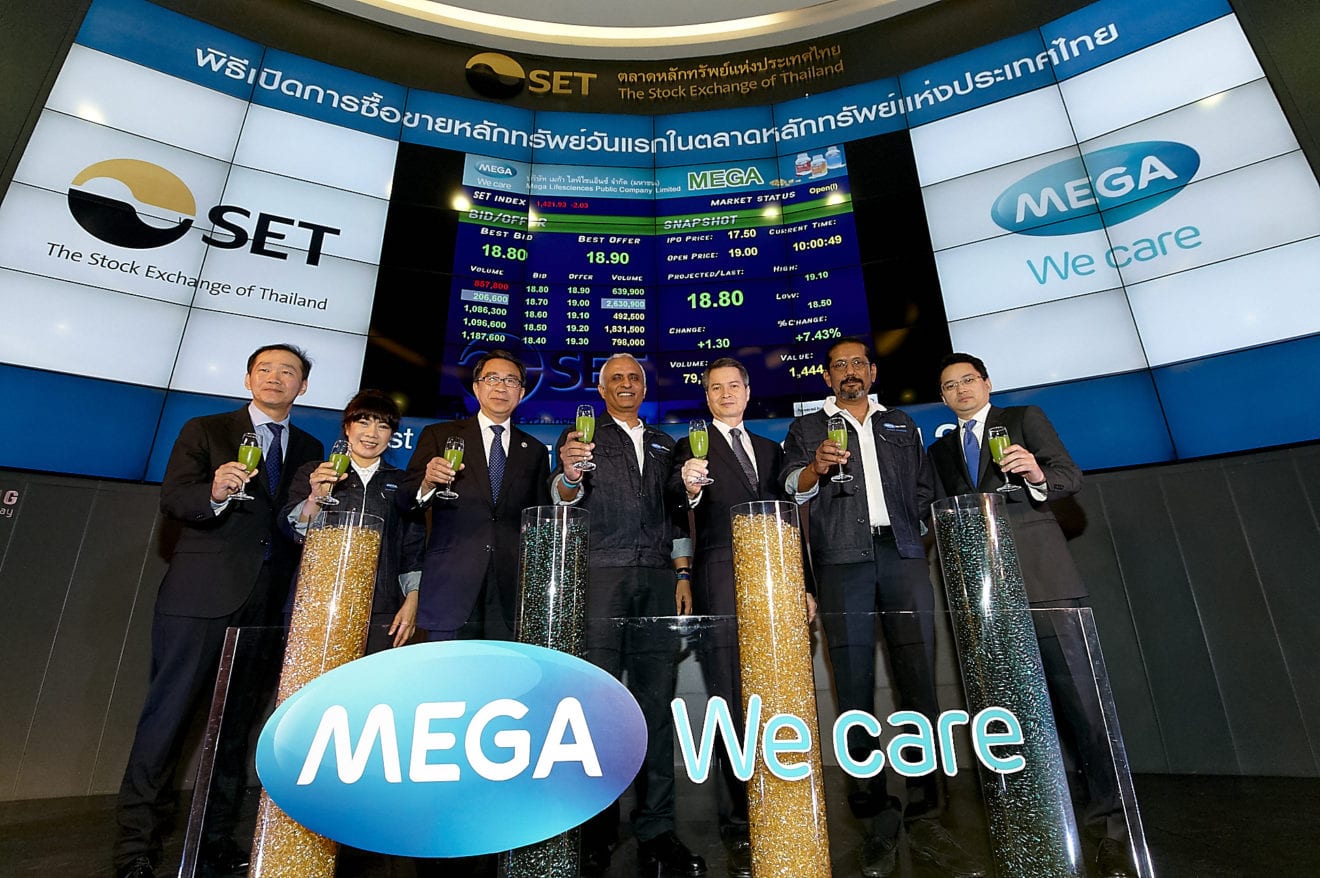
    Thailand-based pharmaceutical firm Mega Lifesciences Ltd (MEGA)  plans to set up a production plant in Indonesia with Sydna Farma. MEGA inked a partnership with the Indonesian Sydna Farma last week for the same.

    The Thai company will hold over 50 per cent in the venture, according to MEGA’s chief executive officer Vivek Dhawan. The firm has earmarked an initial investment of $1 million by early 2017. “As planned, we will take around two years to study the market and do the research and development on our products and set up the plant right after that,” he said.

    Indonesia’s pharmaceutical market is estimated to be around $6.24 billion, taking one-fourth of the total healthcare market at $23 billion. “Indonesia is the largest pharmaceutical market in ASEAN with a strong growth rate of 12.5 per cent per annum. This joint venture will strengthen our presence in this region and drive our growth significantly,” he said.

    MEGA recorded revenues of 7.77 billion baht and net profit of 547.88 million baht in 2014. It hopes the net profit will grow 10 per cent this year riding on  factors such as baht depreciation, lower production cost and the launch of supplementary products. Over 70 per cent of its revenue comes from export and the rest from domestic market, which remained largely unaffected by the slowdown.

    The company hopes to double its revenue and profit in the next five years, following its aggressive expansion in ASEAN and Africa regions. “We see a great potential in Myanmar and in Africa as they still lack of good quality food and medicine. Therefore, the proportion of our revenue from these countries should increase from 10 per cent currently to 20 per cent soon,” he added.

    Each year the company has allocated the budget of $1-2 million for doing research and development on products to boost its market share and profit margin.

  • Indonesia’s Snapcart Turns The Humble Receipt Into Big Data For Brands And Retailers

    Indonesia’s Snapcart Turns The Humble Receipt Into Big Data For Brands And Retailers

    Smartphones could give retailers and brands unprecedented insight into consumer spending and behavior just by allowing you to photograph your receipt.

    That’s the premise of a new technology startup that launched in Indonesia today. Snapcart is backed by Ardent Capital — the VC firm behind Southeast Asia’s logistics network aCommerceand numerous e-commerce startups — and it aims to turn oft-discarded receipts into data gold mines.

    The theory is simple. Physical retailers and brands know little about consumers and their shopping habits beyond survey-based data and estimates from research firms like Nielsen. Yet, the precious information is contained within a small piece of paper that shoppers typically throw away with little regard: the receipt. Snapcart is incentivizing users to take photos of their receipts and upload them into its app in exchange for cashback and rewards.

    On paper, it’s a win-win — what consumer doesn’t like free stuff? And what brand or advertisers isn’t willing to pay up (incentives) to get fresh insight into their customers?

    The concept isn’t entirely new. Ibotta, a U.S. company backed by over $20 million from investors, provides cash back for access to similar data. Unlike Ibotta, which requires users to photo both their receipt and individual product barcodes for in-store purchases, Snapcart uses artificial intelligence to pull product information right from a receipt, so users take just one photo.

    Jakarta-based Snapcart has launched with two prominent, global brands — Nestlé and L’Oréal — but says it is in talks with another 20 or so partners. Founder Reynazran Royono — formerly with Proctor and Gamble and Boston Consulting — told TechCrunch he came up with the idea when reflecting on his experience as a consultant and a spell at e-commerce firm Berniaga.com, now OLX.co.id. Online retailers have access to a treasure trove of shopper data that physical retailers can only dream of, Royono said, and Snapcart aims to help change things.

    The main challenge looks to be gaining scale among shoppers — Snapcart claims it has 12,000 pre-launch installs of its app. Snapcart said it will initially work with brands, which it is leveraging for marketing and other opportunities for exposure among consumers, and over time it plans to include physical retailers through in-store integrations. It is first focused on grocery items, because they are daily necessities, but will branch out into other verticals over time, Royono explained.

    The company is starting live in Indonesia, Southeast Asia’s biggest country with a population of 250 million and ample opportunity, but Royono said he plans to expand across Southeast Asia towards the end of 2016. Snapcart is currently raising new funding, which he said should give it a good 18 months of runway.

    “Snapcart is the most promising big data business in Southeast Asia we’ve seen so far,” Adrian Vanyl, CEO of Ardent Capital, said in a statement. “For brands, it is data they’ve fantasized about, but never had any practical way to actually collect.”

  • Arsenal FC picks Indosat as official telecoms partner

    Arsenal FC picks Indosat as official telecoms partner

    Arsenal Football Club has selected Indonesian operator Indosat as the club’s official telecommunications partner in Indonesia. Under the terms of the 2-year partnership, Indosat will offer club-related benefits and incentives to its customers and Arsenal fans in Indonesia. This will include official Arsenal signed merchandise, tickets to see the team in action at Emirates Stadium and access to exclusive match and player content such as match highlights, club news, interviews and photography.


  • Garuda tickets available at Indomaret

    Garuda tickets available at Indomaret

    National flag carrier Garuda Indonesia is teaming up with minimarket chain Indomaret to allow air passengers to buy tickets from the chain’s outlets across the country in a bid to boost the airline’s sales.

    For payments, Garuda works with electronic payment provider Finnet, a subsidiary of state telecommunications company PT Telekomunikasi Indonesia (Telkom).

    Garuda Indonesia commercial director Handayani said the company expected passengers would buy tickets from at least 20 percent of Indomaret’s 11,400 outlets.

    In ticket sales, the company expects the partnership to account for 830,000 transactions a year, or around 1.6 million tickets assuming that each buyer buys two tickets.

    “With their strategic sites, Indomaret outlets will open up consumer access to our services, including in places with little access to the Internet and ATMs,” Handayani said in a statement on Wednesday.

    She added that Indomaret ticketing services would be focused on domestic flights for individual customers.

    “People who go to Indomaret will tend to buy small numbers of tickets for domestic flights. The average ticket price will be between Rp 400,000 and Rp 500,000,” she said.

    Garuda’s low-cost subsidiary carrier Citilink has cooperated with Indomaret since January 2014.

    Indomaret records around 150 million transactions with 37.5 million customers monthly, according to Wiwiek Yusuf, the marketing director of PT Indomarco Prismatama, which runs the chain.

    “Of that figure, 15 million transactions, or 10 percent, are virtual,” he said, adding that Garuda would add to the list of the chain’s virtual payments, which currently includes electricity bills, phone credit and concert tickets.

    Online ticket purchasing makes up 28 percent of Garuda’s total transactions, with the remainder carried out through traditional channels such as travel agents.

    The airline’s partnership with Indomaret adds to its current relationship with Telkom, which runs Garuda’s call center. However, Garuda customers who book tickets through the call center can only pay with credit cards or through the ATMs of 18 banks.

    Telkom enterprise and business service director Muhammad Awa-luddin said the cooperation would mark the first non-bank channel for Garuda.

    “Finnet has hundreds of dealers and is connected to 77 banks, so we envision no problems,” he said.

    The cooperation is part of Garuda’s efforts to meet a target of carrying 25 million passengers this year.

    The airline carried 11.55 million passengers in the first half of the year, up 15.3 percent from last year, of which 9.4 million were domestic passengers.

    “With this cooperation, we should reach more than 20 million,” Handayani said.

    She added that she would rely on the growth of Indomaret outlets for expanding consumer access, with the firm looking to reach 12,000 outlets this year.

    Other than the domestic market, Garuda is also eyeing increased inbound flights after Coordinating Maritime Affairs Minister Rizal Ramli announced on Tuesday the waiving of visas for citizens of 47 more countries, adding to 30 countries granted visa exemptions in June.

    “We will engage with foreign tourist boards and travel agents. We have to be aggressive in introducing Indonesia to those countries, beyond Bali and Jakarta,” Handayani said.

    The company booked US$27.7 million in net income in the January-June period, a sharp increase from its net loss of $203 million in the same period last year, on the back of lower operating expenses and strong passenger growth.