Tag: Indonesia

  • Philip Morris Starts Testing Investor Demand For Indonesia Cigarette

    Philip Morris Starts Testing Investor Demand For Indonesia Cigarette

    Philip Morris International Inc., which makes and sells Marlboro cigarettes outside the U.S., has started testing investor appetite for an over $1.5 billion sale of its shares in its Indonesian operation, according to people familiar with the situation, in what would be one of the biggest share sales in Southeast Asia this year.

    New York-based Philip Morris is talking to potential investors to place its shares in PT HM Sampoerna Tbk. through a rights issue and hopes to start taking orders from Sept. 21, one of the people said. Another person said a decision to go ahead would depend on market conditions.

    The sale will allow Philip Morris to comply with a pending stock-exchange rule requiring all Indonesia-listed companies to have at least 7.5% of their shares in public hands. Philip Morris currently owns 98.2% of the unit, which has a market capitalization of about $23.6 billion.

    Philip Morris is the top cigarette manufacturer in Indonesia, the world’s second-largest market for cigarettes after China. Given the limited number of freely traded shares in PT HM Sampoerna Tbk. (HMSP.JK), it is unclear at what price the shares would be sold to investors.

    The deal, if successful, would be the second largest equity-market transaction in Southeast Asia after a $1.7 billion initial public offering by Thailand’sJasmine Broadband Internet Growth Infrastructure Fund (JASIF.TH) in January. Deal activity in the region has been slowing due to volatile markets and Indonesia has been one of the worst hit.

    Indonesia’s Jakarta Composite Index is down 15.6% in the year through Tuesday’s close, the worst performer in Asia. The market has been rocked this year by a combination of negative events. Weaker-than-expected demand from China has put pressure on commodity prices, which has hurt Indonesia’s producers and exporters. At home, President Joko Widodo’s plans to increase economic growth through infrastructure spending have been met with disappointment as projects fail to mature and the government rolls out new protectionist policies.

    In late June, Philip Morris announced that the unit had engaged investment banks to assist in evaluating options for meeting the stock exchange’s mandatory float requirement, which takes effect Jan. 30, 2016. The statement didn’t name the banks or specify the amount to be raised, and Philip Morris declined to give further details.

    Goldman Sachs Group Inc., Credit Suisse Group AG, CitiBank Inc., J.P. Morgan and local firm Mandiri Sekuritas are managing the share placement.

    Bankers will be meeting investors in Indonesia, Singapore, Hong Kong, Malaysia and London for about two weeks to gauge interest in Sampoerna shares, one of the people said.

    Sampoerna sells clove cigarettes and is the distributor of Philip Morris’s Marlboro brand in Indonesia. The share should result in additional cash for Philip Morris without ceding any control in the Indonesia business. If successful, the sale will be the biggest such divestments in Indonesia this year.

  • Twitter Looks to Indonesia to Boost Growth

    Twitter Looks to Indonesia to Boost Growth

    A year after announcing it would open an office in Jakarta, Twitter has finally hired a team to develop business in the market of 250 million people as the company works to overcome weak global growth in users and advertising revenues.

    The Indonesia team will focus on business development and marketing, with staff dedicated to building media partnerships, selling advertising and public policy development, Parminder Singh, managing director for Twitter in Southeast Asia, India, North Africa and the Middle East said in an interview.

    Mr. Singh wouldn’t give the number of new staff, saying only that hiring is at an early stage but is growing “very rapidly.”

    “Across a spectrum of functions, we are staffed here to do business,” he said.

    In March, Twitter’s then-Chief Executive Dick Costolo visited Jakarta to announce the office opening, but Mr. Singh said it took time to get the regulatory approvals needed and set up the physical office infrastructure.

    Rick Mulia, the country business head appointed in March, resigned in June citing personal reasons. He’s since been replaced by Roy Simangunson, former country manager for Yahoo Indonesia.

    Twitter is looking to emerging markets like Indonesia that are fast embracing smartphones and social media as user growth levels off in more developed markets and revenue bounces back from a hit it took last year after the company made changes to some of its ad functions.

    In the second quarter of the year the microblogging site recorded revenues of $502 million, growth of 61% from a year earlier and well above its own projections. But user growth has been sluggish.

    Core monthly active users– those who access Twitter via the Web or mobile at least once a month–stood at 304 million in the first quarter, up from 302 million in the first three months of the year.

    Boosting those numbers is where Indonesia matters. The world’s fourth most populous country has gained global attention for its voracious use of social media, and Jakarta has been deemed the world’s most active Twitter city.

    While the company doesn’t give out user numbers by country, it considers Indonesia one of its top emerging markets and Mr. Singh called it a “bright spot” in the Asia-Pacific, a region he dubbed Twitter’s “growth engine.”

    Indonesia is “the next phase of our growth,” said Mr. Singh.

    A key part of the company’s business strategy in Jakarta, he said, will focus on building partnerships with agencies and big-name advertisers, such as banks and telecom companies, and on launching new products to draw in users.

    While more than three-fourths of the company’s users are outside the U.S., only 36% of its revenue is derived internationally.

    Targeting mobile users will also be a focus in Indonesia, since about 88% of the company’s overall advertising revenue comes from mobile. Although Internet penetration rates remain low in Indonesia, the majority of people get online through their mobile phones, and the number of smartphones is seeing rapid growth.

    Twitter’s acquisition of India-based ZipDial earlier this year could also potentially be used to help it reach millions more on feature phones. The platform allows users to access Twitter through mobile messaging. When these users were included in the company’s second quarter user data, its user base grew to 316 million from 308 million.

    “For a lot of people their first experience on the Internet will be using a mobile phone,” Mr. Singh said. “That makes us very well placed to leverage the entire mobile revolution and mobile popularity in this region.”

    In March, the company opened an office in Hong Kong to build up advertising dollars and reach out to rapidly growing developers and smartphone makers. Mr. Singh said the company “would love to be in China from a usage point of view,” but is currently focused on business development through Hong Kong.

    In June the company announced plans to double its staff in Singapore. It also has offices in India Australia, Korea, and Japan.

  • aCommerce serious about their Series B with new recruits and them joining shows confidence in our company

    aCommerce serious about their Series B with new recruits and them joining shows confidence in our company

    Veteran Cross-Border and Logistics Ecommerce Executive Leaves Arvato Bertelsmann to Join aCommerce as Group Chief Logistics Officer

    Mitch Bittermann to strengthen the cross-border and logistics capabilities of the growing end-to-end ecommerce enabler en route to Series B and arrival of ASEAN Economic Community

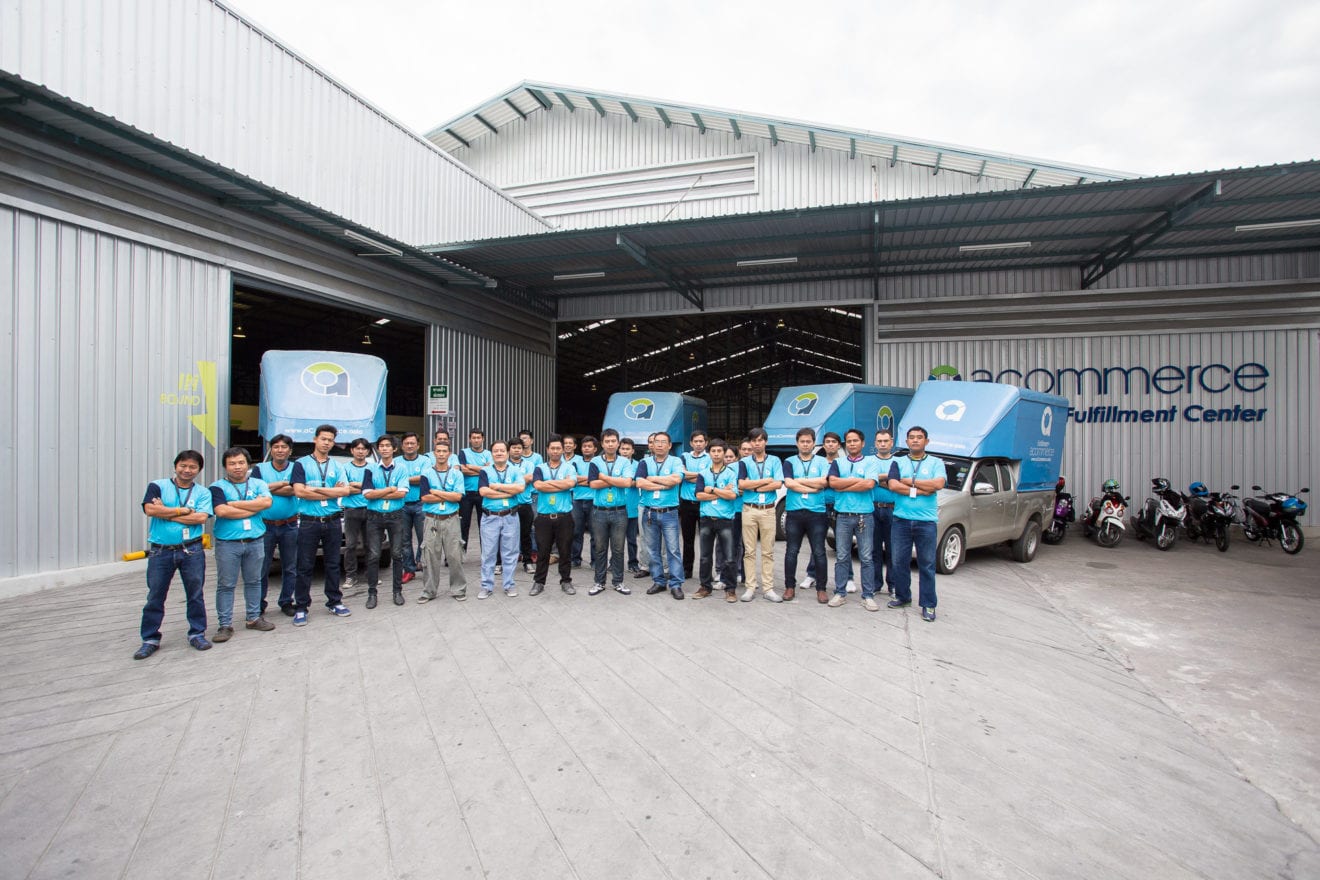
    Southeast Asia’s leading end-to-end ecommerce enabler confirmed the hire of Mitch Bittermann as their Group Chief Logistics Officer. Mitch joins aCommerce from arvato, where he was the General Manager for the Hong Kong branch and Head of arvato’s APAC Solution and Design team. As the Group CLO, Mitch will build and lead aCommerce cross-border initiatives to fulfill the increasing demand for easy intra-regional transactions in Southeast Asia as well as cross-border logistics with US, Europe and particularly, China. Mitch joins aCommerce at a time when eyes are increasingly on the region for both investment and ecommerce.

    “I’m excited to join the team at aCommerce. They’ve been at the forefront of driving ecommerce innovation in the region and are closely followed by many in the logistics space. The opportunity for cross-border in Southeast Asia is huge, with China outbound cross-border volume rapidly increasing as well as the upcoming ASEAN Economic Community (AEC) integration, the region will be a launchpad for new innovative distribution solutions,” said Mitch Bittermann, aCommerce Group CLO.

    With the ASEAN Economic Community (AEC) just around the corner, intra-regional cross-border transaction volume is expected to increase rapidly as it will open borders and stimulate trade and commerce across Southeast Asia through better logistics capabilities.

    Companies like Amazon and London-based ASOS already count Southeast Asian countries like Singapore, Thailand, and Indonesia as their fastest growing markets in Asia. Only last year, Amazon-owned Shopbop held a successful cross-border Black Friday/Cyber Monday campaign in partnership with Line and aCommerce. AEC will be a force-multiplier for this trend and allow more companies to extend their campaigns to the overseas audience.

    “With ecommerce in Southeast Asia heating up and the region being strategically positioned next to China, the world’s manufacturing and sourcing hub, there’s been a rapid increase in demand for cross-border logistics services across our client base,” said Paul Srivorakul, aCommerce Group CEO. “Having Mitch’s expertise in international logistics, we will be building out our next generation of cross-border logistics products and services to continue accelerating ecommerce in Southeast Asia.”

    Mitch helped set up Arvato’s cross-border operations in Singapore and Hong Kong serving customers in Asia and globally. With more than 10 years at Arvato, Mitch has worked on a multitude of international logistics projects including building up customer service operations in Canada, setting up distribution centers in Thailand and Europe and driving global freight optimization projects.

    En route to Series B fundraising, aCommerce has been strengthening its management team with recent additions of a new CEO and COO for Indonesia. Snorre Larstad (CEO) and Hadi Kuncoro (COO) joined aCommerce earlier last month to drive the next phase of growth of aCommerce Indonesia, which recently became aCommerce’s biggest regional operation in Southeast Asia surpassing Thailand and Philippines with 360 employees.

    “With our long term mission to make ecommerce easy in Southeast Asia, we’ve tackled the in-country logistics bottlenecks with our fulfilment centers, last-mile delivery solutions, and cash-on-delivery platform across Thailand, Indonesia, and the Philippines. Our next goal is to make intra-regional transactions as easy as possible too,” said Peter Kopitz, aCommerce Group COO.

  • Mövenpick Hotels & Resorts Highlights Expansion Plans in Indonesia

    Mövenpick Hotels & Resorts Highlights Expansion Plans in Indonesia

    Mövenpick Hotels & Resorts unveiled its ambitious expansion plans in Indonesia and Southeast Asia at the 2015 Tourism, Hotel Investment & Networking Conference (THINC Indonesia) in Bali on 2-3 September.

    The upscale Swiss hospitality group will make its debut in Indonesia in the third quarter of 2016, with the opening of Mövenpick Resort & Spa Jimbaran, overlooking picturesque Jimbaran Bay in the south of Bali.

    “As the company’s first hotel in Indonesia, this is a perfect place to start,” said Andreas Mattmüller, Chief Operating Officer for Mövenpick Hotels & Resorts in the Middle East and Asia. “Bali is a holidaymaker’s paradise, and the exclusive beach location of this resort with its unrestricted views of the bay is certainly set to be hugely popular.”

    He said the hospitality management group plans further expansion in Indonesia, with ongoing discussions about new partnerships including Jakarta, Surabaya and Bandung. “Indonesia is a key market for our expansion in this exciting region for the hospitality sector,” Mattmüller said.

    Inspired by traditional Balinese design and reflecting the fabled natural wonder of the region, the upcoming Mövenpick Resort & Spa Jimbaran is an idyllic haven of 295 rooms, including six suites, amid meandering pools and lush landscaped gardens.

    With breath-taking sunset views from the rooftop lounge and hotel restaurant, the resort also features a 500-sqm ballroom, custom-designed kids’ club, business centre and meeting rooms, gym, library and spa, along with the Samasta Mall, which consists of a wide collection of boutiques, restaurants, gourmet market and a Mövenpick ice cream parlour.

    Mövenpick Resort & Spa Jimbaran is amongst eight hotels and resorts the group is opening over the next three years in the region, with expansion also in Thailand, Malaysia, the Philippines and Vietnam.

    Thailand is also a major focus, with the recent opening of Mövenpick Hotel Sukhumvit 15 Bangkok, followed in the first quarter of next year by the 264-room Mövenpick Siam Hotel Pattaya positioned for families and business meetings on Jomtien Beach. They add to an existing portfolio of three Mövenpick hotels in Phuket and Koh Samui, for a total of five hotels in Thailand by 2017.

    Further hotels to open across the region are Mövenpick Hotel & Convention Centre Kuala Lumpur and Mövenpick Resort & Spa Kuala Terrengganu in Malaysia; Mövenpick Resort Boracay in the Philippines; Mövenpick Hotel & State Guest House Chifeng, China; and Mövenpick Resort & Spa Quy Nhon, Vietnam.

    The existing eight-property portfolio of Mövenpick Hotels & Resorts in Asia includes four in Thailand and one each in Singapore, Vietnam, China and the Philippines.

    Hosted by HVS and co-hosted by the Ministry of Tourism of Indonesia and the Indonesia Investment Coordinating Board (BKPM), this year’s second edition of THINC Indonesia once again brings together hospitality and tourism industry stakeholders, business leaders and key decision-makers from across 17 nations to explore growth and investment opportunities in the region.

  • Foxconn cancels investment plan in Indonesia

    Foxconn cancels investment plan in Indonesia

    Taiwan’s Foxconn Technology Group, the world’s biggest electronic components maker, has cancelled plans to invest in a factory in Indonesia, Kontan daily reported on Tuesday, citing the head of an Indonesian business chamber.

    Foxconn, whose flagship listed unit is Hon Hai Precision Industry Co Ltd, said last year it may invest $1 billion in Southeast Asia’s biggest economy.

    But the Apple Inc supplier had decided not to go ahead because of land issues, Indonesian Chamber of Commerce and Industry Chairman Suryo Bambang Sulisto was quoted as telling the business daily, casting doubt on the company’s broader expansion plan in Indonesia.

    Sulisto did not respond to phone calls requesting comment, while Foxconn was not immediately available to respond.

    Foxconn, which assembles products for global phone makers, is one of the companies likely to be affected by a new law due to take effect in 2017 requiring firms that sell smartphones and tablets in Indonesia to produce 40 percent of their content locally.

    Critics say the rule – part of a push by President Joko Widodo to transform Indonesia from an economy that consumes products into one that produces them – could increase costs and restrict access to technology.

    Foxconn had previously planned to invest in hardware such as phones, tablets and televisions, as well as telecommunication services in Indonesia, its spokesman told Reuters last year.

    The company had hoped to tap the domestic market of about 250 million people and use it as a base to export to the rest of Southeast Asia. But talks with authorities had stalled partly because the government was reluctant to accept Foxconn’s request for free land, sources previously said.

    Last month, Foxconn partnered with China’s Xiaomi to assemble phones in India.

  • Twitter appoints new boss for Indonesia

    Twitter appoints new boss for Indonesia

    Twitter has appointed Roy Simangunsong as the company’s country business head in Indonesia.

    “It’s my first day at work, so there’s no strategy to apply yet, but what is important for the audiences and advertisers are my confidence in running and developing this company. Because, at the end of the day, Twitter wouldn’t want us to innovate on things that disrupt the users’ experience,” said Roy as quoted by Antara news agency on Tuesday.

    Indonesia has around 80 million Internet users, according to Roy, and around 150 million smartphone subscribers and almost 80 percent of Twitter users worldwide access the application from their mobile phones.

    Prior to Roy, the business head position had been held by Rick Mulia from November 2014. Rick resigned in June, leaving the position vacant for two months.

    Roy was previously the country business head at Yahoo! Indonesia and other multinational companies like Microsoft and IBM. His last position before becoming Twitter Indonesia’s number one person was chief executive officer for Okezone digital media company.

  • Infrastructure to host Sail Tomini to be readied on time

    Infrastructure to host Sail Tomini to be readied on time

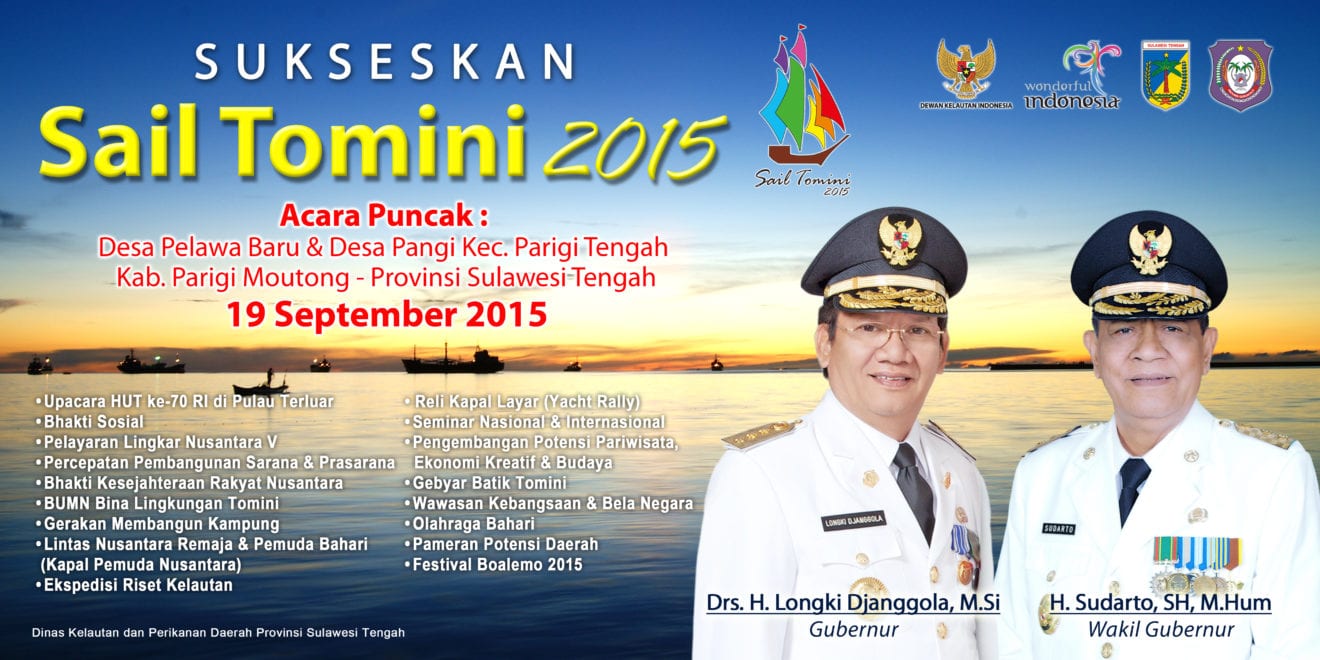
    The infrastructure necessary to host the upcoming international maritime event of Sail Tomini 2015 will be readied on time, stated Director General of Cipta Karya of the Public Works and Housing Ministry Andreas Suhono.

    “The supporting infrastructure for hosting Sail Tomini is 90 percent ready, and it will be completed on time,” Suhono noted in a written statement here on Tuesday.

    According to Suhono, the yard for hosting Sail Tominis main event and the infrastructure for providing accommodation to tourists are almost ready and expected to be completed on time.

    He pointed out that the basic infrastructure for providing accommodation includes wastewater infrastructure, integrated sanitation infrastructure, and a communal wastewater treatment plant through a community-based sanitation program, an integrated waste treatment plant, a primary drainage system for special areas, and a water supply system.

    Parigi Moutong Deputy District Head Badrun Nggai remarked in Palu, Central Sulawesi, recently that the construction of infrastructure and facilities for hosting Sail Tominis main event in Parigi Moutong district was 90 percent complete.

    “The construction of facilities and infrastructure for hosting Sail Tominis main event on September 19, 2015, is 90 percent complete,” Nggai remarked last Saturday.

    He noted that all work will be accelerated and completed on time.

    The main event of the international maritime event of Sail Tomini will be attended by President Joko Widodo and some 10 thousand guests.

    Central Sulawesi Governor Longki Djanggola emphasized that Sail Tomini is an international maritime event organized to promote tourism in Central Sulawesi province, situated in the heart of the island of Sulawesi.

    The governor stated that the success of Sail Tomini is expected to boost tourist visits to various attractions in Central Sulawesi and to increase foreign exchange earnings for the country.

    Therefore, he urged the public to participate in supporting the smooth operations, security, and success of the event.

    “Let us all work together to maintain security and order, so that this important event can run smoothly and successfully,” the governor remarked.

  • Indonesia building airstrips to boost export of fresh fish

    Indonesia building airstrips to boost export of fresh fish

    Indonesia is building small runways near 15 fishing villages to help local fishermen export their catch while they are fresh and command a premium, said Maritime Affairs and Fisheries Minister Susi Pudjiastuti yesterday.

    The entrepreneur-turned-politician said these 1km-long airstrips – or just long enough to land light aircraft – will connect fishermen from various parts of Indonesia to markets at home and abroad.

    “We can send our fresh products immediately on the same day to Japan or Europe… by opening up direct flights from the eastern part of Indonesia,” she said.

    “The obstacle right now is that everything has to go through Jakarta which takes longer.”

    Ms Susi was in Singapore to deliver a public lecture, organised by the S. Rajaratnam School of International Studies, on Indonesia’s maritime policy and its challenges.

    She is also meeting businessmen here to discuss trade opportunities and hopes to see investors from Singapore involved in the project to build the 15 airstrips.

    Opening up new gateways to global markets from each fishing sector of Indonesia will be an “incredible breakthrough”, she said.

    Airfreight capabilities will offer the opportunity for local fishermen to enter a high value market because consumers pay a premium for fresh seafood, she added.

    In a public opinion survey carried out in mid-2015, the Indo Barometer Survey and Political Communication Institute ranked Ms Susi as the best-performing minister.

    She also survived President Joko Widodo’s recent Cabinet reshuffle that was prompted by Indonesia’s flagging economic growth since he took office in 2014.

    Her ministry is a key driver behind Mr Joko’s plan to revive the shipbuilding and fisheries industries in a bid to re-establish Indonesia as a maritime power.

    Latest figures showed that the fisheries sector in the country grew 8.6 per cent in the first quarter, outperforming the national growth rate of 4.7 per cent.

    Ms Susi said the sector is set to achieve its target of 10 per cent for the year.

    Noting the importance of the fisheries industry, Indonesia has been trying to maximise the potential of the sector through, among other things, modernisation of current industry practices, abolishing trans- shipment activities, and going after poachers. According to Mr Joko, Indonesia suffers annual losses of more than US$20 billion (S$28 billion) from illegal fishing.

    Enforcement efforts have been ramped up, including the enhancement of its maritime surveillance capabilities. To send a strong signal to poachers, illegal fishing boats seized in Indonesia were duly sunk.

    Statistics in handouts distributed to participants at yesterday’s lecture showed that between 2007 and 2014, the Maritime Affairs and Fisheries Ministry sank 38 vessels for breaching fishing laws. Joint enforcement efforts with the Indonesian Navy and police, however, saw a total of 59 vessels sunk between last year and this year.

    They do not include the 37 illegal fishing boats it put underwater on Aug 18. The original plan was to take down 70 illegal vessels to commemorate Indonesia’s 70th Independence Day, which falls on Aug 17.

    Its policy of sinking vessels seized from poachers has attracted some criticism.

    Ms Susi defended the policy yesterday, saying that it has not only helped reduce intrusions but also curbed the illegal trade of highly subsidised fuel sold to poachers.

    “The media has made (the sinking of illegal fishing vessels) more sensational, which is sometimes inappropriate but it is needed for a deterrent effect,” she said.

    “But it is good that that we didn’t have that many poachers coming to our waters any more (and) it’s a good sign that we could not sink 70 in August – only 37.”

  • aCommerce aims to pocket $30M series B for ecommerce logistics battle

    aCommerce aims to pocket $30M series B for ecommerce logistics battle

    After breaking records for a series A round in Southeast Asia, ecommerce logistics startup aCommerce is gearing up for a new milestone. The targeted deal size for the series B is US$30 million, group CEO Paul Srivorakul tells Tech in Asia.

    “We’re getting good interest from investors due to the strong team, [the] market opportunity, [our] ‘arms dealer’ business model, and the size of the funding round. US$30 million is a big enough size for private equity guys and attractive to a variety of venture capital firms,” Paul says.

    The Thailand-based startup nabbed US$10.7 million for series A followed by a bridge round of US$5 million.

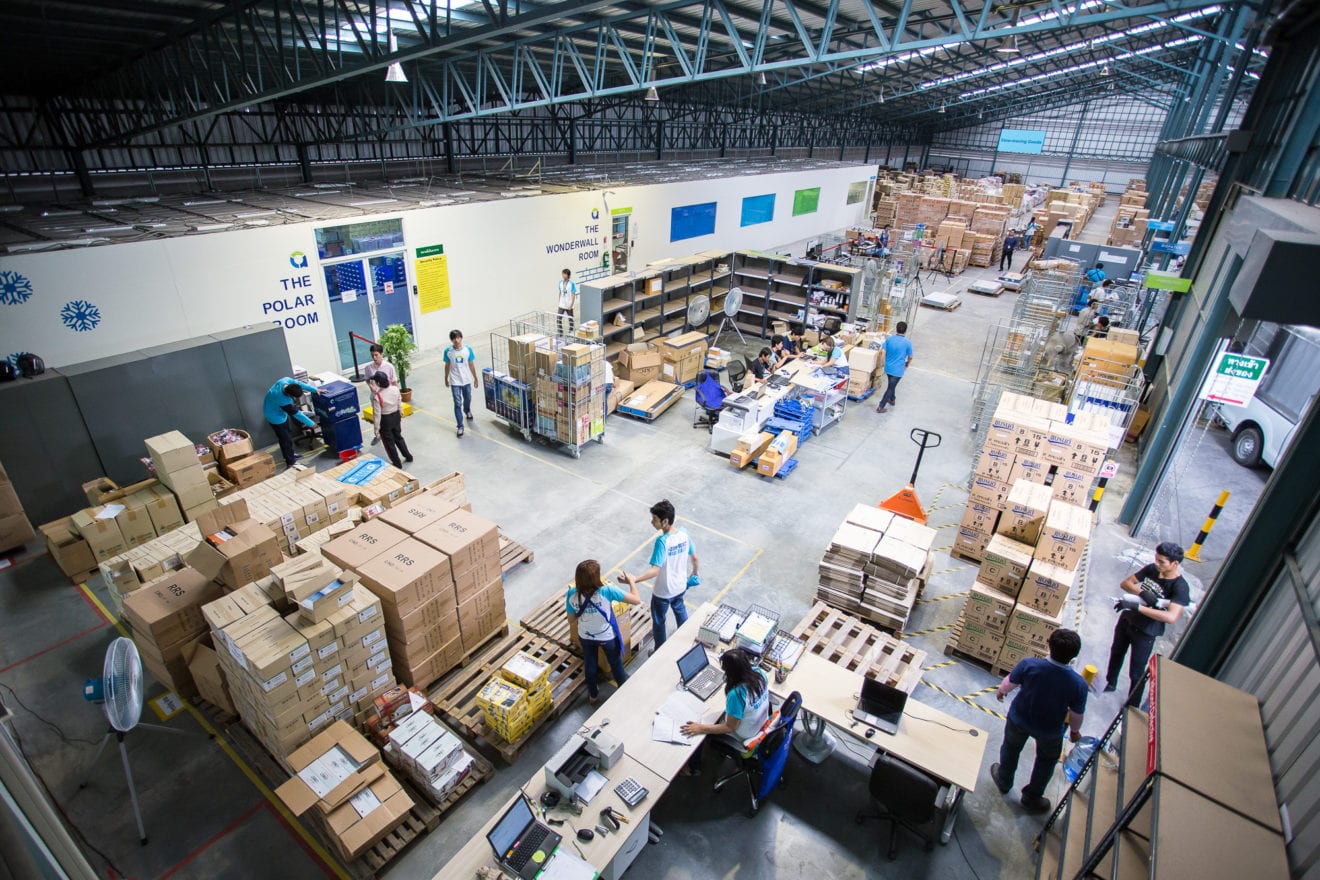
    “Indonesia recently became aCommerce’s biggest regional operation, this month hitting 360 employees,” Paul says. He also hinted at further expansion in the country in the form of warehouses and an office space, depending on client needs.

    Asia Leaders Summit Paul Srivorakul

    Paul Srivorakul (standing up), co-founder and CEO of aCommerce Group and co-founder and executive chairman of Ardent Capital, at the Asia Leaders Summit in 2014

    aCommerce has been able to secure some of Indonesia’s hottest ecommerce brands as clients. Next to MatahariMall, which launched in August, aCommerce is also the fulfillment partner for MAPeMall (the ecommerce arm of Indonesia’s largest retailer, Mitra Adiperkasa), online fashion store Berrybenka, and several other brands like HP and L’Oreal.

    Ecommerce automation

    The startup offers end-to-end services for ecommerce clients. It doesn’t only handle warehousing and fulfillment – if necessary, it can assist the retailer in customer service, marketing, and building custom tech solutions. It comes as ecommerce booms across Southeast Asia. A 2013 study estimated the retail ecommerce market size in the top 6 ASEAN countries to be worth US$7 billion, while online sales still only represent less than one percent of the total retail market.

    Traditional retailers often choose to partner with companies like aCommerce because of complexities they face as they migrate their businesses online. Ecommerce sales opportunities are abundant but tricky, and retailers need to be aware of and manage multiple channels. At the same time, customer expectations are on the rise, creating demand for same-day deliveries and real-time support.

    aCommerce’s software solutions allow it to automate and optimize aspects of these processes. According to Snorre Larstad, who recently joined aCommerce Indonesia as its new CEO, the firm can even help clients make decisions on things like pricing and promotions, and help with fraud detection.

    The service also helps with cash-on-delivery (COD) payments. Though COD carries risk for the retailer and delivery company, Snorre believes it’s necessary to offer COD in Indonesia because buyers don’t trust online payments yet, and credit card penetration is low.

    Snorre Larstadt aCommerce

    Snorre Larstad, aCommerce Indonesia’s recently appointed CEO

    “Latest research shows credit card penetration at 3.2 percent of the 250 million population,” he says. “We expect that offering COD is going to be a precondition for future growth of ecommerce, and thereby our business volume, at least for the next two years.”

    No consolidation in sight

    Being an “arms dealer” in the growing online retail industry holds promise, but also requires patience, since growth is tied to the pace of the industry as a whole. That’s why it’s no surprise aCommerce plans to fill up its own war chest with a new round of funding.

    In the meantime, new startups are emerging to capture their slice of the market, often settling on specific niches and as such being more nimble than end-to-end solutions like aCommerce.

    One of them is Singaporean startup Ninja Van, which specializes in next day deliveries and parcel tracking and is getting ready to enter neighboring markets. It looks like Go-Jek, Indonesia’s Uber for motorbikes, has plans to offer a package delivery service of its own. It is already partnering with online marketplace Tokopedia for deliveries within the Jakarta area.

    Traditional logistics companies are also reacting to the opportunity. SingPost has established its own end-to-end ecommerce services provider, SPecommerce. At this point, it’s probably the only company in the region offering a similarly broad spectrum of ecommerce services as aCommerce.

    The support system for ecommerce is currently undergoing a similar diversification and fragmentation stage as the ecommerce industry itself. That’s normal in a growing industry, says Snorre.

    “With this boom [come] many more startups and a continued fragmented industry where multiple players will seek to position themselves for future growth. […] As the industry is growing and blooming, I don’t expect ecommerce in Indonesia to see significant consolidation or merger-and-acquisition processes over the next one or two years,” he adds.

    The real challenge for the industry may come from an unexpected place: established internet companies.

    “Google and Facebook are entering ecommerce. As such, [they] are likely to be real ecosystem game changers because they are massive in our markets and already control majority shares of the marketing spend and consumer time spent on mobile,” Snorre says.

    aCommerce offers end-to-end e-commerce solutions for startups, retailers, brands, and manufacturers in South East Asia.

  • New startup Balkonie wants to be Houzz for Indonesia

    New startup Balkonie wants to be Houzz for Indonesia

    The home improvement market in Indonesia was worth about US$3 billion at last count, back in 2013. Rasmus Rasmussen, co-founder and CEO of Jakarta-based startup Balkonie, believes you can double that number if you include the home furnishing market. The Danish entrepreneur, who now lives in Indonesia, reckons tech-enabled home design services represent a US$1 billion opportunity this year

    “Balkonie is a free online platform that allows homeowners to get inspired by and connect with interior designers, architects, contractors, and other home service professionals across Indonesia,” explains Rasmussen. “We are launching our platform to help the Indonesian people, by making the process of building, renovating, and general home improvement much simpler […] and cheaper online.”

    Rasmussen is well-travelled. He studied business administration and economics at Harvard and the University of Southern Denmark. He then earned his postgraduate degree in international business from Hult International Business School, jumping around to different campuses in London, San Francisco, and Shanghai. It was this travel experience which got him interested in Southeast Asia.

    “During and after my studies, I founded and worked with several startups in industries ranging from goods trading and accounting to the Muslim and halal industry. Some startups failed and others succeeded, and they all gave me invaluable experience,” recalls Rasmussen. “I initially took a job at a venture builder in Malaysia, but was quickly drawn back to the startup scene.” Rasmussen is also the managing partner at Gomo Global, an international trade and development firm aiming to bridge Northern Europe and Southeast Asia’s business worlds.

    Rasmus Rasmussen, CEO Balkonie

    Houzz for Indonesia

    Coming from Denmark, Rasmussen says he’s used to finding everything online. “Of course, I didn’t expect everything to be online in Indonesia, but I expected to find help for basic necessities like home inspiration and professionals online.” However, Rasmussen found this wasn’t the case. He ran into troubles when trying to help his Indonesian fiancé’s family design and build a house. He says:

    In Indonesia we rely on buying home design magazines and going to exhibitions to find inspiration and home professionals […] Finding contact details online and getting recommendations from previous customers is nearly impossible. So, I set out to change that with three Indonesian partners.

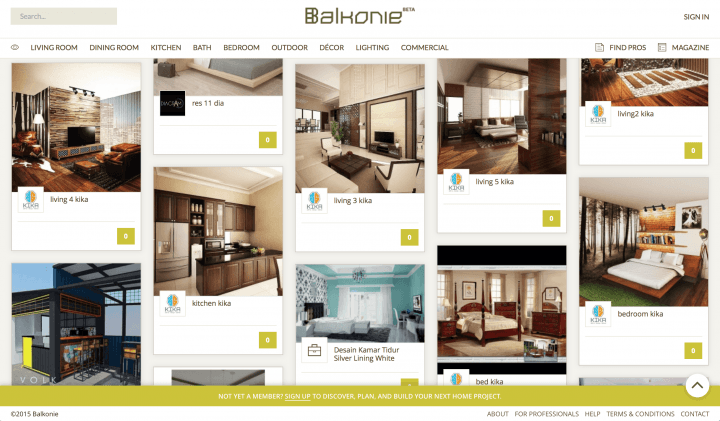
    Balkonie is pretty simple. Users can go onto the site and login with social media. From there, they can peruse all the interior “design porn” pics until they find a style they like. Each image has the designer or company responsible attached to the photo. Users arrive at the designer’s Balkonie profile page when they decide they want to know more, and from there can contact the vendor directly to strike a deal.

    Complementing the competitors

    According to the team, Balkonie is something like the Pinterest of home design combined with a directory of industry professionals who are also the site’s contributors. Rasmussen likens the concept to that of US-based startup Houzz. For monetization, Rasmussen also hopes to replicate the success of Houzz, which makes money from ad revenue, premium listings, and ecommerce commissions. However, he says right now Balkonie is only focusing on building the site’s traffic and user base. Money will have to wait until later.

    Balkonie Inspiration Page

    The site launched in beta in July. Because Balkonie is still brand new, not a whole lot can be reasonably expected in terms of market traction. However, Rasmussen says Balkonie has already gained several thousand users. He adds that the site has received hundreds of signups, with users continuously improving their profiles and uploading projects.

    Balkonie’s business model puts it in a unique position in Indonesia. Rasmussen says potential competitors such as Rooang are geared more toward being purely media, while startups like Fabelio and Livaza are focusing on furniture ecommerce only.

    Currently, Balkonie is a completely bootstrapped startup. Rasmussen says he is looking to raise funds, but before he starts banging on the doors of VCs in Jakarta, he wants to gain more validation for his product.

    “We see that the growth of middle class and affluent households in the country is very encouraging to support our vertical,” explains Rasmussen. “We first wanted to test our hypothesis that the market is ready for this service, rather than wasting everyone’s time and money.”

  • East Ventures invests in Indonesian delivery venture Popbox

    East Ventures invests in Indonesian delivery venture Popbox

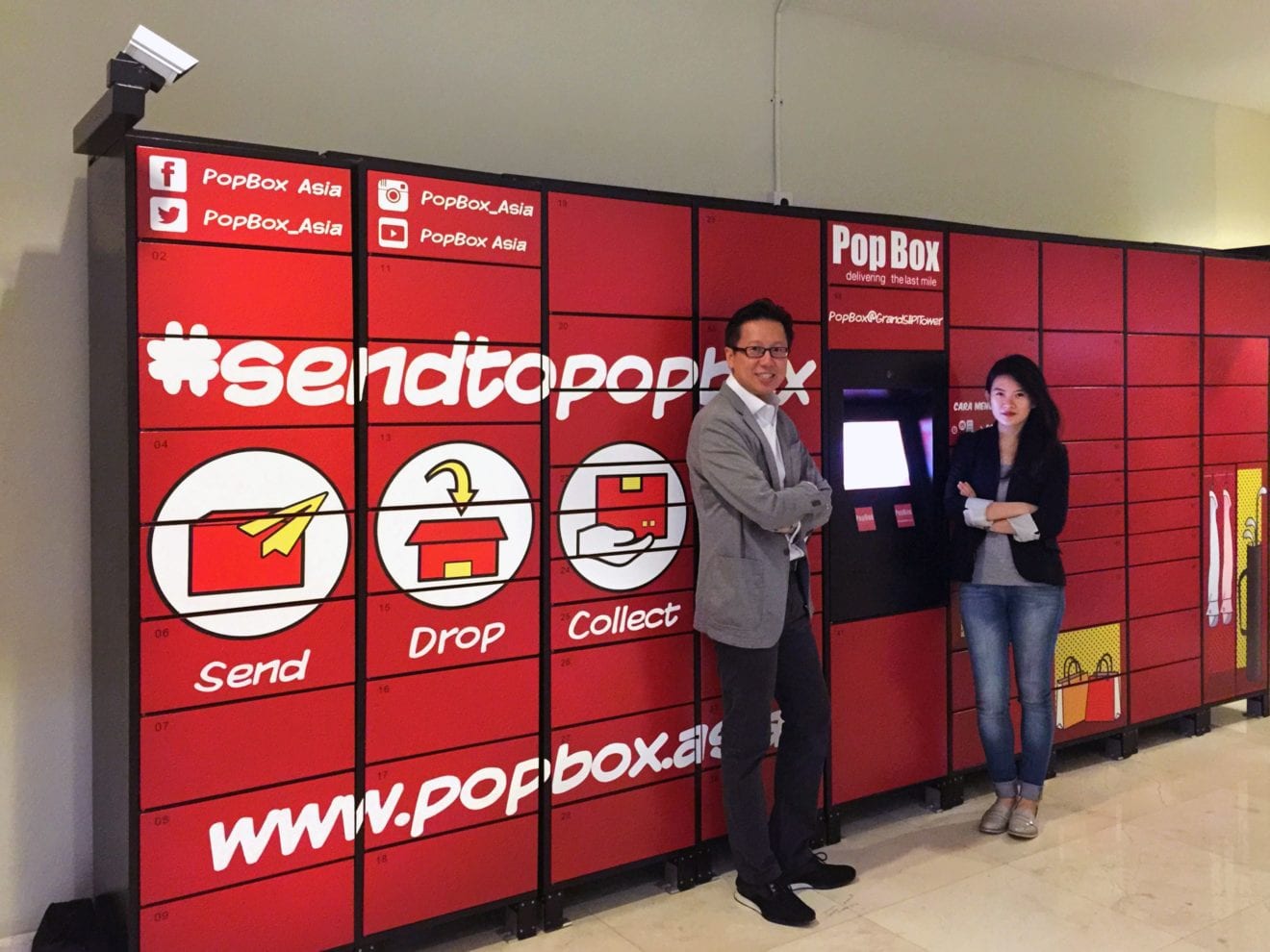
    Southeast Asian VC firm East Ventures has made an undisclosed seed investment in Jakarta-based PopBox, an Indonesian startup that produces automated parcel lockers for ‘last mile‘ e-commerce deliveries and is founded by Adrian Lim and Greta Bunawan.

    The capital from the seed round is expected to finance expansion of its locker network in Indonesia and the addition of more more product features. ‘Last mile’ delivery is a term used in logistics to describe the delivery of items to consumers, via transport from a hub to a final destination.

    With the growth in e-commerce activities in ASEAN markets, the last leg of delivery, where it ends up at the consumer’s home or business, has become challenging, since most consumers are away from home when deliveries are made.

    The rise of unattended deliveries has become a significant issue among delivery companies like UPS, FedEx and DHL, with solutions like drone delivery being evaluated in China by Alibaba Group.

    PopBox’s solution is a clone of Amazon Locker, with a physical locker for packages to land in after last mile delivery. The locker provides a self-service delivery location to pick up and return packages.

    “We took the ‘home’ out of ‘home delivery’ in order to make it even more convenient for customers and merchants alike. By placing artistically-designed PopBox lockers at popular locations throughout Jakarta, customers get to pick up their delivery faster and at lower cost compared to having it delivered to their home, when they may not be around to receive it”, Lim said in a statement to Singapore-based startup community platform Tech in Asia.

    Given the specific challenges faced by customers in ranging for deliveries, with courier services mostly making delivery rounds in batches, customers often need to wait for a parcel to arrive and sign for it.

    A lack of receipt will result in the courier returning the package to the post office, where retrieval can prove frustrating to customers.

    Combined with delivery challenges caused by Jakarta traffic and the inefficiencies faced in negotiating security checkpoints and dealing with rejected parcels, PopBox aims to provide a solution rendering the delivery process more efficient for both merchants and customers.

    PopBox works by having shoppers select PopBox as a pickup option via a partnered site where shoppers have purchased their wares. On confirmation, a code will be sent to the shopper’s phone, which can then be scanned at a PopBox terminal to access the package. PopBox has stated that it has already established several partnerships with e-commerce retailers but has not publicly named them.

    Revenue is generated from charging customers subscription fees and per use fees, which vary with the volume transacted. Income is also generated from revenue sharing with courier companies.

    Lim’s outlook on the prospects for PopBox are highly optimistic. He said, “With a bit of luck, and once we reach our full rollout potential, our revenue should be in the range of tens of millions US dollars per annum.”

    PopBox lockers are currently located at key points within Jakarta: Baywalk Mall, Grand Slipi Tower, Kalibata City Square and East Ventures Hive. They are open 24/7, according to official statements from PopBox.

    On a regional basis, PopBox is expected to directly compete with the PopStation service offered bySingPost, which is engaged in the same service as PopBox but has no presence in Indonesia at present.

    Commenting on the investment, Willson Cuaca, managing partner of East Ventures, said, “We believe this is a segment that is currently still underinvested and the timing is right for PopBox to be added to Indonesia’s ecommerce ecosystem.”

  • Axiata buys Komli Media’s SEA operations for $11.25m

    Axiata buys Komli Media’s SEA operations for $11.25m

    Malaysian telecommunications group Axiata Group Bhd has acquired the Southeast Asian operations of Komli Media, a digital advertising firm, for $11.25 million.

    In an announcement on Bursa Malaysia, the group said its subsidiary Adknowledge reached an agreement with Komli Asia for the acquisition.

    The business being acquired include, Mumbai-headquartered Komli Media’s operations in the Southeast Asia markets – Singapore, Thailand, Vietnam, Philippines, Indonesia, Malaysia – and Hong Kong.

    The rationale behind the acquisition, according to Axiata, is that it allows them to “skip past the formative stage of its business plan and scale up its presence and operations in Southeast Asian region.”

    It saw Komli’s geographical spread and diversified revenue streams as “a strong strategic fit across digital advertising verticals such as social, video, display and mobile.”

    Adknowledge Asia Pacific is an 80 per cent subsidiary of Axiata Digital Advertising, which is a wholly owned by Axiata Digital Services, which in turn is a wholly owned subsidiary of Axiata Group Bhd. Axiata said in its filing that the acquisition “does not have any effect on the issued and paid-up share capital of Axiata and will not have any material effect on the earnings, gearings and net assets of the Axiata Group for the year financial ending December 31, 2015.”

    Under the deal, $11.25 million shall be paid in cash. The purchase consideration shall be adjusted with the difference between the target working capital of Komli Asia Group against its working capital which shall be determined based on the aggregate value of Komli Asia Group’s current assets less its current liabilities.

  • Bookmate expands to Indonesia, partners with Indosat

    Bookmate expands to Indonesia, partners with Indosat

    Social e-reading subscription platform Bookmate has expanded into Indonesia, partnering with telecommunications network Indosat to bring mobile reading to Indonesian customers.

    The companies aim to launch a mass market mobile reading service under the brand Bookmate-Cipika Books.

    Ahead of the launch, Bookmate has signed deals with “leading” Indonesian publishers to bring 4,000 titles in Bahasa in addition to its library of 250,000 English language titles.

    Managing director of Bookmate, Andrew Baev, said the company’s strategy was to focus on “high-growth, under served markets”.

    He said: “The global book publishing industry is worth $120 billion, about eight times the size of the music industry, and we are seeing an accelerating transition to digital and mobile. Our strategy is to focus on high growth, under-served markets where readers are jumping the gap directly from paper to mobile reading. Indonesia is right in our sweet spot for offering our mix of fun, social and on-the-go reading.”

    He added: “Smartphone penetration and mobile services growth are booming in Indonesia and we see this as a huge opportunity to build the market leader in mobile reading together with Indosat, Indonesia’s most progressive mobile operator.”

    Carlos Caro Caro, division head of digital commerce at Indosat, said: “Indonesians are keen consumers of all types of media via their mobile phones and we are excited to be able to offer them an innovative mobile reading solution with our partner Bookmate.”

    The expansion comes after Bookmate’s first launch in the Asia Pacific market last year with StarHub, Singapore’s fully integrated info-communications provider. The Asian e-book market is forecasted to reach $2.2 billion by the end of 2016, the company said, so Bookmate believes Indonesia is an ideal place to introduce its mobile reading service.

    Bookmate is a subscription-based social reading service that makes reading accessible to anyone in the world with a mobile phone. They have over 2.5 million active users and over 500,000 titles in eleven languages.

    Indosat is the second largest cellular operator in the country with more than 55 million subscribers.

  • Clarks steps up in Asia

    Clarks steps up in Asia

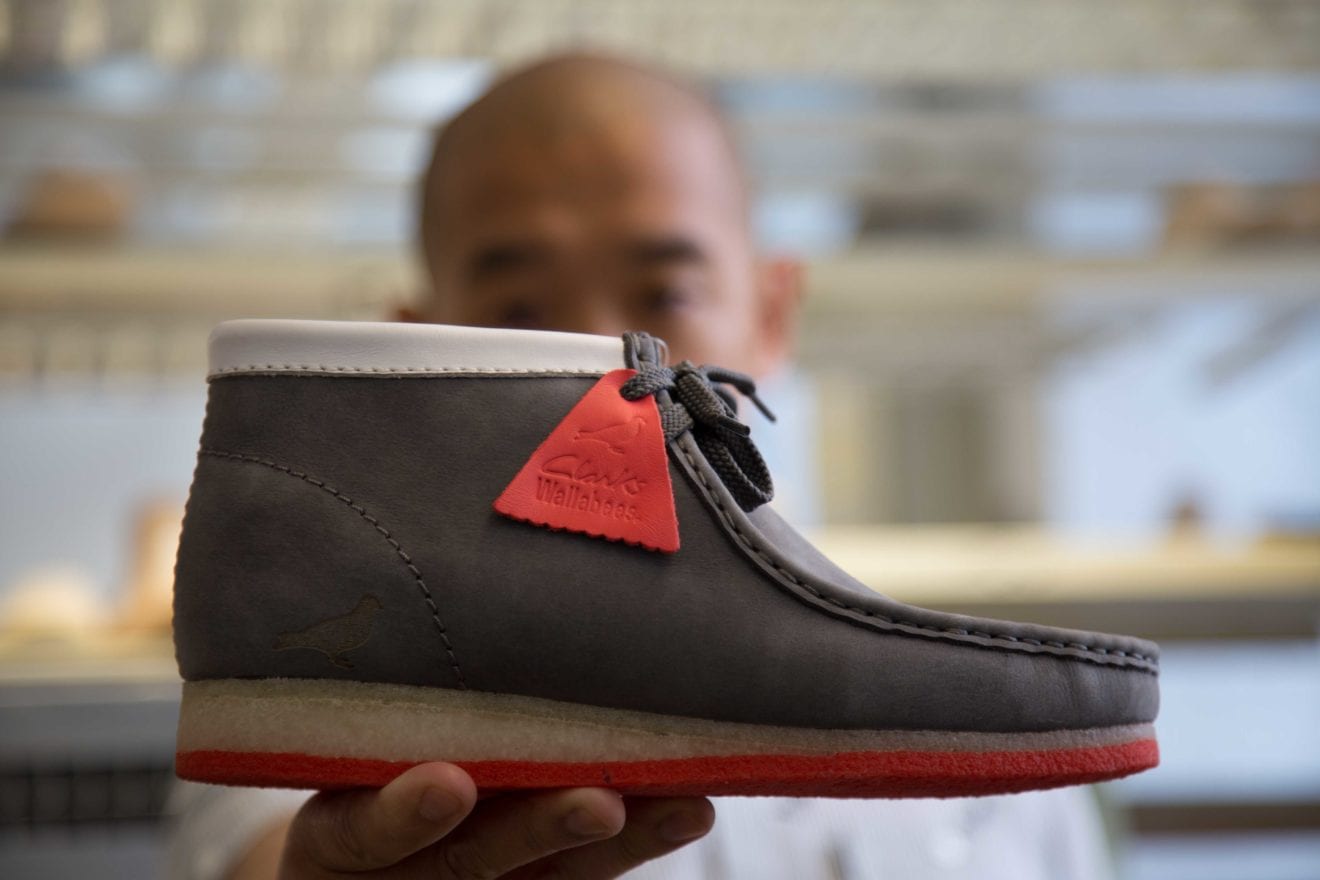
    British footwear brand Clarks says it sees Asia Pacific growth as a “a key strategic focus” for the company.

    The 190 year old, £1.5 billion business, plans to open 100 stores in the region in the next 12 months.

    “As we celebrate a significant birthday, we are as nimble and entrepreneurial as ever and poised for growth,” said Nancy Huang, president of Clarks Asia Pacific.

    “We see great future potential for further expansion and are excited about the possibilities.”

    Clarks, which operates through retail, wholesale, franchise and online channels has a presence in 130 markets worldwide and has been in Asia for 20 years.

    It has a strong footprint in China with 600 points of sale and hundreds of stores across Asia including the markets of India, Japan, Singapore, Malaysia and Indonesia.

    Huang says Clarks’ strong British heritage and reputation for craftsmanship has widely appealed to Asia’s rising middle class. In recent years, the company has invested heavily in building infrastructure, people resources and capabilities in Asia Pacific to support a rapidly expanding set of markets.

    The company will also invest “heavily” in reinvigorating key existing stores in China, Japan and Singapore.

    C&J Clark Limited, owners of the Clarks brand, the privately owned footwear business, was founded in Street, Somerset in the UK by the Clark family in 1825. Still based in Street, the Clarks Group designs, develops and sells a wide range of footwear and accessories for men, women and children. The Clarks brand is renowned worldwide for quality and style with comfort.

  • ZTE Supports Smartfren Launch 4G LTE-Advanced Service in Indonesia

    ZTE Supports Smartfren Launch 4G LTE-Advanced Service in Indonesia

    ZTE Corporation (0763.HK / 000063.SZ), a major international provider of telecommunications, enterprise and consumer technology solutions for the Mobile Internet, is pleased to help PT Smartfren Telecom launch 4G LTE-Advanced network in Indonesia, giving users access to the highest-performance mobile broadband services.

    The new 4G LTE-Advanced, which supports both the FDD-LTE and TDD-LTE standards, was launched commercially by Smartfren in Jakarta on 19 August, and coverage areas already include the 22 major cities of Indonesia. The new network deploys ZTE’s market-leading 4G LTE solutions including eNB (evolved node B), Cloud Radio and eHRPD to deliver the best user experience to subscribers.

    “The nationwide launch of our 4G LTE-Advanced service follows successful trials and the June launch of our Andromax range of LTE Smartphone and portable WiFi devices. We believe that 4G LTE-Advanced technology will open many opportunities for our customers and further accelerate the Information and Communication Technology Industry as a backbone for Indonesian economic growth. 4G LTE-Advanced will enable our customers to enjoy improved multimedia streaming, online games, cloud storage and video conferencing. Smartfren is committed to bring the best of 4G LTE technology to Indonesia to deliver not only higher speeds but a more stable and reliable 4G LTE experience,” said Smartfren Chief Executive Officer Paul Hodges.

    “Smartfren just launched the widest LTE Advanced Service in Indonesia. We leverage both TDD and FDD technologies to get best of both technologies: high capacity and throughput on TDD at 2300 MHz and large coverage with FDD at 850 Mhz. With this combination, we can offer the best broadband experience. We have chosen ZTE for this deployment due to our long time relationship and their leadership with TDD networks,” said Smartfren Chief Technology Officer Christian Daigneault.

    “We are glad to partner with Smartfren to roll out their 4G LTE Advanced network in Indonesia,” said Shi Lirong, President of ZTE Corporation, “We are fully committed to delivering a state-of-the-art LTE ecosystem, which will help Smartfren offer the best mobile broadband services to their customers. This alliance has allowed ZTE to further cement our position as the partner of choice for telecom operators in the country in developing and maintaining their LTE ecosystem. This partnership also fits into our long term vision of developing a sustainable LTE network in Indonesia.”

    With ZTE’s powerful Universal Subscriber Profile Platform (USPP), Policy and Charging Rules Function (PCRF), and Online Charging System (OCS) products, the core NEs of both CDMA and LTE networks are highly integrated to provide a unified user database and policy control and charging policies, allowing the LTE network to be deployed rapidly, facilitating maintenance and operation of 3G and 4G networks in the future, and lowering operational costs. Smartfren can take advantage of the sophisticated OCS system to launch flexible tariff packages in the market to attract upscale users with an urgent need for mobile broadband services.

    By the end of June, ZTE has concluded 185 4G LTE/EPC commercial contracts globally, partnering with the world’s biggest operators including Bharti Airtel, China Mobile, China Telecom, Hutchison, Softbank, Telenor, TeliaSonera, Vodafone, VimpelCom, MTN and Telefonica.