Tag: Indonesia

  • Indonesia’s Alfamart to expand retail footprint in the Philippines

    Indonesia’s Alfamart to expand retail footprint in the Philippines

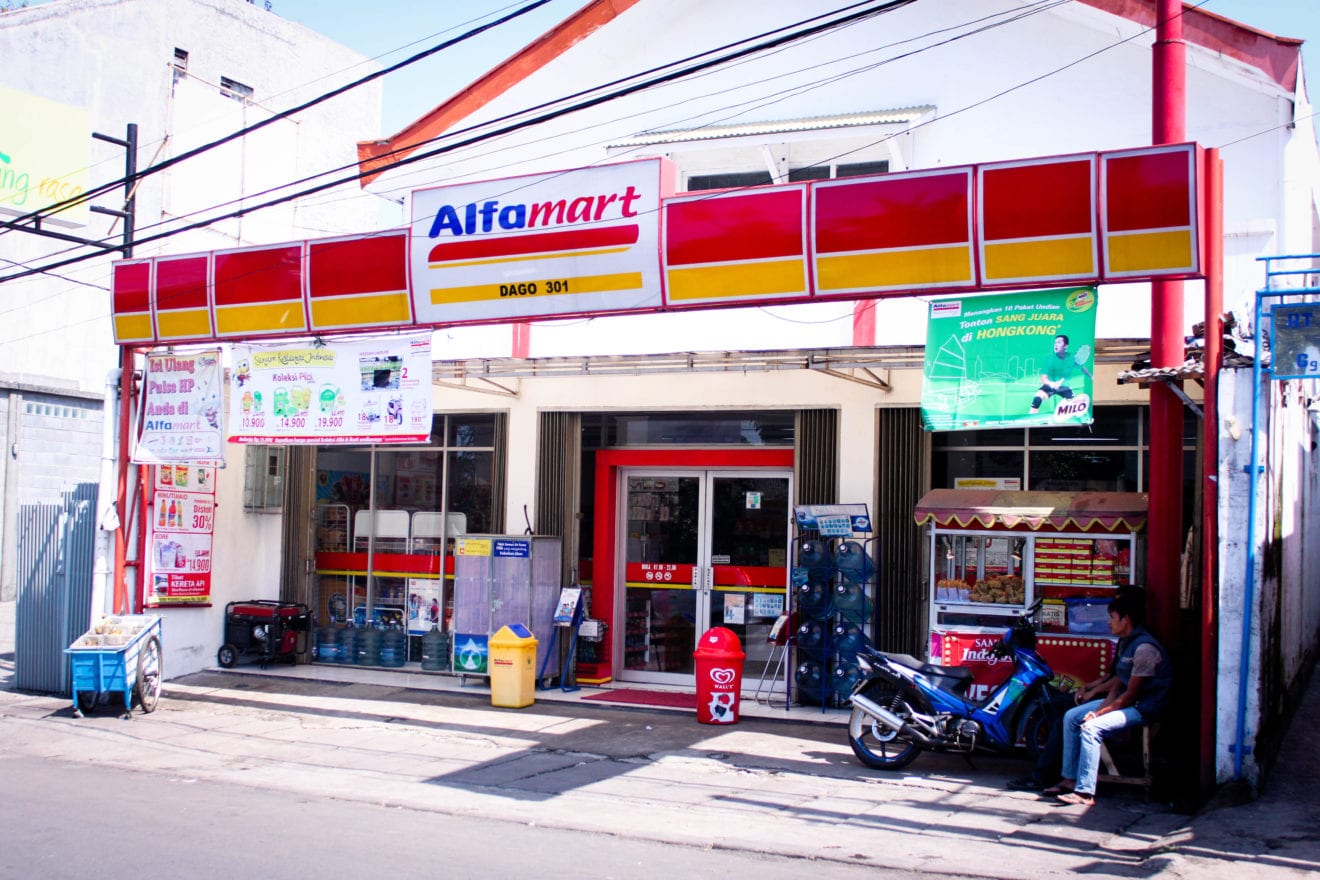
    PT Sumber Alfaria Trijaya Tbk (Alfamart), an Indonesia based convenience store chain operator, is planning to expand its footprint in the Philippines to about 160 stores by the end of this year. The move is expected to help strengthen the company’s presence in the south east Asian region and help boost income from exports.

    As of August, the company has 60 Alfamart outlets in the Philippines.

    According to Hans Prawira, president director of Alfamart, the company is targeting to operate over than 100 outlets in the Philippines, through its unit, Alfamart Retail Asia. “The project will be funded by loans from Philippine banks,” he added in an official statement.

    Alfamart and Philippine-based SM Retail Supermarket, a subsidiary of SM Group has set a joint venture company (JVC) to operate the retail outlets. Alfamart holds a 35 per cent stake in the JV and SM Retail Supermarket holds 65 per cent.

    Indonesia’s heavily regulated retail market – particularly relating to the aspects of franchising and foreign investment  – may have driven Alfamart to look for growth overseas.

    Indonesian franchise regulation requires 40 per cent of all stores to be company-owned and the remaining shares owned by franchisee holder, while 80 of product offerings have to be locally sourced for two years.

    The smaller format of mini-marts will provide SM with the flexibility to foray into urban area. At the same time, it will be able to rely on Alfamart’s know-how and experience of operating the stores under comparable market conditions in Indonesia.

    In Indonesia, the company plans to open 1,200 new outlets by the end of this year. “More than 50 per cent will be opened outside Java. We already have a distribution channel in Pontianak, Banjarmasin, Manado, and the latest one, in February, in Batam,” Hans said.

    As of March 31, the company had 10,068 Alfamart outlets, of which 2,958 are managed under a franchise scheme, while the rest are owned by the company.

    The company also operates 809 Alfamidi and 48 Lawson convenient stores with larger size than Alfamart.

    With over 10,000 stores in the portfolio, Alfamart controls about 50 per cent of Indonesia’s convenience store market through multiple brands – Alfamart, Alfamidi, and Lawson.

  • AirAsia on track with turnaround plans

    AirAsia on track with turnaround plans

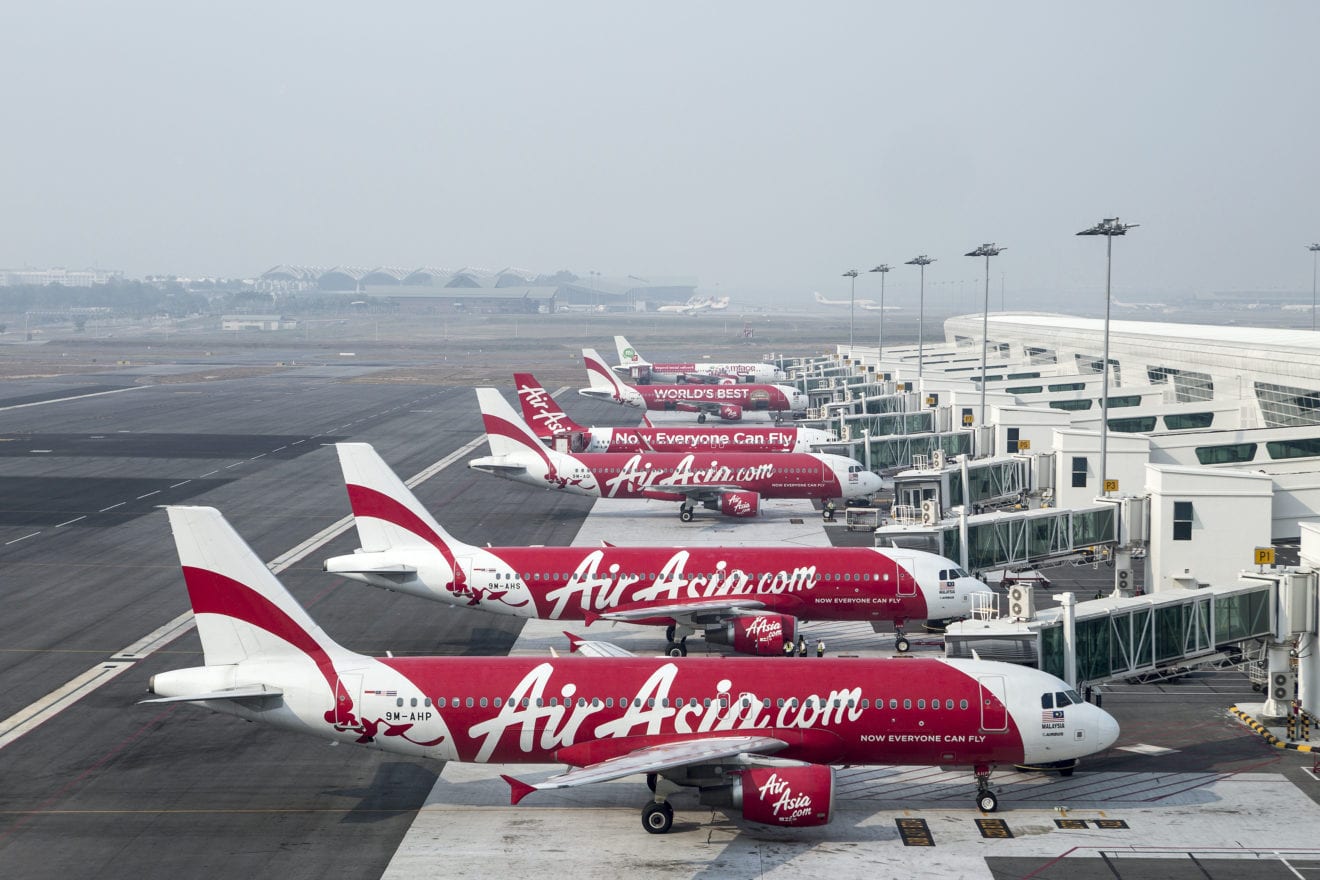
    AirAsia group is on track with its turnaround plans and fund raising exercise for both Indonesia and Philippines units, according to Public Invest Research.

    It said on Friday yield is expected to improve towards the end of the year and the low-cost carrier is positive on 2H performance due to seasonally stronger quarters and capacity reduction by Malaysia Airlines.

    “We reiterate our Outperform recommendation and price-to-earnings based target price of RM1.88, pegged to 10 times FY16F EPS (20%-discount).

    “Our target price implies 98.1% potential upside from current level,” it said.

    At current share price, AirAsia is trading at 2016F price-to-book value of 0.46 times and at a compelling PE ratio of 4.0 times, which is at its lowest four-year historical PER.

    “We believe in AirAsia’s future performance based on positive fare trend, strong growth in ancillary income, lower fuel prices and strong brand name within Southeast Asian market,” said the research house.

    To recap, Public Invest Research met the investor relations team of AirAsia for updates on its operation and outlook in 2HFY15.

    Indonesia AirAsia (IAA) is considering the option of issuing non-voting reedemable and convertible preference shares (RCPS) to deal with its negative equity position with the conversion of part of its receivables.

    “Nevertheless, the discussions with the existing shareholders is still ongoing, and expected to complete by end of this month.

    “Meanwhile, its initial plan to issue new convertible bond of US$150mil is on track and expected to complete by end of FY15,” it said.

    Public Invest Research also  said  Philippines AirAsia’s (PAA) board on July has approved for a new equity injection of 5bil pesos (US$110mil) and also agreed on the plans on issuing new convertible bonds, which the term sheets is currently being drafted.

    Indonesia will be removing at least four to five aircraft from Jakarta, Bandung, Denpasar and Medan starting August to improve its aircraft utilisation.

    To deal with Indonesia’s floor price ruling, IAA targeted to shift c.65% of its capacity to international routes, which have a higher margin than domestic routes.

    It will also terminate its unprofitable routes such as Jakarta-Medan and Denpasar Bali-Solo, to minimise its losses.

    Philippines will be selling two of its older aircraft in Zest and in discussion for an early return of at least two older lease aircraft to third party lessors by the end-2015.

    To further improve its profitability, PAA is expected to reduce its capacity primarily from Cebu hub and redeploy it to China routes, which have a higher yield market.

  • AirAsia Indonesia to be title sponsor of Bali Beach Run 2015

    AirAsia Indonesia to be title sponsor of Bali Beach Run 2015

    AirAsia Indonesia today proudly announced that it will once again be the title sponsor of Bali Beach Run, Indonesia’s largest beach run event.

    This year’s Bali Beach Run will see running enthusiasts from all over the world coming together and hitting the stunning beach of Kuta on September 6, 2015.

    Bali Beach Run is Indonesia’s first run of its kind, first introduced in November 2013 by PT. Trijaya Dewata. Bali Beach Run 2013 was as successful as ever with more than 1.500 runners taking part, and has since become a highly-anticipated event among local and international runners alike.

    Andy Adrian Febryanto, Commercial Director AirAsia Indonesia commented, “We are thrilled to once again become the title sponsor of Bali Beach Run. AirAsia is a brand that is synonymous with passion, energy and excitement, and we are excited to have our name emblazoned on an event which reflects all of these positive vibes.”

    “This year’s event is expected to attract more than 1.800 runners, including international runners from Asia and Australia. AirAsia’s wide connectivity across the region will allow international runners to fly into Bali at affordable fares, and to enjoy one of the world’s fun run-races,” Andy added.

    To cater to different types of runners, Bali Beach Run 2015 offers different categories, from 2.5 K, 5 K to 10 K. Children are also welcome to join this year’s race.

    Bali Beach Run 2015 registration is now open at www.balibeachrun.com. You can also register at AirAsia Bali Beach Run 2015 booth located at Kuta Beachwalk Mall, 1st floor, from June 6 to August 16, 2015. The registration fees are IDR 150,000,- for 2.5 K, IDR 200.000,- for 5 K, and IDR 250.000,- for 10 K. All participants will receive an exclusive race pack which consists of a jersey, race number and medallion.

    In order to accommodate runners from Jakarta, Bandung, Yogyakarta, Solo dan Surabaya, AirAsia offers special fares to Bali from as low as IDR 387,000,-* one way. These special offers are now up for grabs on www.airasia.com, sales office, call center at 0804 1 333 333 starting today until June 14, 2015.

    For ultimate travel comfort, AirAsia Indonesia offers Tune INSURE to protect guests against inconveniences while travelling. Starting from IDR 20.000,- only, AirAsia INSURE offers benefits such as personal accident benefits, loss or damages to baggage, and flight delays. Tune INSURE offers two hours on-time guarantee, whereby guests will be compensated up toIDR 800.000,-** for every flight delay of more than 2 hours from the departure time.

  • Vietnam leads SE Asian smartphone rush

    Vietnam leads SE Asian smartphone rush

    Vietnam is the fastest growing smartphone market in South East Asia, where sales topped $8bn in the first half of the year according to new figures.

    Data from market researcher GfK indicated that, overall, some 39.8m smartphones were sold in the region, up from 36.6m in the corresponding period of 2104.

    Sales volumes in Vietnam rose 27% in the first half of 2015 compared to the same period a year earlier to reach to total of 6m, making it the third largest smartphone market in the region, Inside Retail Asia reported.

    Thailand was the second-fastest growing market, up 13% to a total of 6.6m, a figure which also put in second place in terms of market size. The Philippines was the third fastest-growing market, up 10%.

    Indonesia, however, remains the largest market in terms of volume, with 14.9m units shifted in six months.

    Sales growth was sluggish in the mature markets of Singapore and in Malaysia, where consumers have cut back on their spending since the introduction of a general sales tax.

    GfK has also started tracking the mobile handset market in Myanmar and reported that 3m units had been sold in the first half, with most of these being smartphones (89%).

    “The availability of a wide range of lower price options nowadays have made it possible and much more affordable for price-sensitive consumers in these developing markets to switch over and own their first smartphone,” said Gerard Tan, GfK account director for technology.

    He pointed out that in the first half of 2013 just 15% of smartphones sold in the region had cost under $100, a proportion that has now climbed to 35%.

    Indonesia, he added, was the country with the most number of entry level smartphone brands and consumers in the region.

    This transformation is being almost entirely driven by Chinese brands, which now account for around 25% of the region’s market compared to 4% in 2013.

    “The perception of Chinese brands has been elevated considerably as a result of their heightened marketing campaigns and the opening up of dedicated showrooms and retail counters,” Tan said.

  • Happy Fresh pilots next hour grocery delivery in Southeast Asia

    Happy Fresh pilots next hour grocery delivery in Southeast Asia

    Groceries delivered to customers’ doorstep in an hour by professional shoppers. This was the promise of online grocery delivery service Happy Fresh when it started last March in Kuala Lumpur and Jakarta.

    Today, the service is available as well in Bangkok and will soon open in Taipei.

    “Our plan is to become Southeast Asia’s leading food marketplace company, and we want to operate in all major, traffic-congested mega cities in the region,” said Markus Bihler, Group CEO and Co-founder of HappyFresh.

    Bihler is optimistic that online grocery delivery in the region is poised for take off.

    “The outlook for the retail industry in Southeast Asia has never been more promising. Opportunities abound in this region with its ever more sophisticated and food-loving consumers, growing populations and steady economies,” he said, adding that Kuala Lumpur and Jakarta, in particular, are very interesting markets.

    “Spending power and credit card penetration are higher in KL than in Jakarta, and in general people are more used to buying things online there. Jakarta, on the other hand, is interesting because we really feel we can solve a huge problem here. We all know about the infrastructure challenges this city faces, and the traffic problems this often leads to,” he explained.

    Happy Fresh believes that with online grocery shopping, it’s one fewer trip customers need to make, which often translates into several hours saved that they can now spend on other activities.

    “In Indonesia, Bihler he said middle and upper-income consumers will continue to drive the growth of modern, online retailers as customers are increasingly quality-conscious, demanding higher levels of service and quality,” Biller said.  “Demand for processed foods and dairy is growing, particularly in urban areas, driven by changing lifestyles as people work longer hours and seek greater convenience.

    Happy Fresh targets to bring the service to the capital cities of Southeast Asia one step at a time.

    Though it does not plan to set up a physical store, it partners with the most established offline grocery retailers in a locality. In-house trained professional shoppers who pick  the best fresh products for customers also provide an advantage.

    Delivery hours are based on the opening hours of its partner stores, which is usually between 10 a.m. and 10 p.m.

    “Our message to our partners is simple: Focus on what you are really good at, which is running grocery stores. Then let us help you bring your brand and your products to an incremental set of customer groups: those one mobile devices, those who would like to order from their home, office or wherever they happen to be, and those who value the convenience of next hour delivery,” he said.

    Happy Fresh also strive to help partners reach customers that are normally outside of their catchment area or would have otherwise ordered a pizza rather than next hour ingredients for home cooking.

    Bihler said they offer ready to use solution to its retail partners at no upfront cost, a  fleet of drivers, and customer service agents. “In short: we help supermarkets grow, reach new customers and move into digital,” he said.

    “The food industry is among those that will always remain a physical, haptic, very sensual core. Yet – as any other – it will see heavy disruption by mobile technologies, ever-changing supply chains and faster lifestyles,” he added.

  • Thailand’s MEGA in JV with Sydna Farma to set up pharma unit in Indonesia

    Thailand’s MEGA in JV with Sydna Farma to set up pharma unit in Indonesia

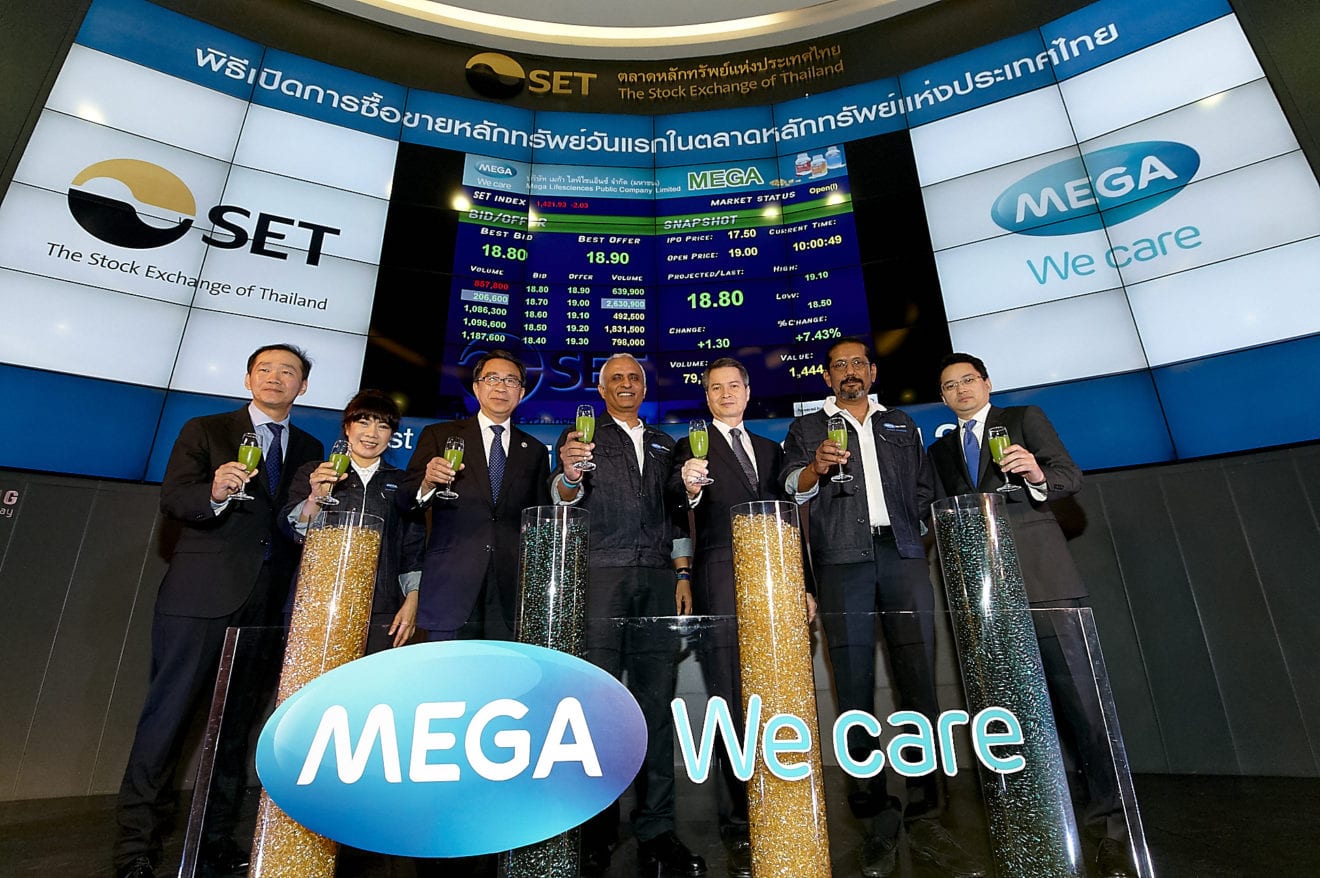
    Thailand-based pharmaceutical firm Mega Lifesciences Ltd (MEGA)  plans to set up a production plant in Indonesia with Sydna Farma. MEGA inked a partnership with the Indonesian Sydna Farma last week for the same.

    The Thai company will hold over 50 per cent in the venture, according to MEGA’s chief executive officer Vivek Dhawan. The firm has earmarked an initial investment of $1 million by early 2017. “As planned, we will take around two years to study the market and do the research and development on our products and set up the plant right after that,” he said.

    Indonesia’s pharmaceutical market is estimated to be around $6.24 billion, taking one-fourth of the total healthcare market at $23 billion. “Indonesia is the largest pharmaceutical market in ASEAN with a strong growth rate of 12.5 per cent per annum. This joint venture will strengthen our presence in this region and drive our growth significantly,” he said.

    MEGA recorded revenues of 7.77 billion baht and net profit of 547.88 million baht in 2014. It hopes the net profit will grow 10 per cent this year riding on  factors such as baht depreciation, lower production cost and the launch of supplementary products. Over 70 per cent of its revenue comes from export and the rest from domestic market, which remained largely unaffected by the slowdown.

    The company hopes to double its revenue and profit in the next five years, following its aggressive expansion in ASEAN and Africa regions. “We see a great potential in Myanmar and in Africa as they still lack of good quality food and medicine. Therefore, the proportion of our revenue from these countries should increase from 10 per cent currently to 20 per cent soon,” he added.

    Each year the company has allocated the budget of $1-2 million for doing research and development on products to boost its market share and profit margin.

  • Indonesia’s Snapcart Turns The Humble Receipt Into Big Data For Brands And Retailers

    Indonesia’s Snapcart Turns The Humble Receipt Into Big Data For Brands And Retailers

    Smartphones could give retailers and brands unprecedented insight into consumer spending and behavior just by allowing you to photograph your receipt.

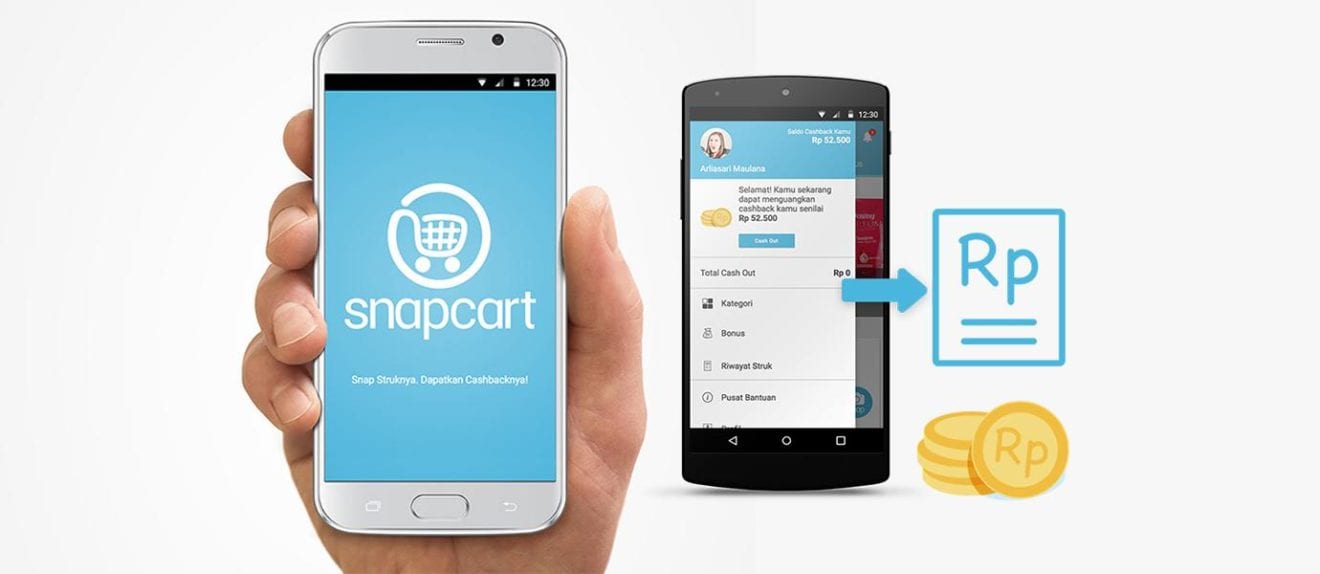
    That’s the premise of a new technology startup that launched in Indonesia today. Snapcart is backed by Ardent Capital — the VC firm behind Southeast Asia’s logistics network aCommerceand numerous e-commerce startups — and it aims to turn oft-discarded receipts into data gold mines.

    The theory is simple. Physical retailers and brands know little about consumers and their shopping habits beyond survey-based data and estimates from research firms like Nielsen. Yet, the precious information is contained within a small piece of paper that shoppers typically throw away with little regard: the receipt. Snapcart is incentivizing users to take photos of their receipts and upload them into its app in exchange for cashback and rewards.

    On paper, it’s a win-win — what consumer doesn’t like free stuff? And what brand or advertisers isn’t willing to pay up (incentives) to get fresh insight into their customers?

    The concept isn’t entirely new. Ibotta, a U.S. company backed by over $20 million from investors, provides cash back for access to similar data. Unlike Ibotta, which requires users to photo both their receipt and individual product barcodes for in-store purchases, Snapcart uses artificial intelligence to pull product information right from a receipt, so users take just one photo.

    Jakarta-based Snapcart has launched with two prominent, global brands — Nestlé and L’Oréal — but says it is in talks with another 20 or so partners. Founder Reynazran Royono — formerly with Proctor and Gamble and Boston Consulting — told TechCrunch he came up with the idea when reflecting on his experience as a consultant and a spell at e-commerce firm Berniaga.com, now OLX.co.id. Online retailers have access to a treasure trove of shopper data that physical retailers can only dream of, Royono said, and Snapcart aims to help change things.

    The main challenge looks to be gaining scale among shoppers — Snapcart claims it has 12,000 pre-launch installs of its app. Snapcart said it will initially work with brands, which it is leveraging for marketing and other opportunities for exposure among consumers, and over time it plans to include physical retailers through in-store integrations. It is first focused on grocery items, because they are daily necessities, but will branch out into other verticals over time, Royono explained.

    The company is starting live in Indonesia, Southeast Asia’s biggest country with a population of 250 million and ample opportunity, but Royono said he plans to expand across Southeast Asia towards the end of 2016. Snapcart is currently raising new funding, which he said should give it a good 18 months of runway.

    “Snapcart is the most promising big data business in Southeast Asia we’ve seen so far,” Adrian Vanyl, CEO of Ardent Capital, said in a statement. “For brands, it is data they’ve fantasized about, but never had any practical way to actually collect.”

  • Arsenal FC picks Indosat as official telecoms partner

    Arsenal FC picks Indosat as official telecoms partner

    Arsenal Football Club has selected Indonesian operator Indosat as the club’s official telecommunications partner in Indonesia. Under the terms of the 2-year partnership, Indosat will offer club-related benefits and incentives to its customers and Arsenal fans in Indonesia. This will include official Arsenal signed merchandise, tickets to see the team in action at Emirates Stadium and access to exclusive match and player content such as match highlights, club news, interviews and photography.


  • Garuda tickets available at Indomaret

    Garuda tickets available at Indomaret

    National flag carrier Garuda Indonesia is teaming up with minimarket chain Indomaret to allow air passengers to buy tickets from the chain’s outlets across the country in a bid to boost the airline’s sales.

    For payments, Garuda works with electronic payment provider Finnet, a subsidiary of state telecommunications company PT Telekomunikasi Indonesia (Telkom).

    Garuda Indonesia commercial director Handayani said the company expected passengers would buy tickets from at least 20 percent of Indomaret’s 11,400 outlets.

    In ticket sales, the company expects the partnership to account for 830,000 transactions a year, or around 1.6 million tickets assuming that each buyer buys two tickets.

    “With their strategic sites, Indomaret outlets will open up consumer access to our services, including in places with little access to the Internet and ATMs,” Handayani said in a statement on Wednesday.

    She added that Indomaret ticketing services would be focused on domestic flights for individual customers.

    “People who go to Indomaret will tend to buy small numbers of tickets for domestic flights. The average ticket price will be between Rp 400,000 and Rp 500,000,” she said.

    Garuda’s low-cost subsidiary carrier Citilink has cooperated with Indomaret since January 2014.

    Indomaret records around 150 million transactions with 37.5 million customers monthly, according to Wiwiek Yusuf, the marketing director of PT Indomarco Prismatama, which runs the chain.

    “Of that figure, 15 million transactions, or 10 percent, are virtual,” he said, adding that Garuda would add to the list of the chain’s virtual payments, which currently includes electricity bills, phone credit and concert tickets.

    Online ticket purchasing makes up 28 percent of Garuda’s total transactions, with the remainder carried out through traditional channels such as travel agents.

    The airline’s partnership with Indomaret adds to its current relationship with Telkom, which runs Garuda’s call center. However, Garuda customers who book tickets through the call center can only pay with credit cards or through the ATMs of 18 banks.

    Telkom enterprise and business service director Muhammad Awa-luddin said the cooperation would mark the first non-bank channel for Garuda.

    “Finnet has hundreds of dealers and is connected to 77 banks, so we envision no problems,” he said.

    The cooperation is part of Garuda’s efforts to meet a target of carrying 25 million passengers this year.

    The airline carried 11.55 million passengers in the first half of the year, up 15.3 percent from last year, of which 9.4 million were domestic passengers.

    “With this cooperation, we should reach more than 20 million,” Handayani said.

    She added that she would rely on the growth of Indomaret outlets for expanding consumer access, with the firm looking to reach 12,000 outlets this year.

    Other than the domestic market, Garuda is also eyeing increased inbound flights after Coordinating Maritime Affairs Minister Rizal Ramli announced on Tuesday the waiving of visas for citizens of 47 more countries, adding to 30 countries granted visa exemptions in June.

    “We will engage with foreign tourist boards and travel agents. We have to be aggressive in introducing Indonesia to those countries, beyond Bali and Jakarta,” Handayani said.

    The company booked US$27.7 million in net income in the January-June period, a sharp increase from its net loss of $203 million in the same period last year, on the back of lower operating expenses and strong passenger growth.

  • Philip Morris Starts Testing Investor Demand For Indonesia Cigarette

    Philip Morris Starts Testing Investor Demand For Indonesia Cigarette

    Philip Morris International Inc., which makes and sells Marlboro cigarettes outside the U.S., has started testing investor appetite for an over $1.5 billion sale of its shares in its Indonesian operation, according to people familiar with the situation, in what would be one of the biggest share sales in Southeast Asia this year.

    New York-based Philip Morris is talking to potential investors to place its shares in PT HM Sampoerna Tbk. through a rights issue and hopes to start taking orders from Sept. 21, one of the people said. Another person said a decision to go ahead would depend on market conditions.

    The sale will allow Philip Morris to comply with a pending stock-exchange rule requiring all Indonesia-listed companies to have at least 7.5% of their shares in public hands. Philip Morris currently owns 98.2% of the unit, which has a market capitalization of about $23.6 billion.

    Philip Morris is the top cigarette manufacturer in Indonesia, the world’s second-largest market for cigarettes after China. Given the limited number of freely traded shares in PT HM Sampoerna Tbk. (HMSP.JK), it is unclear at what price the shares would be sold to investors.

    The deal, if successful, would be the second largest equity-market transaction in Southeast Asia after a $1.7 billion initial public offering by Thailand’sJasmine Broadband Internet Growth Infrastructure Fund (JASIF.TH) in January. Deal activity in the region has been slowing due to volatile markets and Indonesia has been one of the worst hit.

    Indonesia’s Jakarta Composite Index is down 15.6% in the year through Tuesday’s close, the worst performer in Asia. The market has been rocked this year by a combination of negative events. Weaker-than-expected demand from China has put pressure on commodity prices, which has hurt Indonesia’s producers and exporters. At home, President Joko Widodo’s plans to increase economic growth through infrastructure spending have been met with disappointment as projects fail to mature and the government rolls out new protectionist policies.

    In late June, Philip Morris announced that the unit had engaged investment banks to assist in evaluating options for meeting the stock exchange’s mandatory float requirement, which takes effect Jan. 30, 2016. The statement didn’t name the banks or specify the amount to be raised, and Philip Morris declined to give further details.

    Goldman Sachs Group Inc., Credit Suisse Group AG, CitiBank Inc., J.P. Morgan and local firm Mandiri Sekuritas are managing the share placement.

    Bankers will be meeting investors in Indonesia, Singapore, Hong Kong, Malaysia and London for about two weeks to gauge interest in Sampoerna shares, one of the people said.

    Sampoerna sells clove cigarettes and is the distributor of Philip Morris’s Marlboro brand in Indonesia. The share should result in additional cash for Philip Morris without ceding any control in the Indonesia business. If successful, the sale will be the biggest such divestments in Indonesia this year.

  • Twitter Looks to Indonesia to Boost Growth

    Twitter Looks to Indonesia to Boost Growth

    A year after announcing it would open an office in Jakarta, Twitter has finally hired a team to develop business in the market of 250 million people as the company works to overcome weak global growth in users and advertising revenues.

    The Indonesia team will focus on business development and marketing, with staff dedicated to building media partnerships, selling advertising and public policy development, Parminder Singh, managing director for Twitter in Southeast Asia, India, North Africa and the Middle East said in an interview.

    Mr. Singh wouldn’t give the number of new staff, saying only that hiring is at an early stage but is growing “very rapidly.”

    “Across a spectrum of functions, we are staffed here to do business,” he said.

    In March, Twitter’s then-Chief Executive Dick Costolo visited Jakarta to announce the office opening, but Mr. Singh said it took time to get the regulatory approvals needed and set up the physical office infrastructure.

    Rick Mulia, the country business head appointed in March, resigned in June citing personal reasons. He’s since been replaced by Roy Simangunson, former country manager for Yahoo Indonesia.

    Twitter is looking to emerging markets like Indonesia that are fast embracing smartphones and social media as user growth levels off in more developed markets and revenue bounces back from a hit it took last year after the company made changes to some of its ad functions.

    In the second quarter of the year the microblogging site recorded revenues of $502 million, growth of 61% from a year earlier and well above its own projections. But user growth has been sluggish.

    Core monthly active users– those who access Twitter via the Web or mobile at least once a month–stood at 304 million in the first quarter, up from 302 million in the first three months of the year.

    Boosting those numbers is where Indonesia matters. The world’s fourth most populous country has gained global attention for its voracious use of social media, and Jakarta has been deemed the world’s most active Twitter city.

    While the company doesn’t give out user numbers by country, it considers Indonesia one of its top emerging markets and Mr. Singh called it a “bright spot” in the Asia-Pacific, a region he dubbed Twitter’s “growth engine.”

    Indonesia is “the next phase of our growth,” said Mr. Singh.

    A key part of the company’s business strategy in Jakarta, he said, will focus on building partnerships with agencies and big-name advertisers, such as banks and telecom companies, and on launching new products to draw in users.

    While more than three-fourths of the company’s users are outside the U.S., only 36% of its revenue is derived internationally.

    Targeting mobile users will also be a focus in Indonesia, since about 88% of the company’s overall advertising revenue comes from mobile. Although Internet penetration rates remain low in Indonesia, the majority of people get online through their mobile phones, and the number of smartphones is seeing rapid growth.

    Twitter’s acquisition of India-based ZipDial earlier this year could also potentially be used to help it reach millions more on feature phones. The platform allows users to access Twitter through mobile messaging. When these users were included in the company’s second quarter user data, its user base grew to 316 million from 308 million.

    “For a lot of people their first experience on the Internet will be using a mobile phone,” Mr. Singh said. “That makes us very well placed to leverage the entire mobile revolution and mobile popularity in this region.”

    In March, the company opened an office in Hong Kong to build up advertising dollars and reach out to rapidly growing developers and smartphone makers. Mr. Singh said the company “would love to be in China from a usage point of view,” but is currently focused on business development through Hong Kong.

    In June the company announced plans to double its staff in Singapore. It also has offices in India Australia, Korea, and Japan.

  • aCommerce serious about their Series B with new recruits and them joining shows confidence in our company

    aCommerce serious about their Series B with new recruits and them joining shows confidence in our company

    Veteran Cross-Border and Logistics Ecommerce Executive Leaves Arvato Bertelsmann to Join aCommerce as Group Chief Logistics Officer

    Mitch Bittermann to strengthen the cross-border and logistics capabilities of the growing end-to-end ecommerce enabler en route to Series B and arrival of ASEAN Economic Community

    Southeast Asia’s leading end-to-end ecommerce enabler confirmed the hire of Mitch Bittermann as their Group Chief Logistics Officer. Mitch joins aCommerce from arvato, where he was the General Manager for the Hong Kong branch and Head of arvato’s APAC Solution and Design team. As the Group CLO, Mitch will build and lead aCommerce cross-border initiatives to fulfill the increasing demand for easy intra-regional transactions in Southeast Asia as well as cross-border logistics with US, Europe and particularly, China. Mitch joins aCommerce at a time when eyes are increasingly on the region for both investment and ecommerce.

    “I’m excited to join the team at aCommerce. They’ve been at the forefront of driving ecommerce innovation in the region and are closely followed by many in the logistics space. The opportunity for cross-border in Southeast Asia is huge, with China outbound cross-border volume rapidly increasing as well as the upcoming ASEAN Economic Community (AEC) integration, the region will be a launchpad for new innovative distribution solutions,” said Mitch Bittermann, aCommerce Group CLO.

    With the ASEAN Economic Community (AEC) just around the corner, intra-regional cross-border transaction volume is expected to increase rapidly as it will open borders and stimulate trade and commerce across Southeast Asia through better logistics capabilities.

    Companies like Amazon and London-based ASOS already count Southeast Asian countries like Singapore, Thailand, and Indonesia as their fastest growing markets in Asia. Only last year, Amazon-owned Shopbop held a successful cross-border Black Friday/Cyber Monday campaign in partnership with Line and aCommerce. AEC will be a force-multiplier for this trend and allow more companies to extend their campaigns to the overseas audience.

    “With ecommerce in Southeast Asia heating up and the region being strategically positioned next to China, the world’s manufacturing and sourcing hub, there’s been a rapid increase in demand for cross-border logistics services across our client base,” said Paul Srivorakul, aCommerce Group CEO. “Having Mitch’s expertise in international logistics, we will be building out our next generation of cross-border logistics products and services to continue accelerating ecommerce in Southeast Asia.”

    Mitch helped set up Arvato’s cross-border operations in Singapore and Hong Kong serving customers in Asia and globally. With more than 10 years at Arvato, Mitch has worked on a multitude of international logistics projects including building up customer service operations in Canada, setting up distribution centers in Thailand and Europe and driving global freight optimization projects.

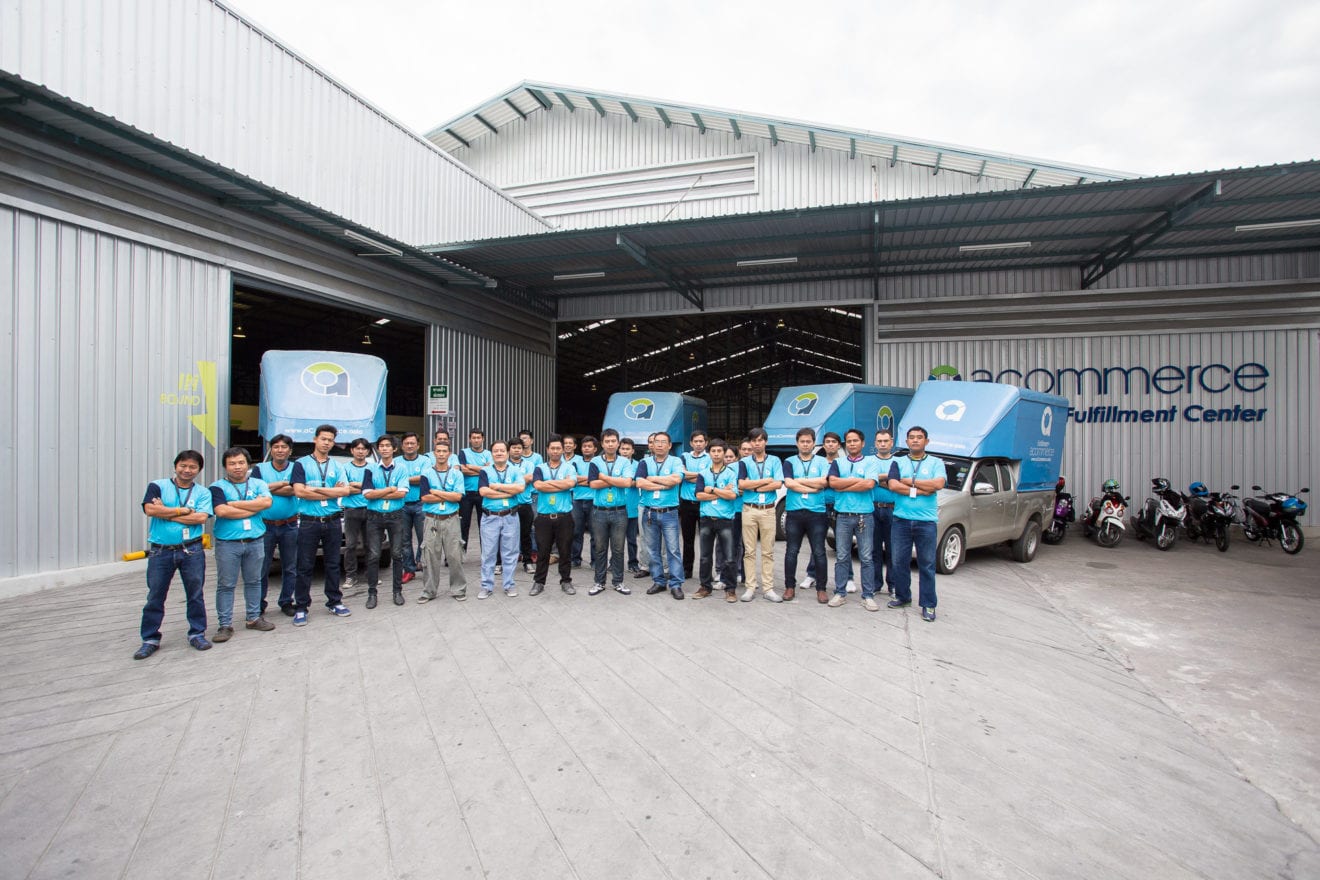
    En route to Series B fundraising, aCommerce has been strengthening its management team with recent additions of a new CEO and COO for Indonesia. Snorre Larstad (CEO) and Hadi Kuncoro (COO) joined aCommerce earlier last month to drive the next phase of growth of aCommerce Indonesia, which recently became aCommerce’s biggest regional operation in Southeast Asia surpassing Thailand and Philippines with 360 employees.

    “With our long term mission to make ecommerce easy in Southeast Asia, we’ve tackled the in-country logistics bottlenecks with our fulfilment centers, last-mile delivery solutions, and cash-on-delivery platform across Thailand, Indonesia, and the Philippines. Our next goal is to make intra-regional transactions as easy as possible too,” said Peter Kopitz, aCommerce Group COO.

  • Mövenpick Hotels & Resorts Highlights Expansion Plans in Indonesia

    Mövenpick Hotels & Resorts Highlights Expansion Plans in Indonesia

    Mövenpick Hotels & Resorts unveiled its ambitious expansion plans in Indonesia and Southeast Asia at the 2015 Tourism, Hotel Investment & Networking Conference (THINC Indonesia) in Bali on 2-3 September.

    The upscale Swiss hospitality group will make its debut in Indonesia in the third quarter of 2016, with the opening of Mövenpick Resort & Spa Jimbaran, overlooking picturesque Jimbaran Bay in the south of Bali.

    “As the company’s first hotel in Indonesia, this is a perfect place to start,” said Andreas Mattmüller, Chief Operating Officer for Mövenpick Hotels & Resorts in the Middle East and Asia. “Bali is a holidaymaker’s paradise, and the exclusive beach location of this resort with its unrestricted views of the bay is certainly set to be hugely popular.”

    He said the hospitality management group plans further expansion in Indonesia, with ongoing discussions about new partnerships including Jakarta, Surabaya and Bandung. “Indonesia is a key market for our expansion in this exciting region for the hospitality sector,” Mattmüller said.

    Inspired by traditional Balinese design and reflecting the fabled natural wonder of the region, the upcoming Mövenpick Resort & Spa Jimbaran is an idyllic haven of 295 rooms, including six suites, amid meandering pools and lush landscaped gardens.

    With breath-taking sunset views from the rooftop lounge and hotel restaurant, the resort also features a 500-sqm ballroom, custom-designed kids’ club, business centre and meeting rooms, gym, library and spa, along with the Samasta Mall, which consists of a wide collection of boutiques, restaurants, gourmet market and a Mövenpick ice cream parlour.

    Mövenpick Resort & Spa Jimbaran is amongst eight hotels and resorts the group is opening over the next three years in the region, with expansion also in Thailand, Malaysia, the Philippines and Vietnam.

    Thailand is also a major focus, with the recent opening of Mövenpick Hotel Sukhumvit 15 Bangkok, followed in the first quarter of next year by the 264-room Mövenpick Siam Hotel Pattaya positioned for families and business meetings on Jomtien Beach. They add to an existing portfolio of three Mövenpick hotels in Phuket and Koh Samui, for a total of five hotels in Thailand by 2017.

    Further hotels to open across the region are Mövenpick Hotel & Convention Centre Kuala Lumpur and Mövenpick Resort & Spa Kuala Terrengganu in Malaysia; Mövenpick Resort Boracay in the Philippines; Mövenpick Hotel & State Guest House Chifeng, China; and Mövenpick Resort & Spa Quy Nhon, Vietnam.

    The existing eight-property portfolio of Mövenpick Hotels & Resorts in Asia includes four in Thailand and one each in Singapore, Vietnam, China and the Philippines.

    Hosted by HVS and co-hosted by the Ministry of Tourism of Indonesia and the Indonesia Investment Coordinating Board (BKPM), this year’s second edition of THINC Indonesia once again brings together hospitality and tourism industry stakeholders, business leaders and key decision-makers from across 17 nations to explore growth and investment opportunities in the region.

  • Foxconn cancels investment plan in Indonesia

    Foxconn cancels investment plan in Indonesia

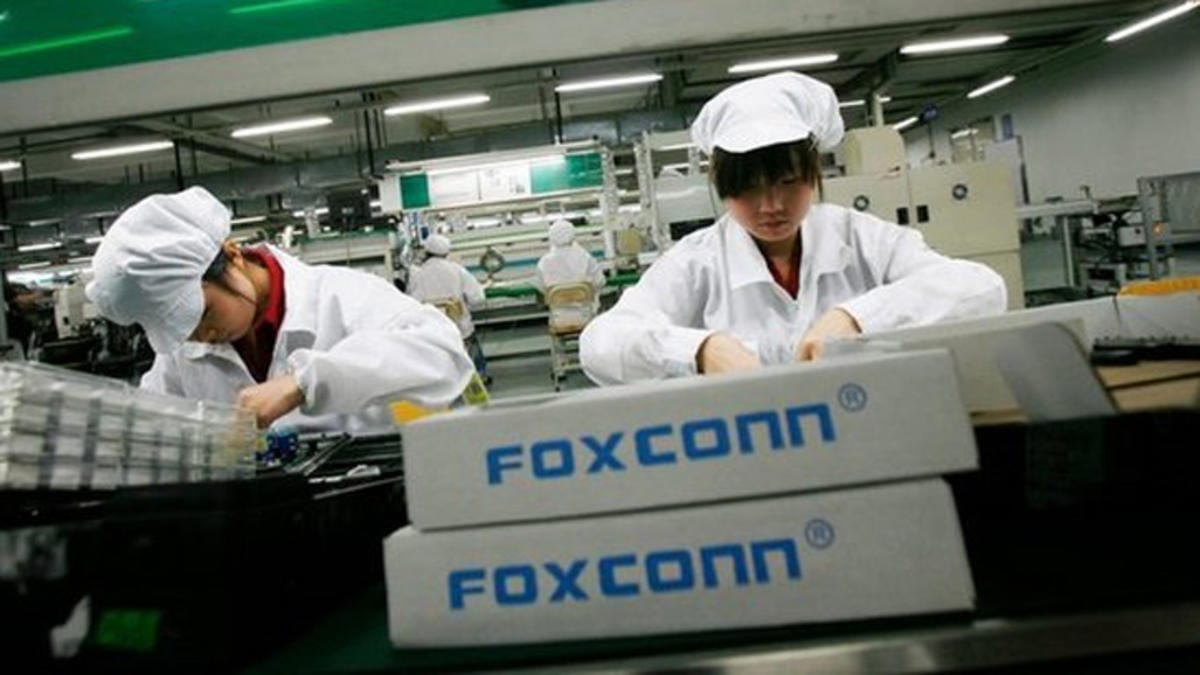
    Taiwan’s Foxconn Technology Group, the world’s biggest electronic components maker, has cancelled plans to invest in a factory in Indonesia, Kontan daily reported on Tuesday, citing the head of an Indonesian business chamber.

    Foxconn, whose flagship listed unit is Hon Hai Precision Industry Co Ltd, said last year it may invest $1 billion in Southeast Asia’s biggest economy.

    But the Apple Inc supplier had decided not to go ahead because of land issues, Indonesian Chamber of Commerce and Industry Chairman Suryo Bambang Sulisto was quoted as telling the business daily, casting doubt on the company’s broader expansion plan in Indonesia.

    Sulisto did not respond to phone calls requesting comment, while Foxconn was not immediately available to respond.

    Foxconn, which assembles products for global phone makers, is one of the companies likely to be affected by a new law due to take effect in 2017 requiring firms that sell smartphones and tablets in Indonesia to produce 40 percent of their content locally.

    Critics say the rule – part of a push by President Joko Widodo to transform Indonesia from an economy that consumes products into one that produces them – could increase costs and restrict access to technology.

    Foxconn had previously planned to invest in hardware such as phones, tablets and televisions, as well as telecommunication services in Indonesia, its spokesman told Reuters last year.

    The company had hoped to tap the domestic market of about 250 million people and use it as a base to export to the rest of Southeast Asia. But talks with authorities had stalled partly because the government was reluctant to accept Foxconn’s request for free land, sources previously said.

    Last month, Foxconn partnered with China’s Xiaomi to assemble phones in India.

  • Twitter appoints new boss for Indonesia

    Twitter appoints new boss for Indonesia

    Twitter has appointed Roy Simangunsong as the company’s country business head in Indonesia.

    “It’s my first day at work, so there’s no strategy to apply yet, but what is important for the audiences and advertisers are my confidence in running and developing this company. Because, at the end of the day, Twitter wouldn’t want us to innovate on things that disrupt the users’ experience,” said Roy as quoted by Antara news agency on Tuesday.

    Indonesia has around 80 million Internet users, according to Roy, and around 150 million smartphone subscribers and almost 80 percent of Twitter users worldwide access the application from their mobile phones.

    Prior to Roy, the business head position had been held by Rick Mulia from November 2014. Rick resigned in June, leaving the position vacant for two months.

    Roy was previously the country business head at Yahoo! Indonesia and other multinational companies like Microsoft and IBM. His last position before becoming Twitter Indonesia’s number one person was chief executive officer for Okezone digital media company.