Tag: Indonesia

  • Courts Asia fortunes improve

    Courts Asia fortunes improve

    Strong sales in Malaysia and Indonesia have buffered electronics and furniture retailer Courts Asia from Singapore’s retail downturn.

    The company has reported a 19 per cent increase in quarterly profit, to S$6 million in the three months to June.

    “Our Malaysia business has seen improving profitability with the success of our credit campaign, whilst the Singapore business is still being impacted by the soft retail environment,” group CEO Terry O’Connor said in the earnings statement.

    The Malaysian success will no doubt surprise shareholders and retail analysts given the nation experienced a sharp downturn in retail sales when the goods and service tax was imposed on April 1.

    “For Malaysia, we remain cautiously optimistic on the medium-term outlook. With the Goods and Services Tax implementation underway for several months now, we expect consumption habits to normalise over the next three to four quarters, though the recent weakening of the ringgit may pose some short-term challenges,” he added.

    The ringgit has slumped from 3.5 to USD1 to 4 in less than six months.

    Malaysia accounts for 35 per cent of Courts’ sales, its Singapore home market 63 per cent.

    Indonesia, accounting for the remaining two per cent, is Courts’ newest market. It has three stores operational now with a fourth due to open by December.

    Looking forwards, O’Connor said he expected consumer sentiment in Singapore to remain subdued over the short term.

  • Indonesia liquor retailers brace for downturn

    Indonesia liquor retailers brace for downturn

    Indonesia liquor retailers fear the recent surprise increase in import tariffs on wine and spirits could more than double the price of some drinks.

    Indonesia’s Muslim-controlled government is effectively declaring war on drinkers. In April liquor sales were banned from convenience stores – a move recently blamed by Dairy Farm International for the closure of many of its convenience stores in Indonesia and prompting a strategic review of the entire chain.

    Last month the government announced shock tariff increases on a raft of imported products in a 1970s-styled economic move to protect inefficient local industry and deter imports. This despite its inclusion in the ASEAN bloc which encourages free trade within the region.

    Drinks industry executives told news agency Reuters the tariffs could “more than double prices” that were already sky-high, even by Asian standards. They fear an increase in smuggling activities and a black market for fake alcohol which is already an issue in China and Vietnam, leading to fatalities from people drinking chemical-enhanced fluids sold in fake branded bottles.

    The new tariffs, which took effect on July 23, force importers to pay 90 per cent duty on the value of wine and 150 per cent on spirits. The previous regime was a fixed amount per litre.

    “It’s quite a shock to the industry,” Dendy Borman, a board member at the International Spirit and Wine Association, told Reuters.

    And it could get even worse. Two extremist Islamic political parties want all liquor consumption in the country completely outlawed.

  • CNN Indonesia begins broadcasting today

    CNN Indonesia begins broadcasting today

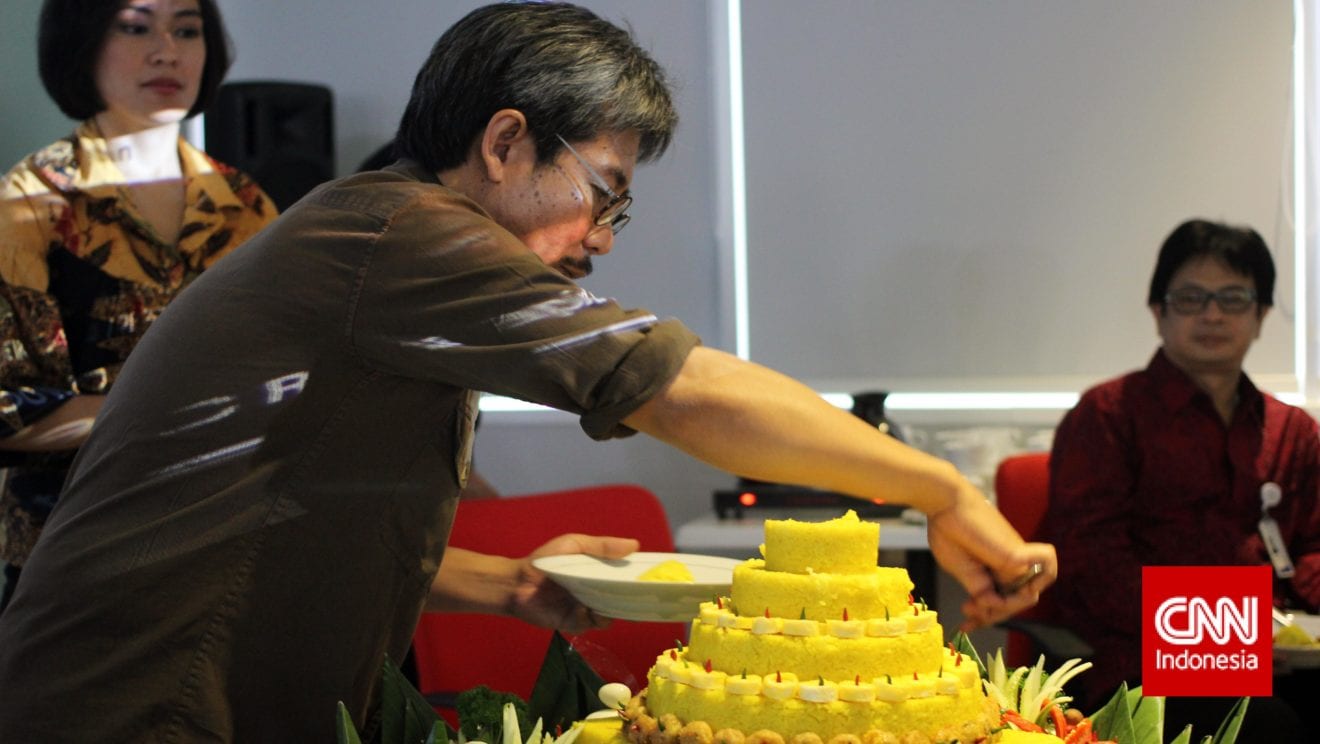
    CNN Indonesia began broadcasting today marking a historic day for CNN International, Transmedia and the people of Indonesia.

    From brand new state-of-the-art news facilities located in the Transmedia broadcast centre in Jakarta, CNN Indonesia offers viewers a mix of national and international news, plus the latest in business and sport in Bahasa Indonesia.

    The start of CNN Indonesia TV follows the launch of CNNIndonesia.com in October last year. The digital platform is an integral component of the CNN Indonesia brand with the ability to reach Indonesians at home and abroad.

    Jeff Zucker, CNN Worldwide President: “This is an incredibly important day for us. To be able to extend our footprint locally and reach millions of Indonesians is hugely exciting and humbling. We are confident Transmedia will deliver first-class content that appeals to Indonesians all across the country.”

    Gerhard Zeiler, President of Turner Broadcasting International: “Turner is committed to Indonesia and committed to growth and development in the Asia-Pacific region. We welcome CNN Indonesia to the family and look forward to a long and successful partnership.”

    CNN Indonesia is part of a strategic effort by CNN International Commercial’s Content Sales and Partnerships Group. Its core business is to explore ways to reach more consumers locally, regionally and internationally by partnering with other leading media organisations. CNN Indonesia is the latest addition to the CNN family that includes CNN Philippines, CNN Turk and CNN Chile.

  • Coca-Cola Amatil Indonesia and Quiksilver Continue to Preserve Bali’s Beach Ecosystems

    Coca-Cola Amatil Indonesia and Quiksilver Continue to Preserve Bali’s Beach Ecosystems

    As one of the most popular destinations in the world, Bali represents Indonesia on the global scene. To contribute in keeping Bali’s beaches clean and safe, Coca-Cola Amatil Indonesia and Quiksilver are holding Bali’s Big Eco Weekend 2015 from August 14-16, inviting local communities, the government, visitors and industry players of Bali to renew the commitment and take real action to tackle the waste problem in Bali.

    Bali’s Big Eco Weekend is an annual campaign of the regular Bali Beach Clean-Up, both initiated by Coca-Cola Amatil Indonesia (CCAI) and Quiksilver as continuous efforts to bring more attention to Bali’s environmental state and drive more support for the Bali government’s program in creating a ‘Clean and Green Bali’.

    “We’ve invested in the programs since 2007 and it has been a very good collaboration between Coca-Cola Amatil Indonesia, Quiksilver, the Bali government and local communities. While the regular beach cleaning has been contributing impact, through Bali’s Big Eco Weekend we are still calling for more support from everyone in Bali, including both the growing citizens and tourists,” says Kadir Gunduz, President Director of Coca-Cola Amatil Indonesia.

    “At Coca-Cola Amatil Indonesia, we believe that we have roles and responsibilities in helping to create a sustainable environment anywhere we operate. It’s about all of us making the right decisions and taking real actions. We are pleased with the strong support we are getting, especially today. We hope that the commitment will only grow stronger, so together we can continue to preserve our ecosystem,” Kadir adds.

    This year’s Bali’s Big Eco Weekend marks the 8th year of Coca-Cola Amatil Indonesia’s and Quiksilver’s commitment to keeping Bali’s beaches clean & safe. Started in 2007, Bali Beach Clean Up (BBCU) empowers the local communities in Bali by hiring 78 local workers and providing them with regular training in waste management and clean environment awareness. As front-liners, BBCU workers run daily clean-up in 5 iconic beaches in Bali (Jimbaran, Legian, Kuta, Seminyak, Kedonganan) and maximize the clean-up facilities which include 3 surf rakes, 3 garbage trucks, 4 beach tractors, and at least 150 new bins per year. The total amount of waste collected through the program has reached more than 29 million kilograms as of July 2015.

    “We are glad that the collaboration in keeping Bali clean and safe has been going well for 8 years. This cements Quiksilver’s passion and involvement in promoting eco conservation to ensure that Bali’s beautiful beaches and waterways will stay clean and safe for many years to come,” says Paul Hutson, General Manager of Quiksilver South Pacific. “We have Quiksilver’s global athletes joining the Bali’s Big Eco Weekend this year, and everyone is excited to celebrate Indonesia’s Independence Day long weekend on the beaches of Jimbaran, Legian and Uluwatu.”

    Joining the thousands of visitors in rolling up their sleeves and collecting waste on Jimbaran Beach and Padma Beach Legian are Dadang Rizki Ratman, Directorate General for Tourism Destination Development, Ministry of Tourism; Rijaluzzaman, Head of Centre of Development Monitoring on Eco-region of Bali and Nusa Tenggara; Ketut Wija, Deputy Economic & Development of Bali Province; and Quiksilver global athletes, including world champions Mark Richards (4X World Champion), Tom Carroll (2X World Champion), Jake Paterson, Matt Hoy, Kelia Moniz (2X Longboarding World Champion), and Torah Bright (Olympic Gold Medallist).

    Appreciating the attendance, Alison Watkins, Managing Director of Coca-Cola Amatil Group, says the special effort to participate in this iconic weekend supports both Bali’s and Coca-Cola Amatil Indonesia’s commitment to running business and growing together with communities in Bali.

    In 2010, Coca-Cola Amatil Indonesia and Quiksilver built the Kuta Beach Sea Turtles Conservation (KBSTC) in a commitment to support a safe environment. Since then, the number of eggs collected has significantly increased from 1,947 eggs in 6 years (2002-2008), to 122,230 eggs in the next 6 years (2009-2015). The Bali’s Big Eco Weekend crowd today participated in releasing approximately 1,000 baby sea turtles back to the sea.

    The turtle release wrapped up a day of various eco activities including ROXY Challenge Run-Sup-Yoga, meet and greet with the ROXY surf team, Coke Kicks, lifeguard race, fun sea turtle release, CSR exhibition, Kecak dance performance, and the renowned beach clean-up. On Sunday, visitors are welcome to join the surfing legends in WSL Quiksilver Uluwatu Surf Challenge 2015, also part of the Bali’s Big Eco Weekend, proudly co-sponsored by Coca-Cola Amatil Indonesia and Australian Embassy Jakarta.

    For more information about Bali’s Beach Clean Up program, download the latest Infographic at bbew.coca-colaamatil.co.id.
  • This German duo launched an eyewear brand in Indonesia

    This German duo launched an eyewear brand in Indonesia

    When German entrepreneur Marc Uthay set his eyes on Southeast Asia in 2013, he thought the e-commerce market was already pretty cramped. There was Rocket Internet’s everything store, Lazada – essentially an Amazon clone. Zalora, another Rocket-backed venture, specialised in fashion. On top of them, a range of local and foreign e-commerce start-ups offered everything from gadgets to shoes.

    But after some research, Uthay did find a promising niche: eyewear. He discovered that although millions of people in Southeast Asia need prescription glasses or contact lenses, the variety of brands and styles available was limited and the infrastructure to order online not well developed.

    The goal was to capture a chunk of the eyewear industry in Southeast Asia by selling online. Uthay got Christian Csermak on board to help kickstart the company in Southeast Asia. Csermak previously built a custom-made eyewear brand in Germany, called Mercy Would – with a concept similar to Warby Parker in the US.

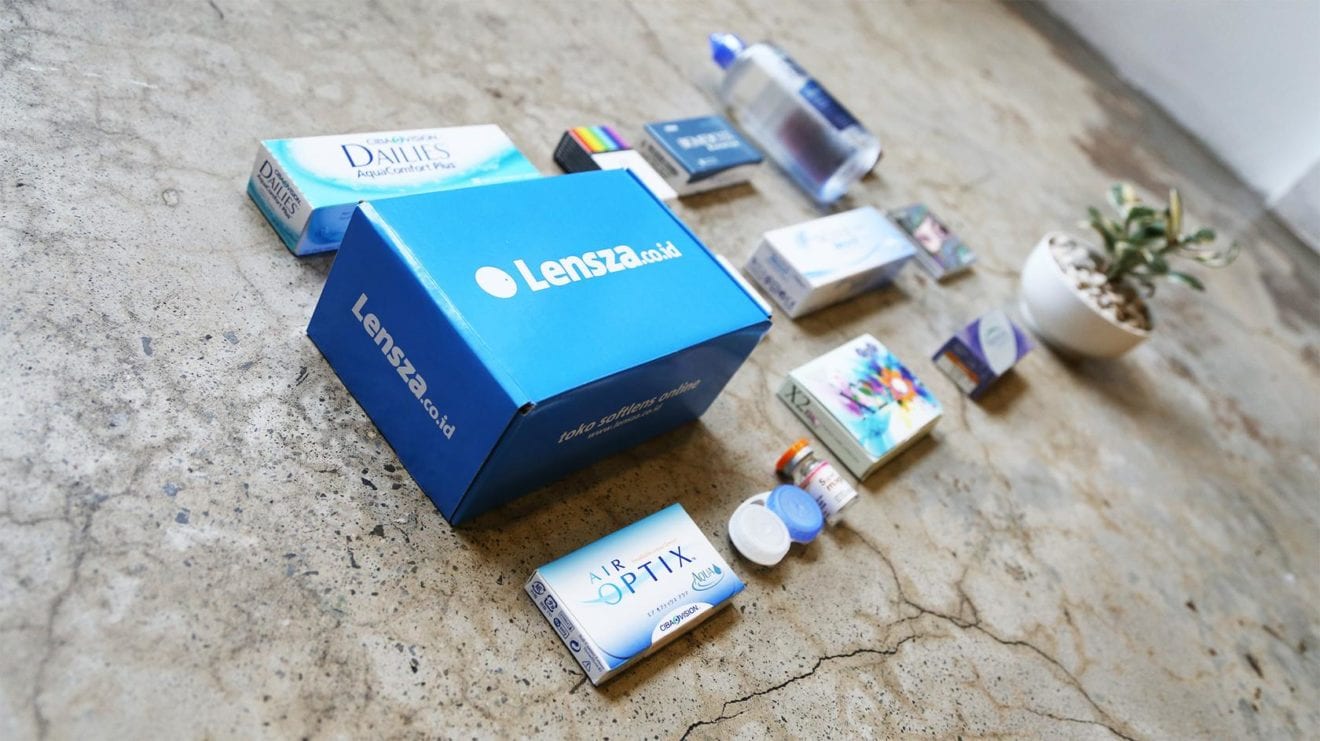
    Uthay’s and Csermak’s first milestone was to build Lensza, a one-stop shop for contact lenses and eye-care products. Lensza covers a broad range of lenses from different manufacturers, with an emphasis on coloured lenses, which are popular in Asia. They launched the site in early 2014. But the goal was never to build just an e-store.

    Once Lensza was up and running, Uthay and Csermak drew up a concept for a new, Warby Parker-like fashion eyewear brand for the Indonesian market. They named it Franc Nobel. The first collection of frames launched in June.

    Currently, Franc Nobel’s frames are imported, but Uthay plans to bring the entire production to Indonesia in the near future.One challenge, Uthay says, is that people like to try out glasses before they commit to buying a pair. The start-up is testing various methods to address this.

    Late last year, Uthay and Csermak raised a “low six-digit” round of seed funding from Crystal Horse Investments for their lens and eyewear ventures. For now, they are focusing on the Indonesian market. Expansion across the region could be tough, because similar concepts already exist in other markets.
    One direct competitor in Southeast Asia is Four Eyes, which started in the Philippines in 2013 and is also available in Singapore. Another is Specsdirect in Malaysia.

  • aCommerce recruits new CXOs for Indonesia operations

    aCommerce recruits new CXOs for Indonesia operations

    Norwegian international management executive Snorre Larstad​ will take the lead as aCommerce Indonesia CEO. Larstad previously worked as a chief strategy office for the Morris Group in China.

    Meanwhile, the company has also hired H​adi Kuncoro to lead its Indonesian operations for IT and supply chain management. This follows stints by Kuncoro in co-founding an Islamic fashion e-commerce company​ and a successful founding role at Rocket Internet’s Zalora Indonesia.

    Commenting on the leadership appointments, Paul Srivorakul, group CEO of aCommerce, said,“We’ve seen unparallelled growth in Indonesia and it is on track to become our most important strategic market.”

    Srivorakul added, “With Snorre’s experience scaling and managing huge and complex international retail businesses and Hadi’s success rate in building massive ecommerce operations in Indonesia we are confident that this pairing will streamline our incredible growth and gear us up for the next phase of our commercial development in Indonesia.”

    Indonesia recently became aCommerce’s biggest regional operation, with August seeing it reach a manpower count of 360 staff, surpassing the growth of its operations in Thailand and the Philippines. July 2015 also saw aCommerce Indonesia double its warehouse capacity to 9332 square metre. A new Pondok Ungu fulfilment center of more than 5232 square metres was added to supplement the current 4100 square-metre Halim facility.

    aCommerce Indonesia currently powers ecommerce for major brands and retailers such as Matahari Mall, HP and L’Oreal. According to official statements, the demand for aCommerce’s services in Indonesia exceeded forecasts due to the rapidity and growth of heady new entrants to the Indonesian e-commerce space and the growth in major clients signed.

    This internal round was targeted at funding the development of further competencies in marketing, technology platforms, expanding warehouse space and recruitment. The addition of Snorre and Kuncoro to the team brings significant knowledge capital to aCommerce as its scales up operations in Indonesia and the region.

    In a media release, Snorre stated: “This is an exciting time to be in the ecommerce industry in Indonesia. With ecommerce still accounting for much less than one per cent of retail in Indonesia, I will be continuing the work of positioning aCommerce as the key driver of ecommerce industry development across the archipelago.”

    Snorre succeeds previous CEO Hadi Wenas, who has taken up the role of CEO as M​atahariMall.com.​ Previous co-CEO Adrian Suherman has shifted to an executive role within the Lippo Group.

    Snorre speaks fluent Chinese and his twenty years in international management have predominantly taken place in Asia, with a career involving roles across the retail, manufacturing, supply chain, shipping, strategy and financial advisory sectors. Snorre had also previously worked for AT Kearney as a strategy consultant, advising CXOs on M&A, supply chain and growth strategies across multiple industries on a global scale.

    A member of i​dEA​ and deputy chief of the Indonesia L​ogistics Association, new COO​ Kuncoro previously served as the COO of First Logistics and as VP and operations director at Zalora Indonesia. Kuncoro brings deep domain experience in r​etail management, supply chain and domestic and cross-border logistics across consumer goods and retail industries.​

    Indonesia is slated to become the biggest ecommerce market in Southeast Asia, with a recent AT Kearney report estimating the market to grow to reach $30 billion in value over the next few years, up from the $1.3 billion in 2013.

    “In Indonesia, we envision that the industry is about to enter into a rapid growth phase. aCommerce will be at the forefront of providing the solutions for any obstacle in the growth path of the ecommerce industry,” said Snorre.

    According to aCommerce, the latest CXO recruitments are in preparation for a Series B round and further scaling of its operations in Indonesia and the region. Earlier this year, it raised a $5 million internal bridging round in preparation for a Series B round of funding.

  • Tony Roma’s Indonesia enters Surabaya

    Tony Roma’s Indonesia enters Surabaya

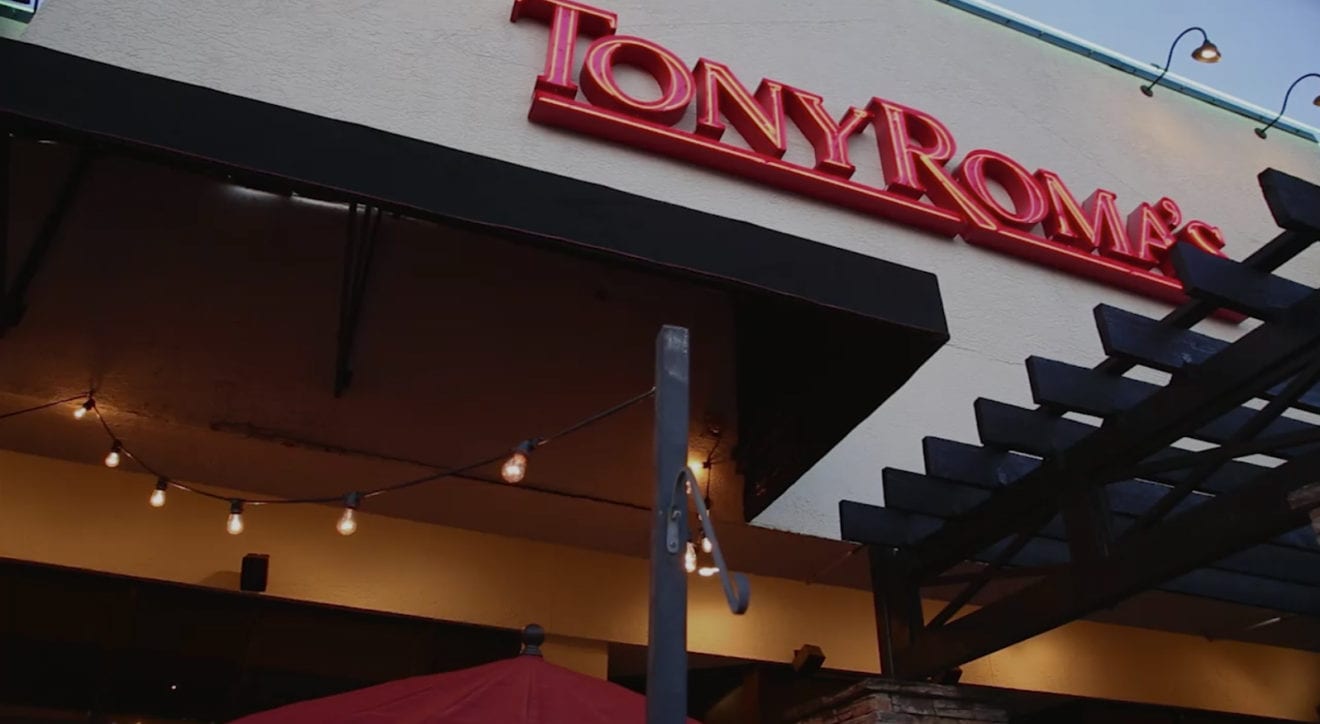
    Romacorp, US parent of Tony Roma’s, has opened its first restaurant in Surabaya, Indonesia.

    The restaurant opened on Kupang Indah St –  locally known as the “restaurant street” – a popular destination for locals and tourists in Indonesia’s second biggest city.

    With three Tony Roma’s Indonesia restaurants in Jakarta and one each in Tangerang and Bali,  Surabaya makes it six. The restaurants in Surabaya, Jakarta, and Tangerang are owned by Mas Millennium, and the restaurant in Bali is owned by PT WDI Indonesia.

    “Our franchise partner Mas Millennium has been working with us since 1991, operating Tony Roma’s restaurants in four Asian countries, and we’re excited to continue our relationship with them,” said John Brisco, president of international for Roma Systems.

    The 6458 sqft restaurant has seating for 212 including a semi-private and private dining room, a full-service bar, and a courtyard for outdoor dining underneath a glass ceiling.

    “We are very excited about the opening of our first Tony Roma’s restaurant in Surabaya. Second only to Jakarta in size and importance, and with a population of around 3 million residents, we are confident that this restaurant will perform well,” said Lucy Prananto, president & CEO of Mas Millennium.

    “With very few international restaurant chains in Surabaya, Tony Roma’s casual dining concept, offering great tasting, true American cuisine will be a hit among locals and foreign patrons.”

    Romacorp now has more than 150 restaurants in more than 30 countries and also operates the newTR Fire Grill concept, a chef-inspired American bistro in Orlando, Florida.

  • Indonesia retail sales surge in June

    Indonesia retail sales surge in June

    Indonesia’s retailers appear to be among Asia’s most pessimistic.

    One month ago after government data showed a 19.8 per cent rise in May retail sales, the 700 retailers polled to create the index said they expected sales growth would slow in June.

    This week, the government has released revised figures showing a 20.6 per cent increase in May – and a massive 22.9 per cent rise in June, only just behind April’s 23.1 per cent.

    In this month’s poll, they said they expected sales growth to slow in September as demand returned to normal after the Ramadan festivities.

    The Bank of Indonesia said June’s Indonesia retail sales  increase was largely attributable to greater demand for food, beverages and tobacco, in line with increased consumption during the Muslim fasting month of Ramadan.

  • German giant buys Classic Fine Foods

    German giant buys Classic Fine Foods

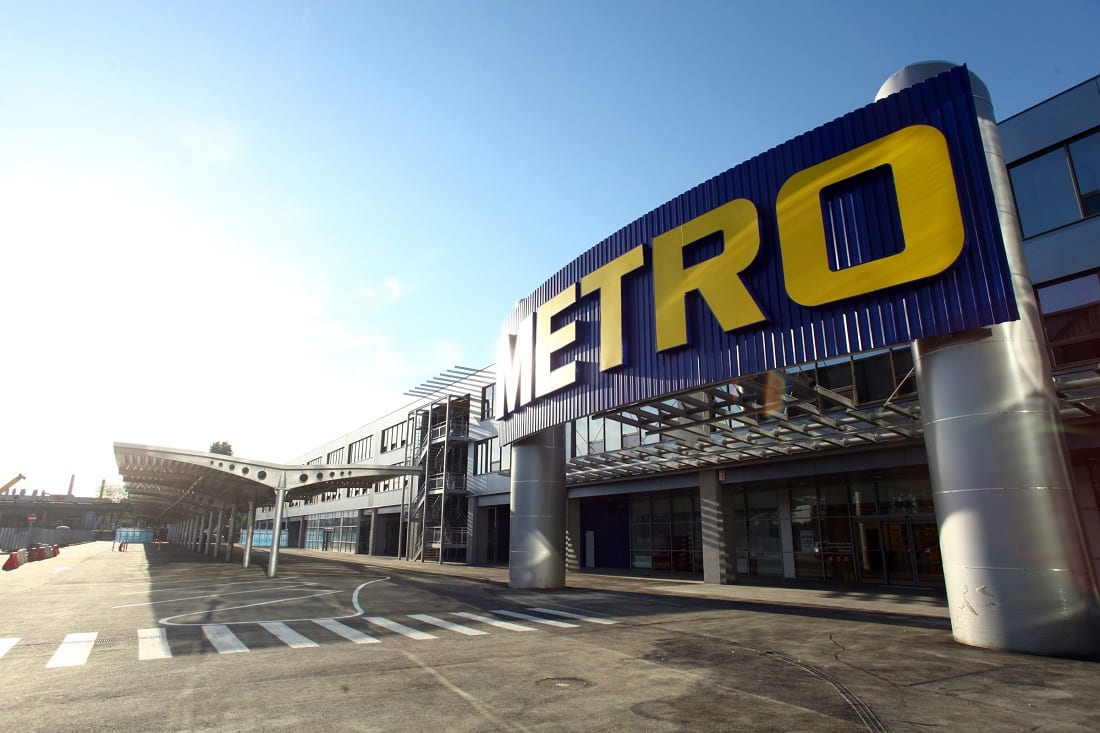
    German retailer Metro AG has paid $290 million to buy Singapore restaurant supplier Classic Fine Foods Group from private equity owned EQT.

    CFF operates in 25 cities, including Singapore, Dubai, Hong Kong, Bangkok, Kuala Lumpur, London, Ho Chi Minh City and Jakarta. The deal will expand Metro Cash & Carry’s presence from 26 countries to 36.

    Metro said in a statement the acquisition would strengthen its wholesale subsidiary Metro Cash & Carry by bolting on an experienced food service distribution arm.

    “It provides access to growth and value creation potential in the attractive premium foodservice distribution markets. The transaction covers the operations and all fixed assets of CFF for an enterprise value of $290 million plus an earn-out of up to $38 million depending on the EBITDA performance in 2015 to 2017,” the company said.

    “Metro Cash & Carry aims to strongly expand its FSD operations. With the acquisition of CFF we strengthen our value proposition and enlarge our wholesale market presence fuelling future sales and earnings growth“, said Olaf Koch, chairman of Metro AG’s management board.

    Pieter Boone, CEO of Metro Cash & Carry, added: “With Classic Fine Foods, we found the perfect partner to expand in high growth Asian FSD markets. CFF has a strong market position and a unique exposure to Asian mega cities and Middle East. CFF partners with some of the world’s most sought after fine food producers and has excellent customer relationships in the high margin premium Hotels, Restaurants and Caterers (HoReCa) segment. The acquisition boosts our FSD capabilities widening the services for our HoReCa customers.”

    CFF, founded in 1999, has its own distribution and warehousing network in the cities in which it operates. Metro says post- acquisition, CFF will remain largely independent, maintaining its own sourcing base and distribution network.

  • MatahariMall aims for 20% of Indonesian e-commerce market by 2020

    MatahariMall aims for 20% of Indonesian e-commerce market by 2020

    MatahariMall, which is planned to be launched next September, is eyeing 20 per cent of the e-commerce market in Indonesia by 2020. That year, the total market volume is projected to reach US$20-30 billion, compared to US$1.3 billion currently.

    It was told by MatahariMall’s Chairman Emirsyah Satar to Berita Satu. He stated that the team uses Alibaba as their role model. As we know, MatahariMall is the first marketplace to use O2O (Online to Offline) concept since the very beginning.

    Satar said, “Currently, the e-commerce market in Indonesia is worth around $1.3 billion. It’s so low, not even one percent of the total national retail sales. In other countries, e-commerce could cover 5-8 per cent of total retail sales. So, we estimate that out market volume would reach around US$20-30 billion by 2020.”

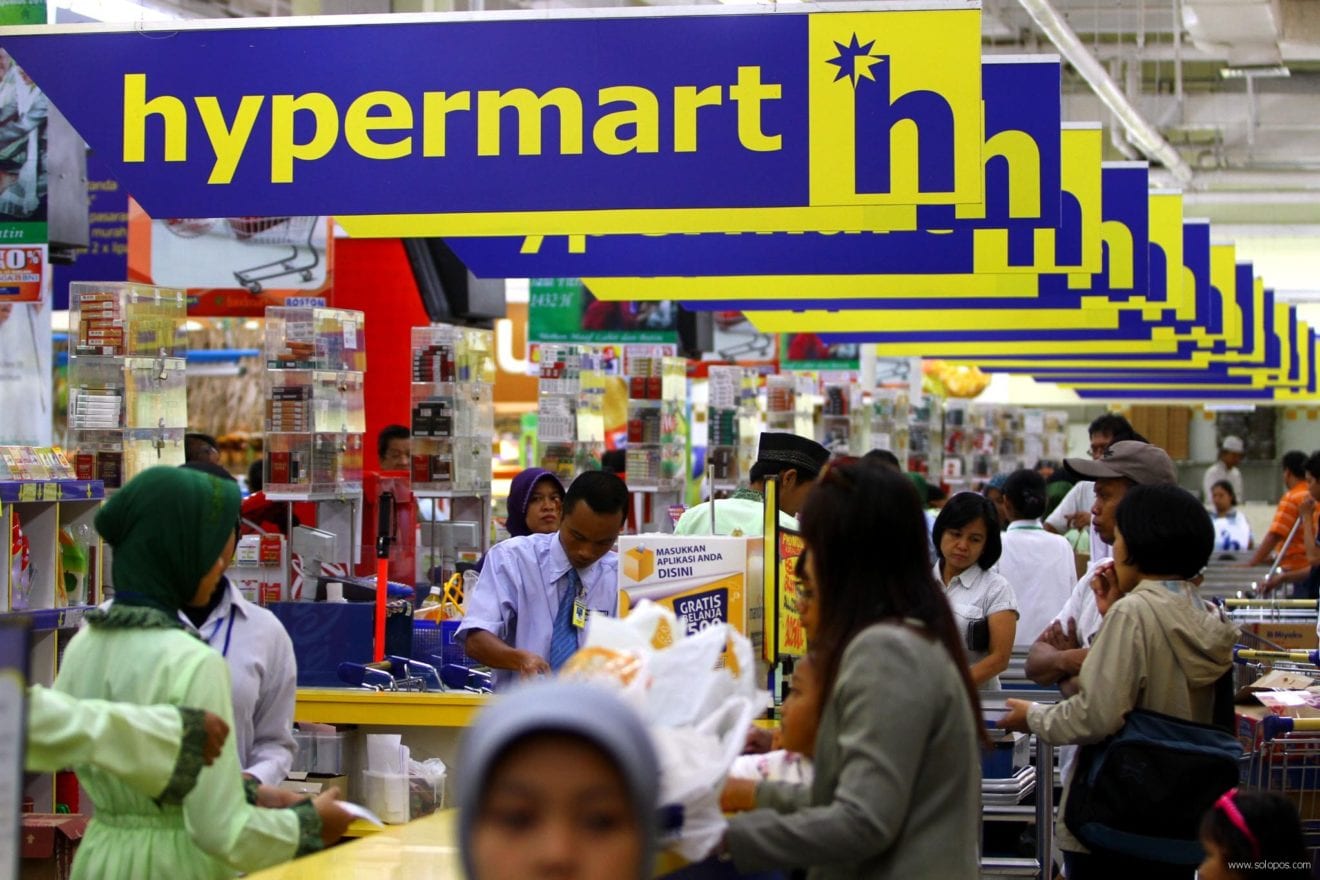
    “Our network footprint is quite strong and well-distributed all over Indonesia. We also have the experience of doing offline retail. Users may inspect their desired products before purchasing them, thanks to the support by Matahari and Hypermart. So, they may touch, feel, and even return the product should they feel that the it doesn’t meet their expectation,” he continued.

    MatahariMall has been accessible at the moment, although it’s still in form of a teaser page. Satar claimed that the number of buyers is already quite significant.

    Challenges of the e-commerce industry

    Satar pointed out two main challenges of the e-commerce industry in Indonesia, which are infrastructure and regulation. Infrastructure refers to the poor distribution of the Internet network, while regulation refers to the government’s law.

    “For instance, the regulation that requires merchants to fill out their TIN or ID number before posting at marketplace. I don’t think it’s urgent, as the industry is still infant. It should be enforced once the right time comes,” he said.

    The government, led by the Minister of Communication and Information Rudiantara, is currently formulating the roadmap for e-commerce in Indonesia, as President Joko Widodo stated in the opening of Indonesia Convention Exhibition (ICE) last Tuesday.

  • GrabTaxi launches its Uber-like GrabCar in Jakarta

    GrabTaxi launches its Uber-like GrabCar in Jakarta

    More than a year after its initial launch, GrabTaxi’s Uber-like GrabCar is now available in Jakarta, Indonesia’s capital.

    GrabCar signs up car owners to become part of their on-demand fleet. It’s the newest transportation option from GrabTaxi, which now covers regular taxis, premium cars, and motorcycle taxis in Jakarta.

    Price-wise, a GrabCar ride is cheaper than a regular taxi in the city. In contrast to a metered taxi, the rate will be fixed. GrabCar is available as a new tab within the GrabTaxi app, and interested users can calculate the fare for their usual routes. But for now, actual rides are only available for trips between two vicinities: Semanggi and Kemang.

    To introduce the new service, GrabBike offers rides for free from August 9 to August 31.

    GrabCar is a direct competitor to Uber, which has been available in Jakarta since mid-2014, offering either UberBlack for premium cars or UberX for cheaper rides. Uber’s cars are available everywhere in the city, yet GrabCar has one large advantage over Uber in Indonesia at this point: it allows cash payments. Few Indonesians have credit cards, which poses a challenge to Uber’s growth. But since Uber has already introduced cash payments elsewhere, it might follow suit in Indonesia as well.

    GrabCar, which is part of the Malaysian startup MyTeksi, is already available in countries like the Philippines and Singapore.

  • Matahari has strong half

    Matahari has strong half

    Indonesia’s PT Matahari Putra Prima (MPPA) says its first half year sales rose 6.6 per cent on the back of new stores.

    Like for like sales rose 2.1 per cent in a period of softening economic conditions and when several stores were closed for renovation.

    Matahari has continued with a strong focus on upgrading its store formats, rolling out its new G7 format with brighter, more upmarket store designs and increased range. It also opened the first of its new Foodmart Primo format stores during the half year.

    In the next six months Matahari will open the first of another new concept – a SmartClub wholesale store.

    Operating profit surged 29.4 per cent in the half (excluding extraordinary items) as the retailer continued to improve its infrastructure, boosting internal efficiencies and developing a solid platform for future growth.

  • CapitaLand posts healthy quarter

    CapitaLand posts healthy quarter

    CapitaLand Limited has today announced a second half after tax group profit of S$464 million – 5.8 per cent up on the same period last year.

    The property giant, which derives 80 per cent of its revenue from Singapore and China, has a portfolio including shopping malls, serviced apartments, office blocks and hotels trading under a variety of banners.

    In a statement, CapitaLand said its operating profit was 87.6 per cent higher than the same quarter last year on account of gains from the change in the use of development properties for sale in China, namely The Paragon (Tower 5 & 6) and Raffles City Changning (Tower 3). These projects are at prime locations in Shanghai and the group has changed its business plans for these projects from strata-sale to leasing as investment properties.

    The result was impacted by an impairment for a development project in China.

    Revenue increased by 17.8 per cent on the back of higher contribution from development projects in China, partially offset by lower revenue from development projects in Singapore and Vietnam.

    The group says it recorded higher rental revenue from its shopping mall and serviced residence businesses during the quarter.

    Lim Ming Yan, president & group CEO, said CapitaLand’s well-balanced portfolio of investment properties and residential projects will continue to generate recurring income and trading profits for the group.

    “While CapitaLand remains focused on Singapore and China as core markets, it is exploring opportunities to expand in growth markets such as Vietnam, Indonesia and Malaysia. CapitaLand has built a significant scale across diversified asset classes and strong expertise in integrated developments, shopping malls, serviced residences and capital management. Coupled with its technology efforts, CapitaLand continues to strengthen its position for growth,” he said.

  • Domestic airfreight industry hits turbulence

    Domestic airfreight industry hits turbulence

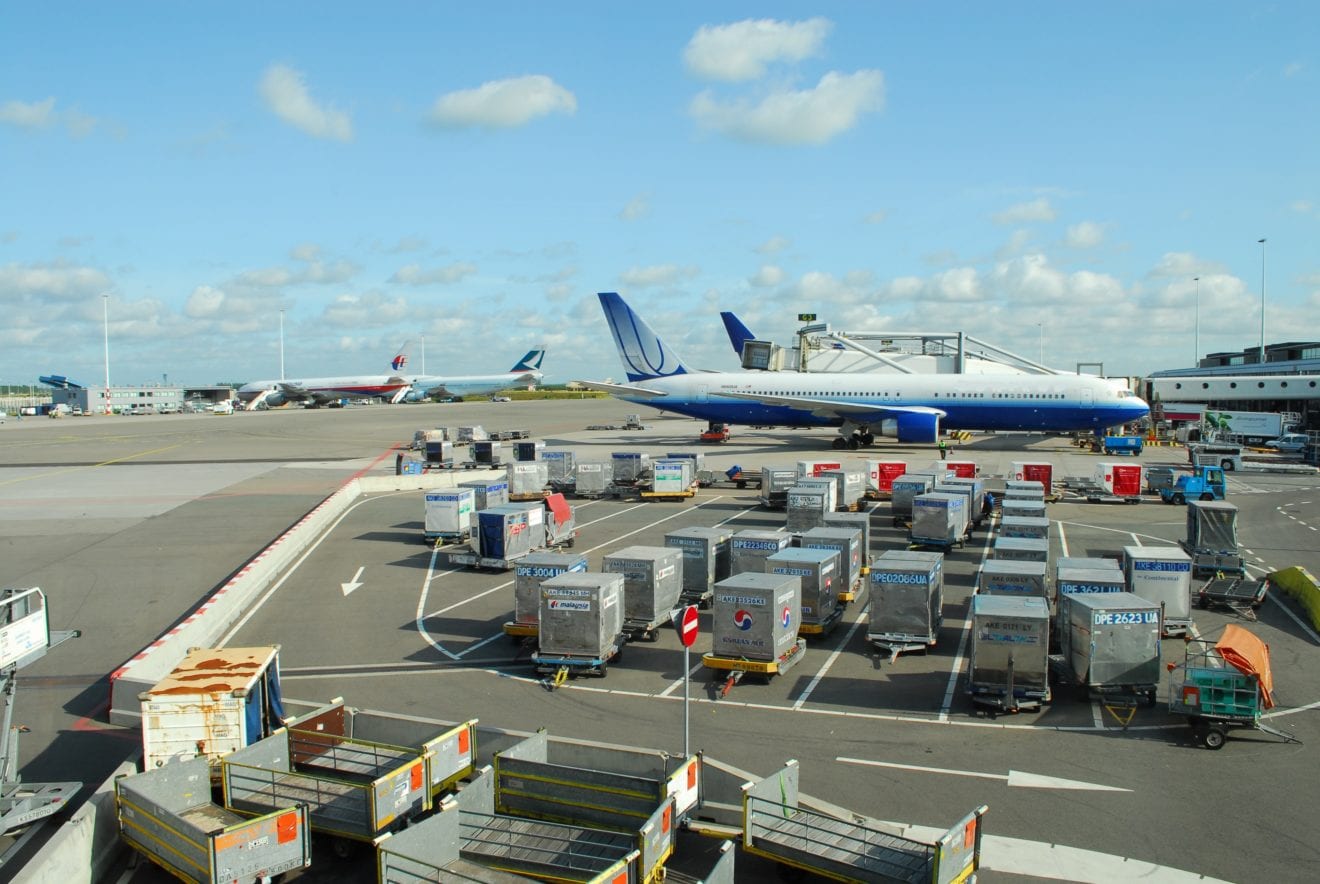
    The country’s airfreight services industry will likely flat line this year amid the domestic economic slowdown, which has affected exports and imports, an industry group has said.

    The International Air Transport Association (IATA) released data recently saying that the global airfreight market remains slow with respect to air cargo demand in June.

    “The mid-year report for air cargo is not encouraging. With growth of just 1.2 percent compared to June of last year, markets are basically stagnating. But overall it has been a disappointing first half of 2015, especially considering the strong finish to 2014,” IATA’s director general and CEO Tony Tyler said in a statement.

    “The remainder of the year holds mixed signals. The general expectation is for an acceleration of economic growth, but business confidence and export orders look weak. Air cargo and the global economy will all benefit if governments can successfully focus on stabilizing growth and stimulating trade by removing barriers,” he said.

    According to the report, Asia-Pacific carriers saw a drop in freight ton kilometers (FTKs), which measures actual freight traffic, of 0.3 percent in June from a year earlier. The region has experienced a notable slowdown in imports and exports over recent months, and the latest data shows trade in emerging Asian markets down 8 percent.

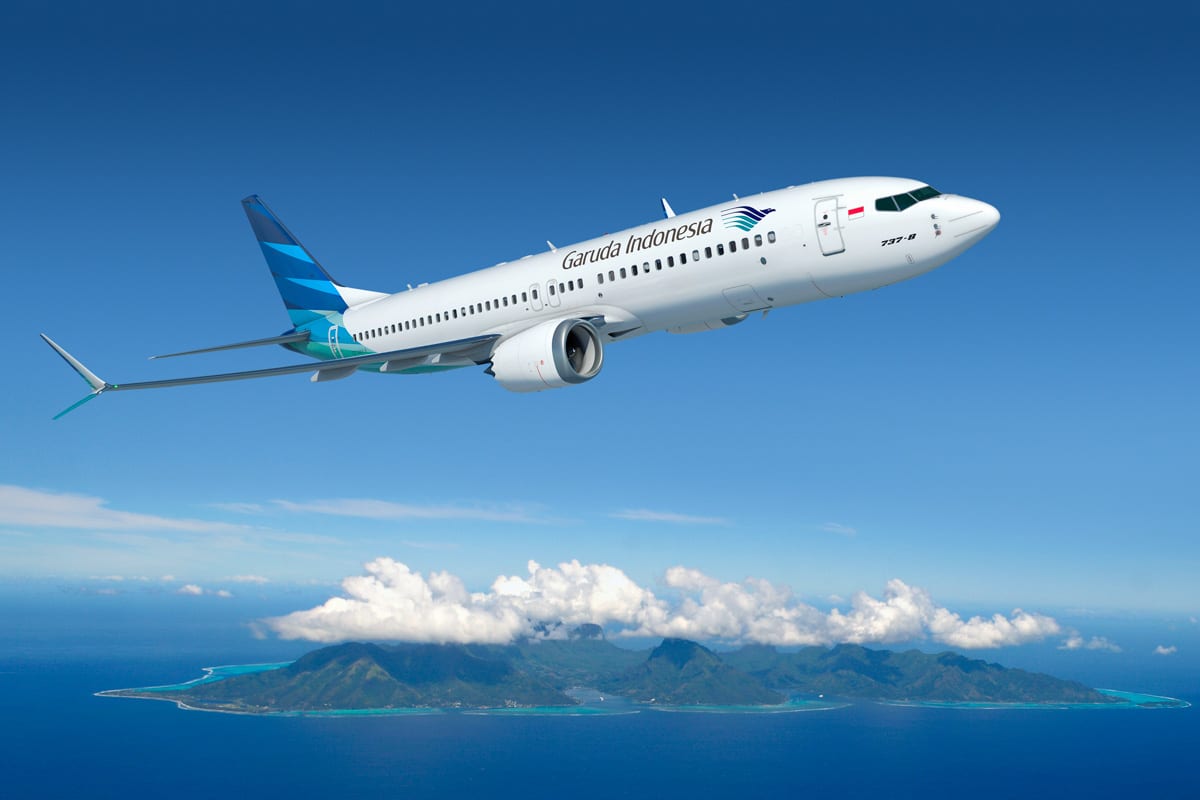
    In line with global and regional airfreight performance, during the first half of this year, national-flag carrier Garuda Indonesia’s cargo volume decreased to 176,000 tons from 193,500 tons in the same period last year, as stated in the company’s financial report.

    Garuda’s president director Arif Wibowo said that 60 percent of the cargo revenues were derived from the domestic market, while the remaining 40 percent came from the international market, mainly in China, South Korea and Japan.

    Garuda Indonesia Cargo currently operates around 70 cargo service centers across the archipelago, including in Medan, Jambi, Jakarta, Bandung, Yogyakarta, Surakarta, Semarang, Surabaya and Denpasar.

    The carrier’s acting vice president for communications Ikhsan Rosan said that it aimed at pushing for more cooperation with other air cargo operators and increasing international services to improve the performance in the second quarter.

    Meanwhile cargo airline Cardig Air CEO Boyke Soebroto said that he was pessimistic that the company would be able to reach the target cargo volume of up to 10,000 tons this year.

    “The government recently announced that economic growth in the first semester reached only 4.7 percent and they will push it to 5 percent in the second semester, I believe that the demand for air cargo will remain stagnate until the end of the year and it is highly unlikely to reach our target,” he said.

    The carrier transported a total of 6,000 tons of cargo with a value of around Rp 20 billion (US$1.5 million) last year, according to Boyke.

    Data from the Central Statistics Agency (BPS) shows that the country’s exports declined 11.86 percent to US$78.29 billion during the first six months of this year. From January to June, overall imports declined 17.81 percent to $73.94 billion.

    AirAsia Indonesia’s revenue and business head Rifai Taberi separately said that the carrier, which is the Indonesian affiliate of Malaysia’s AirAsia, also saw decreasing demand for air cargo with a 17 percent decrease in volume in the first semester of 2015 as compared to the same period in 2014.

    Without mentioning the volume, Rifai said that the steep decrease was seen in the domestic routes, particularly in Java.

    “Apart from the current economic slowdown, the improvement in land and railway transportation has highly affected the air cargo demand in Java as we see up to a 25 percent decrease in volume for the Jakarta-Surabaya route in the first semester,” Rifai

    Rifai said that the air cargo service could not outcompete the land and railway transportation in terms of costs, since air cargo require more cost components such as x-ray procedures and warehouses.

  • Garuda Indonesia Surabaya-Jakarta flight takes off despite false bomb threat

    Garuda Indonesia Surabaya-Jakarta flight takes off despite false bomb threat

    Garuda Indonesia flight GA 311 from Surabaya to Jakarta received a bomb threat this morning. Authorities said the plane flew in spite of the terrorist threat because it did not reach the pilot before he took off.The PT Angkasa Pura I and Garuda ticketing offices in Surabaya received the bomb threat via text message at 10 am. It read:“This is a warning that the Garuda flight from Surabaya-Jakarta will blow up in the air tonight, that is all the information from us, please check every passenger’s luggage and cargo for the passengers’ safety.”

    The message was signed off by someone who claims to be Erwin.

    When the two offices received the bomb threat, 147 passengers were already on board the plane, which was preparing for take off at Surabaya’s Juanda International Airport. The flight went ahead because takeoff preparations have already begun and the bomb threat did not reach the pilot before take off.

    Luckily, the flight went off without a hitch and the plane made a safe landing at Soekarno-Hatta Airport at 11:35 am. No bomb was found on the plane.

    “After thorough checks on Surabaya-Jakarta flight GA 311 PK GFN, which landed at 11:35 am, [it was concluded that] there were no dangerous items on board,” said Garuda Indonesia Spokesman Ikhsan Rosan.

    Ikhsan said authorities have already apprehended a suspect.

    “The mobile phone number was traced, the suspect was confronted but they denied ever sending the terrorizing message,” he said.

    Ikhsan added that Garuda Indonesia is tightening security measures in the light of this incident.