Tag: Indonesia

  • Popular Vietnam restaurant ratings website Foody to launch in Indonesia

    Popular Vietnam restaurant ratings website Foody to launch in Indonesia

    Foody, a Vietnamese start-up providing online crowd-sourced reviews about local businesses, mostly restaurants and hotels, will launch its website in Indonesia on August 10, news website VnExpress reported Monday.

    Dang Hoang Minh, a co-founder, was quoted as saying that after Indonesia his company would expand to some other Southeast Asian countries, possibly Malaysia, Laos, and Cambodia.

    The expansion plan was announced not long after Foody received a fourth round of funding since it was founded in 2012.

    US’s Tiger Global Investment is the latest investor to pump money into the young company, whose website now boasts around eight million visits a month.

    Foody had earlier got funding from Japan’s CyberAgent Ventures and Pix Vine Capital and Garena of Singapore.

    But it has not disclosed any of the amounts.

  • Faux Chanel confiscated  in Jakarta

    Faux Chanel confiscated in Jakarta

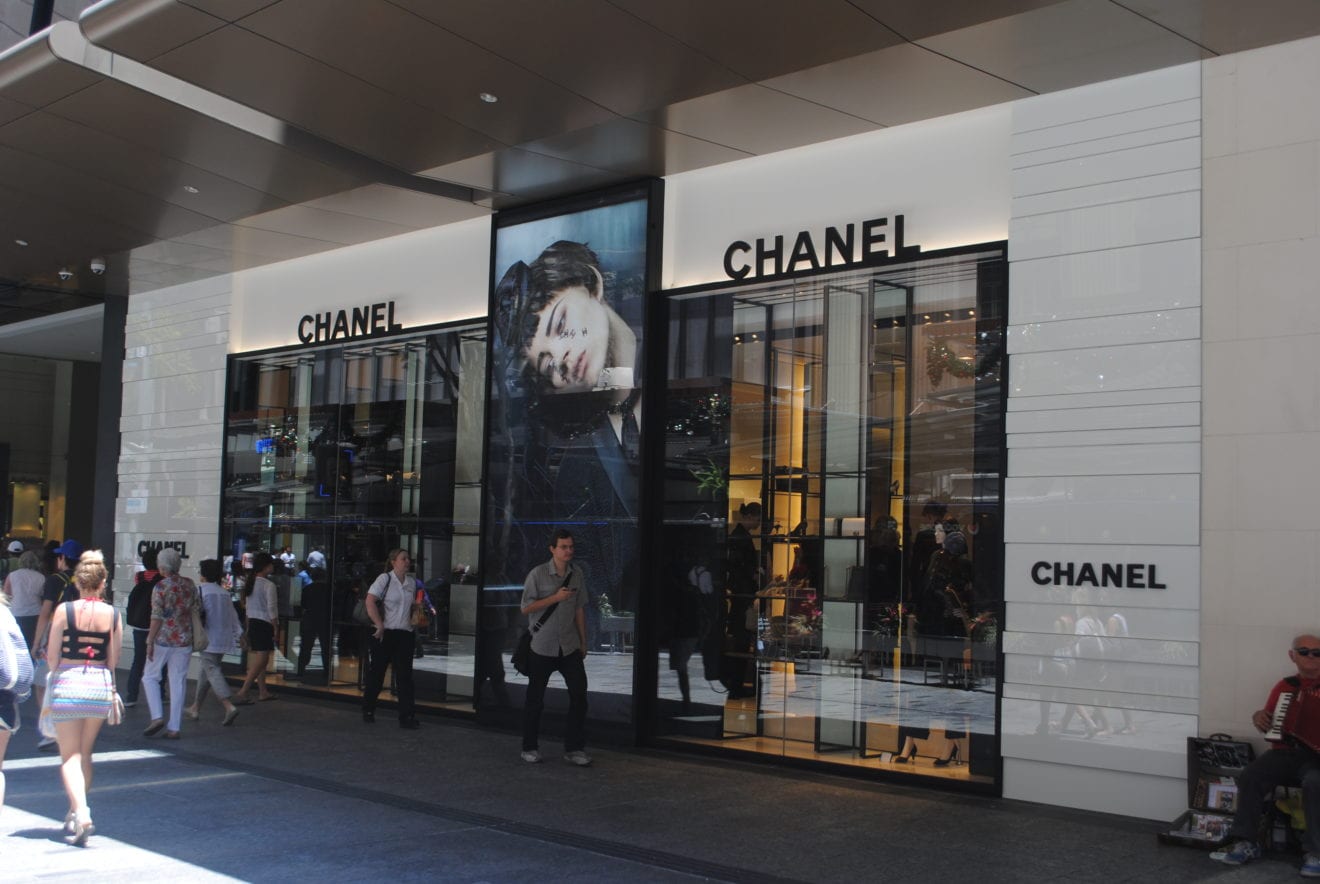
    The National Police have seized hundreds of counterfeit Chanel products from 13 stores in Mangga Dua and Senen, Jakarta.

    The head of the National Police’s special economic crimes division, Sr. Comr. Helmy Santika, said his team carried out a raid on Wednesday after receiving reports from the public in May about the sale of purses, bags, shoes and clothes fraudulently branded as Chanel.

    “The Chanel brand is registered at the directorate of intellectual property at the Human Rights and Law Ministry and is also protected under the 2001 law on brands,” Helmy said, as quoted by kompas.com on Friday.

    Of the 13 stores, 10 were located at ITC Mangga Dua in North Jakarta and the remaining three at Senen wholesale market in Central Jakarta.

    Helmy added that the confiscated items would become case evidence.

    After Wednesday’s raid, the police summoned the stores’ owners and attendants as witnesses in the hope of identifying suspects further up the supply chain.

  • Online Retailer MatahariMall Sets 20% Market Share Target

    Online Retailer MatahariMall Sets 20% Market Share Target

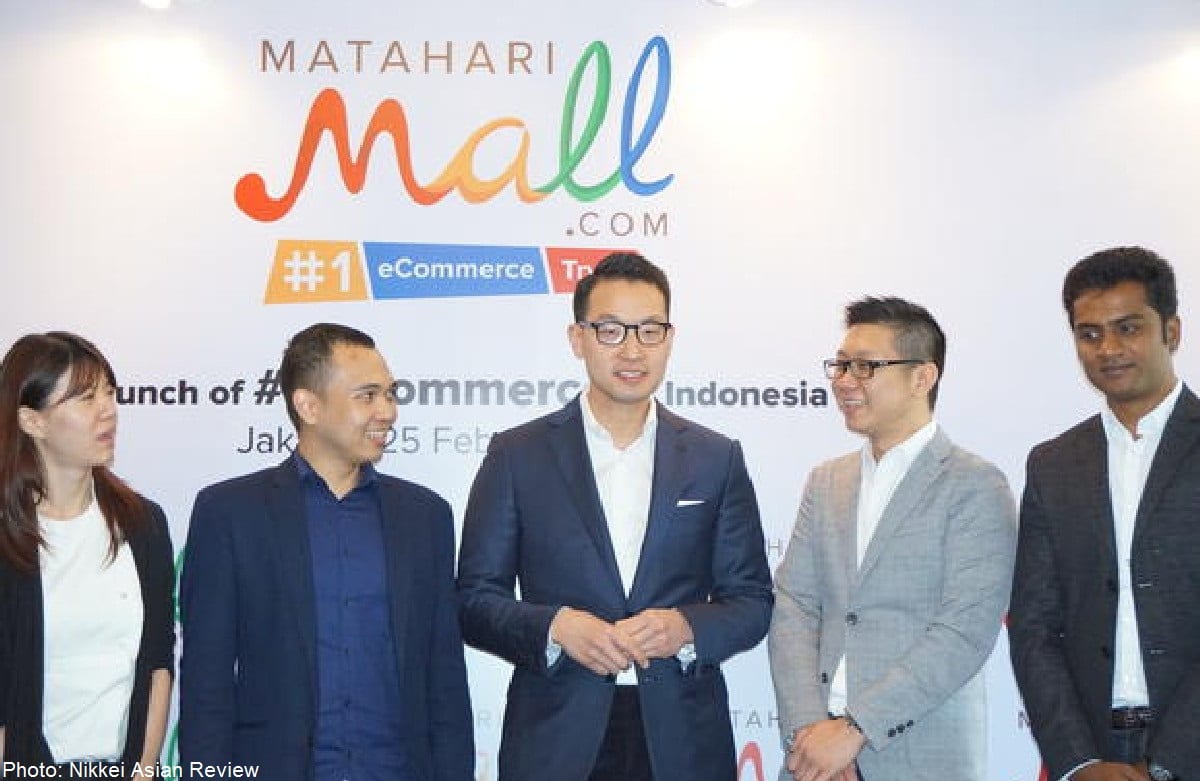
    Lippo Group’s new e-commerce unit MatahariMall is embarking on an ambitious expansion plan, aiming for a 20 percent market share of Indonesia’s web-based retail sector by 2020, its chairman said on Wednesday.

    MatahariMall.com chairman Emirsyah Satar said the potential of the e-retailer, which is slated for an official launching in September, is similar to Chinese e-commerce giant Alibaba’s in light of Indonesia’s huge untapped e-commerce market.

    Indonesia’s  e-commerce market is currently worth around $1.3 billion, constituting only 1 percent of the national retail market.

    “The e-commerce markets of other countries can reach between 5 and 8 percent of total retail sales, so we are confident the market volume can expand to between $20 billion and $30 billion by 2020,” Emirsyah said at the MatahariMall office in Jakarta.

    Unlike other online retailers, MatahariMall will offer the O2O, or Online to Offline, system that would allow customers to order products online and see the products first-hand at a nearby Matahari or Hypermart store, both of which are affiliated with the Jakarta Globe through Lippo Group.

    “We have a very solid footprint network in Indonesia and we have the experience in offline retailing through Matahari and Hypermart,” said the former president director of Garuda Indonesia.

    MatahariMall, Emirsyah added, is also partnering with various top brands in the lifestyle, fashion, automotive and electronics sector to enrich the array of products available to customers.

    “We believe MatahariMall.com will be the [region’s] best and biggest online retail store,” he added.

    Emirsyah is also urging the government to support the online retail industry through Internet infrastructure and regulations that support a growing local industry.

    MatahariMall has appointed Credit Suisse and Bank of America Merrill Lynch to lead its first round of financing for an amount expected to be between $200 and $250 million. This financing would make MatahariMall the most valuable e-commerce company in the country.

    The online retailer has also built a main warehouse of 10,000 square meters in Halim, East Jakarta, that can accommodate thousands of products.

    Lippo Group, one of Indonesia’s largest business conglomerates, has committed to invest $500 million for the next three years in its e-commerce arm.

  • BRI eyes syndicated loans as it opens Singapore branch

    BRI eyes syndicated loans as it opens Singapore branch

    State-owned Bank Rakyat Indonesia (BRI) will provide syndicated loans as part of a strategy to attract Indonesian companies following the opening of the lender’s branch office in Singapore.

    The lender will allocate at least US$100 million in the first year to Indonesian companies that are seeking offshore funding, an executive says.

    “We are aiming to lend at least $100 million of syndicated loans in the next 12 months. We already have some prospective loans in the pipeline, but the process will not be instant,” Azizatun Azhimah, general manager for BRI’s Singapore branch, said on the sidelines of the branch opening on Wednesday.

    Loans for any projects would be assessed based on their potential value, feasibility and compliance to the lender’s requirements, Azizatun said.

    BRI president director Asmawi Syam said the bank saw syndicated loans as a prospective type of lending to help boost its international business as well as finance infrastructure developments in Indonesia.

    “We can learn much about that type of loan in Singapore and collaborate with local and international banks here to grab opportunities.”

    According to Asmawi, demand for infrastructure financing will increase as more Singaporean investors get attracted to start investing in Indonesia’s infrastructure and other sectors following President Joko “Jokowi” Widodo’s visit to the city-state on Tuesday, saying that “the launch of BRI Singapore branch is well timed with the state visit”.

    “President Jokowi has invited Singaporean investors to help develop our infrastructure, so that BRI hopes to build a bridge between them and Singaporean and international banks as BRI is more experienced in financing infrastructure projects in Indonesia, such as power plants, seaports, airports and toll roads,” Asmawi said.

    President Jokowi met over 150 Singapore business leaders at a dialogue on Tuesday to discuss Indonesia’s economic priorities, foreign investments and partnerships in conjunction with his state visit to meet Singapore’s Prime Minister Lee Hsien Loong.

    Indonesia, Southeast Asia’s largest economy, needs to boost its infrastructure development and revitalize its manufacturing sector so as to achieve 7 percent economic growth by 2019.

    Asmawi said BRI was prepared to join the competition in the international banking business as it would ensure the competitiveness of the pricing offered by its services, adding that “our overall services will cover funding and lending facilities for corporate customers, including treasury, priority banking and trade finance”.

    “The Singapore market has big potential, so that we hope to break even in revenue in the second year, which is faster than the average overseas branches of banks,” Asmawi said while refusing to mention the revenue target.

    The new Rp 30 billion (US$2.2 million) Singapore offshore branch adds to BRI’s four existing overseas offices — BRI New York Agency, BRI Cayman Island Branch, BRI Hong Kong Representative Office and BRI Remittance Office.

    The Singapore branch will be able to provide wholesale banking services, such as trade finance and remittance as well as wholesale fund management.

    The branch, which is categorized as an “offshore branch” according to Monetary Authority of Singapore’s (MAS) regulation, has limited operation in wholesale or corporate banking services. Meanwhile, foreign banks under the “full branch” category in Singapore are allowed to operate wholesale and retail banking services as well.

    MAS granted the license to BRI in June after the bank applied in 2013 to be one of the players in Singapore’s foreign bank market in preparation for the ASEAN Economic Community’s (AEC) financial and banking integration in 2020, when certain grades of banks and financial companies will be allowed to operate freely across the region.

    On the sidelines of the launch, Coordinating Economic Minister Sofyan Djalil said the government applauded BRI’s move in entering Singapore’s banking market as the city-state was famous for being difficult to penetrate due to tight restrictions and requirements for foreign banks.

    “This action is positive because we are entering the AEC, so that our banks should prepare themselves to operate regionally. By being exposed more to the international market, BRI is expected to tap more resources to improve itself and its customers as well as to contribute to Indonesia’s economy.”


  • Indonesia orders new Bali airport closure due to volcano

    Indonesia orders new Bali airport closure due to volcano

    Indonesian authorities ordered a fresh shutdown of the airport on the resort island of Bali today, sparking flight cancellations and travel misery for tourists during peak holiday season.

    Transport ministry spokesman J A Barata said Ngurah Rai airport would be closed for several hours from midday (0930 IST) due to ash drifting from Mount Raung, on Indonesia’s main Java island.

    Australian carriers Jetstar and Virgin Australia announced they were canceling flights in and out of Bali today, a popular holiday destination that attracts millions of tourists from around the world every year.

    The closure was the fourth shutdown of Bali airport in recent weeks due to the volcano, which has been spewing ash and lava high into the air since late June.

    The disruption has come during peak holiday season, leaving thousands of tourists stranded.

    The most serious period was between July 9 and 12, when two closures forced almost 900 flights to be canceled or delayed and created a backlog that took days to clear.

    Indonesian government vulcanologist Gede Suantika told AFP that the volcano was today shooting out ash clouds that were larger than those it had recently been emitting.

    “The volcano normally shoots out ash 700 to 800 metres but it’s around 1,000 metres today,” he said.

    Air traffic is regularly disrupted by volcanic eruptions in Indonesia, which sits on a belt of seismic activity running around the basin of the Pacific Ocean and is home to the highest number of active volcanoes in the world, around 130.

  • Bank Rakyat Indonesia launches country’s first floating bank

    Bank Rakyat Indonesia launches country’s first floating bank

    Bank Rakyat Indonesia (BRI) has launched a floating bank to make banking accessible to people residing in remote islands or coastal areas.

    The bank which has been named Teras BRI Kapal will currently provide its services to the Thousand Islands regency off north Jakarta. Its services would cover six islands including Pramuka Island, Tidung Island, Kepala Island, Untung Jawa Island, Harapan Island and Panggang Island, reported the Jakarta Post.

    The banks plans to introduce additional boats eventually to further expand its services to other remote islands.

    BRI president director Asmawi Syam was quoted a saying: “We want to provide services for people in coastal areas who previously did not receive optimum banking services.”

    The boat that will comprise 11 staff members including crew, guards and four BRI officers, a teller, a customer service officer and two account officers will provide services including savings, loans and money transfers. It will operate from Monday to Friday.

    As per plans, the bank will launch a new floating boat branch every year and will invest $1.11m (£710,872, €1.02m) on each branch.

    It also plans to cover areas including Ternate in North Maluku, Bau-bau in Southeast Sulawesi and Tanjung Selor in North Kalimantan in the future.

  • SE Asian consumers switch to ecommerce

    SE Asian consumers switch to ecommerce

    International information technology players have been piling in.

    Japanese telecoms group Softbank has made a string of acquisitions across Asia. It invested $250m in the region’s ride-hailing app GrabTaxi at the end of last year. In Indonesia, it invested $100m in online marketplace Tokopedia and mobile device retailer Trikomsel.

    Singaporean blue-chip companies such as Singapore Press Holdings and MediaCorp, the latter controlled by Temasek Holdings, Singapore’s government-controlled investment company, have also been involved in a raft of deals.

    This month, Temasek said it would partner with United Overseas Bank to set up a venture and debt financing fund of nearly $500m to help finance the growth of ecommerce and other technology and healthcare initiatives around the region.

    Online sales account for only 1 to 2 per cent of total retail sales in many southeast Asian countries, providing ample scope for the kind of breakneck growth that online trade has enjoyed in China — where ecommerce now accounts for 11 per cent of total retail sales, up from 2.5 per cent just five years ago, according to estimates by FT Confidential Research, a Financial Times research service.

    But ecommerce operations in Southeast Asia are often hindered by factors such as high logistics costs and the limitations of online payment systems. In Indonesia, more than 95 per cent of ecommerce transactions are settled in cash on delivery, and more than 90 per cent of visits to ecommerce sites do not result in sales.

    Nevertheless, online retailers Lazada and Zalora, both owned by German tech investor Rocket Internet, have built up robust online sales across the region. They have tackled logistical constraints by investing heavily in their own in-house logistics and supply chain providers.

    Chinese ecommerce giant Alibaba, meanwhile, is expanding its international ecommerce site AliExpress across the Asean region. It recently acquired a 14.5 per cent stake in Singapore Post, which last year announced plans to spend $145m on a regional ecommerce logistics hub. Its rivals in the logistics sector include Singapore-based aCommerce, which is backed by Japan’s NTT Docomo.

    A number of pan-Asean online payment systems are in the process of being established, meanwhile, such as 2C2p and Coda Payments.

    As ecommerce expands, consolidation is set to follow. Many domestic start-ups have focused excessively on building initial sales volume at the expense of profitability. At some point soon, a shake-out appears inevitable.

  • Lawson to open 450 stores in Japan this year

    Lawson to open 450 stores in Japan this year

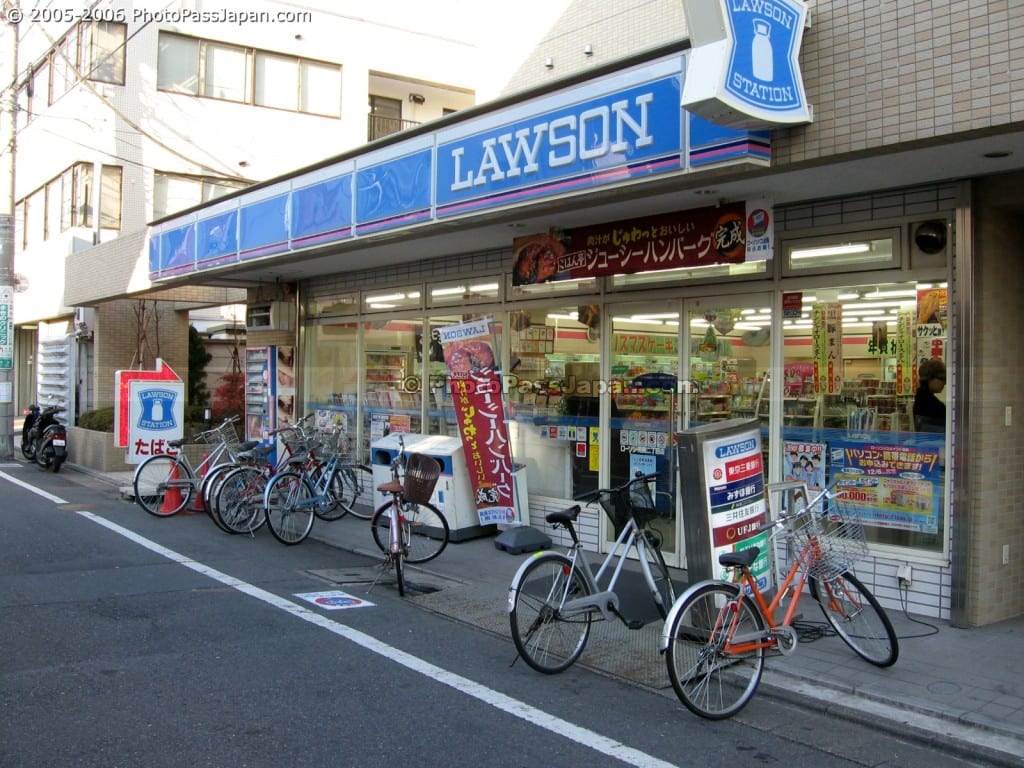
    Even though Japan’s convenience store sector faces numerous challenges, the country’s second-largest operator, Lawson, plans to open another 450 stores this year, the company’s CEO has revealed.

    Genichi Tamatsuka said there are 55,000 convenience stores in Japan but the market has not yet reached saturation point.

    He sees massive potential for growth because of demographic and other social changes that are altering consumers’ buying behaviour.

    “Whereas people used to go to a big supermarket and prepare meals for a family of four or five, now they’re busier, they’re older, and they prefer to buy in a small neighbourhood store,” he explained.

    Lawson currently runs a network of 12,000 stores – soon to be expanded – and, combined with its logistical muscle, Tamatsuka expressed confidence that it would be able to meet the needs of these “combini” neighbourhood stores.

    “With our scale of 12,000 stores, our supply chain and platform, we can supply food and necessities to these neighbourhoods,” he said.

    Expansion overseas is another source of potential growth, he indicated, considering the value placed on the high level of customer service provided by Japanese retailers.

    Lawson has 500 stores in China and has also started up operations in Thailand, Indonesia and the Philippines.

    Despite Tamatsuka’s confidence, research group Euromonitor earlier this year published a more downbeat assessment of Japan’s retail landscape.

    “Japanese grocery retailers are expected to face numerous challenges imposed by such factors as changing demographics and operational difficulties,” it warned.

    However, in what could be seen as endorsement of Tamatsuka’s expansion strategy, the report went on to say, “in order to fight against such negative circumstances, grocery retailers may attempt to expand in size and diversify business portfolios”.

  • Hero to open more stores  to boost revenues

    Hero to open more stores to boost revenues

    Retail company PT Hero Supermarket (Hero) will spend up to Rp 640 billion (US$48 million) this year for business expansion with retail plans to open stores in several cities across the country.

    The move will be made to restore the company’s disappointing financial performance earlier this year.

    Hero, which operates hypermarkets, supermarkets, convenience stores, drug stores and furniture stores, plans to open four Giant Ekstra hypermarkets and six mid-sized Giant Ekspres supermarkets in several regions, including Bangka and Lombok. Arief Istanto, a director with Hero, said each Giant Ekstra would cost between Rp 100 billion and Rp 150 billion while the Giant Ekspres would cost about Rp 20 billion. It means the company will allocate between Rp 440 billion and Rp 640 billion in capital expenditure to build the stores this year.

    Arif said the company aimed to improve its financial performance and hoped to book profits like it did in previous years. The company will use its internal funds for the expansion.

    “We would like to expand our network so that it can attract more customers. Thus, our top line will also increase,” he said after an extraordinary shareholders’ meeting on Tuesday. At the meeting, they agreed not to disburse the Rp 43.75 billion in dividends to shareholders and instead spend it on the company’s business expansion plan.

    Hero Supermarket previously suffered Rp 33.19 billion in net losses during the first quarter of this year amid a 14 percent increase in net revenues of Rp 3.57 trillion, making it the worst performer in the country’s retail industry.

    Last year, the company saw its net profit dive to Rp 43.75 billion from Rp 671.13 billion in 2013. A 13.94 percent increase in revenues, which stood at Rp 13.56 trillion at that time, could not ease the ballooning operating expenses, which hit Rp 3.31 trillion.

    “Our 2014 financial results were disappointing with weak sales growth and a significant increase in operating costs across all businesses as well as higher overhead and store pre-opening costs,” Stephane Deutsch, Hero’s president director, said in a statement.

    In 2014, the company launched a flagship furniture store under Swedish brand IKEA in Alam Sutera, Tangerang, Banten, some 25 kilometers west of Jakarta’s city center.

    Arief confirmed Hero has planned to build five more IKEA stores in the future as the company was upbeat about the prospects of the franchise furniture store.

    “At the moment, we are looking for land for the second store. It is supposed to be done this year,” Arief said, adding that the second store would be located in Greater Jakarta.

    According to him, IKEA has contributed around Rp 200 billion to Hero’s revenues in the first quarter of this year,

    Hero says it hopes to book 30 to 40 percent growth in revenues during the fasting month of Ramadhan this year. The company currently operates 33 Hero supermarket stores, 341 Guardian healthcare stores, 98 Starmart convenience stores, 53 Giant Ekstra stores, 121 Giant Ekspres stores, two Jason supermarket stores and one IKEA store.

  • Jakarta Great Sale Casts Its Net Beyond Indonesia

    Jakarta Great Sale Casts Its Net Beyond Indonesia

    Last month, Jakarta celebrated its 488th anniversary. The capital, which was established by Indonesian national hero, Fatahillah, in 1527, is definitely getting old. But despite being home to more than 10 million people, the city never slows down.

    New high-rises pop up on every corner of the city. And each of them outdoes the previous in size and grandeur. Major developments are currently underway, promising that the city is on track to become one of the most glam and sophisticated in Southeast Asia.

    To celebrate its birthday, the city’s modern landmarks and shopping malls again present the Festival Jakarta Great Sale (FJGS). FJGS has been held annually since 2008.

    “FJGS has always been an important highlight of the city,” said Ellen Hidayat, chairwoman of the executive committee of FJGS 2015. “And it’s going to be much bigger and better this year.”

    This year, the event is organized by Association of Shopping Mall Management in Indonesia (APPBI), in collaboration with 12 other shopping and tourism-related associations in the country.

    Until mid-July this year, 78 malls in Jakarta will offer discounts on their merchandise by up to 70 percent.

    The event is also supported by Jakarta’s Tourism Office and featured in its official calendar of events.

    “Our office fully supports FJGS,” said Purba Hutapea, chief of Jakarta’s Tourism Office. “We hope to attract more local and international tourists with the event.”

    Jakarta is targeted to attract three million tourists this year — a 25 percent increase on tourist arrivals last year, which were about 2.4 million.

    “And FJGS is indeed a great way to attract more visitors to the city,” said Purba.

    Among the top five international tourists visiting Jakarta are Malaysians, Chinese, Singaporeans, Japanese and South Koreans. And their main reason of visit is to go shopping.

    “Malaysians love our Muslim attire, as they have very good quality at affordable prices,” said the chief of the tourism office.

    Besides Malaysians, according to Purba, the Chinese, Japanese and South Koreans are currently eyeing our fashion products.

    FJGS is also targeting Indonesian shoppers.

    “Indonesians have a habit of going to Singapore for shopping, as Singapore usually offers more products of international brands at cheaper prices,” said Ellen Hidayat. “But it’s a different story this year.”

    Ellen and her team have recently surveyed the malls in Singapore during the currently ongoing The Great Singapore Sale.

    “With today’s foreign exchange rate [between the Singaporean dollar and the rupiah], the prices of the branded products in Jakarta are actually a lot cheaper,” said Ellen. “So, this year, we hope that the locals will choose to shop in Jakarta instead of going to Singapore.”

    Ellen believes that FJGS and a series of fun activities organized in the malls during the event will see an increase in visitors by 30-40 percent to the city’s malls.

    The executive committee of FJGS 2015 hopes to achieve a total transactions of Rp 14.3 trillion this year, or about a 10 percent increase from last year’s transactions of Rp 13 trillion.

    It seems a high aim during Indonesia’s current economic slow-down, but the chief of Jakarta’s economic bureau, Adi Ariantara, remains optimistic.

    “FJGS, which is held during the school holiday season, as well as the fasting month, will surely encourage people to spend more,” said Adi. “And hopefully, it will also instigate positive economic growth for us.”

    A series of attractive events have been prepared to draw more visitors to the malls during FJGS 2015.

    One of them is Jakarta’s iconic Midnight Shopping events. During FJGS this year, a total of 19 shopping malls will take turns to hold ‘Midnight Shopping’ on weekends.

    “It’s one of the most awaited events during FJGS, as the malls will usually offer a series of entertainment, as well as special prizes for shoppers,” said Ellen.

    This year, Jakarta’s shopping malls also open their doors to traditional craftsmen and small-to-medium enterprises (SMEs) belonging to the National Handicraft Council (Dekranasda) of Jakarta.

    During FJGS 2015, these craftsmen and SMEs are allowed to offer their products at stalls dedicated to them along the corridors of the malls.

    This year, BayWalk Mall, Puri Indah Mall and Grand Indonesia Shopping Town will host these craftsmen and SMEs.

    “In the future, Dekranasda will work together with all shopping malls in Jakarta and encourage them to dedicate a special section within their malls for the craftsmen and SMEs in their regions,” said Veronica Basuki Tjahaja Purnama, chairwoman of Dekranasda Jakarta.

    But the excitement of FJGS 2015 is not only felt within the glitzy malls and shopping centers of Jakarta.

    For the first time ever, the event will also be held in traditional wet markets in Jakarta.

    “We want every layer of the community to feel the excitement of FJGS,” said Djangga Lubis, director of PD Pasar Jaya, government-owned company that manages traditional wet markets in Jakarta.

    There are currently 153 traditional wet markets in Jakarta. But only 10 are featured in FJGS this year.

    “These 10 markets are those that are most ready, in terms of cleanliness and comfort, to present the ‘Pasar Murah’ (Affordable Market) bazaars during FJGS this year,” said Djangga. “And these 10 markets also represent Jakarta’s five main regions.

    Among the 10 wet markets are Pasar Santa in South Jakarta, Pasar Gembrong in Central Jakarta, Pasar Pos Pengumben in West Jakarta, Pasar Cibubur in East Jakarta and Pasar Koja Baru in North Jakarta.

    During FJGS 2015, these traditional wet markets will take turns to present ‘Pasar Murah’ on weekends.

    The items offered during Pasar Murah are staple food items, including rice, eggs and meat. These items will be offered discounts of about 20 percent.

    It seems that FJGS is indeed getting more solid this year. Unfortunately, the growth of shopping destinations has yet to be supported by proper infrastructure development that could further push the city to become a destination that is on par with neighboring countries such as Singapore.

    Recognizing this issues, Jakarta Governor Basuki Tjahaja Purnama ensured during the opening night of FJGS 2015 that projects are underway.

    “We’ve just designed seven routes for the Light Rapid Transportation (LRT), which will connect major shopping centers and hotels in Jakarta,” said Basuki. “We’re also buying a lot of new buses for Jakarta as we plan to provide 24-hour bus transportation in the capital,” said Basuki.

    Ahok also plans to develop 12 new traditional markets in Jakarta to accommodate street-side peddlers.

    “On top of these traditional markets, we’ll also build apartments for rent at affordable prices for the peddlers,” he said.

    With these plans, Jakarta promises to be a much nicer city to visit and live in.

    “We’re planning to save Rp 10-15 trillion from corruption each year and use the money to build more infrastructure, parks and public facilities for Jakarta,” said the governor.

    “Once they are in place, we can confidently announce that Jakarta is a shopping paradise to the whole world,” said Basuki.
  • Garuda Indonesia partners with China’s CFM International over the airline’s 737 MAX Fleet

    Garuda Indonesia partners with China’s CFM International over the airline’s 737 MAX Fleet

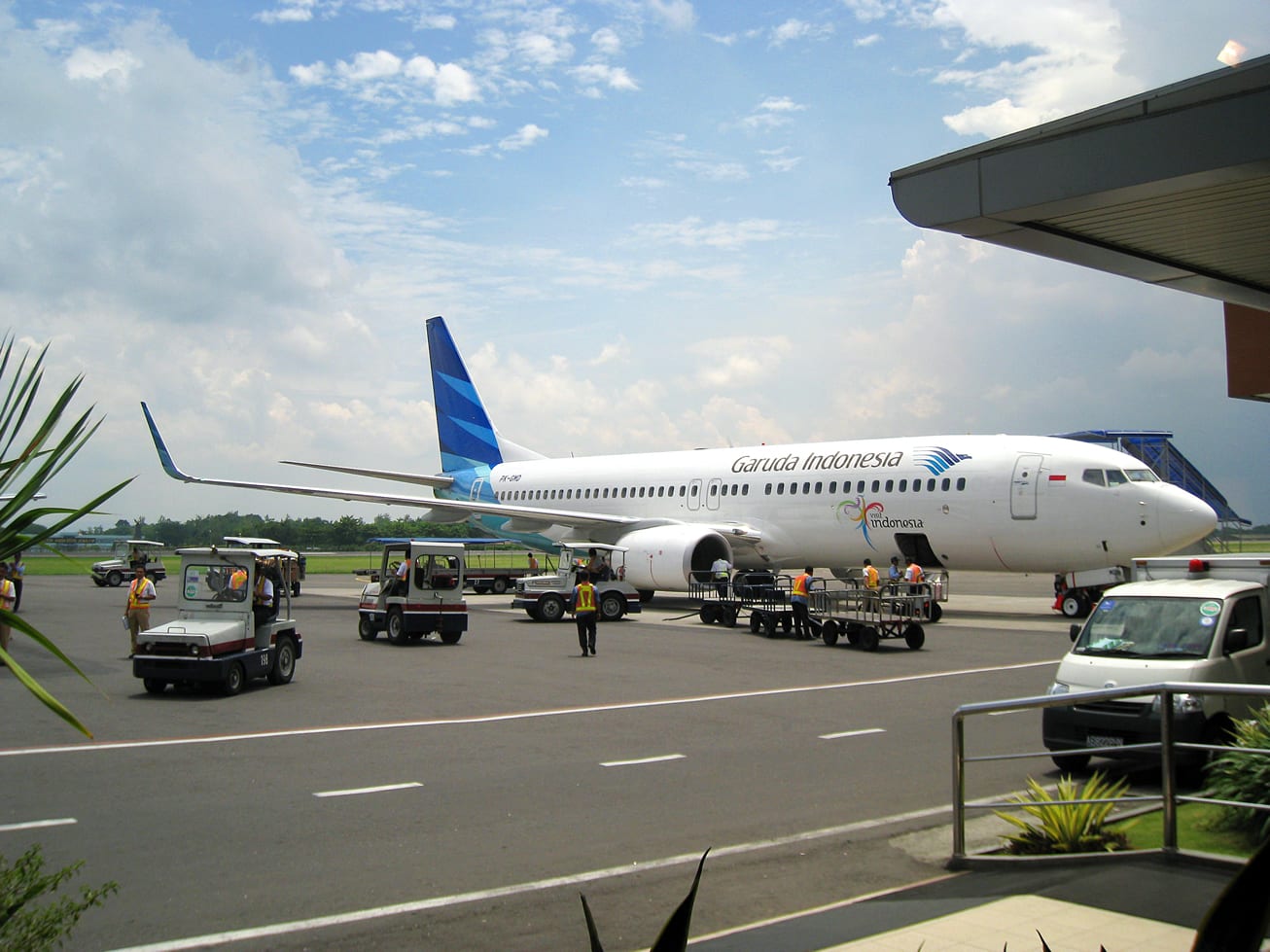
    State-run flag-carrier PT Garuda Indonesia Tbk (GIAA) and China’s CFM International have announced the expansion of their long-term partnership, under which, CFM will provide support for the airline’s future fleet revitalization program.

    Under the arrangement, Garuda is committed to purchase 50 Boeing 737 MAX 8 aircraft, which will be powered by CFM LEAP-1B engines.

    “The Next-Generation 737 with CFM56-7B engines is the backbone of our current fleet and this order for the 737 MAX shows our continued commitment to providing our passengers with the most modern, fuel efficient aircraft/engine combination available today,” said Arif Wibowo, President Director and Chief Executive Officer of Garuda Indonesia.

    Garuda Indonesia is a long-time CFM customer and began operating the CFM56-3-powered Boeing 737-300 in the late 1990s. Today, the airline’s fleet includes approximately 80 CFM-powered 737 aircraft in service or on order.

    “We are pleased that Garuda Indonesia has continued to place its trust in CFM,” said Max York, Regional General Manager of Sales for CFM International.

    The LEAP engine is to be the most advanced, reliable, fuel-efficient powerplant for the new generation of single-aisle aircraft.

    Garuda said the lower weight and higher durability these components provide will result in a 15 percent improvement in fuel efficiency, with an equivalent reduction in CO2 emissions; a 50 per cent margin to new emissions regulations; a dramatically lower noise signature; CFM’s industry-leading reliability and low overall operating costs.

    Garuda announced in October 2014 the airline’s intent to purchase 50 737 MAX 8 aircraft. The agreement is part of the airliner’s revitalization program in order to provide its passengers with the best possible experience with the youngest fleet in the sky and to support the airline’s future plan to further expand its network globally.

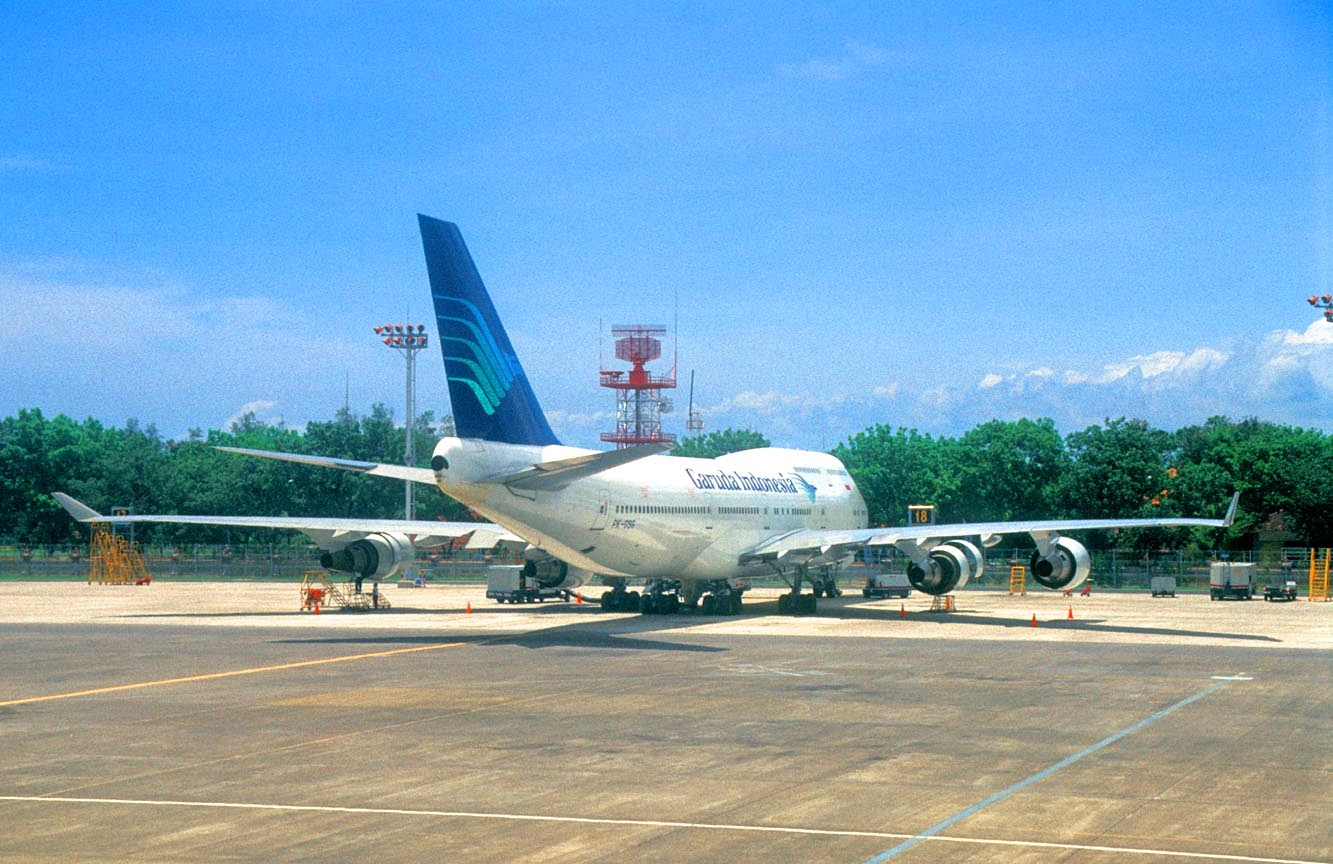
    The airliner currently operates more than 90 Boeing airplanes, including Next-Generation versions of the 737, 777-300ERs and 747-400s.

  • Indonesia’s Bank Mandiri partners ASCO, Tunas for multifinance biz JV

    Indonesia’s Bank Mandiri partners ASCO, Tunas for multifinance biz JV

    PT Bank Mandiri Tbk (BMRI), the largest bank by assets in Indonesia, is planning to tap the growing automotive credit market through a joint venture (JV) with a multifinance firm PT Mandiri Utama Finance (MUF).

    The bank plans to collaborate with automotive distribution company ASCO Automotive and Tunas Group for establishing the JV company. In the new JV, Bank Mandiri will hold 51 per cent, while US ASCO will hold 37 per cent stake and Tunas Group 12 per cent.

    MUF expects the new JV firm to begin operations in September.

    MUF was established in January 2015 as a leasing sub unit of Bank Mandiri, which has 10 subsidiaries, including Syariah lender PT Bank Syariah Mandiri (BSM), securities firm PT Mandiri Sekuritas and life insurer firm PT AXA Mandiri Financial Services.

    Hery Gunadi, Consumer Banking Director for the bank told that Bank Mandiri intends to capture market share of 30 per cent by 2018. Currently, the bank has around 10 per cent market share in the multi finance sector.

    MUF plans to open between five and eight branches (Jakarta, Bandung and Surabaya) in the second half of this year.

    Meanwhile, Mandiri Tunas Finance will provide financing for car, heavy equipment and motorcycles, while Mandiri Utama Finance will focus on new and used car and motorcycle financing, said Gunadi.

    President Director and CEO Group of Bank Mandiri, Budi Gunadi Sadikin added that the potential market for automotive credit could reach Rp200 trillion ($14.93 billion) this year with estimated car sales around 1 million units and motorcycle 8 million units.

    “There are a lot of multifinance firms that are encountering funding difficulties. This creates opportunities for us to enter (the financing) business. At present, income contribution from multifinance business, on average grows, by around 31 per cent per annum; and it is the third largest income contribution from subsidiaries after AXA Mandiri and Bank Syariah Mandiri,” he said.

    ASCO Automotive and Tunas Group are among largest automotive distributors in the country. ASCO Automotive, previously called Adira Mobil, was jointly established by former CEO of PT Astra International Tbk (ASII) Teddy P Rahmat and former CEO of financing firm PT Adira Finance TbkStanley Setia Atmadja in 1989.

    Tunas Group was established by businessman Anton Setiawan in early 1970s. In 1980, he establishedPT Tunas Ridean Tbk (TURI) as holding company of Tunas Group and listed the firm in 1995. In 2009, Bank Mandiri acquired 51 per cent shares of PT Tunas Financindo Sarana, a subsidiary of Tunas Group and later changed the company’s name to PT Mandiri Tunas Finance (MTF).

  • Indonesia’s Telkomsel collaborates with Trikomsel for handset bundling deals

    Indonesia’s Telkomsel collaborates with Trikomsel for handset bundling deals

    The largest mobile operator in Indonesia, PT Telekomunikasi Selular (Telkomsel), unit of state-run telecom operator PT Telkom Indonesia Tbk (TLKM), has joined hands with gadget store operator PT Trikomsel Oke Tbk (TRIO) to launch a device bundling program to drive the growth in smartphone users, the company said in a statement.

    The device bundling program includes, Lenovo Vibe X2, Xiaomi Redmi 2 and Xiaomi Mi 4i with cash back and data package promotion. In addition. Telkomsel also launched device bundling program for BlackBerry Classic, Samsung Galaxy S6 edge and LG G4 to attract high value customers.

    Since December 2014, Telkomsel has successfully rolled-out 4G LTE services to support the data services in Jakarta, Bali, Bandung, Surabaya and Medan using the 900Mhz spectrum. The operators are in the midst of rearranging their 1800Mhz spectrum and expected to be completed by the end of the year.

    To signify the completion of spectrum rearrangement in areas outside Java, Telkomsel launched 4G LTE services using 1800Mhz spectrum in Makassar and Lombok in July 2015. To date, the operator has more than 1,000 4G LTE BTS serving the seven key cities.

    In the first half of 2015, Telkom as a group has spent Rp11.9 trillion ($888.06 million) in capital expenditure (capex), of which Rp5.8 trillion was for Telkomsel and the remaining Rp6.1 trillion was for Telkom and other subsidiaries.

    Telkom’s capex was mainly utilised for deploying access and backbone infrastructure to support the broadband services, while Telkomsel’s capex was mainly utilized for radio access network. Other subsidiaries’ capex was utilised for towera, property, data center, and project international cable systems.

    In first half of the year, Telkomsel reported that net profit rose 14.7 per cent from previous year (Rp8.81 trillion to Rp10.11 trillion). While the company revenues rose 13 per cent from Rp31.33 trillion to Rp35.40 trillion in first semester of 2015.

    Revenue from prepaid customers accounted for 84.9 per cent with Rp30.04 trillion of Telkomsel’s total revenue mainly driven by prepaid subscriber base, high increase in data usage and data revenue as well as continued growth in voice and SMS revenues.

    Postpaid revenue increased by 13.5 per cent to Rp2.78 trillion mainly driven by the increase in the postpaid customer base which grew by 16.6 per cent to 3 million subscribers. Revenue from postpaid customers contributed 7.9 per cent to the total revenue.

    Telkomsel continued aggressive network deployment with 11,495 new BTS installed in an effort to maintain leading network supply to strengthen mobile broadband experience. Around 90 per cent of new BTSs were 3G/4G BTS.

  • Blue Bird to use Honda Mobilio taxis

    Blue Bird to use Honda Mobilio taxis

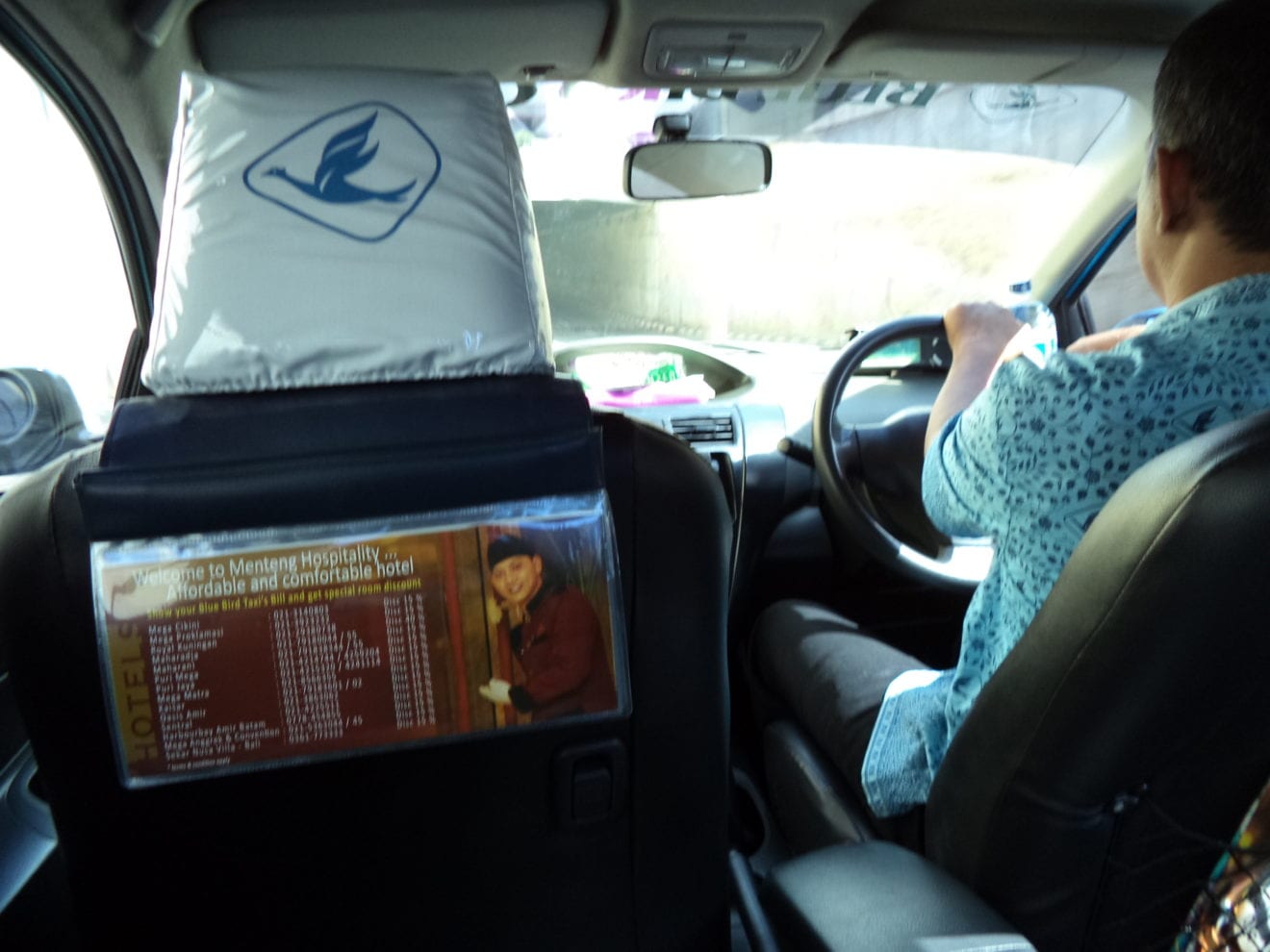
    Taxi operator Blue Bird Group will add the Honda Mobilio multi-purpose vehicle to its fleet in September.

    Blue Bird public relations manager Teguh Wijayanto said the new taxis would charge the regular fare. “The fare will be the same as the regular taxis,” said Teguh as quoted by kompas.com, adding that the Honda Mobilio taxis would be part of its regular fleet, not for its Silver Bird executive service.

    Blue Bird did not reveal the number of Mobilios to be used as taxis as it was still testing the cars.

    Currently, Blue Bird uses five-seater sedans as taxis. The seven-seater Mobilio will be able to carry up to six passengers.

  • Dairy Farm Indonesia reviews struggling Starmart

    Dairy Farm Indonesia reviews struggling Starmart

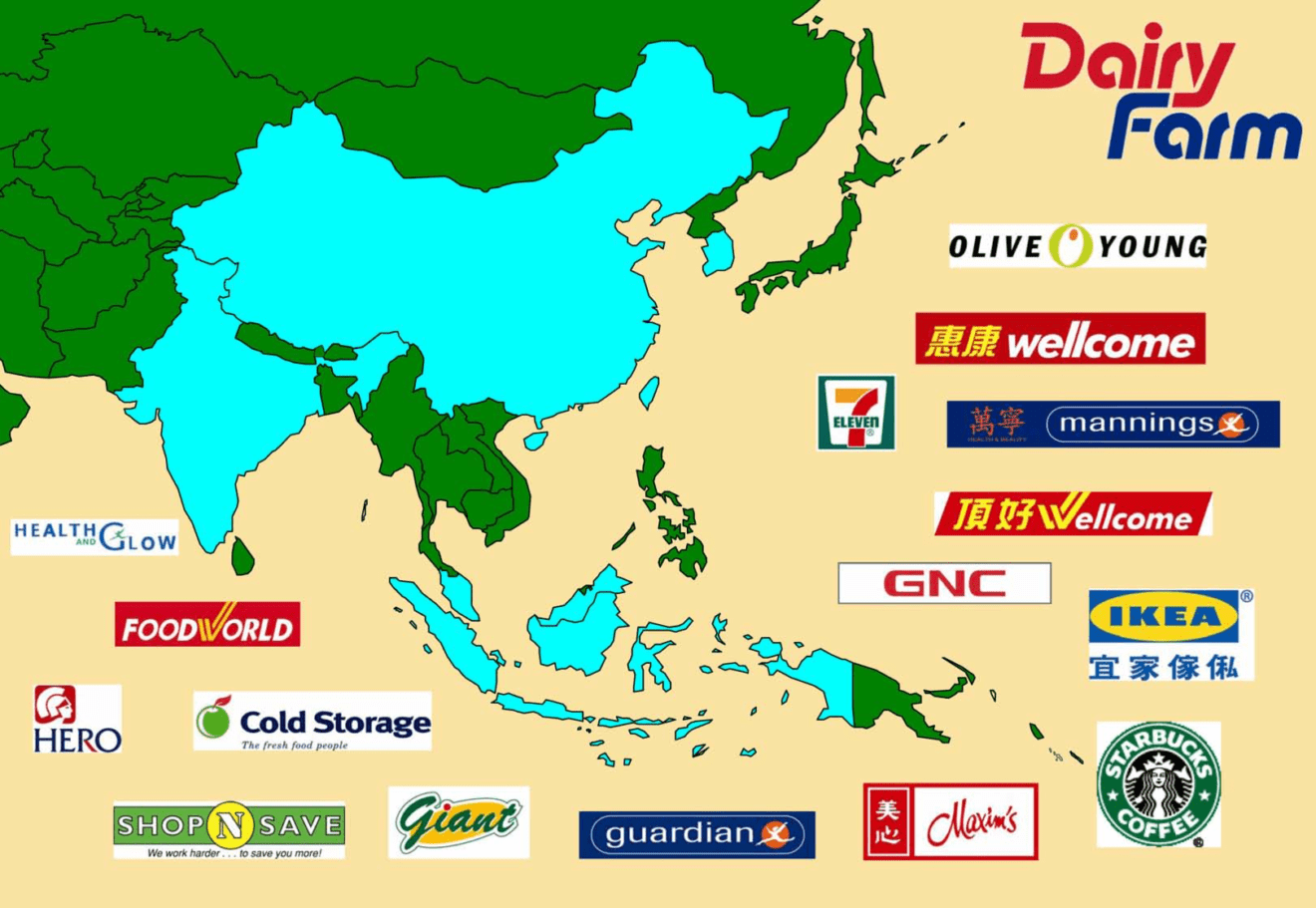
    Dairy Farm Indonesia is reviewing the future of its Starmart convenience store chain after closing nearly a third of its stores in the latest half year.

    The chain has been hit hard by the Indonesian government’s moves to limit the sale of alcohol, banning liquor sales in c-stores in April.

    Since then, Hong Kong headquartered Dairy Farm Indonesia subsidiary PT Hero Supermarket group has closed 39 stores leaving just 95.

    “A detailed strategic review of this business is currently being undertaken,” the company said in its earnings statement released Tuesday.

    The company said the closures would improve the profitability of the banner, but its prospects do not appear bright.

    PT Hero operates 641 stores in all, including 53 Giant Ekstra hypermarkets, 155 Hero Supermarkets and Giant Ekspres stores, 337 Guardian health and beauty stores and one Ikea.

    Overall, the group experienced a 15 per cent increase in revenue in the first half year, with gross profit up nine per cent, but it still posted a net loss of Rp 32 billion (HK$18.4 million).

    Food and health & beauty sales, showed strong like for like growth in the half year, despite a soft trading environment, and Ikea showed “very promising” early trading figures, the company said.

    “Despite the sales momentum, profitability was negatively impacted by outpacing costs resulting from minimum wage increases, stocktake improvements and store rationalisations. Strong actions on energy saving and productivity are being taken to mitigate the impact of increasing costs. In Food, investment in price has led to a reduction in the gross profit margin.”Besides the Starmart closures, PT Hero shuttered another 24 stores across its brands.

    Stephane Deutsch, president director, said in food, the company was concentrating on increasing fresh produce sales.

    “This has helped to increase like for like sales, especially in Giant where progress is being made on growing its market share. Action is also being taken to improve the efficiency of the supply chain.”

    The hypermarket operation, Giant Ekstra, and the supermarket operation, Giant Ekspres, are both taking steps to improve the customer shopping experience in selected stores prior to rolling out the initiative more broadly across the country, he said.

    “The upscale format, Hero Supermarket, is continuing to enhance its offer across the fresh, imported and exclusive ranges to provide a more distinctive choice for customers.”

    In Health and Beauty, Guardian’s store expansion program is “progressing well” alongside the introduction of refreshed branding and increasing private label development, leading to further improvements in like for like sales.

    “The strategic partnership with the local pharmacy operator Apotik Melawai, which combines their local pharmacy strengths with the broader health and beauty offering of Guardian, is showing encouraging results.”