Tag: Indonesia

  • Garuda cancels all flights to Denpasar due to volcanic ash

    Garuda cancels all flights to Denpasar due to volcanic ash

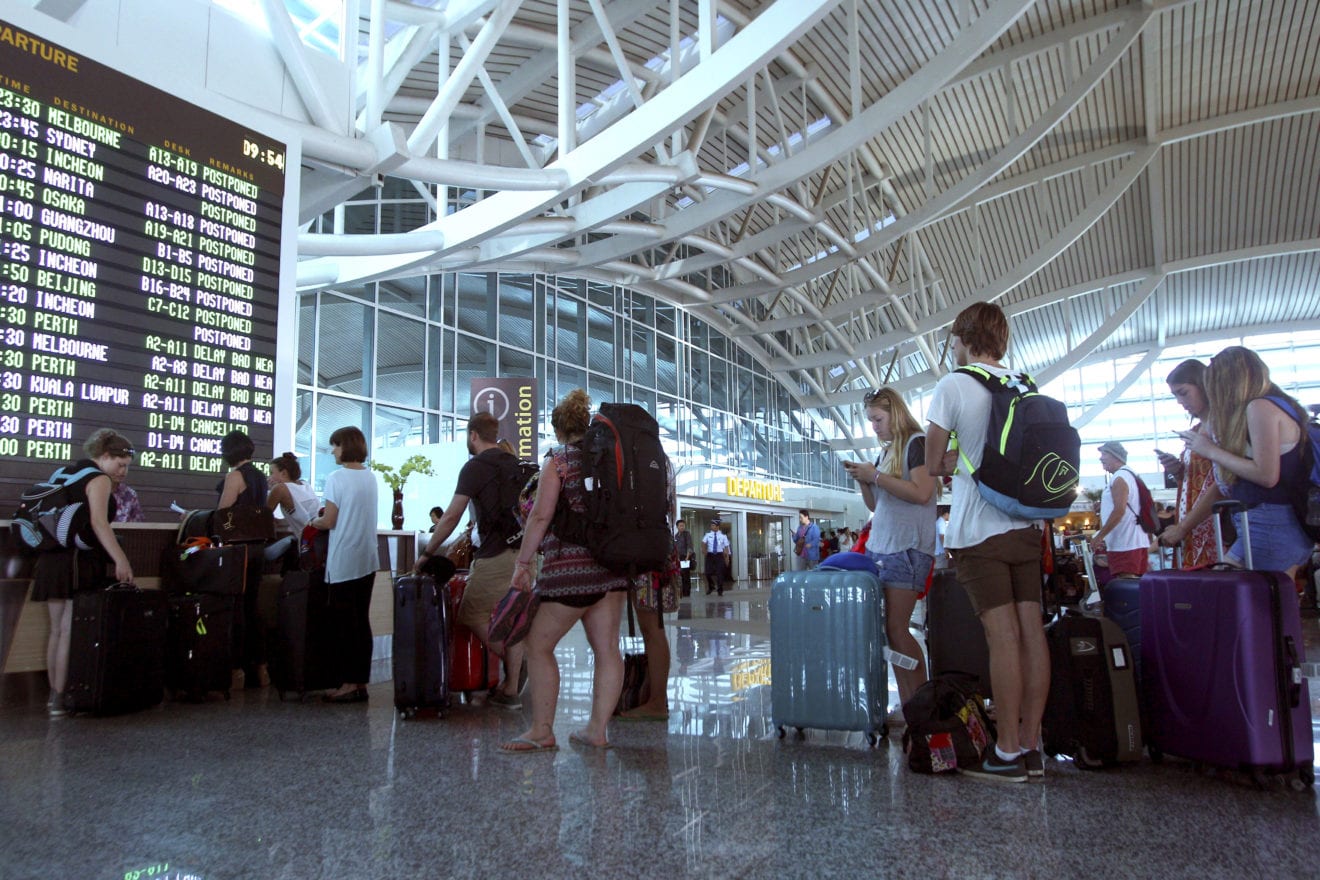
    Garuda Indonesia Airlines on Sunday cancelled all flights to Balis Nurah Rai International Airport following its closure again at 9.30 a.m local time on Sunday.

    The flights cancellation was aimed to avoid aviation hazards and to ensure passenger safety due to the volcanic ash being spewed by Mount Raung in East Java Province.

    “Due to the rising eruption of Mount Raung in Bondowoso, East Java, this volcano was closed again on Sunday, that makes Garuda temporarily canceled all flights to Denpasar,” Executive Vice President Corporate Communications PT Garuda Indonesia M Ikhsan Rosan said in his press statement received here on Sunday.

    The Garuda flights were cancelled after a notice was issued to airmen (Notam) “No.A1423/15 which was issued by the Briefing Office of Ministry of Transportation.

    In addition, Garuda also cancelled its flights from Balis Nurah Rai International Airport pending further announcement which will be issued by the Briefing Office.

    Rosan further said that with regard to the mount eruption, Garuda issued policy such as the exemptions of cancellation fee, administration fees, re-booking or reroute fee, refund fee, and other ticket change fees for passengers scheduled to fly to Denpasar on the day.

    Garuda also called flights for the passengers who will fly to and from Denpasar to immediately make changes to ticket reservation through the Call Center Garuda Indonesia (24 hours) at numbers 021-2351 9999 and 0804 1 807 807.

    Apart from that Garuda will continue to update the information on the current situation through www.garuda-indonesia.com and TwitterIndonesiaGaruda,

    On Friday (July 10) Garuda cancelled 112 flights to avoid aviation hazards and to ensure passenger safety due to volcanic ash being spewed by the Mount Raung.

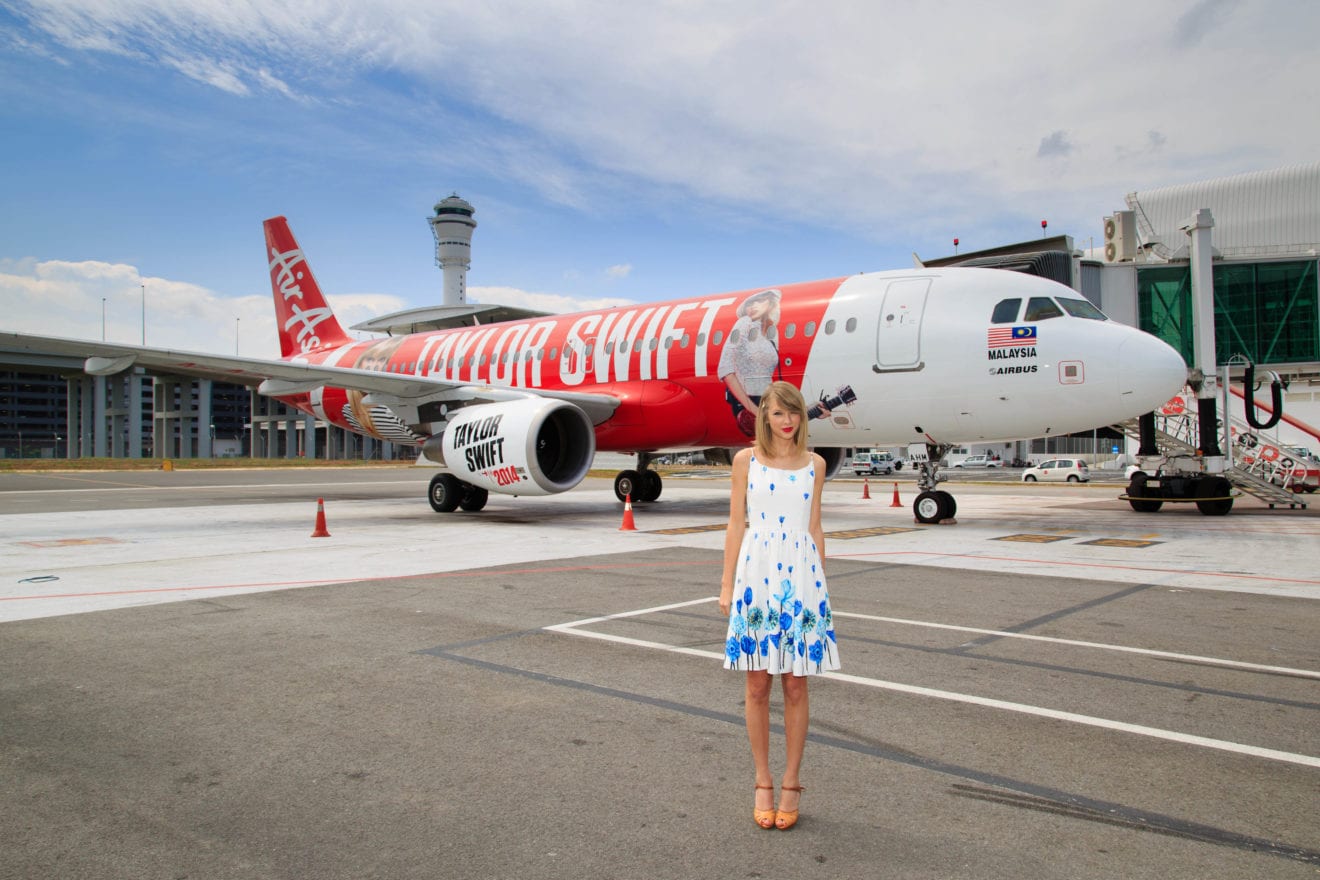
  • Reprieve for AirAsia

    Reprieve for AirAsia

    No further risk to IAA’s licence but bigger re-rating depends on ability to become sustainably profitable

    IT has been a topsy-turvy time for AirAsia Group Bhd’s share price.

    After investor sentiment was rocked by a damaging report by GMT Research report on June 10 that questioned the financials of the low-cost airline, AirAsia’s share price came under pressure when Indonesia threatened to pull back its licence in its 49% owned unit, Indonesia AirAsia (IAA), if its finances and that of 12 other airlines are not improved by July 31.

    Indonesia’s Transport Ministry wants the 13 airlines to shore up their shareholders’ equity to 500 billion rupiah if they operated 70 seater planes by July 31 or face being stripped of their licence.

    That punitive measures were later softened with the ministry changing its mind.

    On Thursday, the ministry issued a statement saying it would “assist and support” the 13 airlines with negative shareholders’ equity to improve their equity positions if they were unable to meet the July 31 deadline.

    “The wording suggests that the ministry has performed a gentle face-saving U-turn and the airlines’ licences will not be at risk after all. With no further risk to IAA’s licence, the recent share price sell-off may partially reverse, although a bigger re-rating depends on IAA’s ability to become sustainably profitable,’’ says CIMB Research senior analyst Raymond Yap.

    AirAsia share price has thus far rebounded and closed on Friday at RM1.34, marginally up from Wednesday’s close of RM1.30, which was the recent low.

    From the beginning of this year, it has lost RM4.11bil in market capitalisation and both the GMT report and the Indonesian directive were much of the culprits for the drop.

    Maybank Investment Bank senior analyst Mohshin Aziz described the ruling as “unexpected surprise.’’

    “About half of the airlines globally have negative equity and anyone in the airline industry knows that safety is not about negative equity. It is about discipline, cashflow and enforcement,’’ he adds.

    An airline executive felt that the ruling was not enforceable, adding that “do you honestly think Indonesia will close an airline which hires 2,000 people and brings in most tourists?’’

    According to World Bank data, international tourism receipts totalled US$10bil for Indonesia for the 2010-2014 period.

    But Shukor Yusof, the founder of Endau Analytics, felt that the Indonesian Transport Minister is making a concerted effort to overhaul and clean up the domestic aviation.

    “A good number of Indonesian carriers can barely stay solvent, with the exception of the major ones like Lion Air group and Garuda. But it is unlikely they will shut them (the 13 players) down though.’’

    Apart from IAA and Rusdi Kirana’s Batik Air (a unit of Lion Air Group), the others affected by the new ruling are Cardig Air, Trans Wisata Prima Aviation, Istindo Services, Survei Udara Penas, Air Pasifik Utama, John Lin Air Transport, Asialink Cargo Airline, Ersa Eastern Aviation, Tri MG Intra, Nusantara Buana and Manunggal Air.

    Indonesia is the world’s fourth most populous nation with demand for air travel growing every quarter. From 2010 to 2014, about 95 million passengers took to the skies. There are 65 domestic airlines in the country.

    AirAsia has a 49% stake in IAA and its share of the Indonesian market is below 10%, though IAA has the largest market share in international air travel segment in Indonesia. The market is controlled by Garuda and Rusdi Kirana’s Lion Air group.

    Despite the threat of suspension, AirAsia boss Tan Sri Tony Fernandes says the airline is not pulling out of Indonesia.

    This can be explained as the market potential is huge and an initial public offering (IPO) is being planned for IAA, which operates with 29 planes in Indonesia.

    According the International Air Transport Association (IATA), by 2034, Indonesia is expected to be the sixth largest market for air travel. By then, some 270 million passengers are expected to fly to, from and within the country. That’s three times the size of today’s market.

    Short-term reprieve

    Though IAA got a reprieve, affected airlines in Indonesia will still have to improve their balance sheet if they want new routes. New routes are important for low-cost carriers as growth in traffic comes with more destinations.

    All the 13 players also need to submit their business plan by month end.

    Fernandes was reported to have said that “We were going to comply anyway. We have already set that process in motion.”

    As at end March this year, IAA had a negative equity position of 3 trillion rupiah (RM860mil) and paid-up capital of 180 billion rupiah. Hong Leong Research estimates that IAA needs at least RM1bil injection and this includes the additional paid-up capital of 320 billion rupiah or RM90mil.

    Yap of CIMB points out that the fundamental issue of IAA’s long-term future will still weigh heavily on investors minds.

    “At the moment, IAA is still some distance away from securing the subscribers for its proposed US$100mil-US$150mil convertible bonds.”

    Even if those are secured, most likely with a guarantee issued by AirAsia, it would only buy AirAsia two years of time. IAA will need to be reasonably and sustainably profitable before AirAsia’s share price can recover convincingly.

    But Fernandes told that “we have resolved and have no worries about our licences and we are confident of a profitable airline in Indonesia.’’
  • Uber Takes The eCommerce Route In Indonesia

    Uber Takes The eCommerce Route In Indonesia

    After being recently shut down in multiple countries over its controversial “tech company” status, Uber seems to have found a workaround at least in Indonesia.

    The company has announced plans to register itself as an eCommerce business so as to avoid taxes, and taxi-medallion regulations, which has brought troubles to its door in almost all of its major business markets.

    With the registration, the company plans to establish itself as a foreign-owned entity registered as an Internet portal, said Uber Indonesia’s Country Head Alan Jiang.

    “Indonesia is a super-key market for us,” he said.

    The ride-hailing company has been cutting corners in its everlasting struggles against local and national laws in all of its market, but in Indonesia the plans come after the local police in Jakarta arrested five Uber drivers as part of a wider investigation in a case filed by other taxi companies accusing Uber for challenging market rates with its predatory pricing scheme.

    For expanding its business in the country, Uber has not only been offering its service for 30 percent less than the main local taxicab companies, but has also not been charging commission on rides, Jiang said.

    “In the future we will take a service fee and when we do we will pay all the applicable taxes on that,” he said. “I don’t have a specific timeline for when.”

    As it struggles to keep its business open in several markets, the company has repeatedly justified its business model. “Uber is a technology company,” the company said. “We do not own, operate vehicles or employ drivers.”

  • Vmoto stock up on Vietnam deal

    Vmoto stock up on Vietnam deal

    Shares in Perth-based Vmoto have closed higher after the company announced it has inked a distribution deal for its electric scooters in Vietnam.

    Vmoto said it has signed an exclusive distribution agreement with green vehicle supplier Euro Ebike Company.

    The initial contract is for a minimum of 1,200 units to be ordered by August 2015.

    Vietnam has the fourth-largest motorcycle market in the world, behind China, India and Indonesia.

    About 37 million motorcycles are registered in the country, compared to about 2 million cars.

    Vmoto is hopeful electric scooters will become more more popular and acceptable to Vietnamese consumers.

    The company has recently made similar inroads into China and Indonesia as it looks to capitalise on growing interest in scooters in those markets.

    Vmoto meanwhile announced it is developing a new, super-light scooter which it says could be easily stored at home or the workplace.

    The Vmoto 1 scooter will weigh about 48 kilograms, can be folded in 30 seconds and is able to be connected to an Apple iPhone.

    Vmoto managing director Charles Chen said he was confident the new model would generate significant interest in the Chinese market.

    The company’s shares closed the day’s trade 13 per cent higher at 5.2 cents.

  • Crowdo enters Indonesia market

    Crowdo enters Indonesia market

    Crowdo enters Indonesia market

    Home-grown crowdfunding portal Crowdo has expanded to Indonesia to offer peer-to-peer lending to businesses there.

    Crowdo will use its platform to match Indonesian investors with companies there which need loans for working capital.

    Borrowers repay the principal sum with interest.

    Since Crowdo will offer only collateralised loans, the interest borrowers pay is expected to be lower.

    In a pilot run over recent months, 200 companies were successfully funded and recorded no defaults on payments, said a statement from Crowdo.

    The site will go public later this year.

    Crowdo is inviting select investors seeking higher yields with new investment opportunities to participate in these deals.

    Co-founder Leo Shimada said: “Our clients have robust businesses with sound repayment capabilities but are unable to access traditional financing systems due to the lack of existing relationships with financial institutions.”

    It is a multibillion-dollar market, he said, as small and medium-sized Indonesian companies are underserved by banks. Last month, Crowdo was licensed by the Malaysian authorities to run an equity-based crowdfunding platform there.

    With its expansion to these two countries, Crowdo, formerly known as Crowdonomic, is the first South-east Asian crowdfunding operator to offer debt-based and equity-based crowdfunding.

  • iBox opens new outlet in Indonesia

    iBox opens new outlet in Indonesia

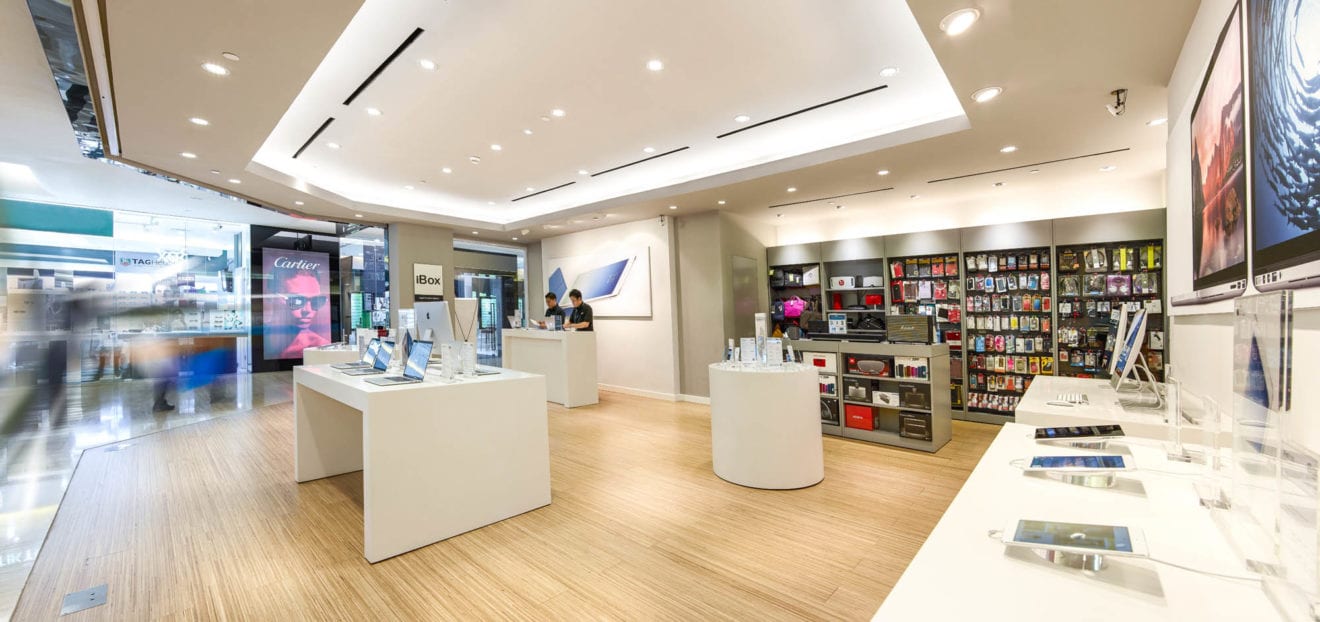
    iBox, the leading Apple Premium Reseller (APR) in Indonesia, recently opened a new store in Bandung, West Java. The new store, located in Bandung Electronic Centre (BEC), is the third iBox in the city, joining existing branches in Dago and Palace Plaza. In total, iBox operates more than 40 outlets across Indonesia as well as multiple Apple service centres. iBox is a business unit of Erajaya Group.

    iBox outlets offer a wide range of Apple products, plus software and accessories, delivering a one-stop-shop digital lifestyle retail experience, according to the company. iBox was the Apple partner in Indonesia to become a premium service and provider and is the country’s only Apple authorised training centre.

    The new iBox BEC Bandung will demonstrate a full range of Apple products with trained staff on hand to explain how the products can enrich consumer lives. iBox positions itself as the local Apple expert for consumers across Indonesia.

    Erajaya Group was established in 1996 and has grown to become a major distributor and retailer of mobile devices, accessories, computers and consumer electronics. Erajaya Group’s mission is to position itself as a leading distributor with direct integrated access to consumers and retailers, and to provide a complete range of mobile products and solutions.

  • Billabong Indonesia opens in Lombok

    Billabong Indonesia opens in Lombok

    Australian surf label Billabong has opened its newest concept store at Lombok Epicentrum Mall.

    The store is part of Billabong Indonesia brand’s extensive retail roll out planned for this year and is a partnership with Royal Surf.

    “This is the perfect time for us to strengthen our relationship with Royal Surf given the good performance the brand is achieving in its multi brand channels,” said Billabong service manager Arini Sukmawati.

    The 86 sqm Billabong Lombok store takes on the brand’s new retail identity – direct from the brand’s headquarters in Gold Coast, Australia. Similar to all new stores opened by the brand globally this year, the space features Billabong’s signature surfboard ceiling, clean white brick walls, and educational panels portraying the stories of Billabong’s award-winning products and campaigns.

    Besides being at the starting point of the island of Lombok and Sumbawa, the new store, located in the largest city in the Mataram Province, is also the epicentre of commerce and industry services.

    “Mataram is growing and developing rapidly. Along with increasing tourism rates due to the location’s very vibrant surf locations, we are very confident that our relationship with Billabong will only strengthen with the opening of this new store,” said Meylya Handoyo, director of Royal Surf.

    She said the Lombok store will be stocked with a larger assortment of the brand’s stories and product collections to fully convey the Billabong brand story.

    Billabong Lombok is located on the first floor of Lombok Epicentrum Mall Jl. Sriwijaya no. 333, Mataram, NTB. It is open from 10am – 10pm daily.

  • Five Indonesian telcos launch LTE on 1800-MHz

    Five Indonesian telcos launch LTE on 1800-MHz

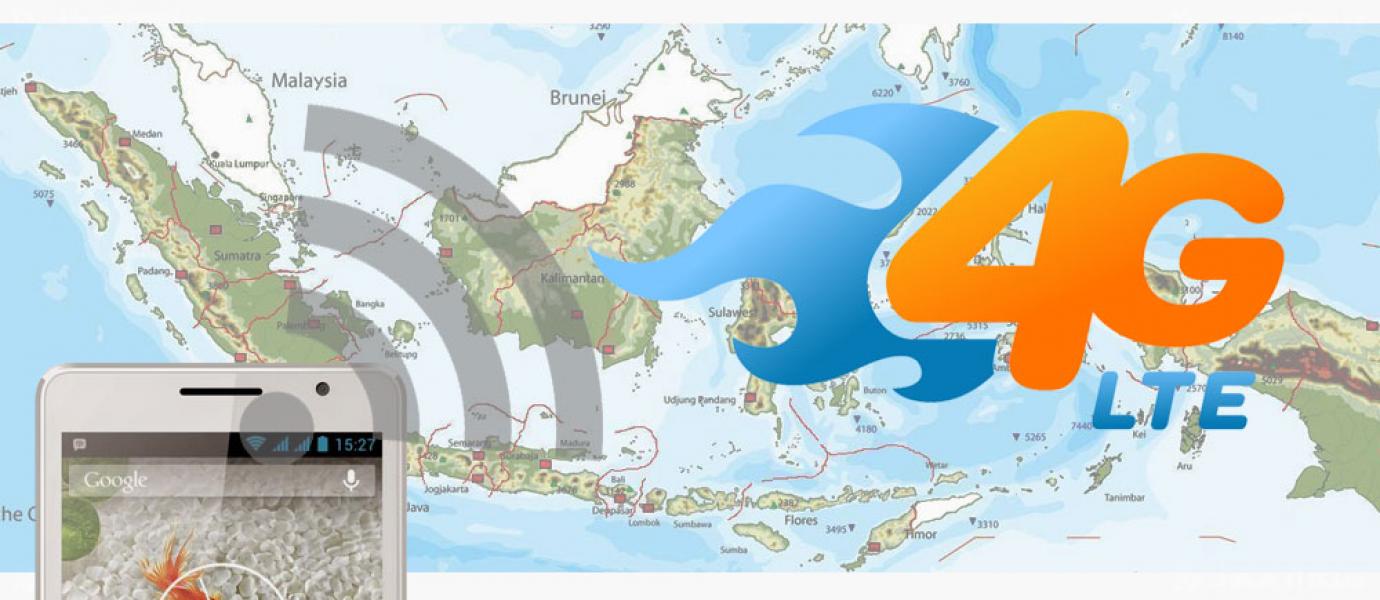
    Indonesia’s five largest mobile operators have all launched 1800-MHz LTE services, while a new player has indicated an intention to enter the LTE market.

    Telkomsel, PT Indosat, XL Axiata, Hutchison’s 3 and Smartfren all recently rolled out 4G services over the band in various cities and regions.

    Telkomsel switched on its network in Makassar, South Sulawesi, Indosat went live in Balikpapan, East Kalimantan, XL held a lunch on the island of Lombok, 3’s network has been rolled out to Banjarmasin, South Kalimantan, while Smartfren activated its network in Batam, Riau Islands.

    Mobile operators have been rushing to roll out LTE services in Indonesia after the government opened up use of the 1800-MHz band for 4G.

    Telkomsel, XL Axiata and Indosat have already launched LTE over the 900-MHz band. Incumbent Telkomsel already has 620,000 LTE subscribers, while XL Axiata has around 200,000.

    The report adds that Berca Hardayaperkasa, a unit of Central Cipta Murdaya, has revealed plans to enter the increasingly crowded 4G market as well. The company is targeting a launch in Bali, Makassar and Pekanbaru in October.

    Central Cipta Murdaya has committed up to $150 million to deploy the service in the three cities. The company is ultimately planning to launch in 12 cities outside Java. Berca was originally a Wimax operator, having secured 2300-MHz spectrum in 2009.

  • Taxi services with apps  springing up like mushrooms

    Taxi services with apps springing up like mushrooms

    Taxi services equipped with booking applications are springing up like mushrooms in Indonesia as people are seeking more reliable means of transportation amid the country’s poor public transportation facilities.

    GrabTaxi, Uber or even the newly established ojek (motorcycle taxi) app Go-Jek are rapidly spreading in the country’s major cities.

    Nadiem Makarim, founder and CEO of the Go-Jek app, said that he came up with the idea to establish Go-Jek in 2011 out of his own need for fast and reliable transportation and also courier services in the capital city.

    The company, which was first established to serve Jakarta commuters, has quickly expanded its services and is now also available in Bandung, West Java; Denpasar, Bali; and Surabaya, East Java.

    “The expansion is based on the city’s traffic jam level, the supply of ojek drivers and the city’s economic level since our users are from the middle and upper-middle class,” he told The Jakarta Post. “We are planning to further expand our presence in other cities across the country, but we cannot mention the names of the cities just yet,” he continued.

    Since Go-Jek launched its mobile app in January this year, its number of ojek partners increased from 1,000 to 10,000 amid rising demand. The app itself has been downloaded 650,000 times since it was launched, Nadiem said.

    The marketing head of Malaysian company GrabTaxi’s Indonesian representative office, Kiki Rizki, similarly said that the company’s presence in Indonesia was aimed at tapping the rising demand for safe and reliable transportation in the country’s main cities.

    “We see a similar transportation problem in big cities across Southeast Asia. Residents basically need public transportation that can offer security, convenience and speed, which is what we offer at GrabTaxi,” Kiki told the Post.

    She said that the GrabTaxi service — which incorporates thousands of selected drivers from five leading taxi fleets in the country and assigns available taxis to nearby commuters using mapping and location-sharing technology — was now available not only in Jakarta but also in Surabaya and Padang in West Sumatra.

    The application displays the identity of the driver, the license plate of the taxi that will pick up the passenger and its estimated arrival time.

    “By using this application, customers don’t have to worry about being ripped off by taxi drivers, as they can monitor their journey and be informed of the driver’s identity,” she said.

    The company also decided to launch GrabBike, which is similar to the Go-Jek service, last month, and had since accommodated more than 1,000 ojek drivers, Kiki said.

    Similarly, one of its global competitors, Uber, also does not operate its own fleet. While GrabTaxi partners with official taxi drivers, Uber partners with licensed chauffeur-driven limousine or rental car companies. The operation has been, however, criticized by the city administration regarding its legality.

    According to the Castrol Stop-Start Index examining traffic conditions in 78 cities and regions around the globe, Jakarta ranked as the city with the highest number of stops and starts with an average of 33,240 per driver per year.

    East Java’s Surabaya was also included on the list, with the fourth-highest stop-start average, reaching 29,880 per year.

    Jakarta currently has one rail-based form of public transportation, a commuter train operated by PT KAI.

    While the government is currently constructing an MRT system in Jakarta and will soon start the construction of a tram system in Surabaya, little attention has been given to improving city bus management. Metromini and Kopaja minibuses in Jakarta, for instance, are currently owned and operated by private owners, without a united management system.

    Transportation Ministry spokesperson Julius Andravida Barata, however, said that the ministry would not legitimatize motorcycles as public transportation, saying that there were no safety requirements regulating motorcycles to serve as a means of public transportation.

    “The ministry will not regulate ojek because motorcycles don’t meet the standards for proper public transportation, but we also can’t deny that these mobile applications are emerging based on demand from the public,” Julius said.

    “The ministry, in cooperation with the city administration, will try its best to improve city transportation so the public can have reliable public transportation that meets safety standards,” he continued, citing that the management of public transportation, however, was the responsibility of the city
    administration.

    From the total Rp 64 trillion allocated for the ministry in the revised 2015 state budget, the ministry allocated less than 10 percent or Rp 6.07 trillion for the directorate general of land transportation.

    Julius said that the ministry would provide 1,000 buses for Damri and state-run city bus companies (PPD) across the archipelago this year, which, according to him, was part of the government’s support for city transportation.

  • Indonesia AirAsia gets letter on positive equity position

    Indonesia AirAsia gets letter on positive equity position

    AirAsia Bhd’s 49% affiliate PT Indonesia AirAsia (IAA) has received a letter from Indonesia’s Transport Ministry laying out terms for it to ensure a positive equity position by July 31.

    In a filing with Bursa Malaysia yesterday, the low-cost carrier said it was going through the letter and intended to meet with the ministry.

    It said the letter had no immediate effect on the Indonesian operations and that the airline would at all times continue to operate within the ambit of Indonesian laws.

    A recent report by The Jakarta Post said 13 airlines in Indonesia had until July 31 to move their balance sheets into positive figures, in order to avoid having their operating permits suspended.

    The ministry discovered that these airlines had negative equity, which occurred when the value of an asset used to secure a loan was less than the outstanding balance on the loan.

    Indonesia’s Transportation Minister Ignasius Jonan was reported recently as saying it was important for airlines to maintain positive equity, as it affected an airline’s financial ability to maintain safety standards.

    Under the new regulations, planes with a capacity of 70 seats or more must have a paid-up capital of 500 billion rupiah (RM143.4mil).

    Credit Suisse aviation analyst Muzhafar Mukhtar said this development would raise the local capital injection into IAA by 25%, and limit the potential forms in which it may come.

    “AirAsia has been working on raising for IAA US$86mil in equity from local partners and US$100mil in convertible bonds from new investors. IAA’s negative equity is US$230mil. The convertible bonds can be replaced with convertible preference shares.

    “AirAsia could also convert amounts owed to it into equity; locals need to stump up the remaining to maintain majority local ownership. Either way, capital required from locals is higher than previously thought,” said Muzhafar in a report.

    He also warned that if IAA’s operating permit was suspended, it might mean the closure of the airline.

    However, Muzhafar opined that a closure of IAA should be very positive for AirAsia shareholders in the longer run, although there would be a period of transition – keeping sentiment negative (up to 75 sen per share of amount due from IAA could be written off; reported profits would decline as lease income from IAA disappeared).

    Maybank Kim Eng Research analyst Mohshin Aziz said it was unlikely that Indonesian regulators would force abrupt compliance with the equity regulation, and cause the loss of thousands of jobs.

    “Which government wants to do this (cut thousands of jobs)? Out of the 13 affected airlines, I believe more than half would find it very difficult to comply. The Indonesian regulators are likely to give some concessions with regards to compliance,” said Mohshin, who also opined that equity should have no bearing on airline safety.

    “Of course, an equity positive company would give a better feeling of comfort. But in reality, safety rather depends on the airline’s discipline, procedures, etc, etc.”

    Another bank-backed aviation analyst said he believed IAA had a good chance of fulfilling the Indonesian regulation on positive equity.

    “It is just a question of pumping in money, and IAA management has been optimistic.”

    However, the analyst was less certain about IAA’s plans on its financial turnaround.

    “The Indonesian market is unique – there is relatively much less access for consumers via the Internet, and it is not easy to manage seats,” said the analyst.

    AirAsia closed unchanged at RM1.49 yesterday, with a market capitalisation RM4.15bil.

  • Swissotel to Enter Indonesian Market; Signs New 170-Room Resort in Bali

    Swissotel to Enter Indonesian Market; Signs New 170-Room Resort in Bali

    Swissotel Hotels & Resorts, a leading brand in the FRHI Hotels & Resorts (FRHI) portfolio, today announced that it has entered into an agreement with resort developer PT. Bali Ragawisata to manage Swissotel Bali, a new 170-room resort scheduled to open in late 2017.

    Situated on a striking cliff top in Bukit Pandawa, an expansive and upscale master-planned resort development, Swissotel Bali will enjoy an enviable location on the island, mere minutes from top attractions favoured by international jet-setters and a short drive from the Ngurah Rai (Denpasar) International Airport.

    Designed by TONTON Studio, a leading design firm with extensive experience in high-end hotel development across Indonesia, the resort will offer scenic views of the Indian Ocean from stunning guestrooms featuring spacious outdoor balconies. Completing the guest experience will be a private beach club, four exquisite dining outlets including a spectacular bar, the brand’s signature Purovel Spa & Sport, and 400 square metres (4,300 square feet) of indoor meeting space with outdoor function areas.

    “This is an exciting new addition for the Swissotel brand and a perfect complement to our company’s growing portfolio of city and resort destinations throughout Asia and worldwide,” said Wayne Buckingham, senior vice president, Asia Pacific, FRHI Hotels & Resorts. “In keeping with Swissotel’s brand promise of promoting quality in life, the resort will offer a very inspiring atmosphere which will be bolstered with local attributes authentic to the locale. To be pairing an unbelievable resort product with the natural paradise that is Bali is nothing short of magic.”

    “We are extremely pleased to be partnering with FRHI on this new Swissotel resort project and look forward to working with them to create a truly world-class property,” said Djie Tjian An, PT. Bali Ragawisata. “Bali is a thriving holiday destination popular with travellers from all over the world who are looking for the ultimate mix of relaxation, adventure and cultural flair; Swissotel will deliver against this and more.”

    Located between Java and Lombok, Bali is an island with a population of 3.9 million. It is one of Asia’s leading vacation hotspots and the largest tourist destination in the country, recording more international arrivals than Jakarta, the capital city of Indonesia. In addition to its world-famous beaches, Bali is renowned for its highly developed arts, including traditional and modern dance, sculpture, painting, leather, metalworking, and music.

    Swissotel Hotels & Resorts, renowned for its Swiss inspired hospitality, is extending its international reach with plans to open a number of new developments in the coming years. Projects are slated for China, India, Russia and Turkey as well as other exciting destinations globally.

    About Swissotel Hotels & Resorts

    Conveniently located where travellers want to be, Swissotel Hotels & Resorts provides guests with the opportunity to stay in the heart of more than 30 top locations worldwide, where they can confidently explore the very best each destination has to offer. Synonymous with all there is to love about Switzerland, the brand remains true to its roots, successfully combining genuine Swiss hospitality with intelligent design and local flair. With social responsibility at the forefront and a genuine commitment to positively impact the destinations it calls home, every Swissotel upholds industry-leading sustainability standards and is committed to treating guests, colleagues, and the environment with equal respect. This all comes together to provide guests with peace of mind that is authentically Swiss. Part of FRHI Hotels & Resorts, a leading global hotel company that also operates the Fairmont and Raffles brands, the Swissotel portfolio offers business and leisure guests an authentic and local travel experience that is full of energy, passion and vitality. For more information or reservations, please visit swissotel.com.

  • Ultra Music Festival Bali

    Ultra Music Festival Bali

    The Ultra Music Festival (UMF), Miami, is undoubtedly one of the world’s most popular electronic dance music fest. As part of the Ultra Worldwide initiative, UMF is now all set to host a spin-off on the beautiful island of Bali in Indonesia this September.

    The Ultra Beach Bali festival will be held at the Potato Head Beach Club on 24 and 25 September, 2015. The pre-sale tickets for the festival are already sold out. But don’t be disappointed, you can still grab your ticket.

    Click here to buy your ticket for the Ultra Bali Fest.

    Viagogo, which is the official ticketing partner for the Ultra Beach Bali fest, has called for ticket sales now. And it has been predicted that the two-day tickets that are available for purchase now may get sold out soon.

    This is the first time the Ultra Music Fest will be happening at ‘The Island of God’ and the team behind the show is expecting over 10,000 fans (which they call “Ultranauts) for the fest.

    “Bali has always been a dream destination for travelers around the world and now, with Ultra Beach Bali, it’s building a reputation for great live music too. It’s our mission to broaden access to the best events in the world and we’re delighted to provide our world class international ticketing services for this fantastic event,” Viagogo spokesperson.

    The artist line-up and other details are yet-to-be announced, but you go to the Ultra Bali website —ultrabali.com to stay tuned and get all the updates.

    Bali is the latest addition to the list of Asian countries that have been taken over by the Ultra storm. The festival has already made stops at South Korea, Japan and Thailand and is expected to hit Singapore and Philippines later this year.

  • Bridgestone to establish auto parts JV in Indonesia

    Bridgestone to establish auto parts JV in Indonesia

    Bridgestone Corp. plans to establish a joint venture company to produce anti-vibration rubber products for automotive vehicles in Indonesia.

    The agreement was concluded on July 2 with PT Astra Otoparts Tbk, which manufactures and sells automotive parts in Indonesia.

    The JV is to build a manufacturing plant of anti-vibration rubber products, which is set to start operations in January 2016, according to a Bridgestone statement. The total amount of the investment by Bridgestone and Astra Otoparts will be $13 million.

    Bridgestone has seven facilities in five countries to manufacture automotive anti-vibration components. To achieve further global expansion, the firm said it needed a manufacturing base in Indonesia, a major car making state in the ASEAN region.

  • Aeropostale to enter India, Indonesia

    Aeropostale to enter India, Indonesia

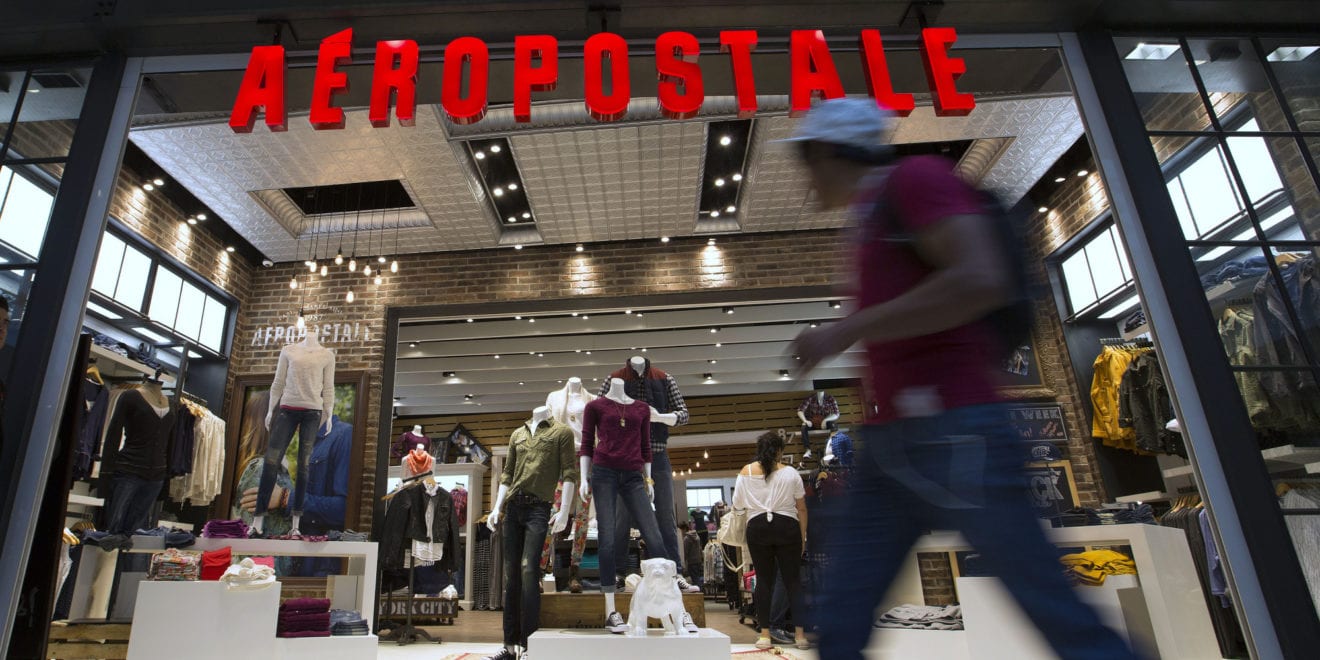
    US mall-based youth fashion discounter Aeropostale has announced new partnerships in India and Indonesia.

    The company will open stores in India through a licensing agreement with Arvind Lifestyle Brands Limited, and in Indonesia through a licensing agreement with PT Mitra Adiperkasa TBK (MAP).

    Julian R. Geiger, Aeropostale CEO, said India and Indonesia are two of the most populated countries in the world and his company sees significant opportunities by taking the Aeropostale brand to them both.

    “Following the successful launch of our brand in the Philippines and Singapore, we are excited to capitalise on the strong growth prospects in both India and Indonesia. We are totally comfortable partnering with two of the largest and strongest retailers in their respectful regions, Arvind Lifestyle Brands Limited and MAP.”

    Aeropostale’s expansion plans in India include the opening of 50 standalone stores, 150 concessions and eCommerce operations across the country over the five years, from March 2016.

    The company expects to open 10 to 12 standalone stores in Indonesia over the next five years, with its first store opening in Jakarta in Fall 2016.

    Continued Geiger: “We anticipate ending the year with over 300 locations across 17 countries. Our aggressive international growth underscores the strength and recognition of the Aeropostale brand, and we look forward to announcing new global licensing partnerships throughout the year.”

    Aeropostale  principally targets males and females aged 14 to 17 and four to 12 year-olds through its P.S. from Aeropostale stores and website.

    Arvind Lifestyle Brands has licensing relationships with many international brands including Gap, TCP, Gant, Nautica, Arrow, Izod, US Polo Association, Elle, Ed Hardy, Hanes, Cherokee and Geoffrey Beene.

    PT Mitra Adiperkasa TBK  is a leading lifestyle retailer in Indonesia with over 1800 retail stores and a diversified portfolio that includes Starbucks, Zara, Marks & Spencer, Sogo, Seibu, Debenhams, Oshkosh B’ Gosh and Reebok.

  • Matahari Hypermart marks 111

    Matahari Hypermart marks 111

    Matahari Putra Prima has opened its 111th hypermarket, at Lombok Epicentrum Mall, Mataram

    Director of communications and PR, Danny Kojongian, says the new Matahari Hypermart features the new G7 design concept the company is rolling out across its hypermarkets in Indonesia.

    The decision to open in Lombok is due to rising consumer spending in Indonesia’s east.

    “This outlet is expected to follow the success of the previous Hypermart outlet which is also located in Mataram, Lombok,” he said in a statement.

    “With the development of tourism and infrastructure projects underway, Lombok has a huge potential to grow rapidly.

    “With the latest G7 concept, this Hypermart store expected to be a main shopping destination for daily and monthly needs that offers comfort and leading-edge services to customers.”

    Matahari is a multi-format modern retailer in Indonesia which operates Hypermart, Foodmart and Boston Health & Beauty branded stores.

    In line with the G7 concept, the new store features a new style of gondola shelving with wider aisles to allow easier navigation for customers, and a larger fresh area than previous stores. The fashion and beauty departments are upgraded and expanded to fit the evolving consumers’ lifestyles. Bakery, Ready to Eat, Fresh Food, Bulk Food, Home and Living categories are all also expanded and offer a wider range of products with modern concepts. In the operation, the outlet is engaged with the concept of environmentally friendly by using LED technology.

    Today (July 2) Matahari will also reopen its outlet in Bali Galeria. Hypermart Bali Galeria will adopt the latest concept of G7 to follow the modern lifestyle of the locals and tourists.