Tag: Indonesia

  • Bangli holds Balinese Jewelry Fair

    Bangli holds Balinese Jewelry Fair

    The district of Bangli, Bali Province, is holding a Balinese jewelry fair at the Taman Budaya (Cultural Park), here, during the 37th Bali Art Festival being organized from June 13 to July 11, 2015.

    “We display hundreds of Balinese traditional jewelry to introduce them to the public. Bali has various kinds of unique and attractive jewelry,” Ni Wayan Rusmiati, a Balinese jewelry businesswoman, said here, Sunday.

    The price range of Balinese jewelry being offered during the festival is from Rp35 thousand to Rp1.5 million.

    She, however, complained that most visitors to the jewelry fair were just window-shopping.

  • VP Kalla opens Batik Nusantara 2015 exhibition

    VP Kalla opens Batik Nusantara 2015 exhibition

    Vice President M. Jusuf Kalla opened the “Gelar Batik Nusantara 2015” exhibition at the Jakarta Convention Center here on Wednesday.

    Organized by the Indonesian Batik Foundation and PT Mediatama Binakreasi, it will be held from June 24 to 28 with the theme, “Batik Uniting Nations.” The expo will showcase thousands of coastal batik motifs and those of the best Indonesian batik collectors.

    “The popularity of batik is more widespread now than ever before,” the vice president said in his opening address.

    Kalla noted that batik was no longer merely a traditional dress but had undergone innovations for the international market and had been adapted by several countries.

    He explained that innovations in batik first started being made on the island of Java, but now, it has evolved in various regions across the Indonesian archipelago.

    Furthermore, besides being a cultural factor that serves to unify the nation, batik has also developed in a number of neighboring countries such as India and Malaysia, the vice president remarked.

    In addition, he pointed out that since batik was recognized as a World Cultural Heritage by the UNESCO in 2009, its reach continues to increase.

    Kalla opined that as batik has become part of both official and casual clothing, there are challenges, as well, in terms of productivity and innovation.

    According to the vice president, batik has been transformed from a form of traditional art into a masterpiece of global standard. It is also one of the cultural products of Indonesia that people are proud of and want to preserve.

    Therefore, Kalla emphasized that the Gelar Batik Nusantara 2015 exhibition is expected to be able to open market opportunities and attract entrepreneurs, investors and institutions to develop batik as an international product.

  • Indonesia police launch Uber investigation

    Indonesia police launch Uber investigation

    Police in Jakarta have launched an investigation into Uber after local taxi companies filed a complaint against the ride-hailing app in the latest regulatory battles to blight the company’s expansion plans in Asia.

    Five of Uber’s drivers in the country were detained last week, as local competitors questioned the legality of its operations.

    Local authorities released the drivers this week, but the Organization of Land Transportation Owners (Organda), the Jakarta-based association behind the initial complaint, is pursuing the investigation.

    “What they do is create the apps, hire individual cars, and operate just like other public transportation — like other official taxis — but without the proper licence,” says Shafruhan Sinungan, chairman of the organisation.

    “Uber taxis compete in a wild way,” Mr Sinungan said. “Other regular taxi operators have to make big investments to establish a company, providing land for parking and garages, paying tax to the government and hiring workers.”

    Alan Jiang, acting head of Uber in the country, said it was “really just a misunderstanding of what Uber’s business model is”.

    He added that “there are some interest groups that want us to get a taxi licence”.

    In a statement following the detention of its drivers this week, Uber said it “is fully compliant with applicable transportation laws and accredited by the local government”.

    Indonesia is an increasingly important market for Uber, because of its population of 250m people, high smartphone penetration and a burgeoning middle-class.

    The company, one of the world’s most valuable private technology companies, has expanded rapidly in the country since it launched in August last year, growing tenfold over the past year, in terms of the maximum number of rides per week.

    Although the Indonesian market has traditionally been dominated by Blue Bird, the family-run operator that listed on the local stock exchange last year, competition is heating up.

    Southeast Asian taxi-hailing app, Grabtaxi, is also expanding quickly, while Gojek, a Jakarta-based start-up, has developed an app to connect riders with Indonesia’s motorcycle taxis, called ojeks, which are also used for food delivery.

    These new players are unlikely to be caught up in the regulatory wrangling, according to Agustinus Reza Kirana, an analyst at Bahana Securities, a local brokerage.

    “It’s a different business line — it’s not just about passengers but also couriers,” Mr Kirana explains.

    The company has been expanding aggressively across Asia in recent months, with plans to move into several new cities across India and invest $1bn this year in China alone.

    But Uber has faced resistance. Police raided its office in Guangzhou in April, and the app was temporarily banned in New Delhi, following the alleged rape of a passenger by an Uber driver.

  • Lotte Indonesia tipped to purchase malls

    Lotte Indonesia tipped to purchase malls

    Korea’s Lotte Group is reportedly planning to purchase a number of purchasing malls in Indonesia to broaden its operations within the fast-growing Southeast Asian financial system.

    A Lotte spokesman has successfully confirmed discussions however advised media in Korea that “nothing has been determined but”.

    In line with information reviews, Lotte Indonesia engaged Samil PricewaterhouseCoopers to purchase a constructing in Jakarta’s south. The tower, on a 48,000 sqm website, features a seven story excessive finish shopping center, workplace tower and a lodge presently operated underneath the Sofitel model. (Lotte has its personal lodge community underneath the Lotte model).

    In response to the stories, the acquisition is considered one of a number of involving buying malls in Indonesia which is at present underneath negotiation.

    Lotte, which can also be making vital investments in resorts, retailing and quick meals in Vietnam, entered Indonesia in 2008. It now has 39 Lotte Mart grocery hypermarkets there, a division retailer, 33 Lotteria burger eating places and, in Jakarta, an obligation free retailer.

    Lotte chairman Shin Dong-bin is main an aggressive worldwide enlargement program, investing US$6.7 billion in retailing, motels and development. It just lately acquired a lodge in Manhattan.

    “We should always not maintain again on investments to hunt progress regardless of the worsening enterprise setting,” he stated again in February.

  • Jamba Juice Indonesia to open subsequent yr

    Jamba Juice Indonesia to open subsequent yr

    PT Sari Gemilang Makmur has gained the franchise rights to Jamba Juice Indonesia.

    The US smoothie chain Jamba Juice has launched into an aggressive worldwide enlargement technique with some 600 new cafes now within the improvement pipeline in South Korea, Taiwan, Thailand, the Philippines, Mexico, UAE, Saudi Arabia, Bahrain, Oman, Kuwait, Qatar and Canada.

    Sari Gemilang Makmur is a subsidiary of PT Mitra Adiperkasa Tbk, which operates greater than 1800 retail shops beneath a variety of its personal and franchised manufacturers in 65 Indonesian cities.

    Jamba Indonesia plans to open 70 Jamba Juice cafes in Indonesia inside 10 years, beginning in Jakarta in mid 2016.

    Tom Madsen, senior VP & GM, international progress, with Jamba Juice within the US, stated the corporate selected PT Sari as its associate as a result of it  is a number one operator of way of life manufacturers in Indonesia, an anchor tenant in main malls, and has a confirmed monitor report of efficiently constructing its personal and franchised manufacturers.

    “In PT Sari, we now have discovered a terrific associate for Indonesia, with a robust ardour for Jamba Juice and a mission to deliver well being, happiness and fulfilling life to Indonesian shoppers.”

  • Kase targets journey retail sector

    Kase targets journey retail sector

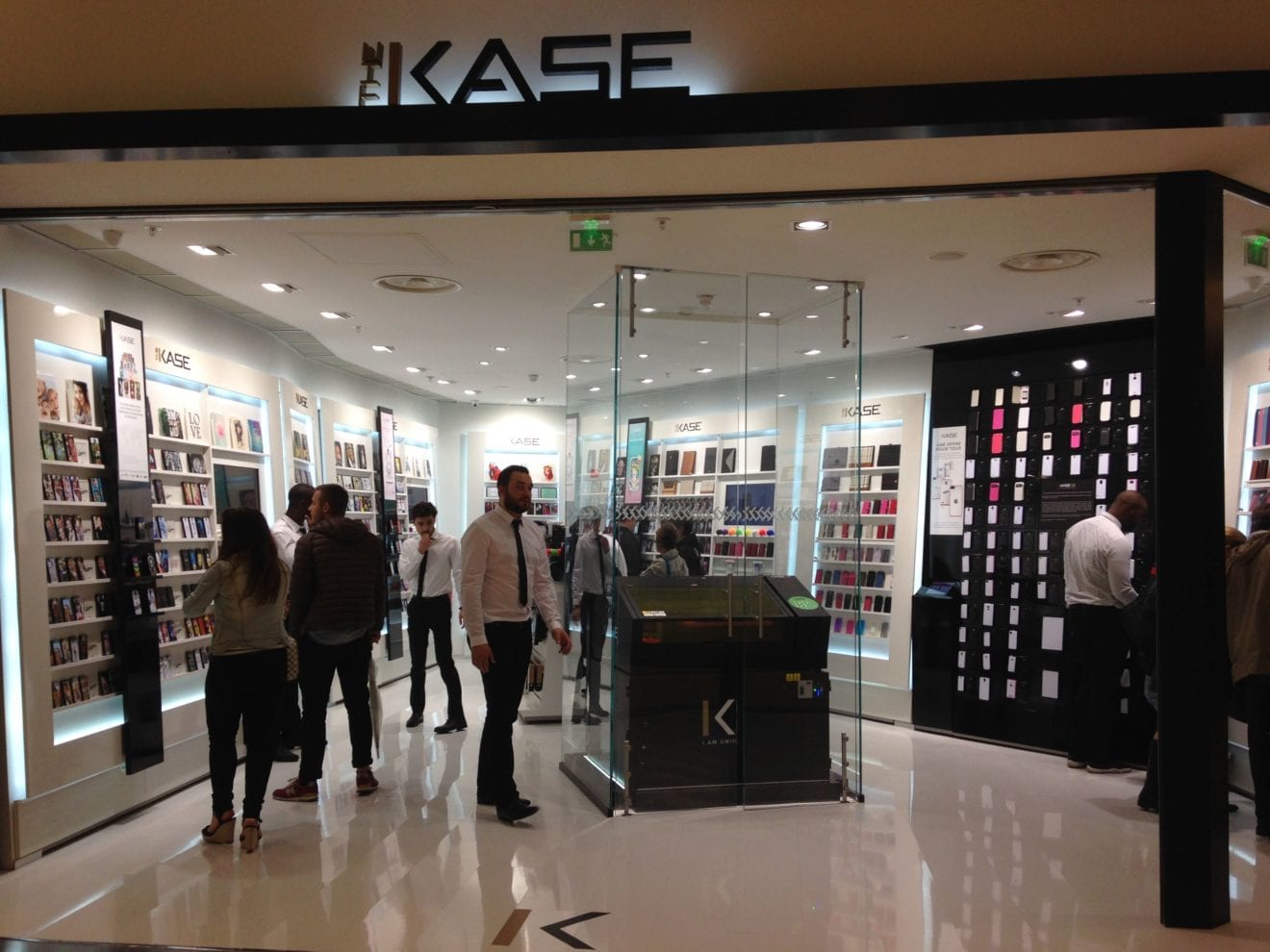
    Cell phone case idea Kase is about to broaden its journey retail presence after the early success of its first airport retailer within the Philippines.

    Kase opened a retailer in Manila’s Ninoy Aquino Worldwide Airport in February in partnership with Regent Distributors. It contains a broad vary of instances for smartphones and tablets – a excessive margin retail enterprise which has already confirmed widespread in non-travel places in 150 markets together with Singapore, Hong Kong, India, the US, Germany and France.

    The corporate says its first airport retailer, simply 33sqm, is attaining gross sales at ranges “completely past all expectations”.

    A key level of distinction making Kase so common is the customisation out there in-store. Buyers can take their telephones in, and utilizing an iPad select from hundreds of various designs and modify them to go well with their private preferences earlier than having the case printed inside eight minutes in-store. They will even present their very own designs – uploadable by way of the shop’s WiFi.

    Kase believes the idea is right for journey retail, requiring area as small as 15 sqm in a shop-in-shop, 22 sqm for a pop up store or between 30 sqm and 60 sqm for a standalone boutique.

    Says Kase cofounder Steve Rosenblum: “The Kase gives travel-retail an incredible alternative to capitalise on a market in fixed enlargement. It’s estimated that in 2016 1 billion smartphones and 400 million tablets can be bought – double the variety of 2012. As well as, the marketplace for equipment is rising equally quickly, up 80 per cent in 2012 and anticipated to point out 120 per cent progress subsequent yr, representing an enormous US$50 billion. More and more, covers for these things are being thought-about a style accent in their very own proper.”

    Rosenblum says Kase has signed up a grasp franchisee in Indonesia and others in South Africa, Center East and Europe.

  • AirAsia plans IPO for Indonesia and Philippines units

    AirAsia plans IPO for Indonesia and Philippines units

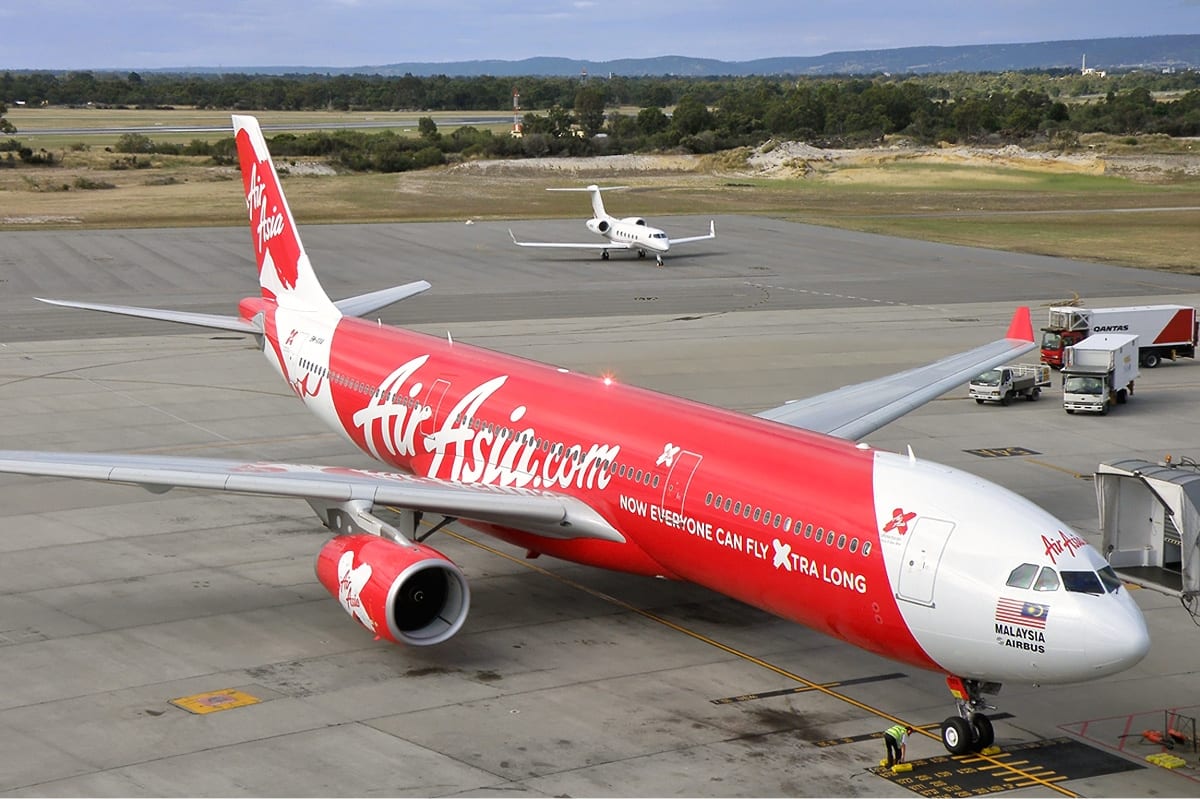
    AirAsia Bhd announced on Wednesday a corporate exercise which includes potential new equity for Indonesia AirAsia (IAA) and Philippines AirAsia (PAA) via a convertible bond issuance.

    AirAsia pointed out the company has a solid footing, strong balance sheet, rich in assets and good business outlook, as it unveiled new equity plans for IAA and PAA as it sought to reduce AirAsia’s inter-company loans.

    The first step was to raising share capital to about US$100mil each for IAA and PAA from the present level of US$13.81mil and US$13.28mil respectively.

    “The management is now in the final stages of discussions with the local partners to raise share capital to around US$100mil for IAA and PAA from the present level of US$13.81mil and US$13.28mil respectively.

    “Part of the cash raised will be used to pay down AirAsia Bhd’s interco,” it said.

    Under the second step under the pre-IPO, it said plans were to raise a minimum of US$100mil from new investor(s).

    AirAsia said it is finalising the structure of the Pre-IPO exercise which is targeted to take place in the near term.

    “Through this exercise, there will be new investor(s) that will come in for both IAA and PAA. The new investor(s) will inject at least US$100mil for each associate by subscribing to convertible bonds (CB) issued by IAA and PAA respectively.

    “The CB will have a low coupon with a two-year maturity period. The CB can be converted at a rate to be determined, tentatively discounted from the valuation of the companies in 2017. As investor(s) exercise the CB in 2017, AAB will match by capitalising our debt to ensure our shareholding remains at 49% in IAA and 40% in PAA.

    “Part of the cash raised in the CB subscription will be used to pay down AAB’s interco, while the remainder will be kept in the business for working capital.

    Under the third step, the IPO will have a valuation of about US$700mil for IAA and US$600mil for PAA

    The target to IPO both associates will be in 2017, with valuation of approximately US$700mil for IAA and US$600mil for PAA.

    “The company targets to float 20% of the shares raising minimum of US$150mil. At IPO all shareholders will be diluted proportionately. Part of the IPO proceeds will be used to pay down AAB’s interco,” it said.

  • Nutella row spotlights palm oil’s environmental destruction

    Nutella row spotlights palm oil’s environmental destruction

    France’s ecology minister, Ségolène Royal, caused a stir following her comments in an interview late on Monday on Canal+: “We have to replant a lot of trees because there is massive deforestation that also leads to global warming. We should stop eating Nutella, for example, because it’s made with palm oil.” She added that “Oil palms have replaced trees, and therefore caused considerable damage to the environment.” Ferrero, the Italian maker of Nutella, promptly issued a statement on Tuesday that it is committed to using 100% sustainably-sourced palm oil in its products. And rushing to the company’s defense, Italy’s environment minister Luca Galletti told Royal to “leave Italian products alone.”

    If Nutella’s environmental commitments are indeed fully accurate, it is a misguided target. Most palm oil is not sustainable, and the rising numbers of plantations in Indonesia and Malaysia (which account for 85% of global palm oil production) have destroyed vast areas of tropical rain forest. This habitat loss threatens the survival of endangered species including the Sumatran tiger, the orangutan, the Sumatran elephant, and the Javan rhino. And besides contributing to global climate change, the slash-and-burn method of clearing land also results in major localized air pollution.

    However, palm oil is a widely-used global commodity (complete with futures trading and spot markets), and about half of all supermarket products contain it, including many types of food and cosmetics. Oil palms are already among the most profitable cash crops for developing countries that can grow them.

    The U.S. has led the strong growth in demand for palm oil; those imports climbed 352% between 2002 and 2012, to about 1 million metric tons per year. And demand is likely to keep grow in the near future, due to recent top-down regulatory changes in the U.S., Indonesia, and Malaysia. On Tuesday the U.S. Food and Drug Administration ordered food manufacturers to stop using trans fats within three years, because their main ingredients–partially hydrogenated oils– “are not ‘generally recognized as safe’ … for use in human food.” Palm oil is commonly used as a substitute for trans fats, and indeed many food manufacturers and fast-food chains have already made the switch.

    Meanwhile, higher biodiesel targets are driving demand for palm oil. The U.S. Environmental Protection Agency said in May it would target a near 50% increase in the use of biomass-based diesel by 2017. Indonesia and Malaysia are also trying to raise their domestic use of palm oil in fuel, to both support the market as well as reduce expenditures on imported diesel. The Wall Street Journal reported that earlier this year, Indonesia introduced requirements to blend up to 15% of a palm oil feedstock in fuels by the end of 2015, with plans to later increase the ratio to 20%. And last week Malaysia’s government said it plans to increase the allowed blending of palm oil feedstock into biodiesel from 5% and 7% to as much as 10% by October. (However, weak crude oil prices will slow implementation of these goals, because palm oil is currently more expensive than fossil fuels.)

    That said, media attention and consumer action can make a real difference. Following a public pressure campaign, the major palm oil company Astra Agro Lestari announced earlier this month a moratorium on all forest clearance in Indonesia, effective immediately. And a recent study found that consumers would be prepared to pay between 15% and 56% extra for products containing palm oil if they knew that it would help to protect the natural habitats of threatened animals and plants in Indonesia and Africa, where palm plantations have spread rapidly over the past 20 years.

    Progress is still slow, but sustainably harvesting palm oil (for sale at a premium price) while conserving nearby tropical forests is looking a bit more likely.

  • Jamba to Open Jakarta Unit in ’16

    Jamba to Open Jakarta Unit in ’16

    Jamba, Inc. recently announced that it has entered into a master franchise development agreement with PT Sari Gemilang Makmur to develop 70 Jamba Juice stores in Indonesia over the next 10 years. Jamba plans to open the first store in the Indonesian capital, Jakarta, in 2016.

    PT Sari Gemilang Makmur is a subsidiary of PT Mitra Adiperkasa Tbk, one of Indonesia’s primary lifestyle retailers, operating over 1,800 retail outlets in 65 cities across the country. PT Sari’s expertise of successfully operating franchised brands in Indonesia would benefit Jamba.

    This agreement brings Jamba’s international store pipeline to 615 to be opened in South Korea, Canada, the Philippines, Mexico, UAE, Saudi Arabia, Bahrain, Oman, Kuwait, Qatar, Taiwan, Thailand and Indonesia. The company plans to have more than 1,500 units over the long term.

    The food industry is witnessing changes in consumer preference toward health and wellness and “good-for-you” products due to increasing health consciousness and obesity concerns. Accordingly, food and beverage companies are focusing on healthier products. Jamba’s offering of an entire range of customized health drinks will cater to such demand.

    Jamba has always remained focused on expansion and expects accelerated growth in both core existing markets as well as new geographic areas. Further, Jamba is focusing on shifting its business to a more franchise-centric model which will involve less capital and stabilize cash flow generation. Therefore, the new agreement is consistent with its strategic shift.

    Further, Indonesia is on track to become Asia’s next trillion-dollar economy over the next two years, according to IHS, joining China, Japan, India, Australia and South Korea. Therefore, management has chosen Indonesia to capture the increasing opportunities in the region’s growing beverage market.

  • Hyundai Grand i10X launched

    Hyundai Grand i10X launched

    The population of pseudo SUVs has risen over the past few years. While Fiat, Volkswagen and Toyota have reworked hatchbacks of their own, Hyundai played their cards right by launching the i20 Active around the time waiting periods for the Elite i20 started rising. Now, Hyundai has just launched the Hyundai Grand i10X in Indonesia, in order to capitalize on what seems to be a global trend.

    The car gets black plastic cladding around the wheel arches, side skirts and bumpers, day time running LEDs along the fog lamp housing, a faux skid plate, new alloy wheels, and black sash tape on the C pillar among other alterations. Mechanically, the car gets no changes.

    Hyundai India has not stated any plans to launch this model. The South Korean automaker already sells around 8,500 units of the Grand i10 in India every month. While a new product launch could be considered at a later stage, features such as the LED DRLs may be tempting for some Indian buyers.

  • Garuda Indonesia orders up to 30 Airbus jets

    Garuda Indonesia orders up to 30 Airbus jets

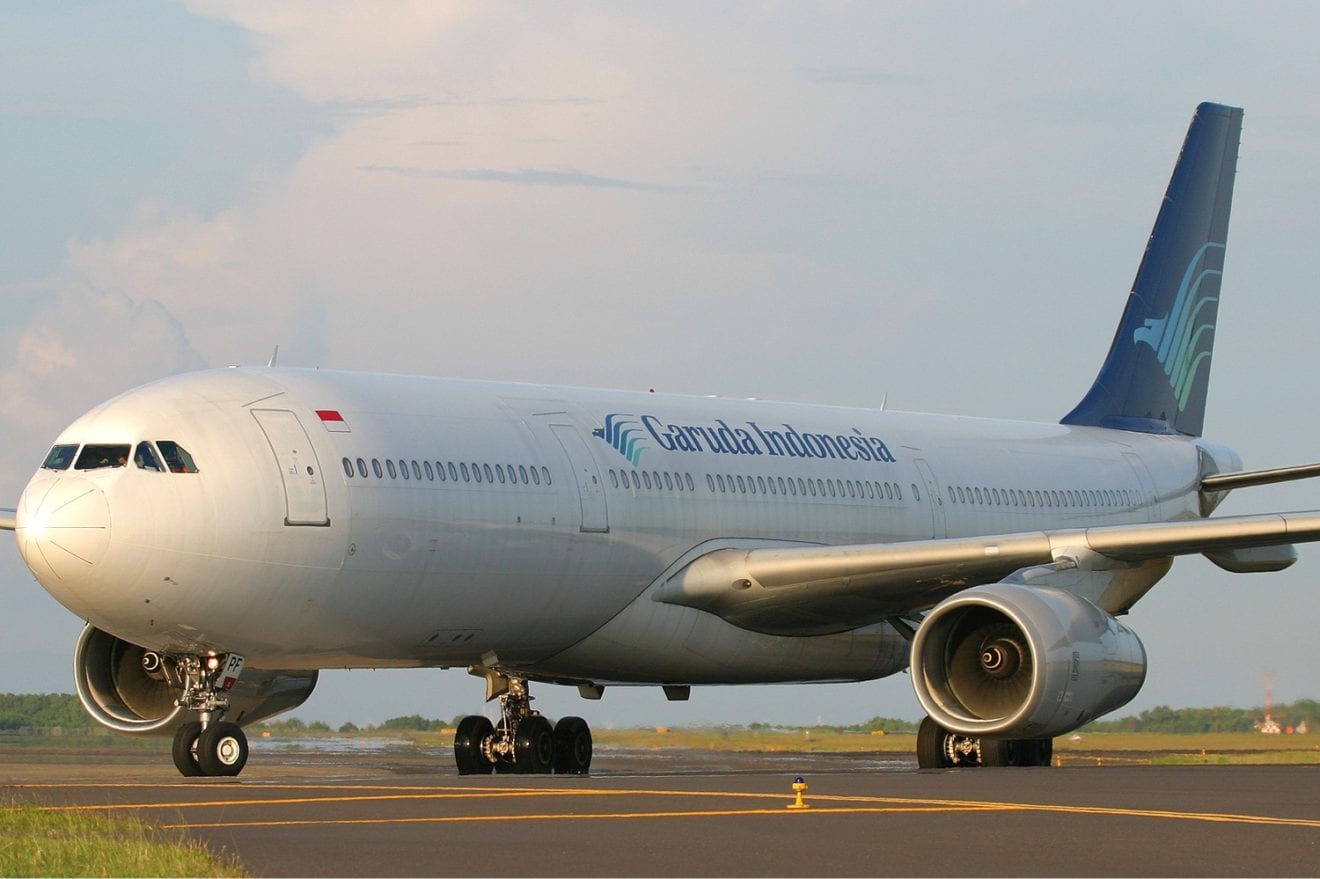
    Garuda Indonesia airline is on a buying spree at the Paris Air Show.

    Airbus announced Monday that the Indonesian flagship carrier signed a letter of intent for 30 wide-body A350 jets, which could serve routes from Jakarta or Bali to Europe. If confirmed, the order would be worth up to $9 billion at list prices, though airlines usually negotiate discounts.

    Earlier Monday, Boeing announced a tentative order by Garuda Indonesia for up to 60 jets.

    Asian carriers are expected to dominate global aircraft demand over the next two decades, with Boeing estimating that roughly two out of every five new planes will head to Asia.

  • Indonesia luxury tax scrapped

    Indonesia luxury tax scrapped

    Indonesia is to axe luxury taxes on most goods to encourage wealthy consumers to shop at home and boost the local economy.

    Finance Minister Bambang Briodjonegoro announced Thursday the move would put luxury goods pricing in the nation on a par with that in neighbouring countries.

    Luxury goods taxes – while seen by many as a fair means of extracting extra tax from the consumption of wealthier consumers, actually backfire in today’s world where people travel frequently and brands offer similar goods in a variety of markets. Locals with spending power tend to buy overseas instead of at home and tourists will buy luxury goods in locations where prices are lower and VAT cash back schemes are easy to use.

    The scrapped taxes apply to electrical goods, apparel and accessories. Importers will now have to pay 10 per cent of the price as “income tax” – up from 7.5 per cent.

    The government says the Indonesia luxury tax – typically around 20 per cent or more – will most likely be removed next week. Cars, boats and residential properties valued at over about US$150,000 will still be subject to ‘luxury’ taxes.

    Bambang says the move will encourage shoppers to buy at home rather than in neighbouring destinations like Singapore.

    “This aims at boosting people’s purchasing power. It makes the prices not expensive that it could ease people’s tendency to buy goods in foreign countries,” he said.

    “The removal of luxury tax policy is also expected to keep economic stability and raise tax earning,” said Bambang.

    There are few Asian countries now with high taxes on luxury goods – and Indonesia’s move will put pressure on them to follow suit and maintain competitiveness.

  • Indonesian FinTech start-ups raise stakes for banks

    Indonesian FinTech start-ups raise stakes for banks

    A string of innovative financial products from Indonesian start-ups are circumventing the traditional payment and investment system, helping to broaden financial inclusion and challenging the established banks.

    Indonesia’s tech-savvy youth have already given rise to pioneering start-ups with social and religious missions and the so-called FinTech industry is set to disrupt traditional banks by offering everything from Bitcoin remittances to mobile pawn shops and retail lending platforms.x

    New alternatives

    With a large swath of the population still unbanked – in part due to the country’s challenging geography – new technologies in banking, transactions and payments offer significant growth potential, with banks under increasing pressure to respond to the trend.

    Banks and regulators in Asia are at difficult levels of understanding of the sector, explained Mohit Mehrotra, an executive director at Deloitte Consulting. “Asia has a huge potential for FinTechs. Countries like India and Indonesia, with their low financial services penetration and large unbanked and underserved populations, are perfect breeding grounds with several white spaces for FinTechs to play an important role,” he told local media in May.

    But collaboration with the FinTech sector is also an option and represents a potential source of growth, particularly for larger banks. “Big banks, by nature of their legacy set-ups, find it increasingly difficult for forging new digital-enabled business models that FinTechs specialise in,” said Mehrota.

    This is starting to be acknowledged by the big banks. Jamie Dimon, chairman of JPMorgan Chase & Co, in a letter to shareholders in May warned there were “hundreds of start-ups with a lot of brains and money” working on various alternatives to traditional banking services.

    Rapid rise

    With Indonesia’s demographic trends favouring smaller and more flexible solutions, start-ups are set to gain a competitive advantage over established banks in areas such as mobile payments and crowd funding, which are increasingly popular in the new web-based financial services field.

    Regional investors have been quick to spot the trend. On June 1, Japan-based venture capital firm CyberAgent Ventures announced a new $50m fund for South-east Asian start-ups, with more than half of the new fund’s activity directed towards the Indonesian market. The firm has predominantly focused on series A Indonesian start-ups until now, but the new fund will open the doors to tech start-ups in the seed, series A and series B stages.

    “We are very bullish, especially on Indonesia,” Steven Vanada told regional media. “It doesn’t only have to be in consumer business or e-commerce… We’re keeping our eyes on other sectors too,” he added.

    Such moves will likely draw interest towards firms like Blossom, a product targeting the global Muslim community. Based out of south Jakarta, the firm brings together Bitcoin, microfinance and Islamic finance, the latter of which is increasingly popular in Indonesia.

    The company’s model involves collecting money from global investors for entrepreneurs who want to start a small business. Blossom does not give the funds to business owners directly, but works through an intermediary or a local microfinance institution. After a 12-month investment cycle, Blossom collects profits from the microfinance institutions and distributes them to the investors.

    Bitcoin rise

    Due to Indonesia’s large underbanked population, Bitcoin is expected to gain significant traction as consumers bypass banks and other financial institutions. World Bank inclusion data from 2014 put the percentage of people above 15 years of age in Indonesia with a financial account at 36%, up from 20% in 2011 and the percentage with a loan from a financial institution at 13%. This compares poorly with regional peers with more than two-thirds of the population in East Asia and the Pacific having an account.

    Artabit, a US and Indonesian start-up, is tapping into the market by combining payment solutions using the Bitcoin network. One use of its products is for remittance services. Hong Kong-based Bitspark recently joined forces with Artabit to provide a remittance service for Indonesian workers in Hong Kong who want to send money back home.

    But despite the huge potential for digital payments in countries such as Indonesia, some industry participants say that infrastructure is still lacking. “Given the size of Indonesia, it may take some time before digital payments are widely used for retail e-commerce because the required infrastructure will have to be in place first,” said Raj Dharmodaran, MasterCard Asia Pacific’s group head for emerging payments.

    He also highlighted the importance of having a regulatory framework that supports the growth of digital payments, saying that a country should have globally standardised regulations conducive to the growth of digital payments.

    For now, the Indonesia government is maintaining a strict stand against the digital currency. The central bank does not recognise Bitcoin as a legal form of currency and has warned people to use it at their own risk. However, the Indonesian public are beginning to embrace the technology and related services as new FinTech start-ups help to make them more accessible and easier to use.


  • Mega Media Indonesia taps Irdeto for OTT service launch

    Mega Media Indonesia taps Irdeto for OTT service launch

    Mega Media Indonesia, owner of satellite pay-TV service Orange TV, has selected Irdeto’s Multiscreen services to support the commercial launch of its Genflix over-the-top (OTT) content delivery service. Mega Media has been working closely with Irdeto since 2011, relying on its Cloaked CA software security and Irdeto Rights services for Orange TV. With Irdeto Multiscreen, Genflix can manage, deliver, secure and monetize content on any device.

    In addition to providing protection for premium content, the Irdeto Multiscreen service will also enable Genflix to offer consumers a more personalized experience across a variety of devices.

    To support Genflix, Irdeto is cooperating with several strategic partners. Elemental Technologies is supporting the expansion of Genflix service availability on smart devices as well as broadening content offers for subscribers across Indonesia. Genflix is using bitmovin’s ‘bitdash’ mpeg-dash video player to offer live and on-demand video streaming and Conversant Solutions CDN services to enable content delivery to consumers.

  • Evergreen Line launches China-Surabaya service

    Evergreen Line launches China-Surabaya service

    In view of with the increasing market demand resulting from significant trade growth between China and the ASEAN countries, Evergreen Line is to partner with COSCO and China Shipping in launching a joint China-Surabaya Express (CSM) Service. This is Evergreen’s latest initiative to enhance its service on the Intra-Asian trade, the company said in its press release.

    The CSX service will employ four ships of 2,000-2,700 teu, including one each provided by Evergreen and CSCL and the remaining two by COSCO. The first sailing is planned to depart from Qingdao on the 20th of May, with the following the port rotation: Qingdao-Shanghai-Xiamen-Shekou-Pasir Gudang (Malysia)-Singapore-Surabaya (Indonesia)-Singapore-Qingdao.

    This weekly service covers major ports from China in the north to Malaysia and Indonesia in the south, providing regular and convenient links for regional trade and connecting to Evergreen’s global service network via Singapore.

    After the ASEAN-China Free Trade Area (ACFTA) was established in 2010, bilateral trade volumes have continued to rise. According to the statistics published by the Gerneral Administration of Customs in the PRC, its import and export trade with ASEAN grew by 8.3% to $480.4 billion in 2014. In addition, the ASEAN community has actively negotiated with China, Japan, South Korea, India, Australia and New Zealand to establish the Regional Comprehensive Economic Partnership (RCEP). It is believed that this significant development will further encourage free trade and have the effect of driving cargo growth within the Intra-Asia trade.