Tag: Indonesia

  • XL Axiata launches LTE in Lombok; Indosat to accelerate 4G rollout

    XL Axiata launches LTE in Lombok; Indosat to accelerate 4G rollout

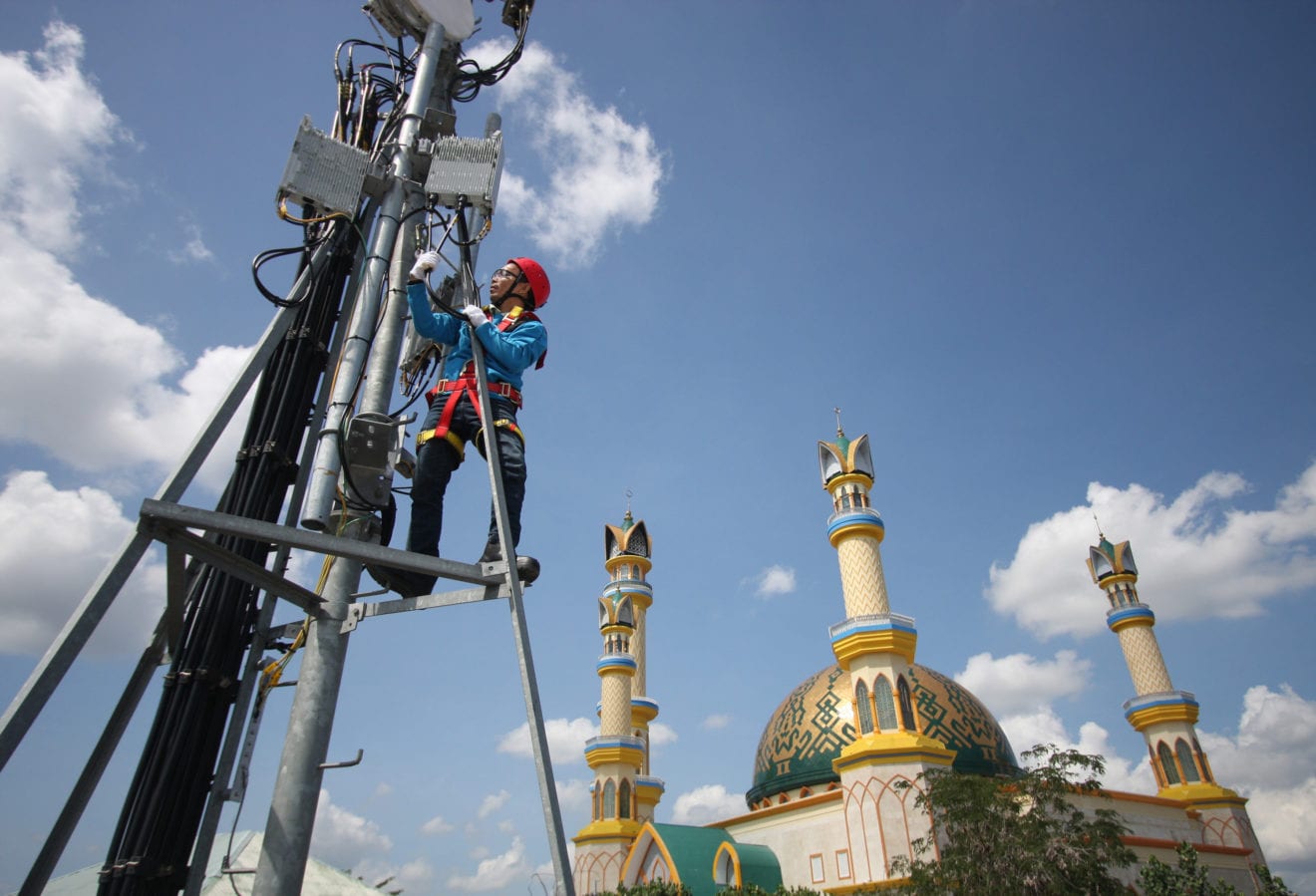
    Indonesian mobile operator XL Axiata today launched a commercial 4G Long Term Evolution (LTE) service in the 1800MHz band in Mataram, Lombok. The firm’s director of service management Ongki Kurniawan explained that the decision to choose Lombok was based on its ‘special relationship’ with the area. ‘Since entering this region, we [have built an] affinity [with the people living here]. People accept and have confidence in XL when it comes to their telecommunication needs, and [that relationship is] now evolving into data and internet services. Our market share currently stands at more than 85% in Lombok,’ he said, ahead of the official launch of the service in the area.

    XL Axiata has deployed 14 4G base transceiver stations (BTS) in the Capital NTB area, as well as covering centres of government and business, and some shopping centres such as Mataram Mall. The cellco claims it can offer peak download speeds of 100Mbps on the new network which is supported by a range of affordable 4G handsets and devices from the likes of LG, Sony, Huawei, Sharp, Siemens and Lenovo. Its new service also supports Voice-over-LTE (VoLTE) it says and, having launched in Mataram, XL Axiata is now looking to roll out 1800MHz BTS in Bandung, Surabaya, Denpasar and Jakarta later this year. Additionally, the operator notes that cities that already have 4G LTE service capability in the 900MHz band – namely Medan, Bogor, and Yogyakarta – will also benefit from 1800MHz services in the near future. To date, it claims to have deployed more than 200 LTE-900 BTS in these cities and has amassed a total of 200,000 4G subscribers.

    In a separate development, XL Axiata rival PT Indosat claims that it is ready to accelerate its own 4G rollout throughout Indonesia. The cellco says its readiness to speed up its LTE deployment is thanks to its nationwide Indosat Network Modernisation programme which is designed ultimately to upgrade its entire infrastructure to support LTE with peak speeds of 185Mbps/41Mbps (down/uplink). The national programme kicked off two years ago, initially with the aim of boosting coverage, improving internet access speeds and providing clearer voice call quality (i.e. high definition voice) services. By the end of this year Indosat aims to have upgraded 42 cities and their environs (equivalent to districts/municipalities across Indonesia), under the expansion plan. IndoTelko quotes Indosat head of corporate communications, Fuad Fachroeddin, as saying that in April it launched its Super 4G-LTEservice in Jakarta, Bandung, Yogyakarta and Bali, and aims to add other cities throughout Indonesia in the near future. ‘We are optimistic we will soon be able to accelerate the deployment of 4G LTE throughout Indonesia under the ongoing Network Modernisation programme,’ he said.

  • Garuda adds 5 extra flights  after fire

    Garuda adds 5 extra flights after fire

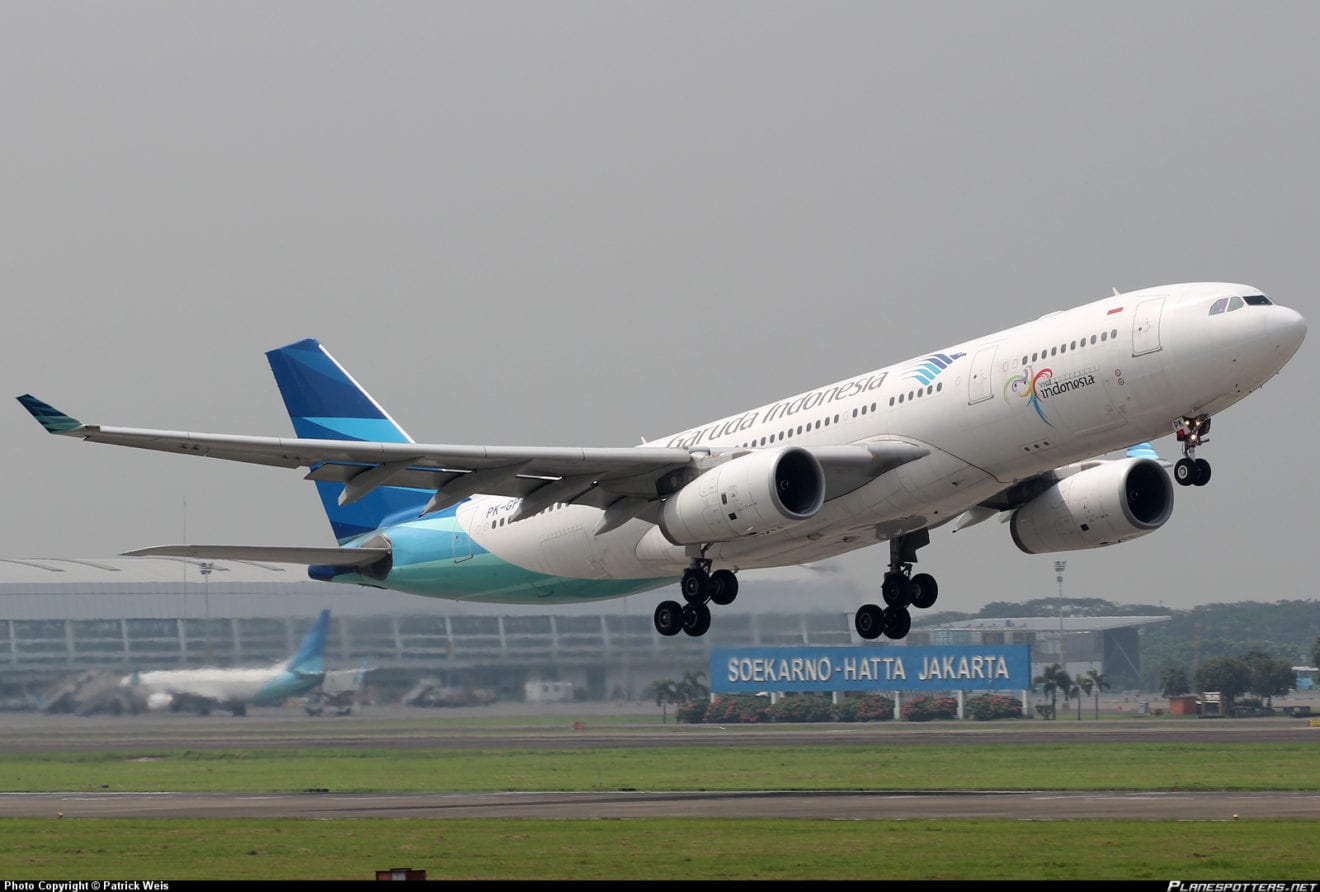
    National flag carrier Garuda Indonesia said on Monday that it had prepared five additional flights for passengers caught in delays and cancellations following a fire at Soekarno-Hatta International Airport’s Terminal 2E on Sunday morning.

    “We aim for all flights leaving this morning,” Garuda spokesperson Ikhsan Rosan said as quoted by tempo.co

    The additional flights will serve five routes from Jakarta to Batam, Riau; Jakarta to Semarang, Central Java; Jakarta to Pontianak, West Kalimantan; Jakarta to Surabaya, East Java and Jakarta to Denpasar, Bali.

    “We will also operate two wide-body planes, Boeing 747-400s, to carry passengers to Surabaya and Depansar,” Ikhsan added.

    Ikhsan admitted there were still several flights that were delayed until early this morning.

    “We put them [the passengers] up in hotels,” he said.

    He gave an assurance that the extra flights would not disrupt other regular flights.

    “Today’s flights will run normally as scheduled,” he said.

    A fire broke out in a VIP lounge at the airport on Sunday morning, causing disruption to departures and arrivals.

    Airport police suspect the fire was caused by an electrical short circuit in the lounge.

  • India’s GirnarSoft set to fight Rocket and iCarAsia for Indonesia’s auto classifieds space

    India’s GirnarSoft set to fight Rocket and iCarAsia for Indonesia’s auto classifieds space

    A combination of low interest rates, a growing middle class, and the absence of strict regulations on car ownership has led tech companies to take a keen interest in the Indonesian market. Rocket Internet’s car classifieds site Carmudi has been operating in Jakarta for nearly one year now, although it’s currenly only seeing around 300,000 visits per month. iCarAsia’s Indonesian portal Mobil123 is doing a little better with around740,000 monthly visits, as per SimilarWeb.

    According to the Indonesian Automotive Manufacturers Association, there were 1,208,019 new car sales last year in the archipelago. This is a slight dip from the year before, which saw 1,229,916. Local financial portal Indonesia-Investments credits the drop to a weakening Rupiah against the US dollar, coupled with inflation, and an economy that may be losing steam. For consumer-to-consumer car classifieds sites, however, the drop in new car sales may actually be a negligible factor. If fewer people are strolling into Astra Motor dealerships on the weekends to pick up new coups, odds are they’re looking into used vehicle alternatives.

    Regardless of what caused the dip, India’s GirnarSoft, which ownsCarDekho, still sees Indonesia as a green opportunity, having recently launched CarBay in Jakarta.

    GirnarSoft was valued at US$300 million when it raised series B fundingthis past January. The company is backed by investors like Sequoia Capital, Hong Kong-based Hillhouse Capital, and Tybourne Capital. CarDekho is GirnarSoft’s largest venture, and claims to be the number one auto portal in India with around 3 million monthly visits.

    carbay id

    Testing the waters without classifieds

    Indonesia’s CarBay is not a classifieds site yet. Instead, it’s just a content provider and resource for folks who are interested in making a purchase but still doing their homework. On the site, users can hunt for vehicles they want to know more about, filtering via price, brand, fuel efficiency, model, number of passengers, and more. Essentially, CarBay acts as a decision-making aid, and lets users easily find various dealers in Indonesia.

    CarBay also lets users do instant side-by-side comparisons of up to four different vehicles at a time. The comparisons are quite thorough, and include everything from engine stats and safety features to luxury options and performance specs.

    At the moment, it’s unclear how CarBay plans to monetize outside of charging its partner dealerships for content on its portal. It’s likely that the firm is simply trying to test local waters by building up its user base before plowing full-steam ahead with a classifieds play. If CarDekho’s business model is any indicator, CarBay will probably go head-to-head with the likes of Rocket Internet’s Carmudi and iCarAsia’s Mobile123.

    A slowing but still favorable car market

    CarBay claims vehicle sales in Indonesia have been rising at a steady 11 percent compound annual growth rate. This figure is probably referring to new and used cars alike. The company cites the nation’s annual GDP growth as one of its most encouraging stats.

    Indeed, the archipelago has been experiencing economic growth of roughly six percent annually. However, the economy only advanced by 4.71 percent this past year, which was the slowest expansion since the third quarter of 2009. Car sales are one of the key indicators by which to measure local consumers’ purchasing power as well as the general state of the economy. As of May, only 443,328 new cars had been sold in the archipelago thus far in 2015.

    “Indonesia is at a good stage of economic development and online products like CarBay will set new benchmarks for organized car buying and selling in the country,” Amit Jain, CEO and co-founder of GirnarSoft said in a release. “Our rapid growth has been due a great web and mobile product, which we feel will do well in Indonesia too.”

    carbay id 1

    From what can be seen on the site, it looks like CarBay has no intention of getting into motorcycles, a segment which dominates the nation’s personal vehicle market.GirnarSoft is one of several Indian firms to have recently come to Jakarta looking for greenfield tech startup opportunities. Earlier this week, Tech in Asia spoke with a venture capital firm called Aavishkaar, which recently locked in US$45 million to invest in Indonesia and other emerging markets. Indian tech companies setting sail for Jakarta could be an interesting trend to keep an eye on for Q3.

  • Digital Advertising Takes Off in Indonesia

    Digital Advertising Takes Off in Indonesia

    Rapid growth in spending on digital advertising in Indonesia is providing a boon to advertisers and telecommunication companies as increasing connectivity changes the way companies go about marketing, say industry analysts. And according to a recent study, demand for digital advertising is only set to soar.

    As more and more of the country’s 250 million people enter the middle class, access to devices that allow them to view online content expand. Enlarged smartphone and tablet screen sizes have also made mobile “an increasingly popular way for viewers to access content,” said Susan Salop, vice president of TubeMogul in Asia, a California-based software maker for digital video advertising.

    “Indonesia is in a unique position where population growth is coinciding with unparalleled technological development,” she  said.

    Many brands now go straight to digital without having to spend big on more traditional marketing, such as billboards and television ads.The booming e-commerce market here also plays a role in propping up the value of the country’s digital advertising sector, say experts.

    In the past two years, e-commerce companies “have spent huge amount of their budgets on advertising,” said Italo Gani, CEO of advertising start-up Adskom, which helps local website developers deliver better targeted banner ads on their sites.

    And growing investments into e-commerce companies, such as Tokopedia, a business-to-consumer marketplace, are enabling them to spend more money on marketing and advertising on the Internet, he said.

    Companies are predicted to spend more than $800 million on digital ads this year, up 80% from last year’s $460 million, according to an April study  by data tracker eMarketer. Of that amount, $130 million will go toward ads targeted for mobile devices, a whopping increase of 200% from $4 million last year, it said.

    In fact, spending on digital and mobile advertising in Southeast Asia’s largest economy is set to grow faster than any of the 22 other countries surveyed, including Argentina, France and Brazil.

    Growth will continue steadily through at least 2019, when the total ad market in Indonesia —including ads appearing on traditional media —is predicted to skyrocket to $19.58 billion, with spending on digital and mobile ads expected to contribute around $7.6 billion.

    Industry analysts say digital campaigns will be more effective if targeted for mobile than for desktop platforms, since people here increasingly get online through their mobile phones.

    Already telecommunication companies have been quick to take advantage of the potential.

    Network provider PT Indosat Tbk recently launched a marketplace called Indonesia Mobile Exchange, a marketplace for mobile ads that links brands with website operators to create more targeted mobile ads by drawing on data such as real-time locations of the network’s subscribers. PT Telekomunikasi Seluler (Telkomsel) and PT XL Axiata Tbk. also help advertisers better target their mobile ads to subscribers by providing them with subscribers’ demographic information, including age, gender and handset type.

    Social media promotions are also effective in Indonesia, a huge market for both Facebook and Twitter.

    To aid in that effort, Facebook Inc. has launched a program called Creative Accelerator to help improve the way brands in countries like India, Indonesia, and South Africa advertise on the site.

    Video ads are also expected to drive spending across digital mediums, analysts say.

    According to a recent survey by TubeMogul, last year purchases of video ads in Indonesia grew by more than 600%, the fastest in Southeast Asia. The report covers Indonesia, Malaysia, the Philippines, Singapore, Thailand and Vietnam.

    “While TV advertising represents the largest single portion of today’s advertising spending, consumers are increasingly watching video content on digital devices,” Ms. Salop said.

    Internet connections still remain incredibly slow in much of Indonesia, however, meaning bandwidth-hungry ads, such as videos, often take forever to load, she added.

    Analysts also said some advertisers in Indonesia are wary about their pre-roll ads driving people away rather than wait for them to finish before their content plays. And in some cases digital ads have  missed the market and been subject to criticism for delivering messages perceived as insensitive or insulting.

  • Matahari unveils new upmarket grocery format

    Matahari unveils new upmarket grocery format

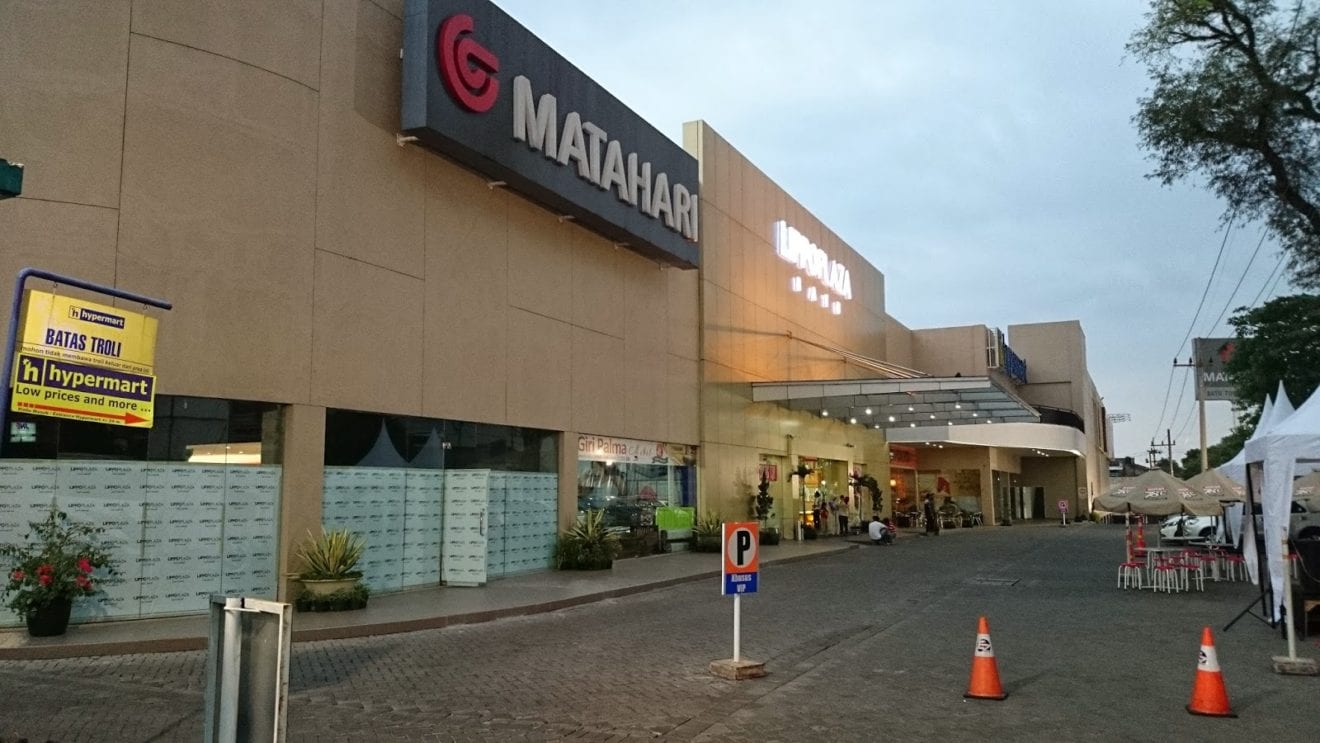
    Indonesia’s PT Matahari Putra Prima has opened the primary of a brand new upmarket grocery retail retailer format.

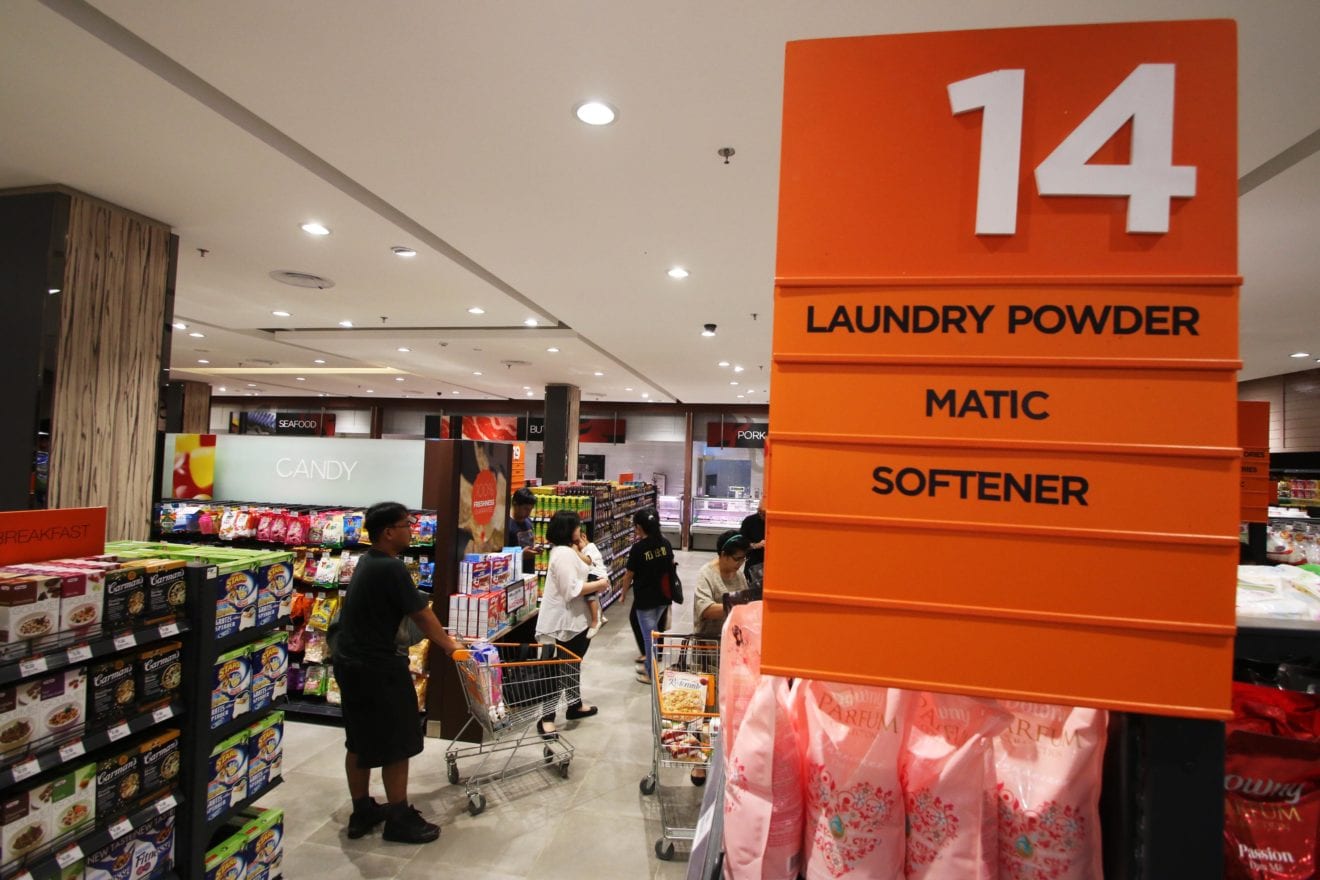
    The multi-format trendy retailer, which operates Hypermart, Foodmart and Boston Well being & Magnificence chains, has branded its new supply Foodmart Primo. The shop, situated on the new MaxxBox Lippo Village in Karawaci, Tangerang, opened final Friday.

    The creation of the Foodmart Primo idea is predicated on the corporate’s persevering with remark and analytical research on Indonesian buying tendencies, displaying an upward development of center class consumption all through the area.

    Foodmart Primo can be positioned strategically in key areas in a number of metropolitan Indonesia cities.

    Matahari says Foodmart Primo clients will expertise trendy grocery store format enhancements associated to retailer format and atmosphere in addition to product choices with a better give attention to offering a extra pleasurable buying expertise, high quality premium merchandise and comfort.

    Director of Foodmart Operations, Dave Rao stated: “With the opening of MaxxBox, we’ve got the chance to open our first “upmarket” retailer beneath the Foodmart Primo model. Primo means high-quality.

    “Foodmart Primo is a professionally designed an upmarket retailer with further options comparable to able to eat part, “boutique” bakery and wine station underneath one roof. The grocery store gives a excessive degree of native and imported items to serve the rising worldwide group in Lippo Village,” stated Rao.

    “A variety of native, imported vegatables and fruits can be found every day along with a wide selection of beef, poultry, seafood and delicatessen.”

  • Lippo Malls to purchase two Indonesian centres

    Lippo Malls to purchase two Indonesian centres

    Singapore-headquartered Lippo Malls Indonesia Retail Belief is to purchase two purchasing centres in  Indonesia.

    The properties are Palembang Icon and Lippo Plaza Batu, collectively value $83.33 million (or Rp1.06 trillion).

    The Batu Metropolis mall is a small centre with 12,324 sqm internet lettable space however consists of the suitable to construct a further 6500 sqm of area on the rooftop. Batu Metropolis is in Malang province in East Java with a inhabitants of 190,000.

    Palembang Icon is a five-storey 35,797 sqm retail mall outfitted with a sports activities centre, situated in Palembang Metropolis in South Sumatera.

    LMTR says the retail malls will probably be purchased at costs lower than unbiased valuations they usually have secure tenants.

  • Singapore’s MyRepublic enters Indonesia with fiber Internet services

    Singapore’s MyRepublic enters Indonesia with fiber Internet services

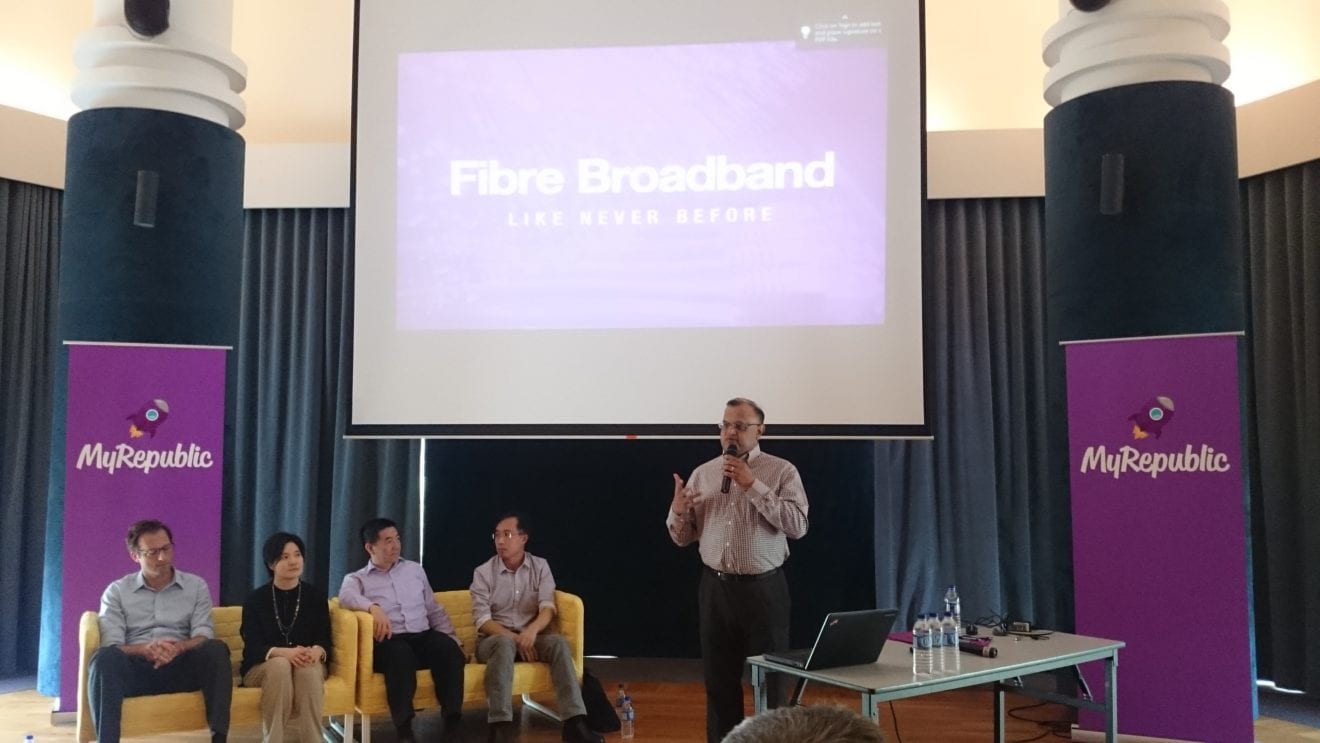
    It would seem that Singapore-based startup Internet provider MyRepublic has just launched operations in a new market: Indonesia.

    A quick look at MyRepublic’s Singapore website now shows Indonesia listed as one of the countries of operation along with Singapore and New Zealand. The New Zealand operation launched in October last year.

    MyRepublic’s Indonesian site is also live in Bahasa Indonesia and lists nine retail locations in areas such as Palembang and Surabaya.

    MyRepublic plans

    The site lists prices for all. The cheapest fiber optic plan is the Basic, which retails at US$15, while the most expensive plan Supernova retails at about US$70.

    It should be noted that the Supernova plan has a maximum download speed of 300Mbps, as opposed to the 1Gbps maximum speed MyRepublic customers in Singapore enjoy.

    This move into Indonesia, however, does not come as a surprise as one of the company’s investors, the Sinar Mas Group (who in May of 2014 invested US$3.5 million) is based in Indonesia.

  • Honda BR-V bookings to open at Indonesia Motor Show

    Honda BR-V bookings to open at Indonesia Motor Show

    Honda, the Japanese automaker, yesterday released the design sketches of the much-awaited compact SUV. Based on the Brio platform, the prototype of the crossover will be premiered at the 2015 Indonesian International Auto Show in August. If reports are to be believed, Indonesia will be the first market to see the launch of this much-awaited BR-V crossover.

    Honda BR-V (Brio SUV) bookings to open at Indonesia Motor Show
    Bookings for the crossover will open at the 2015 Indonesia Motor Show itself. For the Indian market, the Brio SUV is expected to make its debut at the 2016 Delhi Motor Show while the launch could take place by the mid-2016. The BR-V crossover is developed by Honda R&D Asia Pacific Co., Ltd. (HRAP) in Thailand, and it will target Asian markets.

    The Honda BR-V crossover will be a seven-seater car, and is expected to get better quality interiors. The vehicle features a rugged design with high ground clearance, single slat chrome grille, LED daytime running headlamps and large alloy wheels.

    Under the hood is a 1.5-litre i-VTEC petrol engine that is good for 117bhp of power. This engine will be paired to a five-speed manual or a CVT gearbox. India-spec model will also get a diesel engine option, 1.5-litre i-DTEC motor paired to a six-speed manual gearbox.

  • Why Ramadan is a special economic season in Indonesia

    Why Ramadan is a special economic season in Indonesia

    The Islamic calendar has entered the second week of Ramadan. During this month, Muslims refrain from eating, drinking and sexual activities from dawn to dusk.

    But, in countries where Muslims are the majority, consumption increases during this month of restraint. This happens not only in high-income countries, such as Qatar and United Arab Emirates, but also in developing countries such as Indonesia. Traditions that spur consumerism during Ramadan and preparations for Eid Fitr, the end of Ramadan, drive this trend.

    Spending patterns

    People spend more during Ramadan – mainly on food and beverages, but also on clothing. In Indonesia, the retail sales index on these categories showed a 30% increase during the Ramadan month in 2013.

    Meals taken during Ramadan help tighten family ties and increase social interactions. In the fasting month, Muslim families usually have sahur – the pre-dawn meal – and iftar – the fast breaking meal – together, with more elaborate menus than in other months. People also have more social gatherings by breaking the fast together in restaurants at malls or in mosques.

    Just after Ramadan ends, Muslims celebrate Eid Fitr. They start preparing for this holy day weeks before. People wear new clothes during Eid. They make or buy an assortment of cookies and sweets. They also prepare special menus to be enjoyed and served to guests.

    The main ingredients for the festive meals are mostly beef or chicken. The Indonesian government has to ensure that beef is stocked for Ramadan and Eid holidays. Australia, as the biggest exporter of live cattle to Indonesia, benefits much from the Ramadan season.

    People take the time to visit family and friends during Eid Fitr. In Muslim majority countries, the time around Eid is a long holiday. In Indonesia, the government obliges employers to pay a religious holy day bonus. This one-month salary bonus helps increase the public’s spending power during Ramadan and Eid.

    Clothing sales increase in Ramadan and ahead of Eid Fitr.

    Paying alms

    During Ramadan, Muslims pay alms (zakat). The increase in alms can quadruple from regular months.

    The compulsory alms in Ramadan, the zakat fitrah, is actually not much – around 3.5 litres of rice per person. But many Muslims pay other types of compulsory alms that are actually payable in other months.

    Aside from zakat, spending on charities that are not compulsory also increase during Ramadan. The channelling of zakat and charity for the poor also factors in the increase in purchasing power.

    Inflation

    Indonesians often complain about high inflation during Ramadan. Prices for food, transportation and recreation usually rise during the fasting month.

    But the holiday bonus plays a role as a safety net for people’s spending power. Zakat also helps the poor cope with rising prices of food. Last year, food prices increased 2% during Ramadan.

    Prices for flights, and train and bus rides, also increase as the end of Ramadan marks the start of a long holiday in Indonesia. A lot of people go to their hometowns or where their parents or grandparents live. Even though formally the Eid Fitr holiday is two days, in reality people take a week off. Many workers take their annual leave. Plane ticket prices can increase twofold. Some are fully booked long before the day of travel.

    Productivity during Ramadan

    Reduced working hours is common during Ramadan. A two-hour workday reduction, as occurs in Pakistan and Egypt, brings an estimated7.7% decrease in the country’s monthly GDP. For countries that only cut an hour of its workday – such as Indonesia and Malaysia – the decrease is around 3.8%.

    Workers’ productivity tends to decline during Ramadan. A rough figureof decrease in productivity in Muslim majority countries is between 35% and 50%. However, the slowing down of productivity in Ramadan is predictable, meaning the economy can anticipate it.

    The decrease in productivity happens as people choose subjective well-being from religious and Ramadan-related activities over the benefit people might get from working. During Ramadan, Muslims tend to do more religious activities and take time for activities related to Ramadan, such as breaking the fast with family, sprucing up their house and making cakes.

    When people feel they get more positive benefits from non-work activities, the opportunity cost – the value that people sacrifice to gain something – from work increases.

    In his study on Ramadan, Harvard economist Filipe Campante finds that, in the fasting month, people tend to choose self-employment (with flexible working hours) over formal employment. Campante says Ramadan makes people poorer but happier.

    Being social

    Many economic activities related to Ramadan and Eid are not just for private consumption – they are also collective ones.

    Networking activities happen during Ramadan and Eid. Fast-breaking gatherings, religious activities in mosques, social bazaars and the Eid holiday exodus facilitate information exchanges. On the journey to their hometowns, people bring souvenirs for family and friends. There, people catch up and exchange information about activities in cities.

    These social gatherings can increase further economic activities.

    Ramadan has the potential to improve Indonesia’s current economic slowdown with its increase in consumption and trade. However, economic activity on this year’s Ramadan is predicted to be lower than previous years. The lunar calendar has brought Ramadan to coincide with school holidays in Indonesia in 2015. This means less holiday travel for Indonesians.

  • Indonesia’s Garuda partners with Cardig Air for air cargo management

    Indonesia’s Garuda partners with Cardig Air for air cargo management

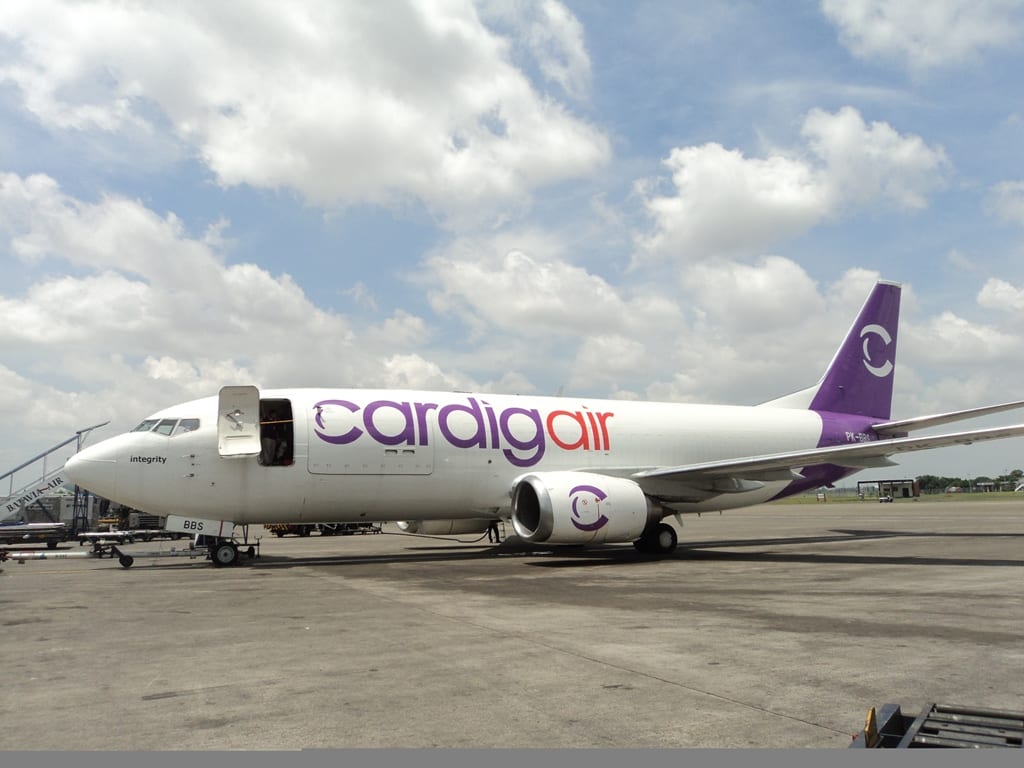
    Indonesia’s national airline Garuda Indonesia will be partnering with cargo airline Cardig Air that would involve the joint marketing and promotion of freight routes operated by both the airlines.

    In the first stage of the deal, Garuda will acquire the rights to sell freight space aboard Cardig Air flights that serve on routes to Surabaya, East Java, Denpasar, Bali, and Dili in Timor Leste, while Cardig will have the rights to market the cargo space of Garuda on a few domestic and international routes.

    Close to 70 cargo services across the archipelago, including in Medan, Jambi, Jakarta, Bandung, Yogyakarta, Surakarta, Semarang, Surabaya and Denpasar are currently operated by Garuda Indonesia cargo.

    Garuda Indonesia president director Arif Wibowo said: “The early stages of this new partnership includes marketing programs at service flights Surabaya – Denpasar – Dili, but in the future we will continue to develop cooperation with Air Cardig to develop these cargo shipments to other domestic and international routes that are currently not served by Garuda Indonesia Cargo ”

    According to the Jakarta Post, the partnership is expected to result in projected cargo revenues of $10m.

    Cardig Air CEO Boyke Subroto said: “This collaboration will provide many benefits and convenience to us, given the Garuda Indonesia has a fairly extensive flight network, a huge market, and Cargo Service Center (CSC), located in 76 domestic cities that can support the future development of Air Cardig.”

  • Twitter searching for new Indonesia boss as Rick Mulia quits to move back to Wego

    Twitter searching for new Indonesia boss as Rick Mulia quits to move back to Wego

    Rick MuliaRick Mulia, who joined Twitter to launch its Indonesian operation just eight months ago, has left the company to move back to his former employer, Wego.

    Mulia joined Twitter from Wego in November, five months before the official opening of the Jakarta office in March.

    Twitter told Mumbrella that Mulia was leaving for personal reasons and is searching for a replacement to lead what is one of the micro-blogging service’s most important strategic markets.

    He is to stay with the company until the end of this month.

    “First, we would like to thank Rick Mulia for his contributions and leadership for opening Twitter’s office in Indonesia, one of our largest and most important markets in the world. Rick is based in Singapore and the role of Indonesia Business Head requires him to move to Jakarta,” Twitter told Mumbrella in a statement.

    “However, he is unable to make the move now due to personal reasons. So we are actively looking for his replacement in Indonesia and will have some news shortly to share with you. We remain committed to Indonesia and will continue to invest in our operations there as we have many exciting plans for the rest of the year,” Twitter said.

    The highly regarded former Microsoft and Yahoo! executive was brought in to lead a team to turn Twitter’s “local popularity into revenue” in Indonesia.

    Mulia was previously running Wego’s media and advertising solutions function and oversaw the firm’s global real-time bidding function.

    He rejoins Wego in the role of chief advertising and media officer, Asia Pacific, based in Singapore. His role is to lead both direct and programmatic sales for the firm.

    “I’m extremely pleased that Rick Mulia will be rejoining the leadership team at Wego and managing our fast growing advertising & media business,” said Ross Veitch, CEO and co-founder of Wego in a statement.

    “Rick is a well-respected digital professional with a rare combination of technical, sales and managerial skills that make him the perfect choice to develop and deliver advertising solutions for Wego’s travel industry clients.”

    Mulia commented: “I am looking forward to returning to Wego and helping the company achieve the next level of growth. In the time I’ve been away I’ve been highly impressed to see the company’s growth in emerging regions such as the Middle East and Southeast Asia, and in particular, explosive growth in their mobile audience. These are both a boon for the ad tech space where these types of audience data are in high demand.”

    “My focus is to make Wego and its audience data a must-have purchase for any travel advertiser investing in Direct Performance or Programmatic Ad Buying,” he said.

  • IIJ, Biznet launch GIO Cloud JV in Indonesia

    IIJ, Biznet launch GIO Cloud JV in Indonesia

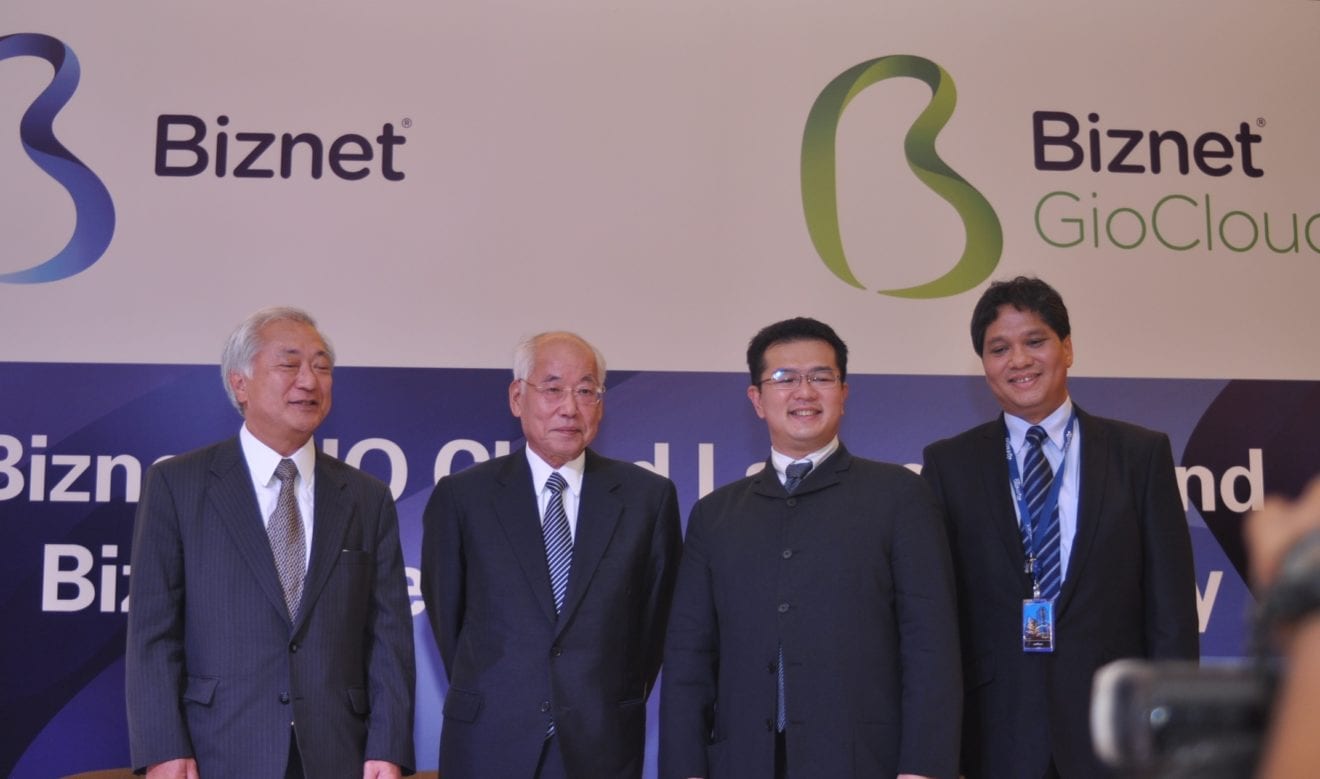
    Japanese internet and network services provider Internet Initiative Japan (IIJ) and Indonesian telecommunications services provider Biznet Networks have launched their Biznet GIO Cloud service in Indonesia. IIJ and Biznet initially announced their joint venture in November 2014 and established it in January this year. Prior to launch, the service had already been implemented on a trial basis at a Japanese insurance company, a retailer and an Indonesian tobacco company among others.

    The joint venture will leverage Biznet’s broadband backbone network and IIJ’s cloud operation technologies to provide cloud services to both local and Japanese companies. The Biznet GIO Cloud service was developed based on the operation and system architecture technologies of IIJ. The service uses Biznet’s broadband network infrastructure in Indonesia to minimize access delays.

    The Biznet GIO Cloud offers two types of services: GIO Cloud, an auto-self provisioning public cloud service, and GIO Enterprise Cloud, a private cloud service for enterprises. Internet access fees are included as standard in both products, and the products offer connectivity through closed networks as well as over the internet. Additionally, the public cloud service comes standard with a host of security functions (including firewalls and load balancers), offers 24/7 support, and provides a service level agreement (SLA) guaranteeing 99.9 percent server uptime.

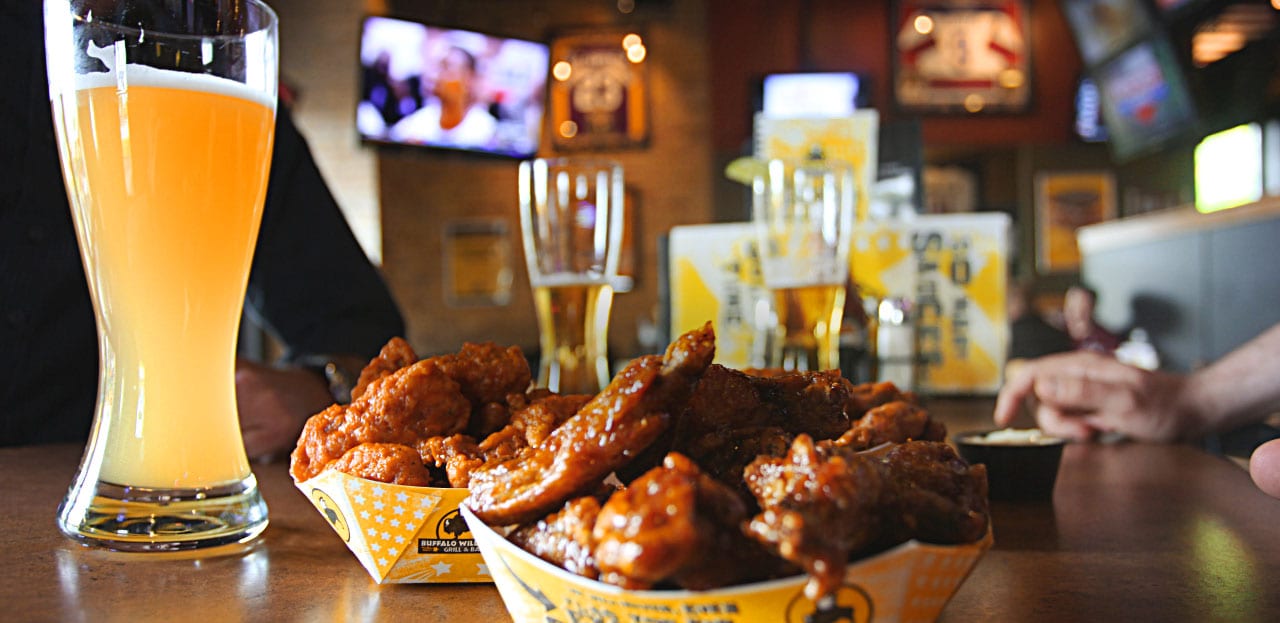
  • Buffalo Wild Wings critical about Asia

    Buffalo Wild Wings critical about Asia

    US informal eating chain Buffalo Wild Wings is within the means of securing grasp franchisees in at the very least six extra Asian nations as its first foray into the area pays off.

    In January BWW opened its first restaurant within the continent, in Manila, in partnership with Philippines grasp franchisee The Bistro Group. That restaurant, in Estancia Mall at Capitol Commons in Pasig Metropolis, proved so profitable inside its first few months two extra websites are beneath improvement already because the rollout plan is accelerated. These eating places will open in Glorietta and Uptown Mall.

    Buffalo Wild Wings CEO, Sally Smith informed Inside Retail Asia in an interview the corporate will probably be signing a grasp franchise settlement in Vietnam in a fortnight with the primary BWW outlet scheduled to open there someday subsequent yr.

    A separate franchise settlement has been concluded for a area in India with the primary restaurant there more likely to be buying and selling inside as little as six months.

    Smith was in Hong Kong this week for talks with suppliers and potential companions and advised Inside Retail Asia the corporate is already speaking with potential companions in Singapore, Malaysia, Thailand and Indonesia. She has additionally been taking a primary hand take a look at the Hong Kong eating scene with a view to contemplating enlargement there, too.

    However she gained’t be dashing into any of those markets.

    “One of many issues that’s necessary to us is discovering the fitting associate, so we’re going to take our time. We need to ensure that our associate understands our enterprise, that they perceive our model and that they share the identical values as we do.

    “Once we choose a companion, they go to us within the US, they practice within the US they usually go to a lot of shops in order that they see how we function – that’s all earlier than they turn out to be a associate.

    “We’re in search of nice franchise companions,” stated Smith. Not simply anybody with a cheque guide.

    Native challenges

    Smith says when getting into a brand new market, BWW understands the necessity to tailor its menu and pricing factors accordingly. Concentrating on locals relatively than expats or vacationers, Smith says the model is lifelike and trusts its franchise companion to work with it on each fronts.

    In Manila, probably the closest Asian market when it comes to dietary habits to North America, BWW has added rice to its menu and it’s contemplating a steak sandwich to satisfy native demand.

    “We definitely work to think about native flavours locals are in search of. However others nonetheless need that genuine Buffalo Wild Wings expertise,” Smith stated.

    In Vietnam, the place the ‘center class’ by definition is on an revenue as little as US$500 a month, BWW is about for an extended, affected person progress cycle.

    “I used to be in Vietnam final yr and I used to be very excited. The overall inhabitants is rising and there’s some nice information on the financial entrance. However we’ll take our time constructing out Vietnam and we’ll attempt to not overbuild.”

    Smith says the franchise companion there’s already evaluating actual property choices.

    A key think about BWW’s portability into new markets is that hen is an accepted a part of the weight-reduction plan in most elements of the world – and sport captures the eye too.

    A key element of the BWW idea is stay sport, with giant screens within the eating places encouraging dwell time. Within the US and the Philippines, American Soccer, basketball and ice hockey are staples on the sports activities menu; in Southeast Asia it is going to be English Premier League. Smith stated in the course of the Superbowl remaining early this yr the Manila restaurant opened early and queues shaped of locals eager to eat and benefit from the match.

    The corporate can also be testing know-how options that may allow clients in its eating places to take part in on-line social gaming, enjoying towards clients of different eating places in the identical nation.

    Buffalo Wild Wings already boasts 1094 eating places serving 21 signature flavors of Buffalo, New York-style hen wings. Its foray into the Philippines was its first step outdoors the Americas.

  • Sharp launches Aquos Crystal 4G smartphone in Indonesia

    Sharp launches Aquos Crystal 4G smartphone in Indonesia

    Japanese electronics company Sharp has launched its first Aquos wireless phone, the Sharp Aquos Crystal, in Indonesia, The Jakarta Post reports. The Aquos Crystal will be on sale in Indonesia for IDR 3.99 million (approximately USD 302.9). Sharp targets sales of over 100,000 Aquos Crystal units during the first six months of this year.

    The 4G-ready smartphone runs on Android 4.4 KitKat and features a 5-inch edge-to-edge HD screen, Clari-Fi technology for enhanced digital sound quality, an 8-megapixel rear-facing camera, a 1.2-megapixel front-facing camera, HD voice, an embedded 2,040mAh battery, a 1.2GHz quad-core processor, and 1.5GB RAM and 8GB ROM.

    Indonesia accounts for 40 percent of Sharp’s total sales in India, Southeast Asia, Oceania and the Middle East, said Sharp Electronics Indonesia president director Fumihiro Irie. “Our target is to obtain sales from the middle to high-end market, which accounts for only 30 percent of the country’s smartphone market. We won’t enter into low-end products that account for 70 percent of the market,” Irie said.

    According to Sharp Electronics Indonesia’s national sales manager for smartphone, David Leonard, the manufacturer already has 20,000 ready-stocks available across distribution channels owned by its distributor partner Surya Citra Multimedia. “We’re also partnering with online store blibli.com to sell the product. We remain open to similar partnerships with other online stores or marketplaces,” he said.

  • Archipelago to Open Six New Harper Hotels in Indonesia

    Archipelago to Open Six New Harper Hotels in Indonesia

    Archipelago International’s harper portfolio will soon increase by six new hotels across Indonesia in the coming two years. Currently, the harper brand covers two hotels in two of Indonesia’s most prominent destinations, Bali and Yogyakarta, but by the end of 2017 the harper brand will have six new names under its belt: harper M.T Haryono – Jakarta; harper Purwakarta – West Java; harper Pasteur – Bandung; harperPerintis – Makassar; and harper Puncak Gate – West Java.

    Harper M.T Haryono – Jakarta is set to open in the 3rd quarter of 2015. The hotel is located on Jl. MT. Haryono Kav in Cawang, Jakarta and will feature 131 rooms, five meeting rooms, harper’s signature Rustik Coffee Shop, a swimming pool, gym and a spa.

    Also opening in the 3rd quarter of 2015 is harper Purwakarta – West Java. Located on Jl. Bungursari in Purwakarta-Jawa Barat, harper Purwakarta is a short stroll from the Cikampek / Dawuan / Sadang toll road and is surrounded by cultural and natural tourism spots, local eateries and the Pupuk Kujang Cikampek Golf Course. The hotel will offer 130 guest rooms and suites, nine state-of-the-art meeting rooms and a ballroom that can accommodate up to 700 delegates. Facilities include the signature Rustik Coffee Shop, an outdoor swimming pool with a kid’s pool and a convenient poolside restaurant, as well as 24-hour reception staff and room service, complimentary high-speed WiFi and the highest service standards in the region.

    Harper Pasteur – Bandung shall then open shortly after in the 4th quarter of 2015. Sitting in an ideal location on Jl. Dr. Djunjunan at the gateway to Bandung, harperPasteur offers easy access to the Paris Van Java Mall and the Husein Sastranegara Airport. The hotel will feature 256 rooms, 10 meeting rooms, harper’s Rustik Coffee Shop & Lounge as well as a swimming pool.

    Crossing the archipelago to Sulawesi, harper Perintis – Makassar also plans to open in the 4th quarter of 2015. The hotel will feature 159 rooms, a ballroom, four meeting rooms, the signature harper Rustik Coffee Shop & Lounge and a swimming pool. The hotel is located on Jl. Perintis Kemerdekaan only 30 minutes from Makassar’s city center and just 15 minutes from the international Sultan Hasanuddin Airport. Guests at the hotel will also enjoy close proximity to the growing tourist attractions in the area, such as Makassar’s shopping malls and restaurants, the city’s theme park and even the white sand beaches of Samalona Island and Kodingareng Keke, famous for their idyllic swimming, sunbathing, snorkelling and diving spots.

    Opening shortly after, harper Puncak Gate – West Java on Jl. Raya Pertanian, Ciawi Bogor, will feature 301 rooms, a ballroom, nine meeting rooms and the signature Rustic Coffee Shop & Lounge, as well as a spa, gym and swimming pool. Puncak is a popular weekend getaway for Jakartans and many tourists alike, most of whom are visiting for a taste of the fresh mountain air and the numerous natural attractions, including the Bogor and Cibodas Botanical Gardens; the Gede Pangrango National Park; the Plantations and the Safari Park.

    Archipelago International has also just signed the harper Solo – Central Java, scheduled to open in the 1st quarter of 2017. The hotel will feature 250 rooms, several meeting rooms and a swimming pool. The hotel will be located on Jl. Bridgen Katamso in Surakarta (Solo) Central Java, close to the acclaimed palace of Susuhunan Pakubuwono, Keraton Surakarta, and also the Javanese court of Mangkunegaran.

    “Indonesia has seen extraordinary economic growth over the past four to five years, and the hotel industry has predominantly been driven by the local market. The high demand for accommodation facilities is bolstered primarily by Indonesia’s position as one of Asia’s most popular tourist destinations, receiving 9.44 million foreign visitors in 2014, resulting from growth of 7.19% compared to the previous year. According to the Central Bureau of Statistics, much of this growth has arisen from catering to the middle-segment of the market, namely the 2, 3 and 4 star hotels. Nowadays in our increasingly anxious world, people want comfort and functionality, and it’s no secret today’s guests want to be reminded of home.

    That’s why harper’s modern-rustic design concept uses warm, rich colors to offer comfort in each room. harper Hotels convey a residential feel and a balanced functionality, offering unobtrusive service and never ending innovation – hotels for the astute traveler who values individualism and character. Our expansion in Indonesia is certainly one of our strategies, but we have always focused on quality rather than quantity,” said John Flood, President & CEO – Archipelago International.