Tag: Indonesia

  • Pertamina, Lamborghini`s joint research unveils new lubricant

    Pertamina, Lamborghini`s joint research unveils new lubricant

    The Indonesian state-owned oil and gas enterprise, Pertamina Lubricants, has collaborated with the Lamborghini automotive company to conduct research on lubricants for and high-tech and superfast vehicles.

    “Pertamina Lubricants is committed to continuing innovation in developing its products to meet the needs of the automotive industry in Indonesia and the world. This is supported by research and development facilities, as well as production facilities owned by Pertamina,” the President Director of Pertamina Lubricants, Gigih W.H. Irianto said on Tuesday.

    Pertamina has been conducting joint research with Lamborghini for special lubricant products. The research has produced lubricants, such as Fastron Platinum SAE OW-40 for upscale cars, and Fastron Platinum Racing SAE 10W-60 for sports cars.

    The lubricant testing was carried out in Italy. The Fastron Racing Platinum lubricant has been tested and has obtained specific approval from Lamborghini.

    Irianto added that the reliability of Pertamina lubricants, which have received recognition from Lamborghini, was proven by the election of Pertamina as a technical partner of Automobili Lamborghini for motorsport named the Lamborghini Super Trofeo and the Lamborghini GT3.

    “Pertamina Fastron is trusted and has been named as the official lubricant in every super Trofeo race and is fully supported by the Lamborghini GT3 team, which competes in world championships. This cooperation will continue for the 2015 to 2019 period,” he said.

    Pertamina Fastron has also been adopted as the official lubricant at 129 Lamborghini dealerships worldwide.

    “This flagship product has strengthened Pertamina lubricants existence in the international super car arena,” Irianto remarked.

    Pertamina Lubricants created the Fastron lubricant with nanotechnology. It is a high-quality synthetic lubricant that protects the engine, while providing reliability and optimal speed.

    The state-owned enterprise has also launched three other new lubricant variants, namely Fastron Gold 5W-40 and Fastron Gold 0W-20, for modern and advanced engine technology vehicles. Another variant is Fastron Techno 10W-30, which has been designed for daily use and fuel efficiency.

  • Chinese shoppers feel safer online

    Consumers across Southeast Asia and Greater China feel safer paying in a brick and mortar environment as opposed to online; sole exception is China

    According to the inaugural MasterCard Safety and Security Index, consumers across Southeast Asia and Greater China cited identity theft and ATM-related fraud as the top two security concerns when it comes to electronic payments.

    Some 42 per cent of consumers in Southeast Asia (Indonesia, Malaysia, Philippines, Singapore Thailand, and Vietnam) were most concerned with ATM-related fraud such as a stolen card, card cloning or skimming. In the Greater China markets (China, Hong Kong and Taiwan), this figure was 31 per cent.

    But the biggest surprise was in confidence in shopping online. The Index showed that in general, consumers across Southeast Asia, and the markets of Taiwan and Hong Kong still feel safer paying in a bricks and mortar environment than buying online. China differed, being the only market where consumers felt paying online was safer than in a physical store; even more so than in Singapore.

    Almost every consumer polled in the Greater China markets had made an online payment in the past year. Consumers in China (62 per cent) particularly favored the use of digital wallets in online electronic payments over those in Hong Kong (14 per cent) and Taiwan (29 per cent).

    Consumers across Southeast Asia (35 per cent) and Greater China (32 per cent) were almost as equally concerned about identity theft in relation to data breaches. This includes personal data such as bank details, personal IDs, addresses, and signatures that are stolen or compromised through websites. In both regions however, it appears that these concerns do not directly stem from consumers’ own personal experiences but rather, as a result of the perceived severity of fraud based on what was reported in the media.

    MasterCard chart1

    Meanwhile, the Index also reinforced that banks continue to play a critical role in ensuring payment safety and security for consumers in Southeast Asia. This is both, because of the high levels of trust consumers place in banks as well as the reliance that consumers have on banks to help them resolve issues that crop up in this area.  Banks are often the first line of defense and recourse for the affected consumer – nearly half of all consumers in Southeast Asia who experienced ATM fraud first approached their card-issuing banks for advice.

    “The fact that most cardholders have a primary relationship with their banks, has an obvious and deep-rooted correlation to their sentiment, around who they trust most when it comes to ensuring the safety and security of electronic payments,” said Ari Sarker, oo-president, Asia/Pacific, with MasterCard.

    “This was emphatically reflected in the feedback from all the markets in Southeast Asia and Greater China. However, in Singapore in particular, in addition to banks, consumers also placed significant trust in the government, which is a natural outcome given the country’s strong regulatory environment and overall reputation around safety and security.”

    None of the respondents surveyed in Southeast Asia placed any trust in local websites, suggesting that there is still a lot of work to be done by local eCommerce merchants to ensure that they meet global security standards for payments and build consumer confidence on this front.

    In Greater China, aside from banks and governments, merchants were also seen to have a growing responsibility in ensuring payment safety and security, with 28 per cent of consumers in these markets going to merchants as their first recourse in seeking resolution for payment safety and security issues. Furthermore, merchants in these markets were instrumental in solving 40 per cent of all online electronic payment disputes.

    These and other key findings of the MasterCard Safety and Security Index will be discussed at the MasterCard Global Risk Leadership conference in Singapore on August 26 – 27. The 20th edition of this conference will gather global payment risk leaders to share best practices in fighting fraud together, as an industry. The conference demonstrates MasterCard’s commitment in helping partners and customers fight fraud using the latest tools, processes, and technologies so there is no one weak link in the payments ecosystem.

    The survey was carried out across in six markets in Southeast Asia (Indonesia, Malaysia, Philippines, Singapore, Thailand, and Vietnam) as well as three markets in Greater China (China, Hong Kong, and Taiwan). A total of 6600 consumers and 100 merchants were polled online and face-to-face between January and May 2015 on questions relating to the payments security landscape, payments in brick and mortar and online, safety and security payment concerns and experience with payment fraud, among others.

  • RedMart Singapore raises $26.7m

    RedMart Singapore raises $26.7m

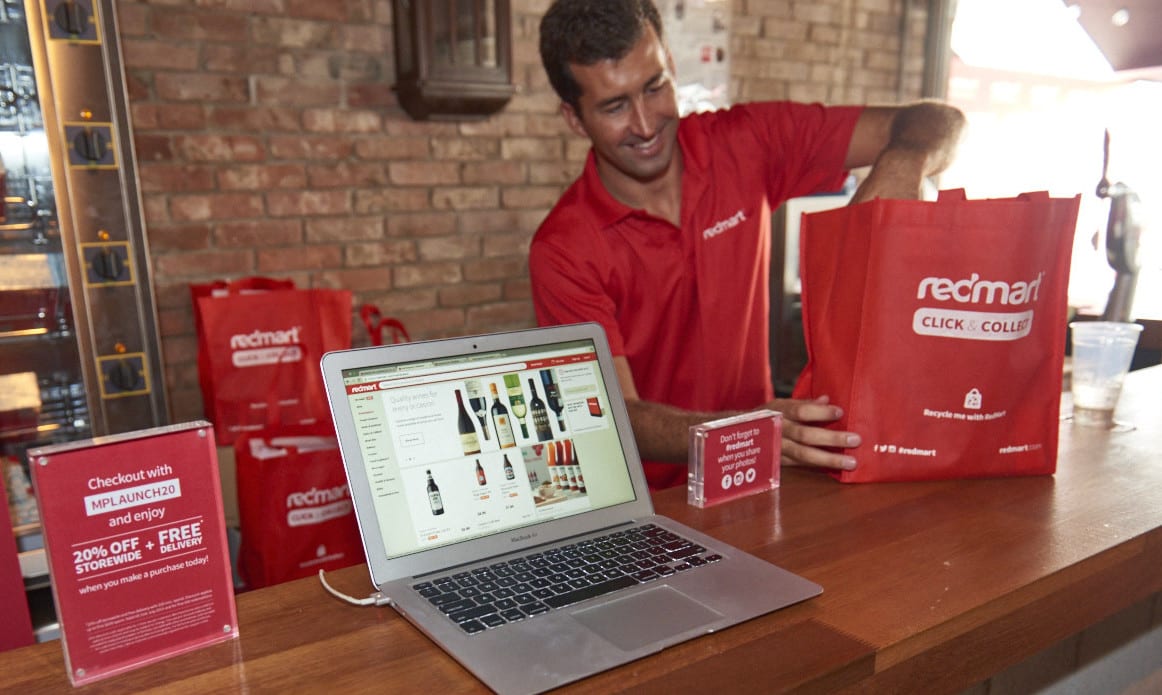
    Singapore online grocer RedMart has raised more capital and appointed a former Amazon executive to drive regional expansion.

    RedMart Singapore has previously indicated an interest in expanding into Vietnam, Thailand, Manila, Hong Kong, Indonesia, Malaysia and Taiwan – but it has not disclosed which markets it sees as a priority with its newly secured funds.

    RedMart has secured US$26.7 million in a round of funding tapping existing shareholders Garena, Softbank Ventures Korea, Visionnaire Ventures and Facebook co-founder Eduardo Saverin. It has also attracted a new investor – Far East Ventures, part of Singapore property developer Far East Organization which is diversifying its investment portfolio eyeing startups and tech ventures.

    The funds will be used to expand into regional markets outside Singapore, a move to be led by new recruit Colin Bryar, a former VP of US eCommerce giant Amazon.

    RedMart Singapore increased sales to US$9.43 million in 2014, but massive investment in infrastructure saw its losses balloon to $29.4 million – a not uncommon scenario of eCommerce startups.

    Bryan will oversee engineering, marketing and operations, taken over from co-founder Vikram Rupani, who takes on the title of President of RedMart.

  • Honda BR-V prototype debuts at Gaikindo in Indonesia

    Honda BR-V prototype debuts at Gaikindo in Indonesia

    Japanese automotive major Honda has unveiled its Honda BR-V Prototype, powered by a 1.5 liter i-VTEC engine with 6-speed manual transmission or a continuously variable transmission (CVT), at GAIKINDO Indonesia International Auto Show (GIIAS) 2015.

    honda

    Stated to blend the appearance of an SUV with the spacious cabin of an MPV, the new vehicle will first hit the stores in Indonesia next year at a price range between $16,432 and $18,932.

    Production of the vehicle will begin at the firm’s facility at Karawang, Indonesia, in January.

    Honda Motor regional operation (Asia and Oceania) COO Noriaki Abe said: “Honda started business in Indonesia in 1971, and the importance of this country for Honda’s auto business has been increasing year by year.

    “With the all-new 7-seat BR-V and the rest of the Honda line-up, we will continue to offer exciting products and the joy of driving to our customers in Indonesia.”

    With the exterior sporting high ground clearance, big roof rails for all grades, LED connected tail light design in C-character and new 16-inch aluminum wheels, the interior flaunts a spacious and comfortable cabin with additional knee room and head room.

    PT Honda Prospect Motor president director Tomoki Uchida said: “Honda BR-V was developed to fulfill the needs of Indonesian customers. We believe Honda BR-V will be greatly received by customers in Indonesia and become the main attraction in this year’s motor show.”

  • Royal Enfield enters Indonesian market

    Royal Enfield enters Indonesian market

    Royal Enfield has entered Indonesian market targeting mid-size motorcycle segment and an exclusive store in Jakarta, the company said Monday, adding that the move into the world’s third largest two-wheeler is part of its growth strategy and international thrust to expand its presence in the mid-sized motorcycle segment (250-750cc).

    The company announced the foray at GAIKINDO Indonesia International Auto Show 2015. The two-wheeler major displayed its range of motorcycles at the show including the Bullet 500cc, the retro-street models – Classic 500cc and Classic Chrome and the Continental GT (535cc) cafe racer.

    Abhijit Singh Brar, head of marketing for Royal Enfield, said the company will commence retail operations soon from its exclusive dealership in Jakarta that is being set up in partnership with PT Distributor Motor Indonesia. In addition to the store, they will also build service and aftermarket capability for Royal Enfield in Jakarta.

    Backed by a growth of over 50% year on year in the past five years, the company is aiming to lead and grow the middle-weight segment, which is underserved globally. The move to enter Indonesia is part of the company’s larger growth strategy which includes a thrust on expanding its international presence.

    The company believes this growth will largely come from markets like India such as Latin America – it entered the Colombian market last year – and South East Asia, given their size and comparable commuting trends.
    Indonesia is a strategic market for Royal Enfield. With its large commuter based, this market has enormous potential to upgrade to the next level of motorcycles, should there be optimal product choice.

    “We will build our presence from Jakarta and depending on the response, we will expand our footprint to the other key cities in Indonesia,” said Arun Gopal, head for international business at Royal Enfield.
    In 2014, Royal Enfield sold more than three lakh motorcycles globally. In 2015, the company aims to produce 4.50 lakh motorcycles to supports its growth strategy globally.

  • JCB and Bank BRI Sign for a New Partnership

    JCB and Bank BRI Sign for a New Partnership

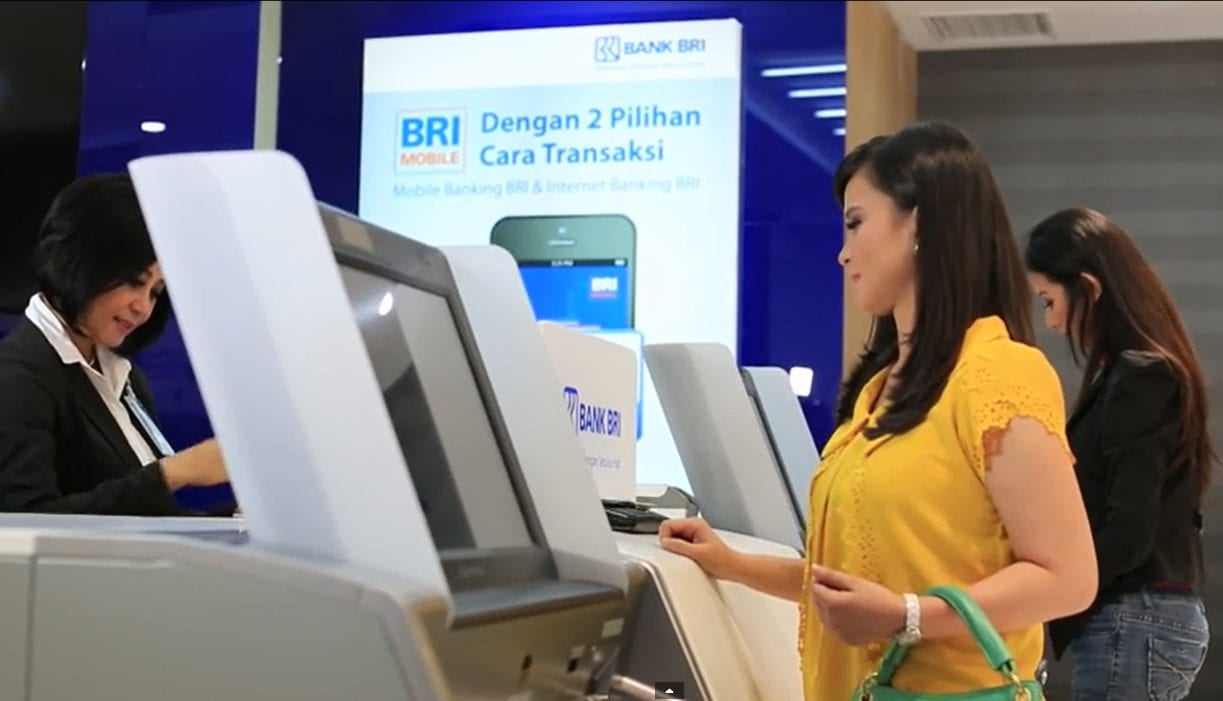
    PT JCB International Indonesia, subsidiary of JCB International Co. Ltd. the international operations arm of JCB Co. Ltd., and PT. Bank Rakyat Indonesia (Persero) Tbk (“BRI”), one of the Indonesia’s largest state owned commercial banks, with specialties in small medium enterprise or small scale & microfinance, are pleased to announce a new partnership for card payment business. This partnership starts from the acceptance of JCB cards at BRI’s acceptance locations, and payment card issuing with JCB brand is also in scope.

    BRI is expanding its consumer business and celebrated the opening of its new branch in Singapore along with the signing ceremony with JCB on 21 August 2015, taking place in front of government official and business owners. Also in attendance were Mr. Asmawi Syam as President Director and Mr A. Toni Soetirto as Managing Director of Bank BRI, as well as Mr. Kimihisa Imada as Deputy President of JCB International Co. Ltd.

    BRI owns a large card acceptance network with over 21,215 ATMs and more than 153,786 EDC terminals (merchants) spread all over Indonesia as of the end of June 2015, and plans to grow a minimum of 85,000 EDC each year. BRI also wants to grow its credit card issuing business a minimum of 25% for issuing model over the 841,000 cards from last year with their unique selling proposition.

    The first phase of the partnership, enabling JCB cards, whose number exceeded 89 million, to be accepted at all of BRI’s 175,001 ATMs and EDC terminals. For ATM acceptance this phase has been in progress since early 2015, while for EDC acceptance, it expected to be launched by the end of this year, followed by phase 2, JCB credit card issuing, which is now being discussed and targeted for 2016.

    Managing Director BRI, A. Toni Soetirto said, “We believe that this partnership would bring a wider network of card acceptance in all of ATMs and EDCs network of Bank BRI throughout Indonesia.”

    Deputy President of JCB International, Kimihisa Imada said, “We are pleased that BRI, as one of the largest commercial banks in Indonesia in term of networks and coverage, has become our partner. This partnership will considerably improve convenience of JCB card usage across Indonesia by adding more than 153,786 acceptance locations. BRI’s broad nationwide network can fulfill the need of local JCB card members who reside in Indonesia as well as those who travel from outside Indonesia, especially in the travel spots and tourist destinations. I am looking forward to extending this partnership to issuing JCB card, whose strength is the quality of service based on the expertise we have gained from experiences providing to customers in Japan for over 50 years. I am sure that the new card product with both reputable brand names will bring new value to the market.”

    About JCB

    JCB is a major global payment brand and a leading credit card issuer and acquirer in Japan. JCB launched its card business in Japan in 1961 and began expanding worldwide in 1981. Its acceptance network includes about 29 million merchants and over a million cash advance locations in 190 countries and territories. JCB cards are now issued in 19 countries and territories, with more than 89 million card members. As part of its international growth strategy, JCB has formed alliances with more than 350 leading banks and financial institutions globally to increase merchant coverage and card member base. As a comprehensive payment solution provider, JCB commits to provide responsive and high-quality service and products to all customers worldwide.

    Note: JCB statistics included in About JCB are as of the end of March 2015. For more information, visit: www.jcbcorporate.com/english

    About Bank Rakyat Indonesia

    Bank Rakyat Indonesia (Bank BRI) was established on December 16, 1895, which marks BRI’s anniversary ever since. Since August 1, 1992, under the Banking Law No. 7 year 1992 and Regulation of the Government of the Republic of Indonesia No. 21 year 1992, Bank BRI’s status has changed into a limited liabilities company. At that time, Bank BRI’s ownership was still in the hand of the Government of the Republic of Indonesia for 100%. In 2003, the Indonesian Government decided to sell 30% of the bank’s shares, marking BRI a public company under the official name of PT. Bank Rakyat Indonesia (Persero) Tbk., which is still used until now.

    Bank BRI is one of Indonesia’s state owned bank with a consistent focus on SMEs business. With more than 10,551 offices including mobile services (e-BUZZ, Teras Keliling and the newly launched Teras Kapal), supported by over 21,215 ATMs and more than 153,786 EDCs (merchant and BRILink), Bank BRI is the largest Bank with the widest network in Indonesia.

    In order to constantly provide the best services to customers and to be the frontrunner in creating financial inclusion by focusing on supporting SMEs business reach all over Indonesia, on 28th April of 2014, Bank BRI signed a contract to purchase and launch a fully owned satellite called BRIsat. Targeted to orbit on 2016, the purchase of BRIsat has made Bank BRI the first and only Bank in the world to own and operate its own satellite.

  • Axiata to restructure Indonesia unit’s loan

    Axiata to restructure Indonesia unit’s loan

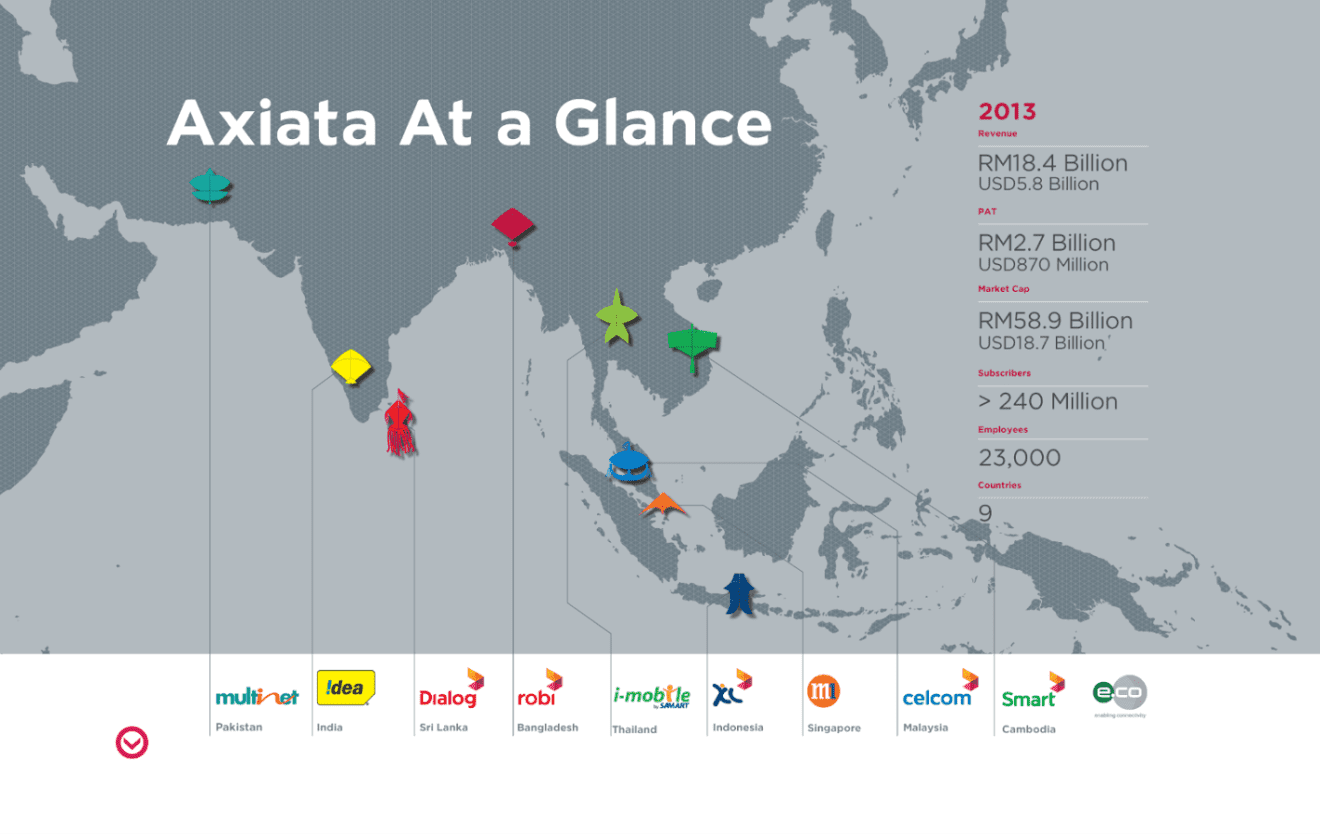
    Mobile operator Axiata Group Bhd, which reported a 34% jump in net profit to RM610.7mil in its second quarter ended June 30, is planning to restructure a US$590mil loan taken by its Indonesian unit into local currency-denominated partial sukuk.

    The move, its chief financial officer Chari TVT said, would help the group manage its foreign exchange (forex) exposure, as the volatility in the currency market rises.

    Apart from Indonesia, group borrowings include a US$134mil debt at its operation in Sri Lanka under Dialog Axiata PLC and US$100mil in Robi Axiata Ltd.

    “We also have an exposure of US$590mil, which is unhedged, in PT XL Axiata Tbk, so the total amount of exposure is about US$823mil, inclusive of Dialog and Robi,” he told reporters at a press conference yesterday.

    For operations in Malaysia, Chari said the group had borrowed some RM5bil, but there was no forex exposure as far as Malaysia was concerned.

    He said this after the mobile operator’s net profit jumped 34.2% to RM610.7mil in the second quarter from RM455mil a year ago, mainly due to lower losses from Indonesia arising from lower forex losses and net finance costs.

    Hong Leong Investment Bank Research said on a turnover of 11.1 trillion rupiah, XL had recorded a core net profit of 84 billion rupiah, accounting for 40% of the consensus estimate of 209.9 billion rupiah.

    The research house noted that XL’s transformation strategy was fruitful and was beginning to show early promising signs and results. “This is evident from several positive leading indicators, including a materially improving subscriber mix, rising reloads per sub, joiner average-revenue-per-user significantly higher than churners’ and an increased share of modern distribution versus traditional,” it said in a note.

    Chief executive officer Datuk Seri Jamaludin Ibrahim said XL’s transformation strategy was on track, as it saw a positive quarterly revenue from the group and plans to strengthen XL’s balance sheet to reduce its dollar exposure.

    Higher profits were also recorded by the Sri Lankan and Cambodian operations, and the share of profits from its associate company in India increased significantly.

    Revenue, however, was marginally lower at RM4.7bil compared with RM4.73bil previously due to lower revenues in Malaysia and Indonesia.

    Chari said the group planned to keep its capital expenditure within the RM4.8bil level this year, but will be more cautious next year, as the ringgit is expected to remain volatile.

    Meanwhile, Jamaludin said the group was reconsidering its listing plans for its Bangladeshi unit.

    “It was true that we had wanted to list out Bangladeshi unit. But that was before they came out with a new rule saying that we did not have to.

    “So, the current status is that we are re-evaluating whether we want the initial public offering or not. There are pros and cons,” he said.

  • Shinhan Card to buy Indonesia’s Salim Group unit

    Shinhan Card to buy Indonesia’s Salim Group unit

    Shinhan Card will acquire a controlling stake in an Indonesian financial company as part of its expansion strategy into emerging markets, the credit card company said Thursday.

    “We will sign a deal next week in Jakarta to buy a 50 percent stake plus a share in Swadharma Indotama Finance from Indonesia’s Salim Group for a bit more than 10 billion won ($8.4 million),” a Shinhan Card spokesman said.

    Shinhan Card plans to hold a board meeting on Aug. 21 to approve the acquisition, with a signing ceremony scheduled on Aug. 26. It aims to launch a joint venture with a new name in Indonesia in November after receiving approval from financial authorities in the two countries in September, the company said.

    Shinhan’s local venture partner will be the existing shareholders who own the remaining stake in Swadharma Indotama Finance, the spokesman explained.

    The exact acquisition price will be decided at Shinhan Card’s board meeting next week, he said.

    “The acquisition is aimed at maximizing synergies between Shinhan Card’s 30 years of credit card business know-how and Salim Group’s nationwide retail networks,” the statement said.

    Salim Group’s businesses include telecommunications, automobiles, leasing, mining energy and foods. Salim Food is Indonesia’s largest food manufacturing company, it said.

    On top of strengthening Swadharma Indotama Finance’s existing businesses, Shinhan Card will seek an approval in Indonesia to enter the local credit card market late next year, the spokesman said.

    If everything goes as planned, Shinhan Card will be the first Korean credit card firm to sell its products and services to Indonesian customers. In fact, it is risky for a credit card company to begin business in foreign countries without accumulated customer data, it said.

    “We will beef up our overseas operations by making a presence in Indonesia following our recent advance to Kazakhstan. Particularly, we will focus on the credit card business in Indonesia in coming years,” Shinhan Card Chief Executive and President Wi Sung-ho said in the statement.

    In July, Shinhan Card opened its first overseas business entity, Shinhan Finance, in Almaty, Kazakhstan, initially to handle auto financing. It plans to sell small loans to individuals from September and introduce lease products from 2017, the spokesman said.

    In Kazakhstan, only banks are allowed to get into the credit card business. So Shinhan Card has to acquire a local bank if it wants to jump into the local credit card market, he said.

    Shinhan Card said it will continue to enter other emerging markets in Southeast Asia based on its experiences in Vietnam, Kazakhstan and Malaysia.

    In the January-June period, Shinhan Card posted a net profit of 352 billion won, up 11 percent from 318 billion won a year earlier, according to a regulatory filing.

  • Courts Asia fortunes improve

    Courts Asia fortunes improve

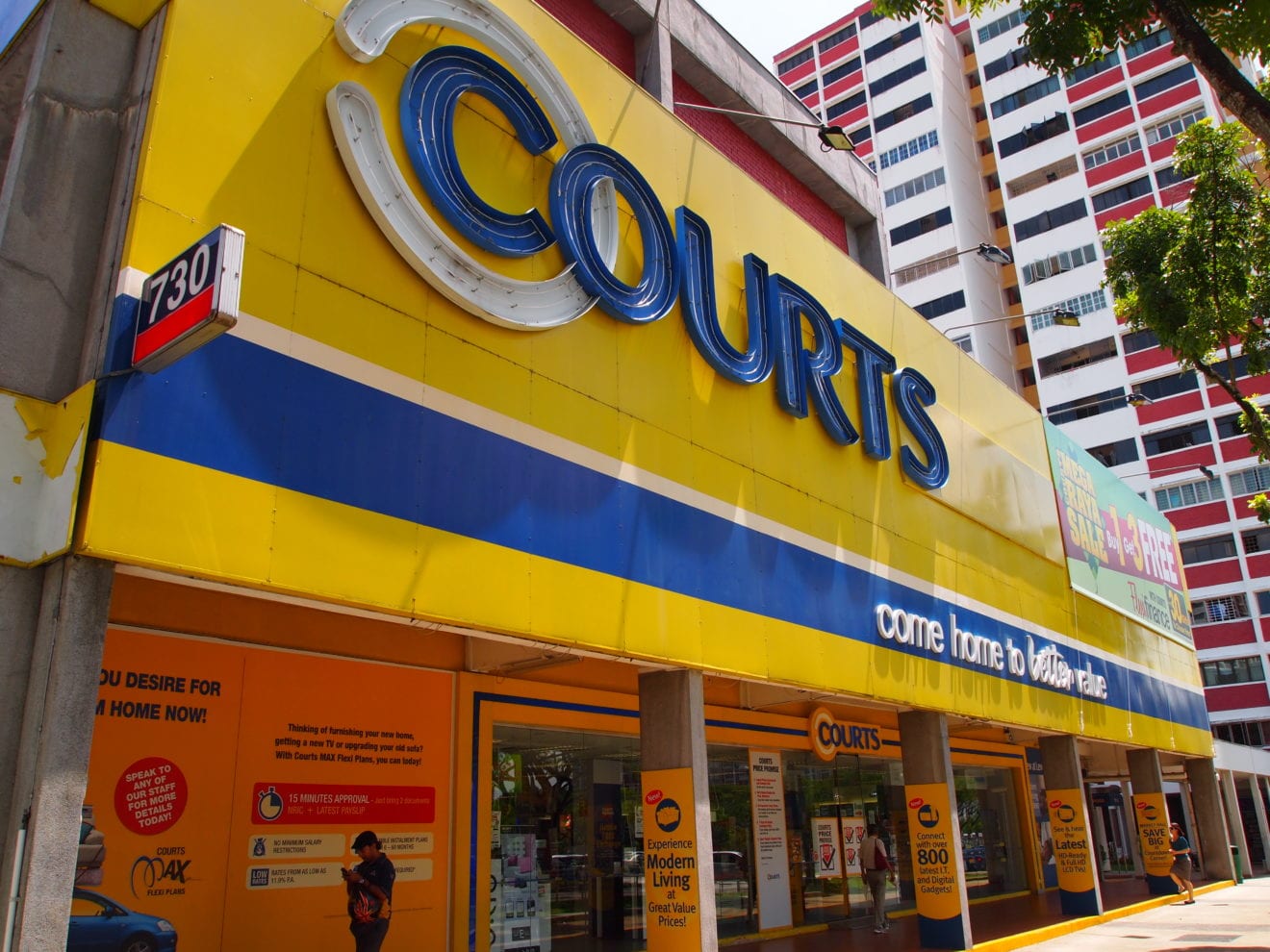
    Strong sales in Malaysia and Indonesia have buffered electronics and furniture retailer Courts Asia from Singapore’s retail downturn.

    The company has reported a 19 per cent increase in quarterly profit, to S$6 million in the three months to June.

    “Our Malaysia business has seen improving profitability with the success of our credit campaign, whilst the Singapore business is still being impacted by the soft retail environment,” group CEO Terry O’Connor said in the earnings statement.

    The Malaysian success will no doubt surprise shareholders and retail analysts given the nation experienced a sharp downturn in retail sales when the goods and service tax was imposed on April 1.

    “For Malaysia, we remain cautiously optimistic on the medium-term outlook. With the Goods and Services Tax implementation underway for several months now, we expect consumption habits to normalise over the next three to four quarters, though the recent weakening of the ringgit may pose some short-term challenges,” he added.

    The ringgit has slumped from 3.5 to USD1 to 4 in less than six months.

    Malaysia accounts for 35 per cent of Courts’ sales, its Singapore home market 63 per cent.

    Indonesia, accounting for the remaining two per cent, is Courts’ newest market. It has three stores operational now with a fourth due to open by December.

    Looking forwards, O’Connor said he expected consumer sentiment in Singapore to remain subdued over the short term.

  • Indonesia liquor retailers brace for downturn

    Indonesia liquor retailers brace for downturn

    Indonesia liquor retailers fear the recent surprise increase in import tariffs on wine and spirits could more than double the price of some drinks.

    Indonesia’s Muslim-controlled government is effectively declaring war on drinkers. In April liquor sales were banned from convenience stores – a move recently blamed by Dairy Farm International for the closure of many of its convenience stores in Indonesia and prompting a strategic review of the entire chain.

    Last month the government announced shock tariff increases on a raft of imported products in a 1970s-styled economic move to protect inefficient local industry and deter imports. This despite its inclusion in the ASEAN bloc which encourages free trade within the region.

    Drinks industry executives told news agency Reuters the tariffs could “more than double prices” that were already sky-high, even by Asian standards. They fear an increase in smuggling activities and a black market for fake alcohol which is already an issue in China and Vietnam, leading to fatalities from people drinking chemical-enhanced fluids sold in fake branded bottles.

    The new tariffs, which took effect on July 23, force importers to pay 90 per cent duty on the value of wine and 150 per cent on spirits. The previous regime was a fixed amount per litre.

    “It’s quite a shock to the industry,” Dendy Borman, a board member at the International Spirit and Wine Association, told Reuters.

    And it could get even worse. Two extremist Islamic political parties want all liquor consumption in the country completely outlawed.

  • CNN Indonesia begins broadcasting today

    CNN Indonesia begins broadcasting today

    CNN Indonesia began broadcasting today marking a historic day for CNN International, Transmedia and the people of Indonesia.

    From brand new state-of-the-art news facilities located in the Transmedia broadcast centre in Jakarta, CNN Indonesia offers viewers a mix of national and international news, plus the latest in business and sport in Bahasa Indonesia.

    The start of CNN Indonesia TV follows the launch of CNNIndonesia.com in October last year. The digital platform is an integral component of the CNN Indonesia brand with the ability to reach Indonesians at home and abroad.

    Jeff Zucker, CNN Worldwide President: “This is an incredibly important day for us. To be able to extend our footprint locally and reach millions of Indonesians is hugely exciting and humbling. We are confident Transmedia will deliver first-class content that appeals to Indonesians all across the country.”

    Gerhard Zeiler, President of Turner Broadcasting International: “Turner is committed to Indonesia and committed to growth and development in the Asia-Pacific region. We welcome CNN Indonesia to the family and look forward to a long and successful partnership.”

    CNN Indonesia is part of a strategic effort by CNN International Commercial’s Content Sales and Partnerships Group. Its core business is to explore ways to reach more consumers locally, regionally and internationally by partnering with other leading media organisations. CNN Indonesia is the latest addition to the CNN family that includes CNN Philippines, CNN Turk and CNN Chile.

  • Coca-Cola Amatil Indonesia and Quiksilver Continue to Preserve Bali’s Beach Ecosystems

    Coca-Cola Amatil Indonesia and Quiksilver Continue to Preserve Bali’s Beach Ecosystems

    As one of the most popular destinations in the world, Bali represents Indonesia on the global scene. To contribute in keeping Bali’s beaches clean and safe, Coca-Cola Amatil Indonesia and Quiksilver are holding Bali’s Big Eco Weekend 2015 from August 14-16, inviting local communities, the government, visitors and industry players of Bali to renew the commitment and take real action to tackle the waste problem in Bali.

    Bali’s Big Eco Weekend is an annual campaign of the regular Bali Beach Clean-Up, both initiated by Coca-Cola Amatil Indonesia (CCAI) and Quiksilver as continuous efforts to bring more attention to Bali’s environmental state and drive more support for the Bali government’s program in creating a ‘Clean and Green Bali’.

    “We’ve invested in the programs since 2007 and it has been a very good collaboration between Coca-Cola Amatil Indonesia, Quiksilver, the Bali government and local communities. While the regular beach cleaning has been contributing impact, through Bali’s Big Eco Weekend we are still calling for more support from everyone in Bali, including both the growing citizens and tourists,” says Kadir Gunduz, President Director of Coca-Cola Amatil Indonesia.

    “At Coca-Cola Amatil Indonesia, we believe that we have roles and responsibilities in helping to create a sustainable environment anywhere we operate. It’s about all of us making the right decisions and taking real actions. We are pleased with the strong support we are getting, especially today. We hope that the commitment will only grow stronger, so together we can continue to preserve our ecosystem,” Kadir adds.

    This year’s Bali’s Big Eco Weekend marks the 8th year of Coca-Cola Amatil Indonesia’s and Quiksilver’s commitment to keeping Bali’s beaches clean & safe. Started in 2007, Bali Beach Clean Up (BBCU) empowers the local communities in Bali by hiring 78 local workers and providing them with regular training in waste management and clean environment awareness. As front-liners, BBCU workers run daily clean-up in 5 iconic beaches in Bali (Jimbaran, Legian, Kuta, Seminyak, Kedonganan) and maximize the clean-up facilities which include 3 surf rakes, 3 garbage trucks, 4 beach tractors, and at least 150 new bins per year. The total amount of waste collected through the program has reached more than 29 million kilograms as of July 2015.

    “We are glad that the collaboration in keeping Bali clean and safe has been going well for 8 years. This cements Quiksilver’s passion and involvement in promoting eco conservation to ensure that Bali’s beautiful beaches and waterways will stay clean and safe for many years to come,” says Paul Hutson, General Manager of Quiksilver South Pacific. “We have Quiksilver’s global athletes joining the Bali’s Big Eco Weekend this year, and everyone is excited to celebrate Indonesia’s Independence Day long weekend on the beaches of Jimbaran, Legian and Uluwatu.”

    Joining the thousands of visitors in rolling up their sleeves and collecting waste on Jimbaran Beach and Padma Beach Legian are Dadang Rizki Ratman, Directorate General for Tourism Destination Development, Ministry of Tourism; Rijaluzzaman, Head of Centre of Development Monitoring on Eco-region of Bali and Nusa Tenggara; Ketut Wija, Deputy Economic & Development of Bali Province; and Quiksilver global athletes, including world champions Mark Richards (4X World Champion), Tom Carroll (2X World Champion), Jake Paterson, Matt Hoy, Kelia Moniz (2X Longboarding World Champion), and Torah Bright (Olympic Gold Medallist).

    Appreciating the attendance, Alison Watkins, Managing Director of Coca-Cola Amatil Group, says the special effort to participate in this iconic weekend supports both Bali’s and Coca-Cola Amatil Indonesia’s commitment to running business and growing together with communities in Bali.

    In 2010, Coca-Cola Amatil Indonesia and Quiksilver built the Kuta Beach Sea Turtles Conservation (KBSTC) in a commitment to support a safe environment. Since then, the number of eggs collected has significantly increased from 1,947 eggs in 6 years (2002-2008), to 122,230 eggs in the next 6 years (2009-2015). The Bali’s Big Eco Weekend crowd today participated in releasing approximately 1,000 baby sea turtles back to the sea.

    The turtle release wrapped up a day of various eco activities including ROXY Challenge Run-Sup-Yoga, meet and greet with the ROXY surf team, Coke Kicks, lifeguard race, fun sea turtle release, CSR exhibition, Kecak dance performance, and the renowned beach clean-up. On Sunday, visitors are welcome to join the surfing legends in WSL Quiksilver Uluwatu Surf Challenge 2015, also part of the Bali’s Big Eco Weekend, proudly co-sponsored by Coca-Cola Amatil Indonesia and Australian Embassy Jakarta.

    For more information about Bali’s Beach Clean Up program, download the latest Infographic at bbew.coca-colaamatil.co.id.

  • This German duo launched an eyewear brand in Indonesia

    This German duo launched an eyewear brand in Indonesia

    When German entrepreneur Marc Uthay set his eyes on Southeast Asia in 2013, he thought the e-commerce market was already pretty cramped. There was Rocket Internet’s everything store, Lazada – essentially an Amazon clone. Zalora, another Rocket-backed venture, specialised in fashion. On top of them, a range of local and foreign e-commerce start-ups offered everything from gadgets to shoes.

    But after some research, Uthay did find a promising niche: eyewear. He discovered that although millions of people in Southeast Asia need prescription glasses or contact lenses, the variety of brands and styles available was limited and the infrastructure to order online not well developed.

    The goal was to capture a chunk of the eyewear industry in Southeast Asia by selling online. Uthay got Christian Csermak on board to help kickstart the company in Southeast Asia. Csermak previously built a custom-made eyewear brand in Germany, called Mercy Would – with a concept similar to Warby Parker in the US.

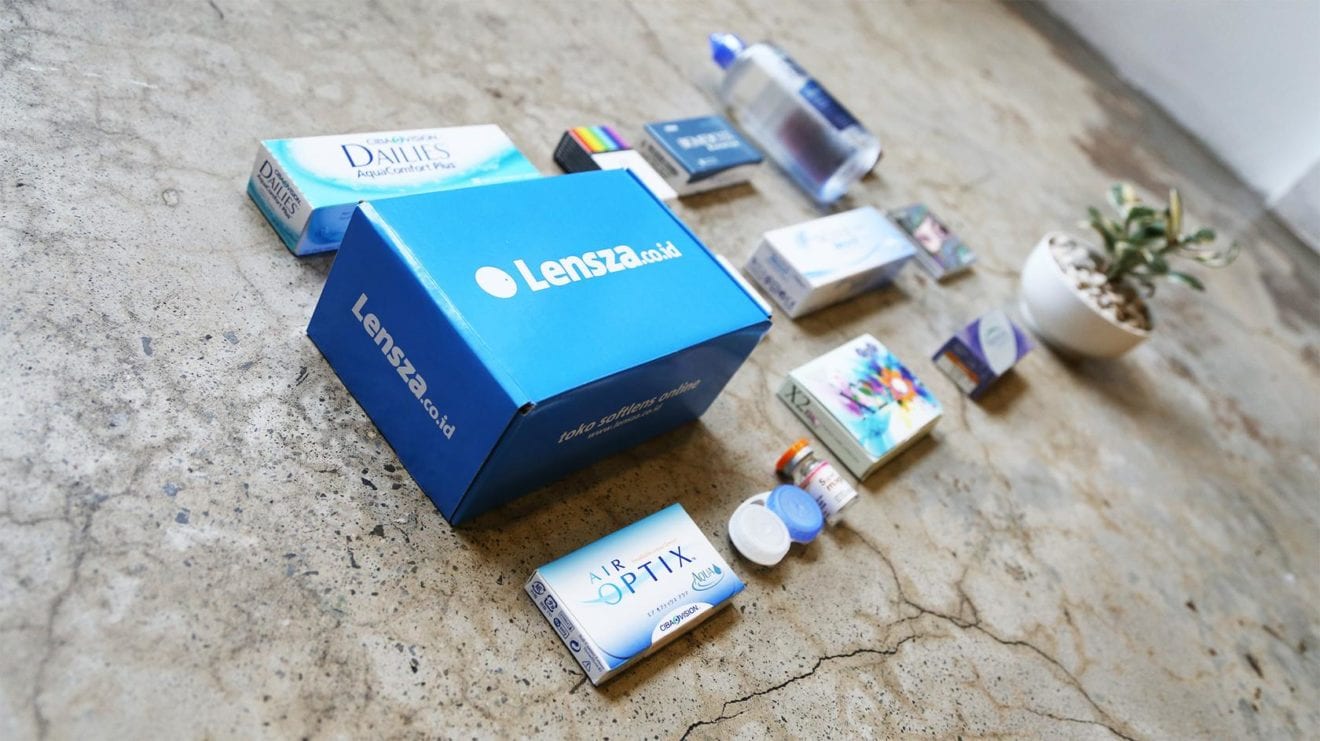
    Uthay’s and Csermak’s first milestone was to build Lensza, a one-stop shop for contact lenses and eye-care products. Lensza covers a broad range of lenses from different manufacturers, with an emphasis on coloured lenses, which are popular in Asia. They launched the site in early 2014. But the goal was never to build just an e-store.

    Once Lensza was up and running, Uthay and Csermak drew up a concept for a new, Warby Parker-like fashion eyewear brand for the Indonesian market. They named it Franc Nobel. The first collection of frames launched in June.

    Currently, Franc Nobel’s frames are imported, but Uthay plans to bring the entire production to Indonesia in the near future.One challenge, Uthay says, is that people like to try out glasses before they commit to buying a pair. The start-up is testing various methods to address this.

    Late last year, Uthay and Csermak raised a “low six-digit” round of seed funding from Crystal Horse Investments for their lens and eyewear ventures. For now, they are focusing on the Indonesian market. Expansion across the region could be tough, because similar concepts already exist in other markets.
    One direct competitor in Southeast Asia is Four Eyes, which started in the Philippines in 2013 and is also available in Singapore. Another is Specsdirect in Malaysia.

  • aCommerce recruits new CXOs for Indonesia operations

    aCommerce recruits new CXOs for Indonesia operations

    Norwegian international management executive Snorre Larstad​ will take the lead as aCommerce Indonesia CEO. Larstad previously worked as a chief strategy office for the Morris Group in China.

    Meanwhile, the company has also hired H​adi Kuncoro to lead its Indonesian operations for IT and supply chain management. This follows stints by Kuncoro in co-founding an Islamic fashion e-commerce company​ and a successful founding role at Rocket Internet’s Zalora Indonesia.

    Commenting on the leadership appointments, Paul Srivorakul, group CEO of aCommerce, said,“We’ve seen unparallelled growth in Indonesia and it is on track to become our most important strategic market.”

    Srivorakul added, “With Snorre’s experience scaling and managing huge and complex international retail businesses and Hadi’s success rate in building massive ecommerce operations in Indonesia we are confident that this pairing will streamline our incredible growth and gear us up for the next phase of our commercial development in Indonesia.”

    Indonesia recently became aCommerce’s biggest regional operation, with August seeing it reach a manpower count of 360 staff, surpassing the growth of its operations in Thailand and the Philippines. July 2015 also saw aCommerce Indonesia double its warehouse capacity to 9332 square metre. A new Pondok Ungu fulfilment center of more than 5232 square metres was added to supplement the current 4100 square-metre Halim facility.

    aCommerce Indonesia currently powers ecommerce for major brands and retailers such as Matahari Mall, HP and L’Oreal. According to official statements, the demand for aCommerce’s services in Indonesia exceeded forecasts due to the rapidity and growth of heady new entrants to the Indonesian e-commerce space and the growth in major clients signed.

    This internal round was targeted at funding the development of further competencies in marketing, technology platforms, expanding warehouse space and recruitment. The addition of Snorre and Kuncoro to the team brings significant knowledge capital to aCommerce as its scales up operations in Indonesia and the region.

    In a media release, Snorre stated: “This is an exciting time to be in the ecommerce industry in Indonesia. With ecommerce still accounting for much less than one per cent of retail in Indonesia, I will be continuing the work of positioning aCommerce as the key driver of ecommerce industry development across the archipelago.”

    Snorre succeeds previous CEO Hadi Wenas, who has taken up the role of CEO as M​atahariMall.com.​ Previous co-CEO Adrian Suherman has shifted to an executive role within the Lippo Group.

    Snorre speaks fluent Chinese and his twenty years in international management have predominantly taken place in Asia, with a career involving roles across the retail, manufacturing, supply chain, shipping, strategy and financial advisory sectors. Snorre had also previously worked for AT Kearney as a strategy consultant, advising CXOs on M&A, supply chain and growth strategies across multiple industries on a global scale.

    A member of i​dEA​ and deputy chief of the Indonesia L​ogistics Association, new COO​ Kuncoro previously served as the COO of First Logistics and as VP and operations director at Zalora Indonesia. Kuncoro brings deep domain experience in r​etail management, supply chain and domestic and cross-border logistics across consumer goods and retail industries.​

    Indonesia is slated to become the biggest ecommerce market in Southeast Asia, with a recent AT Kearney report estimating the market to grow to reach $30 billion in value over the next few years, up from the $1.3 billion in 2013.

    “In Indonesia, we envision that the industry is about to enter into a rapid growth phase. aCommerce will be at the forefront of providing the solutions for any obstacle in the growth path of the ecommerce industry,” said Snorre.

    According to aCommerce, the latest CXO recruitments are in preparation for a Series B round and further scaling of its operations in Indonesia and the region. Earlier this year, it raised a $5 million internal bridging round in preparation for a Series B round of funding.

  • Tony Roma’s Indonesia enters Surabaya

    Tony Roma’s Indonesia enters Surabaya

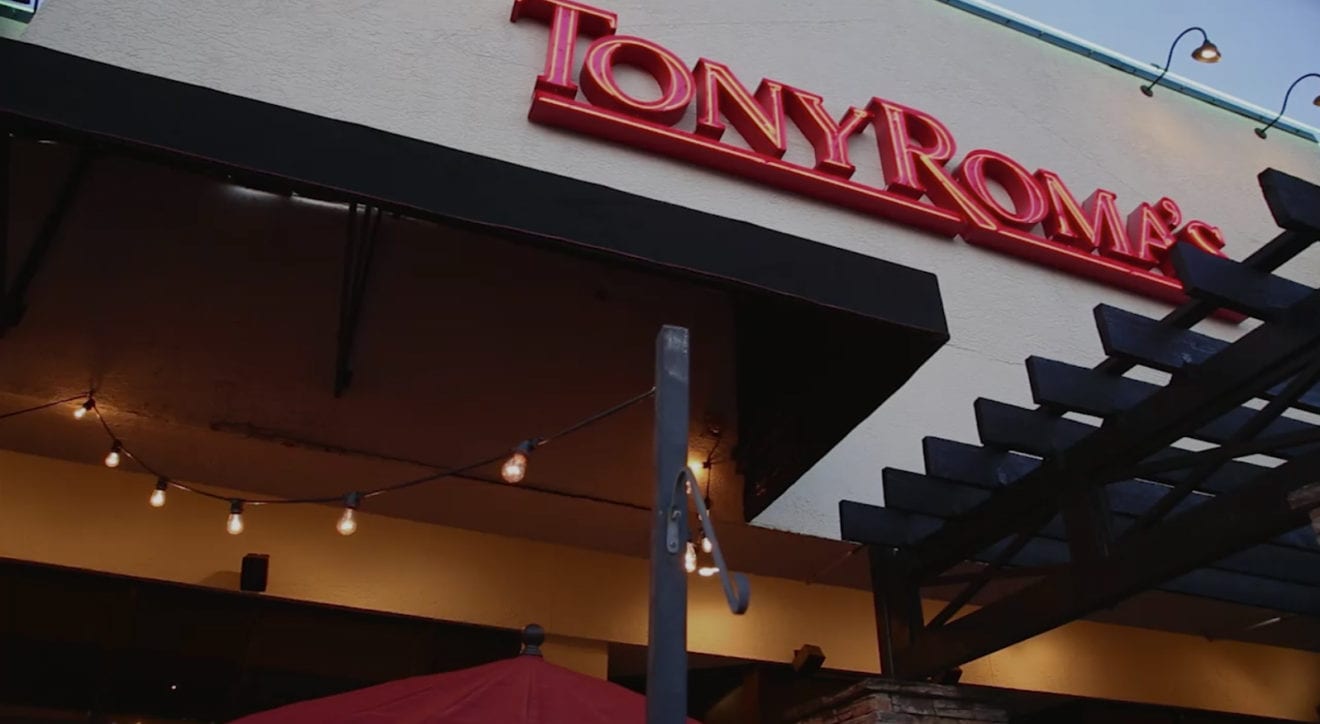
    Romacorp, US parent of Tony Roma’s, has opened its first restaurant in Surabaya, Indonesia.

    The restaurant opened on Kupang Indah St –  locally known as the “restaurant street” – a popular destination for locals and tourists in Indonesia’s second biggest city.

    With three Tony Roma’s Indonesia restaurants in Jakarta and one each in Tangerang and Bali,  Surabaya makes it six. The restaurants in Surabaya, Jakarta, and Tangerang are owned by Mas Millennium, and the restaurant in Bali is owned by PT WDI Indonesia.

    “Our franchise partner Mas Millennium has been working with us since 1991, operating Tony Roma’s restaurants in four Asian countries, and we’re excited to continue our relationship with them,” said John Brisco, president of international for Roma Systems.

    The 6458 sqft restaurant has seating for 212 including a semi-private and private dining room, a full-service bar, and a courtyard for outdoor dining underneath a glass ceiling.

    “We are very excited about the opening of our first Tony Roma’s restaurant in Surabaya. Second only to Jakarta in size and importance, and with a population of around 3 million residents, we are confident that this restaurant will perform well,” said Lucy Prananto, president & CEO of Mas Millennium.

    “With very few international restaurant chains in Surabaya, Tony Roma’s casual dining concept, offering great tasting, true American cuisine will be a hit among locals and foreign patrons.”

    Romacorp now has more than 150 restaurants in more than 30 countries and also operates the newTR Fire Grill concept, a chef-inspired American bistro in Orlando, Florida.