Tag: Indonesia

  • Indonesia plays hardball with smartphone manufacturers

    Indonesia plays hardball with smartphone manufacturers

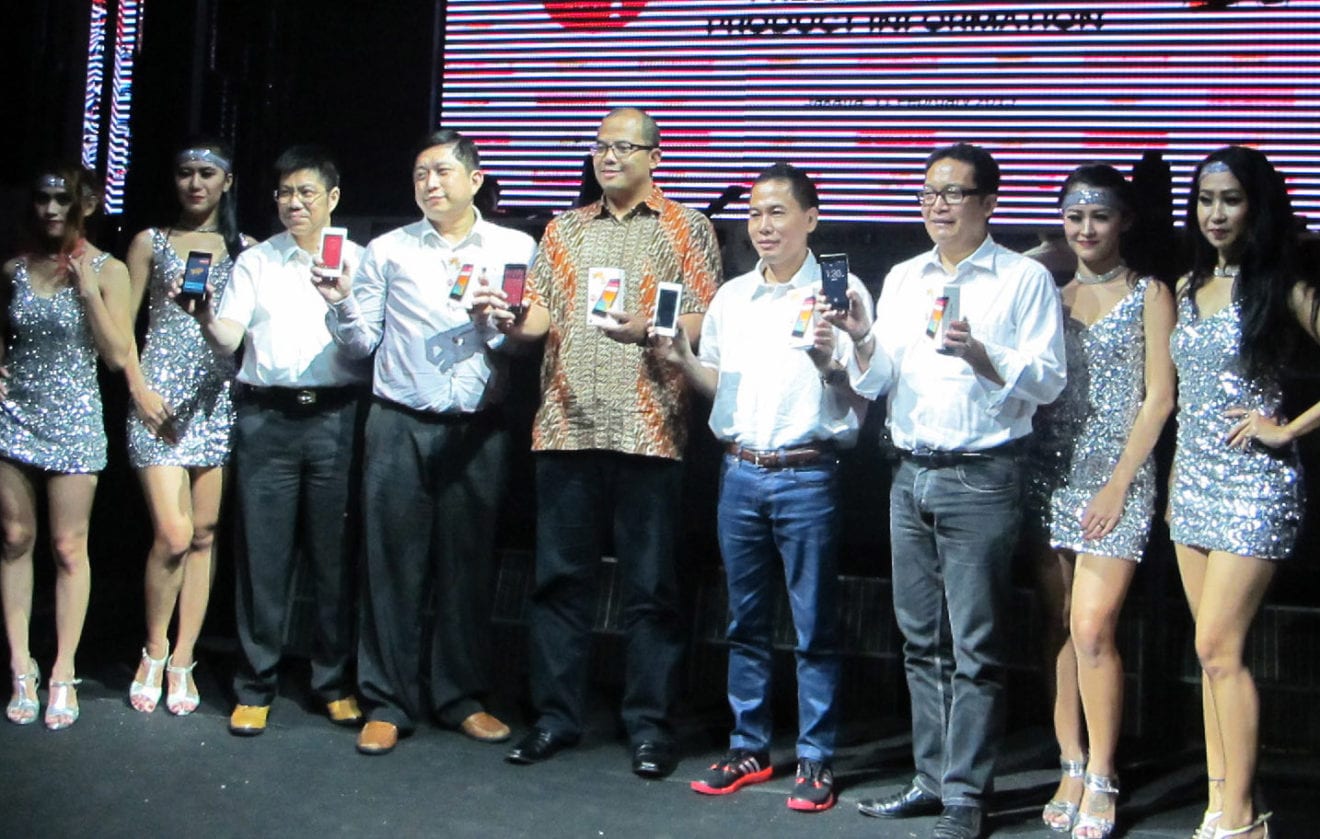
    When Polytron became the first Indonesian company to produce 4G-capable smartphones last year, it changed the “Manufactured in China” inscription on its handsets to “Made in Kudus”, a town in Central Java.

    Polytron relocated production from China to comply with “local-content” rules introduced in 2012. The regulations have raised concerns about higher manufacturing costs and hung question marks over an industry championed by the Indonesian government.

    The United States has pressed Indonesia to relax the rules, which it says will hamper efforts of tech giants such as Apple to expand into one of the world’s last big markets where use of smartphones has yet to truly take off.

  • Starbucks Indonesia to double network

    Starbucks Indonesia to double network

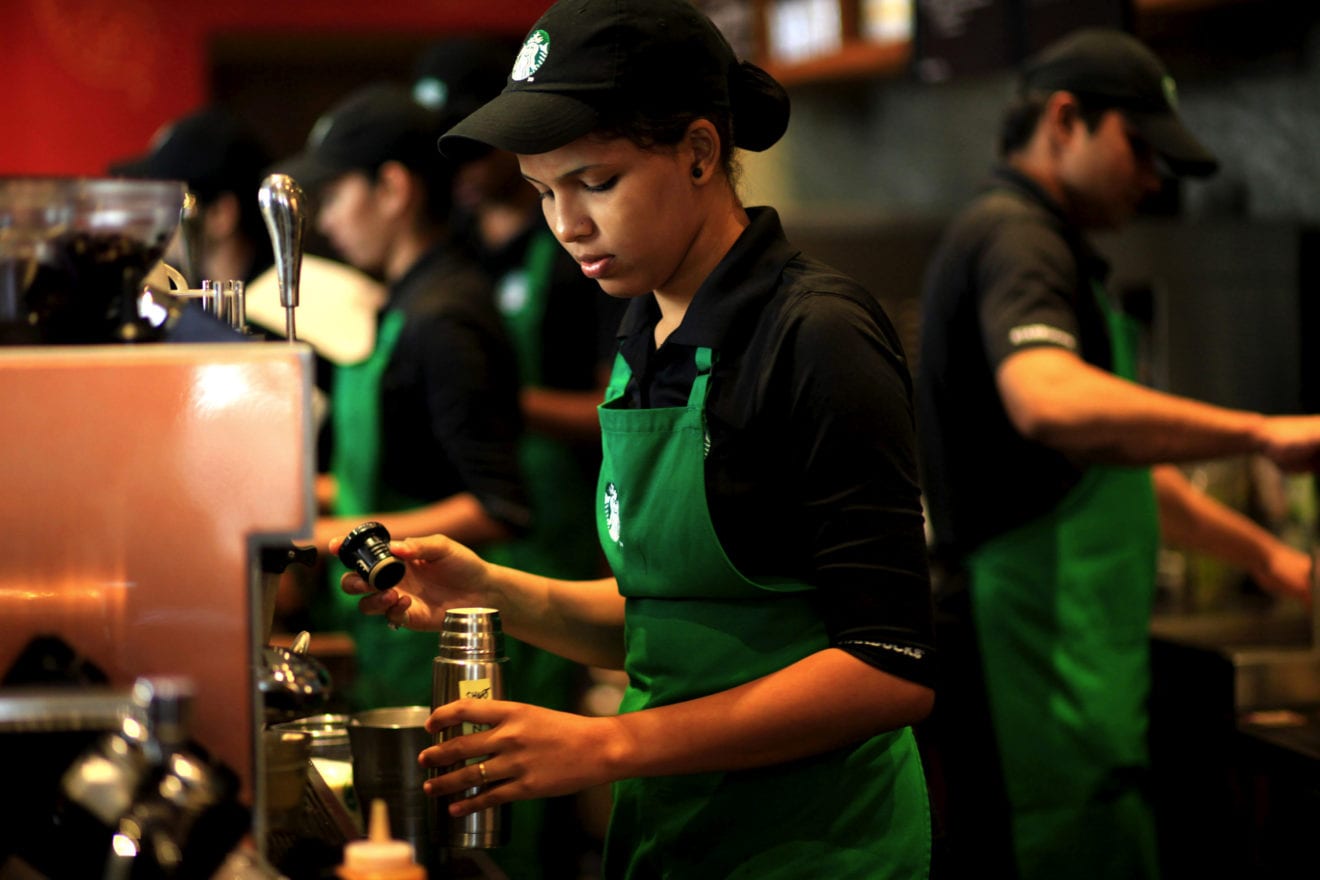
    Starbucks Indonesia plans to double its current 200-strong store network within five years.

    In an interview with Indonesia Real Time, Starbucks Indonesia COO Anthony Cottan says demand is growing for the American-based global coffee giant’s products – and so, too, is Indonesia’s middle class.

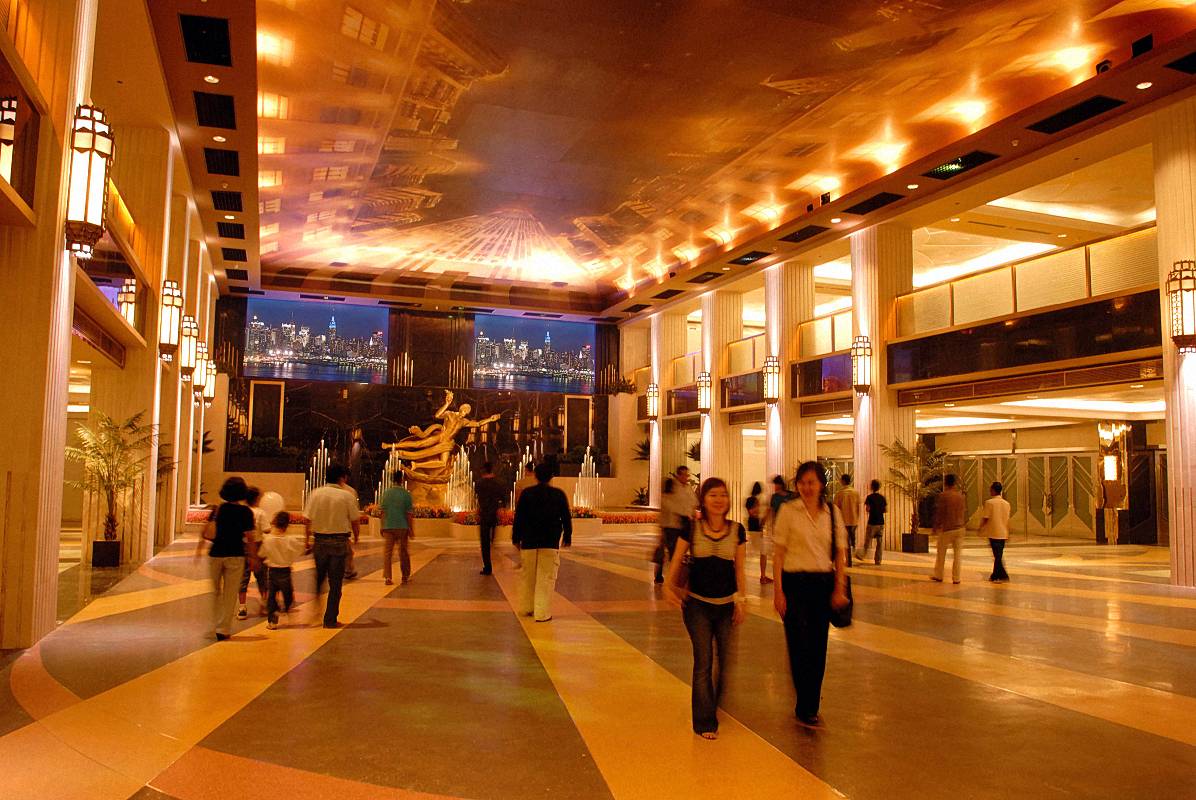
    Starbucks made its Indonesian debut in 2002, opening its first store in the luxury Jakarta mall Plaza Indonesia. It now has cafes in 13 of the nation’s larger cities, located in shopping centres, airports, hospitals and motorway laybys.

    Cottan said the company plans to introduce bubble tea in June in a trial in several stores and is planning its first ‘Community store’, which, like those in markets like Thailand and Korea, will return a share of profits to community causes.

    He said it was great that Indonesians are adopting more of a coffee cultures.

    “More people are doing it and taking a deeper level of interest. I love all these independent coffee shops; they have great coffee. They roast it fresh, using Indonesian beans most of the time.”

    Starbucks Indonesia is trying to make its global culture relevant to the Indonesian market, Cottan said.

    “We try to make each [cafe] relevant to its neighborhood. The [outlet] in Grand Indonesia Mall has a very Batavia feel about it. The one we have in Stasiun Kota (in central Jakarta)… has an industrial look. So just because we’re a big company doesn’t mean that we can’t build with some consciousness and some connection to heritage. That makes it more exciting,” he told Indonesia Real Time.

  • Indonesia’s 1st Aeon Mall to open in May

    Indonesia’s 1st Aeon Mall to open in May

    Shopping mall developer Aeon Mall Indonesia and real-estate giant Sinar Mas Land, have joined forces to open Indonesia’s first Aeon Mall on May 30, a company executive revealed on Wednesday.

    The new joint entity behind the shopping center has been named Aeon Mall Sinarmas Land Indonesia, or AMSL

    The announcement confirms a report  detailing the endeavor in GlobeAsia last October, which also quoted Sinar Mas Land director Ishak Chandra in estimating that the project would cost between $150 million and $200 million.

    Located in BSD City, a Sinar Mas Land township in Tanggerang on the southern outskirts of Jakarta, the mall will house 280 stores — 47 of which are part of popular Japanese franchises.

    Nearly half of these brands are completely new to Indonesia, AMSL operations manager Adrian Pranata said.

    Ryuma Okazaki, president director of both AMSL Indonesia and Aeon Mall Indonesia, said the joint venture is expected to attract 12 million visitors a year.

    Its main target market is middle to high-income consumers living in BSD City, Tanggerang, West Jakarta and North Jakarta, he added.

    Land and construction costs of the 100,000-square meter mall ultimately reached $160 million.

    Aeon Mall Indonesia is a local arm of Japan-based shopping mall developer and operator Aeon, while Sinar Mas Land is the property holding company of giant conglomerate Sinar Mas Group, which owns a diversified businesses across the country. Aeon Mall Indonesia contributed 67 percent of the shopping center’s investment.

    Okazaki also confirmed Aeon’s plan to open 20 new malls in Indonesia, mainly in West Java and the Greater Jakarta area — which includes Bogor, Tanggerang, Bekasi and Depok — to tap into Indonesia’s rapidly growing middle class.

    The Japanese company had set a five- to eight-year investment plan worth 80 billion yen ($667.57 million) in 2013.

    Okazaki added that the investment costs may have surged by now, due to inflation, foreign exchange fluctuations and higher construction costs.

    Adrian of AMSL said Indonesia’s second Aeon mall will likely be located in Jakarta Garden City, a township in East Jakarta developed by Sinar Mas land rival Modernland Realty.

    Construction is scheduled to commence in May, he added.

  • WeChat makes e-commerce push to serve growing users in Indonesia

    WeChat makes e-commerce push to serve growing users in Indonesia

    The developers of the popular multi-platform messaging app WeChat have rolled out an e-commerce offering through the app to tap the boom in the number of Indonesians using smartphones and engaging in online transactions.

    The app now offers a new feature called Official Account, which provides digital marketing platforms for companies that makes it easy to promote information and services to customers through the application.

    Through these features, WeChat users can reserve a hotel room, order a take-out meal, sign up for a coupon program, or carry out a financial transaction, according to Benny Ho, the Hong Kong-based director of business development at Tencent, the Chinese internet giant behind WeChat. Ho said the possibilities were “limitless”, depending on what service a company wanted to provide to its customers.

  • Lazada Group aims to double freight hubs in Indonesia

    Lazada Group aims to double freight hubs in Indonesia

    E-commerce giant Lazada Group is set to spend more to develop its logistical system, planning to double its supply hubs in the country by year-end, the firm’s country representative has said.

    Lazada Indonesia CEO Magnus Ekbom said on Thursday, while marking the firm’s third anniversary, that the Lazada Group had secured a total of ¤700 million euros (US$749.4 million) since its establishment in 2012.

    Most of the investment was allocated to develop the group’s logistical system and human resources, he said.

    “In logistics, we’re expanding our capacity and we’re going to be better […]. We want to shorten our delivery period,” he told reporters.

    With more than 17,000 islands that have poor infrastructure facilities, Indonesia poses a challenge for any e-commerce players in expanding their outreach.

    “However, we see it as a massive opportunity […]. In January, we opened a 12,000-meter-square warehouse in Cakung, East Jakarta,” Lazada Indonesia chief commercial officer Rene Janssen said, claiming that it was the biggest that any e-commerce player in the country ever had.

    Ekbom said that his company currently had two warehouses in Jakarta and aimed to open new ones in the coming 12 months.

    “In addition to that, we will also double our Lazada fleet base stations or supply hubs,” he said, adding that his firm currently had around 20 hubs nationwide.

    Ryn Hermawan, Lazada Indonesia senior vice president for operations, was quoted by kontan.co.id as saying that Padang in West Sumatra, Lampung in Bengkulu, Mataram in West Nusa Tenggara and Kupang in East Nusa Tenggara would be among the intended locations for the new hubs.

    Other than adding to its warehouses and logistical hubs, Lazada Indonesia would also give a big push to bring in more international products that were not available yet, Ekbom said.

    He went on to say that his firm aimed to have millions of products this year, emphasizing that it added hundreds of thousands of products every month.

    While declining to share data on the number of merchants his firm currently had, Ekbom said that the marketplace accounted for 85 percent of Lazada Indonesia’s total transactions, a surge from only 10 percent at its commencement.

    Lazada runs its business by both becoming both an online retailer and marketplace for other online merchants.

    Ekbom said that he was optimistic that his firm would continue to grow in the country as Indonesia had one of the fastest growing e-commerce markets.

    He hinted that Indonesia contributed significantly to Lazada Group’s total gross merchandise value of more than $70 million last year. Besides being in Indonesia, the group currently operates in the Philippines, Malaysia, Singapore, Thailand and Vietnam.

    Indonesia’s e-commerce market itself is forecast to grow to $25 billion next year from only $8 billion in 2013, according to e-commerce provider Vela Asia.

    A number of e-commerce players, both online retailers and marketplaces, have planned to develop their businesses. Lippo Group has recently launched shopping website mataharimall.com and planned to invest $500 million. Existing marketplaces such as Bukalapak and Tokopedia have also secured some new funding. – See more at: https://www.thejakartapost.com/news/2015/03/20/lazada-group-aims-double-freight-hubs-indonesia.html#sthash.sXZvznBO.dpuf
  • Indonesia retail sales bounce back

    Indonesia retail sales bounce back

    Indonesia’s retail sales grew by a surprisingly high 10.4 per cent in January, fueled by sales of IT and communication equipment, food and beverages.

    Bank of Indonesia data released Tuesday showed the growth considerably higher than December’s 3.3 per cent, which was revised down from an early indicated 4.3 per cent.

    The bank collates figures from a sample of 650 retailers in 10 major Indonesian cities to create monthly trend data.

    The retailers also collectively predicted strong growth would continue in February and that inflationary pressure would ease due to smoother distribution. Fuel prices have also fallen and individual spending power was on the rise.

    While the growth was higher, it is still below the 11.4 per cent of November and the 17.6 per cent of October, but ahead of September’s 8.9 per cent.

  • Singpost to target Indonesia eCommerce

    Singpost to target Indonesia eCommerce

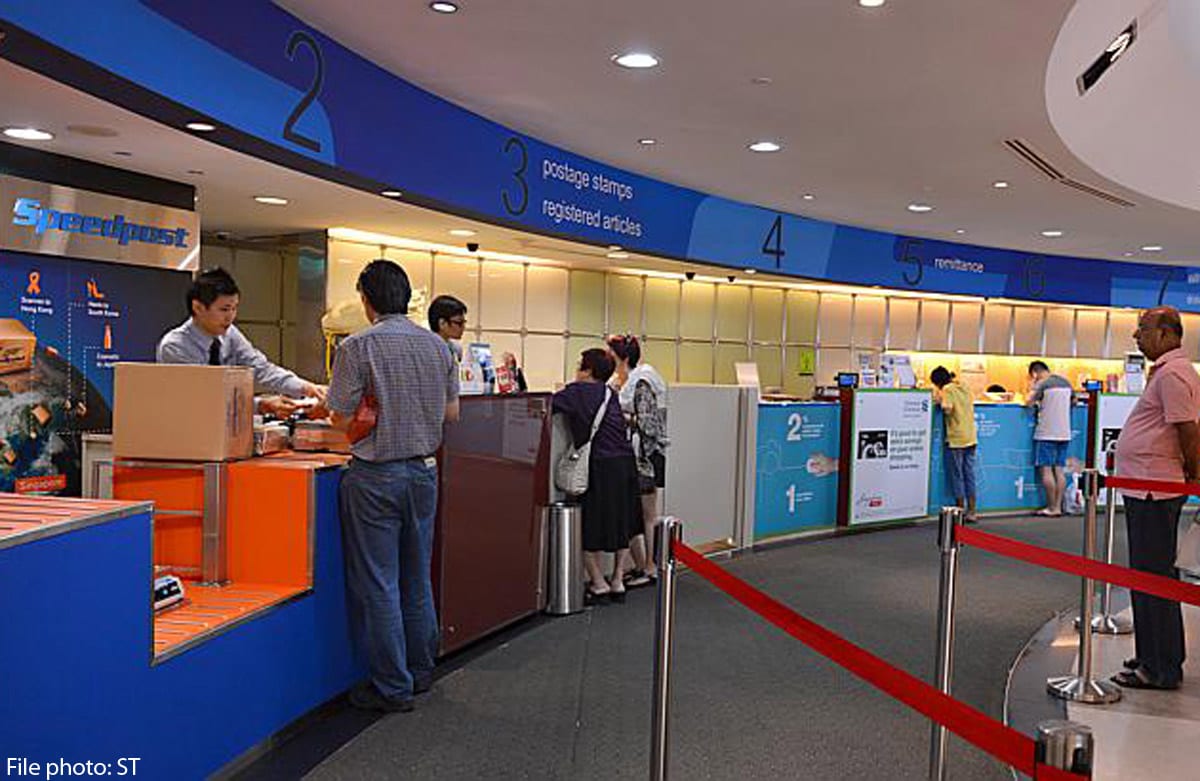
    Trikomsel, one of Indonesia’s largest mobile device retailers, and SingPost, one of Asia’s biggest logistics providers for eCommerce, have announced a partnership to take advantage of the growing opportunities of eCommerce in Indonesia.

    The name – and even the exact nature – of the joint venture is still a mystery. However, the two firms are certain that they will create a company that acts as a partner for local brands and merchants in the eCommerce space. The project will combine Trikomsel’s distribution channels in Indonesia and SingPost’s expertise in logistics and eCommerce on a regional basis. In a statement, the firms say that the goal is to provide a complete eCommerce shopping experience, although they did not share any details of their plan.

    Trikomsel will take a majority stake of 67 per cent ownership in the joint venture and SingPost, through wholly owned subsidiaries such as SP eCommerce, will take the remaining 33 per cent. Similar to aCommerce, SP eCommerce provides a variety of solutions for eCommerce businesses including the use of technology, operations management, warehousing, delivery, payment and parcel collection, digital marketing, and post-sales support.

    “With the expertise, technology, and powerful resources owned by both parties, we are optimistic that this cooperation will be able to meet expectations and provide innovative services to our customers throughout Indonesia,” says Sugiono Wiyono, president director at Trikomsel.

    SingPost Group CEO Wolfgang Baier, says that he too is optimistic, as Indonesia is soon expected to become the world’s third-largest consuming nation.

    “As a regional company that encourages the growth of eCommerce, it is important for us to find a good business partner in emerging markets,” says Baier. “Trikomsel has extensive access and retail distribution throughout the nation. Trikomsel will also be able to utilise our expertise in logistics and eCommerce.”

  • Luxury Italian fashion lands in Indonesia

    Luxury Italian fashion lands in Indonesia

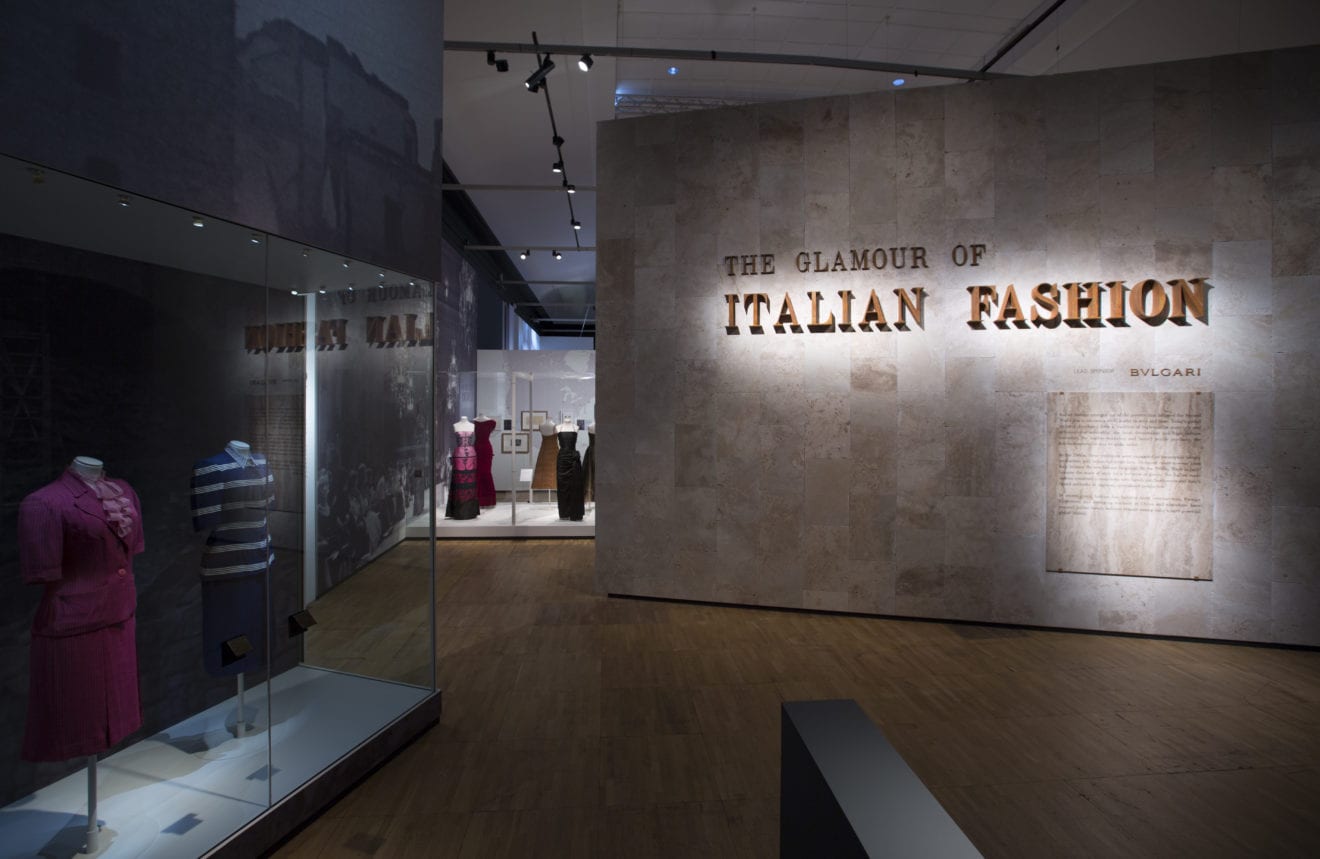
    A new chain of stores selling “super premium” luxury Italian fashion has debuted in Indonesia.

    Founded by local entrepreneur Ricky Ahluwalia, True Italy has opened its first store in Jakarta’s Plaza Menteng.

    Ahluwalia says True Italy aims to sell premium Italian fashion brands at low prices – “It’s like buying gold at the price of silver”.

    But there is a catch: Ahluwalia’s business model is to buy previous season’s collections at closeout prices.

    “True Italy not only performing business, but also serving the market, fulfilling dreams of individuals, who now have access to super luxury Italian fashion items at prices comparable to normal department store brands.”

    Ahluwalia has more than 15 years experience in the fashion retail industry, after graduating from USCLA. His most recent role before founding True Italy was CEO of Royal Indo Traders.

    True Italy will initially focus on the Jakarta market where more stores as planned.

    Ahluwalia says his aim is to become “the leading multi branded Italian retail chain in Indonesia”.

  • Indonesia to regulate e-commerce

    Indonesia to regulate e-commerce

    The Indonesian government has begun laying the groundwork to regulate e-commerce activities in the country amid breakneck growth in online transactions, particularly among the country’s young and affluent middle class.

    Chief economics minister Sofyan Djalil called for a series of discussions between officials from the trade, finance and communications ministries, among others, to discuss a new government regulation on electronic-based commerce a week ago, according to Rudiantara, the communications minister.

    He said the various ministries had their own issues to address in terms of regulating e-commerce.

  • Alfamart Philippines targets 3000 stores

    Alfamart Philippines targets 3000 stores

    Indonesian c-store format Alfamart is making steady progress in the Philippines after local retail giant SM Group entered a joint venture.

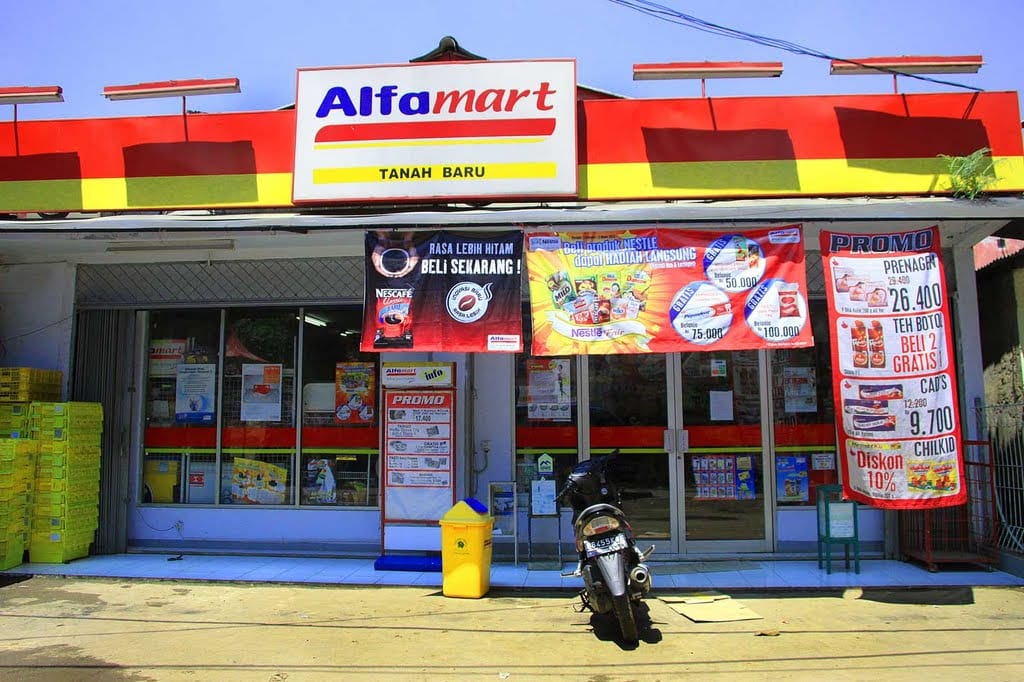
    Alfamart operates some 8500 convenience stores in Indonesia and now the brand is expanding into Philippines, where the c-store sector is still in its development stage.

    SM Supermarkets president Joey C. Mendoza told the Philippine Star newspaper that at the end of 2014, his company had opened 22 Alfamart branches after the two companies partnered in July. The first store in Trece Martires in Cavite, near Manila.

    Another eight have opened already this year.

    Alfamart Philippines stores stock basic groceries, foods, medicines and convenience foods 24 hours a day.

    SM expects strong growth during the next five years, believing critical mass for the chain is between 1000 and 3000 stores.

    Alfamart Indonesia is providing SM Group with experience and advice on the format’s expansion, stocking and rollout.

    Each store ranges from 150 sqm to 300 sqm in size and costs a maximum of P30 million (US$681,000) to open.

  • E-Commerce giant Rakuten trains SMEs in Indonesia

    E-Commerce giant Rakuten trains SMEs in Indonesia

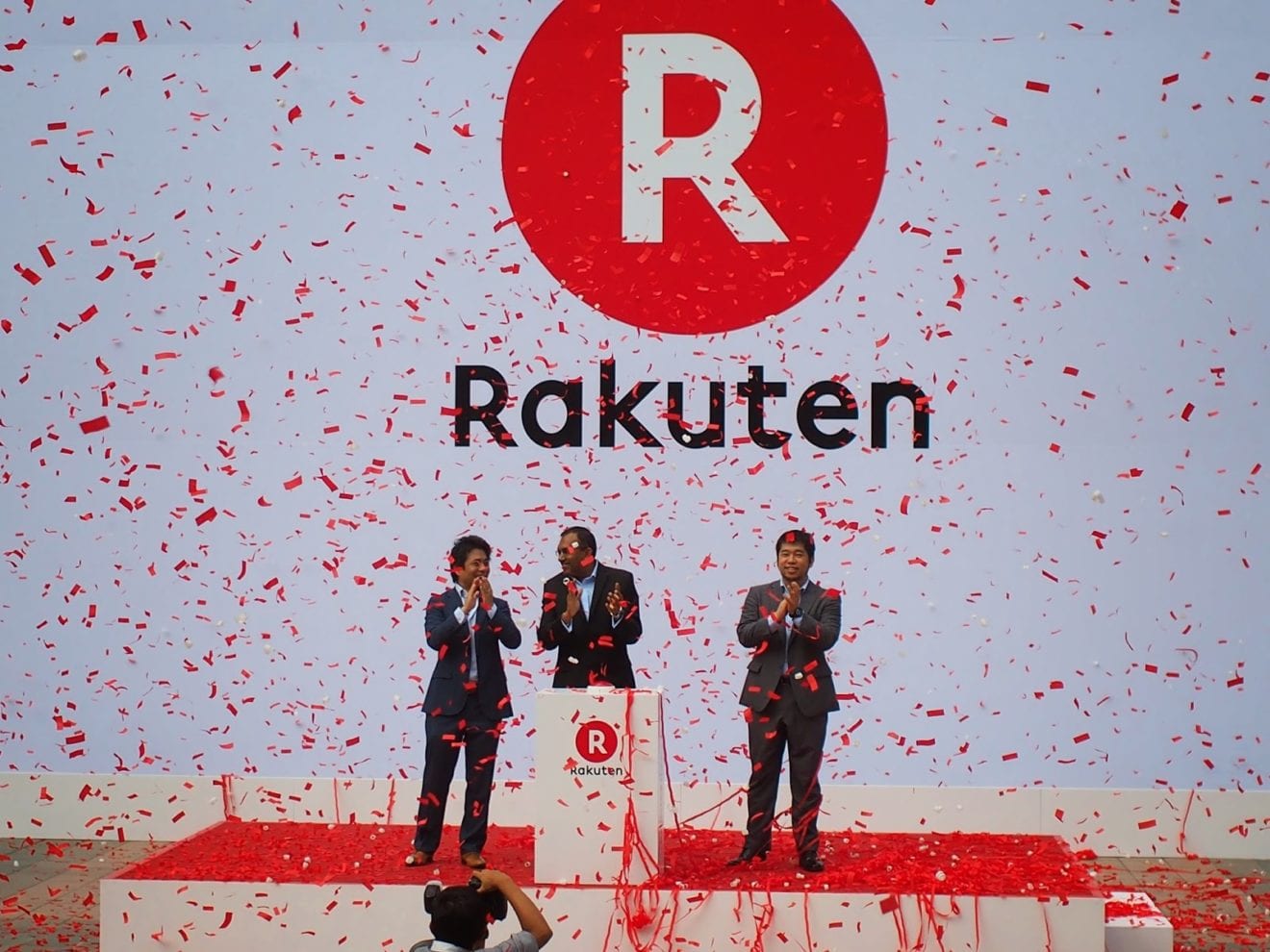
    Rakuten Belanja Online, the local affiliate of Japanese e-commerce giant Rakuten, seeks to woo Indonesia’s small- and medium-sized enterprises by providing e-commerce courses as part of its growth strategy in Southeast Asia’s largest economy.

    Global e-commerce players such as Rakuten are eying Indonesia as a potential market, largely due to the rapid growth the country’s young and affluent middle class.

    The online shopping platform earlier this week officiated Southeast Asia’s first Rakuten University program, consisting of a series of courses the company offers to its merchants.

  • PE boost for Indonesian malls

    PE boost for Indonesian malls

    A US-based private equity investor has committed up to US$200 million in a joint venture to roll out shopping malls in Indonesia.

    Nirvana Development, which describes itself as “an emerging real estate developer and operator” in Indonesia, has formed a joint venture with an affiliate of Warburg Pincus, a leading global private equity firm focused on growth investing.

    WP, will commit US$125 million initially with an option to invest up to an additional US$75 million in the JV, which will build and develop a “best-in-class retail platform in Indonesia”.

    In a statement, Nirvana said the venture will focus on developing hypermarket-anchored shopping malls across second- and third-tier cities in Indonesia to capitalise on the growth opportunities coming from rapid urbanisation, emerging consumption and outsized economic growth in these areas.

    “This strategic partnership is founded on a common vision to expand Nirvana’s operations to benefit from one of the world’s fastest growing domestic retail sectors in a time when it is still vastly under-penetrated across the archipelago. The venture will be seeded with four operating assets and several pipeline projects, which are currently under development.”

    The long-term vision is to create one of the leading retail platforms in Indonesia with institutional-grade malls in cities with sizable population centers and growing disposable incomes.

    “With this plan, we will seek to enhance and expand our retail relationships to further deliver quality service and growth to our tenants and stakeholders,” said Wilson Effendy, Nirvana’s CEO.

    “As we seek to scale quickly over the next few years, we look forward to benefiting from the wealth of experience and solid track record of the Warburg Pincus team in building out retail platforms globally and in Asia.”

    Jeffrey Perlman, Warburg Pincus MD, added: “With a rapidly expanding middle class and a nascent modern retail sector outside of Jakarta, there is a meaningful opportunity to contribute to Indonesia’s consumption transformation. We are confident Nirvana’s strong local sector knowledge and operational experience, together with Warburg Pincus’ proven ability to assist our partners in realising their full potential, will enable us to benefit from Indonesia’s long-term economic growth and emerging middle class.

    “Under the leadership of Mr Effendy and his strong management team, the new venture is poised to become one of the pre-eminent retail platforms in Indonesia.”

    Subject to shareholder approval and the satisfaction of certain closing conditions, the parties expect the transaction to close at the beginning of the second quarter of 2015.

    Nirvana Development, headquartered in Jakarta, has business activities spanning shopping centers, real estate, hotels and other sectors. The company’s key projects consist of Cirebon Super Block in Cirebon, The Park Solo in Solo, Borneo City Sampit Mall, Borneo Mall in Pangkalan Bun and Borneo City Ketapang Mall in Kalimantan.

    Warburg Pincus has been active in Asia since 1994. Internationally, it has a proven track record as an investor in the consumer and retail sector, including retail brands Intime Department Store, Red Star Macalline, Mattel, Neiman Marcus, and Poundland.

    Warburg Pincus’ portion of the equity for the Venture will come from Warburg Pincus Private Equity XI, which includes the consumer and retail investments in CAR Inc, China Kidswant and Vincom Retail.

  • Giant Matahari Mall online planned

    Giant Matahari Mall online planned

    Indonesian industrial conglomerate Lippo Group is to invest US$500 million creating “the Alibaba of Indonesia”.

    The Indonesian mall will bear the Matahari department store brand name, MatahariMall replicating and expanding the nation’s largest department store’s bricks and mortar offer online.

    Lippo Group is one of Indonesia’s largest and diversified corporations, which owns Matahari hypermarkets, department stores and some 60 shopping centres. It says it will invest the internet funds into the Matahari Mall online over a two to three year period as it strives to create the nation’s largest eCommerce site, turning over US$1 billion annually.

    Lippo Group representative John Riady described eCommerce in southeast Asia as “a US$100 billion opportunity”.

    “We want to become ‘the Alibaba of Indonesia’,” he told a media briefing.

    “Indonesia is the last remaining, large underpenetrated eCommerce market in Asia. MatahariMall is the single largest eCommerce opportunity today.

    “Our vision is to build the most powerful ecosystem that brings together buyers and sellers to do business anytime and anywhere.”

    Five years from now, Lippo wants to achieve US$25 billion in sales from its Matahari operations, 80 per cent of that from its bricks & mortar stores, 20 per cent online.

    Tech In Asia reports that prior to Lippo’s announcement the largest single commitment to eCommerce in Indonesia was $100 million from SoftBank and Sequoia Capital into Tokopedia.

    Lippo is effectively putting MatahariMall will into head-on competition with Rocket Internet’s Lazada, southeast Asia’s strongest online retailer.

    MatahariMall will sell goods spanning the fashion, beauty, electronics, home, groceries, books and entertainment categories, and more. Customers will be able to purchase online and collect in a Matahari store.

    Matahari Department Stores CEO Michael Remsen says Indonesian eCommerce will grow 10-fold over the next five years.

    “Together with MatahariMall, we are committed to the future of ecommerce. All of our suppliers and partners are 100 per cent behind us,” he said.

    The site will go live in March.

  • Moratorium on new malls leads to retail space shortage in Indonesia

    Moratorium on new malls leads to retail space shortage in Indonesia

    The retail space market in Jakarta anticipates limited future supply due to a moratorium policy for new mall development, a global property consultant company Savills PCI Research said in a report released on Wednesday.

    The capital city put in place the mall development moratorium in late 2011 under then governor Fauzi Bowo, after the city experienced a boom in mall construction, triggering concerns that it may lead to deteriorating quality of life, through greater traffic jams and less public space.

    In September 2013, Fauzi’s successor Joko Widodo extended the moratorium, but the current governor, Basuki Tjahaja Purnama, has not outright banned mall developments, saying as long as the new development does not exacerbate traffic congestion, he will allow it to go ahead.

  • Periwinkle childrens clothing targets ASEAN

    Periwinkle childrens clothing targets ASEAN

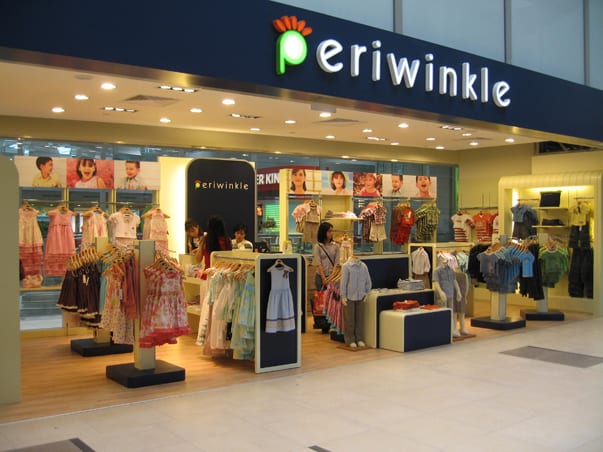
    Periwinkle childrens clothing has opened its first store in Indonesia through a licensing agreement with an Indonesian partner.

    The Philippines retailer, which already has a presence in Singapore and Canada, received support from the Department of Trade and Industry, as part of a program to help retailers from the Philippines expand into other ASEAN markets with the advent of the Asian Economic Community (AEC) this year.

    “We intend to assist local companies with established brands, expand in the international market by partnering with foreign companies, particularly in the Asean countries, and promote the Philippines as a reliable and competitive source of global fashion retail brands,” said Trade Undersecretary Ponciano C. Manalo Jr.

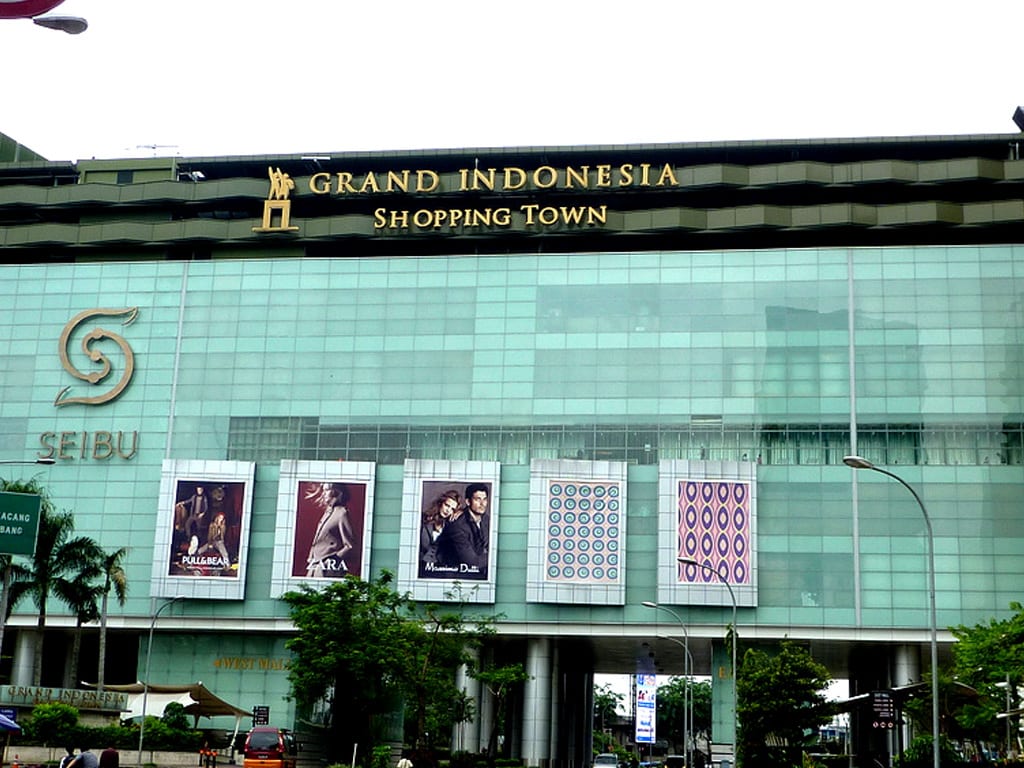
    Periwinkle’s first store is a concession at the newly opened Central Department Store at the Grand Indonesia East Mall in Jakarta.

    It will open a second concession at British department store Debenhams at the Senayan City Mall and is currently evaluating franchising in Indonesia.

    Periwinkle’s partner in Indonesia is the Boga Group, which is active in the food and beverage and retail sectors, operating some 1000 hundred restaurants and retail outlets in Jakarta, Bandung, Surabaya, Yogyakarta, Medan, Makassar and Bali.

    “Periwinkle’s presence in Indonesia is an excellent opportunity for the retail brand to aim for wider regional expansion in light of the AEC 2015,” said Alma Argayoso, Philippine Trade and Investment Center Jakarta commercial counsellor.

    “We are optimistic that Periwinkle’s high-quality design will be patronised by Indonesian society, particularly sophisticated mothers, who love dressing up their children,” he said.

    The DTI is providing support to retailers through business counselling, business matching and brand promotion.

    Periwinkle executive Allan Hao Chin said the Boga Group partnership is purely a licensing agreement and the company will consider a full scale franchise and other options including a joint venture, depending on the success of the initial stores.

    “It is a milestone for Periwinkle to be present in Indonesia, Southeast Asia’s largest economy, and being able to share our brand globally,” Chin said.