Tag: Indonesia

  • Indonesia`s red onion production predicted to reach 1.14 million tons

    Indonesia`s red onion production predicted to reach 1.14 million tons

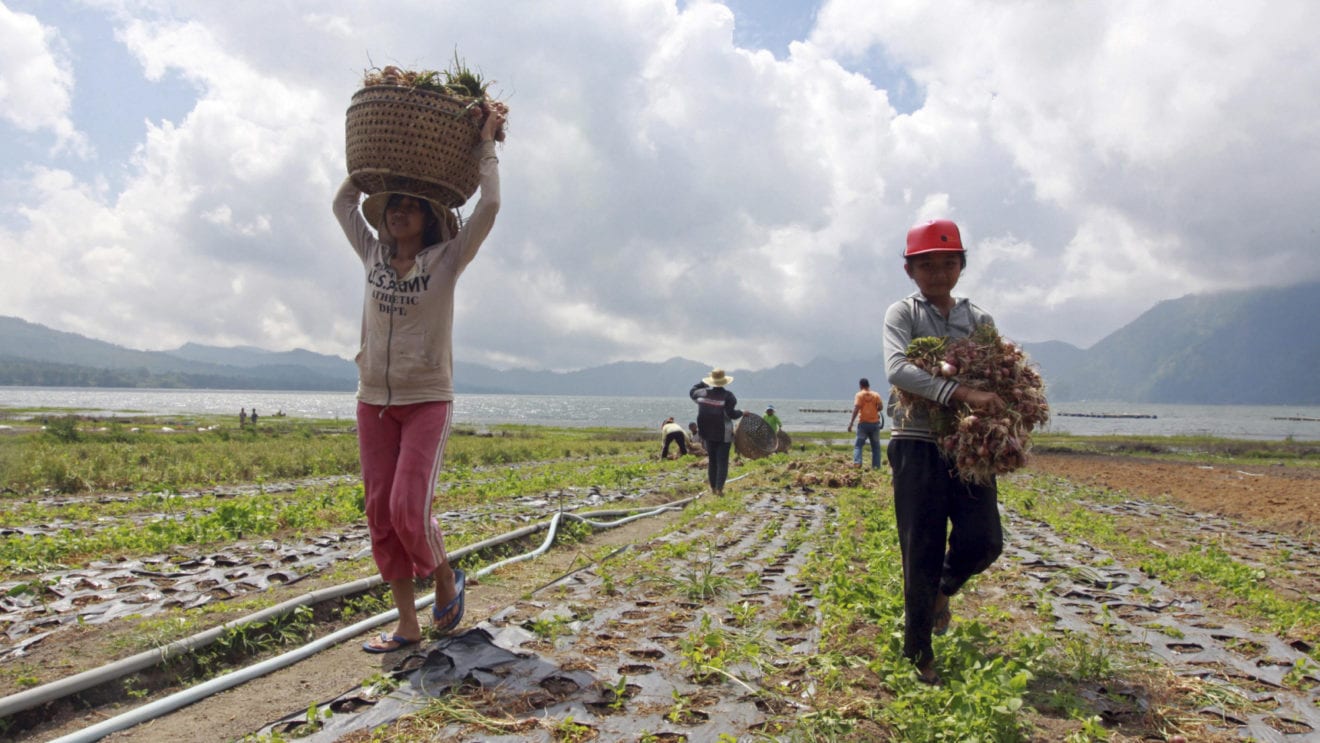
    The agriculture ministry said the countrys production of red onion is predicted to reach 120,000 tons a month or 1.14 million tons this year. The production fell from 122,000 tons a month in 2014, but still is higher than domestic requirement.

    Horticulture Director General Hasanuddin Ibrahim said the production will exceed domestic consumption of around 90,000 tons a month.

    “In the period of January to September this year, the production is predicted to rise 20 to 30 percent, but October to December, the production is expected to fall by the same rate of 20 to 30 percent,” Hasanuddin said.

    The countrys red onion production is expected to peak in June at 122,800 tons. The second highest was 116,300 tons in January and the third highest was 110,900 tons in August, he said.

    The lowest production was expected in March at 65,270 tons , November at 81,010 tons and in October at 83,850 tons.

    “The production is not level from month to month depending on the season. The production falls in rainy season but surges in dry season,” he said.

    In rainy attacks by season plant disease on red onion are more wide spread, he said. He said red onion plantations totaled 119,966 hectares in 2014. In 2015, red onion would be grown in 27 of the countrys 34 provinces.

  • Successful development by Cale in Indonesia

    Successful development by Cale in Indonesia

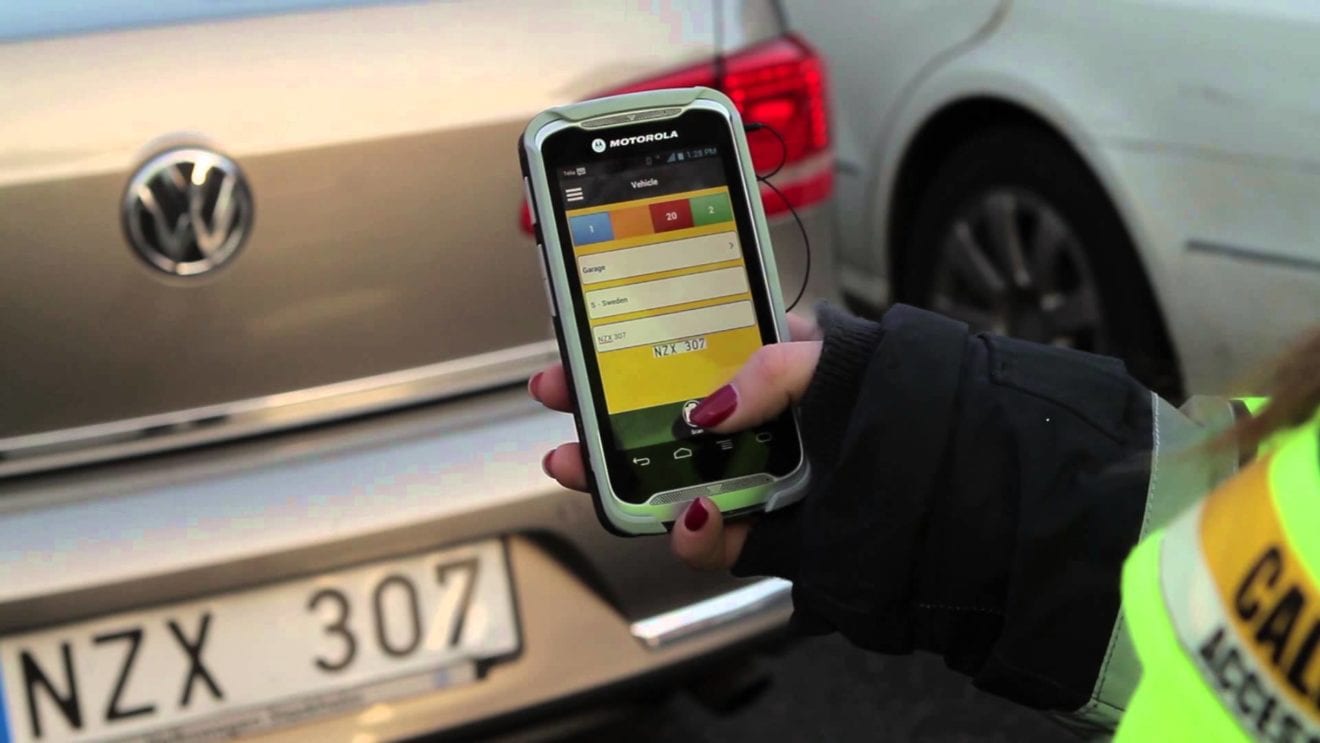
    September 26, 2014 marked the first launch of Cale parking terminals in Jakarta, the capital city of Indonesia, a country with a population of 250 million people.

    An initial number of around 10 terminals were installed in Sabang Street, one of the busiest streets in the City. The Swedish Ambassador to Indonesia, Johanna Brismar Skoog, as well as government officials of the City of Jakarta attended the launch ceremony.

    With around 37 million vehicles operating on the streets of the city and the prevalence of illegal parking on street sides that contributes to Jakarta’s severe

    traffic congestion, the city government deemed the on-street parking solutions offered by Cale as important in reducing the traffic problems as well as preventing the misappropriation of the city’s parking revenue.

    The reason Cale is well placed to provide the solution to parking management in Indonesia is largely due to its 60 years of expertise and technology-driven innovations. Its latest parking terminal is designed to meet any possible needs of the user while supported by a sophisticated back office web system and reliable personnel. The company’s business spirit lies in the sustained product development with end-to-end solution in sight and knowledgeable support team, which is something that the end users in Indonesia have greatly benefited from.

    BANDUNG

    By partnering with PT Vertikal Akses Asia as Indonesia’s sole distributor, Cale is cementing its presence in the country by being the Jakarta government’s product of choice due to its technology and reliability. The parking terminals in Jakarta are operated and managed by PT Mata Biru, which has also been tasked in 2015 to install and operate the terminals in Bandung, a city of 2.5 million people, a 2-hour drive away from Jakarta.

    Meanwhile, the second installation of close to 100 CWT Compact terminals in Kelapa Gading Boulevard of North Jakarta in March 2015 was the first of many to come for the city this year, where the government has estimated that more than 1000 terminals are required to cover the entire on-street parking locations in Jakarta.

    So far, the implementation of on-street parking terminals in Jakarta has been met with positive response by the general public as well as the city government who has seen its revenues from on-street parking increase by 12-fold, as paying the fee at the machine plugs leaking revenues and promotes transparency and accountability.

    As Cale reaches its 60th anniversary this year, and with plans of expansion in other cities of Indonesia, 2015 will be the year that the company further solidifies its presence in Asia.

    Cale offers innovative and efficient parking solutions. From the start in 1955, Cale has developed into a world leading brand within the parking business, with a turnover close to half a billion SEK. Cale has subsidiaries, distributors and customers all around the world.

  • AirAsia X cuts frequency to optimise capacity

    AirAsia X cuts frequency to optimise capacity

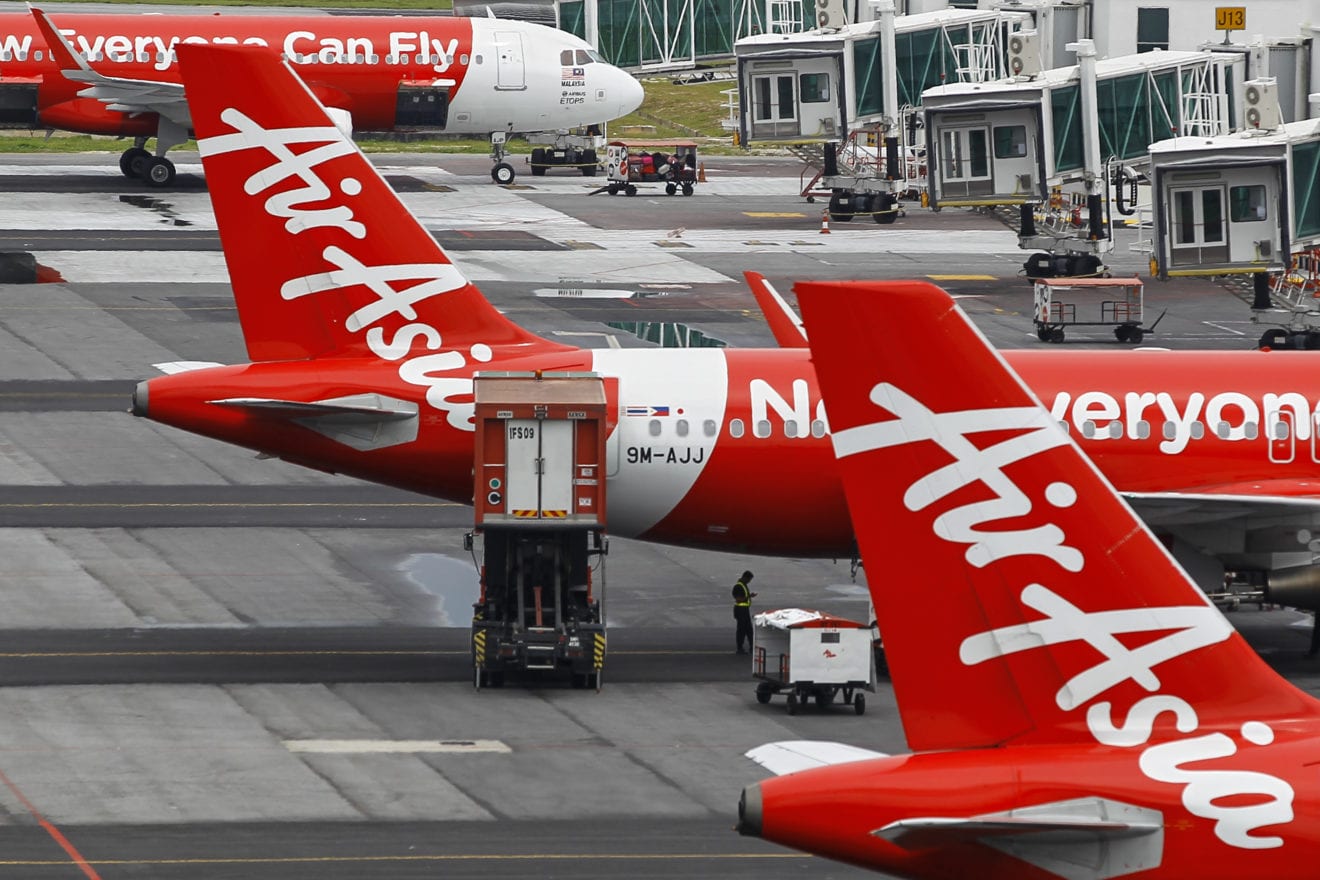
    AirAsia X Bhd (AAX), the long-haul, low cost airline affiliate of the AirAsia Bhd flew a total of 914,970 passengers in the first quarter, down 15% from 1.08 million passengers in the same quarter in 2014.

    According to AAX’s preliminary operating statistics released yesterday, the carrier recorded a load factor of 74% for the first quarter ended March 31, down 12 percentage points from a year ago.

    AAX said it had implemented frequency cut on certain routes, mainly China and Australia, and concurrently terminated loss-making routes – Adelaide and Nagoya – to optimise capacity in line with its turnaround strategy.

    It said the excess capacity from capacity management had been re-deployed to short-term wet lease and charter operations, to maximise revenue.

    AAX said its passenger traffic, as measured by revenue-passenger-KM (RPK), declined 17% year-on-year to 4,431 million in the first quarter from 5.34 billion in the same quarter last year, while available-seat-KM (ASK) capacity decreased by 3% to 6.02 billion.

    This was due to capacity management and slowdown in marketing activities during the first three months of this year with respect to the QZ 8501 incident in December 2014.

    “Consequently, year-on-year load factor during the quarter dropped 12 percentage points to 74% against 86% in the same period last year.

    “Current bookings trends are in line with expectations for a recovery in the second half of 2015,” the carrier said.

    In terms of fleet movement, AirAsia took deliveries of two A330-300s on operating lease during the quarter, bringing its total number of A330-300s to 25, compared with 19 a year earlier.

    On the associate companies, Thai AirAsia X registered strong loads of 82% for its first quarter, with 155,961 passengers carried, implying continued positive pick-up for the popular routes between Thailand, Japan, and South Korea.

    Thai AirAsia X currently operates 3 A330-300s while Indonesia AirAsia X has two A330-300s serving Bali-Taipei and Bali-Melbourne respectively.

  • Djarum Group Takes Control of iForte Shares

    Djarum Group Takes Control of iForte Shares

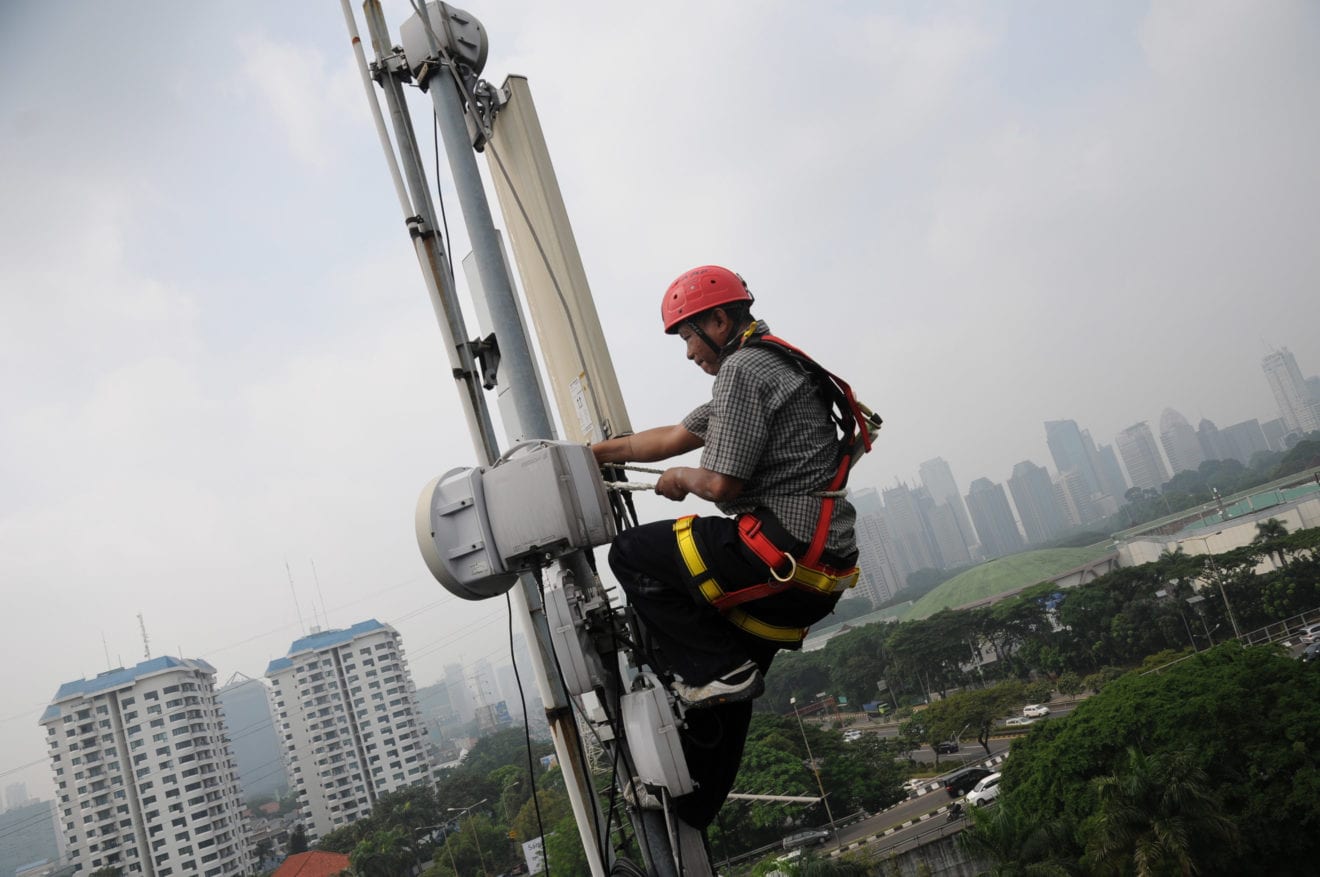
    Sarana Menara Nusantara, a listed telecommunications tower operator controlled by Djarum, has acquired 100 percent of iForte Solusi Infotek, a telecommunication infrastructure company affiliated to Saratoga Group.

    Sarana Menara took over iForte through its subsidiary Profesional Telekomunikasi Indonesia.

    With the acquisition, Sarana Menara will also take over all of iForte’s bond debts and warrants.

    Sarana Menara hopes the transaction will help the company achieve its target to become the biggest telecommunications tower operator in Indonesia.

    “We hope the transaction can create a synergy that would speed up the company’s business growth,” Sarana Menara Nusantara corporate secretary Arif Pradana said in a filing to the Jakarta Stock Exchange last week.

    The transaction will make up less than 20 percent of Sarana’s total equity, recorded at Rp 4.67 trillion ($354 million) at the end of 2014.

    IForte, established in 2002, started its business as an information technology company.

    IForte was taken over by Saratoga in 2010 and has since transformed into a telecommunication infrastructure company with a fiber optic network presence and a Micro-BTS license for the Greater Jakarta area.

    Meanwhile, 33 percent of Sarana Menara is controlled by Djarum through subsidiaries Tricipta Mandhala Gumilang and Caturguwiratna Sumapala.

    Sarana Menara’s biggest clients include Telkomsel, the biggest mobile-phone operator in the country and a subsidiary of the country’s largest telecommunications firm Telekomunikasi Indonesia, and XL Axiata — the country’s second-biggest mobile network operator.

  • Garuda Shareholders Give All-Clear for $500m Global Sukuk Sale, Appoint New Director

    Garuda Shareholders Give All-Clear for $500m Global Sukuk Sale, Appoint New Director

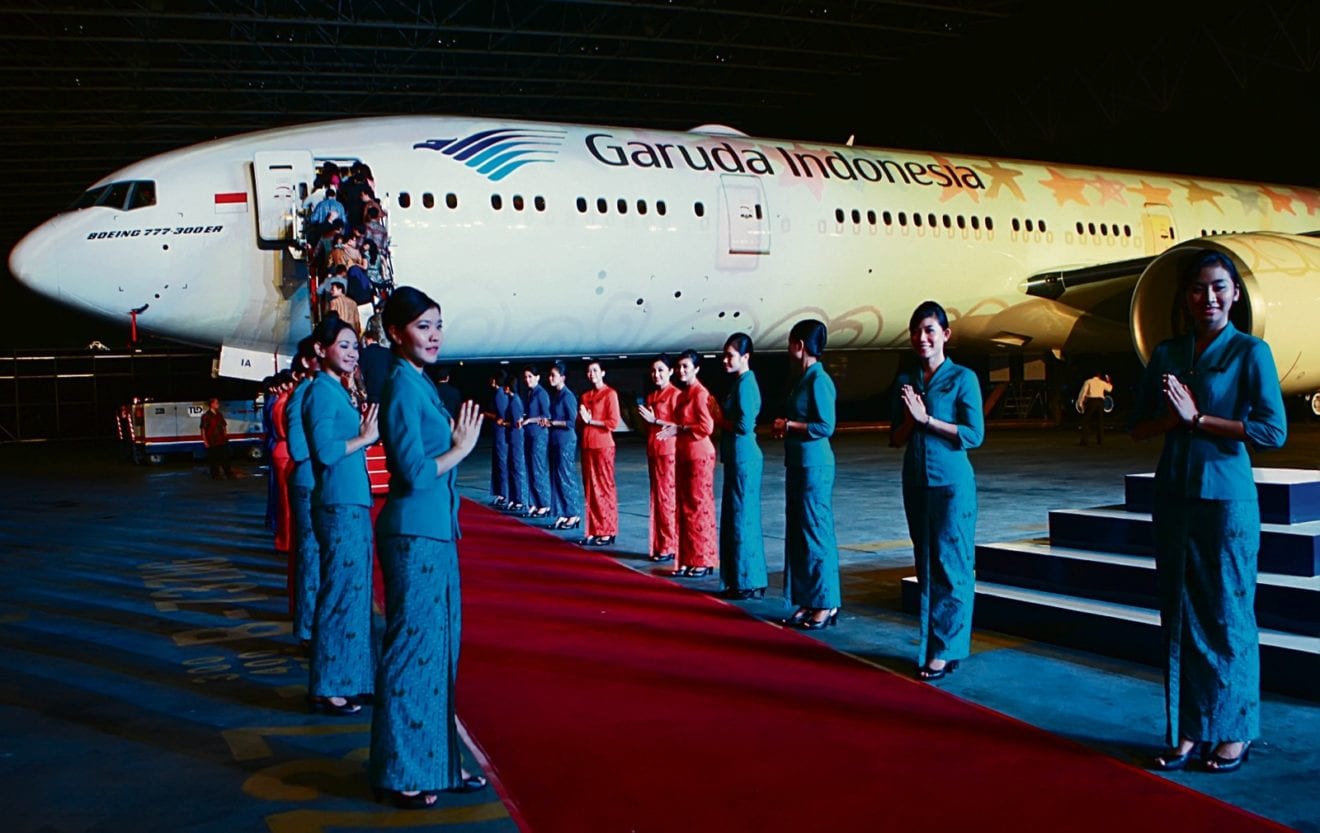
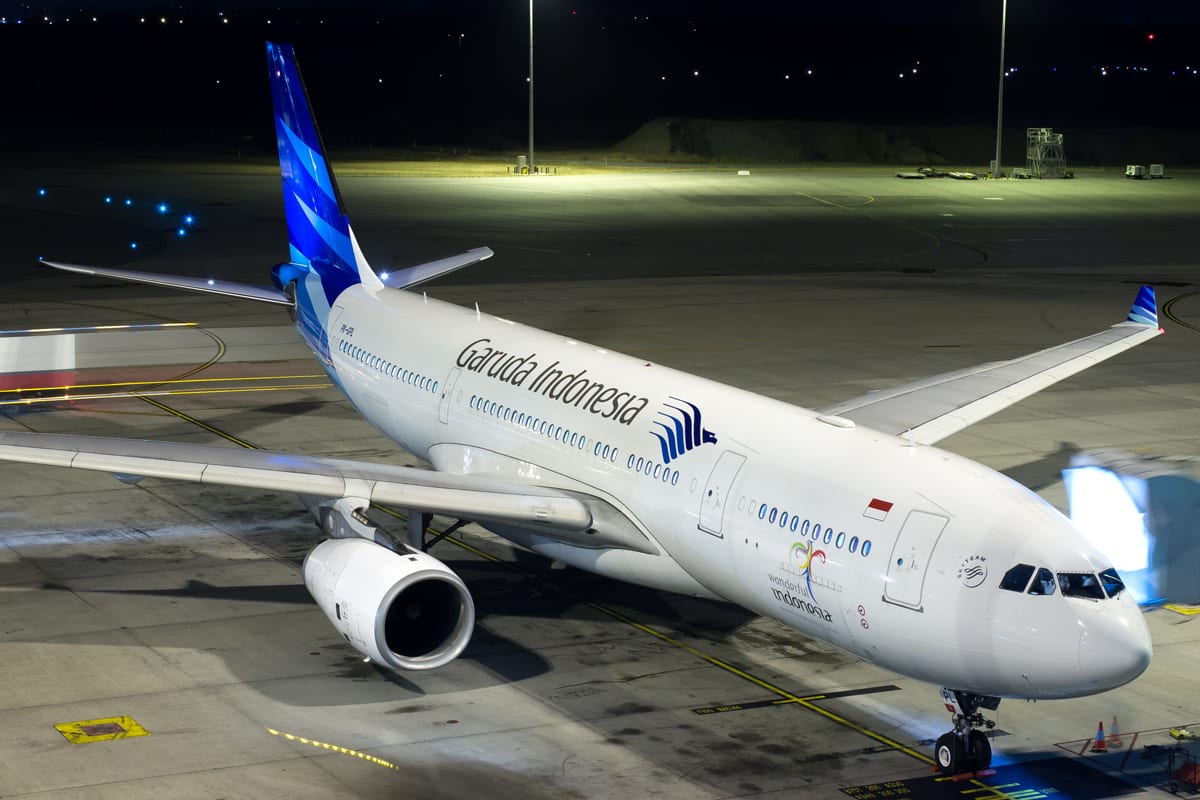
    An extraordinary general meeting of shareholders of Indonesian flag carrier Garuda Indonesia approved the company’s management plan to sell up to $500 million in global sukuk, or Islamic-compliant bonds.

    A prospectus published in Investor Daily on Monday showed that the meeting, which took place on Friday, approved the airline’s plan to sell a maximum $500 million in global sukuk to help finance general corporate programs.

    No other details were available about the bond sale, which represents Garuda’s first global sukuk.

    The airline said in a statement in February that it had signed $400 million om bridge financing with two Middle Eastern banks  — the National Bank of Abu Dhabi and Dubai Islamic Bank — while awaiting “momentum” to issue the sukuk.

    Garuda is also seeking to restructure its long-term debt, which stood at $965 million as of the end of last year, partly by using proceeds from a sukuk sale.

    Last Friday’s meeting also approved the appointment of Nicodemus Panarung Lampe as the company’s new director of services.

    M. Arif Wibowo, the Garuda president director, said the new position was introduced as the airline seeks to maintain service quality, as reported by Antara.

    The airline has since December last year been designated a five-star carrier by Skytrax, which reviews and ranks airlines and airports, joining the likes of better-known carriers such as Cathay Pacific, Singapore Airlines and All Nippon Airways.


  • Indonesian Online Marketplace Elevenia Sees Strong Growth in Transactions

    Indonesian Online Marketplace Elevenia Sees Strong Growth in Transactions

    Indonesia as an e-commerce paradise in just two years’ time may seem an idle dream to those who still struggle with connectivity as a massive burden in their lives. It is, however, an emerging reality for some of the people behind Indonesia’s growing online market ecosystem.

    Meet Jungsung Lee, chief executive of Indonesian online marketplace Elevenia. Hailing from South Korea, he prefers to be called James and is one of those who have thrown off any doubts about Indonesia’s potential.

    His company is already starting to tap the country’s huge e-commerce potential, he said in an interview.

    While he acknowledged that Internet infrastructure is still far from ideal, there are methods to tackle the problem.

    Elevenia, registered as a business entity as XL Planet, opened for business in March last year as a joint venture between mobile provider XL Axiata and South Korea’s online marketplace, SK Planet.

    It began modestly, with around 500,000 products and 6,000 sellers.

    In just a year, the online marketplace had almost a million registered members, two million products and more than 20,000 sellers.

    Elevenia.co.id had 20 million visitors in February — 5 million of which were unique visits.

    The online marketplace posted Rp 250 billion ($19.45 million) in total transaction value last year and in the first two months of this year had booked Rp 60 billion.

    “It has exceeded [my plan]. We achieved more than our business target so our shareholders are so happy with us,” he said, noting that the investors now plan an additional capital injection within the next two years.

    Initial investments from XL and SK Planet last year amounted to $18.3 million and another $24.2 million was injected earlier this year.

    Calm, focused and friendly, Lee is clearly investor-friendly. At first glance he looks like any other businessman in his 40s but his nature manages to radiate a sense of security and optimism amid the hustle and bustle of an online business community populated by employees in their mid-20s.

    Jokingly, one of his employees said his calmness is the product of months of training. Korean businessmen are not accustomed to talking with the press and dealing with informal work atmospheres, yet Lee has been able to keep his cool.

    The Korean set out to explain the principles he believes are needed for success in the online world.

    “The first thing is trust. The second is good products, then good prices and convenience. For the Indonesian market, trust is very important; it is the customers’ basic demand,” he said.

    Many Indonesians remain hesitant to use online shops due to a lack of information. Potential customers think that fraud and crime are easily concealed in an apparently anonymous digital world.

    That is not the case with Elevenia, Lee said.

    “We use a system called escrow,” a formal account which holds funds prior to completion of a transaction, allowing Elevenia to guarantee a safe transaction for both buyer and seller.

    Elevenia also has some unique traits. For instance, customers can directly ask Elevenia to find a certain product, local or otherwise.

    “If there is something the customer can’t find, they can inform us, then we will get the product. [Especially] products from Korea. We have the experience, we have good channels. From Korea, we can get anything,” said Lee.

    To further the trust factor, the company has set limits on trading. It will not sell counterfeit goods, drugs or other illegal items.

    The growing business of Elevenia is a glimpse of Indonesia’s blossoming e-commerce industry.

    A survey conducted by the Indonesian Internet Providers Association (APJII) and University of Indonesia shows that online shopping is catching on fast with younger Indonesians.

    Samuel A Pangerapan, chairman of APJII, said the survey showed that there were 88.1 million Internet users in Indonesia in 2014. A huge portion — 49 percent — are young, around 18 to 25 years old, with 51 percent of them women.

    They use the Internet for various reasons, from networking through social networking applications to searching for information and exchanging messages, downloading and sharing videos.

    Internet users’ behavior has shifted, Samuel stated, from only using the Internet to interact — like exchanging stories from blogs, chatting through messaging services or talking directly through video chat — to more complex behavior like trading.

    In its latest report, APJII said many Indonesian Internet users have started to use the Internet for shopping. Around 11 percent of users purchased goods online in 2014, double the number a year earlier. The vast majority — 85 percent — browse the Internet with their phones, although many also use laptops, tablets and PCs.

    To meet this multiple gadget lifestyle, Elevenia has made sure it can be accessed from website, mobile web and mobile application.

    According to Lee, being in every digital space was critical, since competition is beginning to intensify as companies recognize Indonesia’s e-commerce potential.

    The number of popular e-commerce sites in Indonesia is growing each year. Local sites with a similar business model to Elevenia include Tokopedia, BukaLapak, Quoo10, Lazada and Rakuten, and new ones keep coming.

    “We welcome the competition,” said Lee. “At the moment, this market is really in its early stage. It’s not mature, that’s why at this moment I don’t think the other players are our competitors. At this moment, they are our cooperators.”

    Elevenia is keen to work with other e-commerce players in Indonesia to build an ideal ecosystem.
  • Huawei Ingenuity to Power ‘Smart Cities’

    Huawei Ingenuity to Power ‘Smart Cities’

    Shenzhen-based telecommunications company Huawei has transformed itself into an information and communication technology giant, and now intends to boost its business in Indonesia’s government sector by helping to build smart cities, with services for industry and finance among a host of others.

    If you still underestimate Chinese technology — which in the United States has often been accused as a cover for spy tools — now is the time to change your mind. There was good reason to be skeptical in the past, but the former telco operator has transformed itself into a gigantic information and technology (ICT) industry with a range of services and competitive prices.

    Some years ago Huawei sold only phones and wireless equipment but since then it has expanded to become an important player in ICT. Not only does it have a wide range of products, but it also concentrates on creating value and providing solutions in the entire range of modern digital life applications.

    In Indonesia, Huawei’s technology is inside the wireless 4-G LTE Bolt which provides seamless internet access.

    Globally, the company booked $46 billion in revenue last year, with the Indonesian market contributing about $1.3 billion, a figure expected to increase to $1.5 billion this year.

    Its new Bandung Smart City project, launched in conjunction with the recent Asia Africa Conference, represents an important step forward. The project is being developed as a “safe city” concept.

    Huawei along with state-owned telecommunications giant Telkom has built a command center monitoring cameras throughout the city.

    This program will be further developed into a “smart city” project that aims to give maximum services to the city in a range of areas.

    At the command center at the mayor’s office, for example, banks of monitors show what is happening across the city, assisting with the direction of traffic, guaranteeing a clean city and helping to stop crime.

    Bilateral momentum

    Sheng Kai, chief executive of Huawei Indonesia Tech Investment, is strongly optimistic about the Indonesian market.

    “Relations between Indonesia and China have reached the best momentum at this moment, which will allow Huawei’s business in Indonesia to make outstanding achievements in the future, through the products and solutions that Huawei can bring in,” Sheng says.

    The Chinese ICT company is cooperating with more than 250 organizations — vendors, suppliers and others — and sees the government sector, the banking industry and energy as its target market. Products will include simple gear like switches and routers through to storage and data-center business, with long-term evolution (LTE) for mobile applications.

    While the technology may be similar to that offered by other vendors, Huawei believes it has competitive advantage the speed of services and response.

    “We are open for cooperation with varied organizations to produce devices or any other joint venture,” Sheng says.

    In the financial sector Huawei has a reputation for helping banks to tackle data management, varied internet and mobile banking services at high speed.

    It recently helped Bank BJB to lower costs and improve delivery speed, an achievement other vendors had not been able to provide.

    For China’s Merchant Bank, the company helped install a big data system.

    “Big data is challenging, so we try with Huawei’s expertise that comes from our big expenditure in research and development to help banks for example build hubs, deliver bank services in omni-channel systems with other banks at low budget,” says Lance Zhao, enterprise business solution manager for Indonesia.

    He adds that reliability of the technology make it possible for banks to service millions of customers with a variety of banking services.

    Consumer trend

    While its carrier business or network service is expanding through cooperation programs with a number of organizations, Huawei also plans to target consumer goods products with low-end smartphones Ascend Mate7 and Ascend P7. The P8 will soon join the range with an initial launch in London.

    “With estimated smartphone sales of 30 million units last year, 60 percent of which were low-end products, I am confident we can take a share of about 10 percent in the  coming years with smartphone devices,” Sheng says.

    Sales of wireless modems with its Bolt product in cooperation with Lippo Group, a Jakarta Globe affiliate, have been outstanding this year, at about 1 million units in the first quarter. With hundreds of retail outlets in big cities, Sheng believes the 10 percent growth target is realistic.

    As consumer sales rely strongly on branding campaigns, Huawei will spend up on media this year and plans to sponsor popular sporting events in Indonesia.

    “We are working hard to evaluate sports as crowd-making events that will help boost our brand in Indonesia,” says Indonesia Huawei brand ambassador, Yunni Christine, adding that some major European football league clubs are also being sponsored by the brand.

    ‘Smart cities’

    The Indonesian government aims to develop more than 200 “smart cities” where technology will be a critical element.

    The Bandung Command Center is the forerunner of what the Huawei hopes will be many more such projects in a continuing partnership with Telkom. In addition to providing technical assistance, the project also provides Huawei with the chance to engage with the government and help it increase public service quality.

    Huawei has spent about $25 billion on research and development across the globe in the past decade. R&D was hot-wired into the company’s DNA from the day it started, Sheng says.

    Human resource development is another strong emphasis and in Indonesia is represented by a program to help build a research center at the Bandung Institute of Technology.

    As cloud computing is also increasingly important, Huawei is engaging with various organizations, including Telkom’s Sigma, to build data centers. The service concentrates on the development of cloud architecture to ensure maximum efficiency in data management for clients.

    The company also emphasizes the trustworthiness of its products, despite being accused of acting as an electronic spy agency by the US government.

    “We are present in more than 170 countries and comply with all local government laws and regulations,” Sheng says.

  • Datsun Hits Record High in RI in First Year

    Datsun Hits Record High in RI in First Year

    Japanese carmaker Datsun, which has just returned to Indonesia after its last appearance in the 80s, has recorded a staggering sales figure in the country through the sales of their low-cost green cars the Go Plus Panca and the Go Panca models. Datsun sold nearly 30,000 units of both models since 2014.

    “It has become a record high among the three major markets of Datsun International, which are South Africa, India and Russia,” Datsun Indonesia head Indriani Hadiwidjaya said in Jakarta on Wednesday, May 13, 2015. Datsun recorded a monthly sales figure of 2,600 units in Indonesia, while sales in India only saw 1,000 cars per month.

    From the 23,000 Datsun cars sold last year and about 7,000 cars in the first four months this year, 70% came from the Go Plus Panca, while the rest from the Go Panca (hatchback type). Indriani said the figure proved that 5+2 passenger MPV cars are still favored by Indonesian consumers.

    She added Datsun was looking forward to boosting its sales ahead of the Idul Fitri period from June-July. Nissan Motor Indonesia, Datsun’s holding company, through its CEO Stephanus Ardianto said the company was gearing up to launch the Datsun Go Plus Panca and the latest version of the Go Panca to draw on the momentum.  “The Idul Fitri season usually becomes the highest sales point because many consumers purchase new cars,” said Indriani.

    Datsun will also release another product in Indonesia this year but balks at revealing the type and release date.

    Indriani said Datsun was still focusing in expanding its market for its two products to cities outside of Java. “Currently, our biggest market is still Jakarta,” Indriani said.  “We will focus our MPV market on other cities and consumers apparently are still interested in cars with manual transmissions.” 

  • Indonesia offers virtual tour at World Expo Milano

    Indonesia offers virtual tour at World Expo Milano

    Visitors at the World Expo Milano (WEM) 2015 in Milan, Italy, can enjoy a virtual tour of Indonesia through an Oculus media show “Virtual Journey of Indonesia” at the Indonesian pavilion, a senior official stated.

    Director General for National Export Development of the Ministry of Trade Nus Nuzulia Ishak recently noted that the Oculus media show will provide visitors to the WEM at the Indonesian pavilion a feel of Indonesia through the Virtual Journey of Indonesia program.

    They can experience Indonesias tourism attractions such as hearing the whisper of sand at Mount Bromo or being present amid the car-free day in Jakarta.

    “Visitors at the WEM 2015 can virtually witness and feel Indonesias tourism attractions through the Oculus media show as though they were traveling in Indonesia,” Ishak remarked during the Virtual Journey of Indonesia premiere at the Indonesian Pavilion in Milan.

    Oculus is a virtual media platform that replicates a true-to-life experience of having visited a place. The latest technology medium, which was discovered by Palmer Lucky, is equipped with a special four-dimensional spectacle and a supporting screen to produce the desired effects.

    The users of the technology can also experience real-life effects such as dew and water, among others.

    The Indonesian pavilion, which aims to showcase Indonesias present and future, is therefore using the oculus media to let the visitors experience Indonesia.

    Visitors will feel as though they were actually visiting Indonesia through a virtual medium. The use of the medium through the Virtual Journey of Indonesia is expected to attract more visitors to the Indonesian pavilion.

    Moreover, the show is located near the “Bogor Cafe Desa Restaurant,” so that the visitors can enjoy Indonesian culinary specialties such as “sate ayam” (chicken satay), “nasi goring” (fried rice), and various others Indonesian delicacies.

    “So, if visitors want to enjoy unforgettable Indonesian tourism attractions and culinary specialties in a single day, they can just visit the Indonesian pavilion at the WEM, Milan,” added Ishak.

  • Garuda to open flight to Germany and France

    Garuda to open flight to Germany and France

    PT Garuda Indoanesia Tbk. plans to open new routes to France and Germany this year to boost its income, Finance Director I.G.N. Askhara Dananiputra stated here on Tuesday.

    He noted that the routes would become operational between the second and third quarter this year after the delivery of the Boeing 777 that the national flag carrier has ordered.

    “We have ordered the Boeing 777 as in the same cost we would be more efficient if we use it to serve long-haul destinations rather than short- or middle-range destinations,” he pointed out after attending the signing of a hedging agreement between the company and four banks.

    The companys President Director, M. Arif Wibowo, noted that Germany and France had been chosen as the countries economic growth is more stable as compared to other European countries.

    “The European growth is still two to three percent with the biggest growth recorded by Germany and France. Frances growth is still lower than Germanys,” he elaborated.

    He noted that Garuda would fly to Paris in France and Frankfurt in Germany for the time being.

    He admitted to still calculating the possibility of operating direct flights due to the capability of runways in Indonesia which are not yet able to accommodate Boeing 777 maximally.

    In Indonesia, the take-off weight for a Boeing 777 class aircraft is only 329 tons while the maximum capability of the Boeing 777 reaches 351 tons.

    “Economically, this is not feasible. We are still calculating and finding ways with regard to destinations to get a higher income,” he remarked.

    To support the European routes, Garuda would deploy 10 aircraft providing dual and first class travel options on 18 aircraft to be delivered this year, he emphasized.

    Apart from opening new routes, Arif noted that Garuda would also increase the frequency. He further added that there will be four flights per week for destinations in France and Germany while there will be daily flights for the existing route such as to the Netherlands and England.

    With a capacity of 300 passengers, the Boeing 777 is expected to increase the number of passengers by 1.2 thousand per week or 62.4 thousand per year.

    “Apart from opening new routes in Europe, China and the Middle East, we will also expand our networks and streamline our operation schedules,” he added.

  • Erajaya to Start Making Smartphones in August

    Erajaya to Start Making Smartphones in August

    Erajaya Swasembada, a listed handset device distributor, is set to launch operations on its assembly plant in East Jakarta by August as part of the company’s plan to start producing mobile phones in a bid to reduce costs from imports amid a projection of slowing sales.

    “We will begin doing assembly, starting from our own brand, Venera. We’re currently also talking to other local brands for assembly,” said Hasan Aula, chief executive officer of Erajaya Group, to reporters in Jakarta on Thursday.

    Still, he declined to provide more details, such as the name of the other brands and the plant’s investment cost.

    The plant, which is expected to assemble 100,000 units per month, is operated by Erajaya’s newly acquired subsidiary, Axioo International Indonesia.

    The handset distributor acquired a 51 percent stake in Axioo International Indonesia from Exa Nusa Persada for Rp 5.1 billion ($392,000) last month.

    Exa Nusa Persada still holds the remaining 49 percent stake in Axioo International Indonesia.

    Jeremy Sim, a director at Erajaya Swasembada, said that the company’s plan is in line with the government’s initiative for smartphone importers to boost their investment in the country.

    “This supply chain is important. On top of complying with the government, this is an opportunity for the group to launch an end-to-end business strategy,” he added.

    Erajaya Swasembada launched last year its first plant in Batam under one of its subsidiaries — Teletama Artha Mandiri — which assembles approximately 30,000 units of its Venera brand per month.

    The handset distributor aims to boost net income by 4 percent to about Rp 363 billion this year — compared to 38 percent growth between 2013 and 2014 — while sales are targeted to grow by 6 percent to Rp 15.4 trillion, according to Jeremy.

    “We’re more conservative this year. That’s why we’ve set the sales target at 6 percent. This is mainly due to the economy, currency and government regulations,” he said.

    Indonesia’s economy grew by 4.7 percent in the January-March period, booking its slowest growth in five years.

    At the same time, the local currency has been trading at its lowest level since 1998 for over two months. The rupiah weakened to 13,065 against the US dollar on Thursday from 13,040 the day before, declining by 5 percent since the beginning of the year, data from Bank Indonesia showed.

    Erajaya Swasembada booked Rp 75 billion in net income in the first quarter, down 6.3 percent from the same period last year, amid rising costs. Sales climbed 30 percent to Rp 3.9 trillion.

  • Indonesia targets higher taxes for imported luxury goods

    Indonesia targets higher taxes for imported luxury goods

    Indonesia is planning to impose a higher luxury tax for imported retail goods in its latest attempt to dampen domestic consumption in Southeast Asia’s biggest economy, an official at the finance ministry said today.

    The G20 economy has been struggling to stabilise its external balance sheet, due to persistently high imports and weak structural reforms, which is putting downward pressure on the ailing rupiah currency.

    “For our luxury tax, there are other goods that will be subject for harmonisation — consumer goods,” Deputy Finance Minister Bambang Brodjonegoro said on the sidelines of a Thomson Reuters conference.

    The government in August announced a fiscal package, which include a higher luxury tax on imported cars, to reduce imports.

    The new increase would be significant, said Brodjonegoro, who was unable to give further details on current or the new luxury goods tax plans.

    “Likely, clothes (and) bags,” he added, when asked which luxury items would be hit by the new tax.

    Since June, Bank Indonesia has raised its benchmark reference rate by a total of 175 basis point to discourage lenders from expanding too aggressively.

    Despite intervention by the central bank, the rupiah fell to above 12,000 per dollar in today’s trade.

    Indonesia’s finance ministry is expected to announce further details on the new import taxes soon, including increasing taxes for certain foodstuffs and goods. 

  • Ex-Google Indonesia Director Employed as Vice Chairman of MatahariMall.com

    Ex-Google Indonesia Director Employed as Vice Chairman of MatahariMall.com

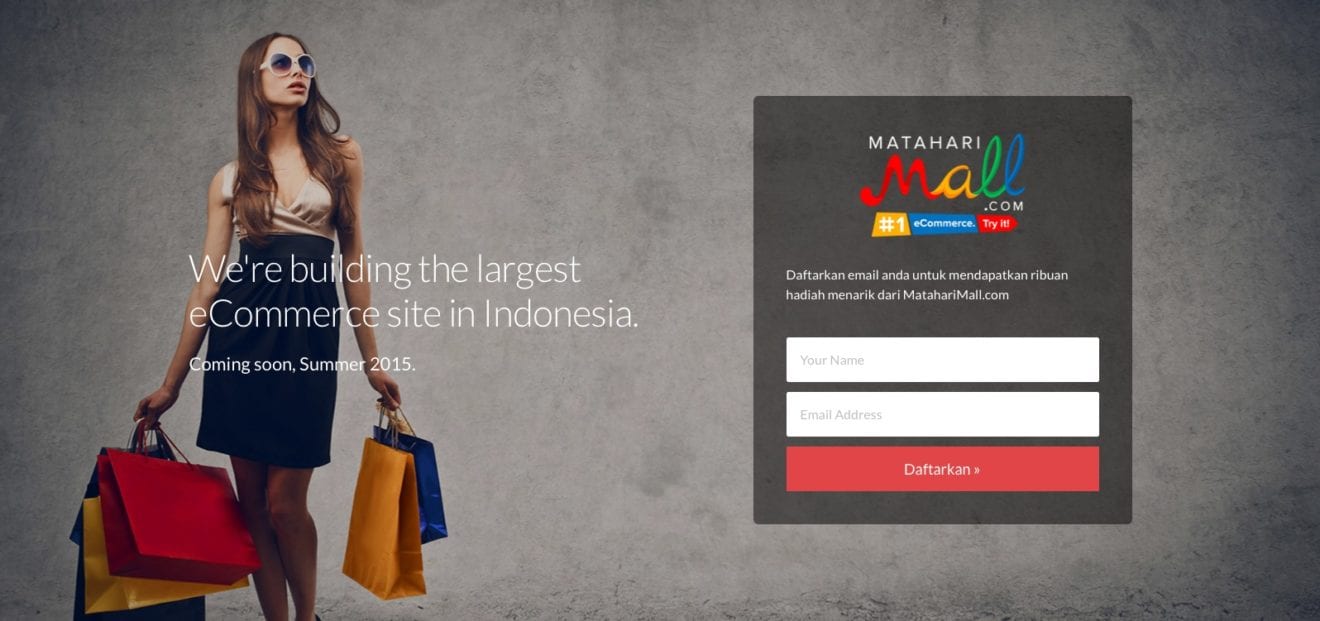
    Lippo Group, one among Indonesia’s largest enterprise conglomerates, has appointed Rudy Ramawy, former nation director for Google Indonesia, as vice chairman of its e-commerce unit MatahariMall.com.

    Rudy served as director of Google Indonesia from January 2012 to March 2015, main the opening of Google’s operations within the nation, Lippo stated in a press release on Monday. At Google, he additionally helped launch YouTube Indonesia and Google Road View.

    Rudy — who studied on the College of California, Berkeley — beforehand served as a programming and manufacturing director at Indonesia’s oldest personal tv operation RCTI.

    Lippo additionally appointed know-how entrepreneur Hadi Wenas as MatahariMall.com’s chairman and Emirsyah Satar, former president director of nationwide flag service Garuda Indonesia, as a commissioner.

    “I really feel very honored to be working with a tremendous staff consisting of Emirsyah Satar and Hadi Wenas. I consider with our group, MatahariMall could possibly be the most important e-commerce [company] in Indonesia,” Rudy stated within the assertion.

    Rudy is optimistic of the rising potential of e-commerce in Indonesia, saying that that in lots of nations, e-commerce has confirmed to be the simplest financial increase that provides equal alternative to small, center and big-sized corporations.

    MatahariMall.com says on its web site that it expects to start out operations in the summertime of 2015.

  • Matahari Putra Prima’s Q1 Revenue Rises 60% on Larger Gross sales

    Matahari Putra Prima’s Q1 Revenue Rises 60% on Larger Gross sales

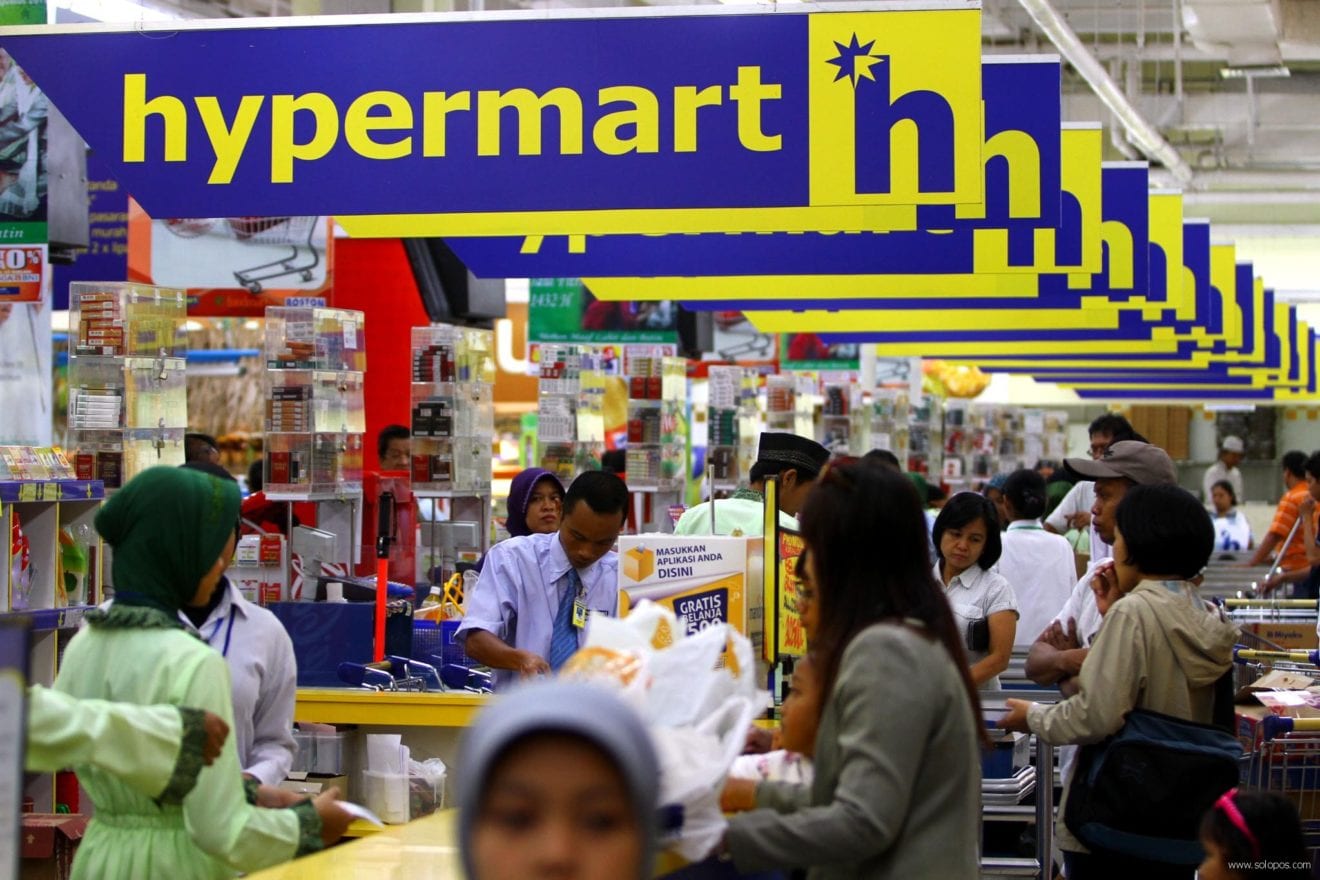
    Matahari Putra Prima — the operator of Hypermart, Foodmart and the Boston Well being & Magnificence retail chain — posted 60 % achieve in revenue within the first quarter, because of regular progress in gross sales.

    Internet revenue rose to Rp 81.6 billion ($6.three million) within the January-March interval from Rp 51.zero billion in the identical quarter final yr, the corporate stated in a press release final week. Internet gross sales rose 7.1 % to Rp three.35 trillion.

    “We’re happy with our internet revenue leads to the primary quarter regardless of a really difficult gross sales surroundings. our enterprise benefited from the productiveness measures taken and realization of expense saving packages initiated in mid-2015 by the administration staff,” stated MPP chief government officer Noel Trinder.

    MPP’s same-store gross sales progress, nevertheless, was 1.eight % decrease because of weak financial progress and aggressive setting amongst present shops in operation, the corporate stated.

    In the course of the quarter, MPP opened 14 new shops together with two for Hypermart, one Foodmart grocery store, 9 Foodmart Categorical and two Boston shops.

    These added to MPP’s 267 shops (107 Hypermart, 58 Foodmart and 102 Boston) in 67 cities throughout Indonesia as of Dec. 31 2014.

  • Indonesia’s Unemployment Fee Will increase as Financial system Slows

    Indonesia’s Unemployment Fee Will increase as Financial system Slows

    Indonesia’s unemployment price elevated in February, in response to the newest knowledge from the Central Statistics Company, or BPS, amid slower financial progress.

    BPS’s February 2015 knowledge, launched on Tuesday, confirmed there have been 7.45 million unemployed individuals out of the full workforce of 128.three million within the nation. Because of this the unemployment price stands at 5.81 %.

    As compared, in February final yr the variety of unemployed individuals stood at 7.15 million, representing 5.7 % of the whole 125.32 million workforce.

    Nevertheless, in comparison with the earlier knowledge acquired in August 2014, the unemployment fee declined, though the actual numbers have been nonetheless on the rise.

    In August 2014, 7.24 million individuals have been recognized as unemployed, representing a 5.94 % of the whole 121.87 million individuals.

    BPS additionally launched knowledge that confirmed Indonesia’s financial progress slowed to four.71 %, the weakest it has been in additional than 5 years.

    “Therefore, within the absence of forthright stimulus from each financial and monetary fronts, for Indonesia to regain some progress mojo, there isn’t a different approach than for it to imbibe the bitter drugs of reforms,” stated Wellian Wiranto, an economist at OCBC Financial institution in Singapore.

    “From slicing bureaucratic purple tape to liberating up of land for infrastructure tasks in addition to boosting labor productiveness, there are a lot on the record of issues the Jokowi administration should do to inch nearer to the 7 % goal it has in thoughts,” he stated.

    Franky Sibarani, the chief of the Funding Coordinating Board (BKPM), stated the federal government would keep on with its weapons with a goal to create as much as two million new jobs this yr. “We’ll push for extra job availability,” he stated.

    Nonetheless, knowledge from BKPM confirmed that though complete funding elevated by 16.9 % year-on-year to Rp 124.6 trillion ($9.55 billion) within the first quarter, job absorption declined. Direct funding within the nation absorbed 315,229 staff within the first three months of this yr, a decline from 470,510 within the fourth quarter of final yr.