Tag: infrastructure

  • Petrovietnam and KEPCO Speed up Talks on Ninh Thuan 2 Nuclear Project

    Petrovietnam and KEPCO Speed up Talks on Ninh Thuan 2 Nuclear Project

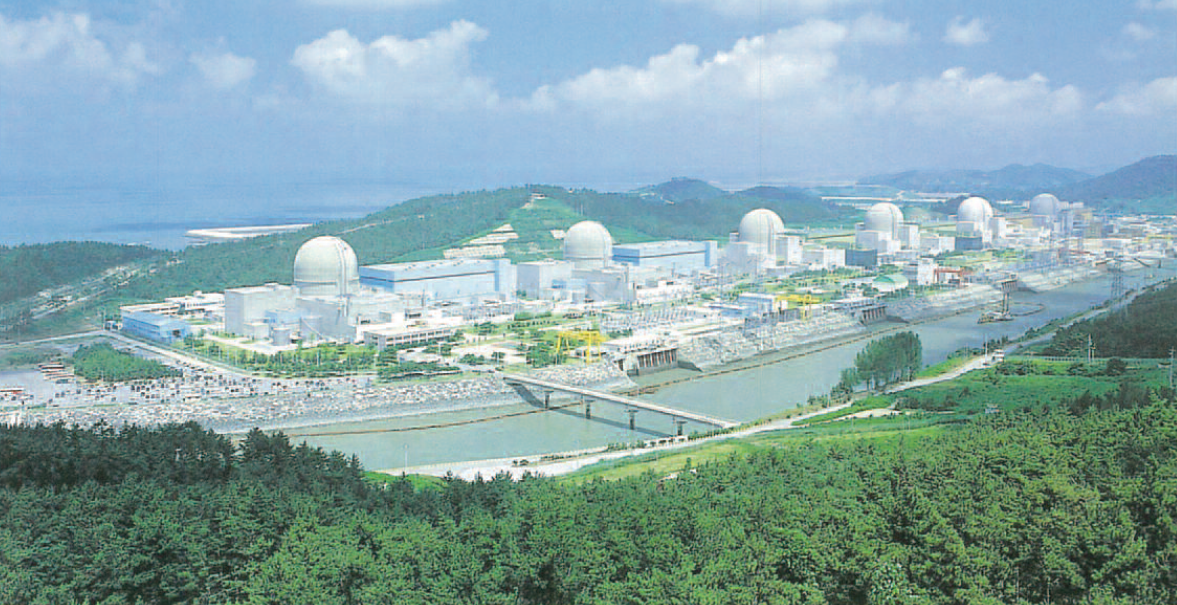
    Petrovietnam and South Korea’s Korea Electric Power Corp have accelerated negotiations to construct Vietnam’s Ninh Thuan 2 nuclear plant. Workers have already cleared 97.5 per cent of the site land.

    Chief Executive Le Manh Cuong met KEPCO President Kim Dong-cheol in Seoul on Tuesday. They met to advance technology, investment, and project financing frameworks for the commercial nuclear facility.

    Land Clearances and Financing Talks

    Hanoi assigned Petrovietnam to lead development of the Ninh Thuan 2 station to revive nuclear power generation. In July, the Ministry of Industry and Trade confirmed KEPCO as the primary foreign partner candidate following preliminary discussions with Vietnamese authorities.

    Site preparation in Ninh Thuan province is almost complete. Petrovietnam confirmed that remaining clearance operations will finish shortly. That clears a key requirement before commercial construction agreements can proceed.

    South Korean Reactor Push in Southeast Asia

    KEPCO presented its delivery of the Barakah nuclear power plant in the United Arab Emirates as an operational blueprint for Vietnam. The four-reactor Barakah complex represents Seoul’s main export reference. It gives KEPCO an edge in discussions over procurement models and long-term project debt financing.

    Choosing KEPCO creates a deliberate split in Vietnam’s nuclear procurement program. Hanoi previously designated Russia’s state atomic agency Rosatom to develop the separate Ninh Thuan 1 project. The strategy distributes technological reliance across competing nuclear suppliers rather than committing to a single foreign vendor.

    Power Demand and Grid Readiness

    Vietnam shelved nuclear power planning in 2016 because of cost constraints and fiscal discipline. Rising baseload electricity demand from industrial clusters has forced trade officials to bring atomic power back into the long-term national power development master plan.

    Factories and industrial operators in Vietnam face ongoing grid capacity constraints as export manufacturing expands. High-capacity nuclear baseload addresses supply reliability. However, commercial terms and safety licensing still require bilateral government approvals.

    Next, Hanoi and Seoul will run financial structuring reviews while Petrovietnam finishes the final 2.5 per cent of site clearance work.

  • Southeast Asia Targets USD 11 Billion Subsea Cable Expansion for Route Redundancy

    Southeast Asia Targets USD 11 Billion Subsea Cable Expansion for Route Redundancy

    Telecommunications operators and infrastructure investors are committing USD 11 billion between 2026 and 2035 to build new subsea cable systems across Southeast Asia. The spending will expand the number of active intra-Asian cable lines from 14 in 2025 to 19 by 2035, securing international data bandwidth for regional digital economies and hyperscale cloud providers.

    Submarine cables handle more than 99 per cent of international communications traffic in hubs such as Singapore. Under the city-state’s Digital Connectivity Blueprint, authorities plan to double the volume of subsea cable landings over the next decade, backed by an estimated SGD 10 billion (USD 7.4 billion) in predominantly private sector capital.

    Rerouting Around Maritime Chokepoints

    Engineering plans for newly announced trans-Pacific and regional cables increasingly avoid traditional, direct passages through the South China Sea. Systems including Apricot, Echo, and Bifrost run alternative paths through Indonesian and Philippine territorial waters to connect Southeast Asia directly with North America, Japan, and South Korea. Taking longer perimeter paths increases capital costs and latency, but operators accept the trade-off to shield data links from geopolitical exposure and congested straits.

    For enterprise users and cloud operators across Asia-Pacific, these southern corridors remove single-point failure risks that have historically disrupted regional supply chains. Financial platforms, retail marketplaces, and cloud providers gain lower downtime risks during localized outages, while secondary telecom operators in Jakarta and Manila secure direct wholesale access without routing entirely through Singapore.

    Equipment Supply and Infrastructure Competition

    The supply chain for physical infrastructure remains divided among a handful of global manufacturers. Japan’s NEC and France’s ASN maintain strong market positions in island networks across Indonesia and the wider archipelago, while Chinese suppliers have expanded cable contracts in Cambodia and selected Indonesian domestic systems.

    This supplier spread gives regional governments room to balance national security requirements against procurement costs. At the same time, physical reliability remains a constant operational bottleneck. International Telecommunication Union data indicates that human activity, mainly commercial fishing and vessel anchoring, causes 86 per cent of all subsea cable faults, requiring more than 200 offshore repair operations worldwide each year.

    Coordinated Regional Master Plans

    The push for network redundancy builds on policy commitments laid out in the ASEAN Digital Master Plan 2030, which directs member countries to coordinate subsea repair approvals and landing permits. Previous repair timelines often stretched for months due to overlapping maritime jurisdictions and strict cabotage restrictions in archipelagic waters.

    Attention now turns to the planned commissioning of major multi-terabit links, including the Apricot and Bifrost systems, which are scheduled to land initial capacity phases before 2027.

  • AWS Plans 420 Tbps Sta’O’Nuk Subsea Cable Linking the US and Japan by 2029

    AWS Plans 420 Tbps Sta’O’Nuk Subsea Cable Linking the US and Japan by 2029

    Amazon Web Services will build a 420 Tbps subsea cable connecting the United States and Japan, scheduled to begin commercial operations in 2029.

    The system, named Sta’O’Nuk, will run 20 fiber pairs across the Pacific Ocean, linking a new landing station in Washington state to an undisclosed site in Japan. It represents the first international subsea cable to land in Washington state in nearly three decades.

    Landing station and tribal partnership

    AWS partnered with Toptana Technologies to develop the American cable landing station and backhaul network in Ocean Shores, Washington. Founded in 2022 by the Quinault Indian Nation, Toptana is the only Indigenous-owned cable landing station operator on the US West Coast.

    Construction has begun on the Ocean Shores facility, designed to support up to four subsea cable systems. Assured Communications serves as program manager and operational service provider for the station, while the Quinault Indian Nation granted AWS permission to use the name Sta’O’Nuk, which translates to “lightning serpent” in the Quinault language.

    Washington state last saw international subsea arrivals in 1999, when Pacific Crossing-1 landed at Harbour Pointe and Alaska United East connected in Lynnwood. Toptana previously outlined a 17,700-square-foot, 1 MW station footprint when it first announced site plans in 2022.

    Transpacific cloud capacity

    Hyperscale cloud providers have shifted from purchasing capacity on shared consortium routes to financing and constructing dedicated private pipes across Asia-Pacific corridors. Direct cable ownership provides AWS with lower latency, predictable operating costs, and dedicated bandwidth between its data center regions in North America and East Asia without reliance on third-party commercial carriers.

    The Japanese landing location and local terminal partners remain unannounced as construction advances toward the 2029 target.

  • India Telecom Base Hits 1.33 Billion Users as Broadband Surges Past 1 Billion

    India Telecom Base Hits 1.33 Billion Users as Broadband Surges Past 1 Billion

    India’s telecommunication network reached 1,337.54 million total telephone subscribers as national teledensity climbed to 90.28 per cent.

    Wireless accounts drove nearly the entire base at 1,288.96 million connections, while fixed-line subscriptions stood at 48.58 million.

    The network added a net 6.95 million telephone users in a single month, taking total broadband subscribers across wireline and wireless infrastructure to 1,073.44 million. Wireless broadband accounts for 1,026.60 million of those users, with fixed wireline connections supplying the remaining 46.84 million lines. Gross adjusted revenue generated across the country’s communications market totaled 229,071 crore rupees, or approximately 24 billion US dollars.

    Urban Penetration and Rural Expansion

    Urban centres recorded a teledensity of 152.11 per cent across 783.12 million subscribers, reflecting widespread dual-SIM adoption and concentrated commercial use. Rural regions accounted for 554.41 million telephone users, posting a teledensity of 60.74 per cent. The gap between city hubs and provincial districts continues to define network investment priorities for carriers upgrading optical fibre and microwave transmission infrastructure.

    Core transmission routes rely on microwave radio relay setups alongside optical fibre deployments, connecting digital exchanges and media gateways across state boundaries. The terrestrial footprint links into the Indian National Satellite System to secure coverage across remote terrain.

    Broadband Growth and Economic Scale

    Data access now dominates carrier operations, supported by spectrum allocations and coordination through the ITU-APT Foundation of India. Commercial telecom networks direct capital into network switching subsystems and signalling gateways to handle expanding digital payments and e-governance traffic. Sector operations also support broader economic activity, with trade group GSMA previously tracking direct and indirect sector employment in the millions.

    Future subscriber additions depend on converting the remaining non-broadband wireless base and expanding rural fixed-line reach beyond the current 48.58 million wired lines.

  • Vodafone Idea and BSNL Agree to Share Networks Across All Indian Circles

    Vodafone Idea and BSNL Agree to Share Networks Across All Indian Circles

    Vodafone Idea and state-owned carrier Bharat Sanchar Nigam Limited have agreed to share their mobile network infrastructure across all telecommunications service circles in India.

    The agreement allows both operators to expand operational coverage across urban and rural markets without duplicating infrastructure expenditure. Talks finalized after a direct meeting between Vodafone Idea chief executive Abhijit Kishore and BSNL chairman and managing director Robert J. Ravi.

    Terms of the Circle Sharing Agreement

    Under the framework, the two carriers will implement intra-circle roaming arrangements nationwide. The pact enables subscribers of both providers to access the partner carrier’s towers and base stations in regions where their primary network has limited coverage.

    BSNL operates an extensive footprint in rural and secondary markets across India, while Vodafone Idea maintains higher network density in key metropolitan areas and major urban hubs.

    Infrastructure Collaboration in Indian Telecoms

    The deal reflects broader pressure on Indian telecom operators to optimize network capital costs as they manage heavy operational outlays and ongoing technology upgrades. Sharing radio access networks has become an essential tool for cash-conscious operators competing against better-funded rivals Reliance Jio and Bharti Airtel.

    Both carriers will now begin technical integration across individual service zones to activate intra-circle roaming on existing spectrum bands.

  • Da Nang Airport Sets $379 Million Terminal 1 Expansion for August 2027

    Da Nang Airport Sets $379 Million Terminal 1 Expansion for August 2027

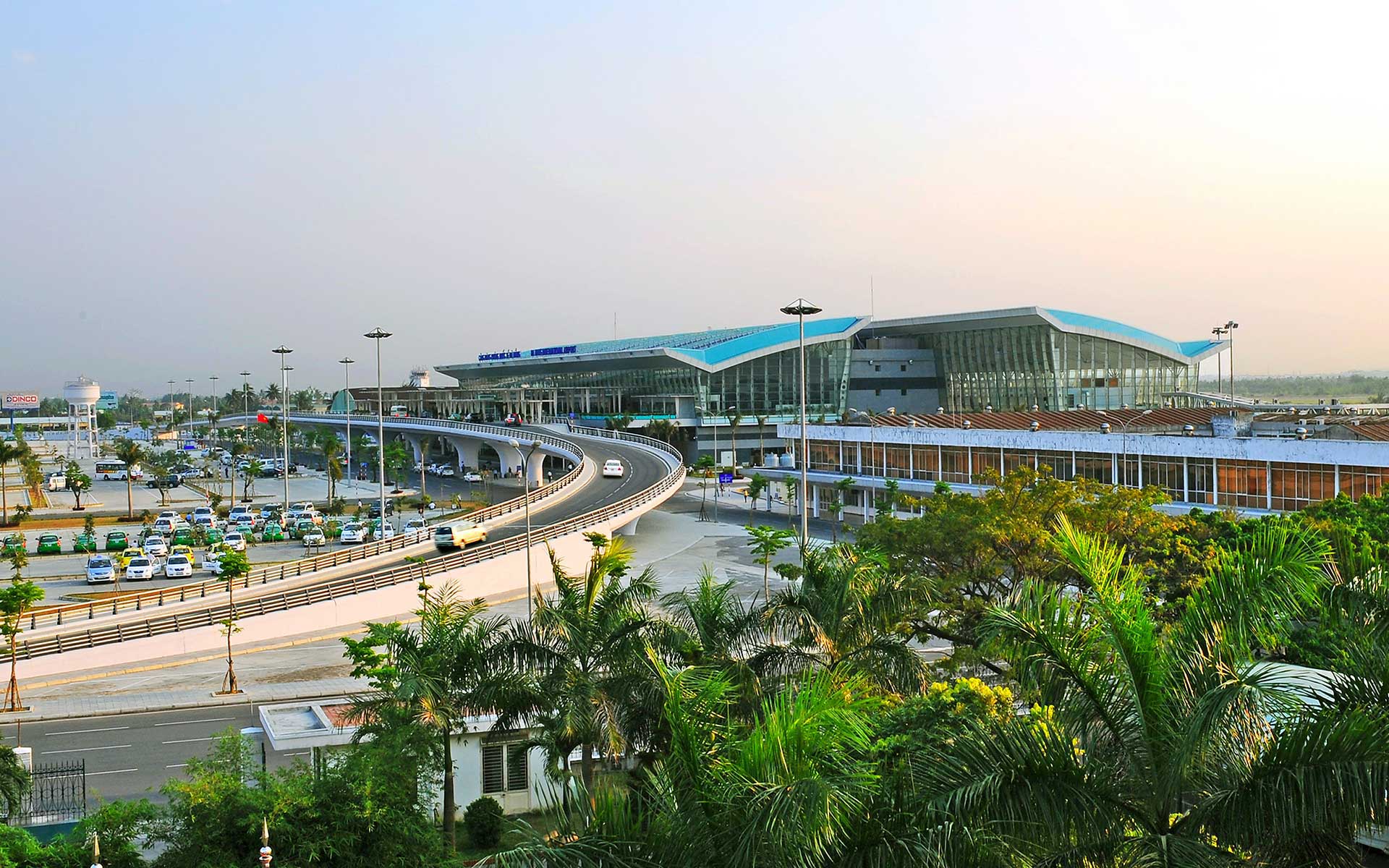
    Airports Corporation of Vietnam will start construction on a VND9.9 trillion ($379 million) expansion of Da Nang International Airport Terminal 1 in August 2027.

    The project will raise the domestic terminal’s processing capacity to 14 million passengers annually, dividing volume between 10 million domestic and 4 million international travelers.

    State operator ACV and the Da Nang municipal People’s Committee confirmed the timeline during a formal project rollout that also includes the first phase of an expanded aircraft apron. Under the construction schedule, the newly built extension will open to passengers in January 2029. Crews will then finish renovating the existing terminal structure by August 2029.

    New Commercial Space and Road Access

    Engineering plans cover auxiliary facilities and airfield infrastructure alongside the main passenger building. Contractors will rebuild the elevated access road, install a wastewater treatment plant, and lay out revised traffic lanes, landscaping, and waste collection stations.

    Commercial real estate forms a central part of the footprint. The blueprint includes a dedicated technical facility and a multi-story car park designed with integrated commercial service floors for retail and food tenants.

    Central Vietnam Gateway Capacity

    Da Nang serves as the primary commercial and tourism conduit for central Vietnam, where air traffic growth has repeatedly outpaced terminal design limits over the past decade. Expanding T1 allows ACV to relieve pressure on domestic gates while capturing higher non-aeronautical revenue from travel retail concessions, passenger dining, and airport parking.

    Work on the apron expansion proceeds first, with full terminal construction tenders expected ahead of the August 2027 groundbreaking date.

  • Alibaba Opens Brazil Data Centres to Target South American AI Demand

    Alibaba Opens Brazil Data Centres to Target South American AI Demand

    Alibaba Group launched new data centres in Brazil to provide artificial intelligence computing capacity across South America. The facility marks the Chinese tech conglomerate’s latest infrastructure push outside its domestic base.

    The investment brings Alibaba’s cloud division into direct competition with Western infrastructure providers across Latin America. Local enterprises and developers gain direct access to the group’s AI model deployment tools and cloud compute services without routing data through North American server hubs.

    Expanding Cloud Infrastructure Outside Asia

    Alibaba has focused its overseas cloud strategy on emerging markets where digital infrastructure demand outpaces local supply. While the group built its initial international presence across Southeast Asia and the Middle East, South America represents a fresh expansion corridor for its enterprise AI suite.

    Building local data centres cuts latency for enterprise clients in Brazil and neighbouring economies. It also satisfies regional data residency requirements, a critical hurdle for financial institutions, retailers, and public sector clients adopting generative AI software.

    Competition for Global AI Workloads

    For retailers and consumer platforms operating across Latin America, the facility adds capacity for real-time customer analytics, logistics routing, and automated recommendation engines. Chinese cross-border e-commerce platforms active in the region also rely on low-latency cloud infrastructure to process transactions and handle merchant inventory.

    The expansion tests whether Chinese cloud architectures can win market share in South America against entrenched US infrastructure operators. The next milestone will be client onboarding across regional enterprise accounts as the new server zones go live.

  • AI Revolution Fuels Unprecedented Growth in Data Center Infrastructure Market

    AI Revolution Fuels Unprecedented Growth in Data Center Infrastructure Market

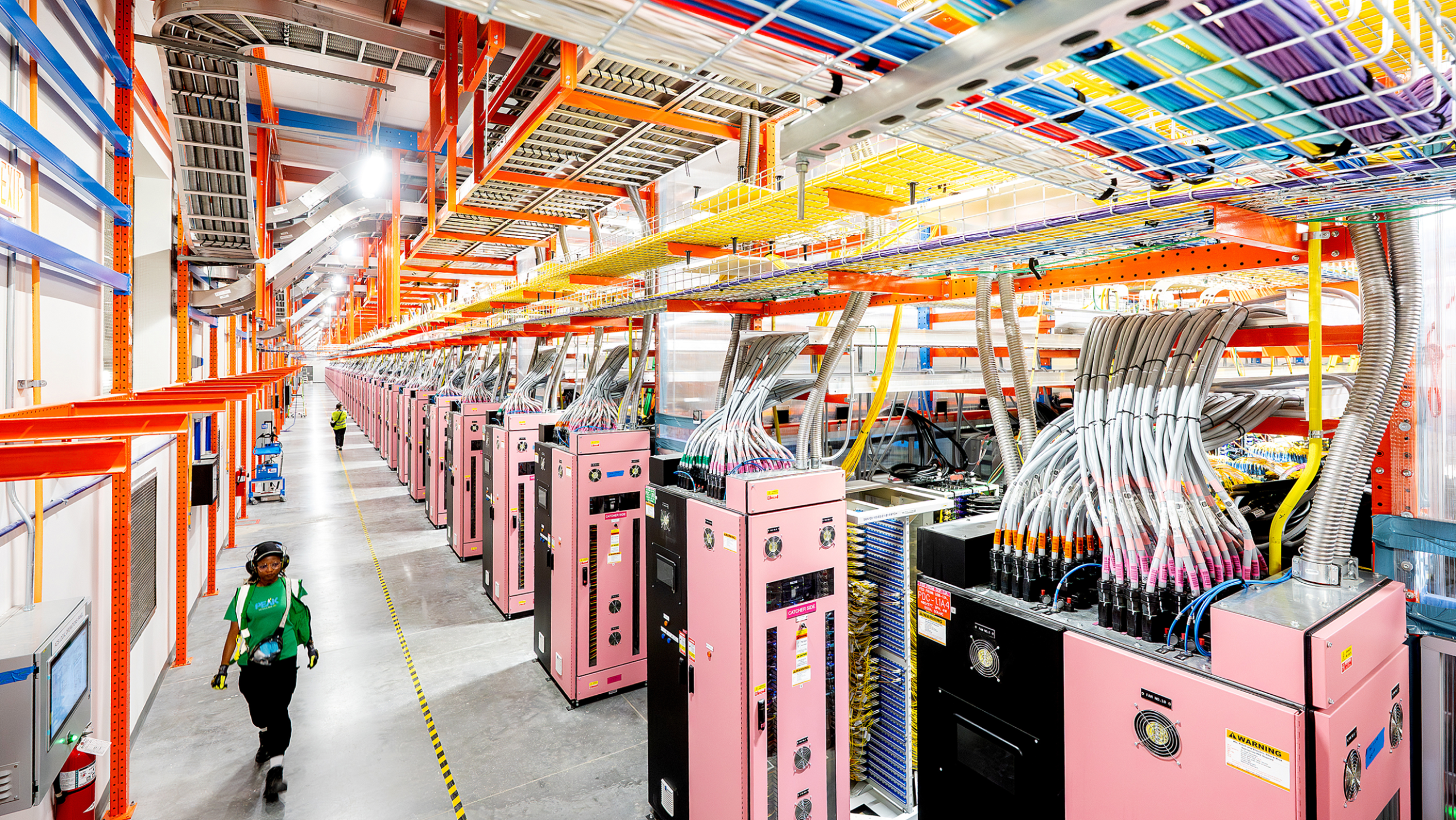
    As the race to deploy artificial intelligence (AI) intensifies, businesses are investing not just in servers but also in electrical distribution, thermal management, liquid cooling, racks, and containment systems. These components form the pivotal infrastructure of AI-ready data centers, designed to handle power-intensive computing environments.

    This trend is reflected in the recent surge in the global data center physical infrastructure (DCPI) market, which hit a revenue of $12 billion during the first quarter of 2026, marking a 28% year-on-year growth. This follows five consecutive quarters of over 20% market growth, highlighting the continued investment in power and cooling infrastructures to meet the high demand for AI.

    AI Infrastructure: A New Race Begins

    The infrastructure required for AI differs significantly from previous cloud expansions. It demands significantly greater investments in power distribution, thermal management, cooling technologies, and facility engineering. Infrastructure spending per data hall is also increasing due to the need for higher rack densities, larger GPU clusters, and more electricity.

    Major tech companies including Microsoft, Google, Amazon Web Services (AWS), Oracle, and Meta have announced substantial investments in AI infrastructure in the past two years. These initiatives include AI-optimized data centers, extended cloud regions, and dedicated GPU infrastructure to meet the growing enterprise demand for AI applications.

    NVIDIA has popularized the concept of “AI factories”; large-scale computing environments optimized for AI training and inference, where components like computing, networking, storage, power, and cooling are integrated. This concept reflects the industry-wide shift towards facilities specifically constructed for AI workloads.

    AI model training and inference require densely packed GPU clusters operating at high utilization, placing unprecedented demands on electrical systems and cooling infrastructure. In light of this, operators are rethinking traditional data center architecture.

    Power Infrastructure Moves to the Center Stage

    Thermal management grew nearly 50% year over year in the first quarter of 2026. With AI deployments driving higher rack power densities, there is an increasing demand for advanced cooling technologies such as direct liquid cooling (DLC) to maintain performance and operational efficiency.

    As rack densities increase, conventional air cooling is becoming less practical for many high-performance AI deployments. Hence, hyperscale cloud providers are increasingly deploying liquid-cooling technologies for AI infrastructure.

    Access to power is becoming increasingly critical to where new AI facilities are constructed. Grid constraints, permitting timelines, and utility capacity are now key considerations for developers. This trend is driving greater investment in electrical infrastructure, including modular power systems, intelligent energy management platforms, and grid-resilient backup solutions.

    Reflecting evolving market requirements, heat rejection has emerged as a newly tracked segment within the DCPI market, contributing approximately $1 billion to its market measurement. This shift in data center design is leading operators to integrate thermal management into the overall facility architecture to improve efficiency, reliability, and long-term scalability.

    Questions & Answers

    What is driving the increased investment in AI infrastructure?

    Increased use of AI applications is driving the need for more robust and efficient data centers to support these power-intensive operations. This is leading to significant investments in components such as power distribution, thermal management, cooling technologies, and facility engineering.

    How are major tech companies responding to the demand for advanced AI infrastructure?

    Major tech companies, including Microsoft, Google, Amazon Web Services, Oracle, and Meta, have announced significant investments in AI-optimized data centers, extended cloud regions, and dedicated GPU infrastructure.

    How is the design of data centers evolving to meet the demands of AI?

    Operators are rethinking traditional data center architecture to accommodate densely packed GPU clusters that operate at high utilization. They are also increasingly integrating thermal management into the overall facility architecture, reflecting the growing importance of energy-efficient infrastructure.

  • DayOne Data Centers Eyes $5B US IPO Amid Booming AI Infrastructure Demand

    DayOne Data Centers Eyes $5B US IPO Amid Booming AI Infrastructure Demand

    DayOne Data Centers, the Singapore-based data center operator, has announced its plans to file for a U.S. initial public offering (IPO). The move comes as the firm aims to raise approximately $5 billion, given the increasing demand for AI infrastructure.

    Anticipated Launch and Funding

    Founded in 2022, the company intends to list its shares as early as the next quarter. This move follows the successful closure of a $4.5 billion Series C funding round in June. The round was primarily led by Coatue Management and Hillhouse, two of DayOne’s largest shareholders. Newcomers ACHI Capital Partners and the Indonesia Investment Authority also contributed to the funding round.

    The newly secured funds are expected to boost DayOne’s expansion plans in critical markets. The company is particularly keen on enhancing its presence in Singapore, Malaysia, Indonesia, Thailand, Japan, Hong Kong, Finland, and Spain.

    Assets and Future Plans

    At present, DayOne has secured over 1.5 gigawatts of bookings for capacity across Asia-Pacific and Europe. Its prominent investor base includes China’s GDS Holdings, SoftBank Vision Fund, and Citadel’s Ken Griffin.

    DayOne’s assets portfolio comprises approximately 480 megawatts of data center capacity either currently in service or under construction. It also has a further 590 MW reserved for future development across key locations in Hong Kong, Indonesia, Japan, Malaysia, and Singapore.

    The rise of artificial intelligence (AI) has sparked considerable investor interest in data centers. For instance, Australia’s Firmus Technologies recently reported receiving commitments for a $2 billion investment round.

    As the industry continues to grow, other data center operators like Switch and Nscale are also preparing for their U.S. IPOs in 2026.

    Questions & Answers

    What is the purpose of DayOne Data Centers’ IPO?
    The company is aiming to raise approximately $5 billion amid the growing demand for AI infrastructure.

    Who led the recent Series C funding round for DayOne?
    The round was led by Coatue Management and Hillhouse, two of DayOne’s largest shareholders.

    What is the current status of DayOne’s assets portfolio?
    DayOne presently has around 480 megawatts of data center capacity that are in service or under construction, with an additional 590 MW reserved for future expansion.

  • Nvidia’s Multi-Billion Dollar Quest: Fueling the Expansion of AI Infrastructure with Top Financial Firms

    Nvidia’s Multi-Billion Dollar Quest: Fueling the Expansion of AI Infrastructure with Top Financial Firms

    Nvidia, a prominent player in the tech industry, publicized its deal with several major firms such as Apollo, Blackstone, Blackrock, Brookfield, Goldman Sachs, and KKR, among others. The intent of this agreement is to collect a minimum of 500 billion dollars in long-term financing from their clients. This substantial fund aims to facilitate the expansion of AI infrastructure.

    Nvidia’s Ambitious Leap Towards AI

    Jensen Huang, the CEO of Nvidia, regards this initiative as a crucial stride towards the enhancement and expansion of artificial intelligence. In his view, the evolving prominence of computing capacity is transforming it into an asset class in itself, with chips becoming a substantial investment opportunity.

    Huang was joined by several senior executives from some of the world’s leading financial groups during the announcement. Larry Fink, the CEO of Blackrock, acknowledged the AI infrastructure expansion as a significant economic opportunity. As per his estimates, the United States would need an additional 70 gigawatts of power, and constructing one gigawatt of data center capacity would cost between 50 and 60 billion dollars.

    Unprecedented Opportunities and Challenges

    Fink projects this venture as an immense financial opportunity that would generate an abundance of new jobs. He emphasizes the urgency to generate the necessary funds to ensure the United States maintains its global leadership in the AI race. He projects that this endeavor would necessitate trillions in fresh capital.

    David Solomon, the CEO of Goldman Sachs, voiced his confidence in Nvidia’s potential growth and the opportunities it presents. He stated, “We strongly believe in the continued development and the opportunities associated with it.”

    However, concerns have arisen among investors that the technology companies and their financial backers are accelerating AI investment to an unsustainable pace. These concerns have been fueled by a recent correction in technology and semiconductor stocks due to unexpectedly strong competition from China.

    Huang clarified that the funding would not be sourced from Nvidia but from external investors. The consortium plans to establish dedicated pools of capital at a considerable scale and on enticing terms for Nvidia’s customers, with the goal of making it easier for them to access scarce computing capacity on a large scale.

    Despite the apprehensions, Nvidia has already secured deals worth hundreds of billions of dollars with companies across the AI industry. Nvidia also recently expanded its partnership with the South Korean conglomerate SK Group, with plans to conduct more than 500 billion dollars’ worth of business with each other in the future.

    Questions & Answers

    What is the primary goal of Nvidia’s deal with major firms?
    The primary purpose is to facilitate the expansion of AI infrastructure by raising at least 500 billion dollars in long-term financing from their clients.

    What is the role of computing capacity, according to Nvidia’s CEO?
    According to Jensen Huang, the CEO of Nvidia, computing capacity is transforming into an asset class in itself, with chips becoming a substantial investable asset.

    What are the concerns among investors?
    Investors have expressed concerns that technology companies and their financial supporters might be pushing AI investment to an unsustainable pace, especially in light of recent corrections in tech and semiconductor stocks due to strong competition from China.

  • Zankore: Indosat Partners with Ooredoo, Nokia, and NVIDIA to Revolutionize AI Infrastructure in Asia-Pacific

    Zankore: Indosat Partners with Ooredoo, Nokia, and NVIDIA to Revolutionize AI Infrastructure in Asia-Pacific

    Indosat Ooredoo Hutchison (IOH) recently unveiled its newest venture, Zankore by Indosat, in a collaborative effort with Ooredoo Group, Nokia, and NVIDIA. The primary goal of the partnership is to establish the next generation of Artificial Intelligence (AI) infrastructure on a global scale, initiating from the Asia-Pacific region.

    The alliance aims to cater to the rapidly increasing requirements for secure and flexible AI computing across the region, simultaneously bolstering Indonesia’s stature as a regional AI hub. Zankore by Indosat, with an ambitious objective of deploying 1 gigawatt (GW) of NVIDIA DSX AI Factory capacity, sets the stage for one of the largest AI infrastructure platforms in the region. This will facilitate the upcoming stage of widespread AI integration in agency and enterprise operations.

    Communications and Digital Affairs Minister for the Republic of Indonesia, Meutya Hafid, highlighted Indonesia’s potential to not only cater to its domestic needs but also serve the broader region. She expressed confidence that Indonesia’s wealth of resources and talent, supplemented with global expertise and strategic partnerships, could expedite the evolution of sovereign AI infrastructure. This progression would benefit businesses and society alike, with the government fully backing initiatives that reinforce Indonesia’s digital competitiveness and ensure the equitable distribution of AI benefits across the country.

    Ooredoo Group CEO, Aziz Aluthman Fakhroo, emphasized that AI infrastructure was fast becoming the bedrock of the digital economy. He asserted that investing early, at scale, and with the right partners would unlock the most substantial opportunities. Furthermore, Vikram Sinha, President Director and CEO of IOH, stressed the importance of an integrated AI ecosystem as enterprises transition from AI experimentation to mission-critical deployment.

    Zankore by Indosat is constructing one of Southeast Asia’s largest AI factory platforms, using NVIDIA DSX as the blueprint for designing and operating AI factories. The platform is projected to deliver approximately 200 megawatts (MW) of AI capacity in the first half of 2027, powered by NVIDIA GB300 NVL72. The collaboration unites each partner’s unique expertise, combining global technology with regional scale and local execution to expedite AI innovation across the Asia-Pacific.

    The partnership combines the strengths of each entity – Ooredoo Group provides long-term capital and regional scale as the lead investor and platform sponsor, Indosat contributes market leadership and digital infrastructure, NVIDIA powers the platform with AI software and global AI ecosystem, and Nokia delivers AI-native networking for secure, high-functioning AI infrastructure.

    The project also marks the establishment of Zankore by Indosat’s Board of Directors, with Ulf Ewaldsson serving as CEO. The collective leadership is expected to offer strategic oversight, governance, and leadership as Zankore scales its AI infrastructure platform across Southeast Asia.

    Questions & Answers

    What is the goal of the collaboration between Indosat Ooredoo Hutchison, Ooredoo Group, Nokia, and NVIDIA?

    The collaboration aims to establish the next generation of Artificial Intelligence (AI) infrastructure on a global scale, initiating from the Asia-Pacific region. The alliance caters to the increasing demands for secure and scalable AI computing.

    What is the role of Zankore by Indosat in this collaboration?

    Zankore by Indosat is constructing one of Southeast Asia’s largest AI factory platforms. The platform is projected to deliver approximately 200 megawatts (MW) of AI capacity in the first half of 2027, powered by NVIDIA GB300 NVL72.

    What will the established Board of Directors do for Zankore by Indosat?

    The Board of Directors will provide strategic oversight, governance, and leadership as Zankore scales its AI infrastructure platform across Southeast Asia.

  • Malaysia Boosts Digital Infrastructure with New SALAM Submarine Cable Network

    Malaysia Boosts Digital Infrastructure with New SALAM Submarine Cable Network

    Malaysia is making strides in its efforts to enhance digital connectivity within the country. The nation’s communications regulatory body is encouraging licensed telecommunications entities to consider participating in the construction of a new domestic underwater cable network.

    The Malaysian Communications and Multimedia Commission (MCMC) has prompted qualified license holders to indicate their interest in this groundbreaking project on July 16. They were also asked to present an initial Universal Service Plan for evaluation. The regulator requested draft proposals, however, they did not provide a final date for submissions.

    The planned network, named SALAM (Sambungan Kabel Dasar Laut MADANI), is projected to extend over 5,582 kilometers. It will consist of four submarine cable segments connecting ten landing stations scattered throughout the nation. SALAM’s primary objective is to bolster Malaysia’s internal communications infrastructure by creating a new underwater backbone that connects Peninsular Malaysia with Sabah and Sarawak.

    According to Communications Minister Fahmi Fadzil, the new network is expected to eventually replace the ageing SCREAM cable system. This system has been a significant domestic link for over a decade.

    With the introduction of SALAM, the MCMC plans to further augment domestic transmission capacity. It also aims to support multiple services and industries such as nationwide 5G expansion, broadband services, cloud computing, artificial intelligence applications, data centers, and other digital industries. Funded under Malaysia’s USP framework, SALAM will assist in financing communications projects in underserved regions, with contributions sourced from qualifying telecommunications license holders.

    Oscar Ling, a Sibu Member of Parliament, applauded the project, stating that it would enhance connectivity between Peninsular Malaysia, Sabah, and Sarawak. He also noted that it would help deliver more reliable internet services to communities in Sibu and across Sarawak.

    The progression of the project is contingent on the expressions of interest and draft Universal Service Plans submitted by eligible telecommunications companies. The MCMC has not yet announced when these submissions will be made public.

    Questions & Answers

    What is the aim of the SALAM network?
    The SALAM network aims to bolster Malaysia’s domestic communications infrastructure by creating a new underwater backbone that connects Peninsular Malaysia with Sabah and Sarawak.

    What services and industries will SALAM support?
    SALAM plans to support multiple services and industries such as nationwide 5G expansion, broadband services, cloud computing, artificial intelligence applications, data centers, and other digital industries.

    Who is funding the SALAM project?
    The SALAM project will be funded under Malaysia’s USP framework, which finances communication projects in underserved regions with contributions from qualifying telecommunications license holders.

  • SK Telecoms New Venture SK Hyper Powers South Koreas AI Infrastructure Expansion

    SK Telecoms New Venture SK Hyper Powers South Koreas AI Infrastructure Expansion

    SK Telecom, a prominent South Korean telecommunications company, has recently announced the formation of a new subsidiary, SK Hyper. This initiative aims to advance the company’s artificial intelligence data center (AIDC) division, and expedite South Korea’s AI infrastructure objectives. The communications company has earmarked an investment of up to KRW 750 billion for SK Hyper, extending until 2030.

    Roles and Responsibilities of SK Hyper

    The newly established subsidiary will be tasked with leading the evolution of hyperscale AI data centers. This includes a wide range of responsibilities such as securing locations, establishment and management of substations, customer acquisition, and the commercialization of AIDC projects. SK Telecom will maintain complete ownership of SK Hyper, and is committed to providing capital contributions in phases, as and when required, within the preapproved investment budget.

    The inception of SK Hyper follows the creation of SK Telecom’s AIDC Integrated Development Division. This division brings together the operator’s comprehensive AI capabilities to bolster the deployment of large-scale AI infrastructure.

    In line with its objectives, SK Hyper aims to foster the development of 15 GW of AI data center capacity. The first phase involves achieving a target of 5 GW of capacity by 2029, with an expansion plan to reach 15 GW by 2035. The development will commence with a gigawatt-scale AI data center cluster in Ulsan, subsequently extending to additional facilities in the Chungcheong and Honam regions.

    Leadership and Future Plans

    SK Telecom has appointed Chung Suk-geun as the first CEO of SK Hyper. In addition to this role, Chung also holds the position of Head of the operator’s AI Company-in-Company (AI CIC) and leads the AIDC Integrated Development Division. He is responsible for coordinating SK Group’s AI data center initiatives.

    According to Chung Suk-geun, the primary role of SK Hyper is to materialize SK Group’s vision of becoming Asia’s AI Infrastructure Hub. By implementing a systematic and swift execution plan, SK Hyper will secure essential infrastructure and customers, thereby contributing to Korea’s progression in the AI sphere.

    Reinforcing its broader AI strategy, SK Telecom will continue expanding its partnerships and investments in cutting-edge technologies. Earlier this year, the company entered into an agreement with Ericsson to work on AI-powered radio access networks, autonomous and open network technologies, cybersecurity, and 6G research, including strategies related to spectrum, energy efficiency, integrated sensing and communication, and advanced MIMO technologies.

    Questions & Answers

    What is the main objective of SK Hyper?
    The main objective of SK Hyper is to lead the development of hyperscale AI data centers and support the expansion of South Korea’s AI infrastructure.

    Who has been appointed as the CEO of SK Hyper?
    Chung Suk-geun has been appointed as the inaugural CEO of SK Hyper.

    What future plans does SK Telecom have regarding AI?
    SK Telecom plans to consistently enhance its AI strategy by expanding partnerships, investing in next-generation technologies, and continuing its collaboration with Ericsson on various technological fronts.

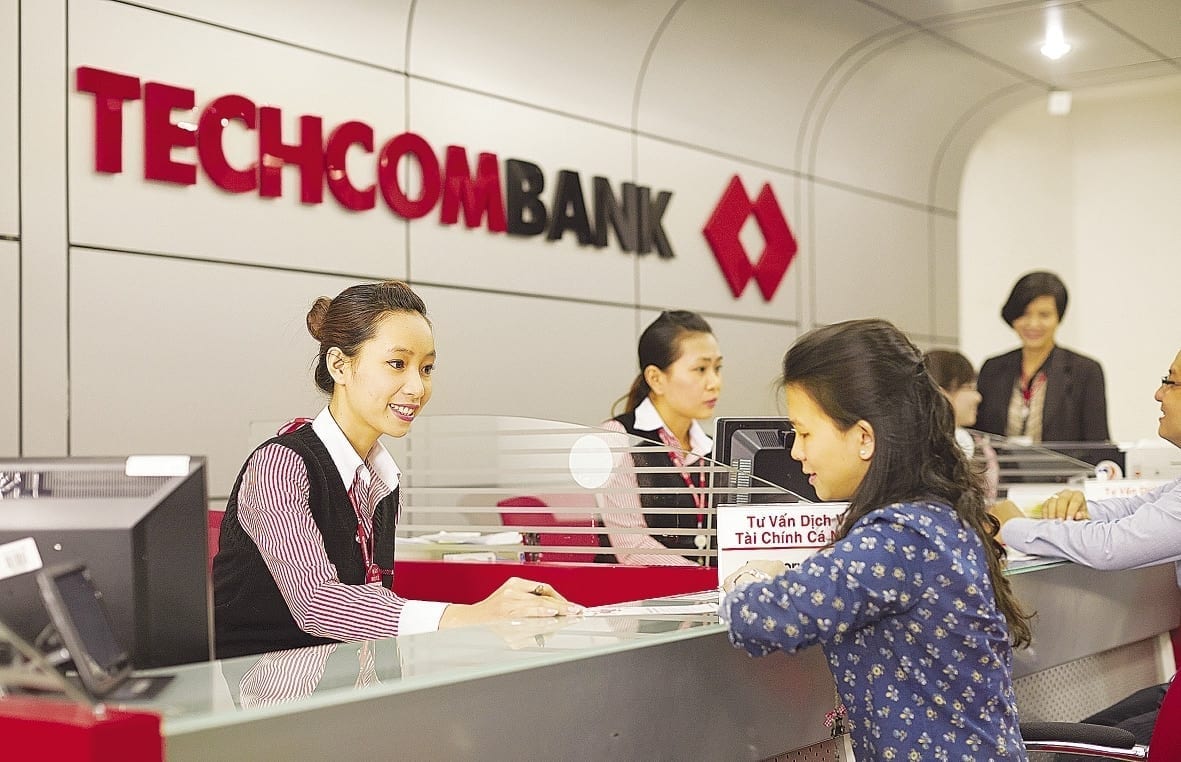
  • Techcombank Leverages Digital Finance to Tap into Vietnams $100 Billion Infrastructure Nexus

    Techcombank Leverages Digital Finance to Tap into Vietnams $100 Billion Infrastructure Nexus

    Techcombank, Vietnam Technological and Commercial Joint Stock Bank, is strategizing to bridge global capital with Vietnam’s escalating investment needs. The bank is placing digital financial infrastructure at the forefront, seeing it as a pivotal factor for the country’s next economic growth stage.

    Techcombank is expressing its aspiration to be instrumental in channeling both local and global capital towards Vietnam’s economic progression. In furtherance of its goals, it co-hosted the Vietnam Financial Forum 2026 (VFF 2026) from July 9th to 10th in Danang. The forum attracted over 350 attendees, including policymakers and executives from domestic and international financial institutions and companies.

    Modernizing Vietnam’s Capital Markets

    The forum centered on the modernization of Vietnam’s capital markets, bolstering the country’s financial infrastructure, and enhancing corporate access to capital. The country’s government aims to achieve double-digit economic growth from 2026 through to 2030.

    Digital and green finance took center stage at the forum. Delegates deliberated on how new technologies and the digital transformation of the financial infrastructure could ease capital flow and bolster Vietnamese companies.

    Techcombank CEO, Jens Lottner, in his keynote speech, pointed out that the bank’s role goes beyond conventional financing. He stated, “We are constructing the digital infrastructure that allows capital, data, and financial services to flow smoothly through the economy.” The CEO also revealed Techcombank’s goal to be Vietnam’s most reliable financial platform and to help efficiently channel domestic and international capital into sectors generating sustainable economic value.

    $100 Billion Investment Goal

    The funding of Vietnam’s rapidly expanding infrastructure needs was a key focus of the forum. Techcombank executives and representatives of their partner ecosystem discussed potential areas for the next $100 billion investment. The conversations included infrastructure, energy, and industrial development, as well as tactics to draw capital from global institutional investors.

    Techcombank emphasized mechanisms for luring foreign investment and steering international capital towards strategic Vietnamese projects. Lottner mentioned that Techcombank is ready to share its experience in developing digital ecosystems and utilizing data and technology to connect citizens, companies, investors, and public services.

    Techcombank aims to contribute its financial resources, tech expertise, and global network to the development of a more modern and transparent financial ecosystem through its participation in the Vietnam Financial Forum. The bank currently services around 18 million retail and corporate clients and operates one of Vietnam’s top digital banking platforms.

    Questions & Answers

    What is Techcombank’s primary aim in Vietnam’s economic development?
    Techcombank aims to facilitate the efficient allocation of both domestic and international capital into sectors generating sustainable economic value, leveraging digital financial infrastructure.

    What were the key areas of focus at the Vietnam Financial Forum 2026?
    The forum focused on modernizing Vietnam’s capital markets, strengthening the country’s financial infrastructure, and improving corporate access to capital. Other areas of focus included digital finance, green finance, and the role of technology in facilitating capital flow.

    What is Techcombank’s strategy for meeting Vietnam’s growing infrastructure needs?
    Techcombank intends to attract and steer international capital towards strategic projects in Vietnam. It also aims to share its experience in developing digital ecosystems and using data and technology to connect various sectors, including citizens, companies, investors, and public services.

  • SoftBank Innovates AI Infrastructure with Launch of Infrinia Cloud OS: A Game-Changer for GPU Cloud Services

    SoftBank Innovates AI Infrastructure with Launch of Infrinia Cloud OS: A Game-Changer for GPU Cloud Services

    SoftBank Corp., under the leadership of President and CEO Junichi Miyakawa, has unveiled a significant development from its Infrinia Team. This team, specializing in the creation of next-generation AI infrastructure architectures and systems, has designed the Infrinia AI Cloud OS. This is a robust software stack custom-built for AI data centers.

    Capabilities and Advantages of Infrinia AI Cloud OS

    The rollout of Infrinia AI Cloud OS provides AI data center operators with the ability to present kubernetes-as-a-service (KaaS) in multi-tenant environments. It also facilitates inference-as-a-service (Inf-aaS), which offers large language model inference via APIs. These features can be incorporated into operators’ individual GPU cloud services. Compared to custom-made or internally developed options, the software stack is anticipated to decrease total cost of ownership (TCO) and simplify operational intricacies. This facilitates a quicker deployment of GPU cloud services by providers while supporting the entire AI lifecycle, ranging from model training to inference, both flexibly and efficiently.

    SoftBank’s initial strategy is to incorporate Infrinia AI Cloud OS into its own GPU cloud offerings. In the future, the Infrinia Team plans to extend the deployment to overseas data centers and cloud platforms with the aim of achieving global acceptance.

    Meeting the Growing Demand

    The request for GPU-accelerated AI computing is escalating swiftly across various sectors including generative AI, autonomous robotics, simulation, drug discovery, and materials science. As a result, user prerequisites for AI computing have become diverse and complex. These encompass access to fully managed infrastructure with abstracted GPU bare-metal servers, cost-effective inference services which eradicate the need for direct GPU management, and sophisticated operational models where AI training is centralized and inference is deployed at the edge.

    Addressing these diverse needs places significant demands on GPU cloud service providers. Building and operating such environments call for in-depth technical know-how and involve complicated operational procedures. To surmount these hurdles, the Infrinia Team invented Infrinia AI Cloud OS. This solution maximizes GPU performance while easing the deployment and management of advanced GPU cloud services.

    Technical Aspects of the Software Stack

    The software stack’s KaaS capabilities automate the entire infrastructure stratum—from BIOS and RAID configurations to operating systems, GPU drivers, networking, Kubernetes controllers, and storage—on advanced GPU platforms such as NVIDIA GB200 NVL72. Additionally, it supports software-defined, on-demand reconfiguration of physical connectivity and memory, which allows clusters to be created, modified, or removed based on specific AI workload requirements. Automatic node allocation based on GPU proximity and NVIDIA NVLink domains further diminishes latency and enhances GPU-to-GPU bandwidth for large-scale, distributed workloads.

    The Inf-aaS component is crafted to empower users to deploy inference workloads with ease, providing scalable and efficient access to AI model inference via managed services.

    CEO Junichi Miyakawa emphasized SoftBank’s commitment to pioneering the AI era. The company aims to provide essential capabilities required for the large-scale deployment of AI in society through a new GPU cloud service and software business. The Infrinia AI Cloud OS software forms the core of this initiative, designed to seamlessly connect AI data centers, enterprises, service providers, and developers.

    Questions & Answers

    What is Infrinia AI Cloud OS?
    Infrinia AI Cloud OS is a robust software stack custom-built for AI data centers developed by SoftBank’s Infrinia Team.

    What features does Infrinia AI Cloud OS offer?
    It provides kubernetes-as-a-service (KaaS) and inference-as-a-service (Inf-aaS) capabilities. It can also be integrated into operators’ individual GPU cloud services.

    What are the benefits of Infrinia AI Cloud OS?
    Infrinia AI Cloud OS decreases total cost of ownership (TCO) and simplifies operational complexities. This facilitates quicker deployment of GPU cloud services by providers while supporting the entire AI lifecycle flexibly and efficiently.