Tag: infrastructure

  • Germany To Help Iran’s Port Infrastructure

    Germany To Help Iran’s Port Infrastructure

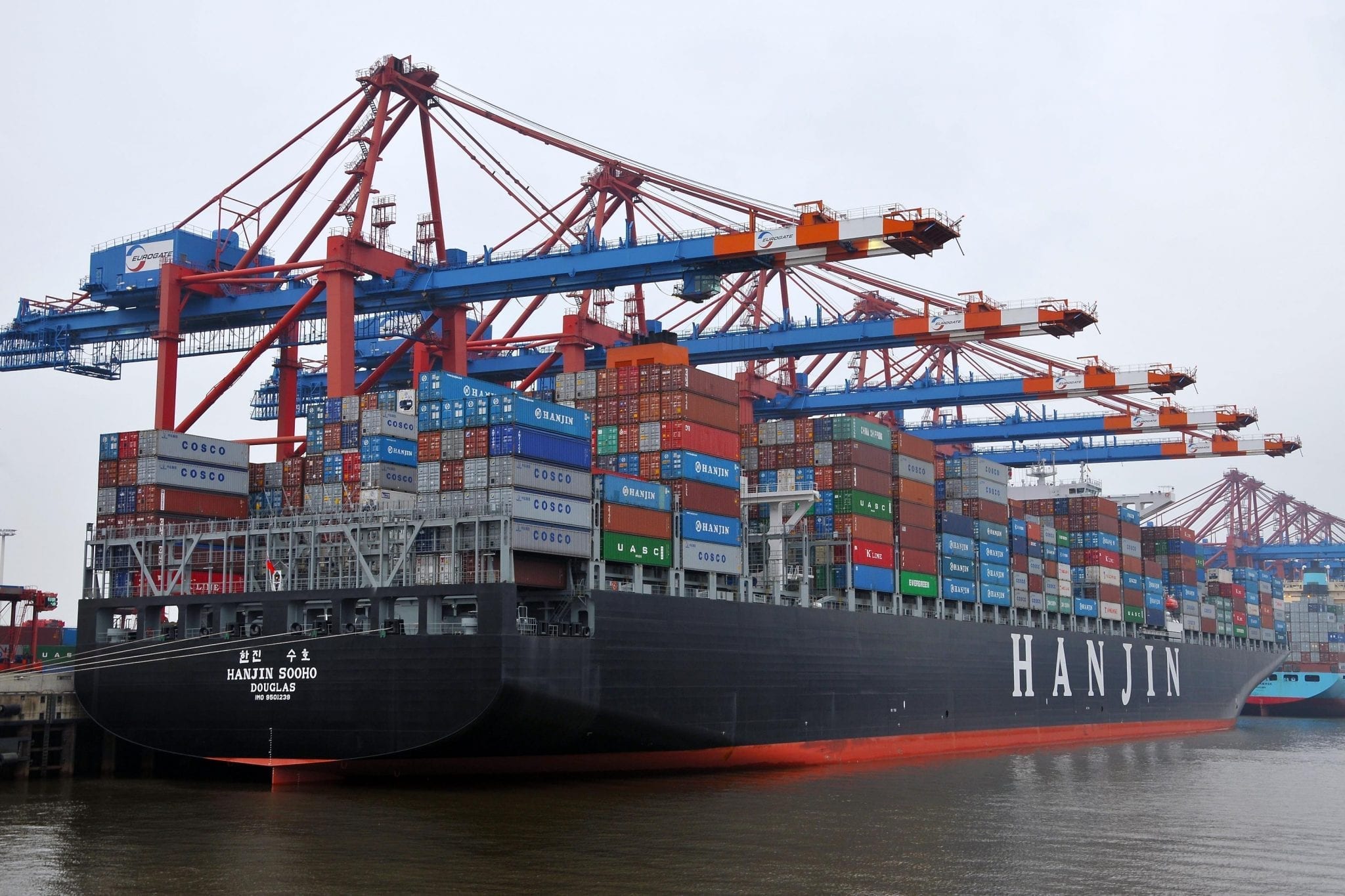
    Germany, which has been aggressively pushing for closer economic ties with Iran following the lifting of international sanctions against the latter, wants to play a pivotal role in the modernizing and upgrading of Iran’s dilapidated infrastructure and transport system. Germany signed six memoranda of understanding (MoUs) aimed at boosting transport cooperation following a late October meeting between Abbas Akhoundi, Iran’s minister of roads and urban development, and Alexander Dobrindt, Germany’s minister of transport and digital infrastructure, who led a delegation of major German shipping, port and marine companies.

    Iranian and German sources said that a German company is participating in a tender for completing two terminals at Chabahar Port in southeastern Iran, which was recently in the news because India is keen to develop it for strategic and trade reasons. German multinational Siemens is holding talks with Iran for developing suburb transport in Tehran and Tabriz, as well as the rail lines between Tehran and Tabriz.

    The lifting of sanctions against Iran has led German business executives and the shipping industry to tap what they describe as “huge business potential.” Hamburg Port, for example, has been trying to identify areas and ways to establish and upgrade ties with that country’s port facilities.

    Since the imposition of sanctions, Iran has struggled to have a normal trading relationship with the outside world. While the German industry has been euphoric – and this applies particularly to Hamburg, whose port prides itself as the “gateway to Asia” – the realities are different; indeed, access to Iran’s lucrative market is not an easy undertaking.

    Strategically located at the crossroads between the Arabian Peninsula and Central Asia, with ports in the Caspian Sea and the Gulf region, Iran is interesting for shipping lines. Iran also offers opportunities for foreign investment in important sectors such as oil and gas, electricity production, air, sea and road infrastructure, telecommunications, etc.

    Described as part of the “Axis of Evil” in 2002, Iran’s breakthrough came on January 16, 2016, when the first of the multiple layers of trade sanctions were removed, breaking the shackles that badly inhibited that country’s shipping and trade, and giving it access to huge sums of money that had been frozen under the sanctions regime.

    However, experts at a special event in Hamburg a few months back told shippers and others that only part of the sanctions had been lifted on January 16. While the ban on imports of Iranian oil and gas products, and against the country’s ship-building and shipping sectors, had been lifted along with restrictions on bank remittances, the situation remains complex in the sector of so-called “dual use” goods, which can be used both for civilian and military purposes.

    One of the first to take advantage of the lifting of sanctions was European aerospace company Airbus, which has bagged aircraft orders from Iran Air to replace its outdated A340 aircraft. The city of Hamburg, experts say, could flank trade with Iran by providing expertise in several areas, including modernization of Iran’s fleet of mercantile ships.

    US companies are not, yet, permitted to have dealings with Iran, although their associate companies in Europe can do so. However, weapons and certain police equipment are still prohibited. Also prohibited are deals with companies that are controlled by Iran’s revolutionary guards or those that have supported Iran’s atomic programme.

    Iran has been trying to recruit German companies to set up operations, particularly in the seven free trade zones in Iran for which the government has been dangling carrots in the form of incentives, including a 20-year tax holiday. Since Iran is keen to join the World Trade Organization, it has been trying to highlight the fact that many of its old agreements on trade and legal protection are in force. However, new companies to be established in Iran will be governed by certain religious laws and, as such, are required to have a Persian name or title, as Iranian legal experts have been saying during meetings with German companies. “Such a requirement can be a deterrent because many German companies are unsure what the implications would be on their business. I would suggest that companies do their homework before moving large-scale investments to Iran,” one German-Iranian told on the condition of anonymity.

    Meanwhile, Iran is in a rush to catch up with the rest of the world by modernizing its infrastructure and its economy.

    Hamburg and its port stand to benefit immensely from Iran’s opening. In 2014, German exports to Iran amounted to some €2.4 billion (approximately US$3.1 billion, in 2014 dollars), while imports from Iran were about €300 million, according to numbers from the German Statistics Bureau. Hamburg’s two-way trade with Iran amounted to roughly €214 million in the same year. International trade experts at Hamburg’s Chamber of Commerce are optimistic that German trade with Iran would double from its present level after all sanctions are lifted.

    Some 353 companies based in Hamburg already have business connections with Iran. Despite sanctions, some of these companies maintained business ties with Iran even during the embargo period. Hamburg, which is by far the world’s leading trading hub for Iranian products, including carpets, has the largest concentration – about 20,000 – of Iranian nationals or people of Iranian origin in Germany; the city hopes to resume its once flourishing trade and shipping through the Iranian diaspora.

    Another important German state interested in trade with Iran after the lifting of sanctions is Hesse, which recently sent a 40-member delegation led by Hesse minister for economics, energy and transport Tarek Al-Wazir to Iran. The trade volume between Hesse and Iran was around €212 million in 2015 (US$230 million), according to the state’s economics ministry.

    “The reputation of products and services offered by Hesse is traditionally good in Iran,” Al-Wazir said. There is huge potential in the expansion of the processing industry, the transport infrastructure and in urban development.

    During German minister for economic affairs and energy Sigmar Gabriel’s visit to Iran in early October, Gabriel’s second visit to Iran within 14 months, Iran’s oil minister had said that German banks were becoming a hindrance. “We have billions (of dollars) with which we could do good business with the Germans,” Bijan Namdar Zangeneh, the oil minister, was quoted as saying after his meeting with Gabriel in Tehran.

    The money cannot be transferred due to problems with the banks. Iran’s minister told journalists that that “is bad for us, but also bad for the Germans.”

    Germans say that although the sanctions against Iran were lifted in January, trade has not made much headway. A precluding factor is that part of the punitive measures – the so-called secondary sanctions – imposed by the United States are still in force. German and European banks are, consequently, dissuaded from financing Iran deals. In 2015, for example, Germany’s Commerzbank paid a hefty US$1.45 billion fine to US authorities because of violating American sanctions in deals with Iran. France’s large bank BNP Paris also had to pay a billion-dollar penalty.

    Iran’s economy has not done badly, with the International Monetary Fund forecasting an average growth rate of 4% for the next five years. Official Iranian projections suggest a GDP growth rate of 5% for 2016.

    Iran’s neighbour Turkey is also eyeing the opportunities unfolding in Iran; Turkey offers itself as an ideal transit point for German and other western companies wanting to enter Iran. Turkey trumpets its “manifold advantages,” particularly, for SMEs which can enjoy customs duty benefits. Turkish experts, who say that all the machinery and production tools in Iran are outdated, believe that German companies, with their past trade relationship with Iran, can look forward to a welcoming market with huge investment needs.

    Some German companies are looking at using Turkey to tap Iran’s huge business potential. Since 2014, Turkey has a preferential trade agreement with Iran. This agreement eliminates many customs duties. German companies can save customs duty twice because Turkey, a member of the European Customs Union, exempts German products from customs duty on exports to Turkey. All products shipped from Turkey to Iran are treated as Turkish products and thus spared the customs duties.

  • BT to build cloud infrastructure for Randstad

    BT to build cloud infrastructure for Randstad

    HR services provider Randstad Group has contracted BT to build a new global IT infrastructure providing cloud connectivity to more than 3,500 sites worldwide.

    The network will connect 37 countries in Europe, North- and South-America, Middle East and Asia-Pacific.

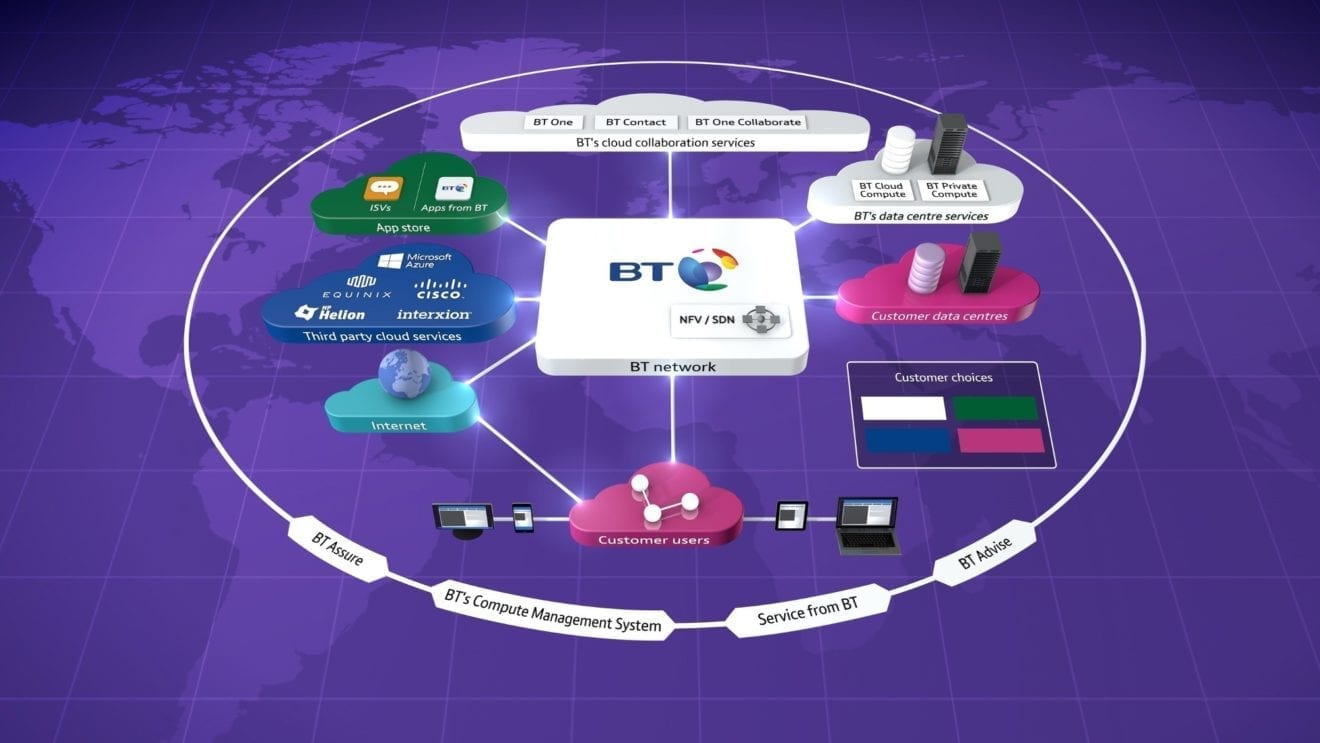
    BT will consolidate, centralize and standardize Randstad’s network infrastructure, currently sourced from multiple domestic and regional providers. The new infrastructure uses BT’s IP Connect and Internet Connect services to combine the reliability and security of IP-based VPNs with the flexibility of internet connections.

    The network infrastructure will use BT’s Cloud Connect service to deliver high performance connectivity to multiple Amazon Web Services locations. In addition, BT One Cloud will deliver cloud-based voice services for Randstad’s 33,000 employees, hosted from data centers in Europe, North America and Asia. BT will also standardize Randstad’s in-office – fixed and wireless – networks.

    “We were looking for a global network and cloud services integration partner to help us gain more control over our network estate, increase efficiencies, maximize the benefits of the cloud and help accelerate our digital transformation,” said Bernardo Payet, general manager of Randstad Global IT Solutions.

    Payet said BT will take away the burden of managing a multitude of different suppliers and make it easier for us to implement new services for our employees and customers.

    “Our ambition is to be the leading global cloud services integrator, offering customers unparalleled choice, security, resilience, speed, flexibility and agility on their digital transformation journey,” BT Global Services president of Europe and global telecom markets  Corrado Sciolla said.

  • Changi Airport Infrastructure Aimed at Competitiveness

    Changi Airport Infrastructure Aimed at Competitiveness

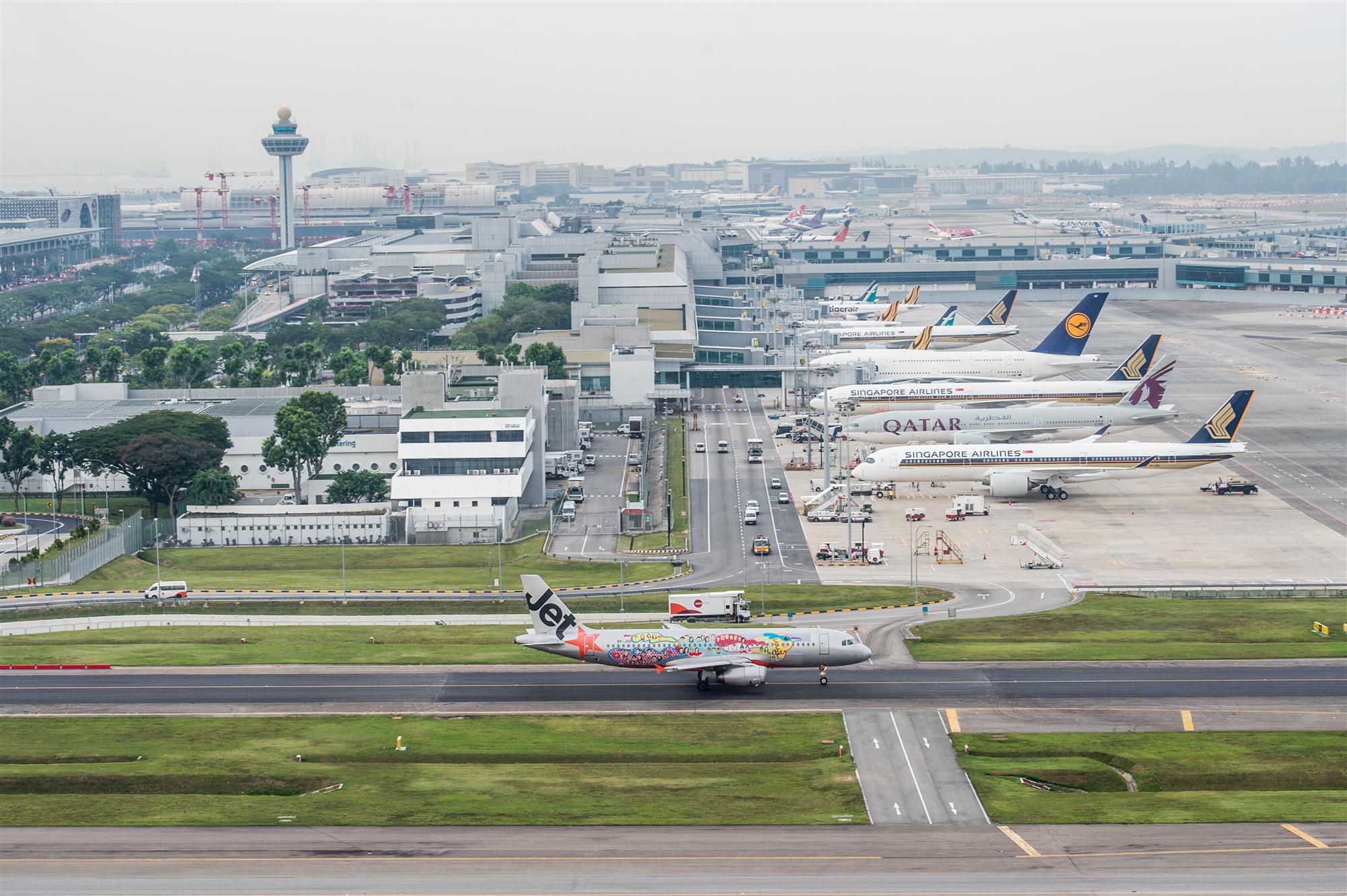
    Singapore’s Changi Airport is already one of the leading aviation hubs in the world, but to help keep it competitive against the current backdrop of sluggishness, overcapacity and decreased yields, the airport has several large-scale infrastructural upgrades in the pipeline, in both the short and the long term.

    “We look forward to two new facility openings – the DHL Express South Asia Hub and the SATS eCommerce Hub in the fourth quarter of 2016,” says Hui Hoon Phau, assistant vice president of the cargo and logistics development division at Changi Airport Group. “DHL’s 24-hour express facility will be able to support five times more flights in Singapore and three times more tonnage per day with their new hub. SATS will be the first ground handler in the world to own such an airside facility, with automated processes for single scanning and sorting to save cargo-processing time and increase efficiency.”

    Announced in March 2015, DHL’s new €85 million (US$94.8 million) express facility occupies a total land area of approximately 26,000 square metres. It will also feature DHL’s first fully automated express-parcel sorting and processing system in Singapore and South Asia.

    CAG also announced in March 2016 that it was launching a cargo community which would pursue the International Air Transport Association’s Center of Excellence for Independent Validators on Pharmaceutical Handling certification, similar to the approach adopted by Amsterdam and Brussels. Changi will be the first airport in Asia to implement such a community.

    According to CAG, it will support six companies from different parts of the supply chain to undergo the certification process: Singapore Airlines Cargo, dnata Sinagpore, Global Airfreight International, Expeditors Singapore, CEVA Logistics Singapore and Schenker Singapore.

    The Civil Aviation Authority of Singapore and the Singapore Development Workforce Agency will also jointly provide assistance grants to the company for the certification process, which includes training and independent assessments of requirements such as the capability of maintaining a cargo hold temperature range of 10-25°C, and the execution of appropriate temperature-controlled handling.

    Phau says that the pioneer group of companies is on track to complete the IATA CEIV Pharma certification by next year.

    Self Photos / Files - SIN

    Overall, air cargo traffic at Singapore has been relatively stagnant of late, at 1.83 million tonnes in 2012, 1.84 million tonnes in 2013 and 2014, and 1.85 million tonnes in 2015.

    But that could change this year. “Although cargo traffic at Changi has remained stable over the past few years, this should be viewed against the backdrop of a slowing global economy which had in turn depressed air cargo demand,” says Phau. “That being said, air cargo volume at Changi had a healthy performance in the first six months.”

    Boosted by strong performances in March, April and June, Changi handled 950,250 tonnes of air freight in the first half of 2016, a 4.2% increase compared to the same period in 2015.

    “Double-digit growth was recorded by niche cargo segments such as perishables and pharmaceuticals, continuing the strong growth from previous years,” says Phau. “With Changi’s excellent facilities and connectivity in the region, there remains potential for carriers to tap into the global demand for such niche cargo by leveraging on Changi as a transhipment hub.”

    Despite the sluggish growth of the global air freight market, the airport still managed to attract the arrival of two new freighter operators in June 2016, which saw the launch of K-Mile Air’s five-times weekly services between Bangkok and Singapore using a Boeing 737-400F, as well as Silk Way West Airlines’ commencement of twice-weekly 747-400F services between Singapore and Baku, with stopovers in Kuala Lumpur and Dubai.

    There have been new passenger flights with bellyhold cargo too, such as United Airlines’ launch of a non-stop from San Francisco with a 787-9 in June and Singapore Airlines’ launch of Airbus A350-900 flights to Dusseldorf in July 2016.

    “We remain confident in the long-term potential of the cargo business at Changi Airport,” says Phau. “To support the long term growth of Singapore’s cargo and logistics sectors, dedicated facilities for air freight and air express services, as well as MRO activities, will be developed as part of the Changi East development.”

    According to CAG, the project involves the development of a 1,080-hectare plot of reclaimed land to the east of the current airport. It will include a fifth passenger terminal, a large air freight centre and a third runway, which is currently used by the military and is to be repurposed for civilian use. The entire project is estimated to be completed in the second half of the 2020s.

    With all this investment, CAG feels that the airport is in a solid position to solidify its status as one of the major aviation hubs not just in the region, but across the world.

    “Notwithstanding the healthy air cargo performance at Changi during the first six months, we remain cautiously optimistic in the short term, given the sluggish economic growth of world trade and the uncertainty of the Brexit impact on the air freight industry,” she says. “We continue to work with our partners to strengthen Changi’s capabilities, such as our pharmaceutical handling capabilities, and pursue growth in niche segments to ensure that we are well-positioned for future growth.”

  • Cloud infra services up 52% year on year to $9.5b

    Cloud infra services up 52% year on year to $9.5b

    Worldwide cloud infrastructure services expenditure grew 52.3% year on year in Q2 2016, reflecting the ongoing adoption by businesses and expanding use of consumer-centric services, such as social media, gaming and video streaming.

    Amazon’s AWS remained the leading cloud infrastructure services provider, accounting for 30.4% of total spend, according to a new report from Canalys Research.

    Its early mover advantage, aggressive pricing, broad geographic coverage and wide range of service offerings are key factors behind its success. But it is under growing pressure from Microsoft Azure, Google Cloud Platform and IBM SoftLayer.

    Overall, these four providers represented 60.5% of total worldwide cloud infrastructure services spend.

    Daniel Lu, analyst at Canalys Research said, “The need for scalable and on-demand infrastructure is being driven by application testing, development and hosting; content delivery, big data and analytics; machine learning, IoT, disaster recovery and back-up; plus storage.”

    “But not every organization and every workload will migrate to the cloud. Cost is a major issue, but also compliance and regulations, security concerns, and application readiness are determining factors in cloud migration strategies. The adoption of hybrid cloud and on-premises solutions is prevalent as organizations seek to get the best of both worlds,” Lu noted.

    The total value of the cloud infrastructure services market was $9.5 billion in the second quarter of 2016.

    North America remained the largest market, representing 55.3% of the worldwide total, followed by EMEA at 24.7%, Asia Pacific at 15.9% and Latin America at 4.0%. For full-year 2016, Canalys predicts that the worldwide market will grow 50.3% to reach $37.8 billion.

  • Transit tasks to rework international cities

    Transit tasks to rework international cities

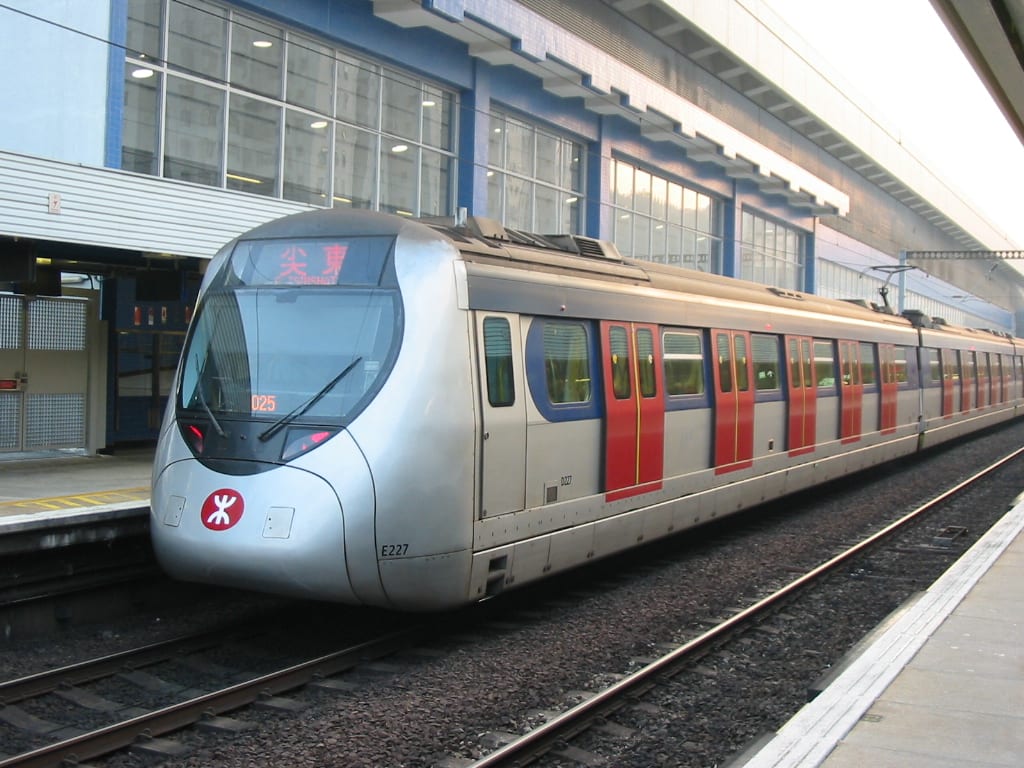
    A collection of things are converging to create international alternatives for Transit Oriented Developments (TODs) which might be metropolis altering in scale based on a brand new report from CBRE.

    Transit oriented improvement includes larger density, combined use tasks which might be adjoining to, or built-in with, public transport hubs. These tasks are sometimes master-planned to create interfaces with transport providers and have the power to revitalize underutilized precincts whereas bringing vital financial and social advantages to the broader group.

    CBRE’s report examines a variety of profitable TOD tasks across the globe, together with the Hong Kong Station redevelopment, Perth Metropolis Hyperlink in Western Australia, the King’s Cross regeneration challenge in London;,Transbay Transit Centre in San Francisco and One North Precinct in Singapore.

    The report highlights a variety of things which are creating alternatives for TOD tasks, together with growing charges of urbanisation, declining productiveness linked to elevated journey occasions, a rising authorities concentrate on public transport/decentralisation and higher sophistication in venture and infrastructure funding.

    Key findings embrace the essential position that authorities our bodies play in profitable TOD outcomes, the attraction these developments have for each residents and the enterprise group, and the alternatives inherent in a lot of these tasks.

    Henry Chin, Hong Kong-based head of analysis, Asia Pacific, with CBRE, stated TOD tasks have the capability to deal with most of the challenges dealing with main cities in developed economies because of a speedy improve in urbanisation.

    “A profitable TOD will obtain a considerable shift from personal automobiles to public transport, whereas enhancing livability and native employment alternatives.”

    CBRE’s report highlights that authorities imaginative and prescient and sponsorship is essential in facilitating TOD tasks given the position that public transport performs in addressing the long run sustainability of main cities – particularly points corresponding to visitors congestion, journey occasions, housing affordability and air pollution.

    Chin added: “Whereas TOD tasks are extra complicated than typical brownfield or greenfield mixed-use tasks, the advantages clearly warrant the trouble in addressing the challenges. Authorities facilitation is crucial and may take numerous types, together with the supply and rezoning of applicable websites, offering improvement certainty, immediately funding transport infrastructure and coordinating points with the related authorities. “

    The power to draw enterprise occupiers is one other key component of a profitable TOD venture, therefore the essential want for linkages to public transport.

    “Companies are requiring work environments which each appeal to and retain staff. The mixed-use nature of TODs creates activated precincts with retail and leisure providers for workers. TOD places additionally scale back enterprise demand for automotive parking, which in flip reduces challenge development prices and leasing prices for occupants,” Chin stated.

    Nevertheless, CBRE’s report spotlight that incentives can also be required to draw tenants, as illustrated by the long run tax incentive schemes and rental subsidies provided in Singapore to facilitate the One North Precinct.

    One other discovering is that TODs in established markets inside inside and center ring suburbs have a larger probability of success.

    Chin concluded: “Going ahead, TODs may have a dramatic influence on shaping cites, in Asia and at a worldwide degree, as governments give attention to crucial public transport infrastructure initiatives.”