Tag: Innovation

  • Tim Hortons China Welcomes New CEO Kwok Wah Cheung to Harness Growth and Innovation

    Tim Hortons China Welcomes New CEO Kwok Wah Cheung to Harness Growth and Innovation

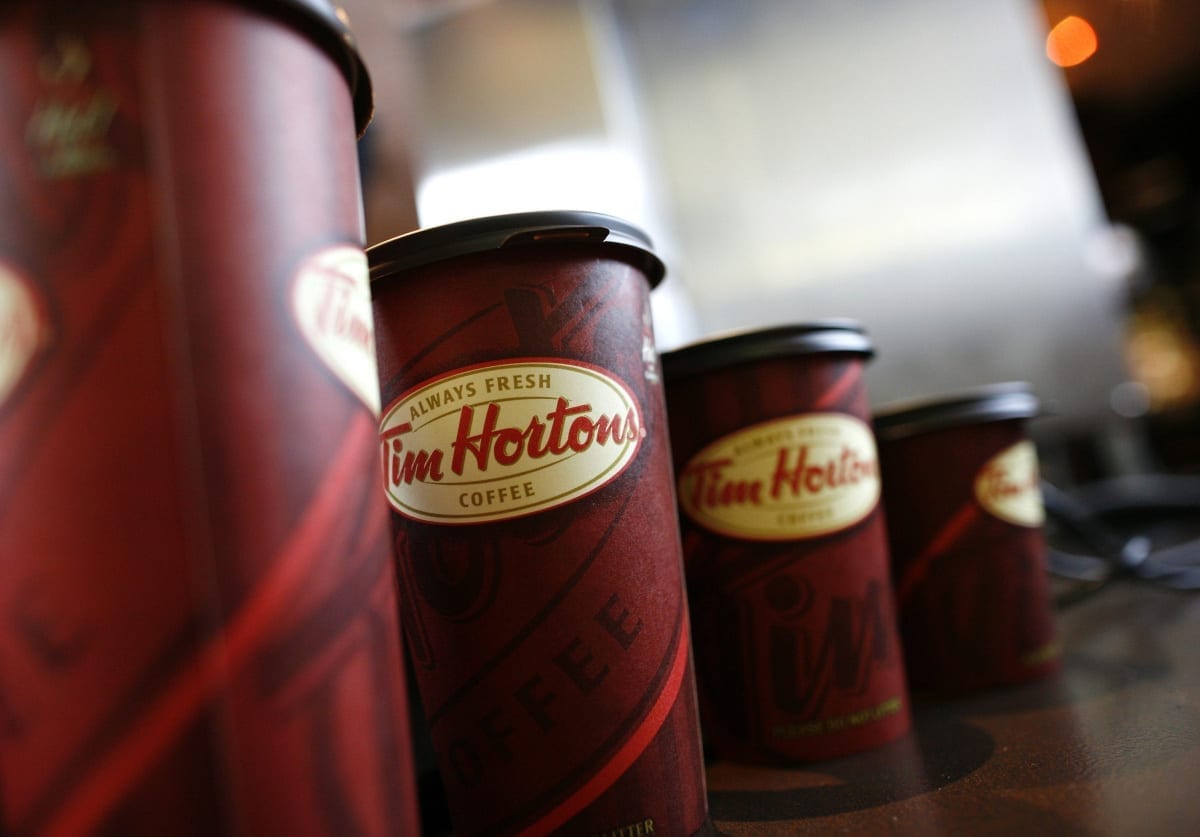
    TH International, the parent company of Tims China, master franchisee of Tim Hortons coffee shops, has announced the appointment of Kwok Wah Cheung as its new CEO, effective June 15.

    Experience and Expertise

    Cheung brings his wealth of experience to this new role, having held leadership positions at various major consumer businesses in China for over two decades. His past roles include CEO of Supor, an appliance and cookware manufacturer; executive director of dairy company China Feihe; chairman and CEO of Nestlé’s Greater China Region; and global president of Wyeth Nutrition.

    In his new capacity, Cheung will oversee the company’s overall operations and the execution of the board’s strategic directives. His focus areas include intensifying localization efforts, fostering continuous innovation, expanding the loyalty club, and enhancing customer convenience through optimized store layouts and the integration of digital and delivery services.

    Leadership Transition

    As part of this management transition, the incumbent CEO, Yongchen Lu, will relinquish his position and take on the role of company chairman. Simultaneously, the current chairman, Peter Yu, will step down from his position and remain as a director.

    In his new role as chairman, Lu will work closely with Cheung to facilitate a seamless transition and continue delivering value to all stakeholders.

    Tims China launched its inaugural store in 2019 and has since expanded rapidly, boasting 1,026 system-wide stores in 93 cities across mainland China by the end of March this year. The company’s loyalty club community currently exceeds 35 million members.

    Questions & Answers

    Who is the new CEO of TH International?
    Kwok Wah Cheung has been appointed as the new CEO of TH International.

    What will be the primary focus of the new CEO?
    Cheung will focus on localisation, innovation, loyalty club expansion, and enhancing convenience via optimized store formats and digital integration.

    What role will former CEO Yongchen Lu assume?
    Yongchen Lu will step down as CEO and assume the role of company chairman.

  • Ferrero Expands Beyond Sweets: Innovation and Brand Extension Fuel Retailer Growth Opportunities

    Ferrero Expands Beyond Sweets: Innovation and Brand Extension Fuel Retailer Growth Opportunities

    Ferrero, a globally recognized confectionery brand, is venturing into new categories, offering retailers a chance to expand their growth. The company’s commitment to quality, local manufacturing, and exceptional execution is supporting this expansion. As Ferrero broadens its reach, it is capturing growth across diverse formats and consumption opportunities.

    Expanding Beyond Confectionery

    Ferrero’s move beyond confectionery into the broader packaged food sector was revealed by Nick Dawes, Sales Director at Ferrero Australia. Dawes emphasized that this expansion is not just about introducing new products, but also about unlocking new occasions and driving incremental growth. This strategy is reinforced by strong brand equity, innovation, and a continued dedication to quality, which facilitates recognition, trial, and repeat purchases across categories. Ferrero is capitalizing on its established trust among shoppers as it extends its brands into new categories.

    A significant development area for Ferrero is frozen desserts, where the company is making its mark with brands like Ferrero Rocher, Raffaello, Kinder Bueno, and Kinder Chocolate Ice Cream. These brands offer new consumption opportunities and support incremental growth. Nutella, another iconic Ferrero product, is contributing significantly, with its range now including spreads, biscuits, and frozen bakery items. These additions encourage cross-category purchases and increase basket value, supported by Ferrero’s local manufacturing facility in Lithgow. The Lithgow facility is also championing sustainable production while maintaining high-quality standards.

    Embracing Sustainable Manufacturing

    The Lithgow site recently installed a vertical electric hazelnut roaster, a global first, which has cut gas usage by almost 90%. Additionally, a rooftop solar array provides up to 20% of the facility’s electricity, demonstrating Ferrero’s commitment to continuous improvement and emission reduction in its manufacturing process.

    Recognizing shifting consumer preferences, Ferrero is innovating with targeted products such as Tic Tac Two Sugar Free and expanding into the health-conscious segment with Fulfil Protein Bars. Kinder, another beloved brand, is also evolving with new formats and product innovations, catering to different life stages and consumption occasions without compromising on quality.

    As Arslan Shah, ANZ Head of Supply Chain, points out, execution is crucial. Enhancements in demand planning, forecasting, and logistics flexibility are improving product availability and in-store performance. Ferrero is working on managing demand fluctuations more efficiently to ensure that products are available when and where customers expect them.

    With its strong brand equity, focus on quality, ongoing innovation, and commitment to sustainable manufacturing, Ferrero is well-positioned to assist retailers in achieving sustainable, long-term growth beyond confectionery.

    Questions & Answers

    What new categories is Ferrero venturing into?
    Ferrero is expanding into broader sweet-packaged food categories, frozen desserts, and health-conscious options.

    How is Ferrero’s Lithgow manufacturing site contributing to sustainable production?
    The site has installed a vertical electric hazelnut roaster that reduces gas usage by nearly 90% and a rooftop solar array that generates up to 20% of the site’s electricity needs.

    What strategies is Ferrero employing to handle demand fluctuations?
    Ferrero is combining stronger planning with a flexible logistics model to build a resilient and responsive supply chain.

  • Experience the Fusion of Innovation and Tradition at Hermes’ Revamped Sogo Fuxing Store in Taipei

    Experience the Fusion of Innovation and Tradition at Hermes’ Revamped Sogo Fuxing Store in Taipei

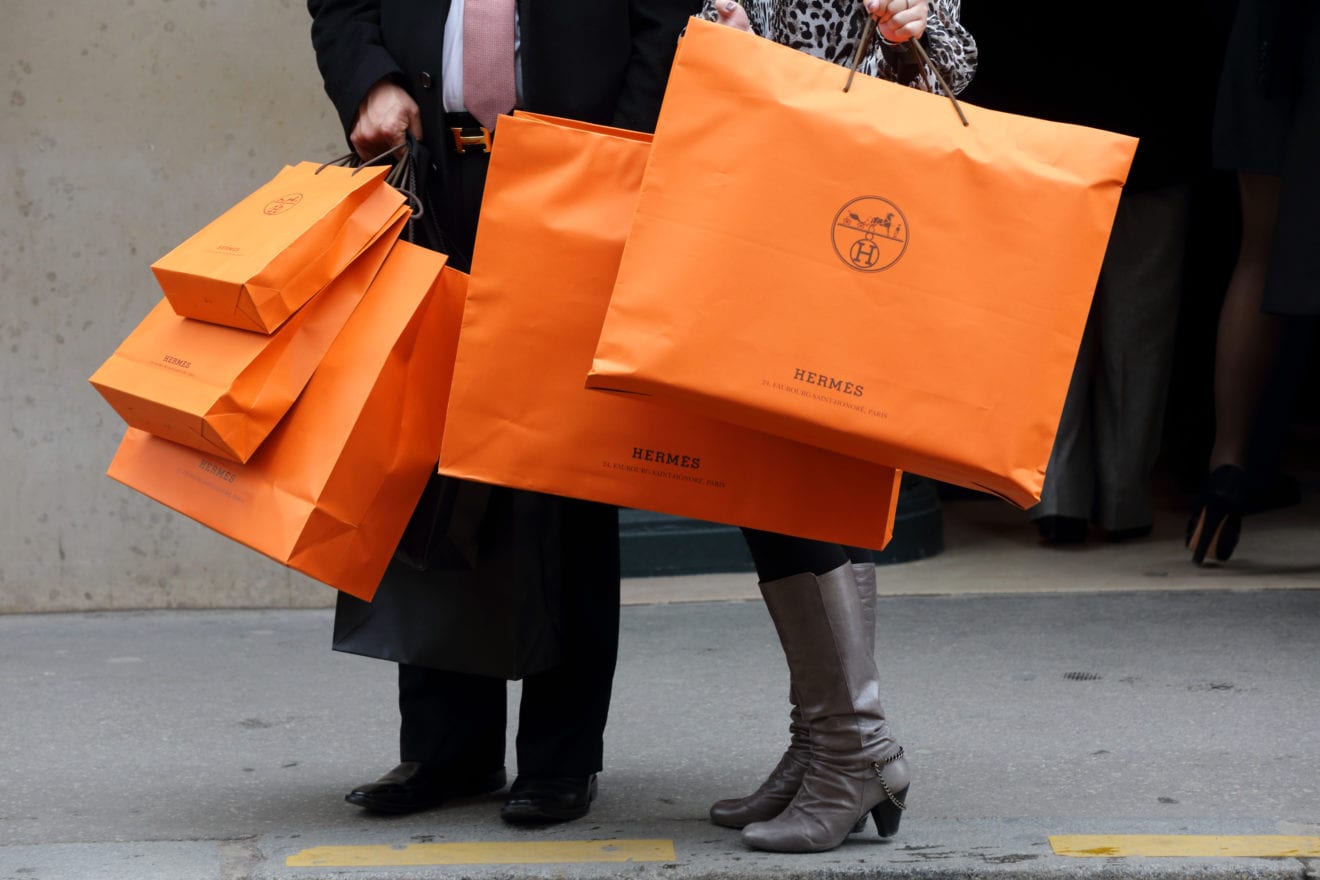
    The luxury brand Hermès recently celebrated the grand reopening of its outlet located in Sogo Fuxing Mall, Taipei. This event comes after a considerable period of renovations, reflecting the brand’s innovative and dynamic spirit that mirrors the vibrant essence of the city.

    Originating in 2007, the three-tiered store now boasts a modern look with its ceramic tile facelift. The French architectural firm, RDAI, is the mastermind behind the redesigned aesthetics of the Hermès store.

    Upon entering the establishment, visitors are instantly enveloped by a luxurious universe of silk. The space is tastefully arranged with fashion jewelry displays on the right and an enticing array of perfumes and beauty products on the left. Enhancing this opulent ambiance is the house’s signature Grecques lighting, adding a refined touch to the overall shopping experience.

    The redesign also features screen walls to define the space and accentuate Hermès’ commitment to local artisans. These walls are adorned with intricate thread compositions crafted locally and blended with Hermès silk offcuts, showcasing the brand’s marriage of traditional craftsmanship with contemporary design.

    As customers delve deeper into the store, they will come across an intimate and exclusive section dedicated to the brand’s exquisite jewelry and timepieces.

    Art connoisseurs will appreciate the store’s unique collection of artworks sourced from the Emile Hermès collection, as well as the Hermès ‘Collection of Contemporary Photographs’. These carefully curated pieces add an artistic touch, rendering the store not just a shopping destination, but a place of inspiration and creativity.

    In conclusion, Hermès stated: “This revitalized store welcomes both our loyal patrons and newcomers alike to explore Hermès’ timeless creations and craftsmanship within a bold, innovative setting.”

    Questions & Answers

    When was the Hermès store in Sogo Fuxing Mall, Taipei, first opened?
    The Hermès store in Sogo Fuxing Mall, Taipei, initially opened its doors in 2007.

    Who was behind the renovation and redesign of the Hermès store?
    The renovation and redesign of the Hermès store were carried out by the French architecture agency, RDAI.

    What unique features does the renovated Hermès store offer to its customers?
    The renovated Hermès store offers a luxurious shopping experience with its silk universe, fashion jewelry, perfumes and beauty products. It also showcases locally crafted thread compositions and a selection of artworks from the Emile Hermès collection and the Hermès ‘Collection of Contemporary Photographs’.

  • LVMH Navigates Middle East Tensions: Q1 Revenue Slips but Expansion and Innovation Remain Steady

    LVMH Navigates Middle East Tensions: Q1 Revenue Slips but Expansion and Innovation Remain Steady

    In the first quarter, LVMH reported revenues of €19.1 billion (US$22.4 billion), marking a decrease of 6%. This decline is largely attributed to various geopolitical tensions impacting business operations across the globe.

    Geopolitical Impacts on Revenue

    LVMH noted that its robust presence in key markets, specifically in the US and Asia, significantly helped in mitigating the disruptions arising from economic instability and conflict in the Middle East.

    Performance Across Different Business Segments

    Looking at the performance of various business segments, wines and spirits showcased revenues of $1.49 billion, showing a decrease of 2% as compared to the previous year. The fashion and leather goods segment, which is the largest division of the group, witnessed a revenue of $10.8 billion, marking a decline of 9%.

    Simultaneously, revenues from perfumes and cosmetics amounted to $2.39 billion, representing a drop of 6%, while watches and jewellery brought in $2.86 billion, a decrease of 2%.

    Expanding Retail Network and Portfolio Optimization

    Furthermore, LVMH has been proactive in expanding its retail network, especially in the UK, and advancing portfolio optimization initiatives within its duty-free business. DFS, a division of LVMH, entered into an agreement with China Tourism Group Duty Free to vend its Greater China operations, which includes the Gallerias located in Hong Kong and Macau. The group also offloaded airport concessions in Los Angeles and San Francisco to Duty Free Americas.

    In spite of the challenging geopolitical and economic environment, mainly due to the conflict in the Middle East, the company remains watchful yet confident.

    LVMH said, “The group stays committed to the growth of its brands, propelled by a consistent policy of innovation and investment along with a continuous pursuit for quality in its designs, their appeal, and their selective distribution.”

    Questions & Answers

    What was LVMH’s reported revenue in the first quarter?
    LVMH reported revenue of €19.1 billion (US$22.4 billion) in the first quarter.

    Which business segment is LVMH’s largest division, and how did it perform?
    LVMH’s largest division is its fashion and leather goods segment, which reported a revenue of $10.8 billion, marking a decline of 9%.

    What is LVMH’s outlook amidst the challenging geopolitical and economic environment?
    Despite the challenging conditions, LVMH remains vigilant yet confident. The group is committed to the growth of its brands, propelled by a consistent policy of innovation and investment and a continuous pursuit of quality in its designs.

  • Beatrice Goasglas Takes the Helm at Tag Heuer: LVMH’s New CEO to Drive Innovation and Elevation

    Beatrice Goasglas Takes the Helm at Tag Heuer: LVMH’s New CEO to Drive Innovation and Elevation

    Luxury goods multinational corporation LVMH has announced the appointment of Béatrice Goasglas as the new CEO of its premium watch label, Tag Heuer. The appointment will take effect from May.

    Professional Background of the New CEO

    Goasglas has been with Tag Heuer since 2018, during which time she has occupied several pivotal positions. Her most recent role was that of the president of Tag Heuer Americas, which followed tenures as the vice president of digital and client experience and the managing director of Tag Heuer Asia Pacific.

    Role Expectations and Responsibilities

    In her new capacity as CEO, Goasglas is expected to leverage her considerable understanding of the brand’s legacy and workforce to further its ongoing development and innovation initiatives. These efforts will be directed at enhancing the brand’s collections and strategic partnerships. One of the key relationships under Goasglas’s stewardship will be with Formula 1.

    Executive Statements

    Stéphane Bianchi, the managing director of LVMH Group and CEO of LVMH Watches & Jewelry, expressed his enthusiasm for Goasglas’s new role. Bianchi believes that Goasglas’s comprehensive understanding of the brand, along with her leadership skills and unwavering dedication, will empower Tag Heuer to scale new milestones. Bianchi is confident that Goasglas will guide the brand to continue representing the finest standards of watchmaking quality and the innovative spirit that is so integral to the brand’s identity.

    Earlier this year, LVMH named Francois Kohler as president of South and Southeast Asia. Kohler took over the role from Chris Chong.

    Questions & Answers

    Who is the new CEO of Tag Heuer?
    Béatrice Goasglas has been appointed as the new CEO of Tag Heuer.

    When does Béatrice Goasglas’s tenure as CEO commence?
    Goasglas’s appointment as CEO of Tag Heuer will be effective from May.

    What role did Béatrice Goasglas hold at Tag Heuer prior to becoming CEO?
    Before stepping into her new role as CEO, Goasglas was the president of Tag Heuer Americas.

  • Revolut Set to Triple Singapore Workforce: Spearheading Fintech Innovation and Regional Expansion

    Revolut Set to Triple Singapore Workforce: Spearheading Fintech Innovation and Regional Expansion

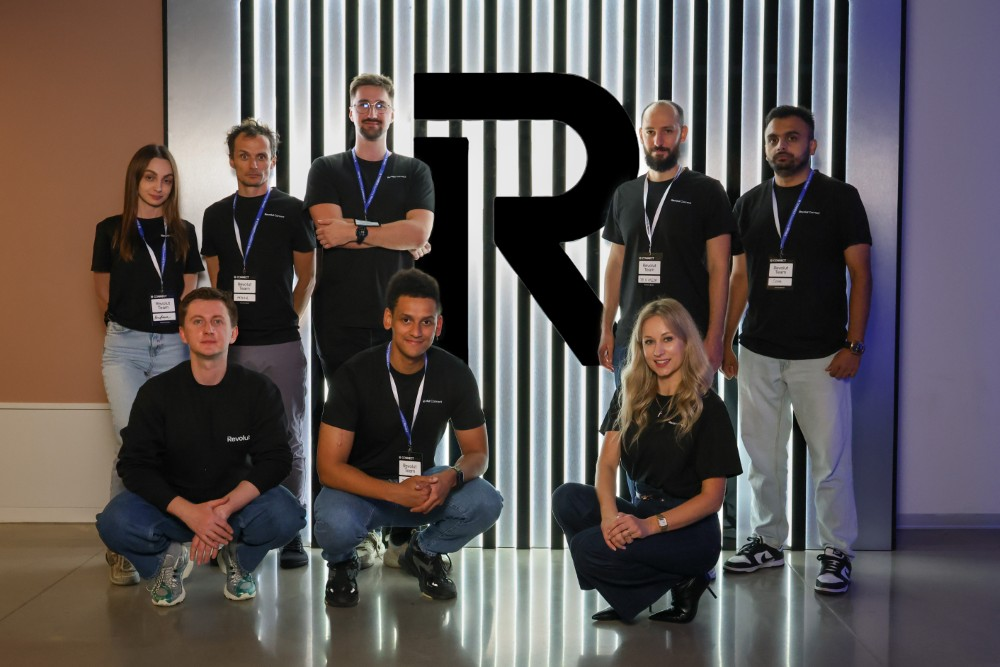
    Revolut, a leading fintech company based in London, has announced its intention to triple the size of its workforce in Singapore over the next few years. This decision is primarily aimed at bolstering product innovation and facilitating regional expansion.

    The fintech giant is collaborating closely with the Singapore Economic Development Board (EDB) and its investment division, EDBI. This partnership has been instrumental in the company’s growth, with the number of employees in Singapore having doubled between 2024 and 2025.

    Revolut’s expansion initiatives extend beyond Singapore. The firm recently established its global tech hub in Manila, and it is currently studying the possibility of venturing into several other markets across Asia.

    Revolut is highly optimistic about its long-term prospects in Asia, viewing Singapore as a pivotal point for its regional activities. Victor Stinga, Revolut’s Chief Financial Officer, lauded the strategic investment from EDBI. According to Stinga, this investment validates Revolut’s ambitious plans in Asia and emphasizes Singapore’s crucial role in these plans.

    Furthermore, the backing from EDBI enhances Revolut’s ability to invest with both ambition and discipline. By doing so, the company aims to escalate its product capabilities, deepen its regional presence, and build robust operations to support its steady growth.

    Questions & Answers

    What are Revolut’s plans for its Singapore workforce?
    Revolut intends to triple its workforce in Singapore within the next few years to support product innovation and regional expansion.

    How has the partnership with the Singapore Economic Development Board (EDB) and EDBI impacted Revolut’s growth?
    The partnership has been instrumental in Revolut’s growth, helping it to double its headcount in Singapore between 2024 and 2025.

    What are Revolut’s expansion plans in Asia?
    In addition to tripling its workforce in Singapore, Revolut has recently launched a global tech hub in Manila and is evaluating the possibility of expanding into several other markets across Asia.

  • L’Oréal Pledges $383M for Indian Beauty Tech Hub: A Leap into AI-Driven Innovation and Job Creation

    L’Oréal Pledges $383M for Indian Beauty Tech Hub: A Leap into AI-Driven Innovation and Job Creation

    L’Oréal, the French cosmetics powerhouse, announced on Wednesday plans to establish a beauty technology hub in Hyderabad, a major city in southern India, supported by an initial investment surpassing 35 billion rupees (approximately US$383.4 million).

    The planned tech hub is anticipated to serve as a global hotbed for AI‑driven beauty innovation. L’Oréal aims to generate 2000 tech employment opportunities by 2030 and expedite the deployment of advanced AI beauty solutions, according to a company statement.

    The agreement detailing this new venture was officially established at the World Economic Forum in Davos by Nicolas Hieronimus, L’Oréal’s CEO, and the state government of Telangana.

    Over recent years, Telangana has swiftly risen to prominence as a crucial investment and technological epicenter in southern India.

    Trade relations between India and France have been steadily strengthening, with bilateral trade reaching $15 billion in 2024. This warming relationship is further evidenced by ongoing discussions between Indian Prime Minister Narendra Modi and French President Emmanuel Macron.

    In addition, both nations have been cooperating since 2024 to revamp their tax treaty. The aim is to modernize the agreement by integrating global standards concerning tax transparency.

    Questions & Answers

    What is the purpose of L’Oréal’s planned tech hub in Hyderabad?
    The tech hub is intended to be a global platform for AI-driven beauty innovation. It is also expected to create 2000 tech jobs by 2030 and facilitate the introduction of advanced AI beauty solutions.

    Who formalized the agreement for this new project?
    The agreement was formalized by Nicolas Hieronimus, L’Oréal’s CEO, and the state government of Telangana at the World Economic Forum in Davos.

    What major economic changes are being pursued by India and France?
    India and France have been collaborating since 2024 to update their tax treaty. This revision aims to modernize the contract by incorporating global standards on tax transparency.

  • Tiffany Chen Takes the Helm at Coles 360: A New Era of Retail Media Innovation Begins

    Tiffany Chen Takes the Helm at Coles 360: A New Era of Retail Media Innovation Begins

    Tiffany Chen has recently been named General Manager for Coles 360, ushering in a fresh period for the retail media arm of Coles Group.

    Tiffany Chen’s Appointment

    The new appointment comes along with Coles 360’s transition into its next developmental phase. Michael Courtney, the Chief Customer Experience Officer at Coles, expressed his faith in Chen’s retail media expertise and its potential to guide the business’s future path. Chen’s extensive international experience and nuanced understanding of both Coles and the Australian retail media market, according to Courtney, equips her to spearhead the next phase of the enterprise and bolster the outcomes for the supplier partners of Coles 360 starting this year.

    Courtney emphasized Coles 360’s clear vision, which is to establish a gold standard for retail media performance in Australia. He voiced his confidence in Chen’s leadership skills, coupled with the existing momentum, to elevate their network to unforeseen heights.

    Chen’s Role and Past Experience

    As Coles 360 embarks on a series of enhancements, including amplified reporting and measurement, scalable performance capabilities, and the burgeoning of advertising offerings, Chen steps in. Her experience spans a decade of work with McKinsey & Company, a global management consulting firm. As a founding member of the company’s Retail Media Network practice, Chen has supported numerous businesses in the development and global scaling of their retail media networks.

    Chen expressed optimism in Coles 360’s position to generate new opportunities for partners and design more effective strategies to engage customers as the new year commences. She expressed her enthusiasm towards expanding upon the already robust foundations and contributing to the next chapter of retail media innovation.

    Impact on Coles Group

    Coles 360 continues to be a significant contributor to the growth of Coles Group, yielding measurable brand and performance results for supplier partners. Coles Group has also recently announced additional developments, including acquiring site leases with the approval of the Australian Competition and Consumer Commission (ACCC).

    Questions & Answers

    What is the vision for Coles 360 under Tiffany Chen’s leadership?
    The vision for Coles 360 is to set the benchmark for retail media performance in Australia. Chen’s international experience and understanding of Coles and the Australian retail media market are expected to guide the business’s future direction.

    What improvements does Coles 360 plan to undertake?
    Coles 360 plans on a series of enhancements, which include amplified reporting and measurement, scalable performance capabilities, and the development of advertising offerings.

    What role did Tiffany Chen play at McKinsey & Company before joining Coles 360?
    Before joining Coles 360, Chen was a founding member of McKinsey & Company’s Retail Media Network practice, where she supported businesses in building and scaling their retail media networks globally.

  • Experience a Blend of Tradition and Innovation at Lego’s Largest Store in South Korea, Now Open in Seoul

    Experience a Blend of Tradition and Innovation at Lego’s Largest Store in South Korea, Now Open in Seoul

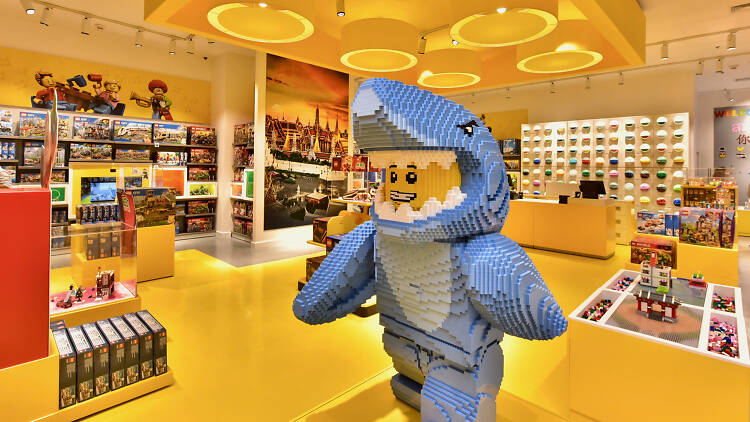
    Lego has inaugurated its biggest retail outlet in Yongsan, Seoul, South Korea, with an objective to increase its attractiveness for millennial and Generation Z consumers.

    Store Overview

    The flagship location spans an expansive 396 square meters and showcases a vibrant fusion of traditional and modern elements under its “K-culture” theme.

    Exhibits and Features

    The store features a variety of large-scale Lego installations. These include a massive five-meter wide ‘Irolobongdo’ mosaic and a detailed diorama of Gwanghwamun and Geunjeongjeon, constructed using over 185,000 Lego bricks. The installations draw inspiration from various elements of Korean culture, including the Gwangjang Market and the country’s popular fried chicken.

    Interactive Zones

    In addition to the exhibits, the store also offers interactive areas for visitors. The Pick-a-Brick Zone allows customers to choose from a variety of Lego bricks in different shapes and sizes. The Build Your Own Minifigure Zone provides an opportunity for visitors to design and create their own custom mini figures. Free assembly is offered at brick play tables within the store.

    Future Plans

    Lego has expressed plans to continuously revamp and innovate, with an aim to ensure new experiences for visitors each time they visit the store. The company has announced year-end festive events as part of their initial initiatives to bring this vision to life.

    Questions & Answers

    What is the size of the new Lego store in Yongsan, Seoul?
    The Lego store in Yongsan, Seoul spans an expansive 396 square meters.

    What are the interactive areas in the new Lego store?
    The store offers a Pick-a-Brick Zone, where customers can select from a variety of Lego bricks, and a Build Your Own Minifigure Zone, where visitors can create custom mini figures.

    What does the future hold for this new Lego store?
    Lego has expressed its commitment to continuously evolve and innovate, ensuring new experiences for visitors every time they visit. The company’s plans include hosting festive year-end events.

  • HSBC Fuels Singapore’s Startup Boom: A Billion-Dollar Bet on Global Innovation Dominance

    HSBC Fuels Singapore’s Startup Boom: A Billion-Dollar Bet on Global Innovation Dominance

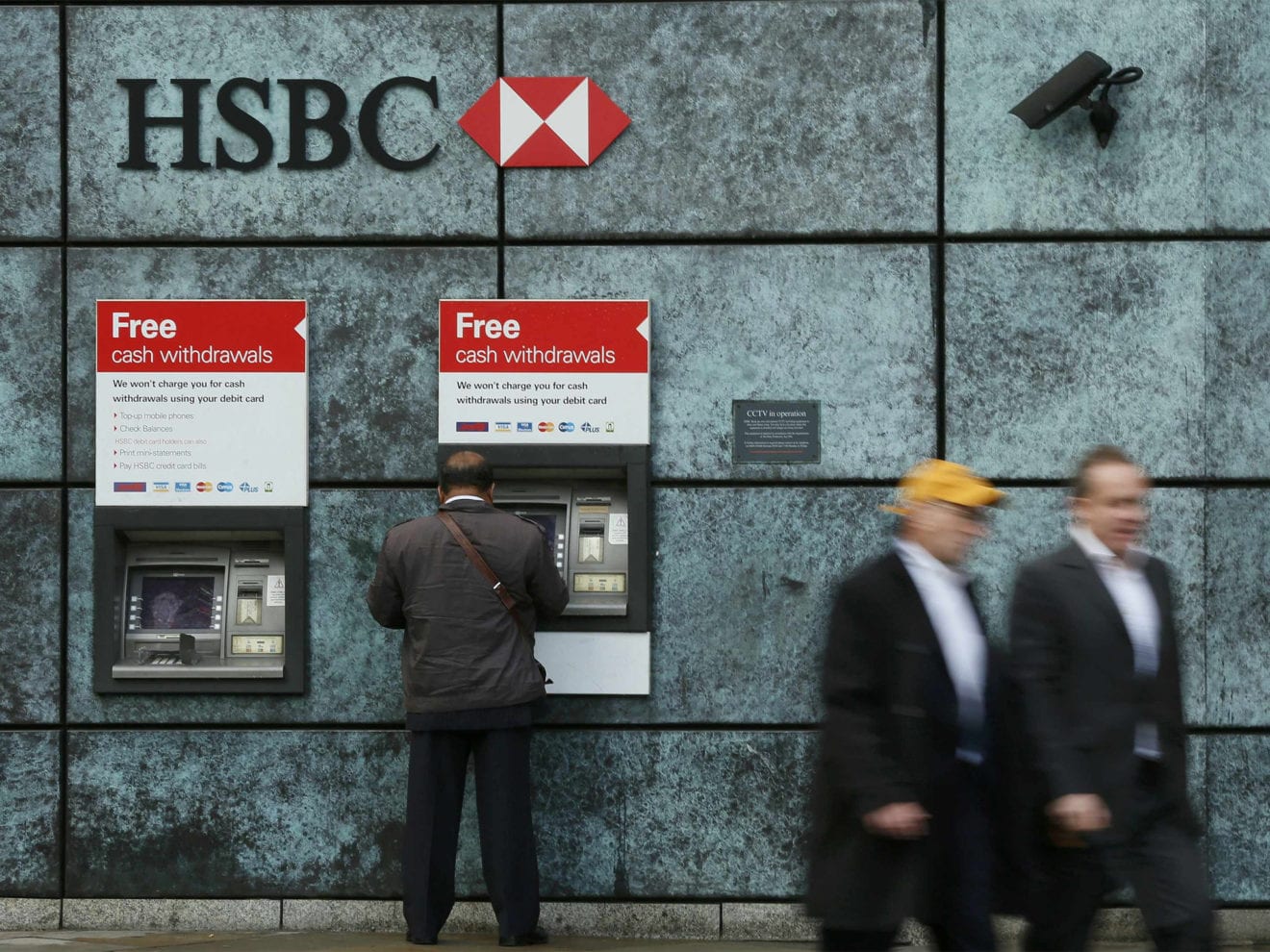
    As Singapore further cements its position as a worldwide hub for innovation, HSBC is strategically situating itself at the forefront of this transformation.

    HSBC’s group chief executive, Georges Elhedery, has recently expressed that innovation, technology, and artificial intelligence will drive economic growth. He emphasized that banks must adopt a proactive approach in providing financial support to start-ups and scaling companies.

    This standpoint coincides with the rising global recognition of Singapore’s start-up ecosystem and the rapid international expansion of venture-backed firms.

    The Crucial Role of Banks in Innovation

    Elhedery regards start-ups as the pivotal driving force for future GDP growth. He points out that while advanced technology only accounts for four percent of the US GDP, it contributes to an impressive ninety-two percent of the country’s GDP expansion.

    He stresses the importance for financial institutions to back these high-growth firms, despite the heightened credit risks. Elhedery firmly believes that leveraging and applying the bank’s expertise in this ecosystem is of utmost importance.

    Singapore’s Strategic Importance to HSBC’s Global Ambitions

    HSBC considers Singapore as a significant player in its Asia-Pacific aspirations. The bank is developing group-level competencies from Singapore, introducing services such as blockchain-based tokenised deposits that offer 24/7 real-time settlements.

    “Singapore plays an essential role in HSBC’s international strategy,” states Elhedery. He underscores the bank’s ambition to emerge as the leading global institution in corporate banking, institutional banking, wealth management, and innovation banking.

    HSBC’s Response to Start-ups’ Global Expansion

    As an increasing number of Singaporean start-ups scale globally, HSBC observes a surge in demand for financing through its international network. The bank’s newly established innovation banking division in Singapore aims to bridge a long-standing market gap by offering sector expertise, specialised products, and customised financing solutions to venture-backed firms.

    HSBC has committed US$1.5 billion in funding to high-growth firms in Singapore. The bank’s lending decisions are steered by its close interactions with founders and their investors.

    Targeting Founders’ Wealth

    Apart from corporate banking, HSBC is also focusing on the wealth of founders. Nearly two-thirds of its worldwide private banking clients in Singapore are entrepreneurs. The bank provides guidance on pre-exit planning, IPO preparation, succession strategies, and curated networking through initiatives like the Innovation Exchange.

    A global HSBC report in 2025 identified Singapore as the most appealing hub for entrepreneurial wealth worldwide. Fifteen percent of entrepreneurs plan to relocate their assets to Singapore, with 12% considering moving their residence.

    Positioning for Sustainable Growth

    For HSBC, innovation banking presents both a commercial prospect and a long-term strategic move. As Singapore strengthens its stature as a global innovation hub, the bank aims to be the go-to partner for high-growth companies, their investors, and founders.

    Elhedery clearly articulates this goal, “Our involvement in the innovation ecosystem is crucial for nurturing the businesses of the future.”

    Questions & Answers

    What is the role of banks in financing start-ups and scaling companies?
    Banks, according to HSBC Group CEO Georges Elhedery, must actively finance start-ups and growing companies, despite the elevated credit risk.

    How does HSBC view Singapore’s role in scaling its global operations?
    HSBC sees Singapore as a significant player in its Asia-Pacific aspirations, developing group-level competencies and introducing services from the city-state.

    What is HSBC’s approach towards the wealth of founders?
    HSBC is focusing on the wealth of founders by offering advice on pre-exit planning, IPO preparation, succession strategies, and curated networking through initiatives like the Innovation Exchange.

  • Google Boosts Global AI Innovation with New Major Hardware Engineering Center in Taiwan

    Google Boosts Global AI Innovation with New Major Hardware Engineering Center in Taiwan

    Google has inaugurated a new engineering center in Taiwan dedicated to artificial intelligence (AI) infrastructure hardware, marking its largest establishment of this kind outside the United States. This move underscores Taiwan’s pivotal role in the global technology landscape.

    Taiwan’s President, Lai Ching-te, lauded the launch event in Taipei, noting that Google’s investment underscores the company’s faith in Taiwan’s tech prowess. According to President Lai, Taiwan is not just a fundamental component of the global technology supply chain, but also a crucial hub for designing secure and trustworthy AI.

    Taiwan continues to be a critical player in advancing global AI owing to its solid semiconductor ecosystem, spearheaded by Taiwan Semiconductor Manufacturing Co. (TSMC). The high-tech chips developed by TSMC power systems from firms such as NVIDIA, which are at the forefront of global AI innovation.

    Raymond Greene, the acting U.S. Ambassador in Taipei, emphasized the importance of this expansion. He noted that this innovative foundation sets the stage for a promising new era, dubbing it a new golden age in the economic relationship between the U.S. and Taiwan.

    Google revealed that the new facility will concentrate on sophisticated AI hardware engineering. This will include the integration of AI chips such as Google’s Tensor Processing Units (TPUs) into motherboards and their attachment to servers.

    Additionally, Google confirmed that its Taiwan infrastructure engineering team, established in 2020, has tripled in size, and that the new center will be staffed by hundreds of employees who will support Google’s global data center operations.

    Google’s presence in Taiwan is not new. The company already runs multiple hardware development sites on the island and has been operating a data center in Changhua County since 2013. Google has also invested in several subsea cable projects connecting Taiwan to global networks.

    Aamer Mahmood, Google’s Vice President of Engineering, stated that the technology developed and tested in Taipei is deployed in Google data centers worldwide, which powers Google devices relied upon by billions globally. He added that this is more than an office investment; it signifies an investment in an ecosystem, further solidifying Taiwan’s position as an essential center for global AI innovation.

    Questions & Answers

    What is the focus of Google’s new engineering center in Taiwan?
    The new engineering center will concentrate on advanced AI hardware engineering, including the integration of AI chips into motherboards and servers.

    How does Taiwan contribute to global AI progress?
    Taiwan has a robust semiconductor ecosystem led by Taiwan Semiconductor Manufacturing Co. (TSMC), making it a critical player in advancing global AI. The chips developed by TSMC power systems for AI innovation worldwide.

    What does the new facility mean for Google’s presence in Taiwan?
    The new facility marks an expansion of Google’s presence in Taiwan. In addition to the new center, Google already operates multiple hardware development sites and a data center in Taiwan, and has invested in numerous subsea cable projects.

  • Woolworths Fuels Retail Innovation with $1.3B Automated Distribution Hub in Western Sydney

    Woolworths Fuels Retail Innovation with $1.3B Automated Distribution Hub in Western Sydney

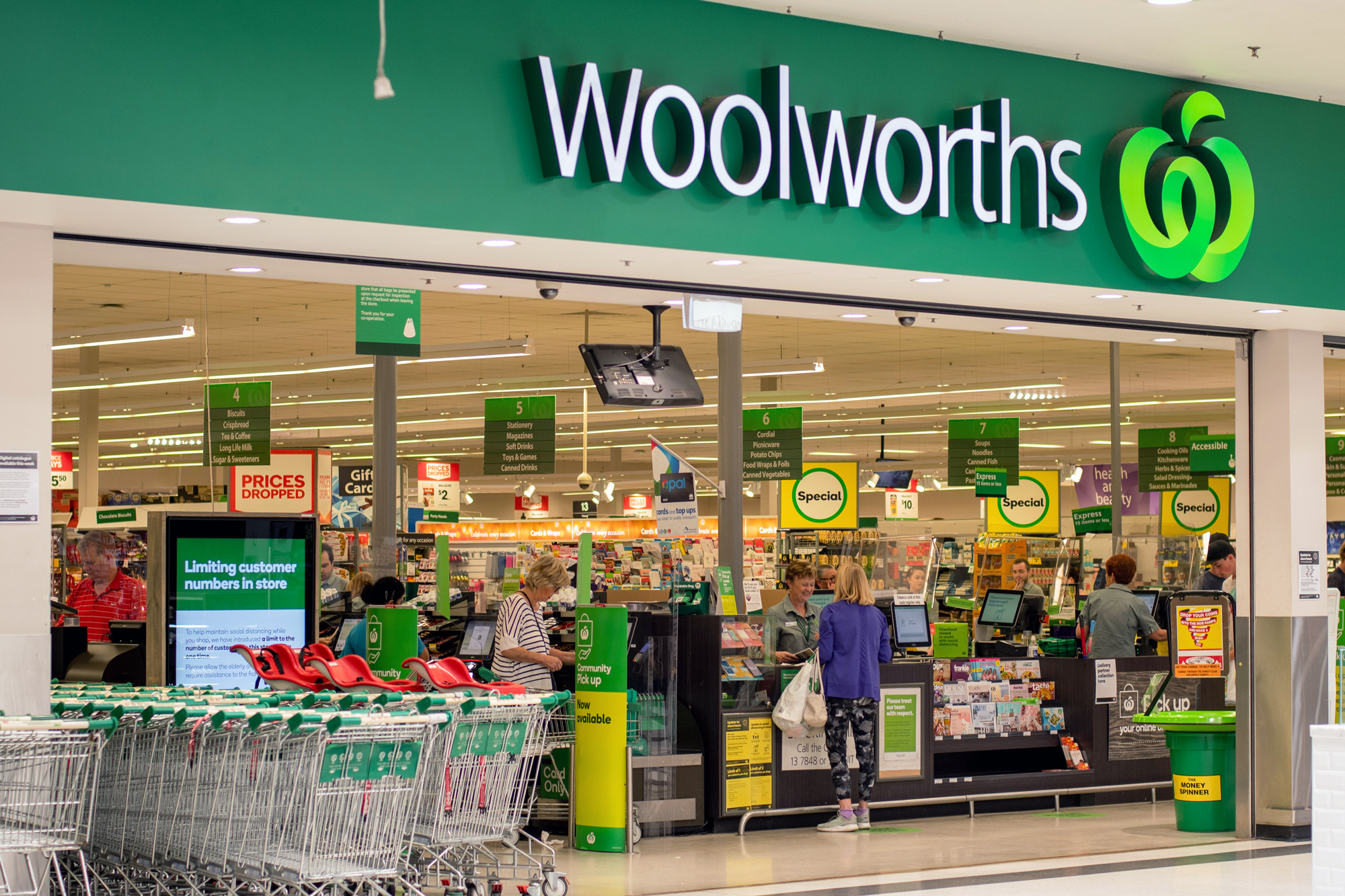
    Woolworths has inaugurated a regional distribution center in Western Sydney, advancing a $1.3 billion commitment to automated supply-chain infrastructure. The facility is strategically located adjacent to the supermarket’s national distribution center, and the two centers combined are projected to handle over 5 million cartons each week, servicing a product range of 20,000 items.

    Streamlining Logistics

    The new distribution center is ideally situated with direct connections to the Port Botany, interstate rail, and the M5 and M7 motorways in Sydney. This strategic positioning is aimed at optimizing freight flows and reducing the reliance on road transport.

    Improving Product Availability

    Woolworths stated that the amalgamation of these facilities will enhance product availability on the shelves and expedite the introduction of new products through more efficient replenishment. The centers, which spread across 75,000 square meters, will utilize automation to assemble aisle-ready pallets that align with the unique layouts of individual stores. This will assist teams in restocking shelves more rapidly.

    Strengthening Operations

    Amanda Bardwell, the CEO of Woolworths Group, expressed that the investment not only reinforces the company’s service and operations but also holds great significance for customers, the team, and the company’s future capability.

    She explained, “This investment is about far more than infrastructure. It is vital to our customers, our team, and our future capability.” She further added that the investment results in a more resilient supply chain. Furthermore, the automation significantly reduces heavy manual handling, making a notable difference to the team members on a daily basis.

    Questions & Answers

    How much investment has Woolworths made in automated supply-chain infrastructure?
    Woolworths has invested $1.3 billion in automated supply-chain infrastructure.

    What is the expected weekly carton handling capacity of the new regional distribution center and the national distribution center?
    The two centers combined are projected to handle over 5 million cartons each week.

    How will the new distribution center in Western Sydney benefit Woolworths operationally?
    The new center will boost product availability on shelves, expedite the introduction of new products, and assist teams in restocking shelves more quickly due to the use of automation. Furthermore, it will strengthen the company’s supply chain resilience and reduce heavy manual handling, improving working conditions for team members.

  • Swiss Innovation Meets Asian Fintech: Spotlight on Switzerland at Singapore Fintech Festival 2025

    Swiss Innovation Meets Asian Fintech: Spotlight on Switzerland at Singapore Fintech Festival 2025

    Switzerland is set to be a focal point at the Singapore Fintech Festival 2025, which will mark the country’s ninth consecutive year of participation. The Swiss Pavilion is a testament to how Swiss innovation, trust, and cooperation continue to significantly impact Asia’s rapidly transforming fintech and digital finance sector.

    Switzerland’s Stalwart Presence

    Since its initial appearance at the Singapore Fintech Festival, the Swiss Pavilion, facilitated by Switzerland Global Enterprise and the Swiss Business Hub South East Asia + Pacific, has become a fundamental aspect of the event. The combination of Switzerland’s extensive financial expertise and avant-garde technology offers a one-of-a-kind value proposition for global partners.

    The Pavilion, themed ‘Innovation Meeting Trust,’ underscores the nation’s leadership in digital assets, AI-driven finance, and secure financial infrastructure.

    Switzerland’s Deep Tech Prowess

    “Switzerland has become a beacon for deep tech capabilities, bolstered by its capacity to innovate with integrity,” stated Renée Koh, Deputy Head of the Swiss Business Hub South East Asia + Pacific.

    She indicated that Switzerland could serve as a connecting bridge for Asia’s vast deep tech ambitions, linking ecosystems through trust, expertise, and a shared vision.

    Establishing Connections Among Innovation Hubs

    The Pavilion, part of Switzerland’s broader global innovation strategy, which includes its forthcoming participation at Expo 2025 Osaka, emphasizes the country’s dedication to sustainable, trust-based innovation.

    Given the rapidly growing fintech scene in Asia, Swiss institutions are positioning themselves as trustworthy partners for research, venture scaling, and digital transformation efforts.

    Koh highlighted the Swiss collaborative model that underpins their global success, “Our innovation infrastructure is intended for partnerships, be it through talent acquisition, R&D alliances or venture scaling.”

    Showcasing Swiss Excellence

    The 2025 Pavilion congregates an impressive variety of Swiss companies and institutions pushing the frontiers of global finance. The participants, including the Swiss National Bank, Securosys, ti&m, Chartered Investment, QAI Ventures, Scenario-X, Unique.ai, and Zweyberg, showcase Switzerland’s strengths in secure technology, asset tokenization, AI, and wealth management innovation.

    The exhibits represented at the Pavilion, ranging from tokenized investment structures to AI-based identity verification, reflect the expanse of Switzerland’s fintech ecosystem. The Swiss National Bank’s involvement, in particular, underscores the central role of innovation in contemporary central banking and digital currency research.

    A Platform for Collaboration

    The Singapore Fintech Festival, the world’s largest fintech gathering, is organized by the Monetary Authority of Singapore (MAS) in partnership with The Association of Banks in Singapore. The Festival brings together policymakers, technologists, and financial leaders, providing an excellent platform for Switzerland to bolster its reputation for stability, integrity, and superior quality innovation.

    Switzerland’s consistent presence via the Swiss Pavilion not only highlights the country’s fintech leaders but also strengthens cross-border collaboration with Asia’s financial juggernauts.

    This year’s participation emphasizes Switzerland’s message: that innovation, trust, and global collaboration are the core pillars of the digital economy.

    Questions & Answers

    What is Switzerland’s theme for the Singapore Fintech Festival 2025?
    Switzerland’s theme for the festival is ‘Innovation Meeting Trust,’ which highlights its leadership in digital assets, AI-driven finance, and secure financial infrastructure.

    What is the role of the Swiss Pavilion at the Singapore Fintech Festival?
    The Swiss Pavilion demonstrates Switzerland’s extensive financial knowledge and cutting-edge technology, offering a unique value proposition for global partners. It also showcases a variety of Swiss companies pushing the boundaries of global finance.

    What does Switzerland’s consistent presence at the Singapore Fintech Festival signify?
    Switzerland’s ongoing presence highlights the country’s financial technology leaders, while also strengthening cross-border collaboration with Asia’s financial powerhouses. It underlines Switzerland’s commitment to innovation, trust, and global collaboration.

  • GrapeCo and Mondelēz Triumph at Woolworths New Zealand’s Annual Supplier Awards: Celebrating Innovation and Sustainability

    GrapeCo and Mondelēz Triumph at Woolworths New Zealand’s Annual Supplier Awards: Celebrating Innovation and Sustainability

    Woolworths New Zealand recently honoured its partners and innovators in the food and grocery industry, handing out 20 awards at its annual Supplier Awards event at the Auckland War Memorial Museum. GrapeCo and Mondelēz were the illustrious recipients of the ‘Supplier of the Year’ titles.

    Supplier Excellence and Innovation

    The awards, which included 54 finalists, celebrated the ingenuity and collaborative efforts within the industry.

    GrapeCo, a grape supplier for Woolworths NZ, was awarded the ‘Fresh Supreme Supplier’ title for its novel grape varieties and its commitment to sustainability.

    Pieter De Wet, commercial director for Woolworths New Zealand, commended GrapeCo’s environmentally-friendly practice of testing reusable crates which could potentially eliminate more than 60 tonnes of packaging from the Woolworths supply chain.

    “GrapeCo’s dedication extends beyond the norm. Their impactful strategic partnership and their innovation makes them the worthy recipients of our ‘Fresh Supreme Supplier of the Year’ award,” De Wet stated.

    Mondelēz: Packaged Food Supreme Supplier of the Year

    Snack manufacturer Mondelēz was named the ‘Packaged Food Supreme Supplier of the Year’. This accolade represents Mondelēz’s resilience, innovation, and their significant contribution to growth in the industry.

    “Mondelēz has truly distinguished itself this year with exceptional performance and strategic ingenuity,” De Wet said. “Their consistent high performance over the past three years, along with their long-term leadership, makes them the rightful winners of the Supreme Award.”

    Other award recipients included Breadcraft Wairarapa, MaxFoods, Fonterra, Darren Lobb – Hellers, Vitaco, Hancocks, Simplot, Mondelez New Zealand, Amanda Collier (Suntory Oceania), Taryn Aspeling (Heinz Watties), Essity Australasia, Body Science (BSc), and Harriet Butler (Scalzo).

    Questions & Answers

    Who were the ‘Supplier of the Year’ winners at the Woolworths New Zealand Supplier Awards?
    The winners of the ‘Supplier of the Year’ titles were grape supplier GrapeCo and snack manufacturer Mondelēz.

    Why was GrapeCo awarded the ‘Fresh Supreme Supplier’ title?
    GrapeCo was awarded for its introduction of new grape varieties and its commitment to sustainability, specifically for testing reusable crates which could potentially reduce packaging by over 60 tonnes.

    What contributed to Mondelēz being named the ‘Packaged Food Supreme Supplier of the Year’?
    Mondelēz was recognized for its resilience, innovation, and significant contribution to growth within the food and grocery industry.

  • Nespresso Stirs Up Retail Innovation: Merging Experiential Marketing with Everyday Coffee Culture

    Nespresso Stirs Up Retail Innovation: Merging Experiential Marketing with Everyday Coffee Culture

    In the current retail landscape, the focus has shifted from transactional success to experiential design. Retail spaces are no longer merely about selling products but aim to evoke emotions and offer unique experiences. High-end pop-ups and roving coffee vans are becoming more common as retailers transform retail into a theatrical performance, driven by lifestyle trends and emotional resonance.

    This transformation is evident in Nespresso’s recent marketing initiatives. NespressoGo, a mobile, multi-city campaign, has redefined Australia’s morning coffee rituals. Nespresso’s successful marketing approach has always been centered around the idea of coffee as an experience rather than just a product. The brand’s boutique design, packaging, and storytelling have transformed a daily habit into a premium lifestyle experience.

    In spring, Nespresso launched its silver van onto Bennelong Lawn, introducing a ‘Happy Hour’ campaign. The campaign, featuring sunrise run clubs, live DJs, and iced lattes, was designed to appeal to a new generation that thrives outdoors and online.

    The campaign was inspired by the cultural shift among Gen Z and millennials toward early mornings as a time for wellness, creativity, and connection, according to Burcu De La Cruz, Nespresso ANZ’s marketing manager for brand, communications, and sustainability. The success of earlier campaigns in Bondi and Collingwood inspired the brand to expand the concept nationally with sunrise pop-ups in Sydney, Melbourne, and Brisbane, in collaboration with run clubs.

    This strategic expansion of Nespresso’s retail experience allowed the brand to interact with consumers outside traditional retail environments. This strategy aligns with Nespresso’s broader goal of combining luxury with accessibility, creating immersive brand moments that reflect changing consumer lifestyles. De La Cruz notes that these lifestyles are rapidly evolving, with morning culture at its peak and a growing preference among young Australians for iced coffee and digital-first engagement.

    Many of the experiences offered by Nespresso were designed to be “social-media friendly,” creating a wider reach through influencer and user-generated content.

    The Return of Presence

    Post-digital retail trends highlight a renewed desire for physical, sensory connection. Consumers are starting to perceive friction in shopping as a luxury, and in response, retailers are creating experiences that leave a lasting impression.

    Examples of this trend include Mecca’s ‘beauty atelier’ in Australia and Nike’s House of Innovation concept stores globally. These experiential stores merge brand architecture with entertainment, encouraging visitors to create content as they shop.

    Experiential retail is also a thriving data strategy. Pop-ups and events provide live behavioral insights that cannot be replicated through e-commerce. For instance, Nespresso’s roaming van serves as a research lab, gathering social metrics and demographic data while embedding itself in community activities.

    This trend upends traditional retail norms by prioritizing connection over transaction and brand immersion over brand awareness.

    The Future of Feeling

    As AI personalization and one-click checkout become more commonplace, emotional engagement is emerging as the new brand differentiator. Future retail success may depend on brands’ ability to shape mood as effectively as they manage inventory.

    Nespresso and other forward-thinking brands are creating experiences that ‘move’ rather than simply sell. The goal, as De La Cruz states, is to “blend luxury with accessibility” – to make the extraordinary feel commonplace. Today, retail is defined not by its shelves but by its stages, where commerce, culture, and community converge for a shared coffee at dawn.

    Questions & Answers

    What is the current trend in retail?
    The current trend in retail is moving towards experiential design, where retailers aim to create unique experiences and evoke emotions rather than solely focusing on selling products.

    How are brands like Nespresso adapting to these trends?
    Nespresso is creating immersive experiences that blend luxury with accessibility. They’re leveraging ‘social-media friendly’ events and mobile campaigns to engage with consumers in their lifestyle habits, particularly those of younger demographics.

    What does the future of retail look like?
    The future of retail is likely to prioritize emotional engagement and brand immersion. As aspects like AI personalization and one-click checkout become standard, brands will need to distinguish themselves by creating experiences that resonate with consumers on an emotional level.