Retail News CRM

Tag: Innovation

  • Switzerland’s Fintech Challenge: Missing Out on Asia’s Retail Revolution

    Switzerland’s Fintech Challenge: Missing Out on Asia’s Retail Revolution

    As the Singapore Fintech Festival (SFF) draws to a close, it’s clear that this event has evolved from a modest gathering to Asia’s premier financial technology showcase, attracting over 70,000 attendees this year. The SFF has become a nexus for innovation, where startups and industry giants alike converge to explore the future of finance.

    The Significance of the Singapore Fintech Festival

    Since its inception in 2016, the SFF has established itself as a vital platform for discussing cutting-edge technologies ranging from generative AI to digital assets. Major financial institutions, including J.P. Morgan, HSBC, and Tencent, are heavily investing in technological advances, underscoring the event’s importance in shaping the global financial landscape.

    Switzerland’s Diminished Presence

    Switzerland has historically maintained a close partnership with Singapore, benefiting from mutual insights and exchanges. However, the Swiss representation at this year’s SFF has been notably subdued. While the nation did have a pavilion at the event, it did not command the attention or influence expected from a leading financial hub.

    A Defensive Posture

    The Swiss exhibit evokes a sense of isolation, resembling a “Reduit” — a fortification. Though Swiss fintech companies have made commendable efforts to attend, the absence of recognizable figures from its financial sector casts a shadow over their contributions. Major Swiss banks, which often express an interest in Asia, have not fully committed to showcasing their initiatives at influential events like the SFF.

    Missing Opportunities

    This year’s event highlights a puzzling contradiction; Switzerland is a prominent partner in the SFF yet struggles to make its mark. The nation even hosts a reciprocal event in Zurich, “Point Zero,” each summer, which draws high-level delegates from Singapore. However, the once-vibrant Swiss presence at SFF has diminished, with only a handful of representatives notably participating.

    Inadequate Engagement

    Current representation includes Deputy State Secretary Christoph König, who is only scheduled for a single panel discussion focused on “Innovation and Consumer Protection.” The Swiss financial sector’s representation in key conversations appears minimal. In contrast, nations like Italy take an active approach, utilizing press releases and announcements to foster engagement and visibility.

    Missed Strategic Goals

    This lack of visibility at influential gatherings further cements the idea that Switzerland risks missing out on significant opportunities to shape the future of finance. As the financial landscape evolves, issues such as financial inclusion, sustainable investment, and cybersecurity are becoming increasingly critical. It is here that fintech can serve as a key facilitator of progress.

    Upcoming Initiatives: Swiss Financial Innovation Desk

    In an effort to regain its edge, Switzerland has launched the Swiss Financial Innovation Desk (FIND), aimed at bolstering its status as a global financial hub. Despite the initiative, FIND’s forthcoming report, “Pathway 2035 for Financial Innovation: Your Navigator,” will not be released until January—potentially too late to capitalize on momentum gained at the SFF.

    A Call to Action

    The contrasting dynamics observed at the Singapore International Reinsurance Conference (SIRC) serve as a lesson in effective representation. Swiss Re’s CEO, Andreas Berger, delivered a powerful keynote speech, illustrating how impactful leadership can promote national interests on the global stage.

    In conclusion, Switzerland’s hesitancy to fully engage with the fintech ecosystem in Asia poses a significant challenge for both industry players and policymakers. As consumer demand for innovative financial solutions continues to grow, ensuring a robust presence in such influential forums will be crucial for the country’s future in the competitive global market.


  • Vietnam’s Largest Blockchain and AI Week Set to Ignite Innovation in June

    Vietnam’s Largest Blockchain and AI Week Set to Ignite Innovation in June

    Da Nang Set to Host Pioneering Technology Event

    On April 23, Orochi Network Co., Ltd., FPT Online Services Joint Stock Company, and the Da Nang Center for Research, Training, and Design of Microchips and Artificial Intelligence (DSAC) unveiled ‘Super Vietnam 2025,’ a transformative technology event dedicated to fostering the blockchain and AI landscape. Sponsored by VnExpress, this initiative aims to spotlight cutting-edge tech, enhance domestic and international collaboration, and leverage government policies to bolster a thriving innovation ecosystem.

    Building a Sustainable Blockchain Future

    Tran Thi Kieu Diem, CEO and co-founder of Orochi Network, emphasized the importance of a robust technological foundation coupled with clear legal frameworks for sustainable blockchain development. She stated, “For blockchain technology to thrive, a solid technological foundation and a clear legal corridor are essential,” underscoring the objectives of Super Vietnam 2025.

    Supportive Local Policies to Drive Innovation

    Le Hoang Phuc, Director of DSAC, reinforced Da Nang’s commitment to nurturing high-tech sectors with supportive policies. These include a three-year personal income tax exemption for skilled personnel and free operating space for startups in AI, semiconductor, and blockchain fields. “We are dedicated to taking concrete actions to cultivate high-quality human resources for the future,” Phuc affirmed.

    Engaging Conferences and Thematic Sessions

    The event will kick off with a plenary opening conference on June 4, themed “Emerging Tech – Creative Synergy, Future Orientation,” bringing together experts, policymakers, and industry leaders to discuss pivotal technology trends. Following this, specialized sessions on “Application of blockchain and AI in enterprises” and “Future investment vision” will feature technology corporations, investment funds, and startups.

    A Dynamic Expo and Competition

    In conjunction with the conference, the Super Vietnam Expo will run from June 4 to June 5, showcasing nearly 50 booths focused on sectors such as data, fintech, AI, and gaming. This expo serves as a critical networking opportunity for businesses and global investors alike.

    Moreover, the Super Vietnam PitchFest, launching on April 25, offers blockchain and AI startups a chance to secure funding and receive mentorship, culminating in an exciting awards ceremony during the event week.

    Additional Opportunities for Collaboration

    Attendees can also look forward to side events including deal-making sessions, a job fair, a technology tour, and a talent incubation signing ceremony, all aimed at creating a collaborative atmosphere for innovation. Organizers anticipate that Super Vietnam 2025 will serve as a flagship event, igniting Vietnam’s innovation ecosystem and advancing the nation’s blockchain and AI initiatives.

    In conclusion, as Super Vietnam 2025 prepares to gather over 5,000 attendees and 100+ industry leaders in Da Nang, it promises to be a significant catalyst for growth in the retail sector and a strong indicator of evolving consumer trends toward technology-driven solutions.

  • Sygnum Capitalizes on Blockchain Growth in Lugano’s Retail Landscape

    Sygnum Capitalizes on Blockchain Growth in Lugano’s Retail Landscape

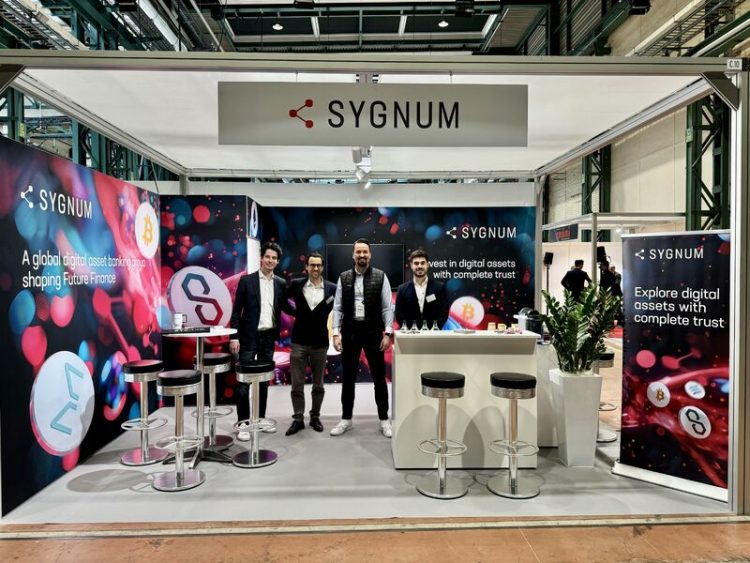
    Swiss digital asset banking group Sygnum has launched its latest office in Lugano, aiming to strengthen collaborations within the burgeoning Bitcoin and digital asset ecosystem of Ticino. This move coincides with the city’s ambitious Plan ₿ initiative, which promotes broad blockchain adoption.

    Driving Digital Innovation in Ticino

    With the opening of its Lugano office, Sygnum takes another significant step in its growth journey. “Lugano is emerging as a crucial innovation hub, bolstered by robust support for digital assets, institutional adoption, and increasingly clear regulatory frameworks,” explained Mathias Imbach, Sygnum’s co-founder and Group CEO, during the launch event.

    A Progressive Stance on Digital Assets

    In recent years, Lugano has established itself as a leader in digital asset acceptance. Residents now have the convenience of settling municipal taxes in Bitcoin and can use various digital currencies for purchases at numerous local businesses, reflecting a growing consumer trend towards cryptocurrency.

    The Ambitions of Plan ₿

    Plan ₿ is not just about fostering a crypto-friendly environment; it seeks to revolutionize the city’s financial infrastructure using Bitcoin technology. The initiative encompasses groundbreaking projects, including Bitcoin investment pools, sustainable mining efforts, specialized education programs, and notable events like the Plan ₿ Forum.

    “It’s inspiring to witness institutions like Sygnum leverage the opportunities Lugano presents in the fields of digital and financial transformation. Innovation is relentless, and the financial sector is no exception,” added Michele Foletti, Mayor of Lugano and President of the Plan ₿ Foundation.

    Implications for the Retail Sector

    Sygnum’s expansion in Lugano highlights the intersection of finance and retail as consumer demand for digital asset options continues to rise. This move could reshape how companies engage with customers and accept payments, paving the way for more widespread adoption of cryptocurrency in everyday transactions. As brands expand their presence in the digital finance space, the retail landscape is poised for significant transformation.

  • Sygnum Bank Achieves Unicorn Status, Boosting Brand Growth in Fintech

    Sygnum Bank Achieves Unicorn Status, Boosting Brand Growth in Fintech

    Sygnum Bank has emerged as a beacon of resilience in the Swiss financial landscape, successfully securing $58 million in an oversubscribed funding round, and achieving a valuation exceeding $1 billion. This milestone reflects the bank’s determination to expand its foothold in the competitive digital asset arena.

    Funding Round Fuels Expansion Plans

    The successful funding round, which welcomed prominent investor Fulgur Ventures, aims to propel Sygnum’s growth initiatives and market presence. The bank plans to leverage the new capital to broaden its reach within the European Economic Area (EEA) and Hong Kong, enhance its product offerings, and strengthen its operational infrastructure. With over $5 billion in client assets, Sygnum solidifies its position as a significant player in the global digital asset ecosystem.

    In a recent press release, CEO Mathias Imbach underscored the importance of sustained innovation within Switzerland’s financial sector. “As Switzerland loses its competitive edge as a digital asset hub, it’s crucial to attract talent and capital to remain relevant,” he stated.

    Strategic Growth in Target Markets

    While Sygnum celebrates its achievements, challenges persist for Switzerland as other countries, such as the U.S., continue to embrace digital assets. Currently, Sygnum does not operate in the U.S., focusing instead on high-growth markets like Singapore, the United Arab Emirates, and soon, Hong Kong. The bank is also pursuing a MiCAR license in Liechtenstein to enhance access to European markets.

    Partnership with Fulgur Ventures

    Fulgur Ventures, a U.S.-based venture capital firm specializing in Bitcoin technologies, played a crucial role in Sygnum’s latest funding round. Partner Oleg Mikhalsky stated, “Sygnum’s established infrastructure and dedicated team make them an ideal partner for developing innovative Bitcoin-related financial products.” This partnership highlights the growing intersection of Bitcoin technologies with institutional finance, an area where Sygnum is particularly well-positioned.

    Leadership Driving Vision and Innovation

    Sygnum’s success is supported by a robust institutional infrastructure and commitment to regulatory compliance. Co-founder and Group CEO Imbach remarked, “Achieving unicorn status validates our business model and strategy. It’s a proud moment for us, but it won’t change our core values of integrity and humility.”

    Meanwhile, Co-founder Gerald Goh, CEO of Sygnum APAC, emphasized that offering trusted services for digital assets will remain central to the bank’s growth strategy.

    Navigating Future Opportunities

    Sygnum boasts over 2,000 institutional clients across 70 countries, with regulated operations in Switzerland, Singapore, and Abu Dhabi, positioning it well to navigate the changing digital asset landscape. Recent product initiatives, such as the Sygnum Connect instant settlement network and Sygnum Protect, which allows clients to trade on major crypto exchanges while securely holding assets with Sygnum, exemplify the bank’s commitment to innovation.

    A Path Forward for Switzerland

    Sygnum Bank’s remarkable growth offers a glimmer of hope for the Swiss financial sector, yet the pressure to innovate and adapt never subsides. As more jurisdictions adopt crypto-friendly regulations, Switzerland’s financial industry must prioritize modernization and talent acquisition to stay competitive.

    Sygnum’s journey encapsulates the potential for transformation within the digital finance realm. As Switzerland seeks to maintain its status as a financial hub, the message is clear: adapt strategically or risk being left behind in a rapidly evolving global financial landscape.

  • Consumer Demand: Unveiling Innovators in Swiss Finance Sector

    Consumer Demand: Unveiling Innovators in Swiss Finance Sector

    As the financial landscape evolves, recognizing the innovators at the forefront of change has never been more crucial. The AssetAwards 2025 is here to celebrate the leaders driving advancements across three distinct categories: alternative investments, digital assets, and traditional asset classes.

    Honoring Trailblazers in Finance

    “Noëlle Dettwyler, the organizer of AssetRush, emphasizes that ‘assetization—the democratization of all assets—is fundamentally transforming the financial world. Real and digital values are being reimagined, restructured, and made investable. With the AssetRush Awards, we want to honor those individuals who are not just following this development but actively shaping it.’”

    Category I: Alternatives

    The nominees for the Alternatives category are a testament to the innovation taking place in this space:

    • Steffen Meister, Executive Chairman of the Board, Partners Group
    • Fatmire Bekiri, Head of Tokenization, Sygnum
    • Marco Bizzozero, Head of International & Member of the Executive Committee, iCapital
    • Pascal Schneidinger, Founder & CEO, Partasio
    • Jaime Silio, Head Transformation & Innovation, Securities Services, SIX

    These leaders have harnessed their expertise to not only adapt to change but also to drive the future of alternative investments.

    Stay tuned for the next page where we will reveal the nominees for the Digital Assets category, allowing you to participate in deciding who takes home the coveted awards!

    The AssetAwards 2025 promises to shine a spotlight on the pivotal figures in the financial industry. With the surge in consumer demand for innovative financial products, recognizing outstanding leaders can significantly impact the retail sector and consumer experiences alike. Don’t miss your chance to make your voice heard!

  • CMC Steals the Spotlight at World IT Show 2025 with Impressive Showcase

    CMC Steals the Spotlight at World IT Show 2025 with Impressive Showcase

    CMC Makes a Significant Impact at WIS 2025, Strengthening Korea-Vietnam Tech Ties

    Asia’s Premier Technology Showcase

    The World IT Show (WIS) 2025, organized by Korea’s Ministry of Science and ICT, recently concluded with a resounding success, drawing significant attention across the tech community. With the theme “The Next Wave,” this prestigious event hosted in Asia saw an overwhelming turnout of over 100,000 visitors, including tech aficionados and business executives. The stage was set for over 500 companies, including global titans such as Samsung, LG, KT, SK, and Hyundai, making it a hotspot for the latest innovations in technology.

    CMC’s Standout Performance: Highlighting the ASEAN Region

    Vietnamese tech enterprise CMC showcased a vibrant presence at WIS 2025, capturing the essence of the event’s theme “Beyond Digital.” With its booth teeming with visitors, CMC engaged in numerous impactful discussions and meetings with potential Korean partners over the event’s three days. Their compelling digital solutions and technology prowess spotlighted the company’s readiness to take on substantial roles in global digital transformation initiatives.

    Innovations That Caught the Eye

    A visitor’s comment encapsulated the success of CMC at the event: “The company displayed a comprehensive technology ecosystem… I was particularly impressed by their internationally certified team…”
    CMC’s offerings such as the Comprehensive Security Platform, CMC Cloud, and Managed Services, drew particular interest. These products promise proactive defense and seamless integration, optimizing costs and adding sustainable value across sectors, including manufacturing, BFSI, healthcare, and e-commerce.

    Expansion and Future Prospects

    In August 2024, CMC took a significant step in their global strategy by establishing CMC Korea. Their participation in WIS 2025 is a testament to their commitment to nurturing long-term collaborations with Korean and global businesses. A company representative shared, “Our success at WIS 2025 underscores our global mindset and dedication to propelling Vietnamese technology on the world stage, fostering a greener, safer, and more sustainable digital future.”

    Impact on the Retail Sector and Consumer Trends

    CMC’s stride in WIS 2025 is set to bolster consumer confidence and trust in Vietnamese technology solutions globally, particularly in critical sectors like digital security and cloud services. These advancements signify a significant leap in tech consumer trends and brand expansion, influencing the broader retail and technology landscapes profoundly. As CMC continues to chart its global journey, its innovations are expected to reshape consumer experiences and enterprise tech solutions markedly.

  • Indosat Surges Ahead with Rising ARPU and Bold AI Ambitions

    Indosat Surges Ahead with Rising ARPU and Bold AI Ambitions

    Indosat Ooredoo Hutchison (Indosat) reported positive results in the first quarter of 2025, despite facing tough competition in the industry. The company’s success is due to its disciplined approach and dedication to supporting Indonesia’s digital development. During this quarter, Indosat saw growth in its average revenue per user (ARPU) and an increase in its customer base, showing resilience in a challenging market.

    ARPU reached nearly IDR 39.2 thousand, growing by 4.6% year-over-year (YoY), with 700,000 new mobile customers added, bringing the total to 95.4 million. The company reported stable total revenue of IDR 13,577.9 billion, with earnings before interest, taxes, depreciation, and amortization (EBITDA) reaching IDR 6,415.1 billion, growing by 0.6% quarter-on-quarter (QoQ). Net profit also increased by 27% quarter-on-quarter to IDR 1,311.1 billion, marking 17 consecutive quarters of profitability.

    Vikram Sinha, President Director and CEO of Indosat, emphasized, “This quarter’s results reflect not only strong financial performance, but also the unwavering dedication of our entire team to serve the people of Indonesia. In an increasingly competitive landscape, we have remained focused on our larger purpose: empowering Indonesia.”

    The company is also preparing for 5G technology to provide faster and more reliable digital services, especially in underserved areas. Indosat allocated IDR 2,620.4 billion in capital expenditure (CapEx) during the quarter, with a significant portion directed towards its cellular business. The company also announced a collaboration with Nokia and NVIDIA to deploy artificial intelligence radio access network (AI-RAN) technology, enhancing its 5G Cloud RAN with AI.

    The launch of the Digital Hub in February 2025 marked a significant step in Indosat’s commitment to empowering Indonesia. The Digital Hub offers entertainment, e-commerce, health, and lifestyle services to millions of users, with strong engagement across Indosat’s platforms. Indosat is not only focused on digital lifestyle enablement but also on talent development programs like Generasi Terkoneksi (GenSi) and IDCamp to equip young Indonesians with essential skills in AI and digital leadership.

    The company aims to become an AI-driven telco and techco by investing in advanced technologies and promoting AI innovation and automation. Through industry collaborations and a focus on technology, Indosat is leading Indonesia’s digital transformation towards a more inclusive and prosperous future.

    “Our journey to become an AI-techco has just begun. From investing in networks and talent to driving collaboration across industries, our goal remains the same: to make technology a force for inclusion, innovation, and digital sovereignty,” concluded Sinha.

  • Google Messages is testing an easier way to send multiple images

    Google Messages is testing an easier way to send multiple images

    Google Messages, the default messaging app for most Android devices, offers a reliable and consistent experience when sending text messages. However, compared to other messaging apps, it does lack in certain areas pertaining to multimedia, such as when sending multiple images at once. Thankfully, it looks like Google is working on improving this experience.

    Currently, sending an image from your gallery in Google Messages is a fairly simple process: tap the image attachment icon, pick your photo, and send. The app even has a built-in camera shortcut, so you can snap a photo on the fly. But for those in a rush, the workflow needs refinement. Each new photo requires you to reopen the attachment sheet, negating the time-saving benefits of the in-app camera.

    However, as spotted by @AssembleDebug on X and reported on by Android Police, the latest Google Messages beta (version 20240318 openbeta_dynamic) brings a UI refresh designed for quicker image sharing. In this version, the preview screen of a newly snapped photo shows the biggest change. The button at the bottom right now says “Send,” cutting out an extra step for single images. The bottom left gains an “Add more” shortcut, reopening the attachment sheet for further selections or to use the camera again. This is far easier than saving to your camera roll.

    That said, this change does have its downsides. One curious omission in this beta is the “Edit” option for basic photo annotations. Knowing that the new UI is still being tested, we are hopeful that these tools will be restored prior to making it to the production phase. We need more features added, not taken away!

    Regardless of this small setback, this streamlining is a welcome change for Google Messages. With such broad testing, we can likely expect a stable release soon, potentially bringing back those missing editing tools. While not a huge change, it demonstrates Google’s continued efforts to refine the core messaging experience.

  • New Balance introduces new retail concept to Singapore

    New Balance introduces new retail concept to Singapore

    New Balance recently opened a concept store in Singapore, featuring a Volumental 3D foot scanner in the fitting area.

    Since partnering with Volumental in 2017, the retailer says that it has scanned the feet of more than one million shoppers worldwide.

    The scan, which takes less than five seconds, provides employees with detailed information about a customer’s feet, helping them find a shoe that’s sure to fit.

    Volumental claims that the solution helps brands and retailers to: reduce return rates by 18%; increase footwear sales by 20%; achieve email capture rates of 71%.

    Earlier this year, Volumental launched a new self-service version of its AI-powered foot scanners.

    Specifically designed for an in-store experience, customers can take their own foot measurements at the click of a button and receive their best-fitting footwear recommendations on their phones.

    Volumental said it expected to launch this globally starting with select stores in the sporting goods industry, outlet malls and brand warehouses in 2023. This followed a beta test with Under Armour.

    “Our new self-service scanners will bring the same technology that specialty footwear retailers have enjoyed to many more retail segments,” said Alper Aydemir, CEO, Volumental.

    “Having worked with footwear retailers across different store formats, service environments, and staffing models, we realized the need for a self-service enabled shopping experience that is both innovative and easy to use for shoppers.”

    “This solution takes the guesswork out of the whole fitting experience and helps shoppers make smarter and faster purchase decisions with better-fit outcomes.”

    “The personalized recommendations create a more engaging customer experience, allow retailers to manage inventory in a much smarter way, and help solve the huge returns issue facing the industry.”

    Volumental’s self-service scanners will be placed in dedicated co-branded spaces in-store.

    Touchscreens will provide the customer with instructions on use as well as nearly instant personalized size recommendations on their perfect fitting brands and styles.

    Volumental was highly commended at the 2022 RTIH Innovation Awards last month, after impressing our judging panel in the Omnichannel Retail Initiative of the Year category.

    Our 2022 winners and highly commended entries were revealed at a sold-out event in central London on Tuesday, 6th December.

    RTIH Editor, Scott Thompson, said: “Innovation and technology play a critical role in the success of the retail sector, so it is great to recognize standout examples through our awards.”

    “Thanks to all those who entered the 2022 event. We received a record number of submissions and many fantastic examples of the continued resilience and dynamism of the retail space during hugely challenging times.”

    “Congratulations to our 2022 retail technology hall of fame entrants.”

  • Pinduoduo named top logistics company for farm-to-fork innovation

    Pinduoduo named top logistics company for farm-to-fork innovation

    Chinese agriculture platform Pinduoduo was named one of the top 10 innovative logistics companies in Fast Company’s 2022 annual rankings for its work on a new logistics system for handling agricultural products.

    Pinduoduo operates an e-commerce platform that serves more than 850 million buyers and over 16 million agricultural producers. Its Duo Duo Grocery service matches orders and producers in the same geographical region to cut down on transportation time.

    “Pinduoduo has re-architected China’s hub-and-spoke-style delivery infrastructure, with the help of third-party logistics providers, and built out new cold-chain transportation routes to eliminate unnecessary transit points, which slow down delivery, diminish freshness, and increase food waste,” Fast Company wrote in its citation.

    The company has also been proactively investing in research and development to benefit China’s rural population and farmers, the publication noted.

    Pinduoduo’s journey to becoming a leader in logistics has its roots in an early setback in 2015, back when it was an online fruit seller. Back then, the lack of a comprehensive front-to-end order fulfillment system led to the team missing most of its deliveries after an unexpected surge in orders and resulted in many customers receiving rotten fruits.

    That episode highlighted the inadequacies of the fledgling company at that point in its development. It also laid bare the limitations of the logistics infrastructure, which was built to funnel parcels from tens of thousands of collection points to a centralized distribution system to maximize efficiency. However, what worked for transporting durable goods was also less suited for fragile agricultural products.

    About half of China’s annual food loss and waste takes place soon after harvest when the agricultural produce is being processed, stored and transported, according to a study published in Nature. Minimizing the loss not only reduces the environmental footprint of agriculture, but it also boosts farmer livelihoods and improves consumer welfare through fresher food.

    Since then, Pinduoduo has taken upon itself to develop a more flexible logistics infosystem and agriculture-focused infrastructure that reduces the need for multiple transshipments and enables more point-to-point deliveries.

    The new agri-friendly logistics system is built on the back of advanced calculations that take into consideration multiple factors such as the timing of truck deliveries, warehouse location and route planning. Computing power has also advanced to the point where making sense of the vast amounts of real-time supply chain information is now technologically possible.


  • Malaysia PM launches Huawei’s Customer Solution Innovation Center

    Malaysia PM launches Huawei’s Customer Solution Innovation Center

    The newly refurbished and upgraded Huawei Customer Solution Innovation Center (CSIC) has been officially launched by prime minister, Dato’ Sri Ismail Sabri Bin Yaakob, as part of celebrations to commemorate Huawei’s 20th anniversary in Malaysia.

    The state-of-the-art technology and solutions displayed in Huawei Technologies (Malaysia) Sdn Bhd’s (Huawei Malaysia) CSIC also aim to assist the nation in becoming the ASEAN Digital Hub.

    Huawei’s CSIC was designed as an Information and Communications Technology (ICT) Hub and Centre of Excellence to drive the industry’s open ecosystem and accelerate digital economy transformation in Malaysia.

    The CSIC, located in Integra Tower at the heart of Kuala Lumpur, aggregates the company’s over 120 reference applications and services globally.

    Huawei’s customers and partners are able to leverage this innovative platform to design and test technology solutions, verify new business models, and nurture innovative applications and services to both the public and private sectors.

    Present during the ceremony was the chief executive officer of Huawei Malaysia, Michael Yuan.

    Delivering the keynote address during the launch, Dato’ Sri Ismail Sabri said the CSIC is a testament to Huawei Malaysia’s commitment to the nation’s digital transformation.

    “Thank you Huawei for accelerating digital transformation and strengthening the development of Malaysia’s innovative platforms since 20 years ago. For that, I would like to wish Huawei a happy 20th anniversary! We will always appreciate and value your contribution towards the nation’s digital talent development.”

    “I was informed that most of Huawei Malaysia’s employees are local. Talents are a crucial part in accelerating digital transformation for the nation,” he said.

    The prime minister added that he believes Malaysia has the capacity and capability to achieve 100% digital inclusivity, especially among the vulnerable communities.

    “I am proud to say, in embracing the concept of Keluarga Malaysia, Huawei has taken an important role in helping the government address this matter. I hope more corporations will come forward to follow in your footsteps,” he said.

    Yuan said that through the CSIC, Huawei Malaysia would continue to bring global experiences to serve the needs of the ICT industry in Malaysia and to assist local stakeholders in succeeding in their businesses.

    “This center will act as a catalyst to accelerate Malaysia’s digital transformation and to capitalize on the potential of advanced technologies and assist in driving investments in the digital economy for the nation at the same time,” added Yuan.

    He further pointed out, “It is our belief that a better-connected Malaysia will have a prosperous future. We are currently in a period where ubiquitous connectivity is no longer a luxury, but a vital requirement for a country to achieve fully developed status. Therefore, we look forward to growing together with Malaysia, to playing an integral part in the nation’s technology-based economy and to building a better future for all Malaysians.”

    Among the business-to-business solutions available and showcased at the CSIC included Huawei’s 5G solutions around the world, including those for smart cities and autonomous vehicles as well as Huawei’s Smart Education system, including hybrid learning, which increases participation and engagement between students and teachers, and allows for some students attending class in-person while others join virtually.

    Cloud computing was another highlight – where Huawei is working with Telekom Malaysia Bhd (TM) on their Alpha Edge, the only Malaysian-owned cloud and AI infrastructure and services to enterprises and government institutions that ensures data sovereignty.

    Also showcased were agro-tech systems with AI technology that could save time, monitor quality, as well as predict yield and output. This included the production of premium caviar in Malaysia using this technology.

    The CSIC also displayed network infrastructure devices that utilize the latest technological advances in 5G and telecommunications as well as Huawei’s RuralStar, which overcomes the technical challenges of connecting remote areas, bringing connectivity to hard-to-reach communities.

    Huawei also presented the Huawei RuralStar solution to Dato’ Sri Ismail Sabri as part of its corporate social responsibility initiative to bridge the digital divide in the prime minister’s constituency of Bera.

    This initiative is part of Huawei’s global vision of bringing digital to every person, home and organization for a fully connected, intelligent world.

  • Nokia partners University of Technology Sydney for 5G innovation facility

    Nokia partners University of Technology Sydney for 5G innovation facility

    The 5G Innovation Lab will enable Nokia, UTS and their partners to push the boundaries of 5G technology by testing exciting new 5G use cases with real world applications, including Industry 4.0, IoT and smart cities. While providing a live 5G test bed for commercial partners, the 5G Innovation Lab will also serve as an environment for new research opportunities within the ICT sector.

    This multi-year, multi-million-dollar investment by Nokia reflects the company’s commitment to Australian innovation and the essential role telecommunication plays in both securing critical infrastructure and fostering economic growth.

    Researchers and commercial partners will undertake projects to explore the capabilities of 5G and 6G technologies for Industry 4.0 applications such as industrial automation, agriculture and human-robot interactions, as well as ‘Internet of Things’ capabilities for Internet of Energy applications in smart grid, energy storage and management and wireless power transfer.

    The facility will include a 5G lab and a 5G use case demonstration area, with campus-wide 5G coverage planned to allow for the development & testing of potential 5G use cases in both the lab and the field. The new lab will also connect directly into the university’s anechoic radio frequency test chamber – the largest of its kind in the southern hemisphere – allowing researchers to test the potential of Nokia’s Massive MIMO and other innovative antenna technologies.

    Nokia and UTS are very excited to be partnering together to lead the way for 5G innovation in Australia.

    Ray Kirby, Associate Professor, Director of UTS Tech Lab said: “UTS Tech Lab is a unique facility that supports collaboration with industry on research and development projects, such as this partnership with Nokia, which will drive innovation and growth in 5G and 6G network infrastructure. Our cutting-edge equipment and world-class research talent combined with Nokia’s commitment to innovation and technology leadership, is a strong partnership to facilitate the development of new applications to unlock the huge potential of 5G and 6G.”

    Robert Joyce, Chief Technology Officer at Nokia Oceania, said: “We are pleased to collaborate with UTS on this exciting 5G adventure. This partnership builds upon the existing innovative facilities at the university’s Tech Lab and will enable researchers to develop, test and demonstrate innovative uses of 5G here in Australia. We are already exploring some exciting 5G use cases unique to Australia and look forward to demonstrating these soon.”

  • Huawei, Qualcomm, and Oppo are arguably the three most innovative firms in wireless technology

    Huawei, Qualcomm, and Oppo are arguably the three most innovative firms in wireless technology

    This might not come as a surprise to some people living in China, or to those who make a living by following the goings on of the wireless world, but there is a good case for calling Huawei the most innovative outfit in this realm. The company’s Mate series phones are traditionally one of the top technologically based smartphones in the world each year. However, the powerful 5nm chips it designed for this year’s Mate 40 line can no longer be shipped to the company because of a new U.S. export rule. The rule bans foundries like TSMC from shipping cutting-edge chips to Huawei without a license if said chips were produced using American technology.

    An industry report cited by the South China Morning Post states that from the beginning of this year through the end of October, Huawei filed 8,607 patent applications related to wireless technology. That put the firm at the top of the pack, well ahead of San Diego, California based chip designer Qualcomm; the latter sought 5,807 patents during the same January to October time period. Chinese smartphone manufacturer Oppo was third with 5,353 patent applications. Database provider incoPat, headquartered in Beijing, is responsible for the data used to compile the list.

    According to incoPat, both China and the U.S. led the way with each making up 32% of the patents filed from January through October. Japan was next with 15% followed by the 7% submitted by South Korea. IncoPat says that the information it uses comes from patent filings available to the public in the field of wireless communications. This includes patents filed to protect inventions related to 5G technology. The report issued by incoPat notes “As a key area of modern communications, wireless communication network technology has always been a very important part in the 5G research and development process. With the new technological competition and new globalisation situation, wireless communication network technology is becoming an important strategic choice for enterprises to face international competition.”

    5G is the next generation of wireless connectivity and the countries that control 5G will have an advantage economically. That is why, seeing how innovative Huawei is and not wanting to be left behind, back in June the U.S. Commerce Department amended the entity list ruling that prevents Huawei from working and doing business with U.S. based firms. Now, American tech companies are allowed to work alongside Huawei to help create global 5G standards. The U.S. feared that being left out of the meetings attended by Huawei would hold the U.S. back in terms of the development of 5G.

    Huawei is also the leader in helping the 3GPP develop standards for 5G. 3GPP (the 3rd Generation Partnership Project) is a term that covers standards organizations that help create protocols for mobile telecom. After Huawei, Ericsson and Qualcomm provide the most contributions to 3GPP for 5G standards. According to SCMP, this year 3GPP completed its next set of standards for 5G which include possible applications for 5G such as autonomous driving, smart factories, and remote surgery.

    Earlier this month, China’s Ministry of Industry and Information Technology (MIIT) said that the country has built nearly 700,000 base stations in 2020 topping its original target of 500,000 for the whole year. As the world’s leading provider of networking equipment, Huawei is also an important supplier of 5G base stations. In fact, published reports indicate that Huawei will replace Ericsson this year to become number one in 5G base stations. Ericsson is expected to see its market share decline from 30% last year to 26.5% in 2020. Huawei, on the other hand, should see its 5G base station share rise from 27.5% last year to a leading 28.5% in 2020. That is, along as it can find enough 5nm Kirin 9000 chipsets to power these base stations. As we mentioned earlier in this article, the U.S. is preventing Huawei from receiving cutting-edge chips from TSMC.

  • Nike opens House of Innovation in Paris, France

    Nike opens House of Innovation in Paris, France

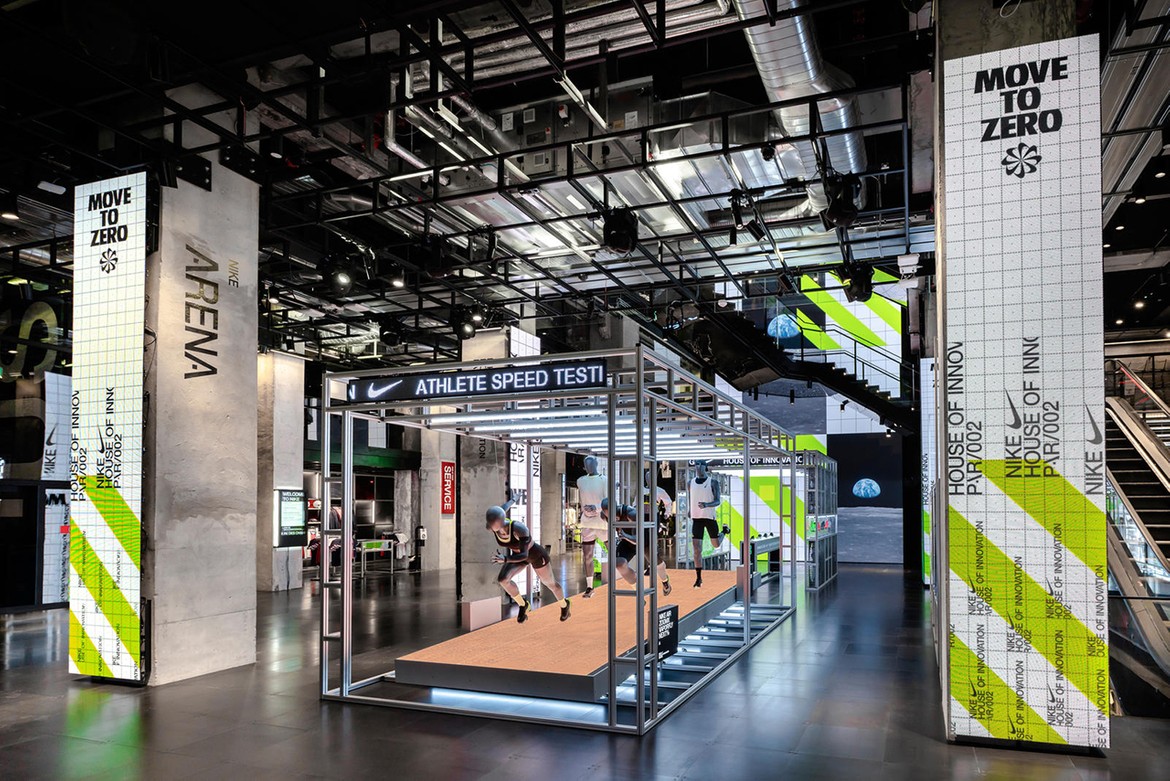
    Nike has opened the brand’s largest House of Innovation yet, in Paris, focusing on delivering a digital retail experience. Located at number 79 on the famous Avenue des Champs-Elysees, the House of Innovation 002 spans four floors and occupies a 2400sqm area.

    According to the company, Nike Paris will focus on four areas: uniting shoppers to a global sports community, innovative services and products for women, more kids’ experiences and seamless end-to-end consumer experience.

    “When consumers step into Nike Paris, they will experience our largest, most digitally connected and immersive retail concept in the world,” said Heidi O’Neill, president of consumer and marketplace.

    The House of Innovation in Paris features a wall-to-wall installation called Mission Control, connecting customers to the global sports community.

    Female shoppers can receive a fit recommendation using Nike Fit technology for any of its bras and information on their precise shape can be saved for future store visits.

    Nike Paris houses a destination for kids called Kids Pod, featuring interactive gaming and trial station such as a 360 virtual runners experience inspired by Parkour.

    “The strength of our digital portfolio combined with product innovation and amazing physical spaces will connect members to the community of sport and to one-of-a-kind experiences, serving them in an incredibly personal way,” O’Neill said.

    At the House of Innovation Paris, more than 85,000kg of sustainable material is woven into the fabric of the store design and display fixtures. The store is fuelled by a clean-energy wind farm in Spain.

  • A long road ahead for young Pakistani tech innovators

    A long road ahead for young Pakistani tech innovators

    Omar Majid Warraich knew his idea could help thousands earn more from their crops, but the problem was he did not know how to execute it.

    “As a start-up, you tend to need advice about the dos and don’ts, when to pitch an idea, what to pitch to investors, apply for grants, get the loans,” he told AFP.

    The co-founder of Agrim@art is one of Pakistan’s start-up success stories — his platform has more than 700 registered and verified farmers and a $100,000 grant from Karandaaz, an investment platform sponsored by the Bill and Melinda Gates Foundation.

    Officially launched in August last year, Agrim@art reported sales worth 5.5 million rupees ($36,000) in its first three months, and predict they will have 2 000 farmers working with them by March 2020.

    Like tech entrepreneurs around the world, Warraich turned to a start-up incubator for help getting his idea off the ground -the National Incubation Center (NIC), a public-private partnership based in Lahore.

    The challenges he faced are not uncommon in Pakistan, where the education system is weak, and the economy is faltering.

    Some 64 percent of Pakistanis are under the age of 30, and youth unemployment stood at six percent in 2019, according to a report commissioned by the UN.

    Incubation centers fostering innovation and entrepreneurship in the tech sector are “the solution”, believes Faisal Sherjan, program director at NIC.

    Its hub, with its colorful walls, state of the art labs and quirky furniture, is far removed from the daily grind of the heaving, traffic-choked, polluted city of 11 million.

    Teams there have six months to set up their businesses while utilizing its facilities, which include Facebook’s newly installed VR lab to a host of business workshops.

    There are supervisors and mentors to help entrepreneurs navigate Pakistan’s daunting business environment.

    There have been some homegrown tech hits: Bykea, a motorbike-hailing app, raised more than $7 million in 2019 and is expected to raise another $15 million in the first quarter of 2020.

    The country has both a huge talent pool and a huge market, offering the “right mix” for investors, says Khurram Zafar, director of Karandaaz and 47 ventures, a fund that only invests in Pakistan.

    But there are concerns about how tech start-ups can successfully navigate a messy business environment.

    Pakistan was still ranked a dismal 122 out of 137 on the Global Entrepreneurship Index in 2018, and 108th on the World Bank’s ease-of-doing-business list.

    Kalsoom Lakhani, founder and CEO of the fund Invest2Innovate (i2i), cited the “bureaucratic headaches”, “the difficulty of bringing money into the country and the impossibility of getting it out”, and the “very debilitating” taxation, as key issues.

    Bribery and corruption are widespread, while government efforts to tackle graft have resulted in an unfriendly regulatory environment “towards investors and entrepreneurs alike”, i2i said in a 2019 report on Pakistan’s start-up ecosystem.

    The government is enthusiastic about start-ups and has launched incubators in dozens of universities and tech schools, which it hopes will help develop the sector.

    Global tech giants are also taking an interest. Ride-hailing app Uber has partnered with a government fund to bring its #UberPitch to Pakistan, where budding businesses are given a chance to present their ideas, while Google and Facebook have awarded grants to start-ups featured on Pakistani reality show Idea Croron Ka (Million Dollar Idea).

    But, compared to countries such as neighboring India, investment has been slow to come, making it hard for start-ups to grow beyond their incubation period.

    Many tech entrepreneurs are out of touch with the realities of Pakistan and the unique needs of consumers there, said Maryam Mohiddin Ahmed, co-author of a report on Pakistani start-ups entitled “Beyond the Buzz”.

    “We don’t need people to get our emails to arrive faster but our crops to grow better. If a large chunk of the population is not being served by innovations, then what is the point of innovating?” she added.

    What Pakistan needs is more “game-changing startups” on a human and environmental level, she argued.

    But despite the challenges, there is room for optimism.

    With Pakistan’s young population rapidly digitizing, “never have the opportunities for social, economic and political progress been so great”, the UNDP stated.