Retail News CRM

Tag: Innovation

  • Korea’s Yuhan licenses lung cancer drug

    Korea’s Yuhan licenses lung cancer drug

    Yuhan Corporation announced on Monday that it has entered into a licensing agreement with Janssen Biotech, a subsidiary of Johnson & Johnson, to develop Lazertinib, a treatment for non-small cell lung cancer (Nsclc) that is undergoing clinical trials in Korea.

    Under the agreement, Yuhan will receive an upfront payment of $50 million and is eligible for double-digit royalties on future sales.

    It is also eligible for up to $1.255 billion in payments according to development phases.

    Going forward, Janssen will be responsible for developing the drug, manufacturing and commercialization with exclusive worldwide rights to Lazertinib excluding Korea, where the rights belong to Yuhan.

    The companies will work together on global clinical trials evaluating Lazertinib.

    Trials are expected to begin in 2019.

    “We are excited to start this collaboration and dive into advancing this treatment regimen with a focus on improving the lives of people who suffer from lung cancer,” said Lee Jung-hee, president and CEO of Yuhan, in a statement.

    The combined $1.255 billion Yuhan is set to receive from Janssen is the second-largest export contract for a single pharmaceutical product from Korea, according to people in the industry.

    Lazertinib is a potent, mutant-selective, irreversible, brain-penetrant and orally-active third-generation inhibitor for Nsclc, with the potential to be a first-line therapy.

    The compound is in a Phase 1/2 clinical trial in Korea. Interim results showed that Lazertinib inhibited robust disease activity in patients with Nsclc.

    Established in 1926, Yuhan is one of the top pharmaceutical companies in Korea in terms of market capitalization and revenue.

    Its core business consists of primary and specialty care, dietary supplements, household and animal care, and contract manufacturing of active pharmaceutical ingredients.

    On the news of the agreement with Janssen Biotech, shares of Yuhan spiked 29.78 percent to close at 231,000 won ($205) Monday.

  • Deadline for entries to Asia Food Innovation Awards extended

    Deadline for entries to Asia Food Innovation Awards extended

    The deadline for entries to the Asia Food Innovation Awards, to be held this July in Singapore, has been extended to 13 June. The inaugural edition of this awards scheme, which builds on the reputation of the World Food Innovation Awards, will give brands a platform for their success in Asia. It is organised by FoodBev Media in conjunction with event organisers Montgomery, and will be presented at RPB Asia and Speciality & Fine Food Asia on 18 July.

    Previously the deadline had been 7 June, but the extra week will give all interested parties the chance to finish their submissions.

    The full list of judges – which includes the managing director of Montgomery Asia, experts from the world of food accelerators, and an experienced brand design specialist – was announced at the end of May.

    The inaugural Asia Food Innovation Awards are designed to recognise and reward excellence across all aspects of the global food and beverage industry – from manufacturing to ingredients, packaging to finished products.

    They will offer a unique opportunity to showcase your latest innovations at these co-located events in Singapore – ideal for brands looking to increase their exposure in Asia, looking to launch in Asia for the first time, or simply seeking to promote their products in front of an international audience.

    In addition to the prestige of winning an Asia Food Innovation Award, winners and finalists will be receiving a comprehensive PR and media package to celebrate and highlight their success. This will include dedicated coverage on FoodBev.com and FoodBev’s social media channels, as well as a comprehensive communications kit and interview opportunities for winning entrants.

    As a company, FoodBev Media has been organising industry-leading awards schemes for more than a decade. Our most established schemes, the World Dairy Innovation Awards and World Beverage Innovation Awards, are held every year at major events such as the Global Dairy Congress and BrauBeviale or Drinktec, regularly receiving more than 200 entries.

    FoodBev Media group editor Alex Clere said: “We are very exicted to launch the Asia Food Innovation Awards and celebrate the food industry’s innovation achievements in Singapore for the first time. This is an excellent opportunity for brands to showcase their latest developments in front of our panel of judges and an audience of trade professionals at the presentation ceremony itself.

    “The Asia Food Innovation Awards will extend our partnership with Fresh Montgomery – with whom we organise the World Food Innovation Awards – and brings together their established and highly regarded events with FoodBev’s track record in rewarding innovation.

    “The benefits of entering are obvious, and we look forward to celebrating your innovation achievements this July.”

  • De Beers Sees The Light, Launches Lab-Grown Diamond Line

    De Beers Sees The Light, Launches Lab-Grown Diamond Line

    After years of disavowing the authenticity of man-made diamonds grown in a laboratory, De Beers has suddenly seen the light and responded to consumer demand by offering a lab-grown diamond alternative under the Lightbox Jewelry name.

    That is what the company would have you believe in its announcement yesterday that advancements in technology have now made it possible for De Beers to offer a more affordable alternative to mined diamonds.

    “Lightbox will transform the lab-grown diamond sector by offering consumers a lab-grown product they have told us they want but aren’t getting: affordable fashion jewelry that may not be forever, but is perfect for right now,” Bruce Cleaver, CEO of De Beers Group said in a statement. “Our extensive research tells us this is how consumer regard lab-grown diamonds – as a fun, pretty product that shouldn’t cost that much – so we see an opportunity that’s been missed by lab-grown diamond producers.”

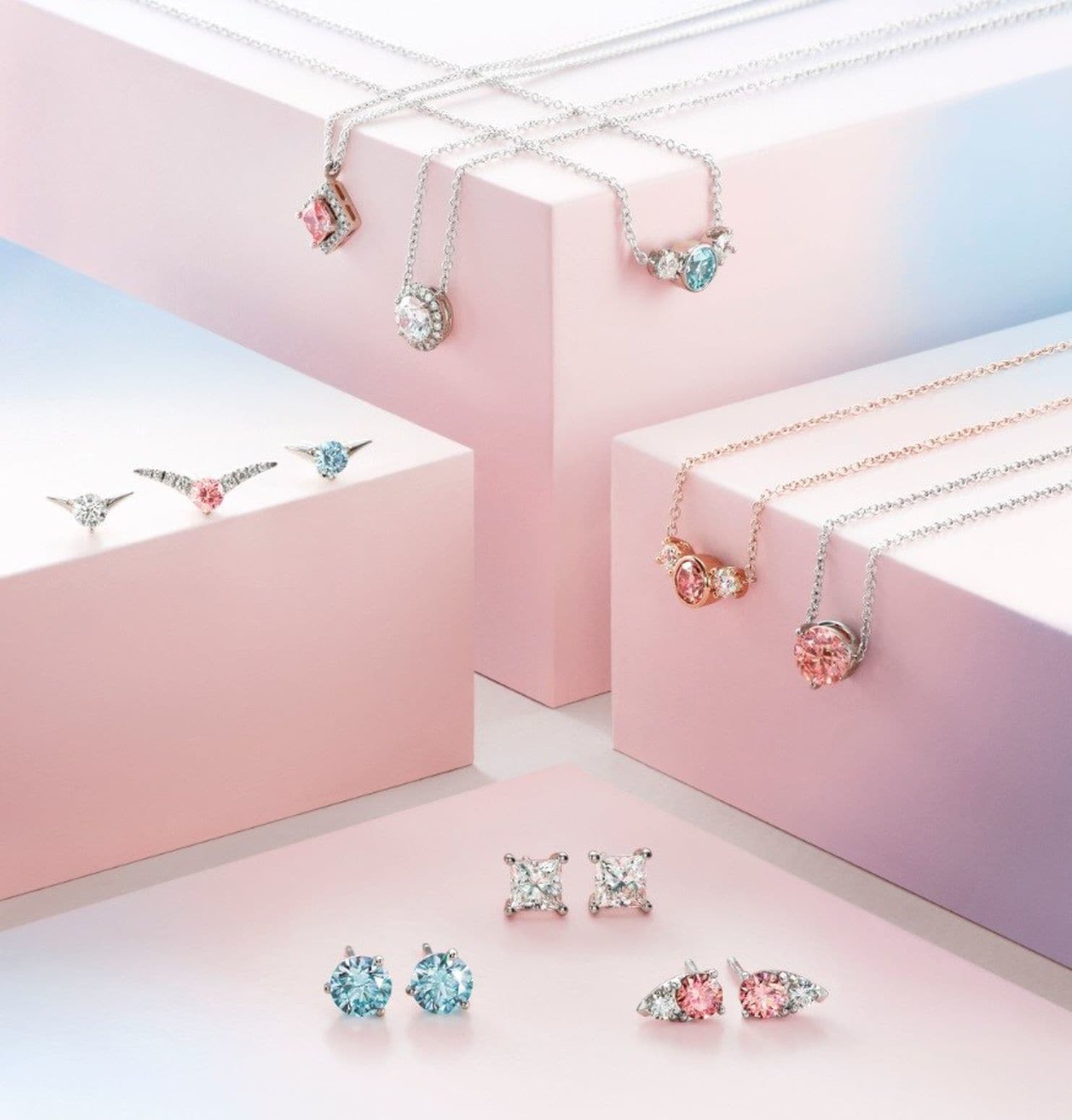
    Adding to the fun element in the Lightbox Jewelry line will be an emphasis on colored pink and blue stones to compliment the traditional clear-white diamonds. Prices will start at $200 for a quarter-carat stone to $800 for one-carat. These prices, however, don’t include the cost of the jewelry setting, which will initially include earrings and necklace designs, not rings.

    Lightbox Jewelry will be available starting in September on the Lightbox website, with retail partnerships “to be announced in due course,” the company said.

    To jump start its entry into the lab-grown market, De Beers will invest $94 million over the next four years in a new Element Six production facility near Portland, Oregon, which will join Element Six’s existing U.K.-based operation. Element Six has been the production of arm of De Beers Group producing lab-grown industrial diamonds for over 50 years.

    Disrupt yourself

    In opening its doors to lab-grown diamonds, De Beers is giving credibility to a product that it has for years claimed is not the real thing. “De Beer’s focus is on natural diamonds,” Simon Lawson, its head of research and development, said to Bloomberg in 2015. “We would not do anything that would cannibalize the industry.”

    This is a classic “disrupt yourself before you are disrupted” move. While the jewelry-quality lab-grown diamond industry is small today, estimated by Morgan Stanley to represent less than 1% of the global market for rough diamonds, with sales between $75 to $200 million, it predicts lab-grown diamonds could account for 15% of the gem-quality melee diamond market by 2020, (defined as less than a half carat in rough form that can be ready for jewelry mounting by using industrial drill bits, saws and sanding equipment), and 7.5% of the larger diamond market.

    In its mined-diamond business, De Beers has a lot to lose as laboratory-diamond sales grow. The Economist reports that De Beers accounts for about one-third of global mined-diamond sales, down from 45% in 2007.

    Among the many factors disrupting De Beers mined-diamond business, which declined from $6.1 billion in 2016 to $5.8 billion in 2017, are millennials’ concern about the environmental and human toll associated with extracting diamonds out of the ground. Laboratory-grown diamonds answer this objection.

    “Millennials are even more concerned with the human factor impacted by mining industry than their environmental concerns, which are great as well,” Marty Hurwitz, CEO of MVI Marketing, told me. His company recently conducted a study that found nearly 70% of millennials would consider a lab-grown stone for an engagement ring.

    Disrupt the disrupters

    By embracing lab-grown diamonds and calling it their own, De Beers is disrupting the industry’s stance against the numerous startup disruptors eating away at their market dominance. These brands include Ada Diamonds, ALTR, Diamond Nexus, Diamond Foundry, New Dawn Diamonds and Pure Grown among others, though no market-share leader has emerged as yet.

    The diamond industry has been arguing for years that laboratory-produced diamonds are not “real.” In a new study from the Diamond Producers Association conducted by Harris Poll, it reports, “A clear majority of American consumers recognize that diamonds created in a factory (also known as ‘synthetic’ or ‘laboratory-grown’) are not ‘real’ diamonds.”

    Pushing back on the lab-grown industry’s narrative that the stones it produces are chemically and structurally the same as a mined diamond, DPA CEO Jean-Marc Lieberherr said, “At a time when everything ‘artificial’ aims to compete with, and replace, ‘natural’ and ‘real’, these results show consumers care about inherent value, authenticity and symbolism that a diamond carries.”

    While the De Beer’s Lightbox Jewelry announcement doesn’t address the “real” versus “fake” controversy, it does distinguish between its mined-diamond offering as “forever,” as in “A Diamond Is Forever,” to its Lightbox alternative as for “right now.”

    It also is notable that it calls Lightbox “fashion jewelry,” positioning it as the lesser, more affordable alternative to “fine jewelry” quality defined by a natural, mined-diamond selection.

    The official industry distinction between fine and fashion jewelry is that fashion doesn’t have precious gemstones or precious metals (other than plating) while fine jewelry is made with precious metals and precious gemstones. In other words, lab-grown diamonds are not “precious” whereas mined diamonds are.

    This suggests the direction that De Beers will take as it moves Lightbox Jewelry into the market: “If you want fashion jewelry, Lightbox is your choice. If you want precious fine jewelry, then Forevermark and De Beers Jewellers is for you.”

    Go big or go home

    Rather than fight the rising tide against laboratory-grown diamonds which has found a consumer market ready, willing and able to embrace it, De Beers is getting in early to take a leadership position in an emerging category with no clear-cut leader.

    Now it will have one, with De Beers’ mighty marketing muscle moving in to define the category and establish its positioning against the lab-grown upstarts, as well as elevating its mined-diamond precious jewelry offering.

    De Beers single-handedly made diamonds what they are today. Next De Beers is going to make laboratory-diamonds what they will be tomorrow: a fun fashion pretender to the real, rare, precious, natural, “forever” diamond.

    And as it did with diamonds throughout its 130-year history, De Beers is going to use its power to establish prices for both the mined and laboratory-diamond markets. Its Lightbox Jewelry prices are way below current levels in the industry today, and given advances in technology and production processes, the costs to produce man-made stones will only fall.

    Likewise, by establishing a low-price alternative to the real thing, De Beers will be able to drive up the prices for its natural stones. It’s a very smart and bold move that would make Cecil Rhodes proud.

  • Nike buys custom fit start-up from Israel

    Nike buys custom fit start-up from Israel

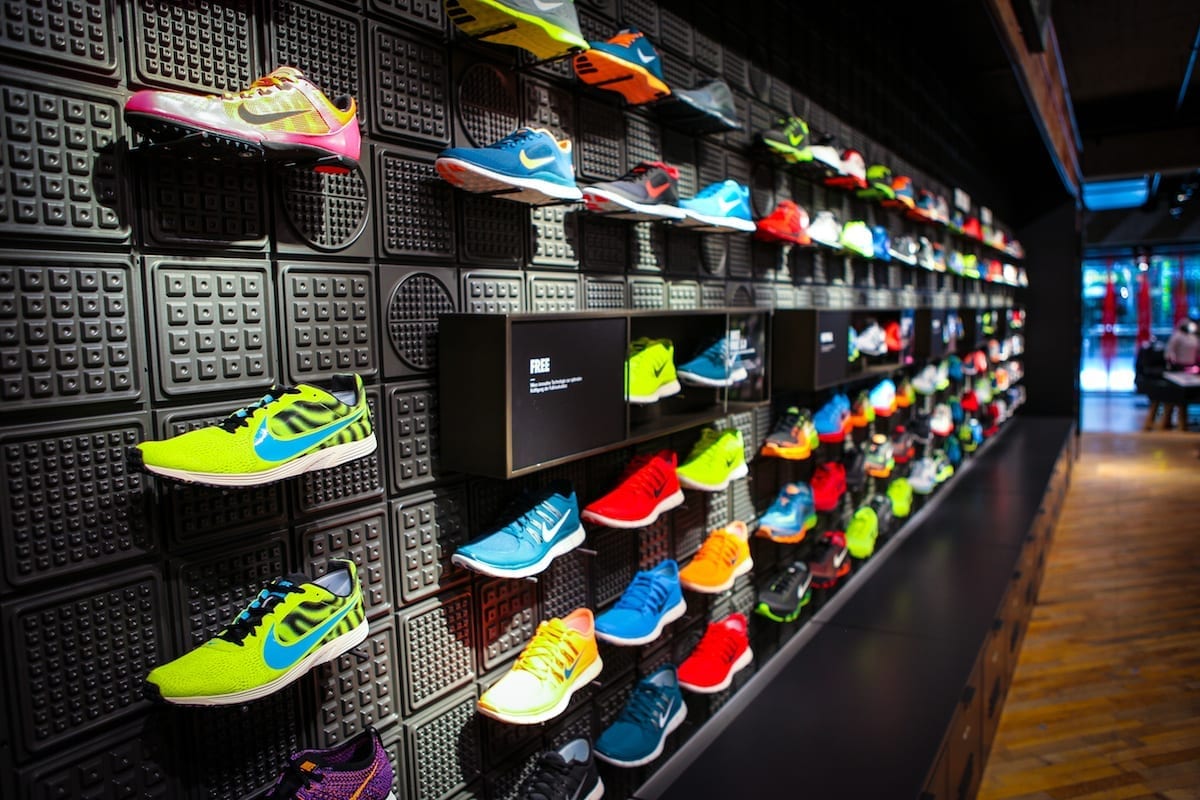
    The Israeli based computer vision firm was bought for an undisclosed sum and is Nike’s second acquisition in recent months following its purchase of consumer data business Zodiac in March.

    Invertex found David Bleicher has previously the technology as a “mass customisation” tool that enables customers to fit products to customers online through mobile applications that scan shoppers bodies.

    The business has also launched a smart mat product that uses maching learning to scan feet in-store and achieve what the business calls “unprecedented” levels of sizing reccomendations.

    Nike said the deal would deepen its digital capabilities at a time when it is rushing to capitalise on growing demand for online experiences.

    “The acquisition of Invertex will deepen our bench of digital talent and further our capabilities in computer vision and artificial intelligence as we create the most compelling Nike consumer experience at every touch point,” said Nike Chief Digital Officer, Adam Sussman.

    Nike said Bleicher and his team will focus on “ground breaking innovations” under the Nike umbrella.

    “Nike’s connection to and understanding of their consumer is unsurpassed and we look forward to joining their team to help drive the Consumer Direct Offense,” Bleicher said of the deal.

  • Apples focuses on high-end audio market

    Apples focuses on high-end audio market

    Apple is returning to its roots when it comes to music products and is starting to embrace the world of audiophiles who are prepared to pay more for premium, higher-quality speakers and music devices.

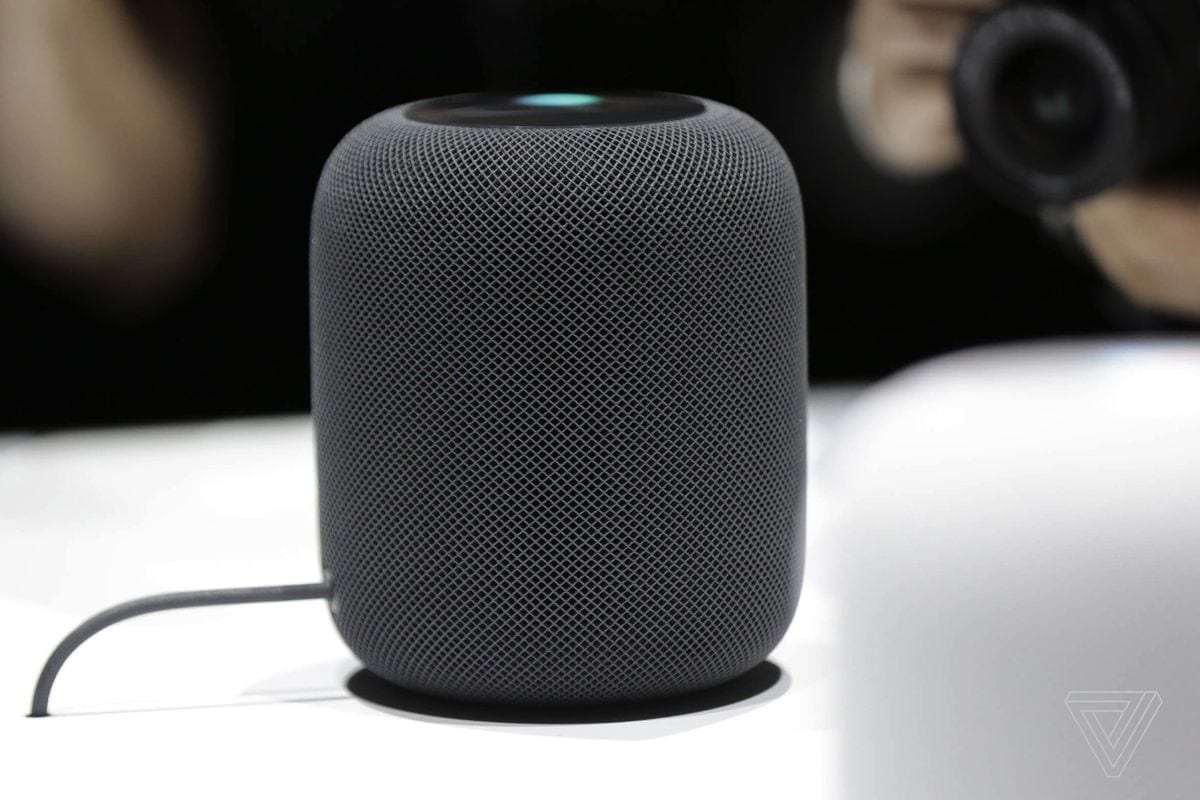
    Take the release of the HomePod in February. Apple‘s new home speaker is designed to compete with Amazon’s Echo devices. A key part of Apple’s marketing for the device focuses on the audio quality.

    “HomePod is a powerful speaker that sounds amazing and adapts to wherever it’s playing,” Apple says on its website. “It is the ultimate music authority, bringing together Apple Music and Siri to learn your taste in music.”

    Apple already has its own line of headphones, and even has an entire separate brand for them: Beats. Apple bought Beats for $3 billion (£2.1 billion) in 2014, and got its hands on the company’s trendy headphones business, its fledgling music streaming service, and Beats founders Jimmy Iovine and Dr. Dre.

    But the Beats brand never felt like a natural fit for Apple. The company built up its profile by making sure that celebrities and sports stars wore its distinctive, colourful headphones. Apple, however, prefers to be far more low-key in its endorsements and design choices. Design chief Jony Ive favours white, minimalist products, for example.

    Apple now seems to be planning to start again on headphones and is reportedly working on something that seems much more Apple-y.

    High-end audio products are nothing new for Apple. In fact, it brings the company back to the release of the iPod.

    The iPod Classic was practically tailor-made for audiophiles with its 80GB or 160GB hard drive and support for lossless music. Wired said that it was “the natural choice for people who are serious enough about audio quality to include their listening equipment in their signature files.”

    But over the years Apple has moved away from catering to audiophiles. It’s a small market, after all, and Apple does not want to risk releasing niche products. So newer iPhones made it incredibly difficult to play lossless music, and Apple eventually discontinued the iPod Classic. “Farewell Apple iPod classic, We Audiophiles Will Miss You,” PC Magazine wrote.

    There have been glimmers of hope for audiophile Apple watchers over the years, though.

    Ive likes to play loud music in the Apple design studio. Maybe that was a sign that an Apple stereo system was on the way. Apple founder Steve Jobs had been working on a new, lossless music format with musician Neil Young. Maybe Apple was about to get back into lossless audio in a big way (it wasn’t). U2 singer Bono said that he was working on a top secret music format with Apple. Perhaps that was the high-resolution audio fans had been waiting for.

    The audiophiles revolted. “How do you justify an iDevice to an audiophile?” read one forum post. “With the lackluster audio properties inside the devices and the inability to make adjustments to the sound it is a hard sell to someone who cares about audio, for a company that claims to love music.”

    Another forum post had the title “Apple Music… Seriously?” Audiophiles bemoaned the lack of proper lossless audio support. Sure, some people made the point that Apple’s music format is basically identical to standard lossless formats. But audiophiles never saw Apple as a serious player in that space.

    Now, that all seems to be changing. The HomePod received positive reviews from Reddit’s audiophile community. Apple vice president of worldwide marketing Phil Schiller even tweeted a link to a post from the subreddit reviewing the speaker.

    The release of a line of premium Apple headphones would do even more to establish Apple’s audiophile credentials. Until recently, the closest thing you would find to an audiophile product in an Apple Store was a speaker made by a third-party company such as Devialet. But that is likely to change as Apple develops its own line of speakers and headphones.

  • Automated stores with no human cashiers on the rise

    Automated stores with no human cashiers on the rise

    Unmanned Stores without cashiers are on the rise, industry sources said, amid local retailers‘ efforts to find a breakthrough in the saturated market.

    Local software firm Danal Co., which operates coffee franchise dal.komm coffee, said it recently opened the country’s first cashier-less coffee shop at the country‘s main gateway, Incheon International Airport.

    The coffee shop, named Beat, is located at the newly opened second terminal and is activated by robots, the company said.

    The store is operated by smart robots that can take orders, make coffee and move cups to a pick-up location where customers can drink.

    “The company aims to add up to 100 stores by the end of this year at various locations, including banks, shopping malls, and universities,” said a company official who asked not to named.

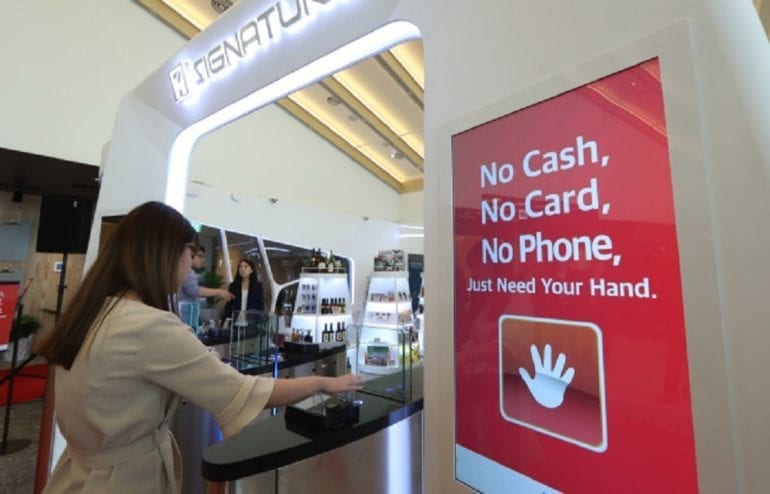
    Unmanned convenience stores are also on the rise, since the country’s first cashier-less convenience store broke onto the retail scene in May. The local operator of 7-Eleven unveiled a shop that utilizes vein recognition technology at South Korean retail giant Lotte‘s 123-story skyscraper.

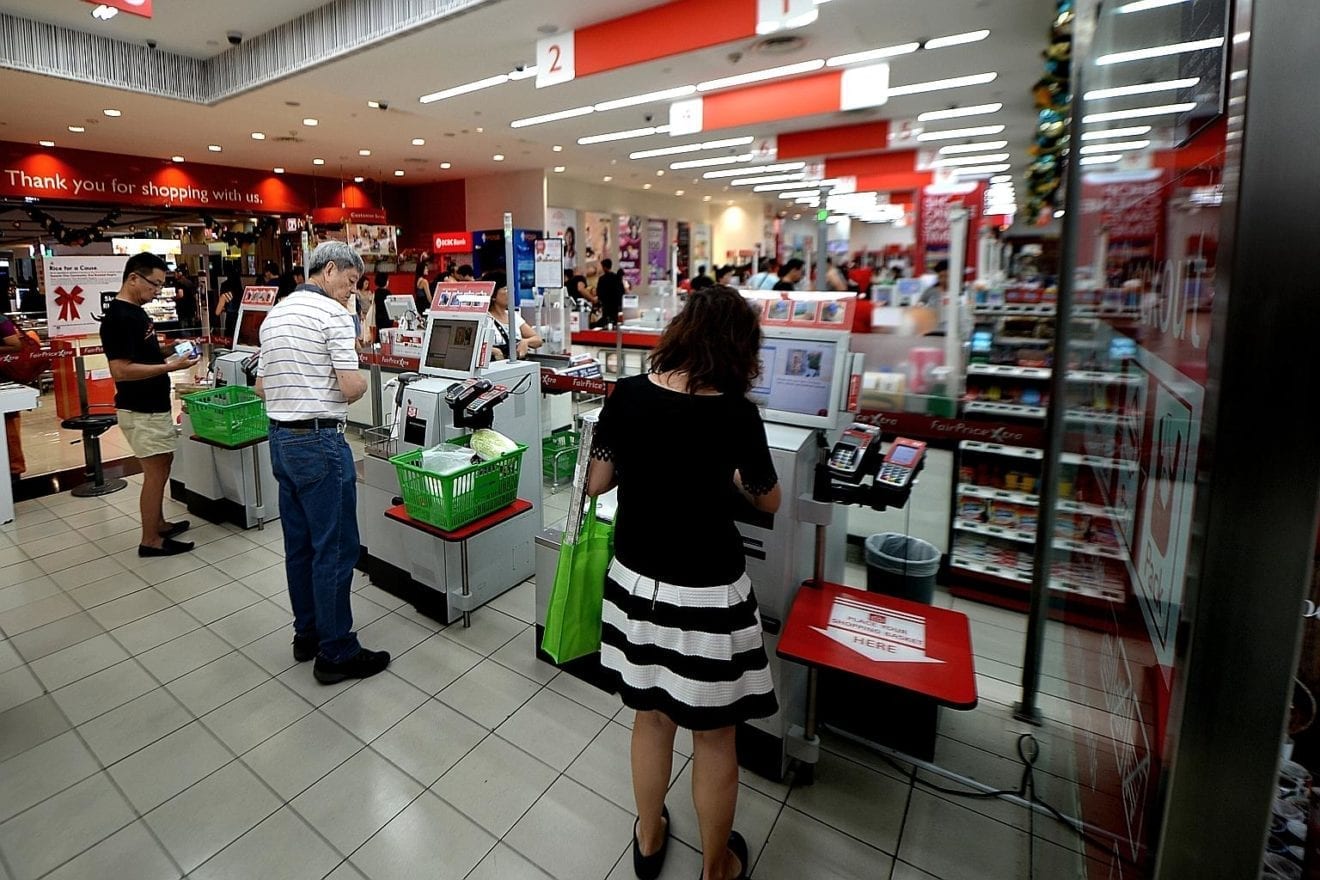
    Unlike other 24-hour shops, automated convenience stores feature self-service kiosks, where guests scan the bar codes of their items and pay.

    Emart24, an affiliate of leading discount store chain operator Shinsegae, currently operates six cashierless stores, having opened the first one last June.

    BGF Retail Co., the operator of CU, South Korea’s largest convenience store chain, said it is preparing to open an unmanned shop.

    The company currently provides mobile application called “Buy-Self,” which allows customers to search for an item, and provides a payment tool.

  • Ferragamo and Versace watches to innovate

    Ferragamo and Versace watches to innovate

    It is no secret that retailers, distributors and manufacturers need to find new ways to meet consumers’ changing expectations in the luxury and fashion markets.

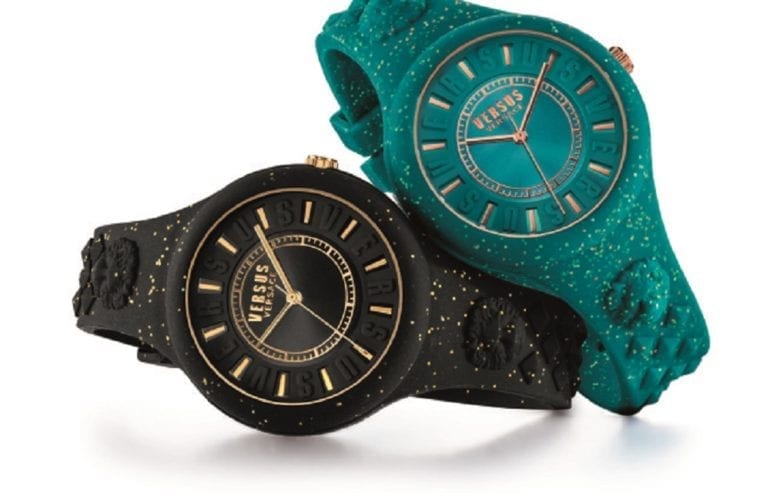
    These changes in consumer behavior led Paolo Marai, president and CEO of the Timex Group Luxury Division, which manages the timepiece business for Salvatore Ferragamo, Versace and Versus Versace, to appoint the MadaLuxe Group as its U.S. and Caribbean distributor.

    This new arrangement was actually announced in January 2017 but the two companies have spent almost a year formulating a strategy before truly making the partnership known in November 2017. It is a multi-tiered approach that ultimately focuses on the in-store experience for consumers.

    “We started in January 2017, but we really wanted to have a kind of honeymoon period and develop an understanding of the way we need to work and the way we need to develop and that is why we decided not to make it a big event in the very beginning. Let’s work a few months together and get a really strong team,” Marai said in a recent interview.

    The companies have spent this year hiring people in management roles experienced in both the fashion and the Swiss watch industry, including people who used to work with Fossil, Burberry, Tom Ford and Tag Heuer.

    They are working on sales training, product pricing, inventory management at the store level, in-store displays and after-sales service that are all uniform in the experience they provide. It’s not an easy task as the watch brands are sold in department stores, independent specialty stores and in branded boutiques. So relationship building is vital for this effort to be successful.

    “This year has been a transition year but we are seeing very positive signs that 2018 will be a strong year. First of all because we have a bunch of new products coming that we feel good about; and second, we organized ourselves to have this smooth transition not to disrupt the market,” he said. “I feel that 99% of the time we are absolutely aligned at what needs to be done.”

    MadaLuxe Group is a 30-year-old family-owned business that is one of the largest distributors of luxury fashion and accessories. It designs, produces, buys, sells, markets and distributes apparel, accessories and home goods from well-known luxury and contemporary brands. This is the company’s first time in the watch business, which is one reason why it has been on a hiring spree looking for talent. However, this is a company well-experienced in providing solutions for luxury fashion brands with a distribution network of about 300 retail stores in the U.S.

    The company, which has seven divisions, was co-founded by the mother and son team of Sandy Sholl, CEO, and Adam Freede, president. They created the luxury segment of their business seven years ago and see it as a growth business because of younger consumers who are well-educated and curious when it comes to luxury.

    “We just believe many more Americans understand what luxury is,” Sholl said during the same interview with Marai. “In the past they may have been intimidated to walk into a luxury store but now they are a lot more knowledgeable. We penetrated the luxury market very aggressively and spent a lot of time with all types of luxury lifestyle products.”

    Freede added, “We see the American market as a very big growth area in all categories, not just timepieces, because of the quality and craftsmanship of heritage brands. These timepieces go right into what we believe are major trends in the U.S.”

    Marai said MadaLuxe has long-term relationships with department stores. He believes MadaLuxe will increase their presence of Ferragamo and Versace watches, ensure the sales staff is well trained and properly manage the inventory.

    “We needed a partner who knows luxury and who has a distribution-enhanced approach with department stores. They know the heads when going from one department store to another. This helps a lot. We chose someone with tremendous luxury experience and with a very open-minded approach.”

    Marai is also happy that MadaLuxe has created a division just for the management of the Ferragamo and Versace watch business.

    “There is a complete new team dedicated to watches, which is something that makes us feel good,” he said. “We really hired a bunch of people who are expert in the watch category.”

    Marai, a native of Milan, has seen first-hand the changes in the fashion and luxury watch businesses since he began to lead the Timex Group Luxury Division in 2005, headquartered nearby in Lugano, Switzerland.

    “It is a new type of consumer that wants to buy in a different way and we have to learn how to process this new consumer,” he said. “It’s not just about new products because new products mean nothing if you don’t have the entire marketing story around it. I’m not even talking about marketing as it has been done in the past. It is a completely different story right now.

    “What is happening is that when people are entering a store they don’t want to buy a product. They want to have an experience, which involves the quality of service and the way you display your story inside the store,” Marai continued. “There is a lot of history behind a brand and there’s a new generation of people who want to know more about it in order to feel that they’re not just buying a product. Instead, they want to buy something that pertains to their world.”

    Much of the strategy is dealing with how young people digest fashion today and what appeals to them. Some fashion brands, such as Versace, have an identity based on its enormous popularity in the 1990s. When asked if young people still identify with this esthetic, Sholl said that in her experience Versace is as relevant today as it ever was and she points to her Versace watch as an example.

    “Versace is the most recognized and the most popular brand. It’s actually astounding how good Versace does in general as a brand,” she said. “When you look at this watch I would buy this as jewelry. It’s more than just a timepiece. It’s just a great fashion statement.”

    Marai pointed to Milan Fashion week, where Versace was the highlight with its tribute to its founder, Gianni Versace, who was tragically killed 20 years ago. For the runway show, the fashion house brought back supermodels of the ’90s: Cindy Crawford, Naomi Campbell, Claudia Schiffer, Carla Bruni and Helena Christensen. But Marai also noted that the show was a statement about the future of the brand.

    “The strength of the brand is not from a position of the past. It must show that it has a capacity of what it says for the future generations. Definitely, Versace as a brand is showing they are really turning the page. The last show they did in Milano was in honor of Gianni. But it also was statement that said, ‘You did it, now it’s time to move forward.’ It was a very important message.”

  • Louis Vuitton launches its Facebook chatbot

    Louis Vuitton launches its Facebook chatbot

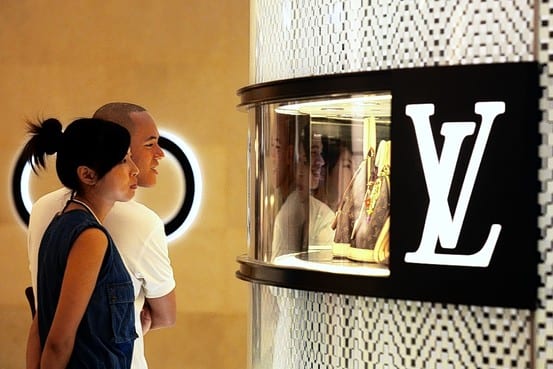
    In a bid to think “client first”, Louis Vuitton has launched a chatbot on Facebook Messenger that advises shoppers on products, aiming to provide meaningful feedback during the busy holiday period.

    The bot is powered by mode.AI, which has also previously partnered with the likes of Levi’s with its artificial intelligence, visual search and machine learning technology.

    It aims to give clients a more “sophisticated, personalized, visual and conversational online shopping experience” via Facebook, where Louis Vuitton currently has more than 20 million followers.

    The main focus is on search– users can converse with the bot to discover the brand’s full line of products, as well as use it to get suggestions on specific items. It uses natural language processing to facilitate a more advanced search experience.

    They can also share items with friends directly through it, and get votes in return on what to buy. Additional services include info on stores worldwide, access to product care instructions and a conversational view on the brand itself, from its fashion shows to its history and the craftsmanship behind its products.

    LV

    Louis Vuitton CEO, Michael Burke, said: “At Louis Vuitton, we always think client first. Today, our clients like to be connected to the Louis Vuitton universe wherever they are. They shop in our stores worldwide and are often in contact with their personal shoppers. They also follow us on Facebook, Twitter, Instagram, etc. and find our products on louisvuitton.com. It became evident that we should create the Louis Vuitton Virtual Advisor powered by mode.ai, a 24h/7 service to be able to fully meet their needs.”

    “We are still in the very early stage of AI technology adoption in the retail industry. The dominance of e-commerce isn’t just a trend, but an ever-growing arena, giving luxury brands like Louis Vuitton the opportunity to reach and sell to their customers in new and exciting ways. As shoppers continue to move online, the most forward-thinking companies will turn to AI chatbot technology to meet these shifting client demands,” said mode.ai CEO Eitan Sharon.

    Burke added: “The [bot] is designed to increase the quality of the relationship we have with our clients by enhancing and personalizing the shopping experience. We see messaging platforms as future key drivers of conversations with our clients, and potential for the integration of artificial intelligence and chatbot technologies to further enhance service to clients across these new channels.”

    The experience is currently only available on Facebook Messenger in the US, but there are plans to roll it out to Europe and Japan next, as well as across additional platforms including WeChat and Line.

  • Hong Kong to be one of world’s earliest adopters of 5G technology

    Hong Kong to be one of world’s earliest adopters of 5G technology

    Hong Kong will be one of the world’s earliest adopters of next generation 5G mobile broadband services, which will run 10 times faster than existing high-speed mobile internet when the technology is ready for commercial use in 2020, local officials revealed on 1 December 2017.

    The Office of the Communications Authority said the city would “grasp” 5G’s benefits after service allocation details are finalised in 2019.

    The International Telecommunication Union (ITU), a UN body, will convene the World Radiocommunication Conference in 2019 to decide global allocation of the 5G spectrum. Commercial 5G services are expected to roll out the following year.

    The current mobile broadband standard, 4G-LTE, is only capable of download speeds of 1 gigabit per second. The 5G standard is expected to have a maximum download rate of 10 gigabits per second and will have significantly less latency, giving people faster load times for content, such as for full, high-definition videos.

    Information technology sector legislator Charles Mok said once the 5G spectrum is finalised, it would be relatively simple to install on existing 4G-LTE networks, without needing to replacing entire cellular towers.

    Mok expected the 2019 conference to go smoothly because many vendors and developers were already preparing products for 5G as they had an idea which spectrums would most likely be allocated.

    “The ITU announcement will be just a formality because where the industry is going is pretty certain,” he added.

    Meanwhile, the communications authority has set up a licensing scheme for companies that wish to use wireless bands for Internet of Things (IoT) devices.

    IoT products are constantly connected to the internet, collecting data for use on other devices or for companies’ later analysis to develop upgrades or new products.

    The licence would give the government regulatory oversight of products that use wireless communications to generate, exchange and consume data. This would include smart meters, smart waste management systems and autonomous vehicles.

    Two international companies have applied for the licence, according to authority deputy director general Chaucer Leung Chung-yin, but he declined to name them.

  • Korea retailers embracing self-checkout technology

    Korea retailers embracing self-checkout technology

    Unmanned convenience stores are slowly making their way in South Korea and may significantly change or eliminate jobs behind the counter.

    Due to a steep rise in the minimum hourly wage, which will come into force next year, and advancements in technology, local retailers are adopting unmanned operations.

    There are five unmanned convenience stores in the country, according to industry officials.

    Lotte Group‘s Korea Seven started operating its unmanned store 7-Eleven Signature at Lotte World Tower in May. Retail giant Shinsegae operates four unmanned E-mart 24 stores nationwide.

    At the unmanned stores, consumers can buy products by scanning them at auto-checkout counters.

    “Whenever there was a person behind counter, I instinctively felt like I had to pick products fast and go to the counter,” Lee Gil-yong told DongA News.

    “But now that there are no workers in the unmanned store, I feel like I can take my time to choose what I want to buy.”

    But some people have had difficulty adjusting to the stores and their security features.

    According to E-mart 24, three out of 13 people who visited its unmanned store in Seongsu-dong, Seoul, between 11 p.m. and 12:30 p.m. on Oct. 24 did not know how to get in. The store operates without workers from 11 p.m. to 6 a.m.

    To enter the unmanned E-mart 24 stores, shoppers must identify themselves with their credit cards. Also, they cannot buy alcoholic beverages ― a popular night-time product ― because unmanned stores cannot verify ages.

    E-mart 24’s unmanned stores suffered a decrease in sales, but cheaper labor costs meant the stores generated more profit.

    Concerns about the safety have also been raised because people entered without identifying themselves by waiting for the door to open for a shopper leaving the store.

    “We have not been able to operate the self-checkout machines in franchises because we have not yet found a way to prevent theft,” said an industry official.

    Only stores directly managed by headquarters operate unmanned checkout machines.

    “We are just checking the unmanned stores’ efficiency for now,” an E-mart 24 official said. “We have yet to decide whether to set up additional unmanned stores.”

    E-mart 24’s competitor 7-Eleven Signature has a HandPay system that identifies individuals by the pattern of their veins. Consumers can register their vein patterns on their Lotte Cards and the store will recognize the consumers.

    But shoppers have expressed discomfort because the store can only be accessed by those whose veins are registered.

    More retailers are expected to turn to automation due to the minimum wage hike next year, when the hourly minimum wage will rise to 7,530 won (US$6.67), up 16.4 percent from this year.

    Other major convenience stores such as GS Retail’s GS25 and BGF Retail’s CU also are preparing for unmanned stores.

  • Food helps, says Starbucks boss

    Food helps, says Starbucks boss

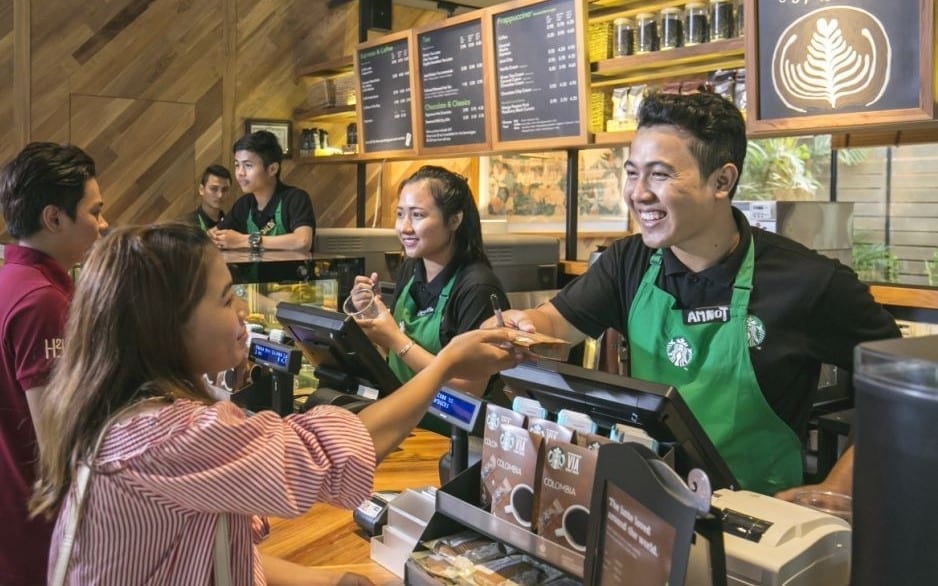
    Food and digital innovation are helping attract customers into stores, says Starbucks Corporation CEO/president Kevin Johnson.

    He was commenting on the coffee giant’s growth during its fourth quarter and fiscal year ending October 1.

    For the quarter, net revenues for the China/Asia Pacific segment grew 2 per cent to US$859.9 million. Excluding $56.9 million for an extra week last year’s fourth quarter, net revenues grew 10 per cent, primarily driven by incremental revenues from 1036 store openings over the past 12 months and a 2 per cent growth in comparable store sales. The increase was partially offset by unfavourable foreign currency translation.

    China comparative-store sales increased 8 per cent, driven by a 7 per cent increase in transactions.

    Overall four-quarter operating income grew 5 per cent to $201.7 million, while the operating margin expanded 60 points to 23.5 per cent, primarily driven by higher income from joint ventures, and partially offset by the lapping of the 53rd week in fourth quarter.

    Consolidated net revenues were steady for the quarter at $5.7 billion, excluding $412.4 million for the extra week. Consolidated net revenues grew 8 per cent.

    GAAP operating income of $1 billion declined 16.7 per cent while non-GAAP operating income grew 2.8 per cent to $1.1 billion. GAAP operating margin of 17.9 per cent declined 360 points while the non-GAAP decline was 20 per cent, down 90 points.

    The increased operating loss was primarily because of restructuring and impairment costs related to the company’s strategy to close Teavana tea retail stores and focus on the brand within Starbucks stores.

    Global comparable store sales increased 2 per cent, driven by a 2 per cent increase in average ticket and a 1 per cent increase in transactions; but up 3 per cent excluding the impact from Hurricanes Harvey and Irma. The impact from the hurricanes affected consolidated and US comparative store growth by 1 per cent as more than 1000 stores were temporarily closed.

    Revenue growth

    For the year, global comparable-store sales increased 3 per cent while consolidated net revenues grew 5 per cent to $22.4 billion. Excluding $412.4 million for the extra week in the fourth quarter last year, consolidated net revenues grew 7 per cent year-on-year.

    GAAP operating income of $4.1 billion declined 0.9 per cent compared while non-GAAP operating income grew 7.8 per cent to $4.4 billion.
    GAAP operating margin of 18.5 per cent declined 110 points, but was up 10 points to 19.7 per cent non-GAAP.

    Starbucks opened 603 stores globally, taking its total to 27,339 across 75 countries.

    Johnson says system improvements are enabling the company to drive increased throughput, particularly in its busiest stores at peak times.

    In September, the company announced it had entered into an agreement with long-time strategic partner Maxim’s Caterers in Asia to fully licence Starbucks business in Singapore, including transitioning the more than 130 company-run Starbucks stores. The partnership started in Hong Kong in 2000, and together they run more than 210 outlets across Cambodia, Hong Kong, Macau and Vietnam.

  • Vietnam beats Thailand, Indonesia with big jump in global innovation ranking

    Vietnam beats Thailand, Indonesia with big jump in global innovation ranking

    The country, at number 47, is now only behind Singapore and Malaysia in Southeast Asia. Vietnam has been named the 47th most innovative economy in the world, its best performance to date, according to this year’s Global Innovation Index report.

    The country jumped 12 spots compared to last year, thanks to its efforts to improve business environment as well as competitiveness.

    Vietnam also ranked first among lower-middle income economies. Among Southeast Asian countries, it overtook Thailand to secure the third place, only behind Singapore and Malaysia.

    Global Innovation Index of Southeast Asian economiesSingapore (7th)Malaysia (37th)Vietnam (47th)Thailand (51st)Brunei (71st)Philippines (73rd)Indonesia (87th)Cambodia (101st)010203040506070Source: Global Innovation Index (GII)

    Knowledge and Technology Outputs, one of the main pillars of the index, was found to be Vietnam’s strong point.

    The country also performed well in Market Sophistication and in Creative Outputs. However, Vietnam’s performance was mediocre in the other pillars that measure institutional framework, human capital, infrastructures and business sophistication.

    “New Asian Tigers — such as Indonesia, the Philippines, and Vietnam — are emerging too, and they increasingly join not only Asian high-tech value chains but also other activities such as ICT offshoring. These and other countries in Asia are also active in improving their innovation performance,” the report said.

    The report, co-published by the World Intellectual Property Organization, Cornell University and the business school INSEAD, surveys the innovation performance of 127 economies around the world.

    Vietnam has been part of the index since its debut in 2007. The country has been climbing up since 2013, after several years of hovering just above the 70th place.

  • Asia still top dog for payments innovation but Europe gaining ground

    Asia still top dog for payments innovation but Europe gaining ground

    Asia remains home to most payments innovation but Europe is making a charge, leapfrogging Africa, North America and Latin America, according to a survey of industry execs which also calls out distributed ledger technology as over-hyped.

    Based on a survey of 70 execs from 37 countries, the Global Payments Innovation Jury table sees Asia crowned champion again – a position it has held since the inaugural 2008 Jury. The continent scores 64% of the vote and while the “China effect” is significant, there have also been innovative developments in the likes of South Korea, Singapore, Japan and Malaysia.Notably, for the first time in nine years, Europe has leapfrogged Africa, North America and Latin America to take second place in the ranking.

    Says John Chaplin, chairman, Global Payments Innovation Jury: “While Europe has never been rated favourably for payments innovation in the past, the 2017 Jury sees real grounds for optimism.

    “There is now a much more progressive regulatory environment in Europe, world-leading innovation hotspots have developed in London and Berlin and we are starting to see that consumers are more willing to give new financial service providers a go.”

    In developed markets, such as Europe, a big majority see B2B investment as more likely to generate good returns than B2C, citing the consumer expectation that payment services should be free and the major marketing investment required to build a substantial user base.

    However, in markets such as Asia and Africa, the sheer size of the population still without access to formal financial services makes the Jury lean more towards B2C (56%) than B2B (44%).

    Addressing top industry trends, three quarters of the Jury believe that APIs are going to play an increasingly significant role in the payments market over the next three years.

    “Payments are often a source of friction and that means lost sales for retailers and frustrated customers. Using APIs it is much easier to integrate payments into apps so that transactions become almost automatic,” says Chaplin.

    Meanwhile, DLT is seen as the most over-hyped payments innovation. Says Chaplin: “While the Jury believe that distribution ledger technology can deliver real benefits for the overall financial services business they also consider that many of the claims made about its applicability to retail payments are over the top.”

  • NEC holds Innovative Solutions Fair in Singapore

    NEC holds Innovative Solutions Fair in Singapore

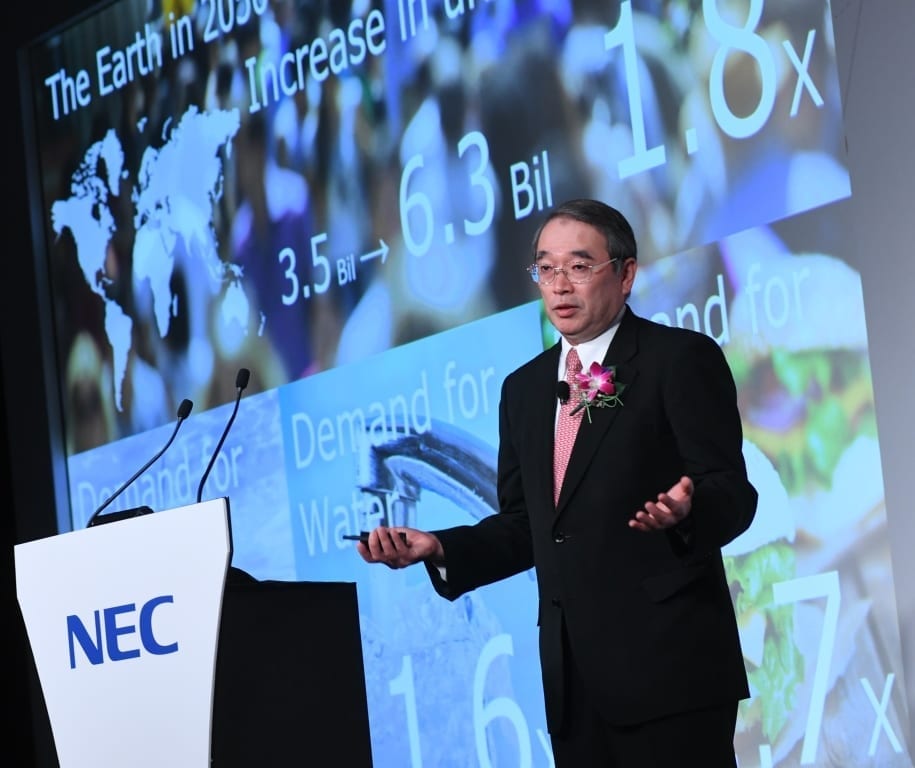
    This year’s theme, ‘Co-creating Cities of Tomorrow’, seeks to showcase NEC’s most innovative and proven suite of “Solutions for Society” and cutting-edge technologies that are being used to transform cities and businesses in the areas of safety, security, efficiency and allowing people to live brighter lives.

    Featuring more than 25 interactive exhibits showcasing NEC’s breakthrough innovative urban and business transformation solutions, the one-day event will feature a keynote speech by Mr. Kiren Kumar, who oversees the Infocomm and Media industry development efforts at the Singapore Economic Development Board (EDB), as well as insights from thought leaders into the latest industry research, and how ICT solutions can help enhance safety and business transformation for cities and society.

    Other highlights include safer and smart cities technologies based on NEC’s portfolio of artificial intelligence technologies, NEC the WISE, such as NEC’s world’s No.1 face recognition and fingerprint technology, cyber security, smart energy, healthcare, transport; business transformation solutions such as enterprise cloud, IoT, smart workplace and collaboration, Software-Defined Networking technology, mixed reality for enterprises and much more.

    Mr. Kiren Kumar, Assistant Managing Director, EDB, said, “NEC is a longstanding partner of Singapore and has worked closely with the government on multiple fronts to test and scale their latest smart city technologies. We are therefore heartened to see that NEC is leveraging Singapore as a platform to showcase their latest technologies and facilitate partnerships between companies and innovators to address opportunities created by digitalisation. This bodes well for Singapore’s efforts to become the Digital Capital of Asia.”

    “NEC Asia Pacific is pleased to hold the NEC Innovative Solutions Fair for the second time in Singapore. Leveraging NEC’s ‘Solutions for Society’ suite of cutting-edge technologies and solutions, we believe in forging strong partnerships with governments and enterprises to co-create impactful, innovative solutions that solve societal challenges and enhance lives. As a result, NEC aims to create a safer, brighter and more sustainable future for society and its communities,” said Lim Kok Quee, Managing Director and Deputy CEO (ASEAN Sub-Region) of NEC Asia Pacific.

  • Payments innovation continues to drive growth in Thailand

    Payments innovation continues to drive growth in Thailand

    Demand for innovative payment solutions is on the rise in Thailand, according to global payments technology company Visa, as the value of transactions made by Thai cardholders continues its high-growth trajectory.

    Total payment volume for all Visa cards rose by 9.3 percent last financial year, with growth coming from Visa debit cards at 18 percent and Visa credit cards at 8.6 percent. Meanwhile, the value of eCommerce transactions conducted on Visa cards rose by 24 percent. 

    “While such growth is not new to the payments industry, we are at a tipping point of innovation. New forms of commerce in the digital and hyper-connected world are emerging. When our clients issue Visa cards, they are issuing more than a card, they are issuing a Visa account that enables their customers to use Visa anywhere, anytime, with any connected device,” said Suripong Tantiyanon, Visa Country Manager, Thailand.  

    To support payments innovation in Thailand, Visa has launched the Visa Developer platform, transforming VisaNet, the world’s largest retail payment network, into an open platform for payments and commerce.

    Developers at merchants, financial institutions, technology companies and startups will have self-serve access to some of Visa’s most popular payment capabilities available through APIs, SDKs, and relevant documentation.

    One example of a solution developed and launched in Thailand is a global loyalty mobile application, using the Visa Direct API to provide real-time payment services. The product allows direct transfer of reward points to users’ Visa cards.

    The Visa Tokens Service (VTS), is another API that enables financial institutions to issue tokens – essentially digital accounts that enhance the security and simplify the consumer purchasing experience when shopping on a mobile phone, tablet, personal computer or other smart device. 

    Visa is also expanding the acceptance of electronic payments across the country. The number of merchant outlets that accept Visa cards has grown to almost half a million in 2016, particularly outside of Bangkok. The number of active mobile point of sale (mPOS) devices is almost close to fifty thousand, buoyed by insurance sales.

    “Enormous potential exists for technology to transform the entire payments experience. Many businesses are still relying on legacy systems in a world where customers want everything now – and, customer experience matters. Visa strives to extend the reach and value of electronic payments in ways that can power these changes,” added Mr. Suripong.