Retail News CRM

Tag: Innovation

  • HSBC Amplifies Asian Venture Ecosystem with $1.5 Billion Innovation Banking Hub in Singapore

    HSBC Amplifies Asian Venture Ecosystem with $1.5 Billion Innovation Banking Hub in Singapore

    HSBC is making a significant stride into the Singaporean market with the establishment of its Innovation Banking division. This move is marked by a considerable investment of $1.5 billion, aimed at promoting rapid expansion firms and improving the local venture ecosystem.

    Services and Leadership

    The department is structured to cater to venture-supported enterprises and investors by offering specialized products and sector knowledge. Additionally, it will provide access to the vast global network of HSBC. Neil Falconer, freshly appointed as the Head of Innovation Banking in Singapore, will lead a committed team to assist current clients and broaden coverage. Concurrently, he will maintain his role in managing the Consumer, Healthcare, and TMT sectors within the International Mid-Market segment of HSBC.

    Establishment of Credit Solutions Team

    In line with the new initiative, HSBC has also founded a Credit Solutions team. Shaun Sakhrani, the Head of Credit Solutions for Singapore and the Asia Head of Platform Lending, will lead this team. The group will offer a range of financial structures to Innovation Banking clients, including venture debt and platform finance.

    Singapore, A New Addition to HSBC’s Innovation Banking

    HSBC’s Innovation Banking launch in Singapore marks the third expansion within the Asia-Pacific region in the current year. This addition bolsters its presence across the globe, joining branches in the US, UK, Australia, New Zealand, Israel, Continental Europe, India, Hong Kong, and mainland China.

    Since its launch in 2023, HSBC’s Innovation Banking has witnessed a remarkable growth in its clientele, with an increase of nearly 60 percent. The bank now boasts of a robust team of over 900 innovation finance experts with a global connection.

    In Singapore, HSBC has been backing new-economy businesses since 2021, achieving double-digit revenue growth and supporting companies such as Atome Financial, Glife Technologies, and Tickled Media.

    Singapore: A Thriving Start-Up Hub

    Singapore houses over 4,000 start-ups and flaunts a pulsating network of accelerators, incubators, and investors. As Gilbert Ng, Head of Banking – Singapore, Corporate and Institutional Banking at HSBC, stated, the city-state is an attractive hub for the start-up ecosystem in Asia-Pacific.

    Questions & Answers

    What is the main aim of HSBC’s Innovation Banking division in Singapore?
    The division aims to support high-growth companies and enhance the venture ecosystem in the region.

    Who will lead the newly established Credit Solutions team?
    Shaun Sakhrani, the Head of Credit Solutions for Singapore and the Asia Head of Platform Lending, will lead the Credit Solutions team.

    How has HSBC’s Innovation Banking grown since its launch?
    Since its inception in 2023, the client base of HSBC’s Innovation Banking has grown by nearly 60 percent. It now includes more than 900 globally connected innovation finance experts.

  • Coca-cola Q3 Report: Revenue Boost Amid Challenging Market, Category & Regional Performance Explored

    Coca-cola Q3 Report: Revenue Boost Amid Challenging Market, Category & Regional Performance Explored

    In the third quarter, Coca-Cola revealed a 5% increase in net revenue, rising to $19.2 billion. Their organic revenue also observed a 6% increase during this period.

    Challenging Market Conditions

    James Quincey, the Chairman and CEO of Coca-Cola, acknowledged the challenging market conditions, yet credited the company’s impressive performance to their diverse beverage portfolio and the unique strengths of their franchise model.

    Growth Across Regions

    Unit case volume increased by 1% during the third quarter. This growth was driven by increasing sales in specific regions such as Central Asia, North Africa, Brazil and the UK.

    Category Performance

    The performance varied across the different beverage categories. Sparkling soft drink volumes remained stable, with a 1% growth in unit case volume. This growth was primarily driven by gains in Europe, the Middle East and Africa, and the Asia Pacific region.

    Coca-Cola Zero Sugar saw a considerable increase in sales, with a 14% rise across all regions. Diet Coke and Coca-Cola Light also performed well, with a 2% increase predominantly due to growth in North America and the Asia Pacific region.

    However, not all categories experienced growth. Sparkling flavours saw a 1% decline as gains in Europe, the Middle East and Africa were offset by weaker results in the Asia Pacific region. Additionally, juice, value-added dairy and plant-based beverages saw a 3% decline.

    Conversely, water saw a 3% increase across all regions, sports drinks rose 3% due to growth in North America, and coffee grew 2%, driven by the Asia Pacific and Europe, Middle East and Africa regions.

    Refranchising Strategy

    Coca-Cola also made advancements in its refranchising strategy during the quarter. Coca-Cola HBC AG agreed to obtain a controlling interest in Coca-Cola Beverages Africa, furthering the company’s shift towards a franchise-focused model. In a separate transaction, the company completed the sale of a 40% stake in Hindustan Coca-Cola to the Jubilant Bhartia Group.

    The company confirmed that its productivity programs have helped counter inflationary pressures and have supported investment in areas such as digital and omnichannel capabilities.

    Future Projections

    Coca-Cola anticipates generating a minimum of $15 billion in free cash flow for the remainder of the fiscal year and affirmed that it is on track to meet its full-year guidance. Looking further ahead, Quincey expressed confidence in the company’s ability to meet its 2025 guidance while also working towards achieving its long-term objectives.

    Questions & Answers

    Does Coca-Cola expect to meet its full-year guidance?

    Yes, Coca-Cola confirmed that it expects to meet its full-year guidance.

    Which regions contributed to the growth of Coca-Cola?

    The growth in the third quarter was largely driven by increasing sales in regions such as Central Asia, North Africa, Brazil and the UK.

    What was the result of Coca-Cola’s refranchising strategy in the third quarter?

    During the third quarter, Coca-Cola HBC AG agreed to obtain a controlling interest in Coca-Cola Beverages Africa, furthering the company’s shift towards a franchise-focused model. Additionally, the company completed the sale of a 40% stake in Hindustan Coca-Cola to the Jubilant Bhartia Group.

  • Revolutionizing Retail: How Innovative Design Transforms The Shopping Experience

    Revolutionizing Retail: How Innovative Design Transforms The Shopping Experience

    In the realm of physical retail, innovative and creative designs have a significant influence on the shopping experience. Among the noteworthy brick-and-mortar stores promoting such inventive designs are Farm Rio, Manière de Voir, Crocs, Huckberry, H&M, Todd Synder, and Tm:rw.

    Farm Rio: An Intimate Shopping Experience

    Brazilian brand Farm Rio opened its third and smallest New York City store in August, at 1055 Madison Avenue on the Upper East Side. The store greets customers with a stunning mosaic installation, designed in collaboration with Bisazza, an Italian luxury mosaic maker. The mosaic, composed of 1.9 million hand-placed glass tiles, took over 460 hours to install. This store’s design elements include earthy-green carpets and plush gray seating, creating an intimate and luxurious shopping experience. The brand’s international portfolio includes over 140 locations, including stores in Los Angeles, Paris, and Rio de Janeiro, the brand’s hometown.

    Manière de Voir: A Story of Persistence and Vision

    Manière de Voir, a Manchester-born brand, has opened its first US flagship at 521 Broadway in New York City. The brand’s founder and CEO, Reece Wabara, described the store as a “story of persistence, grit and bold vision.” The spacious store, located just steps away from major retail stores like Nike, Uniqlo, and Sephora, offers customers a chic layout in calming tones and an apparel line that blends a London-inspired streetwear aesthetic with a minimalist Parisian approach.

    Crocs: A New Era of Personalization

    In August, Crocs launched a new store concept called Icon at 543 Broadway in New York’s trendy Soho neighborhood. The 4000 sqft store offers an immersive shopping experience and the brand’s largest personalisation venture yet, drawing customers towards a range of shoes and accessories that blend style and functionality. Customers can customize their purchases with Crocs’ signature Jibbitz charms, including exclusive New York City ones.

    Huckberry: A Blend of Style and Adventure

    Huckberry, a prominent destination for men’s style and adventure, has opened its first permanent store in Georgetown, Washington, DC. The space, part gear shop, part art gallery, was designed with warm materials and clean lines, reflecting the brand’s reputation for men’s lifestyle content. Customers can find a variety of brands ranging from Flint and Tinder to emerging brands from Tokyo, Paris, and New York City.

    H&M: Elevated Shopping Experience

    H&M has inaugurated a new flagship store at The Original Farmers Market in Los Angeles. The store, spanning about 15,000 sqft across two floors, features a gallery-like feel with white, curved walls, wooden fitting rooms, and translucent displays. It operates on RFID-enabled systems, ensuring precise stock accuracy and enabling quick item location within the store. The new LA store serves as a model for upcoming stores in São Paulo, Las Vegas, and Toronto.

    Todd Synder: Refined Elegance

    In August, American menswear designer Todd Snyder opened his first Ohio store, drawing inspiration from refined elements of English sartorial style and the raw aesthetic of industrial design. The store features a comprehensive tailoring shop with a range of Italian suits and sport coats, Italian-made shoes and sandals, and an array of best-in-class brands from around the world.

    Tm:rw: The Future of In-Store Shopping

    Tm:rw, a three-story flagship, opened its doors in July in the heart of Times Square, displaying the world’s largest 3D retail hologram and offering an AI-powered digital avatar and immersive window displays. This new model of experiential retail is designed to let people engage with products in unexpected ways. It features rotating concept areas that span gaming, health and wellness, food, beauty, entertainment, and sports.

    Questions & Answers

    What is unique about the design of Farm Rio’s Madison Avenue store in New York City?
    The store features a beautiful mosaic installation made from 1.9 million hand-placed glass tiles. This nature-inspired mosaic is complemented by green, moss-like carpets and plush, gray seating that resembles smooth stones.

    Can customers personalize their purchases at the Crocs Icon store?
    Yes, customers can personalize their purchases with Crocs’ signature Jibbitz charms, including ones exclusive to New York City, at two customization counters in the store.

    What does the Tm:rw store in Times Square offer?
    The Tm:rw store offers a new model of experiential retail, featuring the world’s largest 3D retail hologram, an AI-powered digital avatar, and immersive window displays. It has rotating concept areas across gaming, health and wellness, food, beauty, entertainment, and sports.

  • Indosat Joins Forces with Partners to Launch Innovative AI Application Collaboration Center

    Indosat Joins Forces with Partners to Launch Innovative AI Application Collaboration Center

    In a significant boost to Indonesia’s aspirations in the digital realm, Indosat Ooredoo Hutchison (Indosat), the Indonesia Technology Alliance (ITA), and the Tsinghua University Wuxi Research Institute of Applied Technologies have entered a Memorandum of Understanding (MoU) to establish an AI Application Cooperation Center in Indonesia. This landmark agreement, formalized at Tsinghua University and witnessed by Parulian George Andreas Silalahi, Deputy Ambassador of the Indonesian Embassy in China, signifies a pivotal step for Indonesia as it aims to take the lead in the artificial intelligence sector.

    Forging Stronger Ties in AI Innovation

    Announced at the 2025 China-ASEAN AI Ministerial Roundtable, the initiative sets the stage for enhanced cooperation between China and Indonesia in AI technologies. It’s designed to lay the foundations for a vibrant AI ecosystem within Indonesia—one that fosters innovation, cultivates top-tier talent, and bolsters the country’s influence in the digital economy.

    The newly established Application Cooperation Center will harness Tsinghua University’s technological prowess alongside ITA’s commitment to advancing Indonesia’s digital landscape. Indosat, as the country’s leading digital telecommunications provider, will leverage Indonesia’s first sovereign AI factory to bring AI implementations to crucial sectors like education, healthcare, and agriculture—essential areas for Indonesia’s long-term growth and digital inclusivity.

    AI—Catalyst for Indonesia’s Future Growth

    This collaboration couldn’t come at a more critical juncture. As Indonesia aspires to realize its Golden Indonesia 2045 vision, the role of AI emerges as a cornerstone for increasing productivity, enhancing public services, and shepherding growth through innovation. Tailoring AI solutions to the nation’s unique economic and social conditions will be paramount in elevating Indonesia’s competitiveness and ensuring broad access to its digital transformation. The collaboration may also pave the way for a strategic partnership between the National Development and Reform Commission of China and Indonesia’s Ministry of Communications and Digital Affairs, further solidifying AI capabilities in both countries.

    Nezar Patria, Vice Minister of Communications and Digital Affairs of Indonesia, underscored the importance of this collaboration, noting, “This marks an important step toward Indonesia’s new technology era. We sincerely appreciate the contributions of all parties involved. By uniting expertise and resources, we can quicken AI’s adoption in Indonesia, fueling technological advancements in the region and beyond.”

    Indosat: Bridging the Gap with AI

    Indosat’s pivotal role cannot be overstated. With an extensive mobile user base and nationwide infrastructure, the company is poised to translate intricate AI innovations into practical applications that impact millions of lives. This initiative aims to broaden access to crucial services in digital healthcare, education, and agriculture while simultaneously nurturing a new generation of local AI talent. Think of Indosat as the bridge connecting cutting-edge global research with the needs of Indonesian communities—like a digital Robin Hood, but without the cloak and bow.

    Vikram Sinha, President Director and CEO of Indosat Ooredoo Hutchison, elaborated on this vision: “AI can help bridge the resource gaps that limit equal opportunities for Indonesians, especially in healthcare, education, and agriculture. Collaborating with Tsinghua University and ITA, we aim to introduce localized, practical AI solutions, reinforcing our broader mission to empower the nation.”

    Global Knowledge Meets Local Needs

    Zhang Bo, Honorary Dean of the Institute for Artificial Intelligence at Tsinghua University, illuminated the long-standing commitment of his institution to AI research, which dates back to 1978. “Our collaboration with Indonesia will deepen exchanges between our nations in artificial intelligence,” he stated, underlining AI’s vast potential in education, healthcare, transportation, and finance to foster equity and distribute medical resources more fairly.

    The center is expected to commence operations early next year, becoming a hub for AI development tailored to Indonesian needs while bridging global expertise with local aspirations.

    Dr. Justisiari P. Kusumah, Chairman of ITA, added this perspective: “ITA is dedicated to collaborations that accelerate Indonesia’s digital transformation. This partnership exemplifies the synergy between government vision, industry capabilities, and scholarly research to drive meaningful AI applications, ensuring development is inclusive and impactful.”

    This partnership not only redefines the technological collaboration landscape between China and Indonesia but also acts as a reaffirmation of Indonesia’s commitment to fostering an inclusive and innovation-centric digital economy that benefits both its citizens and the broader Southeast Asian region.

    Questions & Answers

    How will the AI Application Cooperation Center impact Indonesia’s economy?
    The center aims to enhance productivity, improve public services, and introduce innovative AI solutions across vital sectors such as healthcare and education, ultimately strengthening Indonesia’s position in the digital economy.

    What are the key sectors that will benefit from the collaboration?
    The partnership will focus on sectors critical to Indonesia’s development, including education, healthcare, and agriculture, promoting digital inclusivity and addressing local needs.

    When is the AI Application Cooperation Center expected to be operational?
    The center is anticipated to start operations early next year, serving as a hub for developing customized AI solutions for Indonesia.

  • Ferrari Unveils Ambitious Plans for Next Showstopper Model in Exciting New Era!

    Ferrari Unveils Ambitious Plans for Next Showstopper Model in Exciting New Era!

    New Model: Ferrari’s Enchanting Amalfi Steals the Spotlight

    Ferrari’s latest masterpiece, the Amalfi, made its debut in an extraordinary unveiling in Maranello, where an air of palpable excitement filled the room. With journalists present under strict embargo, the event showcased a car designed not just for speed, but to captivate the senses. And for those longing for a touch of nostalgia, the Amalfi brings back the iconic start button—much to the relief of fans who missed it in the Roma.

    The Amalfi, a front-mid-mounted V8 coupé, aims to enchant rather than overwhelm. With a formidable 640 horsepower and a top speed of 320 km/h, it’s the kind of car that impresses with its capability, yet remains inviting for those seeking a less aggressive take on Ferrari’s renowned automotive artistry.

    Learning from Success: A Shift in Ferrari’s Strategy

    Ferrari’s approach has already demonstrated success with its Roma model. Launched in 2019 and available since 2020, the Roma has effectively attracted a new clientele with its blend of elegance and modernity. The Swiss market offers a telling illustration of this trend, where the Roma has surpassed the more provocative F8 in popularity, with a total of 413 registrations since its introduction.

    Interestingly, the Roma appeals particularly to those drawn to a more lifestyle-oriented Ferrari. Swiss registration statistics show that while the 812 remains a powerhouse with 482 registrations, the more understated Roma has proven that demand exists for a Ferrari that prioritizes beauty and daily usability over sheer performance. It’s like finding that perfect balance between a coffee shop ambiance and high-octane racing fuel—who knew elegance could fuel such fervor?

    The Amalfi: Designed to Delight

    Starting at approximately 240,000 euros, the Amalfi positions itself competitively against models like the Porsche 911 Carrera GTS and Aston Martin DB12. Its pricing, combined with elegant design and friendly demeanor, may entice first-time buyers who may be ready to say “yes” to Ferrari. Remarkably, around half of the clientele for these new models consists of individuals new to the brand.

    Equipped with innovative features such as a brake-by-wire system and an active rear wing that generates up to 110 kg of downforce at high speeds, the technical prowess of the Amalfi is impressive. However, its true allure lies within, where Ferrari has opted to reintegrate beloved physical controls—like the start button—into the driving experience.

    The Human Touch in a Digital Age

    This shift aims to cater to those who crave a tangible connection with their vehicles. Ferrari’s marketing chief, Enrico Galliera, noted during the unveiling, “It’s an admission that drivers are human—and humans love to feel.” The car’s interior not only reflects this philosophy but also retains the Roma’s minimalist elegance while adding a sharper, sculptural look. A redesigned center tunnel enhances a sense of space, complemented by three main displays, including a striking 10.25-inch central screen for modern convenience.

    For those who desire an indulgent experience, amenities like ventilated massage seats and a premium Burmester audio system promise to transform every drive into a memorable journey—whether coasting along the coastal roads of Italy or tackling the dynamic bends of Alpine passes.

    The Amalfi’s name is inspired by Italy’s iconic coastal region, symbolizing what Ferrari hopes to convey: an open invitation to experience “La Dolce Vita” on four wheels. It’s an enticing call to immerse oneself in the exceptional world of Ferrari.

    Questions & Answers

    What is the main appeal of the Ferrari Amalfi?
    The Amalfi is designed to enchant rather than overwhelm, featuring a blend of beauty, functionality, and authentic Ferrari performance that prioritizes everyday usability.

    How has the Roma influenced Ferrari’s market strategy?
    The Roma has successfully attracted a new customer base with its contemporary design, proving that there’s a significant demand for Ferraris that emphasize elegance over raw aggression.

    What notable features does the Amalfi bring back?
    The Amalfi reintroduces the beloved physical start button, reflecting Ferrari’s commitment to providing a tactile and engaging driving experience in a digital age.

  • EdgePoint Philippines’ CEO Champions Digital Infrastructure Growth, Empowering Retail Innovation in the Nation

    EdgePoint Philippines’ CEO Champions Digital Infrastructure Growth, Empowering Retail Innovation in the Nation

    In the rapidly evolving digital landscape of Southeast Asia, EdgePoint Philippines is making significant strides to close the connectivity gap that has hindered many underserved communities. With the rise of digital demand, the company is ambitiously rolling out next-generation infrastructure and leveraging innovative shared models along with advanced technologies like 5G.

    Accelerating Growth in the Philippines

    During an exclusive interview with Telecom Review Asia, CEO William Walters elaborated on EdgePoint’s strategic approach to infrastructure in emerging markets. Since its entry into the Philippine market in 2022, EdgePoint has quickly established itself as the country’s fourth-largest independent tower company, boasting over 3,000 active sites and partnerships with more than 3,300 tenants, including built-to-suit projects. Though primarily based in Luzon, the company has also expanded its operations into the Visayas region, enhancing digital connectivity across the archipelago.

    “Our growth strategy revolves around key partnerships, particularly with a major cellular operator like Smart PLDT,” Walters explained. “Through this collaboration, we focus on organic site development and co-location offerings.” The co-location model not only minimizes costs for mobile network operators (MNOs) but also boosts deployment speed and network efficiency. With the enactment of the common tower policy in 2020, EdgePoint is seizing the moment to further drive scalable development, enabling MNOs to share tower assets effectively.

    Building a 5G-Ready Future

    Walters underscored the vital role of 5G in transforming connectivity and emphasized EdgePoint’s commitment to creating robust infrastructure capable of supporting this leap forward. “Digital infrastructure providers like us are crucial in the 5G landscape; we supply the physical sites and connectivity solutions needed for efficient deployment,” he stated, showcasing the company’s proactive involvement in filling infrastructure gaps.

    Utilizing data analytics to pinpoint areas with high unmet demand, EdgePoint collaborates closely with both customers and local authorities to optimize network enhancements. Remote Monitoring Systems, powered by strategic partnerships, bolster real-time visibility and maintenance, enhancing operational efficiency while reducing costs.

    Connecting Communities: A Priority Initiative

    EdgePoint’s commitment extends beyond infrastructure; the company aims to tackle the pressing issue of the digital divide. “Bridging this gap is not just an obligation; it’s an opportunity,” noted Walters, commenting on the unique challenges posed by the Philippines’ geography.

    The Connectivity for Communities (CFC) program is a testament to EdgePoint’s philosophy. Having established 12 digital classrooms that benefit over 6,500 students across Southeast Asia—three of which are located in the Philippines—the initiative facilitates access to online learning, healthcare, and employment opportunities. With plans to double this outreach by year’s end, EdgePoint is determined to empower marginalized groups through reliable internet access and digital literacy.

    Moreover, the company has released a white paper advocating for policy reforms to address connectivity challenges across the region, stressing the need for robust telecommunications infrastructure and increased government financing for rural connectivity.

    Local Insights Fueling Regional Strategy

    As EdgePoint expands across Southeast Asia, it remains focused on tailoring its approach to meet the unique needs of each local market. “Sustainable growth is about understanding the specific dynamics at play,” Walters asserted. The company prioritizes hiring local teams who have valuable insights into customer preferences and regulatory frameworks, ensuring that operations are both effective and culturally relevant.

    “For instance, in the Philippines, the demand for renewable energy solutions is critical, and we are already deploying 24 solar hybrid sites to meet this need,” he added. By combining local understanding with regional expertise, EdgePoint can create a meaningful impact beyond mere network coverage.

    Questions & Answers

    What distinguishes EdgePoint’s growth strategy in the Philippine market?
    EdgePoint’s growth strategy is anchored in strategic partnerships, particularly with cellular operators like Smart PLDT, focusing on the development of organic sites and co-location opportunities that enhance operational efficiency.

    How is EdgePoint addressing the digital divide in underserved communities?
    Through initiatives like the Connectivity for Communities program, EdgePoint is providing reliable internet access and digital literacy tools to underserved populations, significantly impacting thousands of students and their communities.

    What role do local teams play in EdgePoint’s operations across Southeast Asia?
    Local teams are crucial in EdgePoint’s strategy, as their insights into regulatory landscapes and customer preferences ensure that the company effectively tailors its solutions to address the unique challenges of each market.

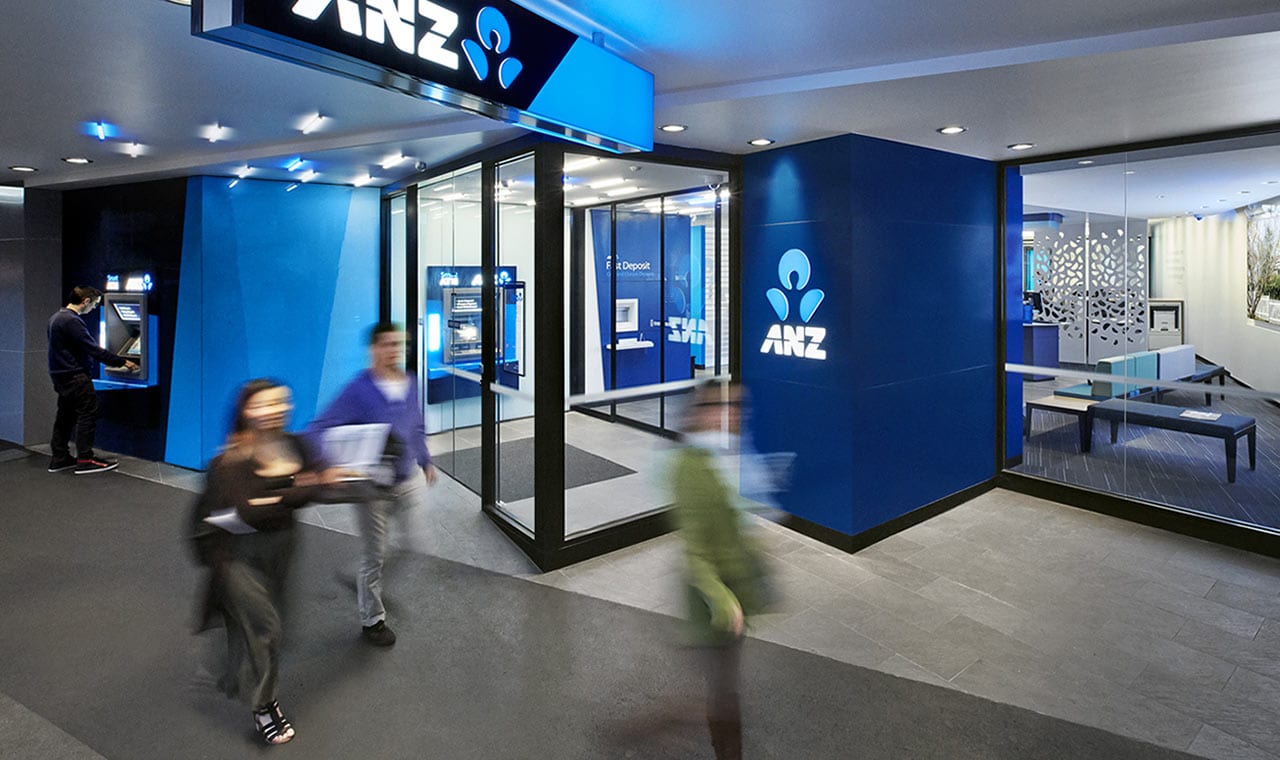
  • ANZ’s Technology and Group Services Executive Announces Retirement, Marking a New Era for the Bank

    ANZ’s Technology and Group Services Executive Announces Retirement, Marking a New Era for the Bank

    In a rapidly evolving retail landscape, Asia continues to be a hotspot for innovation and consumer engagement. With burgeoning economies and a tech-savvy population, retailers are increasingly focused on strategies that captivate the modern shopper. Amidst this backdrop, a fresh wave of creativity is emerging, allowing brands to connect with consumers in unexpected ways that resonate deeply with their lifestyles.

    Changing Consumer Behavior and Retail Adaptation

    As shopping habits shift due to factors like digital transformation and changing demographics, retailers are adapting their approaches to meet evolving consumer needs. The rise of e-commerce has not only revolutionized how products are sold but has also challenged traditional brick-and-mortar strategies. Here, the importance of integrating technology into the shopping experience cannot be overstated. Retailers are leveraging data and analytics to personalize experiences, creating a seamless transition between online and offline worlds.

    The Power of Localized Strategies

    Asia’s diverse markets require retailers to adopt localized strategies to truly resonate with consumers. Companies are honing in on cultural nuances and preferences, whether it’s a brand that launches a limited-edition product reflecting local festivals or one that embraces regional tastes and traditions in its offerings. Such strategies not only enhance brand loyalty but also foster a sense of community, proving that sometimes thinking small is the key to large-scale success.

    Experiential Retail: The Leap Beyond Transactions

    As the retail experience evolves, many brands are realizing that it’s not just about the sale anymore—it’s about the experience. Retailers are crafting environments that go beyond transactions, turning stores into lifestyle hubs that encourage customer engagement and interaction. Imagine shopping in a space that feels more like a trendy cafe than a conventional store, where events and social gatherings thrive. This movement toward experiential retail is drawing in consumers, turning casual visitors into dedicated brand enthusiasts.

    Sustainability Takes Center Stage

    Environmental consciousness is no longer a mere add-on; it is now pivotal in shaping retail strategies across Asia. From sustainable sourcing to eco-friendly packaging, consumers increasingly seek brands that align with their values. Retailers are embracing sustainability not just as a responsibility but as a unique selling proposition, showcasing their commitment to the planet. It’s a refreshing shift in the industry, proving that being good to the Earth can also be good for business.

    Looking Ahead: The Future of Retail in Asia

    As we look towards the future, the Asian retail sector stands at a crossroads of tradition and innovation. With challenges come opportunities, and the ability to pivot and adapt will determine success in this dynamic market. Retailers who navigate these waters with agility and creativity are poised to thrive, continually engaging consumers in ways that surprise and delight. It’s a thrilling time to be part of the retail scene—after all, you never know when a shopping spree might turn into an unforgettable experience!

    Questions & Answers

    What strategies are retailers in Asia adopting to adapt to changing consumer behaviors?
    Retailers are increasingly utilizing data and analytics to personalize experiences and create seamless integration between online and offline shopping.

    How important is localization for brands operating in diverse Asian markets?
    Localization is critical, as brands that tailor their strategies to fit cultural nuances and preferences are more likely to foster brand loyalty and community engagement.

    What role does sustainability play in the future of retail in Asia?
    Sustainability has become a central focus for many brands as consumers actively seek out products and practices that align with their environmental values, making it a key competitive advantage.

  • Sahabat-AI: Empowering Indonesia’s Multilingual Landscape with Innovative Solutions

    Sahabat-AI: Empowering Indonesia’s Multilingual Landscape with Innovative Solutions

    In a groundbreaking initiative that positions Indonesia at the vanguard of Southeast Asia’s artificial intelligence (AI) evolution, PT GoTo Gojek Tokopedia Tbk (GoTo Group) and Indosat Ooredoo Hutchison (Indosat) have officially launched an enhanced version of their open-source large language model (LLM), Sahabat-AI.

    Originally unveiled in November 2024 during Indosat’s Indonesia AI Day, Sahabat-AI has swiftly transitioned from a burgeoning project to an essential pillar of Indonesia’s digital transformation. This latest enhancement not only broadens Sahabat-AI’s capabilities but also strengthens its role as a reflection of Indonesia’s identity, cultural diversity, and aspirations within the AI sphere.

    The introduction of the new 70-billion parameter Sahabat-AI model is a remarkable leap from earlier versions, which were limited to 8 and 9 billion parameters and downloaded over 35,000 times from Hugging Face. This surge in interest highlights a growing hunger for locally-developed AI solutions, particularly those that are community-oriented. With its revamped architecture, the new chat service promises not only improved speed and accuracy but also a sharper intellect.

    Equipped with robust reasoning skills, Sahabat-AI can now tackle complex user inquiries with natural, insightful responses in a variety of languages. This includes five of Indonesia’s major local tongues: Bahasa Indonesia, Javanese, Sundanese, Balinese, and Bataknese, alongside several international languages.

    Bridging Language and Technology

    The multilingual capabilities of Sahabat-AI highlight an important crossroads of technology and culture in Indonesia, a nation rich with over 700 local dialects spread across its 17,000 islands. By incorporating Bahasa Indonesia into its ecosystem, Sahabat-AI aims to foster digital inclusivity, cultural significance, and national technological autonomy. With around 35 million native speakers and over 150 million who use it as a second language, Bahasa Indonesia serves as a vital unifying medium in this diverse country.

    This focus on Bahasa Indonesia helps dismantle linguistic barriers that previously excluded many from accessing AI-driven services, enabling a broad swath of the population to engage with advanced technology in their mother tongue.

    All training, storage, and deployment occur within Indonesia, utilizing Indosat’s sovereign AI infrastructure, GPU Merdeka. This not only reinforces national compliance but ensures user data stays within the country’s borders.

    The addition of Sundanese, spoken by approximately 39 million people, further enriches the cultural tapestry. By enabling Sahabat-AI to comprehend and reply in Sundanese, Indosat promotes regional equity and allows AI’s benefits to reach out into the heart of local communities. West Java, a densely populated economic hotspot, stands to gain tremendously as Sundanese speakers access AI tools in their native language, enhancing educational resources and entrepreneurial opportunities.

    Empowering Culture and Community

    Sahabat-AI provides a culturally attuned solution, especially for digitizing traditions and supporting tourism.

    By incorporating Balinese, Sahabat-AI can facilitate the digitization of traditional rituals and the preservation of temple manuscripts, while also developing voice-to-text applications that support multiple speech levels: Bali Alus, Madya, and Kasar.

    This technological leap is set to significantly boost cultural tourism by providing translations, guided tours, and interactive experiences for visitors embracing Balinese culture. As North Sumatra rises as a digital and ecotourism hub, particularly near Lake Toba, the inclusion of Bataknese ensures that local traditions and languages remain vibrant in the digital era. Sahabat-AI is poised to play a crucial role in digitizing traditional events and supplying real-time translation services to tourists, thereby enabling local communities to showcase their cultural heritage worldwide.

    Within educational environments and community spaces, Sahabat-AI acts as a bridge between age-old teachings and modern technological access, ensuring that the Balinese language not only survives but thrives in contemporary settings. Who knew the path to preserving a language could be paved with AI?

    Fortifying AI Infrastructure

    The backbone of Sahabat-AI is Indosat’s GPU Merdeka, a sovereign AI cloud infrastructure that assures data residency, regulatory compliance, and real-time capabilities for training and inference, all while safeguarding data within Indonesia. This is a key element of digital sovereignty, which has been emphasized by both government figures and corporate leaders.

    Vikram Sinha, President Director and CEO of Indosat, elaborated:

    “Through GPU Merdeka, our sovereign AI cloud, we’re establishing the digital foundation that guarantees AI innovation is not only advanced but also nationally secured, culturally relevant, and equitably accessible. Sahabat-AI is more than just a model; it’s a national asset powered by collaboration and designed for all Indonesians.”

    The local hosting and sovereign architecture of the model lay a robust groundwork for public sector integration. In an era when secure, domestically developed digital services are prioritized, Sahabat-AI sets a blueprint for AI-enabled governance, public health initiatives, language education, and localized content regulation.

    From a business perspective, GoTo Group is integrating Sahabat-AI into the GoPay app—one of Indonesia’s most widely utilized digital platforms—demonstrating the practical utility of AI in everyday life. Whether enhancing customer service or improving financial literacy, the chatbot transforms into a daily digital ally.

    Patrick Walujo, CEO of GoTo Group, reinforced this ambition. He remarked, “Its multilingual capability, paired with increased precision, allows Sahabat-AI to cater more effectively to the varied needs of individuals and businesses throughout Indonesia. It reflects our commitment to digital sovereignty and aligns with President Prabowo’s vision for technology that is both locally developed and hosted.”

    He further noted, “By collaborating with Indosat and a wide array of partners, we’ve crafted a platform that is smarter, faster, and more affordable. We’re making the Sahabat-AI chat service available via the GoPay app, ensuring millions can reap the rewards of this uniquely Indonesian LLM. It’s already making a tangible difference across the GoTo ecosystem, reducing costs, enhancing service quality, and deepening engagement.”

    Strengthening the National Agenda

    National leaders are also voicing their support for Sahabat-AI as a vital element of Indonesia’s future. Luhut Binsar Pandjaitan, Chairman of the National Economic Council, emphasized, “Data sovereignty isn’t merely a technical matter; it’s fundamental to our independence in this digital age. I commend GoTo and Indosat for spearheading the Sahabat-AI ecosystem and for fostering technological innovation rooted in our national identity. By crafting AI solutions that understands our uniquely diverse linguistic and cultural landscape, we are ensuring that digital transformation benefits all Indonesians.”

    With a focus on local languages, sovereign infrastructure, and open collaboration, GoTo and Indosat are championing a national agenda for any nation eager to leverage AI without compromising its unique cultural essence.


    Questions & Answers

    What is Sahabat-AI and why is it significant for Indonesia?
    Sahabat-AI is an open-source large language model developed by GoTo Group and Indosat. Its significance lies in its enhancement of digital inclusivity and cultural relevance, making AI services accessible to Indonesians in their native languages while ensuring compliance with local regulations.

    How does Sahabat-AI promote regional equity in Indonesia?
    By including local languages such as Sundanese and Bataknese in its repertoire, Sahabat-AI empowers speakers to engage with AI tools, thereby enhancing digital accessibility, educational opportunities, and boosting local entrepreneurship in regionally significant areas.

    In what ways will Sahabat-AI impact tourism in Indonesia?
    Sahabat-AI enhances tourism by digitizing traditional rituals, providing translations, and offering interactive experiences in local languages, which not only helps preserve cultural heritage but also allows local communities to connect with visitors and share their culture more effectively.

  • Nokia Unveils Autonomous Networks Fabric: A Game-Changer in AI-Driven Automation for Retail Innovation

    Nokia Unveils Autonomous Networks Fabric: A Game-Changer in AI-Driven Automation for Retail Innovation

    Nokia has unveiled its Autonomous Networks Fabric, a groundbreaking suite of artificial intelligence (AI) models specifically designed for the telecommunications industry. This innovation aims to streamline network automation while empowering operators to effortlessly introduce new services.

    The Fabric of Unified Intelligence

    The Autonomous Network Fabric acts as a cohesive intelligence layer, seamlessly integrating observability, analytics, security, and automation across all network domains. This enables networks to function as a single, adaptive entity, irrespective of the vendor, architecture, or deployment model involved.

    Breaking Free from Legacy Systems

    In recent years, telecom operators have been aspiring to transition to fully autonomous networks. Yet, the burden of outdated systems, siloed processes, and scattered data has been a significant hurdle. Nokia’s Autonomous Network Fabric changes the game by offering an integrated suite featuring cohesive data management, comprehensive observability, and interpretable AI.

    Pioneering Automation

    This revolutionary fabric allows for large-scale automation that minimizes complexity. It facilitates reliability improvements and operational cost savings by enabling operators to swiftly test new concepts and incorporate those that yield effective results. What does it mean for customers? Imagine an orchestra where every instrument plays in perfect harmony, and you’re just getting started!

    What Customers Can Expect

    With the Autonomous Network Fabric, clients will enjoy:

    • Unified Data Management: All pertinent network data is systematically collected, curated, and transformed into actionable insights through a data-mesh architecture. Operators have the flexibility to design and create new data products rapidly within a low-code/no-code framework, empowering them to harness AI and machine learning for cutting-edge data assets.
    • 360-Degree Observability: The framework facilitates comprehensive use and distribution of data and AI throughout the organization, ensuring quality and consistency in automation by monitoring the entire chain of data custody.
    • Explainable AI: Telco-trained large language models (LLMs) provide clarity on data interpretation, issue analysis, and rationale behind automated actions through a rich knowledge engine.

    Strategic Partnership with Google Cloud

    The Autonomous Network Fabric will be launched as a software-as-a-service (SaaS) solution on Google Cloud, seamlessly integrating with on-premises setups using Google Distributed Cloud and hybrid cloud environments. It will harness Google Cloud’s generative AI capabilities to offer intelligent workflows for network operations. This includes real-time monitoring, anomaly detection, and effortless resolution of performance issues.

    “As networks become increasingly complex and vulnerable, the demand for fully autonomous systems is on the rise. Good AI is built on quality data, and Nokia’s Autonomous Network Fabric serves as a robust foundation. Our collaboration with Google Cloud merges our extensive network expertise with AI-optimized processes to propel customer success,” remarked Kal De, SVP Product and Engineering, Cloud and Network Services at Nokia.

    By facilitating telecom companies to deploy Nokia’s 5G core network on Google’s cloud infrastructure, the partnership aims to establish an innovative ecosystem where developers can swiftly implement and scale network automation.

    “This marks another pivotal moment in our collaboration with Nokia, focused on enhancing network reliability and proactively addressing issues, turning data into valuable insights for consistent and high-performance networks,” said Muninder Singh Sambi, Vice President and General Manager, Networking and Security at Google Cloud.

    Questions & Answers

    What is Nokia’s Autonomous Networks Fabric?
    Nokia’s Autonomous Networks Fabric is a suite of AI models and integrated security designed to streamline network automation in the telecommunications sector, helping operators roll out services more efficiently.

    How does this solution help telecom operators?
    It allows operators to overcome barriers posed by legacy systems, offering unified data management and comprehensive observability to enhance network reliability and reduce operational costs.

    What role does Google Cloud play in this initiative?
    Google Cloud supports the deployment of the Autonomous Network Fabric, leveraging its AI tools to enable intelligent workflows and facilitate rapid scaling of network automation.

  • Revox Reimagines Tomorrow: The Triumphant Return of the Swiss Audio Legend

    Revox Reimagines Tomorrow: The Triumphant Return of the Swiss Audio Legend

    With roots firmly planted in high-quality audio engineering, Revox is shaking off a subdued past to reclaim its prominence on the global stage. Based in Dietikon, the Swiss brand is transforming its rich legacy into a vibrant future, aiming for a bold resurgence in the audio world.

    Much like Patek Philippe represents excellence in timepieces, Revox stands as a bastion of quality in audio. Founded in 1948 near Zurich by the visionary Willi Studer (1906–1996), the names Revox and Studer quickly ascended to international renown, with Revox known for its iconic tape recorders and Studer becoming the industry benchmark for professional recording studios worldwide.

    Harmony in Design

    Revox has long been a favored choice among music-savvy interior designers and custom installation experts, with its devices gracing high-end venues like The Chedi in Andermatt. Yet, in recent decades, the brand seemed to fade into the background, leaving many aficionados longing for its revival.

    A Symphony of Sound

    Enter Beat Frischknecht, the current owner of Revox, who is orchestrating a comeback like none other. On a balmy summer evening, he welcomed guests to the opening of the new Revox World location. The expansive atrium buzzed with energy as the reels of a legendary tape machine whirred to life, filling the 600-square-meter space with the captivating sound that defined a generation.

    History Comes Alive

    Among more than 400 exhibits, visitors can find a Studer mixing console that served in Switzerland’s own federal parliament, courtesy of passionate collector Walti Stutz, who has lovingly restored it to its former glory. This blending of nostalgia with modernity is exactly what Frischknecht hopes to achieve with Revox.

    Charting a New Course

    Just a stone’s throw away, Revox is unveiling its future. Proudly presenting his vision, Frischknecht shared, “With the opening of our center, we’re demonstrating what Revox stands for: Swiss quality, technical innovation, and a passion for music.” This commitment to reinvention is part of a unique strategy to engage a younger demographic.

    From Shareholder to Visionary

    Frischknecht’s journey to ownership was anything but ordinary. Initially a real estate entrepreneur, he became captivated by Revox 25 years ago when the brand sought investors. “The quality and design fascinated me,” he recalled. Now, he holds 99.9 percent of the company, confidently declaring himself “an owner, investor, and a fan of Revox.”

    Innovative Product Lines

    The brand is now embarking on a transformative journey, structuring itself around three primary product categories: multiroom systems, compact streaming speakers, and a groundbreaking return of analog tape recorders. For the tech-savvy crowd, the Studiomaster A200—a portable speaker with Bluetooth capabilities and app control—has been introduced. And for the nostalgic at heart, the revamped B77 MK III promises a fresh experience for traditional tape enthusiasts, integrating seamlessly with modern systems.

    The Sound of Analog

    With an eye on filling the shelves with quality music, Revox has acquired Vienna’s Horch House, a master tape specialist, and begun collaborations with labels like Ear Music and Warner to produce new master tapes from original recordings. Already offering around 130 tapes—classics and contemporary music alike—Revox is set to expand its selections monthly. “Even young people want to own something again. A tape provides the ultimate-quality experience,” Frischknecht noted, highlighting the allure of analog in a digital age.

    Back on Track

    Frischknecht is optimistic and driven, declaring, “Back to the top—that’s our mantra.” With a robust development focus and a commitment to premium quality, Revox is ready to reignite its legacy. Production has been rooted in Villingen, Germany, since the 1960s, yet the essence of the brand thrives in Switzerland—a blend of Swiss ingenuity and German engineering poised to restore Revox to its rightful place on the world stage.

    Questions & Answers

    What types of products is Revox focusing on for its future?
    Revox is promoting three main product categories: multiroom systems, compact speakers aimed at streaming users, and a revival of analog tape recorders.

    What notable partnership has Revox recently entered into?
    Revox has acquired the Vienna-based master tape specialist Horch House and teamed up with music labels like Ear Music and Warner to create new master tapes derived from original studio recordings.

    How is Revox appealing to younger audiences?
    The brand has launched products like the Studiomaster A200, a portable speaker designed for modern convenience with Bluetooth and app control features, aiming to attract a younger customer base.

  • UBS Teams Up with British Fintech: A New Era of Investment Innovation Begins

    UBS Teams Up with British Fintech: A New Era of Investment Innovation Begins

    British fintech firm Icon Solutions, a pioneer in payment systems, has recently attracted attention from UBS, which has joined a funding round that also includes existing investors Citi and NatWest. This significant investment, announced in a press release on Thursday, underscores Icon’s commitment to enhancing payment capabilities for banks around the globe.

    Driving Innovative Payment Solutions

    Pieter Brouwer, Head of Group Operations and Technology Office (GOTO) at UBS, highlighted the importance of this partnership, stating, “Icon is an important partner of UBS and plays a key role in modernizing payment platforms through innovative infrastructure solutions. This investment strengthens our partnership with Icon and underscores our commitment to providing our clients with faster and future-ready payment solutions.”

    By collaborating with Icon, UBS and other banks seek to fuel innovation in instant payments and streamline advanced transaction processing, enhancing overall performance in this fast-evolving sector.

    Empowering Banks through Technology

    Tom Kelleher, co-founder and CEO of Icon Solutions, expressed enthusiasm about the funding, stating, “This funding round further validates our core belief that banks should be empowered to transform their payments operations themselves.”

    The Icon Payments Framework (IPF), a development platform increasingly embraced by major financial institutions, is central to this vision. The IPF equips banks with the necessary technology and processes to independently upgrade their payment infrastructures, allowing for accelerated development, testing, and deployment while ensuring that banks maintain control over timelines and costs.

    Founded in 2009, Icon Solutions is headquartered in London and has a representative office in New York, hinting at a global ambition to revolutionize payment systems. Icon is on a mission so significant that it could make even your morning coffee payments feel cutting-edge!

    Questions & Answers

    What is Icon Solutions known for?
    Icon Solutions specializes in payment systems and focuses on developing innovative infrastructure solutions for banks worldwide.

    How does the partnership with UBS benefit Icon Solutions?
    The partnership with UBS enhances Icon’s capabilities in refining payment solutions and accelerates the development of their Icon Payments Framework (IPF) to better serve their banking clients.

    When was Icon Solutions founded?
    Icon Solutions was founded in 2009 and is based in London, with a representative office in New York.

  • Retail Revolution: How Giants Adapt To Consumer Trends, Tech Innovations, And Sustainability

    Retail Revolution: How Giants Adapt To Consumer Trends, Tech Innovations, And Sustainability

    Retail News has gathered all the latest buzz from the retail sector, and it’s alive with exciting developments. Here’s what’s making waves.

    Retail Giants Adapt to Evolving Consumer Trends

    In a rapidly changing market, retail giants are not just keeping up; they’re reinventing the shopping experience. Companies are increasingly tapping into technology to enhance customer engagement. With the rise of augmented reality (AR) and artificial intelligence (AI), retailers like Zara and H&M are using these innovative tools not only to attract tech-savvy consumers but also to streamline inventory management and optimize pricing strategies.

    Armed with insights from data analytics, these brands are customizing their offerings, ensuring that shoppers not only find what they need but also discover new favorites tailored to their tastes. And as consumers embrace sustainability, retailers are shifting their focus toward more eco-friendly practices, including sourcing materials responsibly and reducing waste throughout their supply chains.

    The Rise of Omnichannel Shopping

    Omnichannel retailing has emerged as a game-changer, blurring the lines between physical and digital shopping experiences. Shoppers today expect seamless transitions from online browsing to in-store purchasing. Retailers are meeting this demand by integrating their platforms, making it easier for customers to pick up online orders in store or return items purchased online with ease.

    A recent survey revealed that over 75% of consumers prefer shopping with retailers that offer this flexibility. This shift is not just a trend; it’s a transformation that is likely to shape the future of retail. As retailers refine their omnichannel strategies, they are learning to ensure that personalized experiences await consumers at every turn – whether they’re shopping on their phones or strolling through a brick-and-mortar store.

    Sustainable Practices Become Central

    Meanwhile, sustainability is no longer an afterthought but a central tenet of retail philosophy. Brands across Asia are increasingly prioritizing green initiatives to appeal to a socially conscious consumer base. Uniqlo, for instance, is investing in recycling programs and responsible sourcing, while Adidas is stepping up its use of recycled materials in product lines.

    Not only does this commitment help the environment, but it also strikes a chord with consumers who are more likely to support brands that echo their values. As the adage goes, “You are what you wear,” and more shoppers are keen to wear their hearts on their sleeves—literally.

    And in an unexpected twist, it seems that socially responsible shopping might even trend faster than the next TikTok dance fad.

    Challenges on the Horizon

    Despite the positive developments, retailers are not without challenges. Inflationary pressures and supply chain disruptions are forcing companies to rethink their pricing strategies and inventory practices. With costs rising, many brands are walking a tightrope between delivering value and maintaining profitability.

    As tricky as it sounds, the ability to adapt to these challenges and communicate transparently with consumers will be crucial for brands looking to remain competitive.

    As the retail landscape continues to evolve at a dizzying pace, businesses must not only stay informed but also engage with their customers in innovative ways. After all, who doesn’t love a good bargain or a fun shopping experience?

    Questions & Answers

    What are the key technologies influencing retail today?
    Brands are leveraging augmented reality and artificial intelligence to elevate customer engagement and efficiency while providing personalized experiences.

    How important is sustainability in retail?
    Sustainability is becoming a core element of retail strategy, as consumers increasingly gravitate toward brands that prioritize eco-friendly practices.

    What challenges are retailers currently facing?
    Inflation and supply chain issues remain significant hurdles for retailers, necessitating a thoughtful approach to pricing and inventory management.

  • AI Sovereignty: How Nations Can Harness Technology to Shape Their Futures

    AI Sovereignty: How Nations Can Harness Technology to Shape Their Futures

    Artificial intelligence (AI) has shifted from being merely a competitive advantage for businesses to an essential cornerstone of national security and economic prosperity. In response, nations around the globe are crafting robust strategies to boost their AI capabilities.

    A Broader Definition of AI Sovereignty

    While some may view AI sovereignty as solely linked to infrastructure development, a more comprehensive perspective is crucial. It should encompass a broad set of competencies that empower a country or region to create and maintain its own AI technologies.

    Local Innovations Take Center Stage

    According to Rena Bhattacharyya, Chief Analyst and Practice Lead for Enterprise Technology and Services at GlobalData, achieving AI sovereignty involves various elements: chip design and manufacturing, AI processing facilities, data sovereignty, the development of AI models (including large language models), a supportive regulatory environment, and a skilled workforce. “AI sovereignty should consist of capabilities related to these crucial domains,” she noted.

    As global advancements accelerate due to sovereign AI strategies, businesses must remain agile to meet shifting requirements and competitive pressures. Bhattacharyya stressed the importance of a flexible strategy that not only ensures continuity and resilience but also addresses evolving AI needs. “Organizations need to be able to pivot when necessary,” she said. This might involve leveraging solutions from local markets rather than relying on distant vendors.

    Seizing the Moment for Talent Development

    Building local expertise is pivotal for implementing a successful AI strategy. Companies and governments outside the U.S. have a unique opportunity to expand their talent pools significantly. Bhattacharyya remarked, “The current immigration and visa challenges in the U.S., coupled with increased AI investments from governments worldwide, create an attractive landscape for tech-savvy individuals who would typically seek opportunities in the U.S.” With a wealth of opportunities emerging across various nations, AI professionals may find local prospects just as appealing as those in Silicon Valley.

    So, will this be the moment when AI becomes completely a local affair? Only time will tell, but it’s clear that the global race for AI talent is more competitive than ever.

    Questions & Answers

    What is AI sovereignty?
    AI sovereignty refers to a nation’s capability to develop and sustain its own AI technologies, which includes everything from chip design to skilled workforce development.

    Why is local talent important for AI development?
    Local talent is essential for executing a robust AI strategy, enabling companies and governments to innovate and compete effectively in the global landscape.

    How are countries responding to the shift in AI dynamics?
    Countries are enhancing their AI strategies by focusing on local capabilities, talent acquisition, and developments in response to global AI trends and challenges.

  • SK Telecom Innovates with Streamlined SIM Replacement Process: A Step Forward for Customers!

    SK Telecom Innovates with Streamlined SIM Replacement Process: A Step Forward for Customers!

    SK Telecom is taking bold steps to engage with government authorities about lifting the ban on new subscriber registrations, as the company approaches the completion of its ambitious universal subscriber identity module (USIM) replacement initiative following a significant cyber attack. With the clock ticking, the telecom giant is eager to reassure customers and shareholders alike.

    Customer Replacement Surge

    In a significant update, SK Telecom announced that over 6.18 million customers have successfully replaced their USIMs, with an impressive 150,000 swaps completed just yesterday. This progress has slashed the number of customers still awaiting their replacements down to 3.16 million.

    Restrictions in Place

    Since May 5, SK Telecom has been operating under administrative guidance from the Ministry of Science and ICT, resulting in a total suspension of new subscriptions and number transfers across more than 2,600 T World stores and online platforms nationwide. The ministry has clarified that this limitation will remain until the backlog of USIM replacements is fully resolved.

    Facing the Deadline

    Looking ahead, SK Telecom is targeting June 20 as the date for finalizing all outstanding USIM replacements. Text messages confirming reservations will be dispatched by June 16. However, roughly 440,000 customers have not yet visited a store to complete the process after receiving their notifications. Excluding these, an estimated 2.7 million customers are still actively waiting.

    Hope on the Horizon

    With the final stages of the free USIM replacement program underway, there is optimism that the suspension on new subscriptions could soon be lifted. Lim Bong-ho, head of the MNO Business Division at SK Telecom, revealed that the company is in active discussions with the government to not only lift the restrictions but also to establish compensation mechanisms and financial support for impacted distribution partners.

    The Cost of Recovery

    The financial outlay for issuing 20 million USIMs at no charge is projected to reach around KRW 150 billion. Each unit costs KRW 7,700, coupled with distribution and handling expenses of KRW 300-400 per unit.

    Investing in Cybersecurity

    In light of the cyber attack, SK Telecom is significantly boosting its investment in network security. Ryu Jeong-hwan, head of SK Telecom’s Network Infrastructure Center, confirmed plans to enhance both funding and personnel dedicated to security efforts, with specific numbers yet to materialize depending on the ongoing investigation’s findings.

    As SK Telecom navigates this challenging landscape, the question remains: will they turn this crisis into an opportunity for growth and innovation? Only time will tell!

    Questions & Answers

    What is the current status of USIM replacements at SK Telecom? Over 6.18 million customers have replaced their USIMs, with around 3.16 million still awaiting their new ones.

    When does SK Telecom expect to lift the ban on new subscriptions? The company is hopeful that the ban will be lifted soon after they complete all pending USIM replacements, which are expected by June 20.

    What steps is SK Telecom taking to improve network security after the cyber attack? SK Telecom plans to increase its budget and personnel dedicated to network security, although specific figures are still being determined pending investigation outcomes.

  • AI in Retail: Revolutionizing the Customer Experience Across Asia

    AI in Retail: Revolutionizing the Customer Experience Across Asia

    Retailers are gearing up for a game-changing era as they embrace the power of artificial intelligence (AI). With technology rapidly evolving, retailers across Asia are discovering AI’s potential to personalize experiences, streamline operations, and redefine customer engagement. From analytics to chatbots, AI is not just a trend; it’s becoming an essential element in staying competitive in today’s market.

    Transforming Customer Journeys

    The integration of AI in retail is revolutionizing how brands interact with consumers. Imagine walking into a store and receiving personalized product recommendations right on your smartphone—sounds like magic, right? It’s actually AI at play. Retailers are utilizing AI to analyze consumer data, allowing them to tailor recommendations based on preferences, past purchases, and even browsing histories. This hyper-personalization goes beyond simple marketing; it cultivates a shopping experience that feels genuinely curated for each individual.

    Streamlining Operations

    Operational efficiency is another area where AI is making waves. From inventory management to supply chain logistics, AI-powered tools are helping retailers predict demand, optimize stock levels, and reduce waste. By employing machine learning algorithms, businesses can make data-driven decisions that enhance productivity and minimize costs. In a world where every dollar counts, these advancements are not just nice to have—they’re crucial for survival.

    Enhancing the Shopping Experience

    AI-enhanced customer service tools, like chatbots, have changed the way retailers communicate with consumers. These digital assistants offer 24/7 support, answering questions and resolving issues at lightning speed. This not only boosts customer satisfaction but also allows human staff to focus on more complex tasks that require a personal touch. The result? A seamless shopping experience that keeps customers coming back for more.

    Amid these technological advances, it’s interesting to note that some retailers are also looking back. Nostalgia marketing is proving to be a surprising ally as brands blend AI’s cutting-edge approach with classic consumer sentiments—who wouldn’t want to reminisce about their favorite childhood snacks while shopping?

    Questions & Answers

    What role does AI play in personalizing customer experiences?
    AI analyzes customer data to provide tailored product recommendations, creating a unique shopping experience for each individual.

    How does AI improve operational efficiency in retail?
    AI tools help retailers optimize inventory and supply chain logistics by predicting demand and making data-driven decisions, which leads to reduced waste and increased productivity.

    What impact do chatbots have on customer service?
    Chatbots provide instant support around the clock, improving customer satisfaction and freeing up human employees for more complex interactions.

    As the retail landscape continues to evolve, one thing is clear: the future is not just automated; it’s personal.