Tag: into

  • CIMB Expands Wealth Services into Singapore and Thailand, Targeting Southeast Asias Rising Affluent Class

    CIMB Expands Wealth Services into Singapore and Thailand, Targeting Southeast Asias Rising Affluent Class

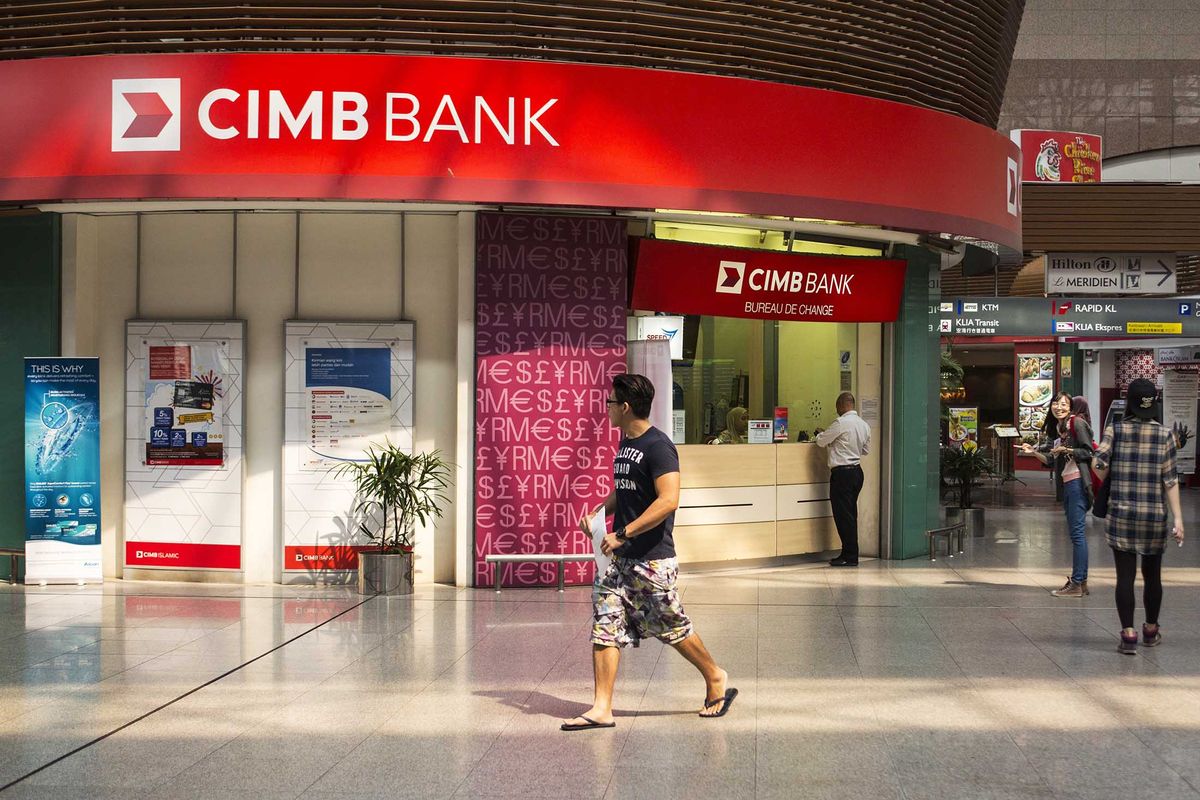
    CIMB Group, Malaysia’s second-largest bank in terms of assets, has announced its intention to expand its private wealth business to Singapore and Thailand by the end of the year. This move is part of a larger plan to double the bank’s wealth assets under management by 2030.

    Targeting Southeast Asia’s Growing Affluent Segment

    Haniz Nazlan, the CEO of group consumer banking at CIMB, revealed on Monday that this expansion activity is targeting the rapidly increasing affluent segment in Southeast Asia. This strategic move follows the successful launch of the bank’s private wealth business in Indonesia earlier in the year and in Malaysia on the same day.

    According to Nazlan, the ASEAN economy, worth US$4 trillion, has been experiencing robust annual economic growth rates of approximately 4%, which is significantly higher than many developed markets. This economic dynamism is expected to stimulate a 5% to 6% annual increase in the region’s affluent population. Furthermore, the middle class is projected to comprise between 65% and 70% of the ASEAN population by 2030.

    Factors such as growing incomes, escalating cross-border investments, and a notable surge in intergenerational wealth transfers are propelling the market.

    A New Service for High Net-Worth Clients

    Daniel Cheong, CIMB’s head of consumer banking for Malaysia, revealed that the new private wealth service is tailored to clients who have at least RM1 million ($244,612) in assets under management. This offering is positioned above CIMB Preferred, the bank’s mass-affluent priority banking segment, which requires a minimum of RM250,000 in assets.

    CIMB’s Private Wealth service offers clients dedicated relationship managers, treasury solutions, investment advisors, customized investment products, succession planning, and digital wealth capabilities.

    Nazlan noted that affluent clients are progressively seeking advice that goes beyond mere investment product selection. He explained that they want guidance on wealth protection, preparation of their children’s futures, access to global opportunities, and making informed decisions in an unpredictable world.

    Nazlan disclosed that CIMB’s wealth assets under management (AUM) were approximately RM250 billion in the preceding year. However, he refrained from providing interim growth targets or customer acquisition figures, stating that it is still the early stages of the Private Wealth proposition’s rollout.

    Questions & Answers

    What is CIMB Group’s plan for its private wealth business?
    CIMB Group plans to expand its private wealth business to Singapore and Thailand by year-end, aiming to double its wealth assets under management by 2030.

    Who are the target clients of the new CIMB private wealth service?
    CIMB’s private wealth service targets high net-worth clients who have at least RM1 million ($244,612) in assets under management.

    What are the key services offered by CIMB’s Private Wealth service?
    CIMB’s Private Wealth service offers dedicated relationship managers, investment advisors, treasury solutions, succession planning, customizable investment products, and digital wealth capabilities.

  • Vicca Ng Steps into COO Role at Hextar Retail: Driving Expansion and Strategic Partnerships

    Vicca Ng Steps into COO Role at Hextar Retail: Driving Expansion and Strategic Partnerships

    Vicca Ng has been appointed as the Chief Operating Officer (COO) of Hextar Retail, a Malaysian retail conglomerate. Ng’s new role takes effect immediately and she will continue to supervise the group’s retail operations, in addition to serving as an executive director.

    Vicca Ng’s Role in Hextar Retail

    Ng has been instrumental in the expansion of Hextar Retail. She has successfully managed the brand’s growth, fostered strategic partnerships, and developed retail operations across a growing portfolio. Her background encompasses business expansion, retail operations, and commercial development. In her new role as COO and Executive Director, Hextar Retail looks forward to Ng’s continued leadership as the company evolves and expands.

    Hextar Retail, initially established in 1988 as Classic Scenic Berhad, was rebranded in 2024. The company is a subsidiary of the larger Malaysian conglomerate, the Hextar Group. The Hextar Retail portfolio covers a range of sectors, including lifestyle, apparel, food and beverage, as well as convenience retail sectors.

    Questions & Answers

    What is the new role of Vicca Ng in Hextar Retail?
    Vicca Ng has been appointed as the Chief Operating Officer and will function as an Executive Director. She will supervise the group’s retail operations.

    What role has Vicca Ng played in the expansion of Hextar Retail?
    Ng has been instrumental in the company’s expansion, overseeing brand growth, fostering strategic partnerships, and developing retail operations across the growing portfolio.

    What sectors does Hextar Retail’s portfolio cover?
    Hextar Retail’s portfolio spans a wide range of sectors, including lifestyle, apparel, food and beverage, and convenience retail sectors.

  • Techcombank Leverages Digital Finance to Tap into Vietnams $100 Billion Infrastructure Nexus

    Techcombank Leverages Digital Finance to Tap into Vietnams $100 Billion Infrastructure Nexus

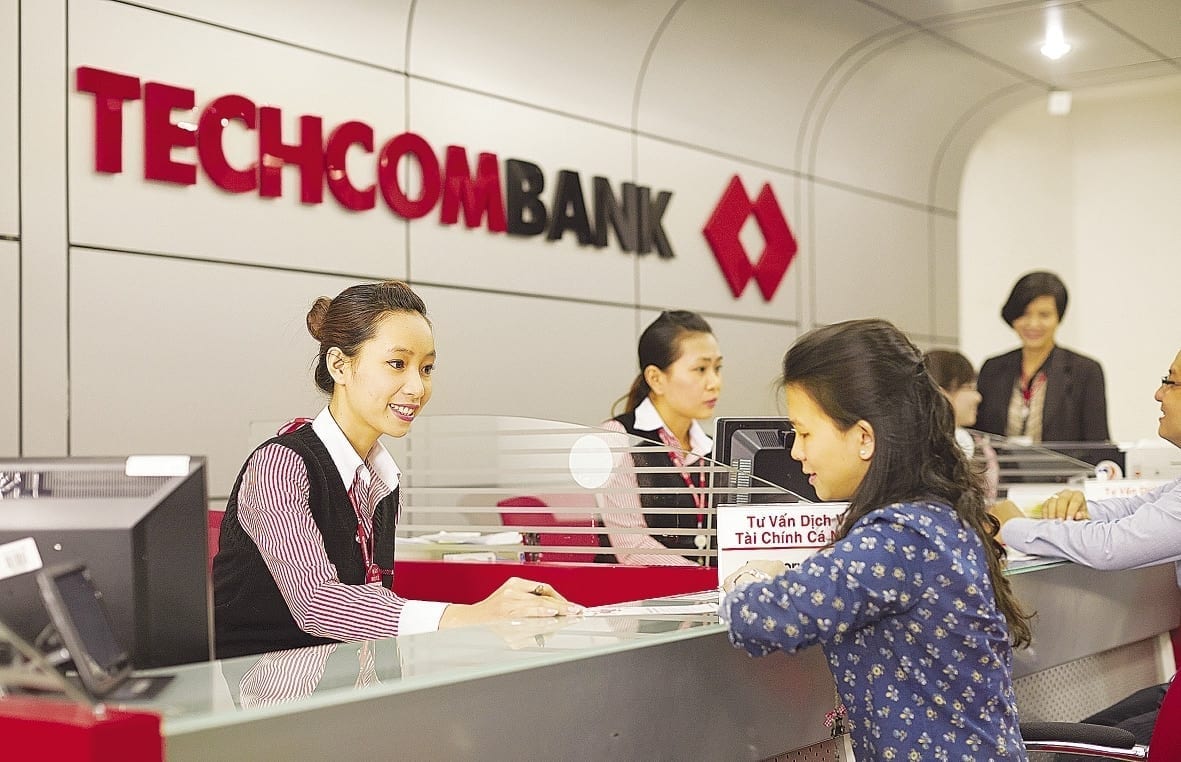
    Techcombank, Vietnam Technological and Commercial Joint Stock Bank, is strategizing to bridge global capital with Vietnam’s escalating investment needs. The bank is placing digital financial infrastructure at the forefront, seeing it as a pivotal factor for the country’s next economic growth stage.

    Techcombank is expressing its aspiration to be instrumental in channeling both local and global capital towards Vietnam’s economic progression. In furtherance of its goals, it co-hosted the Vietnam Financial Forum 2026 (VFF 2026) from July 9th to 10th in Danang. The forum attracted over 350 attendees, including policymakers and executives from domestic and international financial institutions and companies.

    Modernizing Vietnam’s Capital Markets

    The forum centered on the modernization of Vietnam’s capital markets, bolstering the country’s financial infrastructure, and enhancing corporate access to capital. The country’s government aims to achieve double-digit economic growth from 2026 through to 2030.

    Digital and green finance took center stage at the forum. Delegates deliberated on how new technologies and the digital transformation of the financial infrastructure could ease capital flow and bolster Vietnamese companies.

    Techcombank CEO, Jens Lottner, in his keynote speech, pointed out that the bank’s role goes beyond conventional financing. He stated, “We are constructing the digital infrastructure that allows capital, data, and financial services to flow smoothly through the economy.” The CEO also revealed Techcombank’s goal to be Vietnam’s most reliable financial platform and to help efficiently channel domestic and international capital into sectors generating sustainable economic value.

    $100 Billion Investment Goal

    The funding of Vietnam’s rapidly expanding infrastructure needs was a key focus of the forum. Techcombank executives and representatives of their partner ecosystem discussed potential areas for the next $100 billion investment. The conversations included infrastructure, energy, and industrial development, as well as tactics to draw capital from global institutional investors.

    Techcombank emphasized mechanisms for luring foreign investment and steering international capital towards strategic Vietnamese projects. Lottner mentioned that Techcombank is ready to share its experience in developing digital ecosystems and utilizing data and technology to connect citizens, companies, investors, and public services.

    Techcombank aims to contribute its financial resources, tech expertise, and global network to the development of a more modern and transparent financial ecosystem through its participation in the Vietnam Financial Forum. The bank currently services around 18 million retail and corporate clients and operates one of Vietnam’s top digital banking platforms.

    Questions & Answers

    What is Techcombank’s primary aim in Vietnam’s economic development?
    Techcombank aims to facilitate the efficient allocation of both domestic and international capital into sectors generating sustainable economic value, leveraging digital financial infrastructure.

    What were the key areas of focus at the Vietnam Financial Forum 2026?
    The forum focused on modernizing Vietnam’s capital markets, strengthening the country’s financial infrastructure, and improving corporate access to capital. Other areas of focus included digital finance, green finance, and the role of technology in facilitating capital flow.

    What is Techcombank’s strategy for meeting Vietnam’s growing infrastructure needs?
    Techcombank intends to attract and steer international capital towards strategic projects in Vietnam. It also aims to share its experience in developing digital ecosystems and using data and technology to connect various sectors, including citizens, companies, investors, and public services.

  • Jollibee Billionaire-Backed Hotel101 Pours $200M into Thai Hotel Expansion

    Jollibee Billionaire-Backed Hotel101 Pours $200M into Thai Hotel Expansion

    Hotel101 Global, a venture supported by Jollibee Foods founder Tony Tan Caktiong, is marking its expansion into Thailand with an investment of US$200 million. This investment is aimed at the development of three new hotels in Southeast Asia’s top tourist destination.

    Expansion and Development Plans

    The company plans to launch these developments over the next three years. The first hotel will be situated in Bangkok, with the subsequent projects planned for Pattaya and Phuket. Collectively, these three hotels are expected to provide over 2,000 rooms.

    Hotel101 Global is a division of DoubleDragon, a collaborative enterprise between Caktiong, who has a net worth of $1.1 billion, and property tycoon Edgar Sia II, who holds $310 million in assets.

    Hotel101-Bangkok is projected to produce 1.9 billion baht ($57 million) in sales once all units are sold. This hotel is set to be completed by 2029 and will occupy an 8,336-square-meter site on Phahon Yothin Road, close to Don Mueang International Airport. Guests can expect a variety of amenities, including meeting spaces, a conference center, modern rooms, all-day dining, a swimming pool, a full-size gym, a business center, a children’s pool, parking, and luggage storage.

    Hotel101, which inaugurated its first property in the Philippines in 2016, joined Nasdaq in July of the previous year. This listing is anticipated to aid Sia in his ambition of constructing 1 million hotel rooms across 100 countries by 2050.

    Existing Ventures and Future Projects

    At present, the company runs two hotels in the Philippines, which together comprise 1,124 rooms. As part of its global expansion, Hotel101 unveiled its first international property, the 680-room Hotel101-Madrid, in March. The 482-room Hotel101-Niseko in Hokkaido, Japan, is set to open in December.

    This year, the company is also planning to launch the 519-room Hotel101-Davao and the 548-room Hotel101 Cebu in the Philippines. According to Hotel101, these new additions, along with Hotel101-Niseko, will introduce a record 2,229 new hotel rooms by 2026.

    In addition to these, Hotel101 is working on projects in Los Angeles and Saudi Arabia, where it aims to construct 10,000 rooms worth $2.5 billion across several cities.

    The company’s approach is centered on building a global hotel network characterized by identical, standardized rooms at all of its properties to enhance efficiency and affordability.

    Questions & Answers

    What is the investment plan of Hotel101 for their expansion into Thailand?
    Hotel101 Global plans to invest US$200 million to develop three hotels in Bangkok, Pattaya, and Phuket.

    What amenities can guests expect at the new hotels?
    Guests can anticipate amenities such as meeting spaces, a conference center, modern rooms, all-day dining, a swimming pool, a full-size gym, a business center, a children’s pool, parking, and luggage storage.

    What is the company’s long-term goal?
    The long-term goal of Hotel101 is to develop 1 million hotel rooms across 100 countries by 2050, as facilitated by their listing on Nasdaq.

  • Vietnam’s Gold Market Dips Amid Global Uncertainty: A Look into the Future of Precious Metal Prices

    Vietnam’s Gold Market Dips Amid Global Uncertainty: A Look into the Future of Precious Metal Prices

    Gold prices in Vietnam experienced a downward trend on Wednesday, continuing a 0.3% dip from earlier in the trading day. The Saigon Jewelry Company suffered a 0.67% price drop of their gold bars from the morning, bringing the total loss for the day to 1.1%. The new price for a tael of gold now stands at VND148.5 million (US$5,647.56). The price of gold rings also followed suit with a 1.1% decrease, rendering each tael to be VND148.2 million. For context, a tael is equivalent to 37.5 grams or 1.2 ounces.

    Global Gold Market and Geopolitical Factors

    On a global scale, gold prices remained relatively stable on Wednesday as investors awaited new indicators on the U.S. Federal Reserve’s interest rate projections. Renewed U.S. airstrikes on Iran raised fears that energy costs and inflation might experience an upsurge. Spot gold showed a slight increase of 0.4% to $4,123.55 per ounce after declining to its lowest since July 2 earlier in the trading day. U.S. gold futures for August delivery, however, fell by 0.5% to $4,135.

    Simultaneously, oil prices surged by over 3%, with U.S. Treasury yields rising and the dollar reaching its highest value in a week. Investors were keenly waiting for the minutes of the Federal Open Market Committee’s June 16-17 meeting, set to be released later that Wednesday, for hints on the Fed’s rate path under Chair Kevin Warsh.

    While gold is typically viewed as a safeguard against inflation and often sees gains during periods of geopolitical uncertainty, high interest rates usually put pressure on the non-yielding asset. Since the onset of the Iran conflict in late February, the precious metal’s value has dropped by more than a fifth.

    Views from Industry Experts

    Carsten Menke, Head of Next-Generation Research at Julius Baer Group Ltd., emphasized that the primary concern for gold and silver markets currently is whether the U.S. Federal Reserve will increase interest rates. He noted, “We do not expect the Fed to raise rates, as part of the inflationary pressure should turn out to be temporary.”

    Questions & Answers

    **What happened to gold prices in Vietnam on Wednesday?**
    Gold prices fell, with the Saigon Jewelry Company experiencing a 0.67% decrease in their gold bars from the morning, totalling a 1.1% loss for the day.

    **How has the recent geopolitical situation affected global gold prices?**
    The recent U.S. airstrikes on Iran have caused some anxiety in the market, contributing to a relatively stable gold price as investors wait for fresh signals on the U.S. Federal Reserve’s interest rate outlook.

    **What are experts saying about the U.S. Federal Reserve’s potential actions?**
    Industry experts, such as Carsten Menke of Julius Baer Group Ltd., do not expect the U.S. Federal Reserve to raise interest rates, believing that the current inflationary pressure could be temporary.

  • Cracking Into Global Markets: Vietnam’s First Shipment of Ready-to-Eat Eggs Lands in Japan

    Cracking Into Global Markets: Vietnam’s First Shipment of Ready-to-Eat Eggs Lands in Japan

    Vietnam has made significant strides in its food export sector with its first shipment of ready-to-eat poultry eggs to Japan. The delivery was facilitated by Vinh Thanh Dat Food (VFood) on Thursday, following an extensive collaboration with a Japanese partner. The endeavor is notable as Japan is renowned for having some of the world’s most rigorous food safety standards.

    Years of Collaboration Lead to a Successful Shipment

    The partners invested nearly two years in product development, tailoring the ready-to-eat eggs to the specific tastes of Japanese consumers while ensuring they adhered to the country’s stringent food safety regulations. This meticulous process involved comprehensive research, product refining, and assistance from Japanese experts.

    This shipment represents more than just a successful export; it symbolizes VFood’s determination to elevate the worth of Vietnamese eggs. Further, it opens doors for other processed egg products to penetrate demanding international markets and solidify their presence.

    Addressing Oversupply through Increased Exports

    Presently, the poultry egg market in Vietnam is grappling with an oversupply due to a surge in farm expansions when egg prices were high. This expansion has led to production exceeding demand, thereby resulting in a drop in egg prices. Thus, venturing into new export markets is seen as a viable solution to manage the surplus stock, enhance poultry farmers’ earnings, and in turn, instill greater confidence in them to sustain production.

    In the long run, increasing exports can help farmers standardize and upgrade their production processes. Simultaneously, it could serve as a catalyst for growth in Vietnam’s poultry egg sector.

    Questions & Answers

    What is significant about the recent shipment of ready-to-eat eggs from Vietnam to Japan?
    This shipment marks the first time that Vietnam has exported ready-to-eat eggs to Japan, a country known for its strict food safety standards.

    How did VFood prepare for this milestone shipment?
    VFood collaborated with a Japanese partner and invested nearly two years in product research, development, and refinement to ensure the eggs met Japanese consumers’ tastes and the country’s food safety regulations.

    What are the potential benefits of expanding egg exports for Vietnam’s poultry sector?
    Expanding exports can help manage the current oversupply of eggs in the Vietnamese market, improve poultry farmers’ incomes, and encourage them to maintain production. In the long term, it can aid in standardizing and upgrading production processes and boosting the overall poultry egg sector.

  • Zus Coffee Makes Bold Move into Indonesian Market, Amplifying Southeast Asia Presence

    Zus Coffee Makes Bold Move into Indonesian Market, Amplifying Southeast Asia Presence

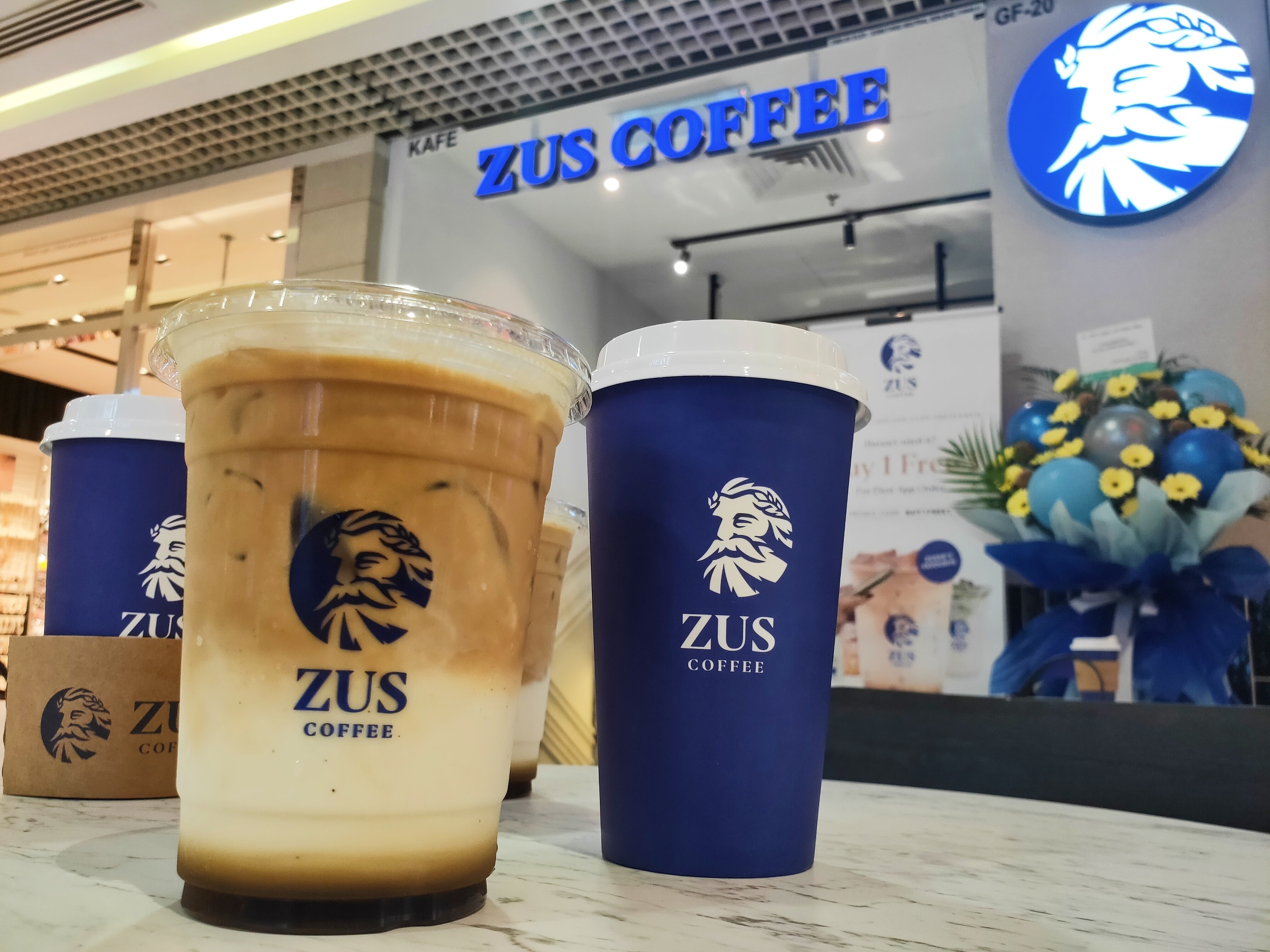
    Malaysia’s well-known coffee chain, Zus Coffee, has made its debut in Indonesia, marking its first venture into Jakarta. The launch marks yet another step in the company’s ambitious strategy to expand across Southeast Asia.

    The opening of the new store in Puri Indah Mall is the result of a collaboration with Kapal Api Group. This latest venture follows Zus Coffee’s successful expansions into other Southeast Asian countries, including the Philippines, Singapore, Brunei, and Thailand.

    Zus Coffee, established in 2019, began as a delivery-centric coffee kiosk operation. Since then, it has rapidly grown, fueled by the integration of a technologically advanced model that includes app-based ordering, pickup, and delivery services. Currently, Zus Coffee operates over a thousand stores throughout the region.

    According to Venon Tian, Group COO of Zus Coffee, Indonesia holds significant strategic value due to its rich coffee culture and an ever-changing consumer demand. As part of its expansion strategy, localisation remains a vital component, with the introduction of market-specific beverages alongside its main menu offerings.

    Over the years, Zus Coffee has solidified its position as one of Malaysia’s largest coffee chains and has emerged as a strong contender to the global giant, Starbucks. An investment of US$57.27 million (RM250 million) has been further secured by the company to facilitate its regional growth in 2024.

    As part of its expansion strategy, the company launched its inaugural stores in Thailand last year, planning to inaugurate 200 new stores across Southeast Asia. Parent company Zuspresso has set ambitious targets to add a minimum of 107 outlets in Malaysia, around 80 in the Philippines, and six in Singapore this year.

    Questions & Answers

    What is Zus Coffee’s expansion strategy?
    Zus Coffee is focusing on expanding across Southeast Asia, having already established a presence in countries like the Philippines, Singapore, Brunei, Thailand, and now Indonesia.

    How does Zus Coffee approach new markets?
    Zus Coffee has a strategy of localisation as it enters new markets. This involves introducing market-specific beverages alongside its core menu offerings to cater to local tastes and preferences.

    What kind of investment has Zus Coffee secured for its future growth?
    Zus Coffee has secured an investment of US$57.27 million (RM250 million) to support its regional growth in 2024.

  • Palace Streetwear Breaks Into Mainland China with a Stylish Shanghai Store Debut

    Palace Streetwear Breaks Into Mainland China with a Stylish Shanghai Store Debut

    British streetwear brand, Palace, is set to inaugurate its first independent retail store in Mainland China, within the historic district of Zhangyuan in Shanghai.

    The store, which opens its doors to the public this Friday, draws inspiration from the traditional elements of Yuyuan Garden. It incorporates features reminiscent of the garden’s ponds, pavilions, and meandering paths. In an effort to maintain the authenticity and historic charm of the locale, the original facade of the garden has been preserved. The store’s entrance is marked by Palace’s iconic, mirrored tri-ferg logo suspended above it. The logo, a creation of Fergus Purcell, takes its cues from the Penrose Triangle, a work of Swedish artist Oscar Reutersvärd. The logo’s placement creates an illusion of angling downward from the building’s roofline.

    A Timely Debut

    Gareth Skewis, the founder of Palace, expressed that his frequent visits to China over the past two decades gave him the conviction that the time was right for the brand to make its debut in Mainland China. Skewis pointed out that the present cultural milieu, particularly the state of skateboarding and the contemporary youth culture in China, factored into his decision.

    The interior of the store is a showcase of architectural elegance with limestone and stone tile finishes. It also flaunts LED columns and accents of gold and red, a nod to traditional Chinese rituals. The store’s design incorporates a pavilion-like structure at its heart, thus extending the garden concept throughout the space.

    A Special Collection Launch

    To celebrate the store’s grand opening, Palace will introduce a Shanghai-exclusive capsule collection. The collection includes an array of items such as biker jackets, sports jerseys, hoodies, T-shirts, and accessories. The products are branded with a playful ‘Shang-Hi’ logo and a waving hand motif.

    Questions & Answers

    Where is Palace’s first independent store in Mainland China located?
    The store is located in the historic district of Zhangyuan in Shanghai.

    What is the design concept of the store?
    The store’s design draws inspiration from the traditional elements of Yuyuan Garden, with features reminiscent of the garden’s ponds, pavilions, and meandering paths integrated into the store’s layout.

    What special launch is coinciding with the store’s opening?
    To mark the store’s opening, Palace will introduce a Shanghai-exclusive capsule collection, featuring items like biker jackets, sports jerseys, hoodies, T-shirts, and accessories branded with a ‘Shang-Hi’ logo and a waving hand motif.

  • Alipay Ventures Further into AI Commerce: Introduces Worlds First AI Wallet and Token Pay

    Alipay Ventures Further into AI Commerce: Introduces Worlds First AI Wallet and Token Pay

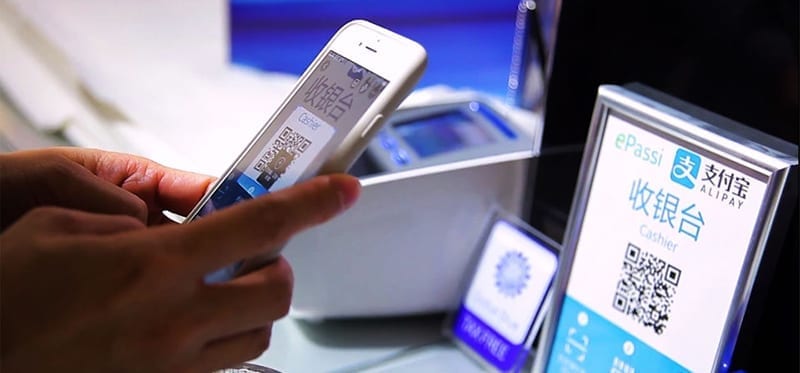
    Chinese fintech titan, Alipay, is ramping up its endeavors in AI-driven commerce with the introduction of an innovative AI payment infrastructure devised to bolster the burgeoning “agentic economy”.

    As per a press release issued on Monday, Alipay unveiled the world’s inaugural “AI Wallet” along with a novel service dubbed “Token Pay”, both targeted at AI firms and developers. This announcement was made at the Alipay AI Payment Ecosystem Conference held in Hangzhou.

    AI Agents in the Commercial World

    The crux of this initiative is Alipay’s AI payment ecosystem, where users can execute transactions via AI agents using voice commands and automated processes.

    Cyril Han, CEO of Ant Group, said, “Even though the quintessence of commerce remains intact in the AI era, AI agents are revolutionizing every aspect.” Han added that based on 22 years of technological prowess and commercial knowledge, Alipay is creating the next wave of AI payment services to boost the growth of the agentic commerce ecosystem.

    The firm disclosed that its AI-native payment products have already surpassed 100 million users since their February 2026 launch. As per Alipay, the system has processed approximately 300 million transactions so far, making it the first commercially scaled AI-native global payment infrastructure.

    Introduction of the “AI Wallet”

    The AI Wallet, a crucial part of this expansion, has been recently introduced and is now accessible via the Alipay app.

    The product is engineered to provide users more supervision and command over transactions executed by AI agents. This includes the ability to monitor tasks prior to and during payment and to analyze spending behavior after the transaction.

    In an effort to augment trust in autonomous AI transactions, Alipay also launched China’s maiden “Agentic Commerce Trust Protocol”, aimed to establish a standardized framework between AI systems and service platforms.

    Simultaneously, the firm introduced an intelligent security system designed to safeguard AI-driven transactions.

    “Token Pay” Designed for AI Companies

    Along with the AI Wallet, Alipay launched “Token Pay”, which the firm describes as the first integrated payment solution specifically tailored for AI model firms.

    The platform enables AI enterprises to handle subscription payments, token top-ups, and associated transactions on a global scale via a single infrastructure.

    Weiqi Hu, Vice President of MiniMax, said, “Payments are instrumental in facilitating massive growth in the AI sector. Together with Alipay, we aim to strengthen collaboration across multiple domains to accelerate the growth of AI commerce.”

    Payments Integration within AI

    Industry experts anticipate payments to become an inherent feature within AI applications rather than a separate step in digital commerce.

    “AI is redefining every facet of commerce,” said Lin Zhu, General Manager of Alipay’s AI payment business at Ant Group. Zhu added that payments are transitioning from a final step to a capability embedded from the outset. According to Zhu, only with trusted transactions, seamless payments, and secure controls, can agentic commerce genuinely proliferate.

    Extensive Expansion Across Industries

    Alipay’s AI payment infrastructure is already being widely used across a plethora of sectors and devices in China, such as AI-powered services embedded in retail apps including Luckin Coffee, smart glasses by Rokid, Alibaba’s Qwen AI ecosystem, OpenClaw-style AI agents, smart vehicle cockpits, AI development platforms like Coze and Qoder, and “One Person Companies”.

    Alipay announced additional investment in developer support programs, including token incentives and waiving payment-processing fees for individual AI developers.

    Through the latest rollout, Alipay is striving to establish itself not merely as a payment provider, but increasingly as the financial infrastructure supporting the next generation of AI-driven digital commerce.

    Questions & Answers

    What is the AI Wallet introduced by Alipay?
    The AI Wallet is a product designed to give users more control over transactions carried out by AI agents. Users can monitor tasks before and during payment execution and analyze spending behavior afterward.

    What is the purpose of Alipay’s “Token Pay”?
    Token Pay is an integrated payment solution created specifically for AI model companies. It allows AI firms to manage subscription payments, token top-ups, and related transactions globally through a single infrastructure.

    What is Alipay’s strategy with the introduction of the new AI payment infrastructure?
    Alipay’s strategy is to position itself not only as a payment provider, but increasingly as the financial infrastructure underpinning the next generation of AI-driven digital commerce.

  • Singapore Online Retailers Exposed: Dark Patterns Mislead Shoppers into Rushed Purchases

    Singapore Online Retailers Exposed: Dark Patterns Mislead Shoppers into Rushed Purchases

    In Singapore, three prominent online retailers, namely Boarding Gate, Origin Sleep, and Light In The Box, have been implicated in deceptive practices aimed at manipulating consumers’ purchasing behaviors.

    These retailers were found to be manipulating elements of their websites. They employed tactics often referred to as ‘dark patterns’, which included showcasing sham visitor counts, fraudulent countdown timers, and bogus discount claims. These tactics are used to generate an unnatural sense of urgency and product demand.

    Deceptive Tactics

    In the case of Boarding Gate, the company’s website was found to be displaying random figures that purportedly represented the number of viewers per product. This sly practice gives consumers the impression of high demand and real-time visitor activity, thereby pressuring them into making rapid purchasing decisions.

    Origin Sleep, also, resorted to similar manipulative strategies. The company’s website featured countdown timers suggesting that purchases had to be finalized before the given time ran out, even though these timers held no actual significance. Moreover, Origin Sleep was found to be conducting a supposedly limited-time sales offer. However, this “flash sale” was discovered to have continued for nearly two years under various pseudonyms.

    Light In The Box, on the other hand, displayed ‘Almost sold out’ notifications on items to suggest scarcity. In actuality, these labels were arbitrarily applied to create promotional effects. The company also provided misleading information about savings by comparing discounted prices with higher ‘original’ prices, which were never genuinely offered.

    Alvin Koh, the CEO of the Competition and Consumer Commission of Singapore (CCS), said that “dark patterns are insidious as they are difficult to detect and erode consumer trust in the digital marketplace.” He vowed that the CCS would continue to act firmly to safeguard consumer trust and honest businesses from those who engage in unfair competition.

    The three accused companies have since provided formal promises to the CCS. They have ceased their misleading actions and pledged to refrain from unjust trading practices in the future.

    Previous Violations

    In the previous year, Courts and Prism+, retailers of electronics and home appliances, were found to have contravened trading laws. They either charged consumers for products that were not selected or employed specific website features to create a false sense of urgency to purchase.

    Questions & Answers

    What are ‘dark patterns’?
    Dark patterns refer to manipulative techniques used on websites to influence consumers’ purchasing decisions.

    How have companies employed these ‘dark patterns’?
    Companies have used bogus visitor counts, fraudulent countdown timers, and false discount claims to generate an unnatural sense of urgency and product demand.

    What are the steps taken by the Competition and Consumer Commission of Singapore (CCS) to prevent such practices?
    The CCS has been proactive in detecting and combating such unethical practices. The implicated companies have been made to cease their deceptive tactics and have pledged to refrain from unfair trade practices in the future.

  • Misto Holdings Swings into Solid Q1 Profit Boosted by Golf Gear and K-Fashion Surge

    Misto Holdings Swings into Solid Q1 Profit Boosted by Golf Gear and K-Fashion Surge

    Misto Holdings, the South Korean fashion and golf corporation, has announced an impressive surge in their first-quarter earnings, owing to robust demand for K-fashion labels and golf equipment. The company reported a 4.2% year-over-year increase in revenue, generating KRW 1.3 trillion (US$864.9 million) and an operating profit of KRW 193.7 billion (US$128.8 million), marking a 19% increase.

    Driving Factors Behind the Growth

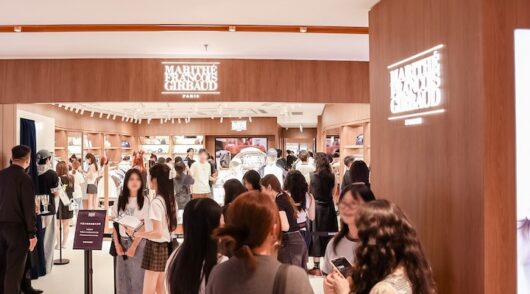
    The impressive growth is attributed to the strong performance of the firm’s golf business and the continued success of its fashion labels in the Greater China region, particularly in Mainland China and Hong Kong. K-fashion brands such as Marithé + François Girbaud, Matin Kim, Rest & Recreation, and Raive have continued to extend their retail presence throughout the region. Their expansion has played a pivotal role in sustaining double-digit growth in Greater China over the quarter.

    Fila, another brand under Misto Holdings, reinforced its position in the lifestyle sector through its footwear and apparel offerings. Standout collections include the Echappe franchise and the newly released Glio lineup. Fila’s Knit Track collection recorded a substantial sales growth of approximately 74% during the first 12 weeks of the 2026 Spring/Summer season, compared to the same period in the previous Fall/Winter season.

    The company’s Acushnet segment also contributed to the successful quarter, generating KRW 1.1 trillion in revenue, an 8% year-over-year increase, due to strong performance across all categories.

    Outlook and Future Plans

    Despite the ongoing macroeconomic uncertainties, Misto Holdings has managed to maintain stable growth momentum. This has been a result of the enhancement of brand competitiveness and improvement of operational efficiency, as stated by the company’s CFO, Ho Yeon (Aaron) Lee. Looking ahead, the company plans to further ensure its sustainable growth through the expansion in Greater China, enhancement of its brand portfolio, and a focus on profitability in management.

    Questions & Answers

    What has contributed to Misto Holdings’ significant first-quarter growth?
    The surge in demand for golf equipment and K-fashion brands have been the key drivers of Misto Holdings’ solid first-quarter growth.

    How does Fila contribute to the growth of Misto Holdings?
    Fila, a brand under Misto Holdings, has reinforced its dominance in the lifestyle sector with its footwear and apparel. Its collections such as the Echappe franchise and the Knit Track collection have recorded substantial sales growth.

    What are the future plans for Misto Holdings?
    Misto Holdings plans to solidify its growth by expanding in Greater China, enhancing its brand portfolio, and maintaining a focus on profitability in management.

  • Revolutionizing Beauty: Amorepacific Transforms Seoul Flagship Store into High-Tech, AI-Powered Personalized Cosmetics Lab

    Revolutionizing Beauty: Amorepacific Transforms Seoul Flagship Store into High-Tech, AI-Powered Personalized Cosmetics Lab

    Asia’s leading beauty brand, Amorepacific, has unveiled its rejuvenated flagship retail hub, Amore Yongsan. With a new approach focused on artificial intelligence-powered diagnostics, personalized cosmetic products, and a unique shopping experience, this flagship makeover reflects the current trends in the beauty industry.

    Navigating the New Age of Beauty

    Situated at the company’s headquarters, the refurbished retail space is an innovative blend of shopping, beauty services, and customer-centric research. It is designed to provide a holistic beauty experience to the patrons, right from product discovery to purchase.

    Amore Yongsan, as explained by an Amorepacific representative, is now an interactive platform where customers are invited to partake in a ‘Create New Beauty’ vision. This vision promises an invigorating beauty journey that extends beyond simple purchases to include personalized cosmetology, in-depth skin diagnostics, as well as active participation in the development of new products.

    Innovation at the Heart of the Concept

    Two revolutionary features steal the limelight in this revamp. The first is the ‘Amore Bespoke’ service, a first-of-its-kind on-demand beauty offering. It allows customers to design custom-made products in the makeup, lip, and haircare categories, catering to their individual needs and preferences.

    The second is ‘City Lab’, an AI-assisted skin and scalp diagnostic platform. Utilizing Amorepacific’s historical skin research data, this platform uses predictive technology to forecast potential skin alterations based on various lifestyle factors.

    The decision to relaunch was driven by the increasing demand for personalized, tech-powered beauty experiences. This move also signals Amorepacific’s competitive positioning against other K-beauty brands, as it seeks to attract a younger consumer base and international clientele who crave immersive retail experiences.

    Questions & Answers

    What is the ‘Create New Beauty’ vision?
    It is Amorepacfic’s innovative approach to provide a comprehensive beauty journey to its customers. It includes personalized cosmetics, advanced skin analysis, and active customer participation in product development.

    What is the Amore Bespoke service?
    Amore Bespoke is an on-demand beauty service that allows customers to create custom-made products in makeup, lip, and haircare categories based on their individual needs and preferences.

    What is the function of the ‘City Lab’?
    The City Lab is an AI-powered skin and scalp analysis platform. It uses Amorepacific’s historical skin research data and predictive technology to forecast potential skin changes due to various lifestyle factors.

  • Trailblazing Beauty: How Diipa Büller-Khosla Propelled Indian Ayurvedic Brand Indē Wild into Sephoras Global Spotlight

    Trailblazing Beauty: How Diipa Büller-Khosla Propelled Indian Ayurvedic Brand Indē Wild into Sephoras Global Spotlight

    Brands like Ranavat, Fable & Mane, and Squigs Beauty are making their mark in the United States beauty industry, thanks to the rising interest in Ayurvedic-inspired beauty products. Ayurveda, an ancient Indian medical system commonly referred to as the “science of life,” offers a holistic perspective on physical, mental, and emotional well-being. It places a strong emphasis on employing natural ingredients, such as amla (Indian gooseberry) and turmeric, in the treatment of various ailments.

    A Journey Towards Ayurvedic Beauty

    Indian-born influencer Diipa Büller-Khosla shares her experience as the first Indian native brand to enter Sephora. Her mission is to increase the visibility and recognition of Ayurvedic beauty within the global industry.

    Before she launched Indē Wild, Büller-Khosla’s career journey was one that always pointed towards establishing a beauty brand. Raised in India, Ayurvedic rituals for mind, body, and soul were a regular part of her life. Her mother practiced both dermatology and Ayurveda, creating a home where scientific knowledge and traditional practices seamlessly coexisted. Büller-Khosla’s studies in international human rights in the Netherlands marked her first encounter with living between cultures. This experience made her realize the lack of representation of her cultural beauty practices in the global beauty industry.

    As she built her digital platform, Büller-Khosla saw an opportunity to influence and shape global beauty conversations. Her interactions with the beauty industry and her desire to share her culture and perspective on beauty eventually led her to establish Indē Wild.

    Building the Brand and Overcoming Challenges

    The inception of Indē Wild was a product of Büller-Khosla’s life experiences and her belief in the efficacy of the Ayurvedic rituals she grew up with, especially in haircare. When she observed a lack of modern and accessible representation of her world in global beauty, she decided to bring to the forefront something that she knew worked well and could resonate with others.

    One of the significant challenges in the initial stages of launching Indē Wild was the process of building a global brand from India. Büller-Khosla and her team had to navigate the different aspects of running a business, including formulation, supply chain management, and scaling the brand internationally, all in real time. Transitioning from being a digitally native brand to retail, particularly on a platform as large as Sephora US, also presented its own learning curve.

    Despite these challenges, the brand’s strategic approach to staying closely connected to their community and adapting swiftly to change proved beneficial. The brand’s development was seen as an evolving conversation rather than a fixed project.

    The brand’s launch at Sephora US has been a major highlight for Büller-Khosla. Witnessing the support of the community, with thousands braving the cold New York weather for the launch, was a testament to the brand’s success and its significant impact on the beauty industry.

    Community Engagement and Competitive Edge

    Büller-Khosla’s background as a social media influencer and content creator considerably influenced her brand-building approach. The direct engagement with the audience and the constant listening helped shape the brand’s product development. In today’s competitive beauty market, understanding the consumer deeply is a significant advantage. This understanding was facilitated by the continuous dialogue with the community throughout the brand’s development.

    Büller-Khosla also recognizes the advantage of having had exposure to the best talents in the beauty industry, from formulation to design, over the past decade.

    Questions & Answers

    What advice would you give to aspiring entrepreneurs?
    Always trust yourself. You do not need to have everything figured out before you start. Understand that learning comes from doing and that perfection should not hold you back from starting.

    Which is your favourite SKU from your brand?
    The Champi Hair Oil holds a special place in my heart. It has a personal connection for me, and it’s always heartwarming to hear stories from users who have rediscovered the champi ritual through this product.

    How important was your background as a social media influencer in building the brand?
    It had a significant impact. Being a content creator allowed me to have direct conversations with my audience, which greatly influenced how we developed our products. It has also made me acutely aware of authenticity and the importance of maintaining consumer trust.

  • Disney Unleashes Its Characters into the World of AI: Unprecedented Deal with OpenAI Signals a New Era for Fan-Created Content

    Disney Unleashes Its Characters into the World of AI: Unprecedented Deal with OpenAI Signals a New Era for Fan-Created Content

    Disney, a company known for fiercely guarding its characters and intellectual property, has forged a new path by entering into a three-year licensing agreement with OpenAI. Through this groundbreaking deal, users of OpenAI’s Sora platform will be able to create brief videos featuring over 200 animated, masked, and creature characters drawn from Disney, Marvel, Pixar, and Star Wars franchises. This includes a range of costumes, props, vehicles, and iconic environments. At the core of the agreement is a blend of Hollywood’s prized intellectual property and OpenAI’s advanced AI technology.

    Revolutionizing Video Creation with Sora

    The deal’s focus is on the application of OpenAI’s Sora video creation platform. Users will have the opportunity to create short, user-prompted videos to share with others. Additionally, through ChatGPT Images, users can convert a few words into fully generated AI images in mere seconds. However, the deal doesn’t extend to the likeness or voices of specific Disney characters or those who lend their voices to animated Disney personas.

    Certain content created on the Sora platform may also find its way onto Disney+, enhancing the streaming service’s selection of videos with fan-created content. Moreover, the agreement transforms Disney into an OpenAI customer, with access to ChatGPT for internal use. It also gives Disney the ability to utilize OpenAI APIs to introduce new features on the Disney+ streaming platform.

    Disney Characters in AI Videos

    Disney enthusiasts can use a host of beloved characters in their AI video creations. This roster includes Mickey and Minnie Mouse, Lilo, Stitch, Ariel, Belle, Beast, Cinderella, Baymax, Simba, Mufasa, and more.

    Additional characters from popular franchises such as Encanto, Frozen, Inside Out, Moana, Monsters Inc., Toy Story, Up, Zootopia will also be available. Fans can also incorporate animated versions of Marvel and Lucasfilm characters like Black Panther, Captain America, Deadpool, Groot, Iron Man, Loki, Thor, Thanos, Darth Vader, Han Solo, Luke Skywalker, Leia, the Mandalorian, Stormtroopers, Yoda, among others.

    Commitment to Responsible AI Use

    The agreement between Disney and OpenAI underscores a dedication to responsible AI use, safeguarding user safety and creator rights. As part of the deal, Disney will invest $1 billion in OpenAI equity and receive warrants to purchase additional equity in the company. OpenAI is committed to implementing measures to protect users, such as age-appropriate policies and other necessary controls. Both parties are determined to prevent the generation of illegal or harmful content.

    Disney’s Stand Against Google

    In a parallel development, Disney has accused Google of large-scale copyright infringement. According to Disney, Google has used AI models to exploit and distribute images and videos that violate Disney’s intellectual property rights. The company has sent Google a cease-and-desist letter, demanding an immediate end to these alleged infringements.

    Disney has made it clear that it will not tolerate unauthorized commercial exploitation of its copyrighted works by AI services. The company has expressed concern over Google’s use of infringed copyrighted works to sustain market dominance.

    Questions & Answers

    What does the licensing agreement between Disney and OpenAI entail?
    The agreement allows users of OpenAI’s Sora platform to create short videos featuring over 200 characters from Disney, Marvel, Pixar, and Star Wars franchises. However, it does not cover the likeness or voices of specific Disney characters or those lending their voices to these characters.

    What benefits does Disney get from this deal?
    The agreement turns Disney into an OpenAI customer, enabling the company to use ChatGPT for internal purposes and OpenAI APIs to add new features to the Disney+ streaming platform. It also opens up opportunities for fan-created content to enhance the streaming service’s video inventory.

    How does the deal address intellectual property and user safety?
    The agreement emphasizes responsible AI use, with OpenAI pledging to implement measures such as age-appropriate policies and other controls to protect users. Additionally, both parties have committed to prevent the generation of illegal or harmful content.

  • Driving into the Future: Singapore’s Punggol District to Host Country’s First Residential Autonomous Shuttle Service

    Driving into the Future: Singapore’s Punggol District to Host Country’s First Residential Autonomous Shuttle Service

    WeRide and Grab have recently been given the go-ahead by Singapore’s Land Transport Authority to initiate their full-scale Ai.R fleet testing in Punggol. This move is significant as Punggol will be the nation’s first residential area to potentially provide an autonomous shuttle service.

    Launch of First Autonomous Shuttle Service

    The Ai.R, short for Autonomously Intelligent Ride, is an autonomous public ride service jointly operated by Grab and WeRide. The fleet comprises 11 vehicles, with ten being WeRide GXRs featuring five passenger seats each, and one Robobus with eight seats. The goal of this initiative is to transform Punggol into the first Singaporean neighbourhood to offer a dedicated autonomous shuttle service, with public operations anticipated to commence in early 2026.

    Improved Connectivity for Residents of Punggol

    The autonomous shuttles intend to connect residential areas to key facilities that include the Punggol Coast MRT station, the bus interchange at Punggol Coast Mall, retail establishments, and healthcare facilities. Safety Operators will be present on board throughout the testing phase and the preliminary public rides roll-out to supervise operations in real-time and ensure safety.

    Gearing Up for Reliability and Safety

    Each test run of the autonomous vehicles will generate real-world data that can help train and localize the vehicles’ AI driving models better. The AVs will analyze road infrastructure, traffic situations, and behavioural patterns of pedestrians and road users. They are also being equipped to handle Singapore’s well-known unpredictable weather conditions to ensure consistent and reliable performance.

    Navigating Complex Urban Environments

    To be fully operationally prepared, the Ai.R fleet is being trained across various real-world situations. This includes precision driving for smooth acceleration, deceleration, and obstacle avoidance; navigation of narrow residential roads, tight car park turns, and complex intersections; and facilitating seamless pick-ups and drop-offs. Equipped with LiDAR and camera sensors, the vehicles can identify hazards in all weather conditions, enabling adaptive responses to dynamic urban environments.

    Developing the Autonomous Transport Workforce

    Talent development is a crucial aspect of this programme. GrabAcademy and WeRide are working in collaboration to train over ten experienced Grab driver-partners as Ai.R Safety Operators. Post completion of classroom instruction and closed-circuit training, the initial group has moved on to on-road sessions.

    A Step towards Singapore’s Smart-Mobility Future

    The expansion of Ai.R testing underlines Singapore’s wider ambitions to integrate autonomous technologies into its public transport system. For WeRide and Grab, the initiative represents a significant advancement in commercializing autonomous mobility in a densely populated urban environment. This could potentially serve as a model for implementations across Southeast Asia. If successful, Punggol could soon be a shining example of how AV-enabled transit can improve connectivity, resilience, and urban liveability.

    Questions & Answers

    What is the Ai.R service?
    Ai.R, short for Autonomously Intelligent Ride, is an autonomous public ride service that is jointly operated by Grab and WeRide.

    What is the purpose of the Ai.R fleet testing in Punggol?
    The testing serves to transform Punggol into Singapore’s first neighbourhood to offer a dedicated autonomous shuttle service, with operations expected to start in early 2026.

    What is the significance of this initiative for Singapore?
    This initiative aligns with Singapore’s broader ambition to incorporate autonomous technologies into its public transport ecosystem, and also marks a significant advancement in commercializing autonomous mobility in a densely populated urban setting.