Retail News CRM

Tag: into

  • Philippine Powerhouse Sunnies World Storms into Thailand, Unfurls Rapid Expansion Plans

    Philippine Powerhouse Sunnies World Storms into Thailand, Unfurls Rapid Expansion Plans

    Sunnies, a renowned lifestyle brand from the Philippines, has established its presence in Thailand, inaugurating its initial outlets in Bangkok. The company has also announced its intention to introduce two additional stores by the end of the current year.

    Sunnies World in Central Park Dusit

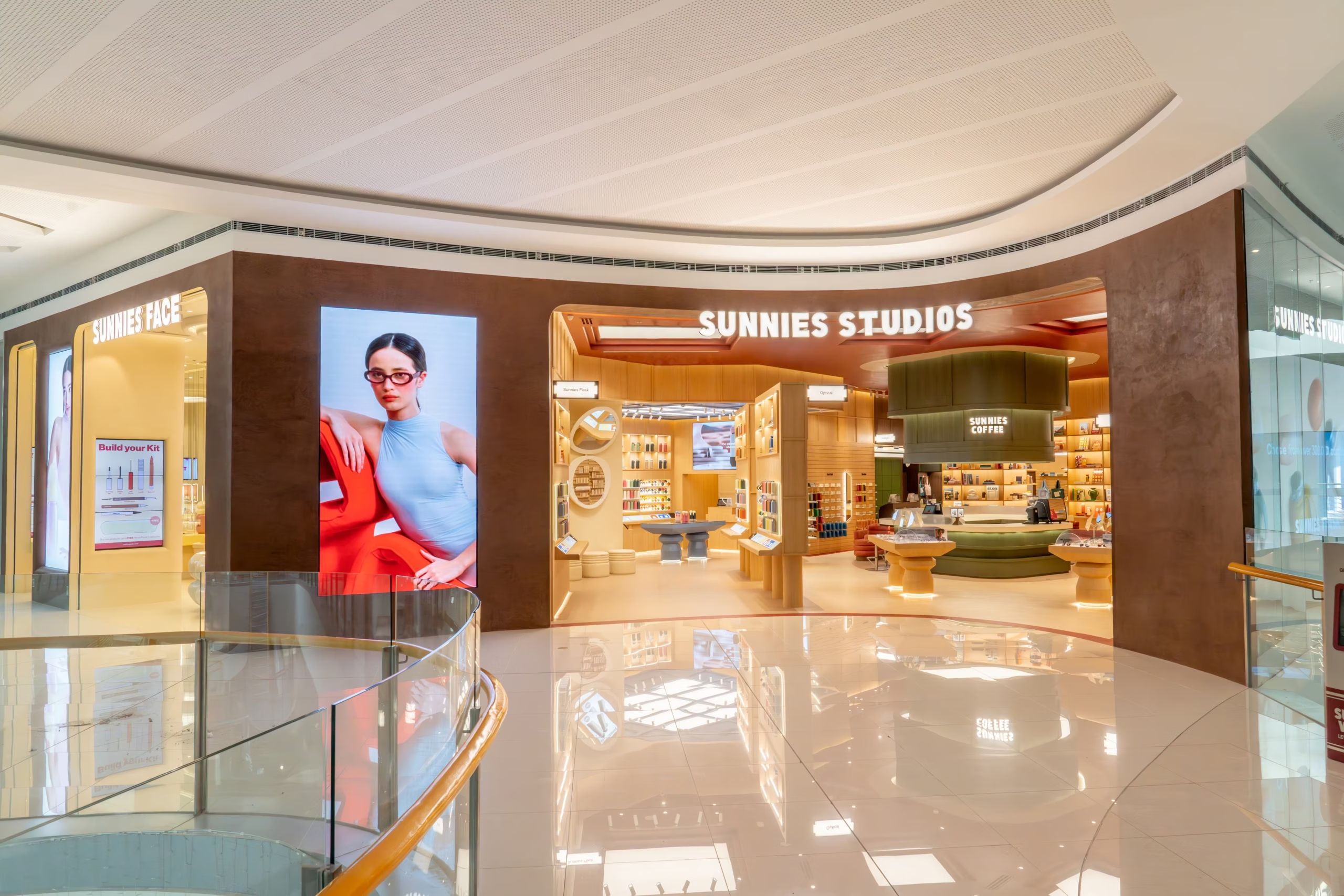
    Sunnies’ foremost establishment, Sunnies World, has been set up in Central Park Dusit. This outlet manifests all the diverse lifestyle concepts of the brand. It incorporates Sunnies Studios, which specializes in eyewear, Sunnies Face, the brand’s cosmetics segment, Sunnies Flask, offering customizable flasks, and Sunnies Coffee, a cafe.

    Adding a unique touch to the shopping experience, the store also features the Sunnies Face Bath. This is a lounge area where shoppers can explore a selection of merchandise exclusive to Thailand. The exclusive range includes items like tote bags, dumpling pouches, jelly pouches, and pencil cases.

    Second Store Opening at Central Ladprao

    The subsequent store, opened in Central Ladprao, provides Sunnies Studios eyewear, Sunnies Flask merchandise, and Sunnies Face cosmetic products.

    In a statement, the company described Sunnies World Thailand as more than just a store. They envisage it as a thriving community center facilitating the intersection of vision, beauty, and creativity.

    Upcoming Store Launches

    The brand has announced two additional store openings scheduled for the near future. The first, a Sunnies Flask store, is set to open at Central Rama on December 1. The second, offering Sunnies Studios, Sunnies Flask, and Sunnies Face products, will open at Fashion Island on December 19.

    Founded in 2013 by Bea Soriano-Dee, Eric Dee, Georgina Wilson, and Martine Ho, Sunnies started its journey as an eyewear label. The brand subsequently ventured into the realm of cosmetics, lifestyle accessories, and cafe concepts.

    Questions & Answers

    What is Sunnies’ plan for expansion in Thailand?
    Sunnies intends to establish its presence further in Thailand by opening two more outlets by the end of the year.

    What does the newly opened Sunnies World in Central Park Dusit offer?
    Sunnies World houses all the brand’s lifestyle concepts, including Sunnies Studios, Sunnies Face, Sunnies Flask, and Sunnies Coffee. It also features the Sunnies Face Bath, which offers Thailand-exclusive merchandise.

    What are the upcoming store openings for Sunnies in Thailand?
    Sunnies has plans to open a Sunnies Flask store at Central Rama on December 1, and another outlet offering Sunnies Studios, Sunnies Flask, and Sunnies Face products at Fashion Island on December 19.

  • Coach Dives into Hospitality with Flagship Restaurant Launch at Jewel Changi Airport: A Mix of Fashion, Food, and New York Heritage

    Coach Dives into Hospitality with Flagship Restaurant Launch at Jewel Changi Airport: A Mix of Fashion, Food, and New York Heritage

    Coach, the American fashion brand, has unveiled The Coach Restaurant Singapore at Jewel Changi Airport as part of its continued expansion into the hospitality industry and overarching lifestyle approach.

    The Restaurant Blueprint

    The restaurant’s design is heavily influenced by Coach’s New York roots, boasting an impressive view of the Jewel’s Rain Vortex. Its layout is spacious, accommodating a 56-seat dining room, a 10-seat bar, and a 10-seat chef’s counter that is centered around an open woodfire kitchen.

    The interior design is a creative harmony of bronze mirrors, terrazzo flooring, tropical wood louvres, and leather accents, the latter being utilized in menu covers and staff aprons. As the centerpiece, a full-sized yellow taxi cab is suspended above the dining area, a nod to the brand’s origin.

    Location and Comment from Coach

    Marcus Sanders, VP of global food and beverage at Coach, highlighted Singapore’s vibrant food culture and international community as the driving factors behind the decision to place the hospitality concepts there.

    He said, “In this venue, we are providing an opportunity for guests to come together, celebrate, and experience the Coach brand in a manner that is both timeless and innovative.”

    The Wider Strategy

    This latest venture enhances Coach’s existing food and beverage initiatives and aligns with its Coach Coffee Shop and the recently revamped retail store at Jewel. These three spaces are designed to fortify the brand’s most comprehensive integrated lifestyle concept in Asia.

    Questions & Answers

    What is the design inspiration for The Coach Restaurant Singapore?

    The design takes its cues from Coach’s New York heritage and includes elements such as bronze mirrors, terrazzo flooring, tropical wood louvres, and leather accents.

    What are the features of the restaurant?

    The restaurant includes a 56-seat dining room, a 10-seat bar, and a 10-seat chef’s counter built around an open woodfire kitchen. A full-sized yellow taxi cab is suspended above the dining area as a focal point.

    What is the purpose of the new restaurant in Coach’s broader strategy?

    The new restaurant is part of Coach’s continued expansion into the hospitality industry. It complements Coach’s existing food and beverage ventures, including the Coach Coffee Shop and the refurbished retail store at Jewel, strengthening the brand’s integrated lifestyle concept in Asia.

  • South Korean Beauty Brands Leverage Immersive Experiences For Enhanced Customer Engagement

    South Korean Beauty Brands Leverage Immersive Experiences For Enhanced Customer Engagement

    As the beauty industry becomes more competitive, leading South Korean beauty brands are transforming their stores into immersive spaces. These spaces offer customers an opportunity to trial products and gain a deeper understanding of the brand’s ethos.

    Space Dosan: A Unique Testing Ground

    APR Co, a significant player in the beauty industry, operates ‘Space Dosan’ in Seoul’s Sinsa-dong. Here, customers can try the Medicube skincare range and experiment with the brand’s beauty device – Age-R. Trying creams or perfumes can be straightforward, but the opportunity to test electronic skincare appliances, which call for time and careful instruction, has garnered special interest. Staff members are present to help customers with product applications and device usage. This service was so well-received in the store’s initial phase that appointments had to be made by reservation. According to an APR official, some international visitors said they visited specifically to see and try the products personally. “Offering a direct, in-person experience is becoming crucial to expressing a brand’s complete value,” they said.

    Sulwhasoo: Storytelling and Ginseng Classes

    Amorepacific’s Sulwhasoo brand is placing a focus on experiences that tell a story and reflect its heritage. The brand’s Bukchon Sulwhasoo House in central Seoul hosts the popular ‘Ginseng Class.’ This hands-on workshop underscores six decades of ginseng research. Here, participants can make tailored ginseng-scented sachets and bath soaks using Sulwhasoo’s signature ‘Beauty Saponin’ and ‘Jaumdan’ ingredients. Since the reservations opened in July, more than 1,800 people have signed up in just a few days. The sessions continue to sell out within an hour each month, and a modest participation fee was introduced this month. The program, which will soon be available to foreign tourists, aims to increase awareness of the cultural and cosmetic importance of ginseng.

    The History of Whoo: Beauty Classes

    LG Household & Health Care is another beauty industry stalwart providing beauty classes for its product line, The History of Whoo. These classes are offered to department store VIP clients, who have achieved a specific spending level at luxury stores like Lotte and Shinsegae. Each session, with around ten participants, includes traditional experiences such as crafting a royal pouch and enjoying private catering. Since January, approximately 900 customers have participated. An LG H&H representative said, “These classes allow VIPs to connect with our brand identity as a ‘royal dermatology’ cosmetics line.” Meanwhile, LG H&H plans to expand such offline experiences to provide a distinct, premium interaction that reinforces The History of Whoo’s prestige.

    This trend in South Korea’s beauty sector mirrors a broader transition: the sale of not just products but sensory experiences that connect brand identity, tradition, and technology. This strategy is seen as critical in maintaining customer loyalty in an increasingly crowded global market.

    Questions & Answers

    What are the unique experiences Korean beauty brands are providing?
    Korean beauty brands are offering unique experiences that combine product trials with brand storytelling. Examples include the trial of skincare devices at Space Dosan, the ginseng classes provided by Sulwhasoo, and The History of Whoo beauty classes catered to VIP clients.

    What is the purpose of these experiences?
    These experiences aim to create a direct, offline connection between the customer and the brand. They allow customers to understand and appreciate the brand’s complete value, heritage, and identity.

    How are these experiences impacting customer engagement and loyalty?
    These immersive experiences are helping brands stand out in a crowded market and are seen as key to retaining customer loyalty. They provide a unique, sensory encounter that allows customers to connect more deeply with the brand.

  • Asia’s Fashion Giant Urban Revivo Makes Strategic Inroad Into Europe With Uk Flagship Store

    Asia’s Fashion Giant Urban Revivo Makes Strategic Inroad Into Europe With Uk Flagship Store

    Urban Revivo, a leading fashion brand from Asia often dubbed as “the Zara of Asia,” has recently launched its flagship store in the UK, on Neal Street in Covent Garden. The 515 square meter store is nestled among unique boutique stores and established heritage brands, marking a strategic inroad into Europe’s vibrant fashion industry and demonstrating the brand’s global ambitions.

    Establishing a Global Presence

    Urban Revivo, founded in 2006, has expanded rapidly across Asia, with over 400 stores spread across China, Southeast Asia, and recently, the United States. The company’s launch in Covent Garden follows its debut in New York’s SoHo district in February, and is set to be followed by further entries into other global fashion hubs including Hong Kong and Tokyo.

    The Covent Garden location offers an exciting opportunity for Urban Revivo to engage with London’s dynamic fashion scene. Vivian Chen, CEO of Urban Revivo International, recognizes that the introduction of new brands often face high entry barriers, necessitating time for consumers to build trust and familiarity. Approximately 60% of the Covent Garden store’s offerings are designed by the company’s London-based European Design Center. This reflects the brand’s “quiet luxury” aesthetic, which Chen describes as a blend of timeless sophistication and subtle individuality.

    Adapting to Different Markets

    Urban Revivo is quick to adapt its brand to resonate with the distinct tastes of its different markets. Chen notes that the European market values longevity in design, quiet luxury, and a clear brand identity, differing from Asian markets, particularly China, where fast-changing fashion trends and brand experimentation are more prevalent.

    Boasting design centers in Guangzhou and London, Urban Revivo is building a connecting bridge between Eastern and Western aesthetics, aiming to create a brand that resonates globally. The brand plans to replicate its successful consumer research and feedback system, which is supported by millions of members, in the UK and European markets.

    Challenges and Opportunities

    Chen recognizes that Europe, home to three major fashion capitals, presents unique challenges due to its rich tradition of art and fashion, and consumers with avant-garde perspectives on cultural trends. However, the company’s success in the UK market serves as a solid foundation for its expansion into the broader European market and other new regions.

    While Urban Revivo is characterized by its fast-fashion model, with a typical turnaround from trend to retail shelf in just 10 days, its approach is more considered. The London store, for example, carries only 800 Stock Keeping Units (SKUs).

    Future Ventures

    Urban Revivo’s global expansion plan includes new ventures into Hong Kong and Tokyo, two of Asia’s most mature and fashion-forward markets. The company plans to open a flagship store in Hong Kong’s Harbour City, a luxury shopping destination in Tsim Sha Tsui, and is preparing to debut its store in Japan’s fashion capital, Tokyo, by the end of this year.

    Questions & Answers

    What is Urban Revivo’s expansion strategy?
    Urban Revivo’s expansion strategy involves establishing a presence in global fashion capitals such as London, New York, Hong Kong, and Tokyo, and adapting its brand to resonate with the distinct tastes of its different markets.

    How does Urban Revivo’s approach differ from traditional fast-fashion brands?
    Unlike traditional fast-fashion brands that flood stores with high-volume, high-turnover SKUs, Urban Revivo’s strategy is more measured. The London store, for example, carries only 800 SKUs.

    What are Urban Revivo’s future expansion plans?
    Urban Revivo plans to expand into Hong Kong and Tokyo, two of Asia’s most mature and style-conscious markets. The company will open a flagship store in Hong Kong’s Harbour City and is preparing to debut its store in Japan’s fashion capital, Tokyo, by the end of this year.

  • Zen Diamond Expands Footprint In India With Two New Stores In Bengaluru

    Zen Diamond Expands Footprint In India With Two New Stores In Bengaluru

    Zen Diamond, a worldwide jewellery retailer, has broadened its reach in India by inaugurating two additional stores in Bengaluru. This decision follows the brand’s successful introduction in Mumbai in the previous year.

    Expansion into South India

    Zen Diamond’s expanded presence is marked by the establishment of new outlets at the Phoenix Mall of Asia and Phoenix Marketcity. These locations represent the company’s initial expansion in South India, an area of increasing interest for the business.

    Neil Sonawala, Managing Director of Zen Diamond, expressed enthusiasm about this development, saying, “The Indian market has always been highly valued by our brand. The positive response we received from our Mumbai outlets was remarkably encouraging. With the inauguration of our two additional stores in Bengaluru, we’re excited about introducing Zen Diamond’s tradition of superior craftsmanship to the southern region of India.”

    Store Design and Services

    The brand’s new locations will be distinguished by a sophisticated decor featuring subdued grey color schemes, fluted panels, and stucco textures. These elements have been chosen to accentuate the company’s premium jewellery collection.

    To bolster customer trust and assurance, Zen Diamond will also offer Natural Diamond Certification within India.

    Rituu Mehhta, the Centre Director of Phoenix Mall of Asia, praised the launch of the Zen Diamond stores, stating, “The introduction of a globally recognized brand like Zen Diamond significantly enhances our retail portfolio.”

    Global Presence

    Zen Diamond has a substantial international presence, operating over 450 stores worldwide. Alongside its primary jewellery offerings, the company also sells accessories, including watches, pens, ties, and gold coins.

    Questions & Answers

    What led to Zen Diamond’s expansion into South India?
    The positive feedback and success from the company’s ventures in Mumbai encouraged them to expand to other parts of India.

    What unique features can customers expect in the new Bengaluru stores?
    The Bengaluru stores will be distinguished by their refined grey palettes, fluted panels, and stucco textures, all aimed to enhance the brand’s luxurious jewellery collection.

    What steps is Zen Diamond taking to improve customer trust in India?
    To increase consumer trust and confidence, Zen Diamond will provide Natural Diamond Certification in India.

  • Tokyo Streetwear Label 9090 Breaks Into Chinese Market, Championing 90s Nostalgia For Gen Z Shoppers

    Tokyo Streetwear Label 9090 Breaks Into Chinese Market, Championing 90s Nostalgia For Gen Z Shoppers

    Born and bred in Tokyo, the streetwear label 9090 has recently made its debut in the Chinese market. This expansion was facilitated via collaborations with Yutori Group and BranDNA, with the first step being the launch of a pop-up store in Shanghai.

    9090 is recognized for its unique fusion of a nostalgic 90s youth culture and contemporary streetwear design. The label’s distinct style is what sets it apart from the competition.

    BranDNA’s CEO, James Chen, attributes the introduction of this Japanese brand to the demands of China’s Gen Z consumers. He stated that these young shoppers are on the lookout for individuality, cultural depth, and affordable yet trendy fashion.

    Chen explained, “The rebellious spirit embodied by the 1990s deeply resonates with this generation. We believe that 9090 has the potential to set fresh trends in the market.”

    To further establish 9090’s presence in China, Yutori and BranDNA have plans to broaden the brand’s reach. These include opening more pop-up stores, forming retail partnerships, and pursuing collaborations, with the end goal being to make this brand more easily accessible to local consumers.

    BranDNA has previously successfully introduced over 40 international brands into the Chinese market, comprising top labels like 7 For All Mankind, BCBG Maxazria, Ben Sherman, Hydrogen, Body Glove, Dakine, Porsche Design, Bric’s, and Borghese.

    Questions & Answers

    What is the 9090 brand known for?
    The 9090 brand is renowned for its fusion of nostalgic 90s culture and modern streetwear aesthetics.

    Why did BranDNA introduce the 9090 brand to China?
    BranDNA CEO James Chen cited the demands of Gen Z consumers for personalized, culturally rich, and affordable trendy fashion as the reason behind the introduction of 9090 to the Chinese market.

    How do Yutori and BranDNA plan to expand 9090’s presence in China?
    The expansion plans include opening additional pop-up stores, establishing retail partnerships, and initiating collaborations to make the brand more available to local consumers.

  • Puma’s Data-driven Approach Boosts Customer Loyalty In Southeast Asia

    Puma’s Data-driven Approach Boosts Customer Loyalty In Southeast Asia

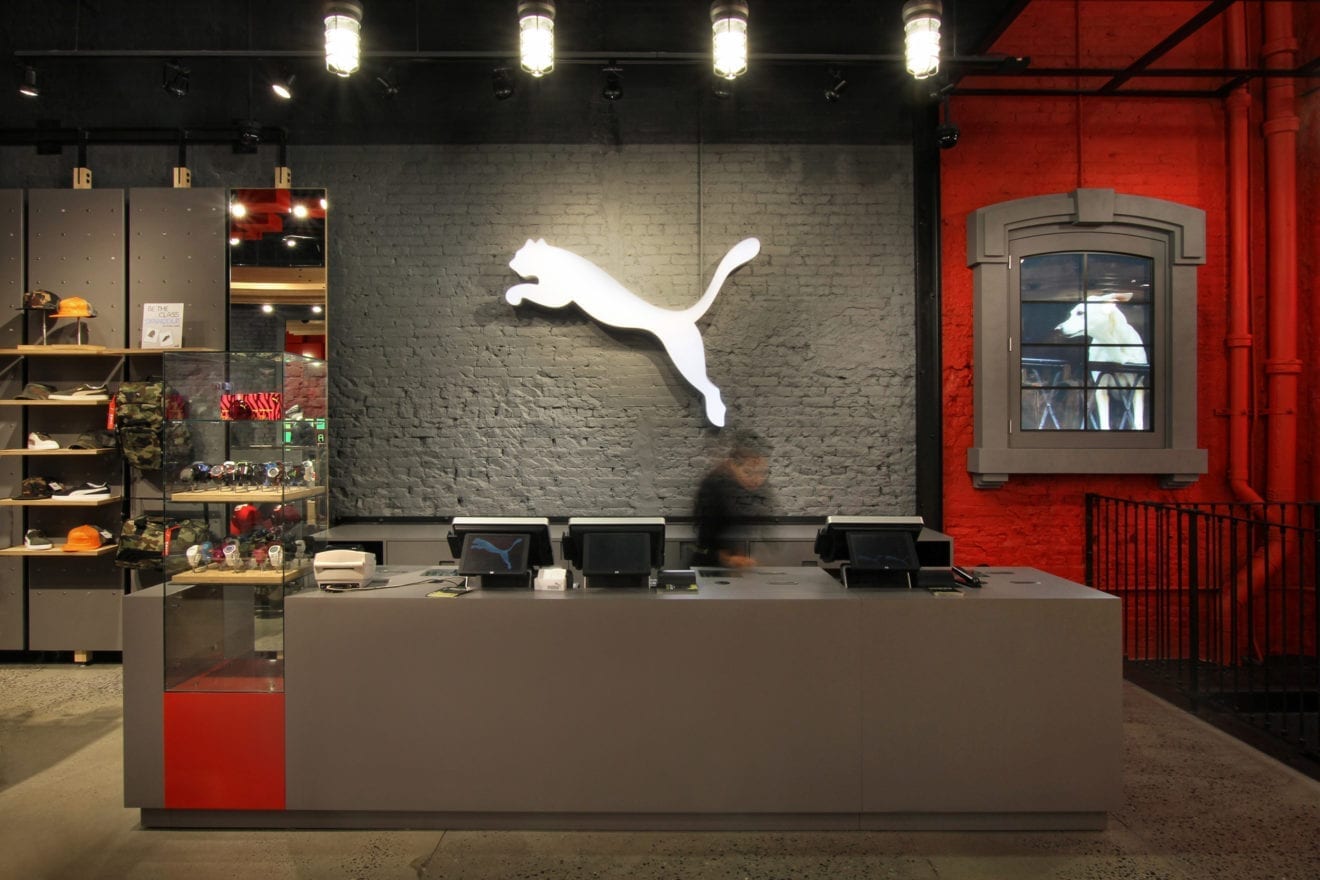
    In the retail and branding sector, data reigns supreme. It provides valuable insights that can be employed to boost personalisation and foster customer loyalty. Sportswear retailer Puma provides a case study for this, as it navigates customer relationship management (CRM) and lifecycle marketing in Southeast Asia.

    Understanding the Data Challenge

    A one-size-fits-all CRM strategy won’t suffice, especially in Southeast Asia’s diverse market. The key to any successful CRM strategy is the development of a robust database. Ankit Madhogaria, Puma’s director of e-commerce Southeast Asia, emphasizes the importance of gathering accurate consumer data both online and in physical stores. This data can then be integrated into software platforms to provide a comprehensive view of all customer interactions, transactions, and touchpoints.

    However, Puma has experienced difficulty in procuring data from its offline customers, with Madhogaria noting that customers are less inclined to share information unless they are given a compelling reason to do so. The data required can be categorized into three types: communication data (like phone numbers or emails), personal data (such as birthdays or purchase anniversaries), and behavioral data, which includes the channels customers use to make purchases. Madhogaria suggests that capturing these data types can present robust opportunities for future campaign creation and customer engagement.

    The Power of Personalisation

    Puma has been redefining personalisation at scale with the assistance of SAP Emarsys’ customer engagement platform. The platform has enabled Puma to execute smart lifecycle strategies customized to suit each market within the region, resulting in impactful omnichannel engagement.

    Madhogaria believes that successful personalisation is achievable with the right tools and an effective data capturing strategy. Using these tools, Puma can generate product recommendations that can be integrated into emails, thus driving increased click-through and conversion rates.

    Successful Campaigns and Strategies

    Madhogaria highlighted several successful campaigns driven by their data-driven approach. Puma has implemented cross-sell promotions in transaction-related emails, which generally have a higher open rate. For instance, if a customer purchased running shoes, Puma recommended complementary items such as a t-shirt or shorts. This strategy resulted in a 3% increase in returning customers within a month, translating to a near 20% rise in efficiency and a substantial boost in revenue.

    Puma’s Birthday Bash campaign was another major success, particularly in Southeast Asia. The campaign, celebrating Puma’s birthday with significant discounts, resulted in a nearly 60% uplift in offline revenue and nearly triple the online revenue. Notably, almost 60% of the campaign’s revenue came from repeat customers.

    Building Loyalty in Southeast Asia

    Understanding the nuances of different markets and consumers’ preferred communication channels is crucial for building loyalty. For instance, Viber is significant in the Philippines, Line in Thailand, and Zalo in Vietnam.

    Madhogaria stresses the importance of continuous experimentation to understand what strategies work best in each market. Puma’s approach demonstrates that successful CRM in Southeast Asia involves more than just data collection; it requires testing, learning, and delivering campaigns that resonate with local consumers.

    Questions & Answers

    What are the three types of data Puma gathers from customers?
    Puma gathers three types of data: communication data (like phone numbers or emails), personal data (such as birthdays or purchase anniversaries), and behavioral data, which includes the channels customers use to make purchases.

    How has Puma personalized its marketing strategy?
    Puma uses SAP Emarsys’ customer engagement platform to implement personalized lifecycle strategies tailored to each market. The tool also generates product recommendations that can be integrated into emails to customers.

    What successful campaigns have Puma executed in their CRM journey?
    Puma has executed several successful campaigns, including the Birthday Bash campaign that resulted in a nearly 60% uplift in offline revenue and nearly triple the online revenue. Another strategy involved integrating cross-sell promotions into transaction-related emails, which led to a 3% increase in returning customers within a month.

  • Watsons creates a ‘family’ of collectables to tap into character craze

    Watsons creates a ‘family’ of collectables to tap into character craze

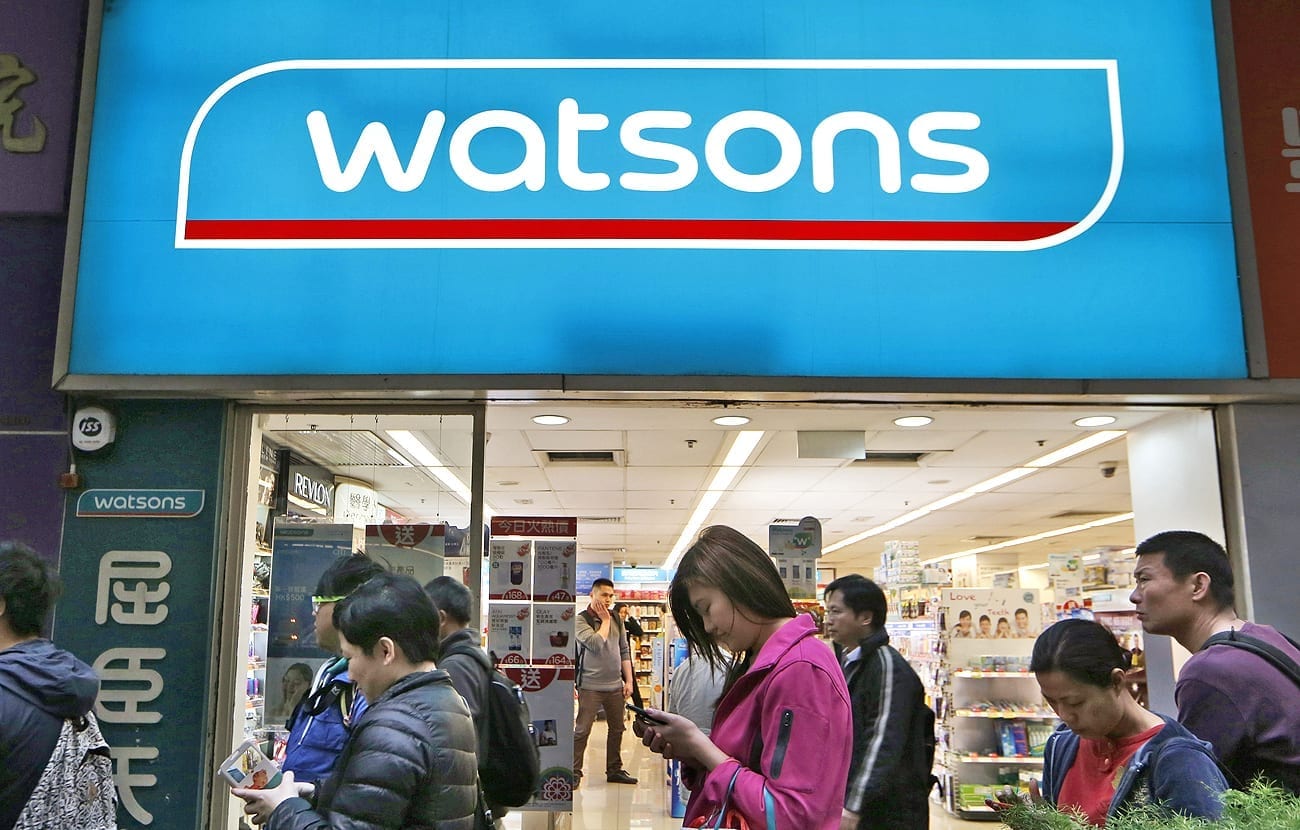
    Health and beauty retail giant Watsons has unveiled its new initiative, The Watsons Family, a character-driven brand strategy set to enhance customer interaction throughout Asia.

    The Watsons Family Initiative

    The Watsons Family comprises 16 distinctive characters inspired by the Myers-Briggs Type Indicator (MBTI). These characters are featured on the packaging of various Own Brand products, ranging from skincare to body care essentials. This creative marketing concept makes the packaging itself an appealing and collectible item.

    The campaign is set to kick off in Hong Kong where three core characters will take center stage:

    – Sunny, representing wellness supplements.
    – Kilo, symbolizing energy and wellness.
    – Flora, embodying beauty through facial masks.

    Jared DeGuzman, Customer Director of Brand Marketing at Watsons, explained that the objective of this campaign is to transition the brand from traditional retail into a more experience-driven model.

    “We are leveraging the power of character-based storytelling,” DeGuzman shared. “Our aim is to create a health and beauty universe that not only sells products but also brings joy, inspiration, and a sense of community to our customers across Asia.”

    Retail Transformation

    As part of the campaign, Watsons stores in Hong Kong will feature branded visuals, interactive campaigns, digital extensions, and even meet and greet events with the characters.

    Following its initial launch, the expansion of The Watsons Family will continue into Mainland China, Malaysia, Taiwan, and Thailand. These new markets will be supported by significant marketing campaigns tailored to each region.

    Questions & Answers

    What is the purpose of The Watsons Family initiative?
    The Watsons Family initiative is designed to transform Watsons from a traditional retailer into a more experiential brand, using character-driven storytelling to create a universe where health and beauty are sources of joy, inspiration, and community connection.

    Who are the three flagship characters of The Watsons Family initiative?
    The three main characters are Sunny, who represents wellness supplements; Kilo, embodying energy and wellness; and Flora, symbolizing beauty through facial masks.

    Where will The Watsons Family initiative be launched and expanded?
    The campaign will initially roll out in Hong Kong and later expand into Mainland China, Malaysia, Taiwan, and Thailand.

  • NY Streetwear Brand Fried Rice Launches Pop-up Store In China, Signifying Asian Market Expansion

    NY Streetwear Brand Fried Rice Launches Pop-up Store In China, Signifying Asian Market Expansion

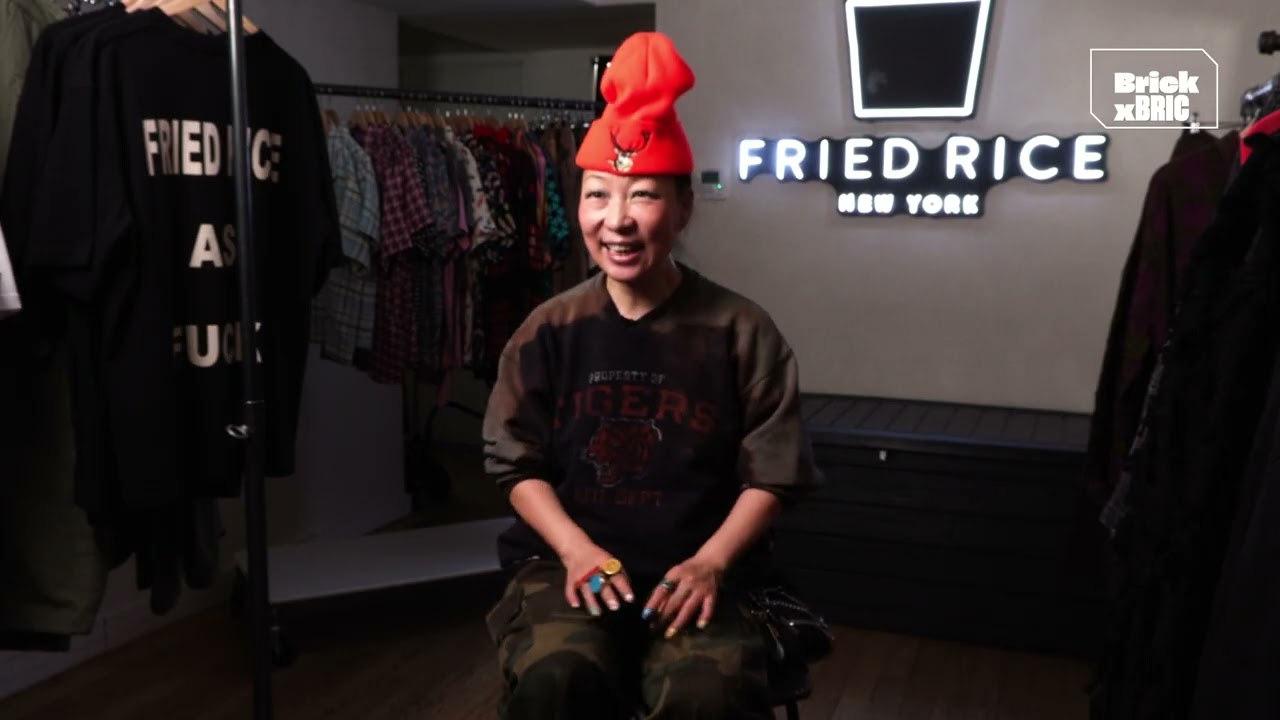
    Fried Rice, a renowned streetwear brand headquartered in New York, has made its debut in China with a pop-up store. This marks the brand’s initial steps towards expanding its presence in the Asian market.

    A New Venture in Shenzhen

    Strategically located in Shenzhen’s K11 Ecoast, the pop-up store opened its doors on August 30. It will continue its operations for approximately a year until next August, providing customers with the opportunity to experience Fried Rice’s unique offerings firsthand.

    The brand, created by the acclaimed designer Maya Wang, is celebrated globally for its cutting-edge, gender-neutral streetwear line that creatively blends innovative design details with superior fabric quality.

    On discussing the new venture, Wang, who also serves as the brand’s creative director, noted that the collaboration with K11 was a natural progression in Fried Rice’s pursuit of establishing itself in Asia. She added, “Our purpose here is to learn, to collaborate, and to celebrate creative aspirations with the individuals we interact with during this journey. This pop-up is as much about forging personal relationships as it is a shopping destination.”

    Expansion Plans in Asia

    The brand views the store’s launch as a strategic move, providing a firm base for their projected expansion across the Asian market. The central focus of this expansion is to build strong ties with regional creative communities that share the brand’s vision and values.

    Currently, Fried Rice is exploring numerous growth avenues within the region, including distribution, live retail broadcasting, and retail licensing partnership opportunities. For its initial endeavors, the brand is primarily targeting markets in Japan, China, and South Korea.

    Fried Rice has also announced plans for a pop-up store in Tokyo next year. Additionally, the brand aims to mark its presence at the third consecutive Asia ComplexCon in Hong Kong in the early part of the coming year.

    Questions & Answers

    What is the brand Fried Rice known for?
    Fried Rice is a New York-based streetwear brand recognized for its innovative, gender-neutral clothing collections that feature creative design elements and high-quality materials.

    What is the focus of Fried Rice’s expansion in Asia?
    Fried Rice intends to connect with local creative communities that align with its brand values as part of its expansion in Asia. The brand is also exploring opportunities in distribution, live retail broadcasting, and retail licensing partnerships.

    What are some of Fried Rice’s upcoming plans in Asia?
    In addition to the recently launched pop-up store in Shenzhen, Fried Rice has plans for a Tokyo pop-up store the following year. The brand will also participate in its third consecutive Asia ComplexCon in Hong Kong early next year.

  • Gap Inc. Expands Into Beauty Market: Pilot Launch In Old Navy Stores This Fall

    Gap Inc. Expands Into Beauty Market: Pilot Launch In Old Navy Stores This Fall

    As part of a strategic move intended to diversify its revenue, Gap Inc. is stepping outside its primary clothing retail focus to launch a pilot of beauty and personal care products in Old Navy stores this fall.

    Pilot Launch in Old Navy Stores

    Gap Inc. plans to introduce a specially chosen array of beauty and personal care items in 150 Old Navy brick-and-mortar outlets, with some of these locations featuring dedicated shop-in-shop areas managed by Beauty Associates. The product line will encompass a variety of skincare, makeup, haircare, and nail polish products, each designed to be accessible to a mass-market audience.

    Expansion Plans

    The company has plans to extend the beauty product offerings to its Gap-branded stores starting next year, initiating with the introduction of fragrances. Furthermore, there are plans to increase the accessories category across the entirety of its brands.

    Strategy behind the Expansion

    In its statement, Gap Inc. highlighted that the beauty and personal care market is among the fastest growing and most robust retail categories in the United States, with projections suggesting it will exceed $100 billion by 2025. The company has recognized a significant opportunity to branch out into this category and has plans for a phased launch.

    The decision to diversify comes as Gap Inc. continues to adapt to various macroeconomic challenges, including increased tariffs and subdued consumer spending. By reducing its reliance on apparel, the company hopes to appeal to a wider consumer base.

    Previous Growth

    Last month, Gap Inc. reported an increase in comparable sales for the second quarter, which was driven by improved results across its three core brands: Gap, Banana Republic, and Old Navy.

    Questions & Answers

    What is Gap Inc.’s new strategic move?
    Gap Inc. is diversifying its focus from clothing retail to include beauty and personal care products, starting with a pilot launch in Old Navy stores this fall.

    How does Gap Inc. plan to introduce this new category?
    Gap Inc. will introduce a curated range of beauty and personal care products in 150 Old Navy stores. Some of these stores will feature dedicated shop-in-shop areas managed by Beauty Associates.

    What factors have led Gap Inc. to diversify its offerings?
    Gap Inc. is facing several macroeconomic challenges, including increased tariffs and subdued consumer spending. By diversifying its offerings, the company aims to reduce its reliance on apparel and appeal to a wider consumer base.

  • Alibaba Leverages Ai To Expand Cloud Business, Despite Falling Short Of Revenue Projections

    Alibaba Leverages Ai To Expand Cloud Business, Despite Falling Short Of Revenue Projections

    Alibaba, the Chinese multinational, has highlighted the significance of artificial intelligence (AI) in its plans to broaden its cloud computing business. This comes as the company experienced robust quarterly development in the sector, although its broader operations fell short of revenue projections.

    The Market Reaction

    Alibaba’s shares listed in the U.S. rose by 8% at the opening of the New York market on Friday after the results were announced.

    The revenue for Alibaba’s cloud division experienced a surge of 26% to a total of 33.40 billion yuan (equivalent to US$4.67 billion). This significant increase outpaced the anticipated rise of 18.4%. Yet, the weaker-than-expected progress in its e-commerce business overshadowed this achievement, with the total revenue falling short of estimates by 2%.

    Alibaba’s Position in AI

    Alibaba has emerged as one of the most competitive players in China’s AI sector, frequently introducing updates.

    In the past year, the company has invested over 100 billion yuan in AI infrastructure and product research and development, according to Group CEO, Eddie Wu.

    Wu stated that their investments in AI are beginning to bear fruit. He sees a clear trajectory for AI to power Alibaba’s robust growth in the future.

    Overall Performance and Revenue

    The overall revenue for the company for the quarter ending on June 30 was 247.65 billion yuan. This fell short of the average estimate of 252.92 billion yuan as calculated by LSEG.

    Alibaba reported its revenue from its China E-commerce Group for the first time, which includes platforms like Taobao and Tmall, its new instant commerce business, a food delivery app called Ele.me, and a travel agency called Fliggy. The group reported a revenue growth of 10%.

    On the other hand, Alibaba’s operational income saw a decrease of 3% year on year. The adjusted earnings before interest, tax and amortization dropped 14%, primarily due to investments in the instant commerce sector.

    Response from Rivals and Analysts

    The business rivals of Alibaba, PDD Holdings and Meituan, which are currently vying for market share in the instant retail space, issued warnings that rising investments could impact profits in the upcoming quarters.

    Analysts and executives from both companies have noted that competition has been escalating over the period.

    Analyst Angelo Zino from CFRA commented that while the shift towards quick commerce and AI investments had brought about meaningful operational changes, profitability was affected by growth initiatives such as user acquisition and technology infrastructure expenditure.

    Future Plans for Alibaba

    Alibaba plans to utilize its quick commerce business to broaden its overall e-commerce consumer base. The company aims to target a 30 trillion yuan addressable market. Jiang Fan, the CEO at Alibaba’s e-commerce business group, has projected that the quick commerce segment could contribute 1 trillion yuan in yearly incremental gross merchandise volume over the following three years.

    The revenue from international commerce saw a rise of 19%, propelled by expansion in crucial markets like Europe and the Middle East.

    Alibaba also announced its repurchase of shares in its logistics unit Cainiao from Fosun International. The transaction amounted to $349.8 million.

    Questions & Answers

    What is Alibaba’s recent investment in AI?
    Alibaba has invested over 100 billion yuan in AI infrastructure and product research and development in the past year.

    What is the expected contribution of the quick commerce segment to Alibaba’s revenues?
    The quick commerce segment is projected to contribute 1 trillion yuan in annualized incremental gross merchandise volume over the next three years.

    What was Alibaba’s recent significant transaction?
    Alibaba repurchased shares in its logistics unit Cainiao from Fosun International, amounting to $349.8 million.

  • Nestlé Expands Maggi Seasonings To Uk And Malaysia Amid Rising Global Air Fryer Trend

    Nestlé Expands Maggi Seasonings To Uk And Malaysia Amid Rising Global Air Fryer Trend

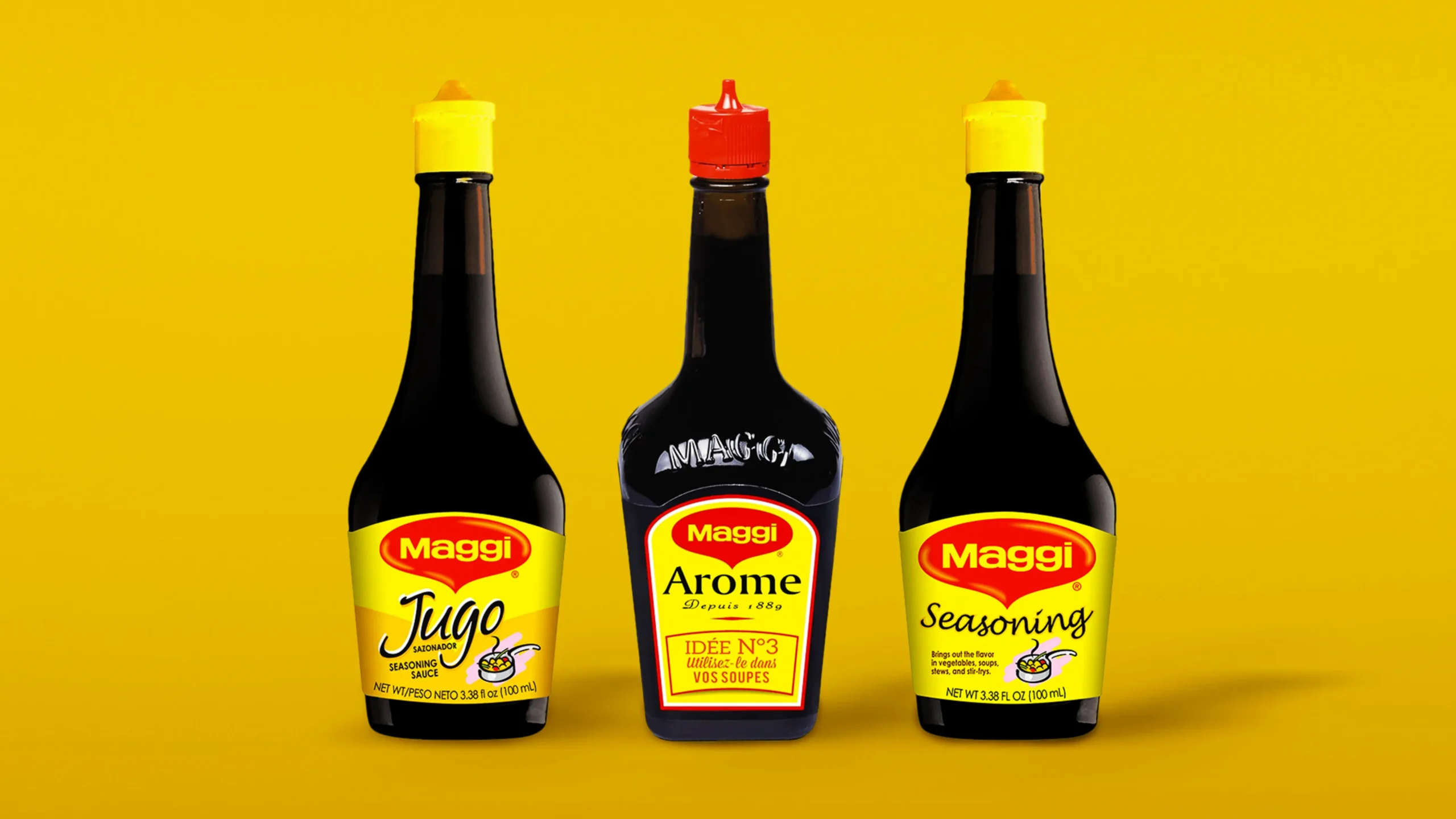
    In a strategic move to capitalize on contemporary culinary trends, global consumer goods conglomerate Nestlé has launched its renowned Maggi seasonings in the United Kingdom and Malaysia this year. This step is part of a wider global expansion strategy for the popular brand.

    Modern Cooking Trends

    Nestlé’s decision to introduce Maggi seasonings to new markets is a calculated response to the rising global popularity of air fryers, particularly in the United States. The company’s CEO, Laurent Freixe, has noted that nearly two-thirds of American households now use air fryers as part of their daily cooking routines. Nestlé’s expansion aims to cater to this shift in consumer lifestyle and preferences.

    New Air-Fryer Range

    The first range of products that Nestlé will bring to these new markets includes air-fryer recipes for chicken and vegetable wraps. These will feature a variety of flavors, such as ‘Cheesy’, ‘Paprika & Garlic’, and ‘Tex Mex’ for the chicken wraps, and ‘Fajita’, ‘Street Taco’, and ‘Kebab’ for the vegetable wraps.

    Prior and Future Launches

    The UK and Malaysia launches follow the brand’s earlier entry into the markets of Mexico and Chile. These new markets will also benefit from Maggi’s online platforms, which offer a range of air-fryer recipes that consumers can easily replicate at home.

    In a previous collaborative effort, Nestlé Professional and the KitKat team launched the first chocolate beverage maker, proving the company’s constant innovation in the food and beverage sector.

    Questions & Answers

    What is Nestlé’s reason for launching Maggi seasonings in the UK and Malaysia?
    The launch is a strategic move by Nestlé to cater to the rising popularity of air fryers in home cooking, particularly in the US.

    What products will Nestlé introduce in these new markets?
    Nestlé will introduce a range of air-fryer recipes for chicken and vegetable wraps with a variety of flavors.

    Has Nestlé launched Maggi seasonings in other markets before?
    Yes, prior to the UK and Malaysia launches, the Maggi brand was introduced in Mexico and Chile.

  • Coconut Oil Prices Skyrocket In Asia: Exploring The Causes And Impact On Global Market

    Coconut Oil Prices Skyrocket In Asia: Exploring The Causes And Impact On Global Market

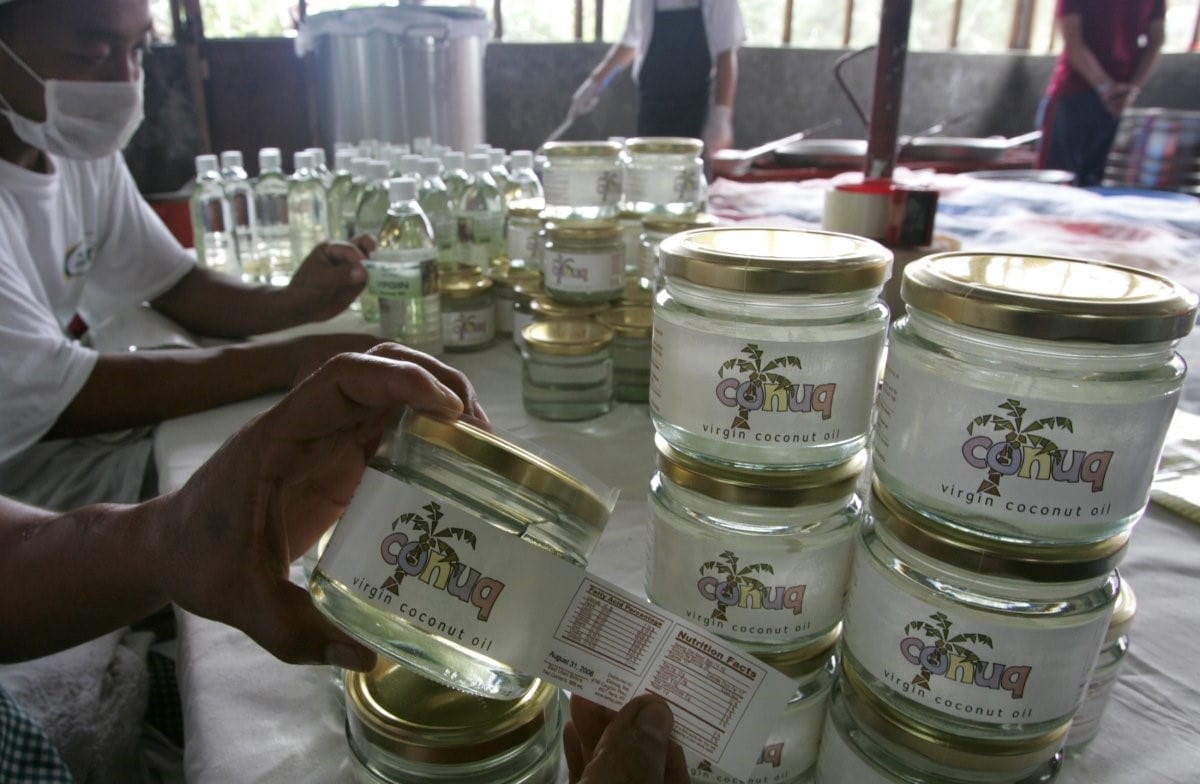
    Coconut oil prices are soaring in Asia, spearheaded by India—the largest consumer of the product—which has witnessed a tripling in prices within two years. This is attributable to a combination of supply shortages and burgeoning demand for the nutrient-filled water found within the coconut, elevating this common kitchen ingredient to a luxury commodity.

    Consumer Adjustments

    The escalating prices have put coconut oil beyond the reach of many budget-conscious consumers. As such, those who were once fond of its unique flavor, deeply entrenched in regional cuisines, are now exploring alternatives. For instance, Leelamma Cherian, a resident of Kerala in southern India, has stated intentions to switch to the more affordable refined sunflower oil for day-to-day cooking, reserving coconut oil for dishes where its flavor is critical.

    Price Surge Contributions

    The price increase, which began in the second half of 2024, was further propelled by production interruptions across many of the main producer nations, from India to Southeast Asia. These interruptions were due to seasons marked by decreased rainfall, extended heat, and increased damage from pests and diseases. Prices in India have nearly tripled in less than two years, reaching a record high of 423,000 rupees (US $4840) per metric ton, while global prices have swelled to an unprecedented $2990 per ton over the same period.

    Predictions by the International Coconut Community

    The International Coconut Community (ICC), a consortium of producer nations, predicts that the increasing demand amid production restrictions will maintain second-half global prices within the US $2500 to $2700 range, far exceeding the 2023 figure of approximately $1000.

    Effects of Price Surge

    This price surge is also impacting green coconuts harvested for their electrolyte-rich water, and other products such as copra, milk, and powder. It is putting pressure on manufacturers of shampoo and skincare items, who value the oil for its high lauric acid content.

    Challenges to Coconut Oil Production

    Worldwide, coconut oil production is declining as trees age, replanting efforts fall short, and plantations struggle with a scarcity of superior seed varieties. Weather conditions veering from hot, dry spells to sudden heavy rainfall are also disrupting coconut production. Additionally, the neglect of plantations and unfavorable weather in recent years are likely to hinder a broader production recovery, especially when supplies of other similar lauric oils are limited.

    Global Demand

    While coconut oil is a favorite among Asian consumers, other coconut products such as copra, coconut cream, and milk, are in high demand in Britain, China, Europe, Malaysia, the United States, and the United Arab Emirates. To seize the opportunity presented by this burgeoning demand, Indonesian farmers are increasingly exporting whole coconuts instead of processing them for their oil.

    Questions & Answers

    What has been the impact of the coconut oil price surge?
    The price surge has affected a range of related products, including green coconuts harvested for water, copra, milk, and powder. It has also put pressure on manufacturers of hair and skincare products, who value the oil for its high lauric acid content.

    Why is coconut oil popular in the market?
    Coconut oil is popular for its unique flavor, deeply embedded in regional cuisines, and its high content of lauric acid, which is prized by the hair and skincare industry.

    What measures are being taken to stabilize the price of coconut oil?
    To stabilize prices, the Association in Indonesia has urged for a suspension of coconut exports for six to 12 months. In India, the Solvent Extractors’ Association has appealed to New Delhi to permit imports of coconut oil and copra.

  • Singapore’s Food Tech Startup Prefer Expands To Australia Through Strategic Partnership With The Coffee Ferm

    Singapore’s Food Tech Startup Prefer Expands To Australia Through Strategic Partnership With The Coffee Ferm

    Prefer, a Singapore-based food tech startup, is extending its reach to Australia, following the establishment of its debut domestic business collaboration.

    Expansion Down Under

    In a strategic move to expand its footprint in Australia and New Zealand, Prefer has formed a partnership with local coffee producer, The Coffee Ferm. This new alliance will see The Coffee Ferm acquiring a license for Prefer’s flavor intellectual property, enabling the firm to escalate manufacturing and distribution within the local market.

    Innovative and Sustainable Flavors

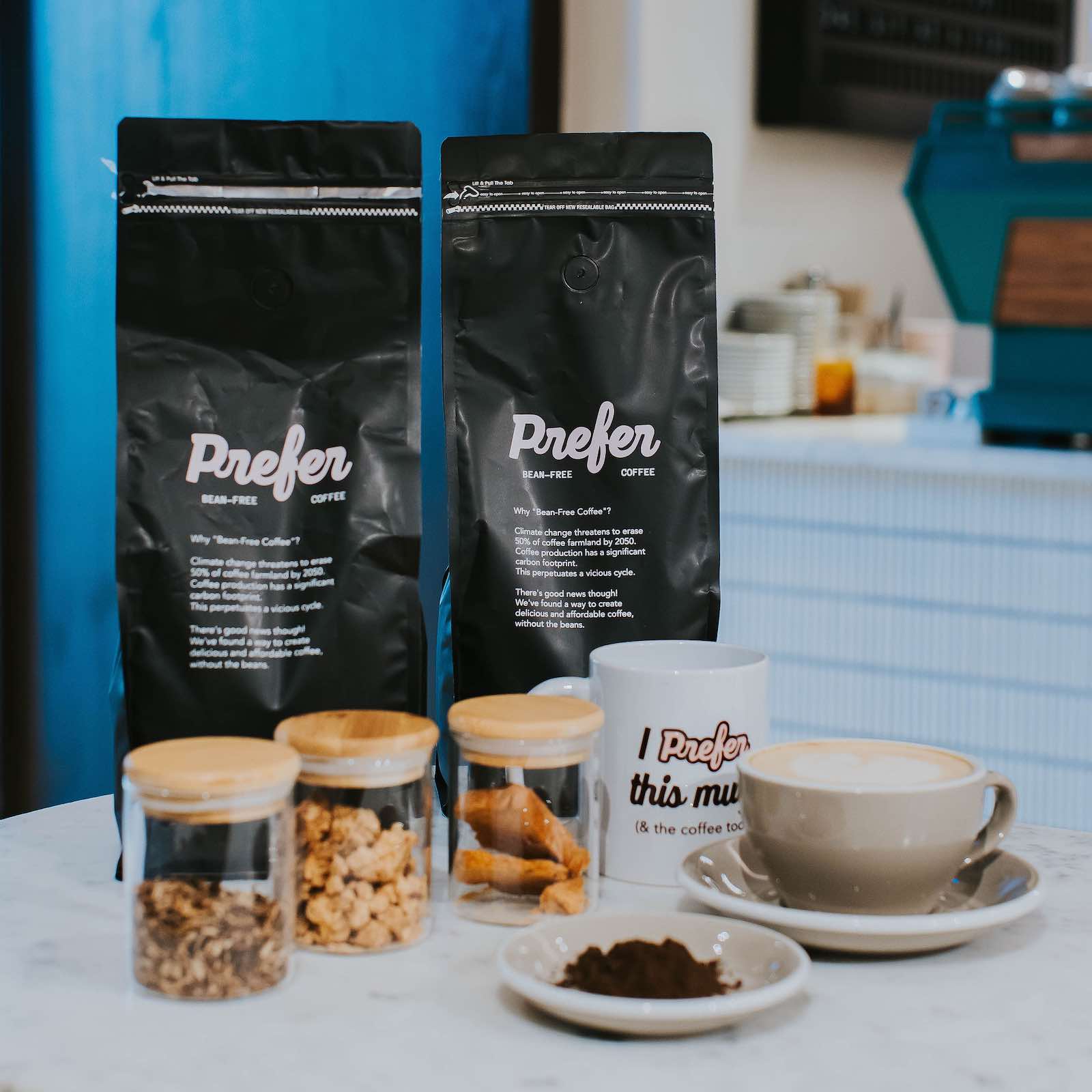
    Established in 2022, Prefer is making a name for itself in the market with its inexpensive and eco-friendly flavors and ingredients. These flavors are created using a unique fermentation and roasting technique, utilizing byproducts from food manufacturing processes, such as rice and soy. The company claims that their products deliver the same taste and operational attributes of coffee and cocoa, but with significantly lesser environmental impact.

    Supplies

    Prefer supplies its innovative flavors and ingredients to an array of businesses, from Fast Moving Consumer Goods (FMCG) brands and food manufacturers, to private label retailers, and flavor houses.

    Bean-free Coffee and Other Partnerships

    The startup has recently brought its ‘bean-free’ coffee products to the market via foodservice channels, in collaboration with the Singaporean food enterprise, Melvados. Moreover, Prefer has formed an alliance with Ajinomoto Thailand to generate sustainable innovations in the country’s coffee beverage sector.

    Funding and Future Plans

    This expansion comes in the wake of Prefer securing a successful fundraising round, which exceeded expectations at US$4.2 million. The fundraising was jointly headed by At One Ventures and Chancery Hill Capital, with Forge Ventures also participating. The influx of funds will contribute to the company’s plans to enhance their pilot production facility in key markets using toll manufacturers, further their research and development on cocoa flavor creation, and extend their global partnerships, with a continued emphasis on Asia.

    Questions & Answers

    What is the core business of Prefer?
    Prefer is a food tech startup that creates affordable and sustainable flavors from food manufacturing byproducts like rice and soy.

    What is the significance of Prefer’s partnership with The Coffee Ferm?
    The partnership will enable Prefer to expand into the Australian and New Zealand markets by licensing its flavor intellectual property to The Coffee Ferm, thus facilitating local manufacturing and distribution.

    What are Prefer’s future plans following the recent fundraising?
    Prefer plans to scale its pilot production facility, continue research and development on cocoa flavor, and broaden its global partnerships with a continued focus on Asia.

  • Inaba Breaks Into Australian Market With Innovative Cat Treat Range

    Inaba Breaks Into Australian Market With Innovative Cat Treat Range

    Inaba, a renowned Japanese pet food brand, has made its debut in the Australian market with the introduction of its Churu cat treat range.

    The Innovative Inaba Churu Treats

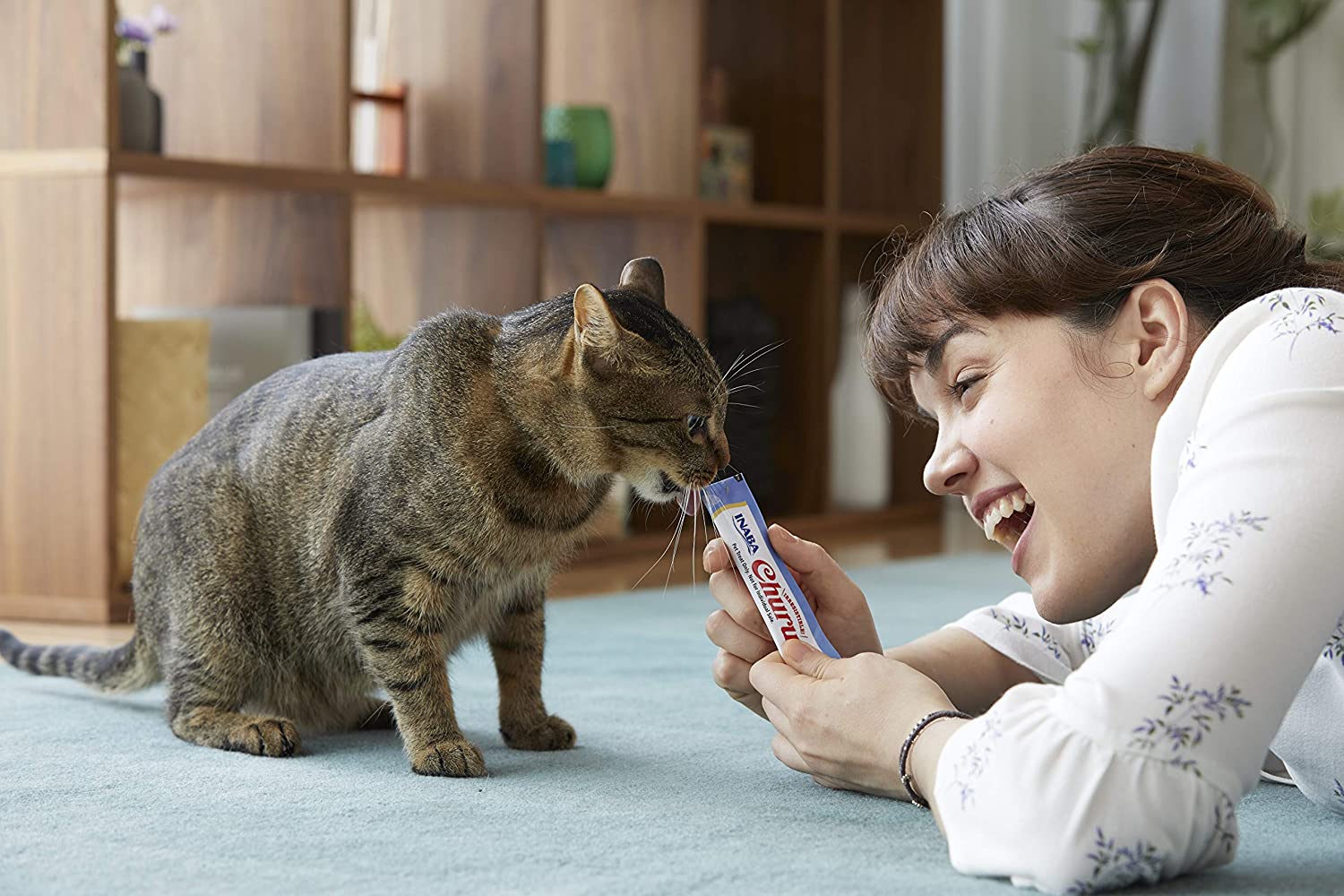
    Inaba Churu treats stand out due to their fresh chicken and seafood ingredients, absence of preservatives, and high moisture content. Their unique texture can be either soft or chewy, and they are also low in calories.

    According to Adam Heelis, Inaba Australia’s Country Manager, the cat treat industry has been lacking in novelty for a long time. The introduction of these innovative products is expected to stimulate the growth of the cat treat sector.

    Product Availability

    The Churu treat range, which includes Puree, Bites, Stew, and Sprinkles flavours, will be made available nationwide in Woolworths and Coles supermarkets from September. Customers will also be able to purchase these treats online.

    The Inaba Brand Legacy

    Inaba was established in 1989 and has its roots in the family tradition of Yoshizo Inaba, who was a seafood harvester. The brand has been selling its cat food lineup in the United States since 2016. In 2020, it introduced sustainable tuna for cats.

    Questions & Answers

    What makes Inaba Churu treats unique?
    The Churu treats are created with fresh chicken and seafood, have no preservatives, and are high in moisture. They can be either soft or chewy and are low in calories.

    Where can customers purchase Inaba Churu cat treats in Australia?
    The Churu cat treat range will be available at Woolworths and Coles supermarkets nationwide. They will also be available for online purchase.

    When did Inaba start selling its cat food lineup in the United States?
    The Inaba cat food lineup has been available in the United States since 2016.