Tag: Investment

  • Chinese Firms Reign Supreme in APAC Investment Banking: Rapid IPO Rise and Offshore Bonds Fuel 2025 Success

    Chinese Firms Reign Supreme in APAC Investment Banking: Rapid IPO Rise and Offshore Bonds Fuel 2025 Success

    In 2025, prominent positions in Asian investment banking fee generation were predominantly filled by Chinese corporations, spearheaded by a surge in offshore bond issues and a remarkable initial public offering (IPO) boom in Hong Kong.

    Leading Positions Dominated By Chinese Companies

    Citic Securities, based in Beijing, took the lead in investment banking fees generated in the Asia Pacific region (excluding Japan) for 2025, raking in $1.45 billion. This figure represented a 5.8 percent share of the total fees generated across the region. Citic Securities was trailed in the ranking by fellow Chinese counterparts, including China Securities, Bank of China, China International Capital, and Guotai Haitong Securities. Notably, Morgan Stanley, headquartered in New York, filled the sixth slot.

    Chinese investment banks asserted their dominance throughout the industry’s regional positions. This success was largely credited to their robust performance in issuing yuan-denominated dim sum bonds and in orchestrating mainland listings in Hong Kong.

    The Global Market Share

    In a broader perspective, investment banking fees across the Asia Pacific region witnessed a 19 percent year-on-year increase in 2025, amassing a total of $24.9 billion. This accounts for 18 percent of the global total fees earned, in contrast to 55 percent from the Americas and 21 percent from Europe.

    The investment banking fees referenced in this report encompass a range of activities including equity capital markets, debt capital markets, mergers and acquisitions (M&A) advisory, and syndicated lending services.

    Questions & Answers

    Who was the leading generator of investment banking fees in the Asia Pacific region in 2025?
    Beijing-based Citic Securities led the pack in 2025, generating $1.45 billion in investment banking fees.

    What factors contributed to the success of Chinese investment banks in 2025?
    Chinese investment banks benefitted significantly from strong performances in the issuance of yuan-denominated dim sum bonds and mainland listings in Hong Kong.

    How much of the global total of investment banking fees did the Asia Pacific region account for in 2025?
    In 2025, the Asia Pacific region accounted for 18 percent of the total global investment banking fees.

  • Alexander Wong: From Credit Suisse to Citi – Shaping Investment Banking in Asia

    Alexander Wong: From Credit Suisse to Citi – Shaping Investment Banking in Asia

    In a recent development, Alexander Wong, ex-managing director of the now-inoperative Credit Suisse, has taken up a new role at Citi’s investment banking division in Asia.

    Alexander Wong Joins Citi’s Investment Banking Division

    Citi has officially announced the appointment of Alexander Wong as their new Managing Director for the investment banking sector. His primary responsibilities in this role will involve bolstering senior coverage within the industrials and mobility sector across the Asia Pacific region.

    Wong brings a wealth of experience and industry knowledge to his new role at Citi. His strategic thinking and leadership skills will be crucial in driving the growth and development of Citi’s investment banking division.

    Reporting to Lei Li

    In his capacity as the managing director, Wong will report directly to Lei Li, who is the APAC head of industrials for the investment banking division. Wong’s appointment is expected to significantly contribute to the strategic expansion and growth of the industrials and mobility sector in the Asia Pacific region.

    Past Experience at Credit Suisse

    Before taking up his new role at Citi, Wong served as a managing director at Credit Suisse. He was instrumental in managing and developing the mobility and industrial technology sectors in his previous role. His past experience and achievements in the industry are expected to contribute significantly to his success at Citi.

    Questions & Answers

    What is Alexander Wong’s new role at Citi?
    Alexander Wong has been appointed as the new Managing Director for the investment banking division at Citi. His role will primarily focus on enhancing senior coverage in the industrials and mobility sector across the Asia Pacific region.

    Who will Alexander Wong report to at Citi?
    In his role as Managing Director, Alexander Wong will directly report to Lei Li, the APAC head of industrials for the investment banking division.

    What was Alexander Wong’s role at Credit Suisse?
    Prior to his role at Citi, Alexander Wong served as a Managing Director at Credit Suisse, where he was responsible for managing the mobility and industrial technology sectors.

  • Turbocharging Indonesia’s Digital Journey: GSMA Calls for Heightened Investment in 5G and AI Technologies

    Turbocharging Indonesia’s Digital Journey: GSMA Calls for Heightened Investment in 5G and AI Technologies

    The GSMA has highlighted the need for a more robust, investment-focused strategy to expedite Indonesia’s digital transformation and stimulate innovation, according to its recent findings published in the reports GSMA Digital Nations 2025 and ASEAN Consumer Scam 2025.

    Moving Towards a Digital Future

    The GSMA has proposed a feasible strategy to facilitate the unlocking of private capital and hasten the roll-out of 5G spectrum, fiber backhaul, and AI-optimized data centers. This strategy is underpinned by policy consistency and cooperation across sectors. There is a strong inclination among Indonesian businesses towards digital transformation.

    Indications of such enthusiasm were evident in a recent GSMA Intelligence survey where over 580 firms spanning across ASEAN were surveyed. The results revealed that Indonesian companies intend to dedicate an average of 10% of their revenues to digital transformation between 2025 and 2030, exceeding both the ASEAN (10.4%) and global (9.8%) averages. Two-thirds of the participants prioritized AI in their top three expenditure areas, with over half deeming 5G-powered Internet of Things (IoT) vital for future growth. This underscores Indonesia’s ambition to capitalize on cutting-edge technologies to fortify its competitive edge and security.

    Economic Impact of 5G

    GSMA Intelligence anticipates that the ensuing wave of 5G investments in Indonesia could inject an extra USD 41 billion into the country’s GDP between 2024 and 2030, underlining the transformative economic potential of digital connectivity. Since 2015, mobile operators have pumped nearly USD 29 billion into Indonesia’s network infrastructure and services. Given the right investment conditions, the sector, including operators and ecosystem partners, is projected to inject an additional USD 16 billion from 2024 to 2030, primarily targeting 5G proliferation.

    Julian Gorman, Head of Asia Pacific at the GSMA, expressed his thoughts on the matter, highlighting the unique opportunities presented by Indonesia’s significant scale, entrepreneurial vigor, and youthful, tech-savvy population. The focus now should be on targeted investment in areas such as affordable, dependable spectrum; robust backhaul; and AI-compatible, sustainable data centers, coupled with clear consumer protections.

    Assessing Progress and Challenges

    The GSMA’s Digital Nations report evaluated the advancement of Asia Pacific nations in five key areas: infrastructure, innovation, data governance, security, and people. It provided insights into where investment could yield the highest returns.

    Indonesia ranked midway among the 21 nations assessed. The report underscored Indonesia’s advantages in terms of its population, digital skills, and cybersecurity, while also pointing out areas in need of enhancement, particularly in innovation and investment. Potential obstacles to progress include delays in mid-band spectrum allocation, inconsistent rural coverage, and limited AI-ready capability. Consumer trust is also a matter of concern.

    Findings from the ASEAN Consumer Scam Report 2025 indicate that Indonesia mirrors the wider ASEAN trend, with 45% of adults admitting to having been scammed at some point, and 68% of victims losing money. In Indonesia, scam contacts are predominantly mobile-oriented, with over-the-top (OTT) messaging (50%) and voice calls (44%), both exceeding the ASEAN average.

    Preventing Fraud and Enhancing Security

    On a brighter note, 81% of Indonesians endorse operators sharing minimal, purpose-specific network signals such as SIM-change and number-verification during high-risk instances to prevent fraud, thus setting the stage for a broader application of GSMA Open Gateway anti-fraud APIs. Indonesia’s three primary mobile operators, Telkomsel, Indosat, and XL Axiata, have teamed up to shield customers from scams and other cybersecurity threats by collectively adopting Open Gateway APIs, such as SIM swap, number verification, and device location, to secure payments and logins.

    Questions & Answers

    What approach does the GSMA recommend to accelerate Indonesia’s digital transformation?
    The GSMA suggests a more robust, investment-focused strategy to expedite Indonesia’s digital transformation. This includes unlocking private capital and hastening the roll-out of 5G spectrum, fiber backhaul, and AI-optimized data centers.

    What potential economic impact could the next wave of 5G investment have on Indonesia?
    GSMA Intelligence anticipates that the ensuing wave of 5G investments in Indonesia could inject an additional USD 41 billion into the country’s GDP between 2024 and 2030.

    How are Indonesia’s major mobile operators responding to cybersecurity threats?
    Indonesia’s three major mobile operators, Telkomsel, Indosat, and XL Axiata, have formed an alliance to protect customers from scams and other cybersecurity threats by jointly adopting GSMA Open Gateway anti-fraud APIs, such as SIM swap, number verification, and device location, to secure payments and logins.


  • Citi Bolsters Japanese Investment Banking by Appointing Veteran Yuko Nakayama as ECM Head

    Citi Bolsters Japanese Investment Banking by Appointing Veteran Yuko Nakayama as ECM Head

    U.S. banking giant, Citi, has unveiled a key strategic management change to bolster its standing in the highly competitive capital markets sector. Yuko Nakayama has been promoted to the lead role of ECM for Japan Investment Banking, a position aimed at fortifying the bank’s foothold in one of Asia’s most vibrant equity issuance markets.

    Nakayama’s Immediate Effectiveness

    Nakayama’s appointment, made public on Monday, comes into effect immediately. The move emphasizes Citi’s focus on generating increasing deal flow and cultivating deeper client relationships, in light of the growing global investor enthusiasm towards Japan.

    Nakayama’s New Role

    In this newly assumed role, Nakayama will directly report to Taiji Nagasaka and Akira Kiyota, while sharing matrix reporting lines with Harish Raman and Kenneth Chow. The entire Japan ECM team will be under her leadership. Citi has outlined her responsibilities which include spearheading the further growth of its Equity Capital Markets franchise in Japan. She is also mandated to amplify execution competencies and expand coverage for both domestic and international clients.

    Ample Experience in Japanese Capital Markets

    Nakayama brings with her a wealth of experience and a proven track record in the Japanese capital markets. She had an earlier stint with Citi from 2009 to 2015, after which she spent several years at Goldman Sachs. She returned to Citi in 2023. Since her comeback, she has been instrumental in securing and executing numerous significant ECM transactions, establishing her suitability for this expanded leadership role.

    Capitalizing on a Growing Market

    Japan’s equity markets have been gaining momentum, fueled by corporate governance reforms, rising valuations, and a positive macroeconomic landscape that is attracting international capital. Citi’s decision to promote Nakayama demonstrates its determination to leverage these trends, strategically positioning its ECM operation for sustained growth and increased competitiveness.

    Questions & Answers

    Who has Citi appointed as the head of ECM for Japan Investment Banking?
    Citi has appointed Yuko Nakayama to this role.

    What are the responsibilities of Nakayama in her new role at Citi?
    She will be responsible for leading and developing the Equity Capital Markets franchise in Japan, as well as enhancing execution capabilities and broadening coverage for both domestic and multinational clients.

    What is the significance of Nakayama’s appointment?
    Her appointment signifies Citi’s commitment to capitalizing on the growing global investor interest in Japan and strengthening its competitiveness in the equity capital markets.

  • Peter Horng Takes the Helm: StanChart’s New Investment Advisory Head for Greater China and North Asia

    Peter Horng Takes the Helm: StanChart’s New Investment Advisory Head for Greater China and North Asia

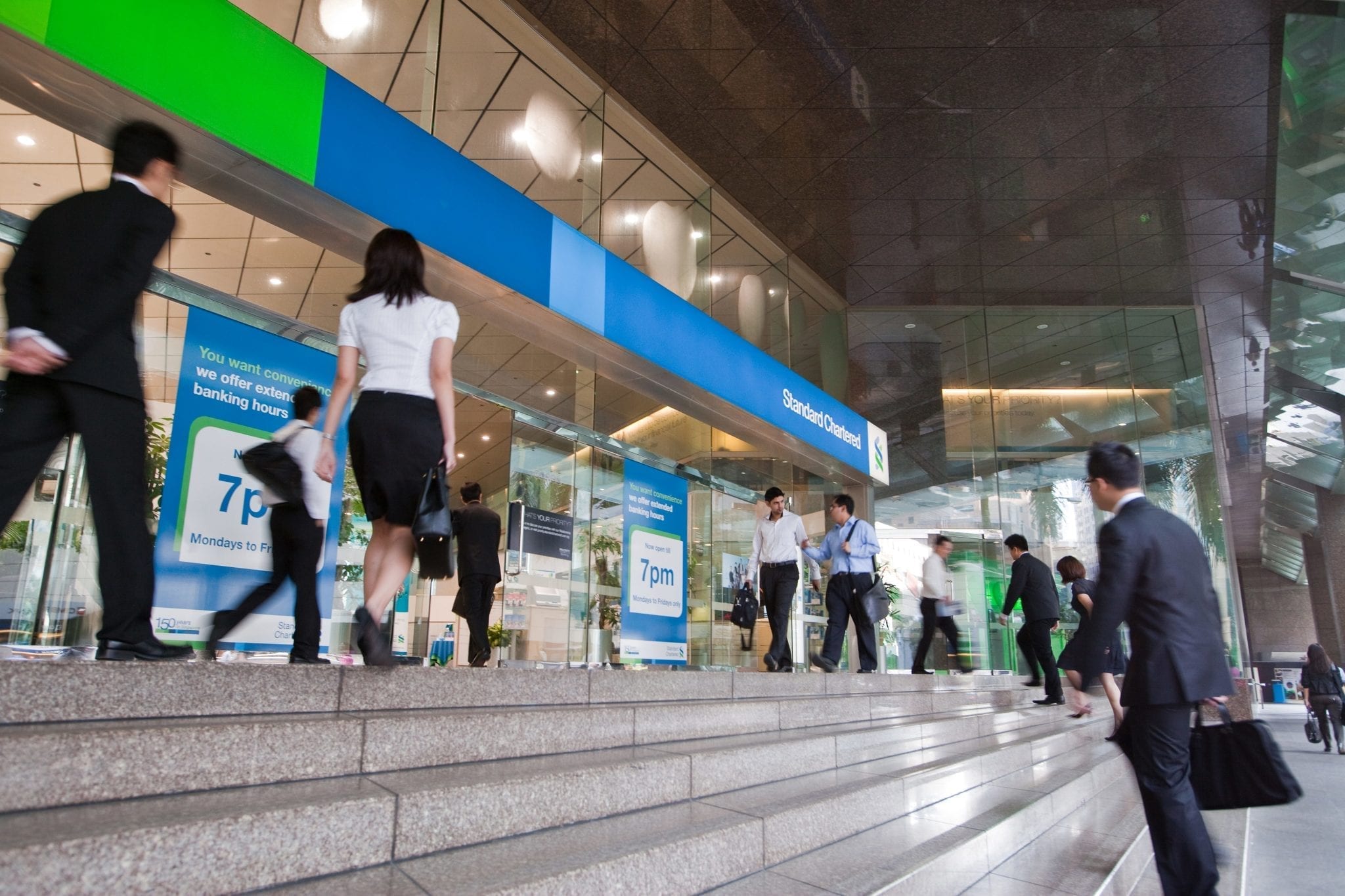
    Standard Chartered’s private banking division recently announced the appointment of Peter Horng as the new head of investment advisory and product advisory for their Greater China and North Asia operations.

    Peter Horng’s Wealth Management Background

    Peter Horng, a wealth management professional with over a quarter-century of experience, has assumed his new role with Standard Chartered. Prior to this appointment, Horng served as the Hong Kong head of investment products and advisory at DBS. His extensive career has also included positions at prestigious financial institutions such as Citibank, HSBC, and UBS, with roles based in both New York and Hong Kong.

    Leadership Transition at Standard Chartered

    Horng takes over the reins from predecessor Muska Chiu, who has transitioned into a fresh role within the private bank. Chiu is now heading up a team responsible for advising ultra-wealthy clients.

    Chiu brings over two decades of experience in investment and product advisory to his new role. In his previous position, he led Standard Chartered’s investment advisory team for the Greater China and North Asia regions for a successful period of two years.

    Questions & Answers

    Who has Standard Chartered appointed as the new head of investment advisory for Greater China and North Asia?
    Standard Chartered has appointed Peter Horng to this position.

    What previous roles has Peter Horng held in the financial industry?
    Peter Horng has held numerous roles, most recently serving as the Hong Kong head of investment products and advisory at DBS. He has also held positions at Citibank, HSBC, and UBS in New York and Hong Kong.

    Who did Peter Horng replace in his new role at Standard Chartered?
    Peter Horng replaced Muska Chiu, who has transitioned into a new role within the private bank, guiding ultra-wealthy clients.

  • Thailand Ignites Digital Economy: Unveils $3.1B Investment in Data Center Boom & Cloud Revolution

    Thailand Ignites Digital Economy: Unveils $3.1B Investment in Data Center Boom & Cloud Revolution

    Thailand is propelling its efforts to establish itself as a premier hub for digital infrastructure in Southeast Asia. This move follows the Board of Investment (BOI) granting approval for four new data center projects valued at THB 100 billion (USD 3.1 billion). The country is gearing up to more fiercely compete with Singapore and Malaysia, as the demand for artificial intelligence (AI) and cloud services is growing across the region.

    Details on New Projects

    The BOI has confirmed that two of the approved projects are hyperscale facilities designed to support AI workloads. NextGen Data Center and Cloud Services, a subsidiary of DAMAC Digital based in Dubai, plans to construct an 84-MW hyperscale data center in the Navanakorn Industrial Estate in Pathum Thani Province. This project is expected to require an investment of THB 26.7 billion (USD 826.42 million).

    Meanwhile, Zenith Data Center and Cloud Services, a local firm, will dedicate THB 54.9 billion (USD 1.7 billion) towards developing a 200-MW hyperscale facility in the same location.

    Telehouse (Thailand), which is a division of Japan’s KDDI Corporation, has set plans in motion to build a 12-MW data center adjacent to its existing facility in the Huai Khwang District of Bangkok. This expansion will be funded by an investment of THB 7.55 billion (USD 233.64 million).

    Lastly, Vistas Technology, a subsidiary of ZDATA Technologies based in China, will invest THB 9.9 billion (USD 306.39 million) to construct an 80-MW facility in the Amata City Chonburi Industrial Estate. This will mark the company’s second project to receive approval from the BOI.

    Thailand’s Digital Infrastructure Strategy

    Narit Therdsteerasukdi, the Chairman of the BOI, indicated that the approval of these projects underscores Thailand’s strategy to draw hyperscale operators and augment its world-class digital infrastructure. He stated, “The kingdom is actively positioning itself as a key Southeast Asian hub for hyperscale data centers. These approvals demonstrate our commitment to facilitating world-class digital infrastructure investment.”

    In addition to these approvals, the BOI has also issued six licenses to recommence data center projects that had previously stalled, which are collectively valued at USD 9.2 billion. The agency’s goal is to resolve delays associated with power availability, access to industrial land, and the processing of visas or work permits. Therdsteerasukdi affirmed that this action would bolster investor confidence and promote job creation and economic growth.

    Context and Outlook

    Thailand has been observing a surge in data center investment since 2024, with companies such as AWS, Google, Microsoft, and ByteDance announcing substantial commitments. During the first half of 2025 alone, the sector attracted a total of THB 521.2 billion (USD 16.13 billion) in approved investments spanning 28 different projects.

    Officials project that this latest development will significantly increase Thailand’s data center capacity. It is expected to sustain the rising domestic and regional demand for AI and cloud services, and strengthen the nation’s stand in Southeast Asia’s rapidly expanding digital economy.

    Questions & Answers

    What is the total value of the four new data center projects in Thailand?
    The total value of the four new data center projects in Thailand is THB 100 billion (USD 3.1 billion).

    Who are some of the major companies investing in data centers in Thailand?
    Some of the major companies investing in data centers in Thailand include NextGen Data Center and Cloud Services, Zenith Data Center and Cloud Services, Telehouse (Thailand), and Vistas Technology.

    What impact will these projects have on Thailand’s position in the digital economy of Southeast Asia?
    These projects will bolster Thailand’s position in the digital economy of Southeast Asia by increasing the country’s data center capacity and meeting the growing regional demand for cloud and AI services.

  • DHL Group to Propel India’s Dynamic Market with €1 Billion Investment by 2030

    DHL Group to Propel India’s Dynamic Market with €1 Billion Investment by 2030

    DHL Group, a world-renowned logistics company, has shared its ambitious plans to invest approximately EUR 1 billion across various business sectors in India by 2030. This hefty investment highlights DHL’s confidence in India’s potential for growth and aligns with the company’s Strategy 2030 for accelerating sustainable development.

    Investment Program Details

    The investment program is set to span various sectors, such as life sciences, healthcare, new energy, e-commerce, and digitalisation. Major developments in infrastructure include:

    – Establishing the first DHL Health Logistics hub for DHL Supply Chain India in Bhiwandi
    – Building India’s largest low-carbon-emission integrated operating facility for Blue Dart in Bijwasan
    – Setting up the first automatic sorting center for DHL Express India in Delhi
    – Opening the fifth DHL IT Services Centre in Indore
    – Creating an Electric Vehicle (EV) and Battery Logistics Centre of Excellence (COE) in Chennai and Mumbai
    – Constructing the largest low greenhouse gas (GHG) emission integrated ground hub for Blue Dart in Haryana

    Tobias Meyer, CEO of DHL Group, expressed confidence in India’s dynamic market despite current global trade challenges. He remarked that India’s diversified business strategies and policies support long-term investments, making it a promising location for the implementation of DHL’s investment program.

    The Significance of India in DHL’s Strategy 2030

    Despite the headwinds from tariffs, global trade remained resilient, with India’s combined merchandise and services exports witnessing a growth of 6.18% from April to August 2025. The average distance of goods trade in India is also projected to reach 6,190 kilometers in 2025, underscoring the growth of India’s exports to various countries across Asia, the Middle East, Europe, Africa, and the Americas.

    R.S. Subramanian, SVP – South Asia and Managing Director, India, DHL Express, noted that India’s diversification strategy has started to yield results, with increased trade to a wider range of markets. He added that the complexity of evolving supply chains, ranging from new supplier ecosystems to customs declarations, is handled efficiently by DHL’s logistics experts and digital tools.

    Investments in Life Sciences and Healthcare

    India has emerged as a global hub for contract manufacturing, research and development, and clinical trials in the life sciences and healthcare sector. To support India’s ambitions in this field, DHL has invested in its capabilities, establishing the Health Logistics Excellence Centre in Mumbai and a facility in Bhiwandi dedicated to life sciences and healthcare companies.

    New Energy Initiatives

    Edwin Pinto, Managing Director, India, DHL Global Forwarding, stated that DHL’s focus on New Energy aligns with India’s ambition for clean energy and electrification. As part of this focus, DHL plans to set up an EV and Battery Logistics Center of Excellence (COE) by Q4 2025.

    E-commerce Investments

    Balfour Manuel, Managing Director of Blue Dart, highlighted the importance of logistics and e-commerce sectors in driving India’s growth. To support this, DHL plans to invest in upgrading infrastructure, network, capacity, and last-mile reach and delivery centers nationwide.

    Sustainability Drive

    As part of its Strategy 2030, DHL Group has added a new pillar: Green Logistics of Choice. The company aims to reduce its absolute CO2 emissions to 29 million metric tons by 2030 and to achieve net-zero emissions by 2050. In India, the Group’s sustainability journey is focused on the electrification of its fleet.

    Digitalisation Initiatives

    The Group has also invested in making India a hub for digital innovation and technology talent. This includes the opening of its fifth DHL IT Services (ITS) center and the first dedicated technology training academy center in Indore.

    Questions & Answers

    What is the focus of DHL’s investment in India?
    The investment program focuses on sectors such as life sciences, healthcare, new energy, e-commerce, and digitalisation. Infrastructure developments include the establishment of logistics hubs, low-carbon-emission facilities, and IT Services centers.

    What are DHL’s sustainability goals in India?
    DHL aims to reduce its absolute CO2 emissions to 29 million metric tons by 2030 and to achieve net-zero emissions by 2050. The company’s sustainability efforts in India center around the electrification of its fleet.

    What does DHL’s digitalisation initiative in India involve?
    The digitalisation initiative involves making India a hub for digital innovation and technology talent. This includes the opening of DHL IT Services centers and the establishment of a dedicated technology training academy center in Indore.

  • L’Oréal Boosts Chinese Presence with Second Investment in Domestic Beauty Brands

    L’Oréal Boosts Chinese Presence with Second Investment in Domestic Beauty Brands

    French cosmetics giant, L’Oréal, has announced its minority stake acquisition in Chinese skincare brand, Lan, signifying its second investment in China within recent months. This investment comes at a time when local brands in China are experiencing significant growth.

    L’Oréal has chosen not to disclose the size or cost of the stake. However, Vincent Boinay, L’Oréal North Asia president and China CEO, emphasizes the importance of China in the company’s global strategy. Boinay affirms the company’s faith in China as a key player in the future of the industry.

    “This investment demonstrates our belief that investing in China equates to investing in the future. We intend to continue to nurture the Chinese market and collaborate with additional Chinese brands to create a prosperous future. Our aim is to meet the expectations of discerning Chinese consumers,” stated Boinay.

    This investment in Lan follows L’Oréal’s recent acquisition of a 6.67 per cent stake in Chando – a transaction that cost the company 442 million yuan (US$62 million), according to last month’s prospectus for the Shanghai-based company’s Hong Kong IPO.

    China’s Growing Domestic Market

    International brands have encountered challenges in China’s beauty and personal care market. This $75 billion industry has seen a growing proportion of domestic market share, known as C-Beauty, shift to local brands in recent years. This has taken place amid a backdrop of slowing overall growth, attributed to a long-standing property crisis and broad concerns over job stability.

    Investing in popular domestic brands could serve as a shortcut for L’Oréal to capitalize on the momentum of C-beauty, according to Ben Cavender, MD at Shanghai-based China Market Research Group.

    “L’Oréal, along with other international brands, are facing considerable pressure from domestic brands, which are launching new products at a faster rate and often exhibit more aggressiveness in marketing new skincare ingredients, concepts, and routines,” Cavender said.

    Last month, L’Oréal CEO, Nicolas Hieronimus revealed that the group’s China business experienced a quarterly growth of around 3 per cent, marking its first increase in two years.

    Competing with Local Brands

    Consultancy data obtained from Frost & Sullivan indicates that Chando Group ranks as China’s third-largest home-grown beauty player in retail sales, following Proya and Chicmas. Both Chando and Lan emphasize natural, clean ingredients as their unique selling points.

    Yang Hu, Apac insight manager at Euromonitor International, suggests that Chando’s stronghold in the mass-market price range (mainly retailing between 49-390 yuan) and its accessibility in China’s smaller cities could offer resources to aid L’Oréal’s recovery in the country, without directly competing with the group’s central brands.

    Questions & Answers

    Why is L’Oréal investing in Chinese brands?
    L’Oréal is investing in Chinese brands to capitalize on the rapidly growing domestic market, which could provide a platform for their expansion and recovery in China.

    What challenges are international brands facing in China’s beauty market?
    International brands are facing pressure from domestic brands, which are launching new products more rapidly and executing more aggressive marketing strategies for new skincare ingredients, concepts, and routines.

    How is L’Oréal’s investment in Chando aiding their position in the Chinese market?
    Chando’s stronghold in the mass-market price range and its accessibility in China’s smaller cities could offer resources to aid L’Oréal’s recovery in the country, without directly competing with the group’s central brands.

  • Amundi Amplifies Asia Presence with Key Appointment in Investment Specialist Team

    Amundi Amplifies Asia Presence with Key Appointment in Investment Specialist Team

    Leading French asset management company, Amundi, has recently enhanced its team of investment specialists in Asia, welcoming a new addition to their ranks.

    New Appointment Bolsters Team

    Amundi has announced the appointment of Chloe Shea to the position of Head of Investment Specialists, Multi-Asset and Solutions for Asia, excluding Japan. In her new role, Shea will work closely with clients and portfolio managers. Utilizing Amundi’s research and investment platform, Shea is set to develop solutions that generate alpha.

    Hong Kong Base

    Shea will be based in Hong Kong and will report to Florian Neto, the Head of Investment for Asia, and Dan Levy, the Head of Solutions Business Development and Investment Specialists.

    Extensive Industry Experience

    Shea brings with her over 15 years of experience in client consulting, manager research, and multi-asset investments. Her previous roles include an Investment Director position at Schroder Investment Management’s multi-asset team. Earlier in her career, she was also employed at Manulife Asset Management and Towers Watson Investment Services.

    Questions & Answers

    Who has Amundi recently appointed to their investment specialist team in Asia?

    Amundi has recently appointed Chloe Shea as the Head of Investment Specialists, Multi-Asset and Solutions for Asia, excluding Japan.

    What will be Chloe Shea’s role?

    Chloe Shea will work closely with clients and portfolio managers to develop alpha-generating solutions using Amundi’s research and investment platform.

    What is Chloe Shea’s industry experience?

    Shea brings over 15 years of industry experience, including her previous role as an Investment Director at Schroder Investment Management’s multi-asset team. She has also worked at Manulife Asset Management and Towers Watson Investment Services.

  • Qatar Airways Divests $897M Stake in Cathay Pacific, Streamlining Investment for Future Growth

    Qatar Airways Divests $897M Stake in Cathay Pacific, Streamlining Investment for Future Growth

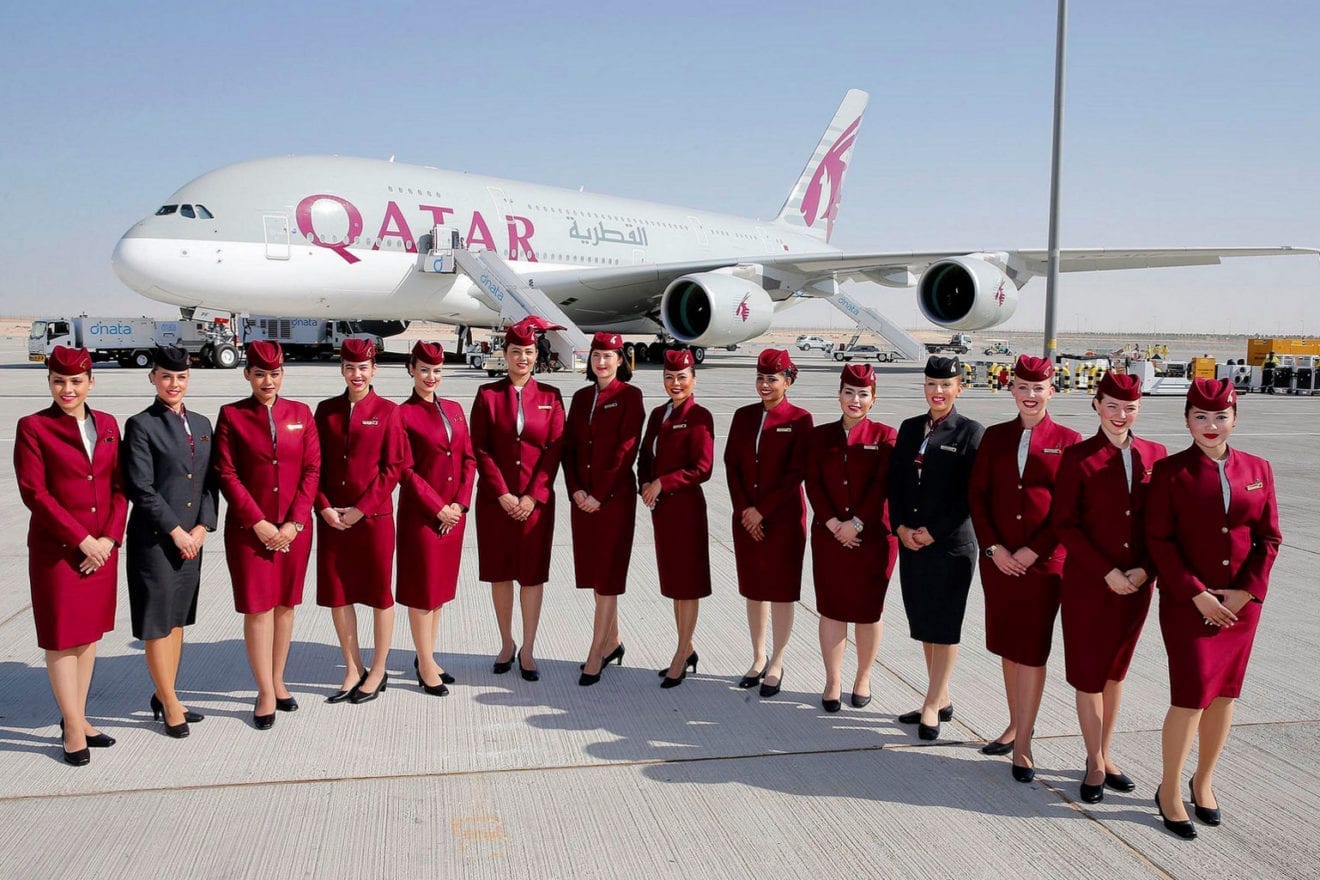
    Qatar Airways, the Doha-based airline, is set to divest its entire stake in Cathay Pacific Airways, a move that will mark its departure from the Hong Kong airline after an eight-year association. The transaction is estimated to be worth approximately $897 million.

    Stake Sale and Repurchase

    Late on Wednesday, Cathay Pacific reported that Qatar Airways had expressed an interest in offloading its 9.7% stake in the company. In response, Cathay intends to buy back the shares at a rate of HK$10.8374 (or $1.39) per share. This represents a roughly 4% discount to the closing share price prior to the announcement.

    Qatar Airways had initially acquired the stake in November 2017 from Kingboard Chemical Holdings, a Hong Kong firm. This investment made it the third-largest shareholder in Cathay Pacific, trailing behind Swire Pacific and Air China.

    Strategic Investment and Exit

    The investment in Cathay Pacific marked Qatar Airways’ first significant venture into an Asian airline. The move was intended to expand its global footprint and to increase passenger volumes through its Doha hub.

    According to Qatar Airways’ CEO, Badr Mohammed Al-Meer, the decision to exit Cathay Pacific aligns with the company’s disciplined investment strategy. This strategy has facilitated a period of strong performance, allowing the company to reassess its investments and plan for long-term growth.

    As part of its competitive strategy, the Middle Eastern airline has made a series of investments in airlines around the world. These investments include stakes in IAG, the parent company of British Airways, South American carrier LATAM, and Virgin Australia.

    Premium Buyback and Future Plans

    To acquire the stake, Cathay Pacific is set to pay a premium of approximately 35% over the original price paid by Qatar Airways. The Hong Kong airline plans to fund the transaction through its internal resources and existing credit lines.

    Patrick Healy, Chairman of Cathay Pacific, indicated that the stake buyback signals the company’s strong confidence in its future. The airline has proposed an ambitious investment plan amounting to HK$100 billion over the next seven years. This plan encompasses fleet renewal, cabin products, and lounge facilities.

    Upon completion of the deal, Swire Pacific, the controlling shareholder, will see its stake rise to 47.69%, up from 43.12%. Similarly, Air China’s shareholding will increase to 31.78%, up from 28.74%.

    Despite Qatar Airways’ planned exit, both airlines have committed to continuing their partnership via the Oneworld Alliance.

    Questions & Answers

    Why has Qatar Airways decided to sell its stake in Cathay Pacific?
    The decision aligns with the company’s disciplined investment strategy and follows a period of strong performance, allowing the company to reassess its investment portfolio.

    How will Cathay Pacific fund the buyback of the stake?
    Cathay Pacific will fund the transaction through its internal resources and existing credit lines.

    What impact will the stake sale have on Cathay Pacific’s shareholding structure?
    If the deal is approved, controlling shareholder Swire Pacific’s stake in Cathay will rise to 47.69%, while Air China’s shareholding will increase to 31.78%.

  • Adrian Cheng Unveils Almad Group, Targets Digital Transformation In Diverse Sectors

    Adrian Cheng Unveils Almad Group, Targets Digital Transformation In Diverse Sectors

    Adrian Cheng, a scion of one of Hong Kong’s wealthiest families and former CEO of major developer New World Development, has unveiled a new venture focused on the digital sector and burgeoning markets. The new firm, Almad Group, was introduced on Sunday.

    Almad Group’s Focus

    Almad Group sets its sights on digital assets and industries poised for a transformation, spanning entertainment, sports, media, healthcare, commercial management, and cultural tourism. Its geographical reach is expected to include mainland China, countries within the Association of Southeast Asian Nations (ASEAN), and the Middle East.

    The company also aims to broaden the international appeal of Cheng’s cultural brand, “K11 by AC”. Its Anime IP business already shows growth in mainland China and the Middle East.

    A Clear Mission

    Speaking about the newly established group, Cheng, who serves as founder and executive chairman, stated, “Our mission is clear: To build what the next generation needs and to shape a future economy filled with possibilities.”

    Cheng, a Harvard graduate, has a history of supporting start-ups in their early stages. His portfolio includes Chinese social media platform Xiaohongshu, EV manufacturer XPeng, and Hong Kong’s microfinance platform Micro Connect.

    Departure from New World

    Last September, the 45-year-old business tycoon resigned from his position at New World. The property developer, grappling with one of the largest debt burdens in the financial city, reported a record loss of $2.6 billion US dollars. Upon his departure, Cheng also acquired New World’s retail flagship K11 brand management.

    Since then, he has gradually stepped down from all roles within the family’s businesses, including the parent company Chow Tai Fook Enterprises.

    Questions & Answers

    What is the focus of Adrian Cheng’s new firm, Almad Group?
    Almad Group aims to target digital assets and transformative industries in sectors such as entertainment, sports, media, healthcare, commercial management, and cultural tourism.

    Which markets does Almad Group intend to target?
    The company plans to expand its reach to mainland China, ASEAN countries, and the Middle East.

    What was Cheng’s role in New World Development, and why did he leave?
    Adrian Cheng served as the CEO of New World Development but resigned as the company struggled with major debt issues and reported a record loss.

  • Allegro Funds Invests In Be Campbell: A Strategic Move To Modernise And Expand Operations

    Allegro Funds Invests In Be Campbell: A Strategic Move To Modernise And Expand Operations

    BE Campbell, an Australian pork processing company, has recently obtained an investment from Allegro Funds as part of their growth strategy. The Sydney-based, third-generation family business employs over 750 individuals and provides services to supermarkets, butchers, foodservice operators, and distributors throughout Australia.

    Investment for Expansion

    The capital acquired from Allegro Funds will be utilized to modernise BE Campbell’s processing operations, diversify its product offerings, and enhance its commercial platform. Ted Campbell, the company’s chairman, expressed that the investment is seen as an avenue to fortify the company whilst preserving its legacy and long-standing relationships within the supply chain.

    “Over the past 55 years, our business has seen consistent growth,” he said. “We are eager to continue working closely with our dedicated growers, suppliers, customers, and staff to deliver top-tier products to Australian consumers.”

    Stake Ownership

    Allegro Funds will hold the majority stake in BE Campbell. However, the Campbell family will maintain a significant but undisclosed stake and continue to participate in the company’s management.

    Jeffrey Largier, Managing Director of Allegro Funds, expressed their excitement at the prospect of the partnership with Ted Campbell, the Campbell family, and the entire BE Campbell team. According to Largier, BE Campbell’s established market position and strong track record were key attractors for the investment firm.

    Questions & Answers

    What will the investment from Allegro Funds be used for within BE Campbell?
    The investment will be used to modernise BE Campbell’s processing operations, diversify its product offerings, and expand its commercial platform.

    Who will hold the majority stake in BE Campbell post-investment?
    Allegro Funds will hold the majority stake in the company post-investment.

    Will the Campbell family remain involved in the company’s management post-investment?
    Yes, the Campbell family will retain a significant stake and continue participating in the company’s management.

  • Mcdonald’s To Boost Ai Investment By 2027, Eyes India As Data Governance Hub

    Mcdonald’s To Boost Ai Investment By 2027, Eyes India As Data Governance Hub

    McDonald’s, the renowned fast-food chain, has announced its intention to significantly increase its investment in artificial intelligence (AI) by 2027, foreseeing India as a principal center for data governance, engineering, and platform architecture. The news was delivered by Deshant Kaila, McDonald’s Head of Global Business Services Operations, last Friday.

    India as a Key Player

    McDonald’s, which made its foray into India in 1996, has a wide network of restaurants across the nation. The company recently opened a global office in the southern city of Hyderabad, which they plan to expand into their largest international office outside of the United States.

    While the company is still in the early phases of this AI-focused initiative, the exact amount of intended investment remains undisclosed. However, Kaila has given some insights into how McDonald’s is utilizing AI technologies to enhance its operations and services.

    Artificial Intelligence in Operations

    At present, McDonald’s is leveraging AI to corroborate orders at 400 of its restaurants, mitigating errors before orders reach customers. The company has set ambitious plans to extend this AI-driven order verification system to 40,000 of its locations worldwide by 2027, as revealed by Durga Prakash, Head of Technology (Global Offices).

    Moreover, AI tools are being employed by McDonald’s to project sales, determine pricing, and evaluate product performance. The fast-food chain is also developing a personalized app that customers can use globally. As per Kaila, the strategic push in India will be primarily focused on building its AI team, with more investment directed towards technology and tools rather than personnel.

    Expansion of Global Offices

    McDonald’s is also considering establishing another global office in Poland, similar to the ones in India and Mexico. Earlier this year, it was reported that the company would inaugurate a global capability center in Hyderabad, India, which is expected to employ about 2000 individuals.

    India’s global capability centers, formerly cost-effective outsourcing hubs for global businesses, have evolved and now provide support to their parent organizations across diverse areas, including operations, finance, research, and development.

    Questions & Answers

    What is McDonald’s strategy for AI investment by 2027?

    McDonald’s plans to significantly increase its investment in artificial intelligence (AI) by 2027. The company aims to utilize AI to improve operations, predict sales, set pricing, and evaluate product performance.

    How does McDonald’s plan to utilize AI in its operations?

    The fast-food chain is currently using AI to verify orders at certain locations to prevent errors before handing them over to customers. It is also using AI tools for sales forecasting, pricing decisions, and product performance assessments.

    Why is India a focus in McDonald’s AI strategy?

    India is a key focus in McDonald’s AI strategy due to its potential as a hub for data governance, engineering, and platform architecture. In addition, the company has recently opened a global office in Hyderabad, India, with plans to make it the largest outside the U.S.

  • HCMC Unveils Exciting Plans for $7B International Financial Hub: What You Need to Know!

    HCMC Unveils Exciting Plans for $7B International Financial Hub: What You Need to Know!

    Ho Chi Minh City is taking ambitious strides toward establishing an international financial hub, with an investment of VND172 trillion (approximately US$7 billion) fueling the project in District 1 and the Thu Thiem Urban Area. This significant undertaker promises to transform the landscape of financial services in Vietnam.

    Spanning 783 Hectares Across the Saigon River

    The proposed hub will cover a sprawling 783 hectares, elegantly positioned across areas interconnected by the Saigon River. The initial phase, which will span nine hectares in Thu Thiem, is set to house the headquarters for various regulatory and supervisory authorities, paving the way for a structured financial ecosystem.

    The city’s detailed proposal is currently under governmental review, with the first phase slated for development within the next two to three years. This segment will cost VND16 trillion, where VND2 trillion will be funded by the government and the remainder sourced from private investors.

    Attracting Top Talent with Training Initiatives

    Beyond the essential infrastructure and regulatory frameworks, Ho Chi Minh City is honing its strategy to attract the brightest minds to the hub. To bolster human resources, five training programs are earmarked for launch in 2025. Additionally, officials have embarked on missions to study successful financial center models in the U.K., Hong Kong, mainland China, and Kazakhstan, ensuring that the new hub will be competitive on a global scale.

    Notably, the government’s vision extends beyond Ho Chi Minh City, contemplating a similar financial hub initiative in Da Nang. The HCMC hub is expected to offer a diverse array of products and services, from banking and capital markets to asset and fund management.

    Innovative Financial Mechanisms on the Horizon

    As innovation takes center stage, the city plans to implement experimental mechanisms, or “sandboxes,” aimed at fostering fintech, innovation, and specialized trading platforms, alongside derivative markets. The government aspires for the Ho Chi Minh City sector of the hub to become operational by 2025, with a comprehensive completion targeted within five years.

    With a goal this grand, it’s safe to say Ho Chi Minh City is gearing up to play a pivotal role in the financial landscape of Asia. Imagine a bustling financial quarter reminiscent of the world’s best financial districts—exciting times are ahead!

    Questions & Answers

    What is the primary investment for the financial hub in HCMC?
    The planned international financial hub will require an investment of VND172 trillion (around US$7 billion).

    When is the first phase of the hub expected to be completed?
    The first phase is anticipated to be constructed within two to three years, aiming for a start in 2025.

    What initiatives will be implemented to develop human resources for the hub?
    Five training programs are set to launch in 2025, alongside efforts to study global financial center models to attract top talent.

  • Swiss Fintechs Unveil Streamlined Access to Institutional Crypto Investment Solutions

    Swiss Fintechs Unveil Streamlined Access to Institutional Crypto Investment Solutions

    In an exciting collaboration, Swiss crypto specialist Sygnum Bank and Zurich-based fintech GenTwo are streamlining the process for institutions looking to launch crypto investment strategies. Announced on Thursday, this new partnership significantly simplifies the pathway for financial institutions to introduce crypto products to the market, ensuring speed and minimizing friction.

    Innovative Offering for Institutions

    The joint offering beautifully intertwines GenTwo’s asset securitization platform, designed for Actively Managed Certificates (AMCs), with Sygnum’s robust crypto infrastructure. This powerful combination allows the swift creation of diverse products, including token baskets, staking portfolios, and crypto yield strategies—all without the constraints of traditional fund structures, onboarding delays, or the need for fiat transactions.

    Tailored Use Cases for Diverse Needs

    This initiative specifically targets institutional investors and intermediaries such as banks, asset managers, and family offices. Potential use cases are as creative as they are practical, including Bitcoin and Ether income portfolios, thematic investments in Web3, and daily net asset value (NAV) staking baskets. It also paves the way for banking institutions to dip their toes into crypto strategies without fully committing to large-scale fund structures.

    Unlocking Digital Asset Growth

    Philippe A. Naegeli, co-founder and CEO of GenTwo, expressed his enthusiasm, stating, “This is about unlocking the next chapter of digital asset growth. We’ve built the infrastructure needed for institutions to innovate with reduced operational friction, from front to back.” Meanwhile, Sygnum’s Chief Product Officer Dominic Lohberger emphasized that this collaboration merges Sygnum’s regulated digital asset offerings with GenTwo’s agile structuring platform. He also noted the significant reduction in counterparty risk through the innovative Sygnum Protect and the option for in-kind crypto subscriptions.

    With this partnership, the crypto landscape is not just evolving; it’s doing a little dance! Will we see financial institutions break out in dance over cryptocurrency, too?

    Questions & Answers

    What is the goal of the Sygnum and GenTwo partnership?
    The partnership aims to make it faster and easier for institutions to launch crypto investment products, thus unlocking the potential for digital asset growth.

    What types of products can institutions create through this new offering?
    Institutions can develop a range of products such as token baskets, staking portfolios, and crypto yield strategies without relying on traditional fund structures.

    Who is the target audience for this initiative?
    This initiative is specifically designed for institutional investors and intermediaries, including banks, asset managers, and family offices, looking to venture into the crypto space.