Tag: Investment

  • L’Oréal Boosts Chinese Presence with Second Investment in Domestic Beauty Brands

    L’Oréal Boosts Chinese Presence with Second Investment in Domestic Beauty Brands

    French cosmetics giant, L’Oréal, has announced its minority stake acquisition in Chinese skincare brand, Lan, signifying its second investment in China within recent months. This investment comes at a time when local brands in China are experiencing significant growth.

    L’Oréal has chosen not to disclose the size or cost of the stake. However, Vincent Boinay, L’Oréal North Asia president and China CEO, emphasizes the importance of China in the company’s global strategy. Boinay affirms the company’s faith in China as a key player in the future of the industry.

    “This investment demonstrates our belief that investing in China equates to investing in the future. We intend to continue to nurture the Chinese market and collaborate with additional Chinese brands to create a prosperous future. Our aim is to meet the expectations of discerning Chinese consumers,” stated Boinay.

    This investment in Lan follows L’Oréal’s recent acquisition of a 6.67 per cent stake in Chando – a transaction that cost the company 442 million yuan (US$62 million), according to last month’s prospectus for the Shanghai-based company’s Hong Kong IPO.

    China’s Growing Domestic Market

    International brands have encountered challenges in China’s beauty and personal care market. This $75 billion industry has seen a growing proportion of domestic market share, known as C-Beauty, shift to local brands in recent years. This has taken place amid a backdrop of slowing overall growth, attributed to a long-standing property crisis and broad concerns over job stability.

    Investing in popular domestic brands could serve as a shortcut for L’Oréal to capitalize on the momentum of C-beauty, according to Ben Cavender, MD at Shanghai-based China Market Research Group.

    “L’Oréal, along with other international brands, are facing considerable pressure from domestic brands, which are launching new products at a faster rate and often exhibit more aggressiveness in marketing new skincare ingredients, concepts, and routines,” Cavender said.

    Last month, L’Oréal CEO, Nicolas Hieronimus revealed that the group’s China business experienced a quarterly growth of around 3 per cent, marking its first increase in two years.

    Competing with Local Brands

    Consultancy data obtained from Frost & Sullivan indicates that Chando Group ranks as China’s third-largest home-grown beauty player in retail sales, following Proya and Chicmas. Both Chando and Lan emphasize natural, clean ingredients as their unique selling points.

    Yang Hu, Apac insight manager at Euromonitor International, suggests that Chando’s stronghold in the mass-market price range (mainly retailing between 49-390 yuan) and its accessibility in China’s smaller cities could offer resources to aid L’Oréal’s recovery in the country, without directly competing with the group’s central brands.

    Questions & Answers

    Why is L’Oréal investing in Chinese brands?
    L’Oréal is investing in Chinese brands to capitalize on the rapidly growing domestic market, which could provide a platform for their expansion and recovery in China.

    What challenges are international brands facing in China’s beauty market?
    International brands are facing pressure from domestic brands, which are launching new products more rapidly and executing more aggressive marketing strategies for new skincare ingredients, concepts, and routines.

    How is L’Oréal’s investment in Chando aiding their position in the Chinese market?
    Chando’s stronghold in the mass-market price range and its accessibility in China’s smaller cities could offer resources to aid L’Oréal’s recovery in the country, without directly competing with the group’s central brands.

  • Amundi Amplifies Asia Presence with Key Appointment in Investment Specialist Team

    Amundi Amplifies Asia Presence with Key Appointment in Investment Specialist Team

    Leading French asset management company, Amundi, has recently enhanced its team of investment specialists in Asia, welcoming a new addition to their ranks.

    New Appointment Bolsters Team

    Amundi has announced the appointment of Chloe Shea to the position of Head of Investment Specialists, Multi-Asset and Solutions for Asia, excluding Japan. In her new role, Shea will work closely with clients and portfolio managers. Utilizing Amundi’s research and investment platform, Shea is set to develop solutions that generate alpha.

    Hong Kong Base

    Shea will be based in Hong Kong and will report to Florian Neto, the Head of Investment for Asia, and Dan Levy, the Head of Solutions Business Development and Investment Specialists.

    Extensive Industry Experience

    Shea brings with her over 15 years of experience in client consulting, manager research, and multi-asset investments. Her previous roles include an Investment Director position at Schroder Investment Management’s multi-asset team. Earlier in her career, she was also employed at Manulife Asset Management and Towers Watson Investment Services.

    Questions & Answers

    Who has Amundi recently appointed to their investment specialist team in Asia?

    Amundi has recently appointed Chloe Shea as the Head of Investment Specialists, Multi-Asset and Solutions for Asia, excluding Japan.

    What will be Chloe Shea’s role?

    Chloe Shea will work closely with clients and portfolio managers to develop alpha-generating solutions using Amundi’s research and investment platform.

    What is Chloe Shea’s industry experience?

    Shea brings over 15 years of industry experience, including her previous role as an Investment Director at Schroder Investment Management’s multi-asset team. She has also worked at Manulife Asset Management and Towers Watson Investment Services.

  • Qatar Airways Divests $897M Stake in Cathay Pacific, Streamlining Investment for Future Growth

    Qatar Airways Divests $897M Stake in Cathay Pacific, Streamlining Investment for Future Growth

    Qatar Airways, the Doha-based airline, is set to divest its entire stake in Cathay Pacific Airways, a move that will mark its departure from the Hong Kong airline after an eight-year association. The transaction is estimated to be worth approximately $897 million.

    Stake Sale and Repurchase

    Late on Wednesday, Cathay Pacific reported that Qatar Airways had expressed an interest in offloading its 9.7% stake in the company. In response, Cathay intends to buy back the shares at a rate of HK$10.8374 (or $1.39) per share. This represents a roughly 4% discount to the closing share price prior to the announcement.

    Qatar Airways had initially acquired the stake in November 2017 from Kingboard Chemical Holdings, a Hong Kong firm. This investment made it the third-largest shareholder in Cathay Pacific, trailing behind Swire Pacific and Air China.

    Strategic Investment and Exit

    The investment in Cathay Pacific marked Qatar Airways’ first significant venture into an Asian airline. The move was intended to expand its global footprint and to increase passenger volumes through its Doha hub.

    According to Qatar Airways’ CEO, Badr Mohammed Al-Meer, the decision to exit Cathay Pacific aligns with the company’s disciplined investment strategy. This strategy has facilitated a period of strong performance, allowing the company to reassess its investments and plan for long-term growth.

    As part of its competitive strategy, the Middle Eastern airline has made a series of investments in airlines around the world. These investments include stakes in IAG, the parent company of British Airways, South American carrier LATAM, and Virgin Australia.

    Premium Buyback and Future Plans

    To acquire the stake, Cathay Pacific is set to pay a premium of approximately 35% over the original price paid by Qatar Airways. The Hong Kong airline plans to fund the transaction through its internal resources and existing credit lines.

    Patrick Healy, Chairman of Cathay Pacific, indicated that the stake buyback signals the company’s strong confidence in its future. The airline has proposed an ambitious investment plan amounting to HK$100 billion over the next seven years. This plan encompasses fleet renewal, cabin products, and lounge facilities.

    Upon completion of the deal, Swire Pacific, the controlling shareholder, will see its stake rise to 47.69%, up from 43.12%. Similarly, Air China’s shareholding will increase to 31.78%, up from 28.74%.

    Despite Qatar Airways’ planned exit, both airlines have committed to continuing their partnership via the Oneworld Alliance.

    Questions & Answers

    Why has Qatar Airways decided to sell its stake in Cathay Pacific?
    The decision aligns with the company’s disciplined investment strategy and follows a period of strong performance, allowing the company to reassess its investment portfolio.

    How will Cathay Pacific fund the buyback of the stake?
    Cathay Pacific will fund the transaction through its internal resources and existing credit lines.

    What impact will the stake sale have on Cathay Pacific’s shareholding structure?
    If the deal is approved, controlling shareholder Swire Pacific’s stake in Cathay will rise to 47.69%, while Air China’s shareholding will increase to 31.78%.

  • Adrian Cheng Unveils Almad Group, Targets Digital Transformation In Diverse Sectors

    Adrian Cheng Unveils Almad Group, Targets Digital Transformation In Diverse Sectors

    Adrian Cheng, a scion of one of Hong Kong’s wealthiest families and former CEO of major developer New World Development, has unveiled a new venture focused on the digital sector and burgeoning markets. The new firm, Almad Group, was introduced on Sunday.

    Almad Group’s Focus

    Almad Group sets its sights on digital assets and industries poised for a transformation, spanning entertainment, sports, media, healthcare, commercial management, and cultural tourism. Its geographical reach is expected to include mainland China, countries within the Association of Southeast Asian Nations (ASEAN), and the Middle East.

    The company also aims to broaden the international appeal of Cheng’s cultural brand, “K11 by AC”. Its Anime IP business already shows growth in mainland China and the Middle East.

    A Clear Mission

    Speaking about the newly established group, Cheng, who serves as founder and executive chairman, stated, “Our mission is clear: To build what the next generation needs and to shape a future economy filled with possibilities.”

    Cheng, a Harvard graduate, has a history of supporting start-ups in their early stages. His portfolio includes Chinese social media platform Xiaohongshu, EV manufacturer XPeng, and Hong Kong’s microfinance platform Micro Connect.

    Departure from New World

    Last September, the 45-year-old business tycoon resigned from his position at New World. The property developer, grappling with one of the largest debt burdens in the financial city, reported a record loss of $2.6 billion US dollars. Upon his departure, Cheng also acquired New World’s retail flagship K11 brand management.

    Since then, he has gradually stepped down from all roles within the family’s businesses, including the parent company Chow Tai Fook Enterprises.

    Questions & Answers

    What is the focus of Adrian Cheng’s new firm, Almad Group?
    Almad Group aims to target digital assets and transformative industries in sectors such as entertainment, sports, media, healthcare, commercial management, and cultural tourism.

    Which markets does Almad Group intend to target?
    The company plans to expand its reach to mainland China, ASEAN countries, and the Middle East.

    What was Cheng’s role in New World Development, and why did he leave?
    Adrian Cheng served as the CEO of New World Development but resigned as the company struggled with major debt issues and reported a record loss.

  • Allegro Funds Invests In Be Campbell: A Strategic Move To Modernise And Expand Operations

    Allegro Funds Invests In Be Campbell: A Strategic Move To Modernise And Expand Operations

    BE Campbell, an Australian pork processing company, has recently obtained an investment from Allegro Funds as part of their growth strategy. The Sydney-based, third-generation family business employs over 750 individuals and provides services to supermarkets, butchers, foodservice operators, and distributors throughout Australia.

    Investment for Expansion

    The capital acquired from Allegro Funds will be utilized to modernise BE Campbell’s processing operations, diversify its product offerings, and enhance its commercial platform. Ted Campbell, the company’s chairman, expressed that the investment is seen as an avenue to fortify the company whilst preserving its legacy and long-standing relationships within the supply chain.

    “Over the past 55 years, our business has seen consistent growth,” he said. “We are eager to continue working closely with our dedicated growers, suppliers, customers, and staff to deliver top-tier products to Australian consumers.”

    Stake Ownership

    Allegro Funds will hold the majority stake in BE Campbell. However, the Campbell family will maintain a significant but undisclosed stake and continue to participate in the company’s management.

    Jeffrey Largier, Managing Director of Allegro Funds, expressed their excitement at the prospect of the partnership with Ted Campbell, the Campbell family, and the entire BE Campbell team. According to Largier, BE Campbell’s established market position and strong track record were key attractors for the investment firm.

    Questions & Answers

    What will the investment from Allegro Funds be used for within BE Campbell?
    The investment will be used to modernise BE Campbell’s processing operations, diversify its product offerings, and expand its commercial platform.

    Who will hold the majority stake in BE Campbell post-investment?
    Allegro Funds will hold the majority stake in the company post-investment.

    Will the Campbell family remain involved in the company’s management post-investment?
    Yes, the Campbell family will retain a significant stake and continue participating in the company’s management.

  • Mcdonald’s To Boost Ai Investment By 2027, Eyes India As Data Governance Hub

    Mcdonald’s To Boost Ai Investment By 2027, Eyes India As Data Governance Hub

    McDonald’s, the renowned fast-food chain, has announced its intention to significantly increase its investment in artificial intelligence (AI) by 2027, foreseeing India as a principal center for data governance, engineering, and platform architecture. The news was delivered by Deshant Kaila, McDonald’s Head of Global Business Services Operations, last Friday.

    India as a Key Player

    McDonald’s, which made its foray into India in 1996, has a wide network of restaurants across the nation. The company recently opened a global office in the southern city of Hyderabad, which they plan to expand into their largest international office outside of the United States.

    While the company is still in the early phases of this AI-focused initiative, the exact amount of intended investment remains undisclosed. However, Kaila has given some insights into how McDonald’s is utilizing AI technologies to enhance its operations and services.

    Artificial Intelligence in Operations

    At present, McDonald’s is leveraging AI to corroborate orders at 400 of its restaurants, mitigating errors before orders reach customers. The company has set ambitious plans to extend this AI-driven order verification system to 40,000 of its locations worldwide by 2027, as revealed by Durga Prakash, Head of Technology (Global Offices).

    Moreover, AI tools are being employed by McDonald’s to project sales, determine pricing, and evaluate product performance. The fast-food chain is also developing a personalized app that customers can use globally. As per Kaila, the strategic push in India will be primarily focused on building its AI team, with more investment directed towards technology and tools rather than personnel.

    Expansion of Global Offices

    McDonald’s is also considering establishing another global office in Poland, similar to the ones in India and Mexico. Earlier this year, it was reported that the company would inaugurate a global capability center in Hyderabad, India, which is expected to employ about 2000 individuals.

    India’s global capability centers, formerly cost-effective outsourcing hubs for global businesses, have evolved and now provide support to their parent organizations across diverse areas, including operations, finance, research, and development.

    Questions & Answers

    What is McDonald’s strategy for AI investment by 2027?

    McDonald’s plans to significantly increase its investment in artificial intelligence (AI) by 2027. The company aims to utilize AI to improve operations, predict sales, set pricing, and evaluate product performance.

    How does McDonald’s plan to utilize AI in its operations?

    The fast-food chain is currently using AI to verify orders at certain locations to prevent errors before handing them over to customers. It is also using AI tools for sales forecasting, pricing decisions, and product performance assessments.

    Why is India a focus in McDonald’s AI strategy?

    India is a key focus in McDonald’s AI strategy due to its potential as a hub for data governance, engineering, and platform architecture. In addition, the company has recently opened a global office in Hyderabad, India, with plans to make it the largest outside the U.S.

  • HCMC Unveils Exciting Plans for $7B International Financial Hub: What You Need to Know!

    HCMC Unveils Exciting Plans for $7B International Financial Hub: What You Need to Know!

    Ho Chi Minh City is taking ambitious strides toward establishing an international financial hub, with an investment of VND172 trillion (approximately US$7 billion) fueling the project in District 1 and the Thu Thiem Urban Area. This significant undertaker promises to transform the landscape of financial services in Vietnam.

    Spanning 783 Hectares Across the Saigon River

    The proposed hub will cover a sprawling 783 hectares, elegantly positioned across areas interconnected by the Saigon River. The initial phase, which will span nine hectares in Thu Thiem, is set to house the headquarters for various regulatory and supervisory authorities, paving the way for a structured financial ecosystem.

    The city’s detailed proposal is currently under governmental review, with the first phase slated for development within the next two to three years. This segment will cost VND16 trillion, where VND2 trillion will be funded by the government and the remainder sourced from private investors.

    Attracting Top Talent with Training Initiatives

    Beyond the essential infrastructure and regulatory frameworks, Ho Chi Minh City is honing its strategy to attract the brightest minds to the hub. To bolster human resources, five training programs are earmarked for launch in 2025. Additionally, officials have embarked on missions to study successful financial center models in the U.K., Hong Kong, mainland China, and Kazakhstan, ensuring that the new hub will be competitive on a global scale.

    Notably, the government’s vision extends beyond Ho Chi Minh City, contemplating a similar financial hub initiative in Da Nang. The HCMC hub is expected to offer a diverse array of products and services, from banking and capital markets to asset and fund management.

    Innovative Financial Mechanisms on the Horizon

    As innovation takes center stage, the city plans to implement experimental mechanisms, or “sandboxes,” aimed at fostering fintech, innovation, and specialized trading platforms, alongside derivative markets. The government aspires for the Ho Chi Minh City sector of the hub to become operational by 2025, with a comprehensive completion targeted within five years.

    With a goal this grand, it’s safe to say Ho Chi Minh City is gearing up to play a pivotal role in the financial landscape of Asia. Imagine a bustling financial quarter reminiscent of the world’s best financial districts—exciting times are ahead!

    Questions & Answers

    What is the primary investment for the financial hub in HCMC?
    The planned international financial hub will require an investment of VND172 trillion (around US$7 billion).

    When is the first phase of the hub expected to be completed?
    The first phase is anticipated to be constructed within two to three years, aiming for a start in 2025.

    What initiatives will be implemented to develop human resources for the hub?
    Five training programs are set to launch in 2025, alongside efforts to study global financial center models to attract top talent.

  • Swiss Fintechs Unveil Streamlined Access to Institutional Crypto Investment Solutions

    Swiss Fintechs Unveil Streamlined Access to Institutional Crypto Investment Solutions

    In an exciting collaboration, Swiss crypto specialist Sygnum Bank and Zurich-based fintech GenTwo are streamlining the process for institutions looking to launch crypto investment strategies. Announced on Thursday, this new partnership significantly simplifies the pathway for financial institutions to introduce crypto products to the market, ensuring speed and minimizing friction.

    Innovative Offering for Institutions

    The joint offering beautifully intertwines GenTwo’s asset securitization platform, designed for Actively Managed Certificates (AMCs), with Sygnum’s robust crypto infrastructure. This powerful combination allows the swift creation of diverse products, including token baskets, staking portfolios, and crypto yield strategies—all without the constraints of traditional fund structures, onboarding delays, or the need for fiat transactions.

    Tailored Use Cases for Diverse Needs

    This initiative specifically targets institutional investors and intermediaries such as banks, asset managers, and family offices. Potential use cases are as creative as they are practical, including Bitcoin and Ether income portfolios, thematic investments in Web3, and daily net asset value (NAV) staking baskets. It also paves the way for banking institutions to dip their toes into crypto strategies without fully committing to large-scale fund structures.

    Unlocking Digital Asset Growth

    Philippe A. Naegeli, co-founder and CEO of GenTwo, expressed his enthusiasm, stating, “This is about unlocking the next chapter of digital asset growth. We’ve built the infrastructure needed for institutions to innovate with reduced operational friction, from front to back.” Meanwhile, Sygnum’s Chief Product Officer Dominic Lohberger emphasized that this collaboration merges Sygnum’s regulated digital asset offerings with GenTwo’s agile structuring platform. He also noted the significant reduction in counterparty risk through the innovative Sygnum Protect and the option for in-kind crypto subscriptions.

    With this partnership, the crypto landscape is not just evolving; it’s doing a little dance! Will we see financial institutions break out in dance over cryptocurrency, too?

    Questions & Answers

    What is the goal of the Sygnum and GenTwo partnership?
    The partnership aims to make it faster and easier for institutions to launch crypto investment products, thus unlocking the potential for digital asset growth.

    What types of products can institutions create through this new offering?
    Institutions can develop a range of products such as token baskets, staking portfolios, and crypto yield strategies without relying on traditional fund structures.

    Who is the target audience for this initiative?
    This initiative is specifically designed for institutional investors and intermediaries, including banks, asset managers, and family offices, looking to venture into the crypto space.

  • Thailand Boosts Economy with $15B Investment in Retail Growth

    Thailand Boosts Economy with $15B Investment in Retail Growth

    Thailand Plans $15 Billion Economic Stimulus to Combat GDP Slowdown

    In a strategic move to bolster its economy, Thailand’s Ministry of Finance has unveiled plans to inject over THB 500 billion (approximately $15 billion) aimed at increasing the nation’s GDP growth by more than 1.8%. The initiative focuses on stimulating consumer spending, enhancing investment, and providing soft loans as key drivers for economic recovery.

    Response to IMF’s Downward Revision

    This announcement comes in the wake of the International Monetary Fund (IMF), which has revised Thailand’s GDP growth forecast for 2025 from 2.9% down to 1.8%. This adjustment is largely attributed to the effects of reciprocal tariffs imposed by the United States. Notably, Thailand stands out as the only ASEAN nation with its GDP projection lowered to below 2%, and the IMF anticipates a further decline to 1.6% for 2026.

    Government’s Commitment to Economic Monitoring

    Deputy Prime Minister and Minister of Finance, Pichai Chunhavajira, described the IMF’s forecast as a preliminary evaluation. He acknowledged external challenges, including tariff policies from the U.S., but expressed confidence in the government’s ability to monitor economic conditions and implement timely stimulus measures to cushion any potential slowdown.

    “We are fully committed to maintaining growth at previous levels,” said Chunhavajira. He indicated that discussions are underway regarding appropriate funding sources for the stimulus package, involving collaboration with key agencies like the National Economic and Social Development Council and the Bank of Thailand.

    Strategic Use of Fiscal Resources

    Permanent Secretary of the Finance Ministry, Lavaron Sangsnit, emphasized Thailand’s robust fiscal position while outlining the strategic deployment of the THB 500 billion stimulus package. “Stimulating domestic consumption will generate immediate economic benefits, while investment is crucial for supporting structural reforms,” he noted.

    Funding sources for the initiative remain under consideration, including options for budget reallocation, utilizing THB 150 billion left from previous stimulus efforts, and leveraging state financial institutions for lending purposes. Further details on specific projects linked to the stimulus package are expected to be clarified by next month, depending on global economic trends.

    Implications for the Retail Sector

    This significant economic intervention by the Thai government is poised to have a considerable impact on the retail landscape, igniting consumer trends and brand expansion opportunities. As consumer demand surges in response to increased spending power, retailers may find new avenues to engage with customers, ultimately fostering growth in the domestic economy.

  • Vietnam Investment Seminar 2025: Strengthening Vietnam-Taiwan Retail Partnerships

    Vietnam Investment Seminar 2025: Strengthening Vietnam-Taiwan Retail Partnerships

    On May 9, a significant event targeting global investors will unfold at the Hsinchu Science Park in Taiwan. The Vietnam Investment Seminar promises to deliver essential insights into Vietnam’s burgeoning investment landscape, emphasizing collaboration opportunities and attractive incentives for foreign direct investment (FDI).

    Vietnam: A Rising FDI Powerhouse

    Vietnam is rapidly establishing itself as a leading destination for foreign investments, buoyed by a stable political environment and competitive incentives. The country’s modernization efforts have enhanced its industrial infrastructure, making it an appealing choice for international investors. Among its many provinces, Vinh Phuc stands out for its favorable industrial land availability, strategic location, and robust government support for businesses.

    Event Collaborators: Bridging Taiwan and Vietnam

    The seminar is a collaborative initiative by CNCTech Industrial and the Taiwan Science Park Association of Science and Industry (ASIP). The event will feature representatives from various Vietnamese ministries, highlighting the importance of government engagement in fostering foreign investment. ASIP encompasses companies from Taiwan’s leading science parks, including Hsinchu—often termed Taiwan’s “Silicon Valley.” This setup offers participants direct access to numerous high-tech partners and insights into successful industry practices.

    What to Expect from the Seminar

    Participants can look forward to a wealth of knowledge and networking opportunities, including:

    • Expert Presentations: Detailed discussions on Vietnam’s FDI incentives, investment procedures, and competitive advantages.
    • Showcasing Vinh Phuc Province: Insight into the province’s dynamic growth and industrial capabilities.
    • Case Studies: Success stories from Taiwanese companies thriving in Vietnam.
    • Networking Events: Engage directly with Vietnamese government representatives, CNCTech Industrial experts, and Taiwanese high-tech firms.
    • Investor Support Services: A comprehensive overview of CNCTech Industrial’s offerings, which include legal consultations and factory management.

    CNCTech Industrial, part of the larger CNCTech Group, will also showcase its standardized industrial parks and extensive investor support ecosystem. With over 600 hectares of industrial land in Vietnam, the company has successfully attracted a variety of FDI enterprises from Japan, Taiwan, China, and South Korea.

    Strengthening Ties for Future Growth

    The Vietnam Investment Seminar 2025 aims to cultivate new business connections while aligning Taiwan’s innovative industries with Vietnam’s expanding industrial base. By enhancing these relationships, the seminar seeks to spur the next wave of investment into Vinh Phuc and beyond.

    Event Details

    • Date: May 9, 2025
    • Venue: Meeting Room 203, 2nd Floor, Industrial Park Association Building, No. 2, Chien Yeh 1st Road, Hsinchu Science Park, Taiwan
    • Registration: Participants must register by May 6 here.

    As the retail sector continues to evolve, events like the Vietnam Investment Seminar not only foster international collaboration but also pave the way for increased consumer choice and economic benefits. With a concerted focus on investment, Vietnam’s growth trajectory is set to benefit not just investors, but consumers looking for greater product variety and innovation.

  • Vietnamese Consumers Drive Demand as 4th Largest Foreign Buyers of Australian Homes

    Vietnamese Consumers Drive Demand as 4th Largest Foreign Buyers of Australian Homes

    In a recent seminar in Ho Chi Minh City, Deborah Wiltshire, Sales Director at The Gurner Group, revealed exciting insights into foreign investment trends in Australia’s booming real estate market. According to data from Australia’s Foreign Investment Review Board, foreigners acquired 5,360 residential properties totaling approximately A$4.9 billion (US$3.1 billion) in 2022-23, with Vietnamese investors showing a notable increase in activity.

    Vietnamese Buyers Increasing Presence

    The appetite for Australian properties among Vietnamese investors has surged, with purchases rising by 15% during the same period. Vietnamese nationals accounted for 8-10% of off-the-plan apartment acquisitions, highlighting a growing trend in this critical market segment.

    Data from Victoria, the top destination for Vietnamese international students in 2024, indicates that sales to Vietnamese buyers have jumped by 10-12% year-on-year. Notably, properties priced between US$800,000 and $1.2 million have emerged as the most sought-after options among these investors.

    Student Attraction Fuels Demand

    A report from CBRE, a leading property consultancy, outlines that 60% of Vietnamese purchases aim to provide accommodation and educational opportunities, while 30% are for investment purposes and 10% cater to migration needs. The city of Melbourne stands out as a prime hotspot due to its urbanization, robust economy, and rich cultural diversity.

    With over one million international student enrollments recorded last year, Melbourne attracts students mainly from China, India, Nepal, the Philippines, and Vietnam. This influx has positioned the city as the fastest-growing capital in Australia, promising further development opportunities.

    Growth Outlook Amid Challenges

    Michael Paproth, Business Manager at The Gurner Group, noted that Australia’s population is projected to grow by 1.8% annually over the next five years, outpacing growth in established economies like Canada and the U.S. However, he also warned that housing development is struggling to keep up with demand, predicting a shortage of approximately 28,000 apartments in the coming years.

    As restrictions limit foreign buyers from acquiring existing properties, off-the-plan purchases attract a relatively low tax rate of 10%, especially when compared to markets like Singapore, which imposes significantly higher rates.

    Rising Wealth and Demand

    Notably, Vietnam is witnessing a steady rise in its high-net-worth population, with around 5,500 individuals boasting a net worth exceeding US$10 million as of 2024. This growth, estimated at 5-18% annually prior to the pandemic, and 2.4-5% post-COVID, fuels demand for overseas properties, including those in Australia.

    Implications for the Retail Sector

    The intensified interest from Vietnamese investors not only signals a promising shift in foreign investment dynamics but also reflects evolving consumer trends that could reshape Australia’s retail and property landscapes. As consumer preferences evolve, retail businesses may look to adapt and align with this growing demand for international investment opportunities.

  • Lender Sacombank eyes Bamboo Airways investment

    Lender Sacombank eyes Bamboo Airways investment

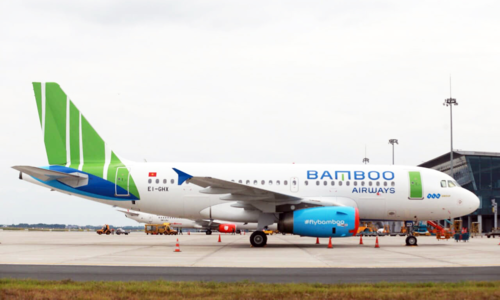
    Sacombank, a major creditor of Bamboo Airways, is seeking approval from economic regulators to invest in the local carrier.< Phan Dinh Tue, a Bamboo Airways board member, said at an unusual meeting on Friday that acombank is a credit institution supporting Bamboo Airways with capital. Hence, Sacombank is genuinely interested in the restructuring process of the airline and is expecting it to grow. Tue said Sacombank had expressed interest in providing more capital for Bamboo Airways. But being a credit institution, Sacombank’s move considered an outside-industry investment. That is why the bank is speeding up the processes to have regulators’ consent before the investment is possible. Bamboo Airways approved items related to the board’s new structure and changes to the company’s charter and the board’s operating regulations. The company also issued management regulations and directions to select strategic shareholders. Bamboo Airways’ general meeting of shareholders also agreed with Board Chairman Le Thai Sam’s recommendation on helping the board organize and review the company’s capital holdings, raise-reduced charter capital to serve the airline’s restructuring goal and mobilize capital from strategic shareholders. The goal is to expand the company’s flight network, and the quality of services. Bamboo Airways’ board now has five members: Le Thai Sam, Le Ba Nguyen, Nguyen Ngoc Trong, Phan Dinh Tue and Le Thi Truc Quynh. After dismissing three members, Bamboo Airways' supervisory board also elected three new people: Nguyen Thi Hong Cam, Pham Van Phung and Nguyen Dang Khoa. The number of company’s legal representatives was also reduced from three to two, including the board’s chairman and the director.

  • In House Content Development: Is It Worth The Investment?

    In House Content Development: Is It Worth The Investment?

    Content creation is important in the present time, especially when digital marketing is booming across the globe. With the world going online, pushing out relevant content for the consumers is extremely important for a business. With the help of content, it is possible to increase brand awareness and brand loyalty and further build customer engagement. 

    However, pushing out good content and that too consistently is difficult. This raises the question of whether one should have in-house content development or outsourcing is a good idea. In-house content development requires plenty of resources like the high-internet connection that you can verify on either Speed Test or PLDT, a proper dedicated team and financial resources. On the other hand, when you outsource content development, you must specify the guidelines. 

    It raises the question of whether one should engage in in-house content development or outsource it. Both of them demand investment in resources. However, which process is worth the investment?

    Outsourcing Content For Long Term Is Bad 

    In the beginning stage, many businesses outsource the content because it looks like the best option. It is the best option, especially when a business is just starting. However, in the long term, outsourcing content is a bad idea. Firstly, most businesses experience hiccups during the entire content generation process. The risk increases, especially when the client fails to meet the deadline. As a result, the return on investment decreases significantly. 

    Further, the client may not always know about the daily development of customers and prospects and aligning everyone at the same time always requires time and effort investment. Furthermore, if all the recent developments are not considered, the content quality suffers. On the other hand, the in-house content development team takes into account all these factors. Here are a few reasons why investment in in-house content development is worth it. 

    Deeper Understanding Of The Brand 

    A dedicated team working for the brand and constantly in touch with the development taking place in the company will always have a deeper understanding of the brand. Further, content creation requires experimentation. The in-house team can take the risks of experimenting with different content and further polish it depending on the requirement of the brand and customers. 

    Flow Of Ideas 

    An in-house team can easily access all the members working for the brand. Therefore, it becomes extremely easy to stay in touch and connect the different dots to create the perfect brand. One does not require to engage over email or phone again and again to change the instructions or to give out feedback. Graphic designers, product designers, photographers, and other key members can all work together to create the best content possible. 


  • 5 Things You Should Know about Singapore’s Global Investor Programme

    5 Things You Should Know about Singapore’s Global Investor Programme

    Among numerous efforts that the Singaporean government has made to drive up economic growth in the country, one of the initiatives that’s gotten the most traction is the Global Investor Programme (GIP). The GIP, an official division of Singapore’s Economic Development Board (EDB), is a programme whose goals are (1) to attract promising investors and entrepreneurs from across the globe, and (2) invite them to contribute their talents to Singapore’s world-class economy.

    If it’s been a dream of yours to work in Singapore—and to earn a comfortable life there for your family—find out if you’re eligible for the GIP. Here’s everything you need to know about Singapore’s flagship residency-by-investment programme.

    It Affords You the Chance to Secure Permanent Residency or Citizenship in Singapore

    One of the most appealing incentives of the GIP is that it serves as a way to attain either permanent residency (PR) or citizenship status in Singapore. If you are successful in your application, you’ll be able to earn a Singapore investment visa. This will allow you to work and reside in Singapore in the long term and even secure citizenship for you and your nuclear family two years after you obtain PR status.

    Not only will you be able to do business in Singapore and contribute your investment acumen towards the country’s economic growth, you will also be able to live in a city-state that is consistently lauded for its healthcare system, public infrastructure, and general quality of life. If it’s within reach, this is one of the best avenues to start a prosperous life in Singapore.

    It’s Open to Established Business Owners, Next-Generation Business Owners, Family Office Principals, and Founders of Fast-Growing Businesses

    At a glance, there are four types of investors who are welcome to apply to Singapore’s GIP:

    • An established business owner with rich entrepreneurial experience spanning at least 3 years, and whose annual business turnover is at least SGD 200 million
    • A member of a high-value family business whose immediate family possesses at least 30% of shares, and whose annual turnover for the said business is at least SGD 500 million
    • A founder and one of the largest shareholders of a fast-growing company that’s worth at least SGD 500 million
    • A family office principal with at least 5 years’ worth of experience in entrepreneurship, management, or investment activities and net investable assets of at least SGD 200 million

    Does your investor’s profile match any of these? If it does, look up the additional eligibility requirements from EDB and see if you meet them.

    You Must Be Involved in Certain Industries to Be Qualified for the Programme

    The GIP is a highly selective programme, and one criteria that an applicant must meet is that their business and investment interests must be represented in the GIP’s list of accepted industries. Some examples that reflect Singapore’s biggest economic drivers are the sectors of consumer business, automotive business, logistics and supply chain management, financial services, healthcare and medical technology, electronics, energy, and information communication. Other exciting areas of investment that are eligible under the GIP are aerospace engineering, marine and offshore engineering, nanotechnology, the arts, and sports businesses.

    A full list of eligible industries is available on the EDB’s official website. If you intend to apply for the programme, be sure that your sector is represented.

    You Can Invest in a New Business Entity, a GIP Fund, or a Family Office with SGD 200 Million in AUM

    There are three options for investing your money into the GIP, and they comprise the following:

    • Investing SGD 2.5 million in a brand-new business entity. If you choose this route, you will need to submit a detailed business or investment plan to the EDB complete with financial projections, anticipated expenditures, and employment schemes.
    • Investing in an existing GIP fund that’s based and incorporated in Singapore. The EDB will assess you based on the viability and thoroughness of your investment plans.
    • Investing in a new or existing family office with at least SGD 200 million in assets under management, or AUM. Offshore assets count, but at least SGD 50 million must be transferred to and held in Singapore.

    You Must Be Ready to Make Your Investment within 6 Months of Your Application Approval

    Lastly, if you’ve been approved for entry into Singapore through the GIP, you are required to complete your investment within six months of your application approval. This should be made through your personal bank account, under your sole name, with a Singapore-registered bank that’s based in the country.

    You will also need to take stock of all true copies of your investment documents, like bank statements, credit and debit advisories, a bank reference letter certifying the validity of the transaction, and other additional documents required by the EDB. Be prepared to complete this paper trail so that you are not amiss in your standing with the agency.

    Final Words

    The requirements may be tedious and the field may be quite competitive, but you’ll have an exceptional opportunity to live and invest in Singapore if your GIP application is successful. Contact an authorised representative from the EDB and see how you can get started on the application process!

  • Panasonic Makes $5 Billion Investment For EV Batteries & Management Software

    Panasonic Makes $5 Billion Investment For EV Batteries & Management Software

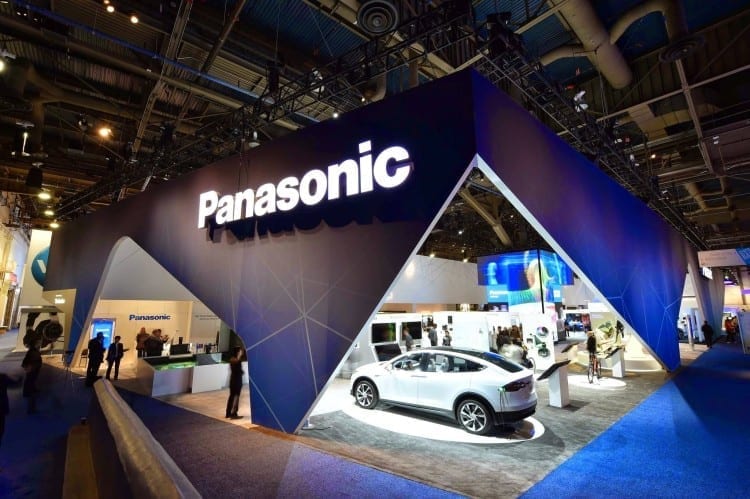
    After flailing through the 2000s as a consumer electronics giant and missing out on the mobile boom, Panasonic found itself a new life with electric cars taking off when Elon Musk and Tesla made the bold and audacious bet on the industry in the mid-2000s. Now, to complete its reinvention it has announced an investment of $4.9 billion which is for batteries and supply chain software as this industry becomes central to Panasonic.

    Panasonic is not betting the farm on electric cars as a big chunk of this investment is also on hydrogen fuel cell-based solutions. Panasonic is targeting an overall operating revenue of $12.2 billion in the next three years.

    Panasonic is a 104-year-old company that used to be one of the top consumer electronics players alongside the likes of Sony but in the 2000s its star started to fade. Its new CEO Yuki Kusuma has pivoted Panasonic towards electric car batteries. In fact, he backed the project behind Tesla’s tab-less battery cells that are now being deployed by the world’s most valuable automaker.

    It is in talks for a site for manufacturing these batteries in the US and chances are the multi-billion dollar plant. While doing this, it is also doubling down on supply chain software and battery management tools. It acquired Blue Yonder in 2021 for $7.1 billion which will now be deeply embedded in Panasonic’s hardware.