Tag: Investment

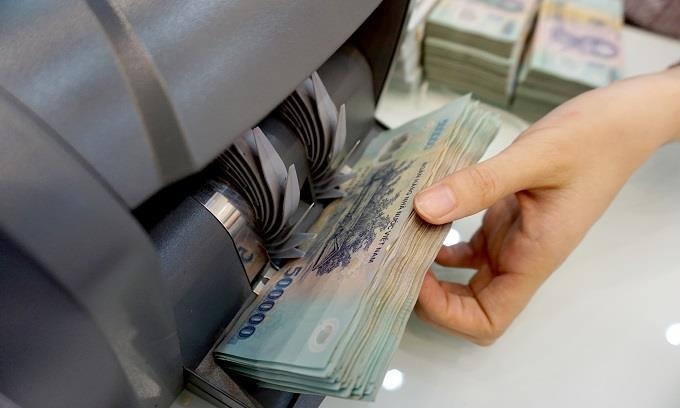
  • Vietnam Jan-Feb FDI inflows up 9.8 pct to $2.58 bln

    Vietnam Jan-Feb FDI inflows up 9.8 pct to $2.58 bln

    Vietnam received $2.58 billion in foreign direct investment (FDI) in January-February, up 9.8 percent from the same period a year earlier. FDI pledges, which indicate the size of future FDI disbursements, were more than 2.5 times higher than the same period last year, climbing to $8.47 billion, the Ministry of Planning and Investment said in a statement on Tuesday.

    Of the pledges, 81.8 percent are to be invested in manufacturing and processing, while 5.6 percent would go to real estate, the ministry said.

    Hong Kong was the top source of FDI pledges in the period, followed by Singapore and South Korea.

    The Southeast Asian country reported a record high FDI inflows of $19.1 billion last year, up 9.1 percent.

  • CapitaLand tops out Raffles City Chongqing

    CapitaLand tops out Raffles City Chongqing

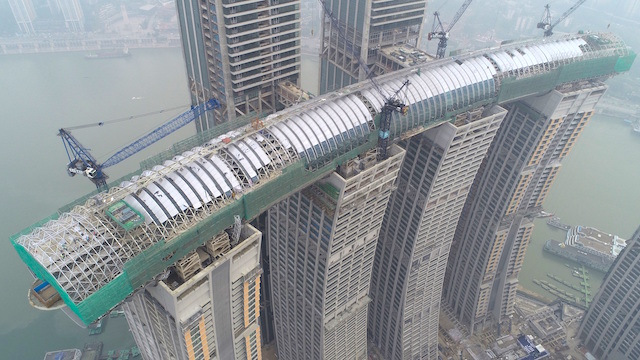
    CapitaLand has topped out the eighth and final skyscraper of Raffles City Chongqing, expecting to launch it in phases from the second half of this year. This follows the completion of the 200m-high bridge The Crystal which connects six of the towers. “The successful topping out of Raffles City Chongqing represents a new milestone in CapitaLand’s track record of building well-designed integrated spaces,” said Lucas Loh, president (China & investment management) of CapitaLand Group.

    “After six years of construction using state-of-the-art engineering technologies, we are proud to present in Raffles City Chongqing an iconic architectural form resembling a powerful sail surging forward on the historic Chaotianmen site.”

    Following Raffles City Chongqing’s structural completion, the group is now focusing on the interior fit-out works, including transplanting trees to enliven The Crystal sky bridge, which will feature the tallest observation deck across Western China.

    Retail offering

    The development’s five-storey shopping mall will house some 450 retailers of fashion, dining, lifestyle and entertainment.

    Anchor retail tenants committed to date include Chinese electric vehicle company Nio, which will open its largest showroom there, a 1500sqm space also serving as an “exclusive clubhouse” Nio owners.

    South Korean cinema chain CGV will open its 5600sqm flagship and popular bookstore Yanjiyou will open a regional flagship, featuring a lifestyle cafe and other creative and experiential offerings.

    Ole’ will operate a gourmet supermarket with a food hall serving a wide range of fresh produce and international specialties.

    In a tribute to the 3000-year-history of Chongqing, the mall will feature a dedicated zone to promote authentic Made-in-Chongqing products, such as local delicacies, handicrafts and souvenirs.

    Occupying 9.2ha, Raffles City Chongqing brings together a 235,000sqm shopping mall, 150,000sqm of Grade A office space, about 1400 residential apartments, Ascott Raffles City Chongqing serviced residence and InterContinental Raffles City Chongqing hotel.

  • Foreign investors return to surging Vietnamese stock markets

    Foreign investors return to surging Vietnamese stock markets

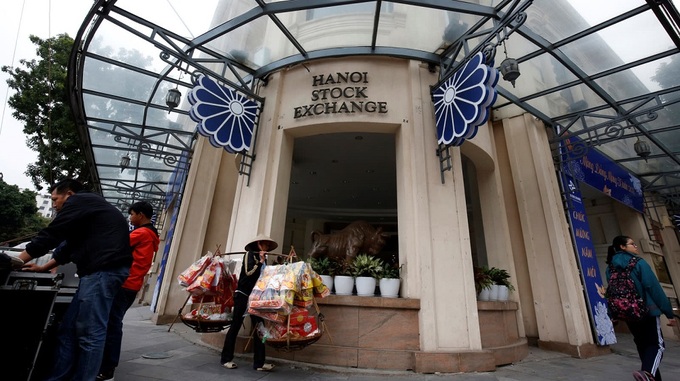
    At over VND3 trillion ($129.21 million), foreign buying in the local bourses from February 1-25 is three times the January figure. Foreign investment since the beginning of the year has been worth over VND4.3 trillion ($185.16 million). They have been focusing on blue chips like Hoa Phat (HPG), one of Vietnam’s leading steel producers. The company, ignored for the last several months, returned to the portfolio of foreign investors and saw millions of shares traded every day in February.

    In the 11 sessions after the market reopened February 11 after the nine-day Lunar New Year (Tet) holiday from Feb 2-10, foreigners bought 20 million shares for more than VND600 billion ($25.8 million). A month earlier they had been net sellers of over 10 million shares.

    Other blue chips like Vietnam’s biggest dairy company Vinamilk (VNM), private conglomerate Masan Group (MSN) and the biggest bank by assets Vietcombank (VCB) have all run up quite sharply as a result of buying by foreign investors.

    The benchmark VN-Index has gained more than 100 points this year, equivalent to over 11 percent. On Monday it closed at 994.43 points, within touching distance of the psychological 1,000-point mark.

    Foreigners have played a significant role in the recovery, having invested over VND4.3 trillion ($185.16 million) in the period, almost half of it since Tet.

    According to Rong Viet Securities Company, foreign investment this year could actually go down as a result of the reduction in monetary easing and fiscal stimulus across the globe this year, meaning there is less foreign cash available to invest in marginal markets such as Vietnam.

    But it also points out that Vietnam is on the verge of being upgraded to ‘emerging’ market, which could be a positive sign for foreign investors.

  • Foreign investment crucial to Vietnamese banks in 2019: Moody’s

    Foreign investment crucial to Vietnamese banks in 2019: Moody’s

    Most Vietnamese banks fall short of international capital adequacy norms and have to focus on attracting foreign capital this year, Moody’s has said. The credit rating agency said in a release Monday that “the underdevelopment of the domestic capital markets” means the banks would have to look to foreign investors to meet the capital requirement of 8 percent of risk-weighted assets to cover operational risks.

    Raising capital has been a struggle for Vietnamese banks in recent years. Major state-owned banks such as BIDV and Vietinbank have for long been making plans to increase charter capital but in vain.

    BIDV, the second largest listed bank, has had charter capital of nearly VND34.19 trillion ($1.46 billion) unchanged since 2015.

    Last November it planned to sell a 17.65 stake to South Korea’s KEB Hana Bank to increase it to over VND40.22 trillion ($1.73 billion), but the deal has not been consummated.

    Vietinbank, the fourth largest listed bank, has seen its capital remain unchanged since 2014 at VND37.23 trillion ($1.59 billion).

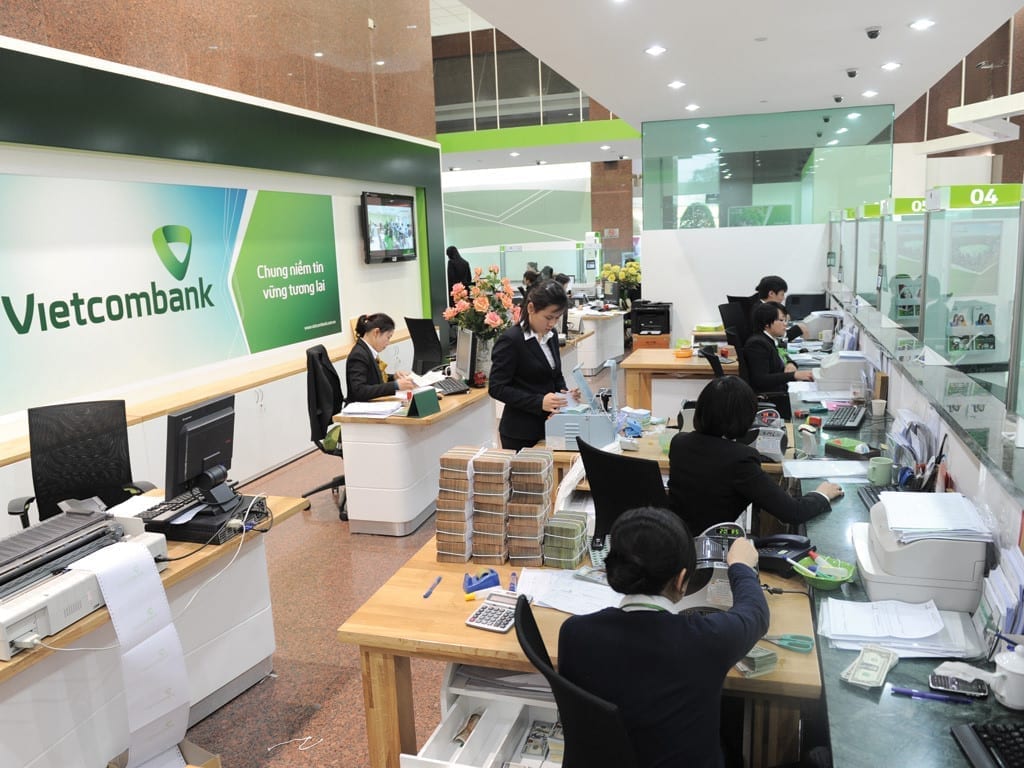
    Only Vietcombank, the largest listed bank in the country, last month raised VND6.2 trillion ($265.86 million) from selling a 3 percent stake to foreign investors, as part of its plan to ultimately sell 10 percent.

    BIDV and Vietinbank had offered to pay its largest shareholder, the State Bank of Vietnam (SBV), the previous year’s dividends in stocks and not cash to increase their capital, but the central bank refused saying it needed the cash.

    Moody’s added that the banks’ capitalization will strengthen this year because of stronger profitability and stable credit growth.

    It said that Vietnamese banks last year achieved a higher aggregate return on assets for a second year running, registering a rise of 1.1 percent from 0.9 percent in 2017.

    Aggregate net income for the banks rose 35 percent to VND70 trillion ($3 billion) in 2018 from the previous year, it said.

    “For 2019, Vietnamese banks that Moody’s rates will achieve a further improvement in profitability, again because of wider net interest spreads and lower credit costs,” said Rebaca Tan, a Moody’s analyst.

    “Credit growth will stay stable over the same period because of tighter control by the State Bank of Vietnam, and asset quality will improve further, as the banks continue cleaning up their balance sheets.”

  • Gold prices rise on trade talk optimism; Fed stance limits gains

    Gold prices rise on trade talk optimism; Fed stance limits gains

    Gold prices edged higher on Friday as optimism over U.S.-China trade talks pressured the dollar, but signs of the U.S. Federal Reserve raising interest rates again this year capped gains. Spot gold inched 0.1 percent higher to $1,324.59 per ounce at 0408 GMT. The metal was headed for a second straight weekly rise, up almost 0.3 percent. The precious metal had hit a 10-month high on Thursday, but later erased the gains.

    U.S. gold futures were subdued at $1,327.7 per ounce.

    “On a day-to-day basis, gold is a function of changing currency markets and the U.S. dollar. Medium outlook is a lot more to do with geopolitical issues and yields,” said Kyle Rodda, a market analyst with IG Markets.

    The dollar index against a basket of six major currencies was set to decline about 0.3 percent this week, which could be its biggest weekly fall in a month..

    “The fact that gold was overbought-driven very much by a new yield environment and tensions around the world has helped keep gold prices elevated,” Rodda said.

    Gold had hit a 10-month high of $1,346.73 on Wednesday, but minutes from the Fed’s January policy meeting indicated there might in fact be a rate hike this year, erasing gains in gold.

    “Dovish signals from U.S. Federal Open Market Committee officials for the shorter term have kept global equities steady whilst applying bearish pressures on the non-interest bearing asset,” Phillip Futures said in a note.

    Higher interest rates reduce investor interest in non-yielding bullion.

    Markets were looking for further indications of progress on trade talks with U.S. and Chinese negotiators resuming high-level talks on Thursday to hash out a deal that could end their trade war, just over a week before a U.S.-imposed deadline.

    The United States and China have started to outline commitments in principle on the stickiest issues in their trade dispute, marking the most significant progress yet toward ending a seven-month trade war, according to sources familiar with the negotiations, Reuters reported exclusively.

    Indicative of investor sentiment toward bullion, holdings of SPDR Gold Trust, the world’s largest gold-backed exchange-traded fund, fell 0.63 percent to 789.51 tonnes on Thursday.

    Meanwhile, palladium was up 0.3 percent to $1,473.00 per ounce, having surpassed the key $1,500 level for the first time on Feb. 20.

    The autocatalyst metal was on track for a third straight week of gains, up nearly 3 percent. Platinum gained 0.6 percent to $824, and was set for its best week since early January.

    Silver was little changed at $15.81 per ounce. It was on course to snap two consecutive weekly losses.

  • Allianz Malaysia earnings up 15.3% to RM100m in fourth quarter

    Allianz Malaysia earnings up 15.3% to RM100m in fourth quarter

    Allianz Malaysia Bhd’s earnings increased by 15.3% in the fourth quarter ended Dec 31, 2018 (Q4) to RM100.04 million, from RM86.78 million in the previous corresponding quarter mainly due to higher underwriting profit from motor business arising from lower claims and management expenses. For the quarter under review, the general insurance segment recorded a profit before tax of RM78 million, an increase of 15.7% as compared to the preceding year quarter.

    Meanwhile, the life insurance segment recorded a profit before tax of RM50.3 million, a decrease of 15.5% due mainly to higher group claims.

    Allianz reported a 7.63% increase in revenue to RM1.3 billion in Q4 from RM1.21 billion, driven by higher gross earned premiums and investment income.

    For the full year, its net profit grew 30.9% to RM377.02 million from RM287.96 million a year ago, while revenue was up 7.9% to RM5.18 billion from RM4.8 billion previously.

    The general insurance industry reported a marginal growth of 1.5% in gross written premium for the year ended Dec 31, 2018.

    Allianz said the group anticipates similar trend in the medium-term given the economic uncertainty and subdued consumer sentiments.

    However, it said the general insurance segment will continue to offer innovative products and services in anticipation of a fully liberalised insurance market while further expanding its multi-distribution model to maintain market leadership.

    For the life insurance segment, Allianz will continue to leverage on the strength of its multi-distribution channels and increase productivity across distribution channels to generate growth.

    The group will also continue to focus on optimising the performance of its insurance businesses and expect to maintain satisfactory results in 2019, it added.

  • Foot Locker boosts capital expansion

    Foot Locker boosts capital expansion

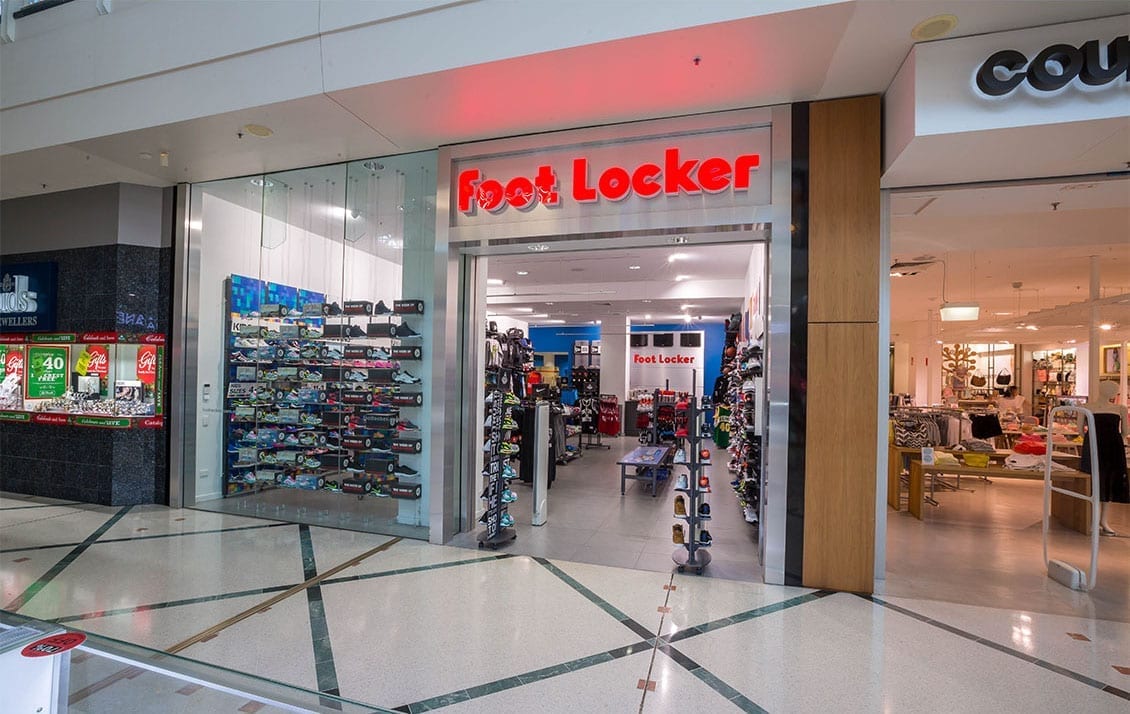
    Foot Locker has announced a US$275 million capital expenditure program for this year, with Asia singled out as a target market. The investment is $75 million more than the US-headquartered sports-shoe and apparel retailer allowed for last year. “The capital spending planned for this year reflects increased investments in the company’s store fleet in all existing regions, including Asia, and in its digital initiatives,” the company said in a statement.

    “In addition, the company will continue to spend capital to build out its supply chain and other infrastructure capabilities.”

    Chairman and CEO Richard Johnson said Foot Locker sees “exciting opportunities” to invest in the business this year. The capital commitment followed decisions to launch a share buy-back program and to pay a dividend to shareholders.

    “Taken together, these actions demonstrate that our board is confident that Foot Locker can simultaneously deliver strong financial results, invest in the long-term growth of the business, and provide meaningful returns to our shareholders,” he said.

    Foot Locker currently operates 3221 stores in 27 countries in North America, Europe, Asia, Australia and New Zealand.

    In Singapore, Foot Locker opened three stores last year, in Jem Mall, Century Square and Suntec City.

  • Samsung to invest more in education programs

    Samsung to invest more in education programs

    Samsung Electronics will expand investments to develop youth education programs, it said Monday. The company’s three division heads sent an in-house broadcast to employees that day to share a newly set mission: “Enabling people,” which means to help people discover and develop their innate potential. A particular target will be put on developing programs for teens. The theme that will lay out the direction for this corporate social responsibility campaign is “Education for future generations.”

    Samsung has conducted corporate social responsibility (CSR) activities in the past, but this is the first time the company has publicly announced its mission. It comes a month after Samsung de facto leader and Vice Chairman Lee Jae-yong pledged to fully commit in taking on social responsibility as Korea’s leading conglomerate in a meeting with President Moon Jae-in at the Blue House.

    The No. 1 local company by market cap, Samsung Electronics already has a vast lineup of ongoing CSR programs, including educational ones. The designation and public announcement of the new mission, however, signals that the company will be expanding investment in the sector.

    Although there are no concrete plans at the moment, a spokesman explained there will be an increase in programs for teens. Now that there is a fixed mission, the programs will also be organized in a more “structured” way instead of the company and affiliates independently devising programs on their own.

    “We should realize a new model for future education that is based on our know-how in technology and innovation,” said Samsung President Kim Hyun-suk, who leads the consumer electronics division.

    In Monday’s message, there was a repeated emphasis on Samsung’s increased role in society. President Koh Dong-jin, who heads the mobile device business, for example, stressed that no company can communicate with customers if they do not consider social values.

    The word social responsibility has become increasingly common at Samsung recently, including in statements for the launch of a research center for fine dust and an official apology to former workers in November who got sick working at chip factories. The drive is particularly evident since Vice Chairman Lee returned to the company’s helm after his release from prison last year, which some industry watchers say is a move to improve the conglomerate’s public image.

  • Malaysia property market to remain flat in 2019: Rahim & Co

    Malaysia property market to remain flat in 2019: Rahim & Co

    The property market is expected to remain flat this year before picking up again next year, said Rahim & Co International Sdn Bhd. Executive chairman Tan Sri Abdul Rahim Abdul Rahman said the property market will remain flat across all sectors this year, except for the warehousing sub-sector, which will be driven by growth of e-commerce.

    He said the overall market will take about 12 months to begin picking up, in line with the anticipated resolution of the trade war between the US and China.

    Rahim & Co director of research Sulaiman Akhmady Mohd Saheh said the residential market will take one to two years to improve due to affordability issues while the office market will remain slow for more than a year due to incoming supply.

    He said asking rents for offices have dropped 20% while effective rents have dropped 8-10%.

  • SoftBank Ventures invests in Trevari, a Korean book club

    SoftBank Ventures invests in Trevari, a Korean book club

    SoftBank Ventures announced Tuesday it invested 4.5 billion won ($4 million) in Trevari, a Korean book club operator. Fast Investment, another venture capitalist firm, invested an additional 500 million won in Trevari’s first publicly-announced funding round.

    “While adults today are reading less and less, the Trevari team has proven the success of its business model through quality book clubs,” said a spokesperson from SoftBank Ventures.

    Founded in 2015, Trevari operates paid membership-based book clubs. Members can sign up to join Trevari’s 300-plus book clubs located around Seoul and meet up with fellow members every month to discuss books on topics of their preference.

    Some of the book clubs are headed by special experts in the field, including former Naver CEO Kim Sang-hun.

    As of last August, over 13,600 individuals have participated in Trevari’s book clubs.

    A four-month membership costs between 190,000 won and 290,000 won.

  • E-commerce firm Zilingo bags US$226m in funding

    E-commerce firm Zilingo bags US$226m in funding

    Singapore online fashion market Zilingo has achieved capital investment of $226 million in a Series D funding round. The investments were made by the firm’s existing backers, including Sequoia Capital, as well as newcomers Temasek Holdings and EDBI, and will support the business’s expansion into fresh markets in the Philippines, Indonesia and Australia, as well as build new infrastructure and modernise its supply chains.

    A report in DealStreetAsia last January suggested that Zilingo was considering listing an IPO with a view to developing offline retail.

    “Sequoia’s investment in Zilingo dates back to when the company wasn’t even yet incorporated and the name wasn’t finalised,” said Sequoia Capital (India) Singapore MD Shailendra Singh.

    “Ankiti and team have rapidly transformed their original ideas about Zilingo into a platform company that serves fashion consumers, merchants, retailers, brands and manufacturers, collectively representing a multi-hundred billion dollar market size.”

    Zilingo serves more than 20,000 merchants and retailers across Southeast Asia. It is currently valued at an estimated $1 billion.

  • Vietnamese logistics startup raises $5.5 mln in latest funding round

    Vietnamese logistics startup raises $5.5 mln in latest funding round

    Logivan, a web platform that helps trucks connect with potential customers, said it has raised $5.5 million in the latest funding round. The investment comes from two Asian angel investors and Indonesian venture capitalist Alpha JWC Ventures. One of the angel investors is David Su, a founding managing partner at private equity firm Matrix Partners China, who invested through his family office.

    He said: “Vietnam is the next rising star in the growing Southeast Asia region and it is well poised to experience a similar growth trajectory as we witnessed over the past years in China.

    “Vietnam’s logistics industry is highly fragmented, logistics costs make up 23 per cent of Vietnam’s GDP, with 90 per cent of trucks in Vietnam being owned by individuals. Given the success of Manbang (a Chinese truck-hailing firm), we believe that Logivan has the potential to emulate its success.”

    According to e27, an online Tech media platform for Asia, Logivan will be investing in data analysis to optimize user experience, artificial intelligence, truck-matching, and pricing algorithms to minimize empty trips and in human resources.

    Last year, Logivan raised $600,000 in April from Singapore-based Insignia Ventures Partners and $1.75 million in August from Singaporean private equity firms Ethos Partners and Insignia and Vietnamese investment fund VinaCapital Ventures.

    It has raised a total of $7.9 million to date.

    Founded in 2017 by Cambridge graduate Pham Khanh Linh, the company offers a logistics service which optimizes trucks’ routes and minimizes empty return trips.

    She came up with the idea after observing that 60-70 percent of trucks in Vietnam returned empty after dropping off their loads because they could not connect with potential customers.

    In 2018 Logivan claims to have connected more than 22,000 transportation partners with every major commercial truck type. It also has 10,000 shipping companies registered on its system.

  • Sears gets away from bankruptcy

    Sears gets away from bankruptcy

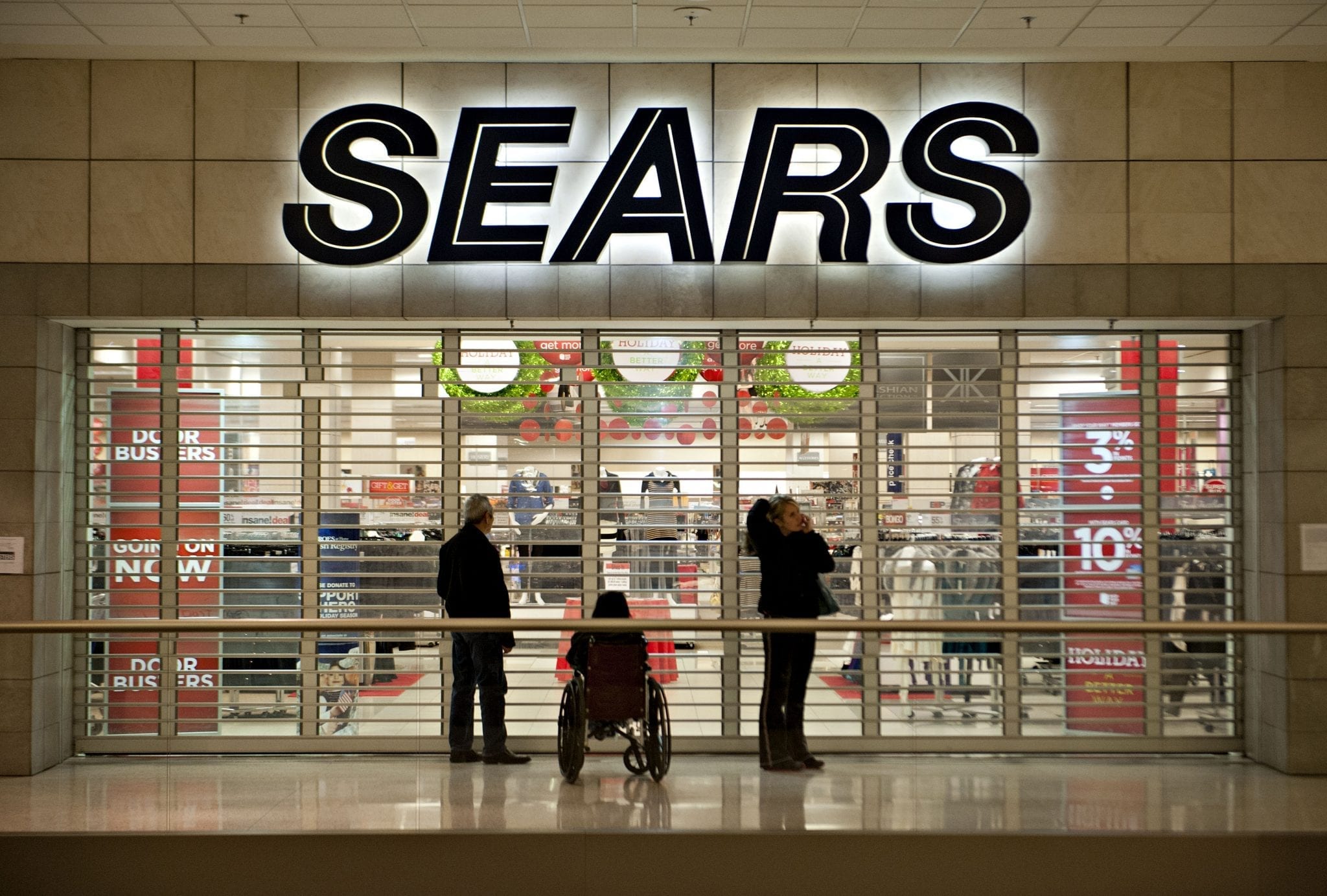
    Sears Holdings chair Edward Lampert’s US$5.2 billion bid to save 425 Sears and Kmart stores and roughly 45,000 jobs from liquidation was approved by a US bankruptcy court judge last week. Lampert’s bid, which he made through his hedge fund ESL Investments Inc., was approved by Judge Robert Drain after a hearing spanning several days in a White Plains, NY, federal bankruptcy court.

    Terms of the sale allow for some litigation to continue against Lampert and ESL.

    Drain said that Lampert, the only bidder offering to keep Sears alive, had been subjected to substantial verbal abuse during the proceedings, with critics characterising the Sears chairman’s plan a scheme to rob the company and its creditors of assets.

    “He is a wealthy individual and a big boy and I guess he can take it,” Drain said, adding that some of the abuse may have been justified.

    As CEO and chairman, Lampert’s time at Sears led to cost-cutting efforts that had resulted in a decline in sales, store closures, and inventory reductions.

    He arranged the US$11 billion merger between Sears and discounter Kmart in 2005 and tried for years to boost business.

    The company’s restructuring officer Mohsin Meghji and company directors Bill Transier and Alan Carr were among those questioned on the witness stand during the court hearing on Lampert’s offer.

    Lampert, who stepped down as CEO when the department store chain filed for bankruptcy in October last year, remained the retailer’s chairman, largest shareholder and creditor. A restructuring committee of independent directors negotiated with Lampert and his advisers.

    Lampert’s offer, which had been rejected more than once, came after the retailer had been pushed to the brink of liquidation multiple times. In the end, he increased his initial offer by $800 million, largely in the assumption of Sears’ bills for taxes and merchandise.

    As per a report, Drain grew impatient as the proceedings wore on Thursday, when a creditor’s committee lawyer argued an objection to the takeover bid.

    It added money owed to lawyers, bankers and other advisers working on the retailer’s bankruptcy case also proved contentious as Sears lacked enough money to meet all its obligations.

    The report added Lampert still remains exposed to lawsuits related to certain transactions he engaged in while leading Sears before filing for bankruptcy.

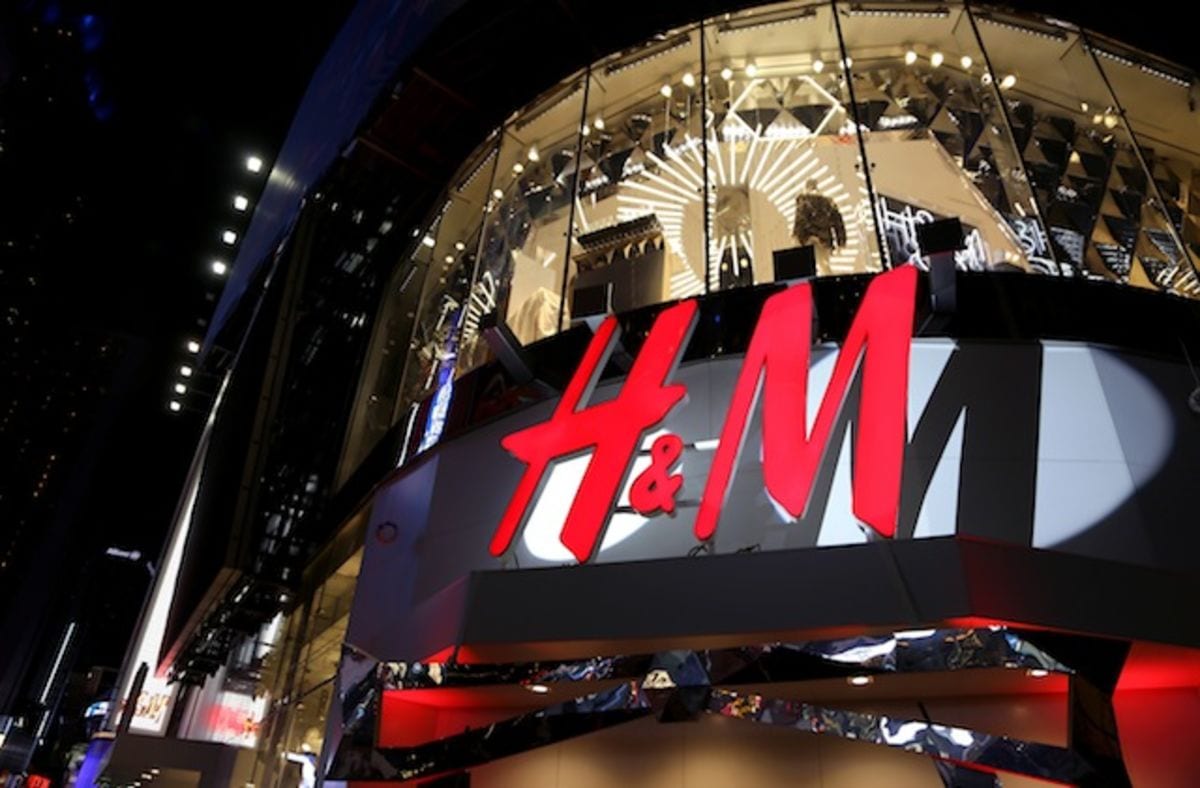
  • H&M profit drops due to online investment

    H&M profit drops due to online investment

    H&M profit dropped in the year to November 30, the Swedish fast-fashion retailer blaming investment in its online business for the decline. The world’s second largest clothing retailer embarked on a transformation program last year, investing heavily in logistics and digital technology aiming to improve the shopping experience and product range. This included an upgrade in its mobile app, faster deliveries and the rollout of click-and-collect.

    The company is also working on a new H&M concept store.

    In the last three months of its financial year, the company spent around US$48.5 million on logistics and technology, including resolving problems it flagged earlier last year.

    H&M CEO Karl-Johan Persson said the upgrade in the company’s logistics systems inevitably resulted in increased costs but will lead to a range of improvements for customers.

    “Against a backdrop of rapid changes in the fashion industry, in 2018 we accelerated our transformation to future proof our business, ending a challenging year for the H&M Group and the sector with strong signals that we are on track,” he said.

    Persson said it may have been a challenging year for H&M and the industry but after a difficult first half, there were signs the company’s transformation efforts were beginning to take effect.

    H&M posted a 5 per cent increase in full-year revenue to $22.7 billion, while in local currencies, net sales rose by 3 per cent. Profit fell by 21.8 per cent to $1.36 billion from the same period last year.

    Online sales rose 22 per cent to SEK 30 billion ($3.2 billion) and now comprise 14.5 per cent of the company’s total revenue.

    “With a stronger customer offering and the ongoing improvements in buying and logistics, we expect this trend to continue,” Persson said.

    “While this performance is still some way off the targets that we set at the beginning of 2018, these positive signals confirm we’re making progress across all our strategic focus areas: to create the best customer offering; a fast, efficient and flexible product flow; a stable scalable tech foundation; and adding new growth through store and online expansion.”

    According to Persson, the company opened three new fulfilment centres in the fourth quarter with a total of around 230,000sqm so it can offer customers faster deliveries and a wider assortment while reducing the capacity constraints that slowed them down in some markets in 2018.

    “We have also completed our online transition with investments in 2018, enabling us to successfully migrate online in Germany to the new platform earlier in January 2019,” he said. “With this, all H&M online markets are now on the new platform.”

    Persson said the difficulties with the logistics upgrade in some of their markets earlier in 2018 led to additional costs in the fourth quarter.

    “Applying lessons learned, we have not increased investments to secure upcoming transitions.”

    He added that while these initiatives have a short-term impact on margin, they will lead to continued improvements for their customers, driving increased profitability in the long term.

    “With the transformation now underway, capital expenditure will reduce this year compared to last and we will continue to shift the balance of our investments towards digital.

    “Changing consumer behaviour and technological innovation will continue to transform how and when people shop, we are building a business with the flexibility to respond to this constant evolution.”

  • South Korea’s Hyundai bet big on hydrogen technology

    South Korea’s Hyundai bet big on hydrogen technology

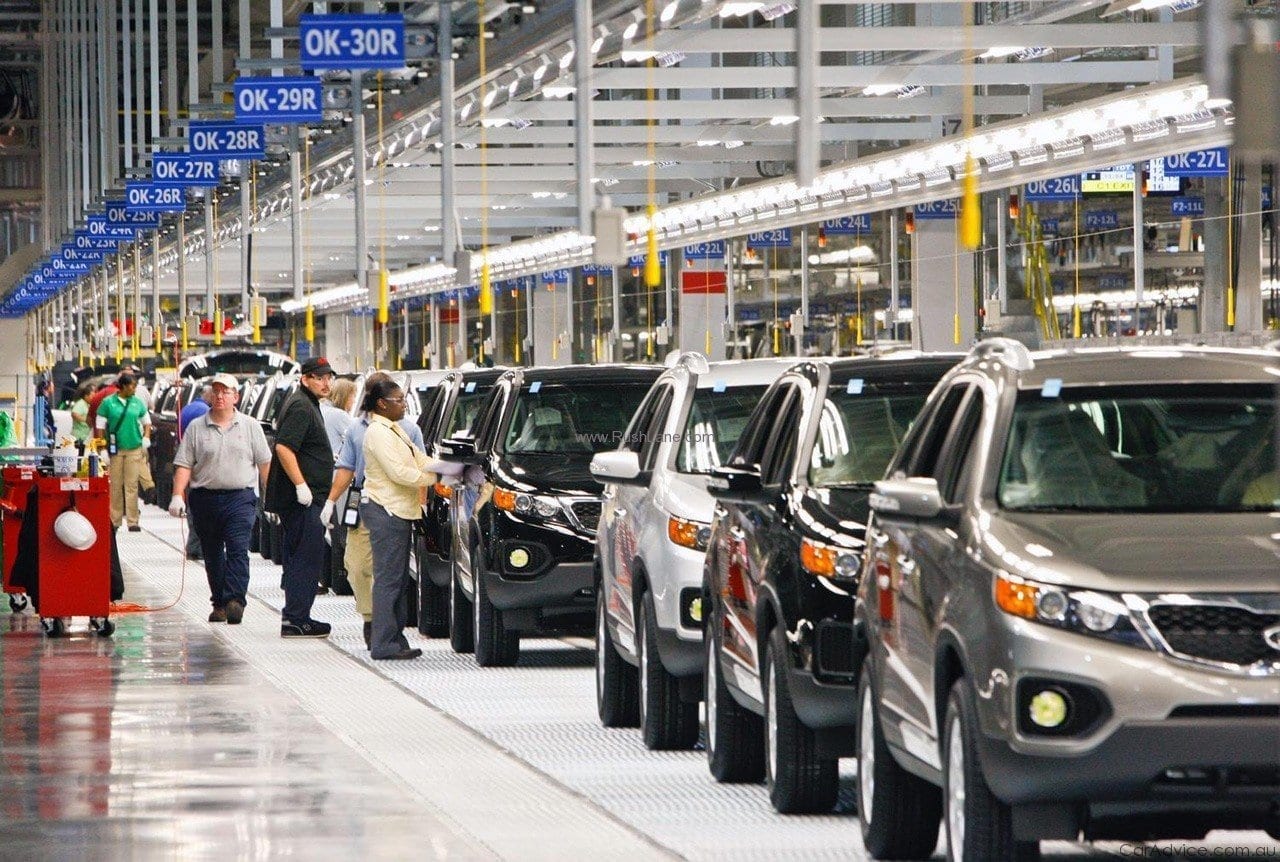
    South Korea’s largest carmaker Hyundai Motor is hoping to revive its flagging fortunes by building more hydrogen-powered cars, as part of the country’s bid to become a leader in hydrogen technology by 2040. Last October in the United States, the company launched Nexo, an SUV that goes 609km on a single charge, has no battery, and puts out nothing but water vapour from its exhaust. And in December, it announced it would spend US$6.7 billion from now till 2030 on hydrogen technology.

    But its commitment to hydrogen fuel cell-powered cars is confounding some experts even though they agree the carmaker, the fifth-largest in the world by sales but struggling in the Chinese and American markets, needs to keep innovating.

    Namuh Rhee, former managing director of Merrill Lynch and now a professor at Yonsei University in Seoul, said the focus on hydrogen cars was “questionable” because of the huge costs involved, while “virtually all other global car makers” had made big plans to produce battery-powered electric vehicles (EVs). The country also has a shortage of refilling stations for hydrogen vehicles in comparison to the growing number of charging stations for EVs.

    Figures in the car industry, such as Tesla CEO Elon Musk, had previously called hydrogen cars “mind-bogglingly stupid”, pointing out that developers were looking too far ahead at untested technology, even though the battery-powered solution to cleaner vehicles already existed.

    Hyundai’s plan, though, is aligned with President Moon Jae-in’s strategy to boost the local hydrogen economy. In a speech on January 17, he noted that a major part of the plan would involve ramping up the production of hydrogen fuel cell electric vehicles, which currently trail battery-powered electric vehicles in popularity.

    Moon promised laws would be modified to allow hydrogen production to thrive, while there would be subsidies to encourage demand for hydrogen-powered vehicles.

    He said the country had produced 1,824 hydrogen cars as of end-2018, with more than half being exported. This year, the number would rise to 4,000, with a goal of 1.8 million cars by 2030.

    The advantages of domestic hydrogen production and distribution, he said, was that it would ease South Korea’s heavy dependence on energy imports – which currently provide 95 per cent of the country’s energy needs.

    “If the country is able to be relatively energy self-sufficient through the hydrogen economy, it will be possible to steer our economic growth more [in a more stable way] and safeguard our energy security more steadfastly,” he said.

    Hyundai, a pillar of the South Korean economy and partially owned by the family that founded it, still needs to prove that hydrogen is the technology of the future, and that it is capable of reinventing itself.

    Last month, the carmaker’s executive vice-chairman Chung Euisun – who is the apparent heir to his father, the company chairman Chung Mong-koo – joined a coalition of CEOs lobbying for hydrogen to be a bigger part of the global energy mix.

    Chung Eui-sun, 48, is now a co-chair of the Hydrogen Council, which counts Chinese oil and gas enterprise Sinopec, American multinational 3M and German automotive firm Daimler among its members.

    At the same time, Hyundai, which commands only 4 per cent of the Chinese and American car markets – down from almost 10 per cent in both a decade earlier – is also building electric vehicles. The company had previously announced it would release 44 models of electric vehicles (EV) by 2025, and last month, the Indonesian government announced the carmaker would set up its first Southeast Asian factory there to build electric cars for both export and domestic use.

    Rhee pointed out Hyundai had been slow to make the transition to EVs and autonomous driving, while other analysts said the company was at least three years behind competitors like Volkswagen, which is set to make electric versions of all its vehicles by 2030, and General Motors, which will have 20 EV models out by 2020.

    To show its commitment to innovation though, the company recently got two vice-chairmen in charge of research and development, both aged 64, to step down in December. It then appointed Albert Biermann, who formerly headed BMW’s M division and created several iconic cars, to head R&D efforts. Other engineers from BMW have also crossed over to join Biermann.

    Seoul-based capital markets analyst Steve Chung, of investment group CLSA, said Hyundai had undergone “massive management reshuffling” with younger people taking control of major functions in the company.

    “Maybe it’s a bit late, but I say better late than never. That’s why the share price has been rebounding,” said Steve Chung, who is not related to the family that founded Hyundai. In 2018, Hyundai Motor’s stock nosedived from its high of over 260,000 Korean won in 2013, to below 95,000 won (US$85) last November. It is now at 129,500 won.

    Ghim Hyunjoon, a company representative, said Hyundai was making great strides in its “cooperation with various start-ups, academics [and the like] to lead the future mobility market”. The carmaker also owns a minority stake in the country’s second-largest car company, Kia Motors.

    Last month, Hyundai took home two top awards from the Detroit Auto Show for best car and best SUV. It also unveiled in Las Vegas the world’s first holographic navigation system, which projects images on to the windscreen to guide drivers through turns and alert them to dangers. The system was born out of a collaboration with Swiss-headquartered augmented reality company WayRay, suggesting the infamously closed-door carmaker is starting to embrace start-ups as it looks to the future.

    Despite its recent wins, the outlook for Hyundai is still challenging, as the younger Chung acknowledged in a New Year’s speech to staff last month. He is expected to soon formally succeed his father, who is 80 years old.

    Analysts suggest the global car market is shrinking. Ageing baby boomers in the US are making fewer new vehicle purchases, while ride-hailing is expected to reduce car ownership overall, according to an industry report from consulting firm Bain & Company.